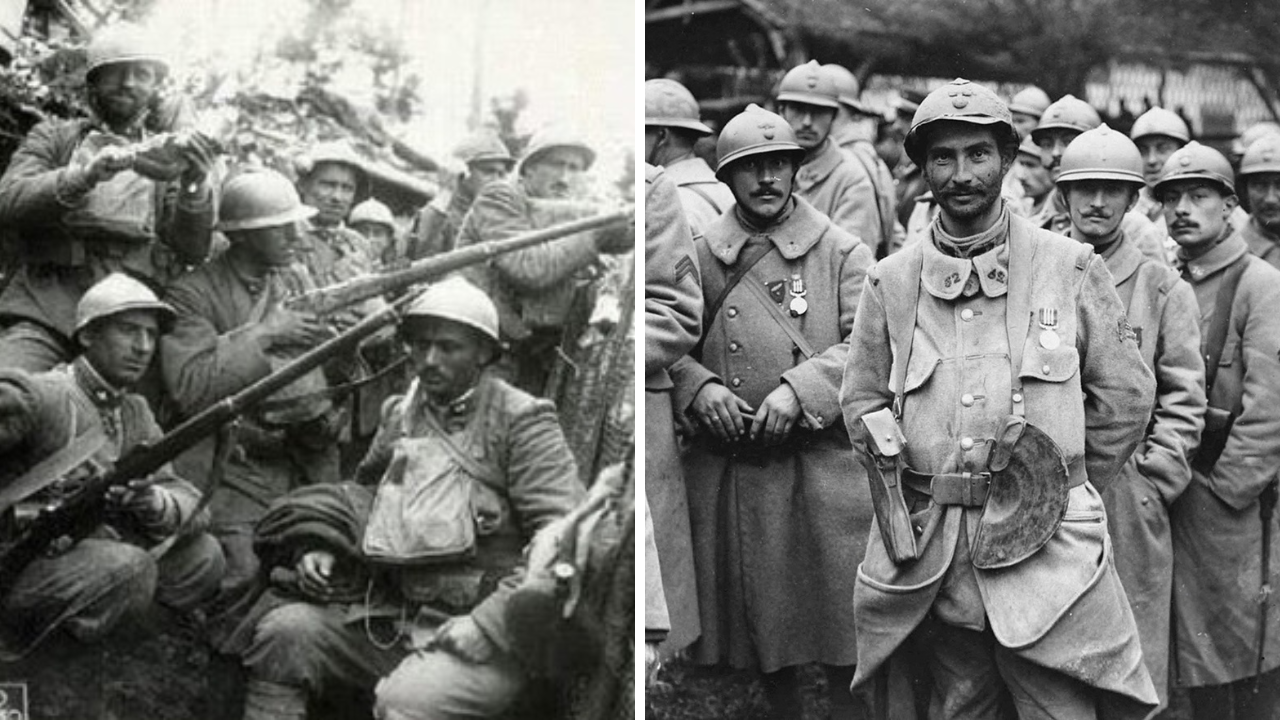
World War I was full of astonishing events and strange circumstances, many of which are rarely mentioned in history classes. From acts of bravery to bizarre wartime inventions, here are 15 more incredible WWI facts that reveal how extraordinary this conflict really was.
Soldiers from Around the World Fought in Europe
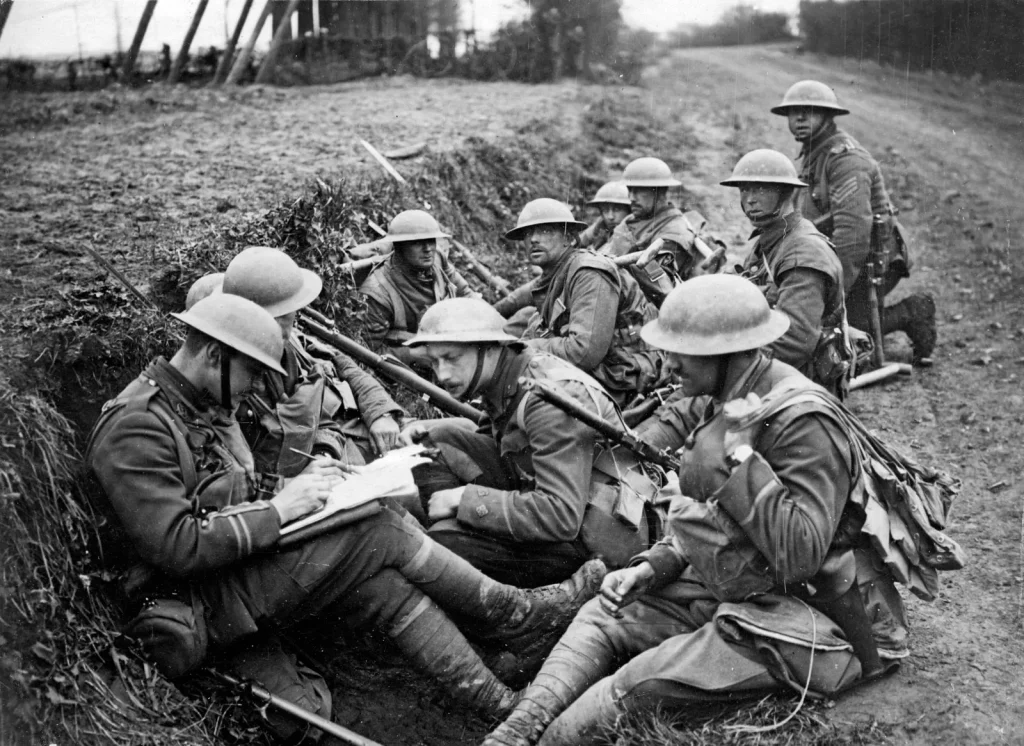
While the main battles were in Europe, soldiers from colonies in Africa, India, Australia, and Asia played crucial roles on the front lines and in support roles.
China Sent Laborers to Aid the Allies
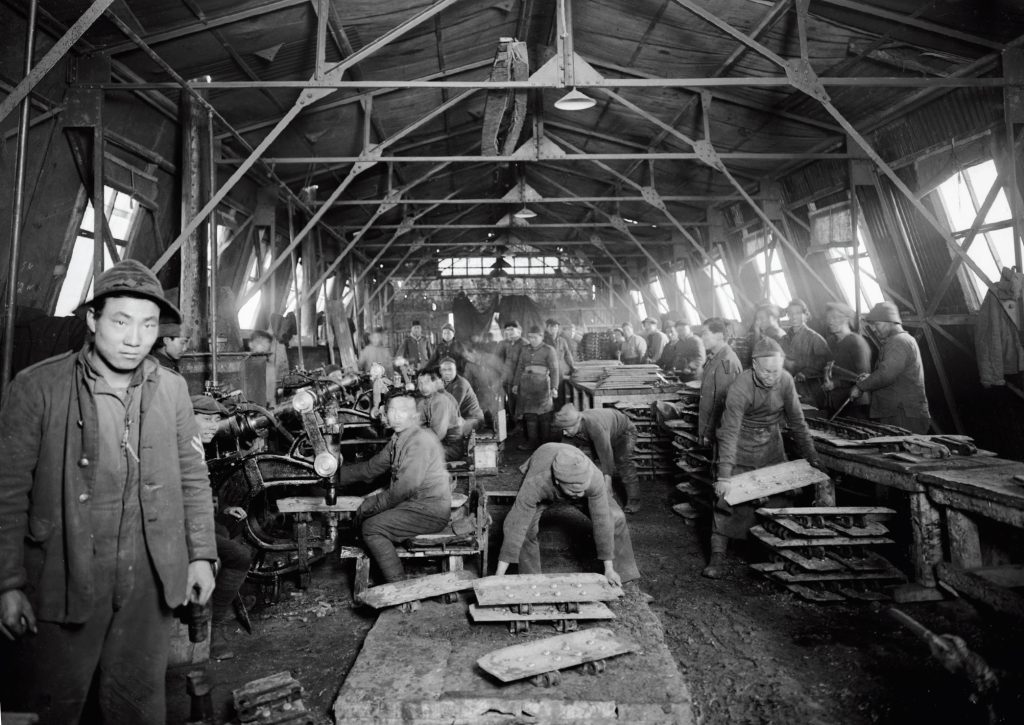
Though officially neutral, China contributed roughly 200,000 workers who repaired equipment, built roads, and supported Allied operations behind the front lines.
Japan Helped in the Mediterranean
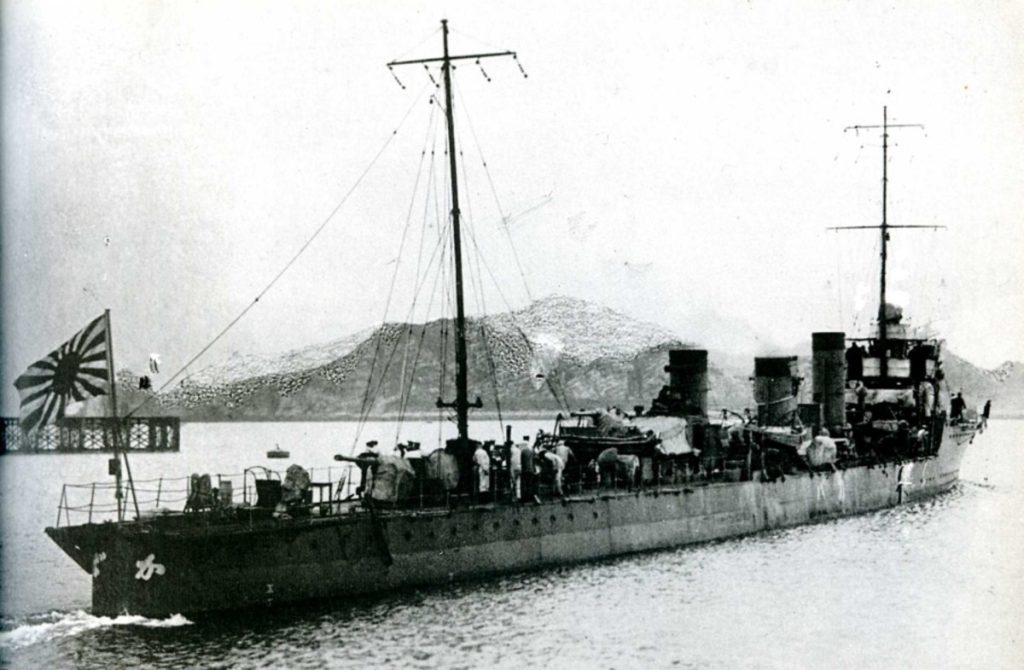
Japan sent ships to assist Britain in Mediterranean naval battles, demonstrating how WWI drew in countries far beyond Europe.
Millions of Africans Served in the War
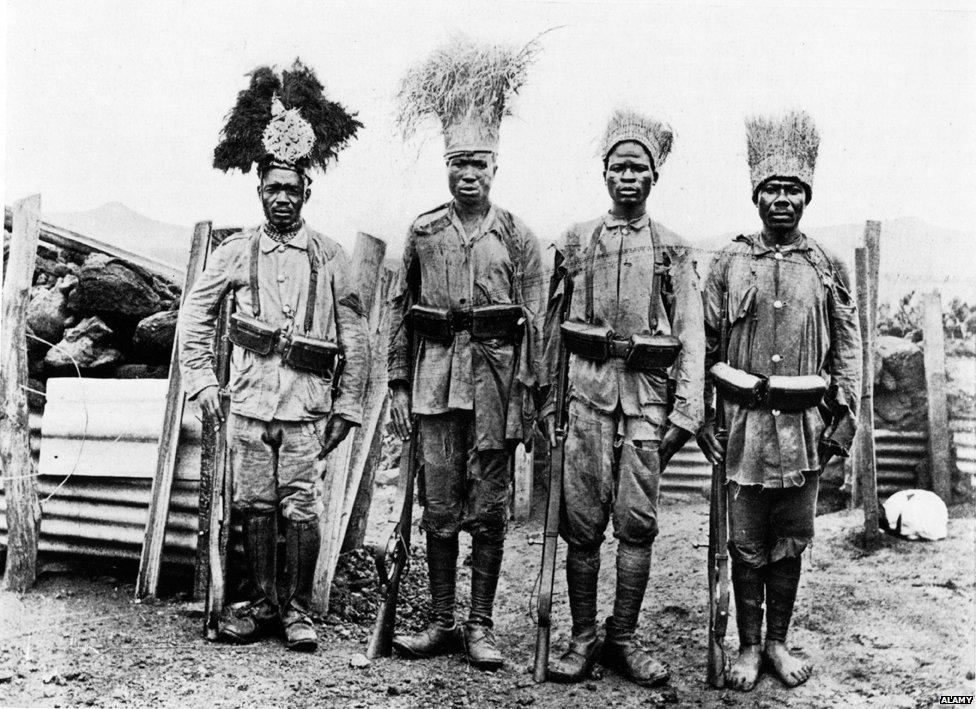
Approximately 2.5 million Africans were mobilized as soldiers or laborers to support European powers, often in dangerous and demanding conditions.
The United States Mobilized 4 Million Men
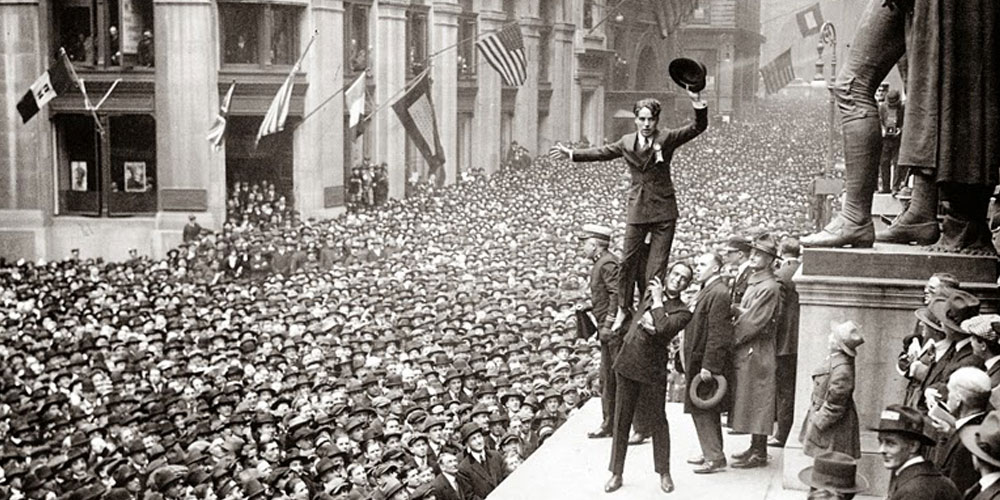
After joining in 1917, the U.S. contributed 4 million troops, significantly impacting the final phases of the war.
Colonial Obligation to Fight
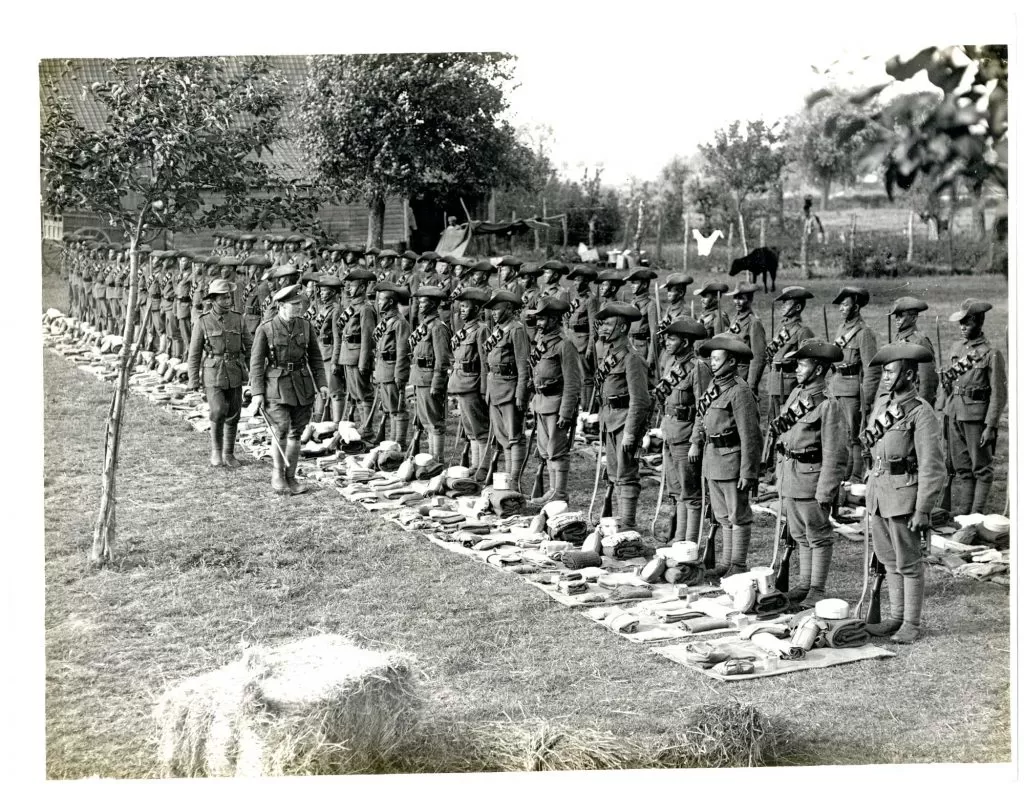
Many colonies were forced to participate in the war regardless of their preferences, as European powers conscripted men and resources from their territories.
WWI Sparked Major Political Changes
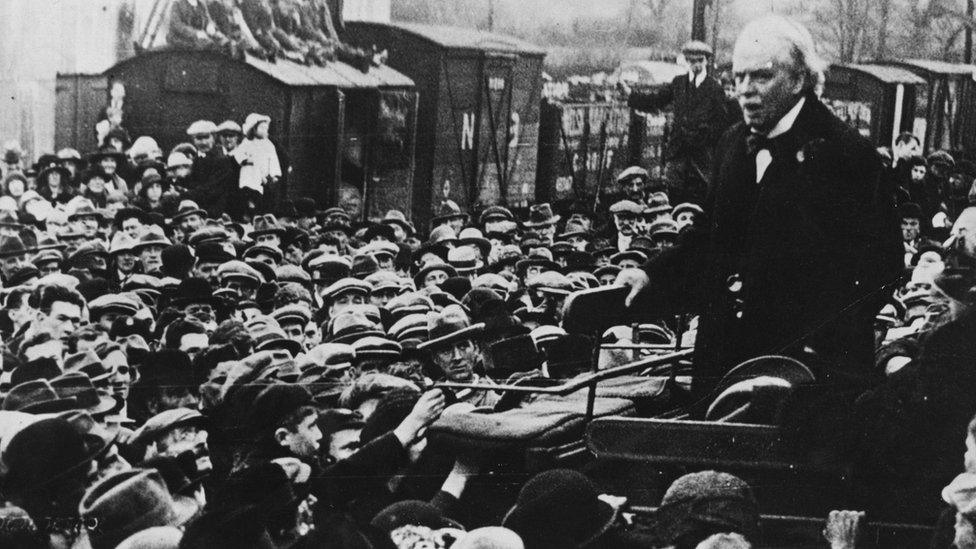
The war led to revolutions, regime changes, and the emergence of new political systems, most notably the rise of communism in Russia.
Women Gained Rights After the War
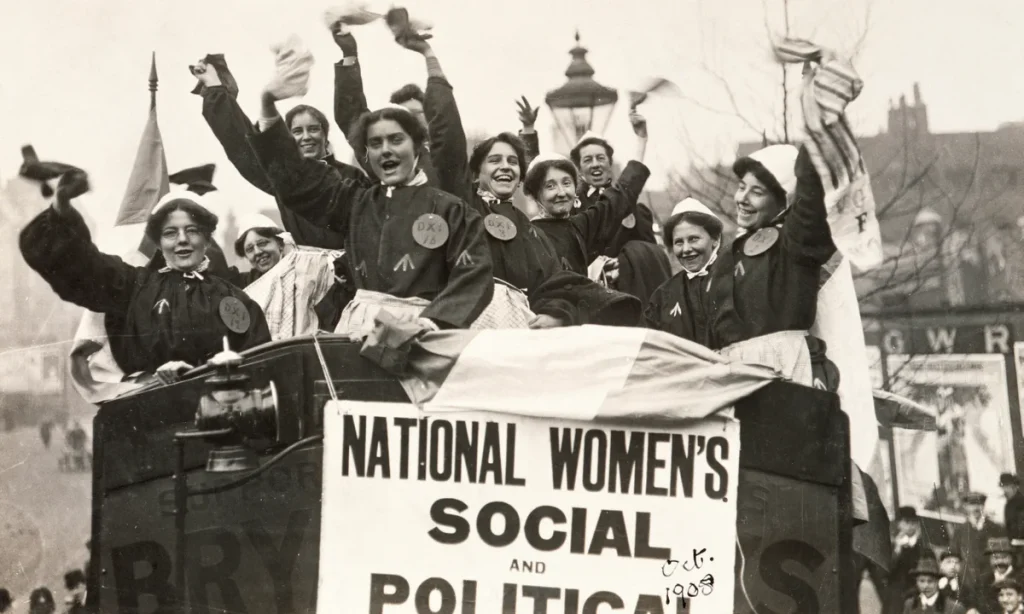
In Britain and other countries, women gained voting rights and expanded social roles shortly after the war, as their contributions during the conflict became undeniable.
Archduke Franz Ferdinand’s Assassination Triggered the War
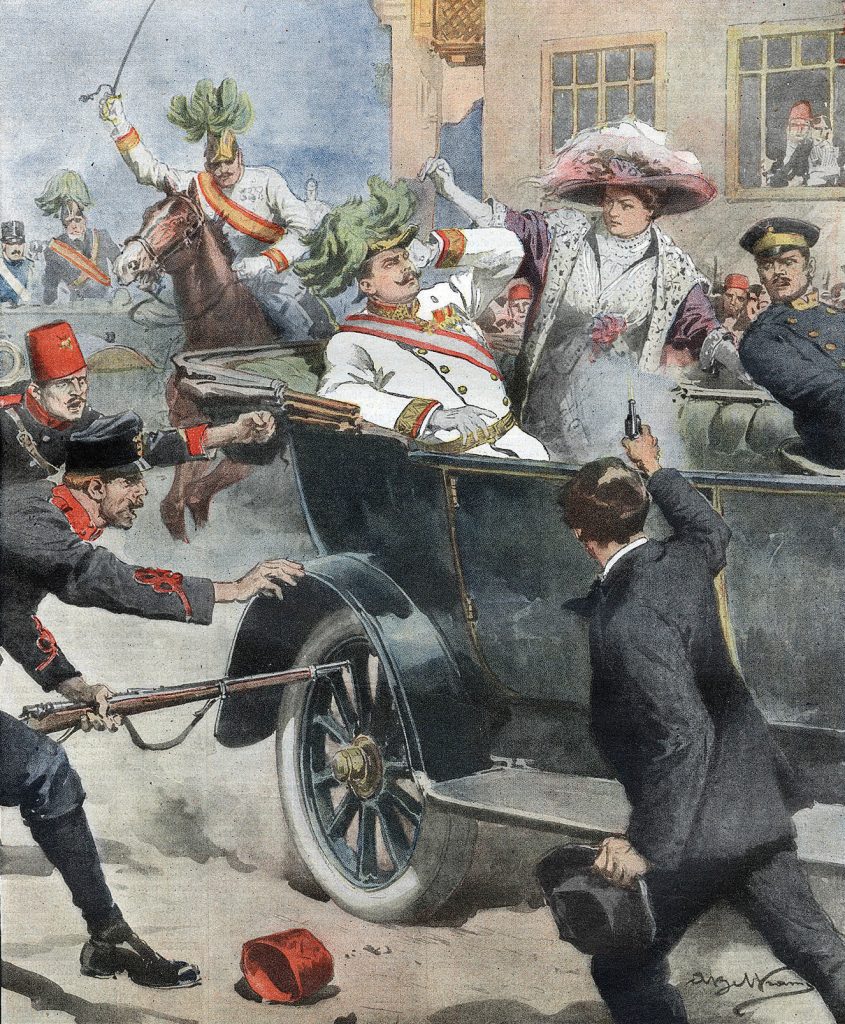
The assassination of the Austro-Hungarian heir in 1914 sparked a chain reaction, bringing many European powers into the conflict.
The Scale of European Mobilization Was Massive
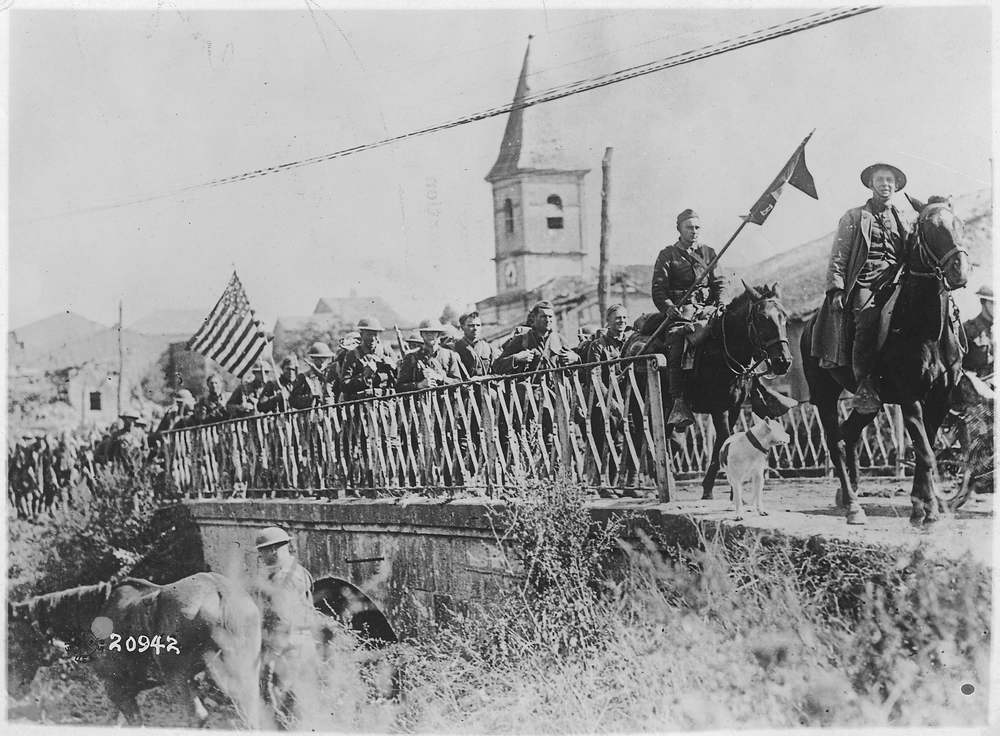
Millions of men from France, Britain, Germany, and other nations were conscripted. For example, 13 million Germans fought between 1914 and 1918.
Some Countries Joined Against Their Will
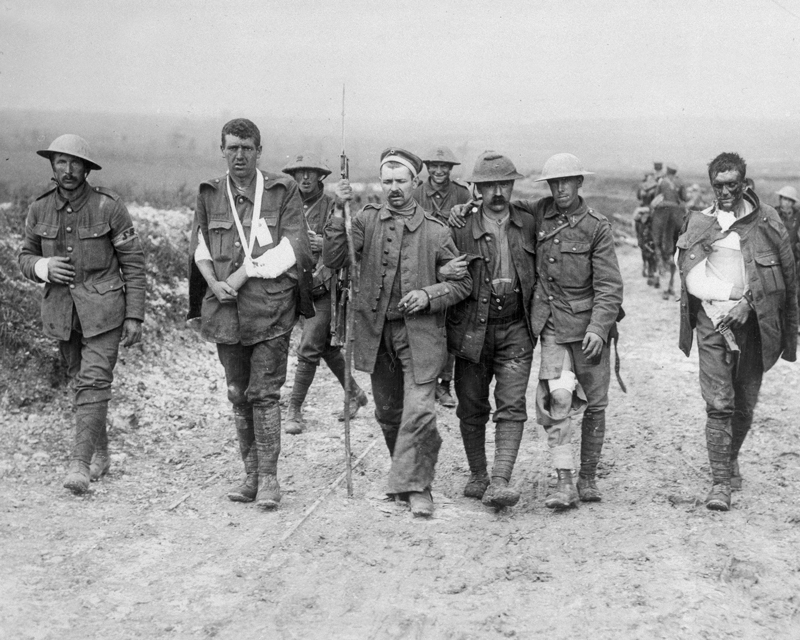
Nations like Italy, Albania, and territories in Russia and Poland were forced to provide soldiers or labor for European powers.
WWI Had Global Supply Chains
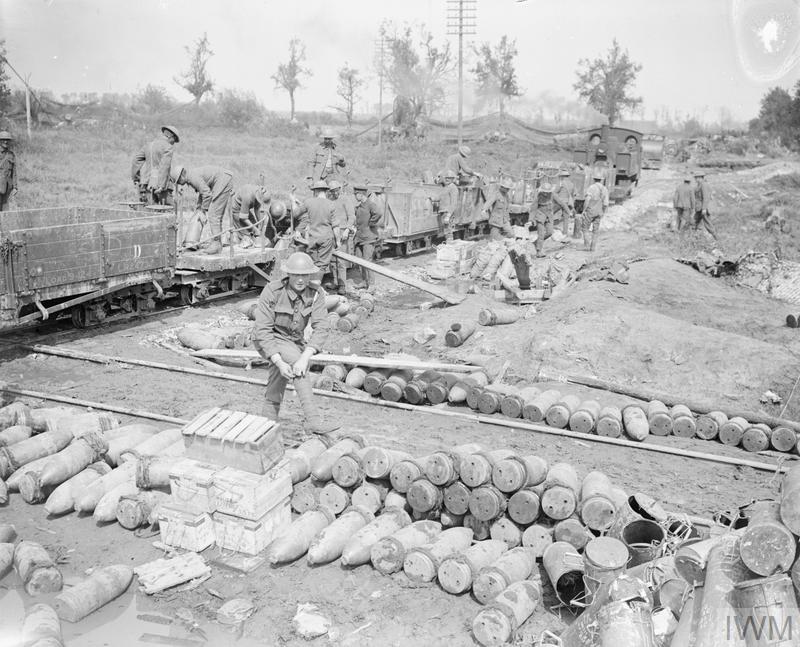
The demand for weapons, vehicles, and resources led European powers to source materials and manpower from all over the world, highlighting the war’s global nature.
The First Modern Industrial War
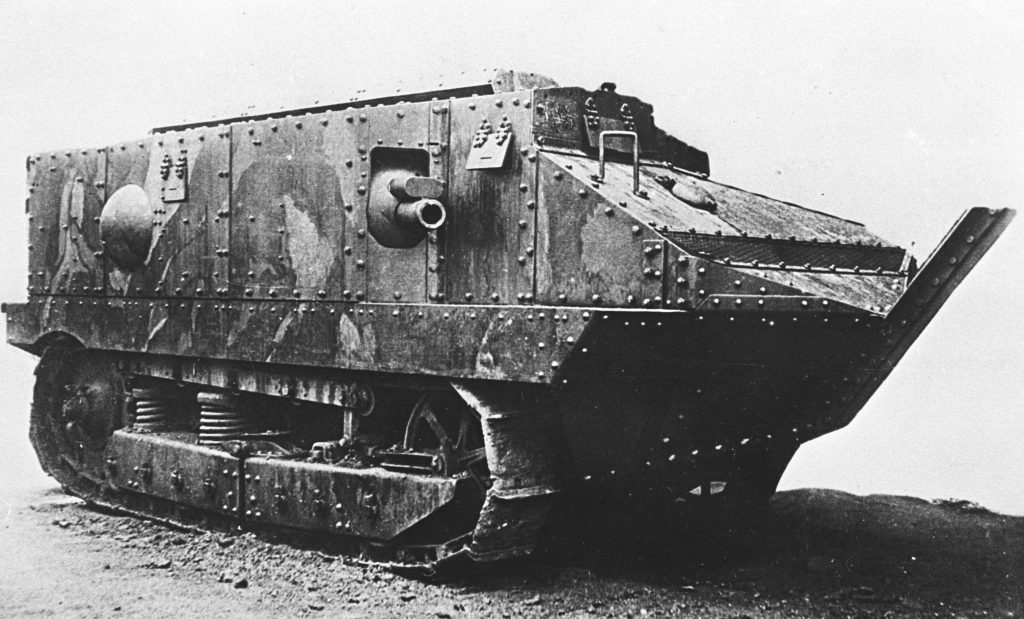
WWI saw new technologies like tanks, machine guns, and chemical weapons, fundamentally changing the way wars were fought.
Many Soldiers Were From Neutral Countries
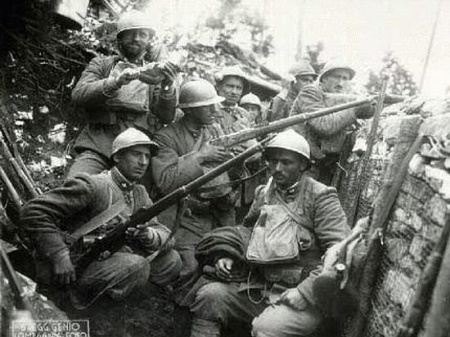
Even nations that stayed neutral contributed manpower, labor, or supplies to support one side or another in the conflict.
The First World War Truly Shaped the Modern World
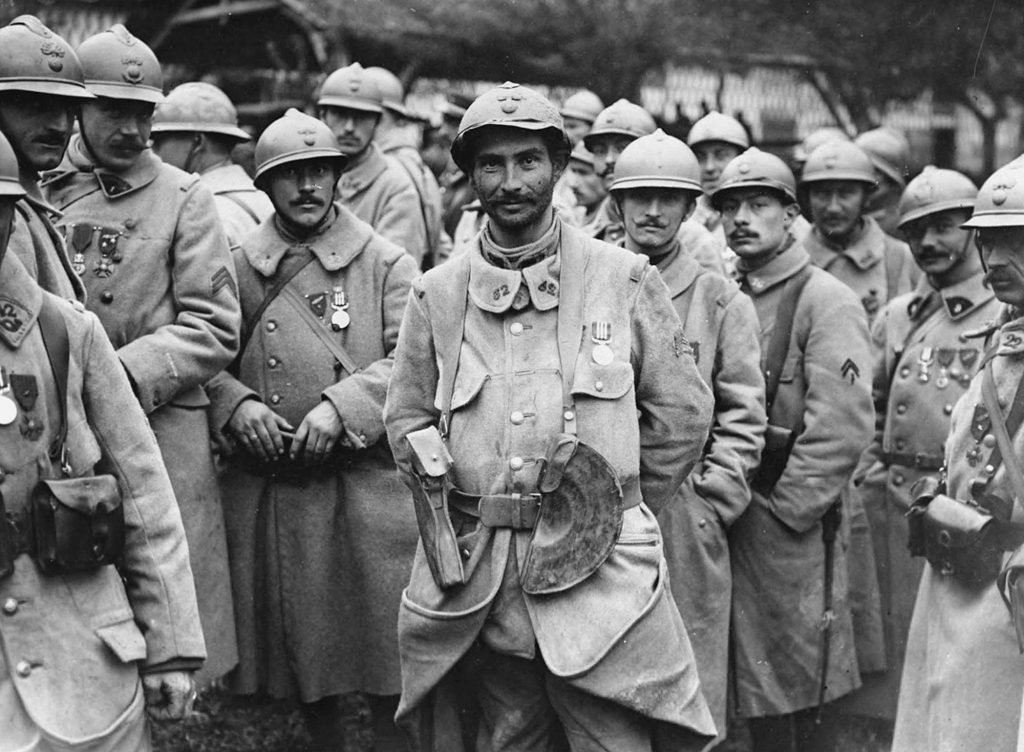
Its effects were felt globally, changing politics, societies, and economies, and setting the stage for future conflicts and revolutions.