Curiosity is a blessing and a curse. The more you learn, the more little tidbits lodge in your brain and pop up at the most random times. Here are fifteen eerie facts that live rent free once you hear them, perfect for late night scrolling and the odd shiver.
None of this is here to ruin your day, just to scratch that strange itch for the curious and the brave who like their trivia with a spooky twist.
1. House dust is partly you
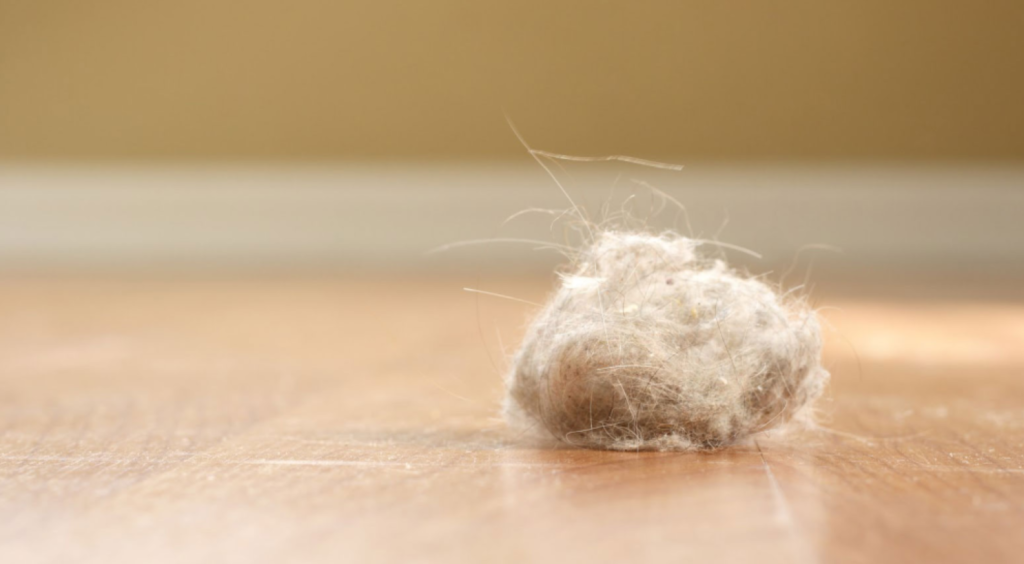
A slice of that soft gray layer on shelves comes from tiny flakes of human skin mixed with fabric fibers and outdoor bits that drift in. Not all of it is you, but enough to make a sunbeam look like a personal snow globe.
2. Hair and nails do not grow after death

The old belief hangs on because skin can dry and pull back, making nails and stubble look longer. It is an illusion with a surprisingly stubborn life of its own.
3. Bodies can make sounds after life ends
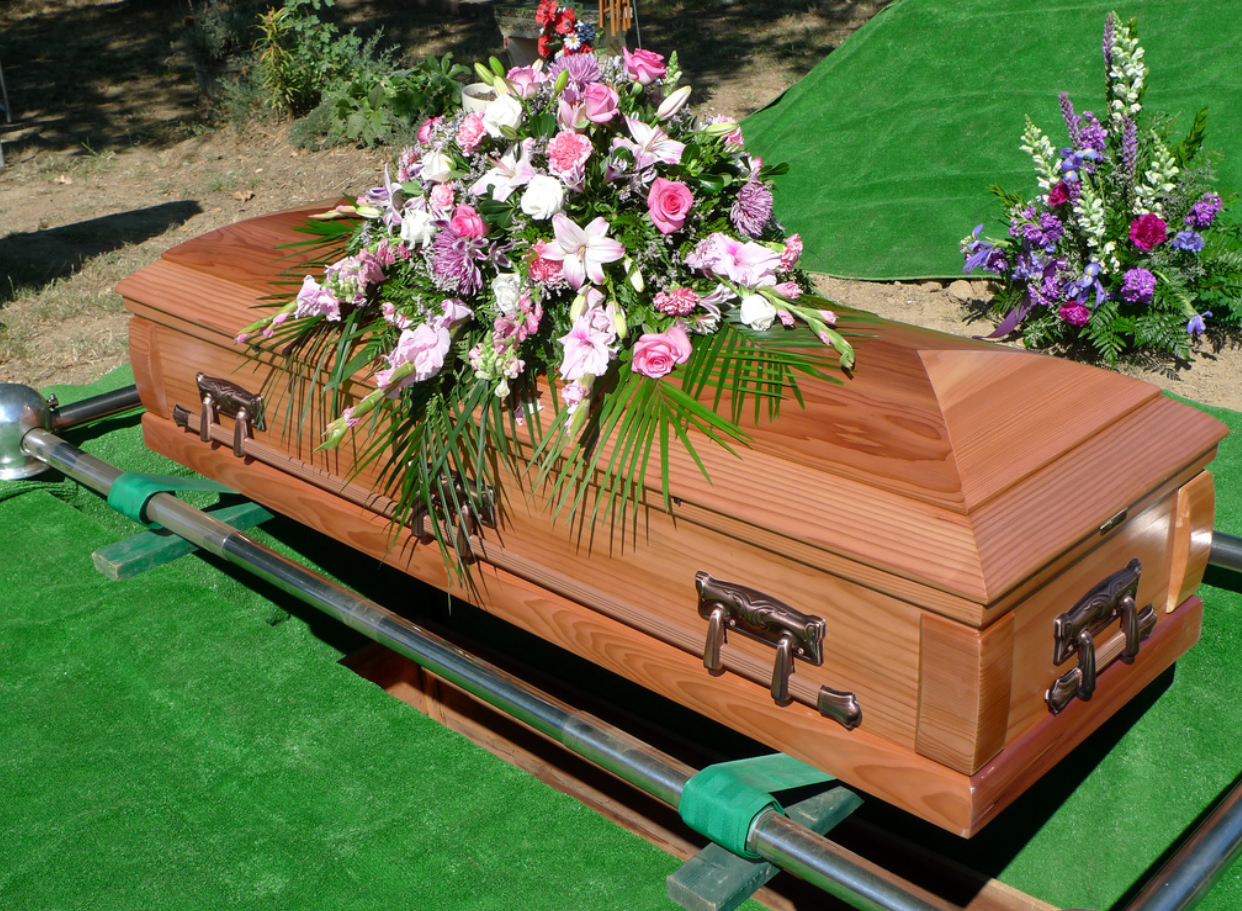
Air moving through the throat and shifts in the chest can create small sighs or faint noises. It is rare and fleeting, and it has startled more than a few people over the years.
4. Some classroom skeletons were once real people
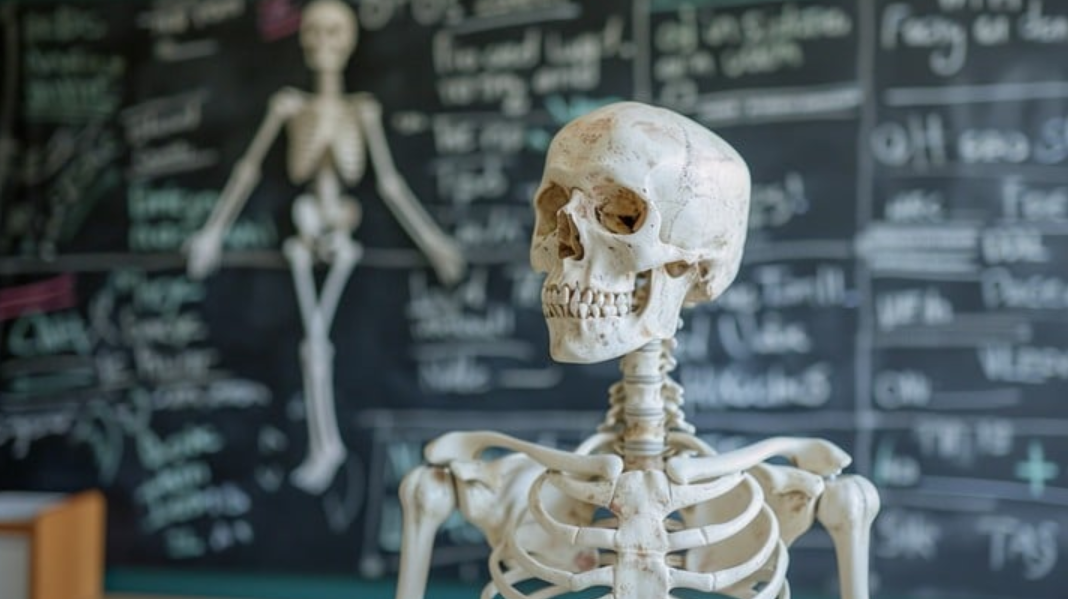
Many vintage teaching models came from human remains supplied through old medical trade routes. Modern classes mostly use replicas, but older labs sometimes still keep the originals.
5. The Paris Catacombs hold millions
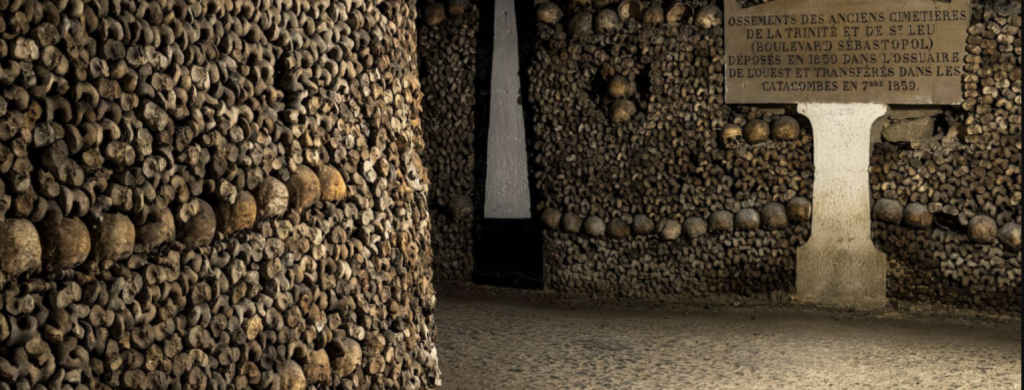
Beneath the city runs a maze lined with carefully arranged bones moved there centuries ago. It is equal parts memorial, history lesson and chill down the spine.
6. Victorians took post-mortem portraits
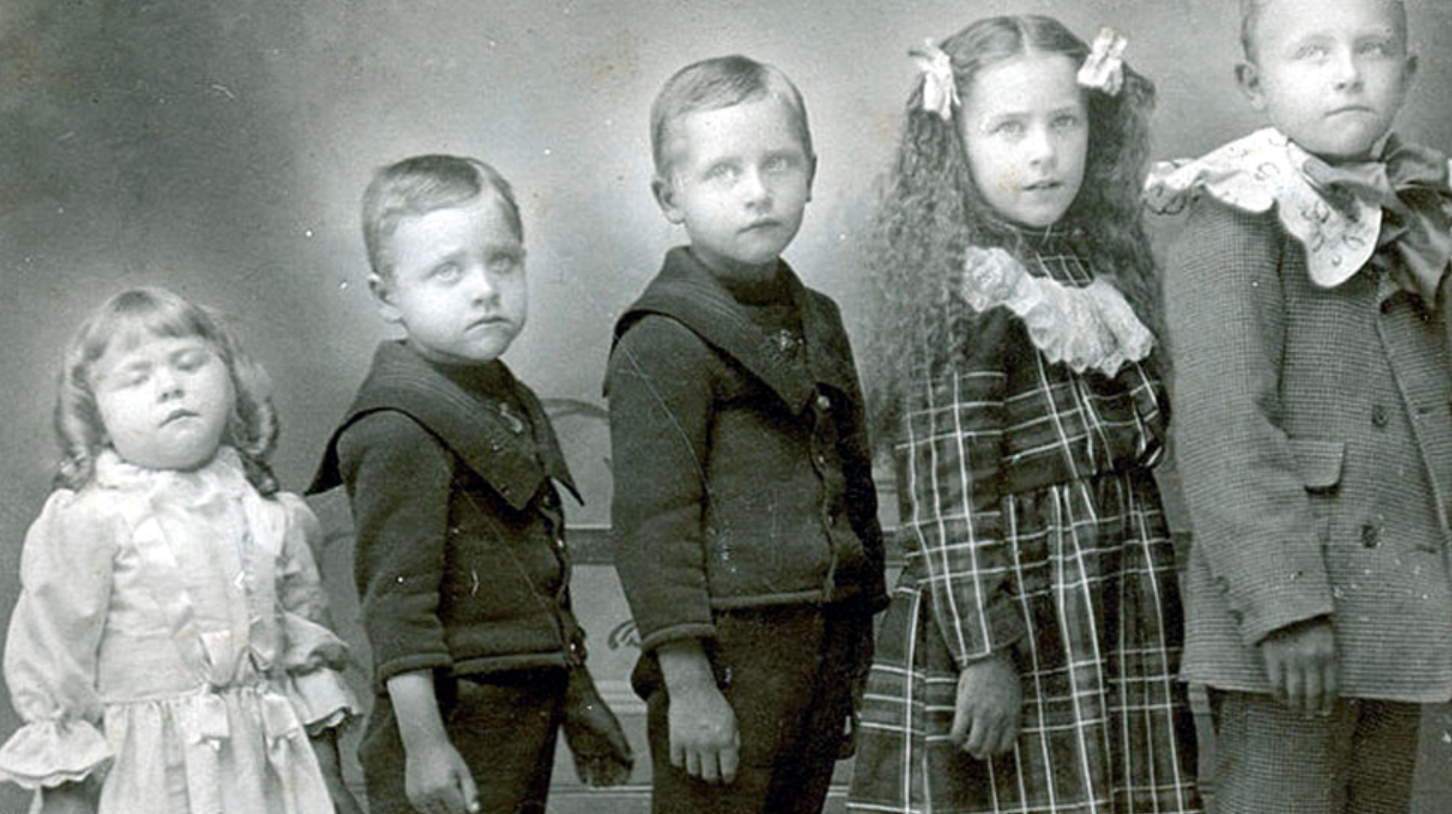
Families sometimes posed loved ones for one last photograph when cameras were still a luxury. The pictures were keepsakes in an era when photography felt rare and precious.
7. Cemeteries can shift with the weather
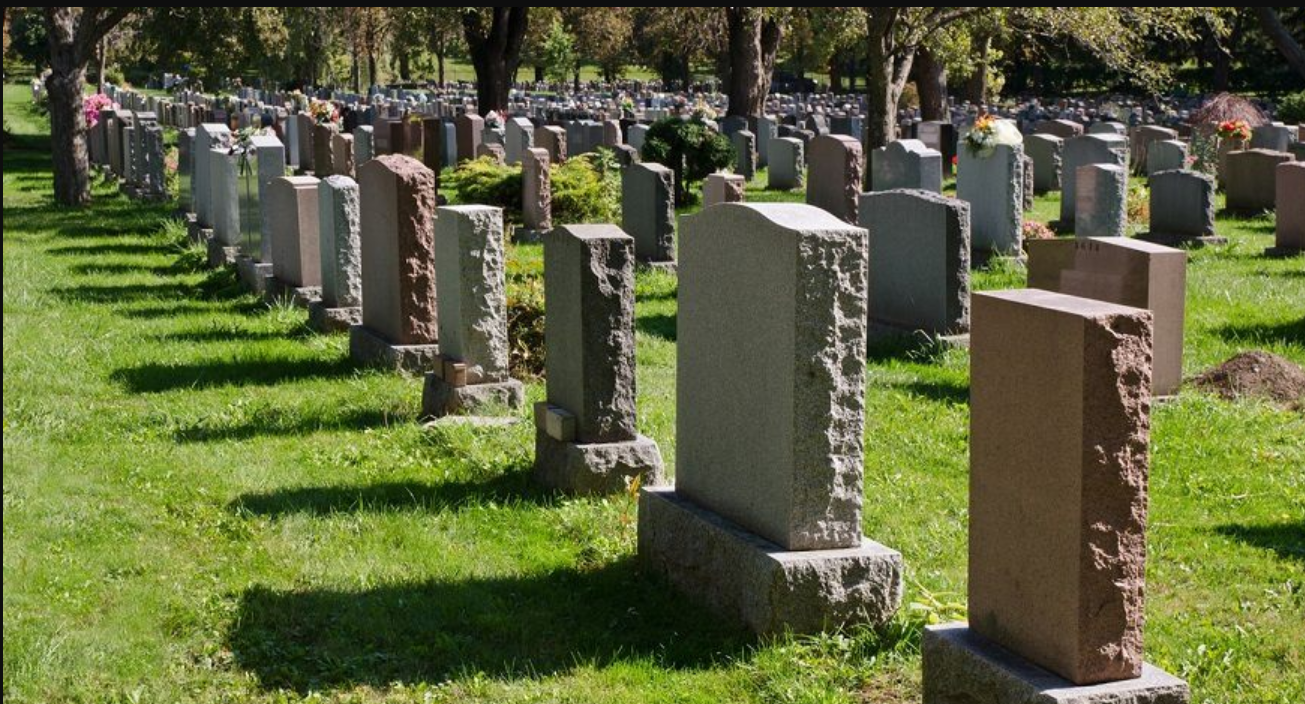
Flooding and soil movement can nudge markers out of place and expose older layers. Groundskeepers work constantly to stabilize earth that never really stays still.
8. Hospitals once used bells for a very different reason
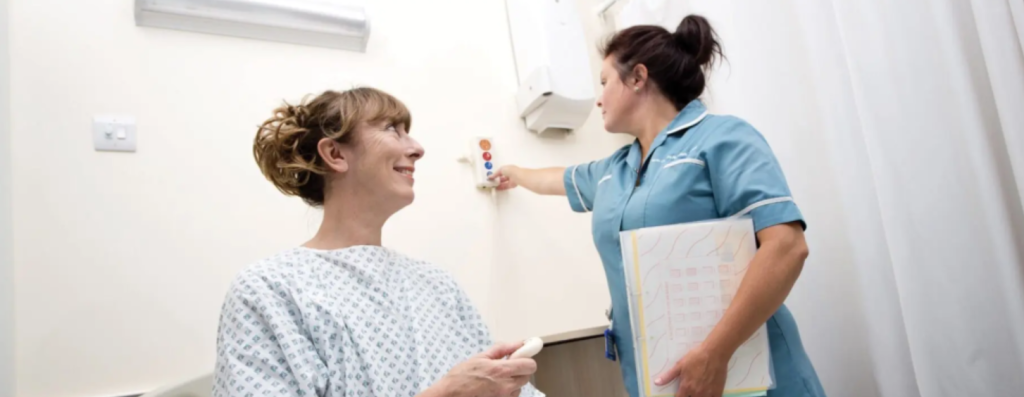
Tales of “safety coffins” and bedside bells grew from fears of being mistaken in the past. The legend lingers even if the reality was far less common than the stories suggest.
9. Waxy museum figures often use real hair

To nail the look, artists sometimes implant human hair strand by strand. The realism is impressive until you remember where those strands came from.
10. Some medical museums display preserved organs
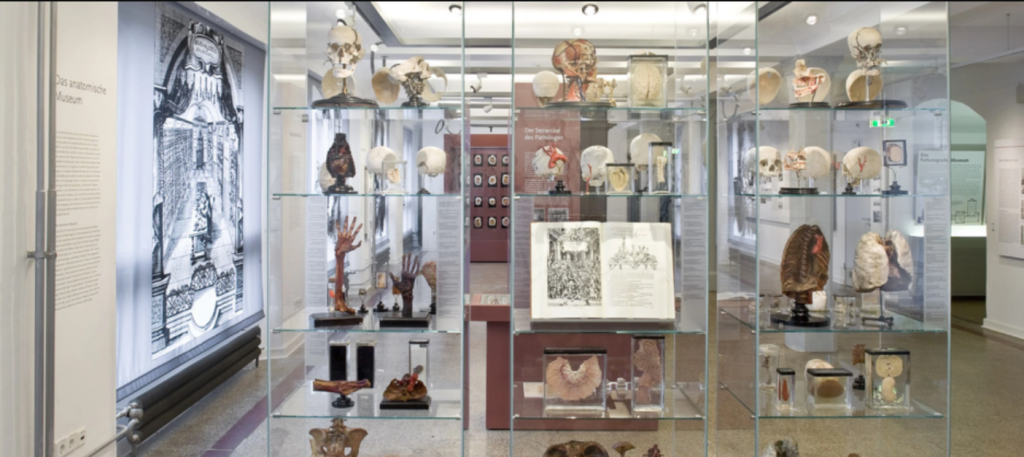
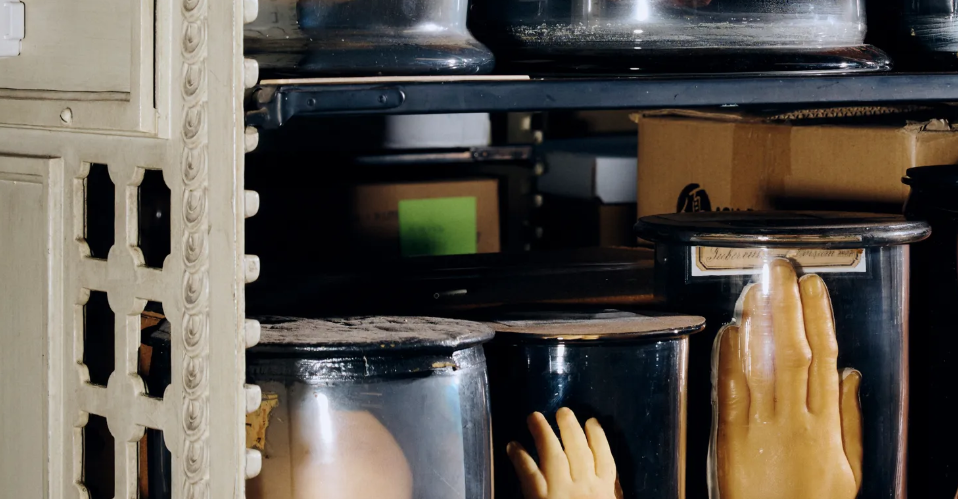
Historical collections were built to train doctors and record rare conditions. They are scientific time capsules that also happen to haunt your dreams a little.
11. Donated bodies can aid crash research
Impact studies need accurate data that dummies cannot always provide. Programs operate under strict consent to improve safety for the living.
12. Cordyceps turns insects into climbers
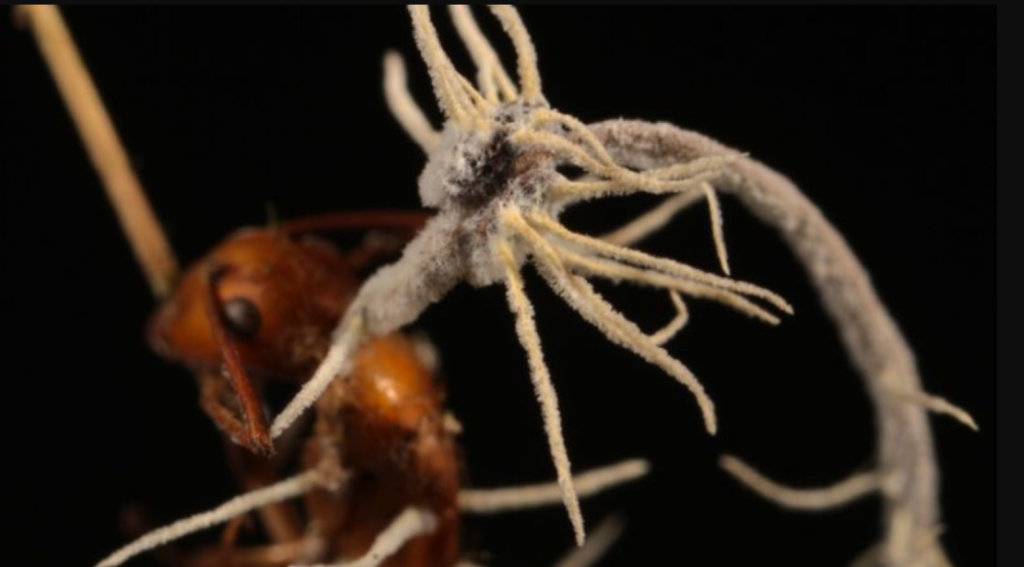
This fungus nudges an insect to latch onto a high perch, then completes its life cycle. Nature writes thrillers that no screenwriter would dare pitch.
13. Your phone carries more microbes than a toilet seat

Warm pockets and constant handling turn screens into cozy hangouts for germs. A quick wipe now and then saves you from thinking about it too much.
14. Museum mummies once toured like curiosities
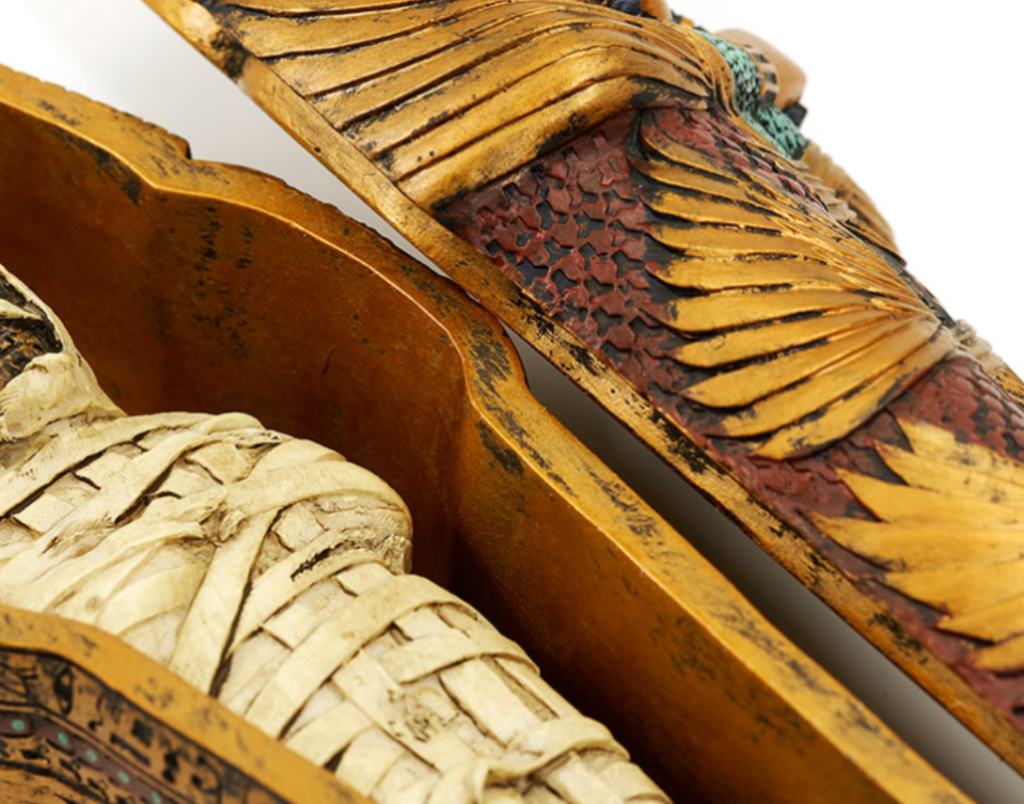
Centuries ago, collectors treated remains as spectacle rather than heritage. Modern practice leans toward respect and careful study, a needed course correction.
15. Ancient seeds can wake up again
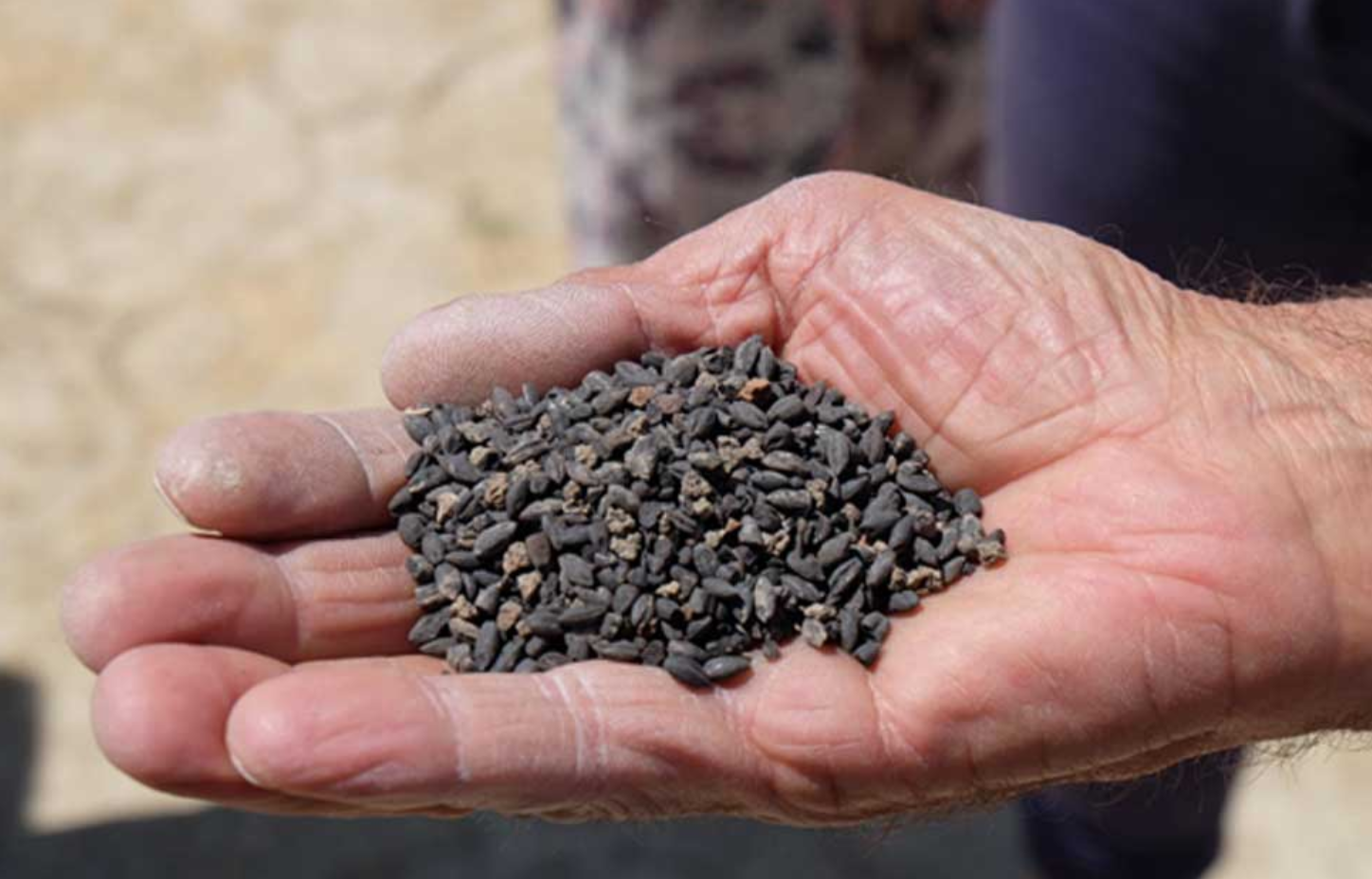
Researchers have revived plants from long-dormant seeds found in icy or arid sites. Life has a stubborn habit of returning when conditions finally say yes.