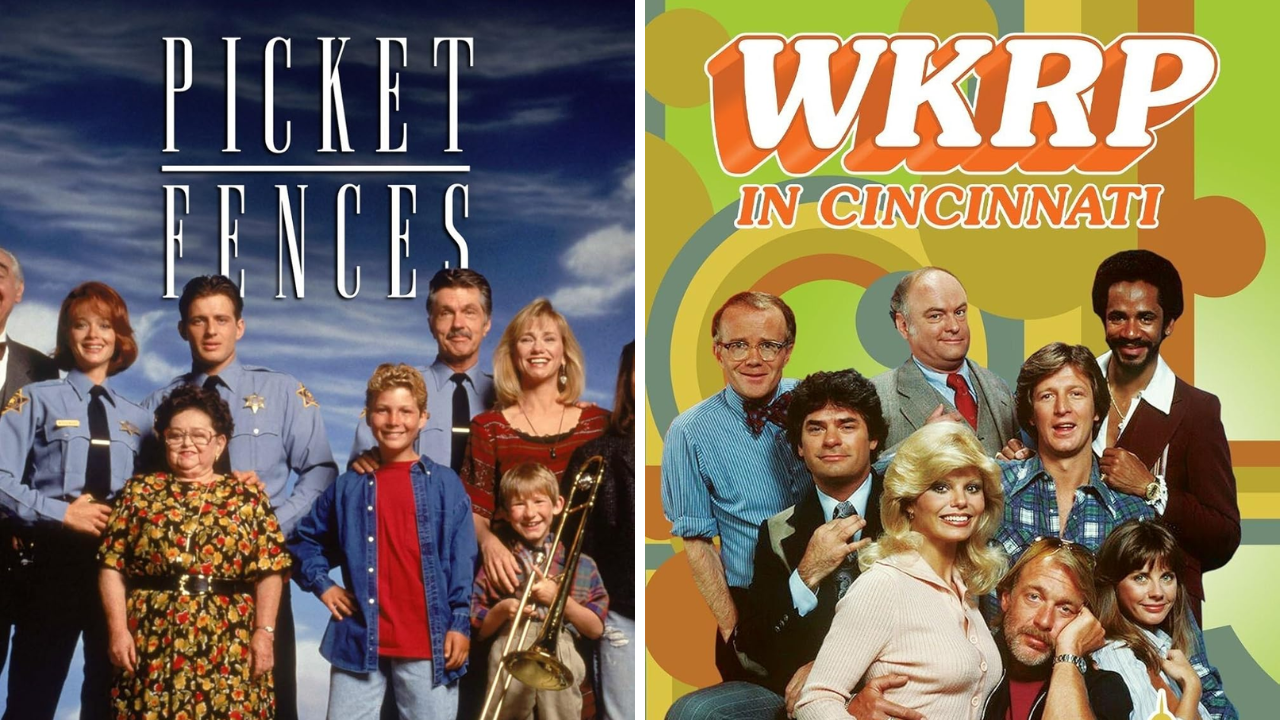
Not every TV show fits neatly into its era. Some take bold risks, challenge social norms, or invent storytelling techniques that others won’t catch up to for years. From groundbreaking narratives to characters who defied expectations, these 15 shows weren’t just entertainment; they were ahead of their time.
Firefly
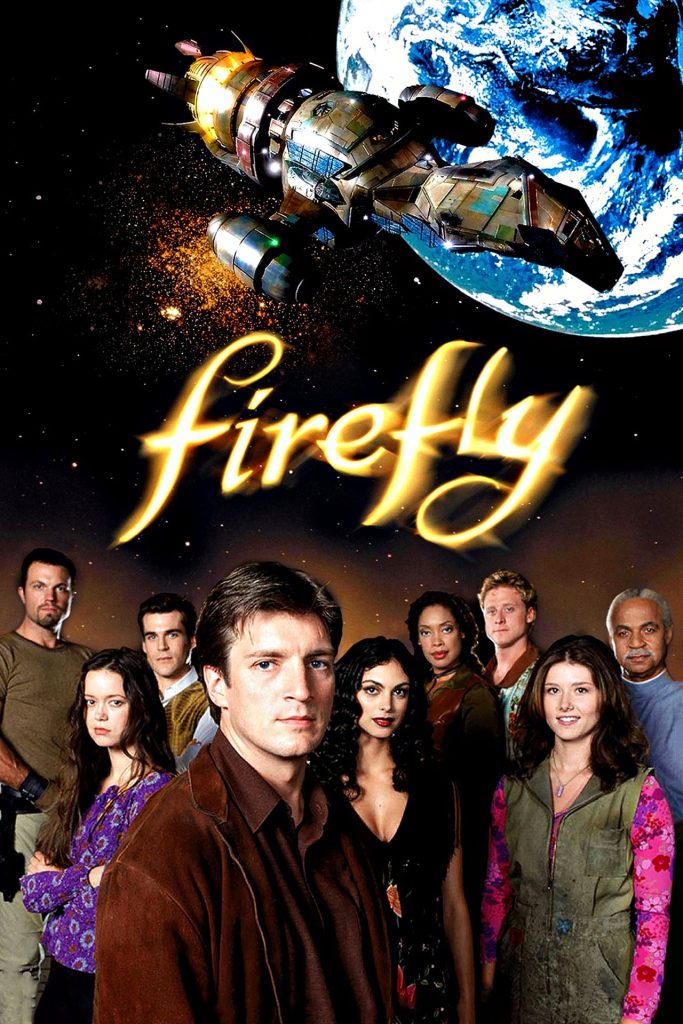
This Space Western blended sci-fi and frontier storytelling with anti-authoritarian themes, multiculturalism, and post-war trauma. Though canceled after one season, it became a cult classic that influenced future space dramas.
Freaks and Geeks
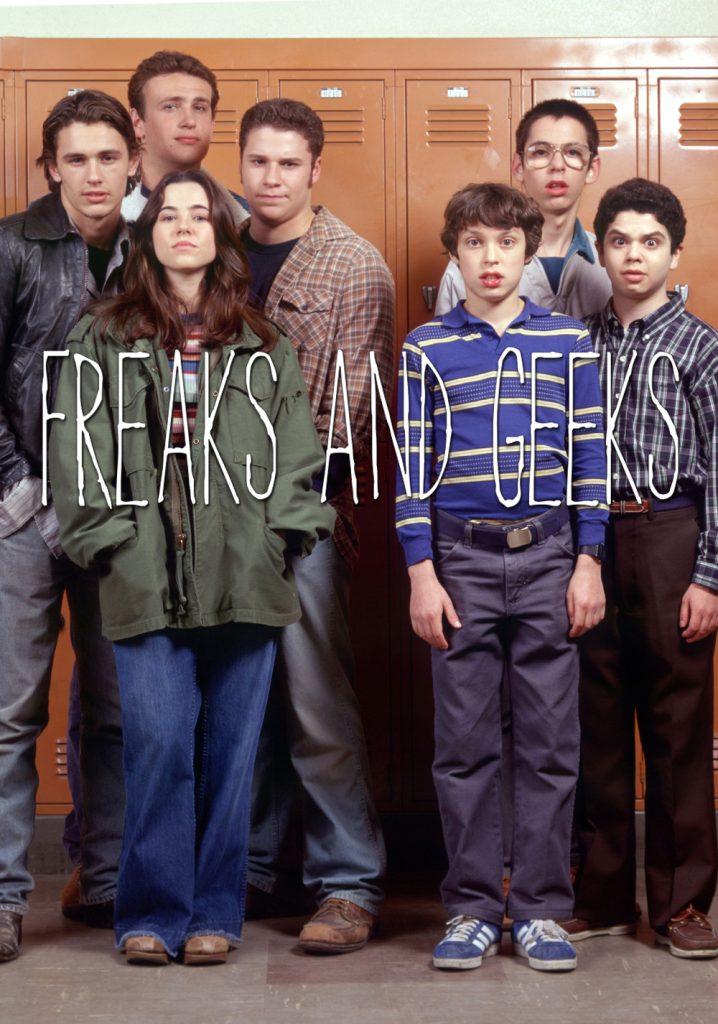
A single-season gem, Freaks and Geeks authentically captured teen awkwardness, identity, and family dynamics. Its grounded performances and emotional depth remain universally relatable.
Arrested Development
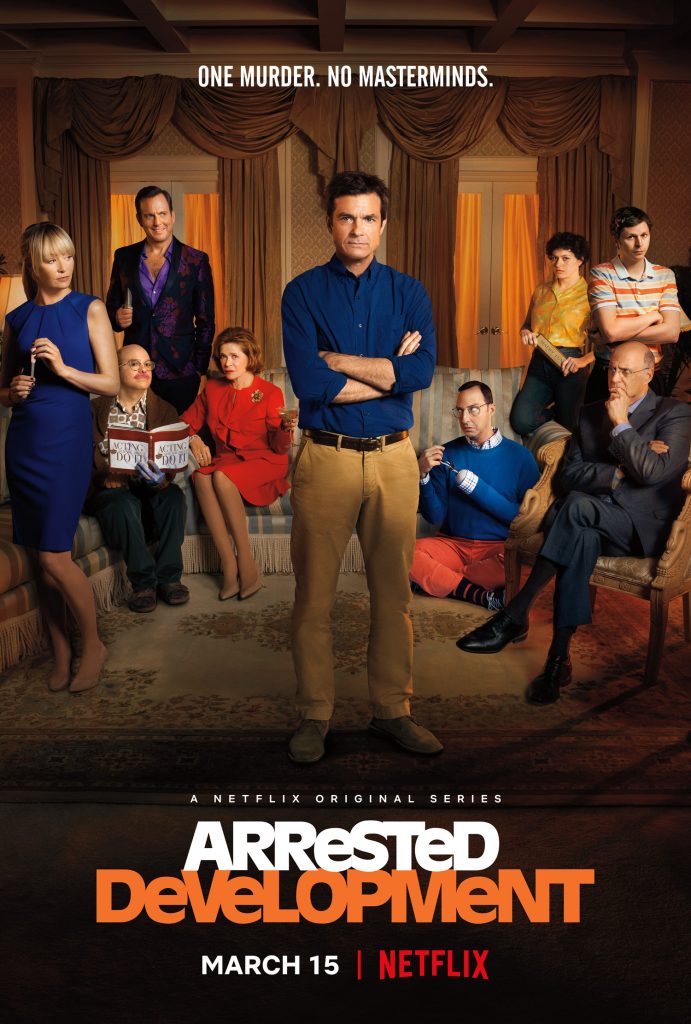
With layered jokes, absurdist humor, and complex storylines, Arrested Development redefined comedy. Its meta, detail-oriented style influenced countless modern sitcoms.
Mr. Robot

Mr. Robot combined tech thriller intensity with a deep exploration of mental health, identity, and societal collapse. Innovative storytelling, unreliable narration, and Rami Malek’s performance pushed TV boundaries.
Better Off Ted
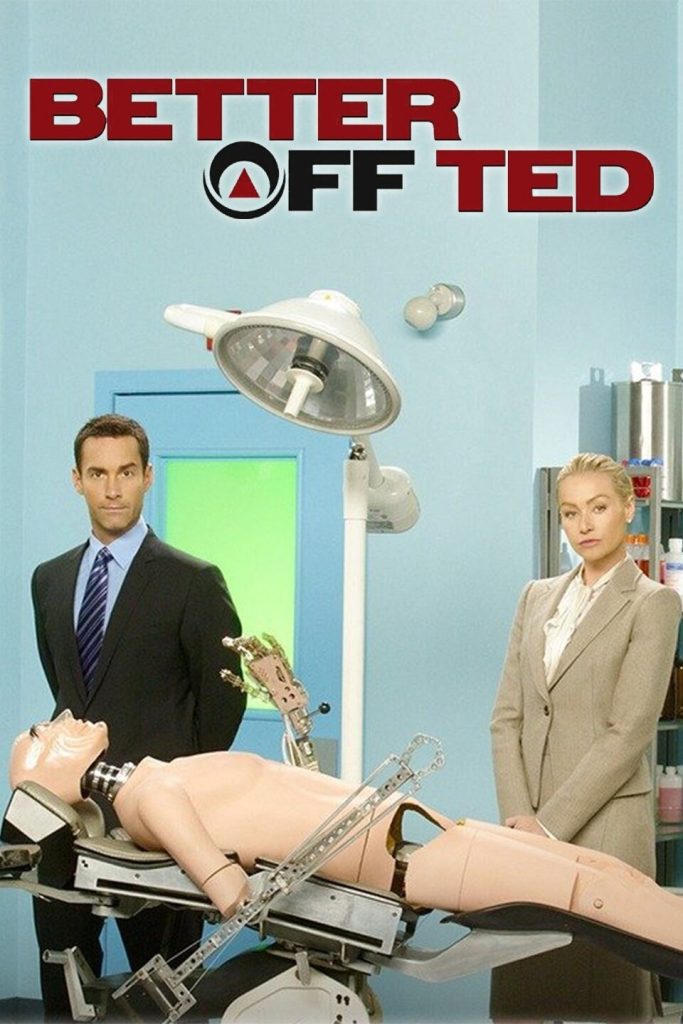
A corporate satire with sci-fi flair, Better Off Ted skewered office culture, unethical experiments, and tech innovation. Its witty writing and sharp commentary were ahead of their time.
Buffy the Vampire Slayer
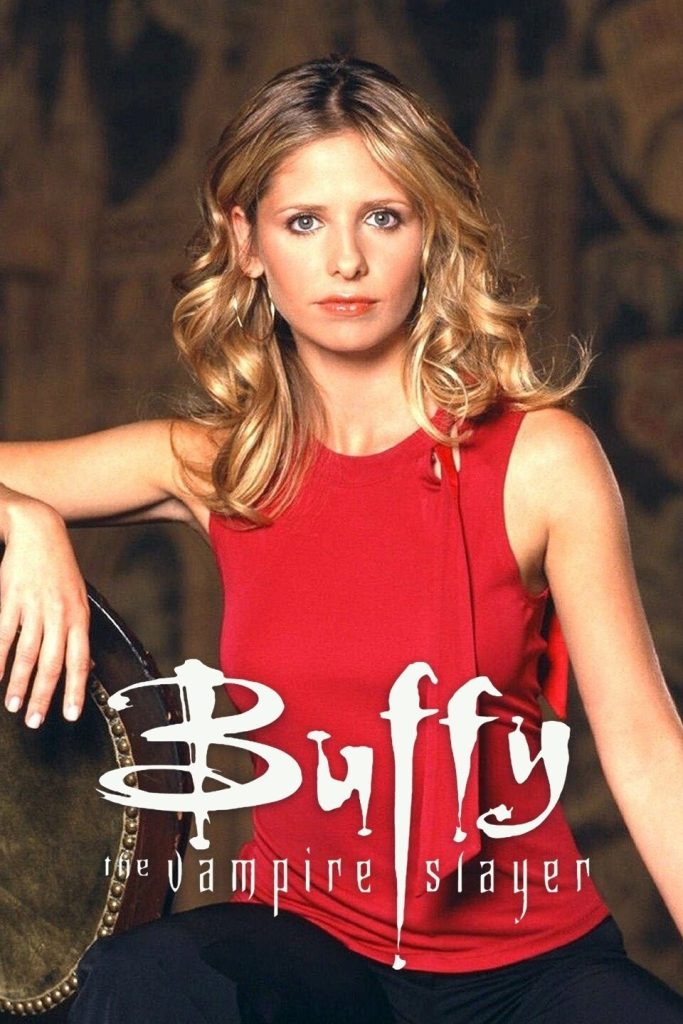
Mixing supernatural drama with feminist themes, Buffy tackled trauma, identity, and relationships while centering a strong female lead. Its genre-blending approach changed teen and fantasy TV forever.
Deadwood
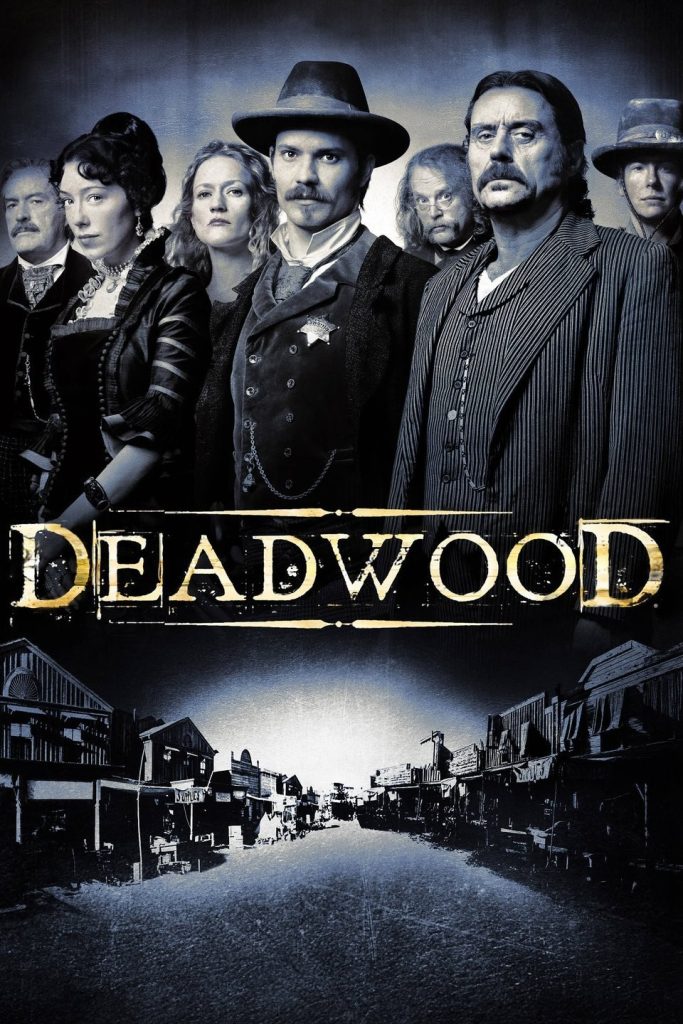
This gritty Western offered Shakespearean dialogue, complex antiheroes, and moral exploration. Deadwood elevated the genre with layered storytelling rarely seen on television.
Orphan Black
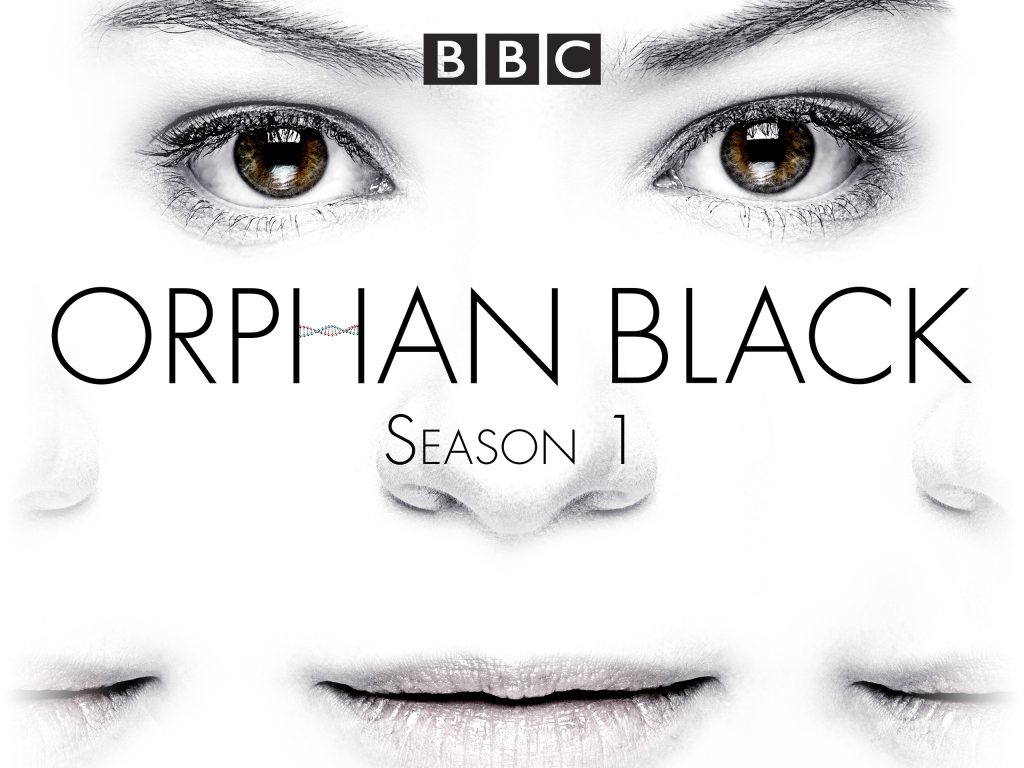
Tatiana Maslany’s multiple performances brought clone conspiracy drama to life, exploring autonomy, ethics, and identity. The show anticipated debates around gene editing and personal data.
Twin Peaks
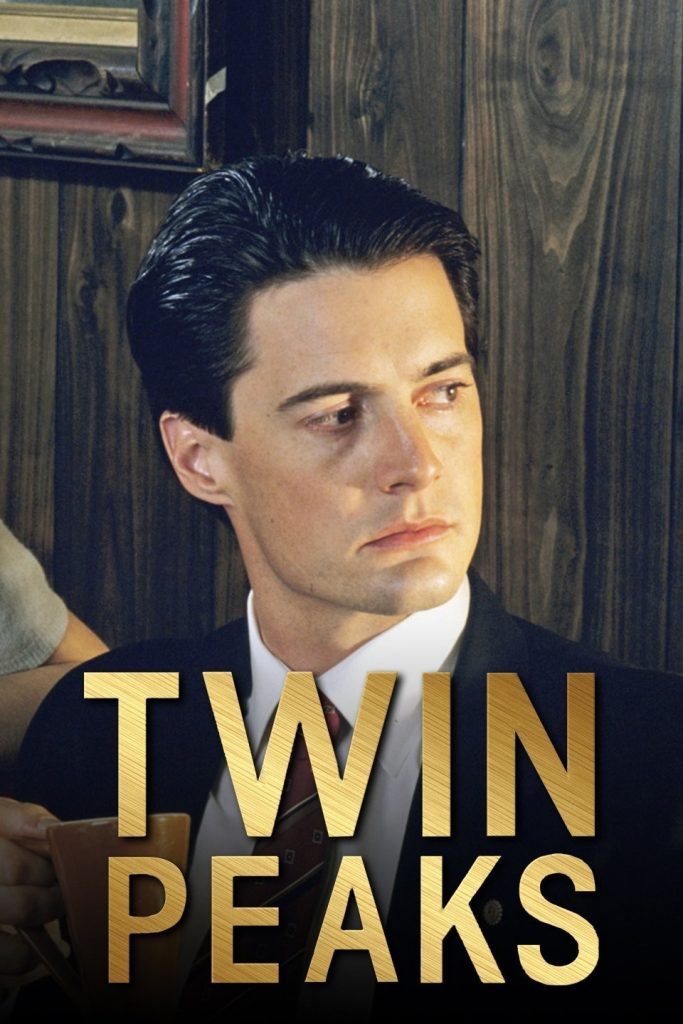
Twin Peaks defied conventions with dreamlike visuals, quirky characters, and surreal storytelling. Its influence can be seen in Lost, The X-Files, and countless modern mystery dramas.
Six Feet Under

This funeral-home drama used death as a lens to explore life, grief, addiction, and morality. Its emotional rawness and existential themes set a new standard for TV drama.
One Day at a Time (1975)
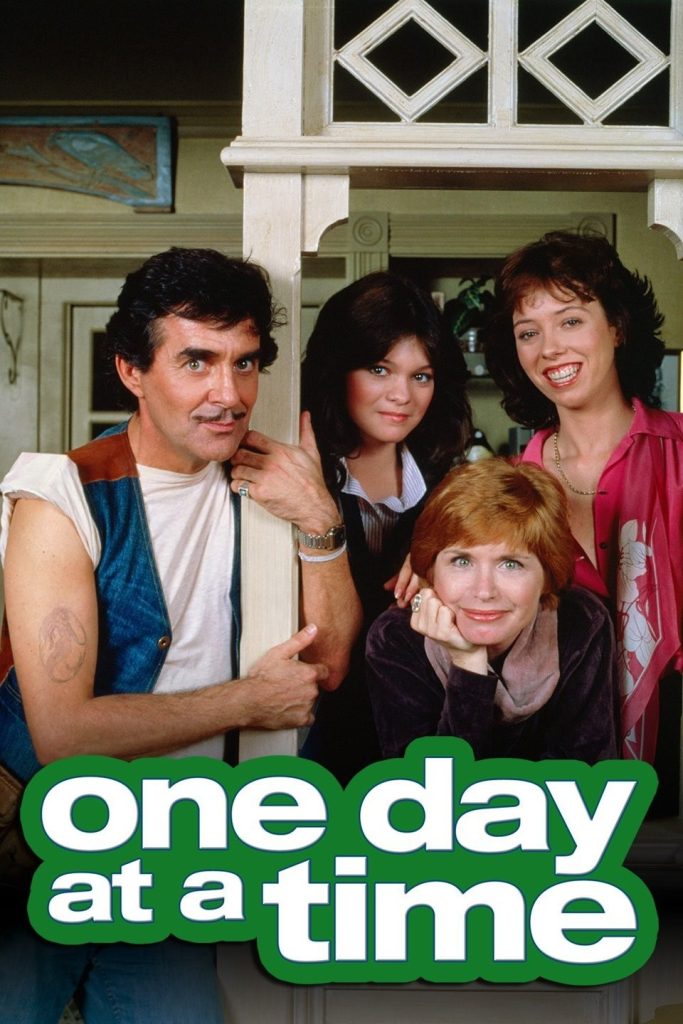
Focusing on a single mother raising two daughters, this sitcom tackled divorce, teen pregnancy, and addiction with realism and heart. It brought unpolished family dynamics to the forefront.
WKRP in Cincinnati
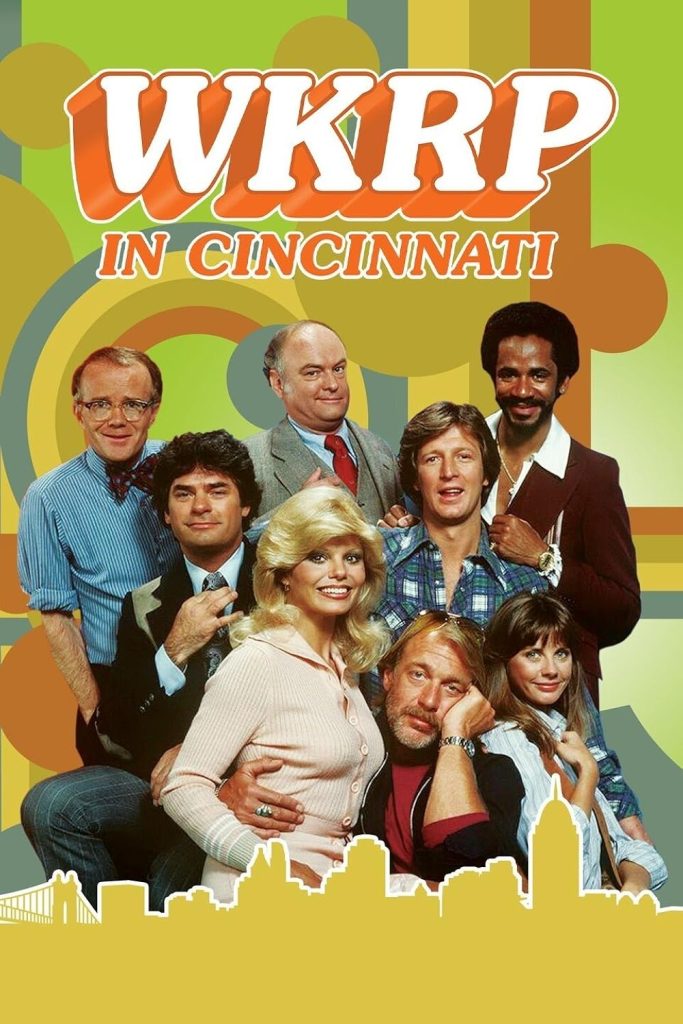
A workplace comedy with a pulse on social issues, WKRP addressed censorship, racism, and commercial absurdities with humor and heart. It proved sitcoms could be thought-provoking.
Picket Fences
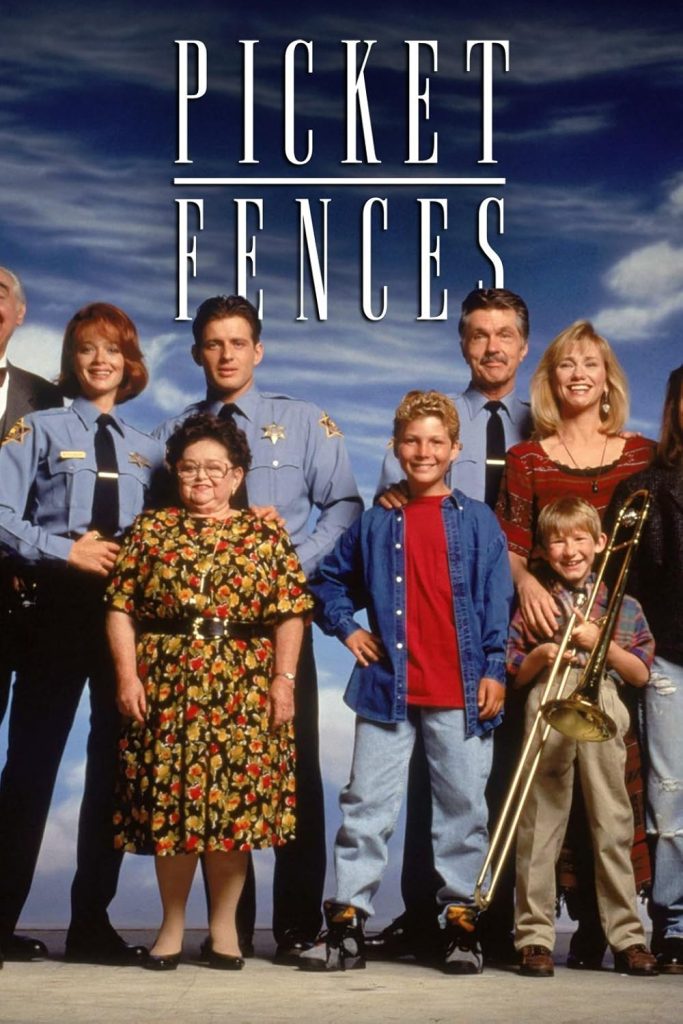
Set in a small town, Picket Fences explored abortion, LGBTQ+ rights, and moral dilemmas. Its willingness to tackle polarizing topics made it a bold and thought-provoking series.
A Different World
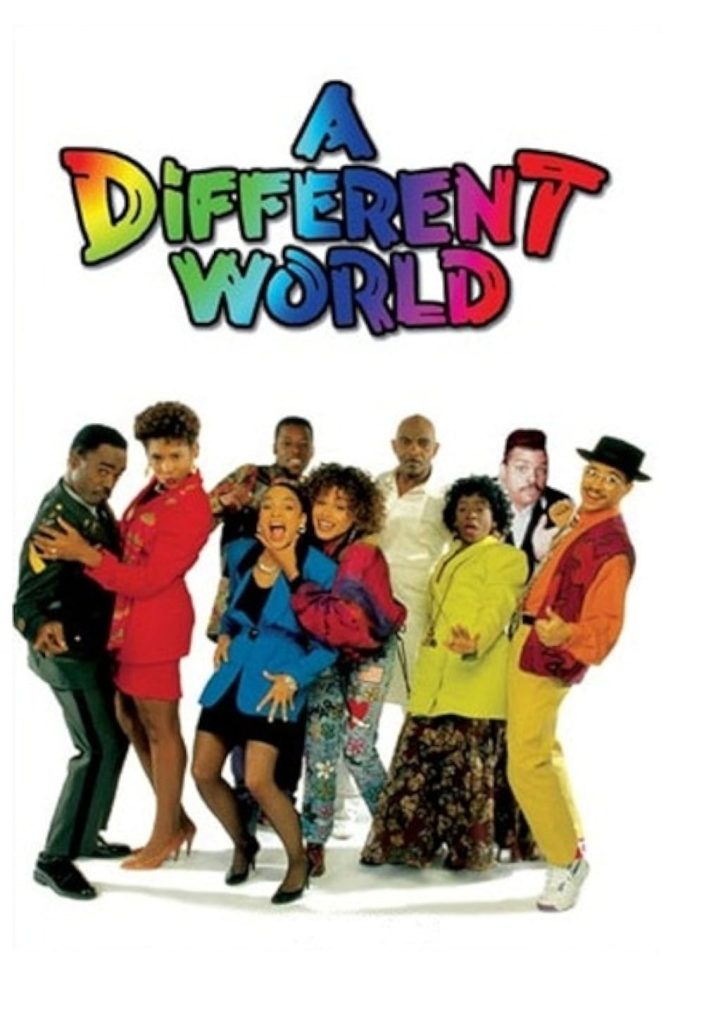
This college sitcom explored racial identity, social justice, and personal growth at a historically Black college. It blended humor with meaningful engagement in real-world issues.
Sesame Street
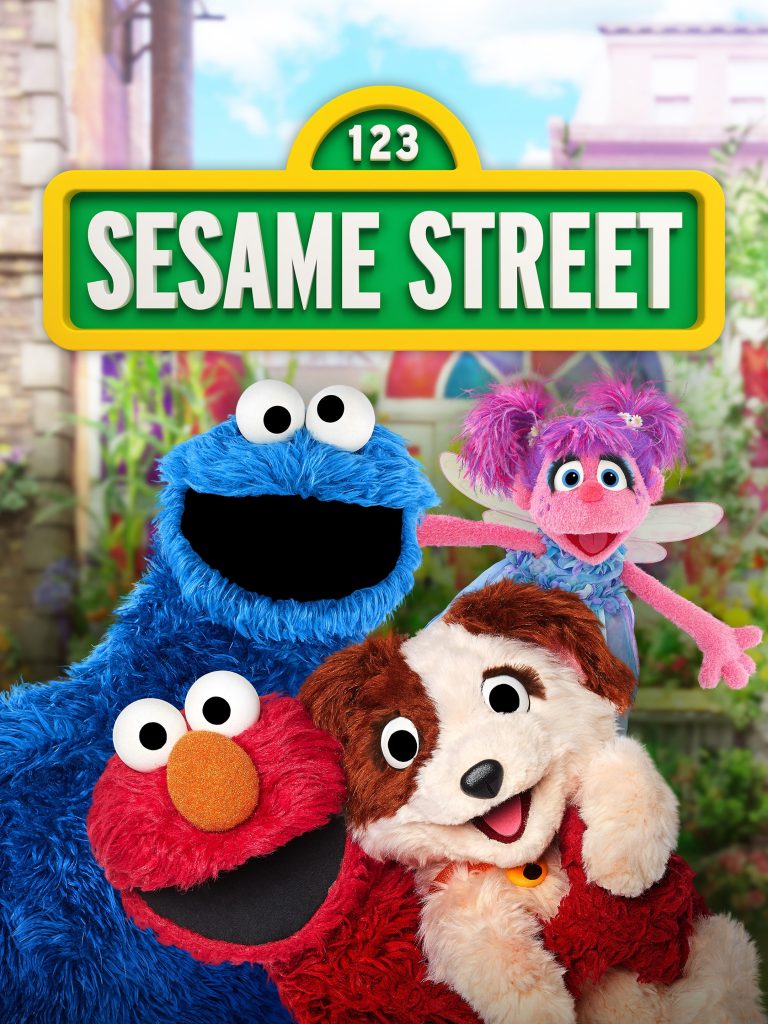
More than a children’s show, Sesame Street promoted diversity, inclusion, and empathy. It tackled topics like grief, autism, and homelessness while teaching essential life lessons to generations of viewers.