Long marriages often go through seasons, and a fading spark is more common than most couples admit. The encouraging news is that many partners report the spark can return when both people treat connection as something you build, not something you wait for. Below are practical ideas drawn from real-life experiences shared by women in long-term relationships. Some focus on emotional closeness, others on physical intimacy, and a few on changing daily routines that quietly drain desire.
Use Substances Cautiously, If At All

Some couples say a small amount of alcohol or carefully planned substances helps them relax, but it can also backfire, especially with health conditions, anxiety, or dependency risks. If you consider it, keep safety and legality first and avoid using it as the only route to intimacy. The spark is more reliable when it is not chemically required.
Start With Touch, Not a Finish Line

When privacy time becomes performance-focused, it can feel stressful instead of connecting. Try nights that are only about kissing, cuddling, massage, or slow making out, with no pressure. Removing the goal can bring back playfulness and sensuality.
Put Intimacy on the Calendar

Scheduling can feel unromantic at first, but it protects connection from being crowded out by work, kids, and exhaustion. Knowing a time is set can also create a slow build through the day with playful texts and touches. Treat it like a meaningful appointment instead of a last-minute option.
Practice Micro-Appreciations Every Day

Desire often grows in the soil of feeling valued. Small gestures, a thoughtful coffee, a sincere compliment, or a long hug can signal, ‘I see you.’ Over time, consistent appreciation can soften distance and make affection feel natural again.
Trade Routine Date Nights for Novelty

A predictable dinner can be pleasant, but novelty often sparks desire. Try something that feels slightly new, like a class, a different neighborhood, or a plan that includes a bit of anticipation. The goal is to create fresh memories in the same relationship.
Build Anticipation With Touch Beforehand

When you know intimacy is coming, the hours leading up to it matter. Light touches in the kitchen, a kiss that lasts longer than usual, or playful teasing can create momentum. Anticipation is often as powerful as the moment itself.
Acknowledge When the Issue Is Not Intimate

If one partner feels unheard, unappreciated, or emotionally unsafe, intimacy may fade as a symptom. Naming the real issue can be relieving and more solvable than chasing ‘spark’ as a vague concept. Treat intimacy as part of the relationship, not separate from it.
Mix In Quick, Low-Pressure Moments

Not every intimate moment has to be a full event. Spontaneity, shared showers, or brief make-out sessions can keep desire alive when energy is limited. The point is consistent connection, not perfection.
Talk About Desires With Respect and Curiosity
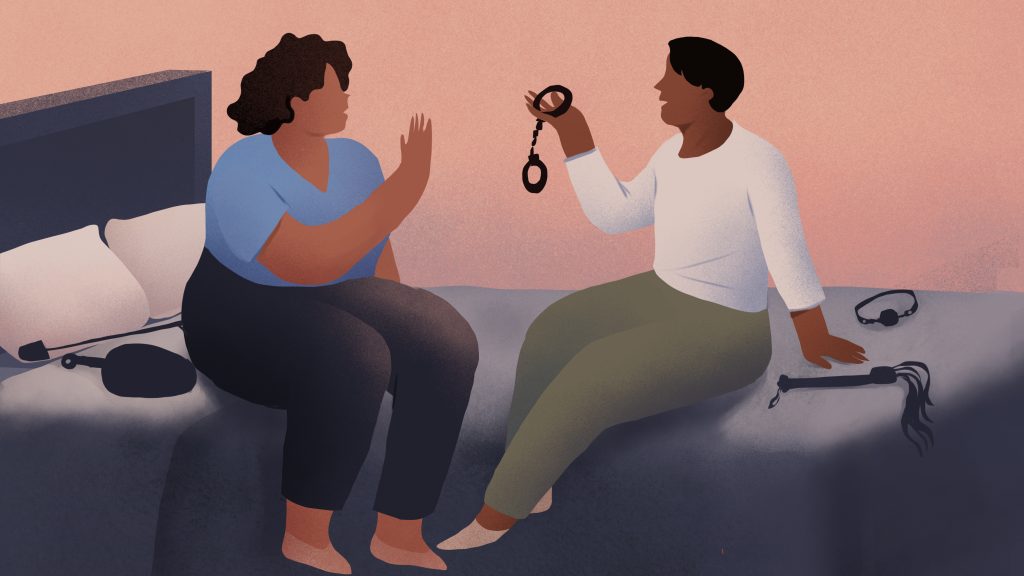
For some couples, naming desires out loud is the turning point. Keep the tone nonjudgmental, and treat differences as information rather than rejection. Even one shared ‘yes’ can open a door to a more playful life.
Consider Couples Therapy With an Evidence-Based Approach

When patterns feel stuck, structured help can move the relationship forward faster than guessing. Some couples look for therapists trained in well-known research-based methods. Therapy is not only for crisis; it can be a tune-up for connection.
Try Conversation Cards for Emotional Connection

Guided questions can help partners talk beyond schedules and chores. The value is not the cards themselves, but the structure that encourages curiosity and vulnerability. Choose prompts that fit your style, then let the conversation go where it needs to go.
Plan A Child-Free Overnight Getaway

A change of setting can interrupt the routines that keep intimacy on autopilot. Even a short trip, especially when someone trusted can cover childcare, creates room for flirting, sleeping in, and remembering you are a couple, not just co-managers of a household. Many couples find the spark returns faster when there is less logistics and more privacy.
Give Each Other Long, Unhurried Hugs

Longer hugs, cuddling on the couch, or holding hands while walking can reset your nervous system toward safety and warmth. When affection is steady, intimacy has less distance to travel.
Sleep With Less Between You

Small environmental changes can have a surprisingly big effect on physical closeness. Fewer layers at night makes casual contact more likely, and casual contact often leads to affection. If it feels awkward at first, start with comfort and adjust gradually.
Rebuild Conflict Skills Before You Rebuild Heat

For many couples, the bedroom problem is really a relationship climate problem. Resentment, unresolved arguments, or poor communication can make intimacy feel unsafe or unappealing. Improving conflict resolution can remove the invisible brakes on desire.
Make Sure You Both Want the Same Goal

Rekindling usually starts with a shared decision that the relationship matters enough to work on. If one partner is indifferent to your needs or refuses to engage, progress tends to stall no matter how hard the other person tries. A calm, honest conversation about what each of you wants is often the first reality check.
Text Something Flirty During the Day

A simple message that says you are thinking about your partner changes the tone of the evening. It creates anticipation and reminds both people that they are desired. Keep it light, specific, and personal rather than overly scripted.
Stay Honest About Dealbreakers and Non-Negotiables

Sometimes the spark does not return because one person is unwilling or unable to engage. If affection or basic care has disappeared long-term, it may be worth discussing what each of you needs to stay. Clarity can prevent years of silent resentment.