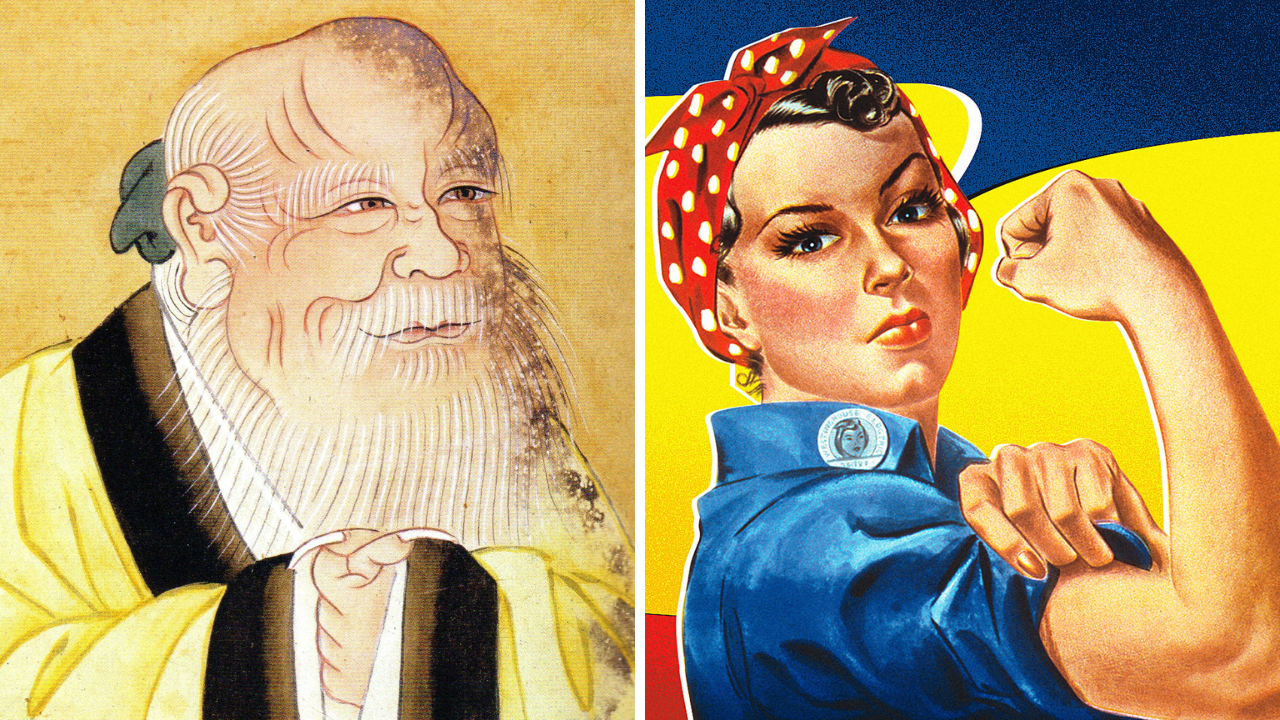
History is full of figures so well-known that questioning their existence feels almost insane. And yet, some of the most repeated names in textbooks, religious traditions, and national myths are ones that historians can’t actually confirm were real people. Whether they were invented to fill a cultural need, assembled from fragments of oral tradition, or simply too convenient not to believe in, these figures left enormous marks on human history without leaving much proof they were ever alive. What follows is a list of some of the most compelling cases, and more than a few of them will genuinely surprise you.
King Arthur
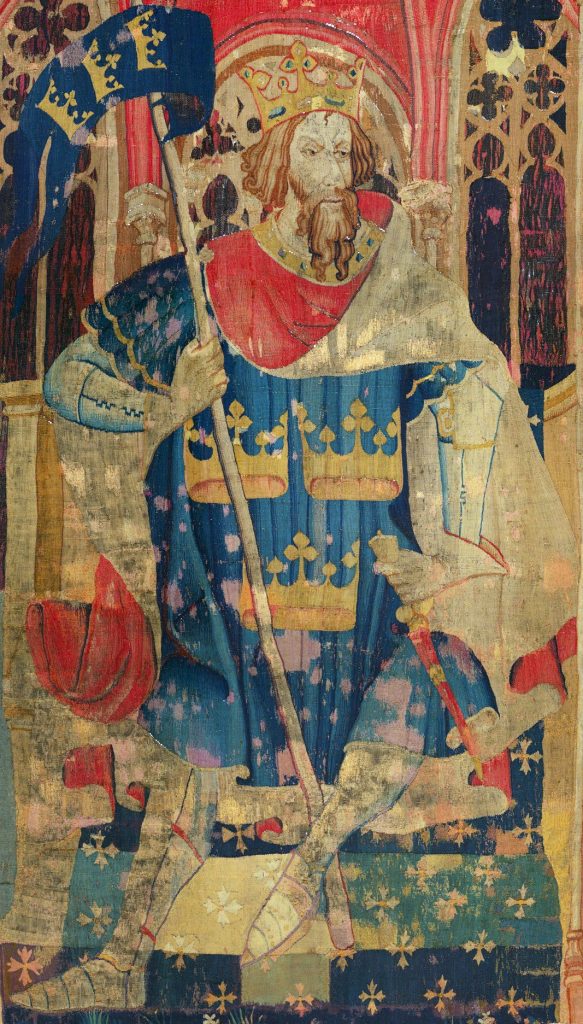
One of the most beloved kings in history almost certainly never existed. Arthur’s story doesn’t appear until the 9th century, and his Knights of the Round Table only show up in a 12th-century text, despite his supposed reign in the 5th or 6th century, and no contemporary source from that period names him at all.
Homer
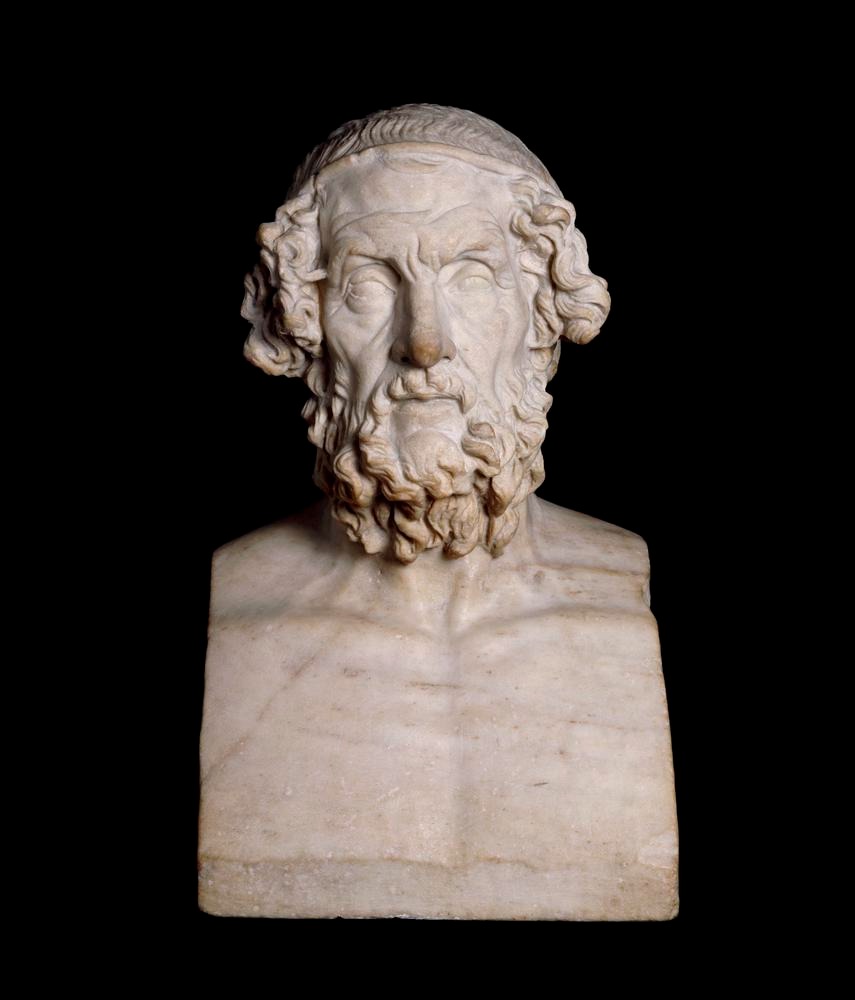
Scholars have long suspected that the man credited with writing the Iliad and the Odyssey was never a single real person, and that both epics were likely assembled from centuries of oral tradition by multiple authors, with “Homer” invented as a convenient name to put on the cover.
Robin Hood

Medieval records do turn up criminals with names like “Robehod” and “Rabunhod,” but none of them match the beloved outlaw from Nottingham, and most historians now believe he was a composite figure built from scattered stories about real bandits over several generations.
Mulan

Historians have found no evidence that Mulan ever existed as a real person. A book about women in Chinese history suggests she may have been loosely inspired by Wei Huahu, an actual female warrior from ancient China, but the story as most people know it is almost certainly a moral tale rather than a biography.
Pythagoras
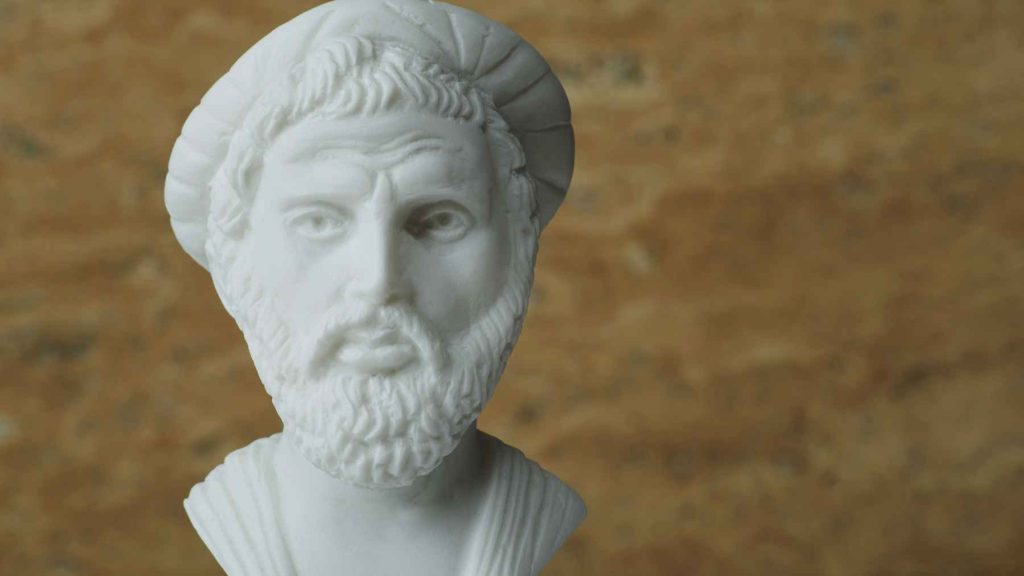
Despite having a famous theorem named after him, Pythagoras left no writings of his own, and everything known about him comes from followers who revered him as almost divine, one of whom claimed he had a golden thigh and was the son of Apollo, which doesn’t exactly help the credibility.
Betty Crocker
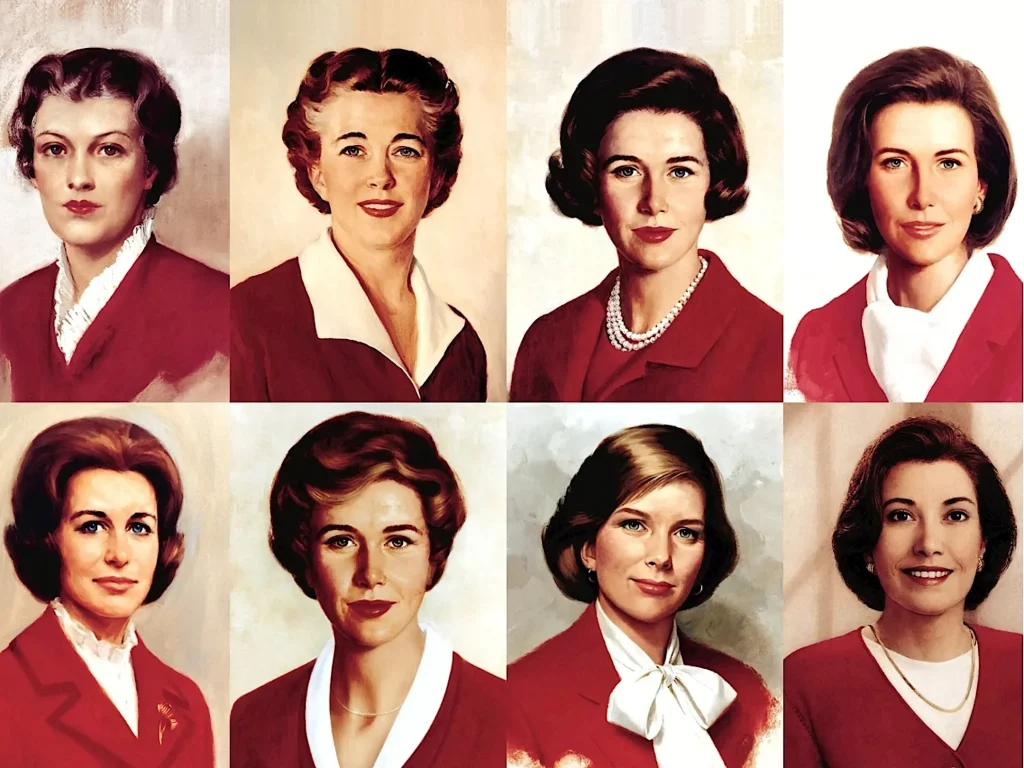
General Mills invented Betty Crocker in the 1920s to put a friendly face on their baking products, choosing the name because “Betty” sounded warm and approachable. She became so beloved over the following decades that many people genuinely believed she was a real person well into the mid-20th century.
Pope Joan
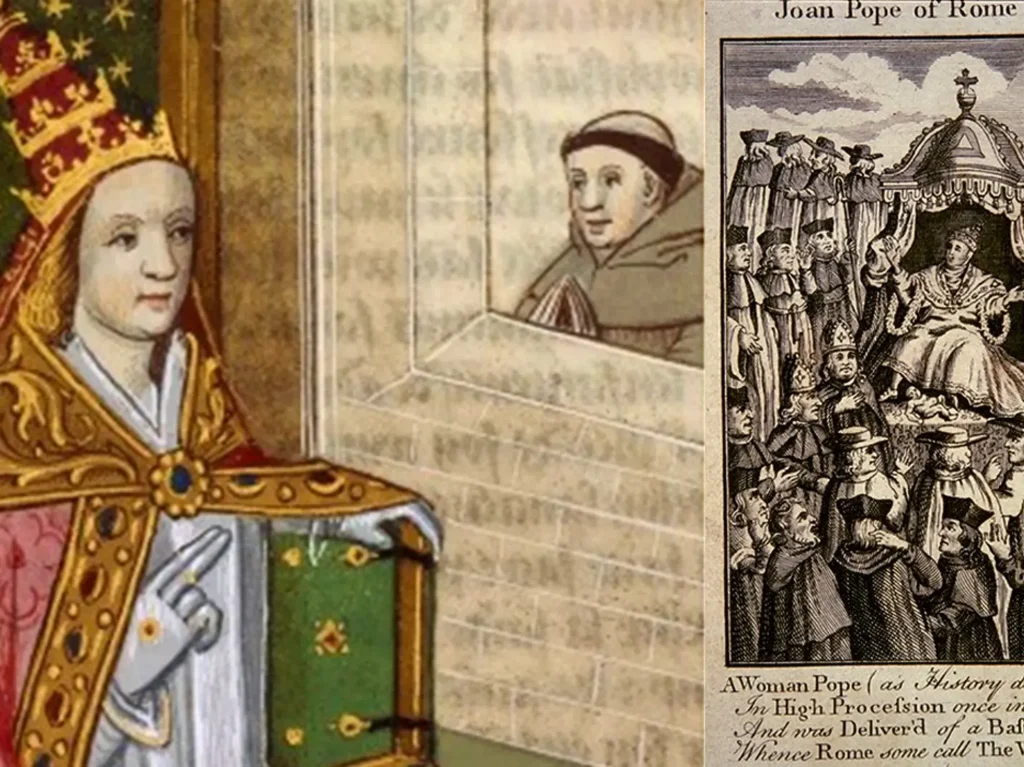
The legend of a woman who disguised herself as a man and rose to become pope circulated widely from the 13th century onward, but her supposed reign from 855 to 858 falls precisely between two well-documented popes with no gap between them, leaving no room for her to have actually existed.
Lycurgus of Sparta
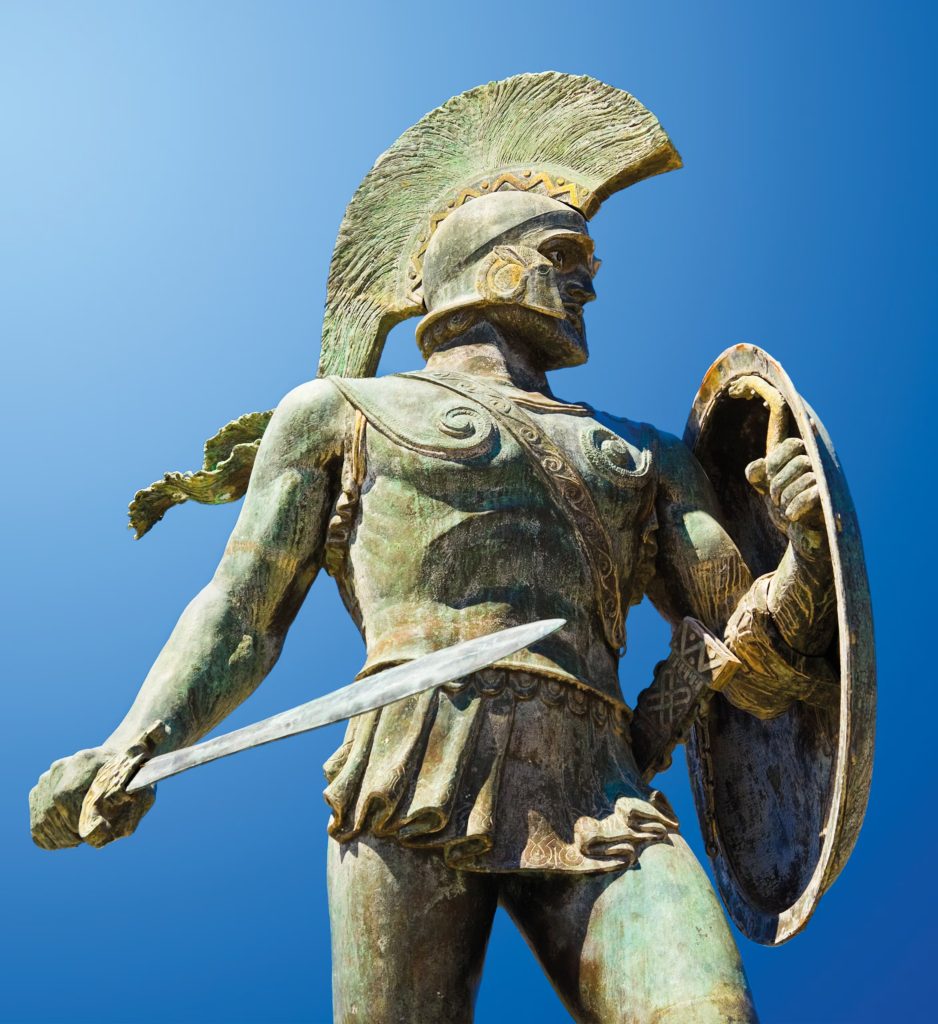
Credited with creating the entire legal and military framework that made Sparta famous, Lycurgus is almost certainly a myth, since the Spartans kept no written records and every account of him comes from outside sources that contradict each other on nearly every detail of his life.
Helen of Troy
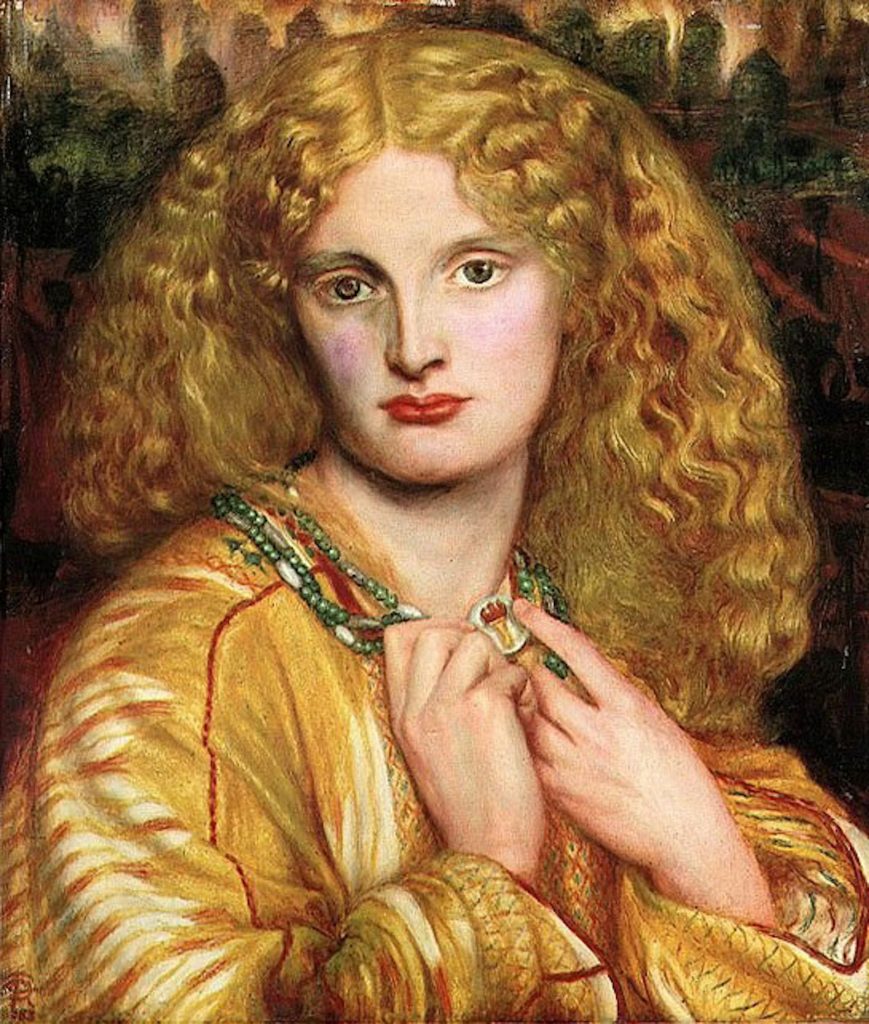
While archaeologists have found evidence that the city of Troy was real, Helen herself is a different story, and most historians believe she was a purely mythological figure whose role in the Iliad served as a narrative device rather than a record of any real event or real person.
Rosie the Riveter

During World War II, the U.S. government needed a symbol to encourage women to join the workforce, so Rosie was created as a composite figure representing all of them at once. There was no single woman behind the image, though several real workers have since been proposed as possible inspirations.
Sun Tzu
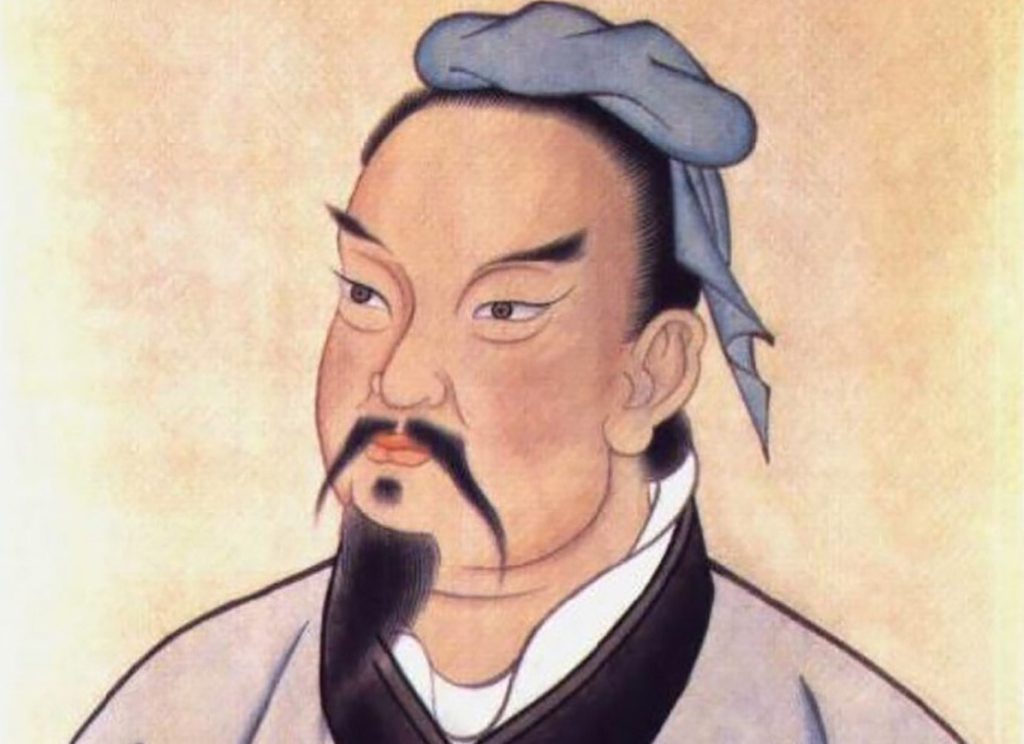
The Art of War remains one of the most read strategy books in the world, but Sun Tzu himself may never have existed as a single person, with many scholars now believing the text was compiled from multiple military thinkers over time and later attributed to one name for simplicity.
Menes, the first pharaoh
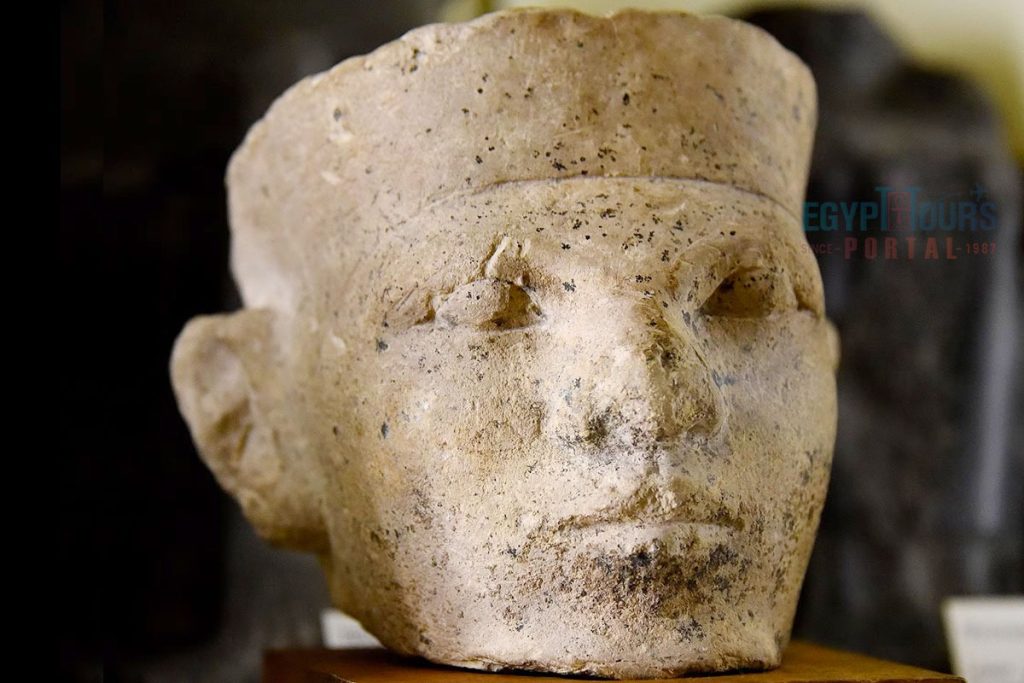
Said to be the ruler who united Upper and Lower Egypt into a single kingdom, Menes may simply be another name for Narmer, for whom actual physical evidence exists, including the famous Narmer Palette. Whether Menes was a real second person, a title, or a complete invention remains genuinely unresolved.
Laozi
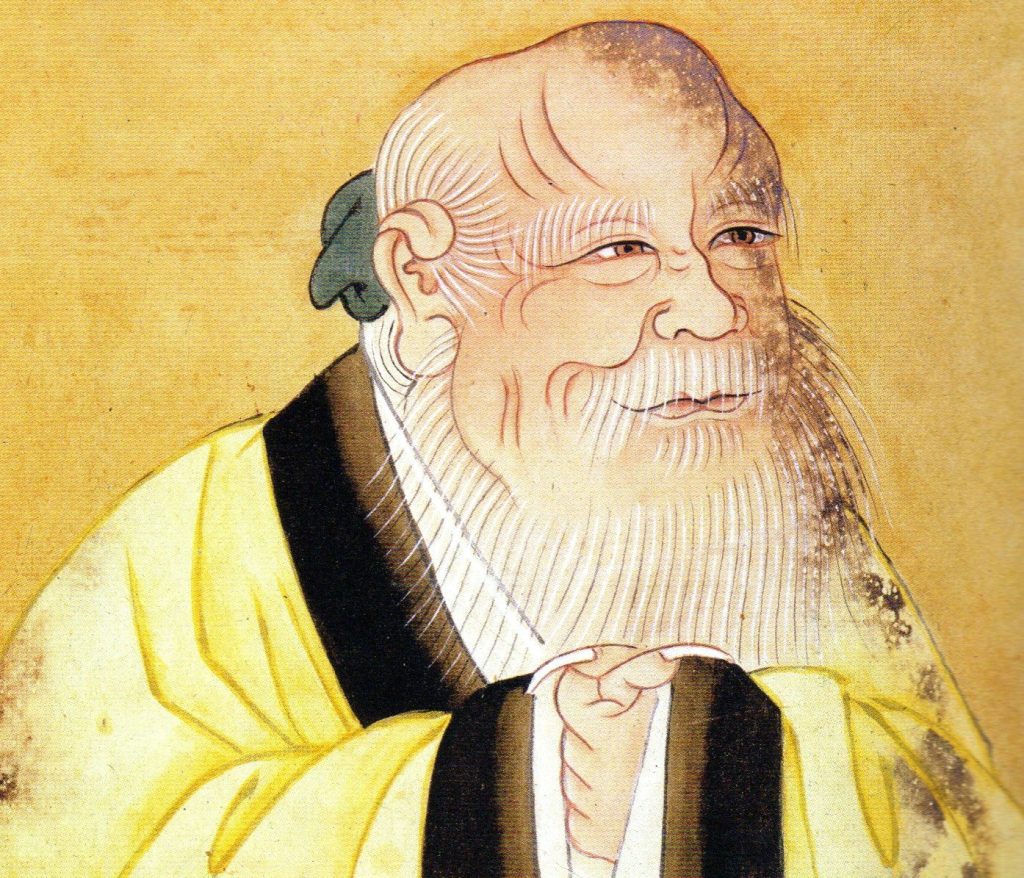
Considered the founder of Taoism and author of the Tao Te Ching, Laozi is one of the most influential philosophers in Chinese history, but early references to him appear centuries after he supposedly lived, and his biography is so full of contradictions that many scholars doubt he was ever a real individual.
William Tell
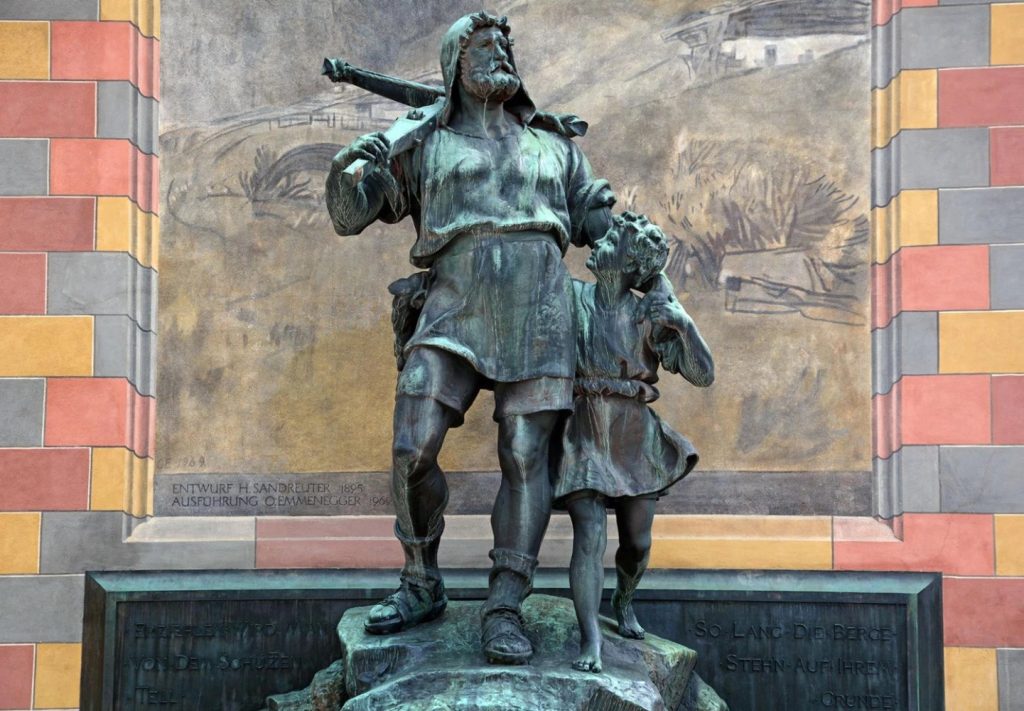
The Swiss hero who famously shot an apple off his son’s head with a crossbow has been a symbol of national identity for centuries, yet historians have never found a single contemporary document confirming his existence, and nearly identical stories appear in Norse and Danish folklore long before Tell’s tale emerged.
John Henry
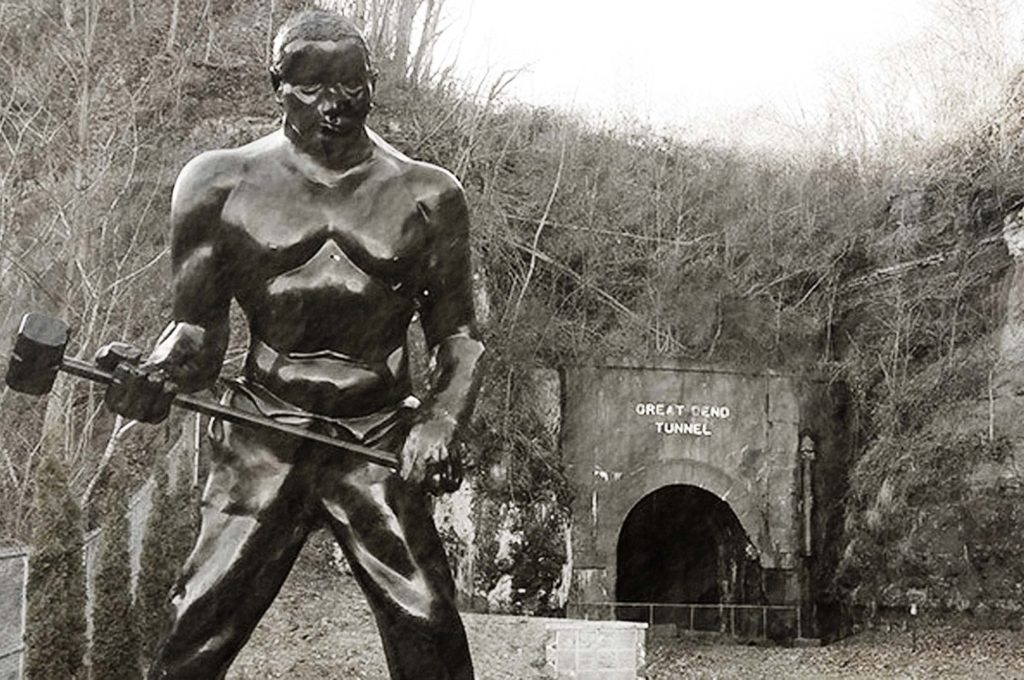
The story of a formerly enslaved man who outworked a steam drill and then died from the effort became one of America’s defining folk legends in the post-Civil War era, but while some historians believe a real railroad worker may have inspired it, no confirmed evidence of John Henry has ever been found.
Lady Godiva
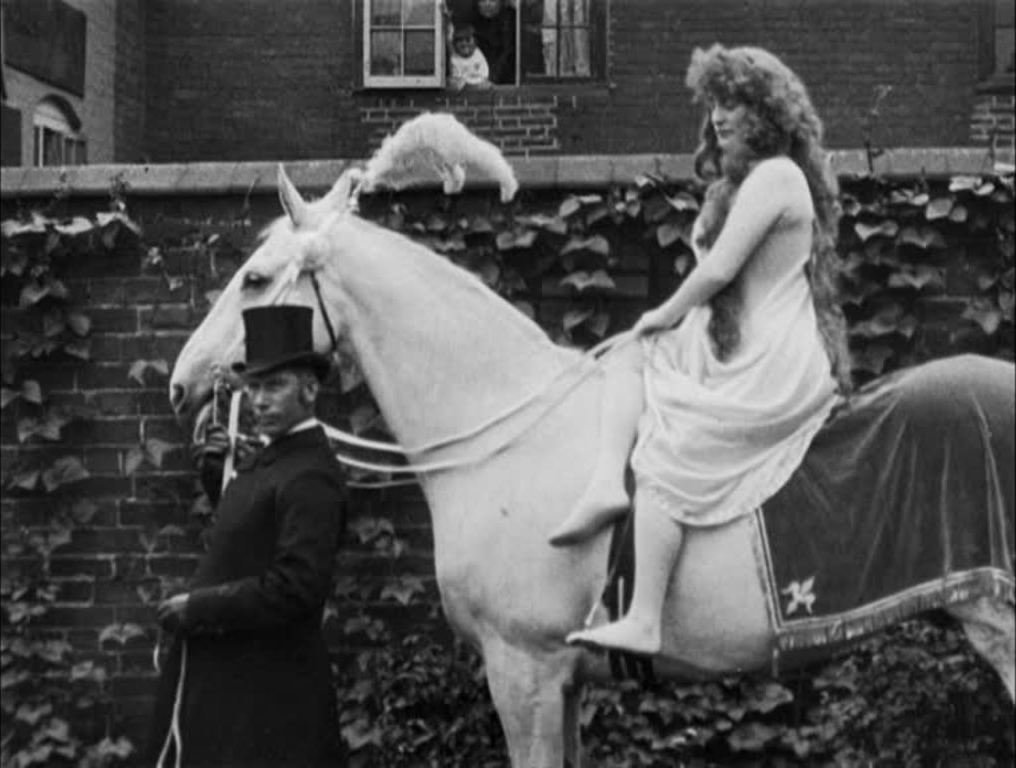
Famous for riding without any clothes through Coventry to protest her husband’s taxes, Lady Godiva appears in historical records as the real wife of a real earl, but the ride itself was almost certainly invented centuries after her death, with the first mention of it appearing over 100 years after she supposedly did it.
Socrates
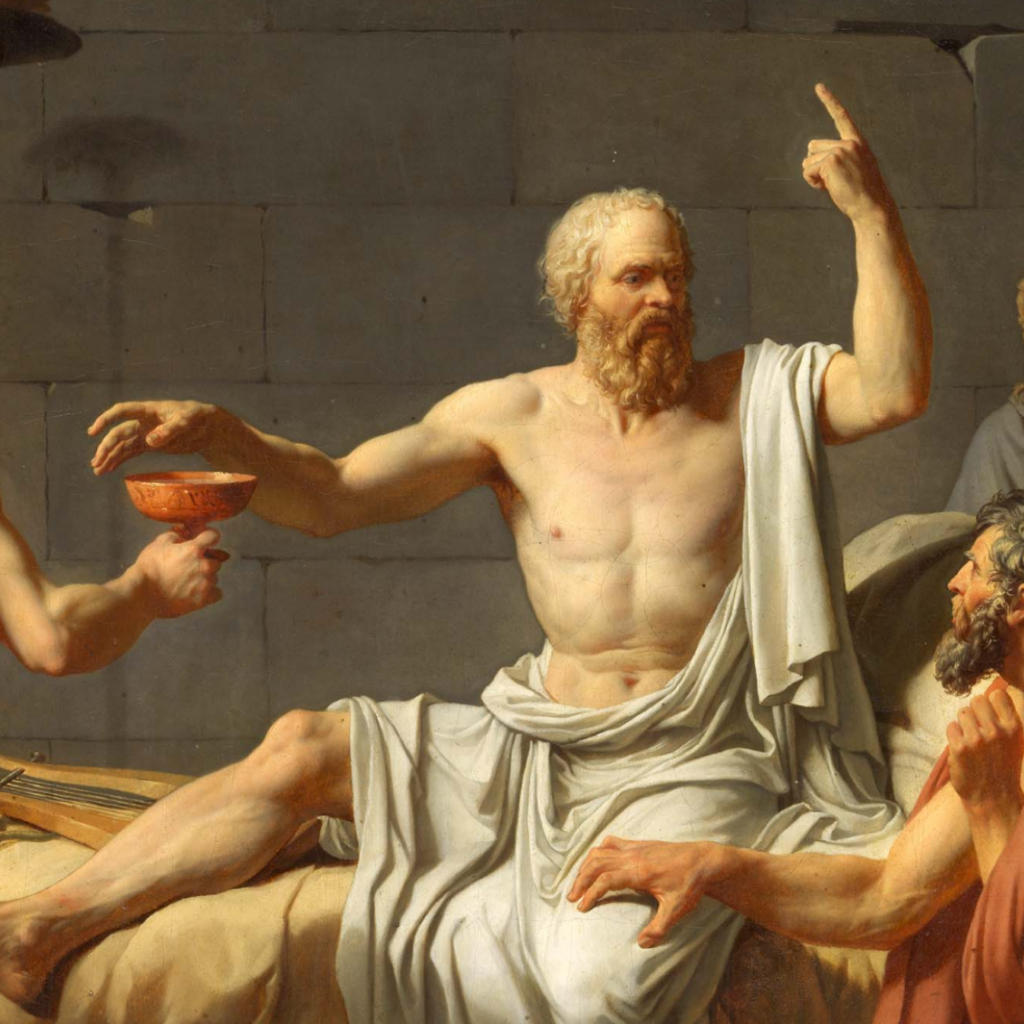
Everything known about Socrates comes from the writings of his students, particularly Plato, who may have used him as a literary device to express his own philosophical ideas rather than as a faithful portrait of a real teacher. There’s a decent chance a smart man named Socrates existed, but whether he resembled the Socrates of the dialogues is another question entirely.
Manco Capac
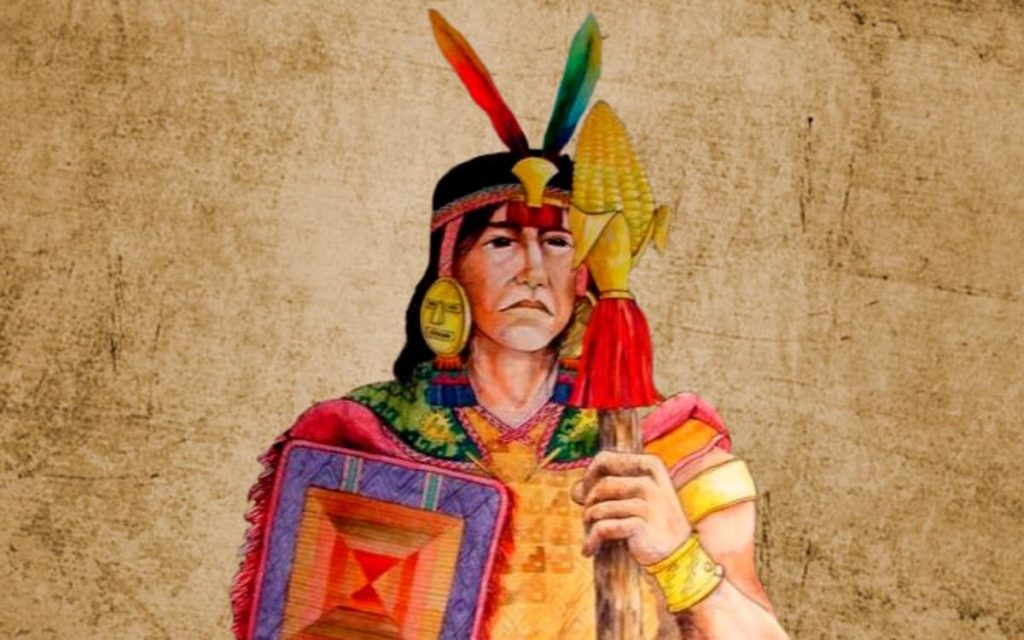
Considered the founding emperor of the Inca civilization, Manco Capac’s story includes emerging from Lake Titicaca as the son of the sun god, which has led many historians to classify him as a mythological figure invented to give divine legitimacy to Inca rule rather than a real historical person.
Uncle Ben

The face on the rice brand was never based on a real rice grower. The man in the image was Frank Brown, a Chicago restaurant worker whose likeness was used without his full knowledge, while the name “Uncle Ben” was borrowed from an unrelated farmer the brand wanted to evoke, making the entire persona a fabrication from the start.
Jenny Geddes
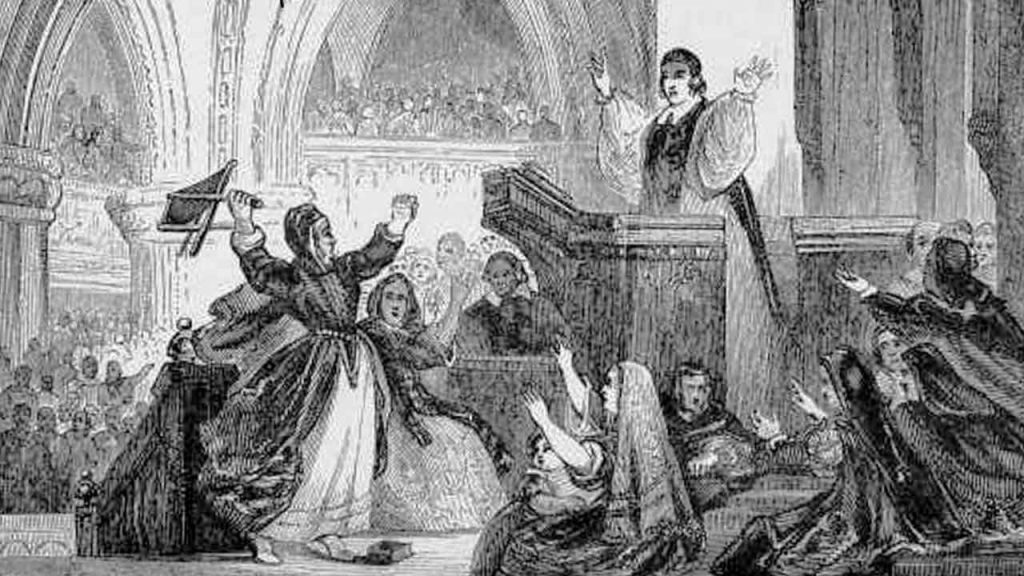
Said to have thrown her stool at a preacher in Edinburgh in 1637 to protest the introduction of an Anglican prayer book, Jenny Geddes became a Scottish folk hero, but historical evidence for her existence is essentially nonexistent and some researchers think the story may have been invented to give a name and a face to a spontaneous crowd.
Gilgamesh
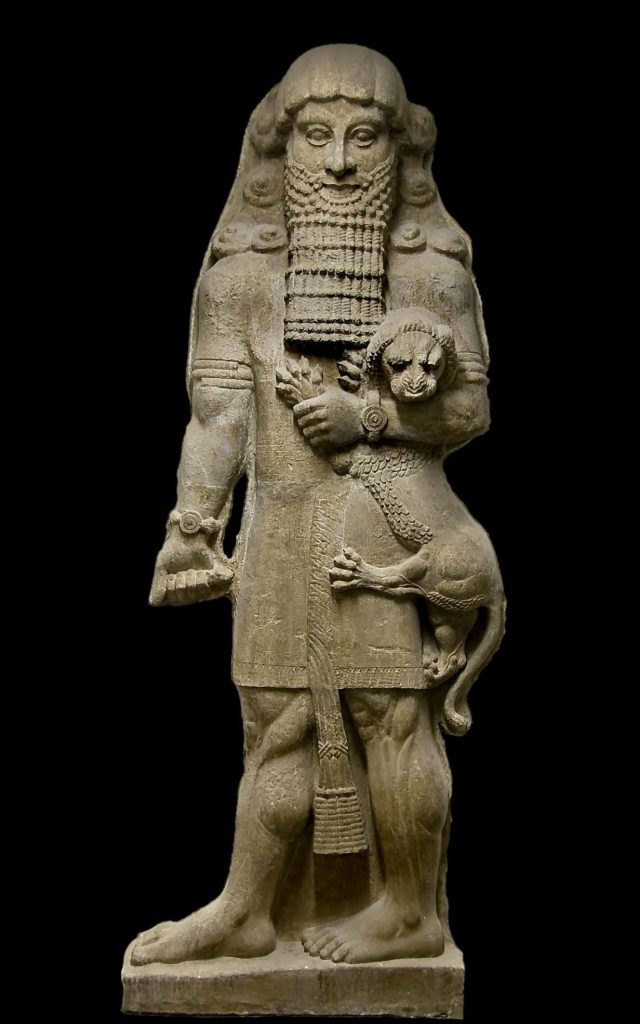
Among the oldest stories ever recorded, the Epic of Gilgamesh follows a king of Uruk on a quest for immortality, and while a real king named Gilgamesh may have existed around 2700 BCE, the figure in the poem is so wrapped in mythology and supernatural events that separating any historical truth from the legend is practically impossible.