In 1962, the world was buzzing with dreams of the future. The book “1975: and the Changes to Come” by Arnold B. Barach, painted a picture of a year filled with robot assistants, gadgets and automations designed to make everyday life easier. Fueled by rapid technological advancements and space race optimism, people believed the next decade would bring a sci-fi utopia to life.
1. Atomic Power for Space
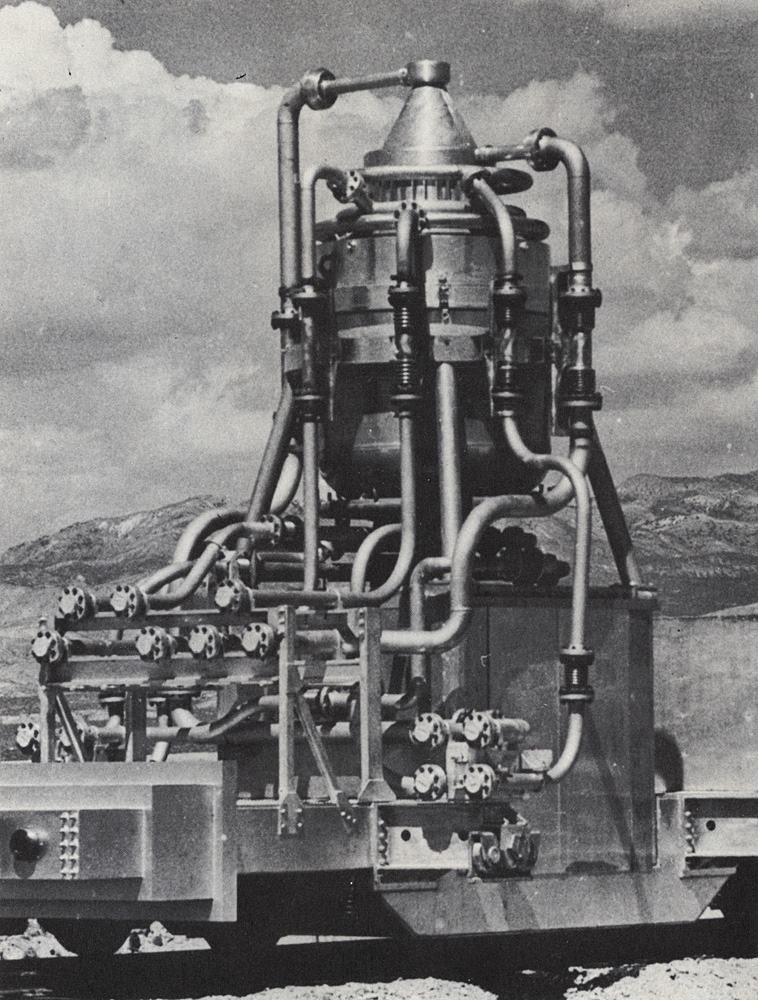
Pictured here in its experimental stage, the “Kiwi” reactor was one of the pioneering designs that helped lay the foundation for nuclear-powered rockets capable of journeying millions of miles through space.
2. Preserving Food
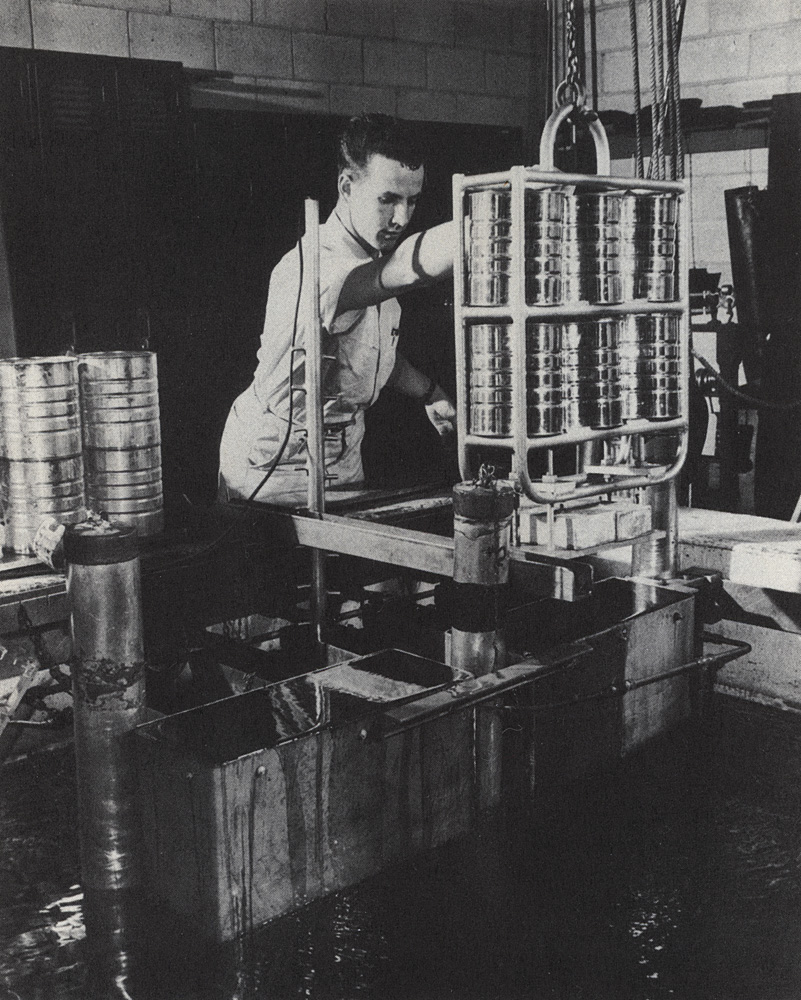
Canned beans are lowered into a radiation chamber, where a brief exposure of six to twenty minutes renders them shelf-stable for years. It was believed that by the 1970s, radiation would be widely used to preserve everything from meats to fruits and vegetables, drastically reducing the need for refrigeration.
3. Operating Heart of a Reactor
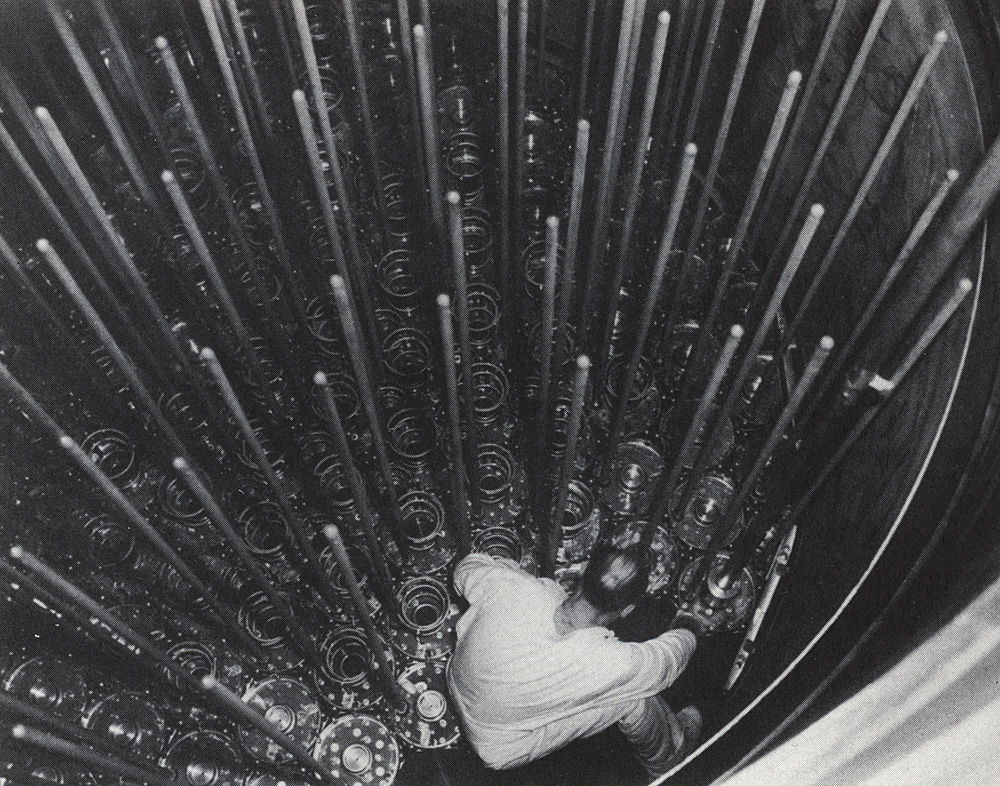
This experimental sodium reactor uses graphite stored in 119 canisters to regulate the neutrons required for atomic fission. The fuel elements are held in place by coiled springs within the tank. The purpose of this design is to showcase a more economical method of producing electricity from atomic energy than current reactor models.
4. Eating at Zero Gravity
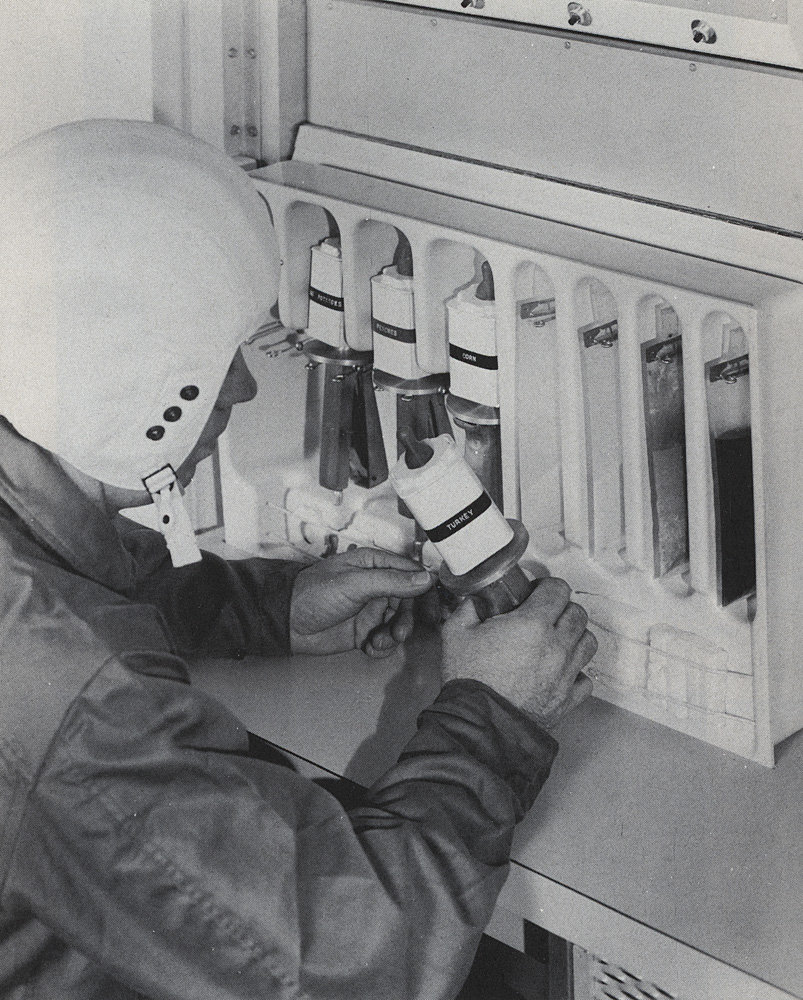
This astronaut snack bar concept is designed for eating in zero gravity, where traditional utensils like knives and forks would be impractical. The system uses a squeeze mechanism attached to a punctured can, pushing food through a nozzle straight to the astronaut.
5. The Cardiac Pacer
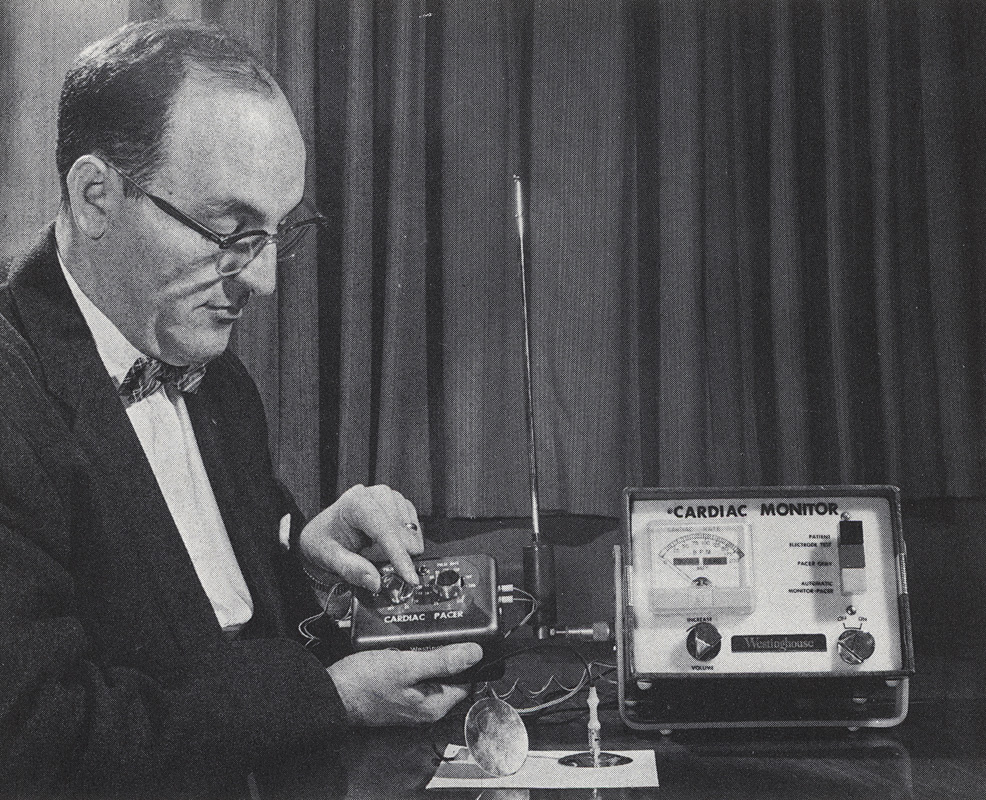
Inventor Morris Tischler developed these electronic devices to help monitor and support patients with heart conditions, and potentially save lives. The “Cardiac Pacer” delivers automatic stimulation during cardiac distress, while the “Cardiac Monitor” keeps track of the heartbeat, activates the pacer when needed, sounds an alarm, and transmits a signal to a doctor’s receiver up to two and a half miles away. Experts anticipated that such devices would soon become standard tools for heart specialists.
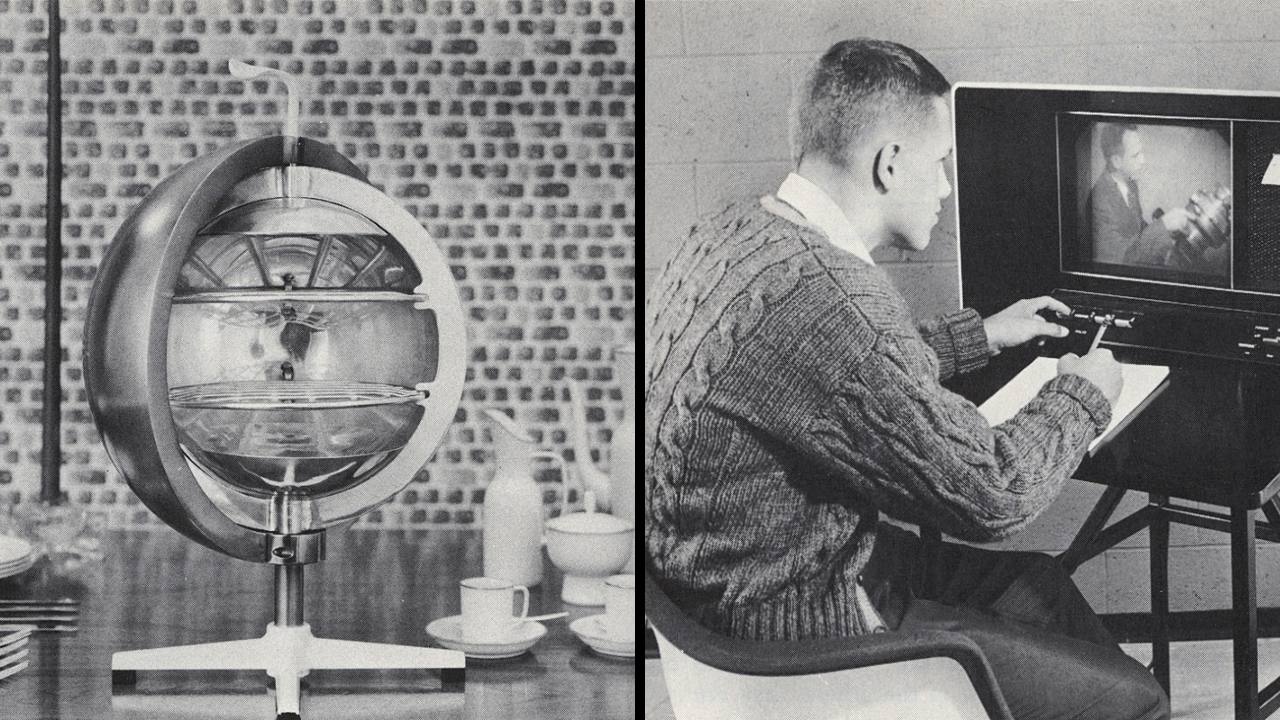
6. The Hi-Fi Sphere
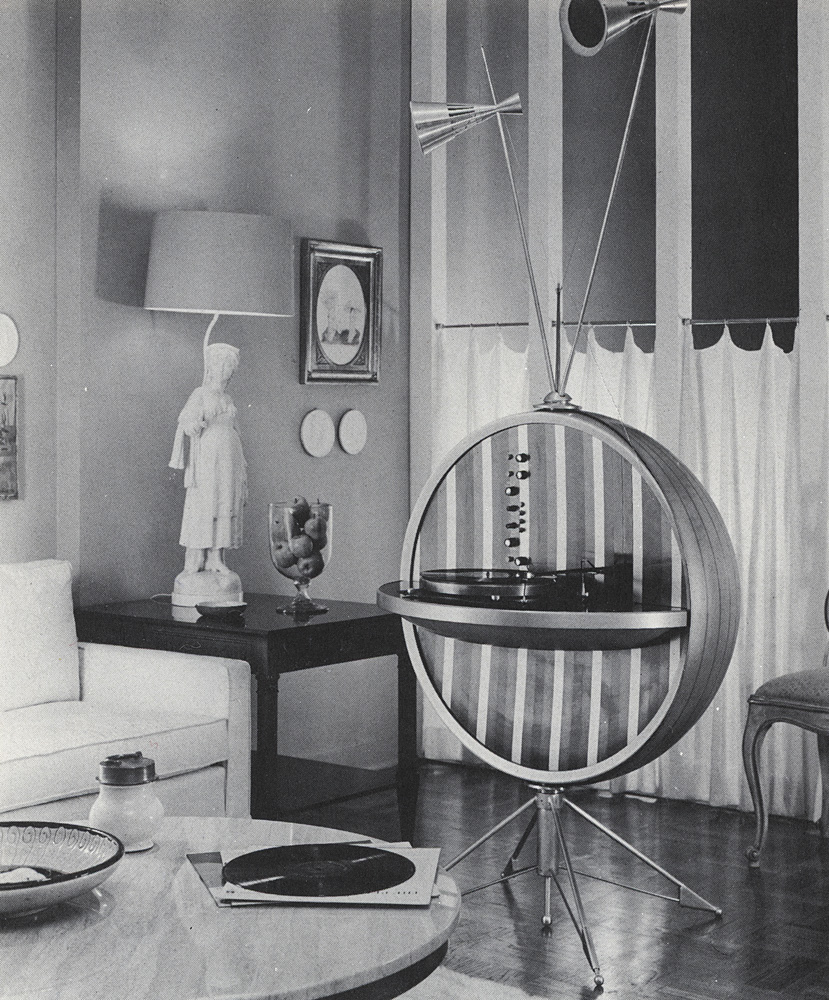
Future high-fidelity systems won’t be limited to traditional boxy shapes. This innovative design merges electronic function with the elegance of a musical instrument. Engineers have long recognized the acoustic benefits of spherical forms. Retractable cone speakers can stretch up to six feet apart to deliver ideal stereo separation, while a built-in woofer inside the sphere boosts the bass.
7. The Beach House
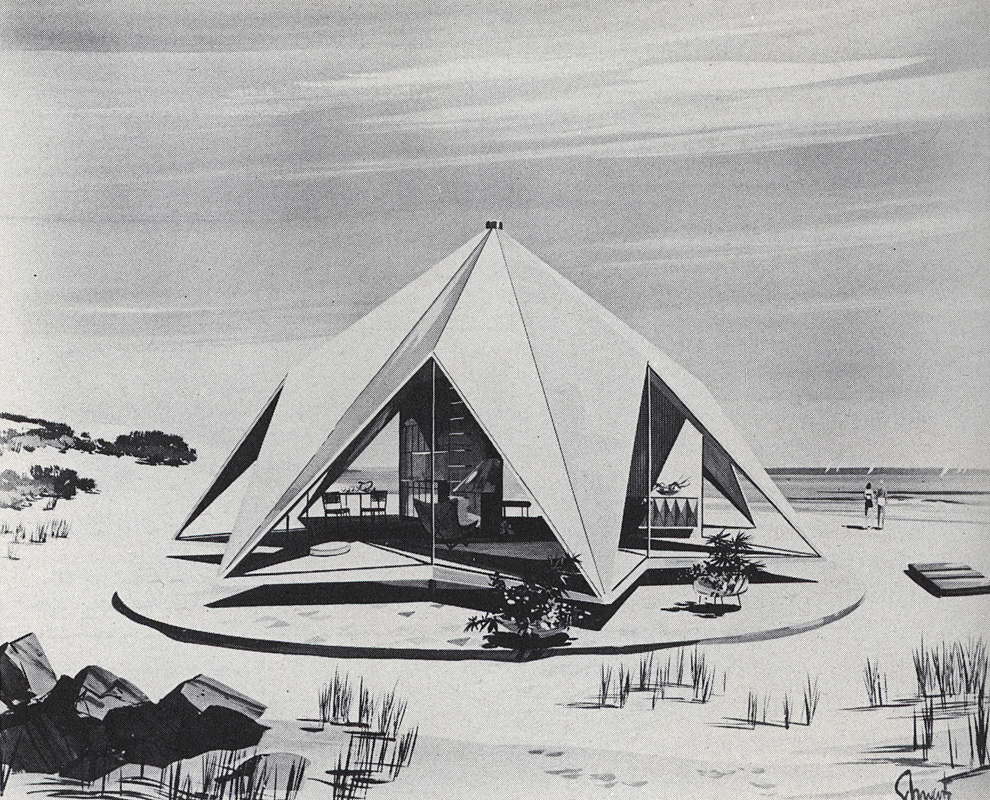
This futuristic beach house includes a vibrant aluminum roof and glass walls that can fully open to merge indoor and outdoor living. Rising over 15 feet, the peaked roof sits atop a central column, with the surrounding walls fanning out like spokes on a wheel.
8. Global Satellite Broadcasting in a Sleek Design
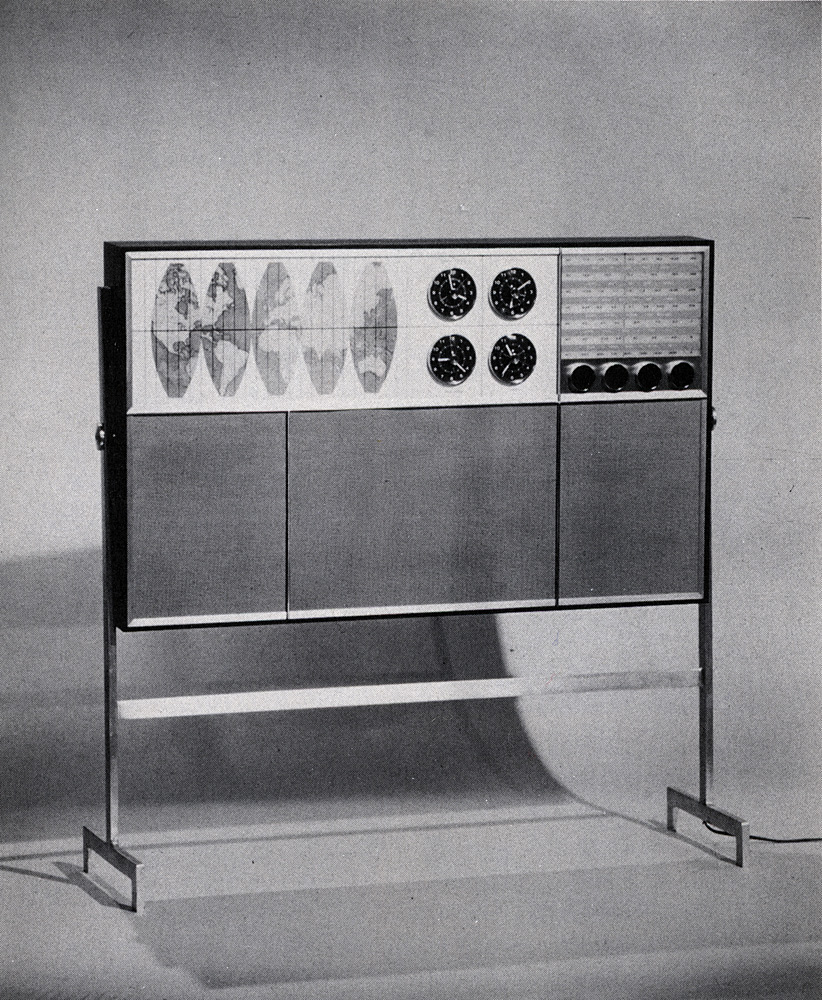
This cutting-edge television, designed for the next decade, is capable of receiving satellite broadcasts from across the globe. A light on the world map highlights the program’s source, while dials display the time in four key time zones. Measuring just three inches thick, the unit also features a stereophonic radio built into the back.
9. House for a Small City Lot
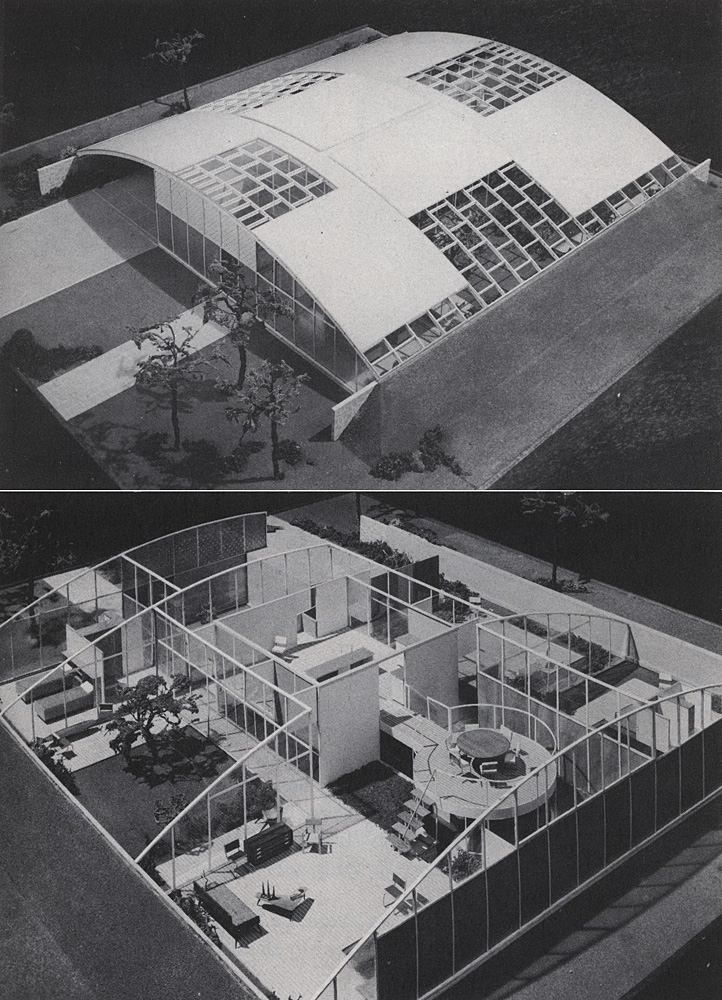
This cost-effective home designed for small urban plots features lightweight steel arches that cover both the living space and outdoor recreation areas. With the roof removed, the model reveals a functional interior layout. By 1975, as urban land grows increasingly limited, architects are expected to adopt designs like this to make the most of space in expanding cities.
10. Different Variations of Future Television Sets
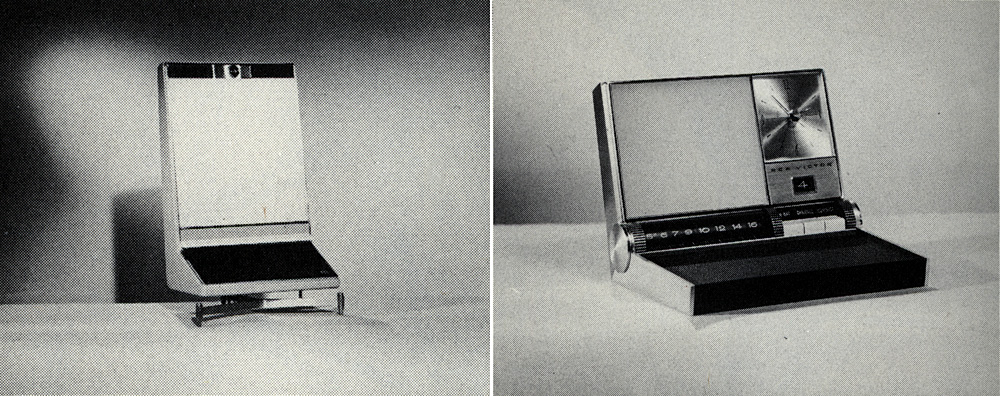
On the left, a versatile device enables a homemaker to keep an eye on children, screen visitors, or enjoy color television. On the right, a salesman’s portable video-audio player fits neatly into an attaché case and can be used for visual presentations as well as a dictation machine.
11. Future Time-Saving Kitchen Combo
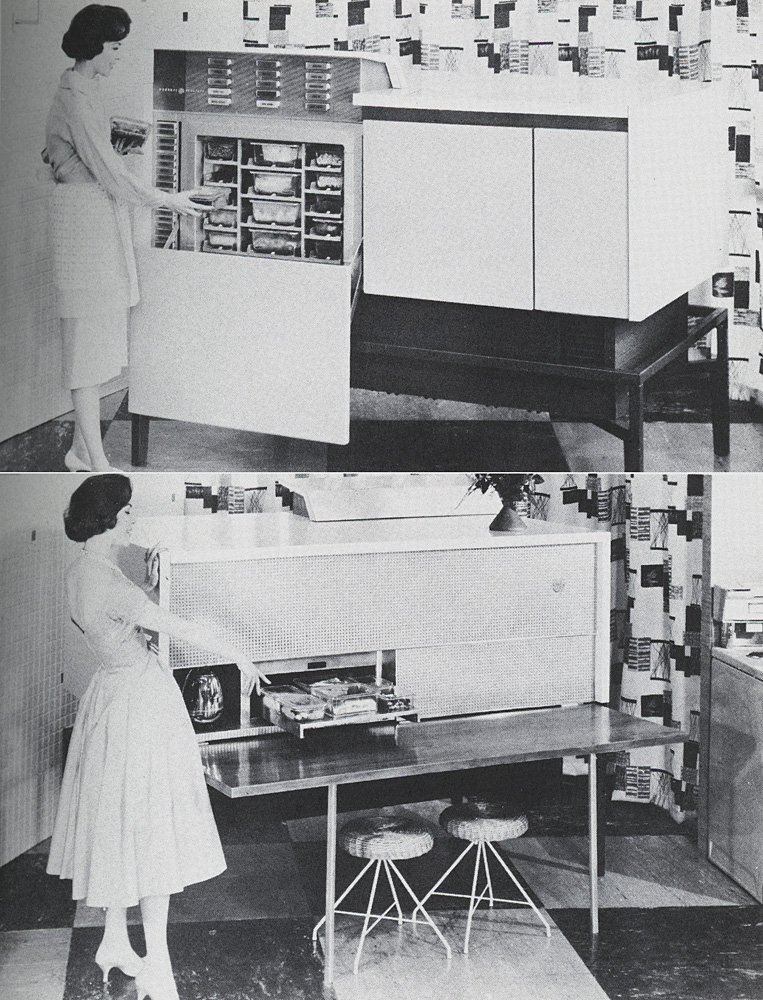
Designed to save time, this combined freezer and electronic oven lets users prepare meals ahead and store them in labeled compartments. When it’s time to eat, pressing the corresponding button heats the meal, which is then served hot from the back of the appliance in just thirty minutes.
12. Convenient Pre-Cooked Bacon Packaging
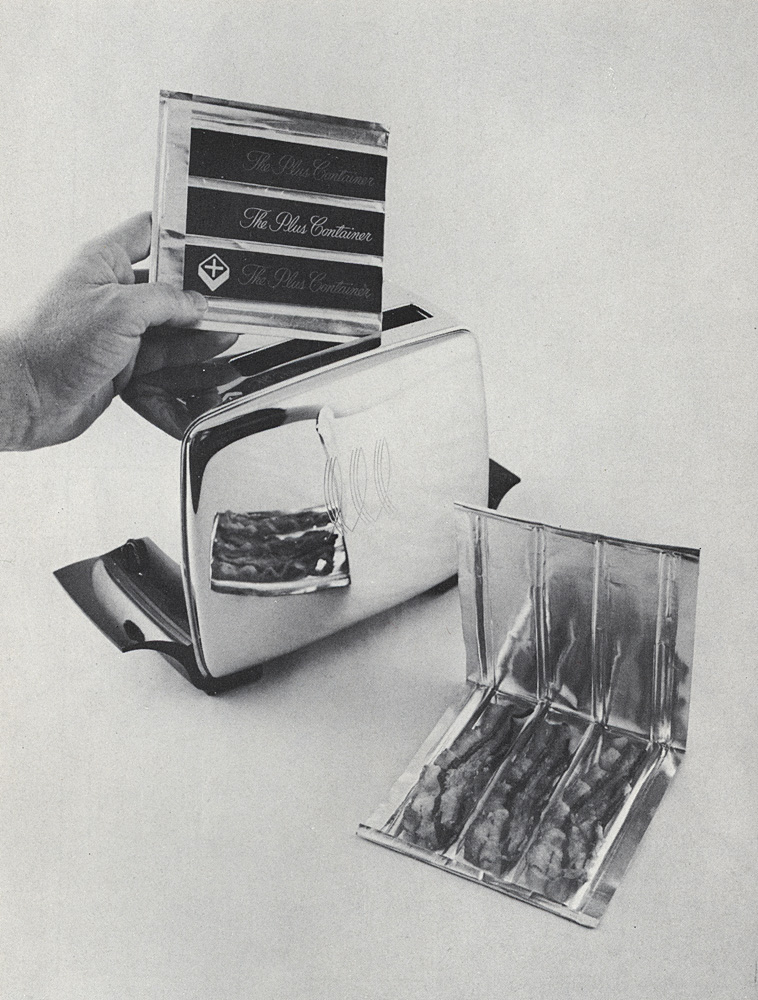
Bacon comes pre-cooked and sealed in a specially designed aluminum pouch for easy use later. To heat, just place the packet in a toaster, oven, or broiler. This method removes the need for cooking tools, as the package opens effortlessly and can be resealed to keep any leftovers fresh.
13. Ultrasonic Dishwashing Technology
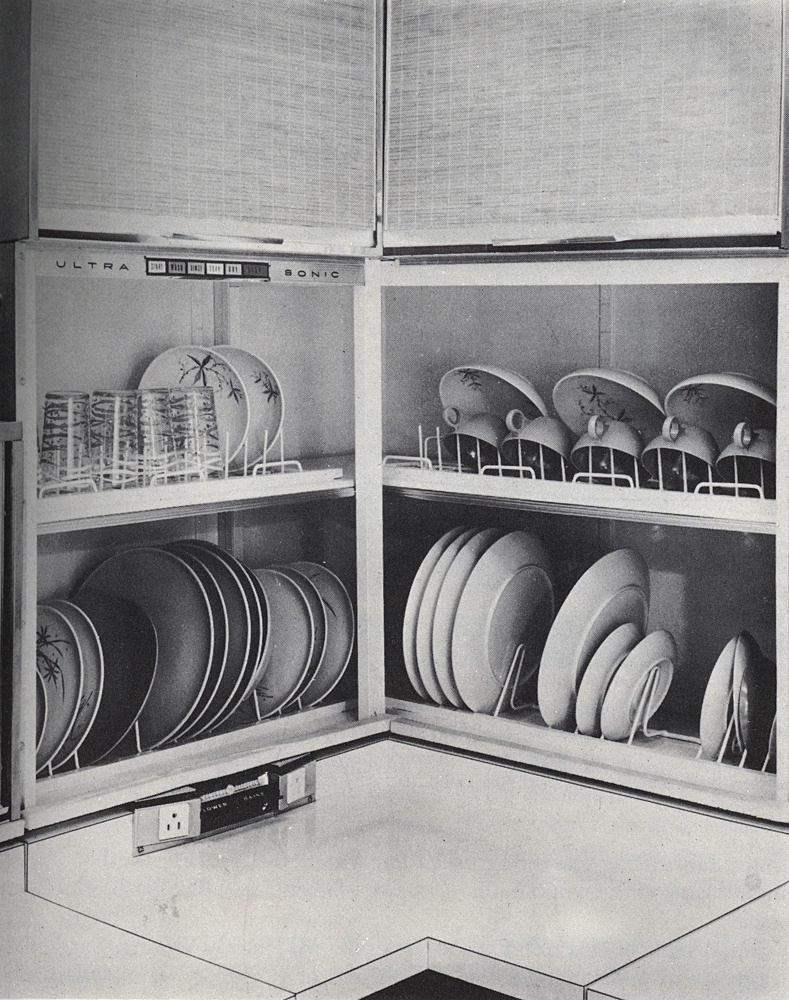
This ultrasonic dishwasher employs high-frequency sound waves to activate water, providing a thorough clean without scratching dishes. A transducer produces sound waves at approximately 20,000 cycles per second, inaudible to the human ear.
14. Portable Spherical Oven
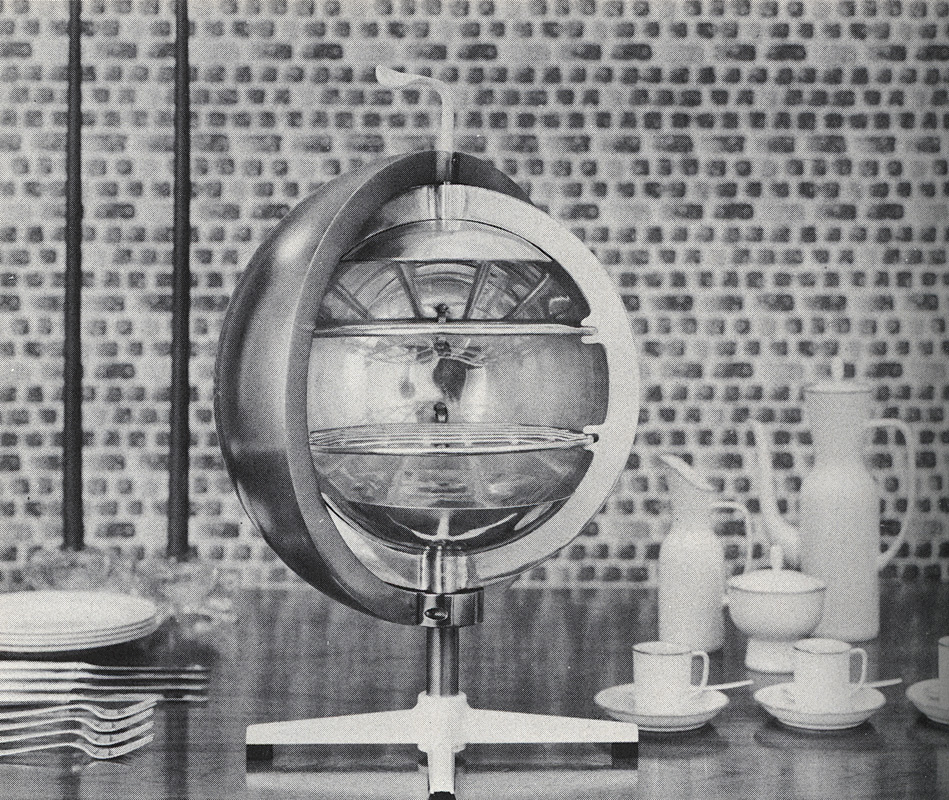
Created by Greta Magnusson Grossman, this compact, spherical oven is designed for broiling and baking right at the table, in the kitchen, or outdoors. The two rounded halves swivel open and closed, utilizing rapid radiant heat.
15. A Futuristic Kitchen
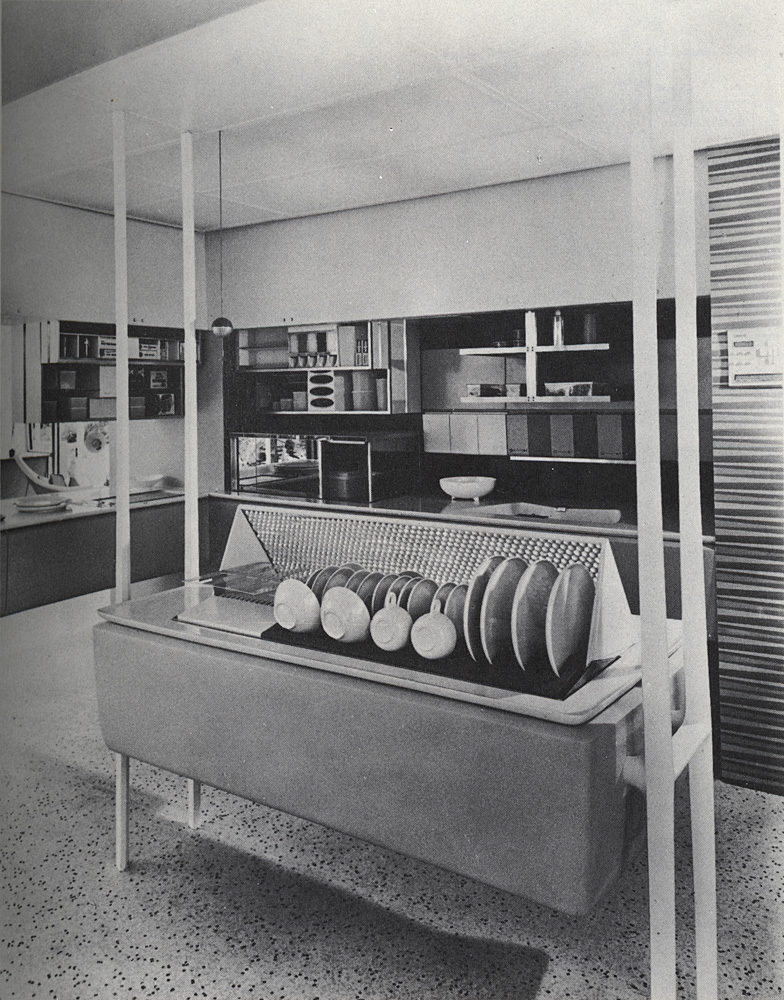
This advanced kitchen features an ultrasonic dishwasher, an electronic stove, and push-button refrigerator and freezer units that smoothly rise and lower behind sleek panels. Specialized cabinets hold foods preserved using atomic radiation.
16. Personalized Learning with Teaching Machines
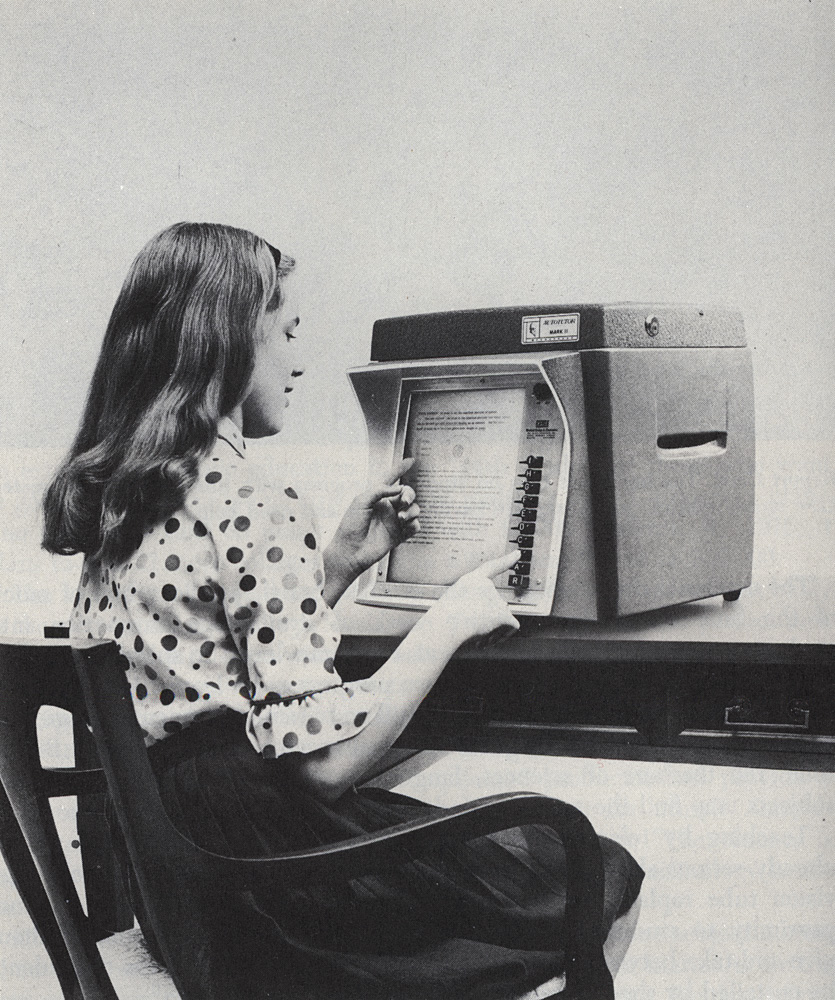
Teaching machines simplify complex topics into smaller, manageable steps, enabling students to learn at their own pace. For example, the “AutoTutor” delivers a lesson segment followed by questions with multiple-choice answers; correct answers unlock the next section, while errors prompt a brief explanation before retrying.
17. Film-Based Teaching Machine
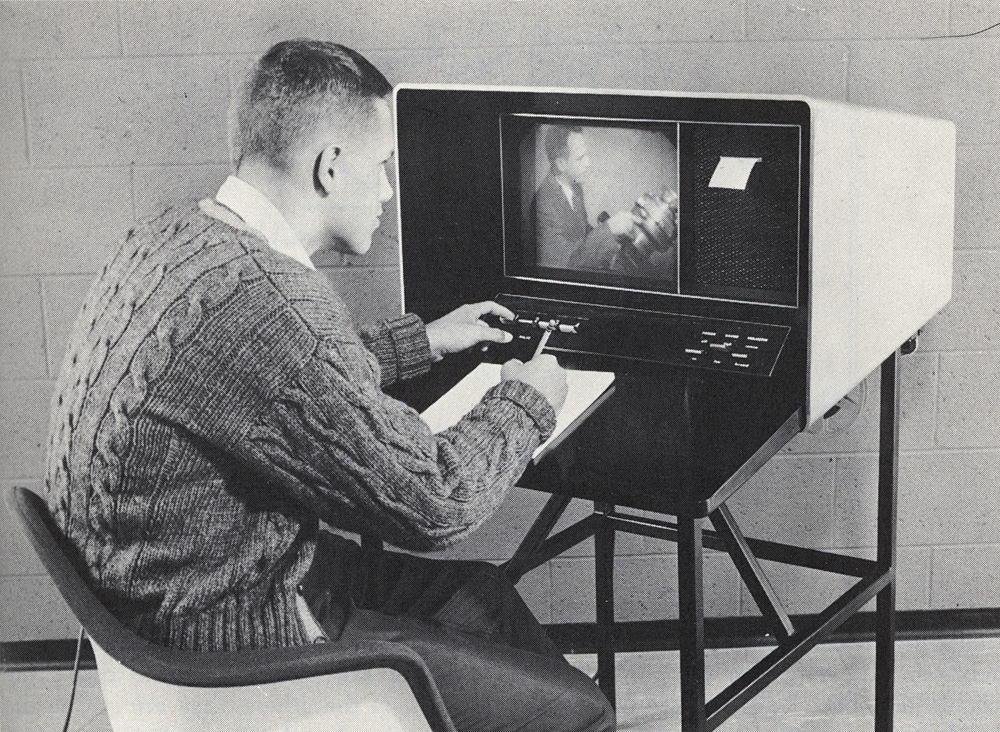
Students choose answers by pressing one of four buttons, and their results are printed on a slip at the top right. Machines like this are predicted to become common, using repetition to reinforce learning while helping teachers cut down on paperwork and better manage their classrooms.
18. Automated Learning Aid for Classrooms
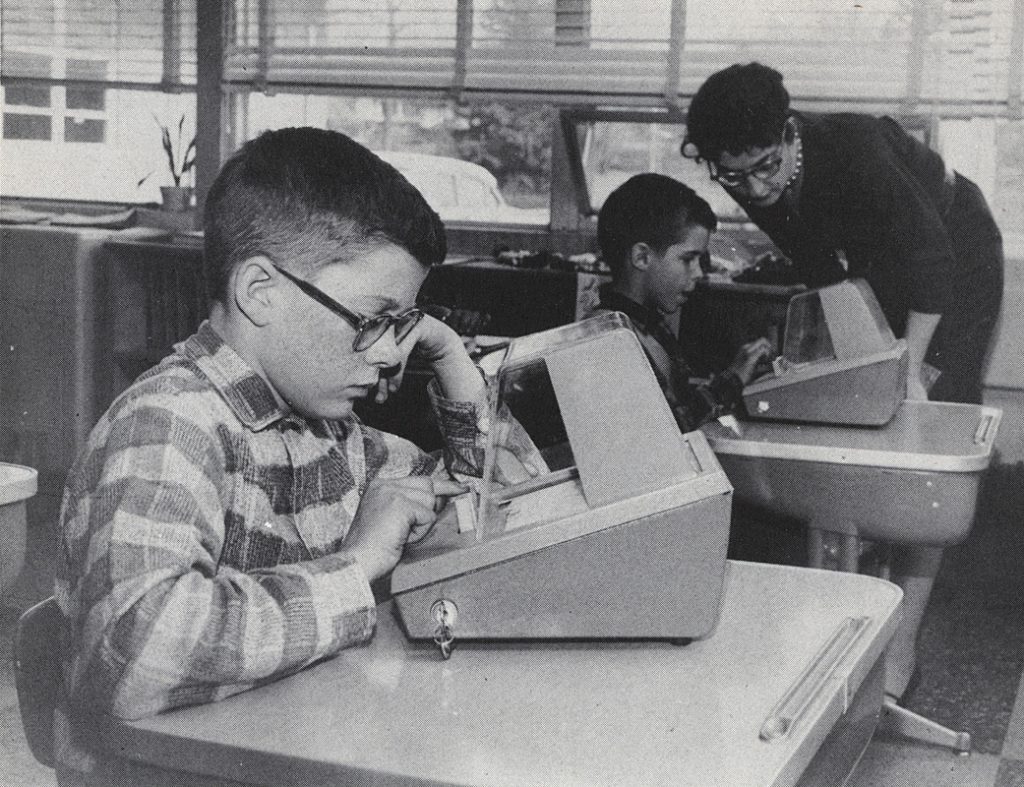
In this classroom device, lessons on spelling, geography, and history appear on a stack of cards at the top. Students respond by pressing one of four buttons; a correct answer drops the card to reveal the next lesson segment. The machine records scores, assisting teachers in spotting students who might require extra help.
19. High-Speed Document Encoding Device
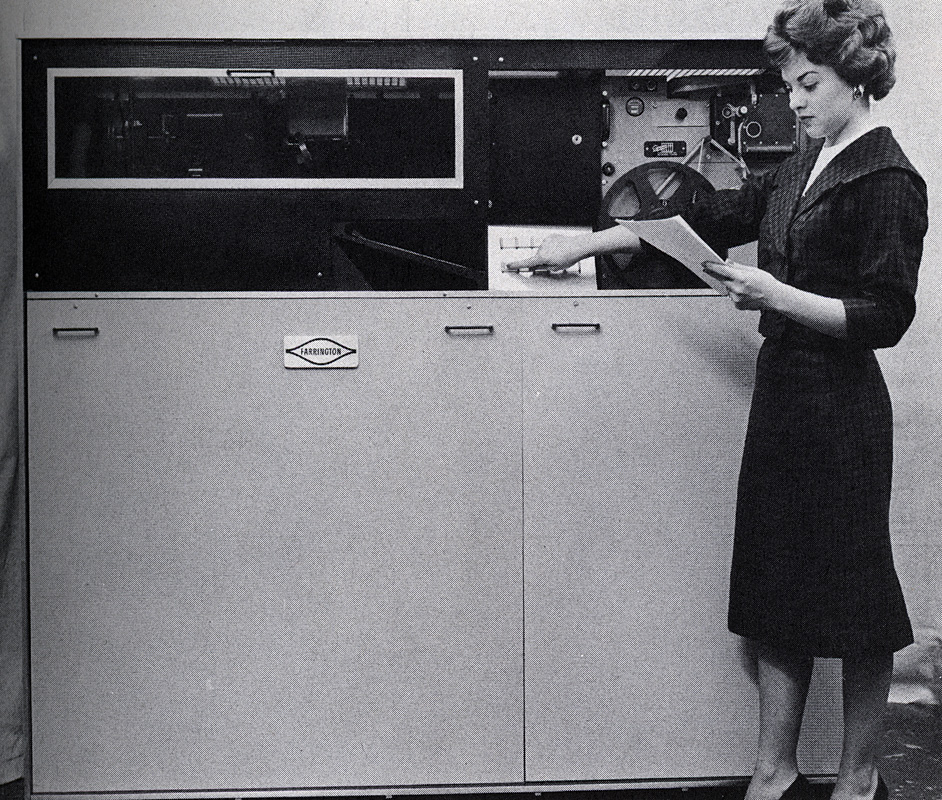
This machine converts documents into punched tape at a speed of 240 characters per second. The punched tape can then be read by another device to recreate the original text. Some offices have already started using these machines, which are anticipated to become standard equipment by 1975.
20. Early Automated Language Translation
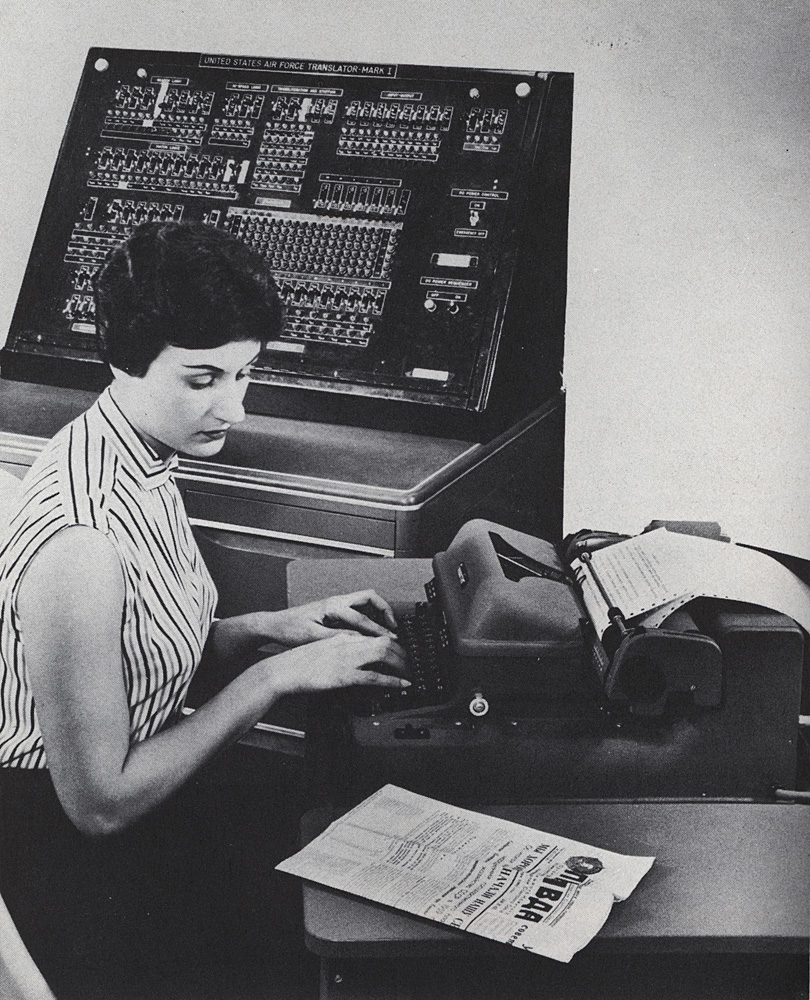
A typist inputs stories from the Russian newspaper Pravda into a device that converts Cyrillic characters into punched tape. When this tape is run through another machine, it produces an English translation.
21. Early Computer-Assisted Library Research
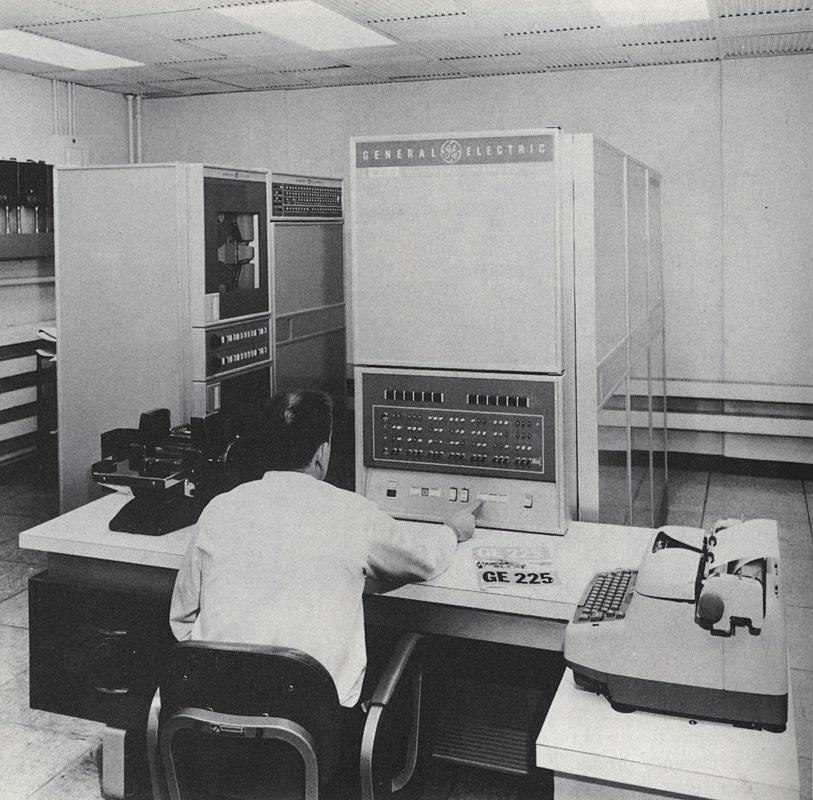
With roughly 2,000 pages of reports, newspapers, and books published every minute, and increasing, libraries will need computers to help find relevant documents and references. This pioneering system is in use at the Center for Documentation and Communication Research at Western Reserve University.