Abraham Lincoln is one of the most studied figures in American history, yet countless myths and misconceptions about his life, beliefs, and presidency persist. From the Emancipation Proclamation to his personal habits and political stances, much of what people “know” about Lincoln is either oversimplified, misunderstood, or completely false. This list examines the most common misconceptions and separates fact from fiction, giving a more nuanced view of the man behind the legend.
Myth #1: The Emancipation Proclamation freed no slaves
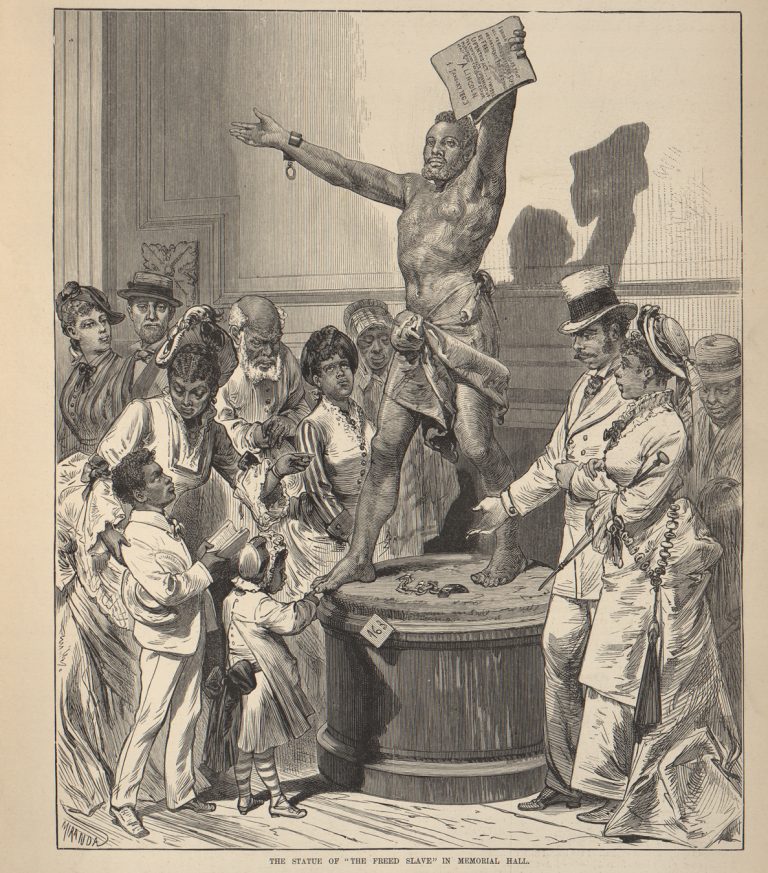
It applied only to Confederate territories, but tens of thousands of slaves in Union-controlled areas of Virginia and the east coast were freed immediately. As Union armies advanced, more Confederate slaves became legally free. Lincoln designed it this way strategically to extend its reach as the war progressed.
Myth #2: The Emancipation Proclamation freed all the slaves
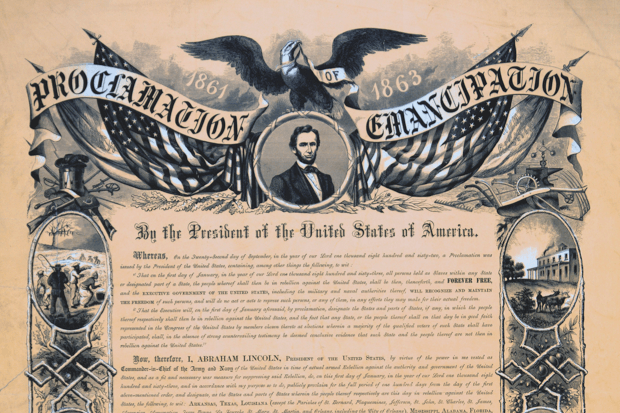
It did not apply to border states or loyal regions of the South. Lincoln used his war powers carefully to avoid legal challenges and political backlash. Slavery’s permanent abolition came later with the Thirteenth Amendment.
Myth #3: Lincoln kept the Proclamation a secret
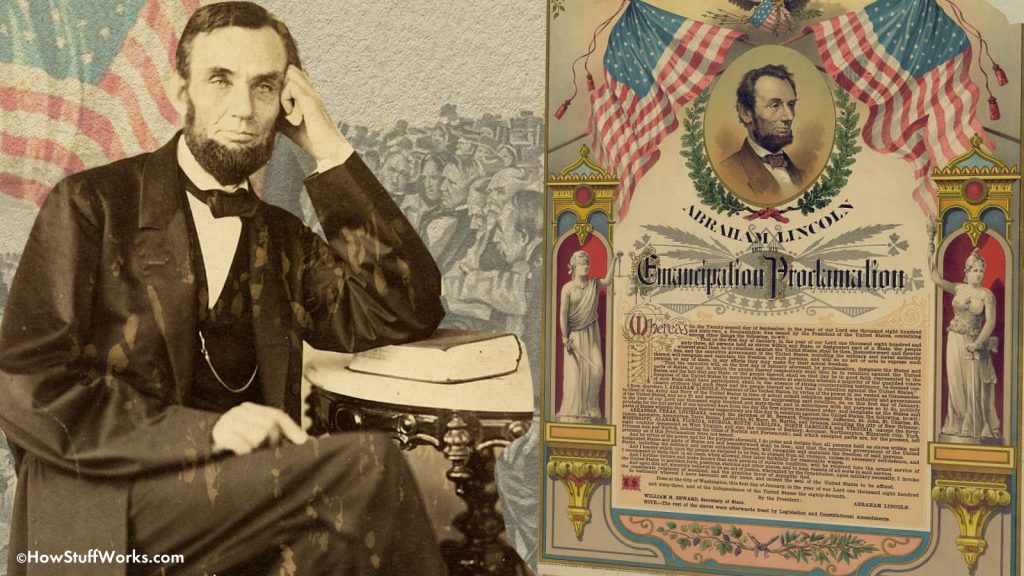
Lincoln announced his intentions months in advance, first on September 22, 1862. The January 1, 1863 date was planned to coincide with military strategy, not as a surprise. The Proclamation was widely discussed before its release.
Myth #4: The Proclamation was the turning point against slavery
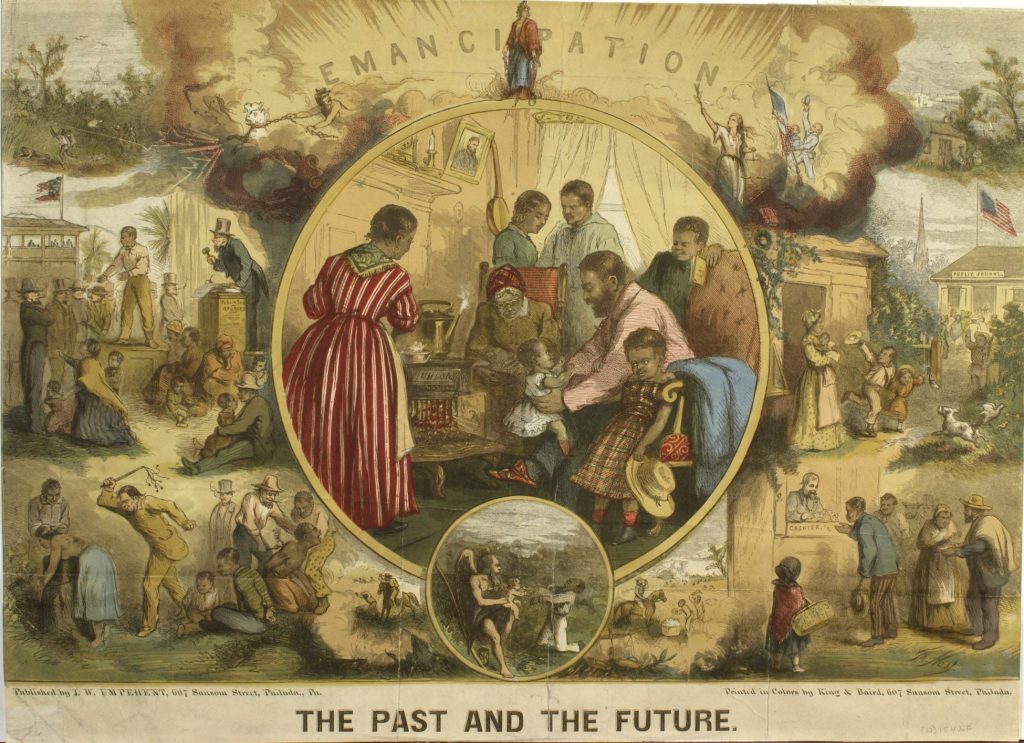
It was a step in Lincoln’s broader emancipation strategy, not a sudden turning point. He had already freed slaves in Washington, D.C., and implemented the contraband policy. The September 22 announcement was historically more dramatic than the final Proclamation.
Myth #5: Lincoln’s beliefs on slavery changed suddenly
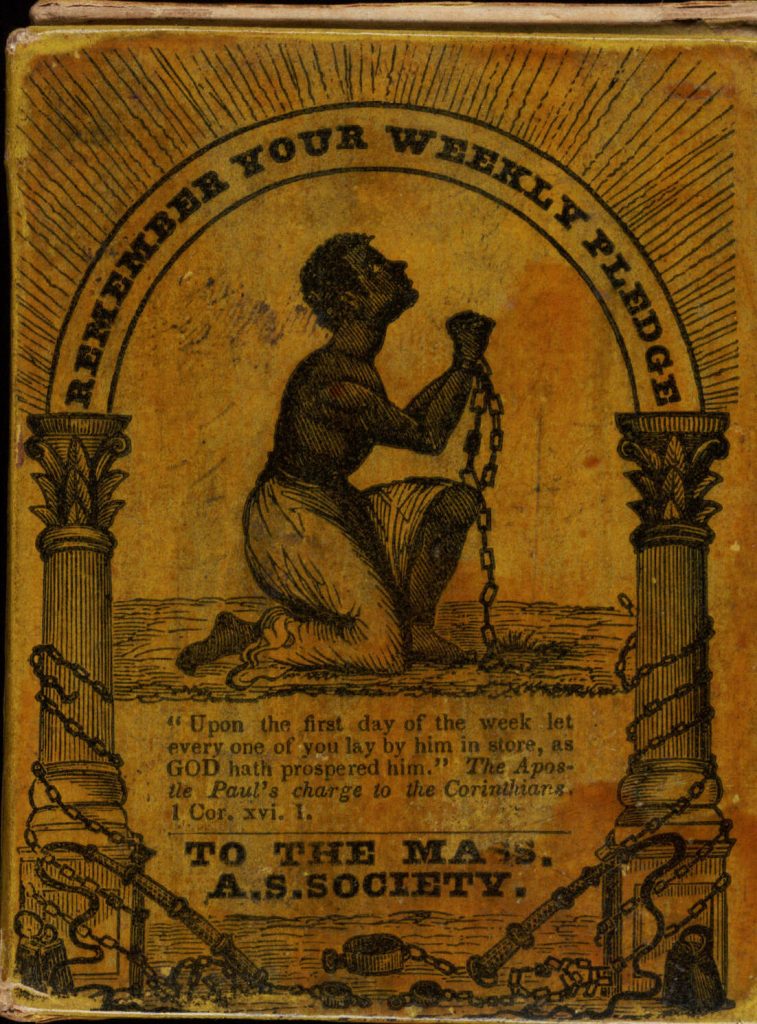
Lincoln opposed slavery before 1863 and pursued gradual emancipation and colonization. The Proclamation reflected an ongoing policy rather than a sudden moral conversion. He continued promoting compensated emancipation after its issuance.
Myth #6: Lincoln was a simple country lawyer
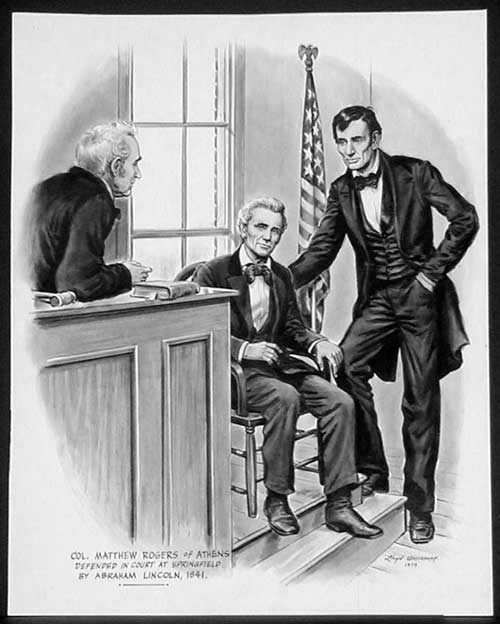
He became a highly skilled and profitable lawyer, representing major clients like the Illinois Central Railroad. The “backwoods” image helped politically but understated his legal expertise. Politics eventually became his primary focus.
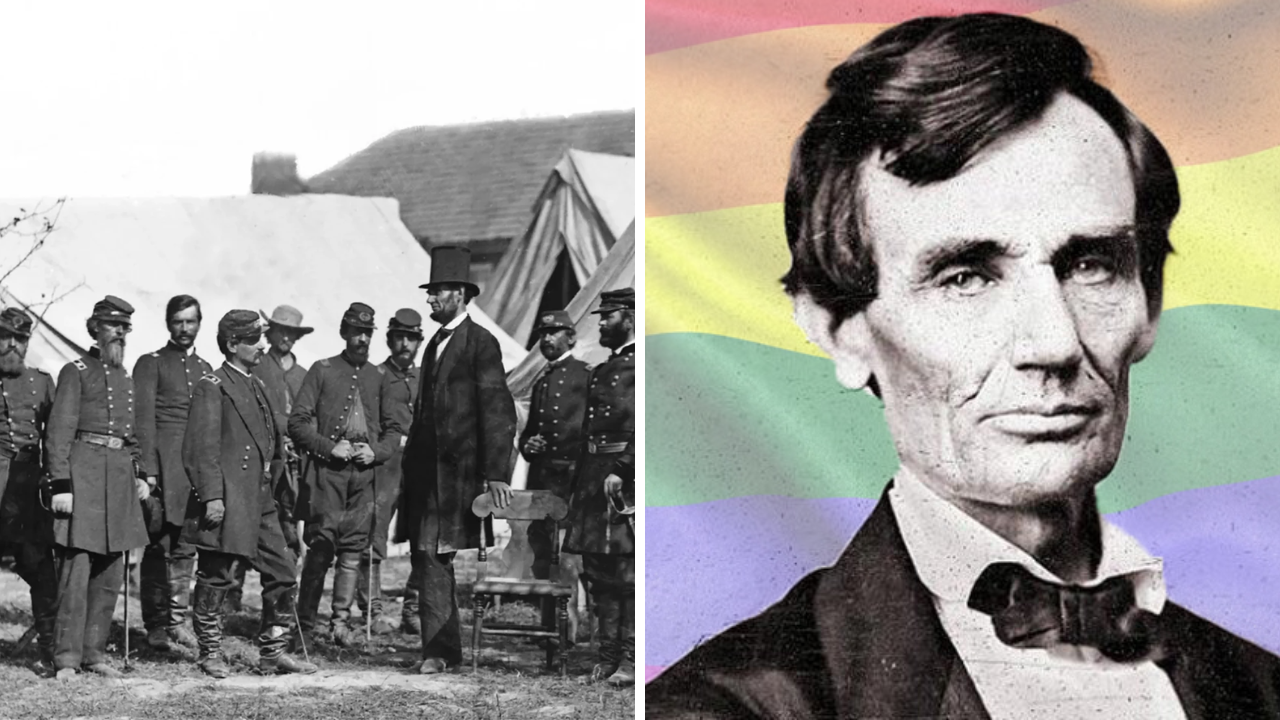
Myth #7: Lincoln was gay
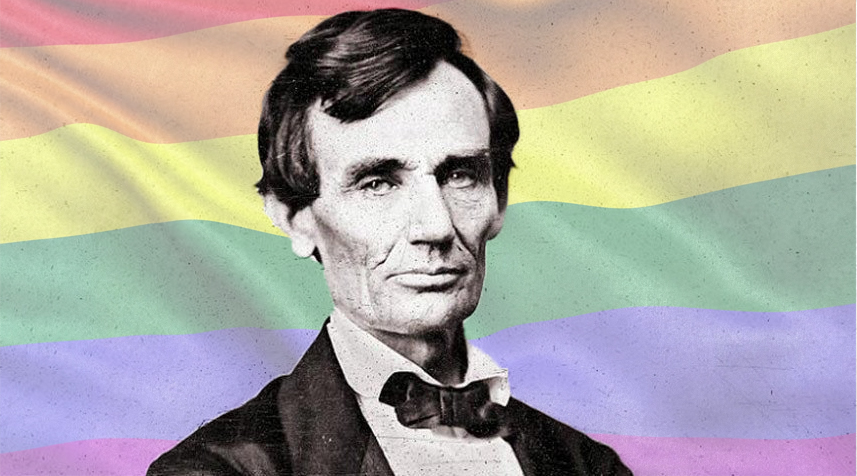
Lincoln had close relationships with men, such as his roommate Joshua Speed, but there is no evidence these were romantic. He also had strong romantic relationships with women and married Mary Todd.
Myth #8: Lincoln was depressed
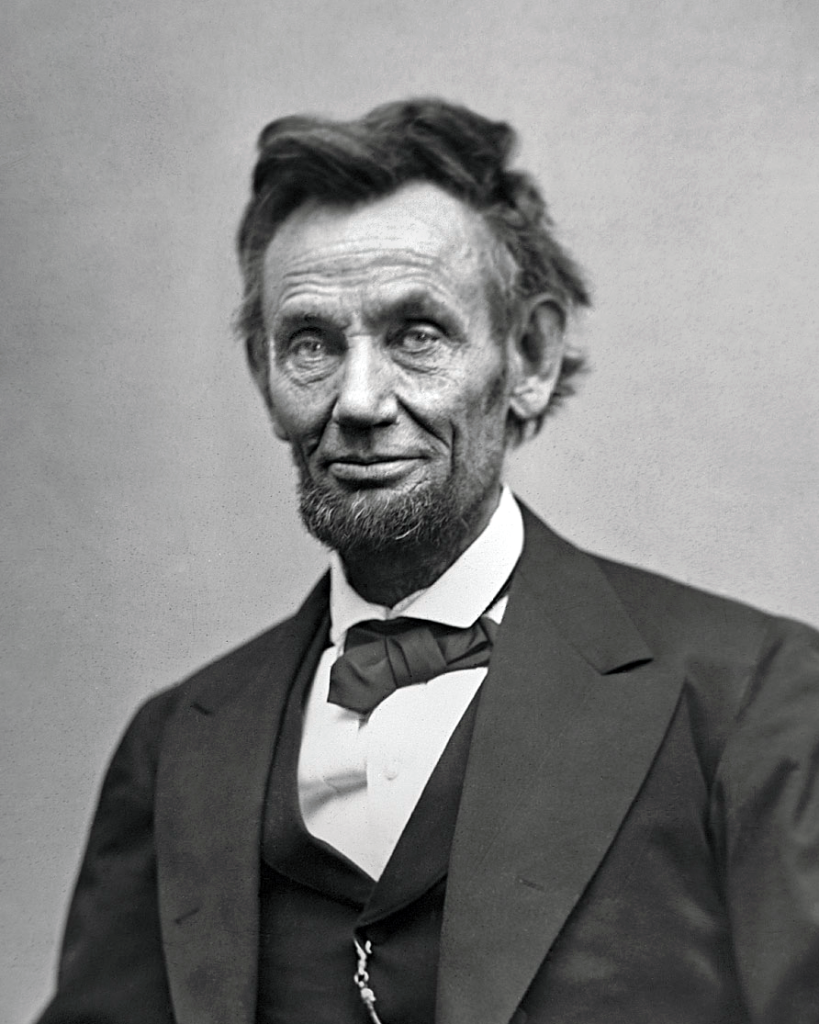
He experienced deep melancholy and personal losses, including the death of Ann Rutledge. Despite this, he remained productive and capable as president, demonstrating remarkable resilience.
Myth #9: Lincoln was too compassionate
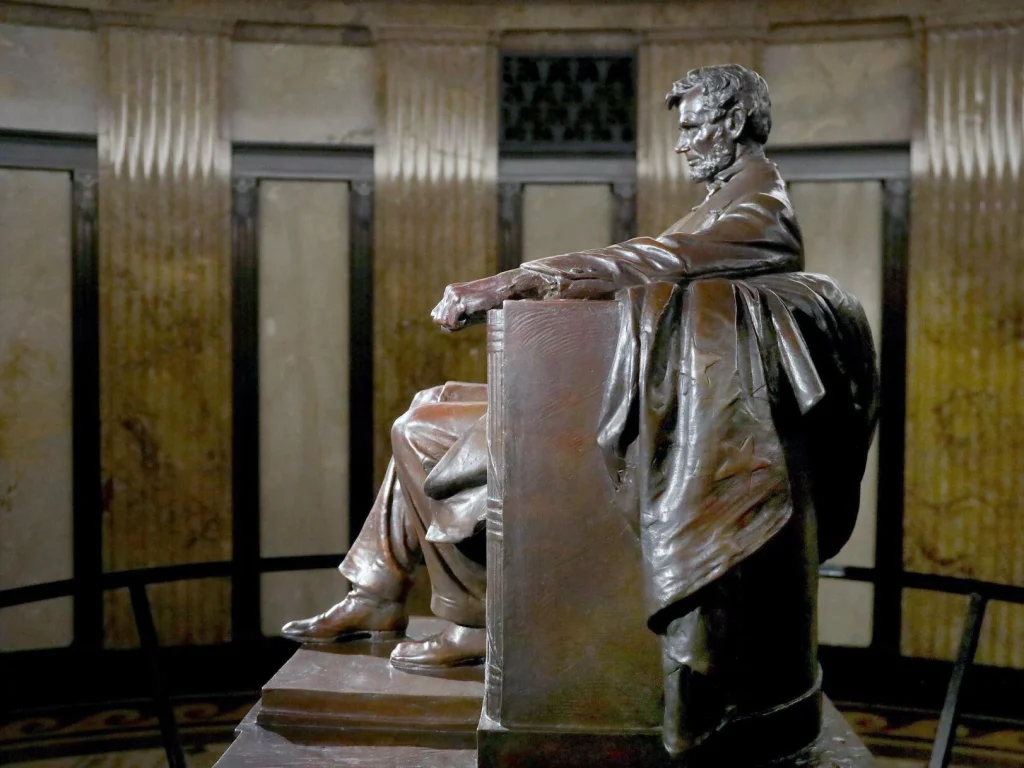
He authorized executions and oversaw deadly battles, including the largest mass execution in U.S. history. Lincoln balanced mercy with harsh wartime realities.
Myth #10: Lincoln was mortally ill
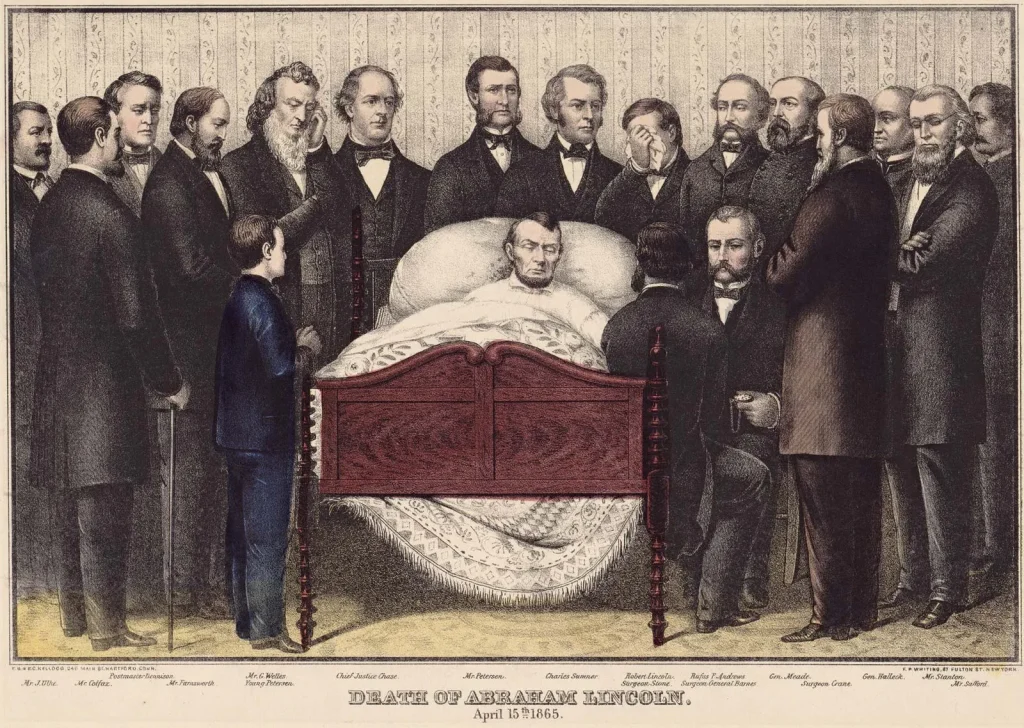
He may have had health conditions, but he remained physically strong and active until his assassination. His endurance in office contradicts claims of fatal weakness.
Myth #11: Lincoln wrote the Gettysburg Address on the back of an envelope
This is false. Scholars recognize five manuscript copies of the speech, none written on an envelope.
Myth #12: Lincoln drafted the Emancipation Proclamation in the Cottage
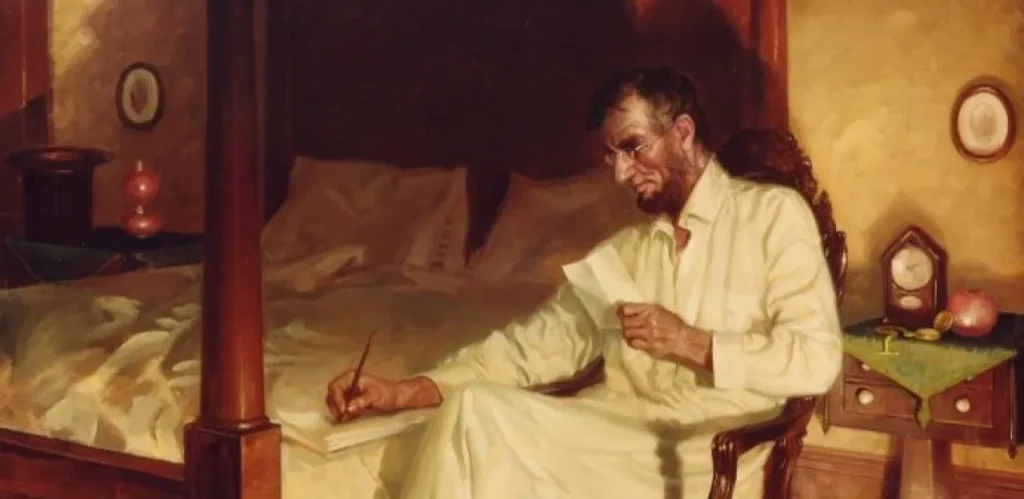
He worked on it at the Soldiers’ Home with staff reviewing drafts. The Cottage was a workspace, not the sole location of creation.
Myth #13: Lincoln’s Cottage was an isolated escape
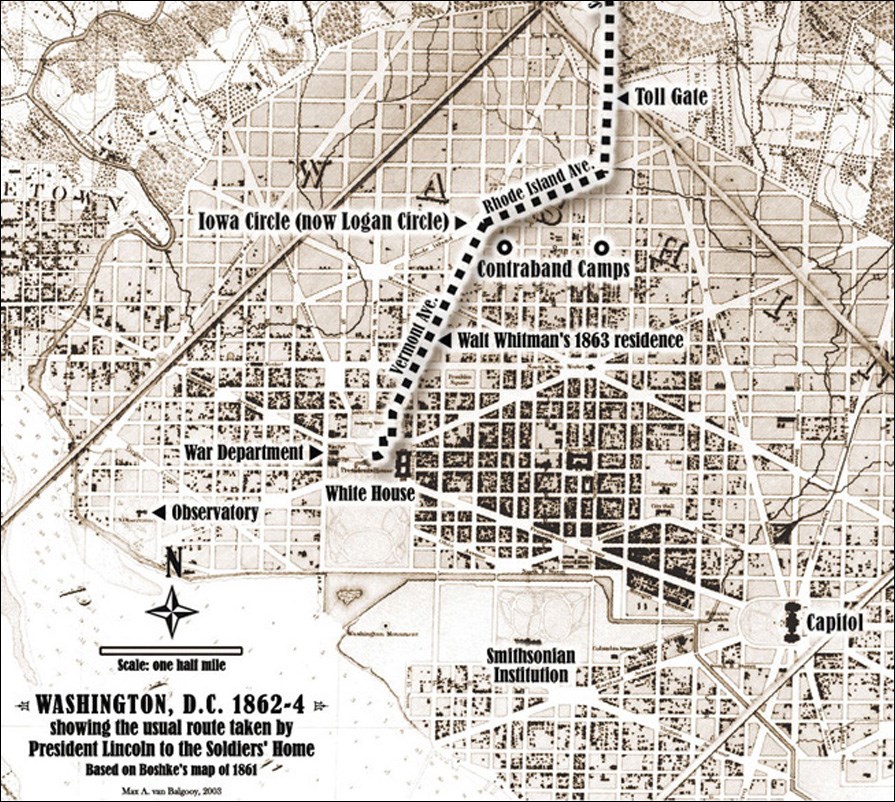
It was located near forts and the National Cemetery, with some public access available before a security detail arrived. The Cottage provided work space more than complete isolation.
Myth #14: The Lincolns owned the Cottage
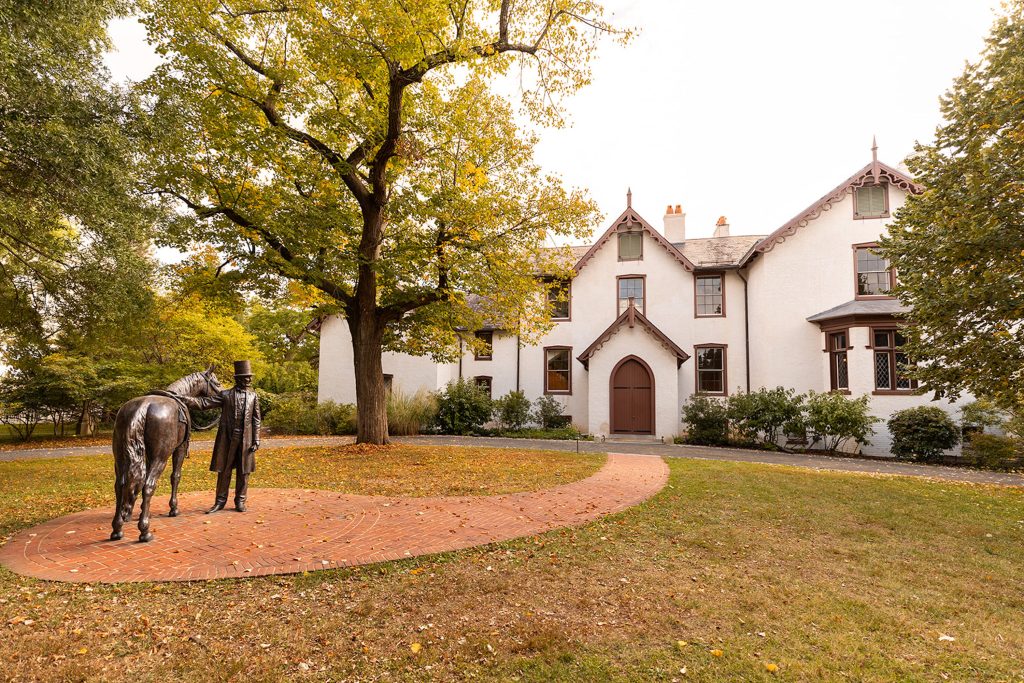
They were invited to live there by the Soldiers’ Home Board of Commissioners. Ownership remained with the Home.
Myth #15: Lincoln did not want to issue the Emancipation Proclamation
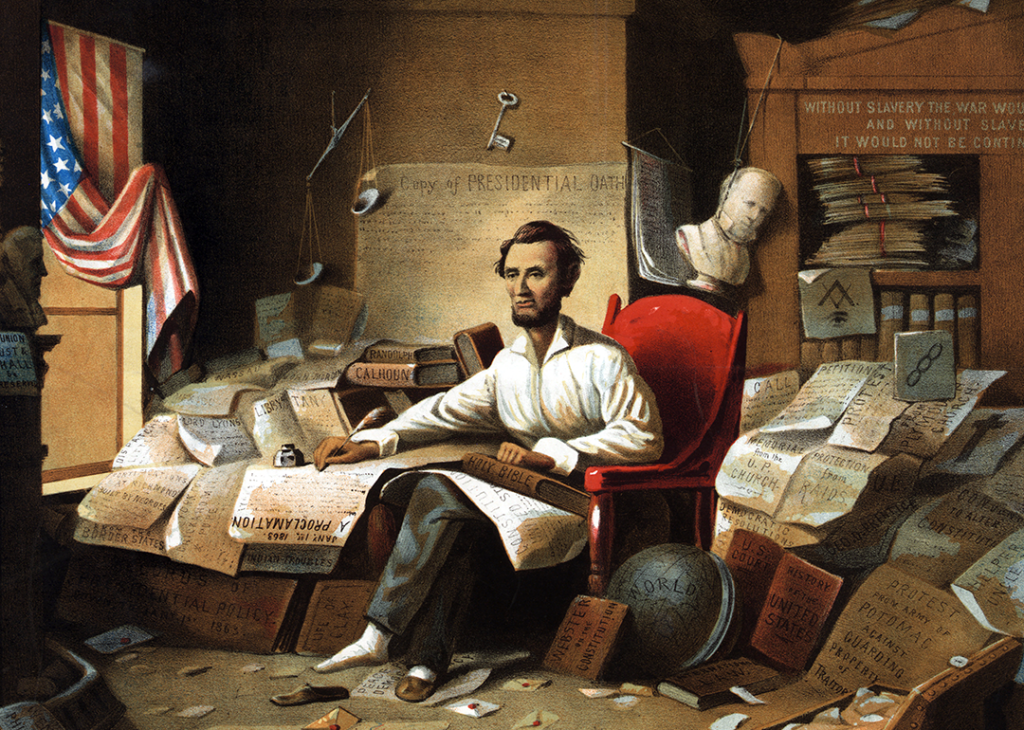
False. Lincoln fully intended to issue it, considering it his duty. Military victories like Antietam helped him time its release strategically.
Myth #16: The Copper Beech at the Soldiers’ Home was a “witness tree”
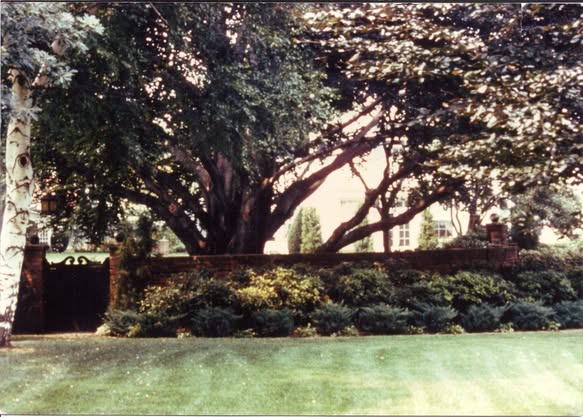
Core samples show it was too young to have witnessed Civil War events. Stories about Lincoln playing beneath it are legendary, not factual.
Myth #17: Abraham Lincoln the Rail Splitter
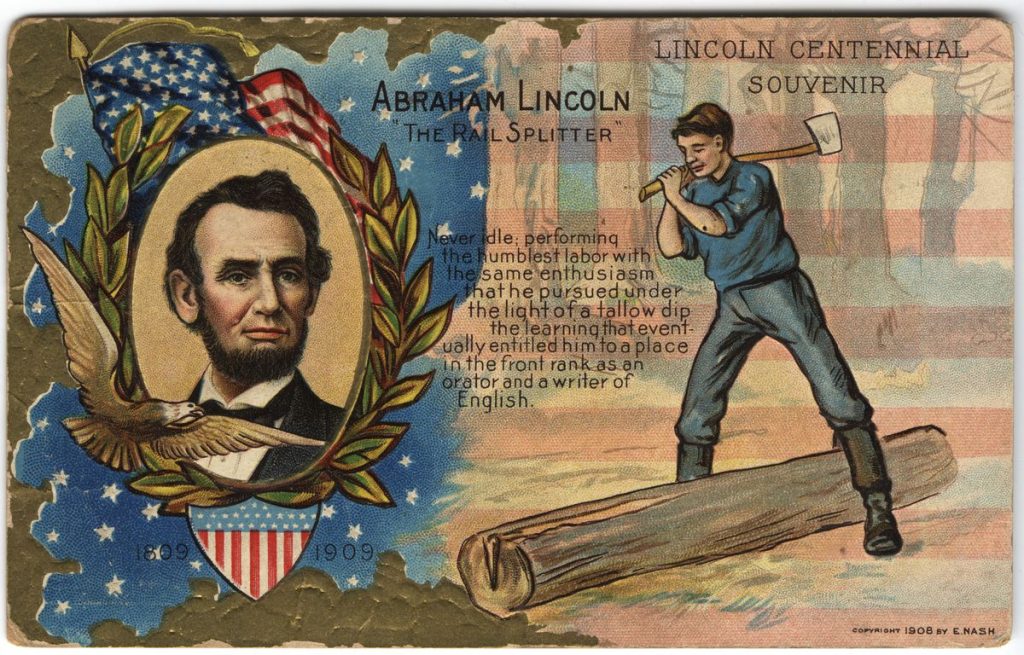
The term referred to building rail fences, not railroads. He disliked manual labor but excelled at it to access books, shaping his backwoods image politically.
Myth #18: Abraham Lincoln the Atheist
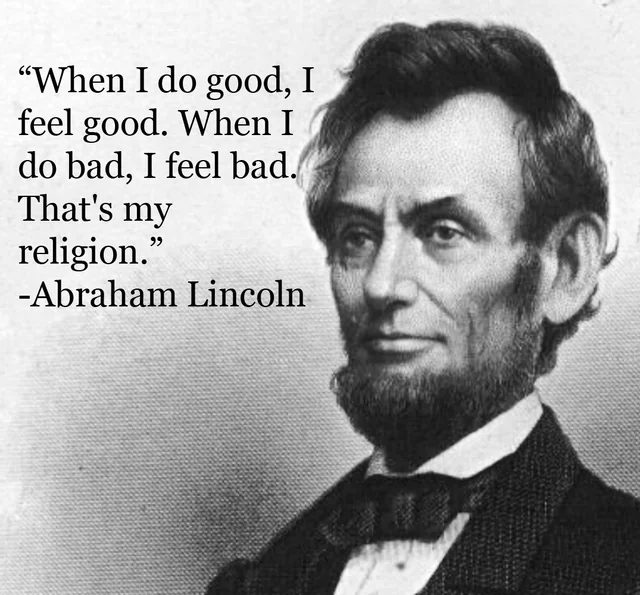
Lincoln questioned religion after experiencing personal losses, but he later praised a higher power. He even participated in séances after his son’s death.
Myth #19: Abraham Lincoln started the Civil War
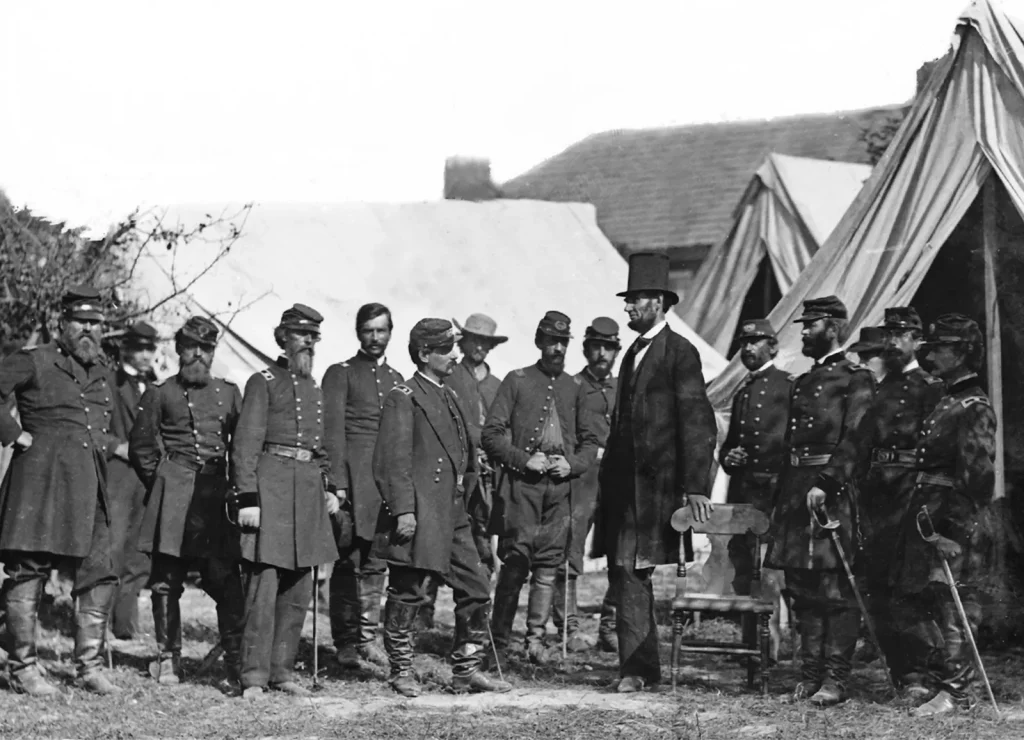
He opposed secession and did not initiate conflict. His goal was to preserve the Union and punish the Confederacy minimally after the war.
Myth #20: Abraham Lincoln: The classic rags to riches story
He worked various jobs and self-educated, but his eventual wealth largely came from his wife’s family connections. Lincoln himself lived modestly.
Myth #21: Abraham Lincoln owned slaves
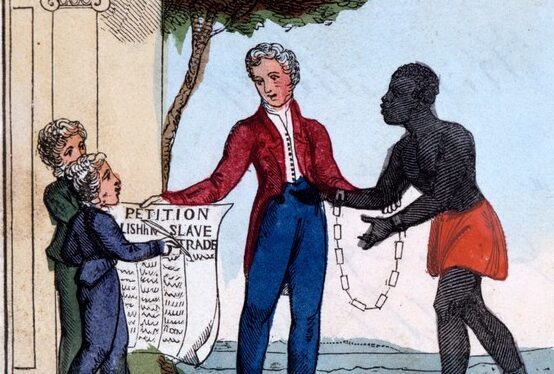
False. Lincoln never owned slaves and actively opposed the institution. Claims of hiring ex-slaves at the White House were handled by staff, not him.
Myth #22: Abraham Lincoln the abolitionist
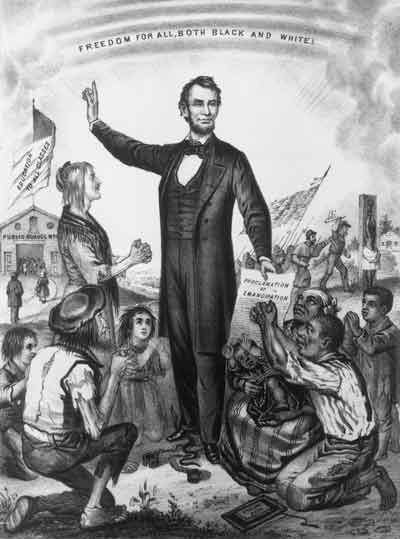
The Emancipation Proclamation was primarily a military strategy. Lincoln acted cautiously and was not an activist abolitionist.