Beauty trends have always reflected the values, technology, and social expectations of their time. While today’s beauty routines might seem perfectly normal, past generations embraced styles and treatments that can seem surprising, uncomfortable, or even extreme by modern standards. From toxic cosmetics and painful body modifications to unusual makeup techniques and elaborate hairstyles, these forgotten trends reveal just how far people have gone in the pursuit of beauty.
Foot Binding

Foot binding was practiced in China for nearly a thousand years and was considered a symbol of beauty, status, and femininity. Beginning in early childhood, young girls’ feet were tightly wrapped to prevent them from growing, eventually creating the highly prized “lotus feet” that measured just a few inches long.
Renaissance Foreheads

During the Renaissance, a high forehead was considered a hallmark of elegance and intelligence.
Blackened Teeth

Blackened teeth, known as ohaguro, were once a respected beauty tradition in Japan. Common among married women, members of the aristocracy, and later some samurai families, the practice involved coating the teeth with a dark dye made from iron filings and vinegar.
Lead-White Skin

Pale, flawless skin was one of the most coveted beauty standards in Elizabethan Europe, as it signified wealth and a life spent away from outdoor labor. To achieve the look, many women applied a cosmetic known as Venetian ceruse, a white foundation made primarily from lead and vinegar.
Urine Mouthwash

The ancient Celtiberians believed that urine could help whiten teeth, making it an unexpected but popular ingredient in oral hygiene.
Lard Hair Pomade

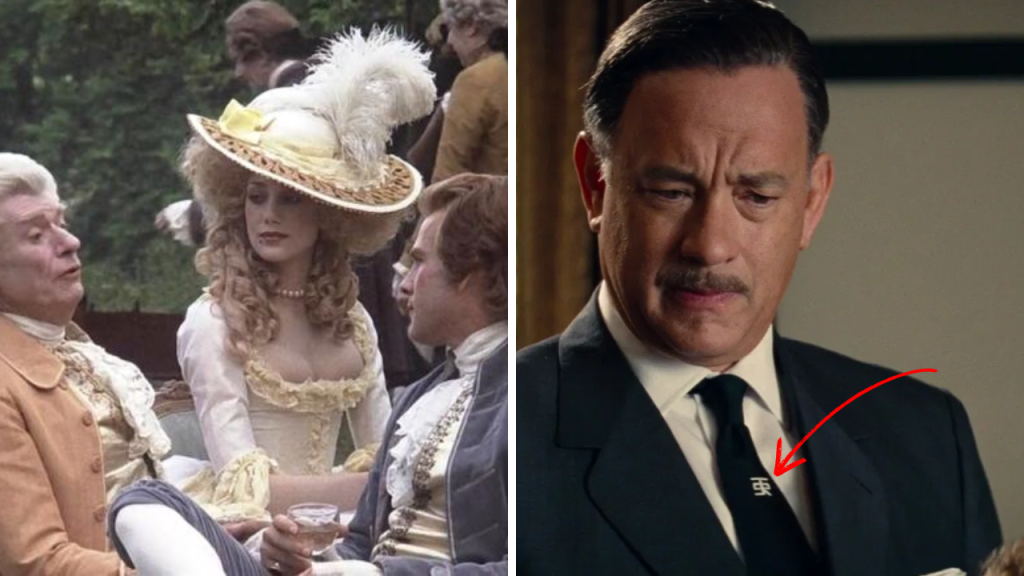
Long before hairspray existed, 18th-century Europeans relied on pomade made from animal fat to hold elaborate wigs and towering hairstyles in place. The greasy mixture was typically dusted with scented powder, allowing intricate styles to last for days or even weeks. Because these hairstyles weren’t washed frequently, they could attract lice and other insects.
Beauty Patches

During the 17th and 18th centuries, small fabric or velvet “beauty patches” became a fashionable accessory across Europe.
The Corseted Waist

For centuries, corsets were considered an essential part of fashionable dress, helping women achieve the coveted hourglass silhouette. Made from sturdy fabrics reinforced with whalebone, wood, or steel, corsets tightly cinched the waist while supporting the bust and improving posture.
The Dimple Maker

In 1936, inventor Isabella Gilbert patented the Dimple Maker, a quirky beauty device designed to give users permanent-looking dimples. The gadget consisted of a spring-like frame that fit around the head, with two small pads pressing firmly into the cheeks where dimples were desired.
Sweat Skincare

Ancient Greeks collected the mixture of athlete’s sweat and the oils scraped from their skin after competitions using a tool called a strigil. This substance was sold and valued.
Eyelash Transplants

Long before modern cosmetic procedures, some beauty enthusiasts experimented with early eyelash “transplants” in the late 19th century. According to period reports, doctors in Paris attempted to create fuller lashes by threading individual human hairs through the edge of the eyelid using a fine needle.
The Unibrow

In ancient Greece, a unibrow was widely regarded as a mark of beauty, intelligence, and virtue.
Thin Lips

During the Italian Renaissance, delicate facial features were considered the height of beauty, and small, understated lips were part of the ideal. Rather than emphasizing the mouth, artists often painted women with thin, softly defined lips.
Painted-On Stockings

During World War II, nylon stockings became difficult to find after nylon production was redirected for military use. To recreate the fashionable look, many women applied leg makeup or liquid “stocking” products and carefully drew a straight line down the back of each leg to mimic the seam of real stockings.
Men’s Fashionable Calves

For centuries, well-defined calves were considered a sign of elegance and masculinity among fashionable European men. Aristocrats often wore fitted breeches, silk stockings, and heeled shoes that drew attention to the lower legs, making shapely calves a desirable feature.
Shaved Eyebrows and Painted Brows in Japan

During Japan’s Heian period (794–1185), aristocratic women followed a distinctive beauty tradition known as hikimayu, which involved removing their natural eyebrows and painting new ones higher on the forehead.
Reshaped Skulls as a Beauty Ideal

Across several ancient cultures, including communities in the Americas, Europe, and Asia, people intentionally shaped infants’ skulls as part of cultural beauty standards and social identity. Because babies’ skulls are still soft and developing, families could use cloth bindings, boards, or other methods to gradually create elongated, flattened, or otherwise altered head shapes.
Plumpness as a Symbol of Wealth

In many societies throughout history, a fuller body was once associated with beauty, prosperity, and social status. In periods when food was scarce for many people, having a larger figure suggested wealth and access to plenty of resources.
Belladonna Eye Drops

In Renaissance and Victorian Europe, some women used drops made from belladonna to achieve a fashionable wide-eyed appearance. The plant’s compounds caused the pupils to dilate, creating a dreamy, mysterious look that was considered attractive at the time.
The Edwardian S-Bend Silhouette

In the early 1900s, the Edwardian era introduced one of fashion history’s most distinctive body ideals: the S-bend silhouette. Women used specially designed corsets to push the chest forward and the hips backward, creating an exaggerated curved posture that resembled the shape of the letter “S.”
Penciled Thin Eyebrows

During the 1920s, extremely thin, downward-sloping eyebrows became a defining beauty trend. Women often plucked their natural brows and redrew them with dark pencil.
The 1950s Bullet Bra Silhouette

In the 1950s, exaggerated curves became the ideal feminine shape, and the bullet bra helped create the era’s famous pointed bust silhouette. Made with rigid cone-shaped cups, the garment emphasized the chest and was popularized by Hollywood stars and pin-up models. The trend reflected the decade’s fascination with dramatic curves and highly structured clothing.