Throughout history, pandemics and epidemics have changed the course of civilizations, claiming millions of lives and reshaping societies around the world. From ancient outbreaks to modern global health crises, these diseases left lasting marks on history that are still felt today. Here are 26 of the worst pandemics and epidemics in history.
Black Death (1346-1353)

Estimated deaths: 75-200 million. Caused by the bacterium Yersinia pestis, the Black Death wiped out an estimated one-third to one-half of Europe’s population in just a few years.
Spanish Flu (1918-1920)

Estimated deaths: 50-100 million. The H1N1 influenza pandemic infected roughly one-third of the world’s population and killed an unusually high number of healthy young adults.
HIV/AIDS Pandemic

Estimated deaths: More than 42 million. First recognized in the early 1980s, HIV/AIDS remains one of the deadliest pandemics in history despite enormous advances in treatment.
COVID-19 Pandemic

Estimated deaths: More than 7 million confirmed worldwide, with excess mortality studies suggesting the true total is significantly higher. The pandemic reshaped daily life across the globe.
Third Plague Pandemic (1855-1960s)

Estimated deaths: About 12 million. Beginning in China, this plague spread worldwide and hit India especially hard.
Smallpox

Estimated deaths: Hundreds of millions over centuries. Smallpox was one of humanity’s greatest killers before becoming the first disease ever eradicated through vaccination in 1980.
Antonine Plague (165-180 CE)
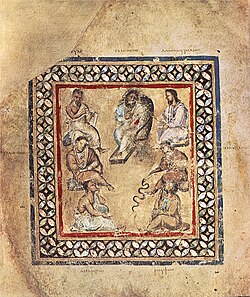
Estimated deaths: 5-10 million. Probably caused by smallpox or measles, the epidemic severely weakened the Roman Empire during Marcus Aurelius’ reign.
Cocoliztli Epidemic (1545-1548)

Estimated deaths: 5-15 million. This mysterious epidemic devastated Indigenous populations in Mexico shortly after the Spanish conquest.
Asian Flu (1957-1958)

Estimated deaths: 1-2 million. The H2N2 influenza virus spread rapidly around the world but was slowed by the quick development of vaccines.
Hong Kong Flu (1968-1970)

Estimated deaths: 1-4 million. This H3N2 influenza pandemic spread globally within months and continues to circulate today in updated forms.
Cholera Pandemics

Across seven major pandemics since 1817, cholera has killed millions. The disease transformed modern public health after contaminated water was identified as its source.
Tuberculosis (“The White Plague”)

Tuberculosis has killed an estimated more than one billion people throughout history, making it one of humanity’s deadliest infectious diseases.
Russian Flu (1889-1890)

Estimated deaths: Around 1 million. It became one of the first pandemics to spread rapidly through modern rail and steamship networks.
SARS (2002-2004)

Although it caused fewer than 1,000 deaths, SARS alarmed the world because of its high fatality rate and rapid international spread.
Ebola Epidemic (West Africa, 2014-2016)
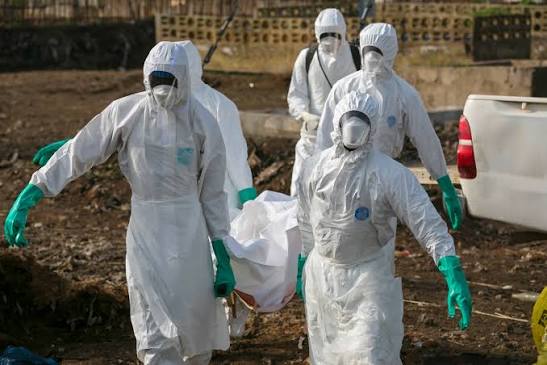
The largest Ebola outbreak in history killed more than 11,000 people and overwhelmed healthcare systems in several countries.
Polio

Before vaccines became widespread, polio left hundreds of thousands of children permanently paralyzed every year.
Typhus During World War II

Typhus spread rapidly through overcrowded refugee camps, prisons, and wartime ghettos, killing countless civilians.
Swine Flu Pandemic (2009-2010)
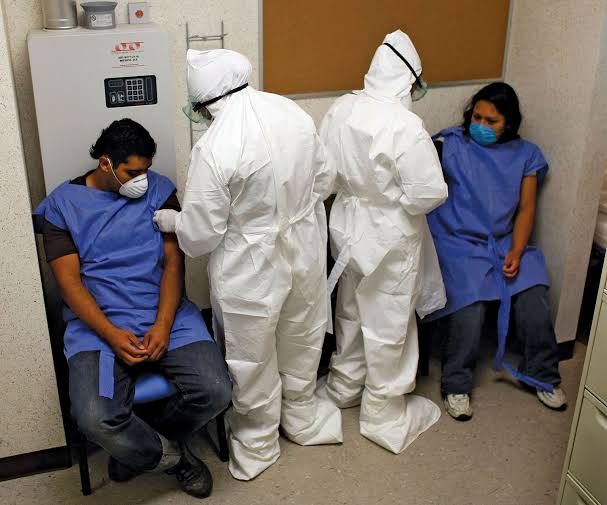
The H1N1 pandemic infected millions worldwide. Later studies estimated roughly 150,000-575,000 deaths.
MERS
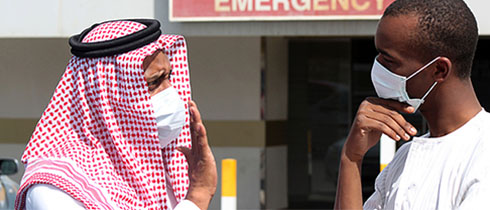
MERS infected relatively few people but had an exceptionally high fatality rate of around one-third among confirmed cases.
Leprosy
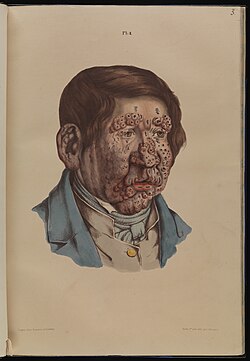
For centuries, leprosy led to lifelong social isolation because people incorrectly believed it was extremely contagious.
Diphtheria
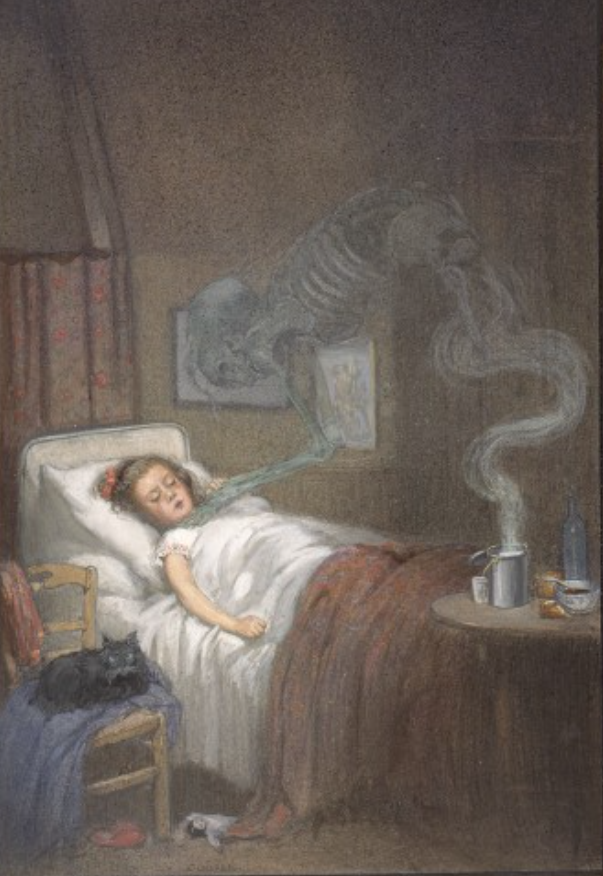
Before widespread vaccination, diphtheria was one of the leading causes of childhood death around the world, with most deaths likely going undocumented.
The 1916 Polio Epidemic
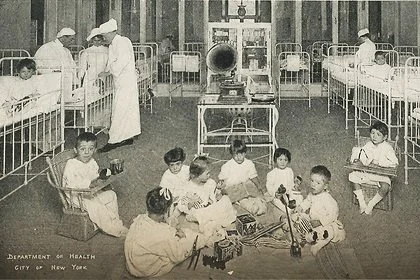
New York City’s 1916 outbreak killed more than 2,000 people and led to widespread quarantines and public fear.
The 1665 Great Plague of London

The final major outbreak of bubonic plague in England killed roughly 100,000 people, about a quarter of London’s population.