The 1940s, what a decade it was. It began with sacrifice and ended with the promise of a better future. Life on the home front meant Victory Gardens, rationing, and a massive shift in how we lived, worked, and built our homes. This journey takes us back to a defining period of ingenuity, hardship, and incredible optimism. Get ready to revisit a time when the world changed, and American life was never quite the same.
A new beginning
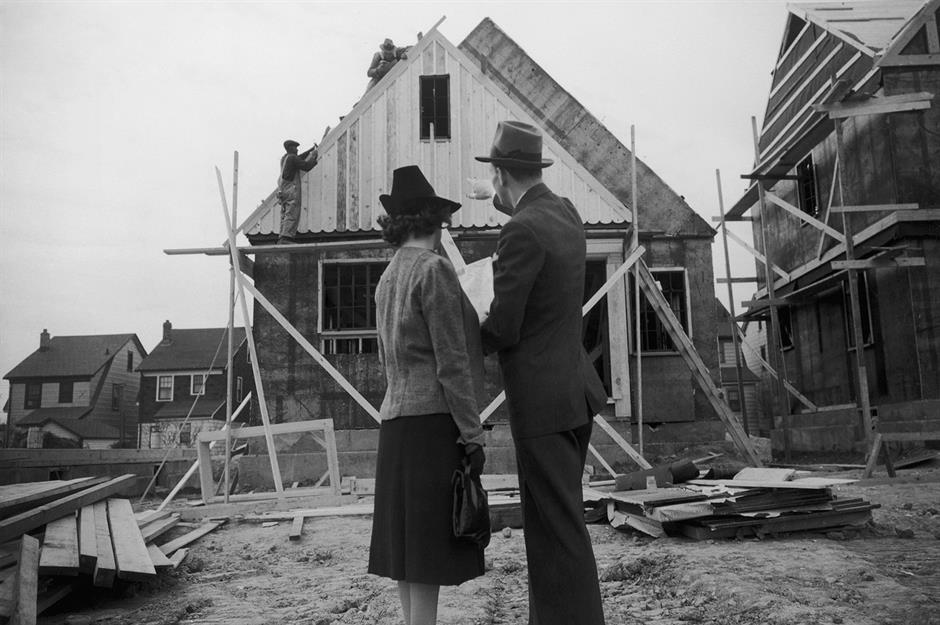
The 40s transition into the 50s marked a new era of optimism. People began reimagining the modern home and lifestyle, inspired by the technology and hope of a transformative postwar decade.
The original suburb
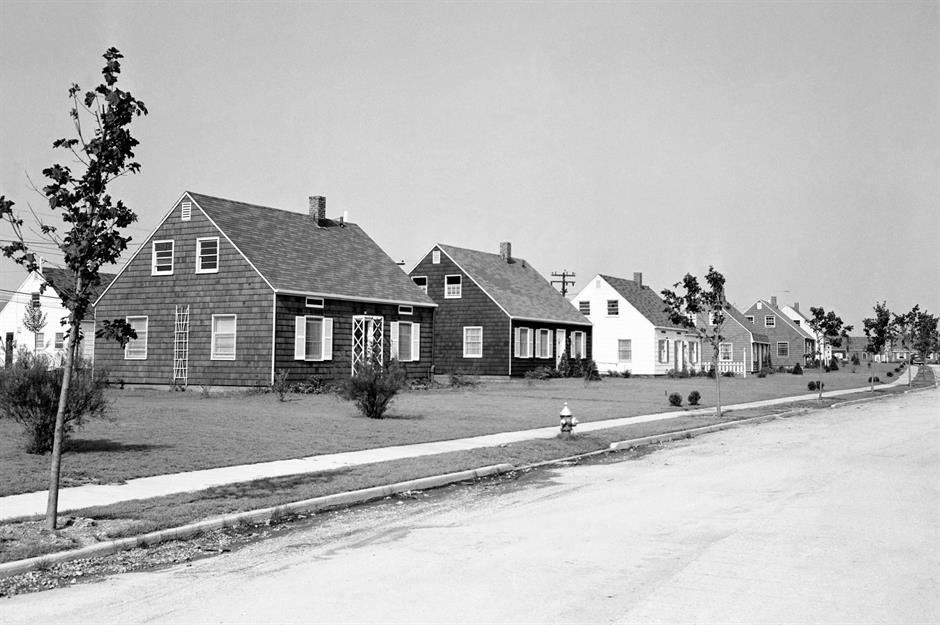
Welcome to Levittown, Long Island, the birthplace of the American suburb in 1947. These identical, affordable homes defined a new lifestyle and made homeownership widely accessible.
Building the dream
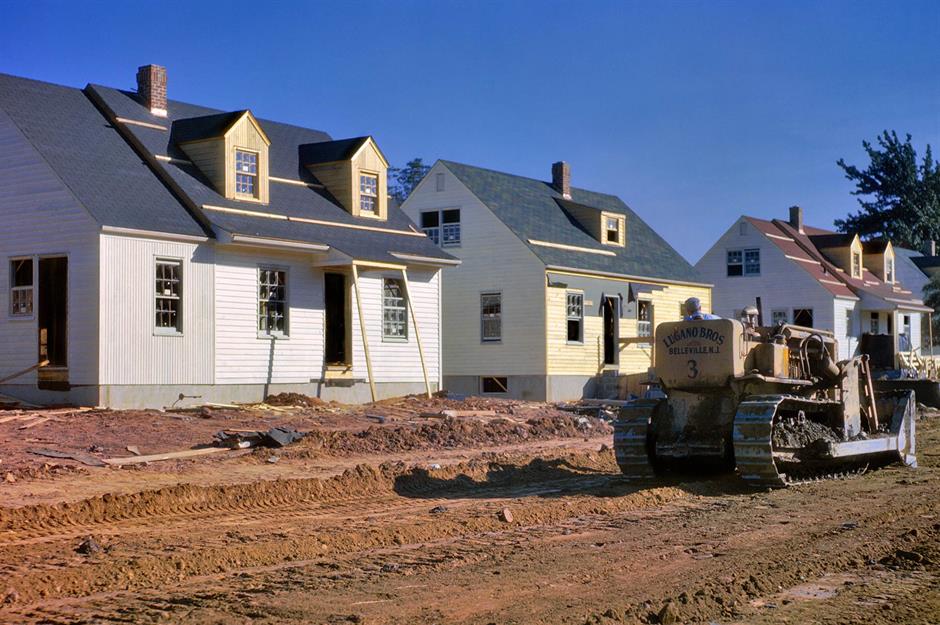
The mass migration to “suburbia” was fueled by optimism and government acts like the FHA. These new builds, characterized by peaked roofs and attached garages, shaped the look of postwar America.
Furniture for everyone
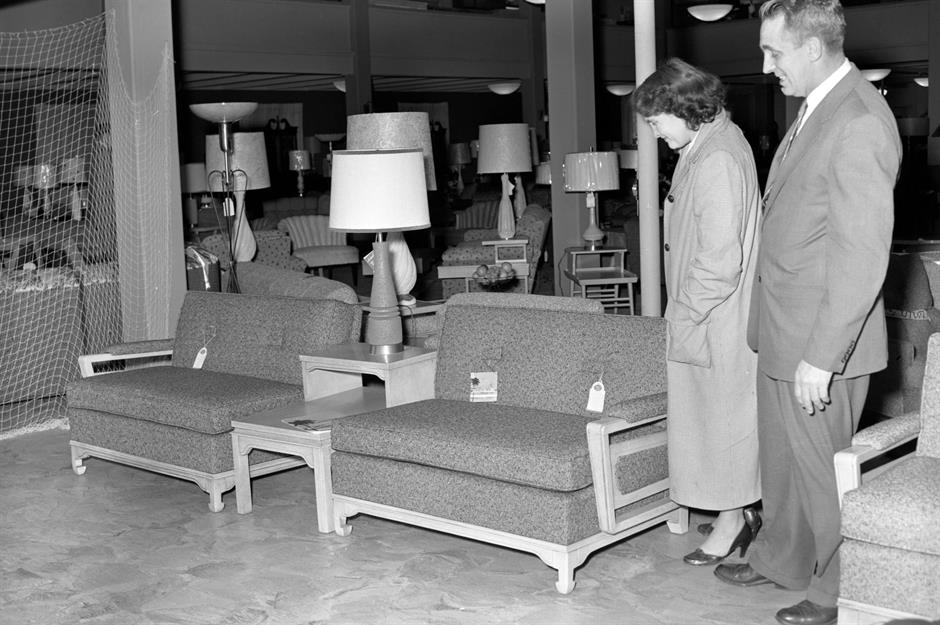
Postwar families embraced mass-produced furniture designed to match their open-plan homes. Designers aimed to bring “the best to the greatest number,” making modern design accessible to all.
The modern facelift
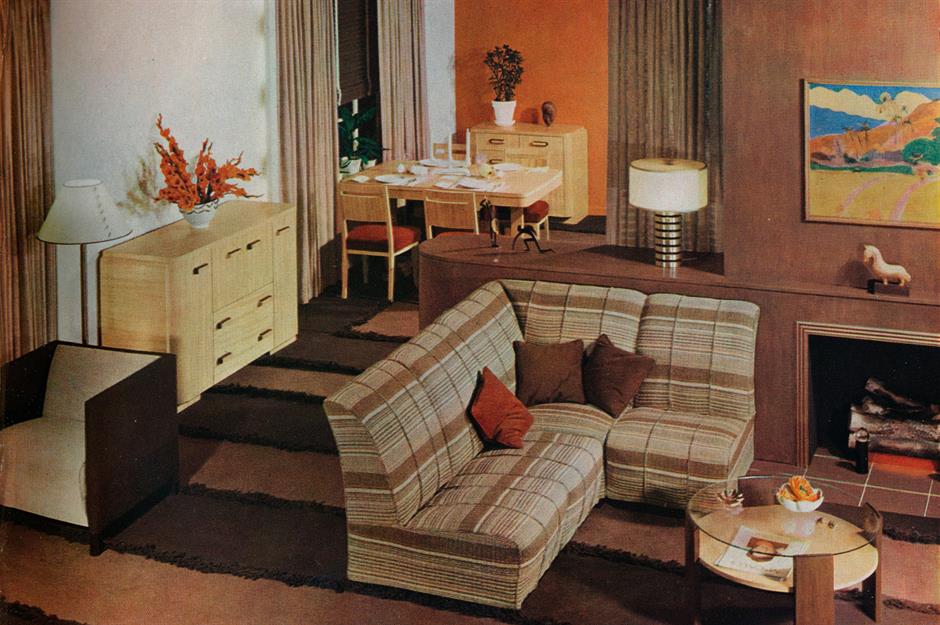
Once rationing ended, many living rooms got a facelift. This move toward Mid-Century Modernism meant sleek lines, plywood paneling, and the new prominence of materials like plastic and fiberglass.
Consumer culture rises
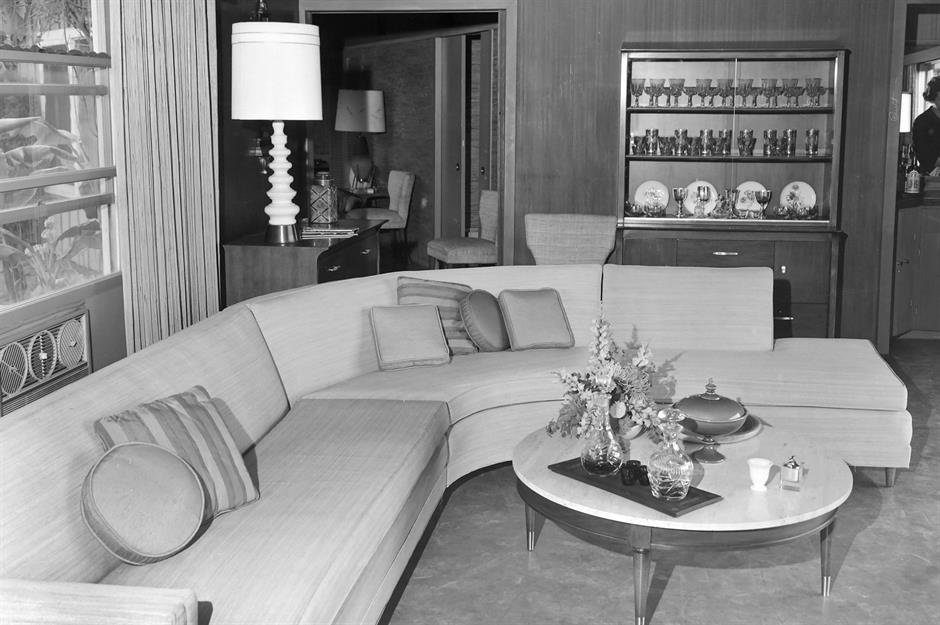
The end of the war brought a dramatic shift in home design. Homes became functional and less formal, emphasizing the new mass-produced material goods available thanks to wartime manufacturing processes.
The Gi Bill
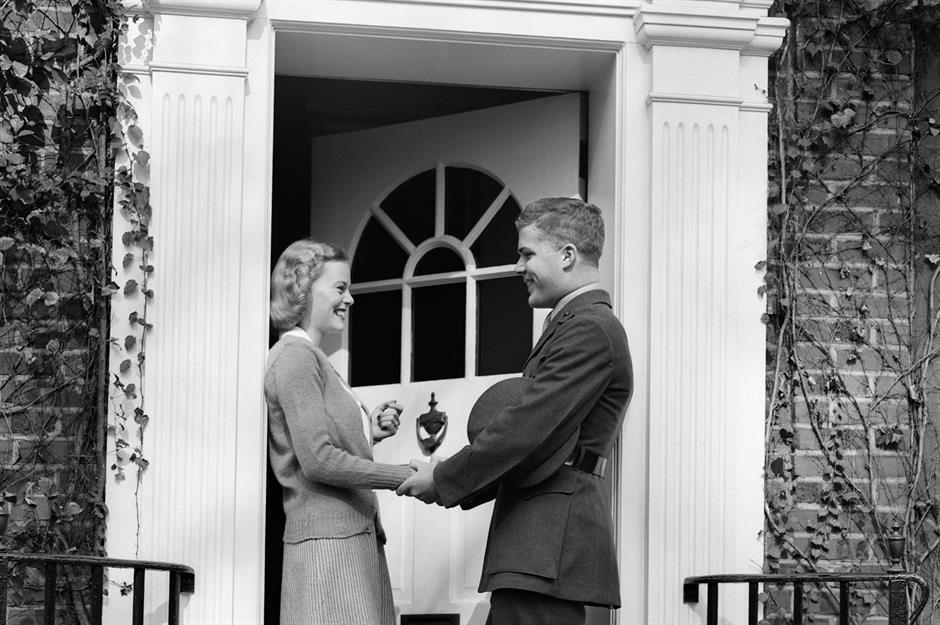
Remember President Roosevelt signing the GI Bill in 1944? It prevented a postwar depression and gave millions of WWII veterans affordable housing, spurring lasting economic growth and prosperity.
The steel house
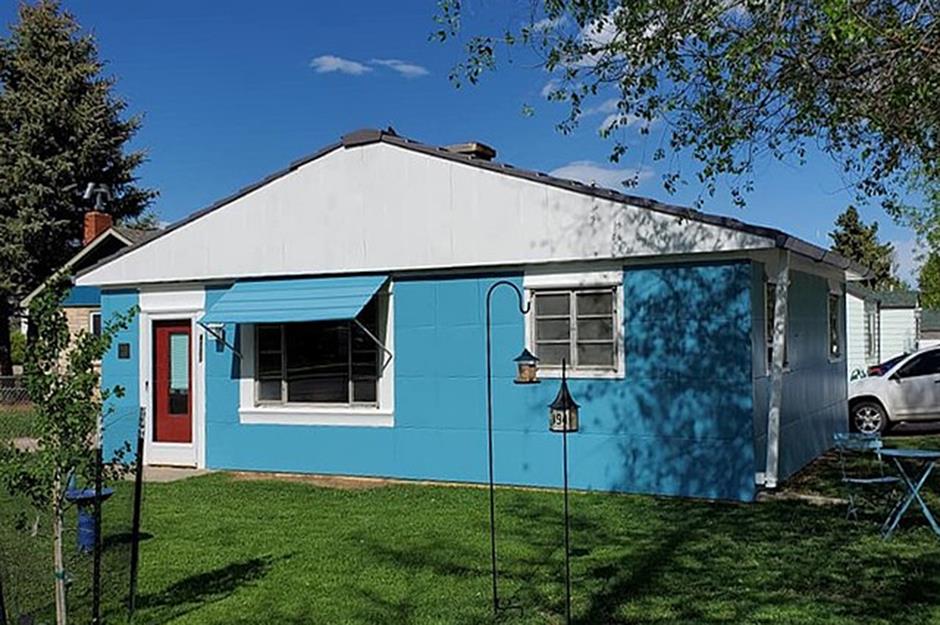
The unique Lustron house, made from durable enamelled steel, was a popular prefab model. Many of these durable homes are still standing today, a true sign of wartime ingenuity.
The housing solution
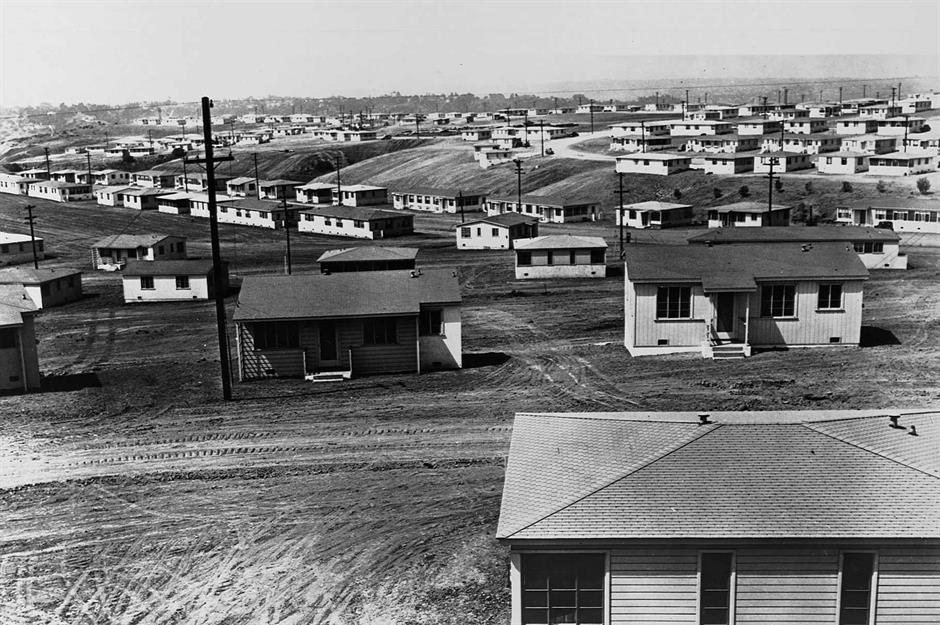
Prefabricated homes were an immediate solution to the postwar housing shortage and baby boom. Produced from surplus wartime materials, they offered an affordable alternative to traditional housing.
City life crowds
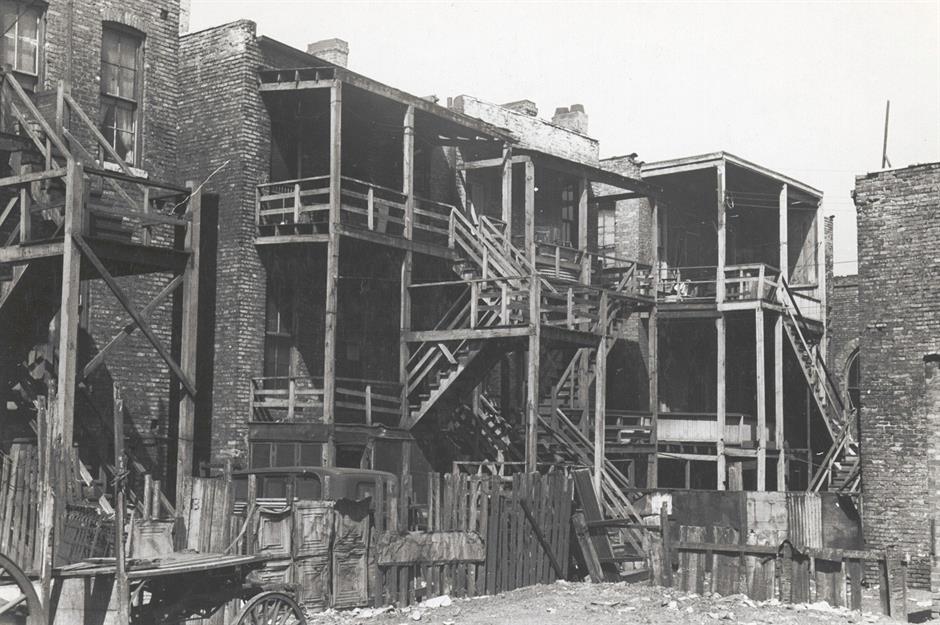
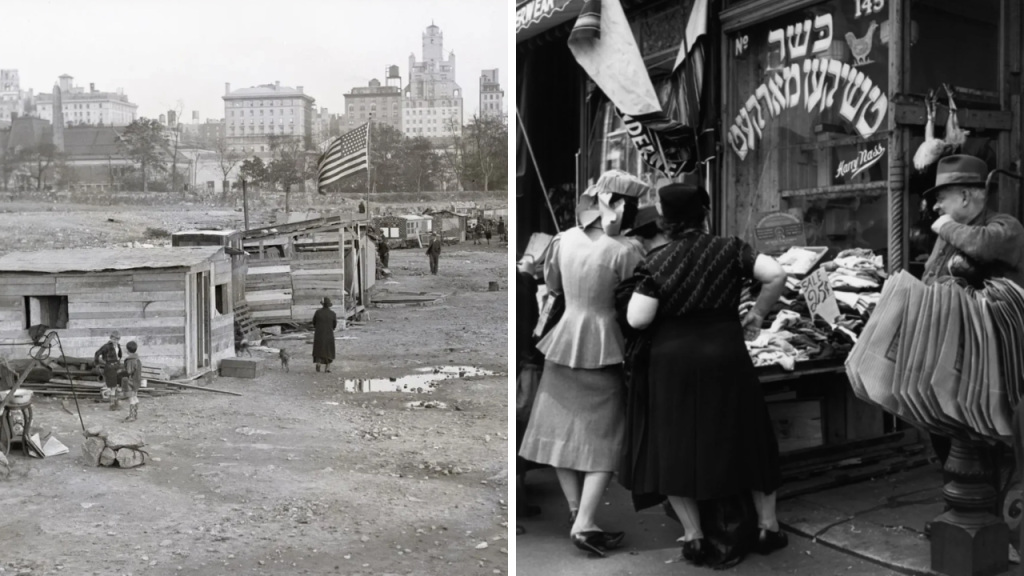
War-worker jobs caused overcrowding, forcing many to take on boarders. Sadly, the quick construction meant substandard conditions: paper-thin walls and minimal privacy, like these Chicago tenements.
Victory!
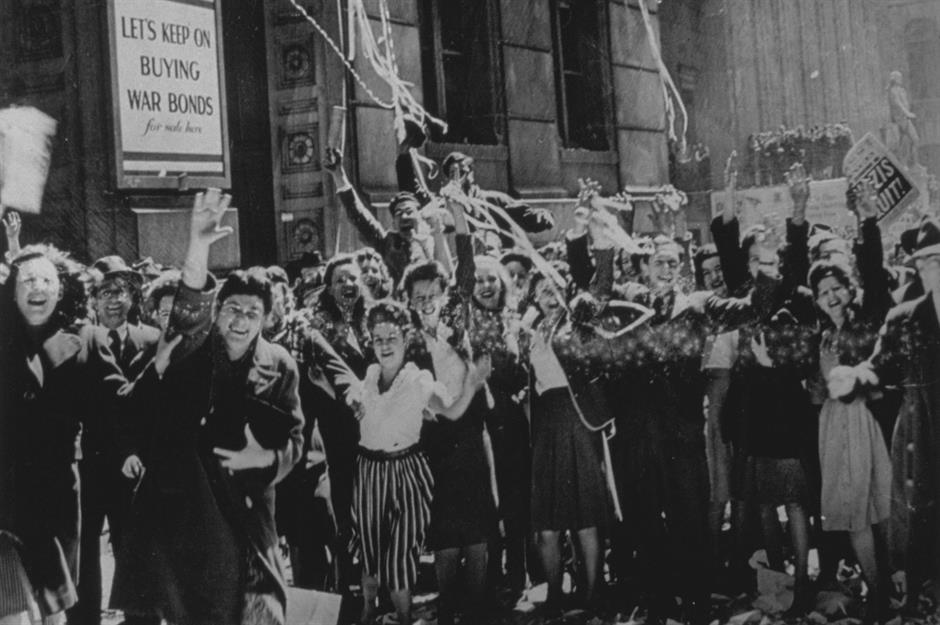
The surrender of Germany in May 1945 (VE Day) and Japan in August (VJ Day) brought massive, joyous celebrations. The end of the war brought widespread relief and hope for lasting peace.
Ford’s farewell
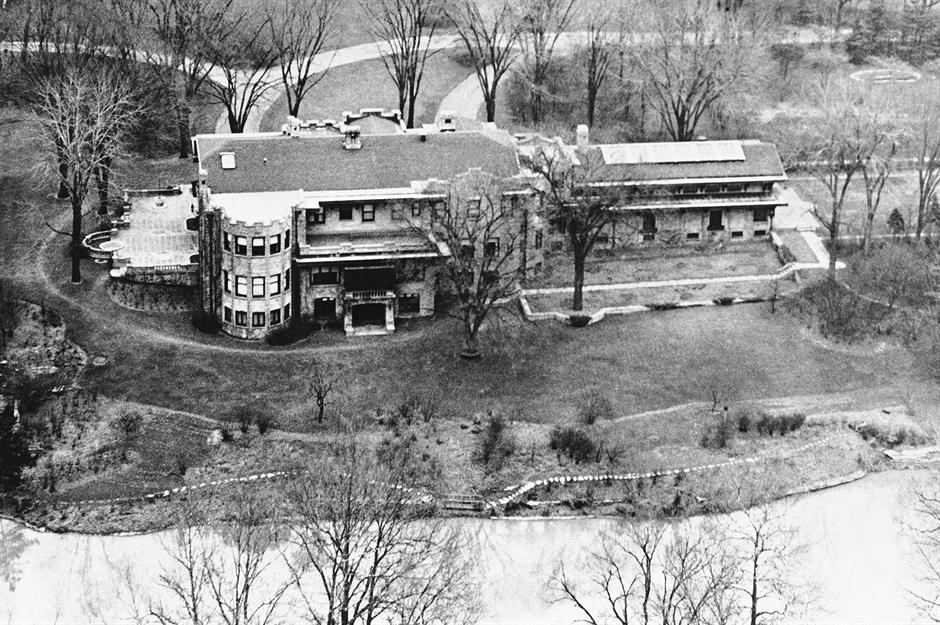
Before his death in 1947, Henry Ford transitioned from cars to military machines for the war effort. His spectacular Detroit mansion, Fair Lane, served as a powerful symbol of early American industry.
The White House transformation
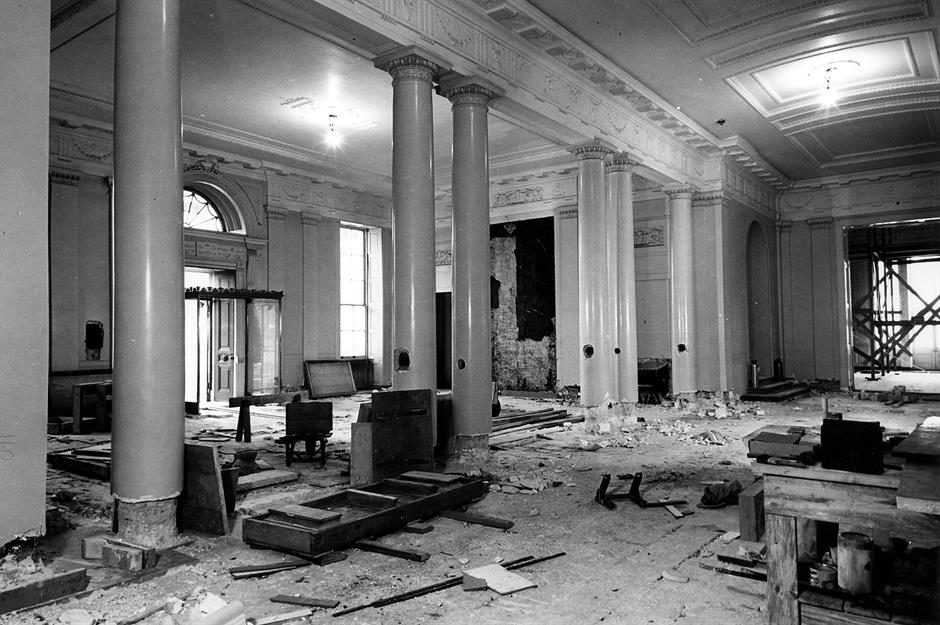
Tired of the collapsing structure, President Truman began a massive White House restoration in 1949. The three-year project completely gutted the building, preserving America’s most iconic residence.
Political Exiles
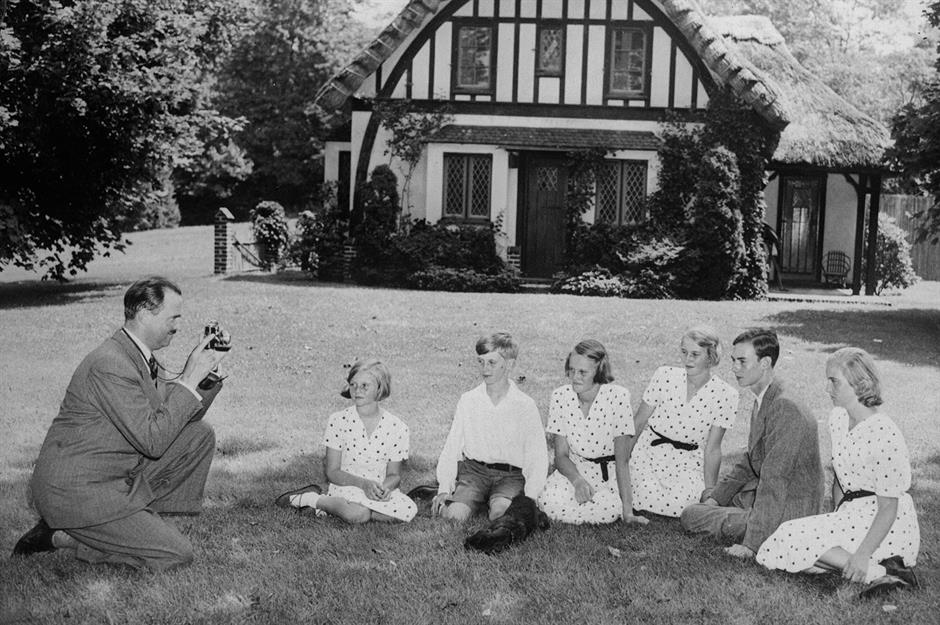
America hosted political exiles, including Luxembourg’s royal family, after the 1940 invasion. Their temporary residence provided much-needed sanctuary, showing America’s role as a haven during the war.
Life in Hollywood
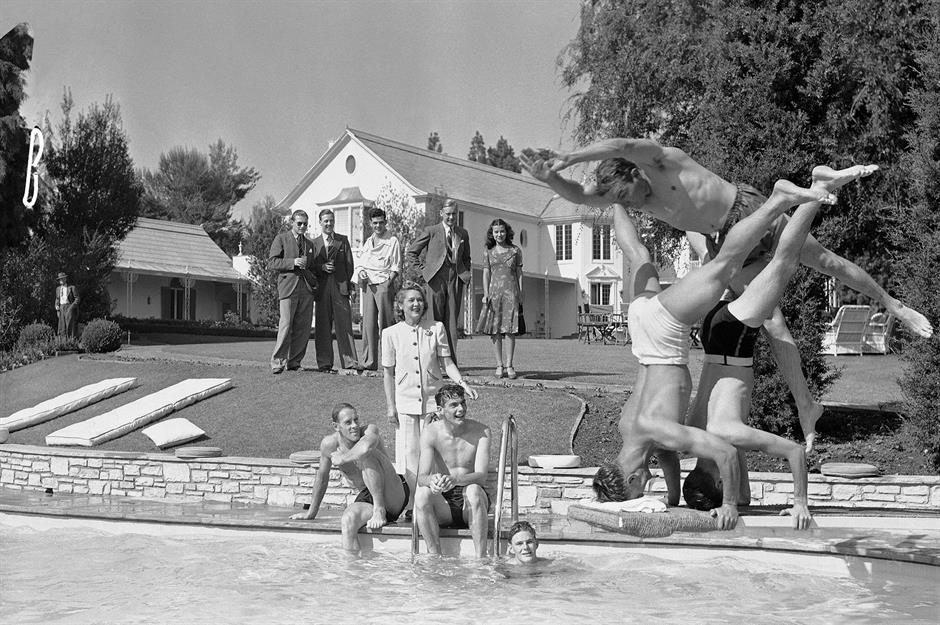
Life for Hollywood elites was different, but they supported the war. Mary Pickford hosted this 1944 party for RAF students, showing that patriotism was paramount, even on the West Coast.
Mansions repurposed
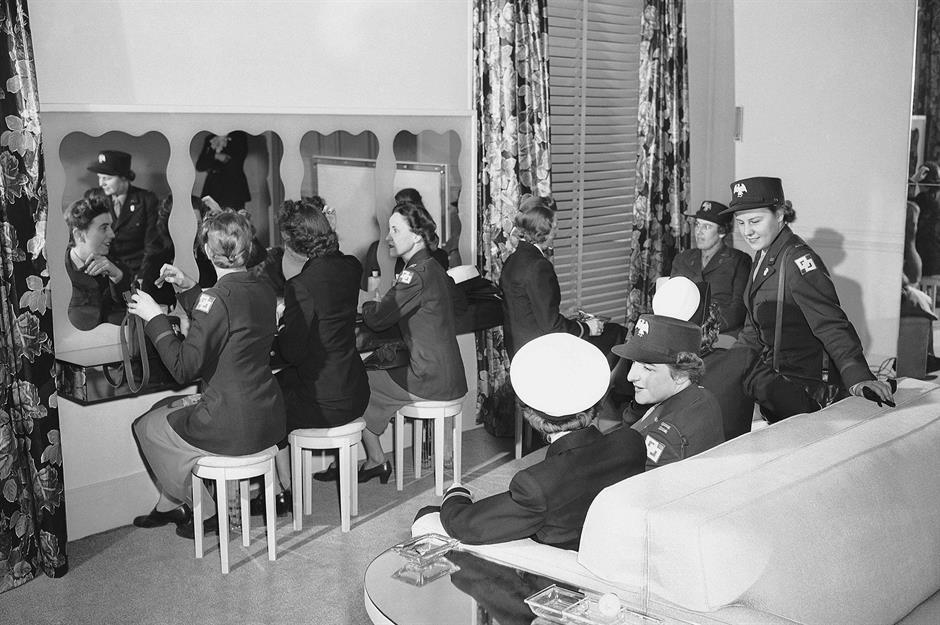
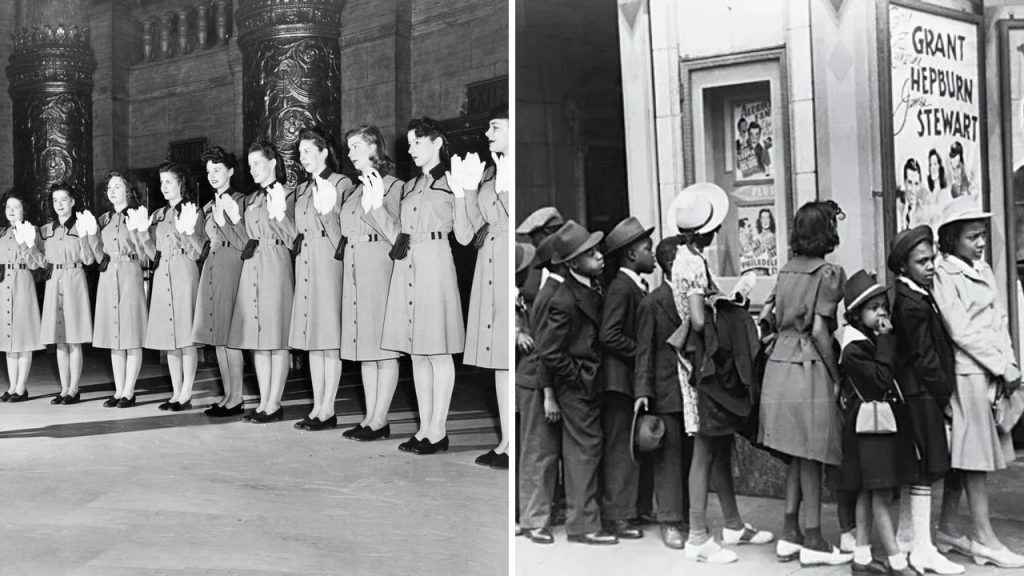
Many stately mansions found new purpose during the war. This mansion was transformed into the Women’s Military Services Club, providing essential facilities for the women’s auxiliaries to the armed forces.
Patriotism over luxury
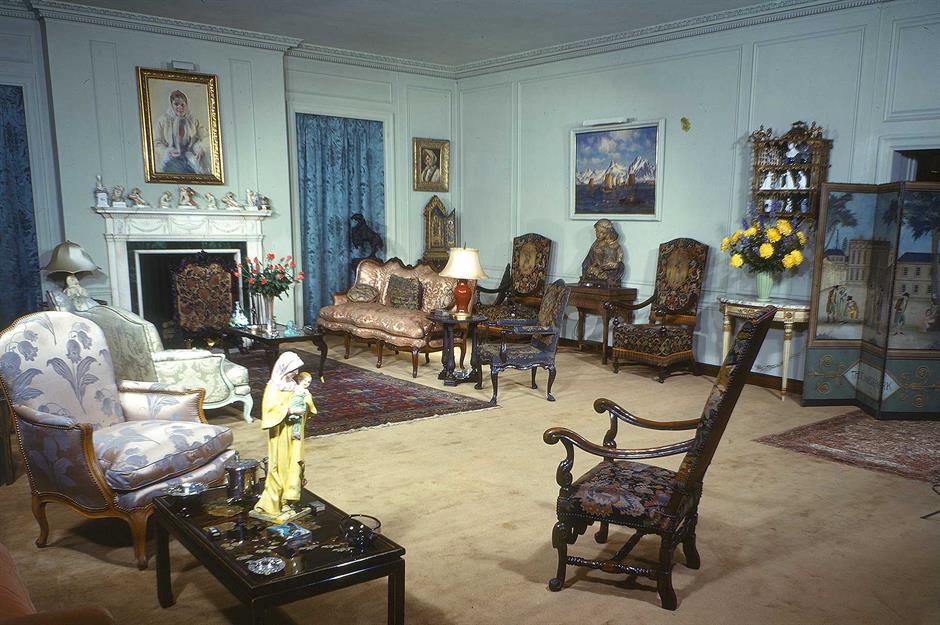
Even the wealthy faced constraints like rationing and higher taxes during the war. This marked a shift from 1920s opulence to a focus on patriotism and supporting national goals.
Farm life persists
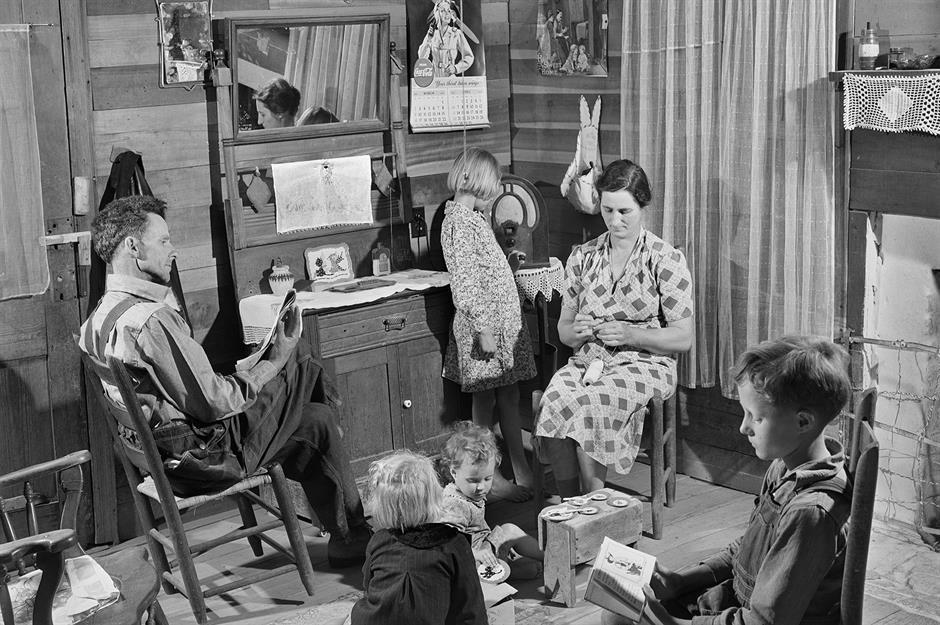
Despite the war drawing men away, farm life remained vital. Farmers produced more than ever thanks to new technology, maintaining a timeless lifestyle that was the backbone of America.
Rural communities
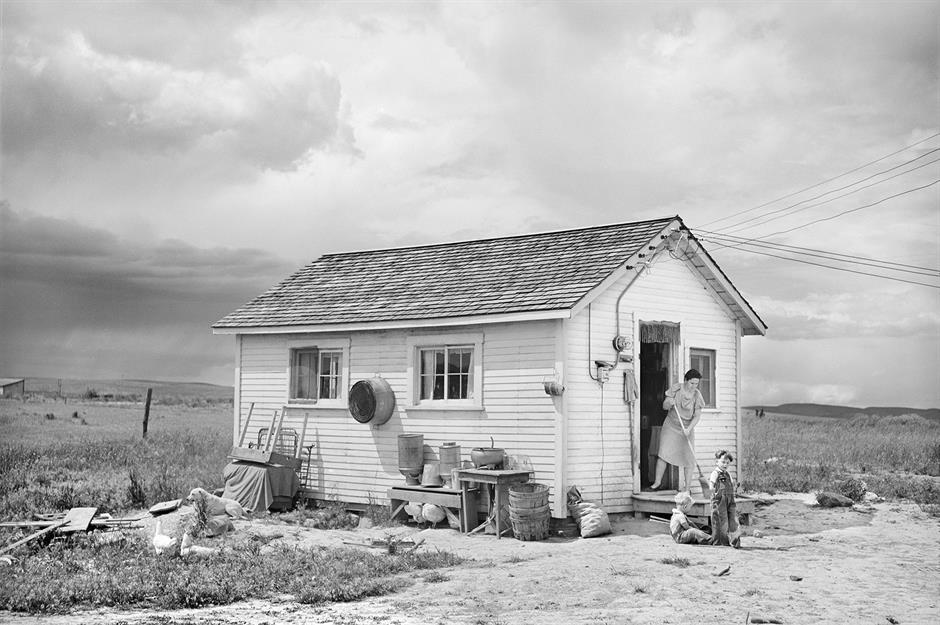
The war effort pulled nearly 16 million men into the military and entire families into urban centers for work. Cities surged while rural towns emptied out, which was a dramatic shift in American demographics.
Victory gardens
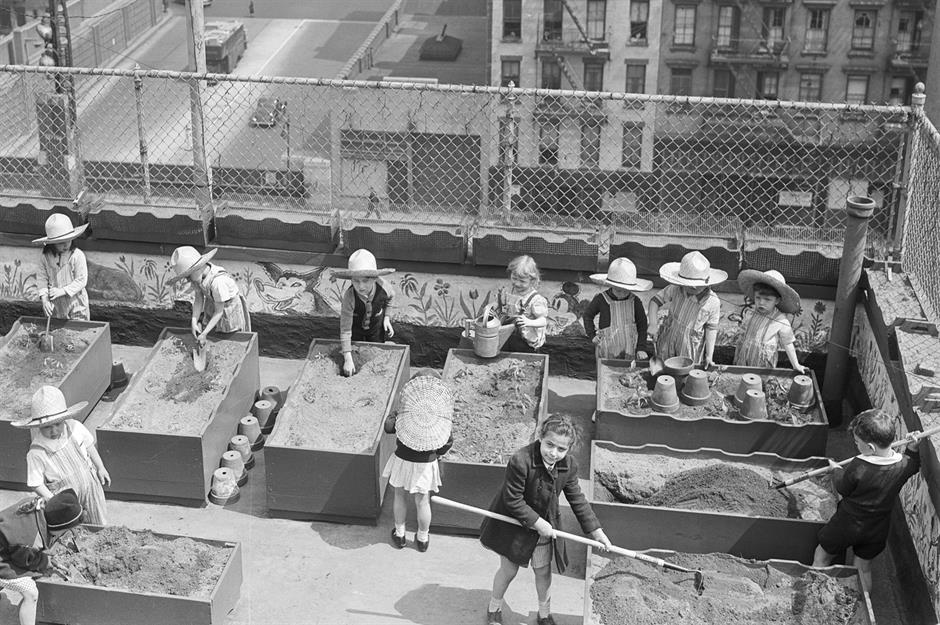
Victory gardens were essential due to rationing. Families grew fresh food in backyards and on city rooftops, proving that everyone contributed to the war effort, even on the home front.
The bathroom boom
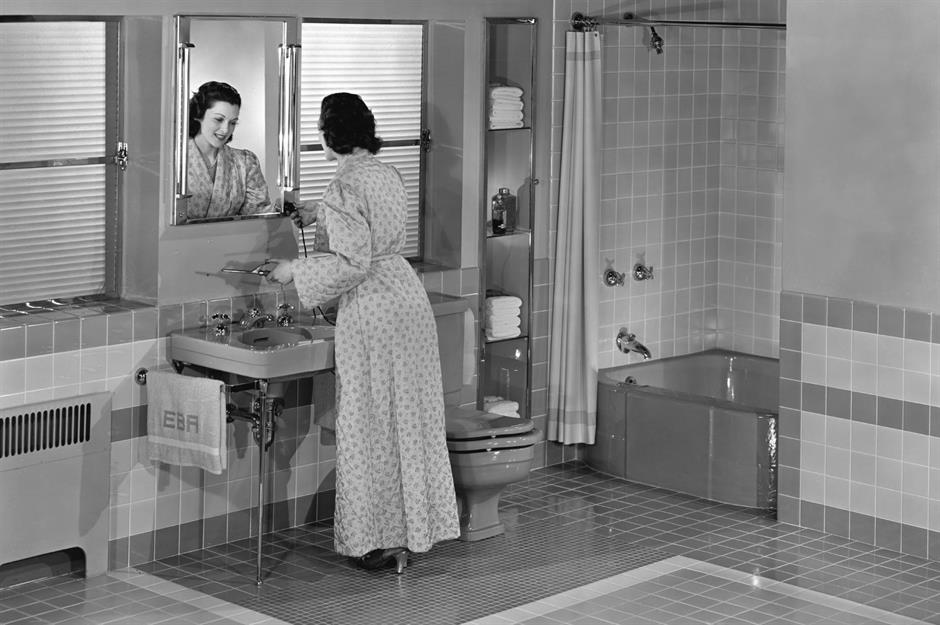
The Baby Boom and new prosperity meant growing families needed bigger, better bathrooms. Powder rooms and ensuite master baths became more popular for achieving those famous Victory Rolls.
New plumbing standards
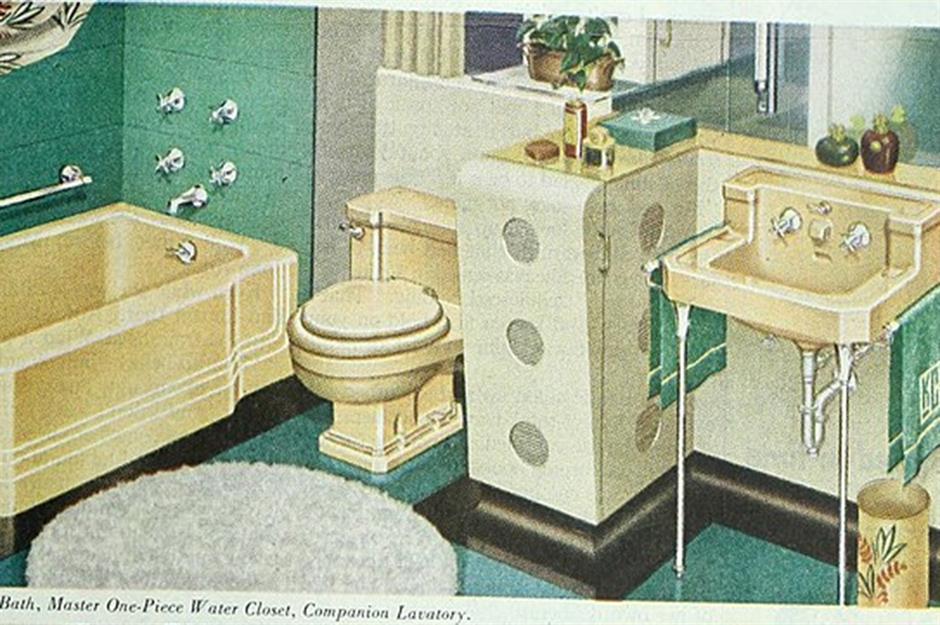
Bathrooms were transformed by new plumbing codes, making hot and cold piped water and indoor flushing toilets standard. A necessity that dramatically changed daily life across the country. Fancy!
Murphy beds
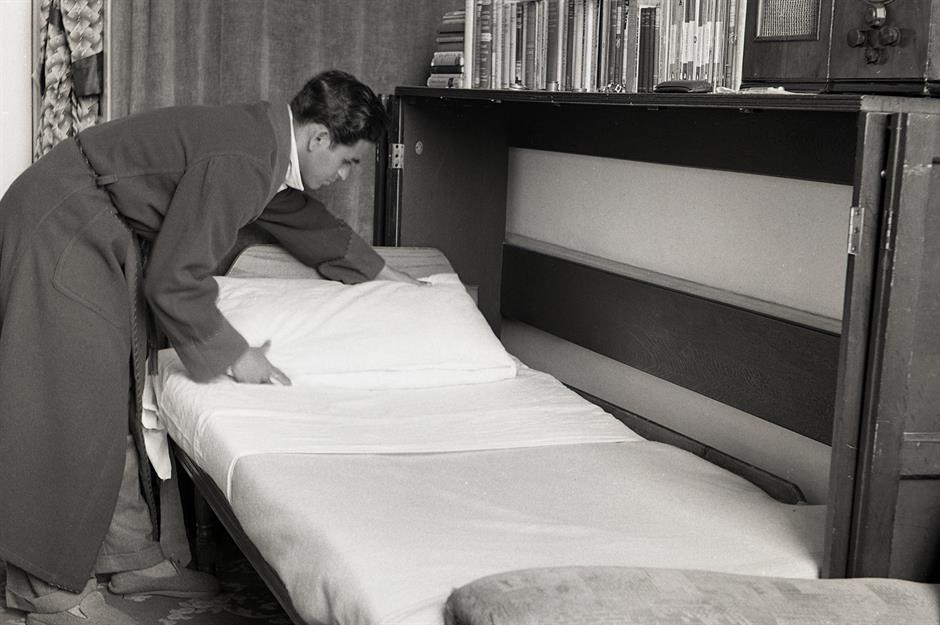
As people moved into smaller city apartments for work, Murphy beds were a lifesaver! These wall beds folded up to save space, allowing families to make the most of their limited living areas.
The rise of TV
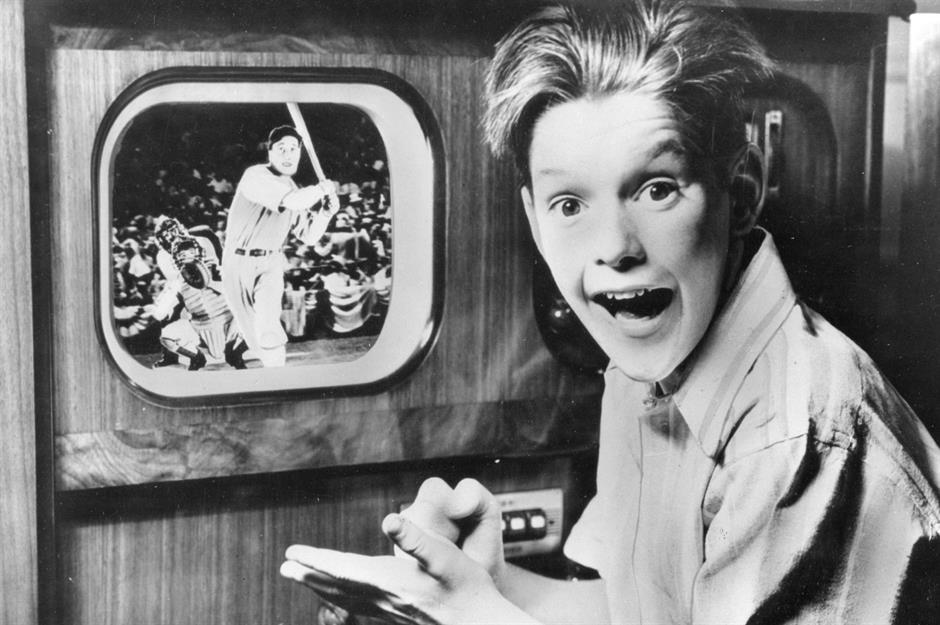
After stalling during the war, television exploded in popularity by the late 1940s. From just 6,000 homes in 1946 to over a million by 1949, it quickly became the center of home entertainment.
Rationing days
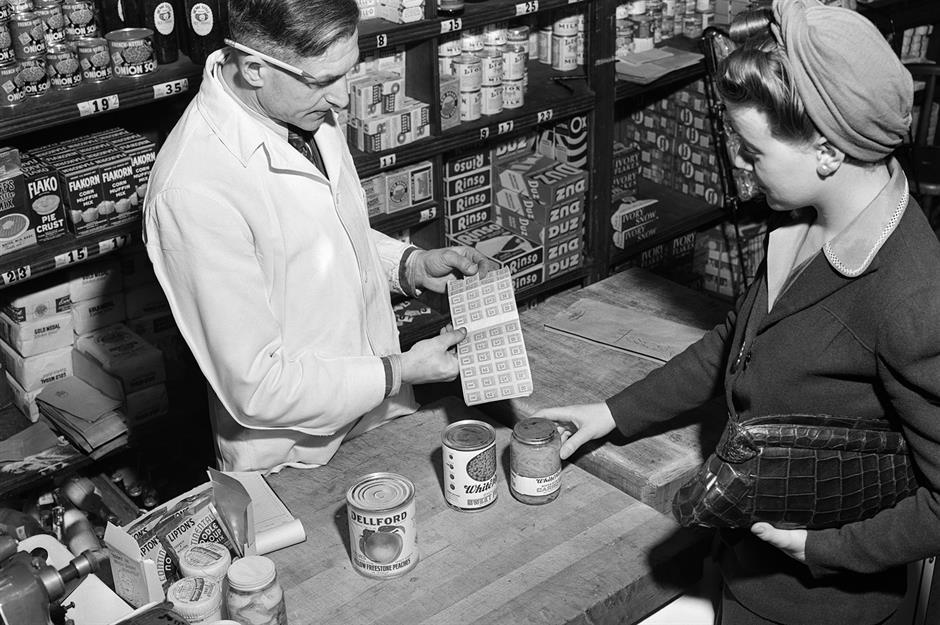
Remember queuing for hours to collect ration books? This forced families to limit ‘luxury’ items, reminding everyone that sacrifice on the home front was essential for supporting the war effort.