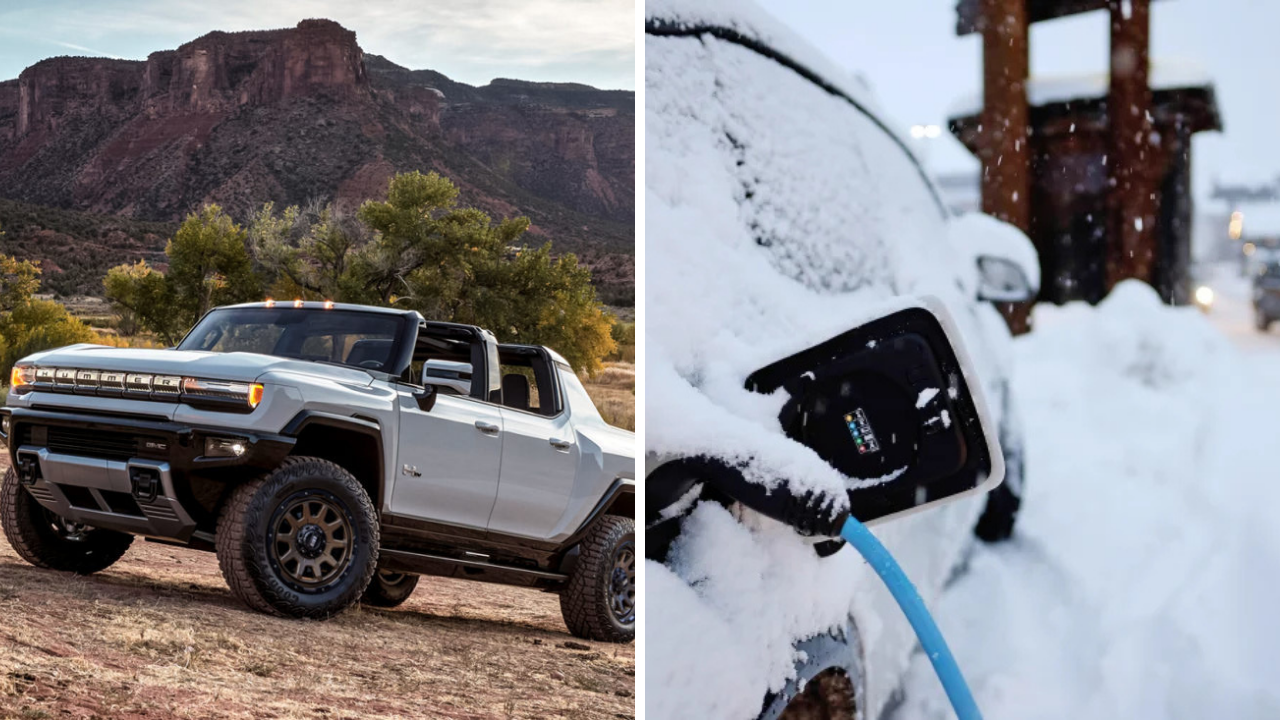
Electric vehicles (EVs) are revolutionizing the way we drive, but they’re not the perfect fit for everyone. Before you make the switch, here are 30 reasons you might want to think twice.
1. Limited Range
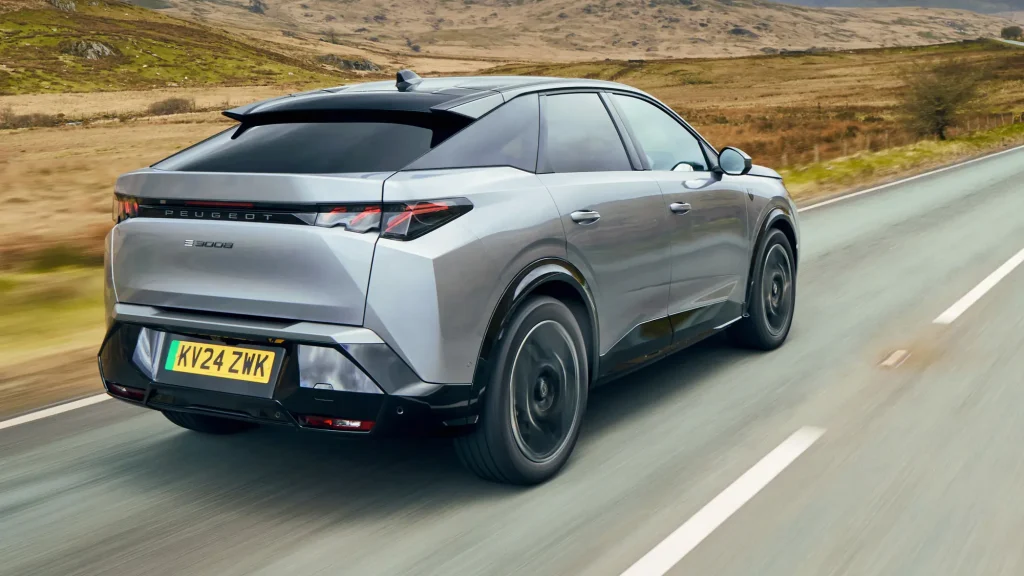
Many EVs still have a shorter driving range compared to gas-powered cars. This could be a major inconvenience if you take long trips often.
2. High Initial Cost
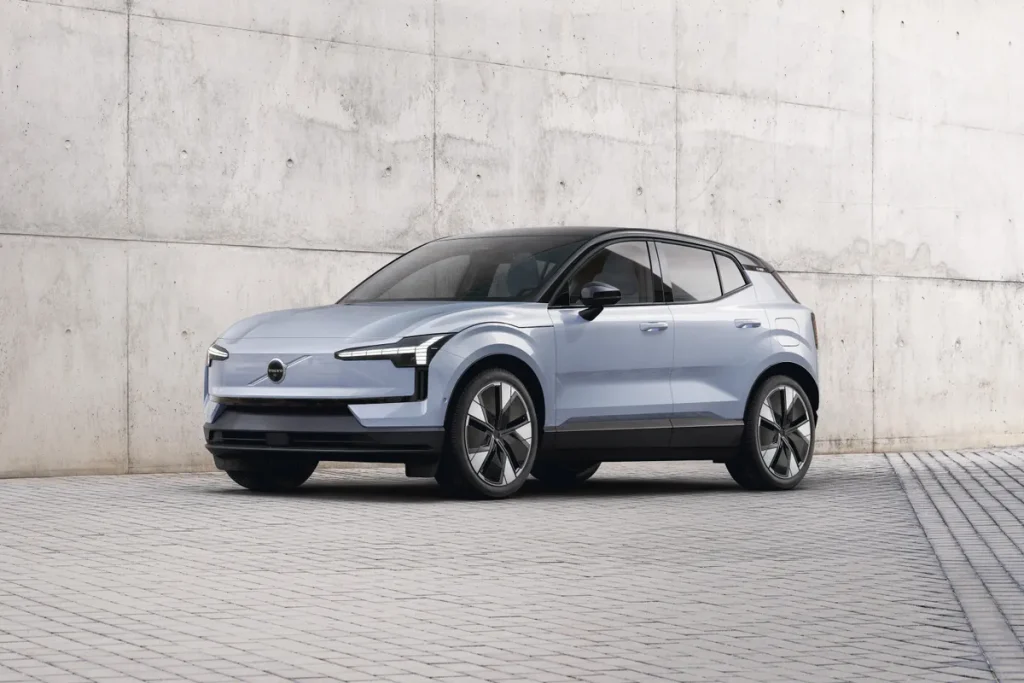
Even with tax incentives, electric cars often have a higher upfront price tag. This can strain your budget if you’re looking for a more affordable option.
3. Charging Time
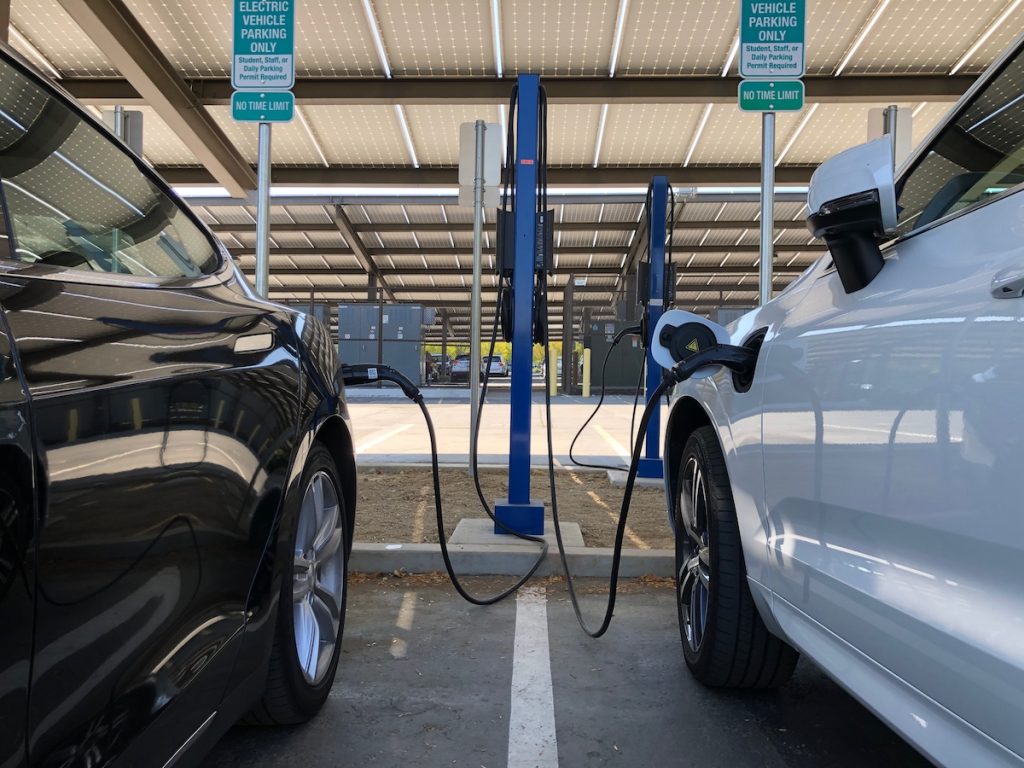
Refueling a gas car takes minutes, but charging an EV can take hours. This can be frustrating if you’re used to quick pit stops.
4. Scarce Charging Stations
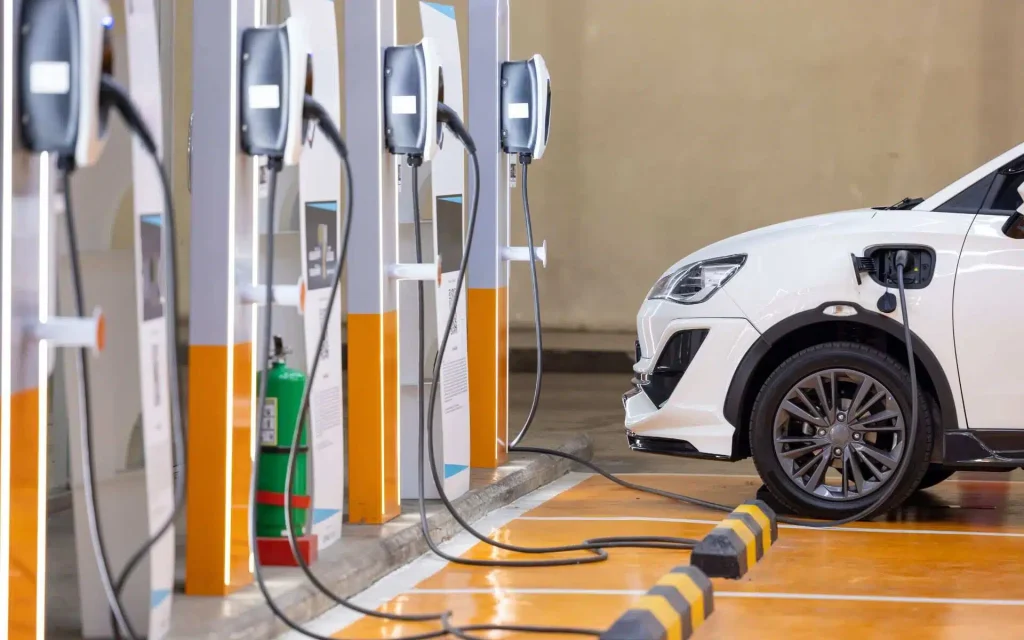
In some areas, charging infrastructure is still lacking. If you live or travel in rural regions, finding a charger could be a challenge.
5. Battery Degradation
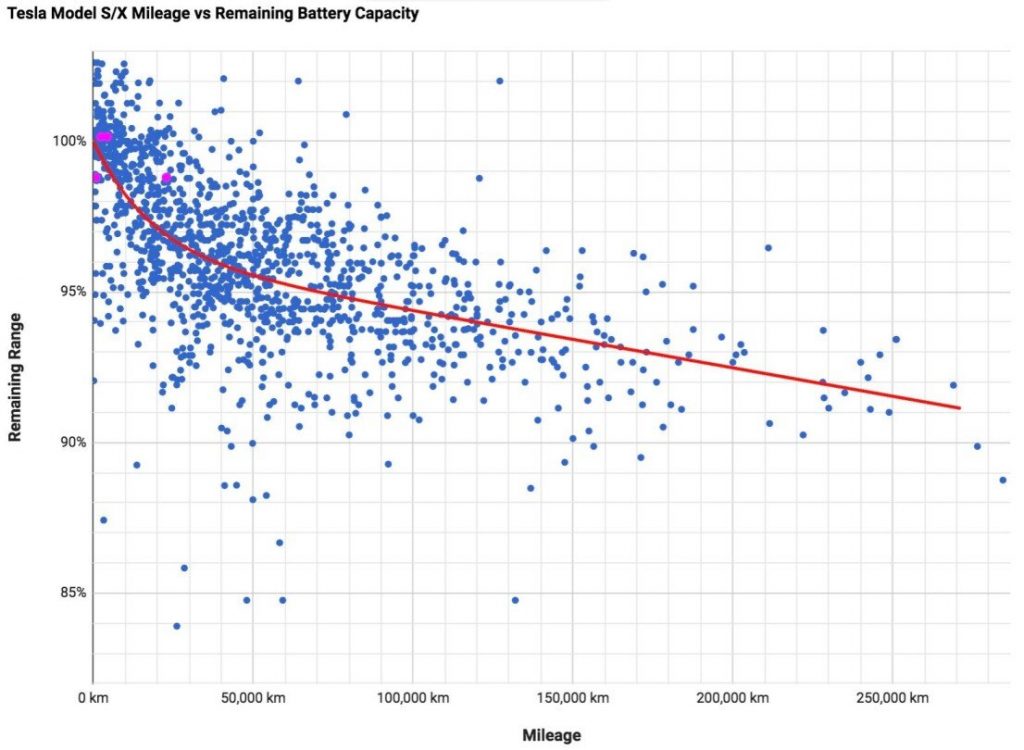
Over time, an EV’s battery loses its capacity to hold a charge. This means you’ll gradually get less mileage out of each charge.
6. Cold Weather Performance
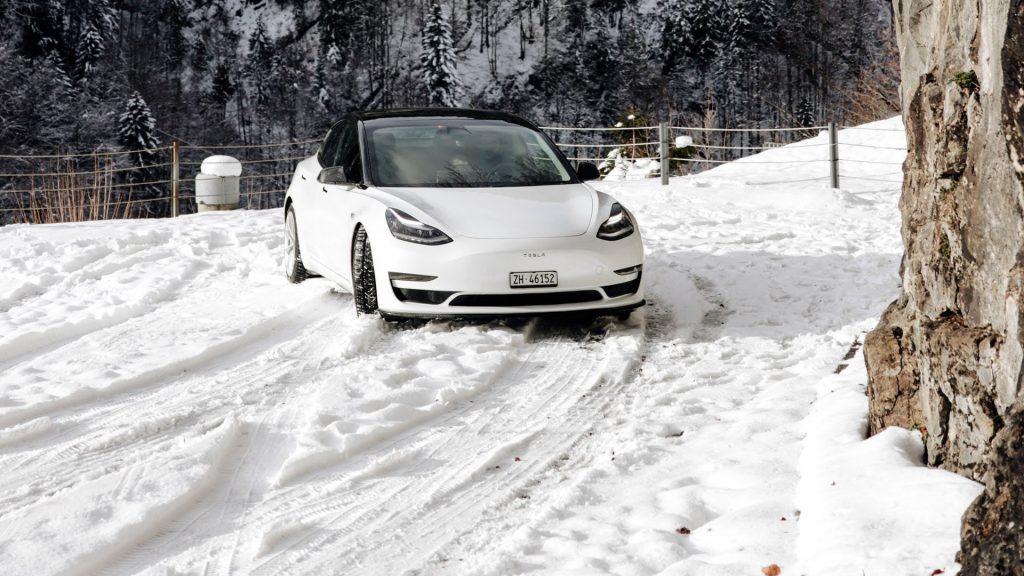
Batteries don’t perform as well in freezing temperatures. Expect shorter range and slower charging in the winter months.
7. Limited Towing Capacity
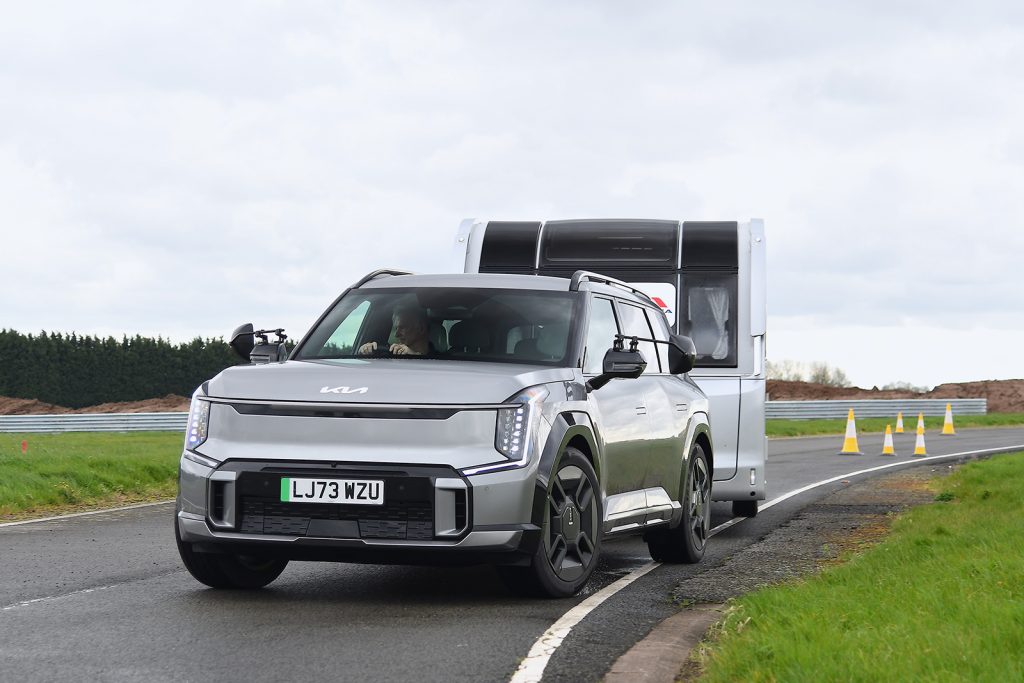
Most electric cars aren’t designed to tow heavy loads. If you need a vehicle for hauling, an EV might not meet your needs.
8. Few Used EV Options
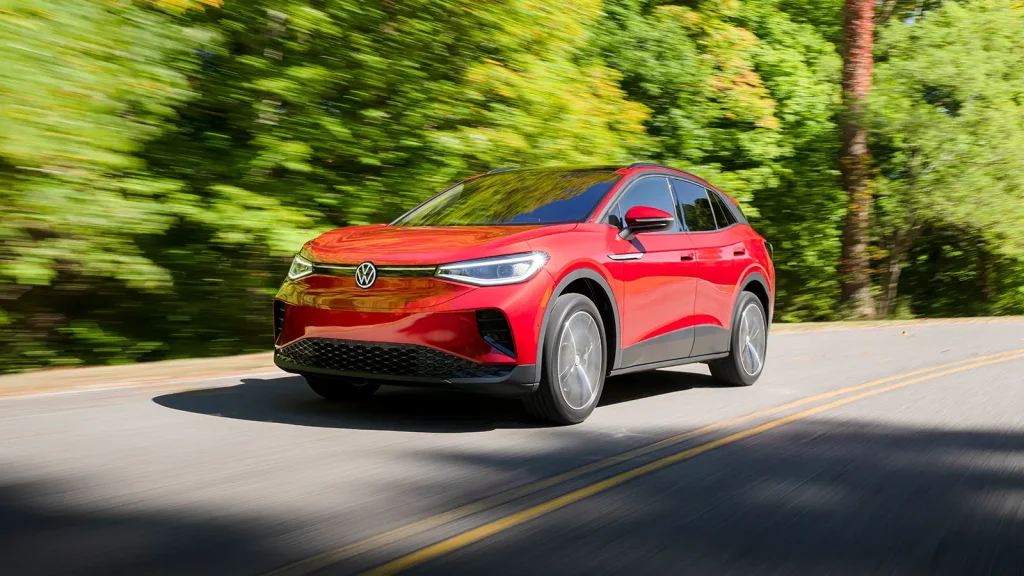
The used EV market is still growing and limited. Finding an affordable second-hand electric car can be tough.
9. Higher Insurance Costs
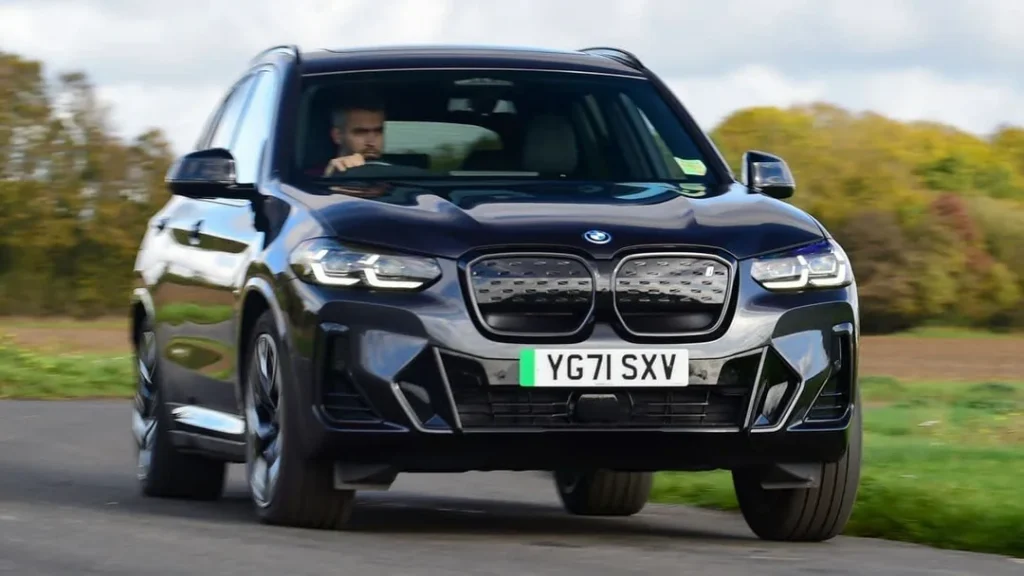
Some EVs cost more to insure because of their expensive parts. This can add unexpected costs to your monthly bills.
10. Repair Challenges
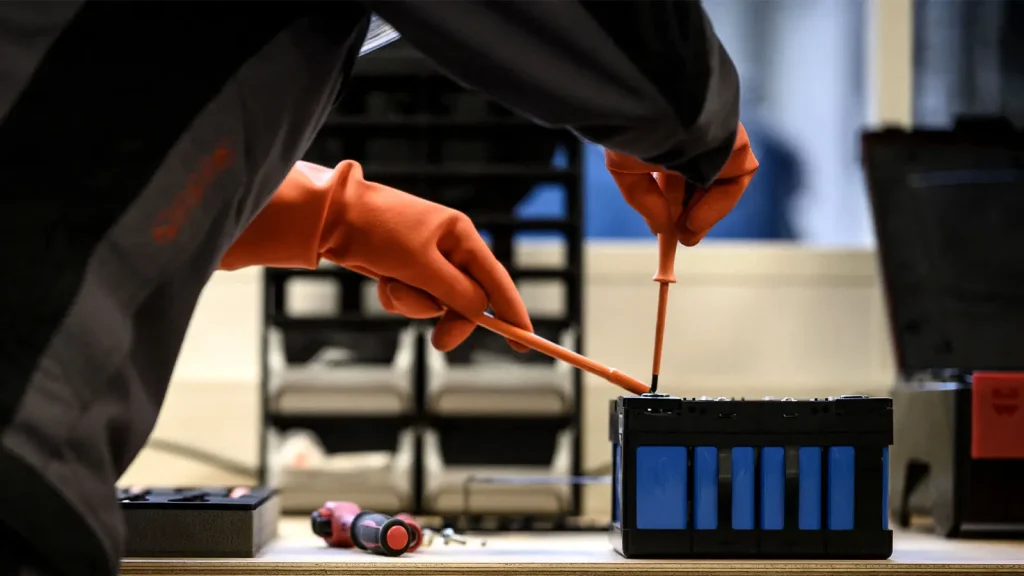
Not every mechanic is trained to work on electric vehicles. You might need to visit specialized service centers, which could be farther away and more expensive.
11. Battery Replacement Costs
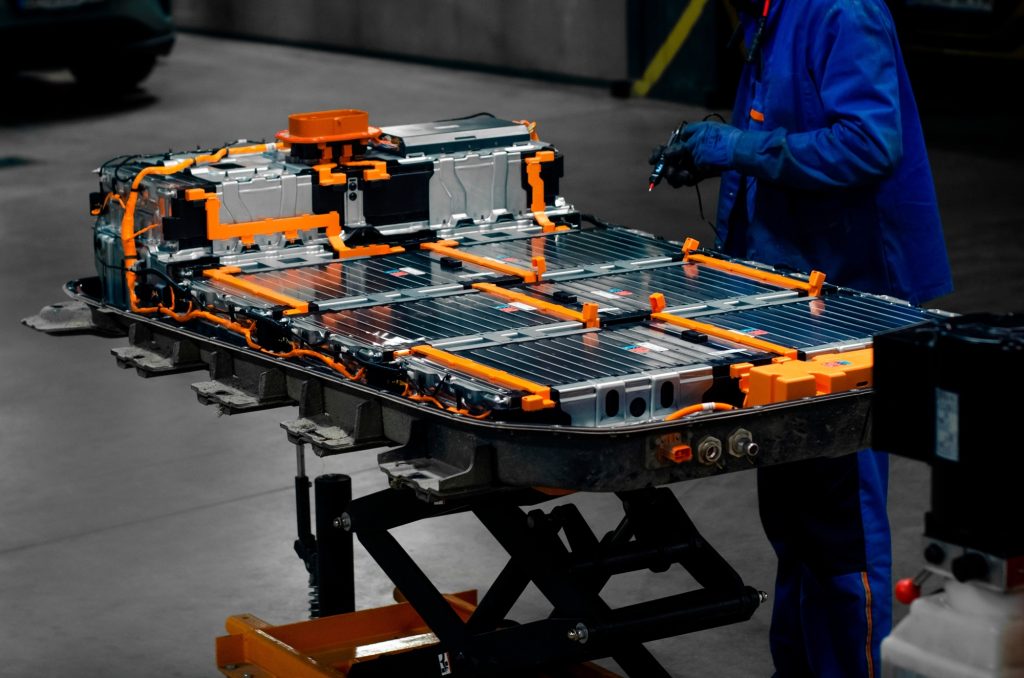
Replacing an EV battery can cost thousands of dollars. If your warranty runs out, you could be stuck with a hefty bill.
12. Limited Model Variety
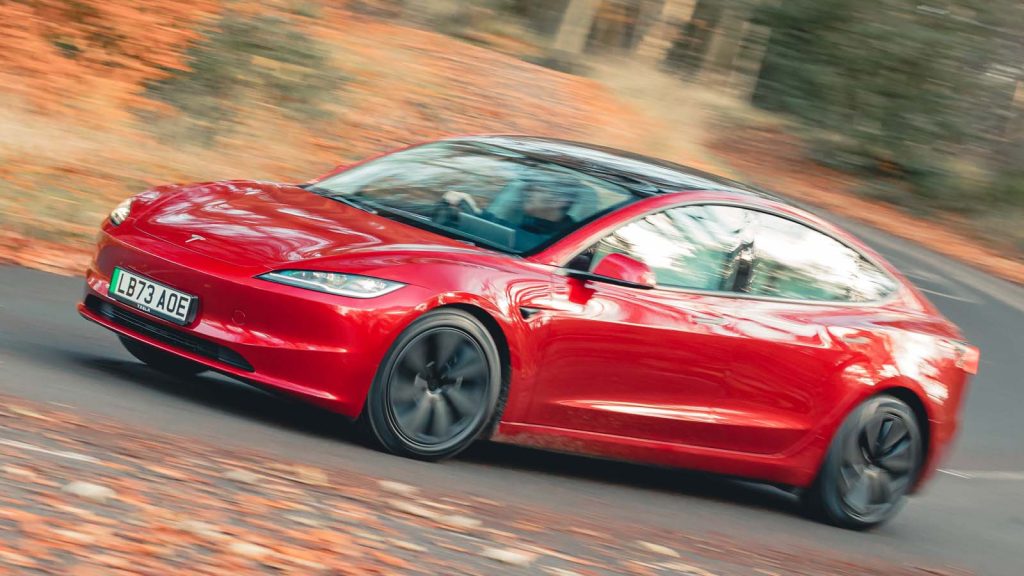
While more models are coming out, choices are still fewer compared to gas-powered vehicles. If you’re picky about design, size, or features, you might feel restricted.
13. Higher Weight
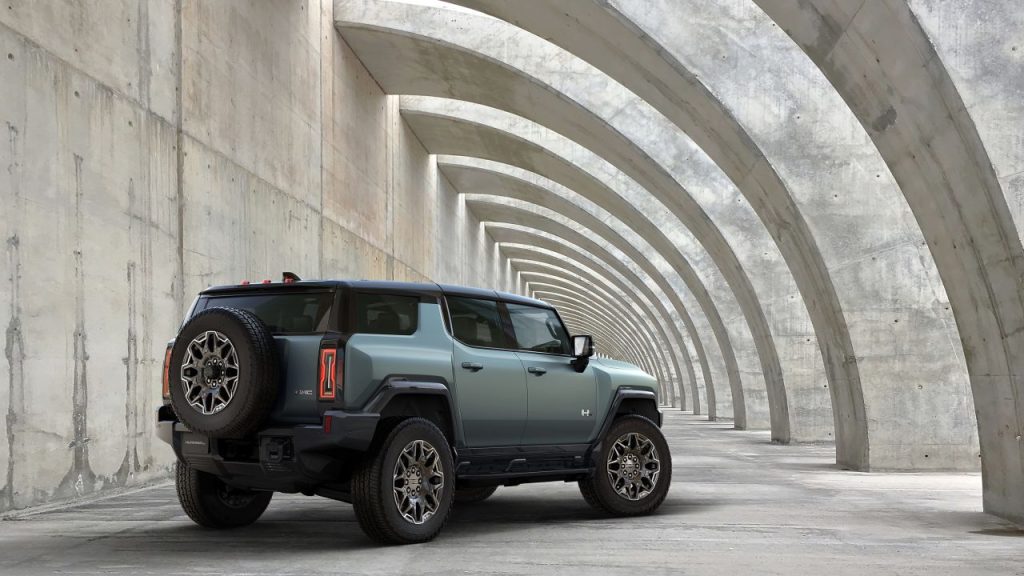
EVs are generally heavier because of their batteries. This can affect handling and braking distances.
14. Home Charging Challenges
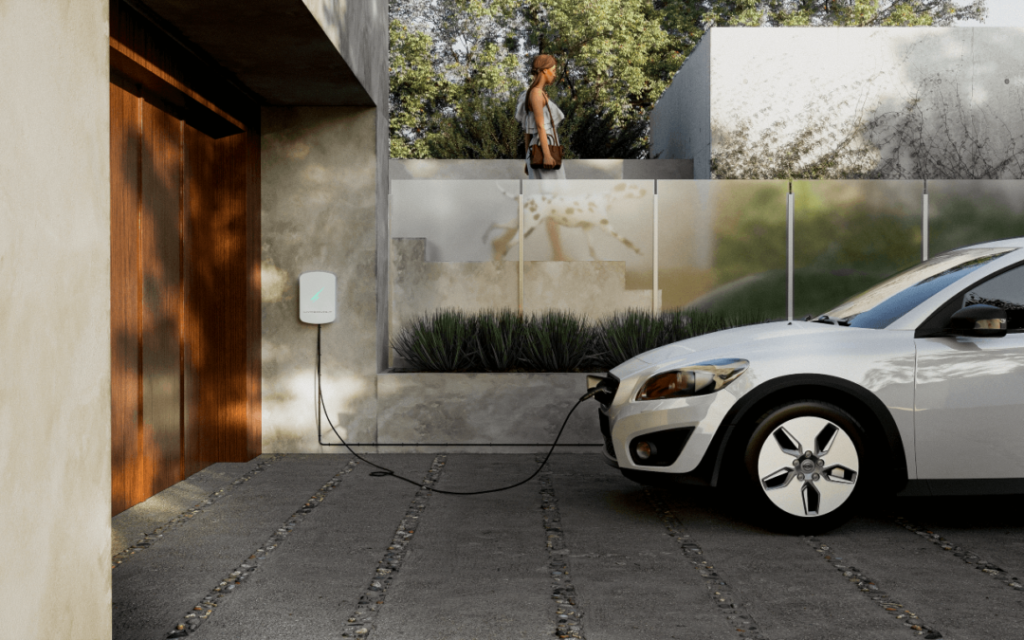
If you don’t have a garage or driveway, setting up a home charger can be difficult or impossible. Relying solely on public chargers isn’t ideal for daily convenience.
15. Longer Road Trips Are Tricky
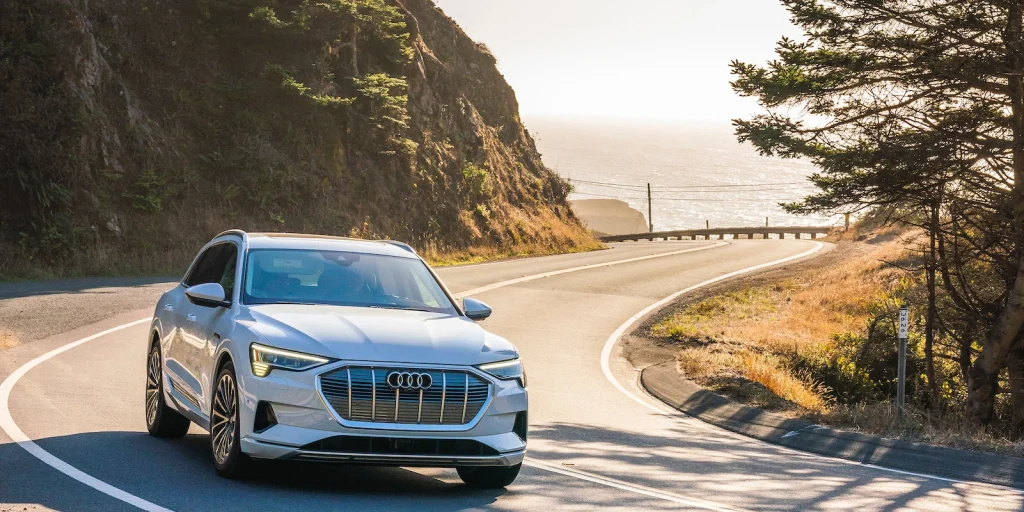
Planning a long road trip with an EV takes more effort. You’ll have to map out charging stations carefully to avoid running out of juice.
16. Limited Fast-Charging Compatibility
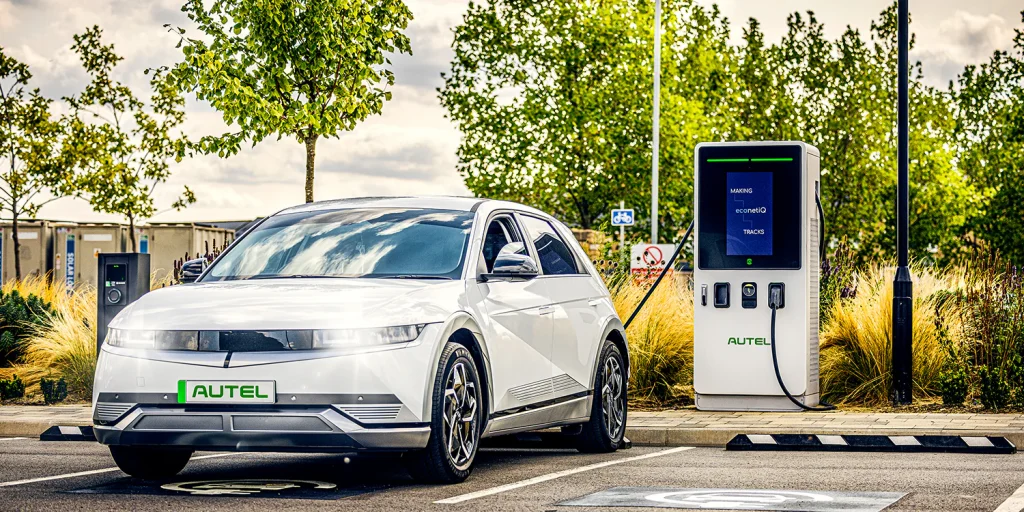
Not all EVs are compatible with the fastest chargers available. Slower charging speeds can add hours to your trip.
17. Potential Grid Strain
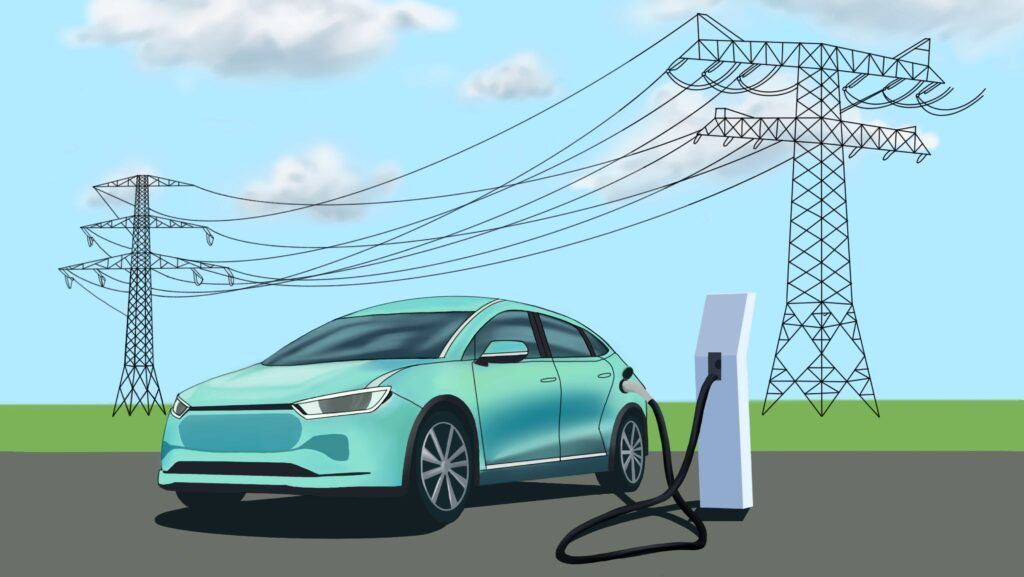
As EV adoption increases, it could put pressure on local electricity grids. This might mean higher utility costs or even outages during peak times.
18. Hidden Environmental Costs
Producing EV batteries requires mining rare metals, which has environmental consequences. An EV isn’t automatically “green” without considering the full lifecycle impact.
19. Limited Off-Road Options
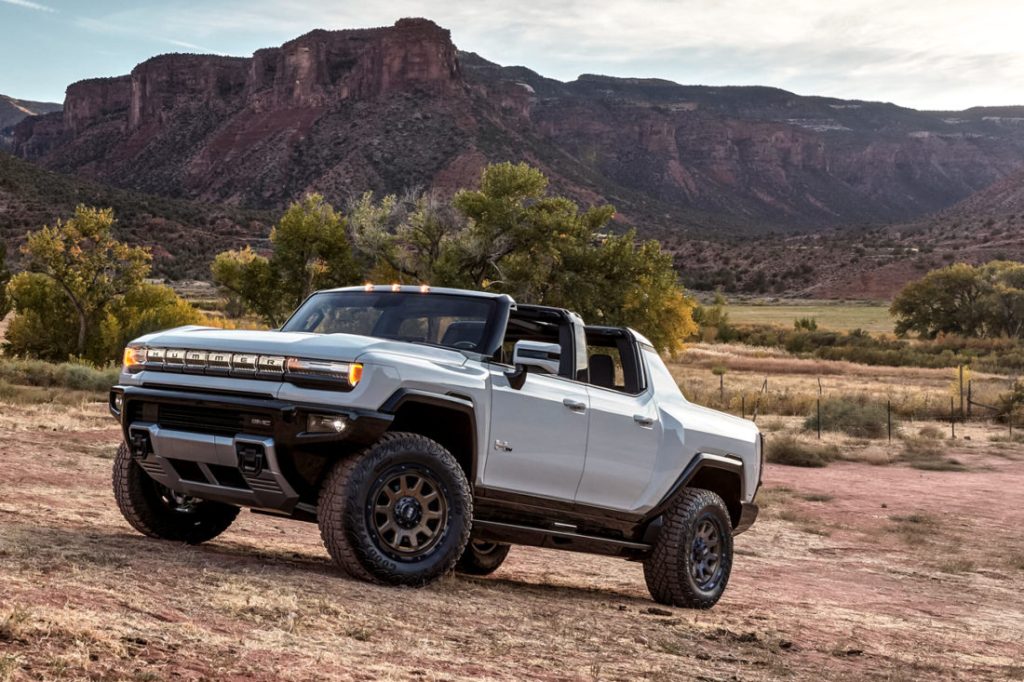
If you need a rugged vehicle for off-roading adventures, EV options are very limited. Most current models are optimized for city or highway driving.
20. Resale Value Uncertainty
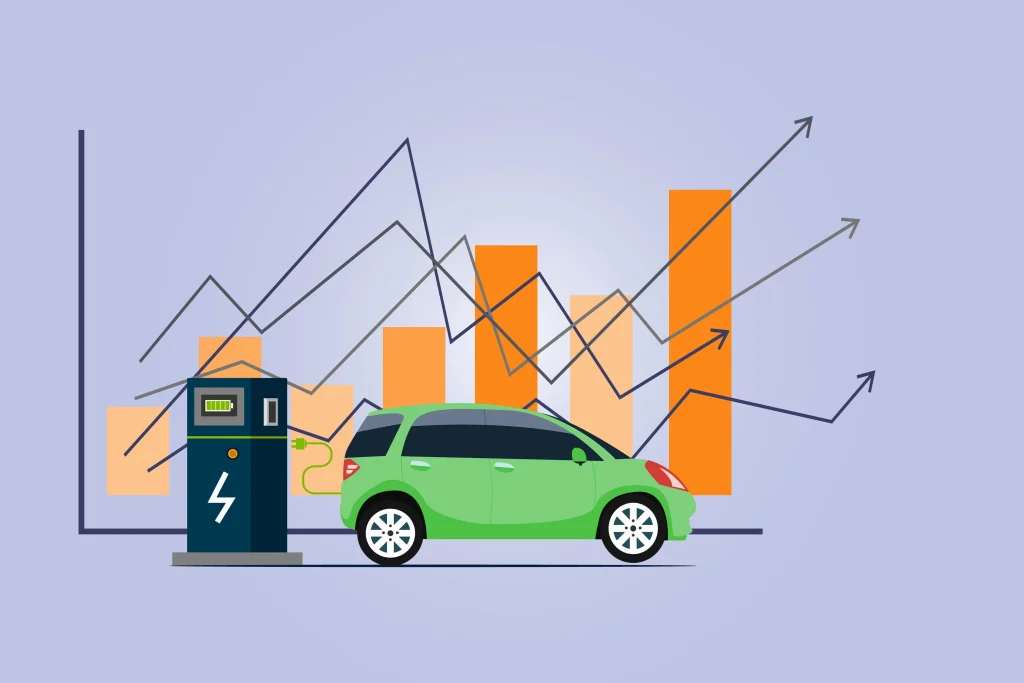
EV technology is evolving so quickly that today’s model could be outdated tomorrow. This uncertainty can hurt resale values.
21. Less Engine Noise Isn’t Always a Plus
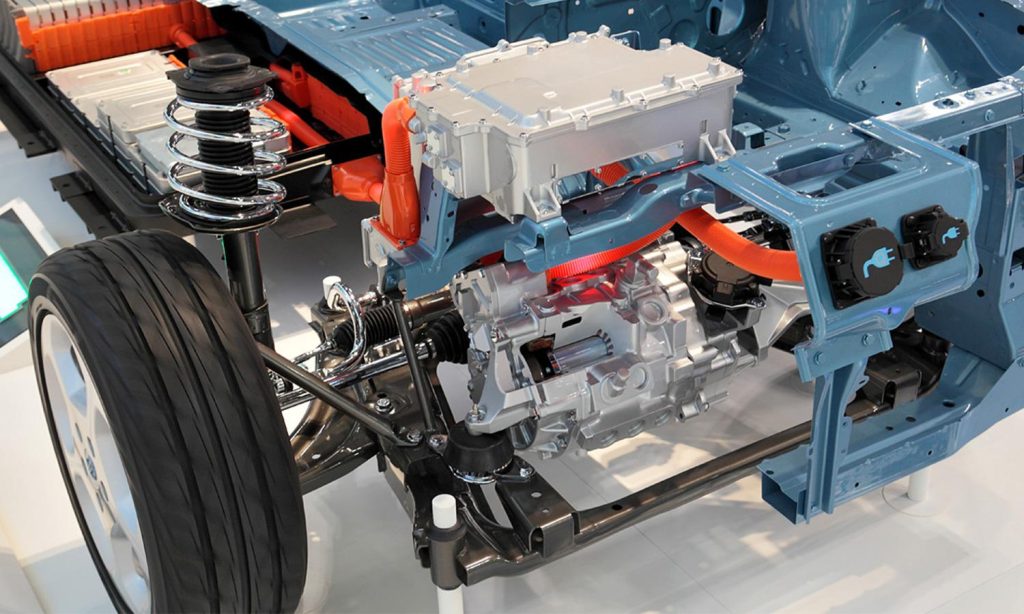
While some people love the silence, others miss the satisfying rumble of a traditional engine. The driving experience can feel a little sterile to some.
22. Range Anxiety
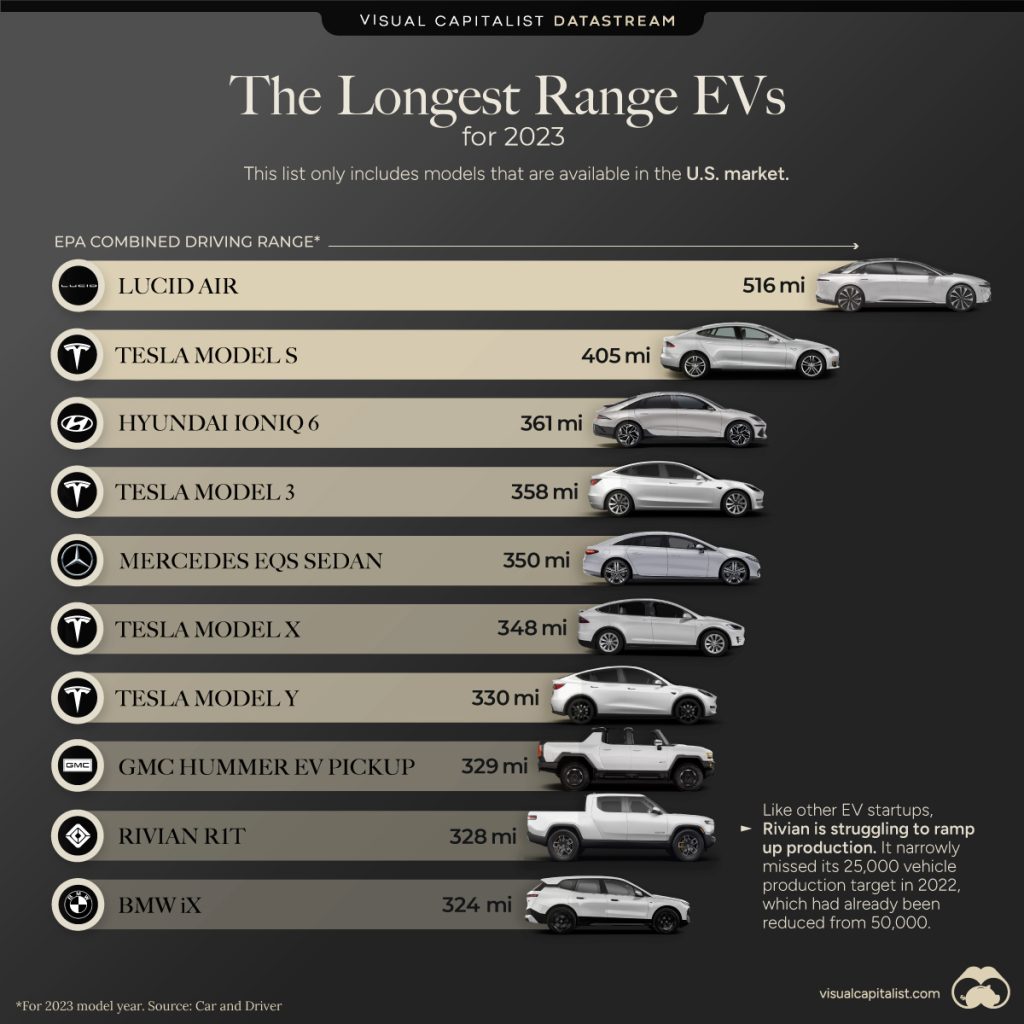
The constant worry about finding a charging station can cause stress. For many drivers, this anxiety overshadows the benefits of going electric.
23. Pricey Charging Installations
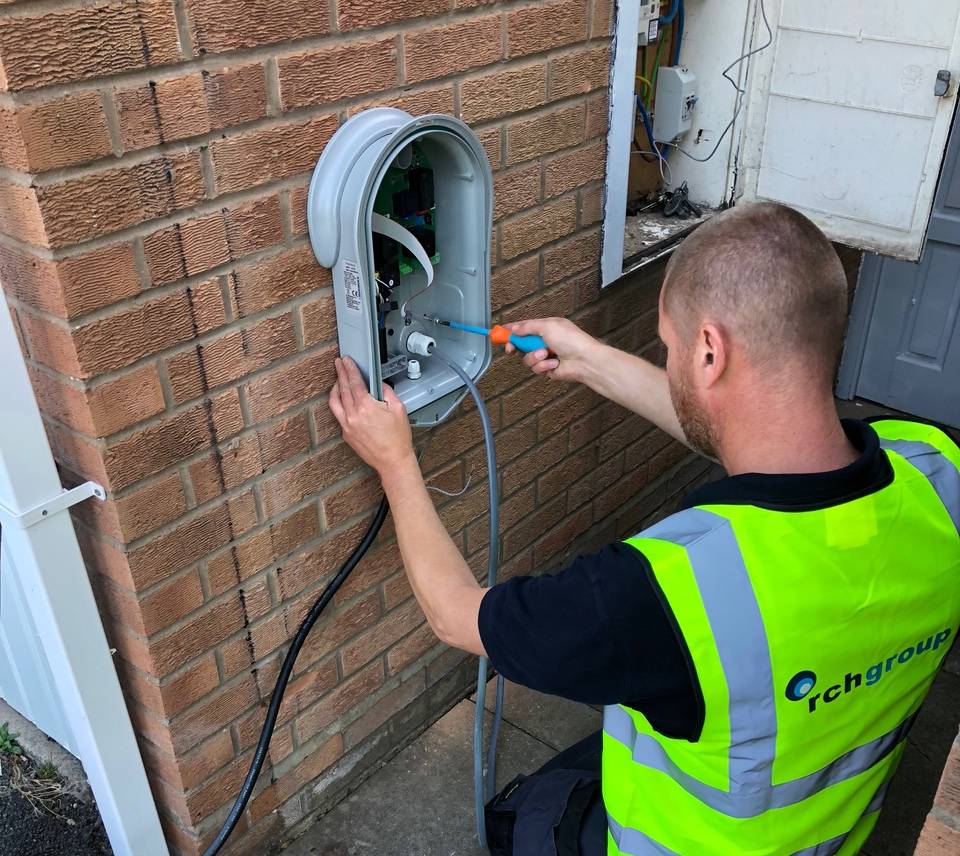
Installing a high-speed Level 2 home charger can cost between $500 and $2,000. That’s an extra cost you’ll need to factor in beyond the car purchase.
24. Slower Winter Charging
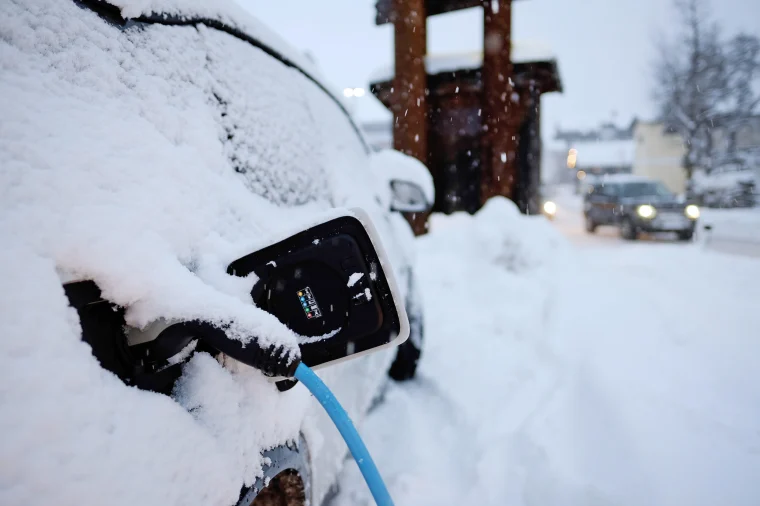
Charging speeds slow down considerably in cold weather. You could find yourself waiting much longer for a full battery.
25. Heavy Energy Use on Highways
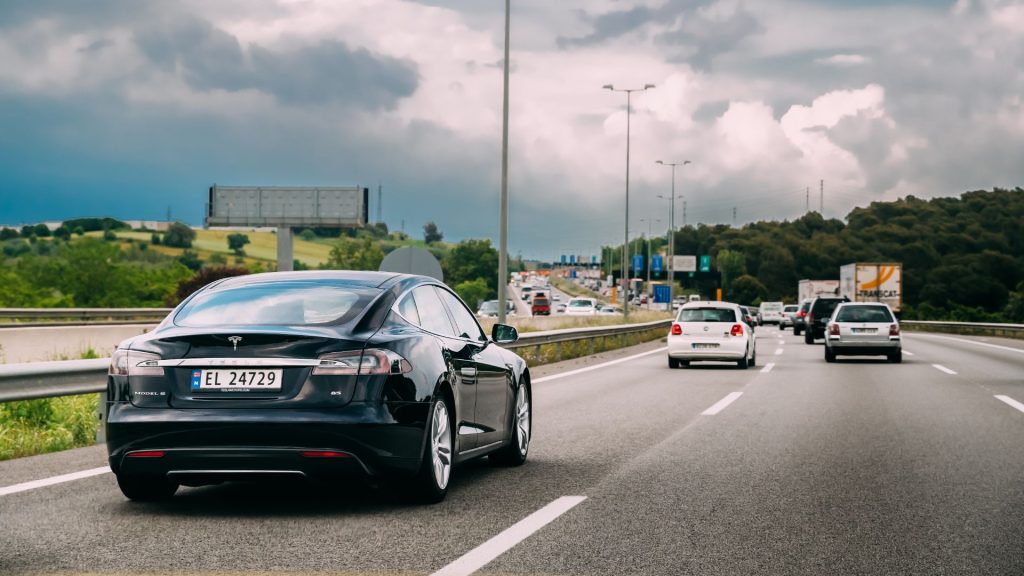
EVs are less efficient at high speeds compared to city driving. If you mostly drive on highways, you’ll drain your battery much faster than you expect.