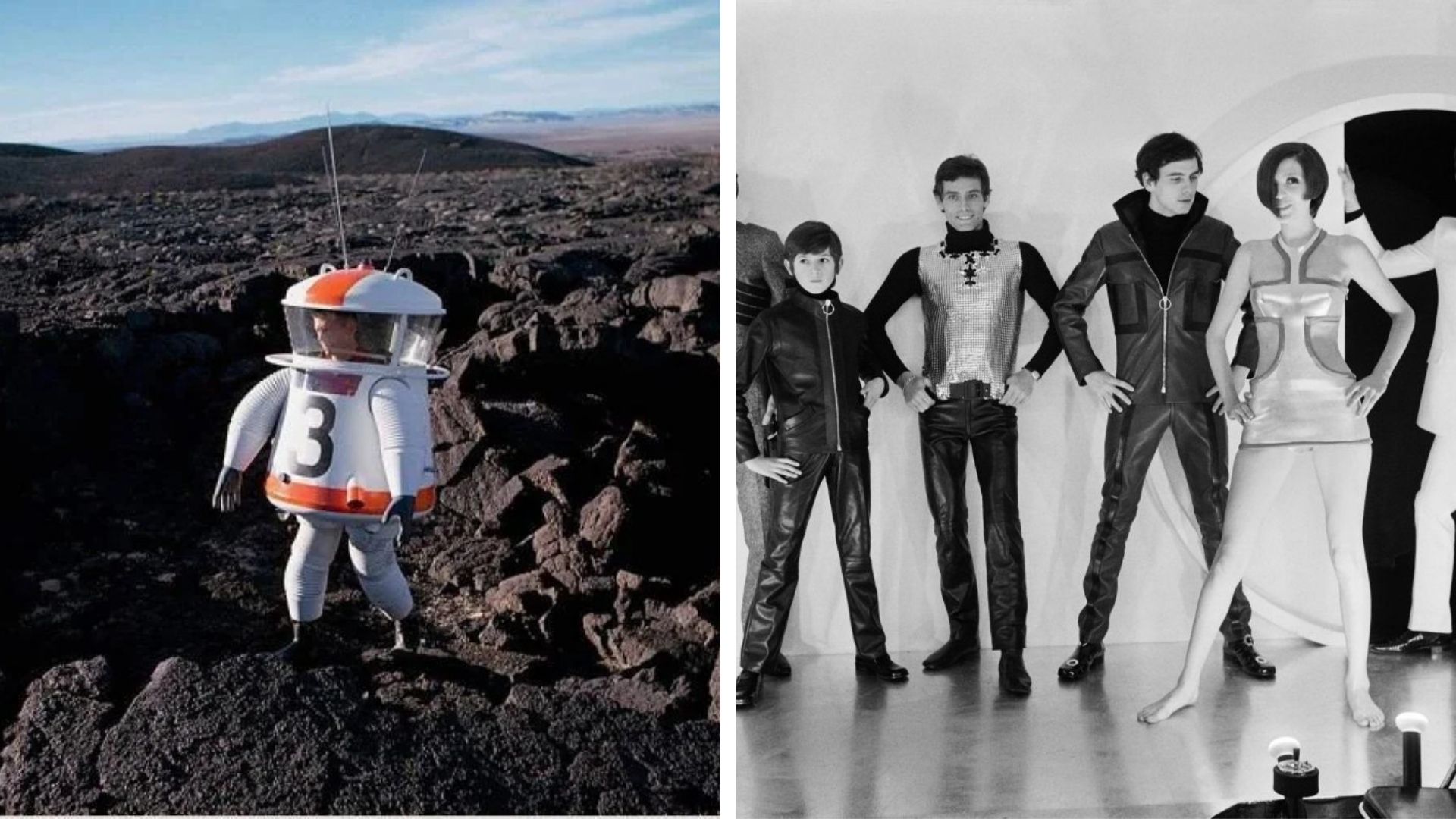
Every generation has tried to picture the world that comes next. From the engineers of the early 1900s who sketched flying cities above hand-written blueprints, to the television producers of the 1960s and 70s who broadcast confident visions of robotic households and nuclear-powered everything, the urge to predict the future has been as constant as the failure to get it right. What makes these predictions fascinating is not just how wrong they were, but how much they reveal about what each era feared, admired, and desperately hoped for. This article gathers 25 of the most striking things our ancestors got wrong about the future, from the mundane to the completely unhinged, and looks at what was really going on behind each one.
Flying Cars Were Always Five Years Away

The promise of personal flying vehicles appeared in magazines, world fairs, and government-sponsored concept art from the 1910s through the 1980s, always presented as imminent. The assumption was that once car culture took hold, the logical next step was simply adding altitude. What nobody modeled was air traffic control, fuel logistics, or the reality that most people can barely manage two dimensions.
Robots Were Going to Handle All Domestic Labor by 2000
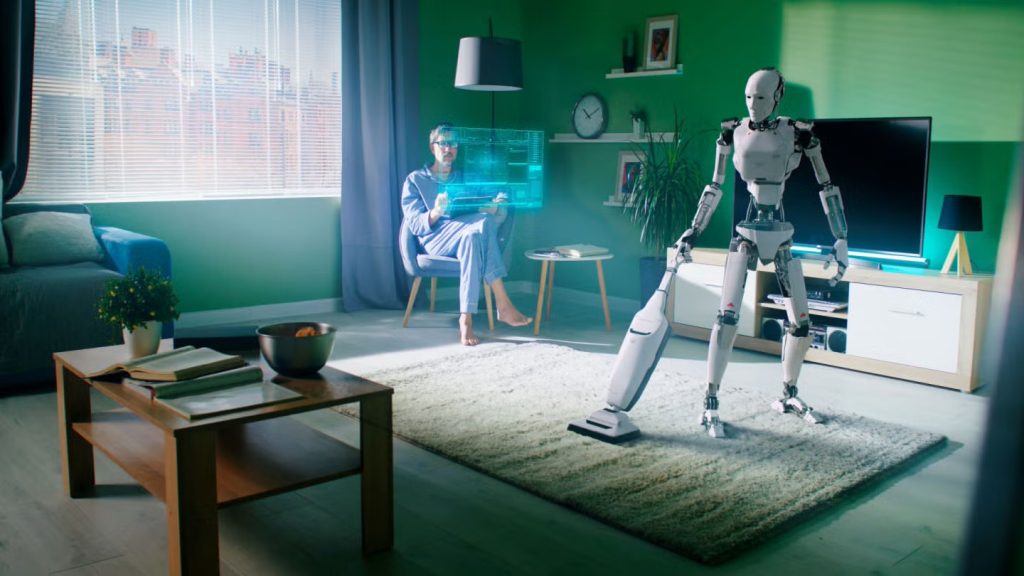
Postwar optimism produced a very specific fantasy: a humanoid robot in a chrome apron vacuuming the living room while the family relaxed. This vision was everywhere in the 1950s and 60s, promoted by appliance companies and science magazines alike. What actually arrived were Roombas and dishwashers, which technically count, but not in any way that felt like the future.
Atomic Energy Was Going to Power Absolutely Everything
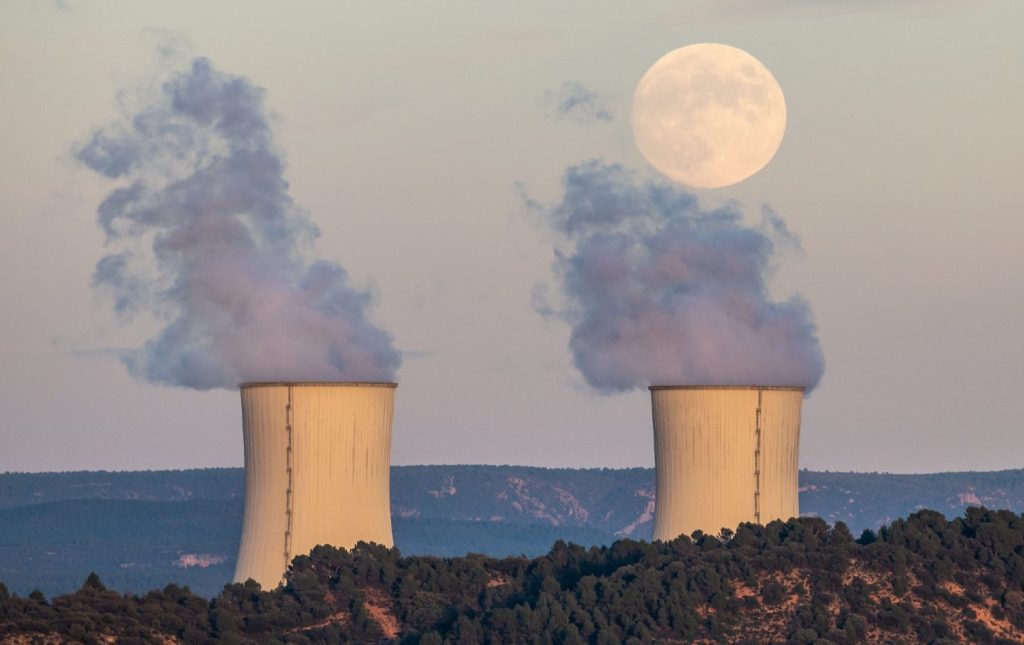
After Hiroshima and the rapid development of nuclear power plants, mid-century thinkers became convinced that atomic energy would make electricity so cheap it would not need to be metered. Concept art from the 1950s showed nuclear-powered cars, trains, and even personal aircraft. The reality included meltdowns, long-term waste storage problems, and decades of public anxiety that no promotional pamphlet had accounted for.
Paper and Plastic Clothing Was Going to Replace Fabric

In 1965, “Tomorrow’s World” on the BBC confidently declared that disposable paper and engineered plastic garments would become standard everyday wear. The reasoning was that synthetic materials were improving so fast that the logical endpoint was clothing you could simply throw away after use. Synthetic fabrics did take over, but not as disposables, instead becoming the engine of fast fashion and, eventually, one of the planet’s more stubborn pollution problems.
Undersea Cities Were a Serious Urban Planning Proposal
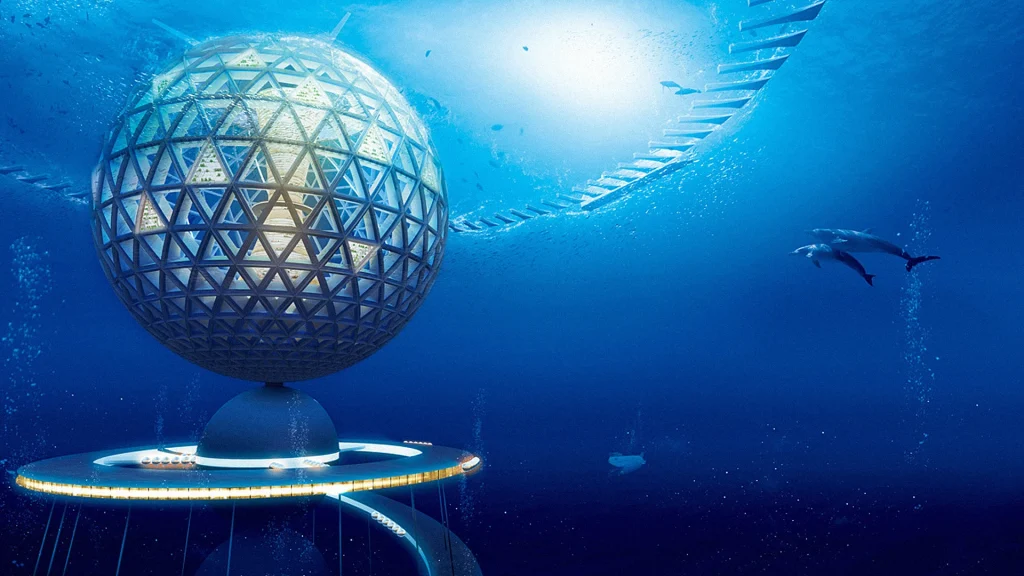
Throughout the 1960s and into the 70s, architects and futurists published detailed blueprints for permanent human settlements on the ocean floor, complete with schools, shopping centers, and transit systems. The space race had made the impossible feel routine, and the ocean seemed like the next obvious frontier. No such city has ever been built, and the pressure, darkness, and engineering complexity involved turned out to be rather more challenging than the concept illustrations suggested.
Everyone Would Be Working a 20-Hour Week by the 1980s

Economists and futurists in the postwar decades were nearly unanimous on one point: automation would eliminate so much routine labor that the central social challenge of the late 20th century would be managing all the leisure time people suddenly had. What actually happened was that productivity gains got absorbed into longer working hours, more consumption, and new categories of jobs that nobody had anticipated. The 40-hour week survived every technological revolution largely intact.
The Soviet Union Imagined a Collectivist Space Utopia in the 1930s
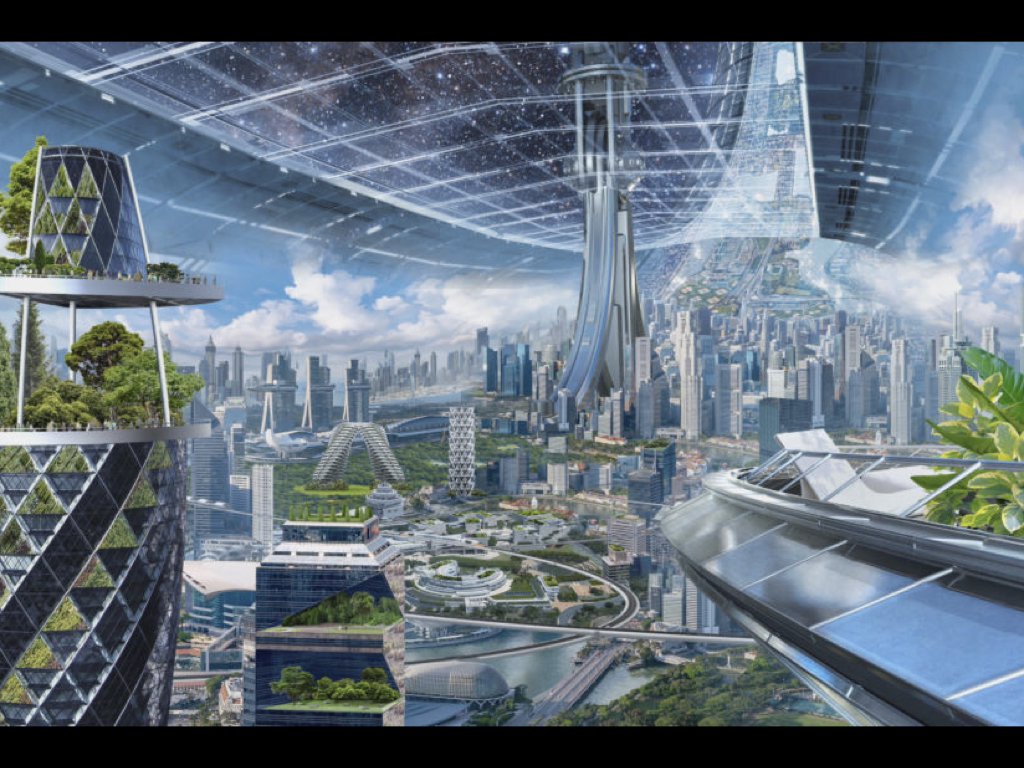
Soviet propaganda art from the 1930s depicted a future of gleaming communal towers, synchronized workers, and agricultural abundance achieved through pure ideological will. These visions served political purposes as much as predictive ones, showing citizens what collective sacrifice was meant to produce. The gap between those images and the realities of the Soviet economy widened with every passing decade.
Televised Newspapers Were Considered the Next Logical Step in Media
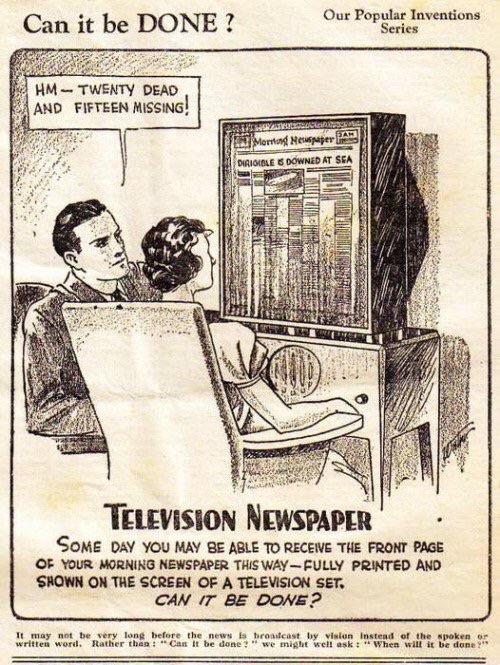
A widely circulated mid-century concept showed families receiving their morning newspaper through a television screen, reading headlines displayed on a cathode ray tube. The idea was literally correct in principle, since that is roughly what news websites are, but the execution imagined something closer to a scrolling ticker than an interactive global information network. The prediction got the destination right and missed the entire journey.
Moon Vacations Were Expected to Be Available by 1990
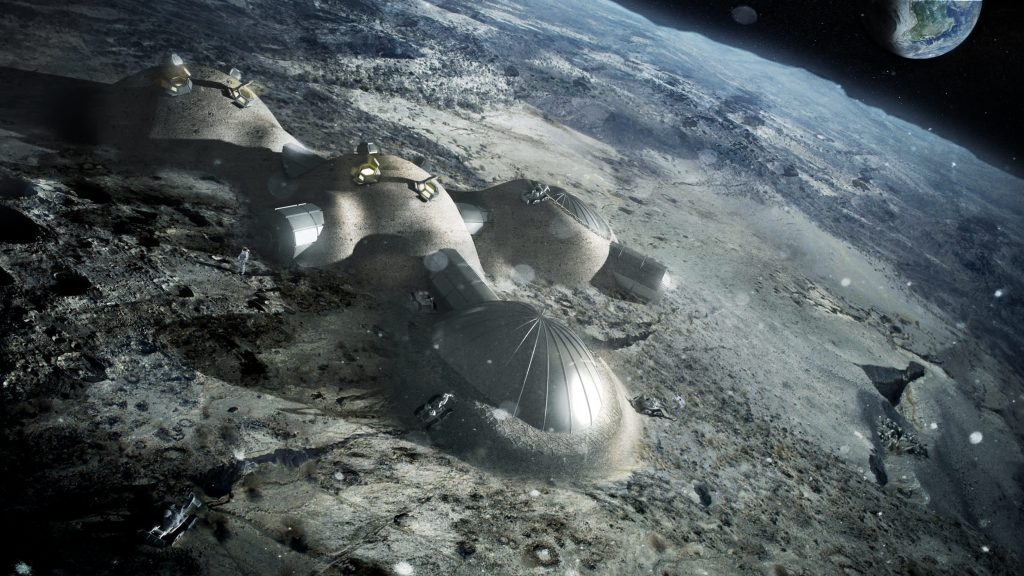
After Apollo 11, the assumption in popular media was that commercial lunar tourism was perhaps two decades away at most. Travel agencies printed brochure-style illustrations of tourists in suits walking across the lunar surface with Earth visible in the background. The last human to stand on the Moon did so in 1972, and as of now, the total number of people who have ever been there remains twelve.
The Monsanto House of the Future Showed Everyone Living in Plastic
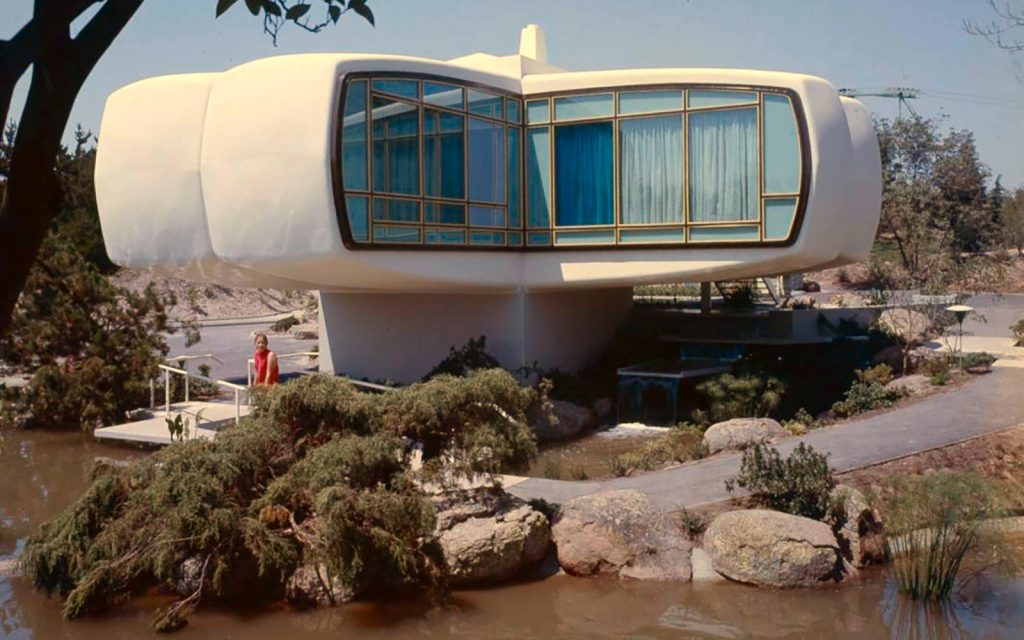
Installed at Disneyland in 1957 and visited by nearly 20 million people before its demolition in 1967, the Monsanto House of the Future was a fully furnished plastic home elevated on a single central pillar. It predicted ultrasonic dishwashers, microwave cooking, and climate-controlled rooms as standard features by 1986. Many of those predictions came true; the all-plastic construction did not, and when the house was finally torn down, sledgehammers reportedly bounced right off it.
A Japanese Magazine Designed Robots to Discipline Schoolchildren in 1969
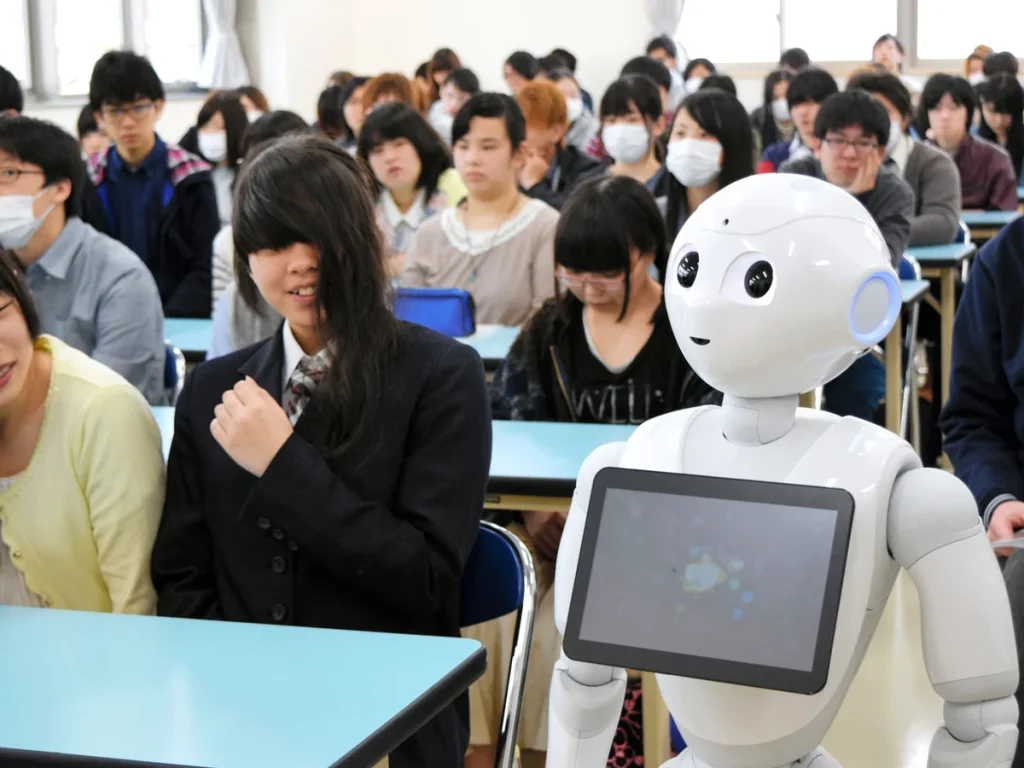
A 1969 Japanese publication depicted the classroom of the future with small robotic units whose specific role was to tap misbehaving students on the head. The rest of the classroom was otherwise recognizable, with desks, a teacher, and a blackboard, except for the disciplinary robots patrolling the aisles. It remains one of the most specific and unexpected predictions in the retrofuturism archive.
Remote Surgery Was Predicted With Surprising Accuracy, Just Not the Timeline
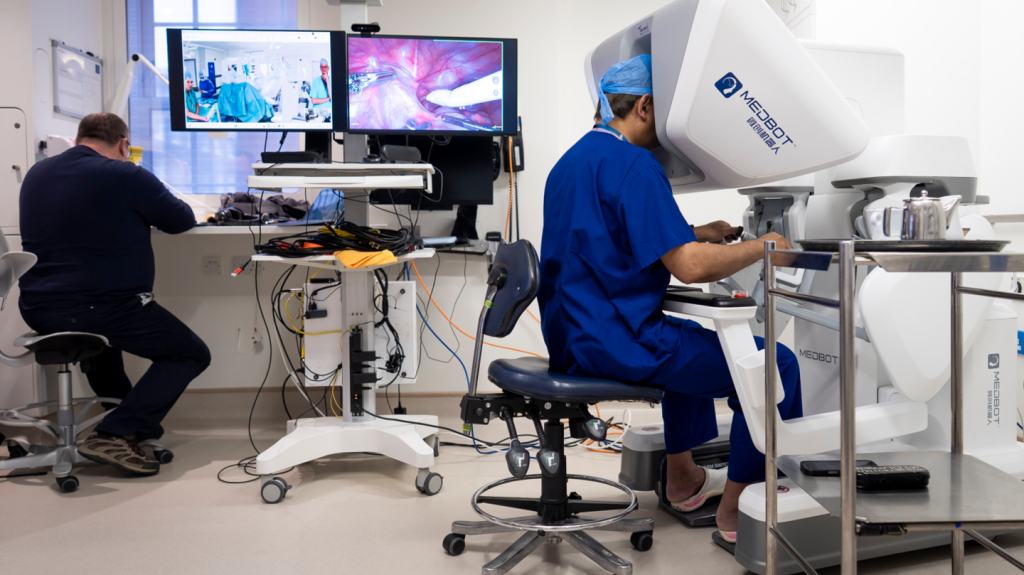
In a 1964 BBC broadcast, Arthur C. Clarke predicted that one day surgeons in Edinburgh would operate on patients in New Zealand. The first genuinely remote robotic surgery took place in 2001, between New York and Strasbourg. By 2024, the longest remote surgery on record connected a doctor and patient more than 12,000 kilometers apart, which means Clarke was right about the what and only slightly optimistic about the when.
Seiko Released a Working Smartwatch in 1984 and Nobody Called It the Future
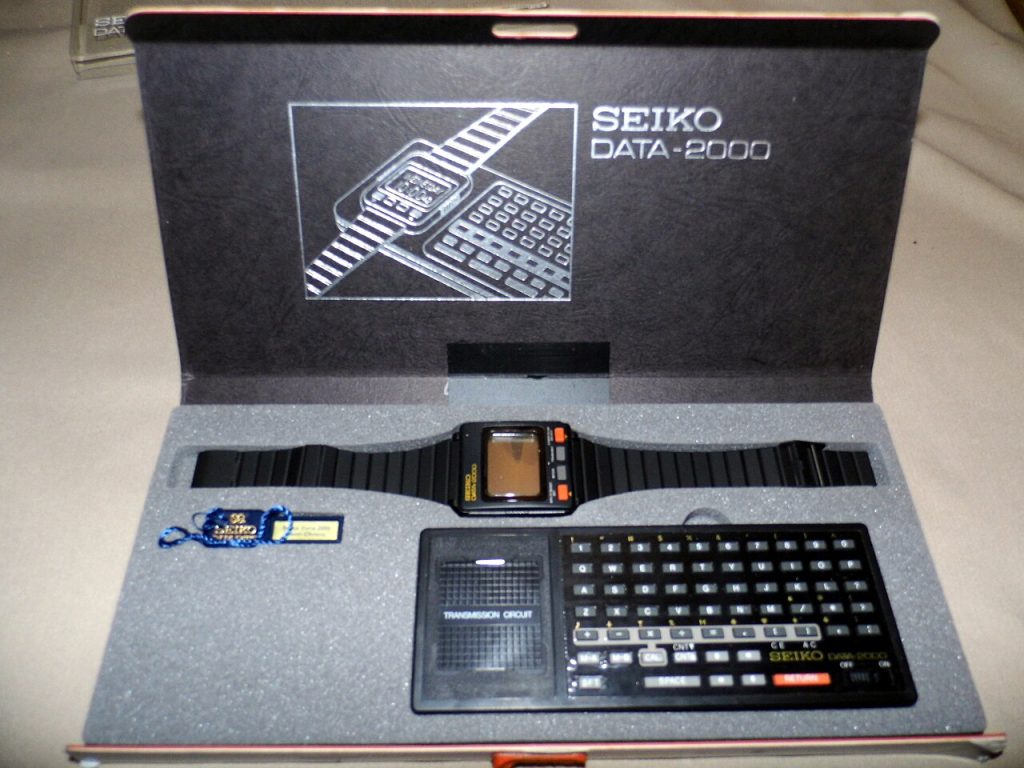
While futurists were still drawing concept art of wrist-mounted computers, Seiko actually manufactured and sold a data storage wristwatch in 1984 that could sync information from a computer. It was technically ahead of nearly every prediction being made about wearable technology at the time. The market was not ready, the ecosystem did not exist, and it took another three decades and a company called Apple to make the same concept into a mass-market product.
Life Expectancy in 1960 Made Long-Term Predictions About Health Feel Radical
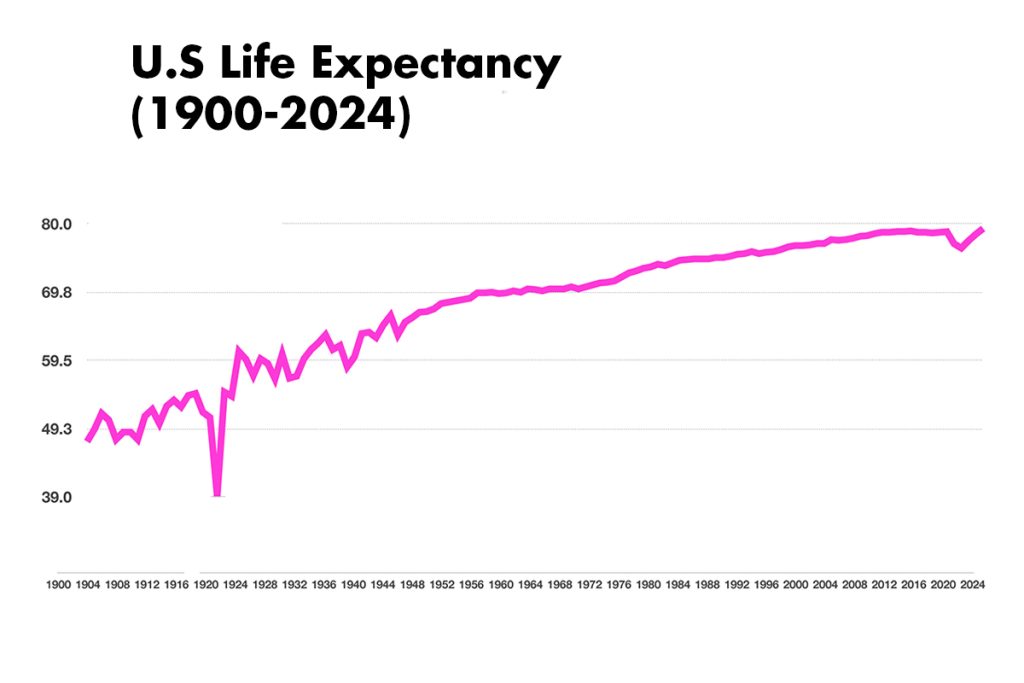
The average person born in 1960 could expect to live to around 52, according to United Nations data. Predictions about medicine extending human life by decades were treated as science fiction. Today the global average sits at 72, and in countries like the UK it has reached 82, meaning the optimists who predicted dramatic longevity gains were, in this case, not optimistic enough.
An Underground Nuclear Bunker City Was Proposed for Manhattan in 1969
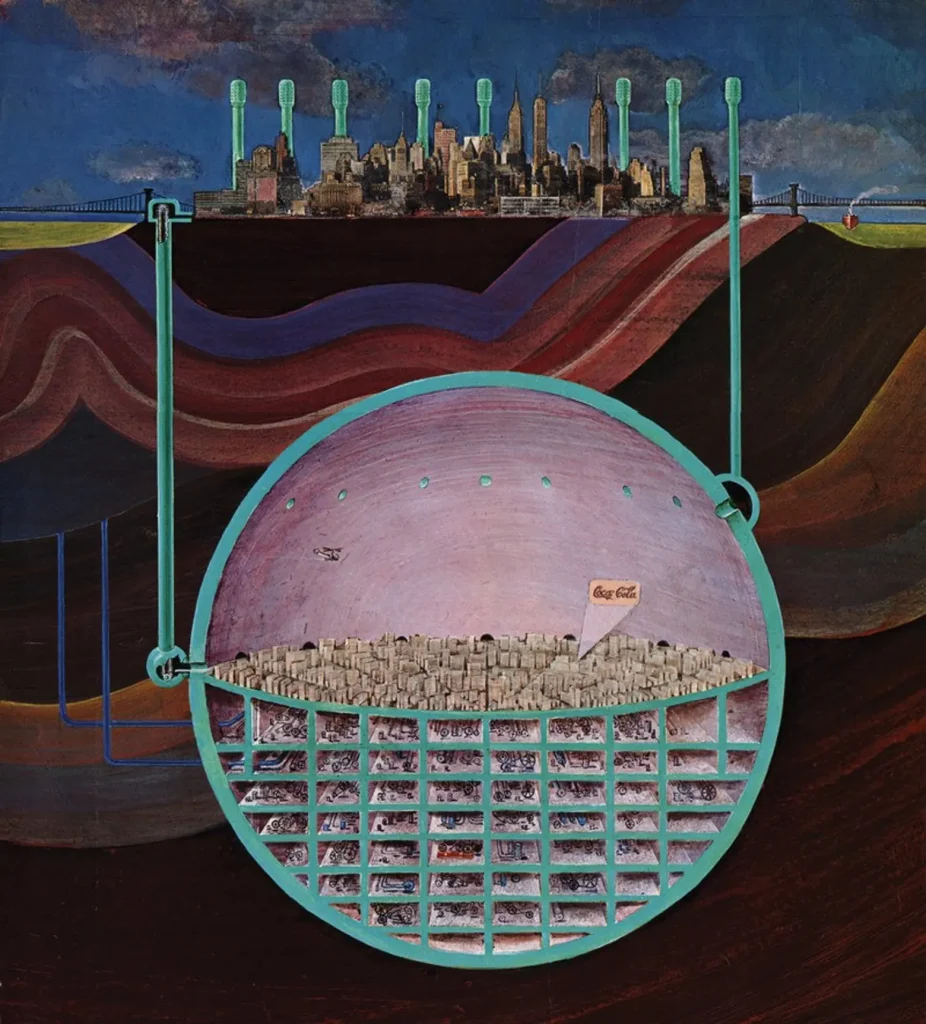
At the height of Cold War anxiety, architect Oscar Newman drew up detailed plans for a fully functional city beneath Manhattan designed to survive a nuclear strike. The proposal included residential blocks, commercial streets, and civic infrastructure, all underground. It was presented not as a thought experiment but as a practical solution to a problem that Cold War planners considered statistically likely.
The Radio Hat of 1949 Was Sold as a Genuine Consumer Product
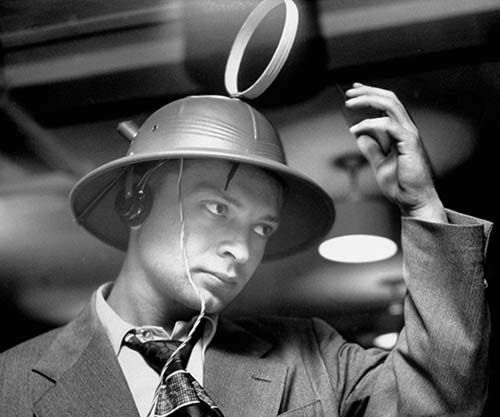
Invented by Victor Hoeflich and sold in 1949, the Radio Hat was exactly what it sounds like: a pith helmet with a battery-powered AM radio built into the brim, complete with a wire running to an earpiece. It was marketed as the future of personal audio and received coverage in major publications. Wireless earbuds were still seven decades away, but the impulse to untether audio from the living room was clearly already there.
Self-Driving Cars Appeared in Concept Art as Early as the 1960s
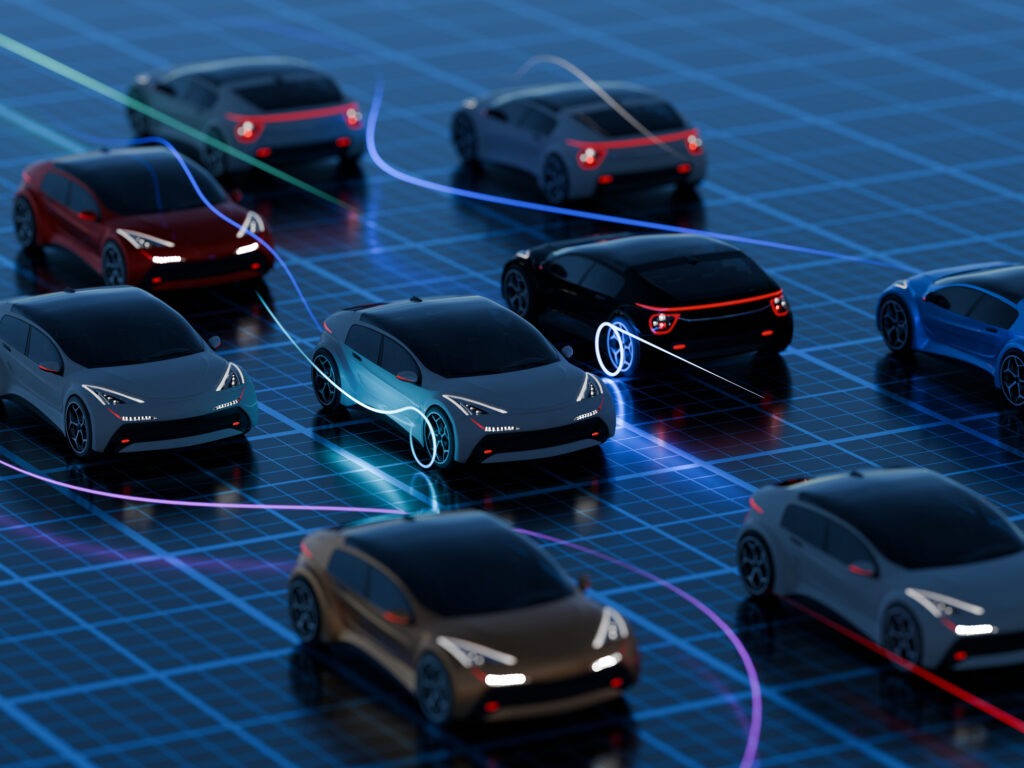
Illustrations from the 1960s showed families relaxing, eating, and even sleeping in cars that steered themselves along dedicated highway lanes, guided by electronic signals embedded in the road. The prediction identified a real direction for automotive technology but assumed the infrastructure would be built first and the software would follow. What actually happened was the reverse, and the dedicated smart roads never materialized at all.
The 1914 Prediction of 1950s Fashion Was Almost Completely Wrong
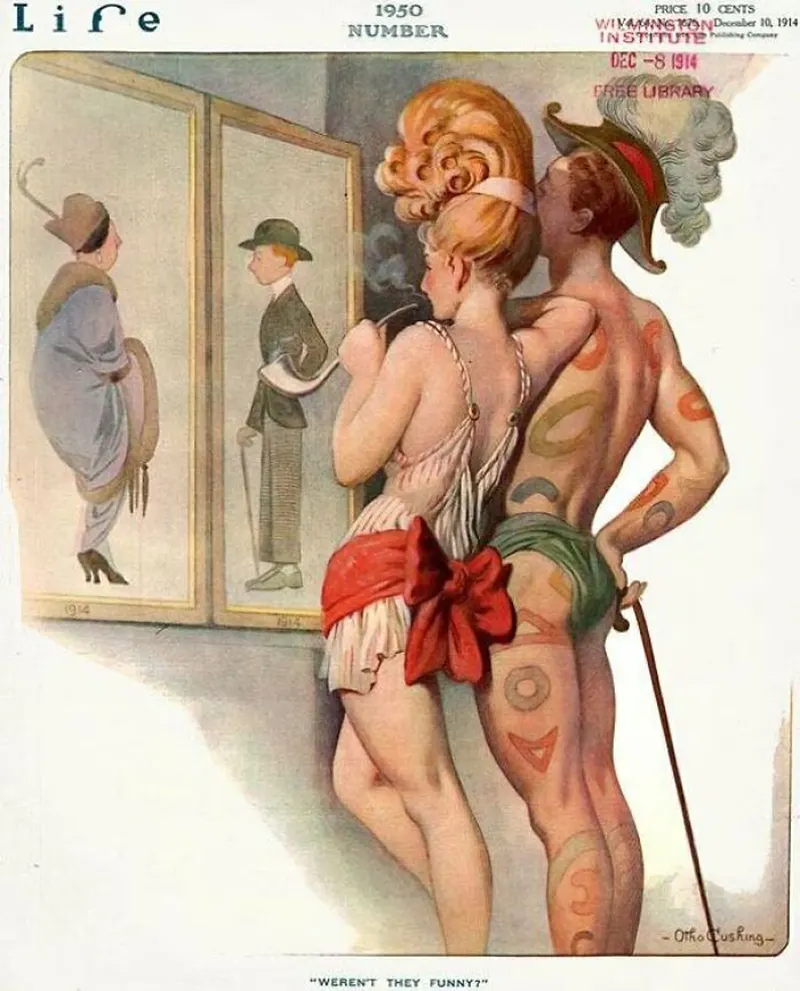
A 1914 cover of Life Magazine attempted to illustrate what fashion would look like in 1950. The resulting images showed men and women in streamlined, vaguely militaristic suits with geometric accessories, looking more like Bauhaus furniture than anything that appeared on a 1950s street. What 1950 actually delivered was tailored skirts, poodle cuts, and Eisenhower-era conservative elegance that bore no resemblance to the prediction whatsoever.
Food Delivery in the 1940s Was Imagined as a Pneumatic Tube System

Wartime and postwar futurists envisioned ready-made meals arriving at homes through a network of pressurized tubes connected to central kitchens, eliminating cooking entirely. The concept was an extension of the pneumatic tube systems already used in banks and department stores. Delivery apps and meal kits got to roughly the same destination, they just used roads and human drivers instead of infrastructure that would have required rebuilding every wall in every city.
Futuristic Suburbia Was Expected to Go Vertical When Space Ran Out

A 1981 illustration predicted that once traditional suburban land ran out, neighborhoods would simply stack upward into multi-level residential platforms suspended above the ground. The image showed single-family homes with gardens on raised platforms, connected by ramps and elevators, as though someone had taken a cul-de-sac and built it on top of a parking garage. Suburban sprawl instead continued outward for another four decades, consuming land at a rate that made the stacking model seem almost reasonable by comparison.
NASA Built Working Virtual Reality Equipment in 1989
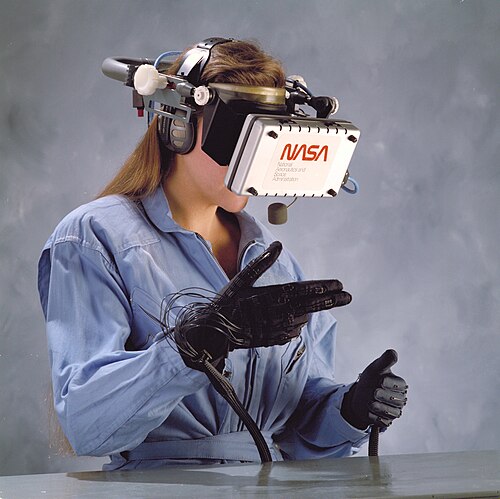
NASA’s VIEW system, developed in 1989, was a fully functional virtual reality rig that used gloves and a headset to simulate environments for training and research. It was decades ahead of what the consumer market could access, and most people had no idea it existed. The technology took another 25 years to reach a price point where ordinary consumers could use it, and even then the adoption curve was slower than virtually everyone in the industry predicted.
Space Colonies With Artificial Gravity Were a Standard NASA Concept in the 1970s
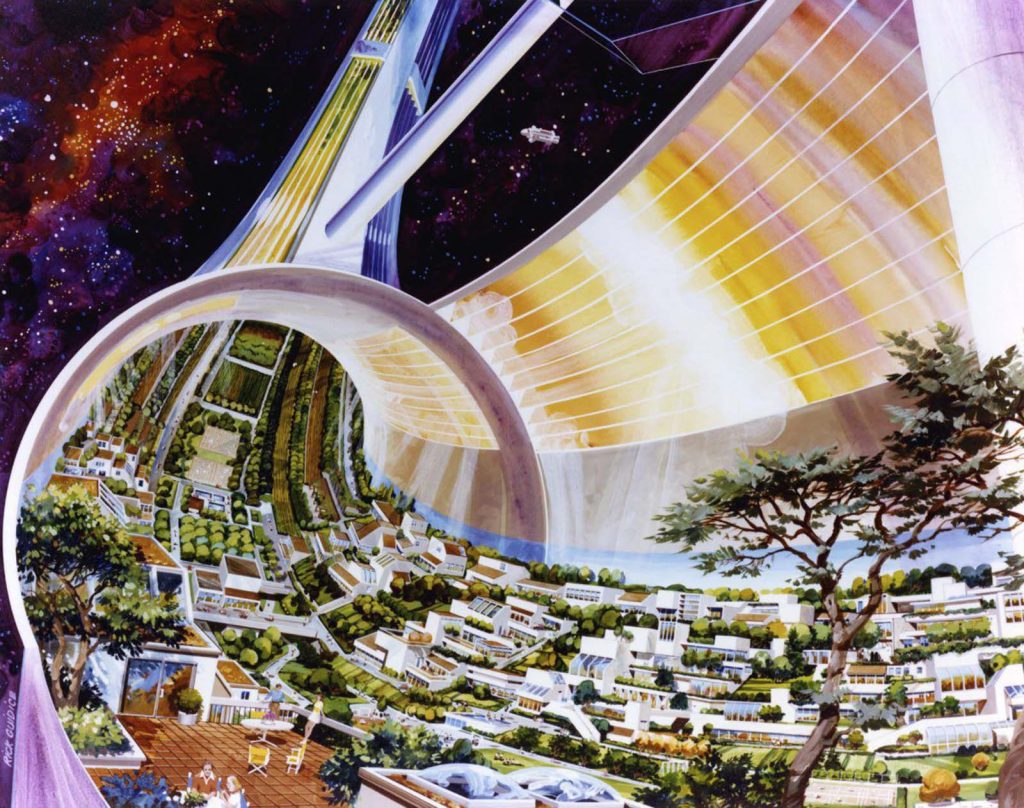
Following the Moon landings, NASA commissioned serious concept art and engineering studies for rotating space habitats that would house thousands of people in simulated gravity, with rivers, forests, and agricultural zones inside giant cylinders orbiting the Earth. These were not fringe ideas; they came with detailed construction timelines and cost estimates. The International Space Station, which hosts about seven people in cramped quarters, is the closest thing that currently exists.
A 1962 Space Suit Grumman Tried to Sell to NASA Defied All Logic
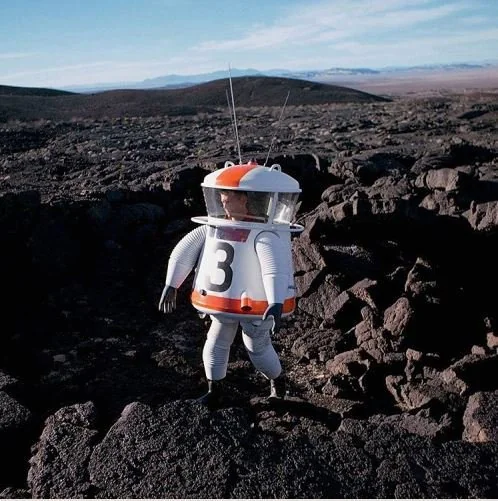
In 1962, Grumman Aircraft Corporation submitted a space suit design to NASA that featured a rigid, segmented shell and a helmet so large and so oddly proportioned that photographs of it have circulated online for years with people assuming it was a joke. It was not a joke. NASA declined the design, and the engineers who built the suits actually used on the Moon went in a different direction entirely.
A 1979 Book Predicted the 2020 Olympics in Remarkable and Wrong Detail

“The Usborne Book of the Future: A Trip in Time to the Year 2000 and Beyond,” published in 1979, included a spread imagining the 2020 Summer Olympics. The venue shown was a gleaming domed stadium that looked like a science fiction set, and the athletes competed in what appeared to be partially automated events. The 2020 Olympics did happen, delayed by a year due to a global pandemic that no futurist in 1979 had worked into any of their models.
The Teenagers of the 21st Century
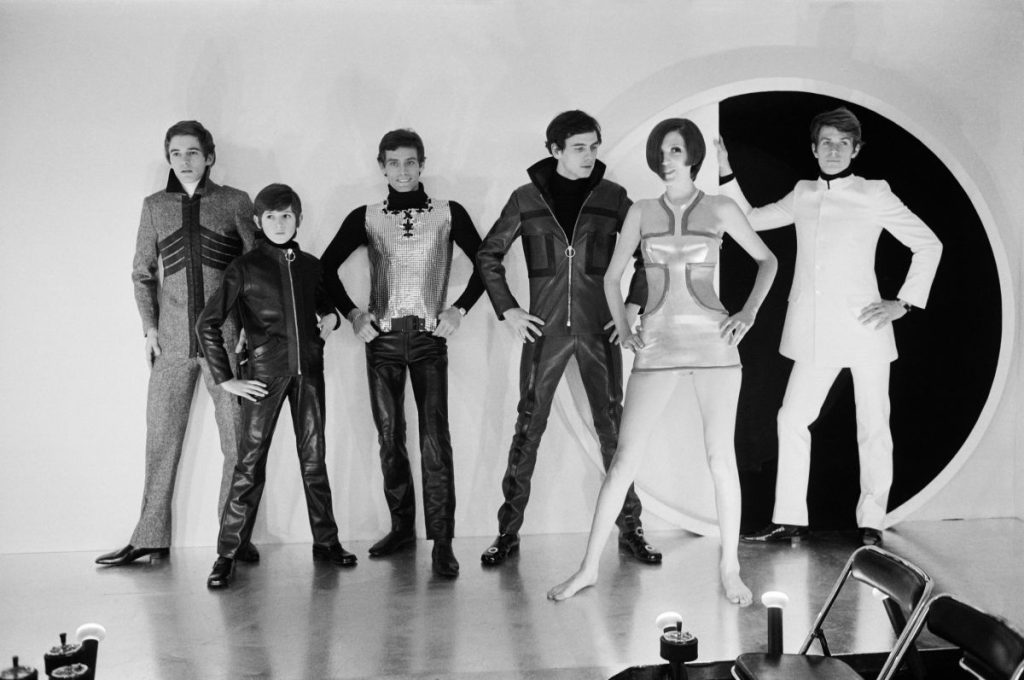
Across multiple decades of futurist illustration, the teenagers of the year 2000 were consistently depicted wearing silver jumpsuits, helmets, and accessories that combined athletic gear with what appears to be moderate-duty astronaut equipment. Nobody in any of these images is wearing jeans, a hoodie, or looking at a phone. The actual teenagers of the 21st century arrived in athleisure and spent most of their time on platforms that nobody predicted, doing things that no futurist thought to include in any illustration of what the future would look like.