Few Hollywood films have had a production history as chaotic, star-studded, and downright improbable as “Beverly Hills Cop.” What ended up becoming the number one film of 1984, beating out both “Ghostbusters” and “Indiana Jones and the Temple of Doom,” almost starred Sylvester Stallone, was nearly directed by Martin Scorsese, and featured a script rewritten so many times that some actors were handed their lines minutes before the cameras rolled. It earned its lead an Oscar nomination conversation, launched one of cinema’s most recognizable theme songs, and set box office records that stood for decades. This article collects 25 things most fans never knew about the making, casting, and legacy of “Beverly Hills Cop.”
A Speeding Ticket Given to a Studio Executive Started the Whole Project
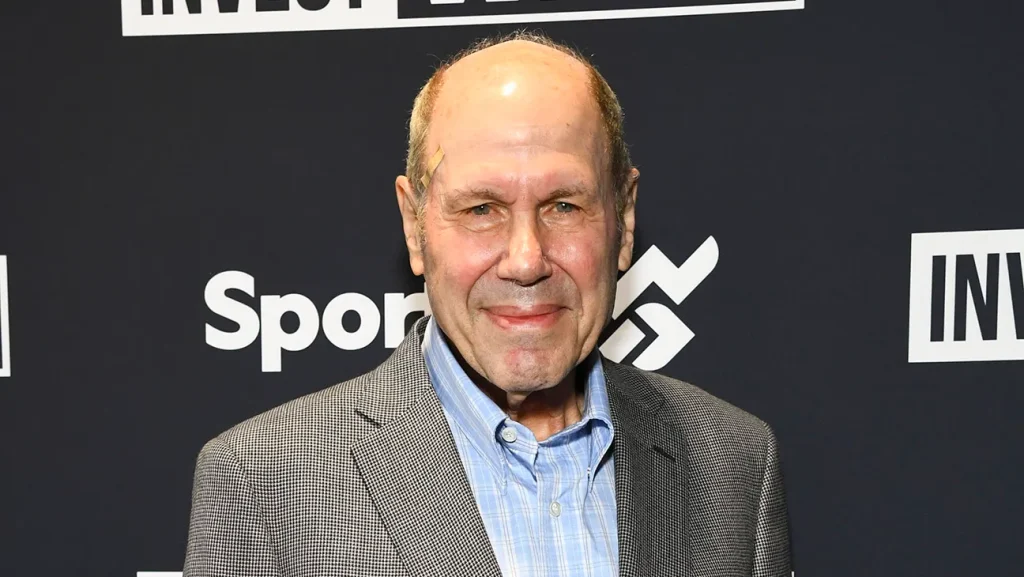
Long before Eddie Murphy was attached to anything, the original seed of the film came from a traffic stop. In 1975, Paramount Studios president Michael Eisner was pulled over while driving a beat-up station wagon and was struck by the cop’s air of condescension, an experience that sparked his idea for a movie about a street-level outsider navigating an elite world. There is, predictably, a competing version of the story: Paramount executive Don Simpson claimed it was his idea entirely and that Eisner had the details wrong.
At Least Five Different Actors Were Attached to Play Axel Foley Before Murphy
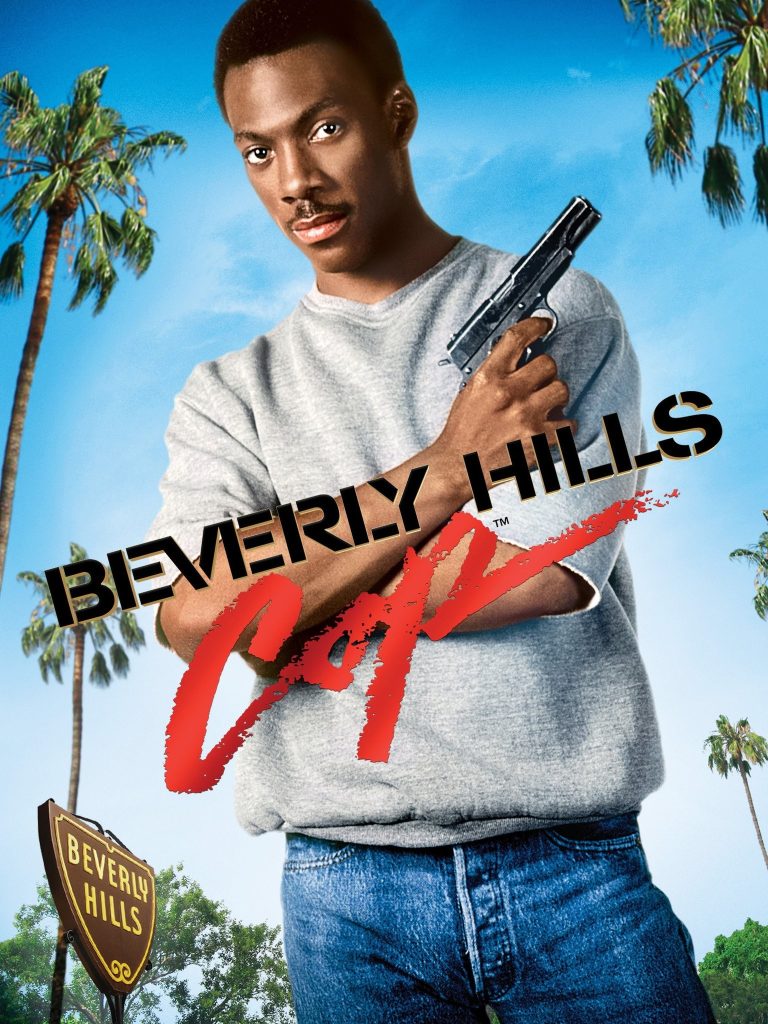
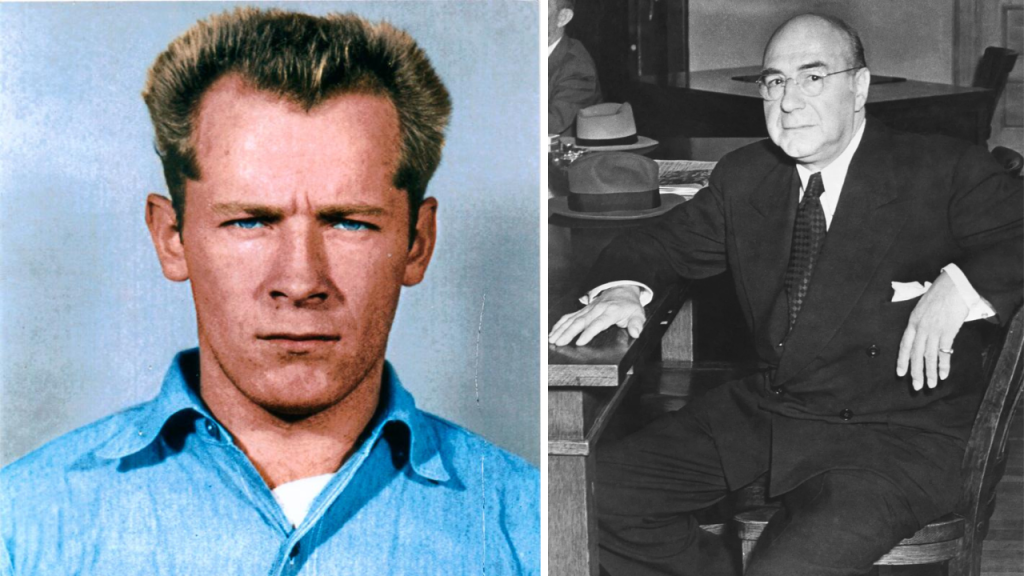
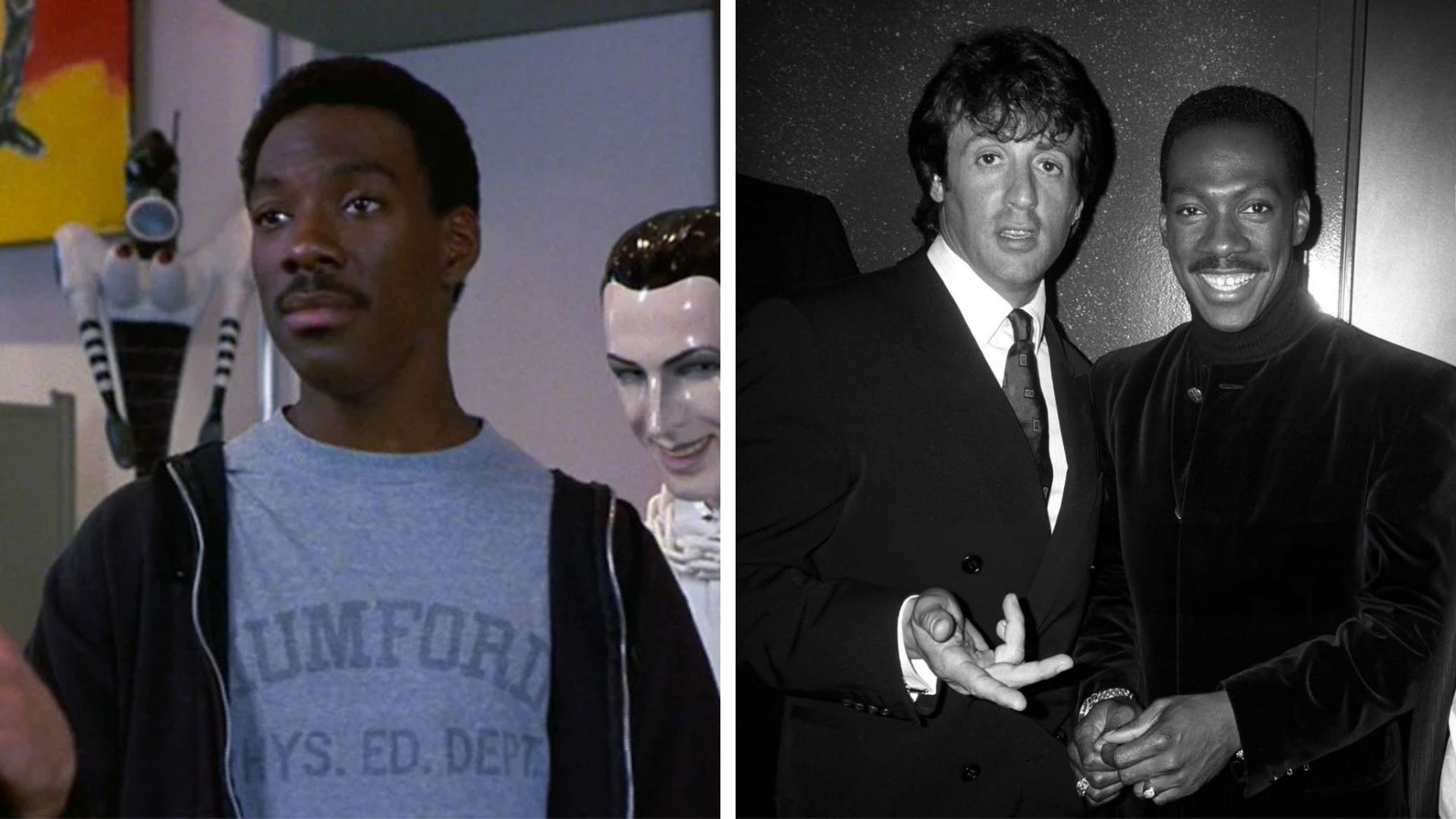
Before Eddie Murphy ever read the script, the role of Axel Foley passed through the hands of Mickey Rourke, Al Pacino, James Caan, and Sylvester Stallone, with Rourke being paid $400,000 simply to hold the role while negotiations stalled and his contract expired. Stallone actually got the furthest, rewriting the script entirely to suit his strengths before departing just two weeks before shooting was scheduled to begin. Murphy, fresh off “48 Hours” and “Trading Places,” stepped in and essentially saved the production.
Stallone’s Rewrite Turned It Into a Pure Action Film With a Lamborghini Ending
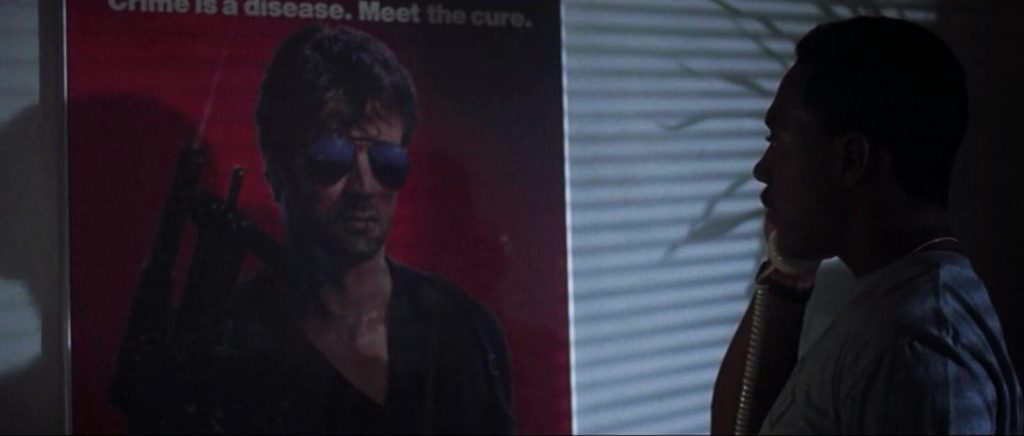
When Stallone took over the project, he stripped out most of the comedy that screenwriter Daniel Petrie Jr. had injected and rebuilt it as a hard-action thriller, culminating in a climax where Axel steals a Lamborghini and drives it directly at a freight train. The budget required to film that vision skyrocketed, which is the official reason Paramount and Stallone parted ways. Most of Stallone’s rejected script ideas found their way into his 1986 film “Cobra,” and as a nod to his involvement, Judge Reinhold’s character Billy Rosewood has posters of both “Cobra” and “Rambo” visible on his bedroom wall in “Beverly Hills Cop II.”
Martin Scorsese and David Cronenberg Both Passed on Directing It
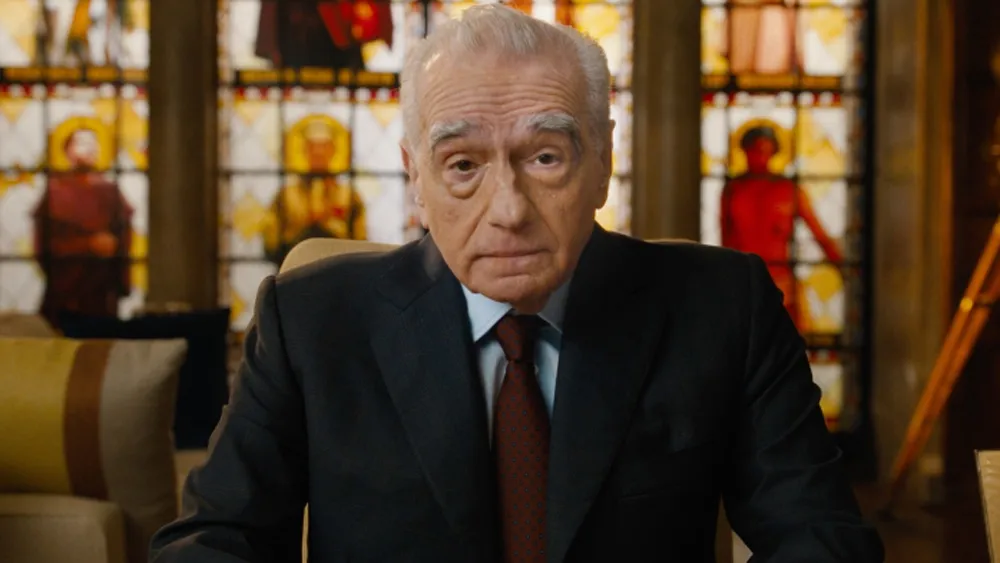
When Stallone was still attached, Scorsese was the first director Paramount approached, but he reportedly found the concept too reminiscent of “Coogan’s Bluff,” the 1968 Clint Eastwood film about a rural lawman out of place in New York City. David Cronenberg also passed on the script at an earlier stage. Both rejections helped push the project toward Martin Brest, a director who was at the time considered something of a Hollywood liability after being fired from “WarGames.”
Director Martin Brest Flipped a Coin to Decide Whether to Take the Job
Producer Jerry Bruckheimer repeatedly called Brest to offer him the director’s chair, and Brest kept declining, eventually taking his phone off the hook to avoid the calls. When Bruckheimer found another way to reach him and asked one more time, Brest agreed to settle the question with a coin flip, reportedly just to end the harassment. The coin said yes. After the film became the top-grossing movie of 1984, Brest had the quarter framed.
The Script Went Through Years of Rewrites Before Anyone Got It Right
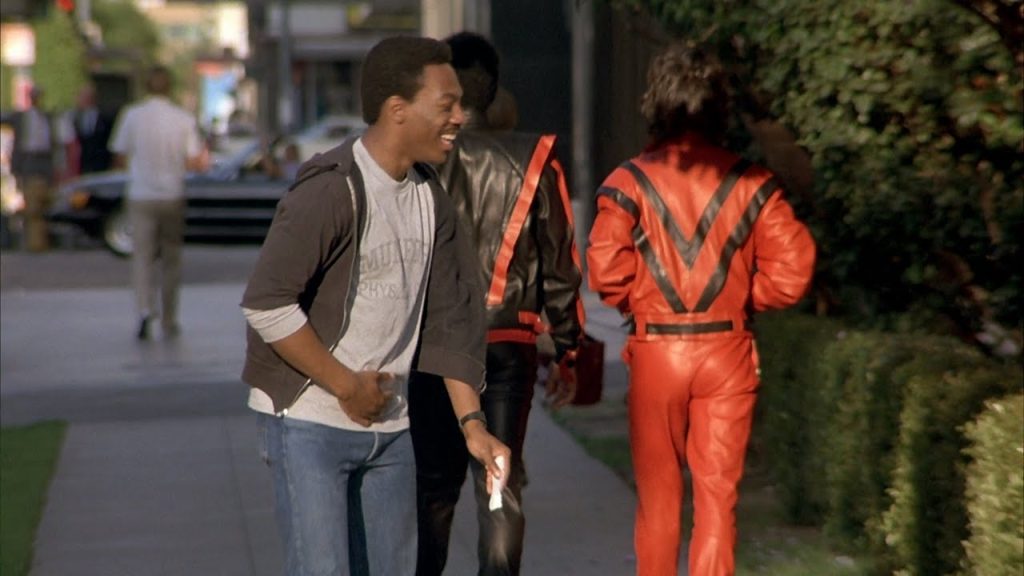
The first draft, titled “Beverly Drive” and submitted in 1981, featured a Pittsburgh cop named Elly Axel who comes to Beverly Hills to investigate a friend’s murder. Multiple writers cycled through the project over the following years before Daniel Petrie Jr. cracked the formula by drawing on a very personal source: his own experience as a financially struggling writer walking to his expensive Beverly Hills office every day past boutiques full of things he could never afford. That outsider perspective gave the script the fish-out-of-water texture that had eluded every previous version.
Murphy’s Most Famous Scene Was Fueled by His First Cup of Coffee
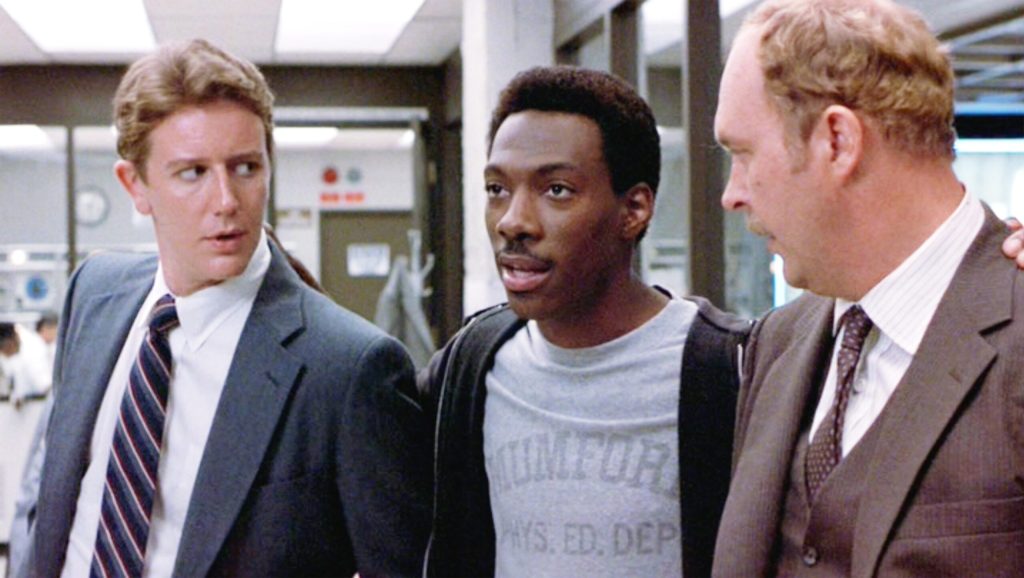
Murphy rarely consumed caffeine at the time, but on the day the “supercops” monologue was being filmed, he drank a cup of coffee before the scene. Director Martin Brest had been encouraging Murphy to improvise throughout the shoot, and the caffeinated Murphy delivered an extended, spirited ad-lib that made it directly into the final cut. It became one of the film’s most quoted moments, and it happened entirely without a script.
An Actor Was Caught Holding the Script on Camera and Brest Kept It In
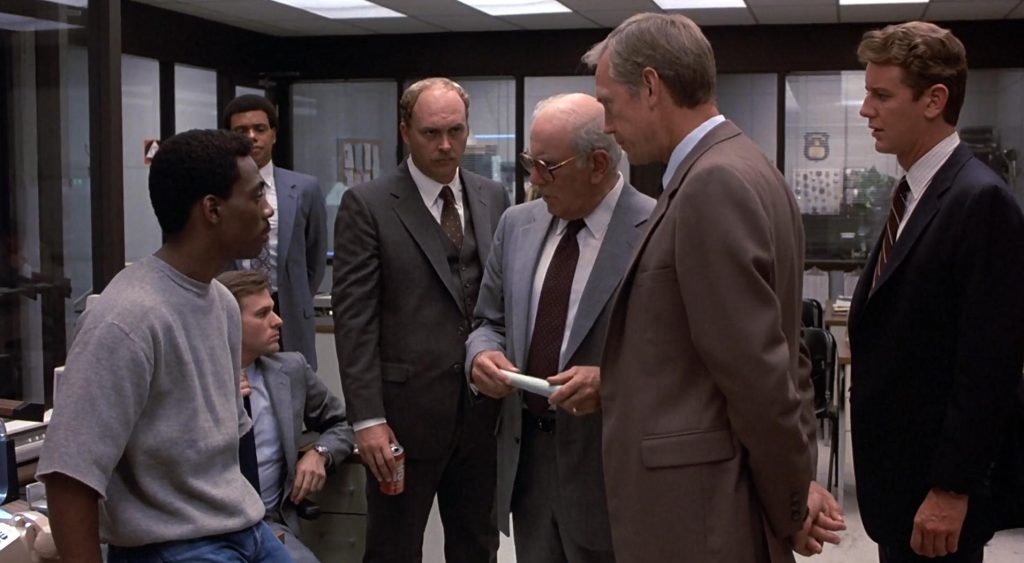
Because the script was being rewritten so rapidly, some actors received their dialogue only minutes before a scene was filmed. Stephen Elliott, who played police chief Hubbard, was caught on camera holding his rolled-up script pages in his hand during a take. Rather than reshoot, Brest decided the prop made the character look appropriately bureaucratic, and the script pages stayed in the final film.
Bronson Pinchot Almost Dropped Out Because He Had a Trip to Italy Planned
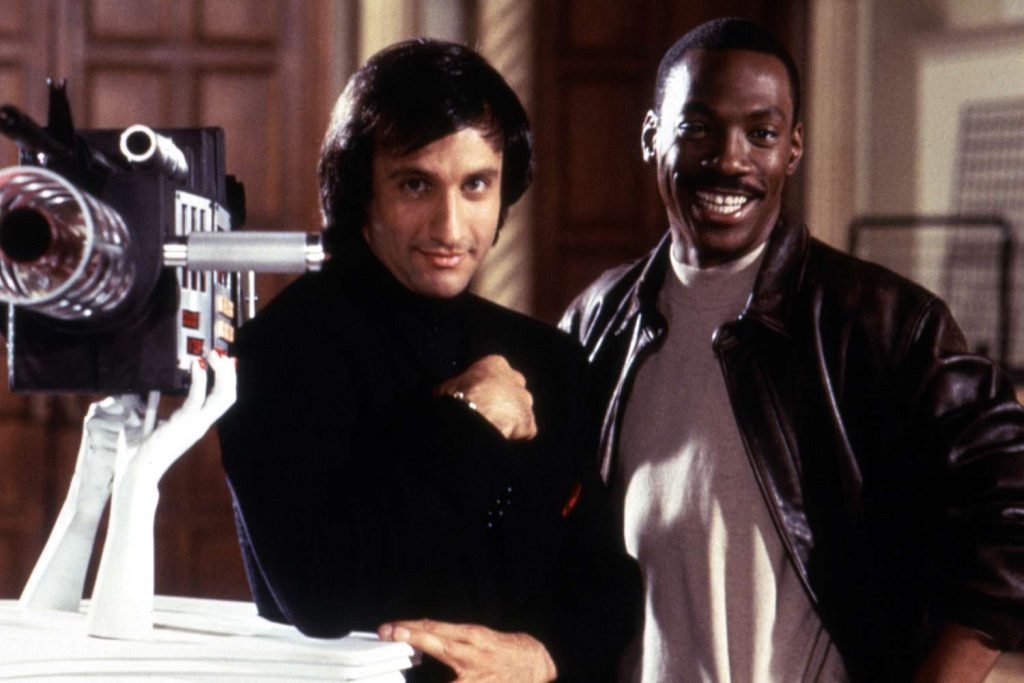
After repeated production delays, Bronson Pinchot, who was virtually unknown at the time, issued an ultimatum: either they start filming or he was leaving for Florence. His performance as Serge the art gallery attendant was so effective that Brest called him the American Peter Sellers and expanded the role on the spot to allow more scenes with Murphy. The character became so iconic that when Pinchot was cast in the sitcom “Perfect Strangers,” the show built his character Balki’s entire accent around a variation of the same voice.
The Banana in the Tailpipe Was a Last-Minute Substitution for Stolen Hotel Potatoes
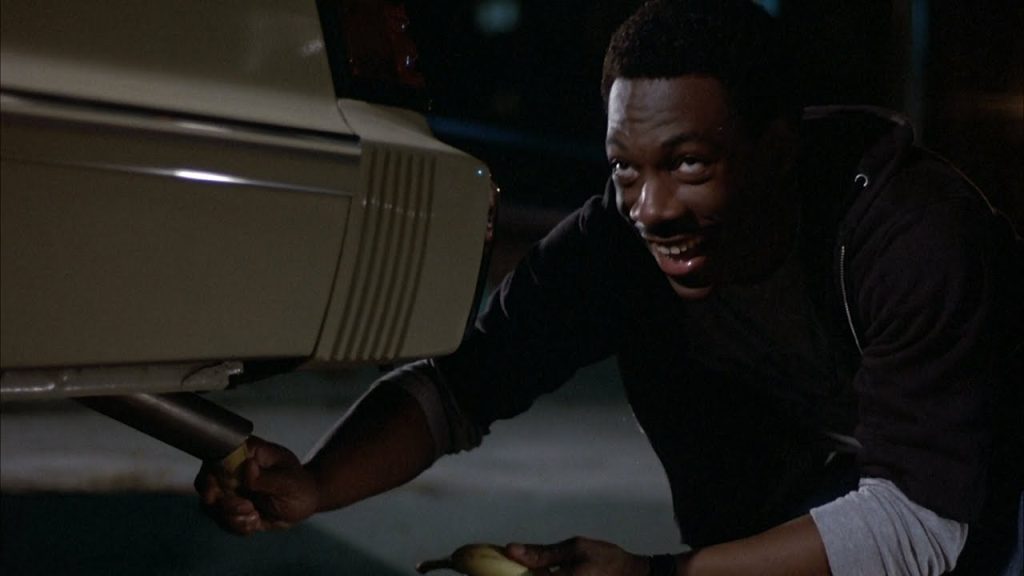
In the original script, Axel stuffs potatoes stolen from the hotel kitchen into the tailpipe of the detectives’ car. When time constraints made it impossible to shoot the kitchen scene, the production needed a new explanation for where the produce came from. Because the hotel lobby was already a filming location, the script was quickly rewritten so Axel takes bananas from a buffet table, with Damon Wayans’s character on screen at the same time. One of the most memorable gags in the film was essentially an improvised workaround.
The Beverly Hills Police Department Refused to Let the Production Film Inside
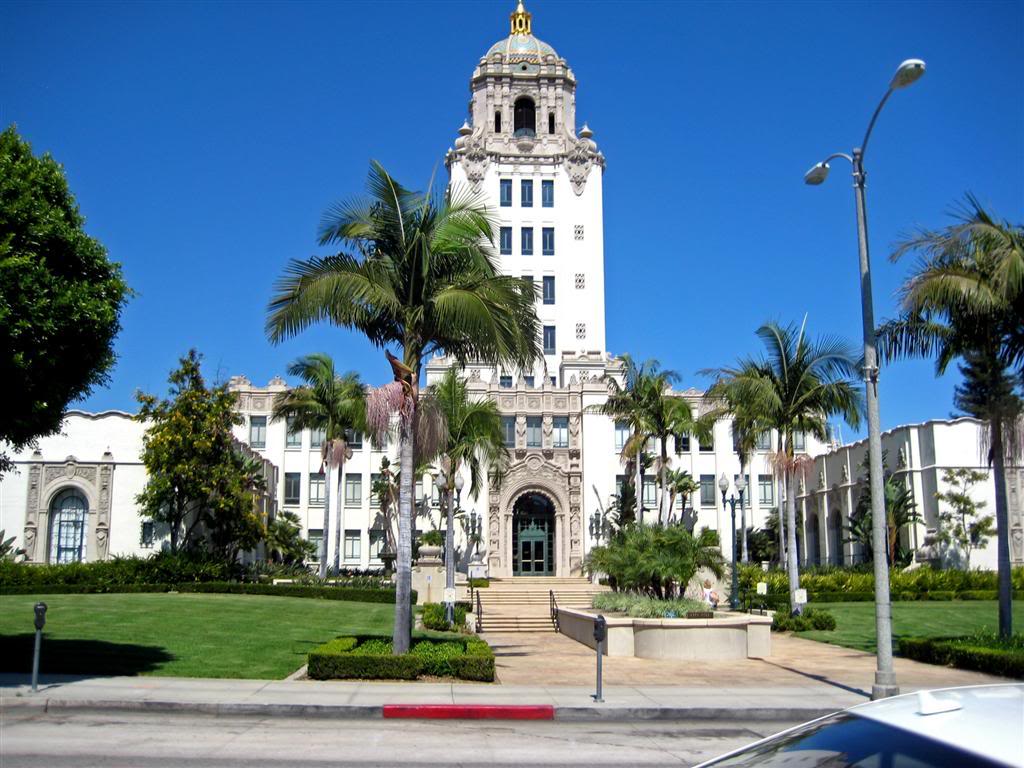
With no access to the real Beverly Hills PD, Brest and his team built an entirely fictional set intended to look like the exact opposite of the Detroit police department: clean, modern, and staffed by people who looked like private security for the wealthy. The set design was directly influenced by conceptual work Brest had done years earlier for the NORAD control room sequences in “WarGames” before he was fired from that film. Rather than let that work go to waste, he adapted and repurposed it for “Beverly Hills Cop.”
Detroit Scenes Were Actually Shot in Detroit, But a Cop Refused to Enter a Housing Project
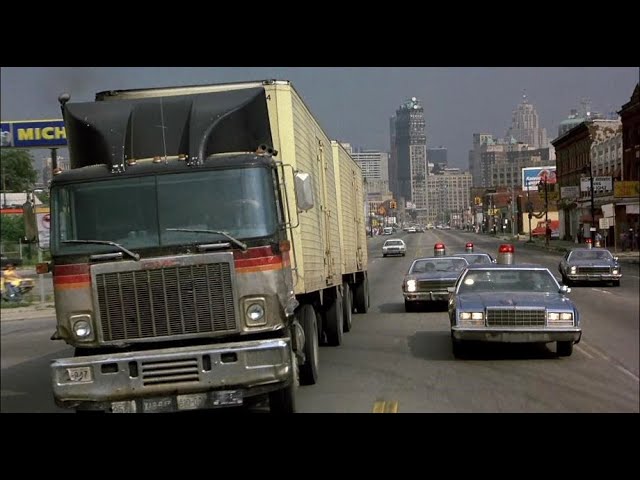
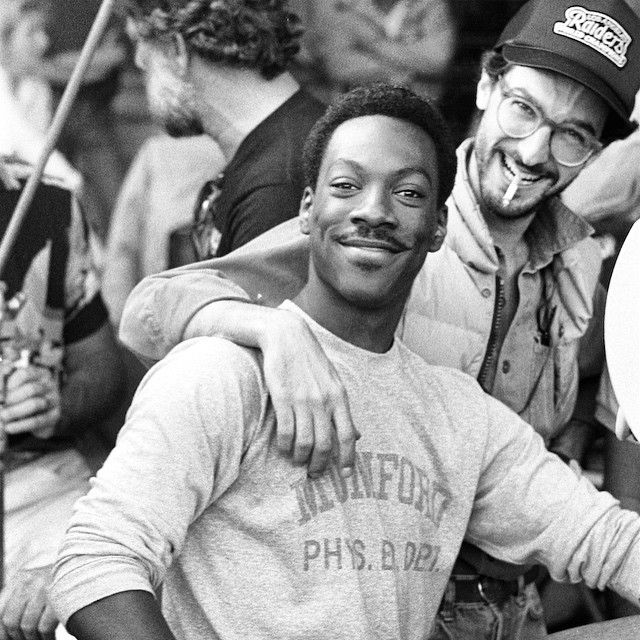
Most of the Detroit sequences were filmed on location, and an off-duty Detroit police officer accompanied the crew as a safety liaison. When Brest wanted to film inside a housing project, the off-duty officer flatly refused to go in. A separate research visit with a detective took the crew to a murder scene near Mumford High School, which is directly why Murphy’s character wears a Mumford High shirt throughout the entire film.
Axel Foley’s Real Boss in Detroit Was Played by an Actual Detroit Police Officer
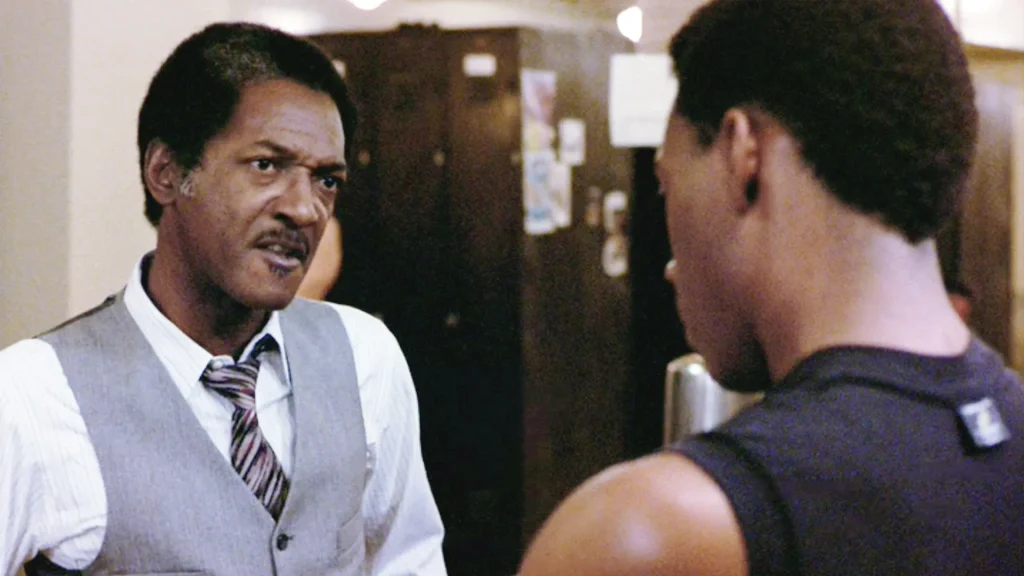
Gil Hill, who plays Murphy’s commanding officer in the film, was not an actor at the time but an actual working detective with the Detroit Police Department. His casting gave the Detroit scenes an authenticity that no professional character actor could have replicated, and Hill brought genuine authority to a role that required none of the usual Hollywood approximation of what a real cop looks like. Hill later transitioned to politics and served on the Detroit City Council for several terms.
Judge Reinhold’s Famous Line About Undigested Red Meat Was Pure Improv During the Audition
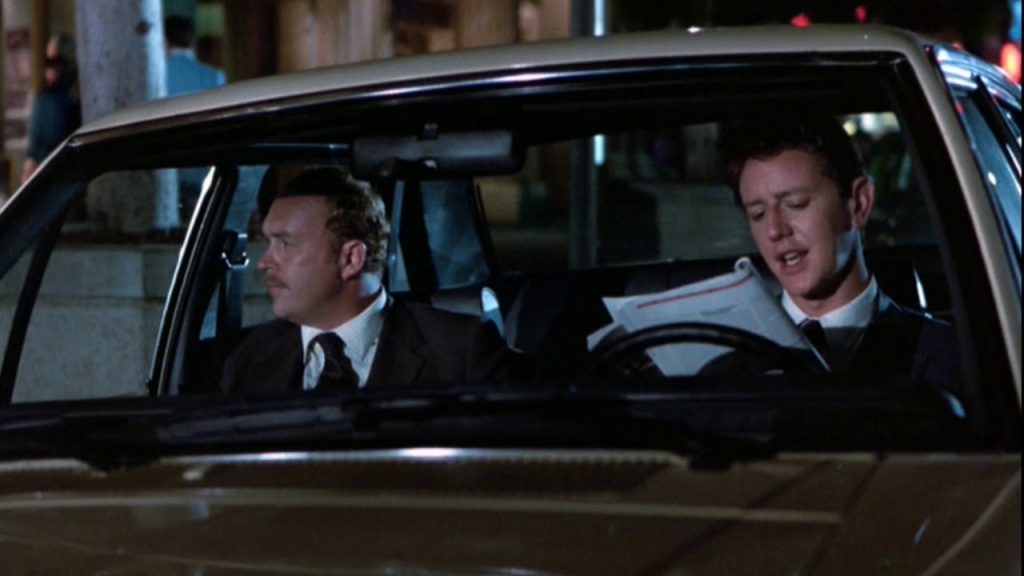
During their joint audition, Judge Reinhold and John Ashton launched into an unscripted bit where Reinhold’s character lectures Ashton’s Taggart on the American diet, specifically the claim that the average person carries around five pounds of undigested red meat in their bowels. The exchange was so good that Brest wrote it directly into the shooting script and used it in the film almost exactly as it happened in the audition room. Reinhold was 27 at the time, four years older than Murphy despite playing a character who was supposed to be his peer.
“Axel F” Required Three Separate Synthesizers to Record
Harold Faltermeyer constructed the now-iconic instrumental theme using a Roland Jupiter 8, a Roland JX-3P, and a Yamaha DX-7, all layered together to produce that immediately recognizable sound. The track reached number three on the Billboard U.S. charts and became one of the defining pieces of 1980s film music. Faltermeyer also co-wrote Glenn Frey’s “The Heat Is On” for the same soundtrack, meaning he was responsible for two of the film’s most enduring musical moments.
The Soundtrack Also Produced Two More Top 10 Hits Beyond “Axel F”
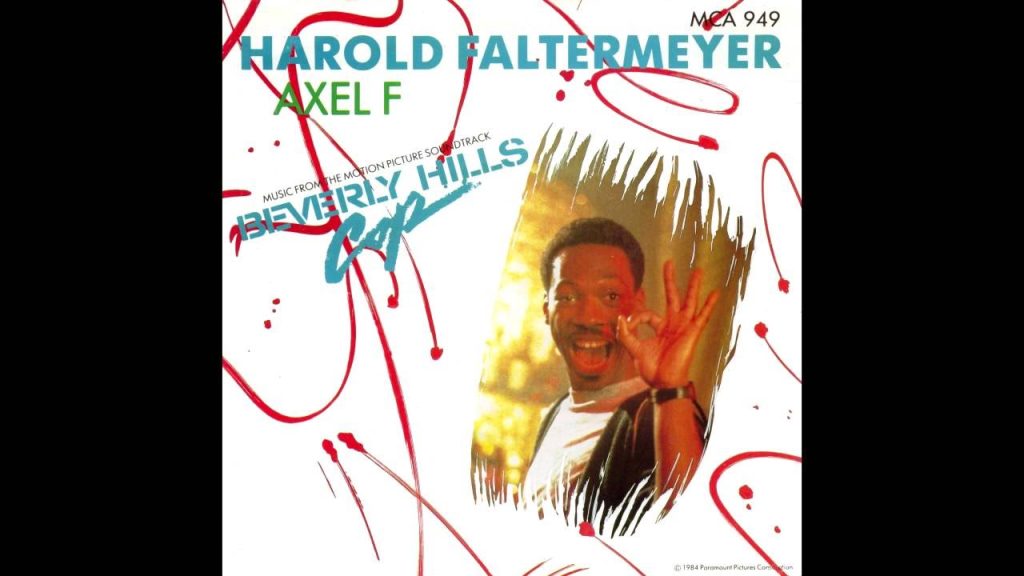
Beyond “Axel F” and “The Heat Is On,” the “Beverly Hills Cop” soundtrack included The Pointer Sisters’ “Neutron Dance” and Patti LaBelle’s “New Attitude,” both of which became major commercial hits in their own right. Very few films in Hollywood history have produced four charting songs from a single release, which means the soundtrack was practically a success story independent of the movie itself. The combined cultural footprint of those four songs helped keep the film in the public consciousness well past its theatrical run.
The Film Invented the “Satellite Tracking System” Because GPS Didn’t Exist Yet
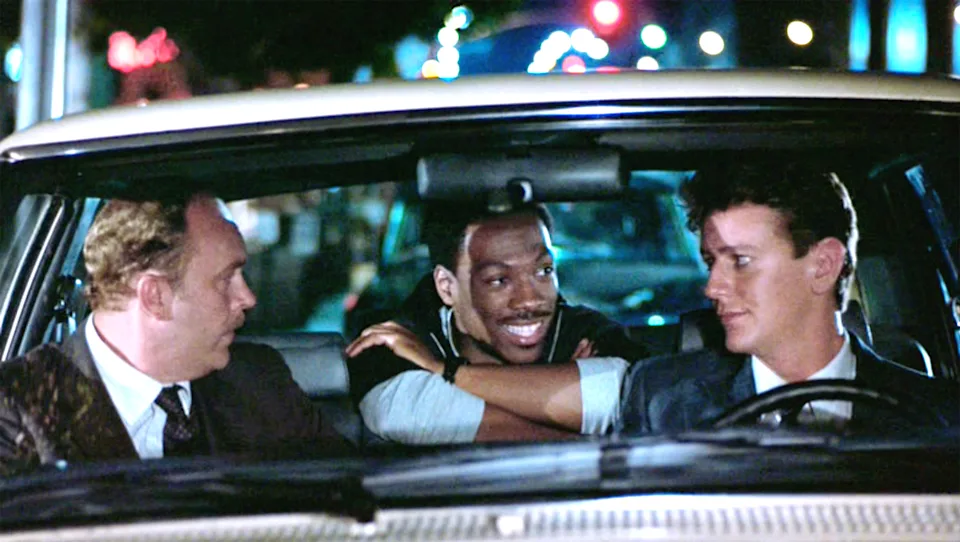
At one point in the film, the Beverly Hills police reference a “satellite tracking system” as a plot device to locate a vehicle. The technology was entirely fictional at the time of filming; the U.S. government’s GPS network did not become fully operational until 1995, eleven years after “Beverly Hills Cop” was released. The writers made up the system to solve a story problem, and audiences accepted it without question, partly because the idea of satellite-based tracking felt just plausible enough in 1984.
Murphy Was Only 23 Years Old When the Film Was Released
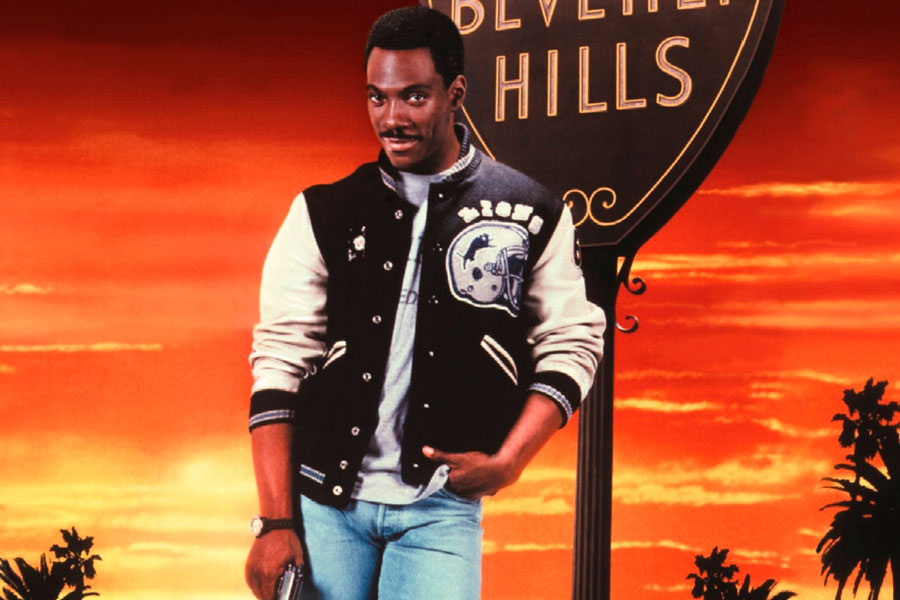
Despite having already starred in two hit films and carrying an entire franchise-launching blockbuster almost entirely on his own energy, Eddie Murphy was 23 years old when “Beverly Hills Cop” hit theaters. Judge Reinhold, who played his younger-seeming on-screen partner, was actually four years older than Murphy in real life. The film’s original screenplay received an Academy Award nomination, and the performance at its center would eventually be recognized by the American Film Institute as one of the great film comedies of all time.
It Was the First Comedy to Open on Over 2,000 Screens Simultaneously
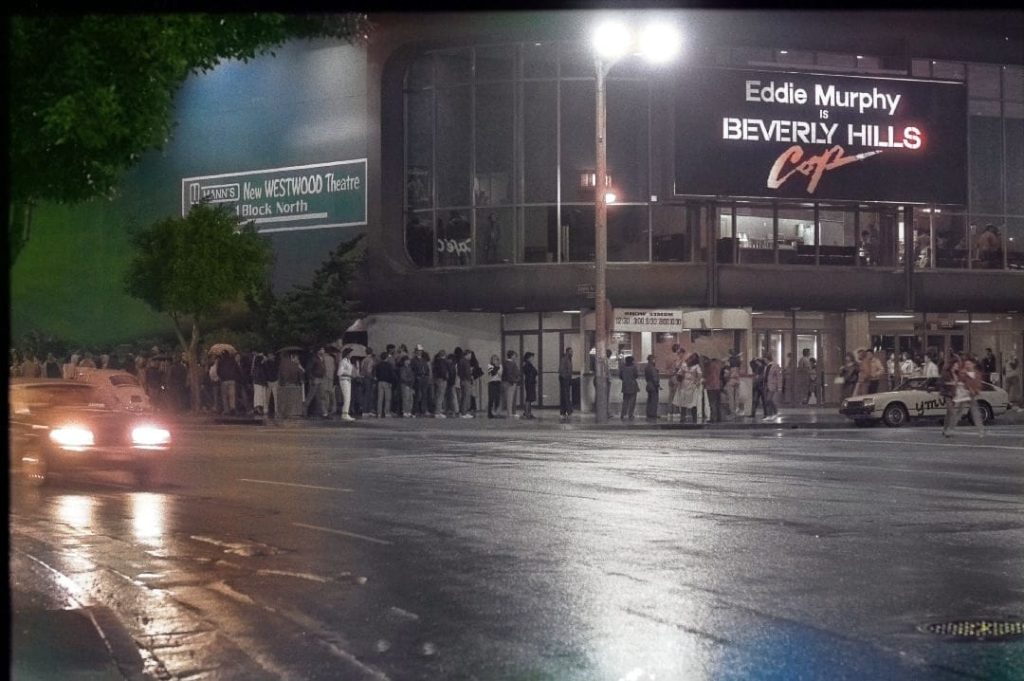
When “Beverly Hills Cop” was released in December 1984, it opened on over 2,000 screens simultaneously, a distribution strategy that was unusual for a comedy at the time and helped it dominate the box office from its very first weekend. The success of that wide release strategy influenced how studios handled comedy releases going forward, accelerating the shift toward the large simultaneous opening weekends that became the industry standard. In that sense, the film reshaped Hollywood distribution as much as it reshaped action-comedy as a genre.
The Film Held the Record as the Highest-Grossing R-Rated Comedy for 25 Years
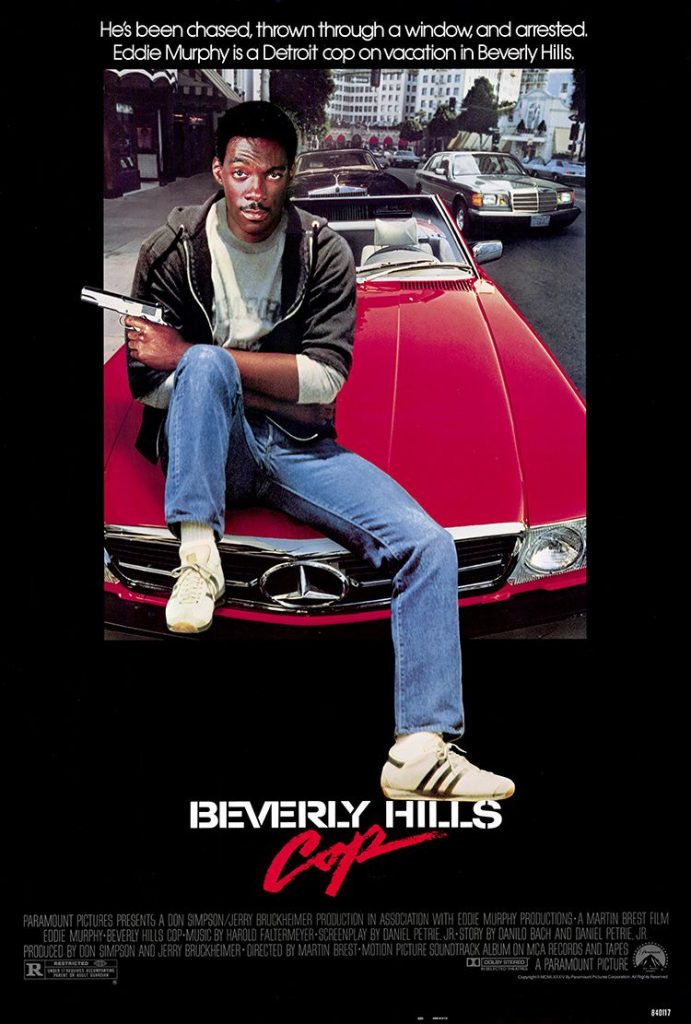
With over $230 million at the U.S. box office, “Beverly Hills Cop” held the title of highest-grossing R-rated comedy of all time until “The Hangover” finally displaced it in 2009, a record that stood for 25 years. Adjusted for inflation, that $230 million domestic gross translates to well over $650 million in current dollars, which would place it among the largest comedy performances in modern box office terms. It outlasted most of its contemporaries not just culturally but financially.
The Sequels Carried Forward Inside Jokes About Stallone’s Involvement
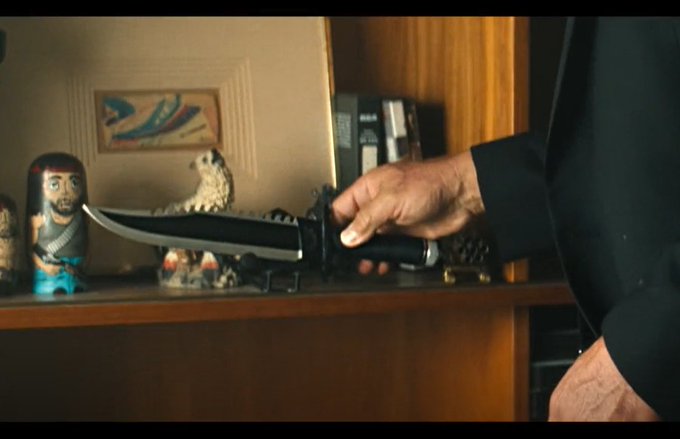
The creative team behind “Beverly Hills Cop II” embedded a quiet acknowledgment of Stallone’s history with the project by placing posters for both “Cobra” and “Rambo” on the wall of Billy Rosewood’s room. Since “Cobra” was largely built from the script ideas Stallone developed during his time on “Beverly Hills Cop,” the posters functioned simultaneously as a film reference and a genuine inside joke for anyone who knew the production history. Both films share the same DNA in a very literal sense.
A CBS Pilot for a Reboot Was Filmed but Never Picked Up
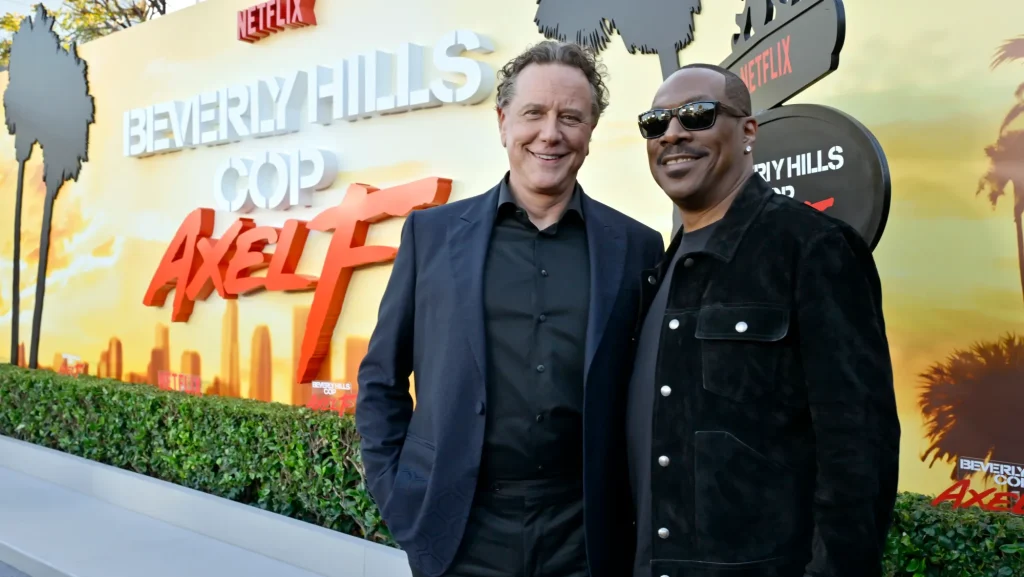
In 2013, a television reboot was developed for CBS with Eddie Murphy participating in the project, but the network passed after watching the completed pilot episode. The rejection ended what would have been a significant return for the character in a new format, shifting the franchise’s future back toward film. Murphy eventually returned as Axel Foley in “Beverly Hills Cop: Axel F,” released on Netflix in 2024, which became one of the platform’s most-watched films of that year.
The Original Script Was Called “Beverly Drive” and Starred a Character Named Elly Axel
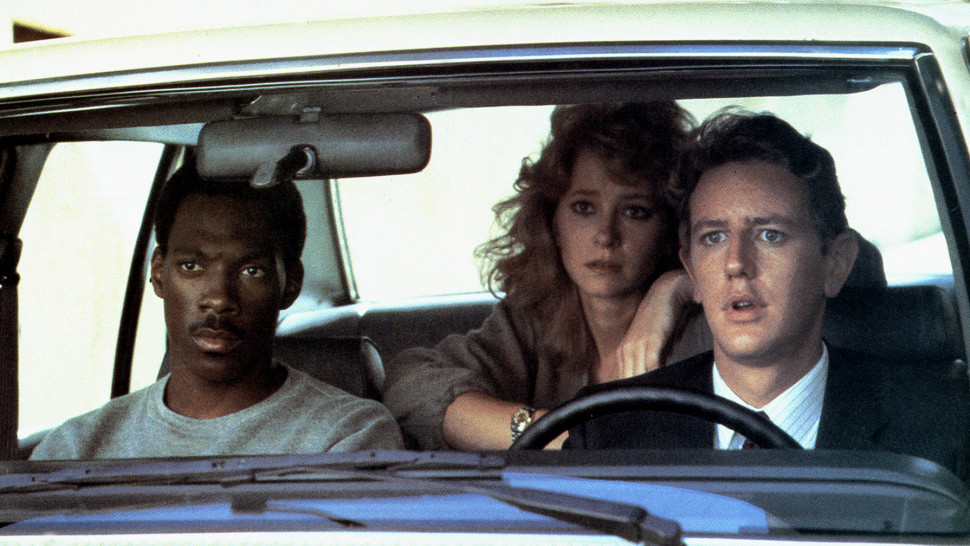
The 1981 draft that started the whole development process featured a Pittsburgh detective whose name was listed as Elly Axel, with the character’s first and last names eventually swapped to create Axel Foley. The geographic origin of the character also shifted from Pittsburgh to Detroit across the various drafts. Almost nothing from that first script survived except the core premise: a working-class cop from an industrial city investigates a friend’s murder in an affluent Southern California setting.
The Mumford High School Shirt Eddie Murphy Wears Was a Real School, and They Were Flooded With Requests
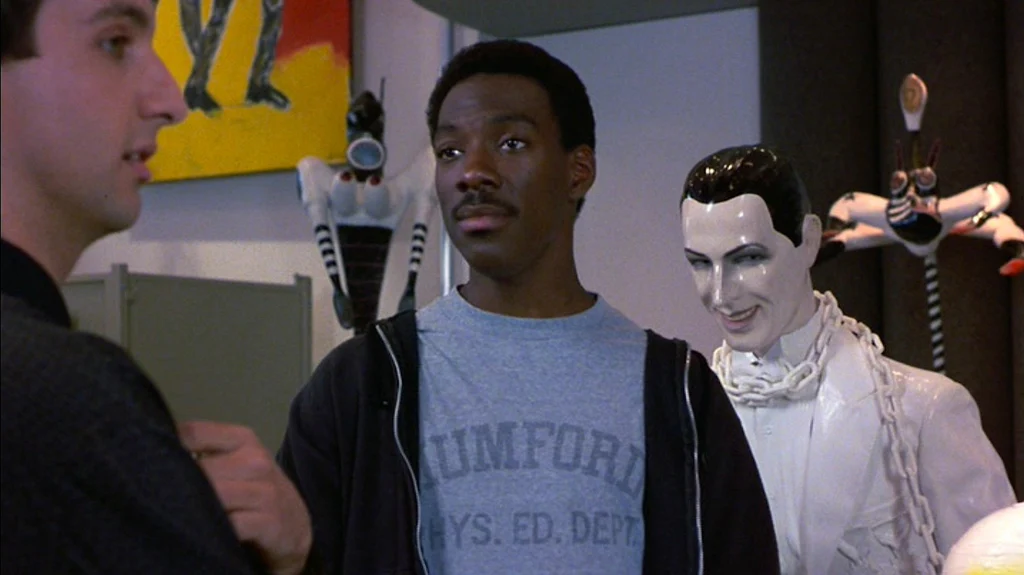
The choice of Mumford High School for Axel’s shirt came directly from a research visit the production team made to a real murder scene located across the street from that school in Detroit. After the film became a massive hit, the real Mumford High School was inundated with requests for the shirt from fans across the country who wanted to own the same garment Murphy wore throughout the film. A behind-the-scenes location detail turned into one of the most recognizable pieces of movie merchandise of the decade without anyone planning it that way.
Stallone Left Weeks Before Shooting Over a Contract Dispute. Or Possibly Orange Juice.
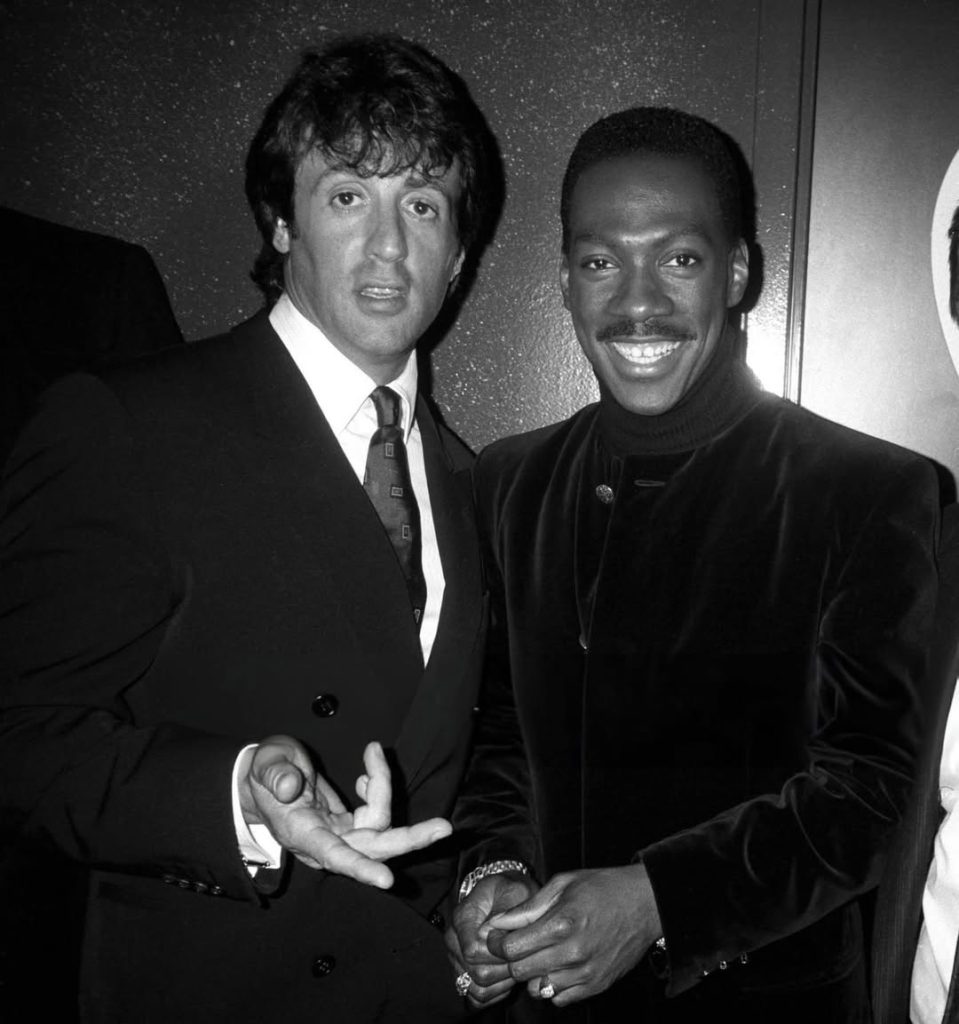
The official story is that Stallone’s script revisions sent the production budget so high that Paramount refused to fund the version he wanted to make, and both parties agreed to part ways. The Hollywood legend, however, insists the final straw was a disagreement over what type of orange juice was to be kept in Stallone’s trailer, a detail specific enough and absurd enough that it has never quite gone away despite being unverifiable. Either version, budget overrun or citrus standoff, ends in the same place: Eddie Murphy getting the role that made him the biggest movie star in the world.