Every era has its ups and downs, but a lot of people look back at the ’60s and ’70s and think some things just felt simpler, better, or more real back then. Here are things that were better in the ’60s and ’70s.
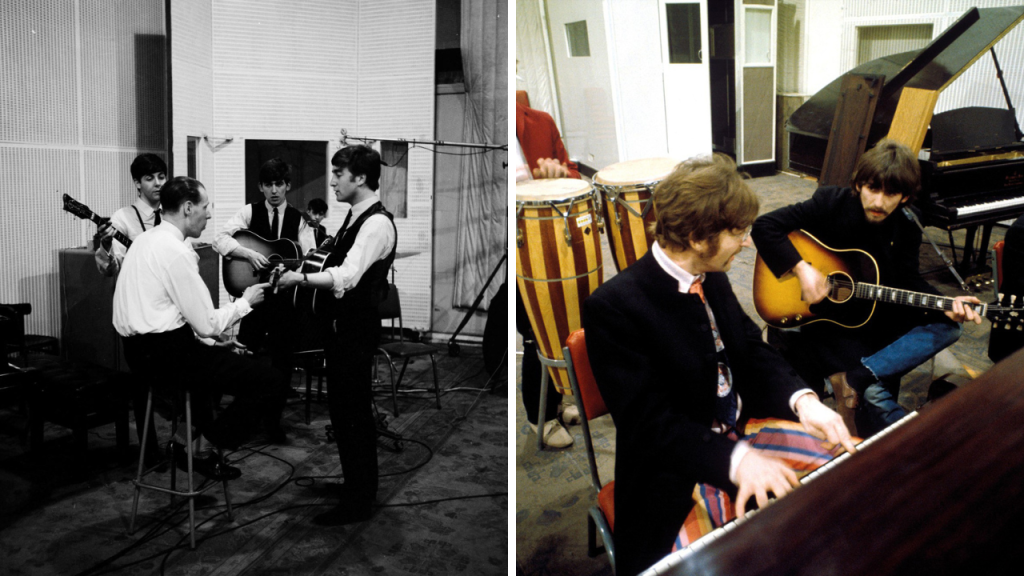
Music Had Real Instruments

A lot of 60s and 70s music was recorded with real instruments, live takes, and minimal editing, which made it feel raw in a way modern production often doesn’t.
Drive-In Theaters

People could watch movies from their cars, which turned a normal night out into a full hangout experience.
Kids Played Outside All Day

Kids spent entire days outside without phones, just roaming neighborhoods until it got dark.
Vinyl Records Were Standard

Music was physical, and albums were something you actually held, collected, and shared.
Concert Tickets Were Cheap

Big artists played shows where tickets were affordable for normal people, not resale chaos.
More Face-to-Face Social Life

People met in person way more often, usually without planning it days in advance.
Phone Calls Had No Distractions

Calls were just calls, no notifications, apps, or multitasking in the background.
TV Was Shared Family Time

Everyone watched the same shows at the same time, which made TV feel like an event.
Air Travel Felt Special

Flying wasn’t routine yet, so airports and flights still felt like something big.
Handwritten Letters

People actually wrote letters and waited days or weeks for replies, which made communication feel slower but more personal.
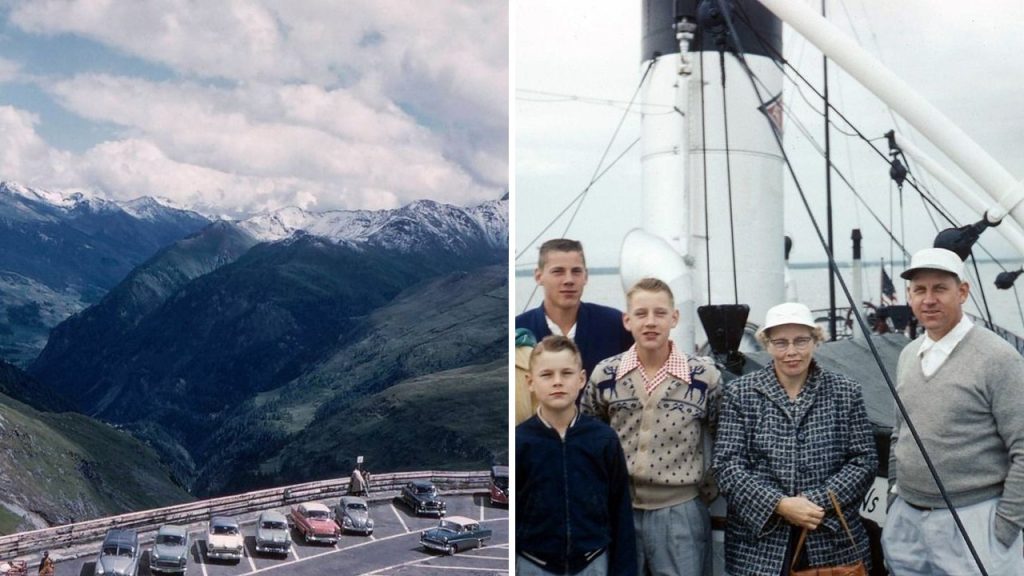
Road Trips Without GPS

Travel meant paper maps, asking directions, and actually paying attention to the road.
Albums Had Full Artwork

Album covers were big, detailed, and treated like part of the music itself.
Movie Theaters Were Packed Events

Going to the cinema felt like a social outing instead of something casual.
School Was Less Digital, More Physical

Learning was mostly chalkboards, notebooks, and physical textbooks, not screens.
Neighborhood Trust Was Higher

People knew their neighbors well enough to leave doors unlocked more often.
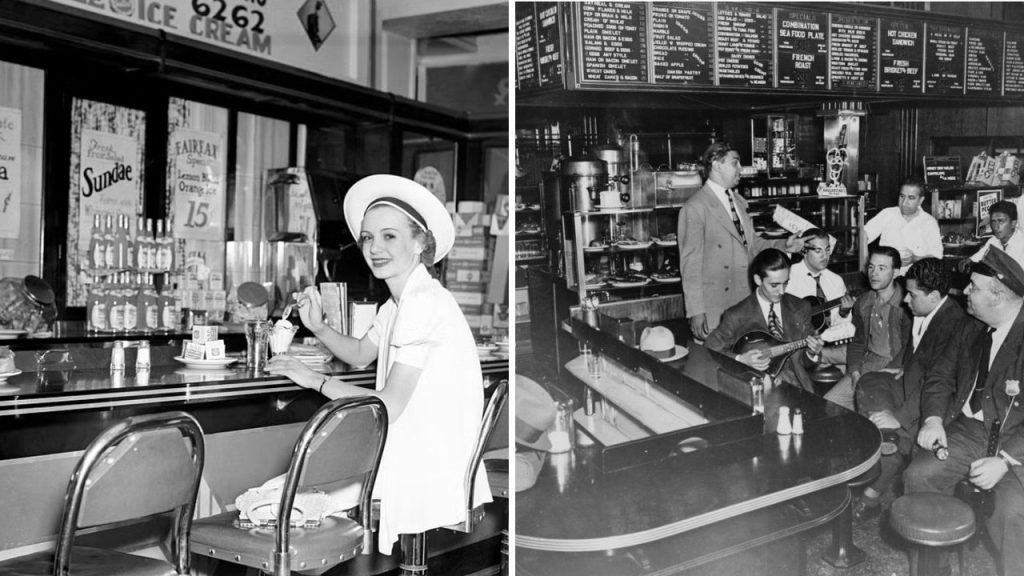
Fast Food Was Simpler

Menus were smaller and food felt more straightforward before massive customization.
Polaroid Photos Were Instant Memories

You got physical photos instantly, which made moments feel more tangible.
Record Stores Were Hangout Spots

People didn’t just buy music, they spent time browsing and discovering it physically.
Cars Were Easier to Repair

Engines were simpler, meaning more people could actually fix their own cars.
Public Parks Were More Active

Parks were full of constant activity instead of just occasional visits.
Radio DJs Were Huge Influencers

Radio hosts helped shape music taste in a way streaming algorithms do now.
More Handmade Clothing

Clothes were often repaired, altered, or even made at home.
Train Travel Was More Common

Trains were a major way to travel between cities before cheap flights dominated.
Less Surveillance Everywhere

Public spaces had far fewer cameras and digital tracking systems.
Handwritten Recipes Were Normal

Recipes were passed around on paper instead of being instantly searchable online.
TV Commercials Were Memorable

Ads were fewer and more repetitive, so people actually remembered them.
Concerts Were Less Controlled

Big shows were looser, louder, and far less restricted than modern events.