Before department stores and online carts, mail-order catalogs let people in small towns shop for an enormous range of goods from home. Sears’s 1897 Consumer’s Guide covered household tools, musical instruments, new gadgets, and more, creating a time capsule of what shoppers hoped could arrive by rail.
A safety bicycle

The 1897 catalog gave bicycles their own substantial section, a sign that riding had become a major pastime. A safety bicycle looked far more practical than the towering high-wheel designs people often picture from the era.
A pocket stereoscope

Stereoscopes turned paired photographs into a view with depth, long before film or television arrived in most homes. Catalog shoppers could bring travel scenes and famous places into the parlor with a small hand-held viewer.
A wall telephone with a hand crank

Sears listed desk and wall telephones at a moment when the technology was still fresh for many households. The crank, bells, transmitter, and separate receiver made even a home call feel like operating a piece of equipment.
A reed organ

Mail-order shoppers could order a full organ through the catalog and have it sent by freight. Buying from printed pages was a huge purchase, yet Sears promoted trial terms to make the decision feel less daunting.
A roller organ

A roller organ used a perforated paper roll to play a tune mechanically. The catalog treated music machines as household entertainment, a reminder that people loved a clever shortcut long before playlists.
A wind-up bird in a cage

Mechanical novelties were part toy, part conversation piece. A little bird that could move inside a cage sounds especially elaborate for something ordered from a catalog and delivered to a rural home.
A sewing machine

Sears devoted many pages to sewing machines and even described their working parts for shoppers comparing models. A machine could arrive in a cabinet, turning a major household tool into furniture when the work was finished.
An antique typewriter

Typewriters belonged to the catalog world of office supplies, letters, and business tools. Ordering one by mail meant a household could add a very modern-looking machine to a desk without visiting a city shop.
A coffee mill

Coffee mills were ordinary kitchen equipment, yet their detailed mechanisms made them feel almost industrial. Buyers could choose a practical tool that also stayed on display in the kitchen.
A wooden washing machine

Laundry equipment filled catalog pages with promises of less tiring wash days. A wooden washer still required effort, though it offered a mechanical assist that must have seemed remarkably useful.
A Kodak camera

Photography supplies made it possible for shoppers to experiment with a young technology at home. A camera, plates, and developing gear could turn an everyday catalog order into a new hobby.
A wall clock

Catalog clocks came in styles meant for kitchens, parlors, and workplaces. Buying a clock from a printed drawing meant trusting the description for both the timekeeping and the look of the case.
A folding bed

Fold-away furniture appealed to households trying to make one room serve several purposes. The idea feels familiar today, but the catalog version relied on heavy metal fittings and a surprising amount of engineering.
A straight razor

Grooming goods were a regular part of mail-order shopping. A straight razor was a practical purchase, though it demanded the steady hand and regular care that later safety razors helped reduce.
A cast-iron stove

Stoves could be ordered along with the smaller tools that made a kitchen run. It is striking to imagine choosing such a large, heavy household centerpiece from a catalog and waiting for a freight delivery.
An antique telescope

Optical goods gave curious shoppers a way to turn the night sky into an at-home pastime. A telescope in a catalog was both a scientific instrument and an invitation to spend an evening looking upward.
Antique binoculars

Binoculars were marketed for travelers, theatergoers, sports fans, and people who wanted a closer view of the outdoors. Their compact size made them one of the easier technical purchases to order by post.
A button accordion

Music departments offered instruments for people who wanted to play at home rather than simply listen. An accordion was portable enough for gatherings, yet complicated enough to make it feel like a special order.
A violin

Violins were another instrument that could arrive through the mail, usually with strings, bows, and cases listed nearby. The catalog gave learners a route into music without needing a local instrument dealer.
A toy train

Mechanical toys made the catalog feel like a wish book as much as a supply list. A toy train brought the era’s fascination with rail travel down to the floor of a home.
Antique ice skates

The catalog explained skate sizing in practical terms, asking buyers to measure a boot or shoe. That small detail shows how mail-order companies had to solve problems that a salesperson would handle in a store.
Iron dumbbells
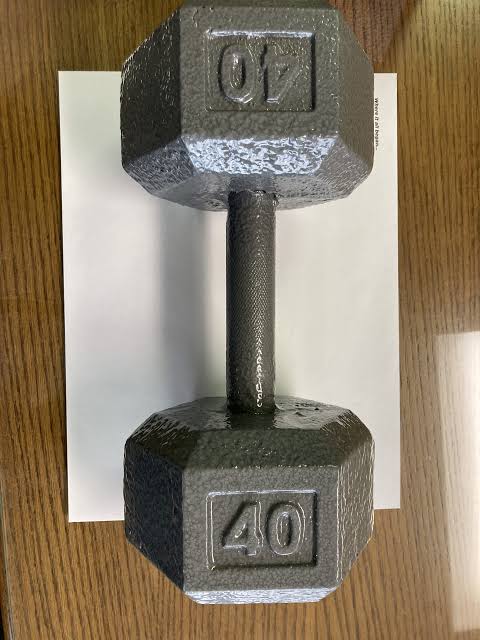
Exercise equipment was part of the catalog’s broad idea of home life. A pair of dumbbells seems modest now, but it shows that personal fitness products were already a mail-order category.
Waterproof celluloid collars

Celluloid collars promised a dressy look with less laundering than fabric collars. The glossy, detachable pieces are a wonderfully specific reminder that clothing technology once meant finding a different material for a familiar item.
A music box disguised as a beer stein

Novelty music boxes combined a useful-looking object with a hidden mechanical surprise. They fit the catalog taste for household goods that could also entertain guests after dinner.
A clothes wringer
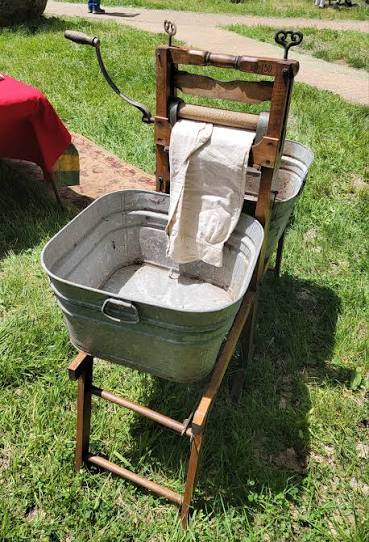
A wringer pressed water from washed fabric between rollers, saving part of the work of drying. It is the sort of device that feels unfamiliar now but made a difficult weekly task more manageable.
A made-to-order wig
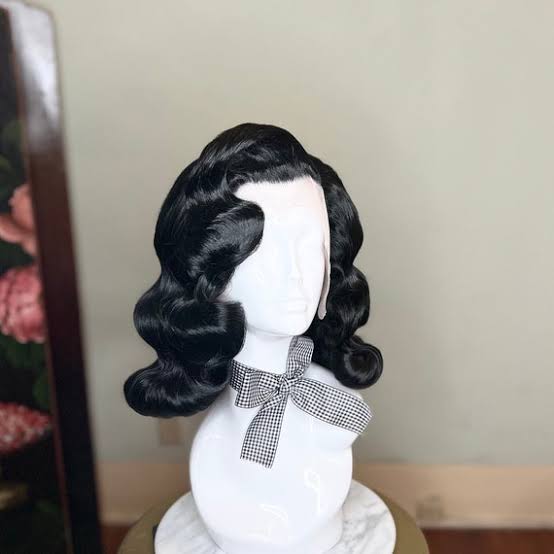
The catalog included wigs, hair switches, and instructions for taking measurements. Shoppers could send details by post and receive an item tailored to the look they wanted.
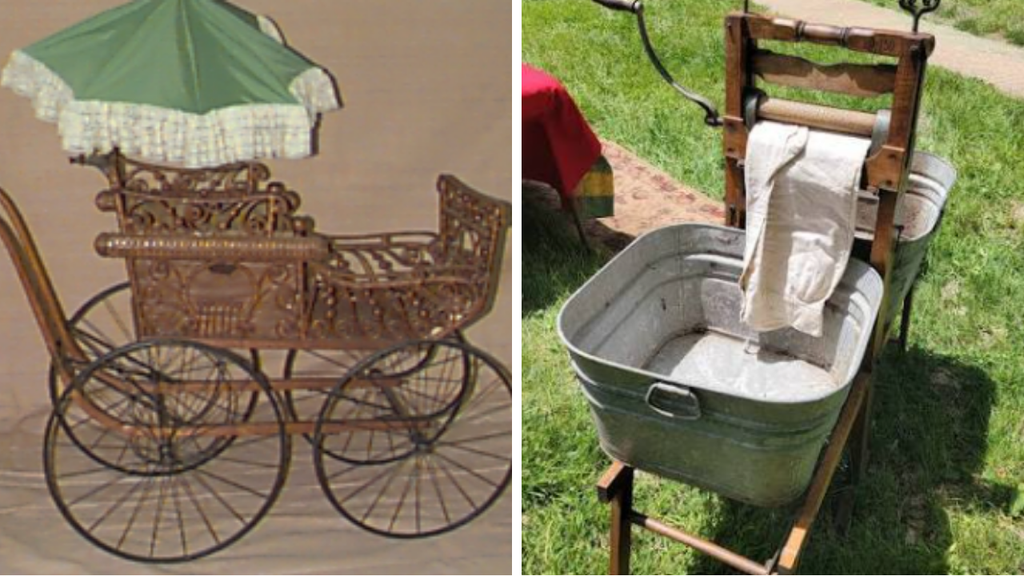
A baby carriage
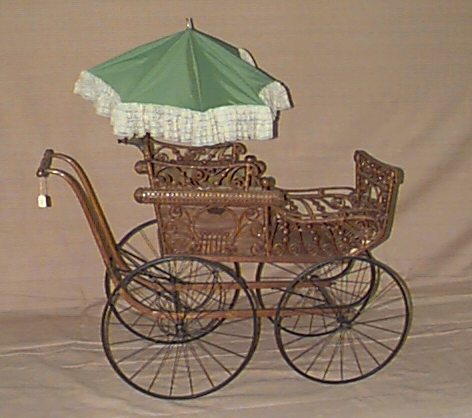
Baby carriages appeared alongside other large household purchases that had to travel by freight. Ordering one from a catalog meant choosing style and construction before seeing it in person.
A decorated upright piano

The piano pages show how mail-order firms sold both utility and aspiration. A buyer could select a substantial instrument, arrange freight, and bring a dramatic piece of furniture into the front room.