The world of celebrity branding extends far beyond traditional movie merchandise and simple fragrance lines. High-profile personalities frequently leverage their global fame to break into highly unexpected retail markets, resulting in some incredibly peculiar business ventures. While certain concepts achieved surprising longevity, others encountered immediate legal hurdles or left consumers thoroughly perplexed. This article overview examines 30 items that define the outer limits of corporate star power.
John Cena and Crocs
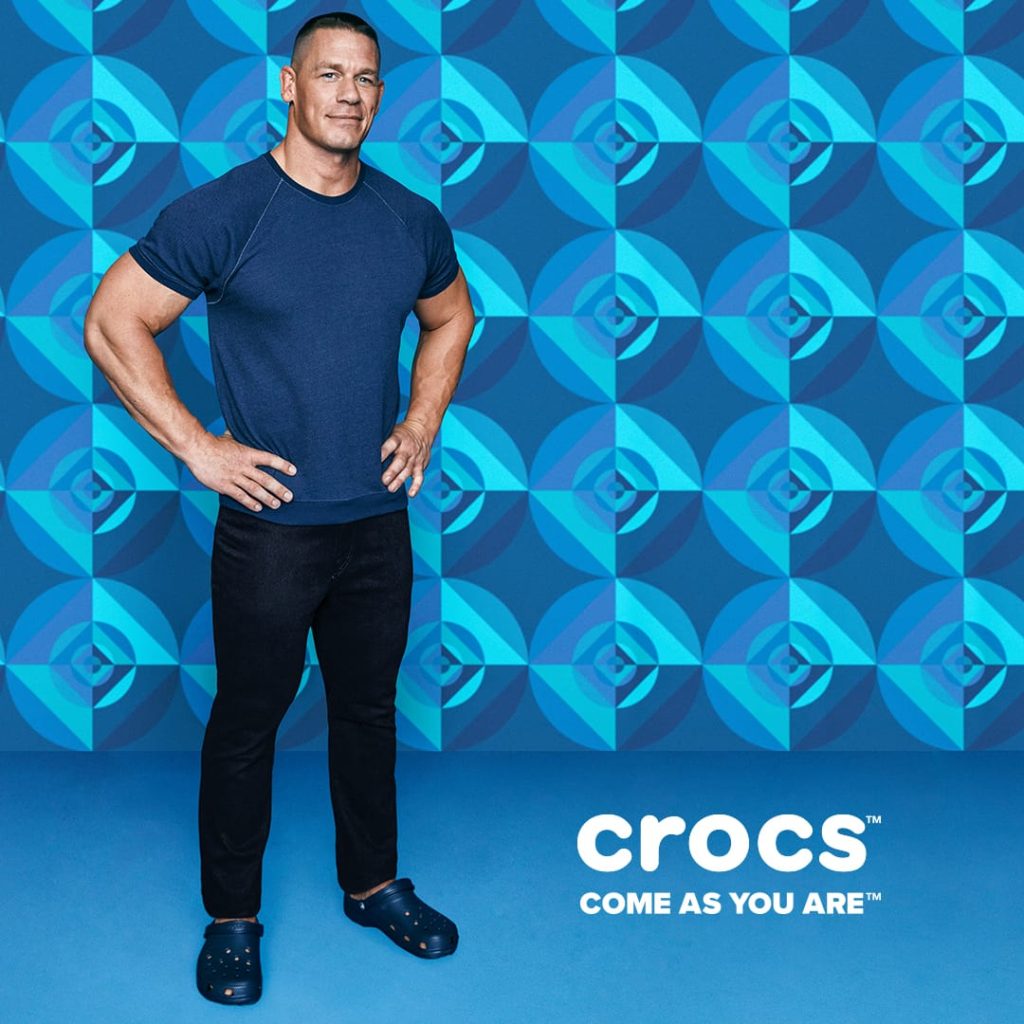
Partnering with a colorful foam footwear brand might seem like an unexpected move for an ex-wrestler turned Hollywood actor. John Cena became the face of a major campaign designed to encourage consumers to embrace their unique individuality. The collaboration contrasted sharply with his tough-guy persona but succeeded in generating significant online discussion.
Stuff by Hilary Duff
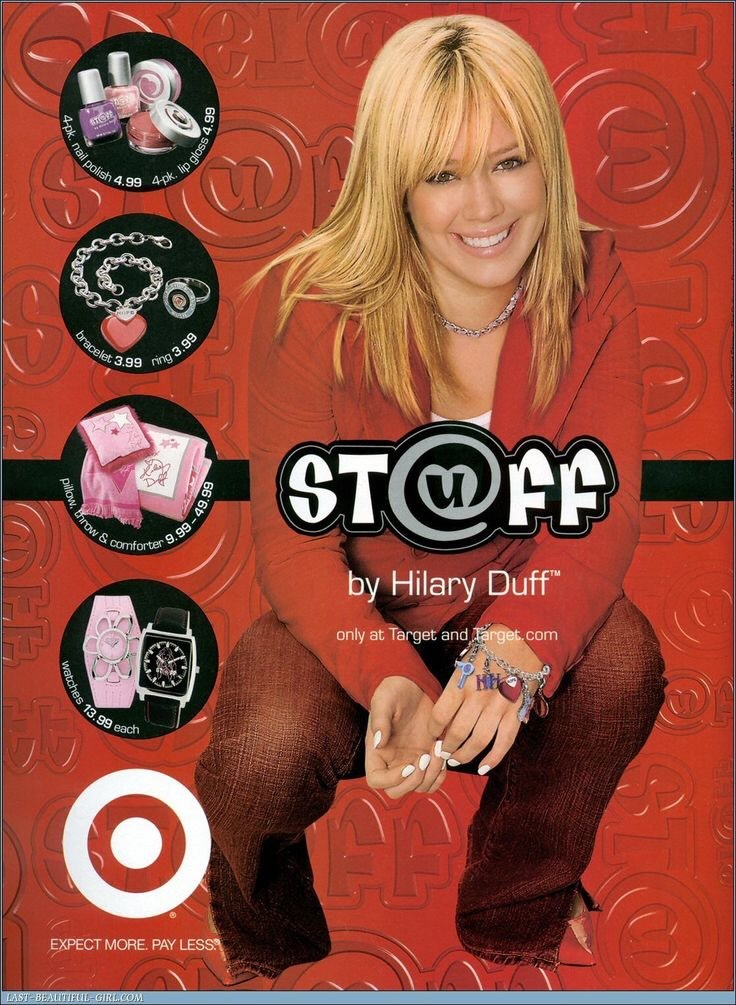
Teen idols in the early 2000s frequently capitalized on their massive television popularity by launching extensive merchandise empires. Hilary Duff entered this retail space with a wide-ranging lifestyle brand appropriately titled Stuff. The inventory consisted of miscellaneous goods like miniature flasks filled with glittery nail polish and strawberry-scented erasers. Retailers heavily marketed these items to young fans before the line eventually faded from store shelves.
Ozzy Osbourne and I Can’t Believe It’s Not Butter
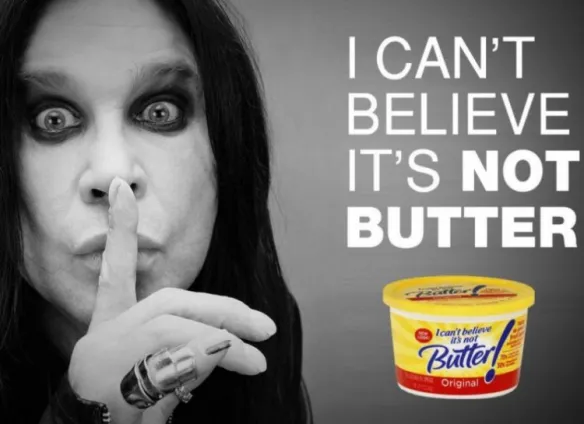
Heavy metal icons rarely find themselves associated with ordinary household groceries. Ozzy Osbourne shocked television audiences when he starred in a series of commercials for the popular spread brand I Can’t Believe It’s Not Butter. This marketing choice leaned heavily into the humor of placing a notorious rock star in a mundane domestic setting.
6126 by Lindsay Lohan
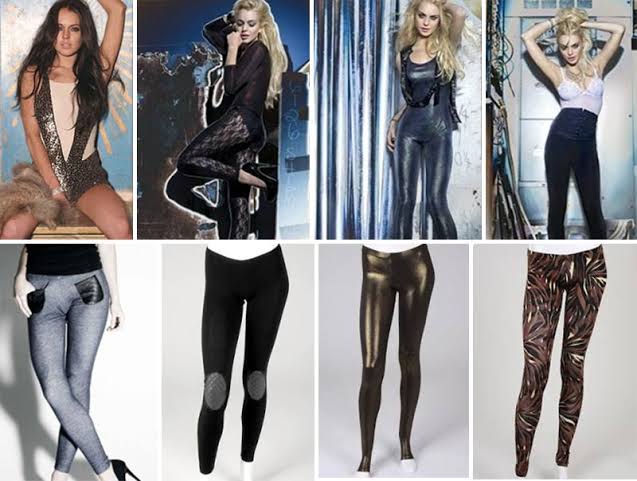
Launched during the height of her mid-aughts fame, Lindsay Lohan started a dedicated fashion line named 6126. The brand specialized in form-fitting leggings that featured creative style names such as Fame, Lust, and Star. Interestingly, these items found a prominent retail home inside the original boutique owned by the Kardashian sisters.
Danny DeVito and His Limoncello
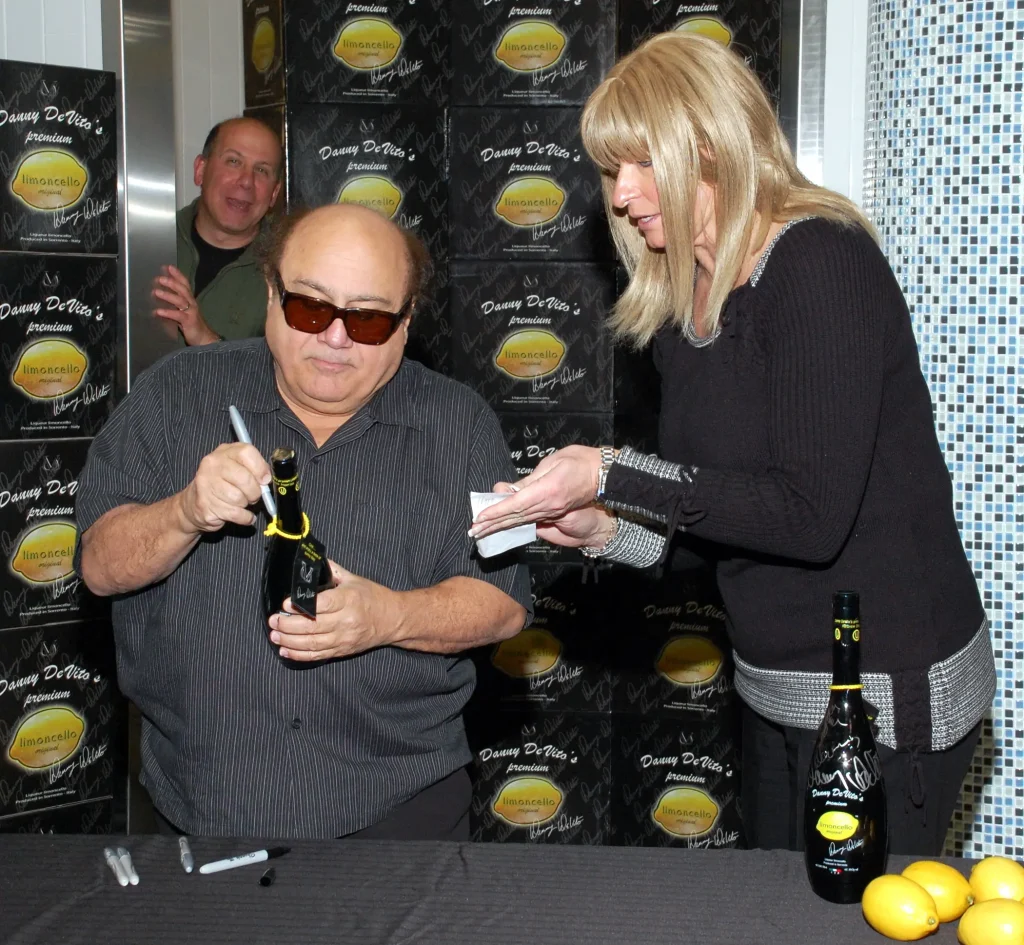
A viral late-night television appearance can occasionally transform into a legitimate business opportunity. Following an infamous, highly publicized interview where he appeared visibly intoxicated, Danny DeVito capitalised on the buzz by launching his own liquor brand.
Khroma Beauty by the Kardashians
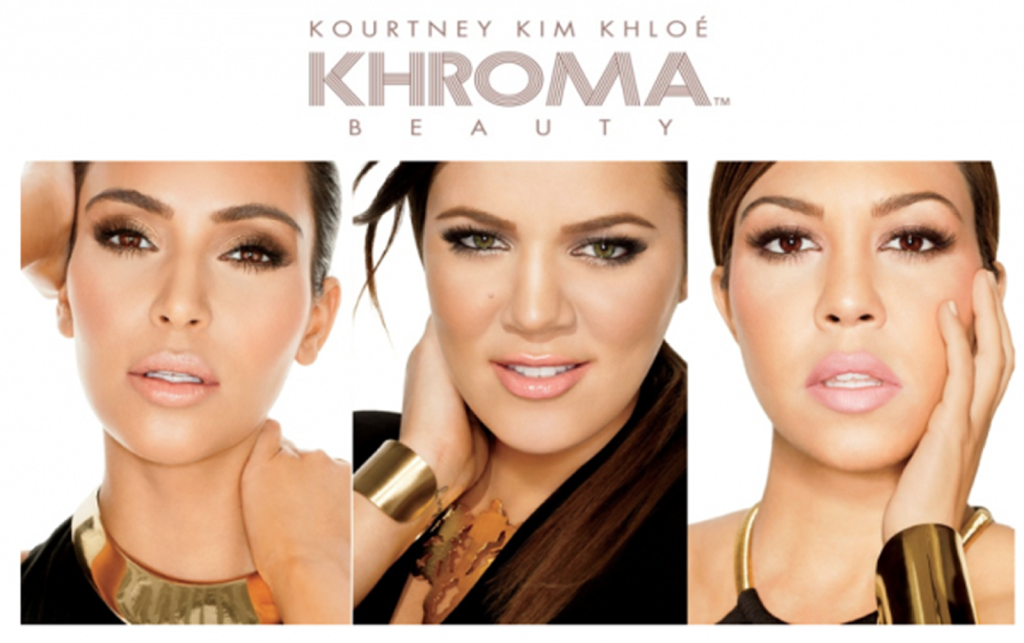
Before building their multi-million dollar independent cosmetic empires, Kourtney, Kim, and Khloé Kardashian launched a collaborative makeup venture called Khroma Beauty. The project was immediately plagued by intense trademark and copyright disputes regarding the name. Consequently, the entire product line was pulled from the market after only one year in operation.
David Beckham and Fish Fingers
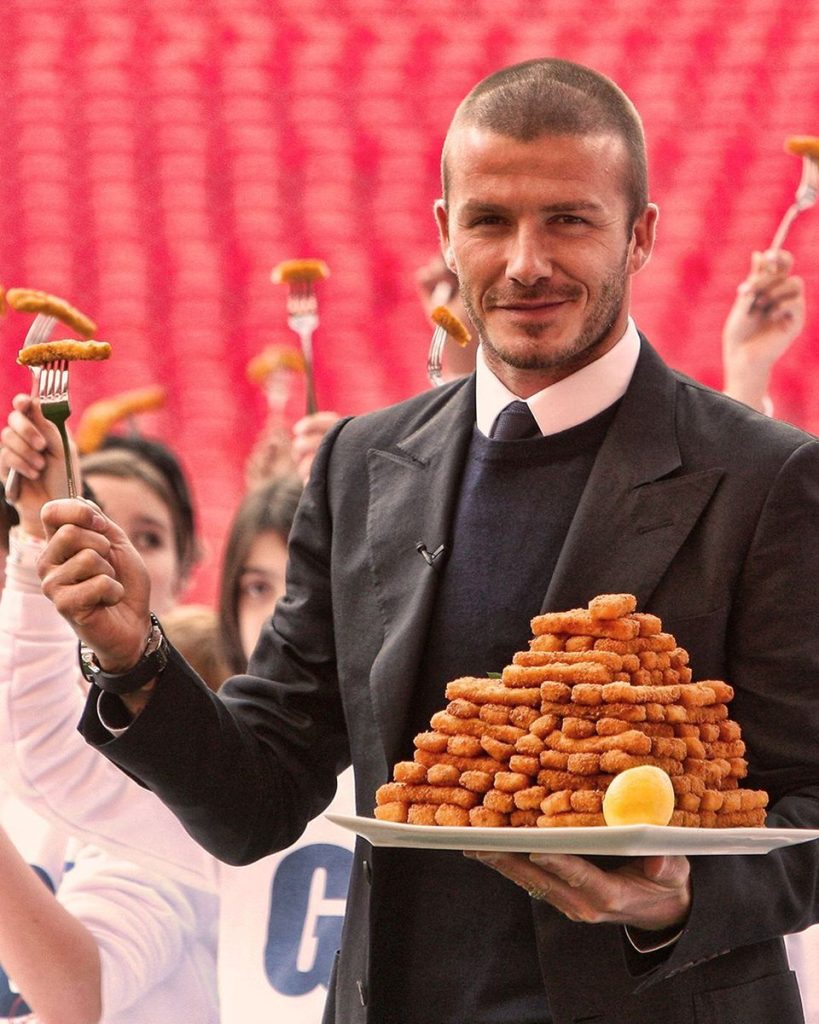
International sports legends typically secure endorsement deals with luxury watchmakers or elite sportswear manufacturers. However, football superstar David Beckham surprised consumers by becoming the face of a healthy, omega-three-packed fish finger campaign. Photographic advertisements prominently featured the global athlete presenting platters of frozen seafood.
Abbey Dawn by Avril Lavigne
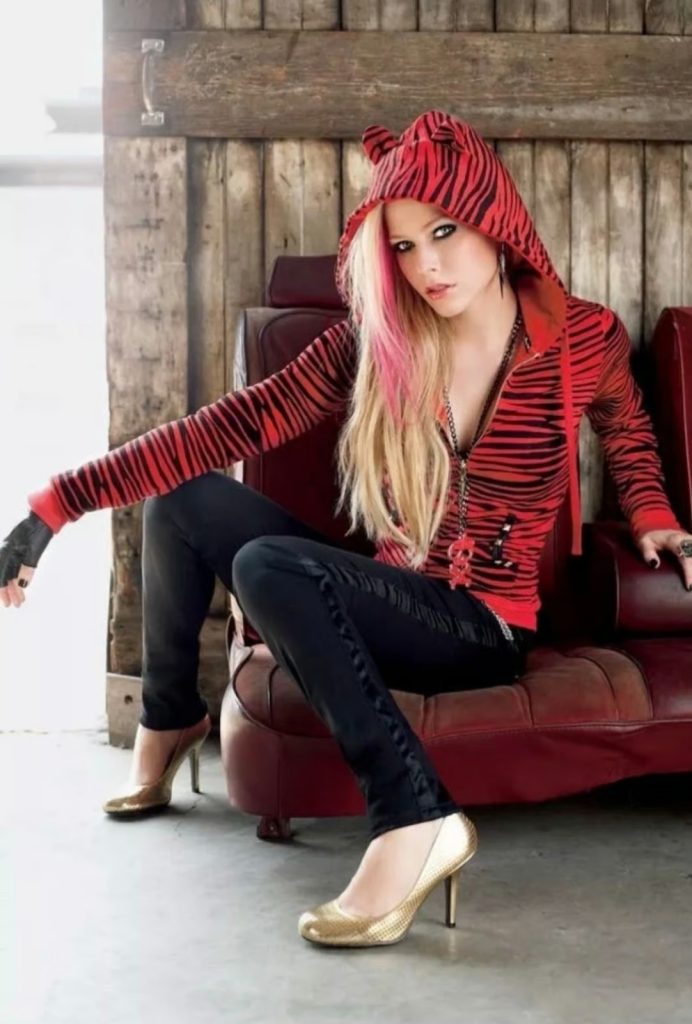
Catering specifically to the alternative youth subculture of the late 2000s, Avril Lavigne established her own distinct clothing line called Abbey Dawn. The aesthetic relied heavily on bold elements like yellow plaid fabrics, metallic spikes, skulls, and vibrant neon pink accents. A fourteen-year-old Kylie Jenner actually made her official fashion runway debut modeling these exact skater-girl designs.
Penélope Cruz and Nintendo
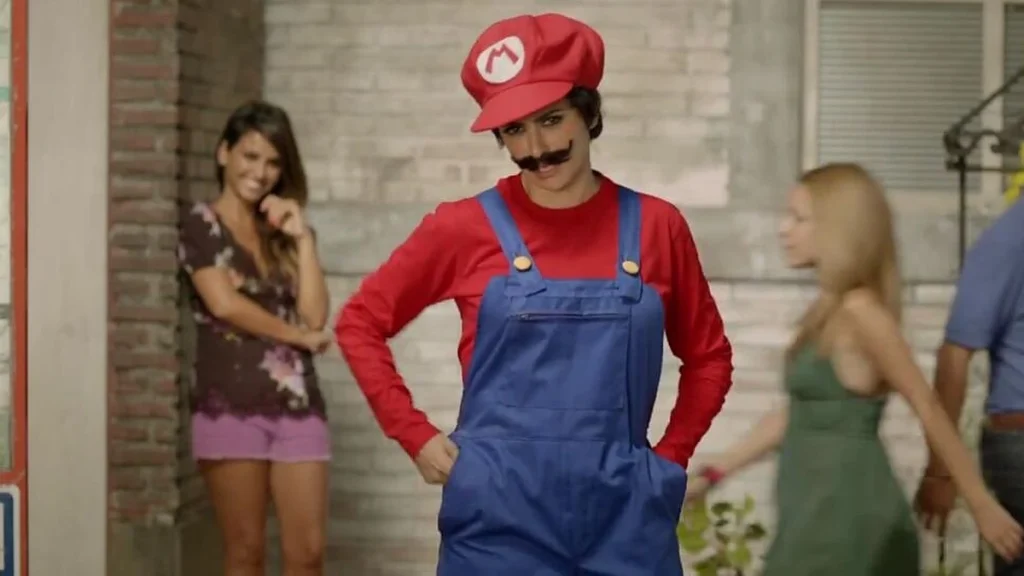
Acclaimed dramatic actors frequently guard their serious cinematic images with extreme care. Penélope Cruz shattered expectations when she donned blue denim overalls, a bright red cap, and a fake mustache to portray the video game character Mario in a commercial. This unexpected promotional partnership introduced the Oscar-winning star to a massive global gaming demographic.
Bill Wyman and His Metal Detector
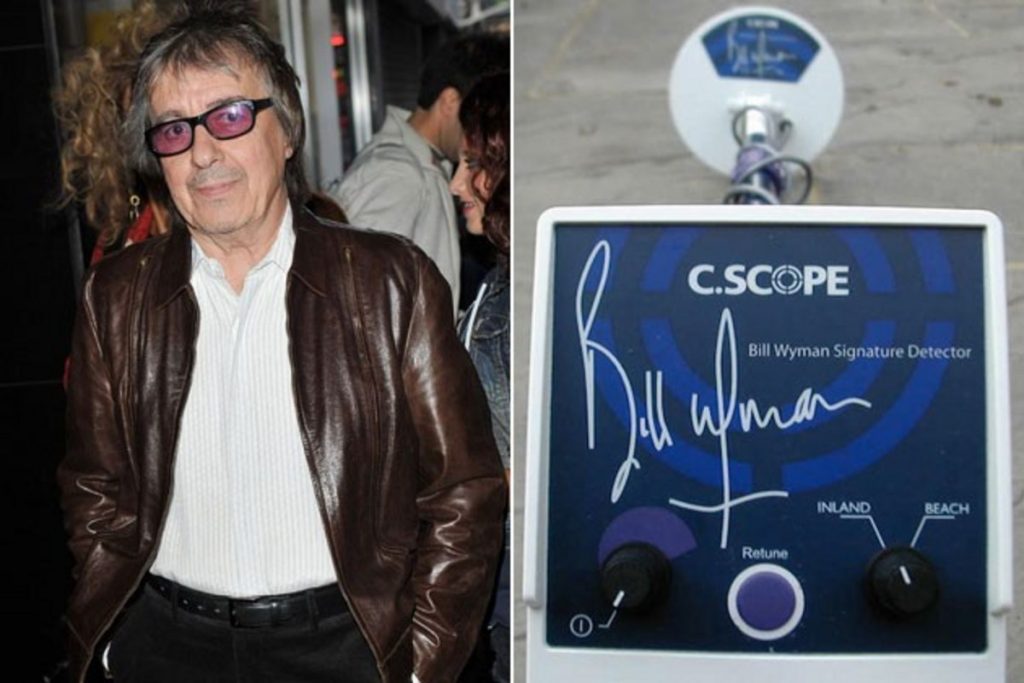
Turning a niche personal pastime into a commercial venture led a legendary rock musician down a very specific entrepreneurial path. Former bassist for The Rolling Stones, Bill Wyman, utilized his global recognition to manufacture and sell his own signature line of metal detectors. He publicly defended the project by declaring treasure hunting to be the greatest hobby on Earth.
Olsenboye by Mary-Kate and Ashley Olsen
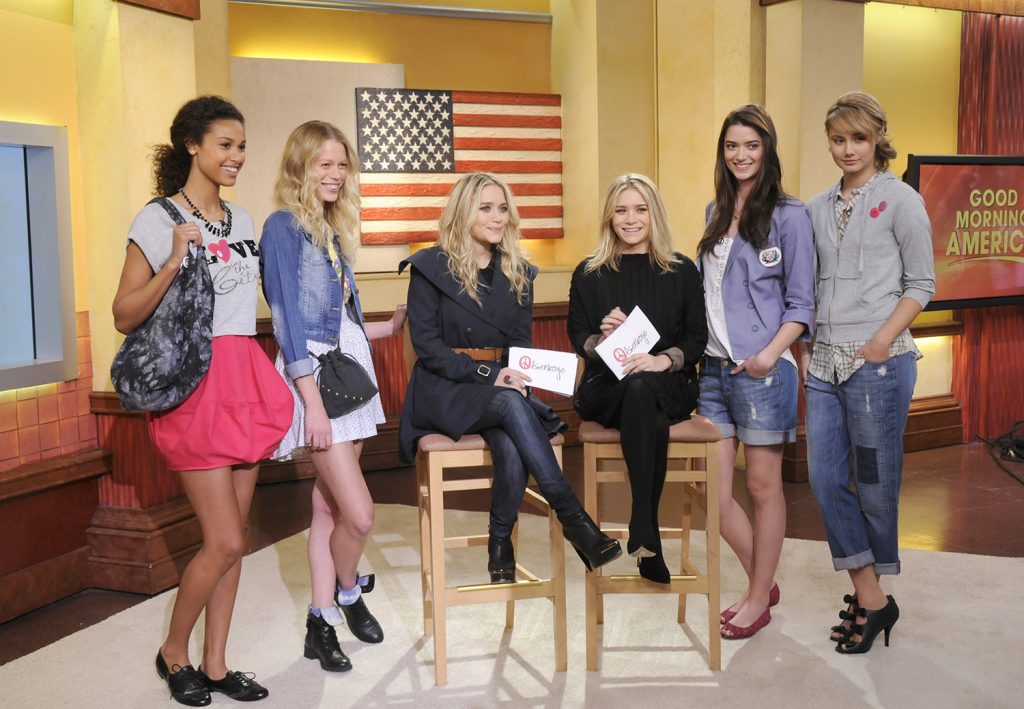
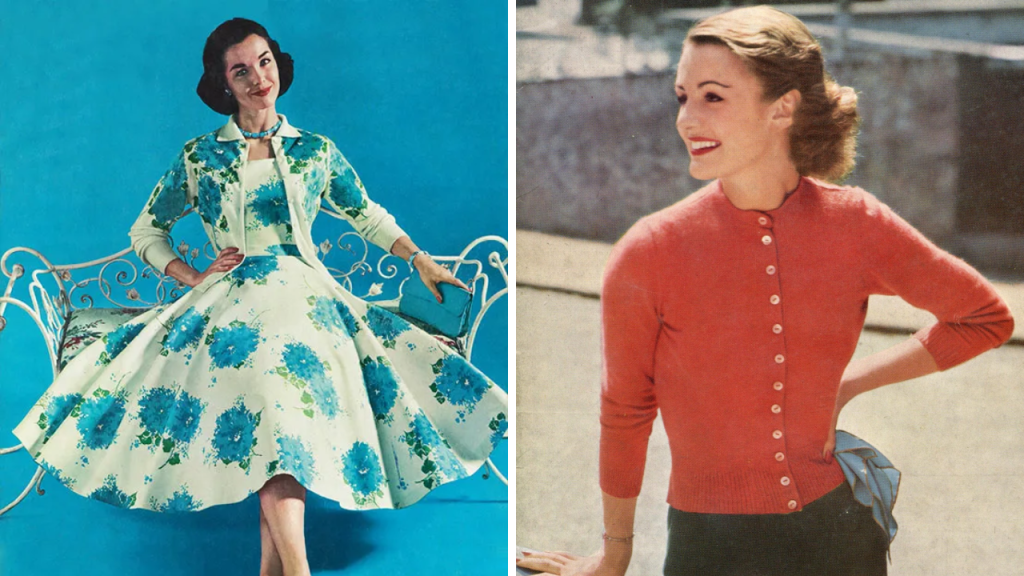
Long before achieving high-fashion acclaim with their luxury label The Row, Mary-Kate and Ashley Olsen experimented with affordable mass-market retail. They partnered with JCPenney to introduce a youth-centric apparel line named Olsenboye, drawing inspiration from their ancestral Norwegian surname. The collection was defined by classic aughts trends like oversized plaid shirts and thick waist belts.
Elon Musk and Burnt Hair Perfume
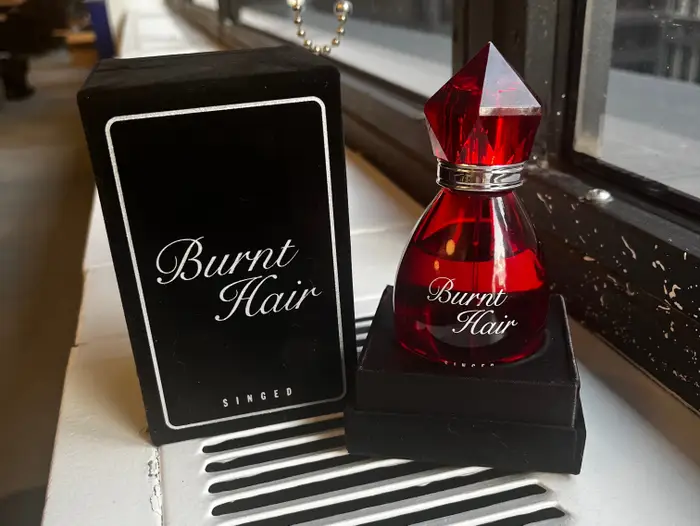
Tech entrepreneurs frequently branch out into unusual novelty merchandise to engage directly with their online fan bases. Elon Musk released a limited-edition fragrance through his infrastructure firm called Burnt Hair, marketing it as the ultimate essence of repugnant desire. The initial production run of thousands of bottles sold out completely within hours of its digital announcement. This bizarre marketing stunt generated millions of dollars in rapid revenue for a company otherwise focused on digging underground transit tunnels.
LC by Lauren Conrad

Reality television stars often struggle to maintain long-term relevance once their initial broadcast run concludes. Lauren Conrad beat the odds by capitalizing on her fame from “The Hills” to build a massive clothing and lifestyle brand. This sweet-girl aesthetic line successfully outlasted most of its contemporary competitors to survive for nearly two decades.
Miraval Rosé by Angelina Jolie and Brad Pitt
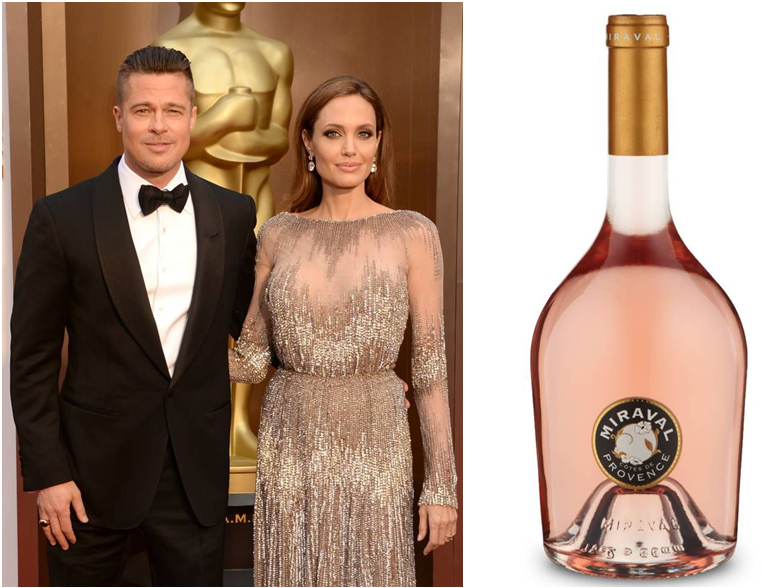
High-profile Hollywood relationships frequently result in joint business ventures that extend far beyond the entertainment industry. Angelina Jolie and Brad Pitt established a highly successful wine brand that produced a record-breaking bottle of Miraval Rosé. The premium drink became a staple at sophisticated gatherings and outlasted the couple’s highly publicized marriage.
Material Girl by Madonna
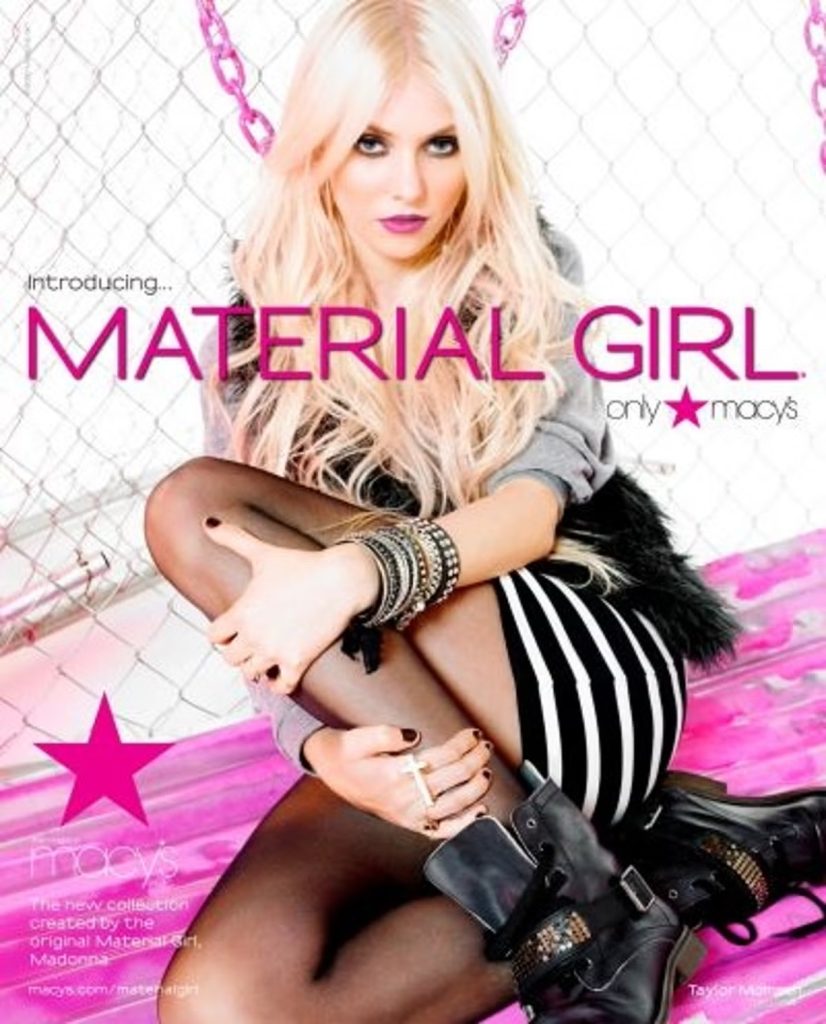
Co-designed alongside her thirteen-year-old daughter Lola, Madonna launched a youthful fashion line inspired by her daughter’s personal style. The brand famously took its name from the singer’s iconic 1985 hit single. High-profile young stars like Taylor Momsen, Rita Ora, and a Disney-era Zendaya served as successive public faces for the clothing label.
Sevin Nyne by Lindsay Lohan

Exploring multiple avenues within the personal care industry was a clear priority for Lindsay Lohan during the late 2000s. Alongside her fashion endeavors, she developed a specialized line of premium spray-tan products called Sevin Nyne. This project highlighted her fondness for incorporating numerical motifs into her various brand titles.
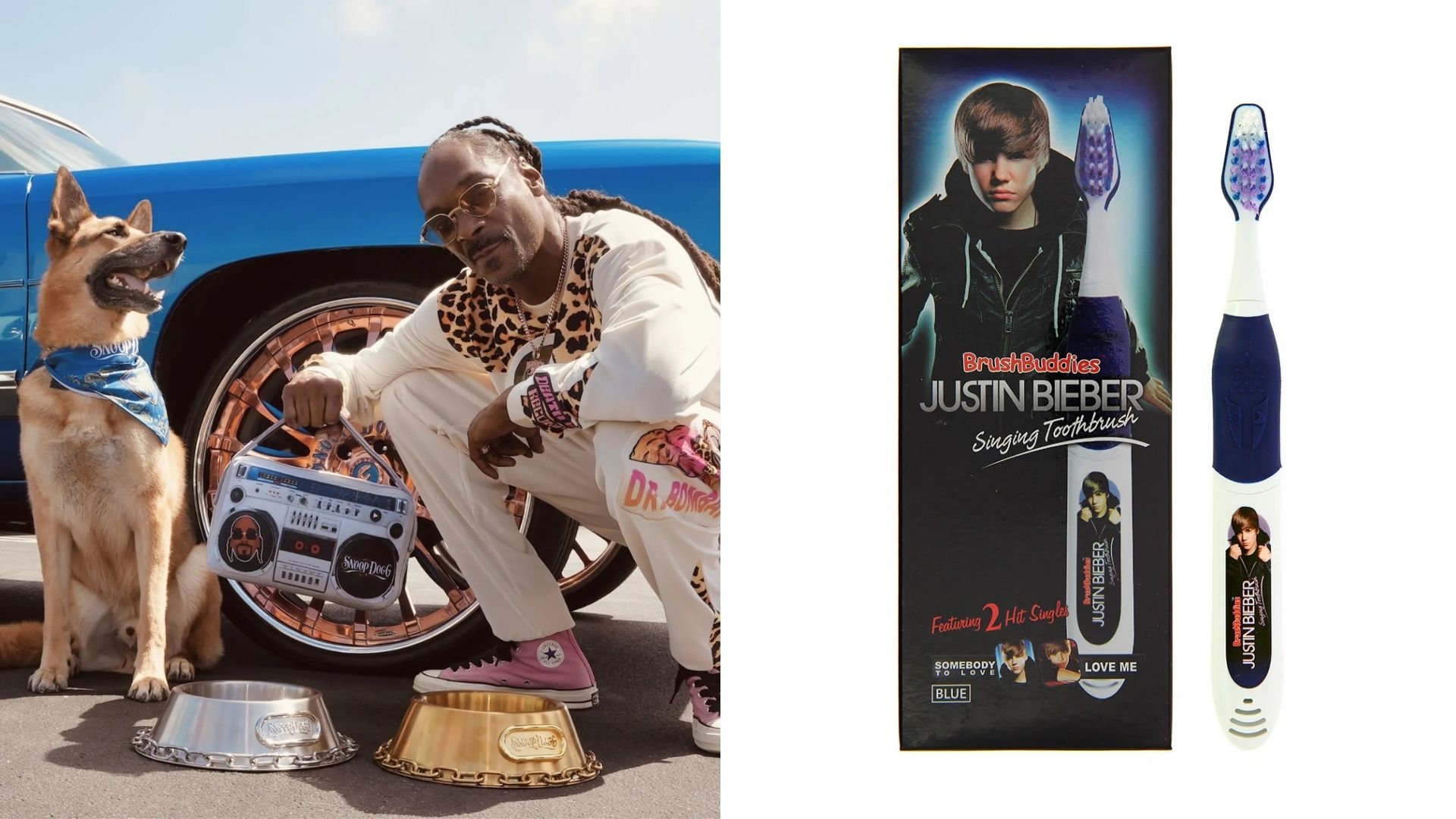
Snoop Dogg and Snoop Doggie Doggs Pet Apparel
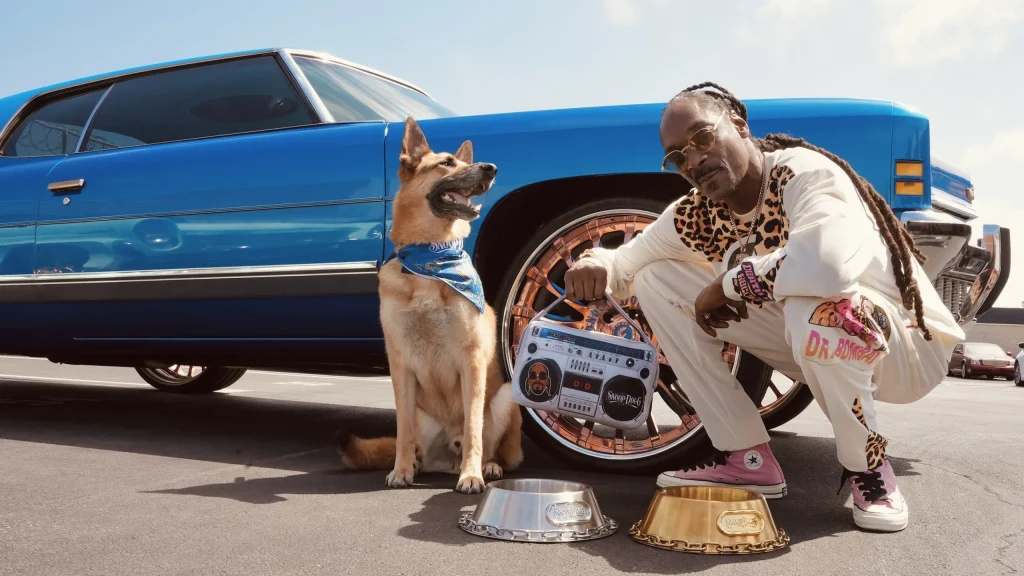
Branching out into the pet care sector became a major milestone for one of hip-hop’s most recognizable figures. Snoop Dogg established an exclusive line of clothing and accessories tailored specifically for dogs and cats. The inventory includes miniature gold chains, furry hoodies, and branded baseball caps designed to replicate his personal streetwear aesthetic. This boutique line quickly captured the attention of affluent pet owners looking to pamper their animals.
Savage X Fenty by Rihanna
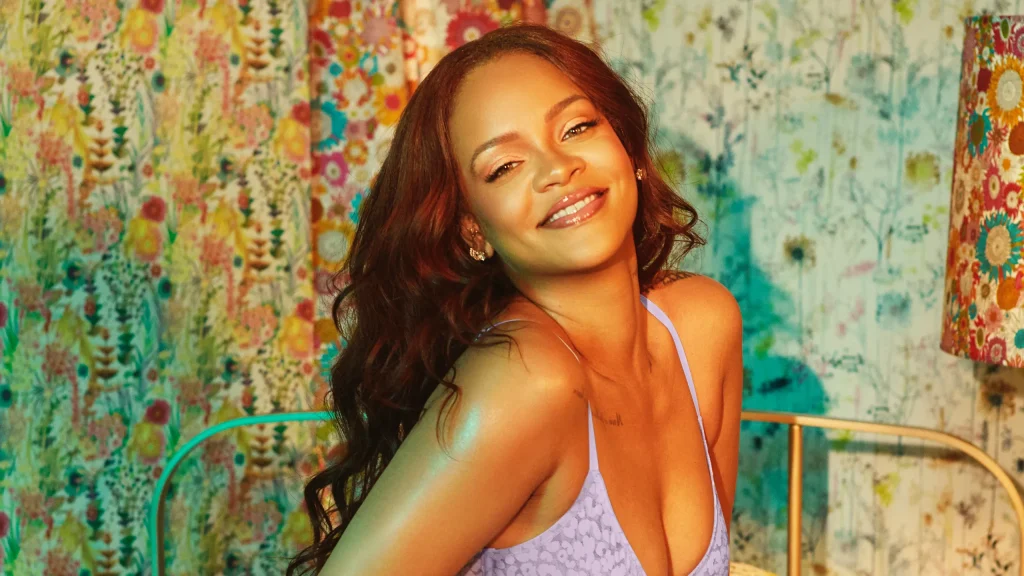
Transforming the global apparel market requires a radical shift away from traditional industry standards. Rihanna stepped away from her music career to found Savage X Fenty, an inclusive fashion venture celebrated for its diverse runway presentations. The brand effectively redirected her career focus from stadium stages to corporate boardrooms.
Kylie Cosmetics by Kylie Jenner
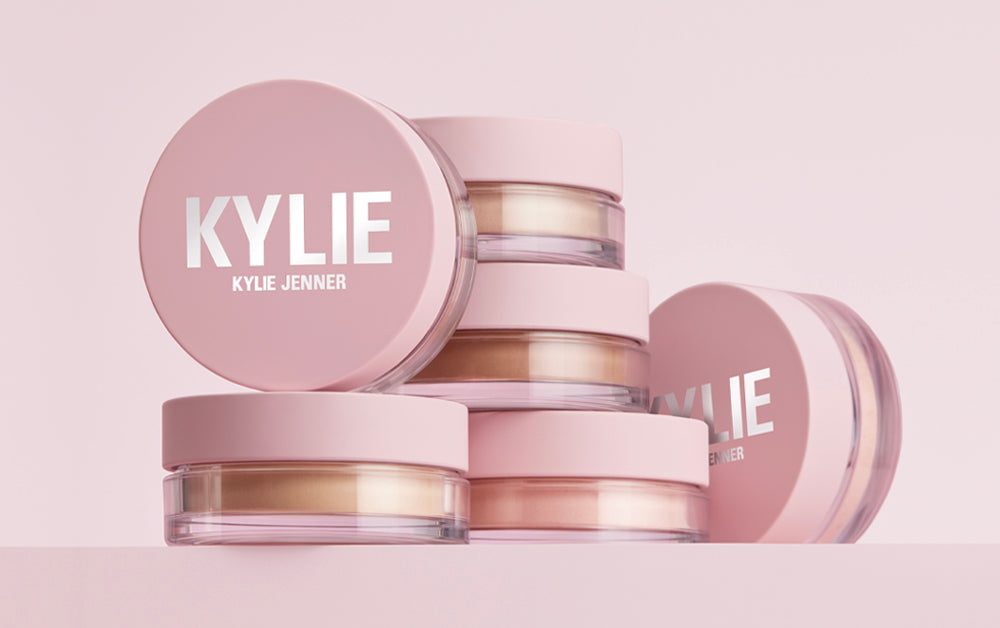
Initial small-scale ventures can occasionally explode into massive commercial juggernauts. Kylie Jenner translated her immense social media influence into a multi-million dollar beauty brand with the launch of Kylie Cosmetics. Her rapid rise to corporate success occurred despite facing early legal hurdles regarding name copyrights.
KISS and the KISS Kasket
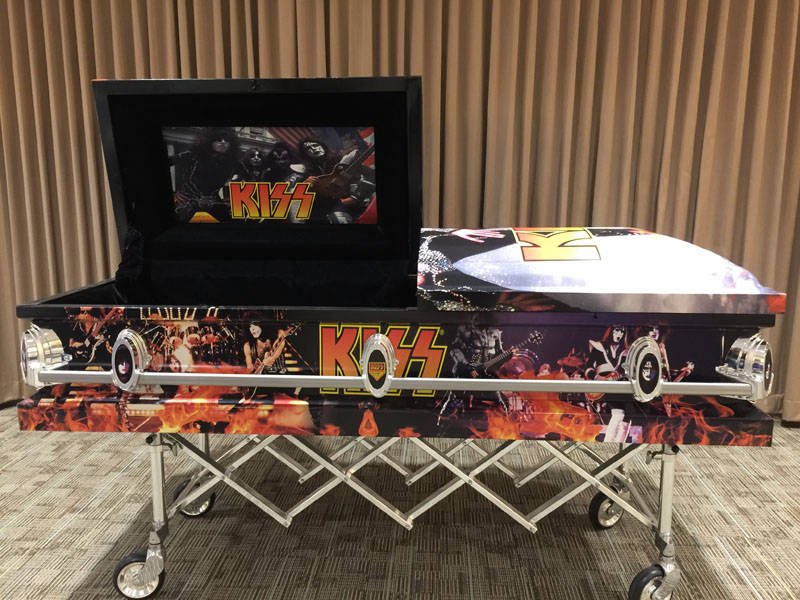
Merchandising strategies typically focus on items that consumers can utilize throughout their daily lives. The rock band KISS completely inverted this norm by introducing a fully customized, branded casket for their most dedicated fans. Emblazoned with striking images of the band members and a cheering concert crowd, this piece of memorabilia ensures a rock-and-roll farewell.
Jessica Simpson and Dessert Beauty
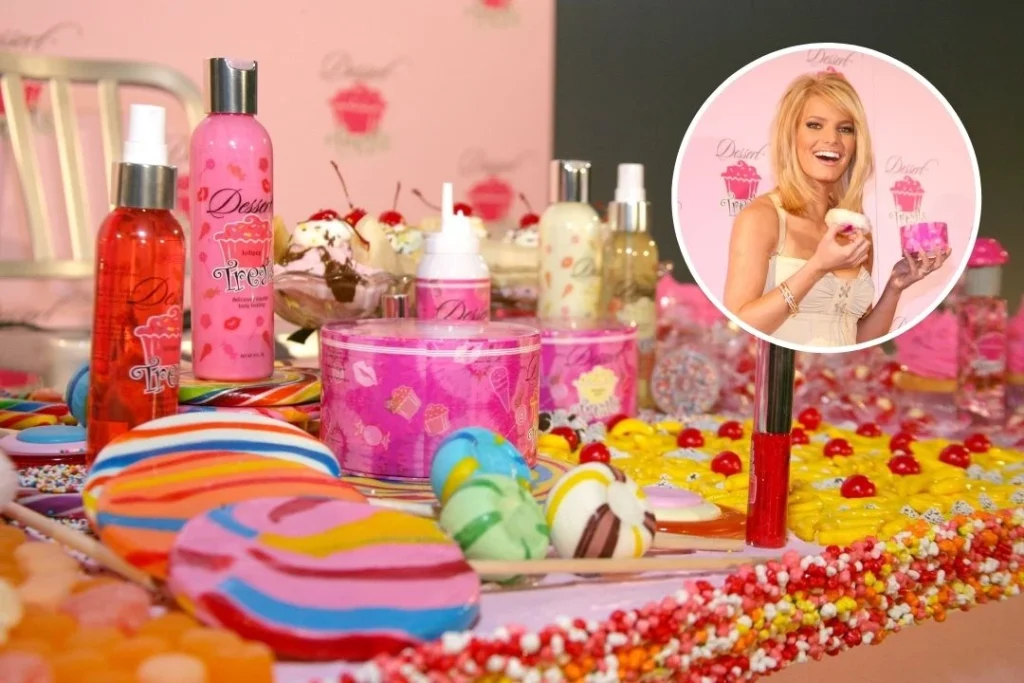
Innovative product concepts sometimes sound much better in a corporate pitch meeting than they perform in reality. Jessica Simpson launched Dessert Beauty, an experimental cosmetic collection that featured fully edible body shimmers, lip glosses, and perfumes. The unique promotional campaign included her husband eating products directly off her skin to prove their safety. Unfortunately, early customers complained that the sugary formulas attracted swarms of bees and triggered frequent skin irritations.
Steven Seagal and Lightning Bolt Energy Drink
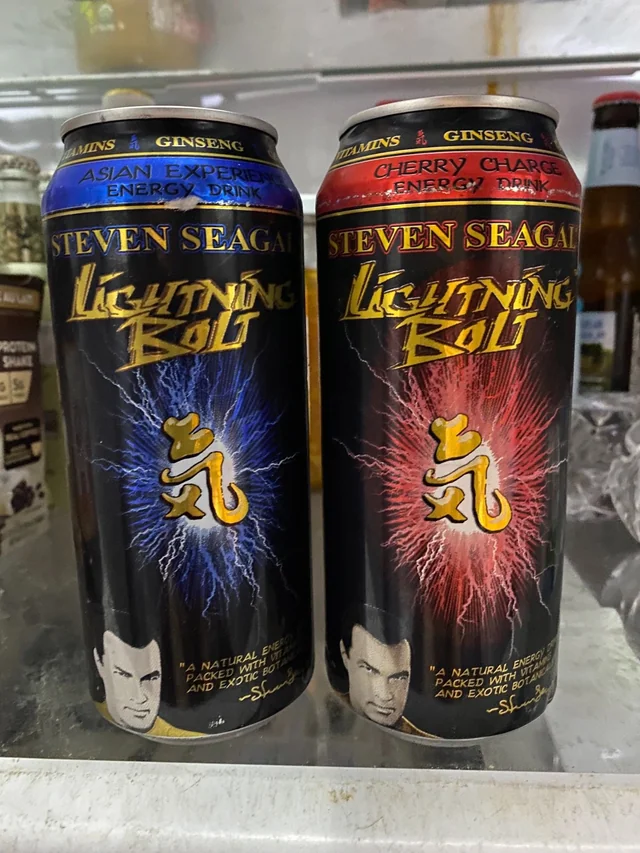
Action movie stars often venture into the beverage market to capitalize on their tough onscreen personas. Martial artist Steven Seagal launched his own line of energy drinks claiming they were powered by natural Asian cordyceps. The product line struggled to find a mainstream retail audience and was eventually discontinued.
Donald Trump and Trump Steaks
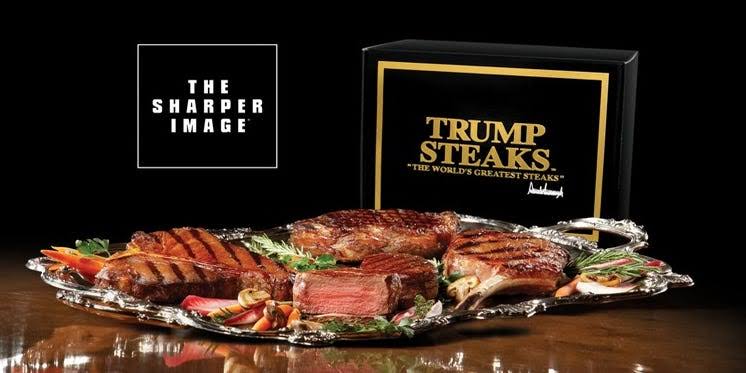
Selling premium gourmet meats through an electronics retailer remains one of the more unusual choices in modern business history. This short-lived venture promised consumers access to world-class dining directly from home. The product was quietly pulled from store shelves after a brief promotional run due to low customer interest.
Whoopi Goldberg and Maya & Whoopi Medical Cannabis
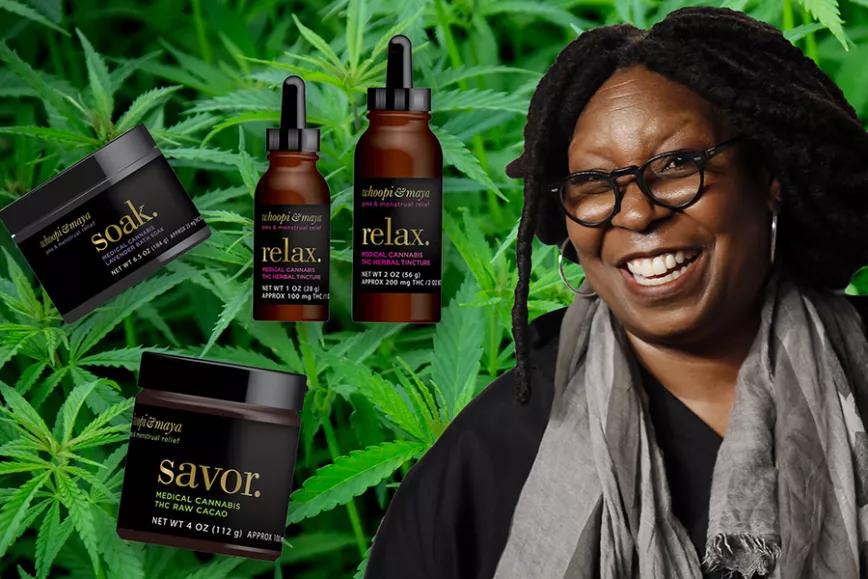
High-profile talk show hosts rarely attach their names to the agricultural wellness sector. Whoopi Goldberg co-founded a brand specifically targeting relief from menstrual discomfort using infused bath soaks and body balms. This business move occurred well before mainstream legalization sweeps across various global markets. The venture concluded operations following internal corporate restructuring.
Sylvester Stallone and Chaos Fountain Pens
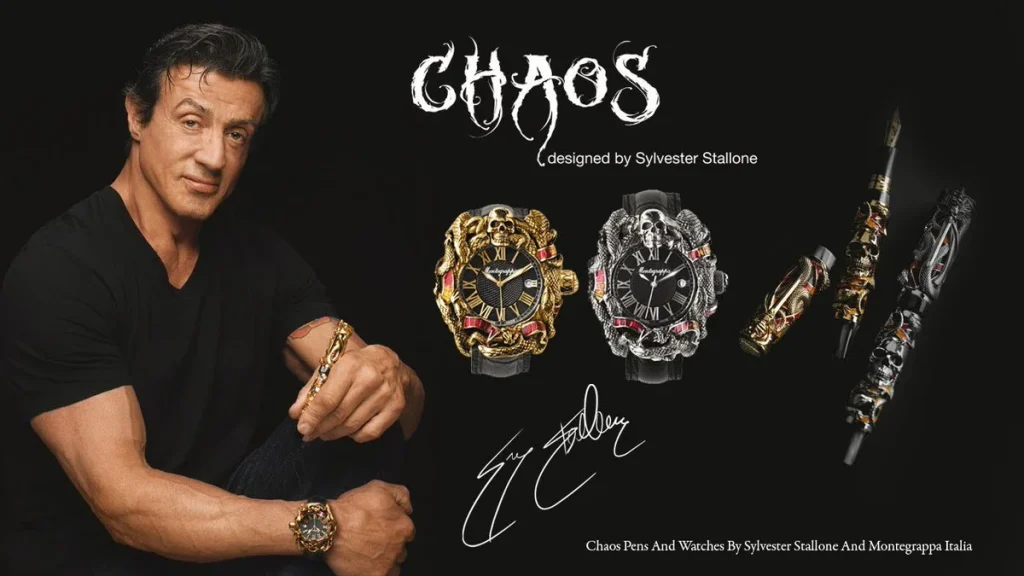
Action legend Sylvester Stallone collaborated with a historic Italian manufacturer to produce a limited-edition writing instrument adorned with skulls and serpents. The aggressive piece commanded a retail price climbing into thousands of dollars per unit.
Hulk Hogan and Hulk Hogan’s Pastamania
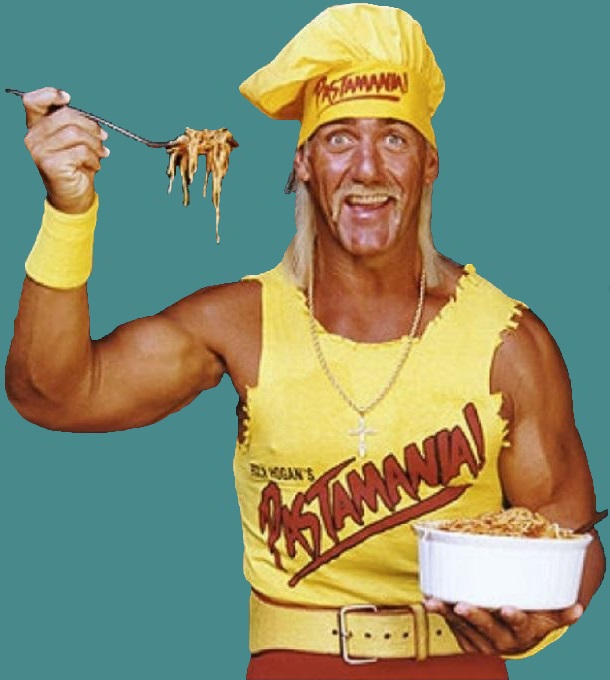
Professional wrestling merchandise generally avoids traditional Italian cuisine concepts. Hulk Hogan opened a dedicated fast-food restaurant inside a major American shopping mall featuring dishes named after his iconic ring maneuvers. The establishment closed down within a few months of its initial grand opening.
Lady Gaga and Fame Black Fluid Perfume
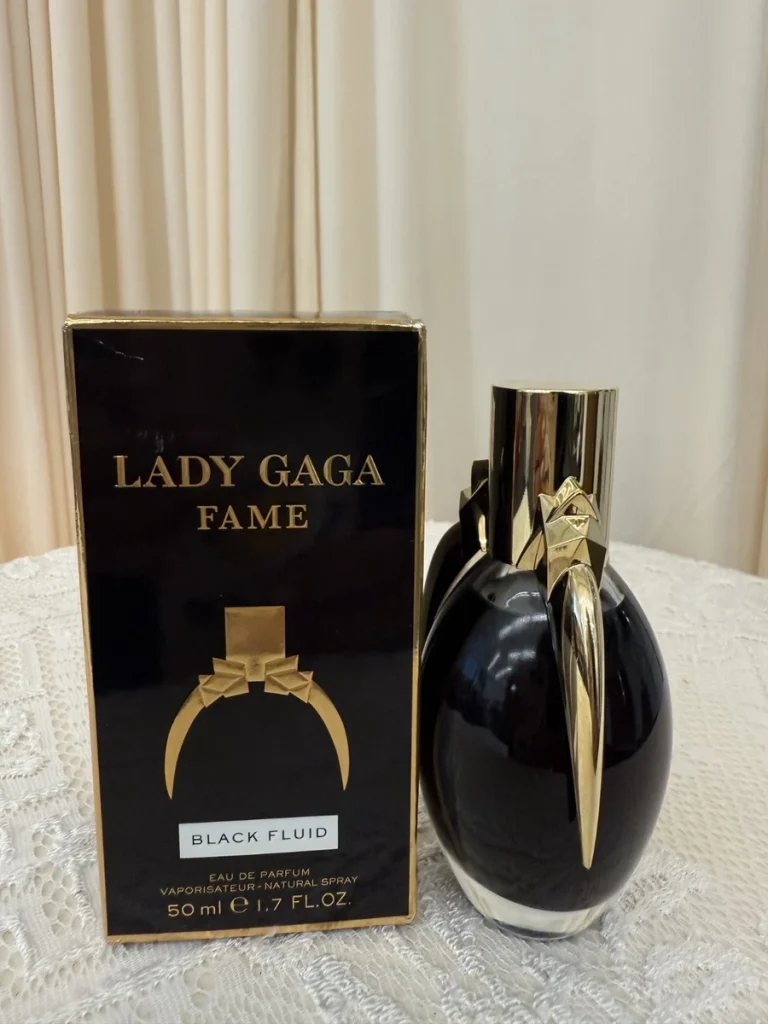
Pop music icons traditionally stick to translucent formulas when creating custom fragrances for their fanbases. Lady Gaga broke this convention by introducing a fluid that sprayed jet black but became entirely clear upon contact with the skin. The manufacturing process utilized advanced cosmetic technology to achieve the visual illusion. The innovative product became an immediate global bestseller.
Justin Bieber and the Singing Toothbrush
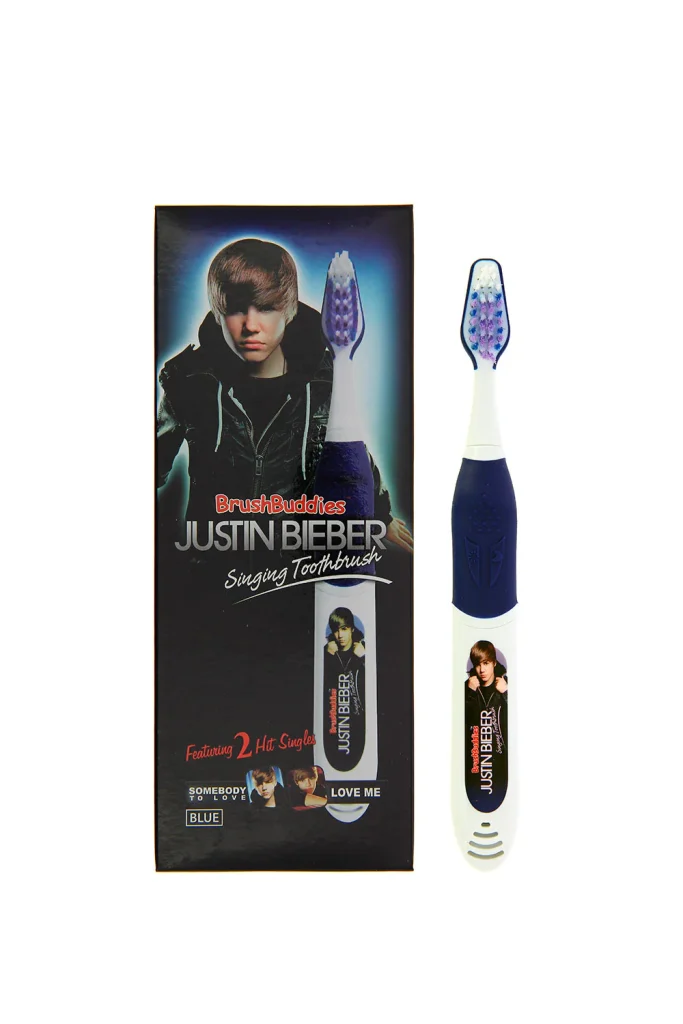
Catchy teenage pop singles frequently find their way into everyday dental hygiene products. Justin Bieber licensed his early hit tracks to a company manufacturing devices that played audio clips directly through the bristles.