Gen Z is smart, creative, and super driven — but they also want things done differently. They grew up online, question the old ways, and aren’t afraid to speak up or move on fast. For managers, that can be a lot. Here are 30 reasons Gen Z can be tricky to manage, but also a really good addition to conservative workspaces.
They Crave Constant Feedback

Gen Z employees often seek immediate feedback, preferring real-time responses over traditional annual reviews. This desire stems from growing up in a digital age where instant communication is the norm.
They Prioritize Work-Life Balance

Unlike previous generations, Gen Z places a high value on maintaining a healthy work-life balance, often seeking flexible work arrangements to support their well-being.
They Expect Meaningful Work
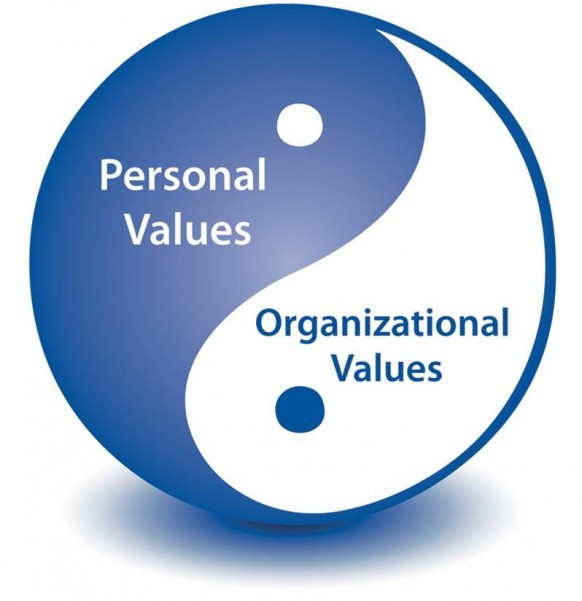
Gen Z desires roles that align with their personal values and contribute to a greater purpose, making it challenging for employers to meet these expectations consistently.
They Prefer Digital Communication

Having grown up with technology, Gen Z often favors digital communication methods like instant messaging over face-to-face interactions, which can lead to misunderstandings in the workplace.
They Seek Fast Career Advancement

Gen Z employees often expect quick promotions and may become disengaged if they perceive a lack of growth opportunities.
They Are Less Tolerant of Hierarchical Structures
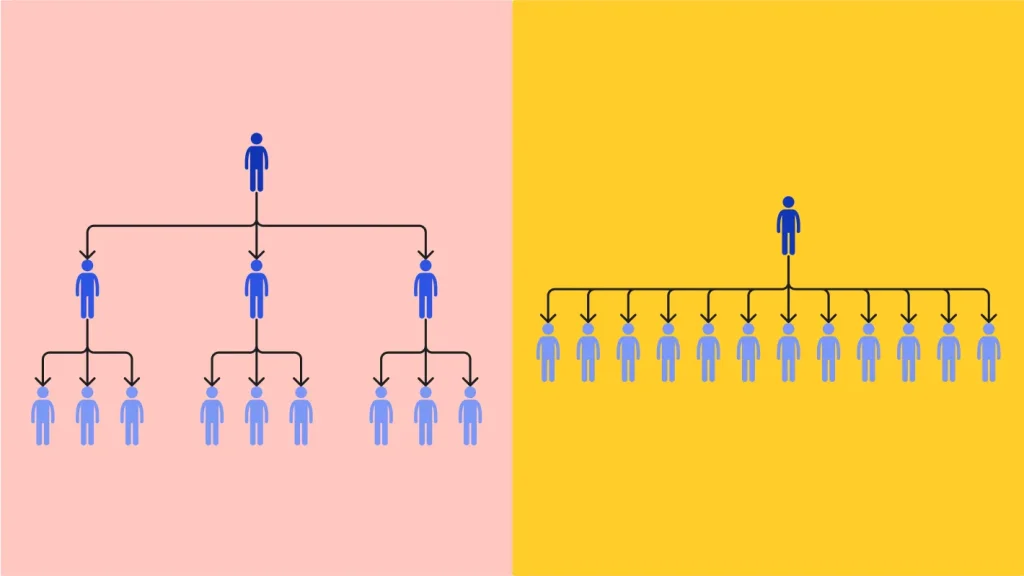
Gen Z often questions traditional authority and prefers collaborative environments, which can challenge conventional management styles.
They Demand Transparency

Gen Z expects openness regarding company policies, decisions, and compensation, and may disengage if they perceive a lack of transparency.
They Experience ‘Tech Shame’

Despite being digital natives, Gen Z may feel embarrassed when struggling with unfamiliar workplace technologies, leading to decreased confidence.
They Prefer Flexibility Over Stability

Gen Z often values flexible work arrangements and may prioritize them over long-term job security, leading to higher turnover rates.
They Are Financially Conscious Yet Inexperienced

While concerned about financial stability, many Gen Z employees lack financial literacy, impacting their financial decisions and expectations.
They Are Prone to Burnout

High expectations and a desire for rapid success can lead Gen Z employees to experience burnout more quickly than previous generations.
They Value Mental Health Support

Gen Z places significant importance on mental health and expects employers to provide resources and support, which may be a shift for some organizations.
They Desire Autonomy

Gen Z employees often seek independence in their roles and may resist micromanagement, preferring to take ownership of their tasks.
They Are Less Engaged with Office Politics

Gen Z tends to avoid traditional office politics, which can impact networking and relationship-building within the organization.
They Expect Immediate Results

Accustomed to instant gratification, Gen Z may become frustrated with long-term projects that don’t yield quick outcomes.
They Prefer Informal Communication Styles
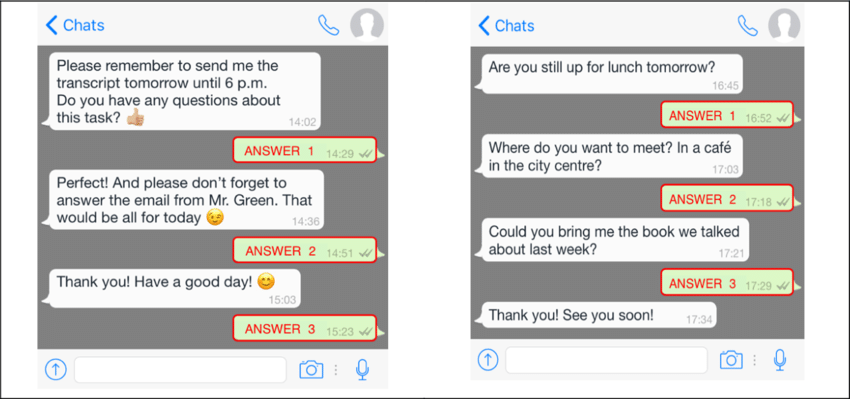
Gen Z often uses casual language and emojis in professional settings, which can be misinterpreted by colleagues from other generations.
They Are Highly Adaptive to Technology

While adept at adopting new technologies, Gen Z may become disengaged if workplaces use outdated systems.
They Seek Personalized Career Paths

Gen Z employees often desire customized career development plans, which can be resource-intensive for employers to provide.
They Are Less Loyal to Employers

Gen Z tends to view jobs as stepping stones rather than long-term commitments, leading to higher turnover rates.
They Are More Open About Personal Challenges

Gen Z is more likely to discuss personal issues openly, expecting empathy and support from employers, which may be unfamiliar territory for some managers.
They Expect Social Responsibility from Employers

Gen Z prefers to work for companies that actively engage in social and environmental causes, influencing their employment choices.
They Are Less Experienced with Face-to-Face Interactions

Having grown up with digital communication, Gen Z may lack confidence in in-person interactions, affecting teamwork and collaboration.
They Prefer Collaborative Work Environments

Gen Z thrives in team-oriented settings and may struggle in roles that require extensive independent work.
They Are More Likely to Challenge the Status Quo

Gen Z employees often question existing processes and suggest innovative changes, which can be both beneficial and disruptive.
They’re Motivated by Passion, Not Just Paychecks

Gen Z wants to feel passionate about what they do. A high salary isn’t enough if the job feels meaningless. This can frustrate managers who are used to money being the biggest motivator.
They’re Easily Distracted by Tech — But Also Super Efficient With It

Gen Z’s attention spans may be short, but they’re also masters of multitasking. They can knock out projects fast… but they might also check TikTok mid-task.
They’re Not Afraid to Quit Without a Backup Plan

If they’re unhappy, Gen Z workers are more likely to walk away even without another job lined up. That kind of boldness can scare older managers.
They Want To Be Seen As Individuals

Gen Z hates being lumped into categories. They expect managers to see their unique strengths and quirks, not just treat them like another cog in the machine.
They Learn Fast — But Get Bored Even Faster

Gen Z picks things up quickly thanks to growing up with YouTube tutorials and Google at their fingertips. But once they’ve mastered a task, they’re ready to move on — which can make repetitive work feel like torture to them.