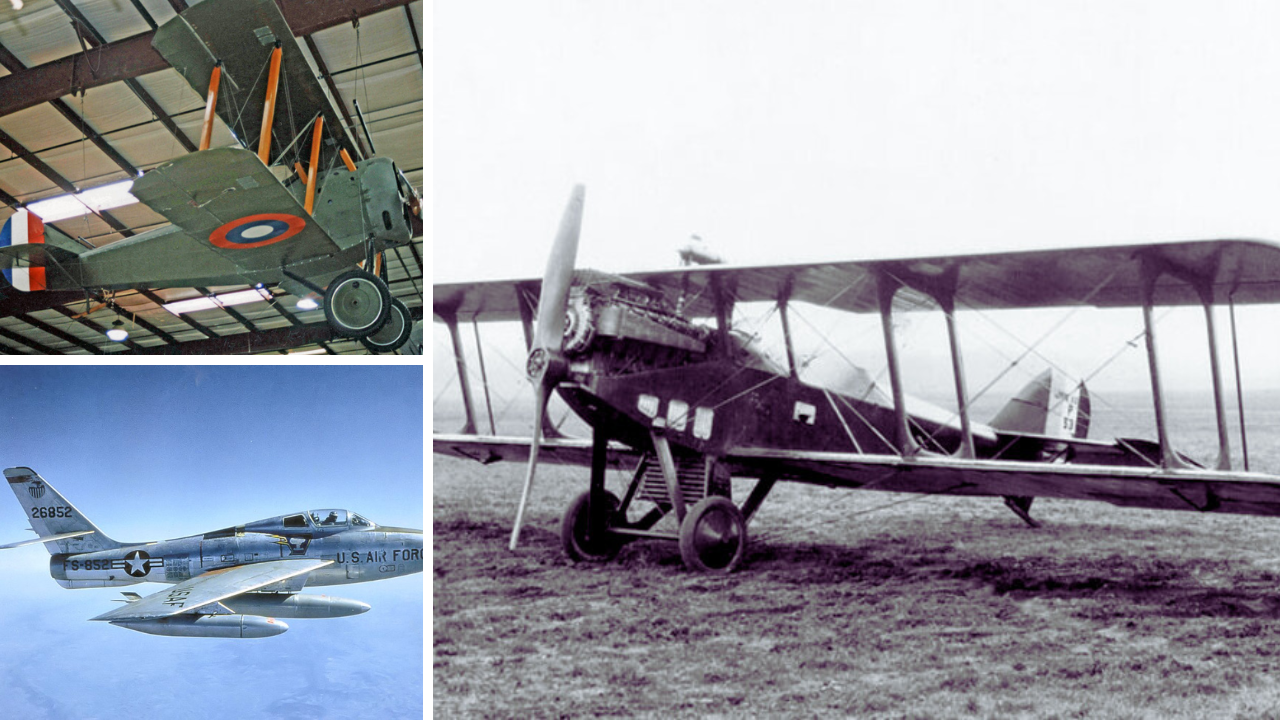
Combat aircraft are built to function exceptionally well in the air, especially when engaged in combat operations. While protecting themselves from the enemy, these aircraft are designed to hit a target precisely, either on the ground or in the air. These 30 advanced fighter planes demonstrate a blend of technology, speed, and stealth.
1. F-22 Raptor
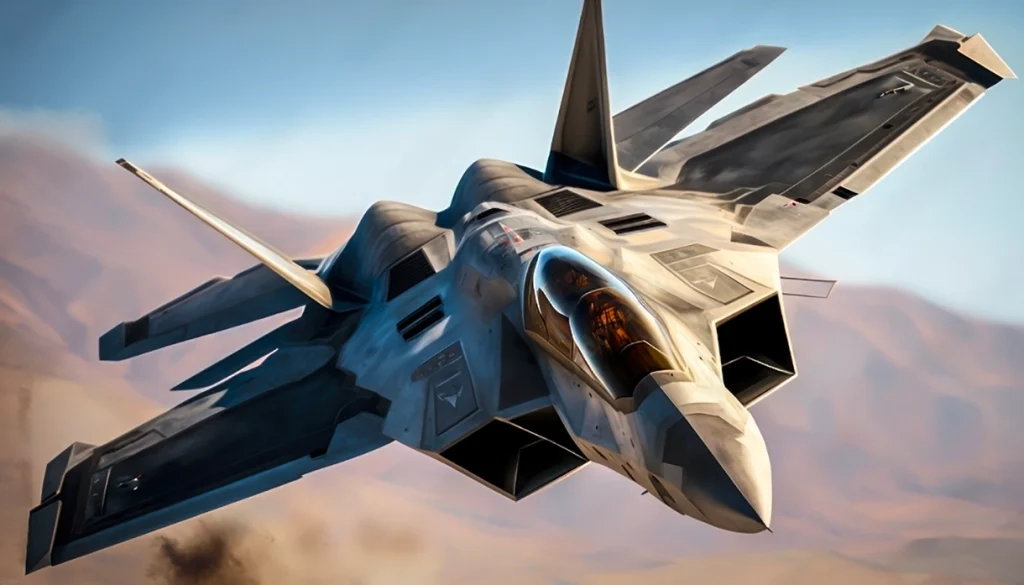
The fifth-generation, twin-engine, stealthy tactical fighter aircraft is the Lockheed Martin F-22 Raptor. It was initially developed as an air superiority fighter when it was first introduced in 2005, but it also possesses capabilities for electronic warfare, signals intelligence, and ground attack. The F-22 has integrated avionics, thrust-vectoring for great maneuverability, supercruise capability, and superior stealth technologies. It can supercruise at Mach 1.82 and reach Mach 2.25.
2. F-117 Nighthawk
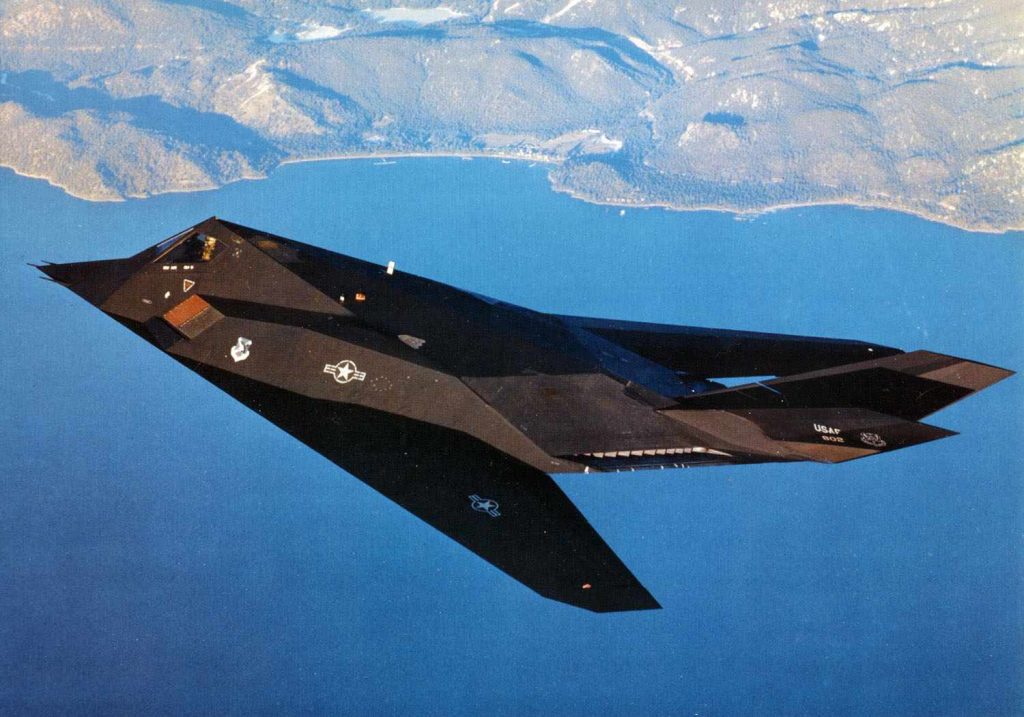
The first stealth aircraft in the world to fly was the Lockheed F-117 Nighthawk. It transformed aerial warfare when it was first introduced in 1983 but remained a secret until 1988. The F-117 was practically undetectable to enemy radar thanks to its distinctive faceted design and materials that absorb radar. It was mostly a precise ground-attack aircraft, even though it had the “F” designation.
3. F-16 Fighting Falcon
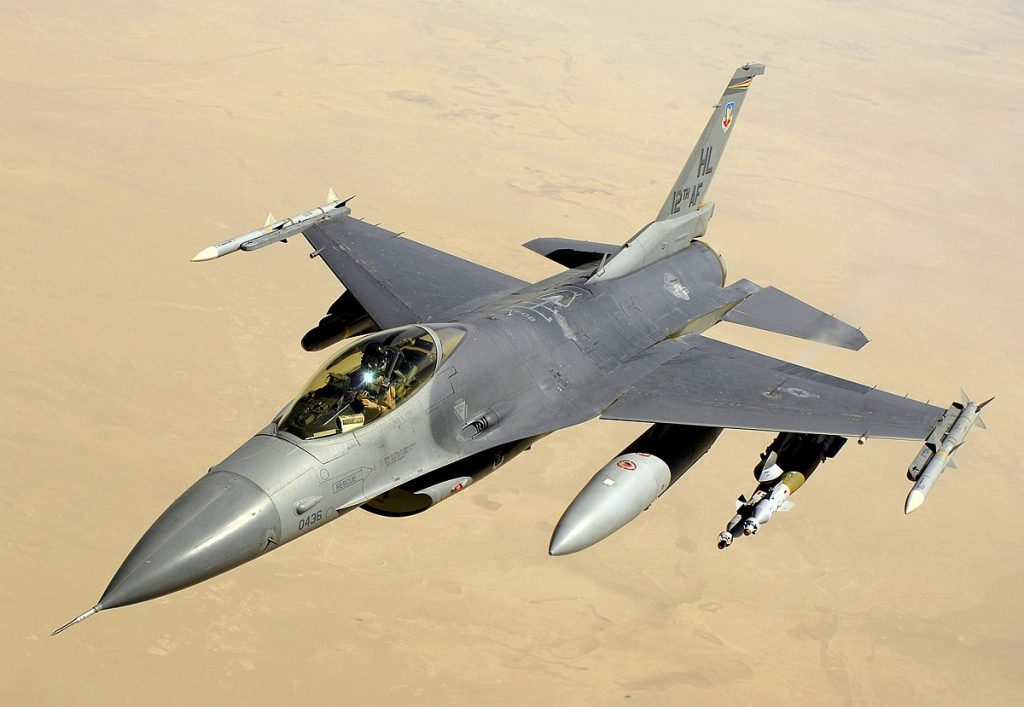
Pilots frequently refer to the General Dynamics (now Lockheed Martin) F-16 Fighting Falcon as the “Viper” because it is a very successful multirole fighter. Since its introduction in 1978, it has undergone constant improvement and is still being produced. With its distinctive side-mounted control stick and fly-by-wire control system, the F-16 is renowned for its agility. It can perform 9G maneuvers and achieve Mach 2.
4. McDonnell Douglas F-15 Eagle
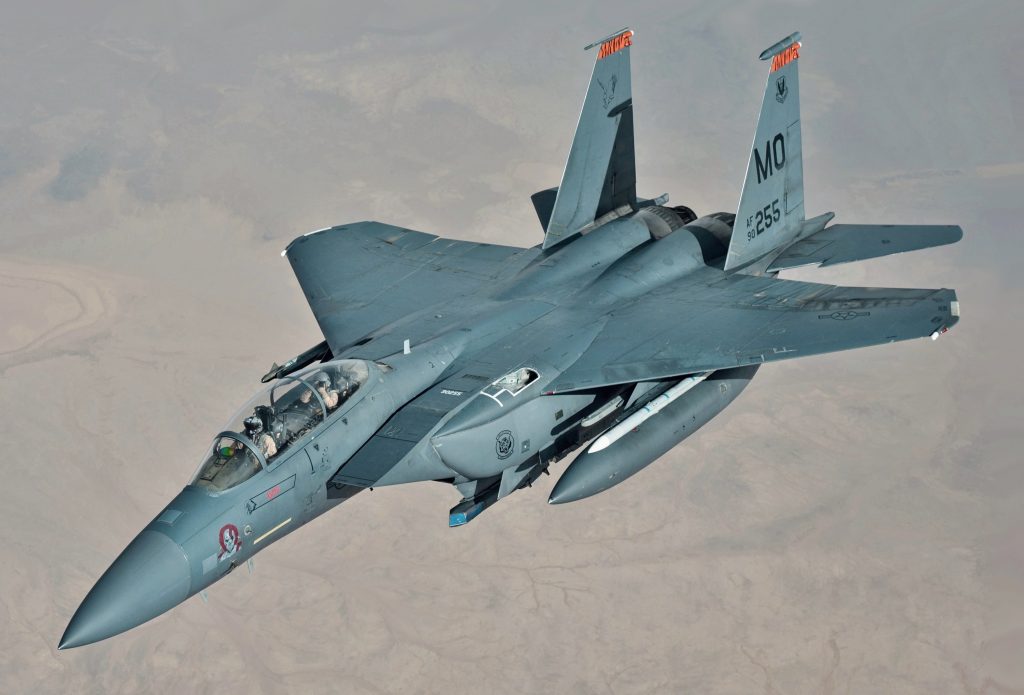
Designed for air superiority, the F-15 Eagle is a twin-engine, all-weather tactical fighter manufactured by McDonnell Douglas (now Boeing). With more than 100 aerial combat victories and no dogfight losses since its 1976 introduction, it has proven to be one of the most effective modern fighters. With its remarkable thrust-to-weight ratio and Mach 2.5 top speed, the F-15 offers exceptional acceleration and maneuverability.
5. Grumman F-14 Tomcat
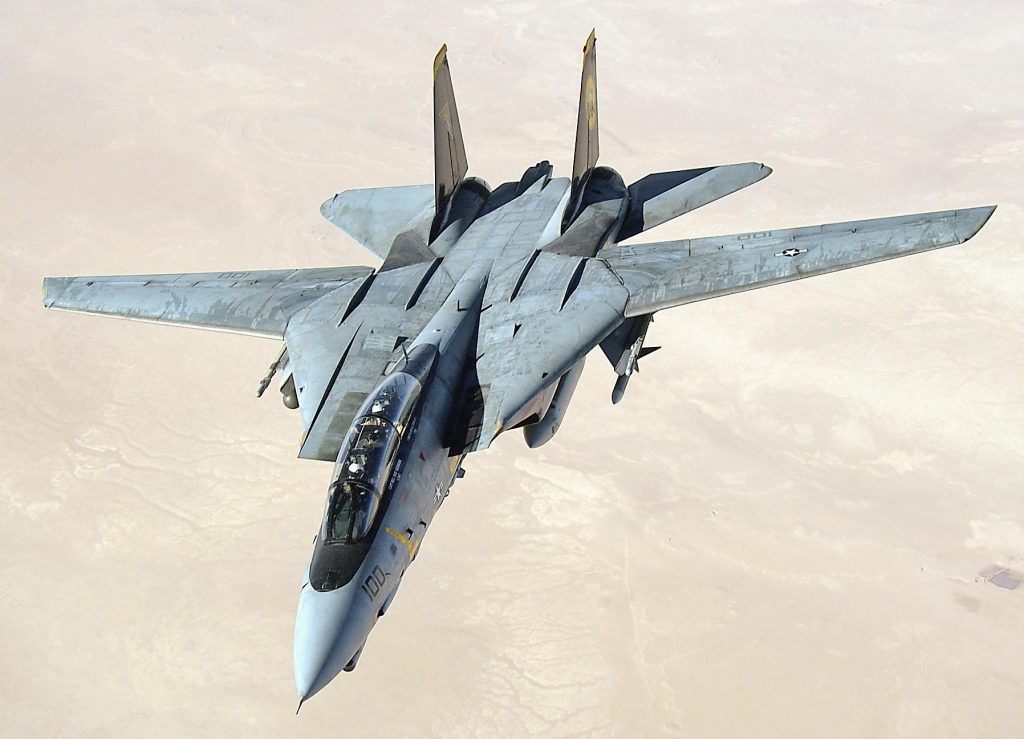
From 1974 to 2006, the U.S. Navy flew the Grumman F-14 Tomcat, a supersonic, twin-engine, two-seat fighter aircraft. The F-14 was well-known for its variable-sweep wing design, which allowed it to modify its wing arrangement for best performance at different speeds. It had the potent AWG-9 radar system, which allowed it to follow numerous targets at a great distance, and it could reach speeds of over Mach 2.3.
6. Lockheed Martin F-35 Lightning II
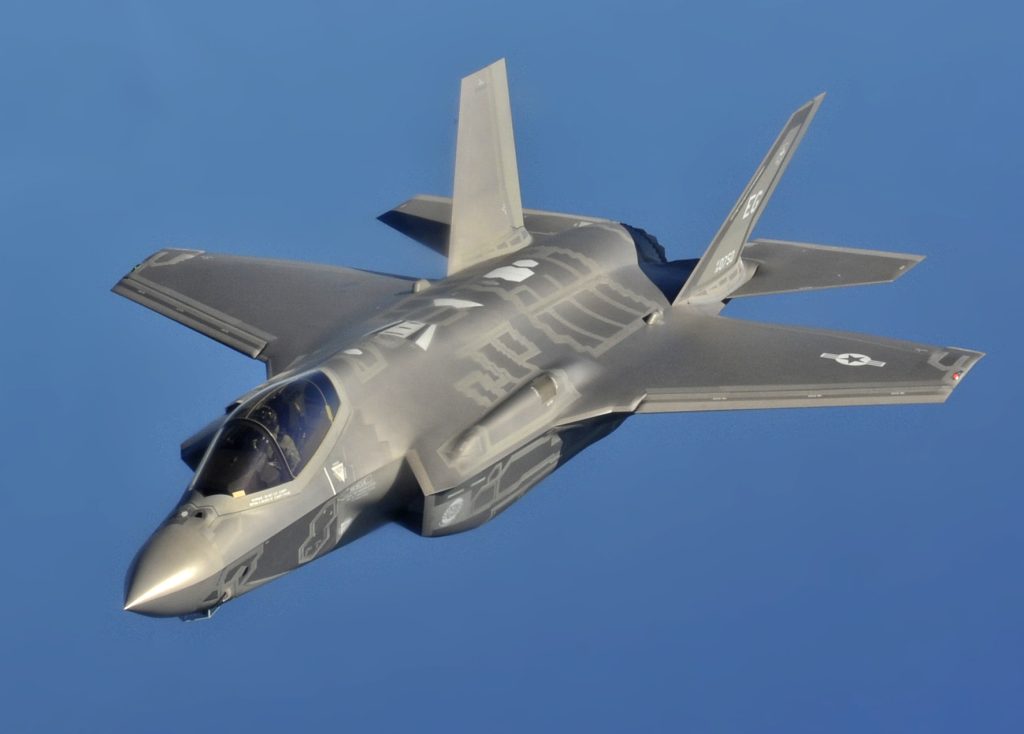
Five-generation, single-seat, single-engine, all-weather stealth multirole combat aircraft are the Lockheed Martin F-35 Lightning II family. The F-35, which was designed to carry out air defense, aerial reconnaissance, and ground attack tasks, is available in three primary versions: carrier-based (F-35C), short takeoff and vertical landing (F-35B), and conventional takeoff and landing (F-35A).
7. Northrop YF-23
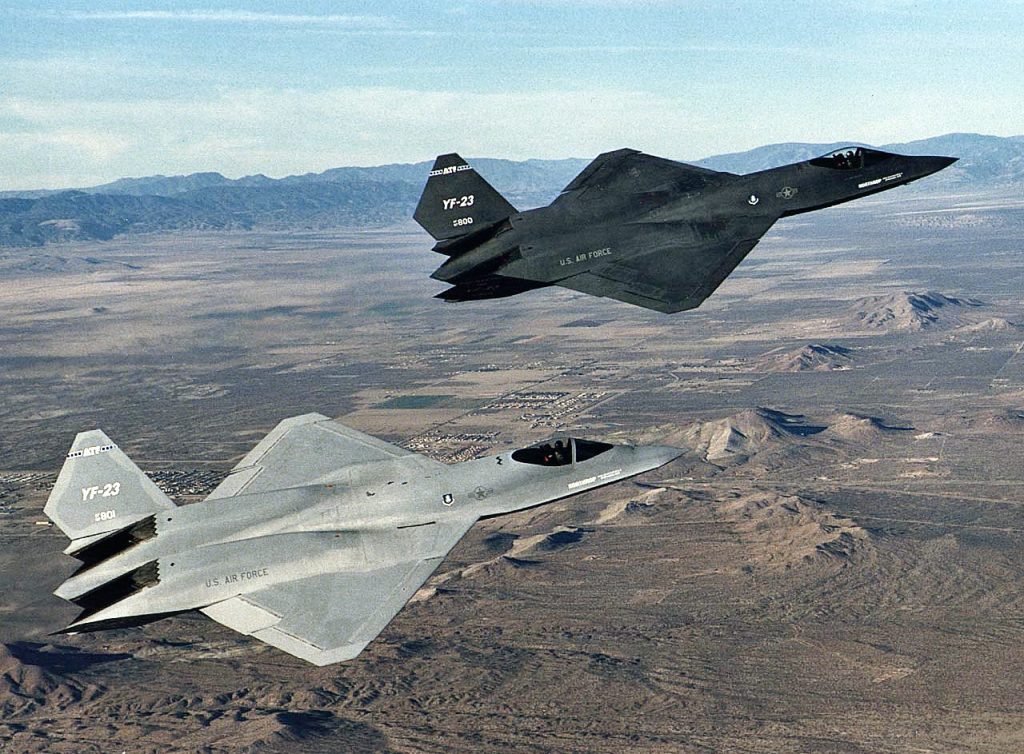
The U.S. Air Force’s Advanced Tactical Fighter program included the development of the Northrop YF-23, a prototype advanced tactical fighter, in the late 1980s. Despite competing with the Lockheed YF-22 (later renamed the F-22 Raptor), it was not chosen for manufacturing. The YF-23 had an all-moving V-tail and a distinctive diamond-shaped wing. It was built with stealth, great mobility, and supercruise (supersonic flight without afterburners) in mind.
8. General Dynamics F-111 Aardvark
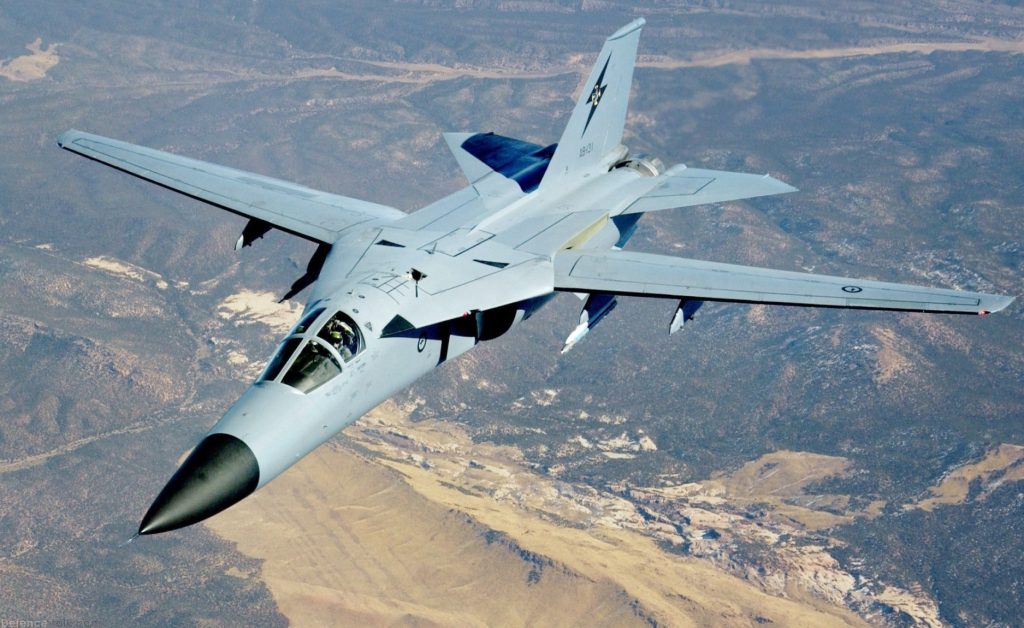
An innovative supersonic, medium-range interdictor and tactical assault aircraft was the General Dynamics F-111 Aardvark. It was one of the first aircraft in production to have variable-sweep wings, which allowed it to adjust to various flight regimes, when it was initially introduced in 1967.
9. McDonnell Douglas F-4 Phantom II
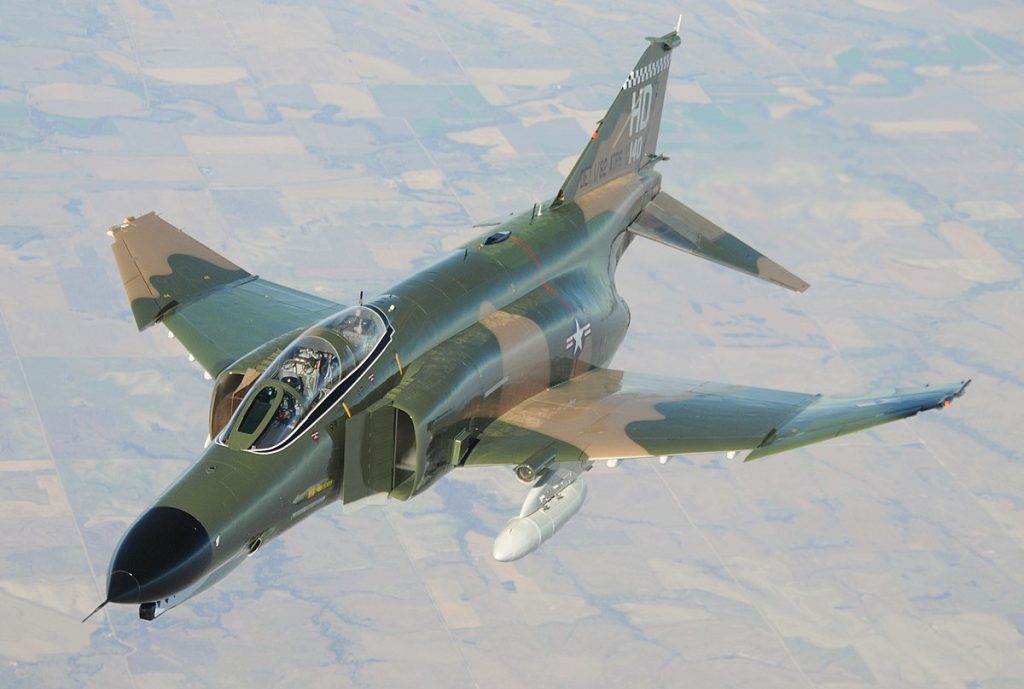
During the Cold War, the McDonnell Douglas F-4 Phantom II was a multipurpose, long-range, supersonic fighter-bomber that rose to prominence as one of the most effective and popular combat aircraft. It joined the U.S. Navy, Air Force, and Marine Corps, along with many allies, when it was first introduced in 1960.
10. Republic F-105 Thunderchief
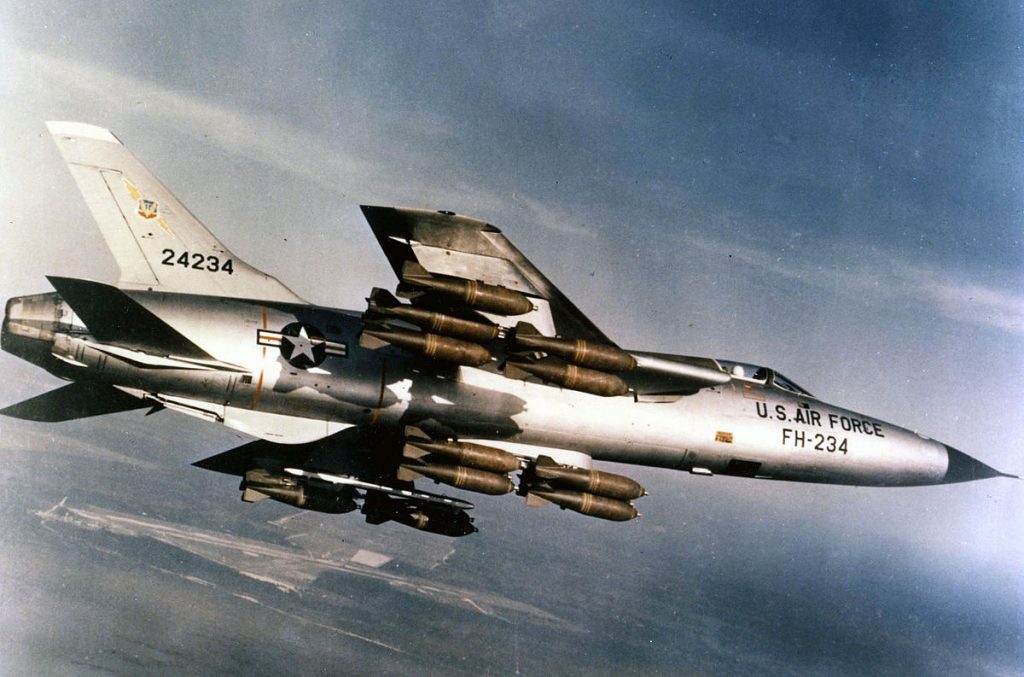
Known as the “Thud,” the Republic F-105 Thunderchief was a supersonic fighter-bomber that saw widespread use in Vietnam. When it was first introduced in 1958, it could go faster than Mach 2 and carry more bombs than a WWII B-17 bomber.
11. Convair F-102 Delta Dagger
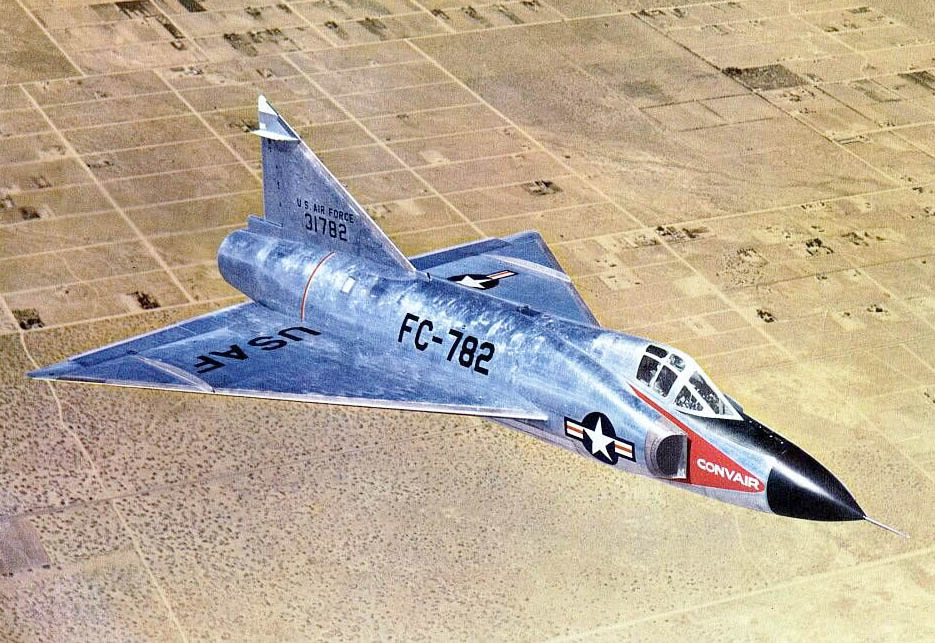
“The Deuce,” also known as the Convair F-102 Delta Dagger, was the country’s first supersonic interceptor plane. It had a unique delta wing shape and could reach speeds of over Mach 1.25 when it was first introduced in 1956. The F-102 marked a departure from fighters armed with guns by being outfitted with air-to-air missiles and a sophisticated fire control system.
12. YFM-1 Airacuda
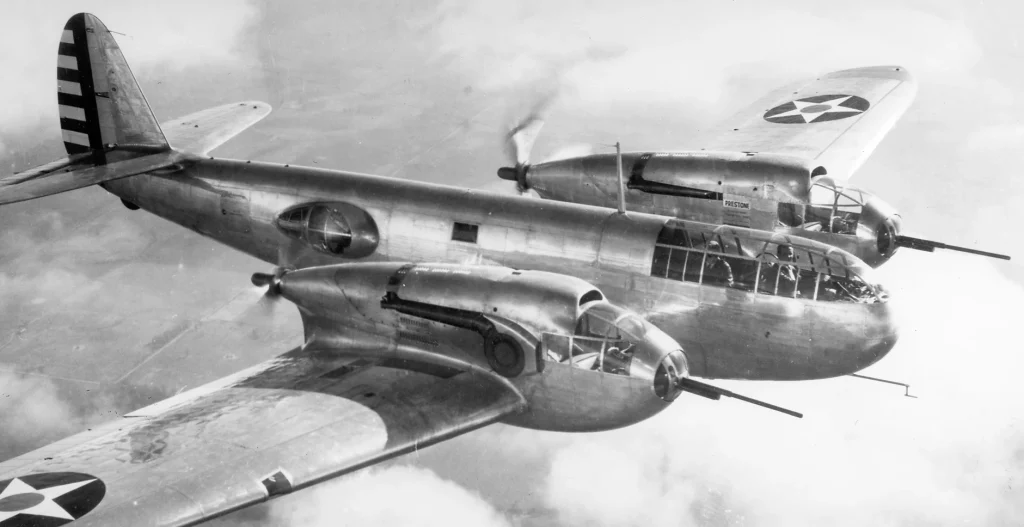
Developed in the late 1930s, the Bell YFM-1 Airacuda was an experimental heavy fighter aircraft. It was intended to be a “bomber destroyer” with a distinctive shape that had streamlined nacelles on each wing housing forward-firing 37mm guns. The Airacuda was equipped with two Allison V-1710 engines and carried a crew of five.
13. Republic P-47 Thunderbolt
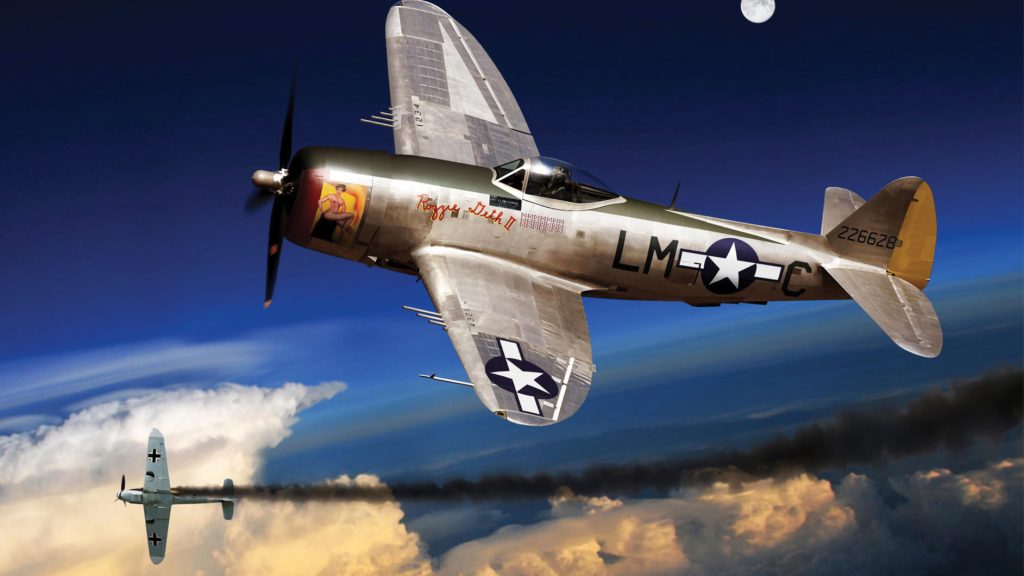
Known as “The Jug,” the Republic P-47 Thunderbolt was one of the biggest and heaviest fighter planes during World War II. It debuted in 1942 and had a top speed of roughly 430 mph thanks to a huge Pratt & Whitney R-2800 engine. The P-47 was renowned for its strength and resilience.
14. Vought F4U Corsair
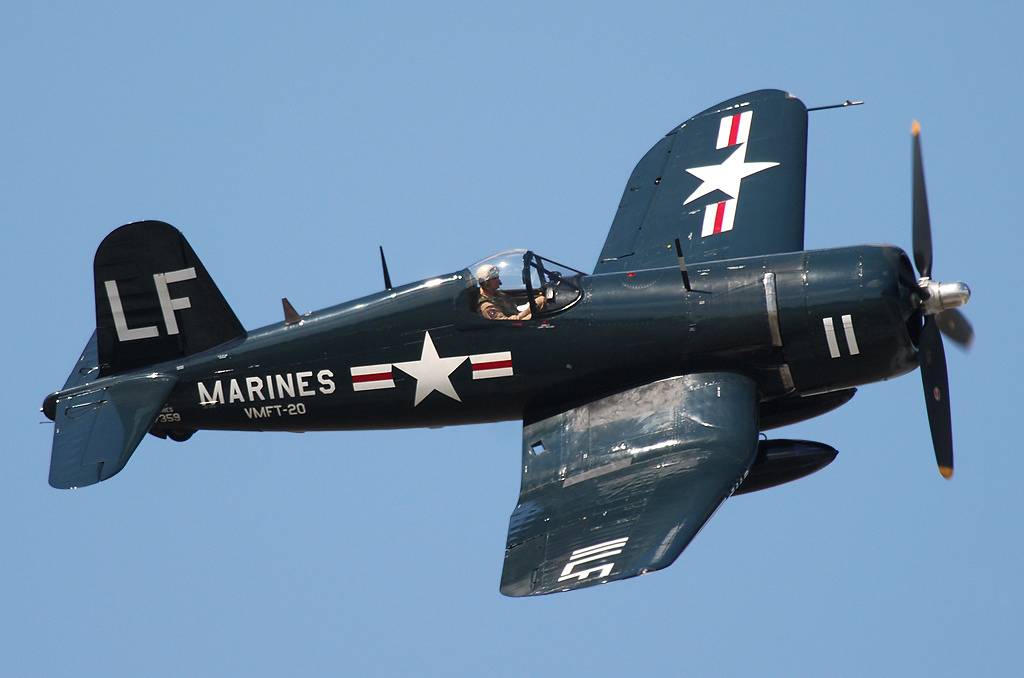
The U.S. Navy and Marine Corps were the main users of the powerful WWII fighter, the Vought F4U Corsair. It debuted in 1942 and was renowned for its strong Pratt & Whitney R-2800 engine and unusual inverted gull wings. The Corsair was among the fastest piston-engined fighters of its era, with top speeds over 400 mph.
15. Lockheed P-38 Lightning
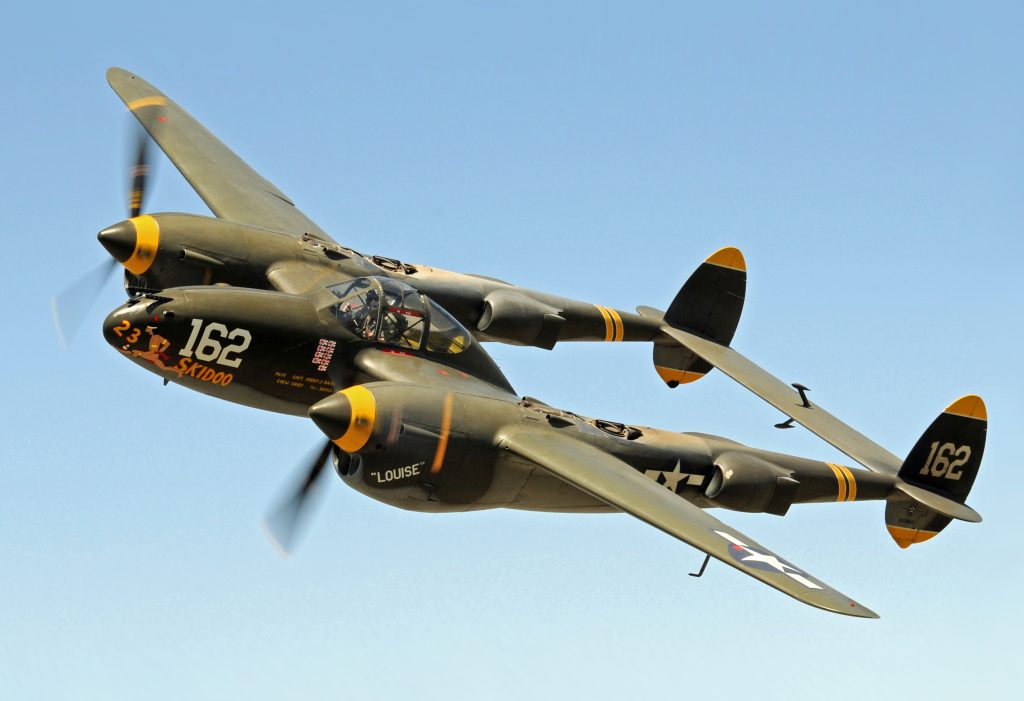
During World War II, the Lockheed P-38 Lightning, a unique twin-boom, twin-engine fighter, saw widespread deployment. With a top speed of 400 mph, it was one of the most agile and fast fighters of its era when it was first introduced in 1941. Because of its distinctive design, which offered superior visibility and stability, the P-38 was useful for a variety of tasks, such as reconnaissance, long-distance escort, and interception.
16. Curtiss P-40 Warhawk
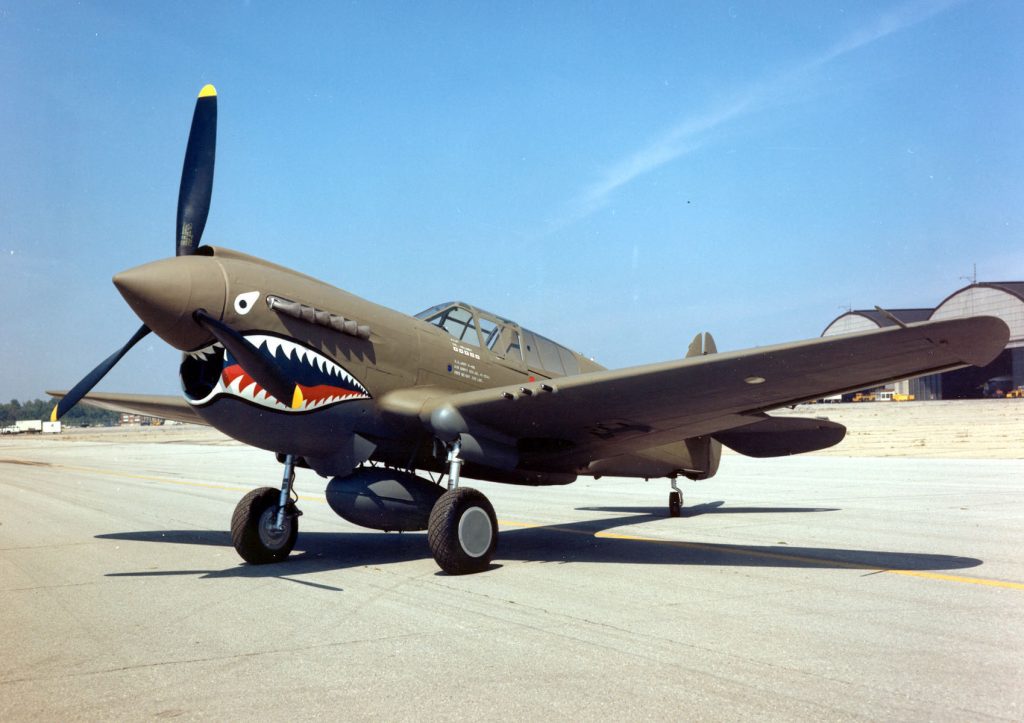
A WWII workhorse, the Curtiss P-40 Warhawk saw action in almost every theater of the conflict. It was a development of the Curtiss P-36 Hawk and debuted in 1938. With a top speed of roughly 380 mph, the P-40 was renowned for its toughness and strong low-altitude performance. Despite being outperformed by more recent fighters in certain positions, it was nonetheless useful during the war, especially for ground assault missions.
17. Bell P-39 Airacobra
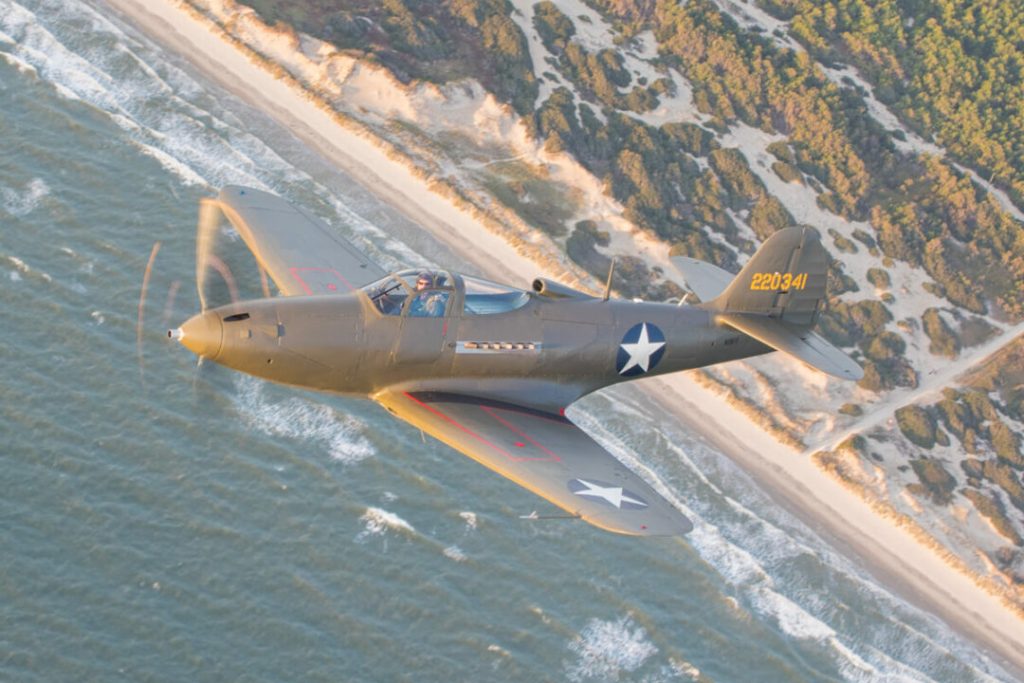
The Bell P-39 Airacobra was a distinctive fighter aircraft from World War II that stood out for its unconventional design, which placed the engine behind the cockpit. Because of this arrangement, a 37mm cannon could fire through the propeller hub. The P-39, which debuted in 1941, could reach a maximum speed of roughly 390 mph.
18. Northrop F-89 Scorpion
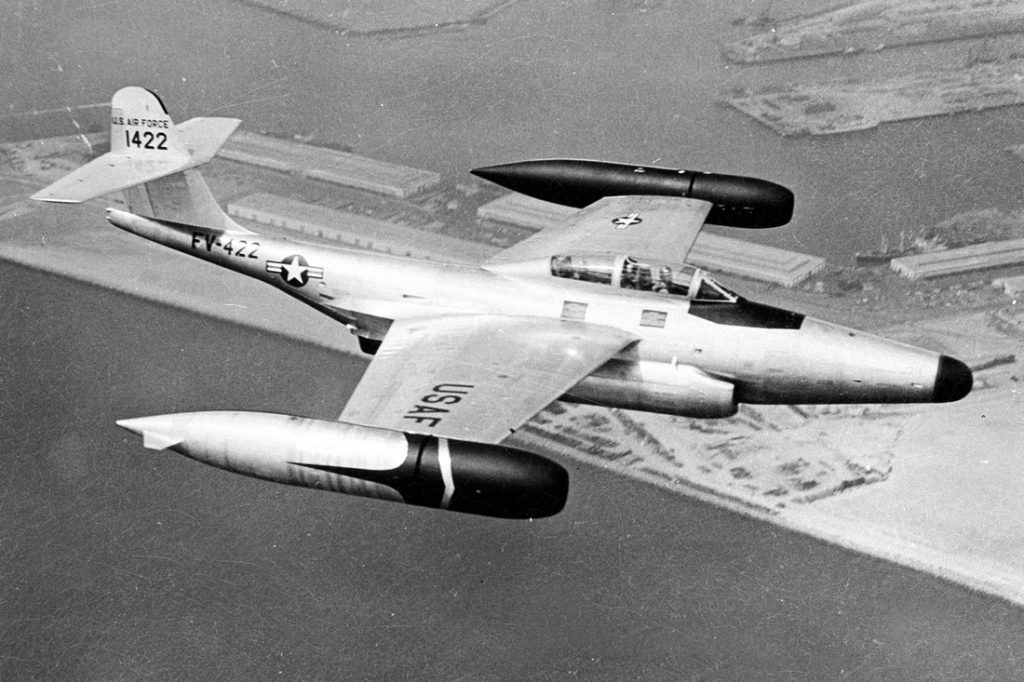
From 1950 until 1969, the US Air Force used the Northrop F-89 Scorpion, an all-weather interceptor aircraft. One of the first aircraft equipped with air-to-air nuclear bombs, it was built to combat the danger posed by Soviet bombers during the Cold War. The F-89’s wingtip fuel tanks and huge radar nose gave it a unique appearance. Later models were fitted with the ground-breaking unguided nuclear rocket known as the Genie.
19. Republic F-84F Thunderstreak
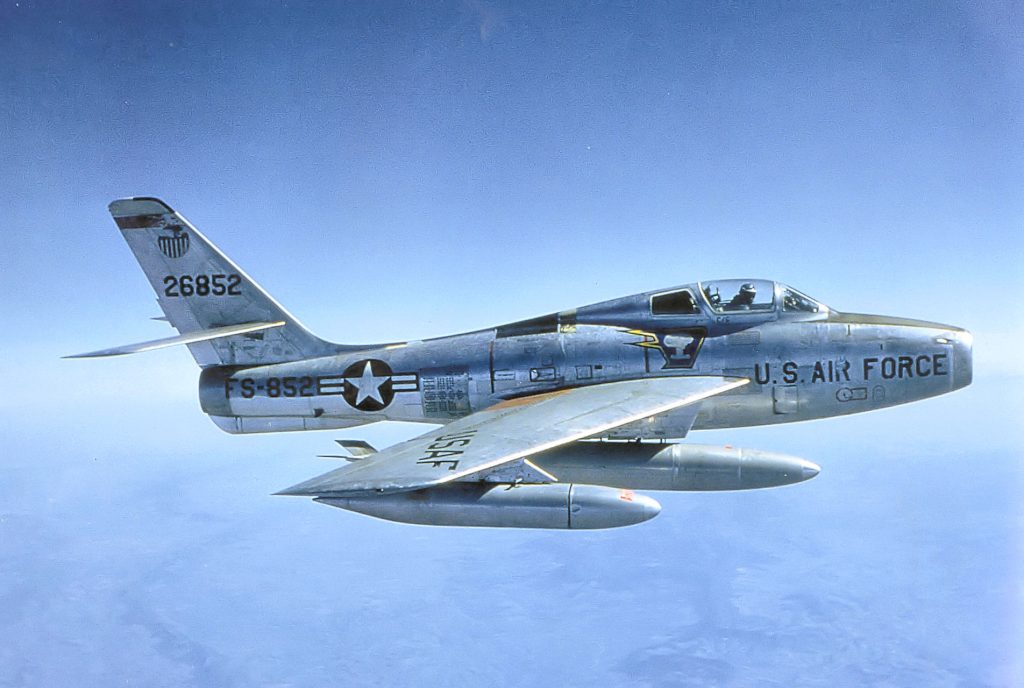
The F-84 Thunderjet, which had straight wings, was developed into the swept-wing Republic F-84F Thunderstreak. It was first used by the USAF in 1954 and remained there until 1971. The F-84F was mostly utilized as a fighter-bomber and could reach speeds of up to 695 mph. With its ability to carry nuclear missiles and its deployment with NATO forces in Europe, it played a crucial role in the Cold War.
20. McDonnell F2H Banshee
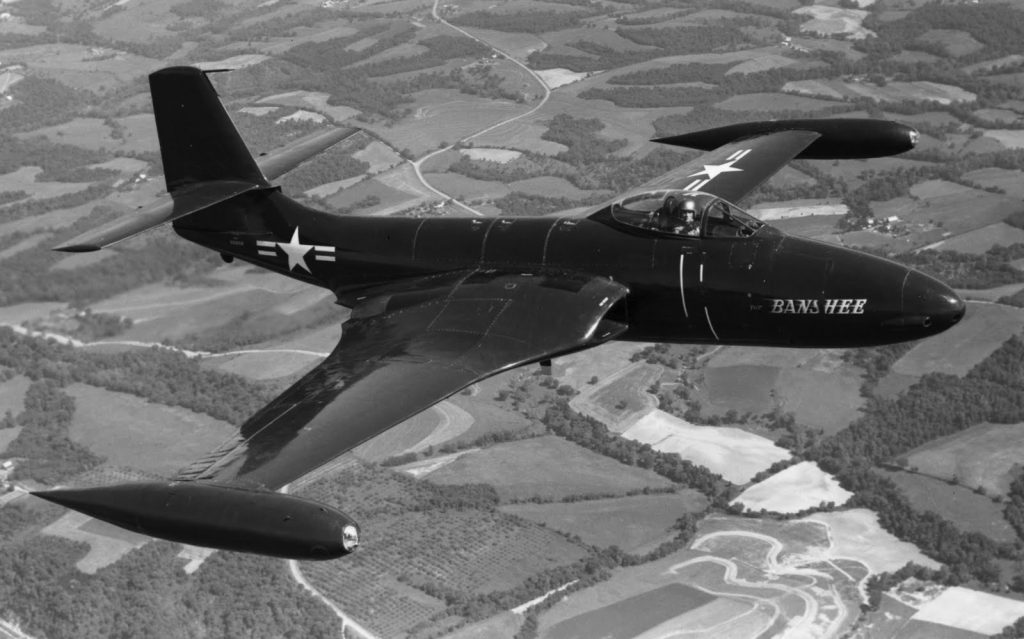
From 1948 until 1961, the U.S. Navy and Marine Corps flew the McDonnell F2H Banshee, a carrier-based jet fighter. Throughout the Korean War, it was one of the main American combatants. With a maximum speed of roughly 580 mph, the Banshee was renowned for its dependability and excellent handling qualities.
21. Lockheed F-104 Starfighter
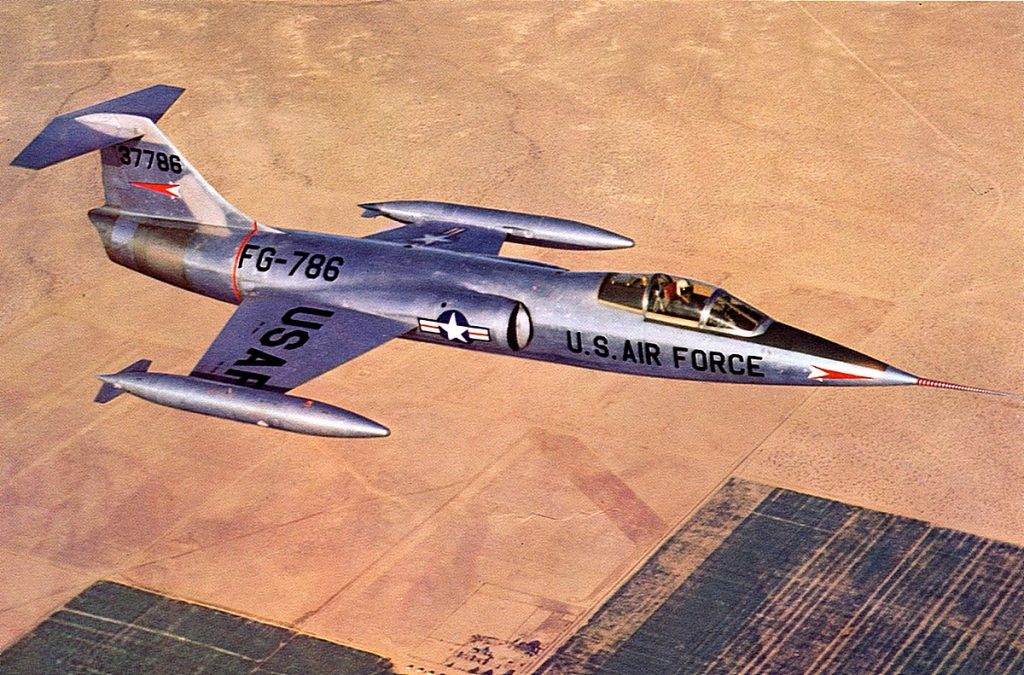
Known as “The Missile with a Man in It,” the Lockheed F-104 Starfighter was a supersonic interceptor plane that made its first flight in 1954. It was renowned for having stubby wings and a sleek, aerodynamic design. It could reach speeds of exceeding Mach 2 and established multiple speed and altitude records.
22. North American F-107
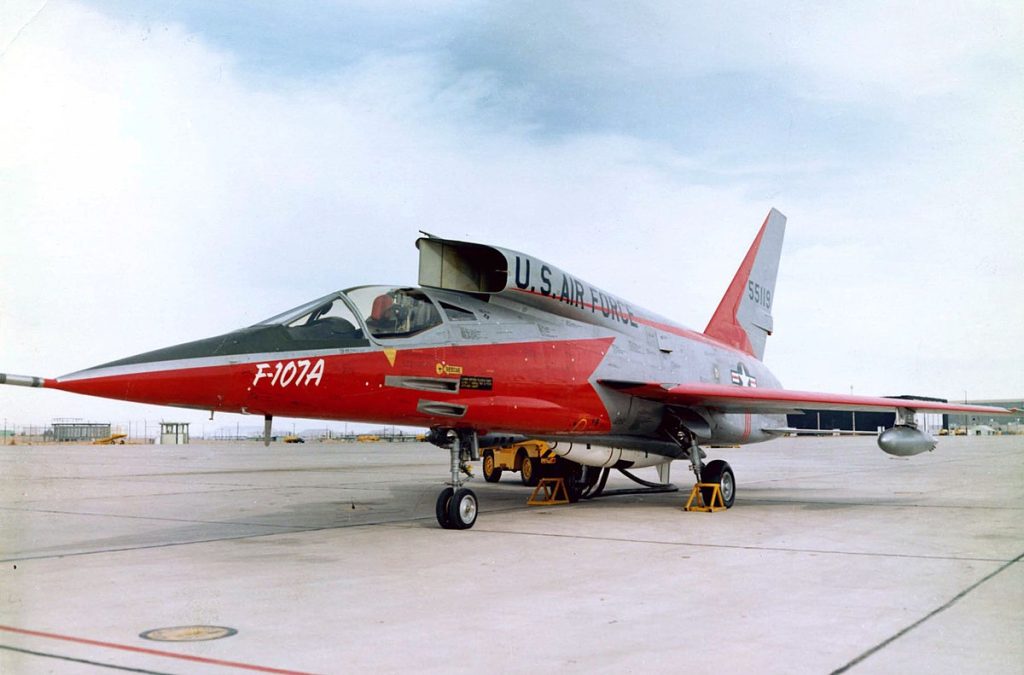
In the 1950s, the North American F-107 was created as an experimental fighter-bomber. It had a distinctive over-fuselage air intake and was a derivative of the F-100 Super Sabre design. The F-107 was built to carry nuclear weapons and could reach speeds of above Mach 2.
23. North American F-86 Sabre
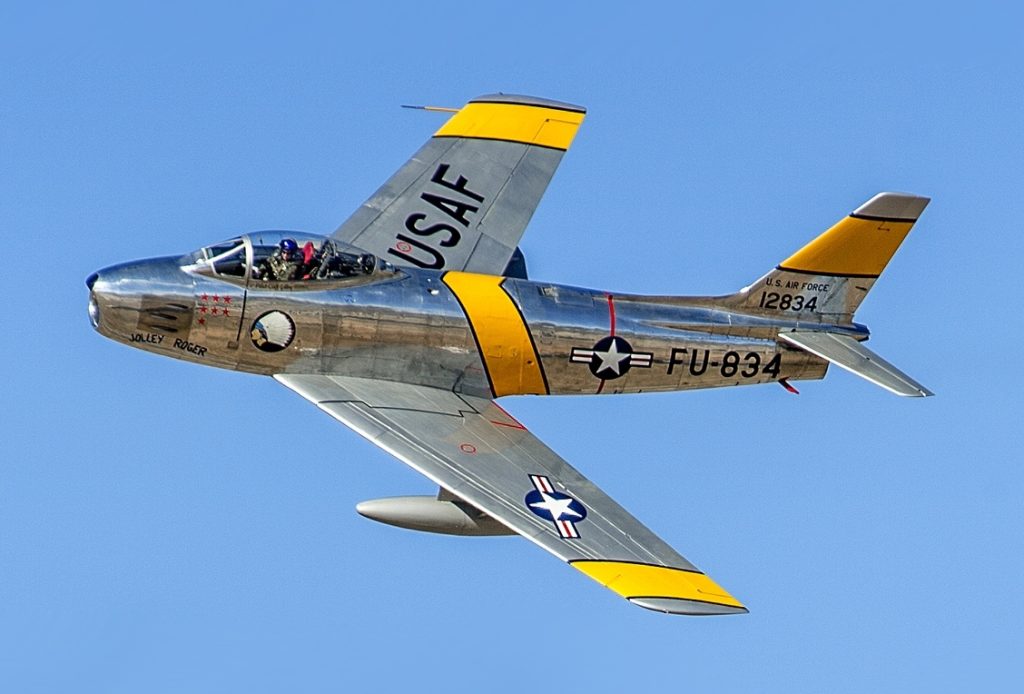
In 1949, the North American F-86 Sabre, a transonic jet fighter, made its debut. By gaining air superiority over Soviet-built MiG-15s, it was vital in the Korean War. The F-86 was renowned for its exceptional handling and could reach speeds close to Mach 1. Its swept-wing shape enhanced its performance at high speeds.
24. North American P-51D Mustang
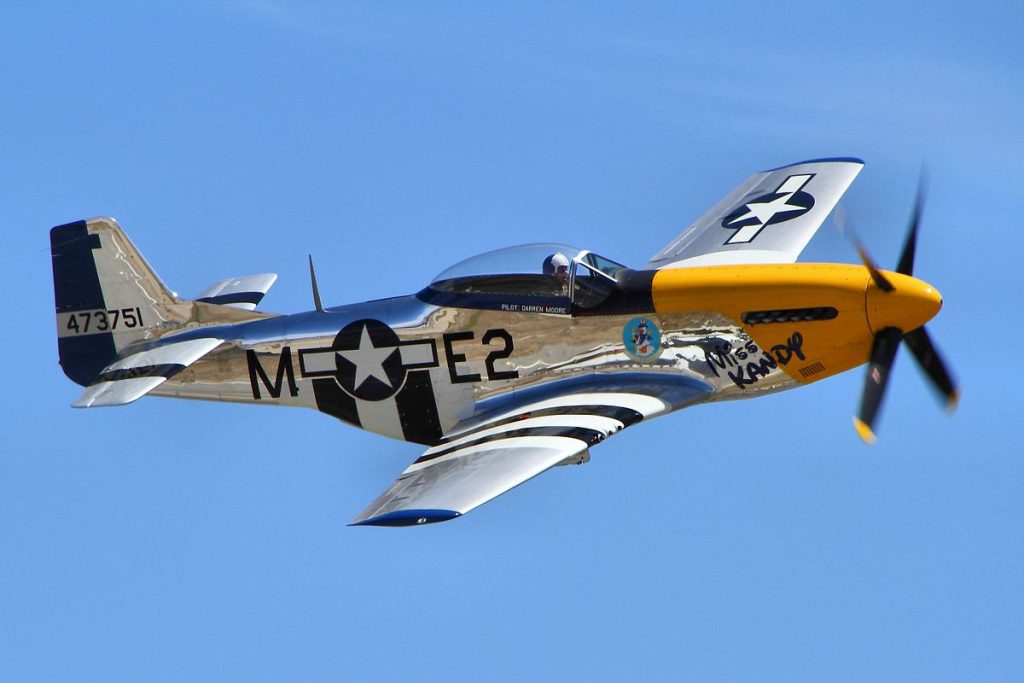
One of the most well-known fighter aircraft from World War II is the North American P-51D Mustang. It was first introduced in 1944 and had remarkable performance and range, thanks to the Rolls-Royce Merlin engine. At a maximum velocity of more than 440 mph, it might surpass the majority of Axis combatants.
25. Curtiss P-6 Hawk
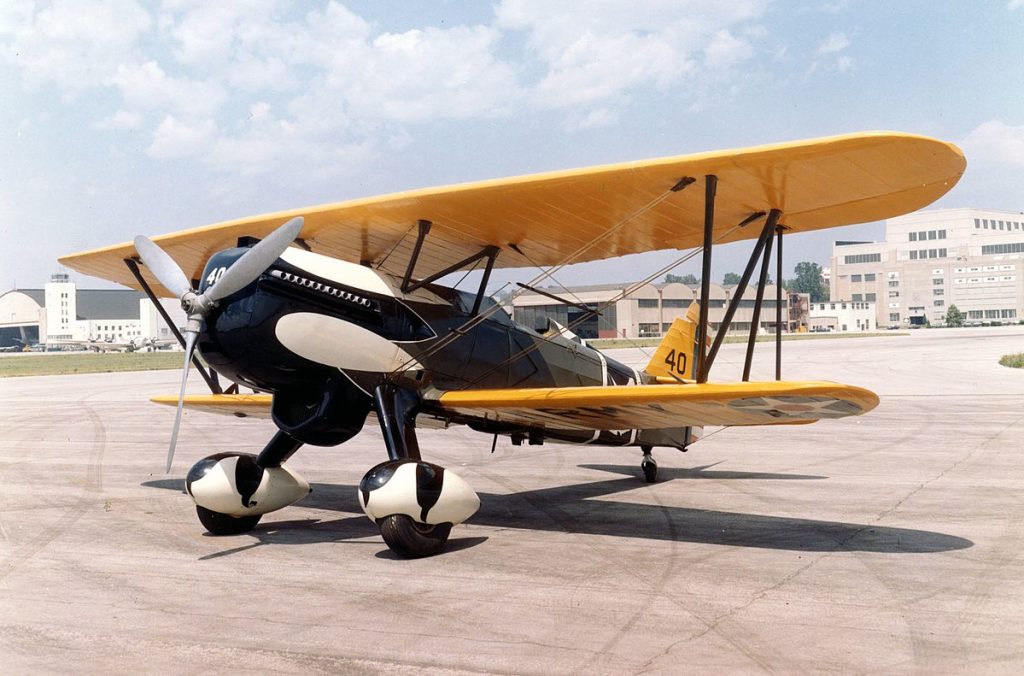
During the late 1920s and early 1930s, the U.S. Army Air Corps flew the biplane fighter aircraft known as the Curtiss P-6 Hawk. It was one of the final biplane fighters in American service and was distinguished by its streamlined form and vivid paint jobs. With its Curtiss V-1750 Conqueror engine, the P-6E version could travel up to 193 mph.
26. Martin MB-2
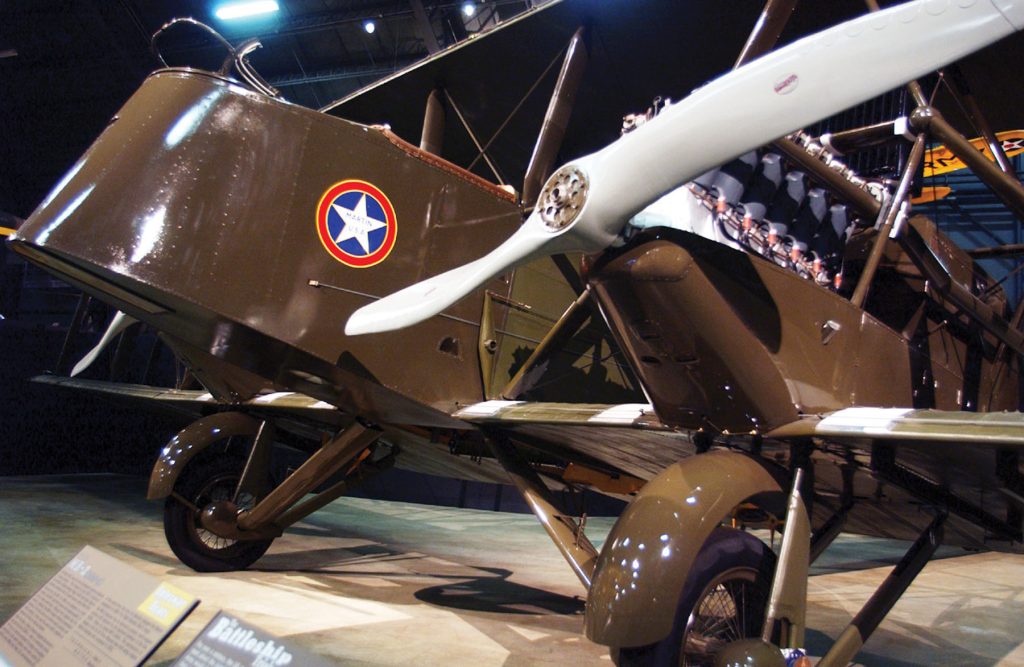
Developed in the early 1920s, the Martin MB-2, also called the Martin NBS-1 (Night Bombardment, Short distance), was one of the first bombers designed in the United States. Two Liberty L-12A engines, each with 400 horsepower, propelled the massive biplane bomber, which had a crew of four. The MB-2 could transport up to 3,000 pounds (1,360 kg) of bombs and reached a maximum speed of roughly 99 mph (160 km/h).
27. Thomas-Morse MB-3
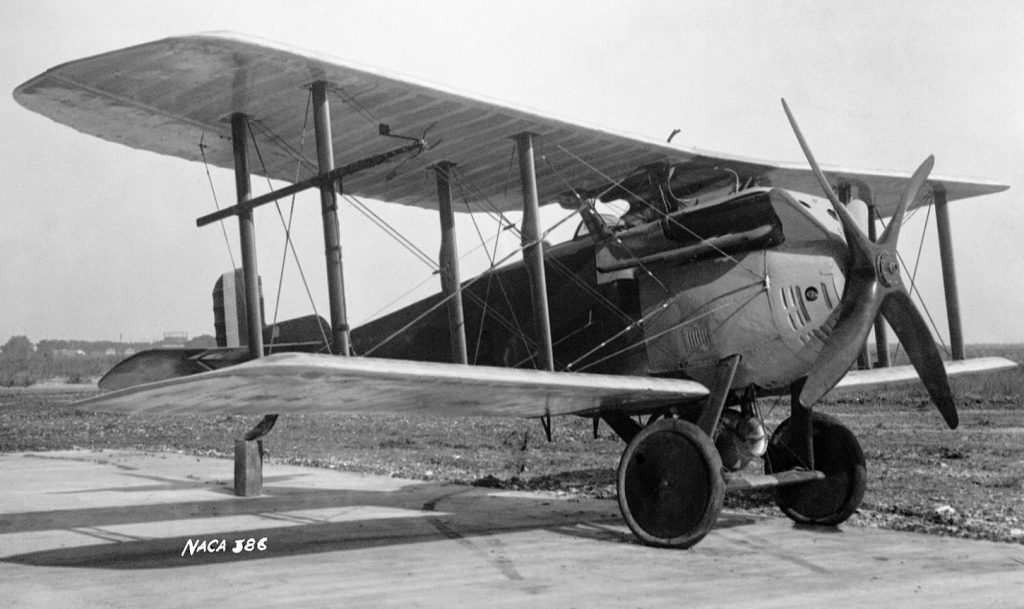
The United States Army Air Service began using the American-designed fighter aircraft, the Thomas-Morse MB-3, in 1922. It was created to take the place of the French-built SPAD fighters that the United States employed in World War I. The Wright H V8 engine that drove the MB-3 produced about 300 horsepower, allowing it to reach a high speed of about 141 mph (228 km/h).
28. VE-7 “Bluebird”
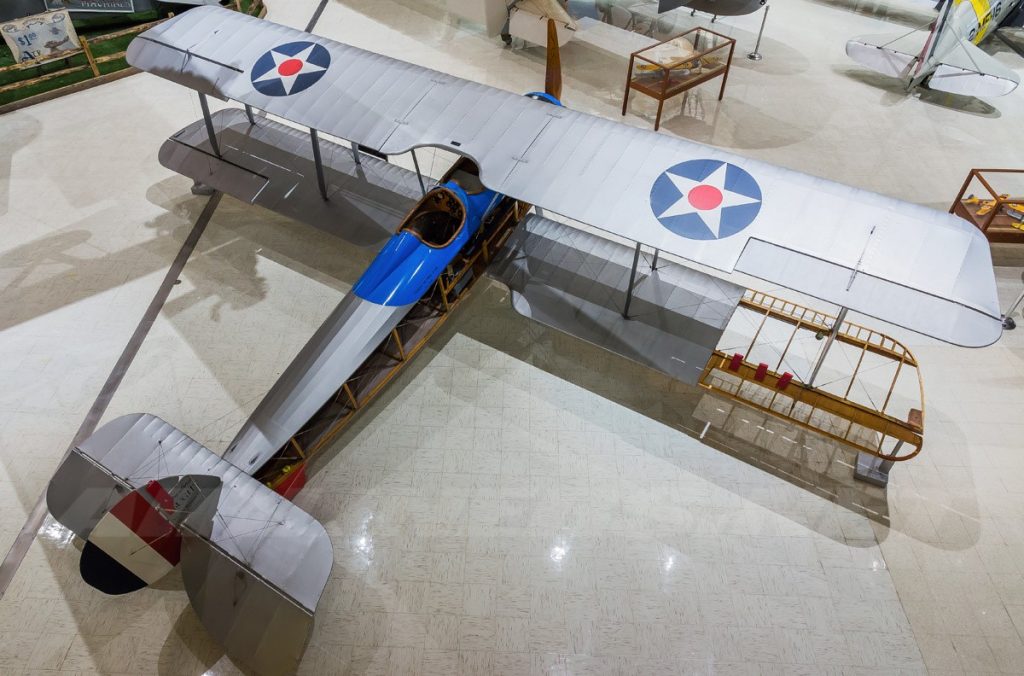
Designed for the U.S. Navy in the early 1920s, the Vought VE-7 “Bluebird” was one of the first fighter aircraft. With a top speed of roughly 110 mph, it was a single-seat biplane propelled by a Wright-Hispano engine. Being among the first aircraft to fly from the Navy’s early aircraft carriers made the VE-7 noteworthy. It was essential to the development of carrier aviation tactics and methods.
29. LUSAC-11/21
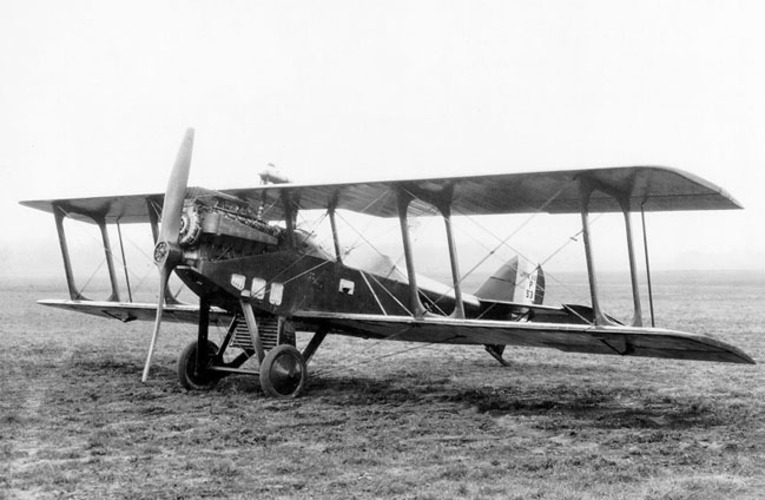
A lesser-known American fighter aircraft created close to the conclusion of World War I was the LUSAC-11/21. It was created for high-altitude interception by the Loughead Aircraft Manufacturing Company (later Lockheed). In 1918, the Liberty engine-powered LUSAC-11 made its first flight.
30. Standard E-1 (“Old Reliable”)
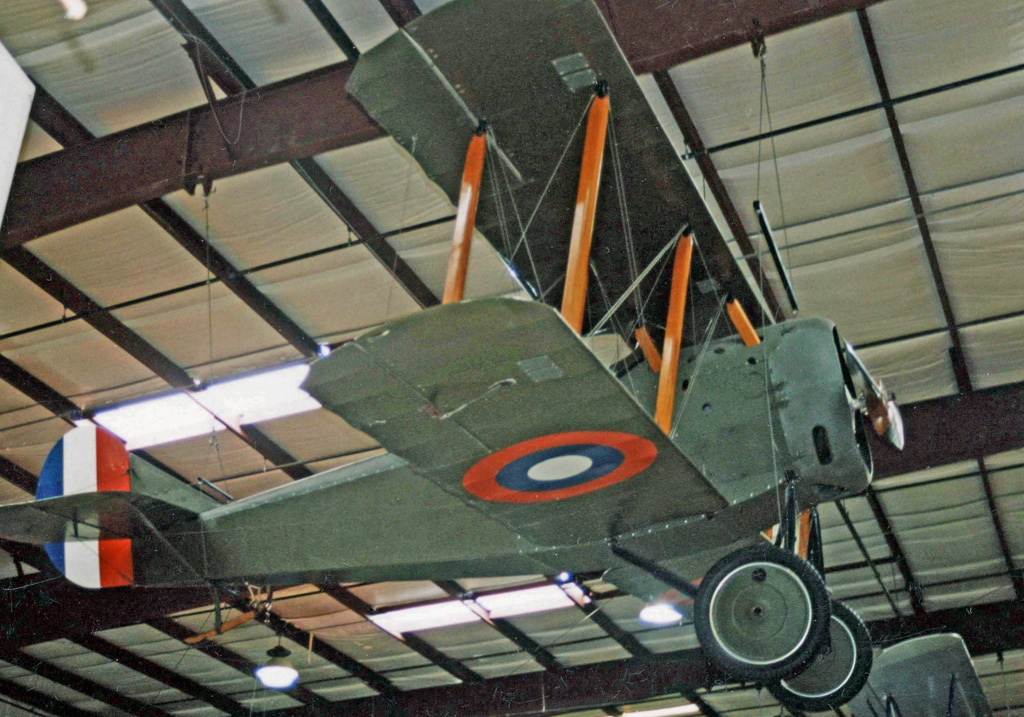
The U.S. Army Air Service employed the Standard E-1, sometimes known as “Old Reliable,” as a biplane trainer during World War I. When it was first introduced in 1917, its main purpose was not warfare but pilot training. The E-1 was renowned for its forgiving flight characteristics and stability, which made it perfect for first-time pilots.