Don’t be shocked if you find a ghost or other paranormal activity in these American ghost towns. Keep scrolling to find some of the scariest (and interesting) places to visit.
1. Centralia, PA
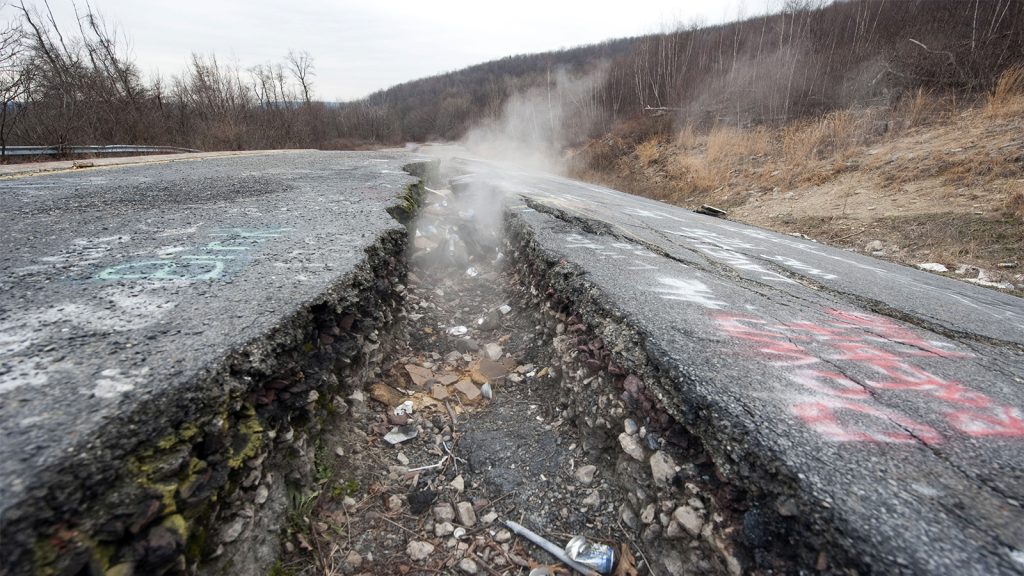
Once a bustling community supported by the anthracite coal industry, Centralia fell into near-total abandonment due to a sequence of catastrophic occurrences, earning the moniker “PA’s Toxic Ghost Town.”
2. Deadwood, SD
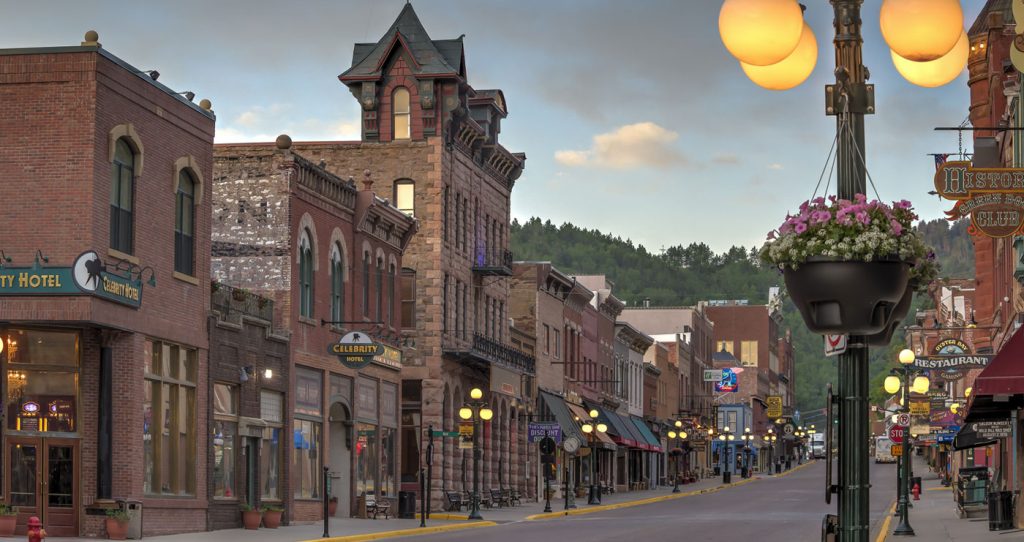
Deadwood’s history is the stuff of Old West lore. Founded as a gold rush town in the 1870s, it was a haven for gamblers, speculators, and outlaws.
3. Highland Park, Michigan
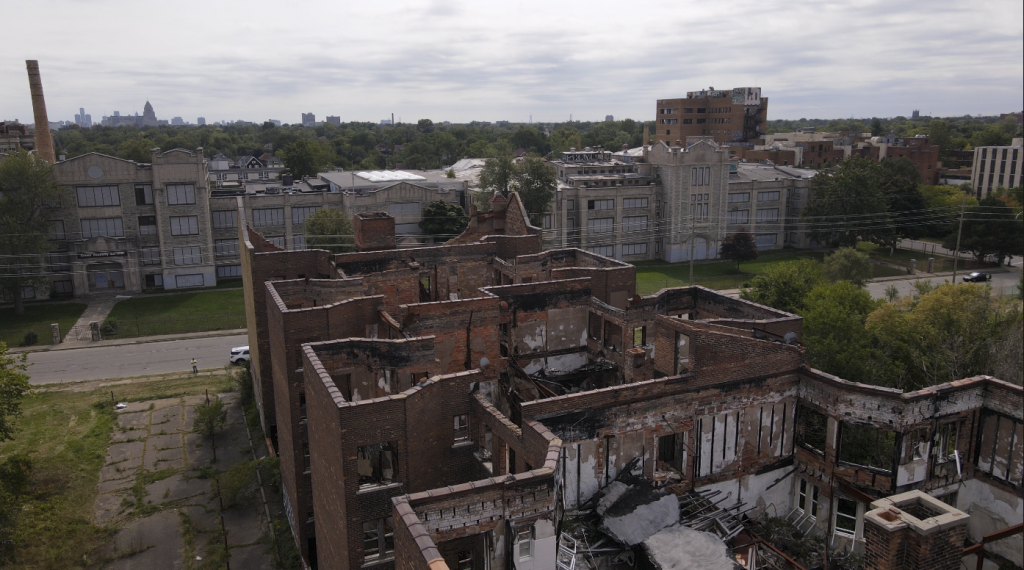
It was in Highland Park, in this “birthplace of mass production,” that Ford produced millions of cars. And it was to Highland Park that tens of thousands of immigrants came for an unprecedented $5-a-day wage and a chance to enter the emerging middle class.
4. Frisco, UT
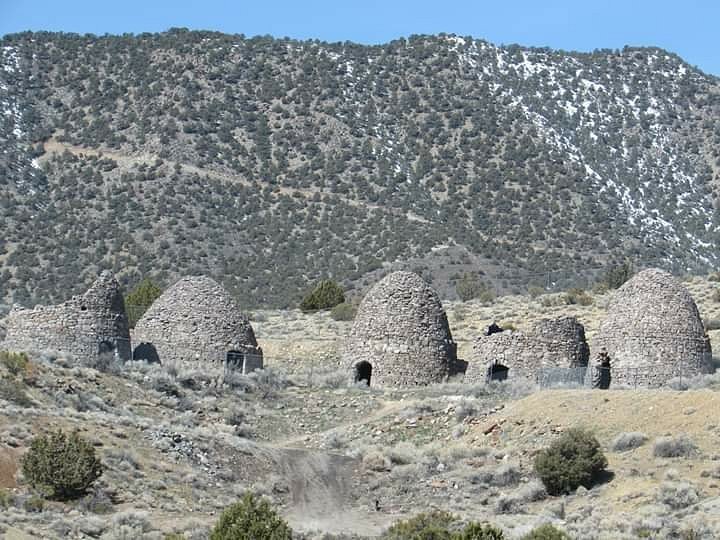
Today, Frisco is a ghost town in Beaver County, Utah, that was once a thriving mining town.
5. Luckenbach, Texas
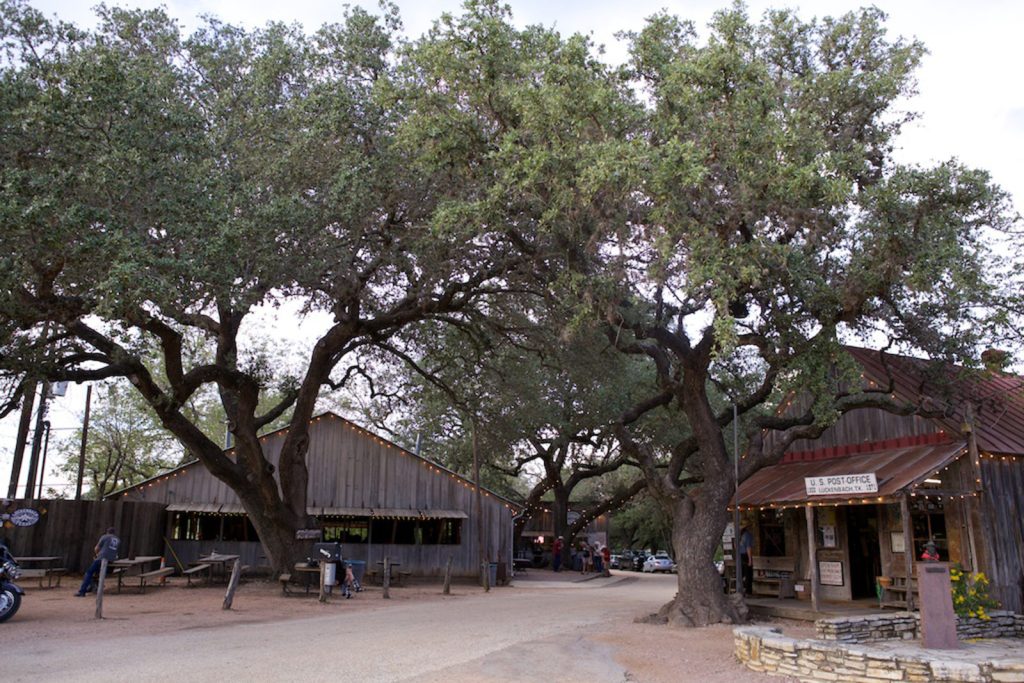
As a city made famous by “Willie, Waylon & The Boys,” Luckenbach, Texas, is a unique blend of its early history, Hondo Crouch’s legendary persona, and an unmatched legacy of excellent music that makes everyone “Somebody” in the community.
6. St. Louis, Missouri
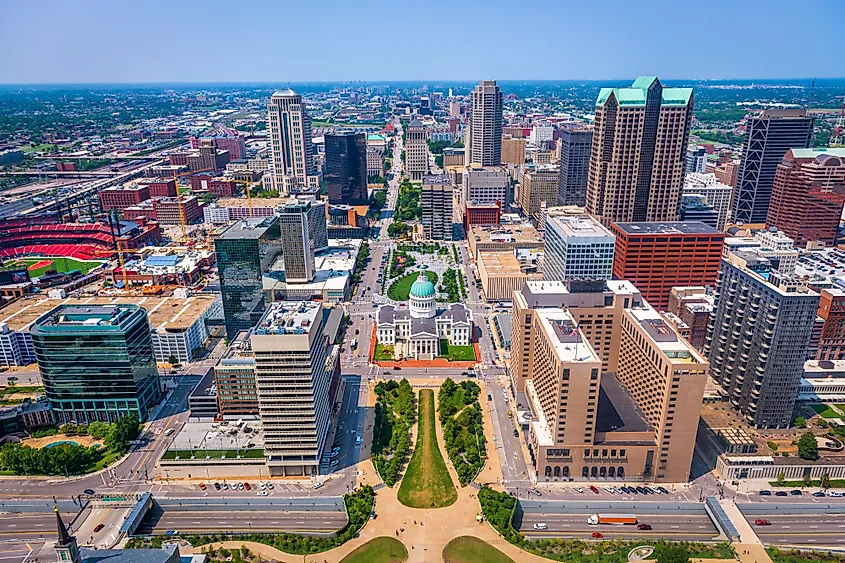
There are several ghost towns near St. Louis, Missouri, including Times Beach and Allenton. St. Louis itself is also considered to be one of the most haunted areas in the United States. Some say that the city’s parks, museums, and historic hotels are haunted by restless spirits.
7. Detroit, Michigan
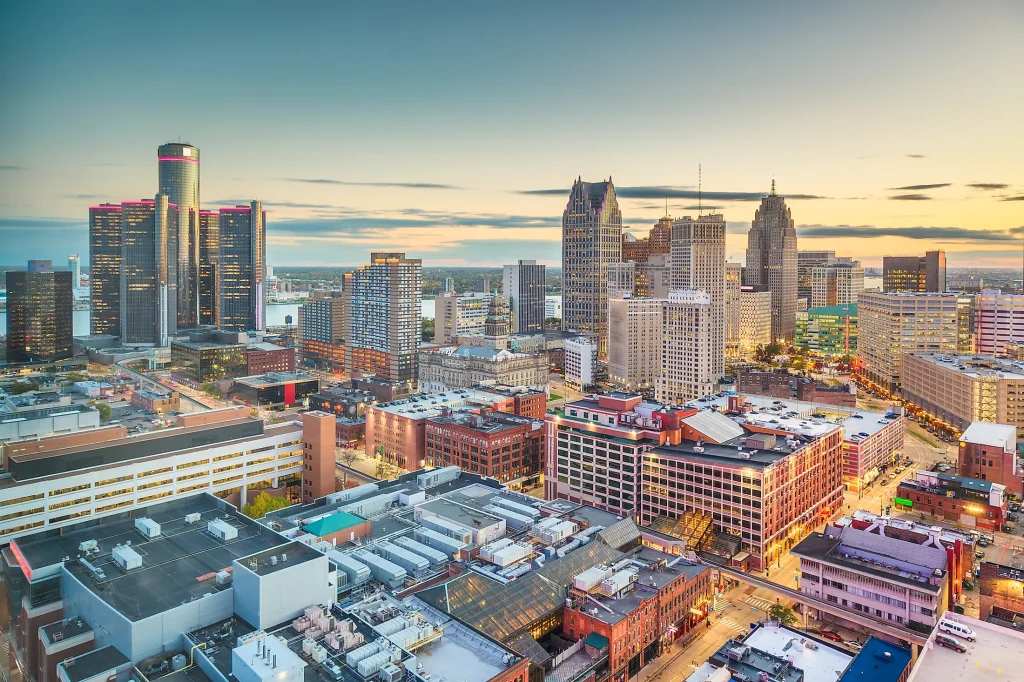
Detroit, which has long been referred to be the world’s automobile city, is also well-known for the unique 1960s Motown music style. Citizens of Italian, English, German, Polish, Irish, Mexican, Middle Eastern, African, and Greek ancestry are among the diverse ethnic groups who call Detroit home.
8. St. Augustine, Florida
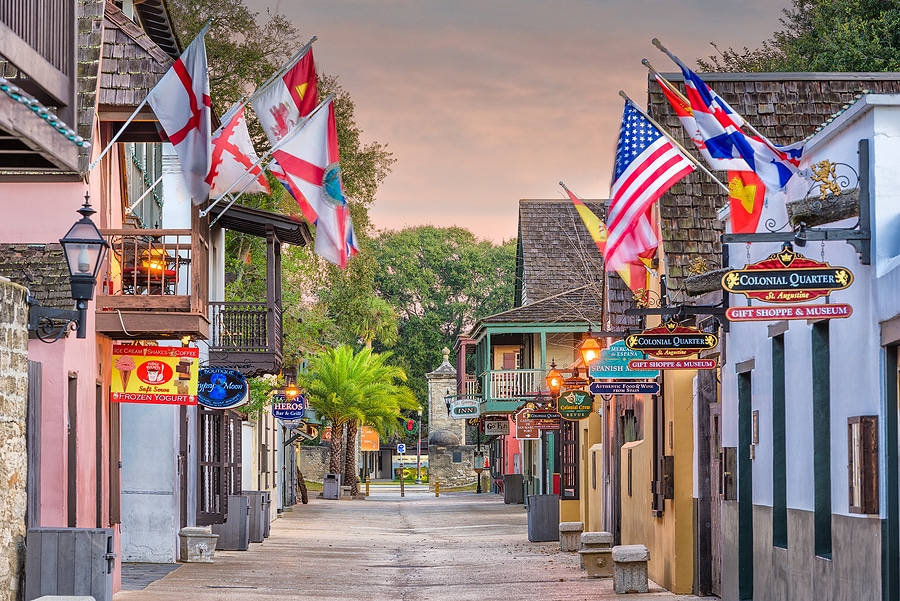
The oldest continuously inhabited European and African-American settlement in the United States was established in 1565 and is known as St. Augustine. The Spanish founded this country’s first permanent settlement at St. Augustine fifty-five years before the Pilgrims landed at Plymouth Rock and forty-two years before the English built Jamestown.
9. Baltimore, Maryland
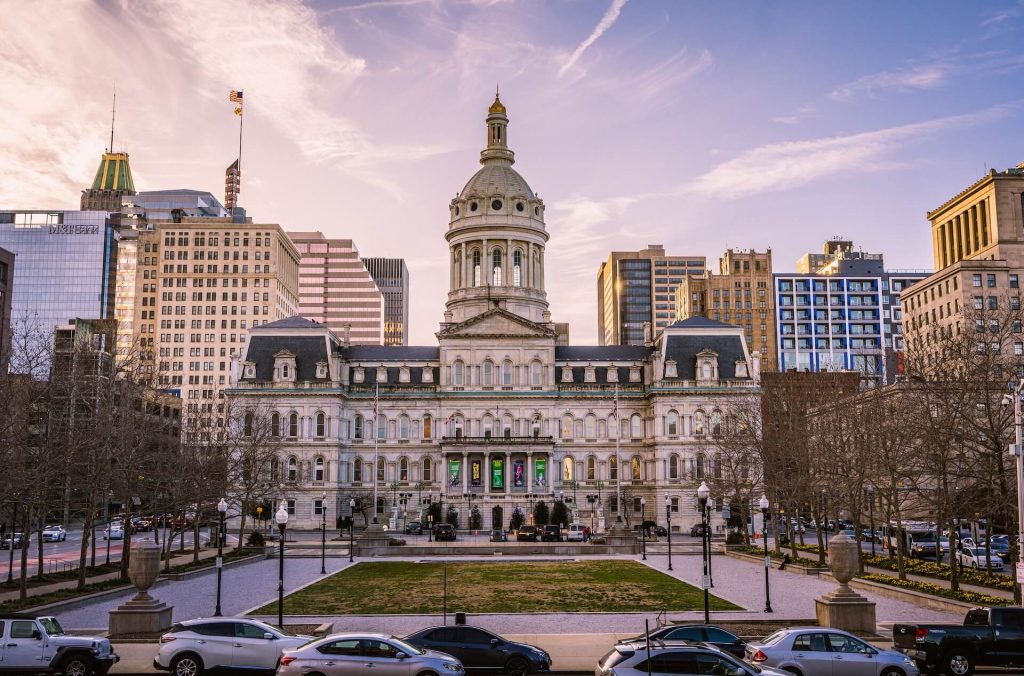
The American national hymn “The Star-Spangled Banner” and the Battle Monument, which became the city’s official insignia, were both influenced by the Battle of Baltimore against the British in 1814. A unique skyline dotted with churches and monuments emerged, and a particular local culture began to take shape.
10. Custer, ID
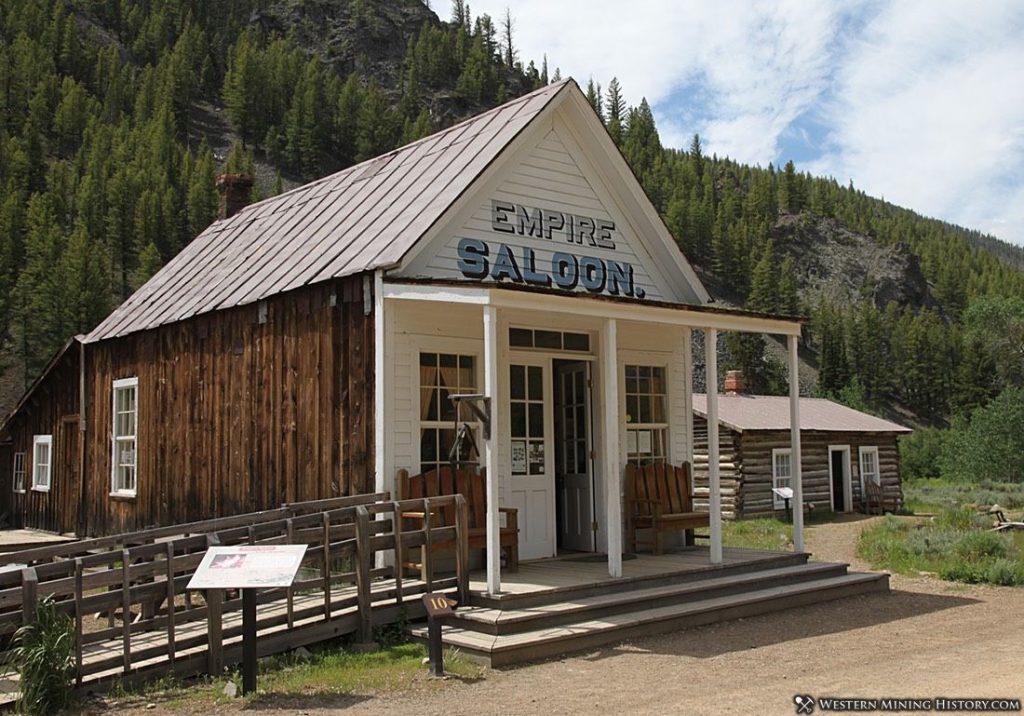
By 1903, the mines were closing one by one, and the heyday of mining was coming to an end. Custer was a ghost town by 1910 as a result of a decline in business. Custer was included to the National Register of Historic Places in 1981 after the Challis National Forest acquired the land in 1966.
11. Kennecott, AK
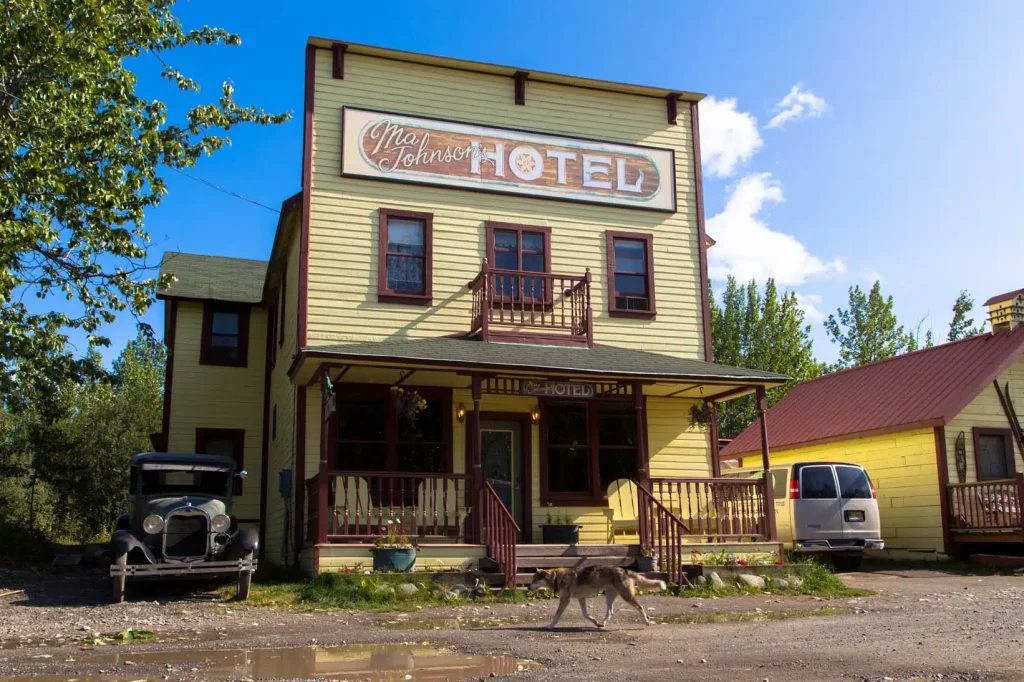
All known ore resources had been exhausted by 1938. The railroad broke down, the mines closed, and Kennecott was reduced to a ghost town with few people left.
12. Rhyolite, NV
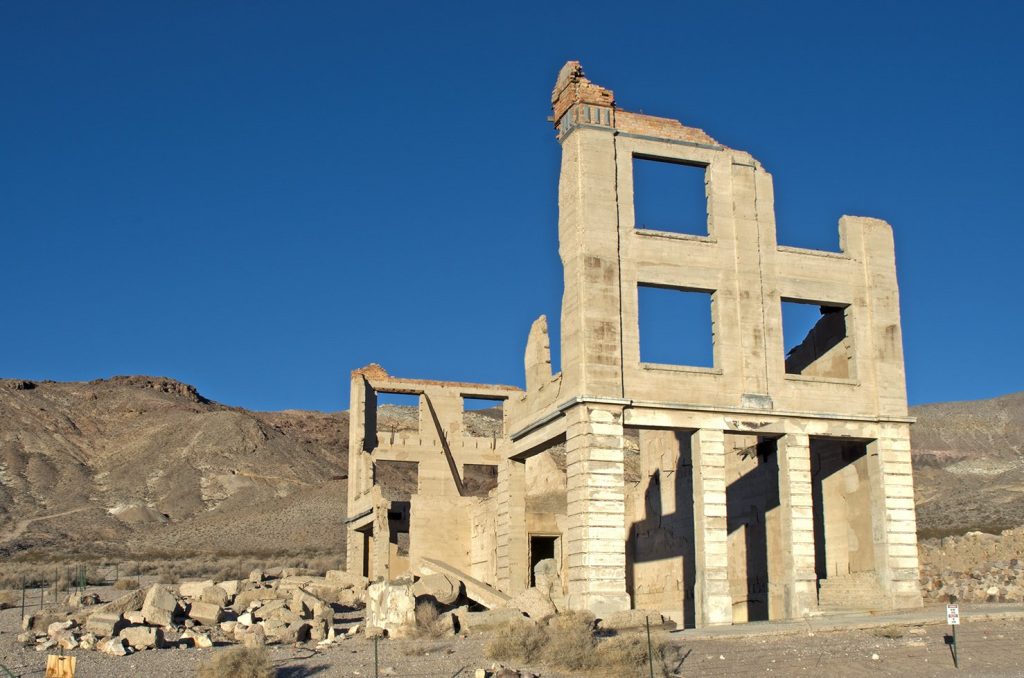
The mine was losing money by the end of 1910, and it shut down in 1911. By this point, Rhyolite’s population had fallen considerably below 1,000, and many unemployed miners had relocated elsewhere. It was almost zero by 1920. Rhyolite and its ruins were used as a backdrop for movies and as a tourist destination after 1920.
13. Solvang, California
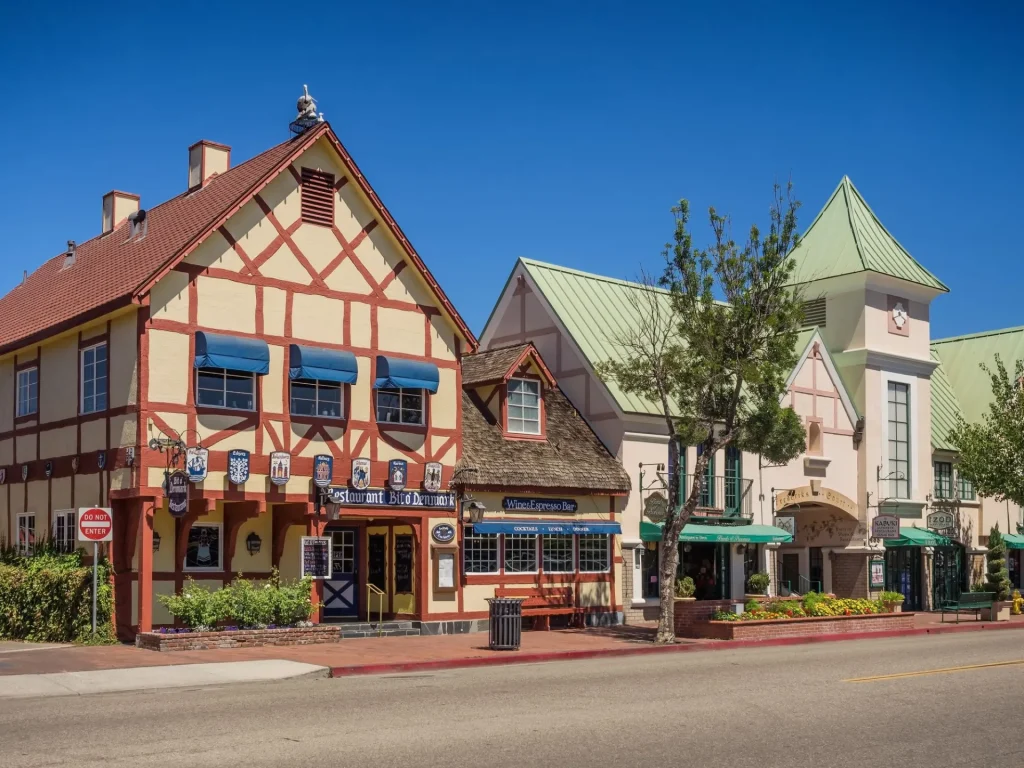
Within four blocks of Solvang are four wooden windmills, and within five blocks are five real Danish bakeries. At 436 Alisal Road, Solvang, there is a 1/3 reproduction of Copenhagen’s well-known Rundetårn (Round Tower). Committed locals constructed the 700-seat outdoor Solvang Festival Theater in 58 days in 1974.
14. Mackinac Island, Michigan
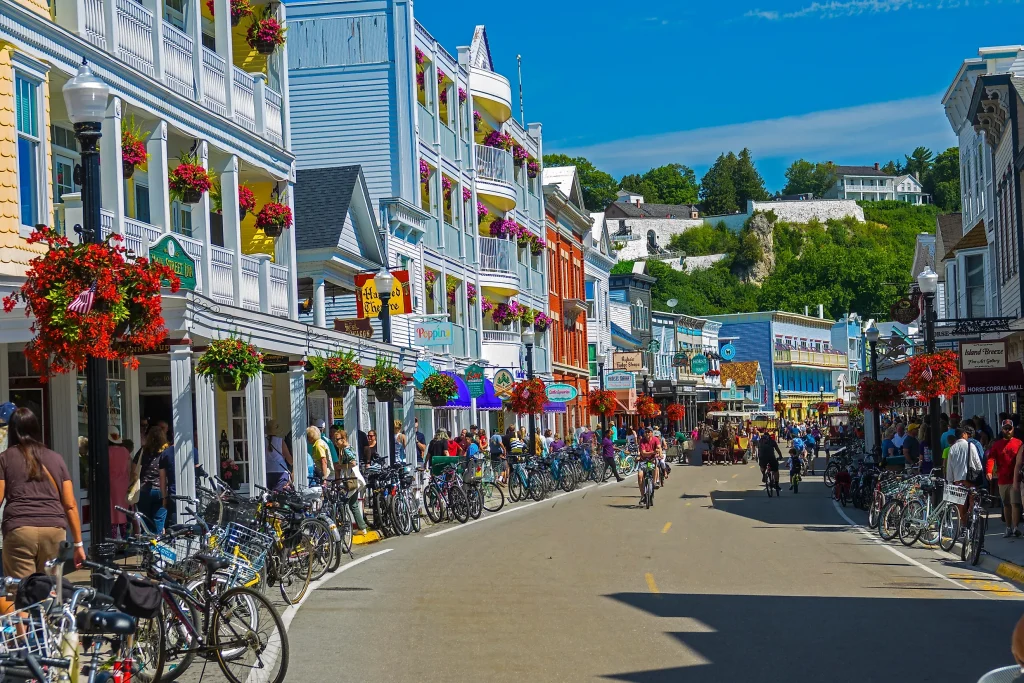
It looks as though time has stopped on Mackinac Island, a region rich in history where forts and granite formations that date back centuries have withstood the test of time.
15. Tombstone, Arizona
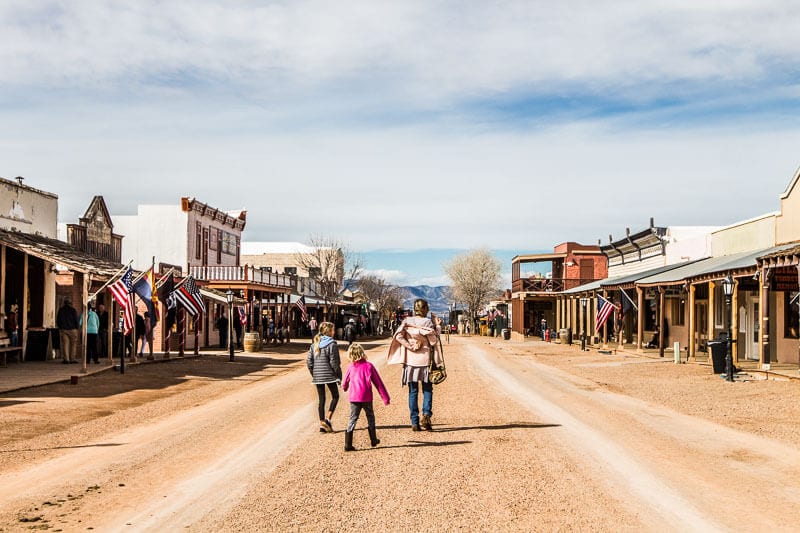
Tombstone, Arizona, uses actors, locations, and reenactments to bring history to life. To have a great time at Tombstone, you don’t have to have seen Westerns. Doc Holliday and Wyatt Earp will be walking down the same dusty street as you.
16. Flint, Michigan
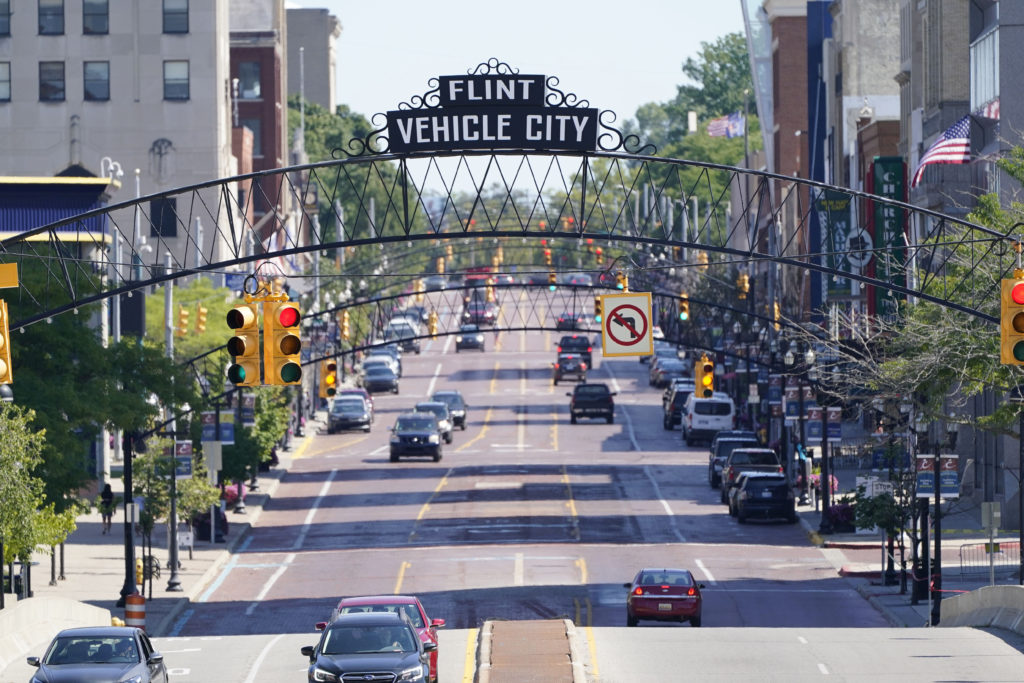
The city was known as “Vehicle City” because it was a major producer of carriages and, later, vehicles from the late 1800s to the middle of the 20th century. After General Motors (GM) was established in Flint in 1908, the city developed into a major hub for GM’s Buick and Chevrolet automakers.
17. Bodie, CA
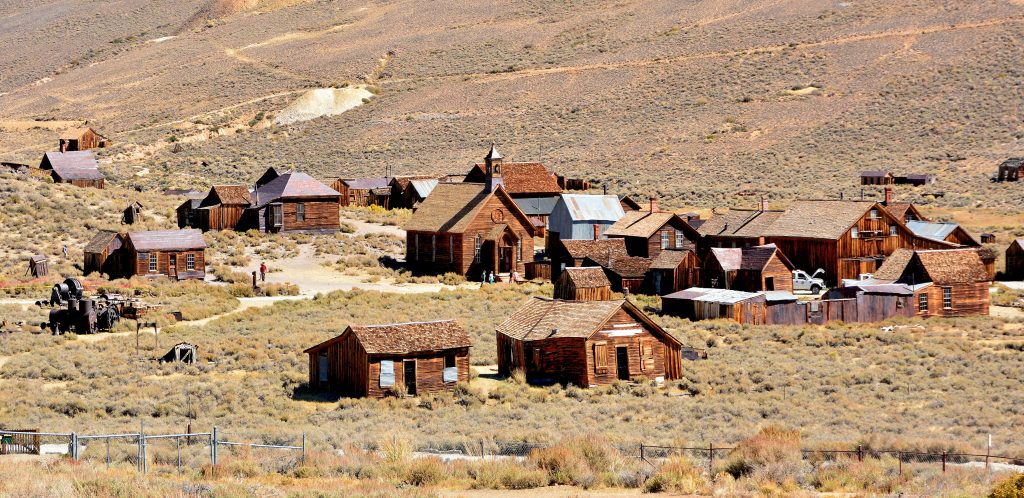
Bodie started to deteriorate after the year 2000. Stores started to close, people started to depart, and the mines weren’t generating as much as they had. In 1917, the railroad was finally abandoned after numerous mines closed. Additionally, the majority of the town’s structures were destroyed by another fire that raced through it on June 23, 1932.
18. Cody, Wyoming
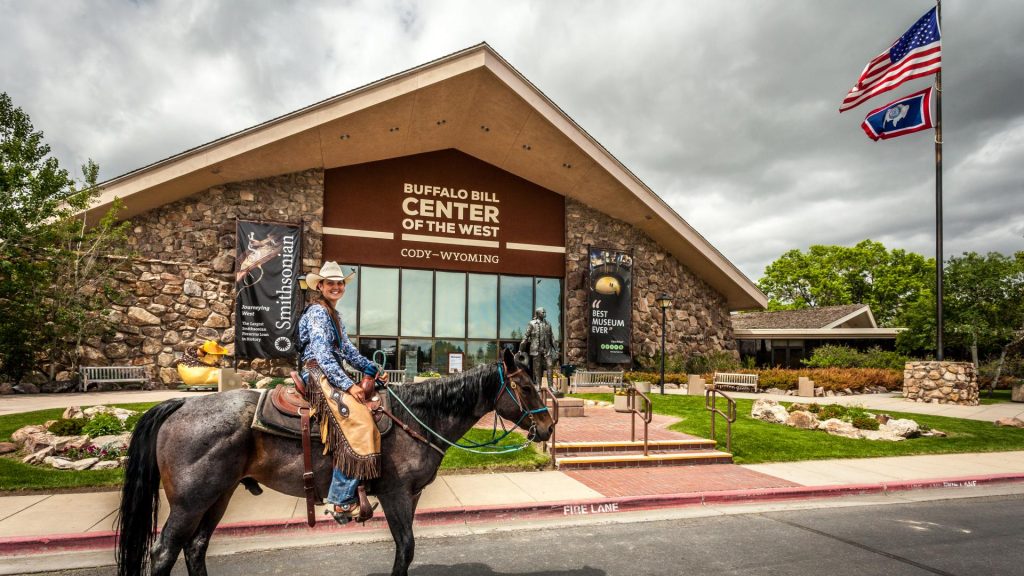
The Buffalo Bill Center of the West in Cody is home to five top-notch museums that each highlight a different facet of the country’s frontier past. As the “Rodeo Capital of the World,” Cody is home to the Cody Nite Rodeo, the world’s only nighttime rodeo and its longest-running.
19. Castle Dome, AZ
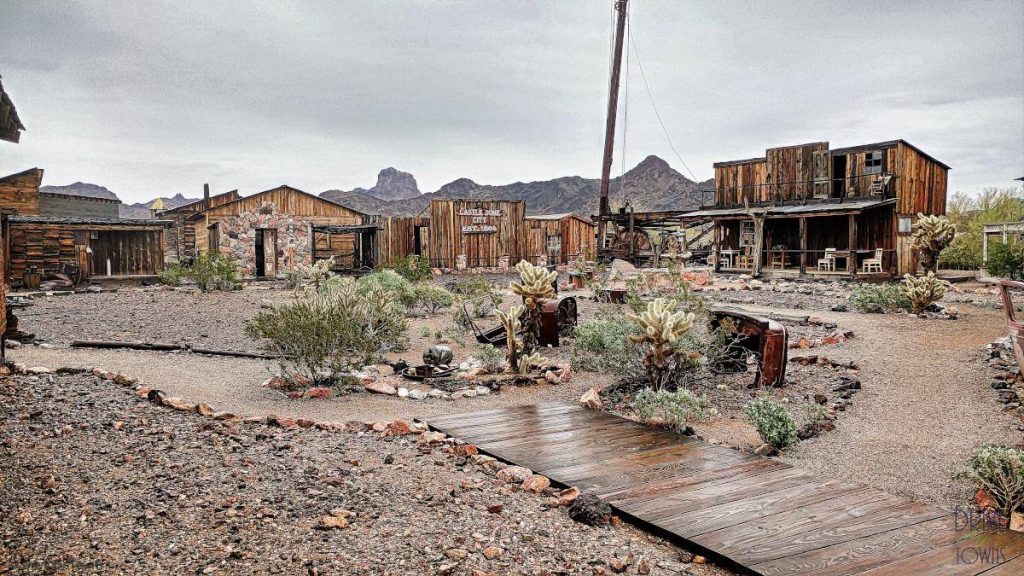
The museum provides a distinctive look at life in the Arizona Territory in the early days of mining. Additionally, there is a recreated ghost town at the Castle Dome Mining Museum & Ghost Town.
20. Albany, New York
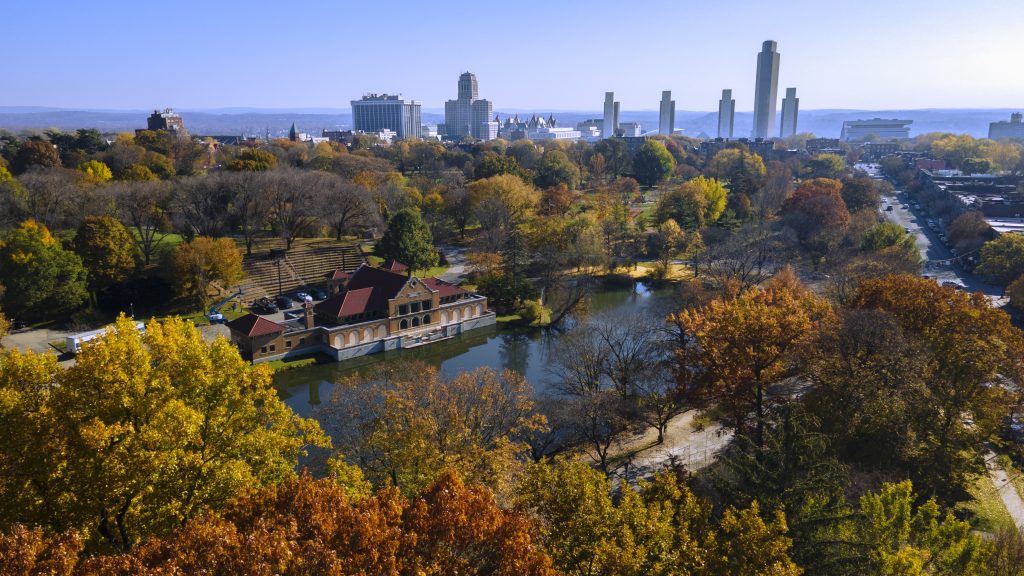
This city is known as the hub of the Capital Region’s economy and culture in New York State. They house the State University at Albany, the College of Saint Rose, and important legal, medical, and pharmacy institutions in addition to serving as the location of the state government.
21. Taos, New Mexico
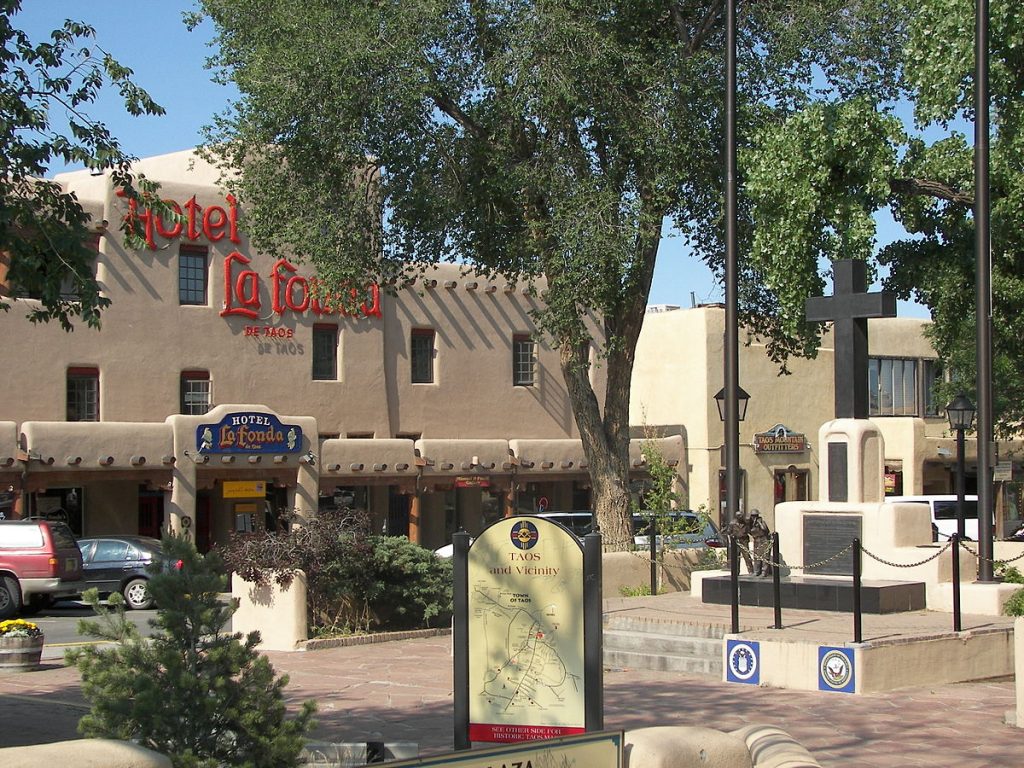
Make sure you do not miss this National Treasure World Heritage Site, which is one of the oldest continuously inhabited buildings in the nation. You can explore the amazing Native crafts on display and purchase some.
22. Goldfield, AZ
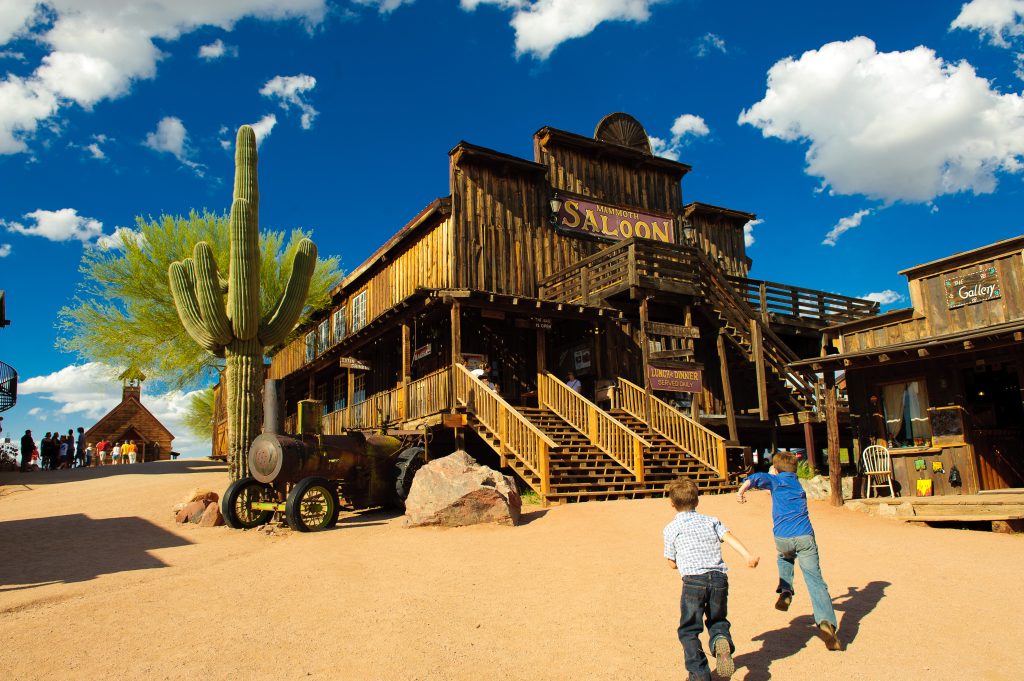
It is worthwhile to stroll about, visit stores, and simply enjoy the positive atmosphere, even if you choose not to participate in any of the paid attractions. If you enjoy history, this is undoubtedly one of the best things to do!
23. Santa Fe, New Mexico
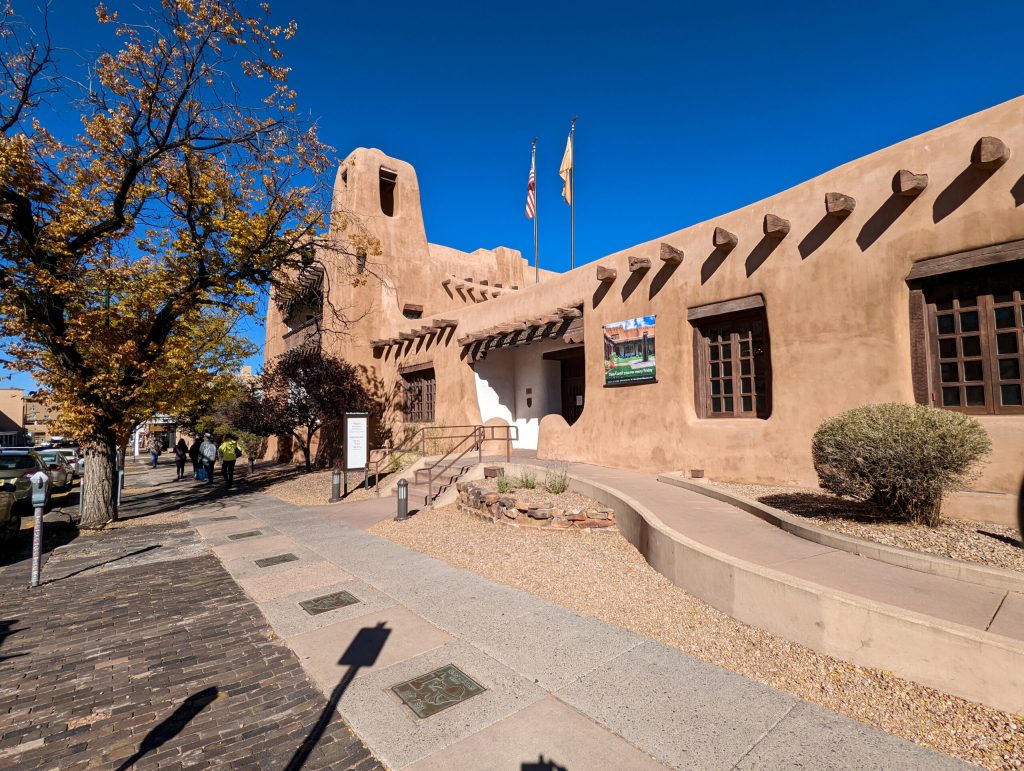
The Georgia O’Keeffe Museum, the Museum of International Folk Art, the historic Santa Fe Plaza, the “miraculous” staircase in the Loretto Chapel, art galleries on Canyon Road, and, if you’re in Santa Fe in the winter, skiing at Ski Santa Fe are all worth seeing.
24. Deadwood, South Dakota
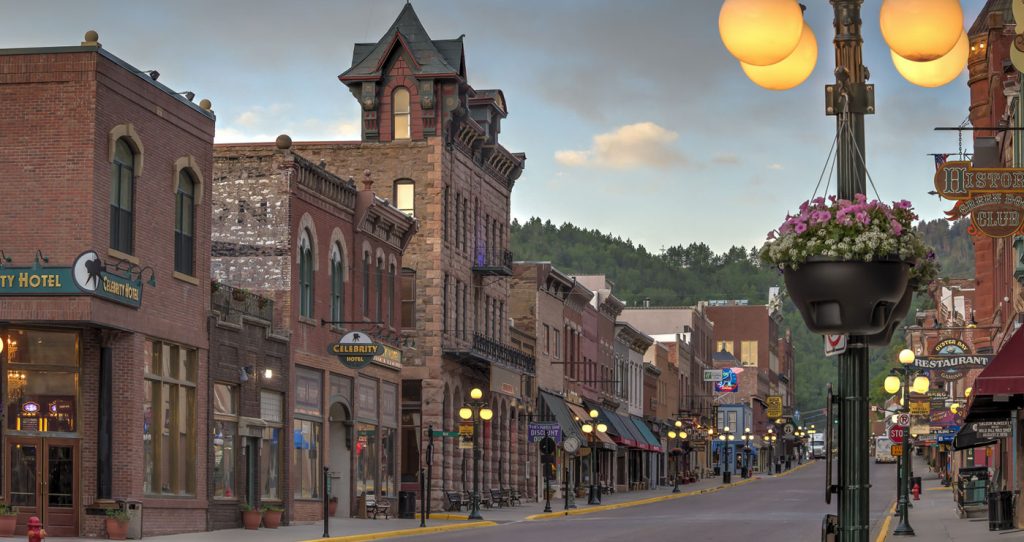
Deadwood is generally well worth the detour. The first impression from the old district is fantastic. You’ll discover that the town revolves around three activities: gambling, drinking, and shopping. And many establishments provide two or three of these.
25. Calico, CA
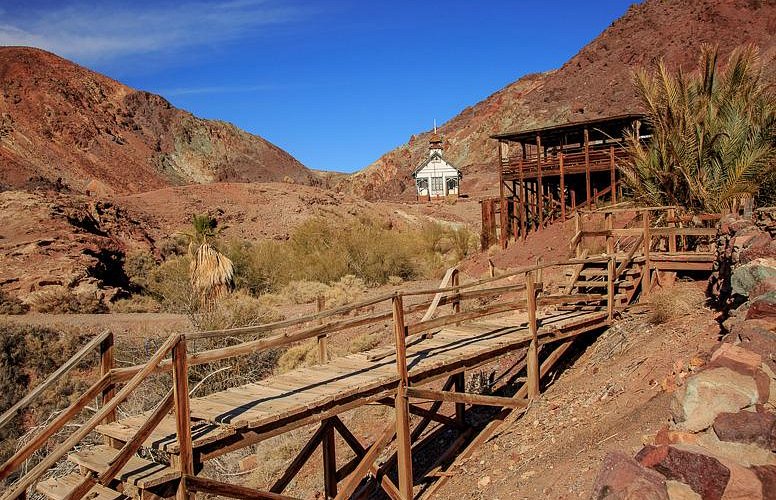
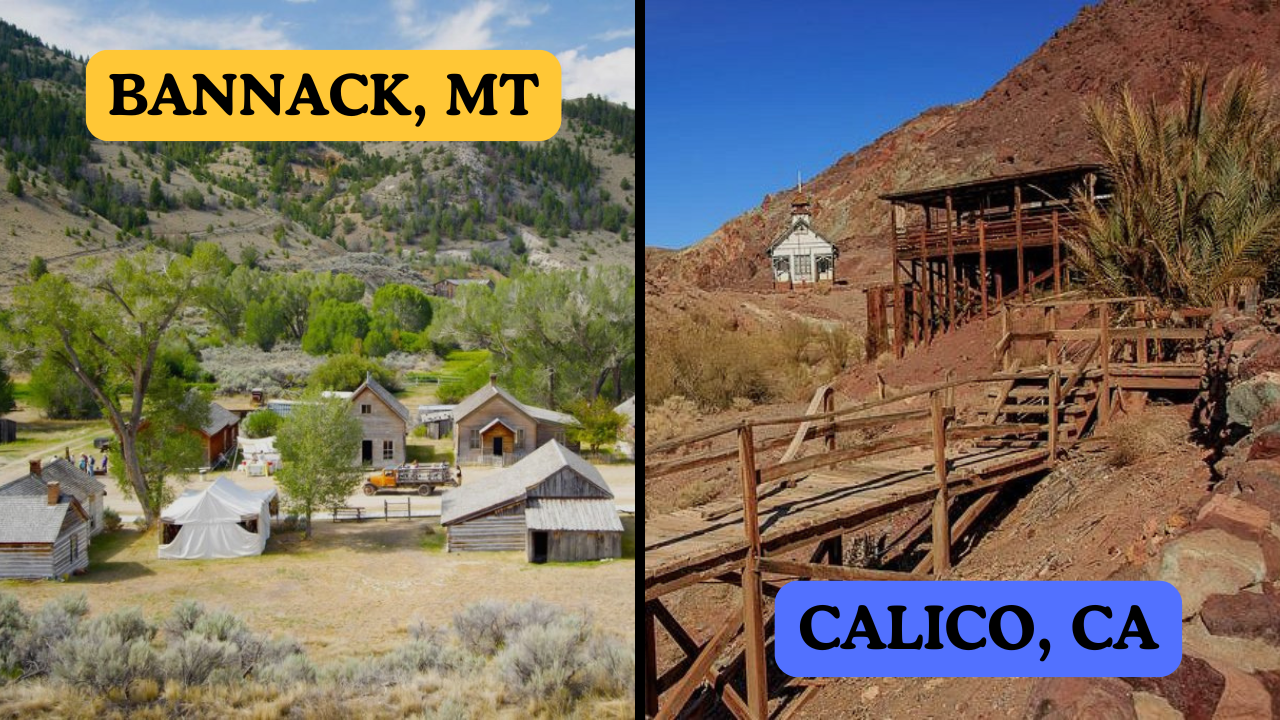
Calico was designated as California’s Silver Rush Ghost Town in 2005 by then-Governor Arnold Schwarzenegger, and it was awarded State Historical Landmark 782. People go from all over the nation and the world to explore Calico, which is now a part of the San Bernardino County Regional Parks system.
26. Leavenworth, Washington
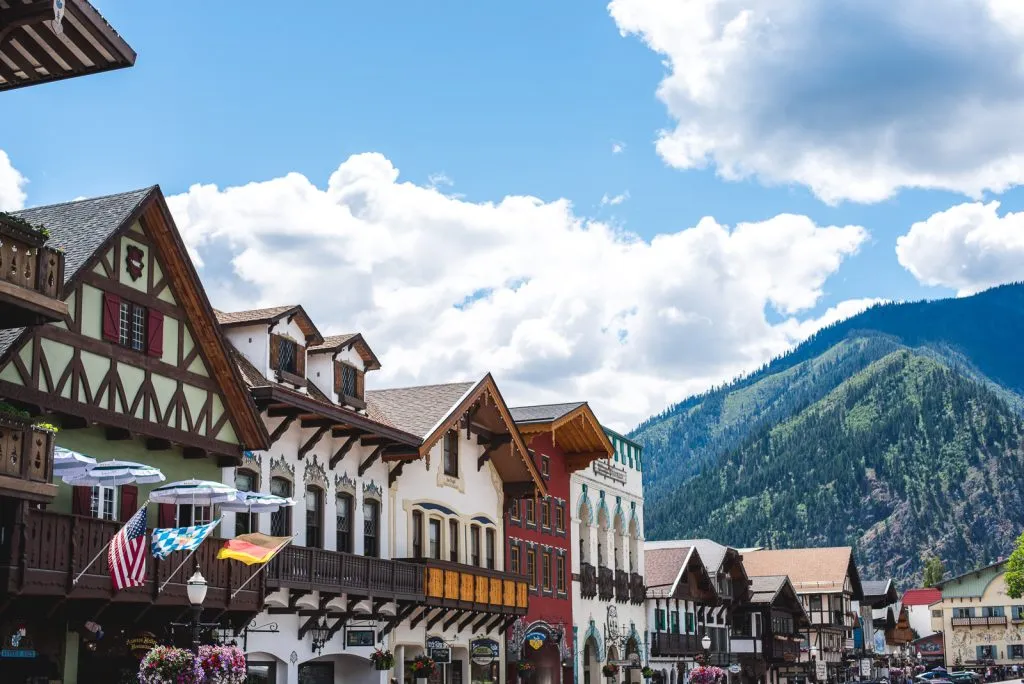
Leavenworth caters to tourists. To keep your attention, they attempt to have a lot going on. It’s not that large and is a walking area. It makes us think of the old west, when facades were used to make buildings appear more than just boxes. In the summer, it is typically overrun with tourists.
27. Thurmond, WV
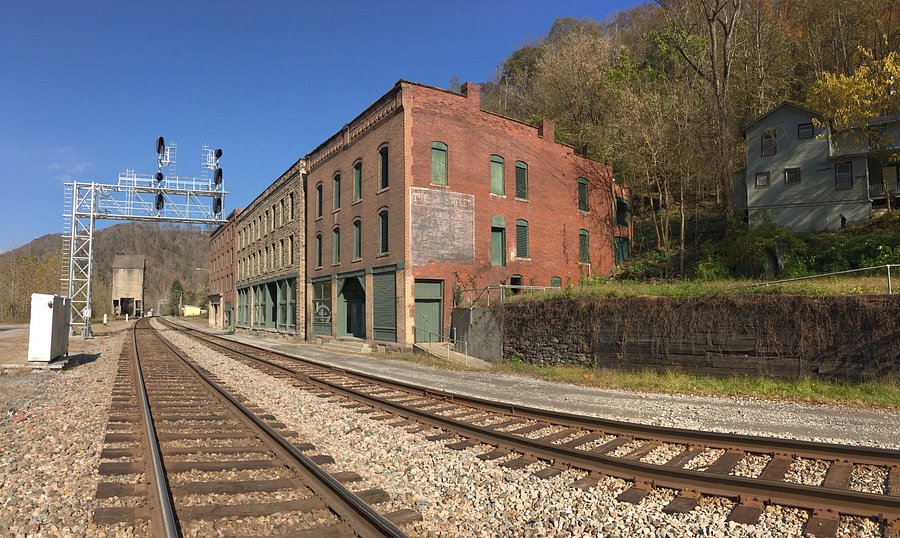
Five people still reside in Thurmond, so it’s not a complete ghost town, according to the NPS employee at the train depot, which is actually a visitor center. The train station is the only building in Thurmond that is not occupied.
28. Lindsborg, Kansas
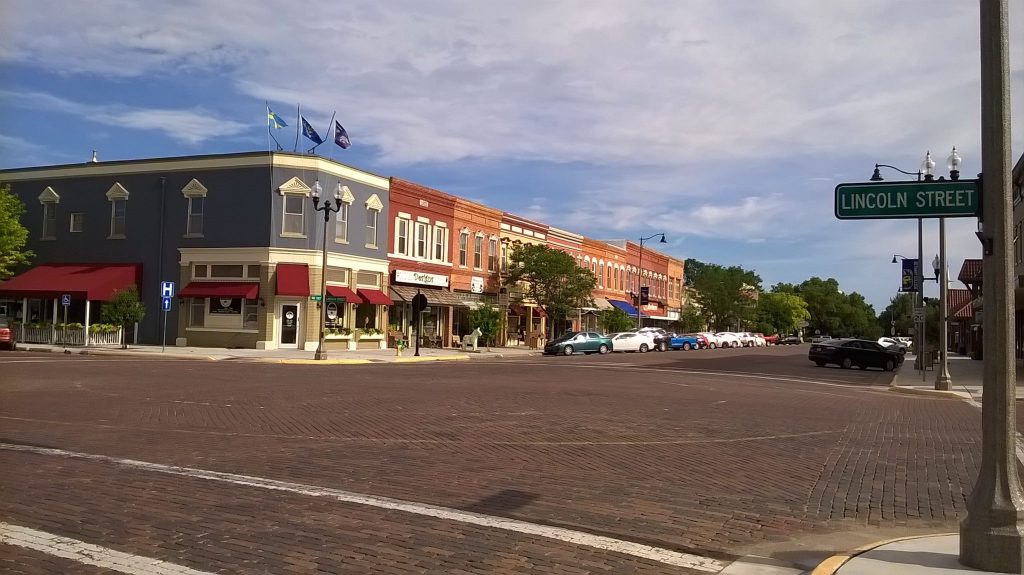
The city is well-known for its ties to Swedish culture. Often referred to as Little Sweden U.S.A., Lindsborg is a sister city of Munkors, Sweden. Discover what makes Lindsborg so special: its people, festivals, events, history, and heritage.
29. Bannack, MT
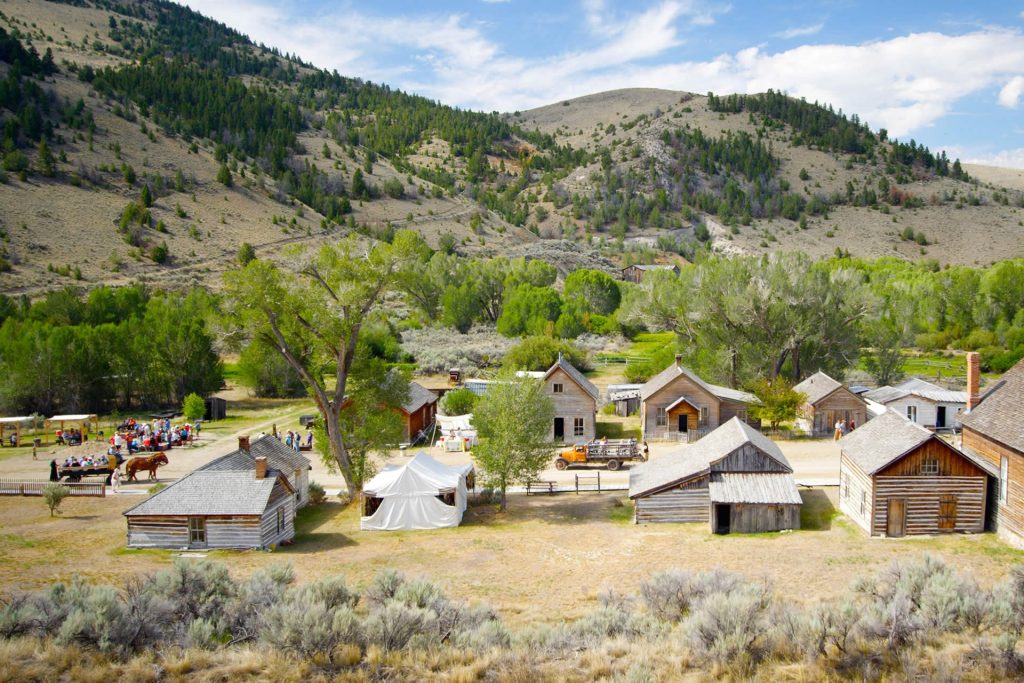
The thriving Bannack population gradually disappeared as the value of gold rapidly declined. Main Street is lined with more than 50 buildings, many of which are historic log and frame buildings that date back to Montana’s early years.
30. Goldfield, NV
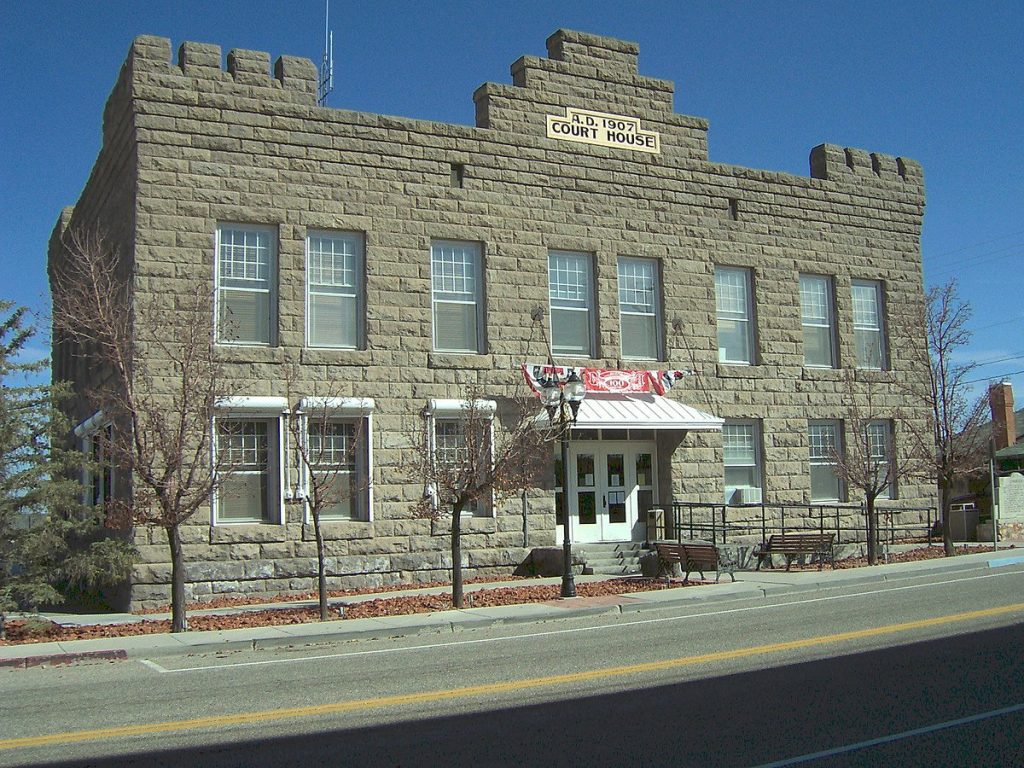
The growing expense of pumping brine out of the diggings contributed to the fact that this became a ghost town by rendering them unfeasible. The major mining business departed town in 1919 after ore production fell to $5 million by 1912. The majority of the town’s combustible structures were destroyed in a fire in 1923 brought on by a moonshine still explosion.