Some bands manage to leave a huge mark in a painfully short amount of time. They burn bright, they shake things up, and then they disappear before the story feels complete. Sometimes the breakups are messy, sometimes they are quiet, and sometimes they come out of nowhere. What stays behind is a mix of great music and the feeling that the clock ran out too soon. This list gathers some of the groups that left us wanting more.
The Mars Volta

It always felt like their music was too volatile to last. The duo behind the band jumped into yet another project almost immediately, as if momentum itself pushed them forward. Fans still talk about what future albums might have sounded like.
Destiny’s Child
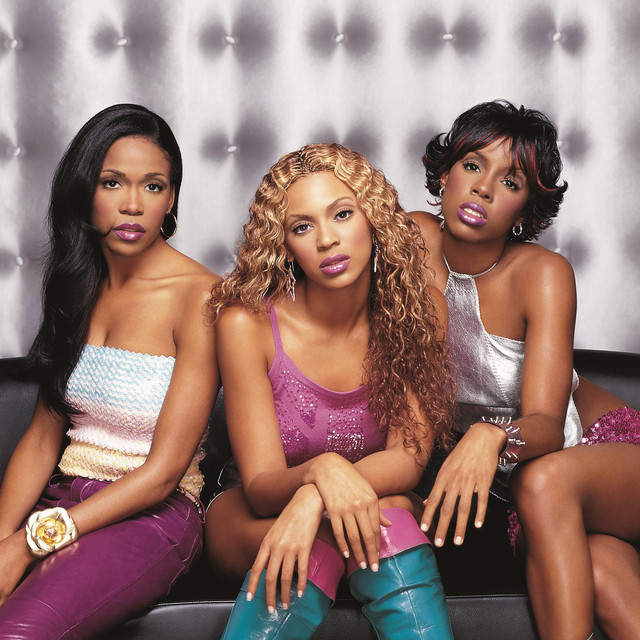
Few groups managed to balance chemistry and star power the way this trio did before walking away in 2005. The world watched Beyoncé rise while the other members drifted into smaller creative spaces. Even with a brief reunion, the closure never felt complete.
Beecher
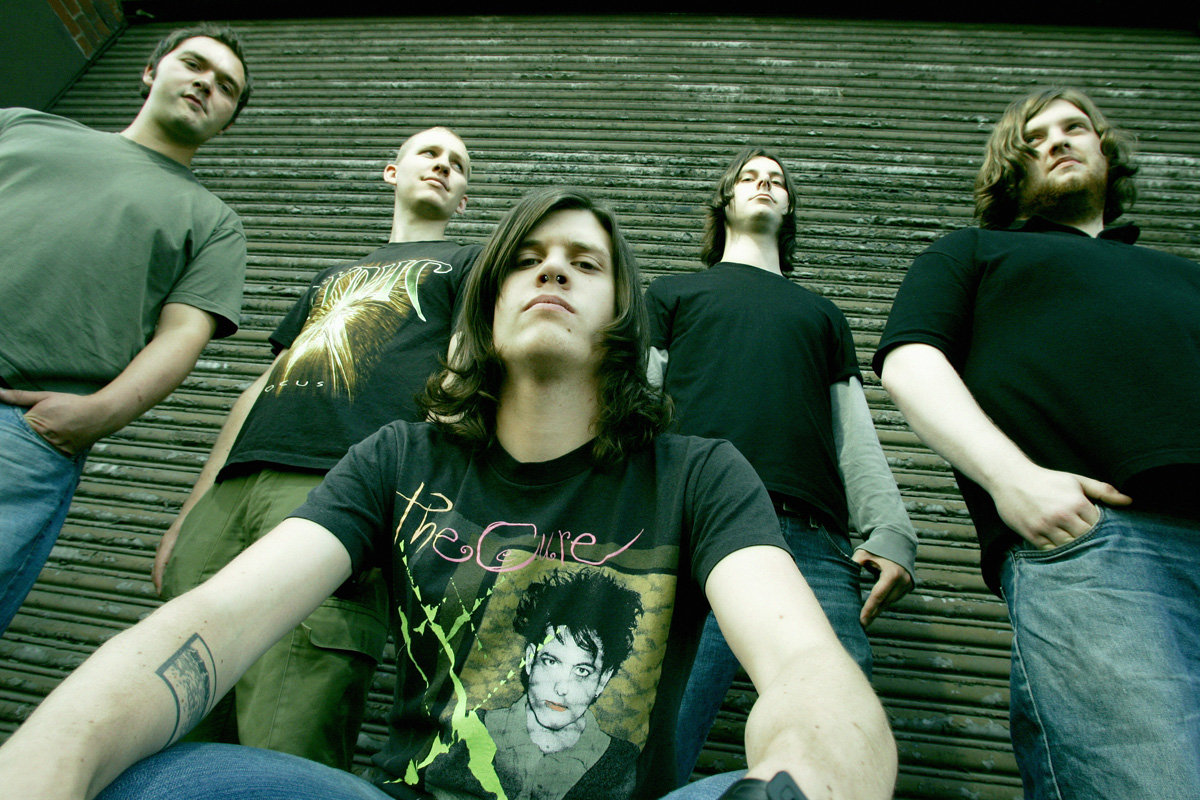
From the moment they appeared, their mix of mathcore and metalcore felt like a blueprint for a genre that had not formed yet. The band seemed poised to evolve into something enormous before calling it quits. Their absence leaves behind a strange sense that a possible future went missing.
The Blood Brothers
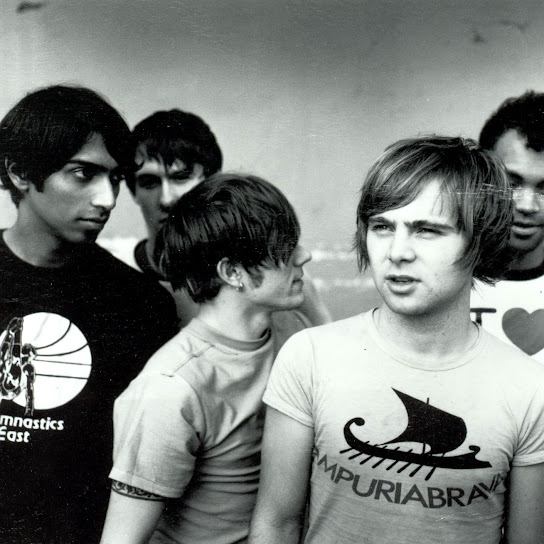
Any room they played seemed to contract and expand with their frantic energy. Their shrill theatrics and feverish rhythms baffled some listeners and converted others instantly. Rather than fade, the band vanished with a kind of theatrical finality that suited them perfectly.
The Rakes
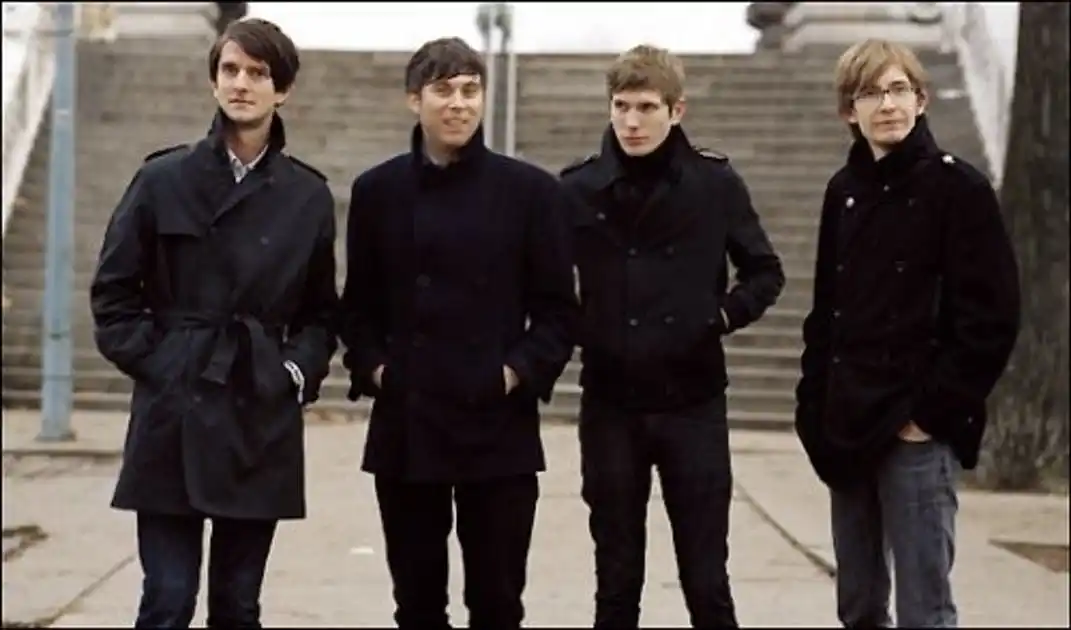
Energy poured out of every show they played until exhaustion finally took its toll. When the members realized they could not maintain that intensity, they stepped away cleanly. Listeners still revisit their catalog and imagine what another era of the band might have brought.
Oasis
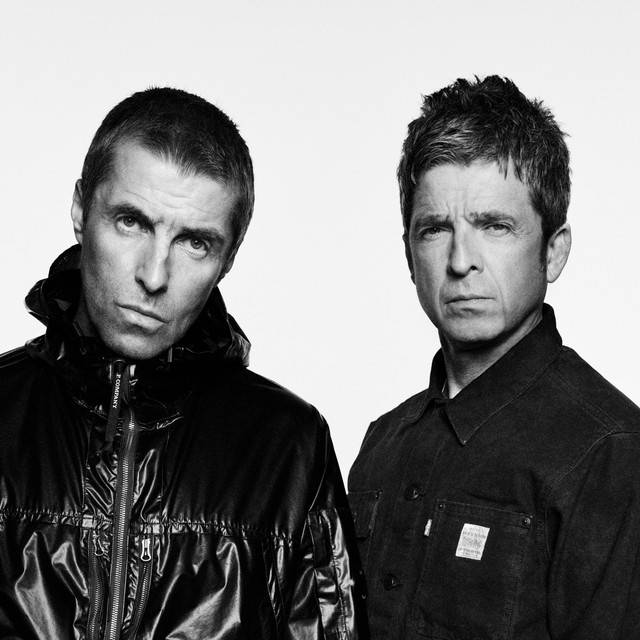
The public feud that shaped their mythology finally swallowed the band entirely. A breakup was expected, but its timing still felt abrupt and strangely hollow. None of the solo ventures recaptured the unruly chemistry of the original pair.
Fugazi
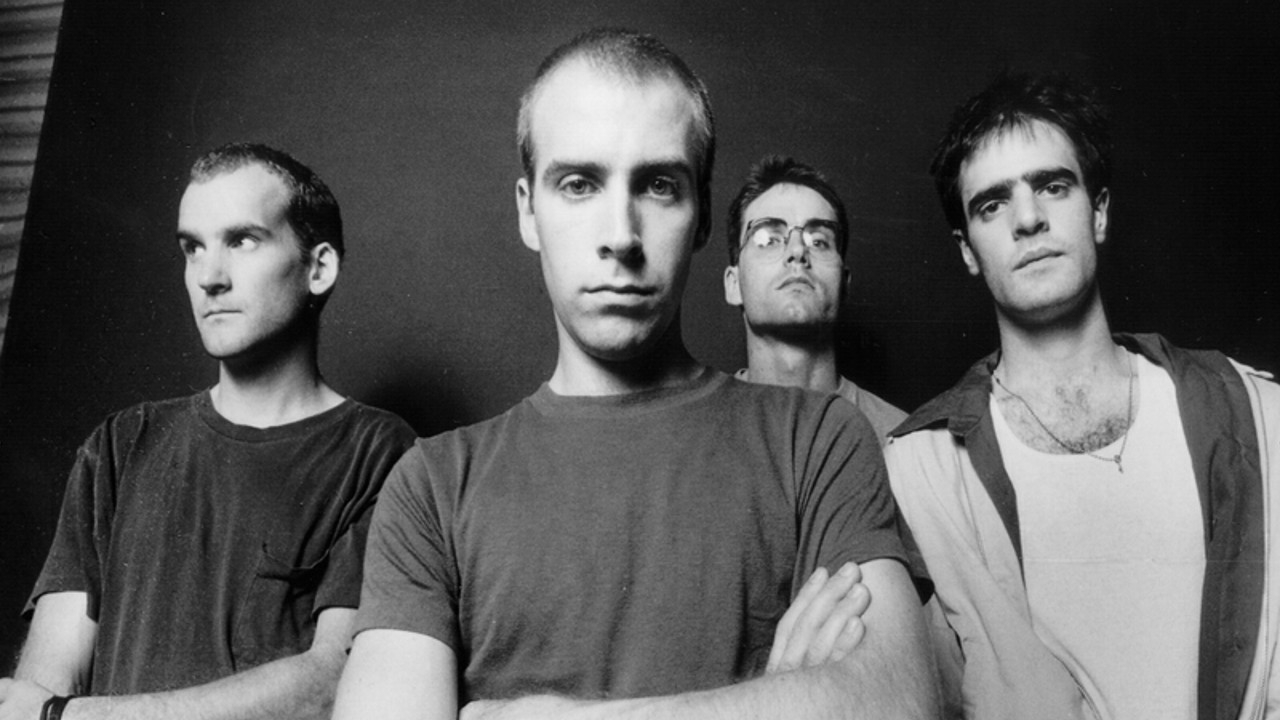
Their refusal to play the music industry’s game made every choice they made feel deliberate and alive. When they pressed pause, it happened so quietly that people kept expecting them to walk back onstage at any moment.
Kyuss
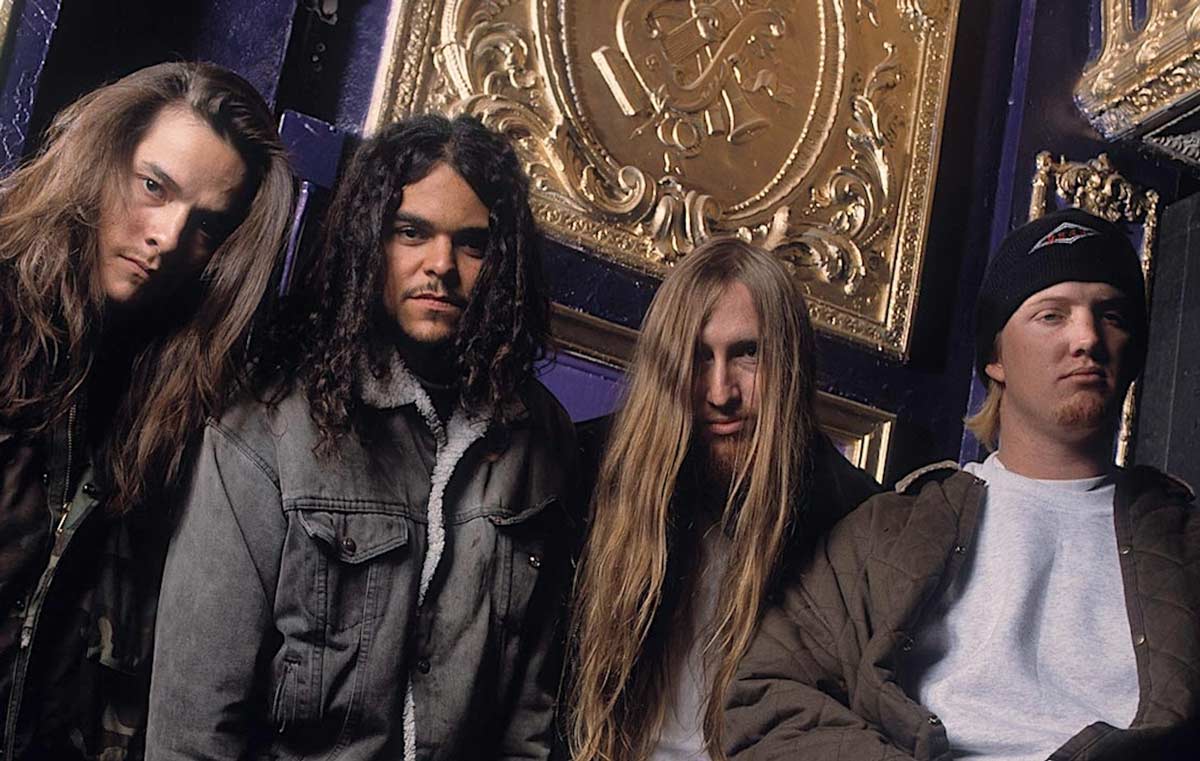
Heat soaked riffs made their music feel like it rose straight from desert sand. The group dissolved just as that sound was about to take over a much wider scene. Their absence created a ripple effect that shaped an entire corner of rock.
Le Tigre
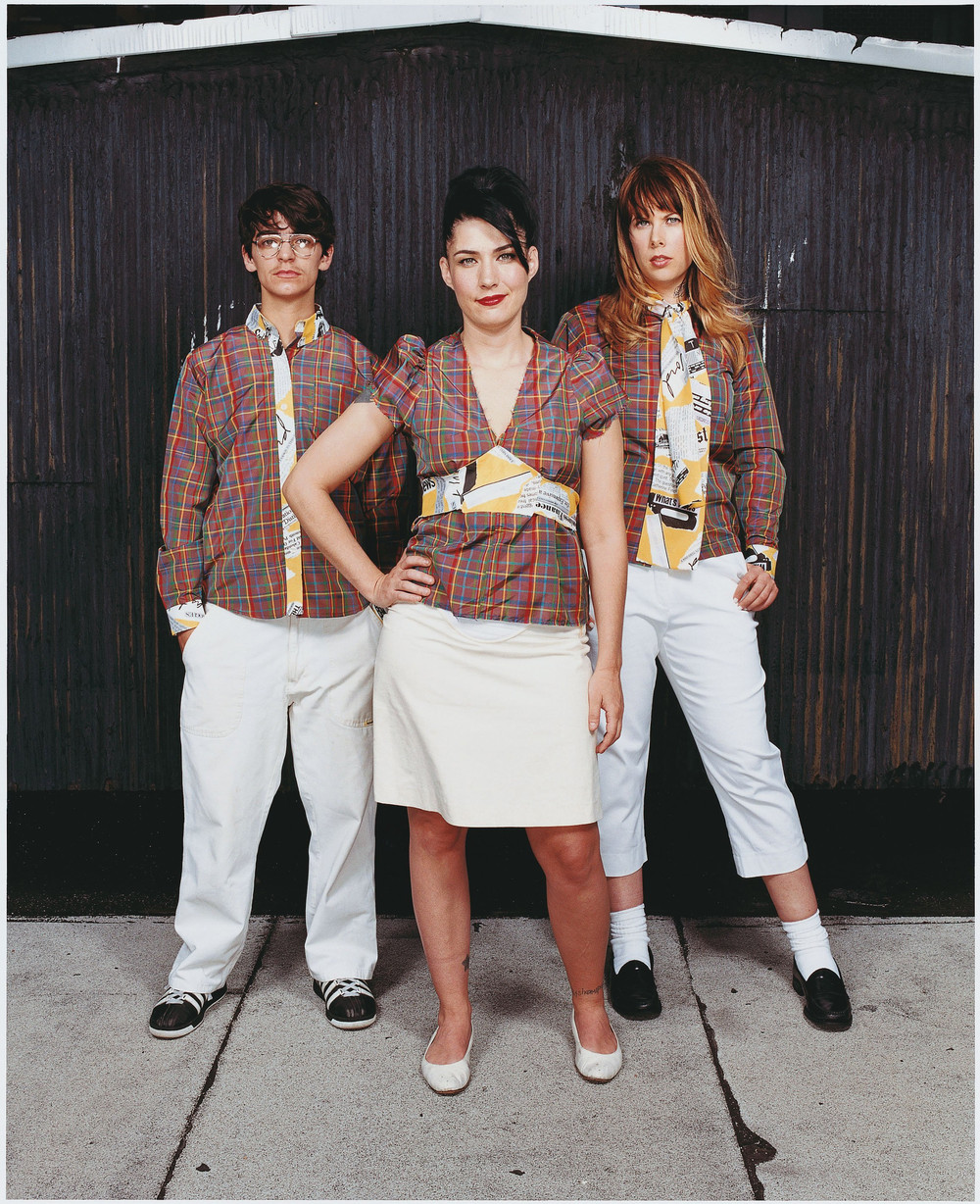
Colorful beats and sharp political edges defined their best moments. When health issues pulled the project to a stop, it seemed to remove an important bright light from the landscape. Other artists still echo their approach, but the original spark had a singular flavor.
Sleater-Kinney

Their music always felt like it was pushing forward with clipped urgency and sharp edges. When they stopped in 2006, it came as a shock because the momentum seemed unstoppable. Those early records still hit with a clarity that feels completely their own.
Rilo Kiley
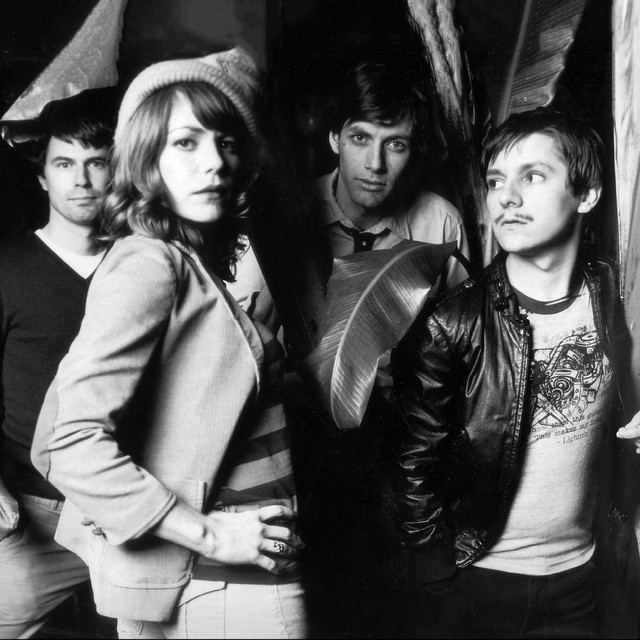
Their songs often sounded like someone smiling while standing on a fault line. Tension within the group eventually pushed everything apart.
diSEMBOWELMENT
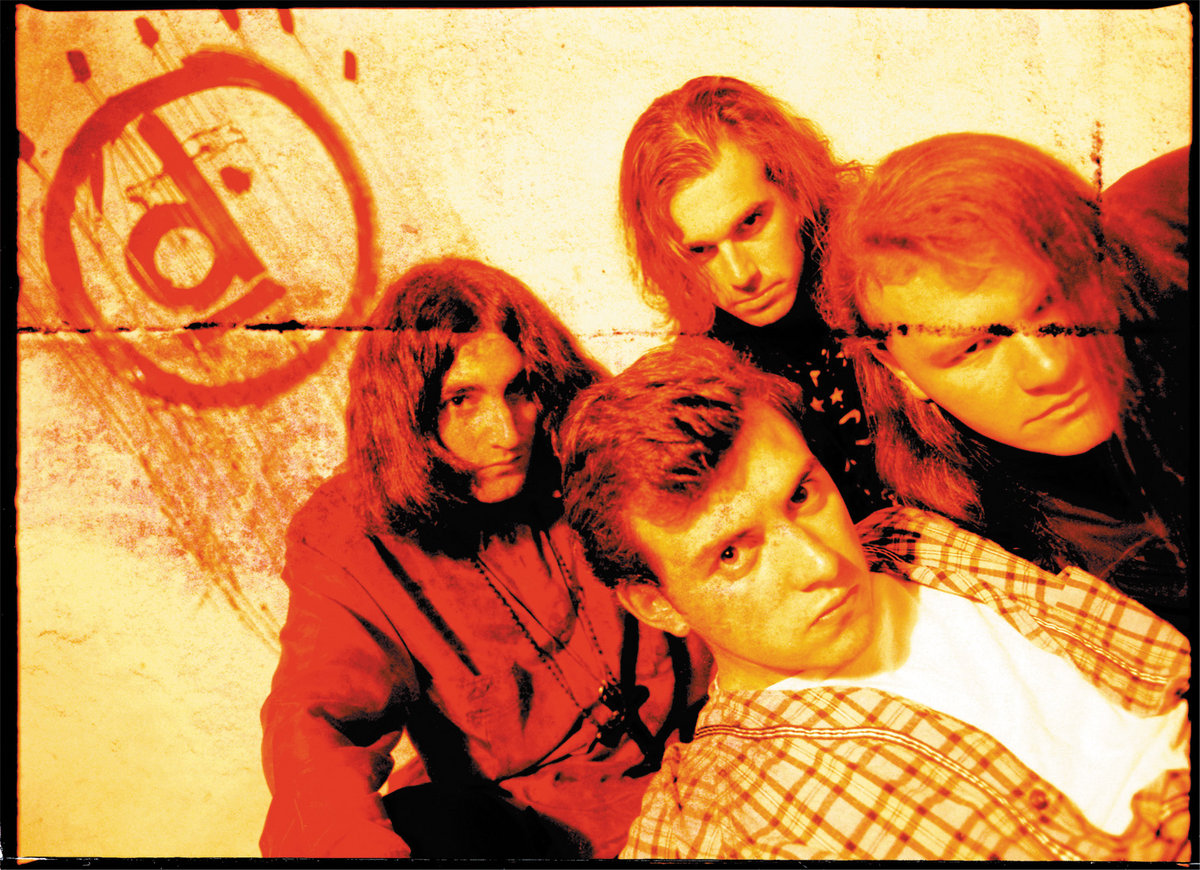
Slow, crushing atmosphere draped every moment of their recordings. The band existed for such a short time that their work feels almost mythic. What they left behind stands like a monument carved from gravity itself.
The Verve
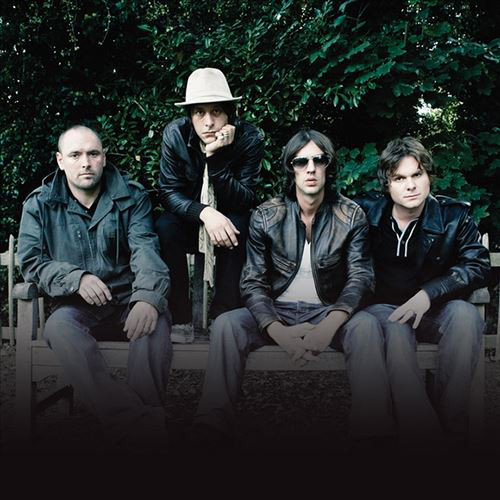
A reunion that once felt triumphant slid quickly into frustration. The momentum sputtered out even after their celebrated festival appearance. Their history reads like a rollercoaster of soaring highs followed by heavy collapses.
Pendulum
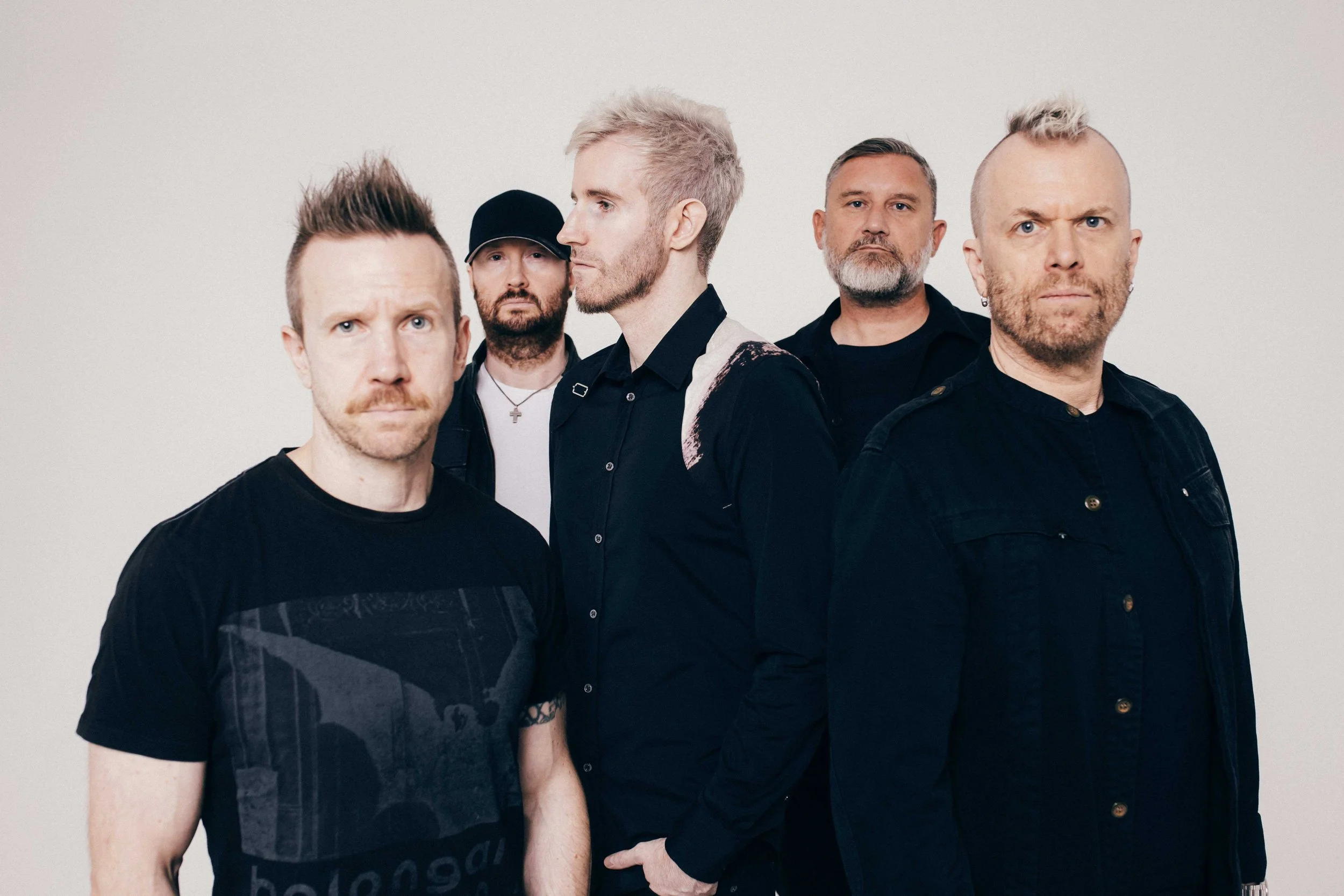
Toward the end, the group sounded like they were pushing through creative exhaustion rather than inspiration. A candid admission confirmed that the spark had dimmed. Listeners later realized how much their hybrid style had influenced the surrounding scene.
LCD Soundsystem
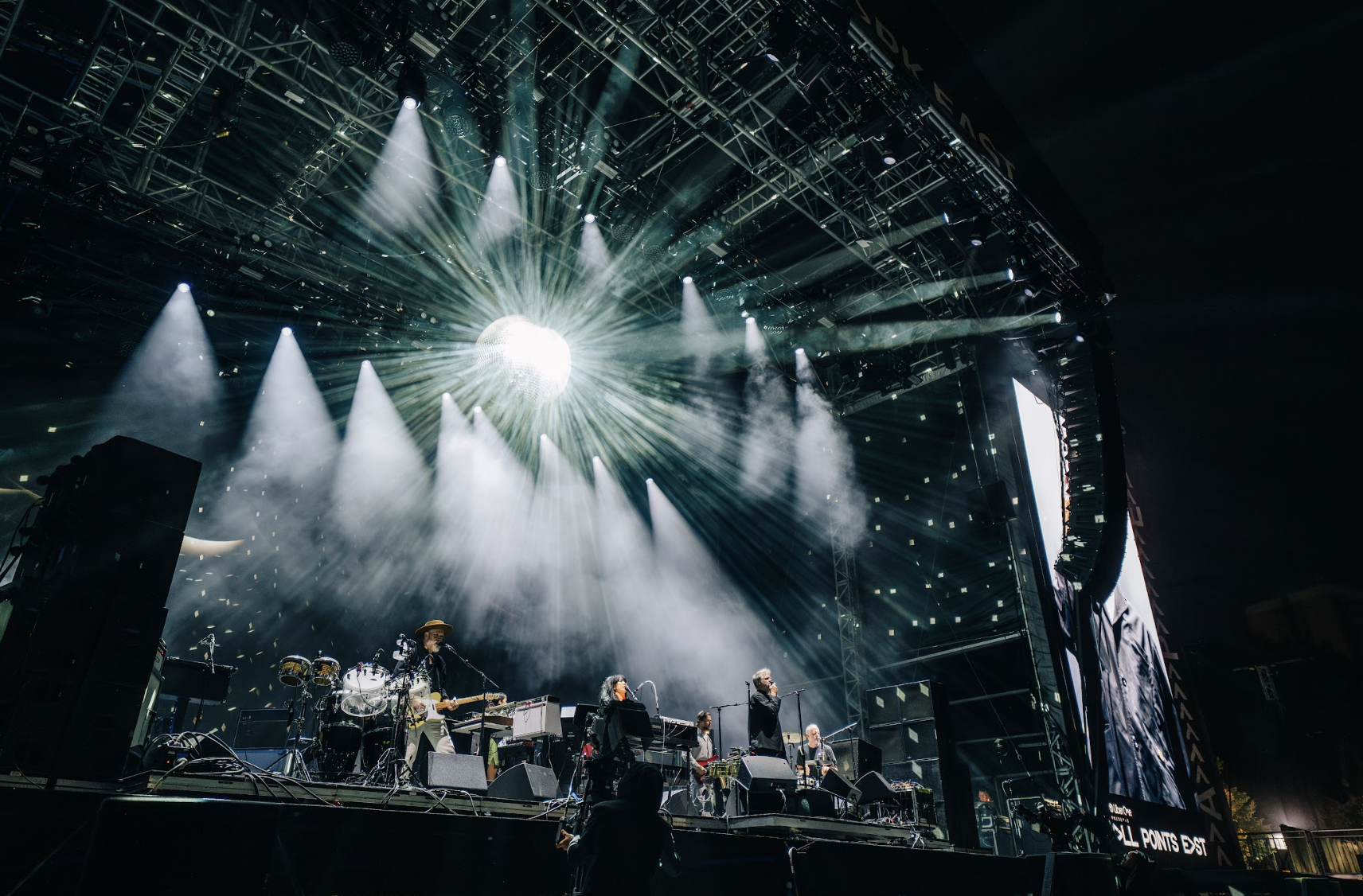
The farewell at Madison Square Garden played like a cathartic celebration rather than a funeral. Every track landed with the weight of a final chapter being written in real time.
The Distillers
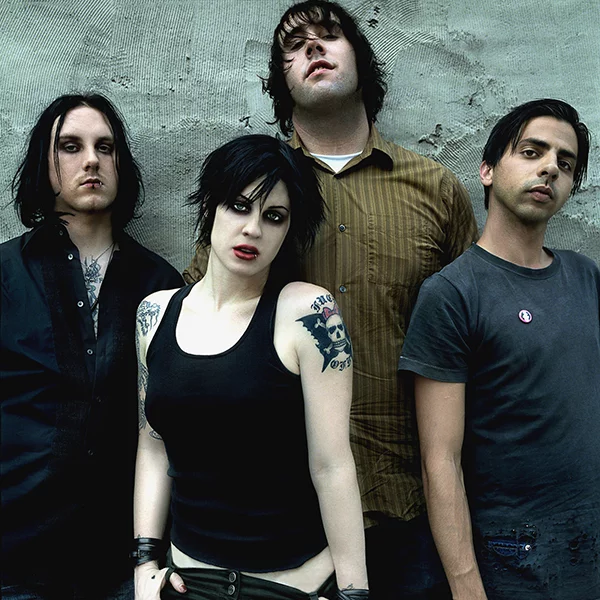
At some point the fire that fueled their most explosive songs simply waned. Brody Dalle spoke openly about the creative dead end that formed inside the group. Their departure left a noticeable empty space in punk circles.
At The Drive In
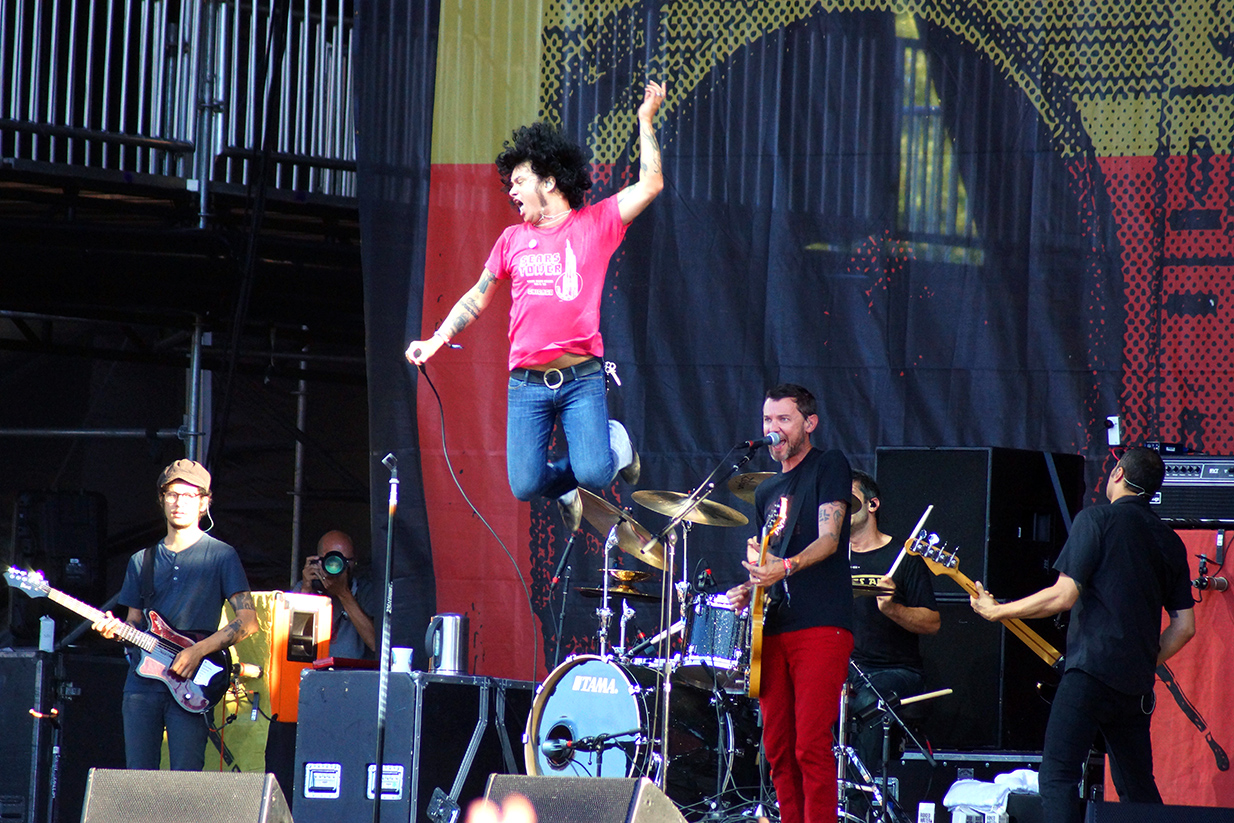
Anyone who saw them live witnessed a kind of controlled chaos that few bands could sustain. The abrupt breakup in 2001 cut that velocity short without warning. Later reunions never quite regenerated the same spark from the early era.
Million Dead
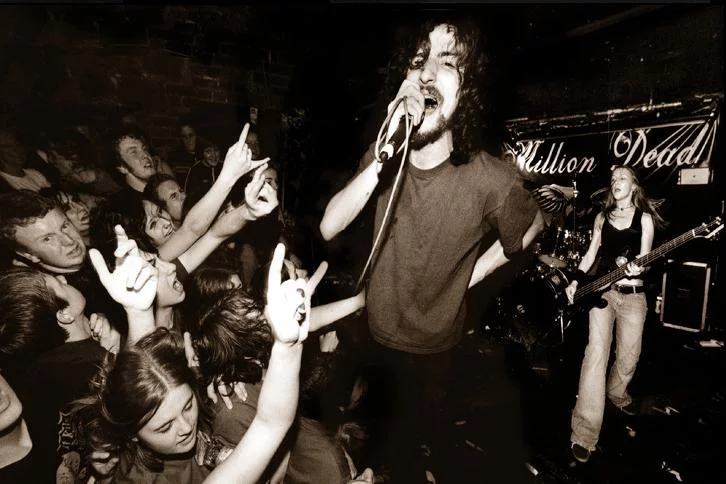
The touring grind twisted the group dynamic until it barely held together. Frank Turner described the final months as tense and claustrophobic. When the end came, it arrived with a blunt finality rather than drama.
The White Stripes
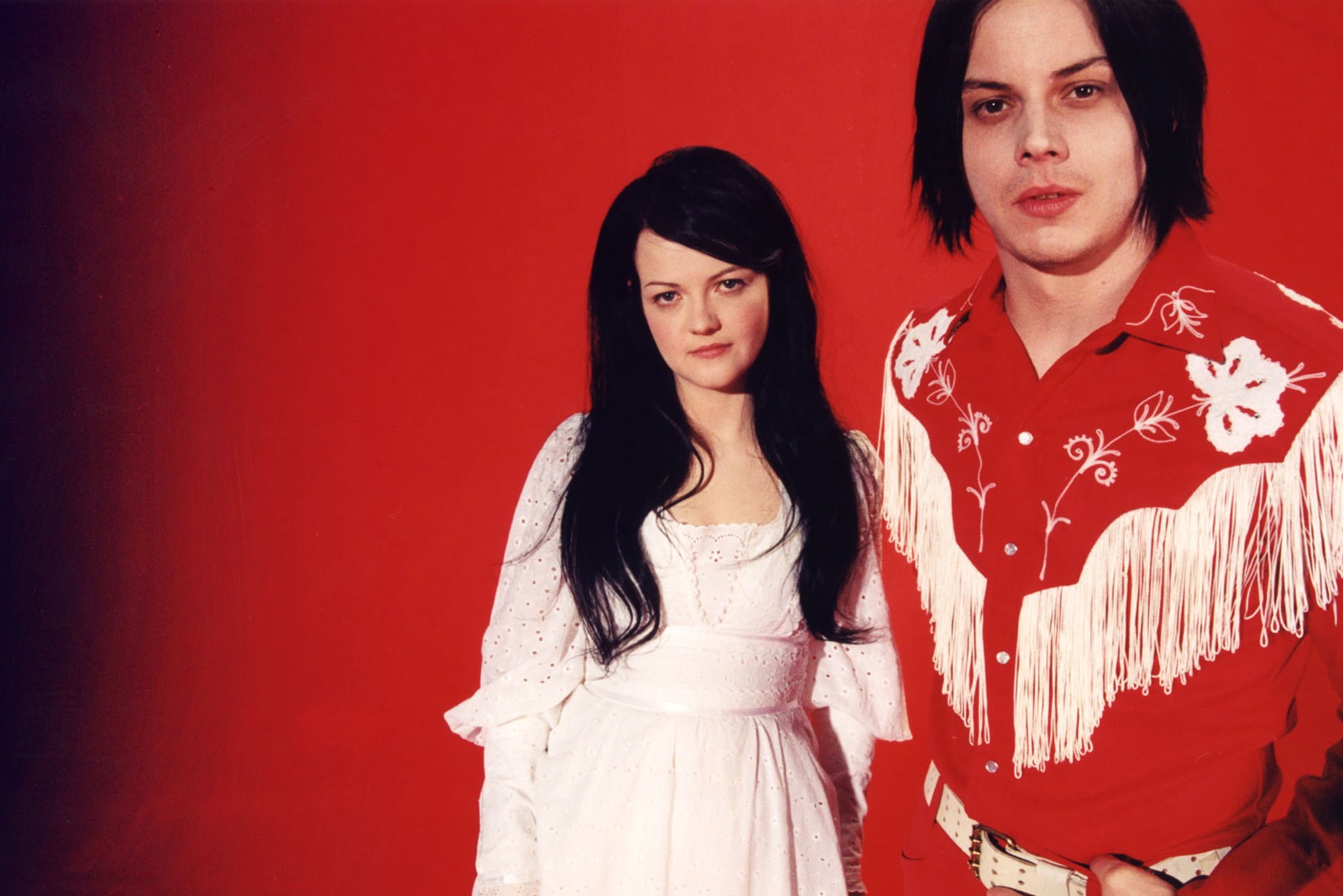
A minimalist structure had carried them to global recognition, yet internal strain quietly grew. Meg White stepped into privacy while Jack White kept reinventing himself in public. The duo’s stark chemistry remains one of rock’s most distinctive threads.
The Postal Service
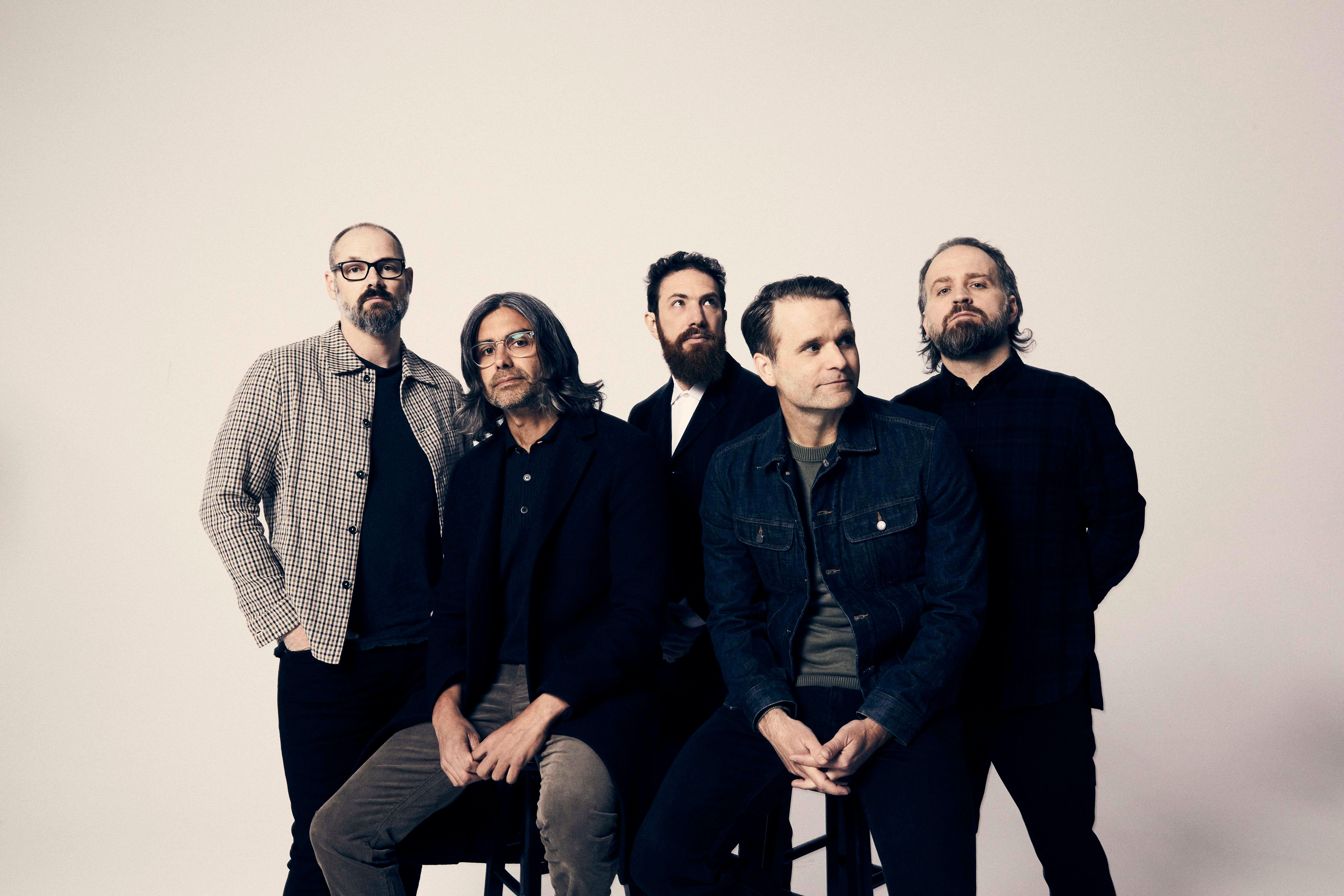
A single album built from delicate electronics and soft melancholy became a cult fixture. A short lived reunion tour rekindled the old charm but did not extend the project’s lifespan. In hindsight, the brevity of their catalog seems to amplify its impact.
Catatonia
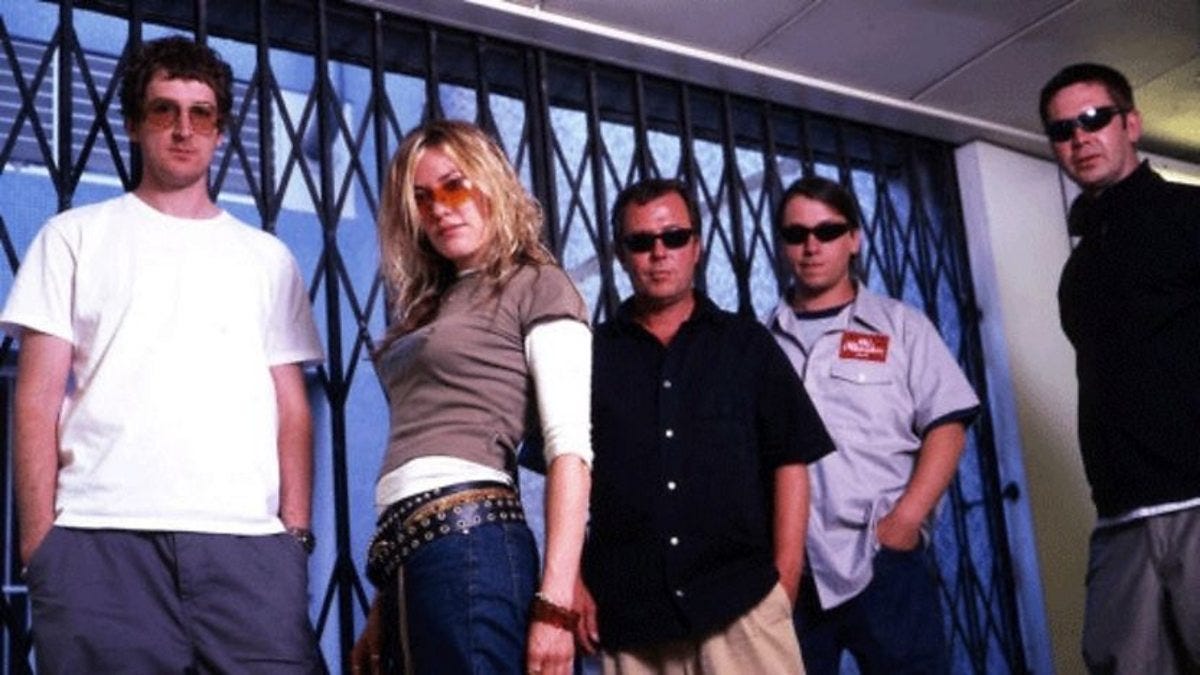
Mounting anxiety ultimately pulled Cerys Matthews away from the spotlight. Once that pressure reached its peak, the band gently folded.
The Cooper Temple Clause
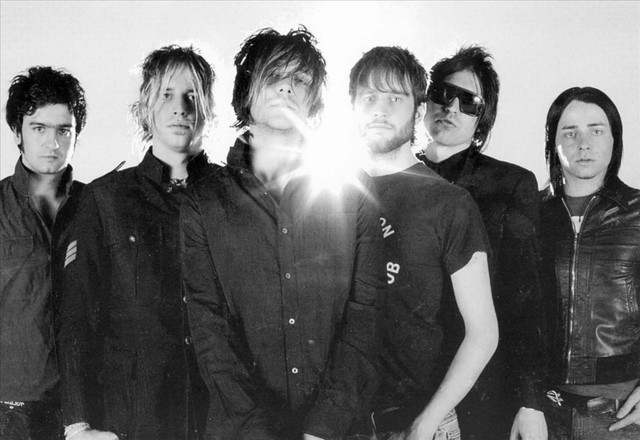
Two missed shows became the quiet trigger for an unexpected announcement. Members insisted that friendships remained intact even as the project dissolved. Fans were left blinking at the suddenness of it all.
Wolf Parade

There was a nervous electricity running through everything they recorded, like the songs were sprinting to stay ahead of themselves. When they went on hiatus the first time, it felt like they had stepped away just as things were getting interesting. Even now, those early albums carry the charge of a band that never quite finished saying what it meant to.
Larrikin Love
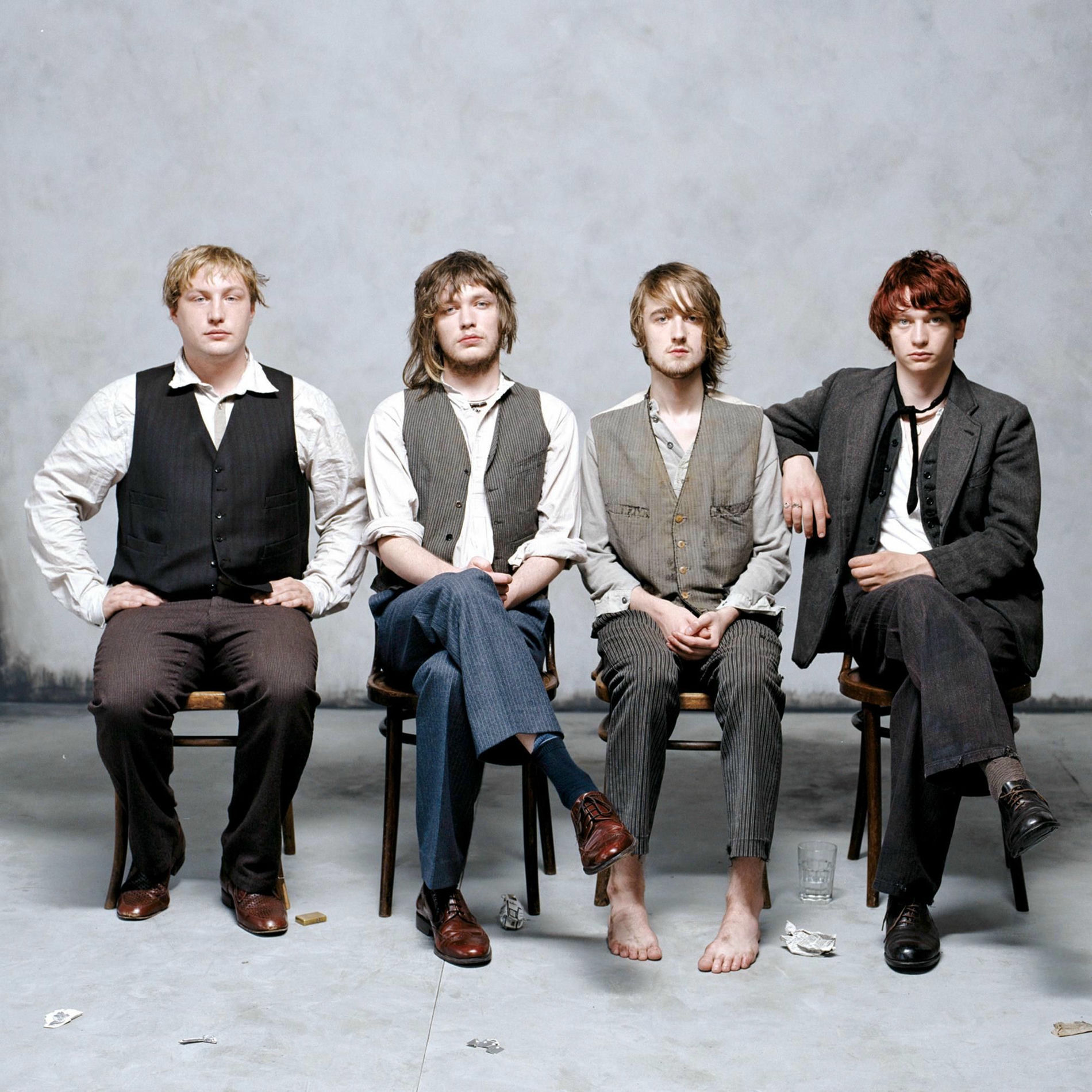
Their jittery indie charm caught attention quickly, especially within London’s scene. The breakup arrived just as new opportunities were opening. Jamie T’s onstage dedication captured the affection many held for them.
Be Your Own Pet
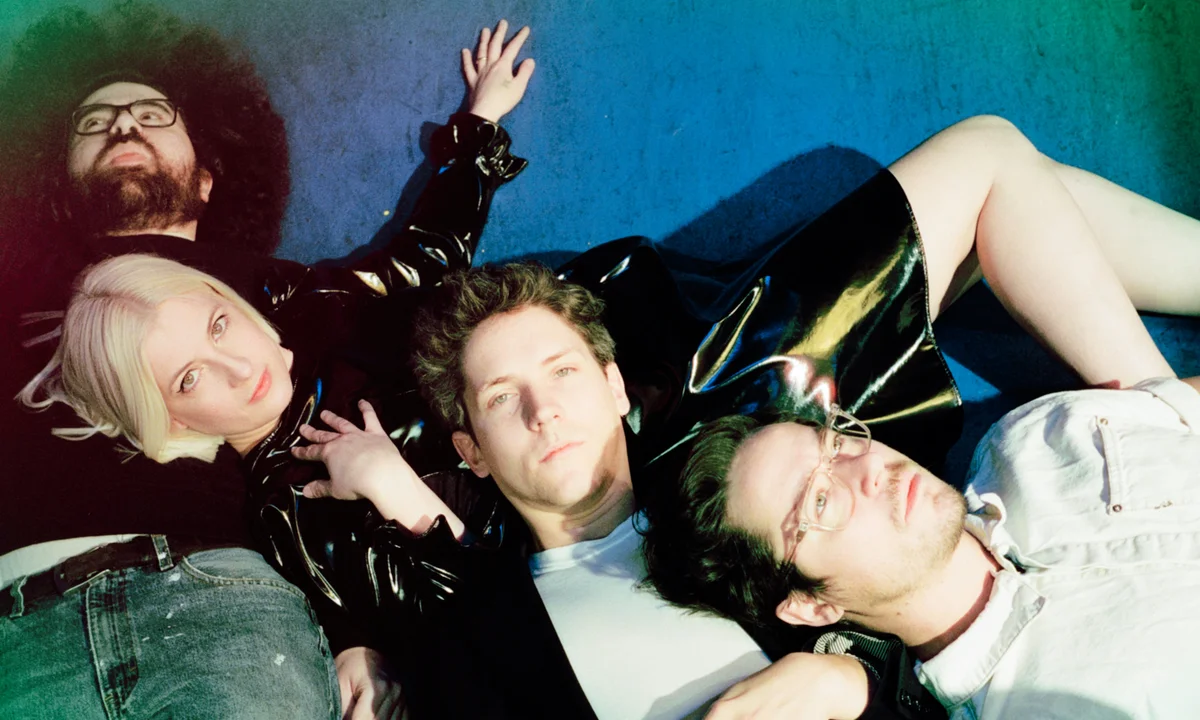
Youthful chaos was their defining currency, and it burned fast. Once the momentum slipped, each member scattered into fresh creative spaces. Jemina Pearl kept that wild streak alive in her later work.
Sonic Youth
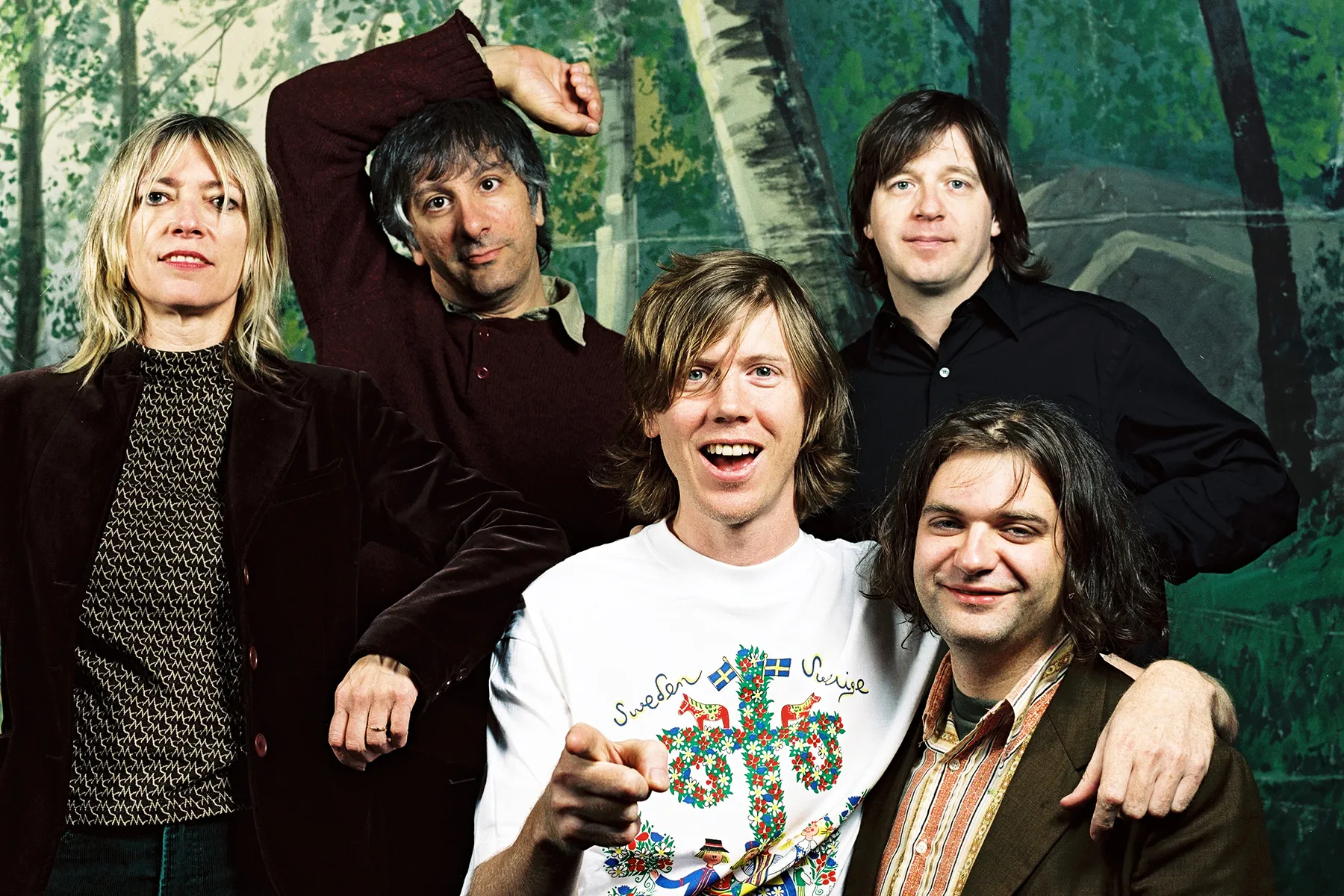
The dissolution of a long marriage within the band fractured everything around it. Years of innovation and influence suddenly felt paused rather than concluded.
The Blackout
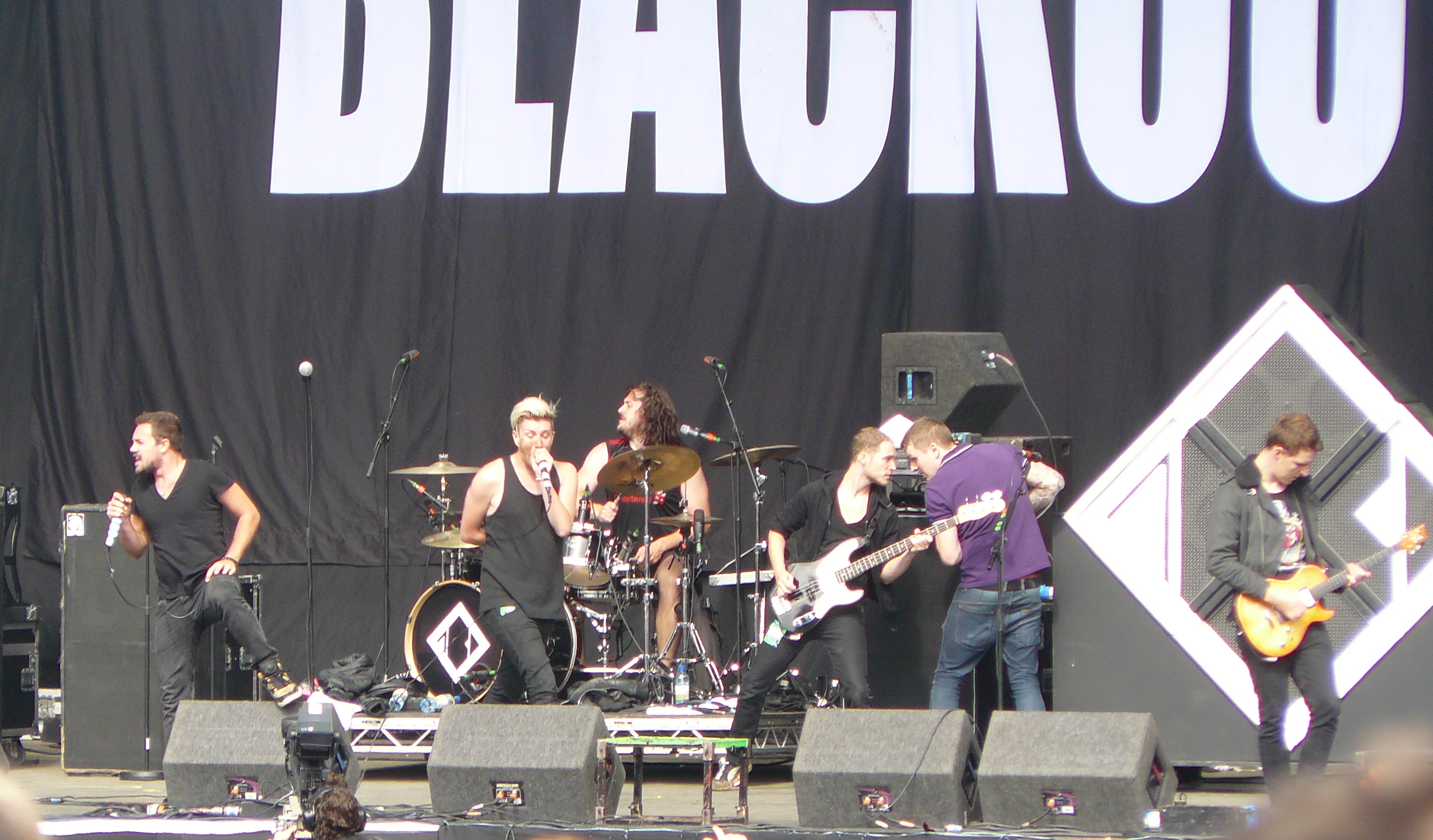
A heartfelt statement revealed that the strain of continuing outweighed the joy. The tone of their announcement carried both grief and acceptance. Longtime fans often talk more about the live energy than the studio output.
Crystal Castles

The exit of Alice Glass immediately signaled the end of the project’s original identity. Her explanation pointed to painful conditions that made staying impossible. The music now sits in a complex place for many listeners.
The Black Crowes
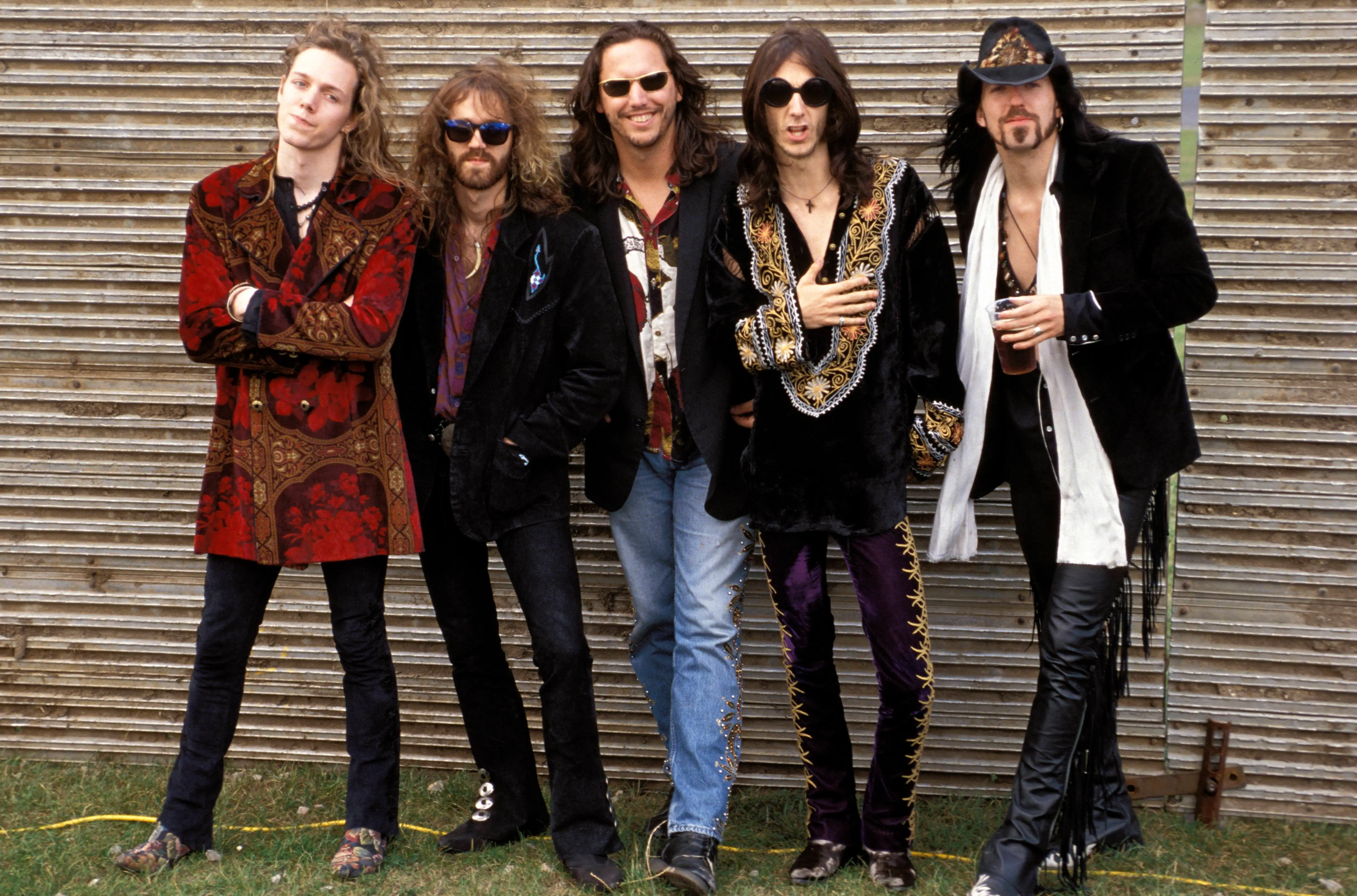
Creative stagnation eventually surfaced as the true culprit behind their final split. Chris Robinson spoke openly about how little the band seemed to care about writing anymore. The ending felt less dramatic than a slow dimming of lights.
The Long Blondes
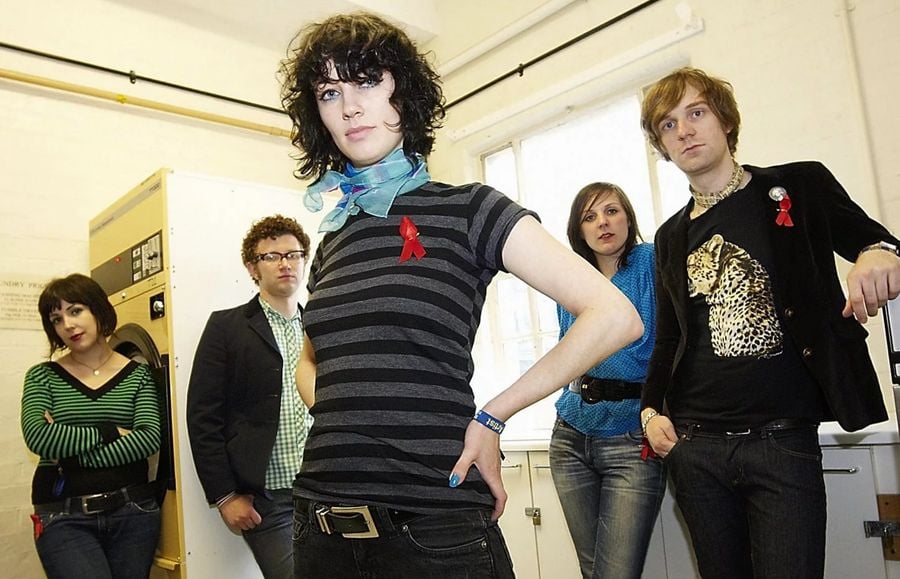
A sudden medical crisis froze the band at a moment when they felt poised for bigger things. Dorian Cox’s stroke shifted priorities instantly and permanently. What remains of their catalog has a sleek, stylish pulse that still attracts new listeners.