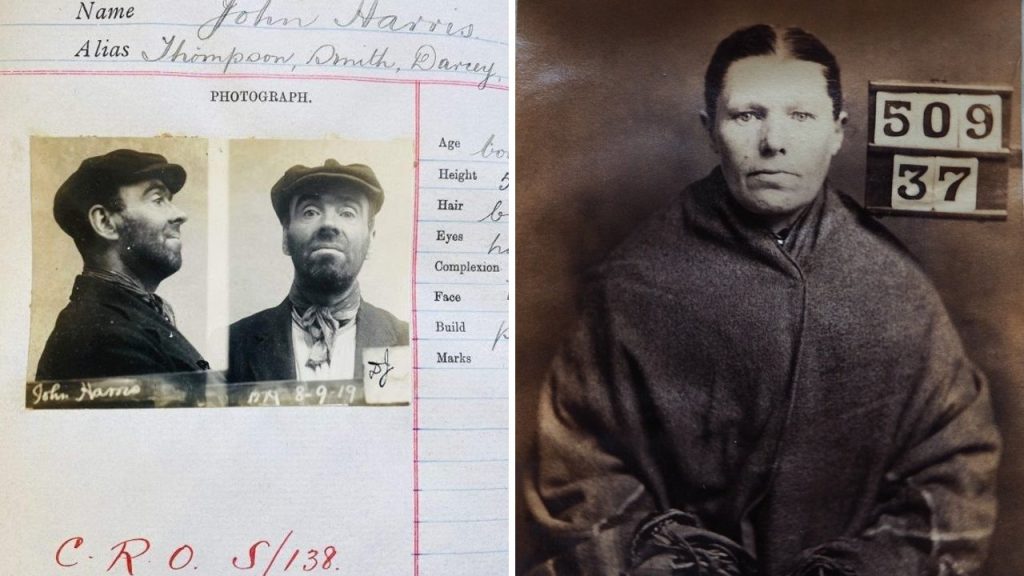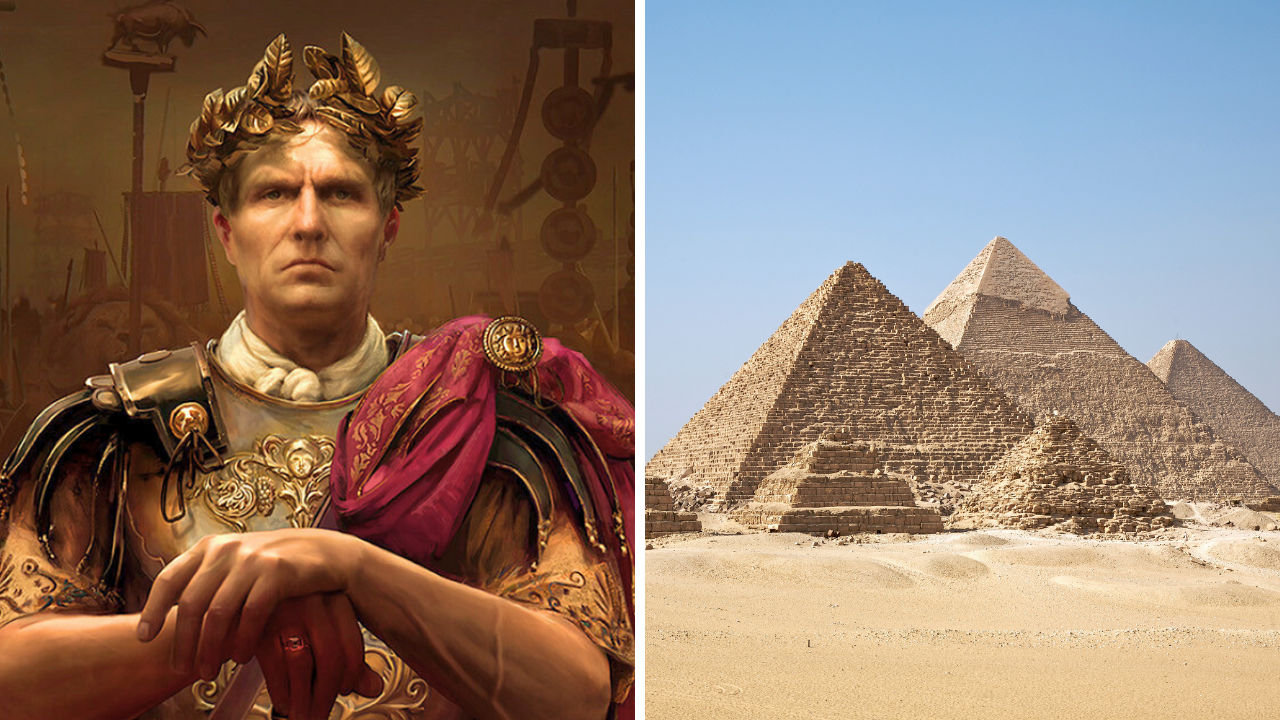
The viewpoints of people in positions of authority frequently influence history, creating myths and misconceptions that have been perpetuated for many generations. Here are 30 of the largest historical lies you were told, ranging from well-known myths to misrepresented stories.
1. Christopher Columbus Discovered America
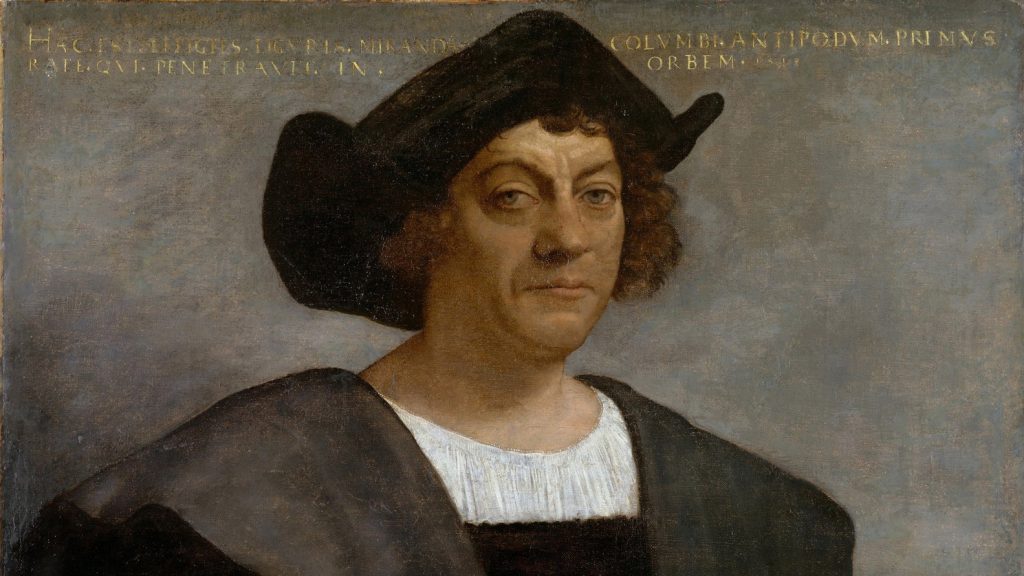
Indigenous peoples had been residing on the continent for thousands of years prior to Columbus’ arrival, hence he did not discover America. Furthermore, Leif Erikson and other Vikings arrived in North America long before Columbus did.
2. The Earth Is Flat
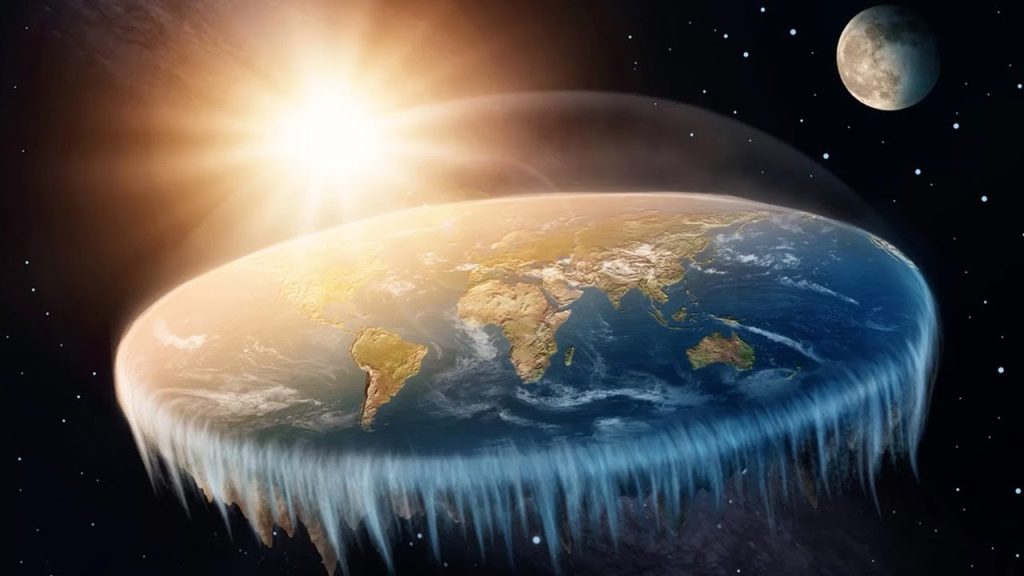
Although many ancient societies were aware that the Earth was round, the idea that it is flat was only widely accepted much later. The spherical shape of the Earth was well known to educated people by the time of Columbus.
3. Napoleon Was Short
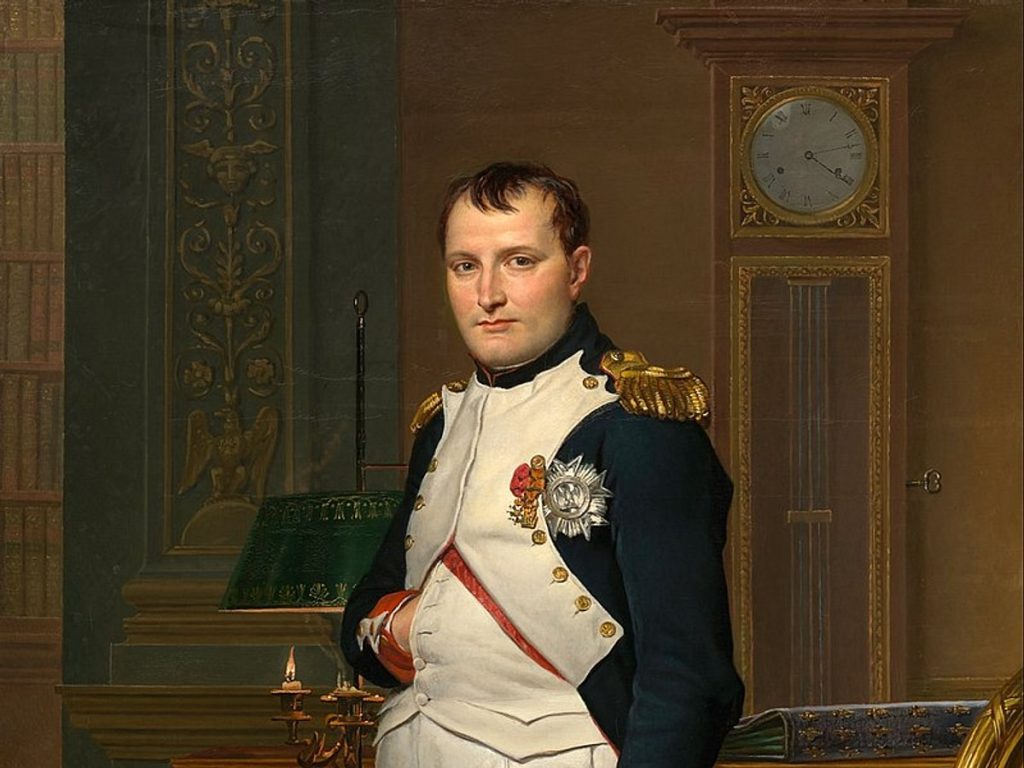
Napoleon Bonaparte stood at about 5’7″, which was not very short for his era. The French and British measurement methods differed, which caused the mistake.
4. The Great Wall of China Is Visible from Space
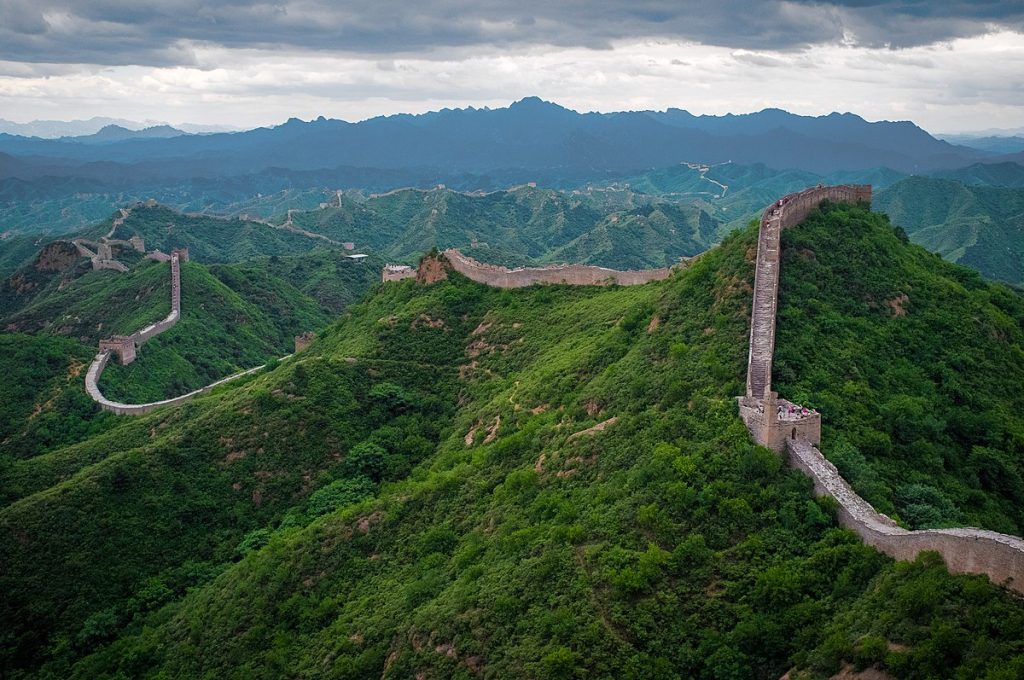
The Great Wall of China cannot be seen with the naked eye from space, despite what many people think. Although its size is amazing, it is too small and too much like the surrounding area.
5. Vikings Wore Horned Helmets
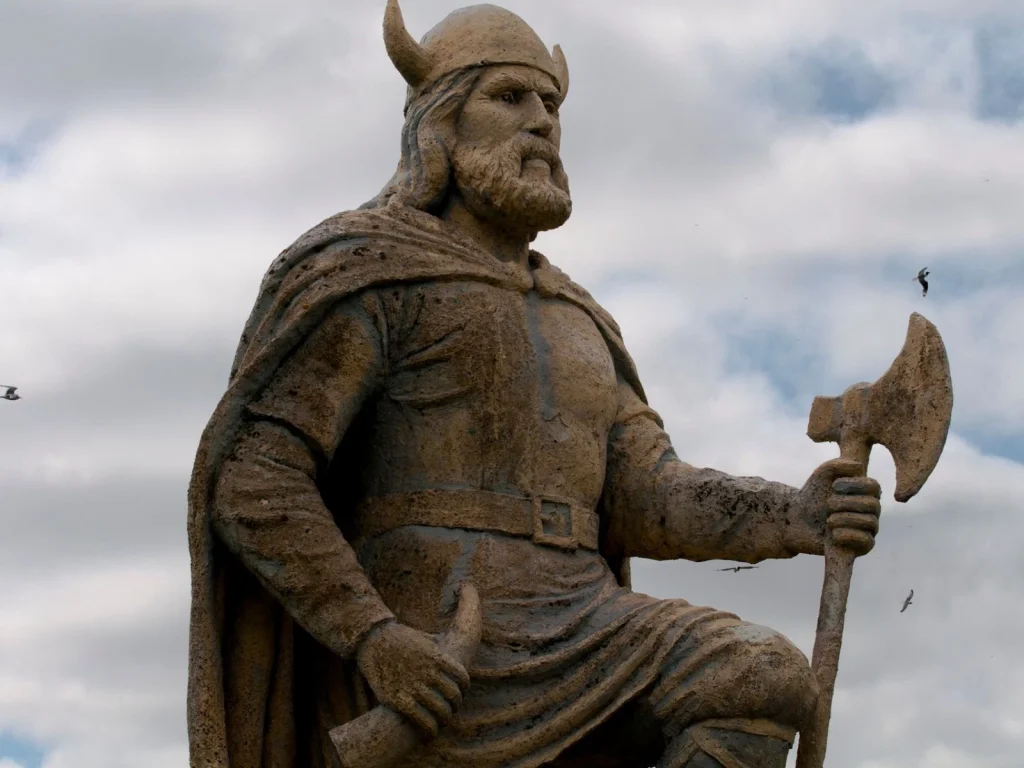
The notion that the seafaring people wore horned helmets is unsupported by any evidence. Artists from the 19th century produced this image, which has persisted in popular culture ever since.
6. Albert Einstein Was a Bad Student

The scientist was not a bad student; on the contrary, he was quite good at physics and mathematics. He probably rebelled against conventional teaching methods, which is where the tale originates.
7. Marie Antoinette Said, “Let Them Eat Cake”
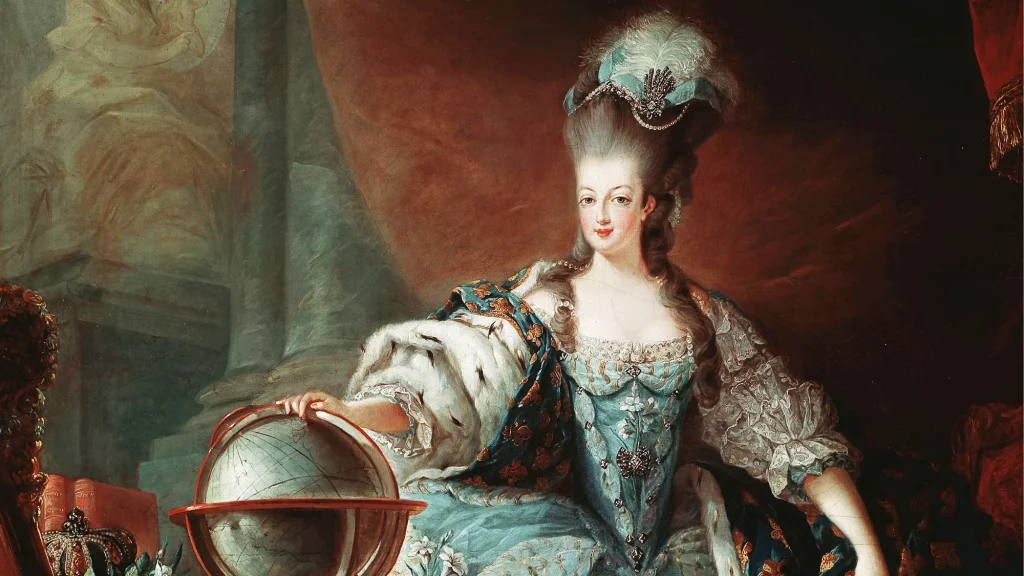
The Queen of France never uttered this, according to historical records. Most likely, the quote was created as propaganda during the French Revolution to stoke unrest.
8. The Titanic Was Sunk by an Iceberg
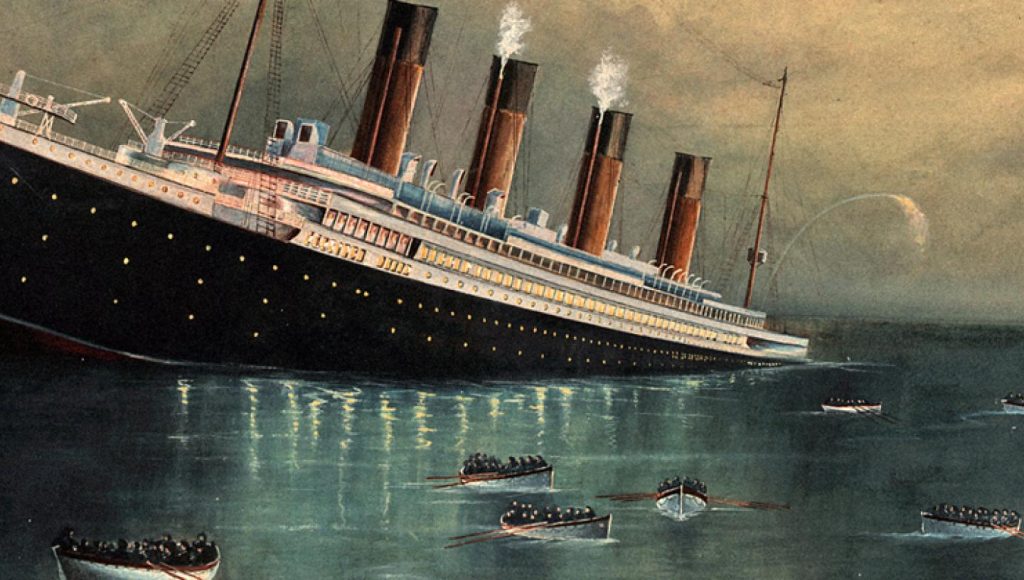
Although the Titanic was struck by an iceberg, its tragic sinking was caused by a mixture of human error, bad design, and insufficient safety precautions. All the iceberg did was start a series of events.
9. The Salem Witch Trials Burned Women at the Stake
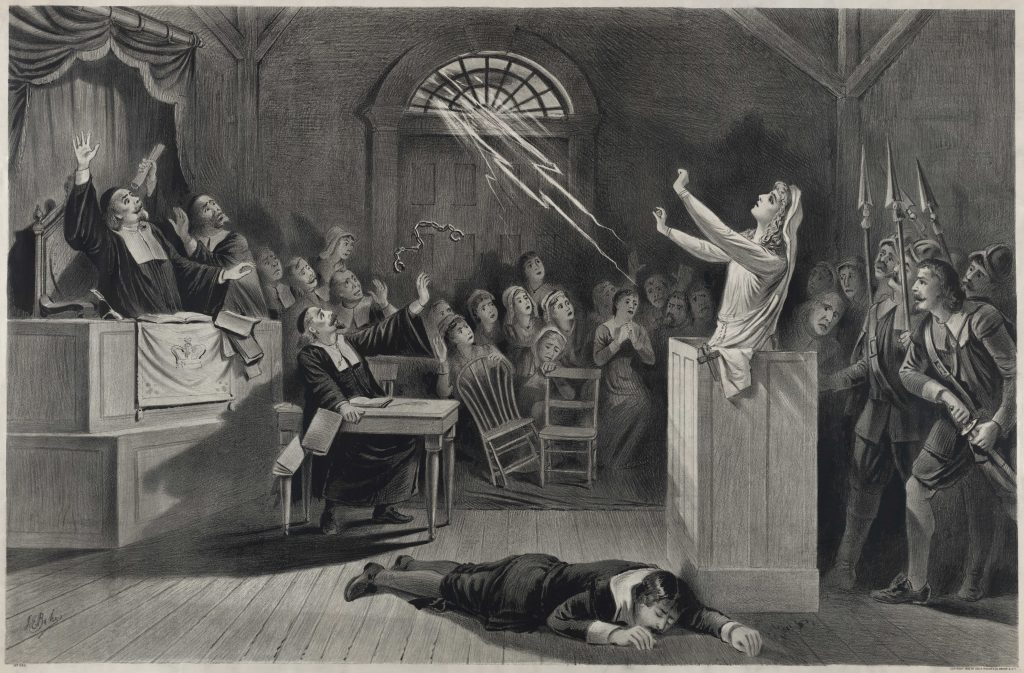
During the Salem Witch Trials, no one was executed by stake. A small number of persons died in prison or by other means, but the majority were hanged.
10. The Middle Ages Were a Time of Scientific Stagnation
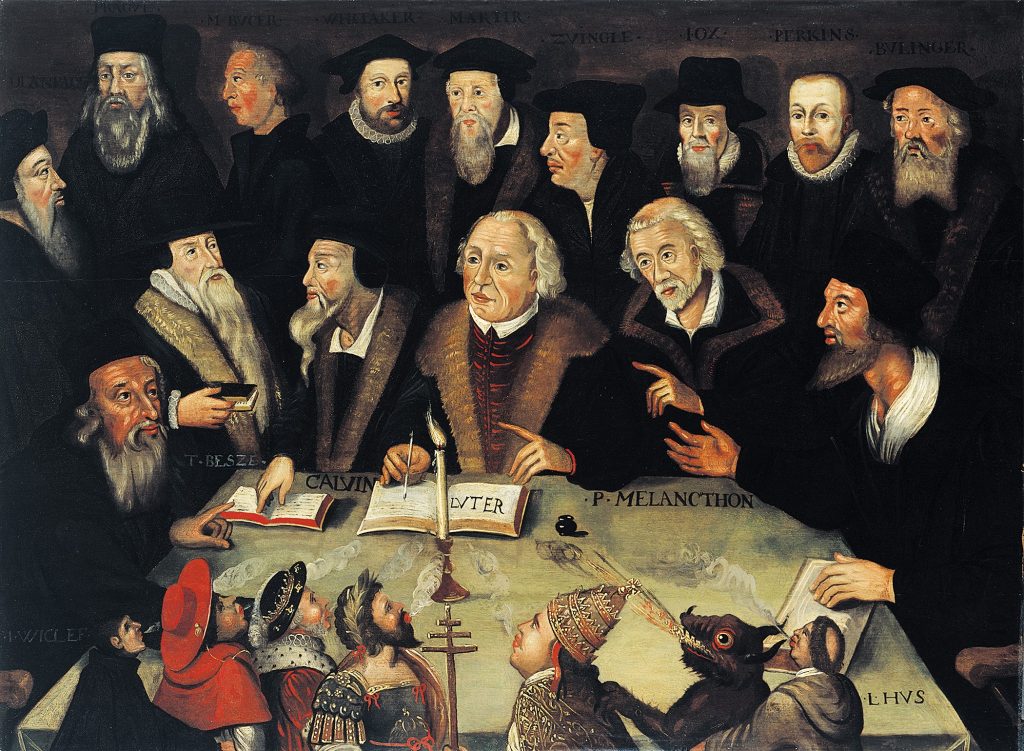
There was scientific advancement during the so-called “Dark Ages.” Significant advances in mathematics, medicine, and astronomy were accomplished by scholars in the Islamic world as well as some in Europe.
11. Cleopatra Was Egyptian
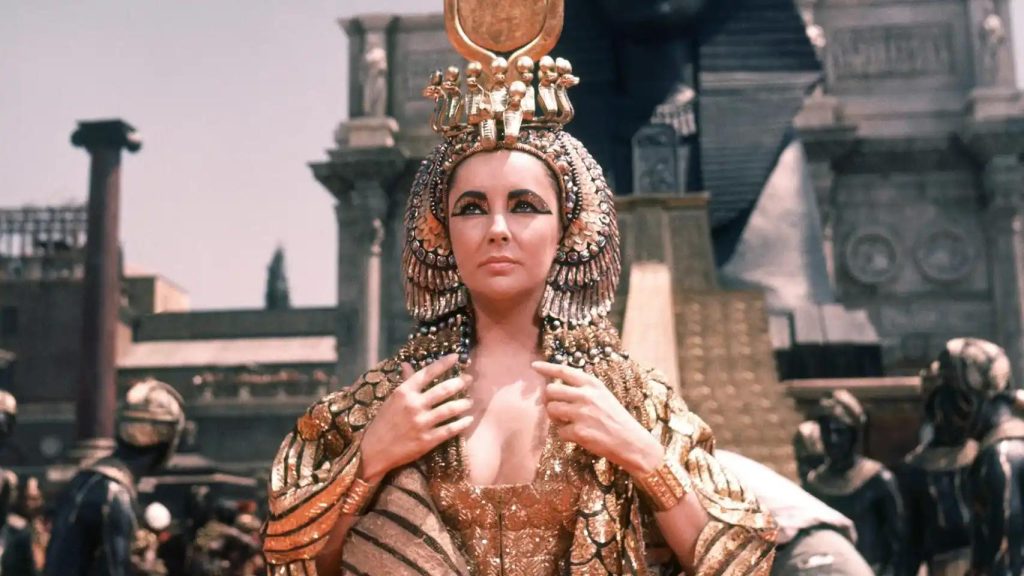
In reality, Cleopatra was a member of the Ptolemaic dynasty and of Greek ancestry. She was not ethnically Egyptian, although her family did control Egypt following the death of Alexander the Great.
12. George Washington Had Wooden Teeth
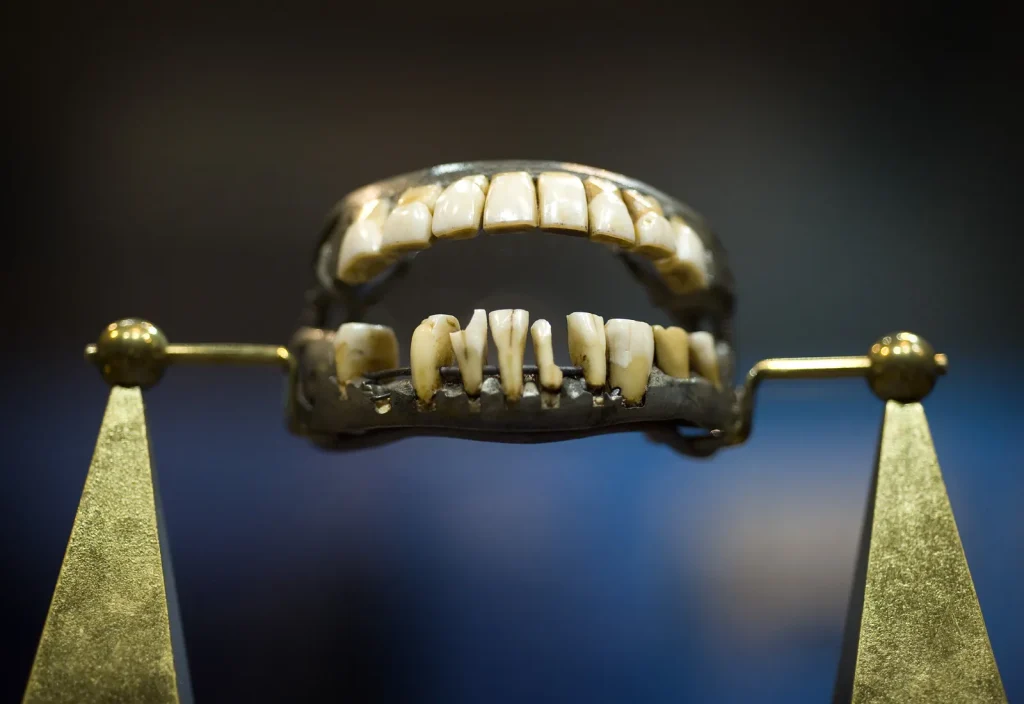
Washington’s teeth were composed of a combination of ivory, human teeth, and other materials rather than wood. He experienced severe agony and discomfort from his dentures.
13. Rome Fell in 476 AD
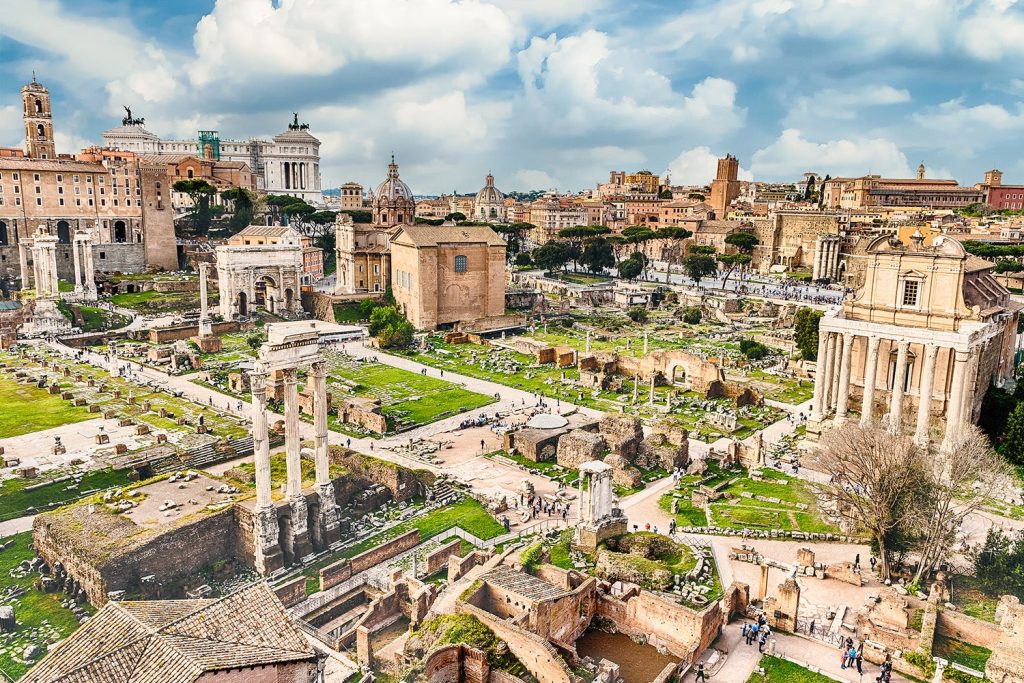
Although the Western Roman Empire is said to have fallen in 476 AD, the Eastern Roman Empire (also known as the Byzantine Empire) persisted for almost a millennium. Rome’s decline happened gradually rather than all at once.
14. Shakespeare Was the Only Author of His Plays
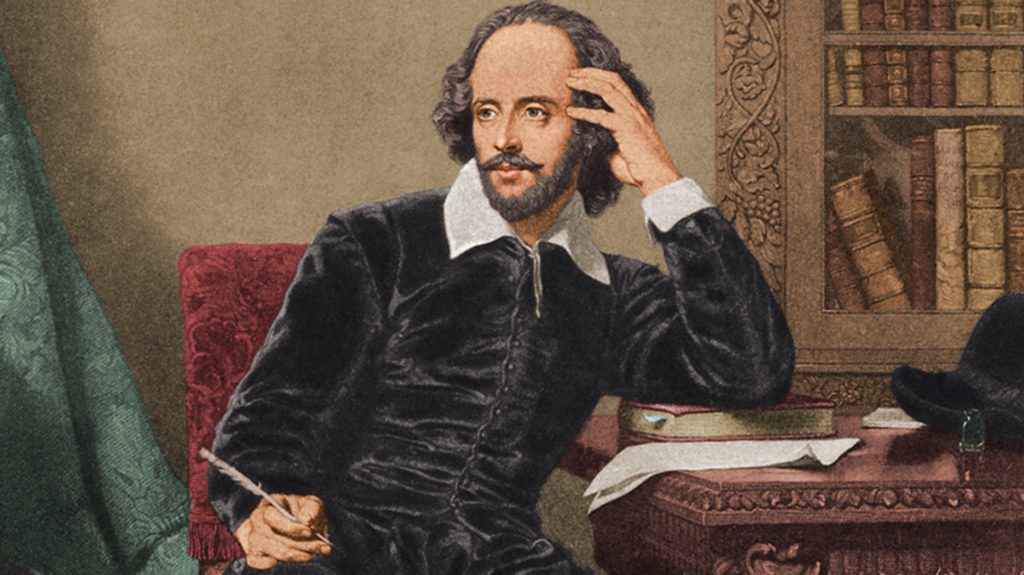
Some academics think that Shakespeare’s writings might have been influenced by other authors like Edward de Vere or Francis Bacon. The argument of authorship is still up for debate.
15. People Believed the Earth Was the Center of the Universe

Many Greek thinkers, such as Aristotle and Ptolemy, had created geocentric theories of the world, despite the fact that certain ancient tribes still believed this. Copernicus presented the heliocentric idea considerably later.
16. The Medieval Period Was Filled with Superstition
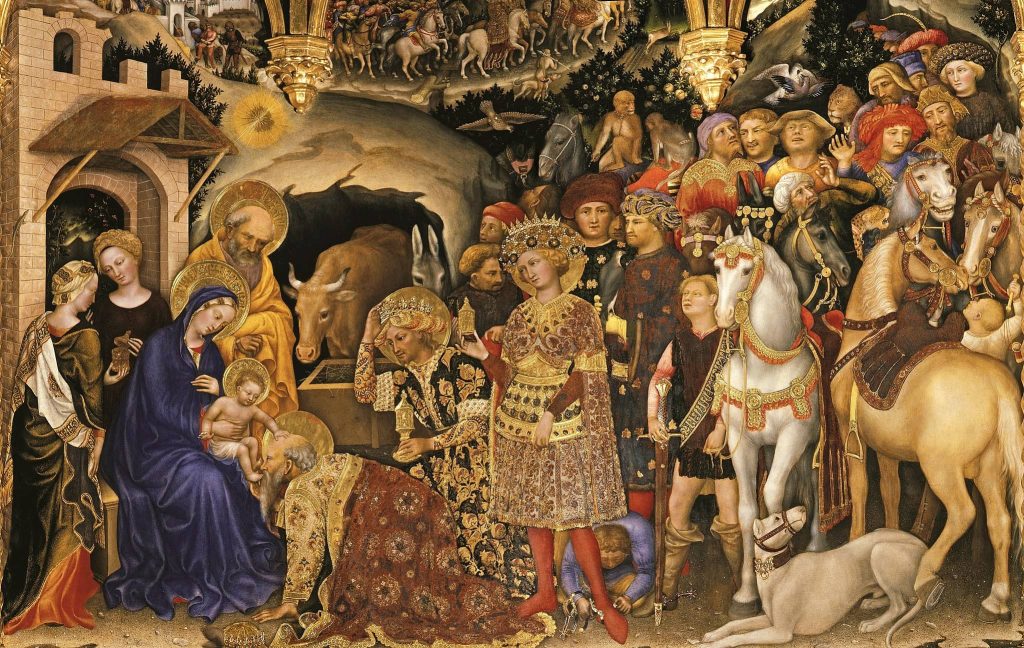
Because of their advancements in science, architecture, and agriculture, the people of the Middle Ages had a sophisticated view of the world and were not wholly superstitious. Contrary to popular belief, the time was much more advanced.
17. The Black Plague Was Spread by Rats
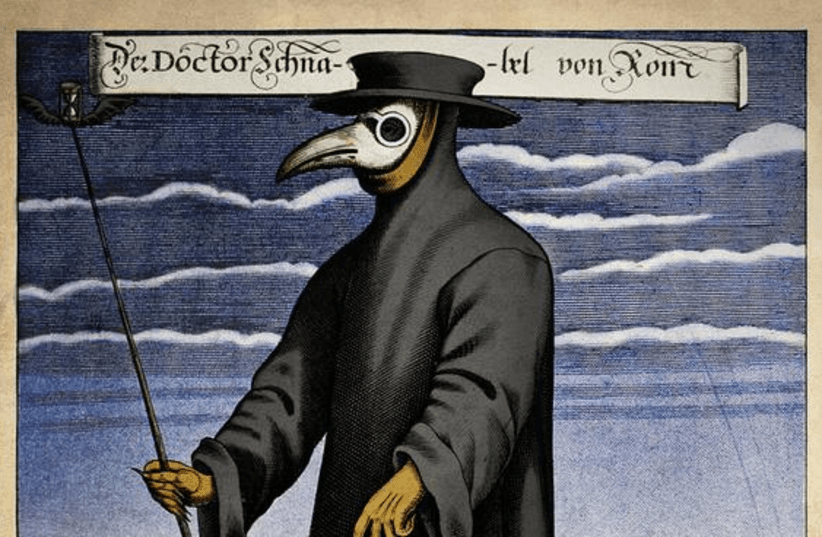
The bacterium Yersinia pestis was probably the main vector of the plague, while rats and fleas also contributed to its spread. Rats’ involvement in the spread has been overstated.
18. The American Civil War Was Only About Slavery
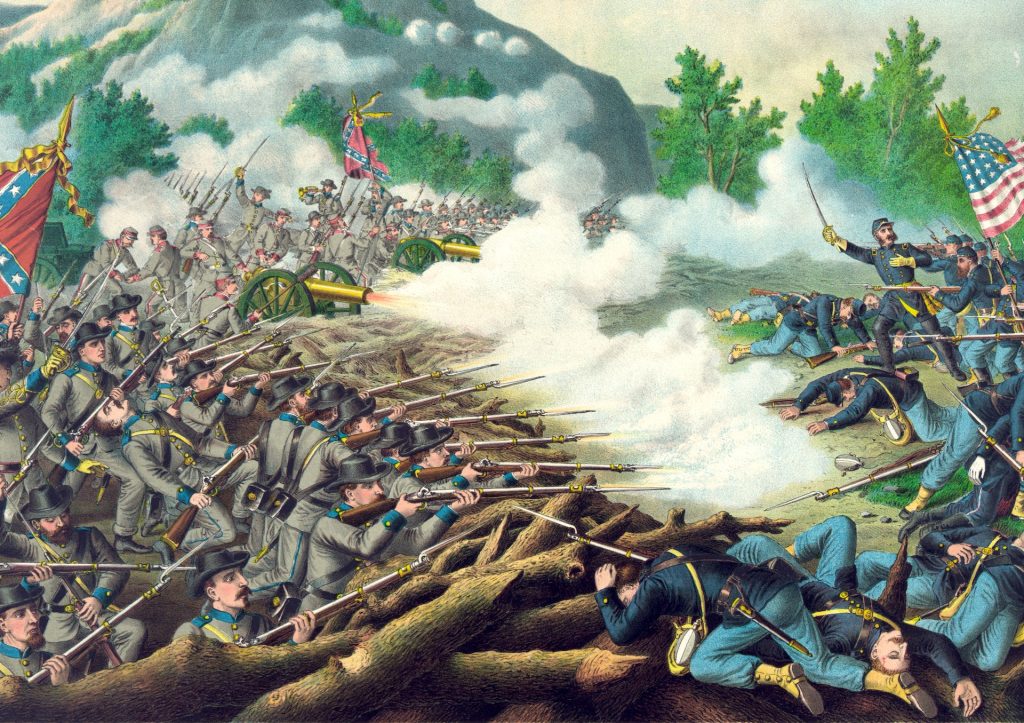
While slavery had a significant role, states’ rights, regional disparities, and economic systems also played a role in the Civil War. Slavery was a major factor, but it wasn’t the only one.
19. Napoleon Was Exiled to Elba First
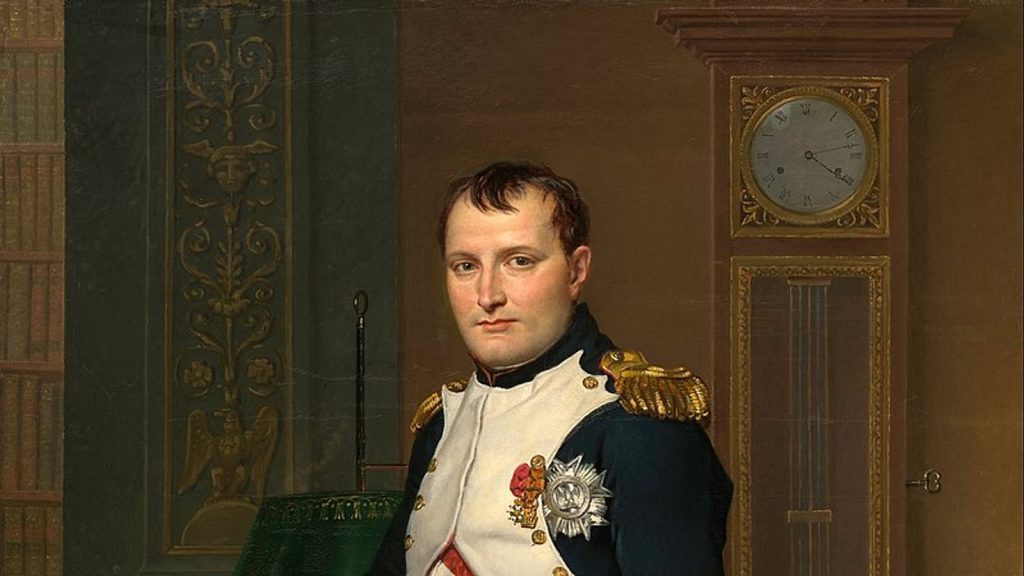
Following his first abdication, Napoleon was originally banished to the island of Elba; however, he managed to escape and regained power for a period of time known as the Hundred Days prior to his ultimate defeat at Waterloo.
20. The Declaration of Independence Was Signed on July 4th
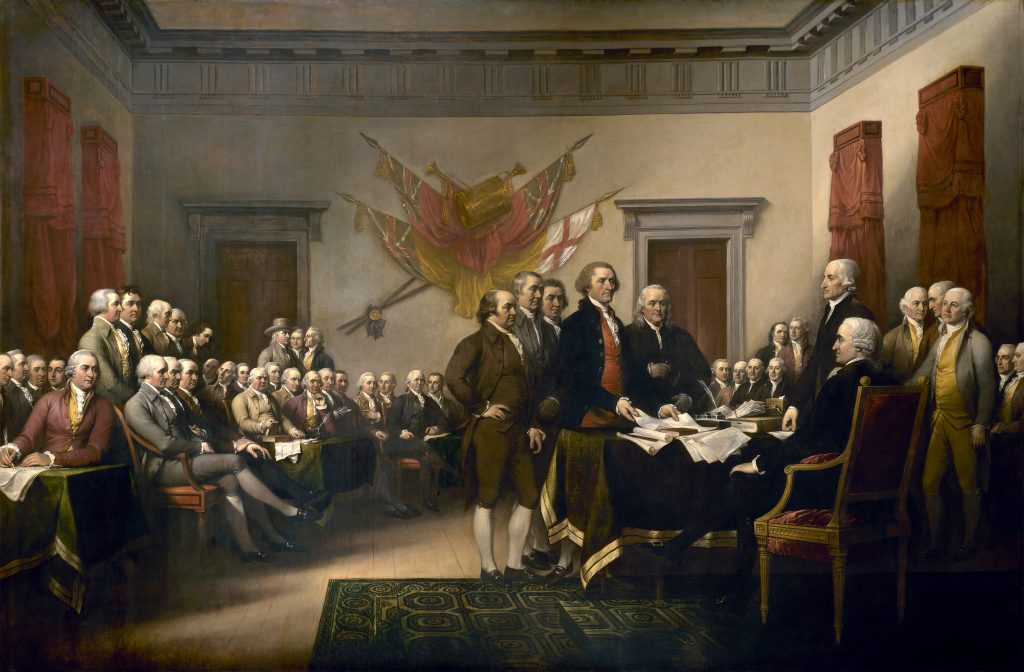
The majority of the signatories actually signed the Declaration of Independence on August 2, 1776, although it was adopted on July 4, 1776. What became celebrated was the adoption date.
21. The Emancipation Proclamation Freed All Slaves
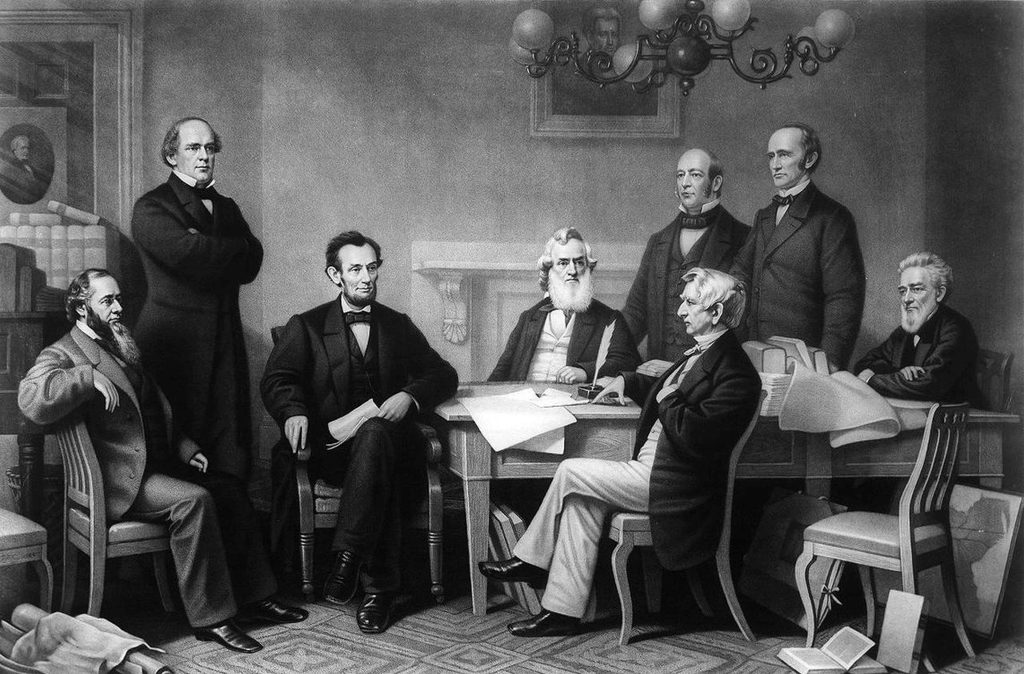
Union states were not covered by the Emancipation Proclamation; only Confederate-held territories were. Although it was a significant move, not all enslaved individuals were instantly set free.
22. The First Thanksgiving Was a Peaceful Feast
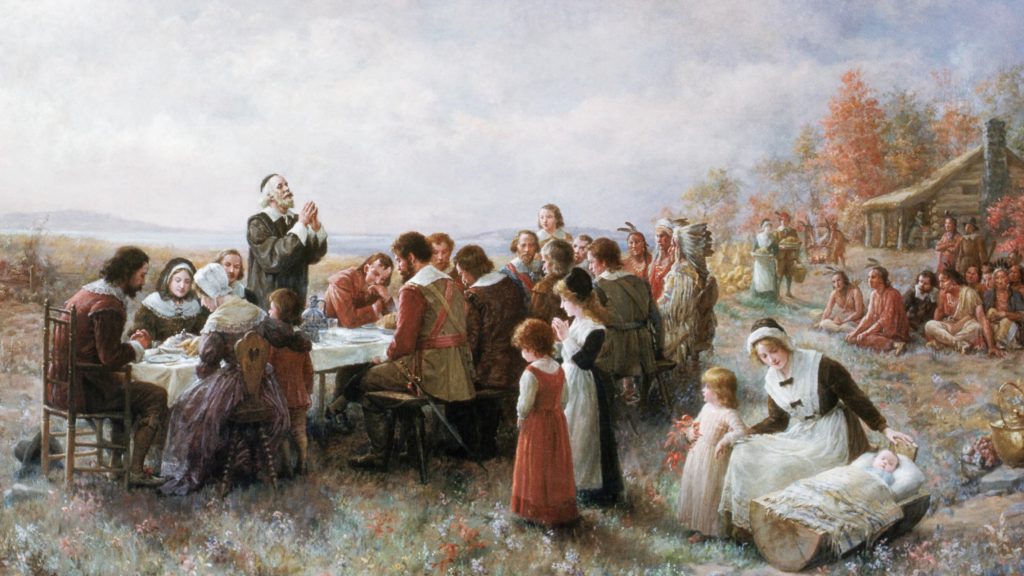
Tensions between Native Americans and settlers remained, thus, the first Thanksgiving was not a completely calm occasion. Conflict ensued after the cooperative time of the feast.
23. The Inquisition Was About Burning Heretics
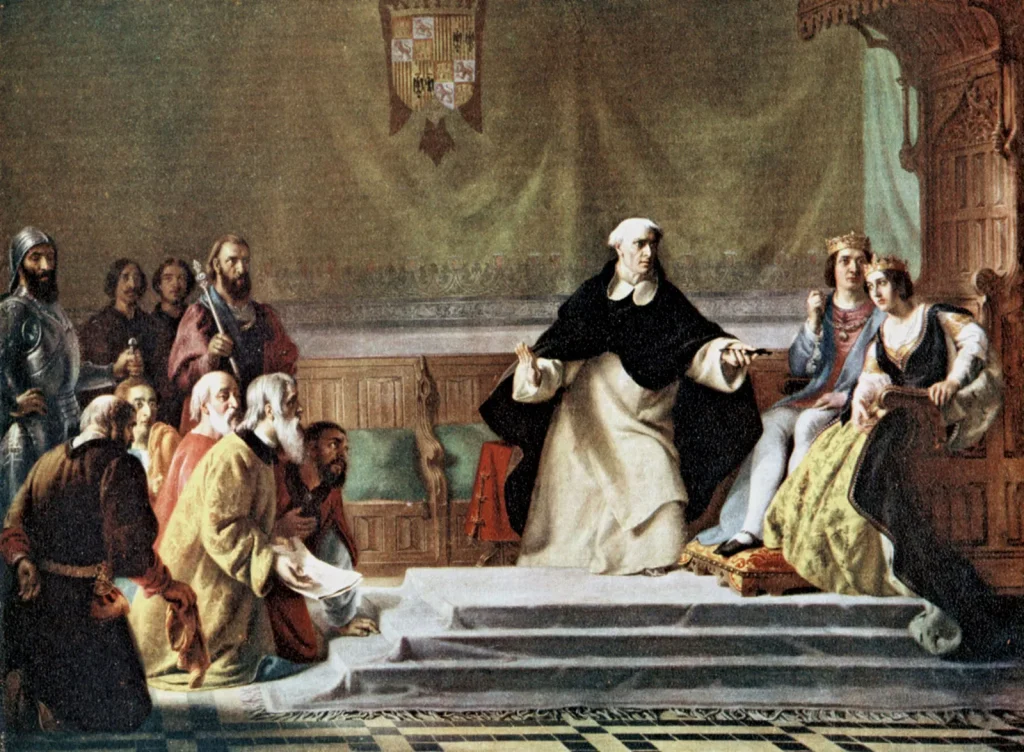
Burning heretics was not the main goal of the Spanish Inquisition. Executions were uncommon, and the majority of those charged were tortured to elicit confessions.
24. Witches Were Burned in Europe
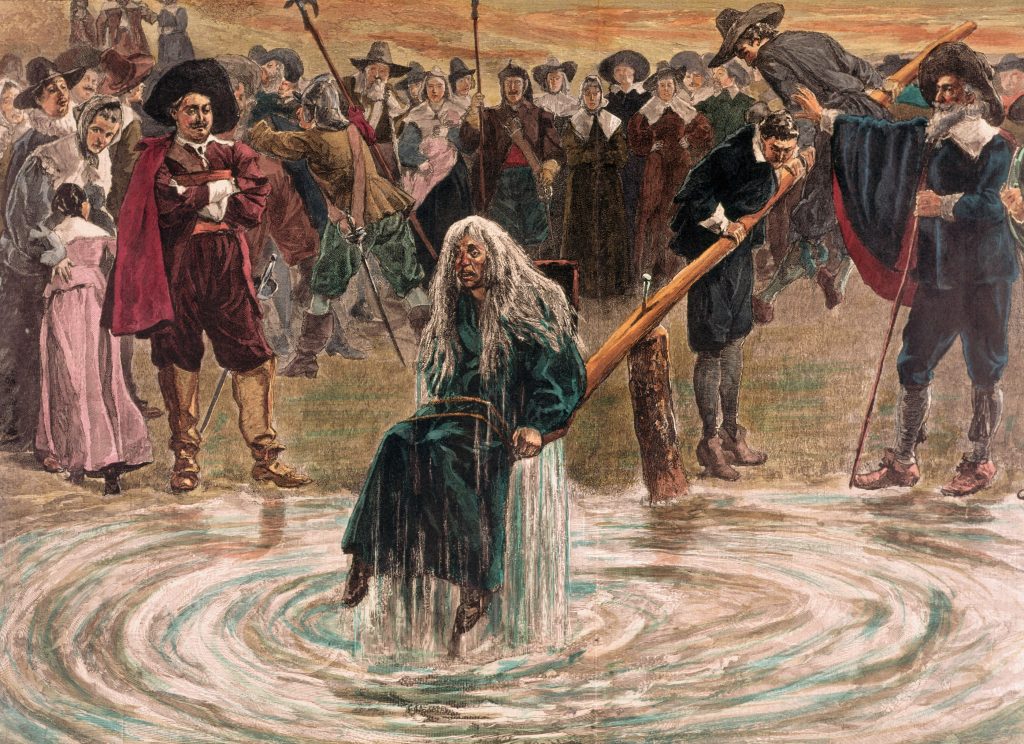
In Europe, witchcraft trials frequently led to deaths by beheading or hanging rather than burning. In regions such as colonial America, burning was more prevalent.
25. The Boston Tea Party Was a Protest Against High Taxes
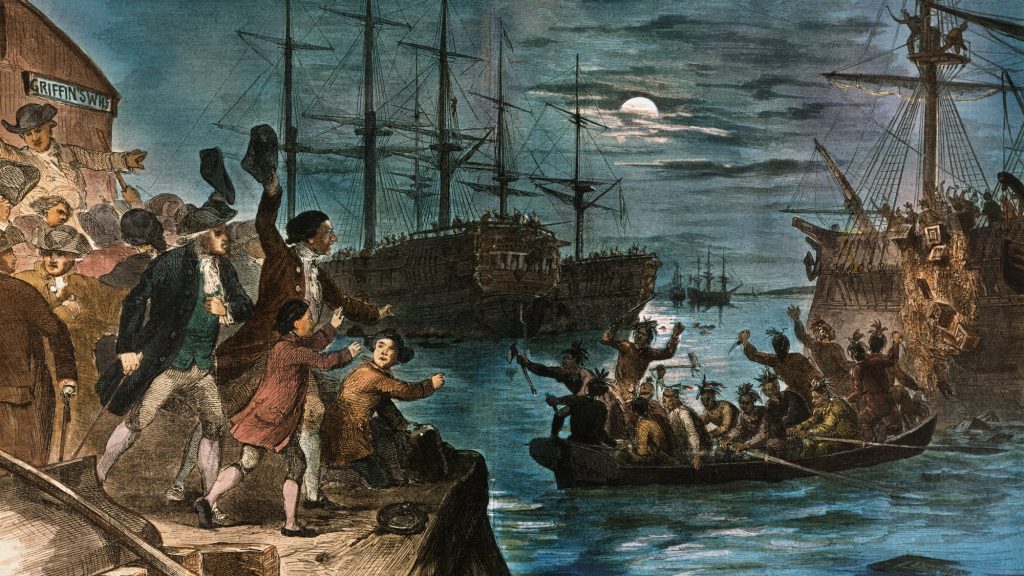
Rather than the tax itself, the Boston Tea Party was a protest against the British East India Company’s monopoly on the tea trade. The absence of representation in the decision-making process was a point of contention for the colonists.
26. Julius Caesar Was Assassinated on the Ides of March
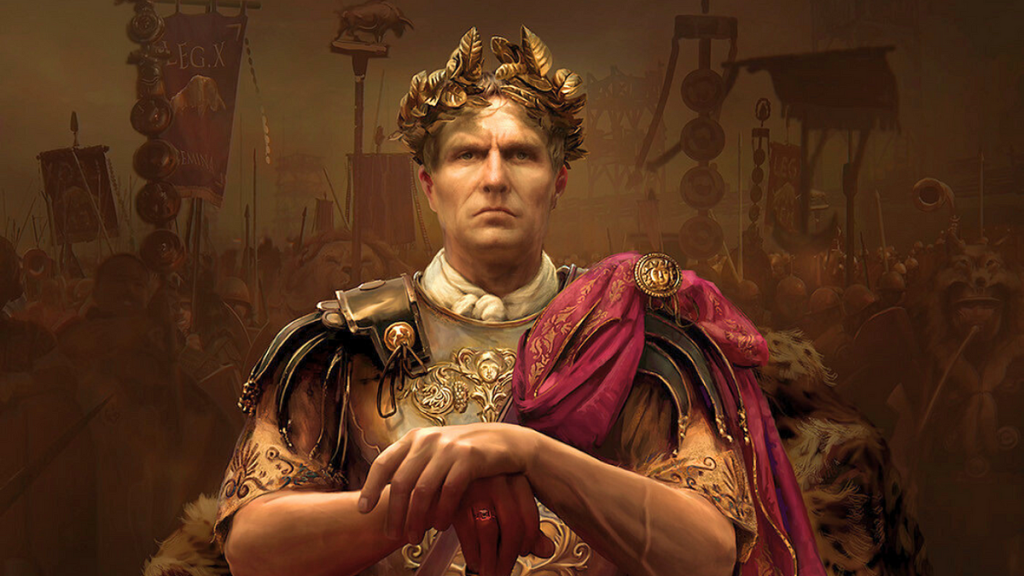
The phrase “Ides of March” only refers to the middle of the month, even though Julius Caesar was slain on March 15. Shakespeare’s play is what made it famous.
27. The Berlin Wall Came Down in 1989 Because of a Major Uprising

A number of intricate circumstances, including the shifting political landscape in Eastern Europe and the relaxation of travel restrictions, contributed to the fall of the Berlin Wall rather than a single rebellion.
28. People in the Past Thought the Sun Revolved Around the Earth
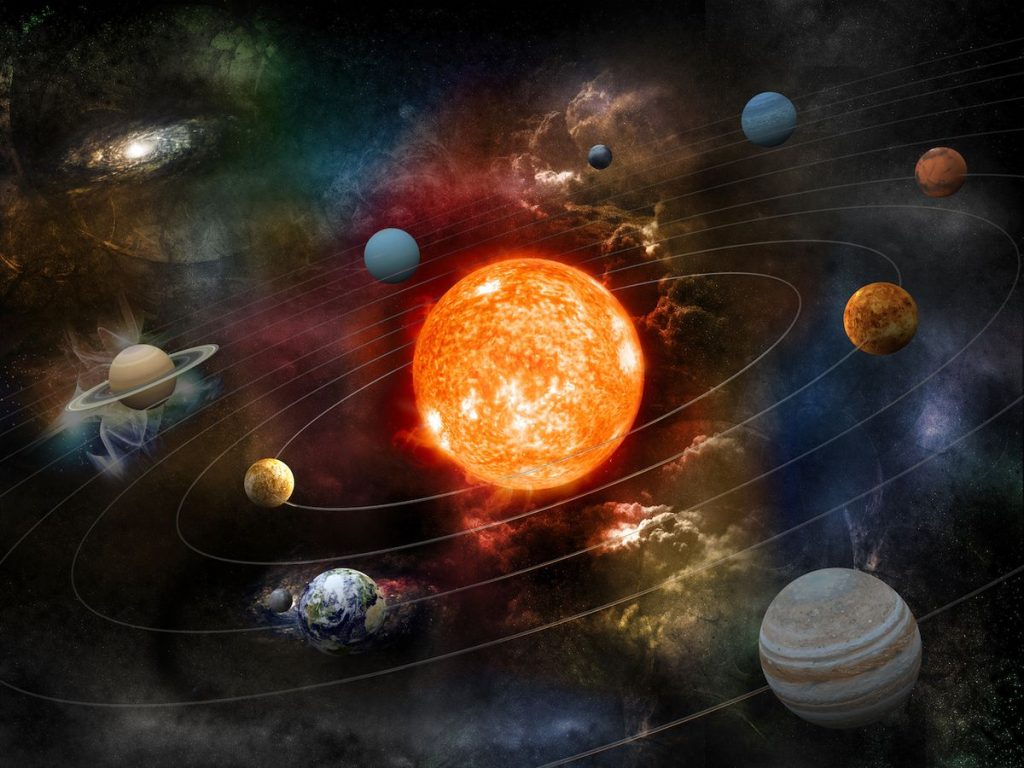
The Greeks and Egyptians, among other ancient societies, were aware of the Sun’s motion across the sky. Although it wasn’t commonly accepted in antiquity, the geocentric concept did gain traction much later.
29. Marie Curie Died from Radiation Poisoning
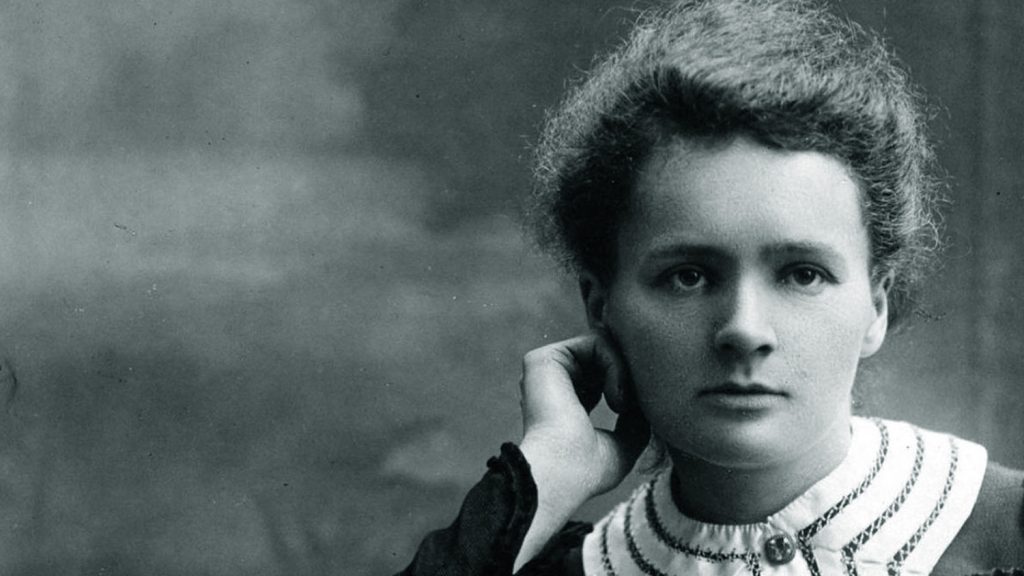
There is no concrete proof that Curie’s death was brought on by radiation exposure, despite the fact that her work with radioactive elements is renowned. She passed away from aplastic anemia, which may or may not have been caused by her prolonged radiation exposure.
30. The Ancient Egyptians Built the Pyramids with Slave Labor
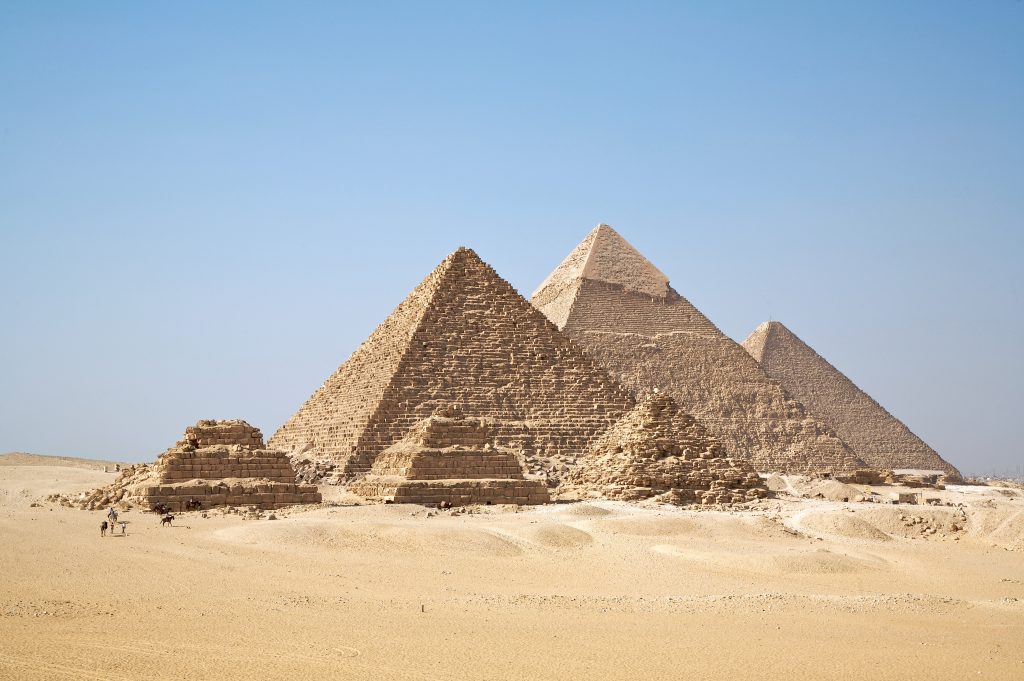
The pyramids were probably built by highly paid, skilled laborers rather than slaves. According to recent evidence, the pyramids were constructed over many decades by a workforce of thousands of workers who lived in neighboring communities.