Black actresses have been part of cinema from its earliest decades, even when the industry offered them few opportunities beyond stereotypes. Some became historic firsts, others changed the kinds of roles Black women could play, and many delivered performances that became landmarks in their own right. From early pioneers to modern stars, presented in no particular order, these 30 actresses helped reshape film history.
Hattie McDaniel

McDaniel made history with Gone with the Wind in 1939, becoming the first Black performer to win an Academy Award. Her victory was groundbreaking even as the limited roles Hollywood offered Black women reflected the inequalities of the era.
Viola Davis

Davis became the first Black performer to achieve acting’s Triple Crown, with her Oscar-winning performance in Fences joining major victories on stage and television. Films including Doubt, The Help, and Ma Rainey’s Black Bottom have made her one of the defining dramatic actresses of her generation.
Dorothy Dandridge

Dandridge’s performance in Carmen Jones made her the first Black woman nominated for the Academy Award for Best Actress. Her glamorous screen presence challenged an industry that rarely allowed Black actresses to be romantic leading ladies.
Pam Grier

With Coffy and Foxy Brown, Grier became one of the faces of 1970s blaxploitation and helped establish a new kind of female action star. Jackie Brown later gave her one of the great career comebacks of the 1990s.
Josephine Baker

Long before Hollywood offered many Black women starring opportunities, Baker became an international screen and stage star in Europe. Movies including Siren of the Tropics, Zouzou, and Princesse Tam Tam helped make her one of the earliest Black female celebrities in cinema.
Cicely Tyson

Tyson deliberately sought roles that presented Black women with dignity and complexity rather than accepting stereotypes. Her performance in Sounder earned her a Best Actress Oscar nomination and became one of the defining roles of her long career.
Halle Berry

Berry entered film history when Monster’s Ball made her the first Black woman to win the Academy Award for Best Actress. She also became a major blockbuster star through films like X-Men, bringing a Black female superhero to one of Hollywood’s biggest franchises.
Whoopi Goldberg

Goldberg arrived in movies with an Oscar-nominated performance in The Color Purple and later won for Ghost. Her success in Sister Act also proved a Black actress could anchor a huge mainstream comedy franchise.
Lena Horne

Horne brought a level of glamour rarely afforded to Black women in Golden Age Hollywood, particularly in Stormy Weather and Cabin in the Sky. She also resisted the stereotypical roles studios routinely offered Black performers.
Angela Bassett
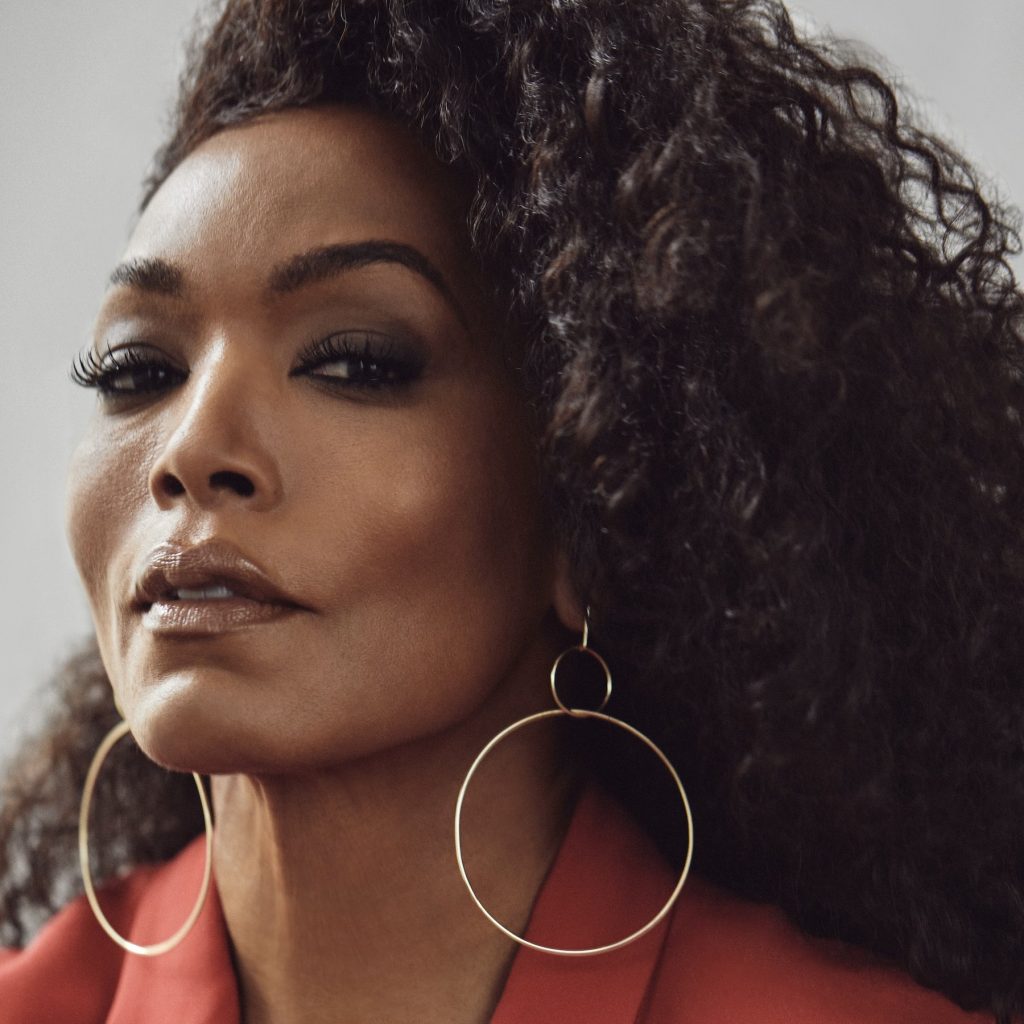
Bassett’s electrifying turn as Tina Turner in What’s Love Got to Do with It earned her an Oscar nomination and remains one of cinema’s most memorable musical biopic performances. Waiting to Exhale, How Stella Got Her Groove Back, and the Black Panther films extended that influence across decades.
Ruby Dee

Dee brought Ruth Younger from the stage to the screen in the landmark A Raisin in the Sun and later appeared in films ranging from Do the Right Thing to American Gangster. Her screen career stretched across more than half a century.
Nina Mae McKinney

McKinney became a star through Hallelujah, one of Hollywood’s earliest all-Black sound features. MGM signed her to a long-term contract, but the roles worthy of her talent rarely followed, illustrating the barriers faced by Black leading women in early Hollywood.
Ruth de Souza

One of Brazilian cinema’s great pioneers, Ruth de Souza broke barriers on stage before building an important film career. Her performance in Sinhá Moça earned her a Best Actress nomination at the Venice Film Festival in the 1950s.
Ethel Waters

Already a major singer and stage performer, Waters successfully reinvented herself as a dramatic screen actress. Her work in films like Cabin in the Sky helped establish a path for Black performers moving between music, theater, and Hollywood.
Diahann Carroll

Carroll appeared alongside Dorothy Dandridge in Carmen Jones and Porgy and Bess before earning her own Best Actress Oscar nomination for Claudine. Her success across film, television, and Broadway continually pushed against the narrow roles available to Black actresses.
Fredi Washington

Washington’s role as Peola in the original Imitation of Life remains her defining screen performance. Hollywood executives encouraged the light-skinned actress to pass as white to build a bigger career, but she refused and later became an important advocate for Black performers.
Alfre Woodard

Woodard has spent decades moving between leading and supporting roles with remarkable consistency. From Passion Fish and Crooklyn to later dramatic work, she became one of Hollywood’s most respected character actresses.
Diana Ross

Ross made an extraordinary film debut by playing Billie Holiday in Lady Sings the Blues, earning a Best Actress Oscar nomination with her very first movie. She followed it with starring vehicles including Mahogany and The Wiz.
Juanita Moore

Moore’s performance in Imitation of Life earned her an Academy Award nomination at a time when major studio opportunities for Black actresses remained exceptionally scarce. She went on to appear in more than 50 films.
Beah Richards

Richards earned an Oscar nomination for her performance as Sidney Poitier’s mother in Guess Who’s Coming to Dinner. Her quiet authority made her a memorable presence during an important period of change in American filmmaking.
Regina King

After beginning her film career with movies like Boyz n the Hood, King steadily became one of Hollywood’s most acclaimed performers. Her work in If Beale Street Could Talk finally brought her an Academy Award, and she later moved successfully into directing.
Octavia Spencer

Years of smaller roles eventually led Spencer to The Help, where her performance as Minny won the Academy Award for Best Supporting Actress. Hidden Figures and Fruitvale Station further established her as one of the most dependable dramatic performers of her era.
Lupita Nyong’o

Nyong’o won an Oscar for her feature-film breakthrough in 12 Years a Slave. She followed it by moving easily between prestige drama, horror in Us, and blockbuster filmmaking with Black Panther.
Jennifer Hudson

Hudson’s first major film role could hardly have gone better: her powerhouse performance as Effie White in Dreamgirls won her the Academy Award. She later took on another musical icon by portraying Aretha Franklin in Respect.
Queen Latifah

Already a groundbreaking rapper, Queen Latifah built a substantial second career as an actress. Set It Off demonstrated her dramatic ability, while her performance in Chicago earned her an Academy Award nomination.
Taraji P. Henson
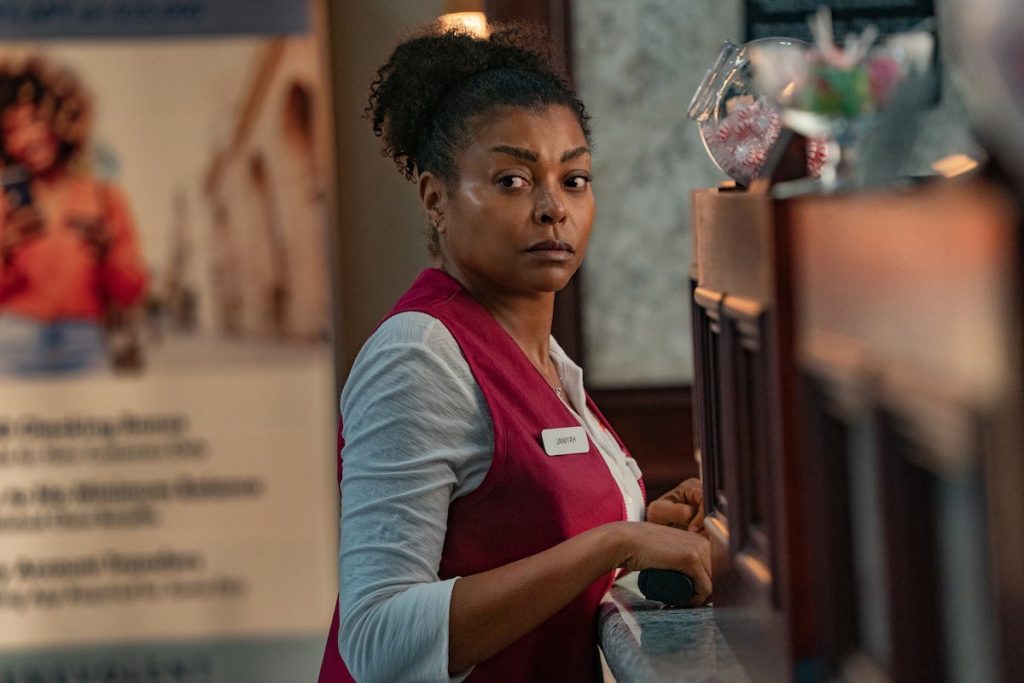
Henson broke through in Baby Boy before earning an Oscar nomination for The Curious Case of Benjamin Button. Her portrayal of mathematician Katherine Johnson in Hidden Figures later placed her at the center of one of the decade’s most successful stories about overlooked Black women.
Sanaa Lathan

Love & Basketball made Lathan one of the defining actresses of the renaissance in Black romance and ensemble filmmaking around the turn of the millennium. The Best Man, Brown Sugar, and Something New further cemented that place.
Nia Long

Long became a familiar face during the explosion of Black filmmaking in the 1990s, appearing in Boyz n the Hood, Friday, Love Jones, Soul Food, and The Best Man. Those films helped create a richer range of contemporary Black characters and relationships on screen.
Eartha Kitt

Kitt’s unmistakable voice and screen presence carried her from Broadway and nightclub stages into films including New Faces and St. Louis Blues. Her later turn as Catwoman made her an even bigger pop-culture figure and helped secure her lasting screen legacy.
Sophie Okonedo

The British actress earned an Academy Award nomination for her performance in Hotel Rwanda, following earlier work in films like Young Soul Rebels and Dirty Pretty Things. Her career helped broaden the international visibility of Black actresses working outside Hollywood’s traditional star system.