Before streaming and on-demand, the afternoon TV lineup was built around people spinning wheels, guessing prices, and hoping the gong stayed quiet. These 30 game shows filled living rooms from the 1950s through the 1980s, and plenty of their catchphrases are still stuck in our heads. See how many of them you remember.
Break the Bank
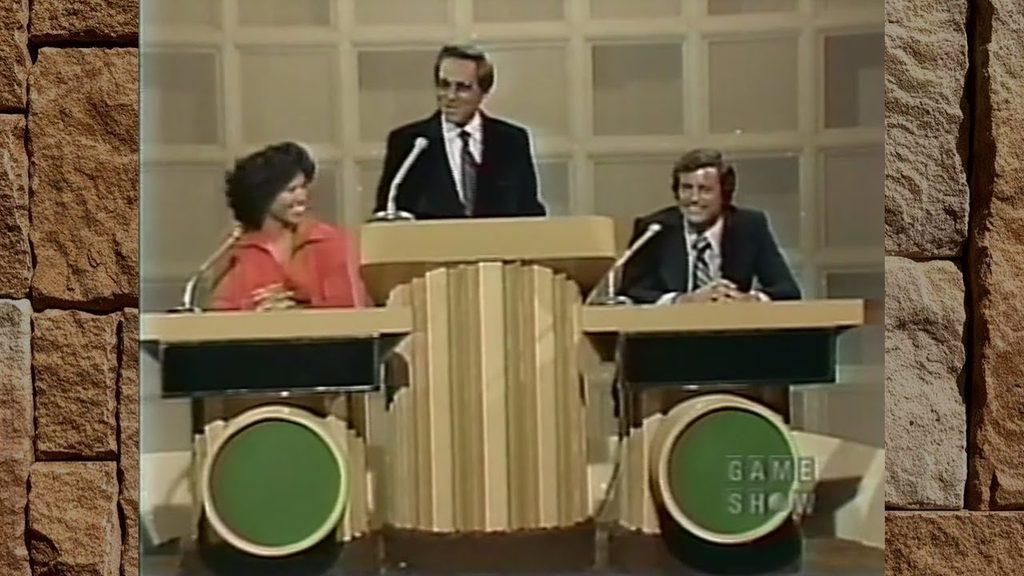
Break the Bank started on Mutual Radio in October 1945, and Bert Parks became its full-time host the following year. The questions arrived in sealed envelopes hand-delivered to the studio by Joseph Nathan Kane, author of the reference book Famous First Facts. ABC aired the first TV version in 1948, and the show bounced between networks until it ended in 1957.
Truth or Consequences
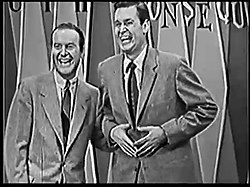
Contestants had about two seconds to answer a trivia question before Beulah the Buzzer went off, and most of them were happy to miss it, because the consequence was a wacky stunt. Bob Barker started hosting in 1956 and stayed for almost two decades. In 1950, the New Mexico town of Hot Springs voted 1,294 to 295 to rename itself Truth or Consequences in honor of the show.
Beat the Clock

Contestants had to finish a silly physical stunt before the clock ran out, and half the fun was watching them fall short. Bud Collyer hosted it from the start, after the idea began on radio as Time’s A-Wastin’. The TV version reached CBS prime time on March 23, 1950, and ABC picked it up for daytime in October 1958.
What’s My Line?

A panel of four, a stack of yes-or-no questions, and a contestant with a mystery job: that was the whole show. Every week a celebrity mystery guest arrived, and the panelists had to put on blindfolds. It ran on CBS from 1950 to 1967 with John Charles Daly as moderator, won three Emmys, and more than 700 episodes still exist on kinescope.
The Big Payoff
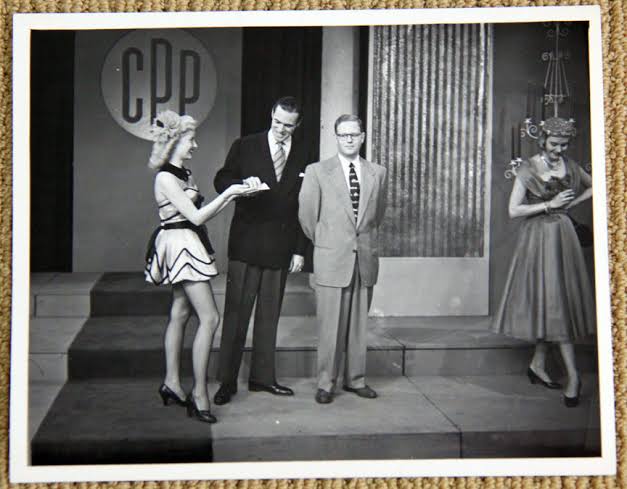
Men mailed in letters explaining why the women in their lives deserved a prize, and the ones chosen answered four questions to win things like a mink coat or a vacation. The questions arrived on a silver tray carried by a “Question Girl” named Susan Sayers. The show premiered on NBC in 1951 and left CBS in October 1959, when the network pulled its quiz shows during the scandals.
I’ve Got a Secret
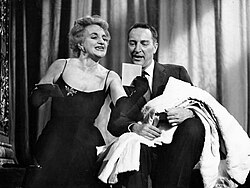
Every guest walked in with a secret that was amazing, embarrassing, or just plain odd, and a celebrity panel tried to work it out. It premiered on CBS on June 19, 1952, and ran until April 3, 1967, switching to color in 1966. One of its co-creators was comedy writer Allan Sherman, who later scored a hit with the novelty song “Hello Muddah, Hello Faddah.”
Tic-Tac-Dough

Contestants answered trivia questions to claim X’s and O’s on a giant tic-tac-toe board, which made it easy for any kid to follow. Jack Barry hosted the original NBC run from 1956 to 1959. The show came back in 1978 with Wink Martindale in charge, and that version stayed on the air until 1986.
To Tell the Truth
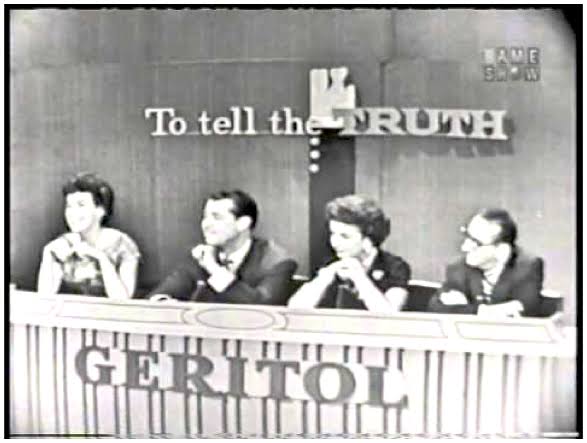
Three contestants all claimed to be the same person, and four celebrity panelists had to figure out who was telling the truth. Bob Stewart created the format, and it first aired on CBS in 1956 with Bud Collyer as host. The big reveal always came when the real person was asked to stand up. It returned in syndication from 1969 to 1978, first with Garry Moore and later with Joe Garagiola.
Queen for a Day

Host Jack Bailey opened each show by asking the mostly female audience, “Would YOU like to be Queen for a day?” Contestants shared their hard-luck stories, and the one who won got the crown and a pile of prizes. The show got so popular that NBC stretched it from 30 to 45 minutes to sell more ads at $4,000 a minute.
It Could Be You

Ralph Edwards Productions built this daytime show around funny, embarrassing, and touching moments from women’s everyday lives. Host Bill Leyden handed out prizes that ranged from a bathtub on wheels to family reunions. Celebrities like Steve McQueen and Annette Funicello sometimes dropped by to help, and the show ran daily from 1956 to 1961.
Twenty-One

Two contestants sat in separate isolation booths wearing headphones, so neither one could hear the other. The show premiered on NBC on September 12, 1956, and made a star of college professor Charles Van Doren, who won $129,000 before a challenger unseated him in March 1957. The game turned out to be rigged, which led to Senate investigations and eventually the 1994 movie Quiz Show.
The Price Is Right

Bill Cullen hosted the original version from 1956 to 1963, long before anyone heard “Come on down!” The version most people picture arrived on CBS on September 4, 1972, with Bob Barker at the helm and Johnny Olson as the announcer. Barker stayed until June 2007, when Drew Carey took over.
Concentration

Contestants matched prizes hidden behind numbered squares, and each match uncovered a piece of a rebus puzzle. The NBC daytime series ran from August 25, 1958 to March 23, 1973, a total of 3,770 telecasts and the longest continuous run of any game show on that network. Hugh Downs was the first host, followed by Bob Clayton, with Ed McMahon filling in for six months in 1969.
Seven Keys
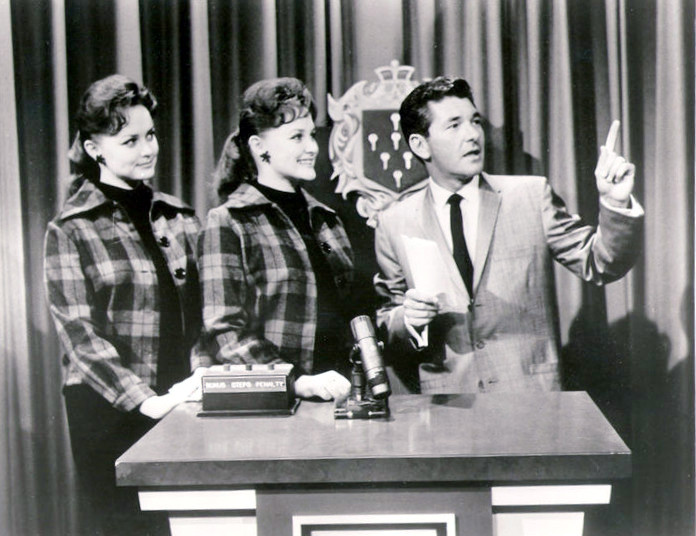
Jack Narz hosted this board-game-style show, which sent a solo contestant along a 70-space path with dials marked Steps, Bonus, and Penalty. It began at night on Los Angeles station KTLA in September 1960, then moved to ABC daytime. The idea was loosely based on Snakes and Ladders, and the series wrapped up in January 1965.
Say When!!

Two players picked prizes one at a time and tried to get their total as close to a dollar goal as possible without going over. Once someone came within $250, they could “say when” and freeze their score, forcing the opponent to keep gambling. Art James hosted it live from Studio 6A at 30 Rockefeller Plaza, from January 1961 to March 1965.
Password
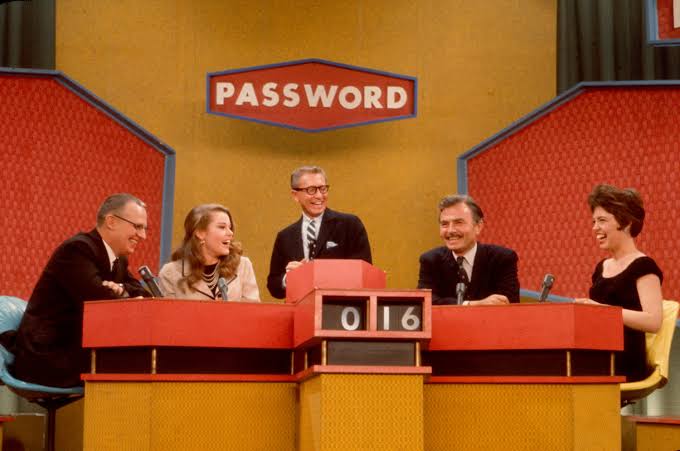
Two teams, each with a celebrity and a contestant, tried to get their partner to guess a mystery word using one-word clues. Password premiered on CBS in 1961, and Allen Ludden hosted every version from then through 1975. He married Betty White in 1963, after she became a regular guest on the show. This 1971 press photo shows him with Elizabeth Montgomery.
Match Game
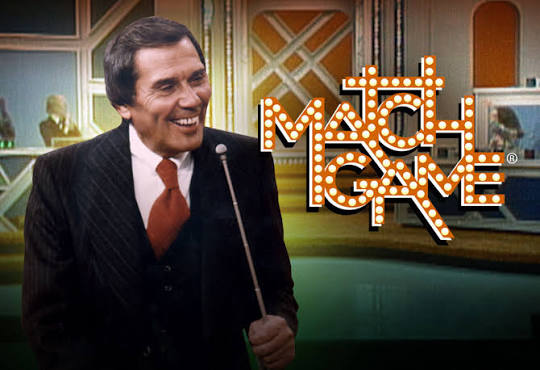
The game premiered on NBC in 1962, then came roaring back on CBS in 1973 with a bigger celebrity panel and fill-in-the-blank questions built on double meanings. Gene Rayburn was the host, and regulars like Richard Dawson, Charles Nelson Reilly, and Brett Somers gave it its personality. The CBS run lasted until 1979, and a syndicated version carried on until 1982.
Let’s Make a Deal
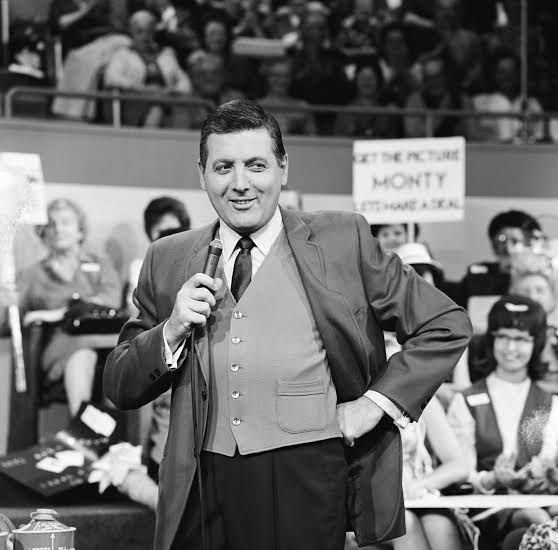
Monty Hall and Stefan Hatos created the show in 1963, and Hall hosted for nearly 30 years. Audience members, called traders, swapped what they had for a hidden prize, and sometimes ended up with a joke prize called a zonk. At first, everybody dressed in suits and dresses. The costumes came later and became part of the show’s identity.
Jeopardy!
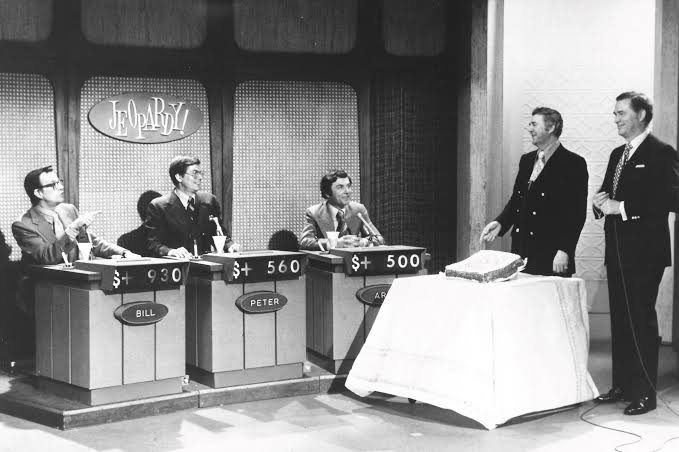
Merv Griffin created Jeopardy!, which flipped the usual format by giving contestants the answers and asking them to supply the questions. The original daytime version debuted on NBC on March 30, 1964, with Art Fleming as host. Alex Trebek took over when the syndicated show premiered on September 10, 1984. This 2007 Navy photo shows him during a USO tour of Japan, where he was scouting future contestants among military families.
The Dating Game

A bachelorette asked questions of three bachelors she couldn’t see, then picked one for a date. It premiered on ABC on December 20, 1965, and was the first of many shows created and packaged by Chuck Barris. Jim Lange hosted for the show’s entire ABC run.
Hollywood Squares

Two contestants played tic-tac-toe on a stack of nine open cubes, and each one held a celebrity who often delivered a joke before the real answer. Peter Marshall hosted from the start, and Paul Lynde became the regular center square in 1968. The daytime series debuted in October 1966 and ended its run with its 3,536th episode on June 20, 1980, after celebrating its 2,000th show in 1974.
Sale of the Century
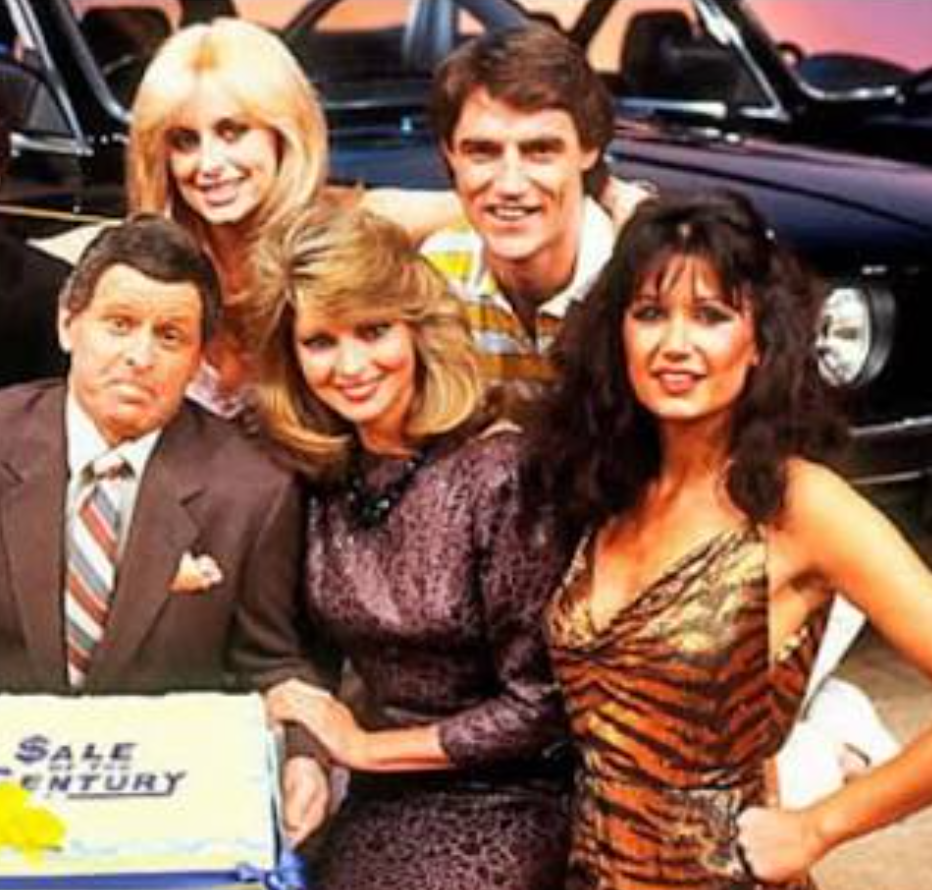
The original NBC version premiered on September 29, 1969, and ran until July 13, 1973. Jack Kelly was the first host, and Joe Garagiola took over in 1971. This 1970 NBC photo shows Kelly alongside fellow network hosts Art James, Bob Clayton, and Art Fleming. A revival with Jim Perry as host ran on NBC from 1983 to 1989.
The $10,000 Pyramid

Two teams, each with a celebrity and a contestant, raced to describe words and phrases from a pyramid-shaped board of categories before time ran out. It debuted on CBS on March 26, 1973, and moved to ABC in 1974. Clark hosted the daytime version from 1973 to 1980, and the Pyramid franchise has won nine Daytime Emmys for Outstanding Game Show, second only to Jeopardy!
Tattletales
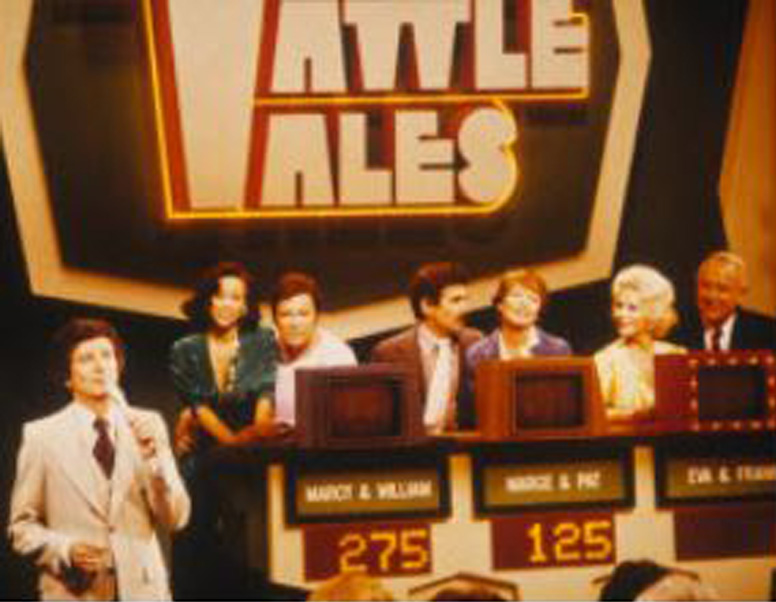
Host Bert Convy grilled celebrity couples with questions about their personal lives, and the fun came from seeing how well partners really knew each other. It ran on CBS daytime in two stretches between February 1974 and June 1984. The idea came from an earlier Goodson-Todman show called He Said, She Said, which aired in 1969 and 1970 with Joe Garagiola as host.
Wheel of Fortune
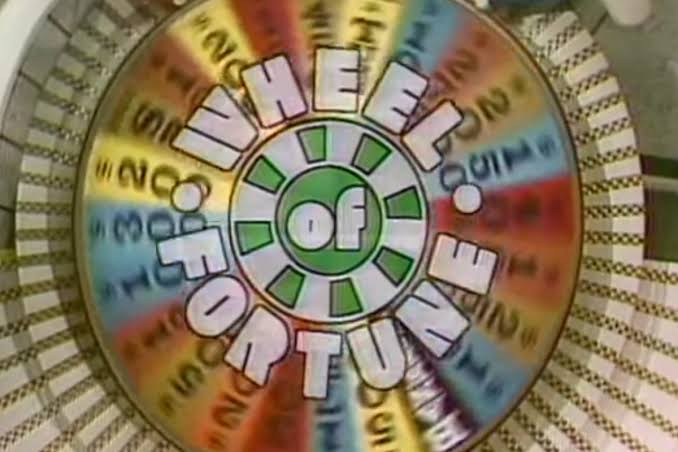
Wheel of Fortune has been on the air continuously since January 6, 1975, when it debuted on NBC daytime with Chuck Woolery and Susan Stafford as hosts. Contestants solve hangman-style word puzzles with letters earned by spinning a giant carnival wheel. Pat Sajak took over the daytime show in 1981, Vanna White joined in 1982, and the nightly syndicated version premiered on September 19, 1983.
The Gong Show

Amateur acts had to impress three celebrity judges, and any judge could strike the gong to end a performance early. Chuck Barris and Chris Bearde created it in 1976, and it aired on NBC daytime from June 14, 1976 to July 21, 1978. The show was known for absurd humor, with plenty of acts that were more entertaining for being so odd.
Stumpers!

Allen Ludden was back with a Password-style game where a celebrity and a contestant on each team guessed puzzle subjects from their opponents’ clues. It aired on NBC from October 4 to December 31, 1976, so it stuck around for about three months. This press photo pairs Ludden with M*A*S*H stars Mike Farrell and Jamie Farr.
Press Your Luck

Contestants answered trivia questions to earn spins on a flashing board of cash, prizes, and a cartoon creature called the Whammy that wiped out everything they had won. Peter Tomarken hosted the CBS version, which aired from 1983 to 1986. In 1984, contestant Michael Larson won more than $100,000 after memorizing the board’s pattern, and the episode made national headlines.
You Bet Your Life

Groucho Marx hosted this comedy quiz show, and the questions mattered less than his one-liners with the contestants. It debuted on ABC Radio on October 27, 1947, and reached NBC television on October 4, 1950, with George Fenneman as announcer and sidekick. A toy duck that dropped from the ceiling with $100 when someone said the secret word became the show’s trademark gag.
Family Feud

Two families competed to name the most popular answers to survey questions, and Richard Dawson hosted the original 1976 to 1985 run on ABC. Within a year of its debut, it became the number one show in daytime television. Dawson’s habit of kissing female contestants became part of the show’s identity, and Gene Wood announced from 1976 to 1995.