The decade of dial-up internet and grunge music also witnessed an absolute explosion in the stand-up and sketch comedy scenes. Cable television networks began dedicating massive blocks of late-night programming to rising stars, completely shifting how audiences consumed humor. Many performers who cut their teeth in small, smoky clubs during this era eventually became some of the biggest movie stars and television producers in the world. Looking back at 30 of these unforgettable entertainers reveals just how deeply they influenced modern pop culture and shaped the comedic landscape we know today.
Chris Rock
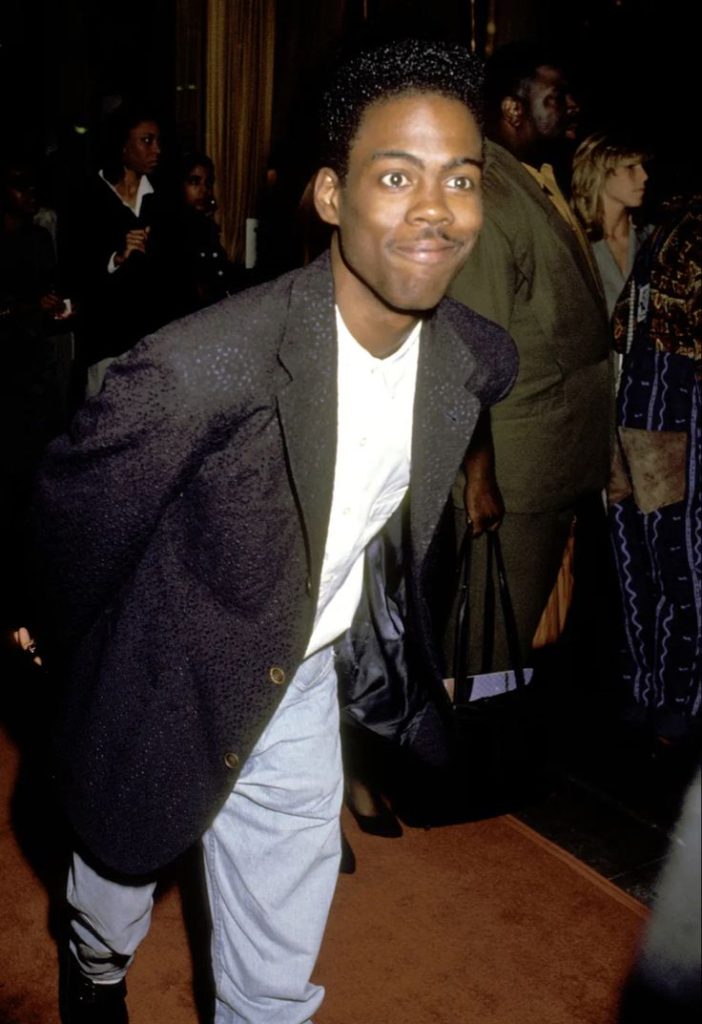
Taking the stage with an unmatched fiery energy, this Brooklyn native redefined observational humor with his iconic “Bring the Pain” special. His sharp commentary on race and politics earned him critical acclaim and a massive fan base.
Jerry Seinfeld
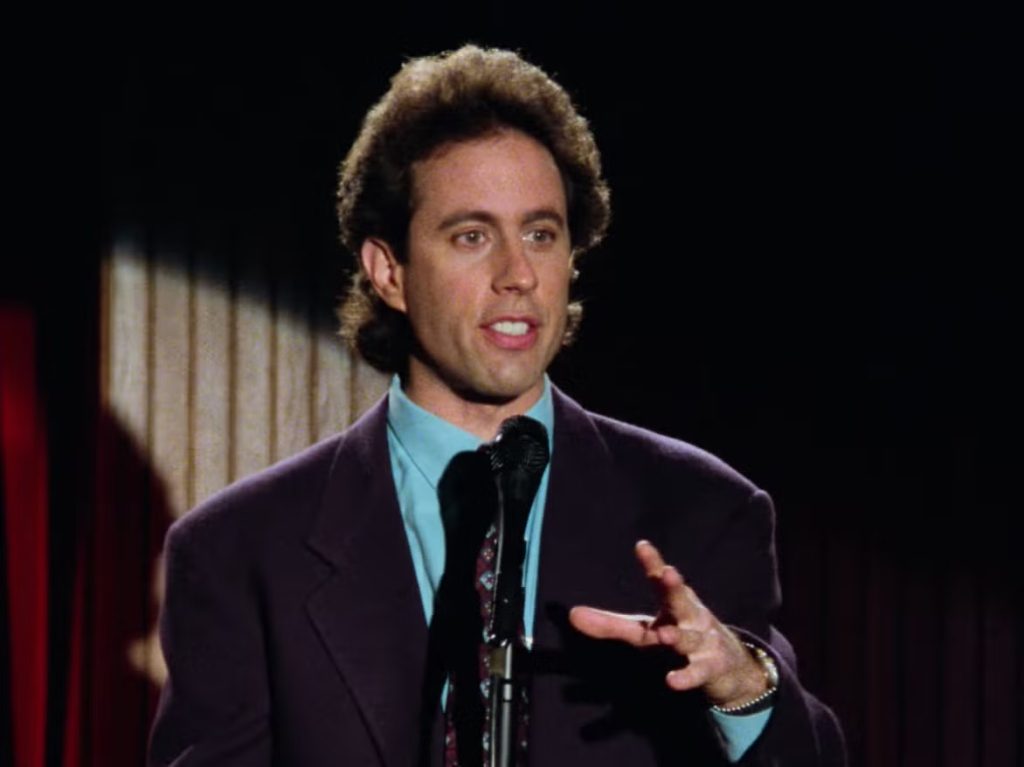
Few entertainers manage to turn a routine about nothing into a cultural phenomenon that dominates prime-time television. Transitioning from the stand-up circuit to starring in “Seinfeld” made him a household name, eventually drawing over seventy-six million viewers for the series finale.
Jim Carrey
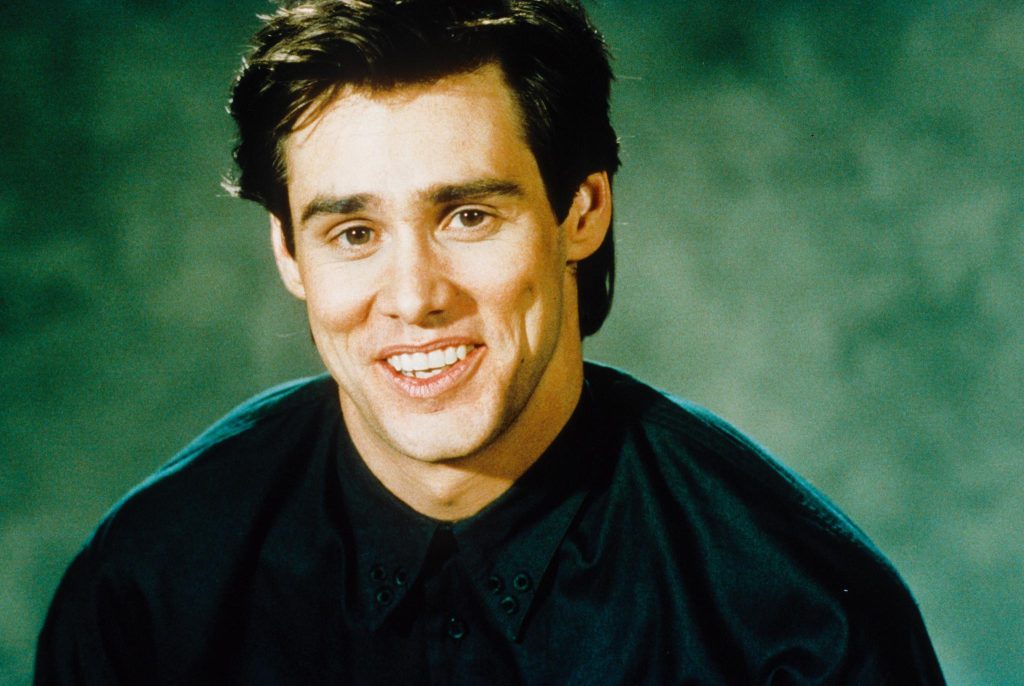
Physical comedy reached new, hyperactive heights when this Canadian performer broke out on the sketch series “In Living Color”. His ability to contort his face and body into cartoonish shapes quickly translated to massive box office success. Films like “Ace Ventura: Pet Detective” established him as a global superstar. Studio executives famously paid him a record-breaking twenty million dollars for his subsequent role in “The Cable Guy”.
Robin Williams
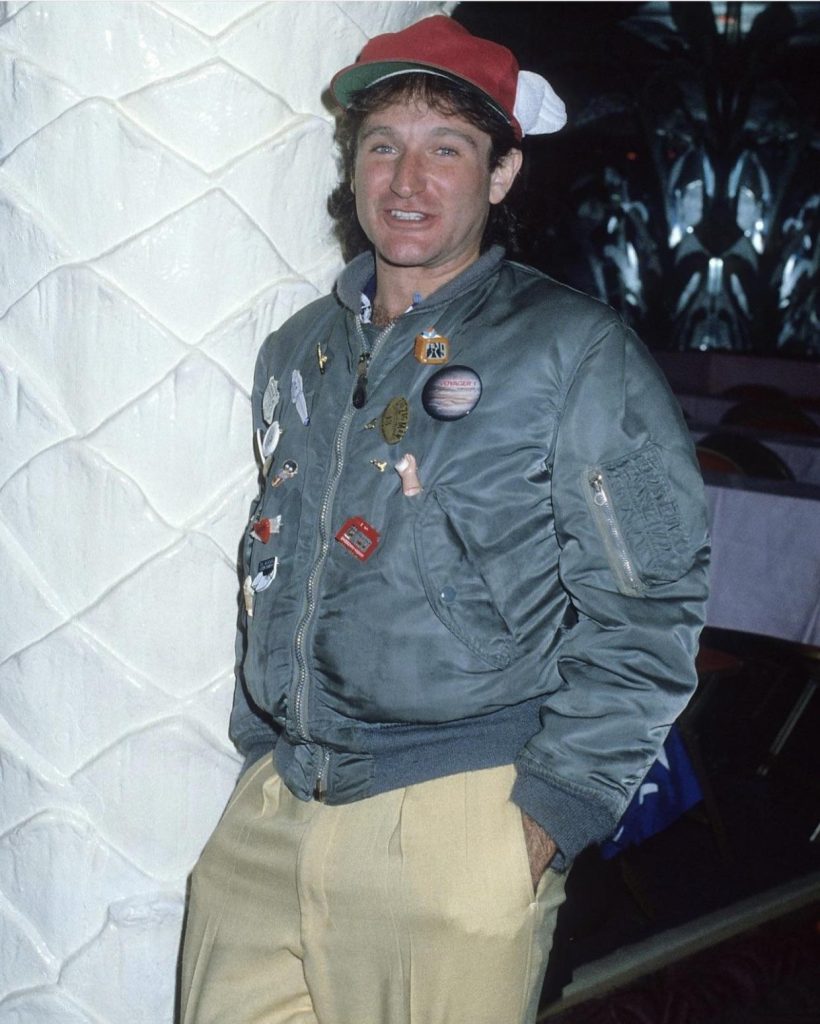
Known for his lightning-fast improvisation, he would often leave talk show hosts completely exhausted from trying to keep up. While his film career soared with hits like “Mrs. Doubtfire”, his live stand-up remained a chaotic, brilliant spectacle. He never relied on a fixed setlist, preferring to bounce ideas off the audience in real-time. His ability to seamlessly transition from manic comedy to dramatic acting earned him an Academy Award for “Good Will Hunting”.
Martin Lawrence
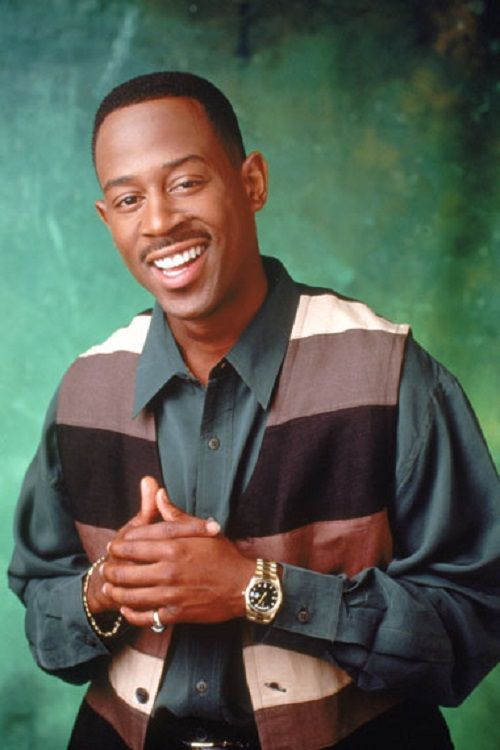
Serving as the energetic host of “Def Comedy Jam”, he played a pivotal role in bringing unfiltered, urban stand-up to a mainstream cable audience. His aggressive and highly physical style perfectly suited the raucous crowds of the early nineties. He later channeled that exact stage persona into a highly successful run on his eponymous television sitcom “Martin”.
Janeane Garofalo
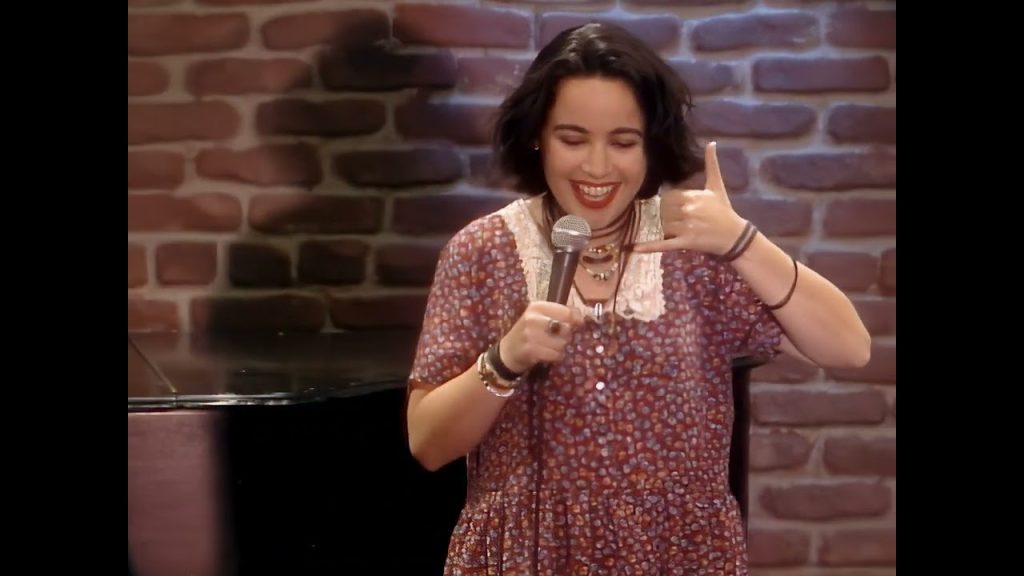
Alternative comedy found its definitive voice in her deadpan, self-deprecating delivery that contrasted sharply with the loud, prop-heavy acts of the previous decade. Working alongside other rising stars on “The Ben Stiller Show”, she carved out a niche for intellectual, cynical humor. She ultimately became the quintessential poster child for Generation X apathy after starring in “Reality Bites”.
Adam Sandler
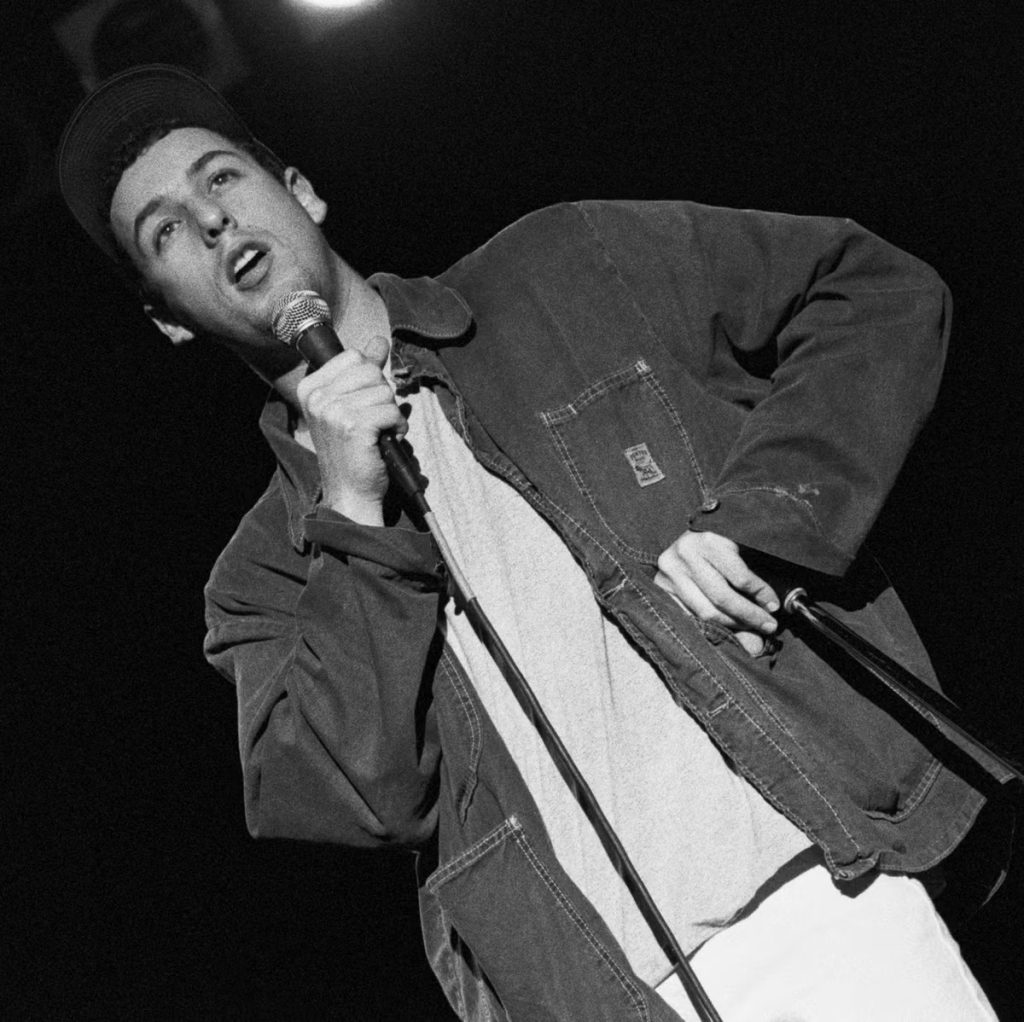
Combining absurd musical interludes with aggressive childish outbursts made him a standout cast member during his tenure on “Saturday Night Live”. His iconic characters often crossed over into the mainstream media. Comedy albums featuring his novelty songs received massive radio airplay across the country. The financial success of “Billy Madison” allowed him to launch his own production company, Happy Madison Productions.
Bill Hicks
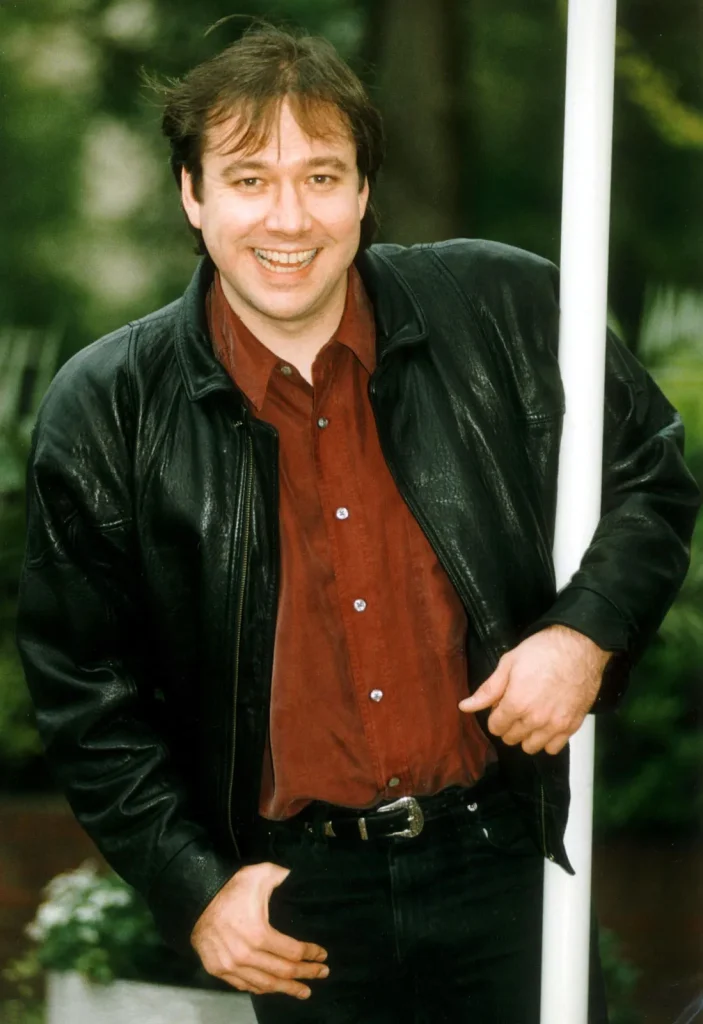
Armed with a relentless disdain for consumerism and authority, this fiery intellectual treated the microphone like a pulpit for his philosophical rants. His dark and uncompromising material often alienated mainstream networks while simultaneously earning him a fiercely loyal cult following. The comedian was famously censored from a late-night broadcast just months before his untimely passing.
Ray Romano
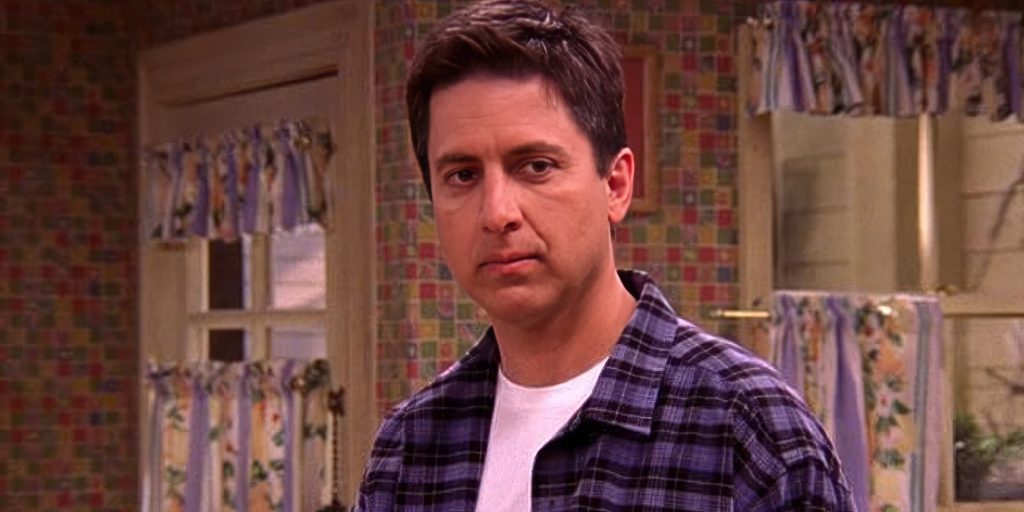
Taking a much more subdued approach, his nasally voice and observations about married life struck a massive chord with Middle America following a standout late-night television performance. The resulting network series, “Everybody Loves Raymond”, eventually generated billions of dollars in global syndication revenue.
Margaret Cho
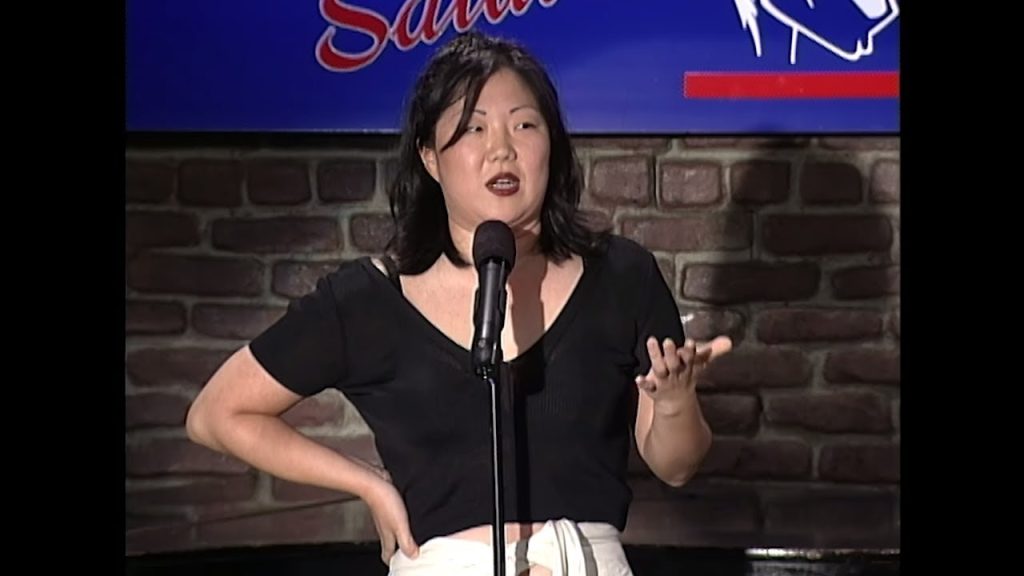
Breaking barriers as an outspoken voice in the stand-up community, she tackled topics of race, sexuality, and family dynamics with brutal honesty. Her groundbreaking ABC sitcom “All American Girl” made history by featuring an East Asian family in a prime-time slot. She later channeled her frustrations with network censorship into her highly successful one-woman show “I’m the One That I Want”.
Denis Leary
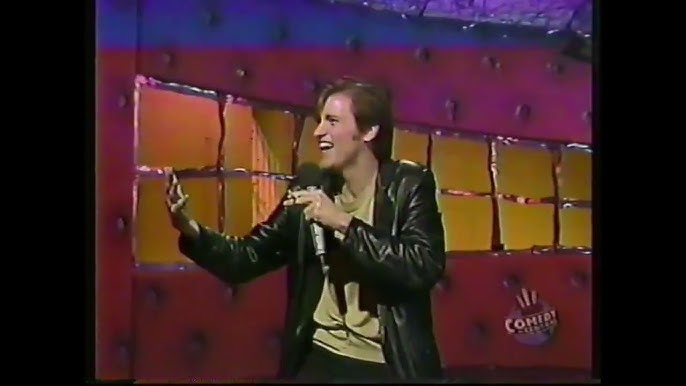
Chain-smoking his way across the stage, the Boston native delivered rapid-fire rants fueled by blue-collar anger and cynical observations. His breakout special “No Cure for Cancer” completely solidified his persona as the aggressive, leather jacket-wearing truth-teller. That same intense stage presence directly translated into a successful dramatic acting career on shows like “Rescue Me”.
Mitch Hedberg
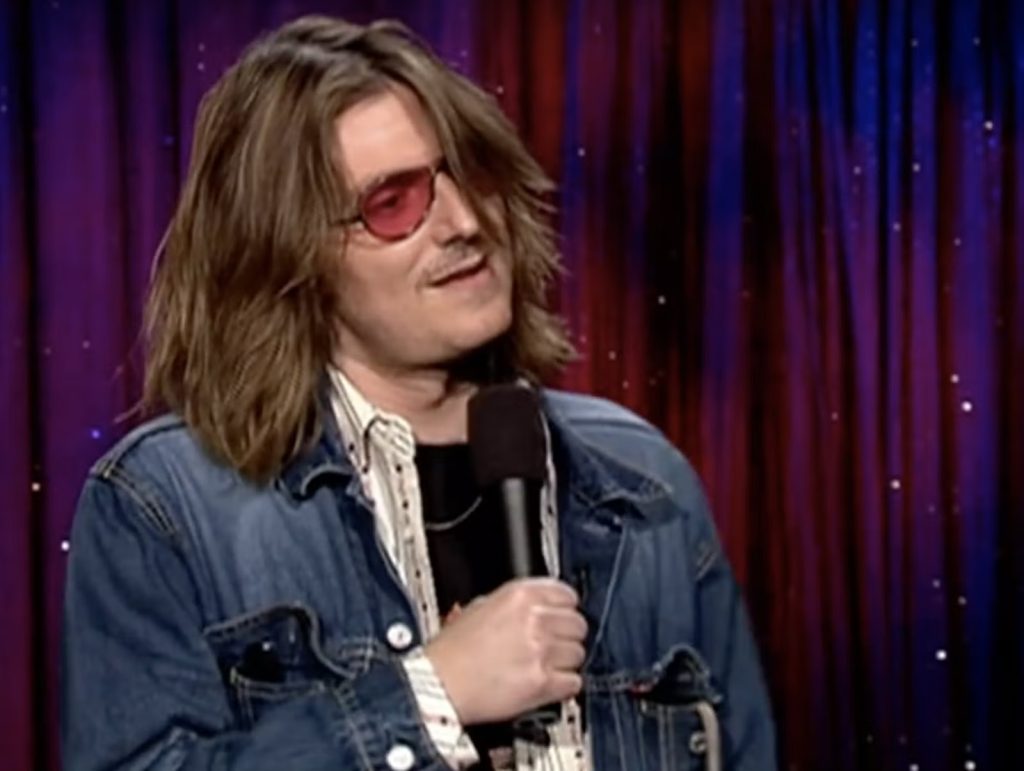
Staring at the floor behind a pair of tinted sunglasses, his unique delivery consisted of brilliant, disconnected one-liners. He rarely interacted with the crowd during his sets. Instead, he preferred to rattle off his strange, surreal thoughts at a deliberate, measured pace. His self-released debut album remains a foundational text for modern alternative comics.
Drew Carey
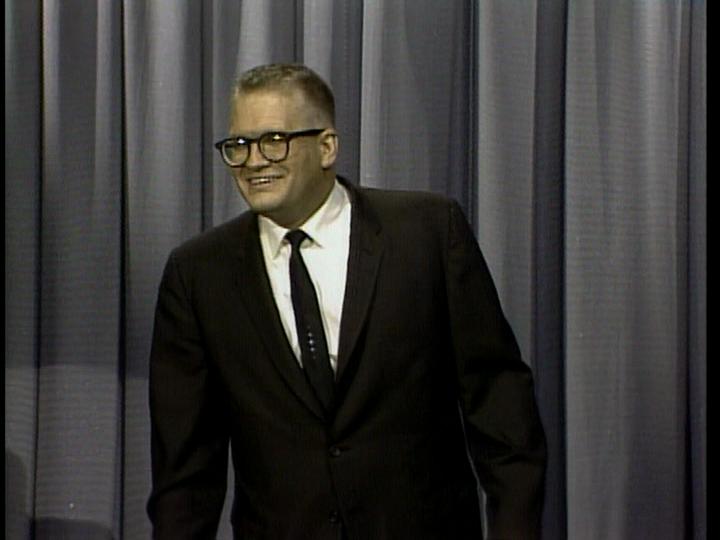
Sporting his signature crew cut and thick-framed glasses, the Ohio native built a massive following with his relatable, working-class frustrations. His clean but sharp material quickly transitioned into hosting duties and leading a successful ensemble cast on “The Drew Carey Show”. He seamlessly parlayed his comedic timing into a long-running gig hosting the daytime staple “The Price Is Right”.
Dave Chappelle
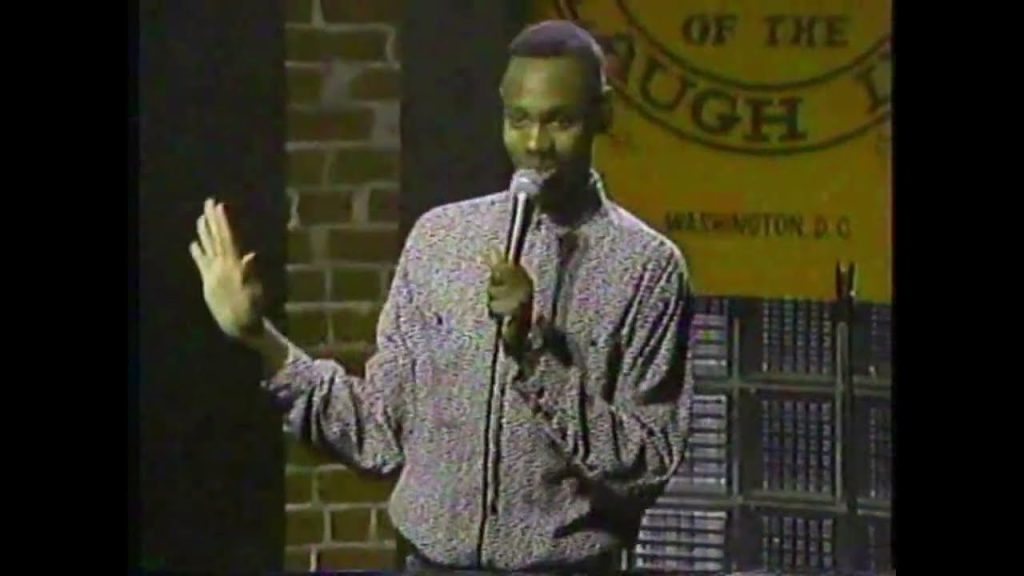
Starting his career at an incredibly young age, his relaxed storytelling style masked a razor-sharp wit. Early appearances in films like “Half Baked” helped establish his signature brand of subversive, culturally aware humor. He would soon completely revolutionize sketch television format with his groundbreaking Comedy Central series.
Ellen DeGeneres
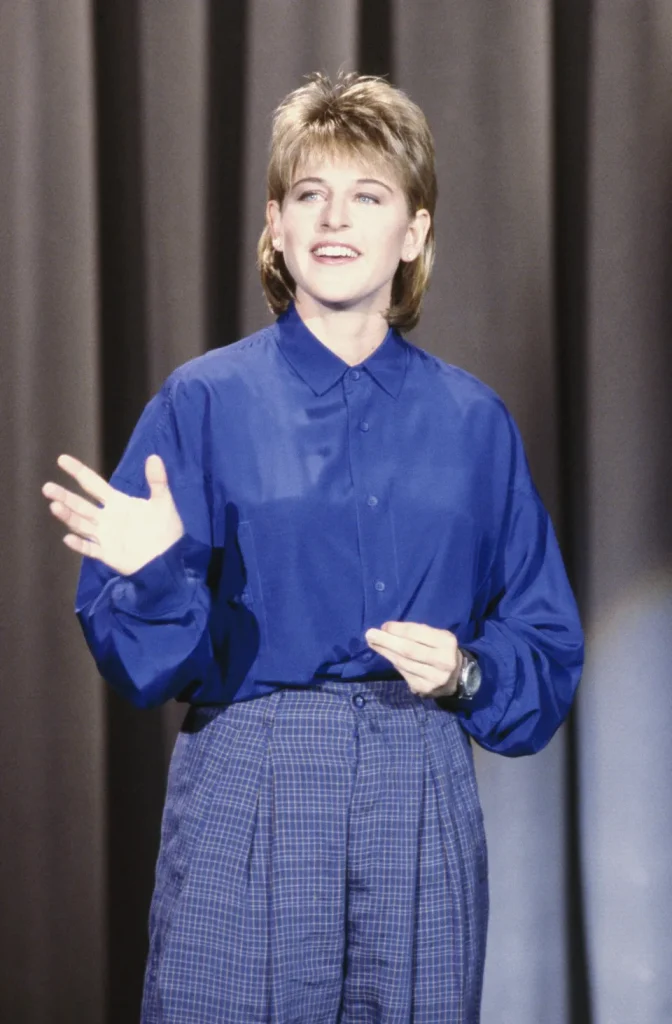
Gentle, observational humor regarding everyday absurdities made her a favorite on the talk show circuit before she landed her own sitcom. Making the decision to come out publicly on the cover of Time magazine created a massive cultural shockwave. She mirrored this revelation on television alongside her fictional character. The famous episode where her character revealed her sexuality drew an estimated forty-two million viewers.
Sinbad
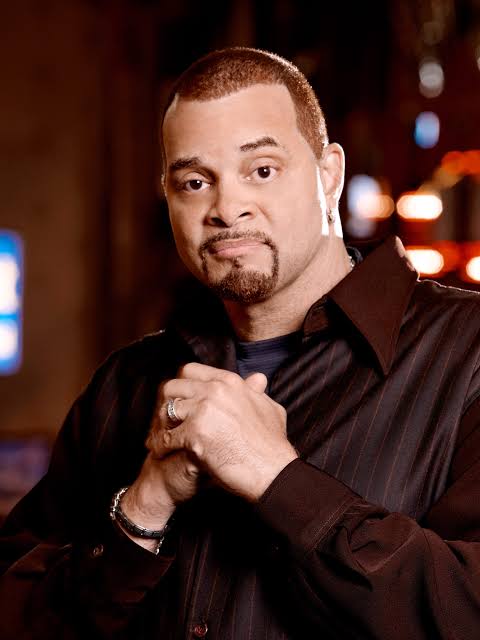
Dressed in wildly colorful, oversized clothing, he commanded massive arenas without ever relying on profanity or vulgarity. The popularity of his long-form storytelling about childhood nostalgia directly led to starring roles in hit family films like “Jingle All the Way”.
Chris Farley
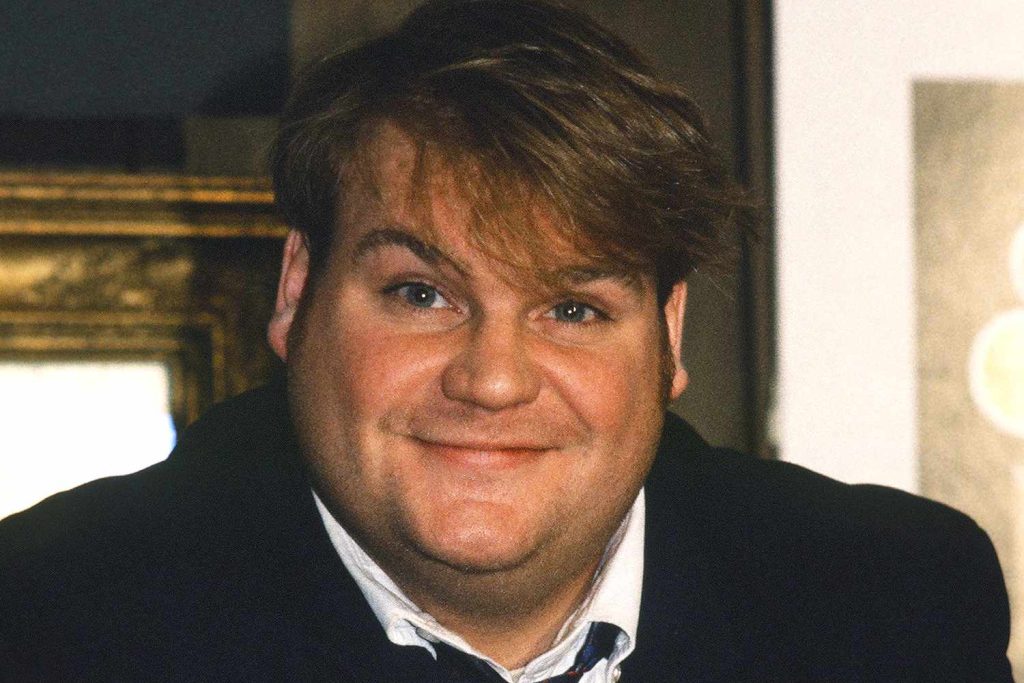
Throwing his entire physical weight into every performance, he became the undeniable breakout star of “Saturday Night Live” during its early nineties transition period. His intense commitment to sketches, often resulting in broken furniture and bruised castmates, created legendary television moments. The motivational speaker sketch featuring him crashing through a coffee table was largely improvised on live television.
Cedric The Entertainer
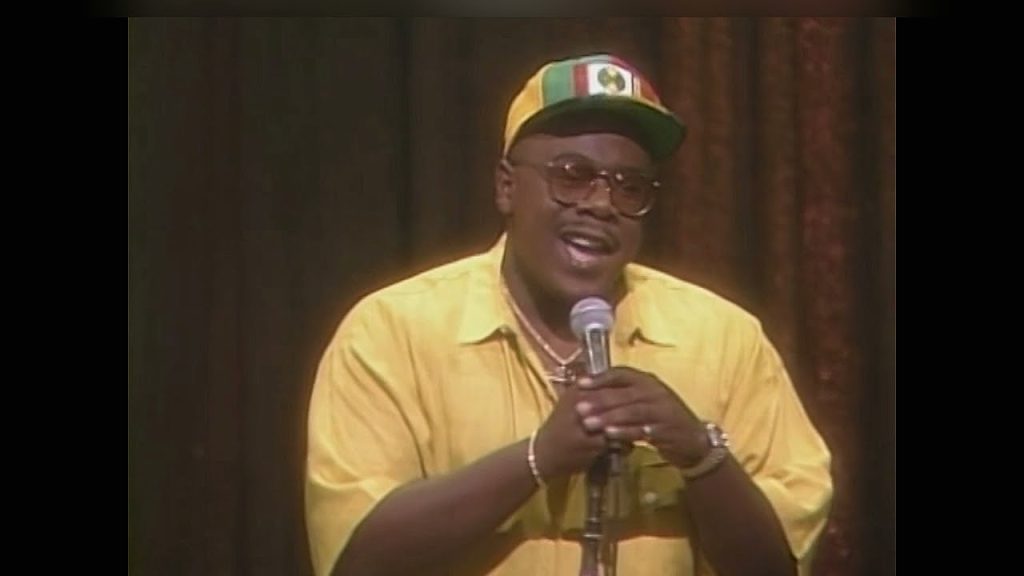
Bringing a distinct theatricality to his performances, he often incorporated stylish suits, singing, and smooth choreography into his act. Touring alongside Steve Harvey and Bernie Mac in the “Kings of Comedy” tour cemented his status as a titan of the stage. The accompanying concert film directed by Spike Lee grossed over thirty-eight million dollars at the box office.
Steven Wright
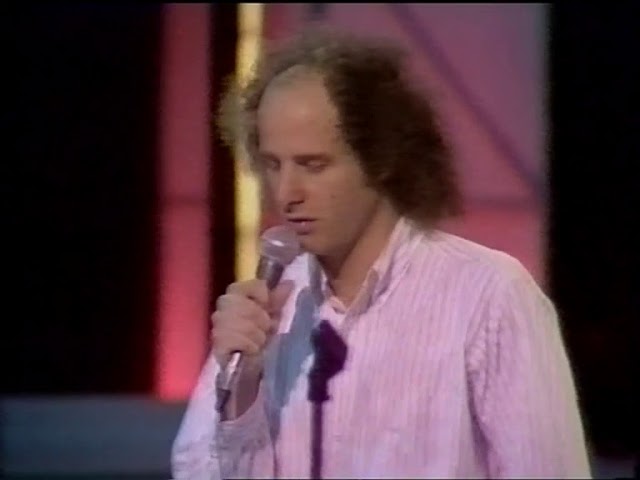
Delivering absurd paradoxes in an incredibly slow, monotone voice, his style stood in stark contrast to the high-energy acts of his peers. He required complete silence from the audience to properly land his complex, surreal jokes. His unique comedic rhythm eventually earned him an Academy Award for his short film “The Appointments of Dennis Jennings”.
Damon Wayans
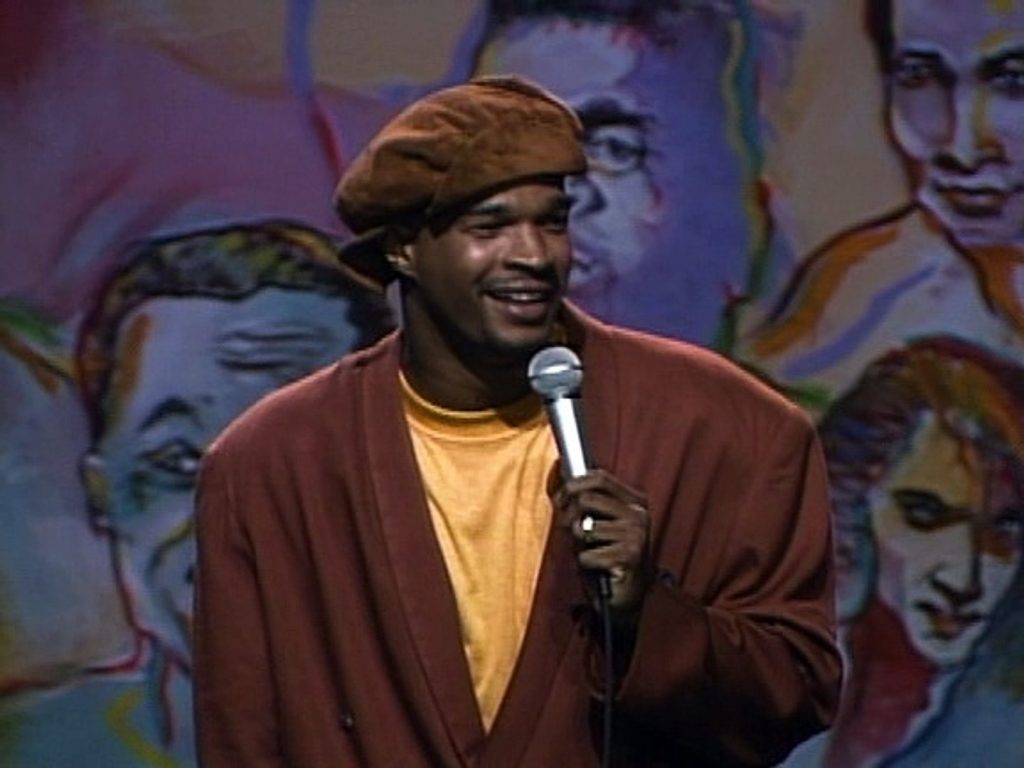
Creating a legendary roster of characters, his work on “In Living Color” helped define the comedic tone of the entire decade. His ability to seamlessly blend physical comedy with sharp social commentary made him a standout performer. He frequently collaborated with his incredibly talented siblings to build a massive entertainment empire. He later transitioned into a successful run as a leading man in action comedies like “The Last Boy Scout”.
Richard Lewis
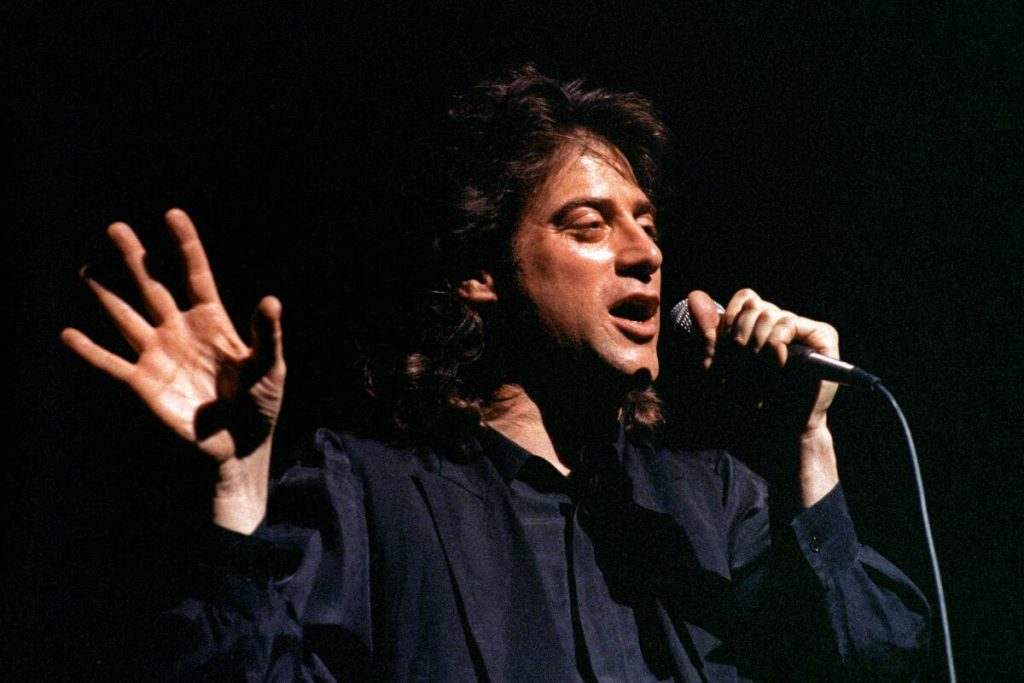
Pacing the stage dressed entirely in black, his act was essentially a neurotic, stream-of-consciousness therapy session. He openly discussed his struggles with hypochondria and depression, turning his deepest anxieties into brilliant punchlines. His frequent, chaotic appearances on late-night television heavily influenced an entire generation of self-deprecating writers.
Lewis Black
Transforming minor annoyances into apocalyptic rage became the signature style of this finger-pointing, theatrical performer during his regular segments on “The Daily Show”. He eventually secured multiple Grammy Awards for his furiously delivered, politically charged comedy albums.
David Spade
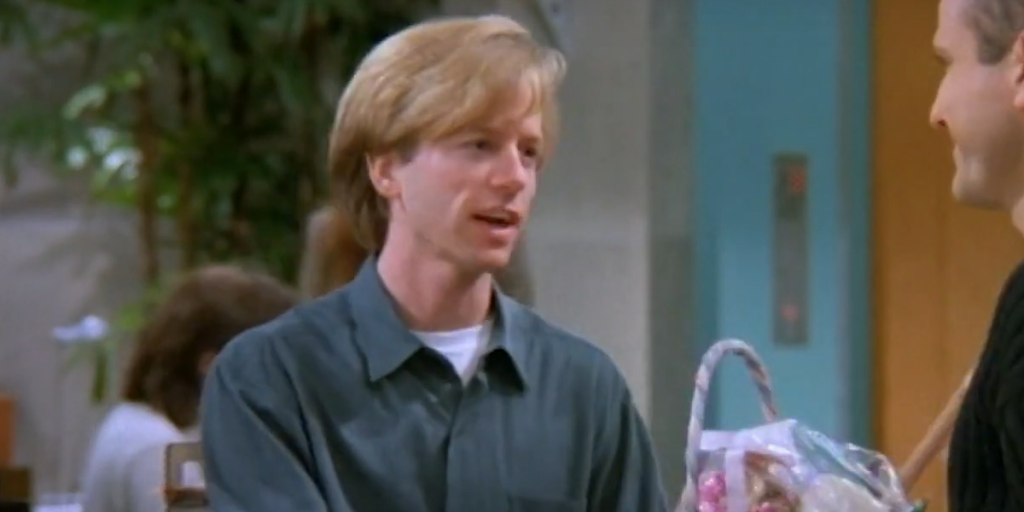
Wielding an incredibly dry and sarcastic delivery, he specialized in puncturing the egos of celebrities and politicians on “Saturday Night Live”. His natural chemistry with the high-energy Chris Farley resulted in classic road trip comedies like “Tommy Boy”. The trademark snark he developed on stage remained his calling card throughout his long television career.
Bernie Mac
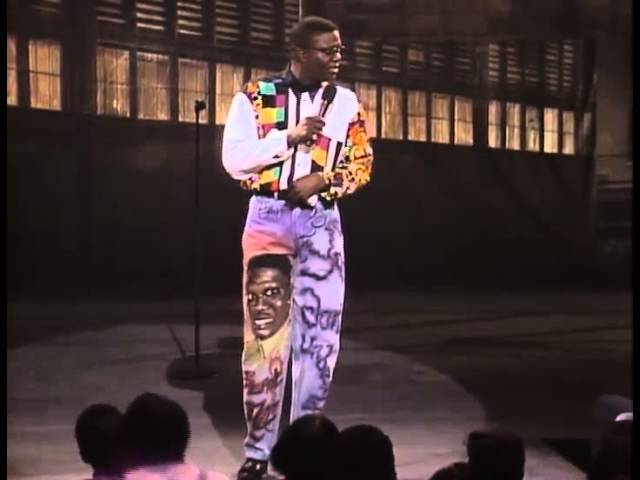
Demanding respect from the moment he grabbed the microphone, his fearless stage presence intimidated both audiences and fellow comics. He famously faced a hostile, booing crowd during a “Def Comedy Jam” taping and completely won them over with pure aggression. That specific fearless performance propelled him to major television and film roles.
Jon Stewart
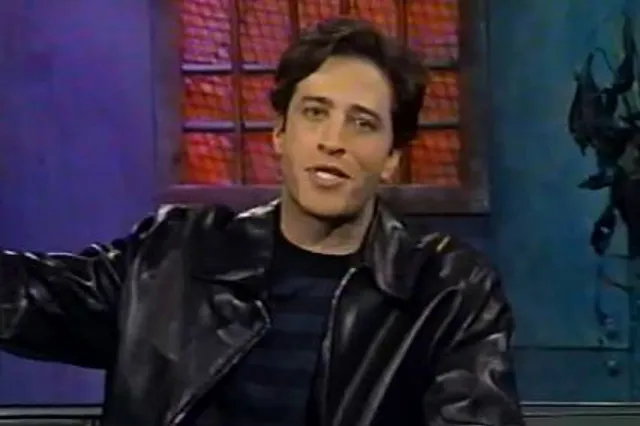
Before changing the landscape of political satire, he was a staple of the New York club scene and hosted his own MTV talk show. His stand-up heavily focused on media criticism and absurd cultural observations rather than straightforward punchlines. Taking over “The Daily Show” allowed him to perfectly synthesize his comedic timing with his sharp political intellect. The program subsequently became a primary news source for an entire generation of young adults.
Paula Poundstone
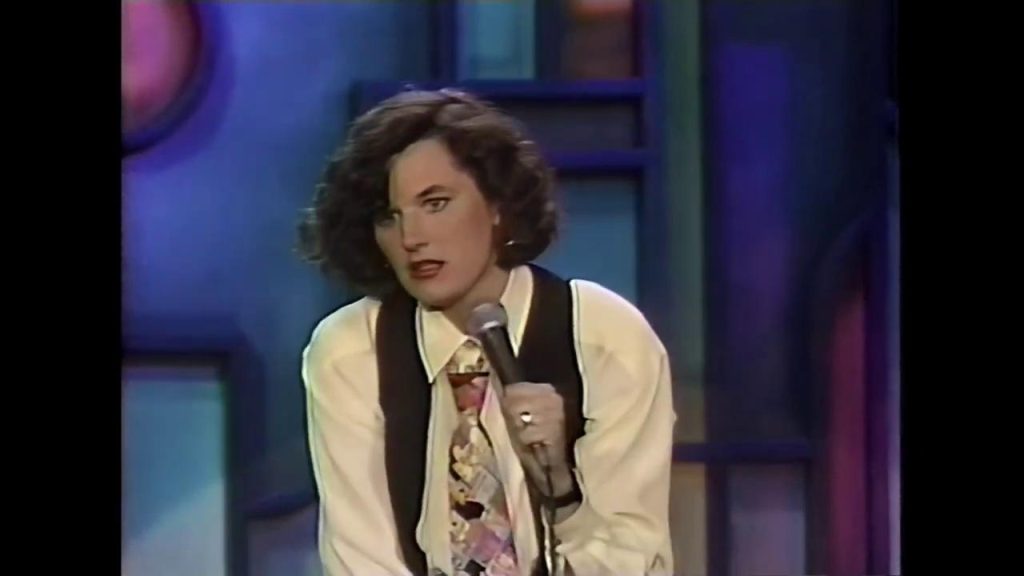
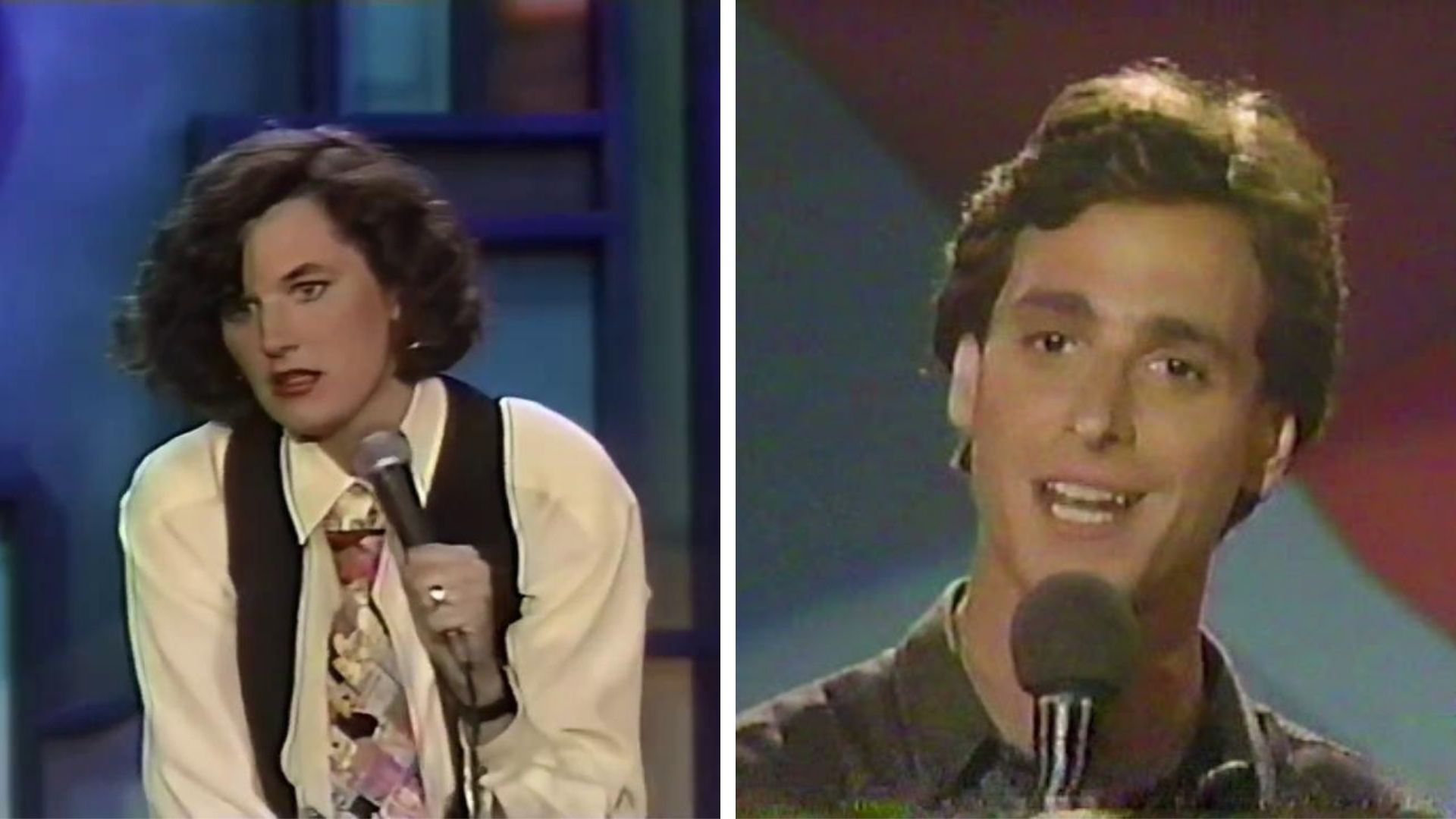
Known for wearing her trademark suits and ties, she pioneered a style of highly interactive, improvisational crowd work. She would often abandon her prepared material entirely to engage in long, hilarious conversations with audience members in the front row. Her quick wit earned her a regular spot as a political correspondent for “The Tonight Show”.
Colin Quinn
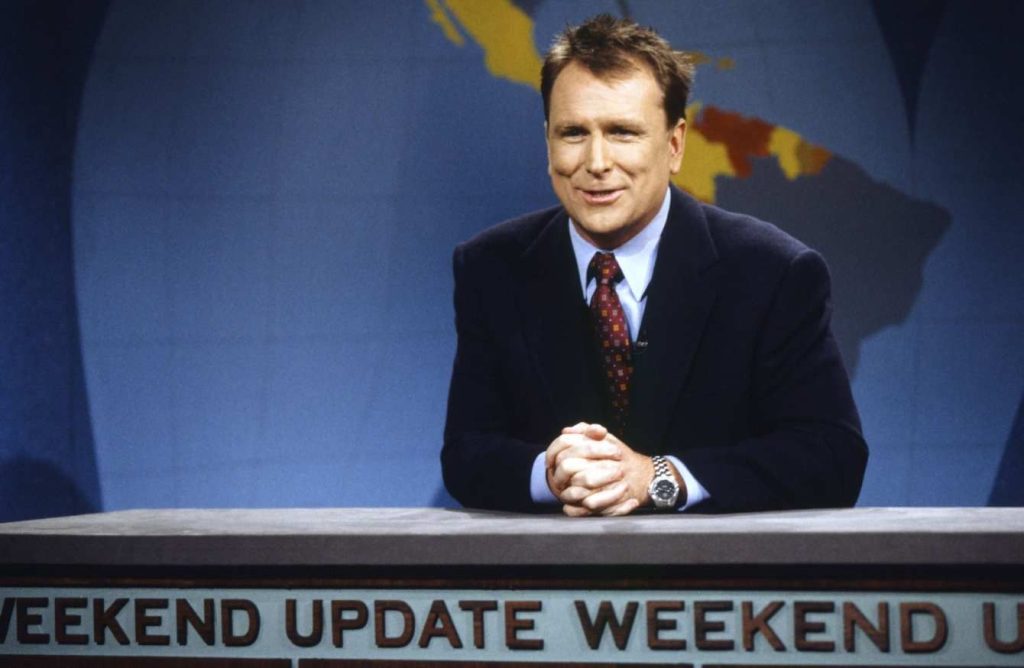
Delivering his jokes with a heavy Brooklyn accent, he served as the ultimate working-class philosopher of the decade after joining the cast of “Saturday Night Live”. His gritty, street-smart observations eventually led him to specialize in directing acclaimed, historically focused one-man shows on Broadway.
Steve Harvey
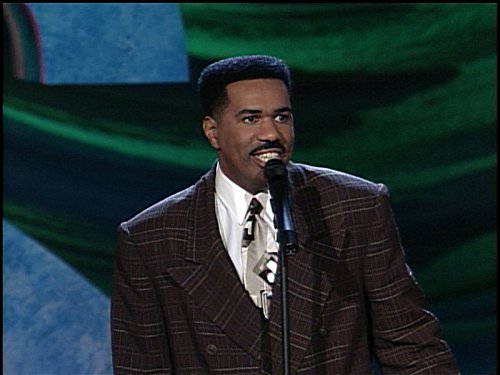
Strutting across the stage with immaculate style, his routines focused heavily on relationship advice and the differences between men and women. His commanding presence made him the natural choice to host “It’s Showtime at the Apollo” during its peak popularity. He eventually parlayed his observational relationship material into a massive daytime broadcasting empire.
George Carlin
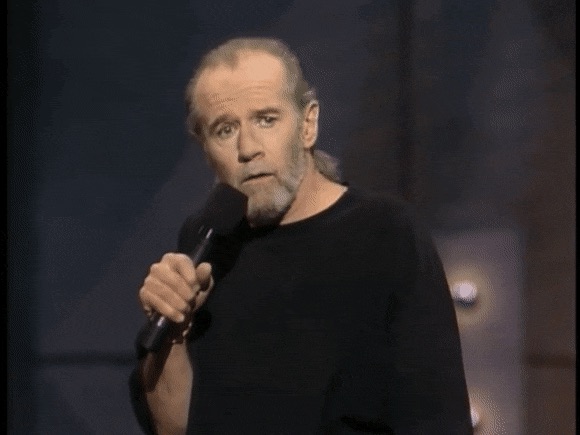
While his career started decades earlier, the nineties saw this legendary wordsmith transition into a darker, more cynical social critic. Releasing multiple HBO specials during this period, he viciously attacked political correctness and environmental hypocrisy. His meticulous attention to the rhythm and flow of language made his routines sound like linguistic jazz.
Bob Saget
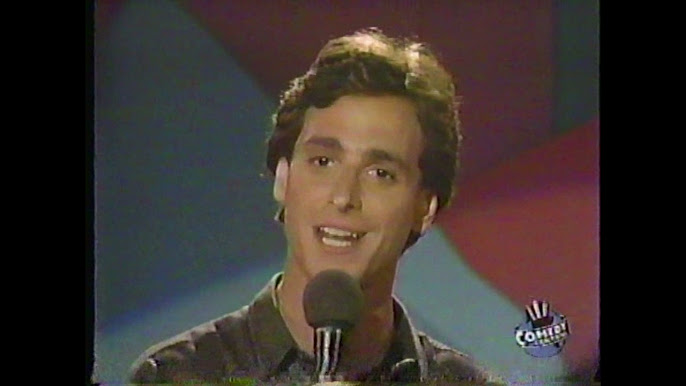
Millions of viewers invited him into their living rooms every week as the relentlessly wholesome father on “Full House”. However, audiences who bought tickets to his live performances were utterly shocked to discover he possessed one of the most explicit, unapologetic acts in the industry. This massive contrast between his squeaky-clean television persona and his incredibly dark stage material remains one of the greatest career dichotomies in entertainment history.