We all like to think we’ve got a good handle on the English language. Then someone points out that the clever phrase we’ve been using for years isn’t quite right, and suddenly our confidence takes a nosedive. These mix-ups slip into our speech so easily that we stop questioning them. This list untangles the most common offenders with a bit of humor and a pinch of humility. Consider it your cheat sheet for sounding just a little sharper in everyday conversation.
For all intents and purposes
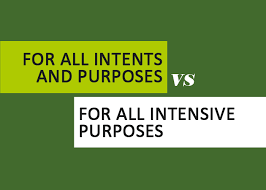
This means for all practical reasons. It’s basically another way of saying essentially. If you’ve been saying intensive purposes, you’re just giving your sentence way too much drama.
Free rein
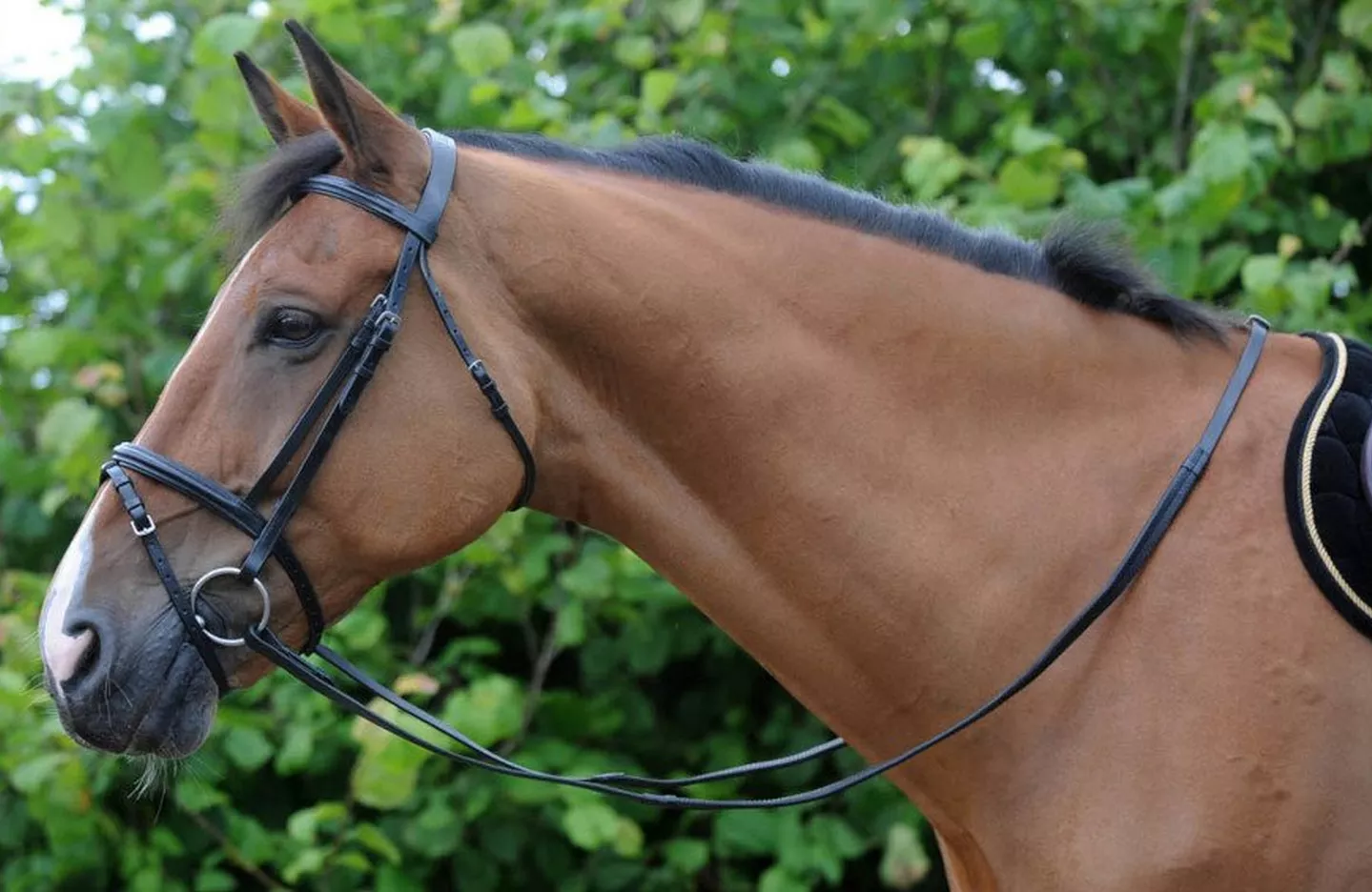
People love to say “free reign,” like someone handed a crown instead of a bridle. The real phrase comes from horseback riding, where giving an animal “free rein” means letting it move freely.
Play it by ear
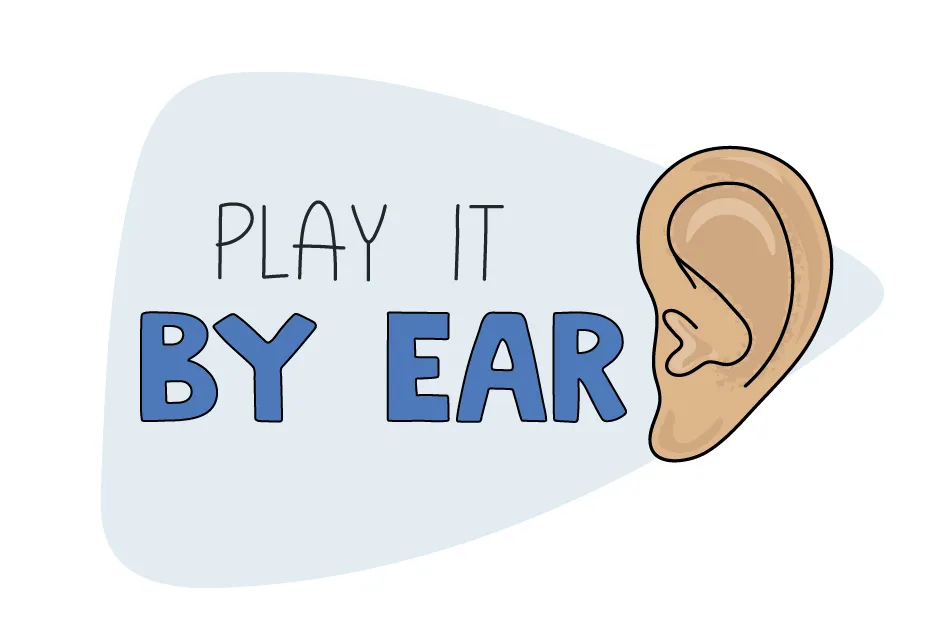
To play it by ear means to wing it, improvise, or just see what happens. The saying started in music when players performed without sheet notes. Play it by year sounds like your calendar is running your life.
Moot point
A moot point is something that might be up for debate but doesn’t really matter in the end. Think of it as arguing about pineapple on pizza during a hurricane. A mute point would be one you can’t talk about, which is a whole different thing.
One and the same
This means two things that appear different are actually identical. Like Batman and Bruce Wayne, for example. One in the same is just grammatical confusion with a cape on.
I couldn’t care less
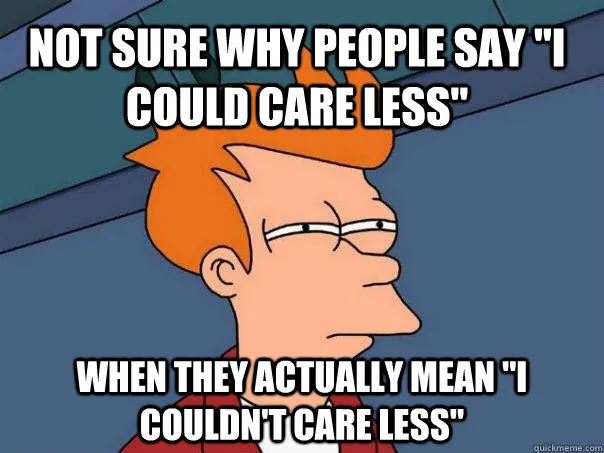
If you couldn’t care less, you’ve hit rock-bottom levels of caring. Saying you could care less means you still care a little. It’s like bragging about how unbothered you are, but then ruining it mid-sentence.
Tongue in cheek
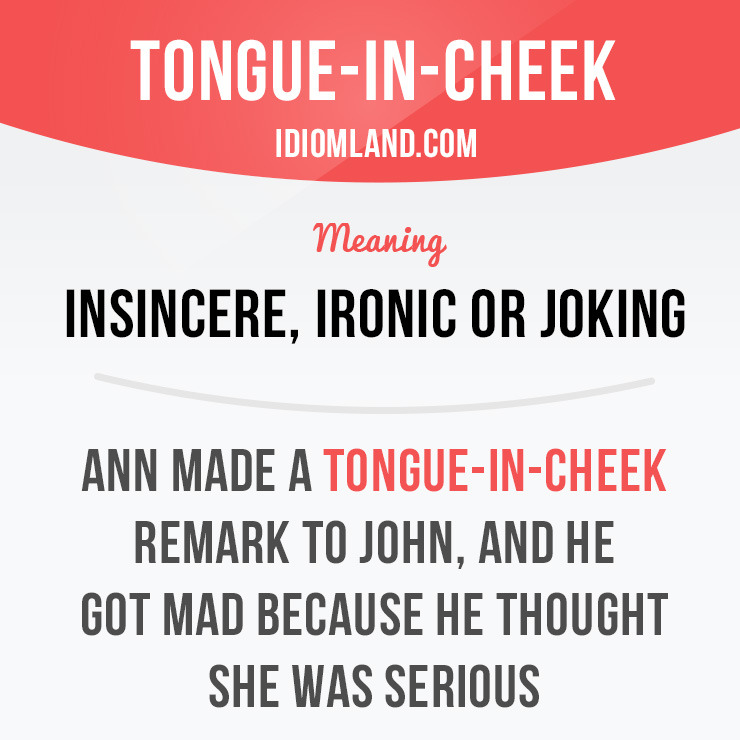
The correct version describes playful sarcasm or irony. Picture someone holding back laughter by pressing their tongue to their cheek. Tongue and cheek just sounds like a trip to the dentist.
Scapegoat
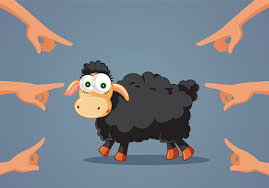
A scapegoat takes the blame for someone else’s mistakes. The word goes back to an ancient ritual involving an actual goat. An escape goat sounds like a petting zoo emergency.
Biding my time
To bide your time means to wait patiently, maybe even strategically. The word bide literally means wait. If you’re biting your time, you might want to see a therapist.
Nerve wracking
When something’s nerve wracking, it’s stressful or anxiety inducing. Wrack means to torment or strain. Wrecking makes it sound like your nervous system needs a tow truck.
Old wives’ tale
These are the passed-down myths your grandma swears by, like carrots giving you perfect vision. They’re charming but rarely true. “Old wise tale” flatters the storyteller a little too much.
Another think coming
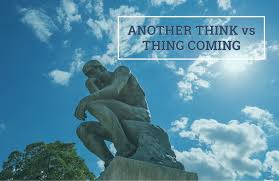
The full saying is “If that’s what you think, you’ve got another think coming.” It’s a snappy way to tell someone they’re wrong. Replacing “think” with “thing” takes the sting out of it completely.
Pass muster
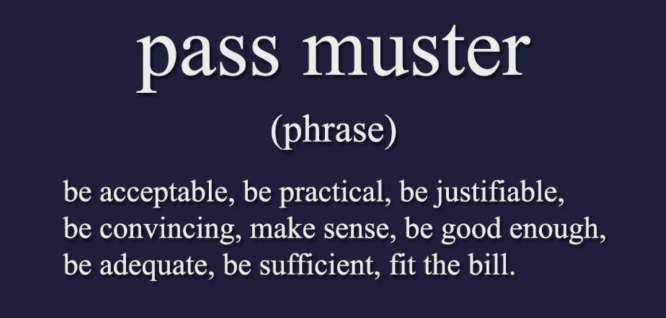
If something passes muster, it meets the required standard. The phrase comes from military inspections, not cookouts. Passing mustard only makes sense at a barbecue.
On tenterhooks
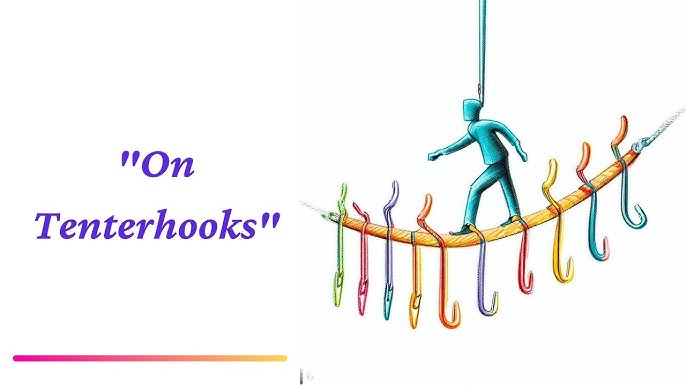
This means waiting in nervous anticipation. The expression comes from cloth being stretched tightly on hooks called tenters. “Tender hooks” sounds like an Etsy shop.
Dog eat dog world
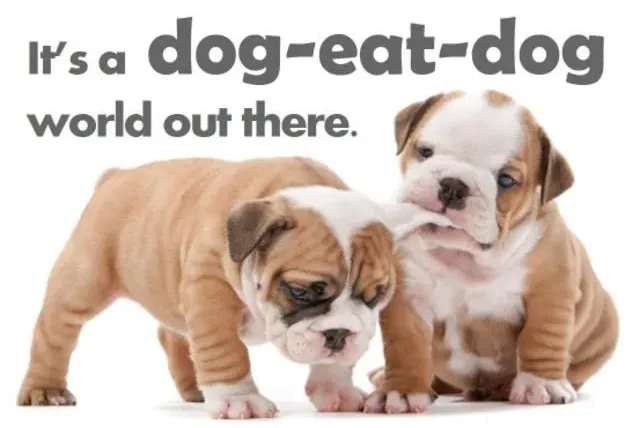
It describes a ruthless, competitive environment where everyone’s out for themselves. It’s not cute or cuddly. That’s kind of the point. “Doggy dog world” sounds like something involving chew toys and friendship.
Statute of limitations
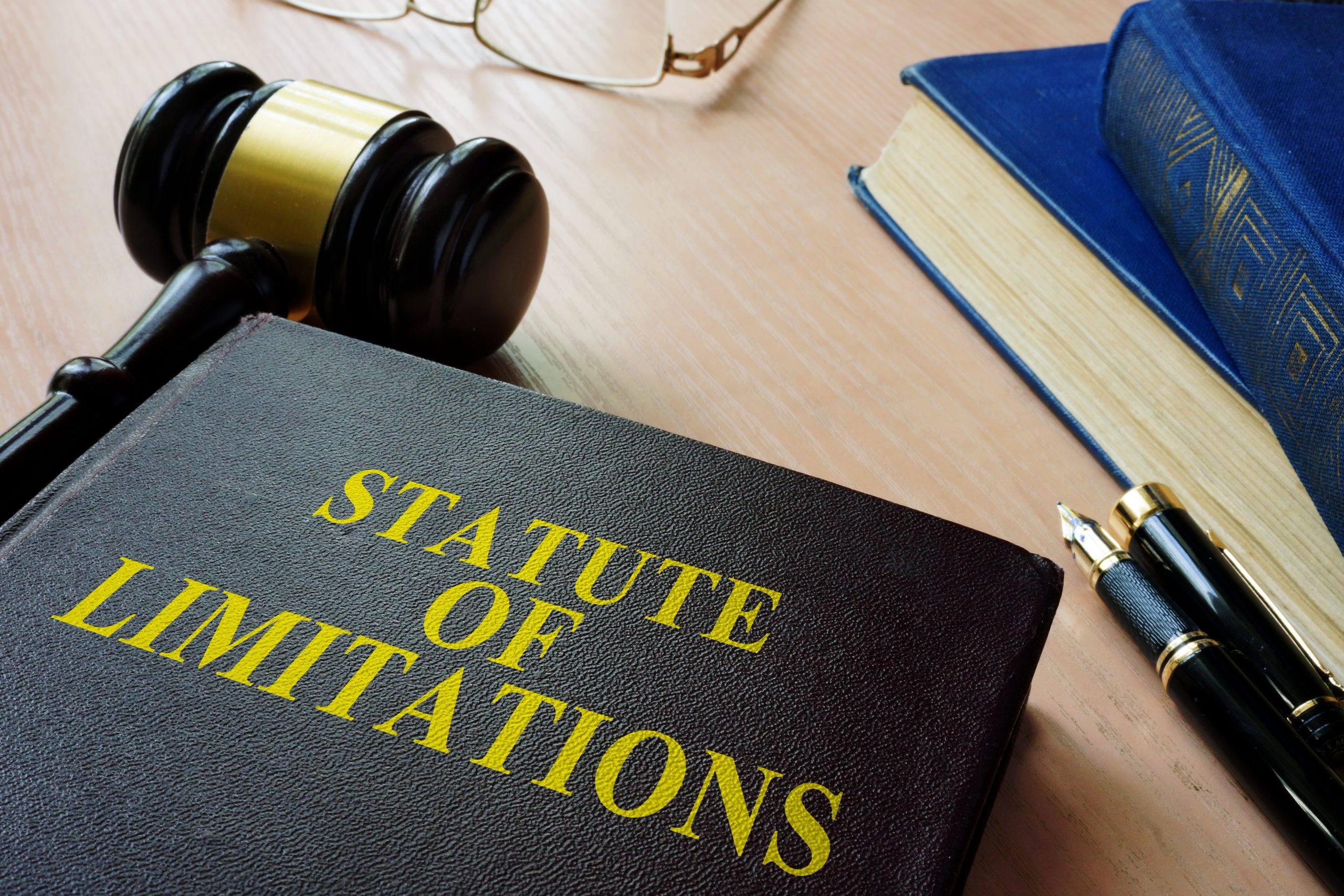
This legal term refers to the time limit for filing charges. A “statute” is a law; a “statue” is something pigeons sit on. They’re not interchangeable unless you’re being tried for loitering in a museum.
Exact revenge
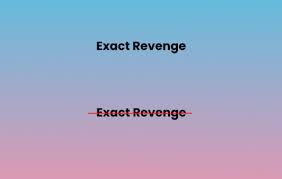
To exact revenge means to demand or carry out payback. “Extract revenge” would mean you’re pulling it out of something, which makes no sense at all. Unless you’re a very dramatic dentist.
Home in
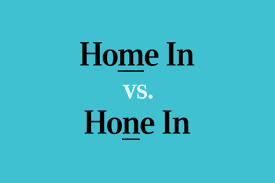
When you home in on something, you’re closing in with focus and precision. The word hone means to sharpen, which is why people mix them up. Close, but not quite on target.
Fetal position

It’s the curled-up pose of a baby in the womb…. or of an adult on a bad day. It’s about comfort or protection. Feeble position sounds more like a metaphor for your week.
Deep-seated
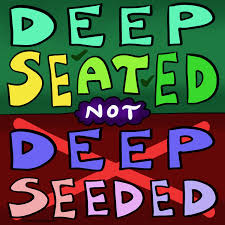
People often say deep-seeded when they mean deep-seated. The correct version means something firmly established, like a habit or belief that’s hard to shake. The seeded version just sounds like emotional gardening.
Chest of drawers
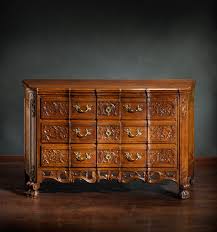
That piece of furniture holding your socks? It’s a chest of drawers. “Chester drawers” only works if you bought them from a guy named Chester who takes custom orders. Otherwise, it’s just a linguistic ghost.
Leeway
Leeway means flexibility, extra space, or freedom to move. The word comes from sailing, referring to a ship drifting sideways with the wind. Leadway sounds like a productivity app that doesn’t exist yet.
Memento
A memento is something you keep as a reminder, like a concert ticket or a photo booth strip. The word comes from Latin for “remember.” Momento may sound fancier, but it’s just wrong.
Espresso
The strong coffee made under pressure is called espresso. No “x.” Expresso might roll off the tongue, but it’ll make your barista flinch.
Irregardless
This one looks confident but isn’t. Regardless already means without regard, so adding “ir” creates a double negative. If you want to sound polished, drop the extra syllable and move on.
Damp squib
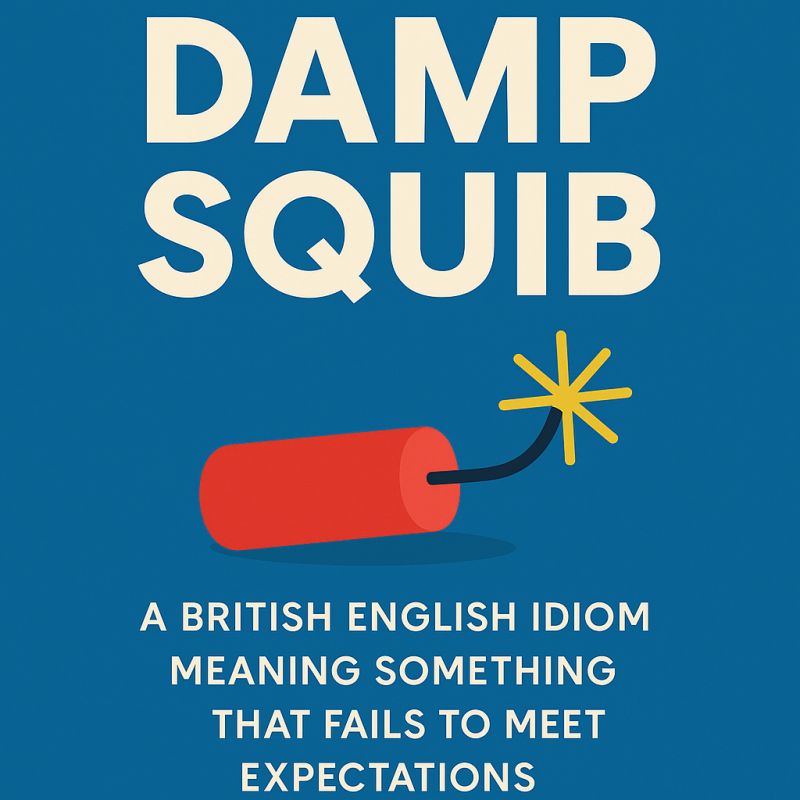
A damp squib is something disappointing that fizzles out. The squib part refers to a small explosive that doesn’t go off when wet. A “damp squid” just smells suspicious.
Card sharp
A card sharp is a clever, possibly sneaky card player. The original term was ssharp, not shark” though both imply danger. Either way, don’t sit across from one in poker night.
Eton mess

This dessert of strawberries, cream, and meringue was created at Eton College. The name refers to how it looks, not to how fast you eat it. Eaten mess just sounds like your kitchen counter.
Spit and image
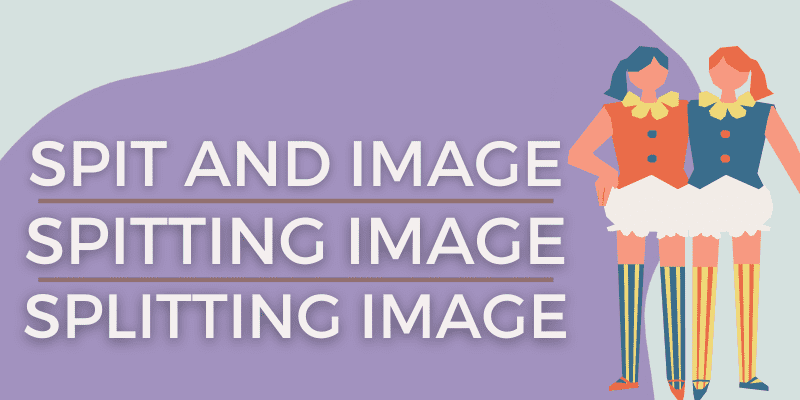
Originally, it meant someone made in another’s exact likeness as if from their “spit and clay.” Over time, it evolved into spitting image. Either way, saliva is not the point.
Scot free
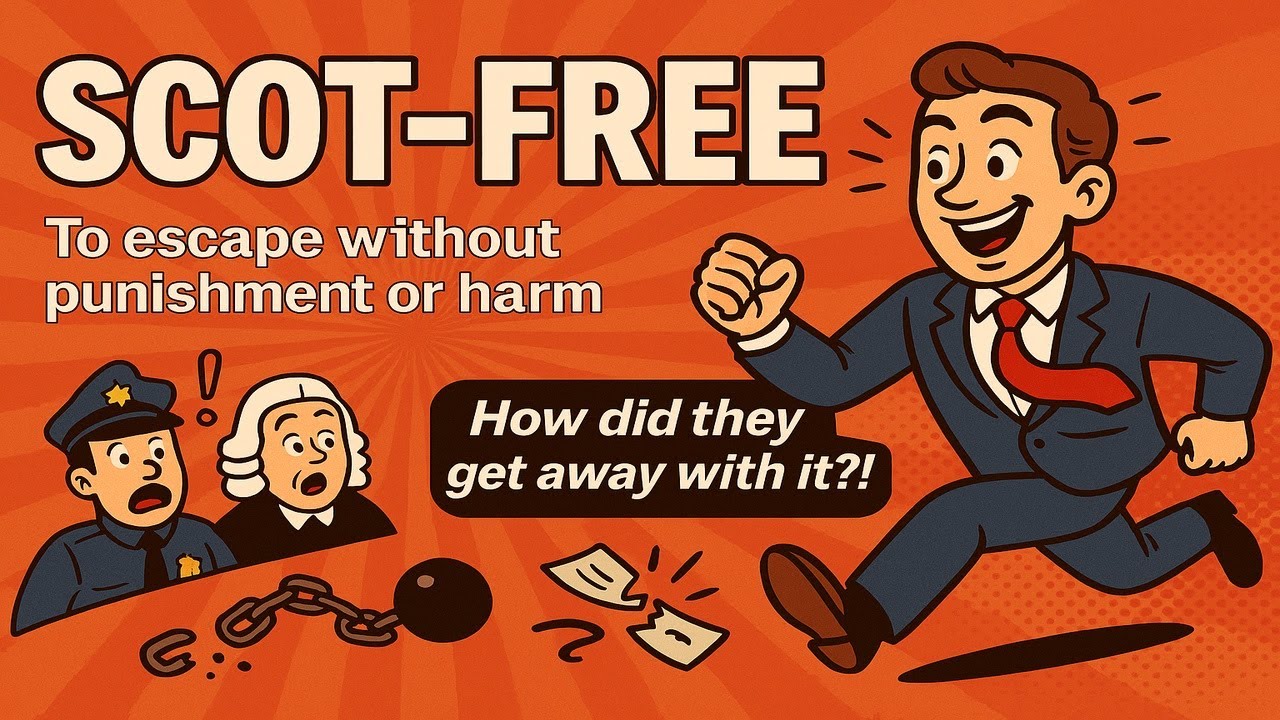
To get off scot free means escaping punishment or responsibility. The scot part comes from an old tax, not a Scottish guy named Scott. He’s fine and apparently always has been.