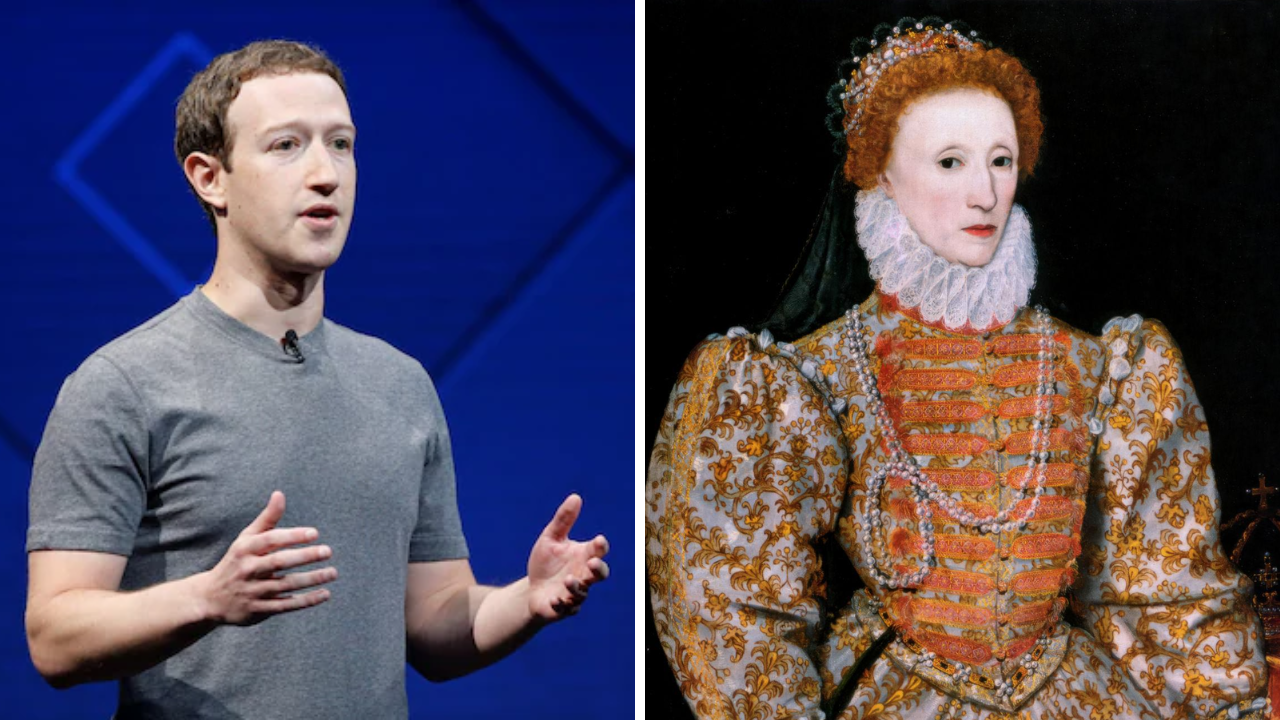
Some people in history never fit into a simple category. Admiration and criticism often follow them at the same time, and their actions continue to spark debates long after they are gone. Each of the following figures changed the world in ways that people still argue about today, with supporters highlighting achievements and critics pointing to the consequences.
1. Christopher Columbus

Few historical figures have sparked as much debate as the navigator whose voyages connected Europe and the Americas. Admirers highlight his courage and the lasting impact of his journeys on global exchange, while critics point to the violence, exploitation, and suffering that followed his arrival for indigenous populations.
2. Joseph Stalin
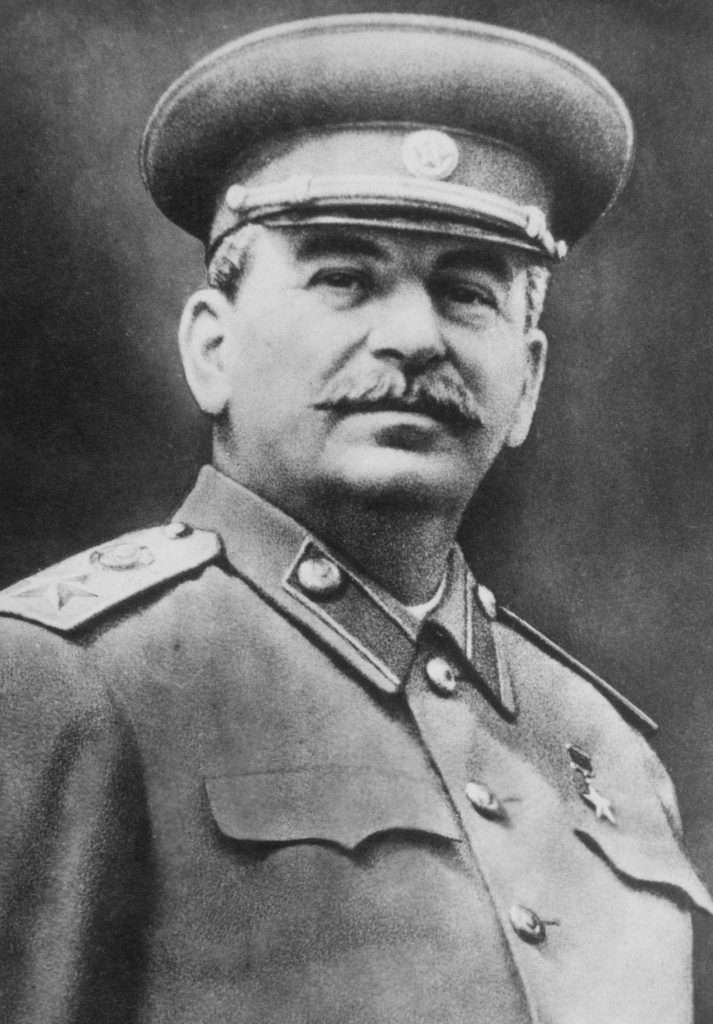
Power and fear defined much of life in the Soviet Union during the years he ruled. Some people credit the rapid industrial growth and the country’s strength during wartime to his leadership, yet many others remember the purges, labor camps, and repression that caused immense suffering.
3. Mao Zedong
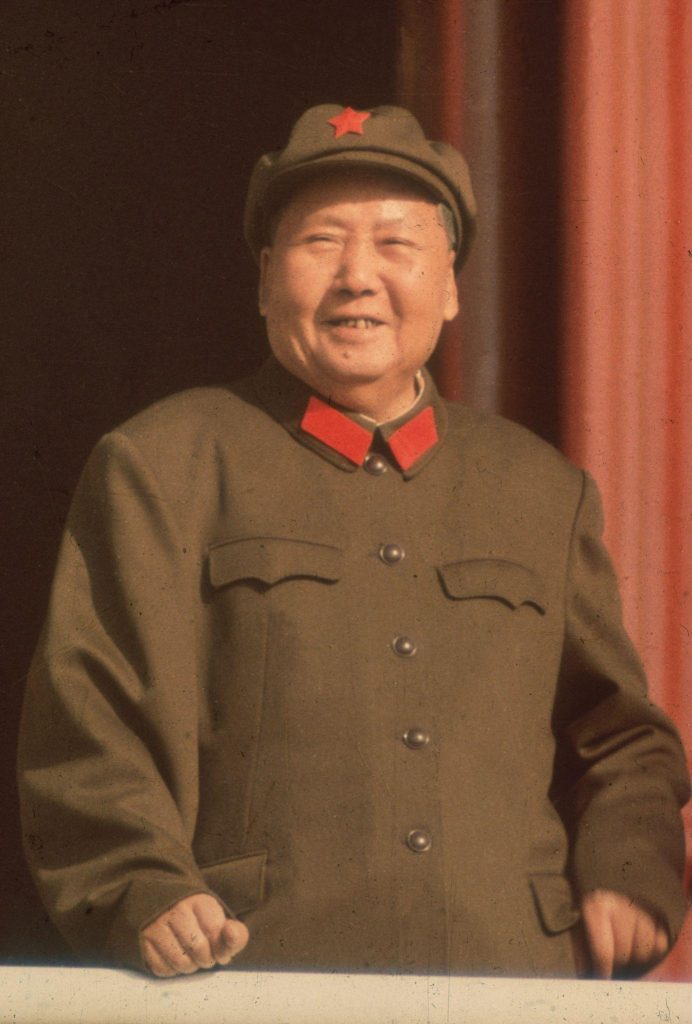
Revolution brought major change across China and reshaped the nation’s identity under his leadership. Supporters often focus on the unification of the country and the creation of a new political system, while critics point to famine, violence, and social upheaval tied to his campaigns.
4. Napoleon Bonaparte
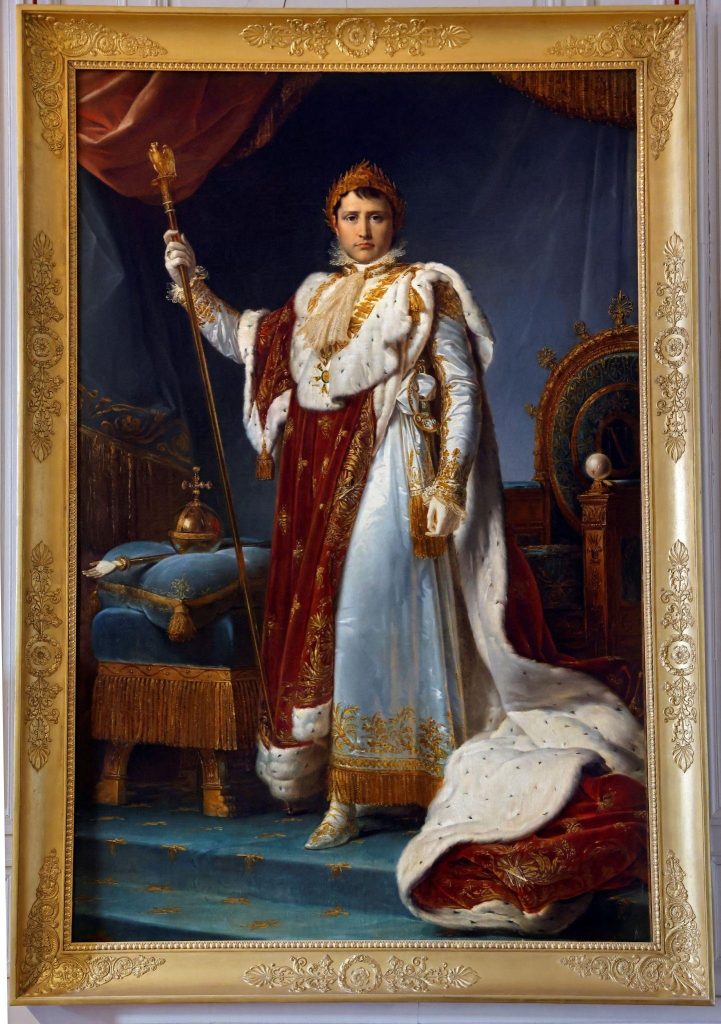
Rising from a military background to become emperor, his ambition and talent changed the course of European history. Legal reforms and national pride earned admiration, yet the wars that spread across the continent left deep scars and caused countless deaths which still shape how people judge his legacy.
5. Fidel Castro
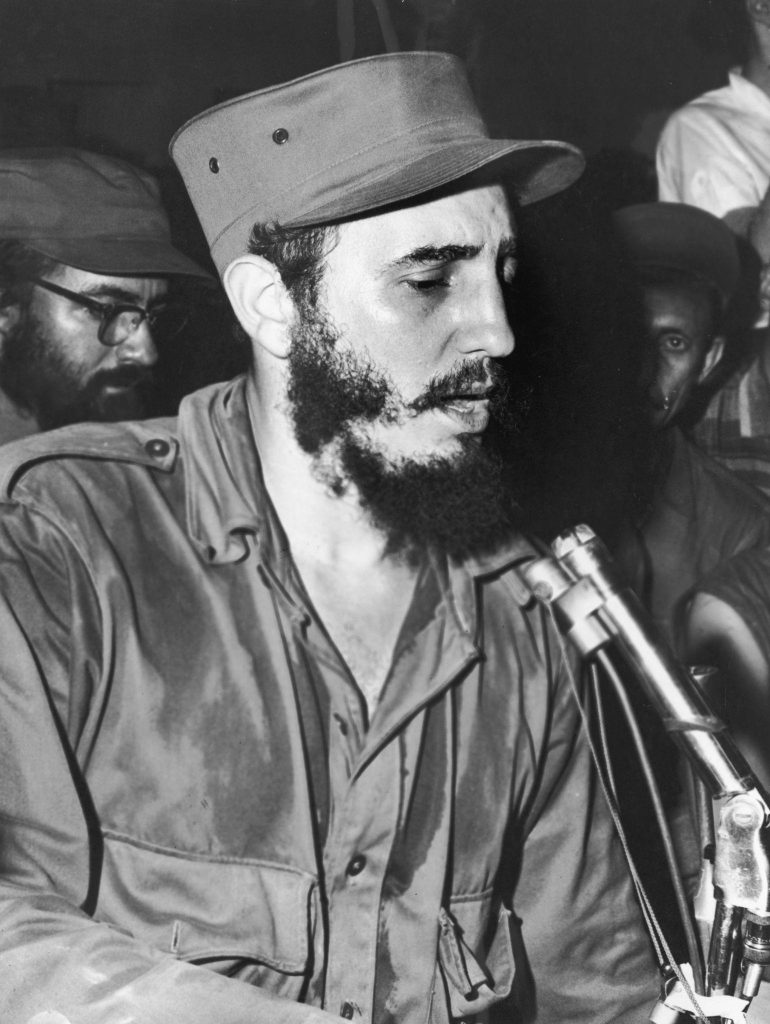
In Cuba, revolution led by a determined figure brought promises of equality and independence that inspired strong loyalty. Decades of strict political control, limits on speech, and waves of exile created an equally strong sense of anger among critics, leaving his name linked to both pride and frustration.
6. Vladimir Lenin
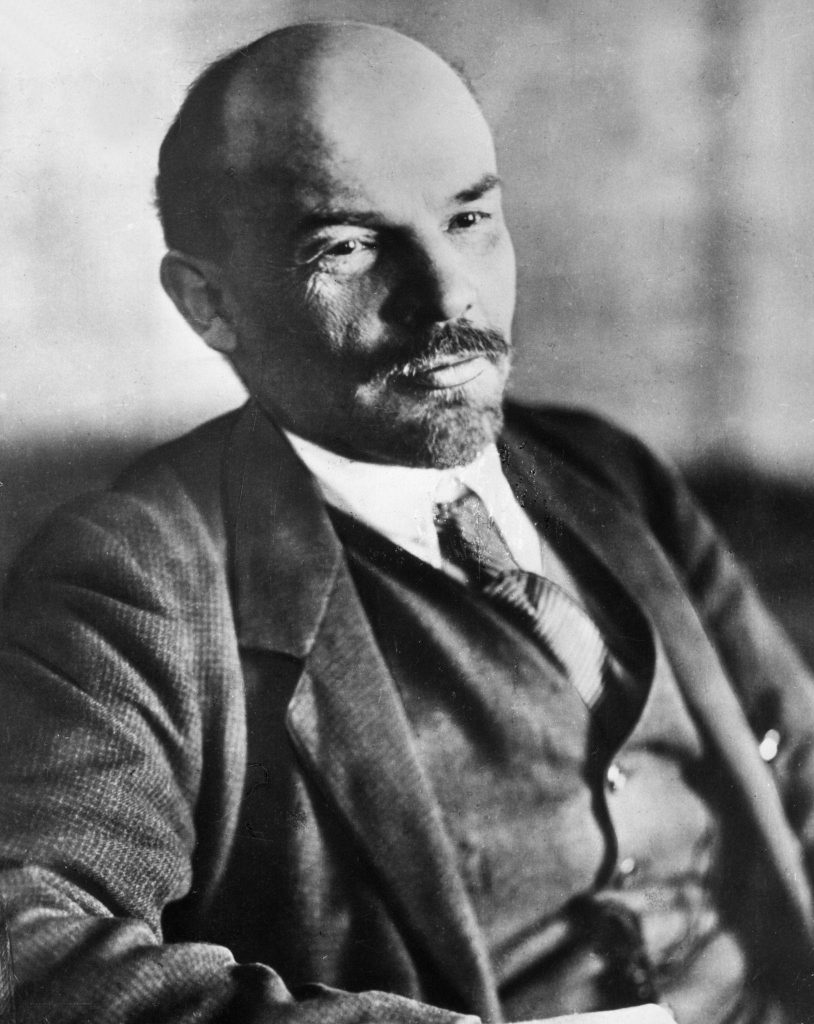
The fall of the old Russian order opened the door for dramatic change led by a revolutionary vision. Many supporters believed a fairer society was being created, while opponents focused on the violence and strict control used to secure and maintain power.
7. Richard Nixon
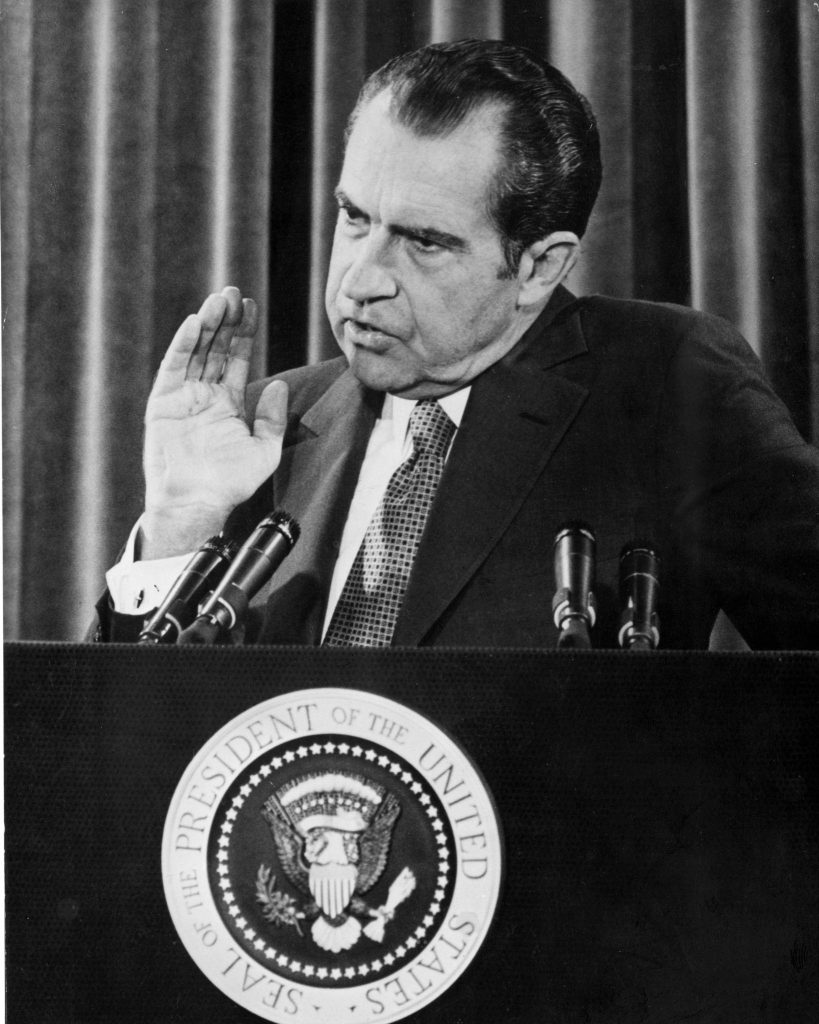
During a tense time in global politics, major diplomatic steps helped reshape relations between powerful nations. At the same time, the Watergate scandal revealed secret actions and a cover up that forced him to leave office, and people still argue over whether his achievements outweigh the damage to public trust.
8. Genghis Khan
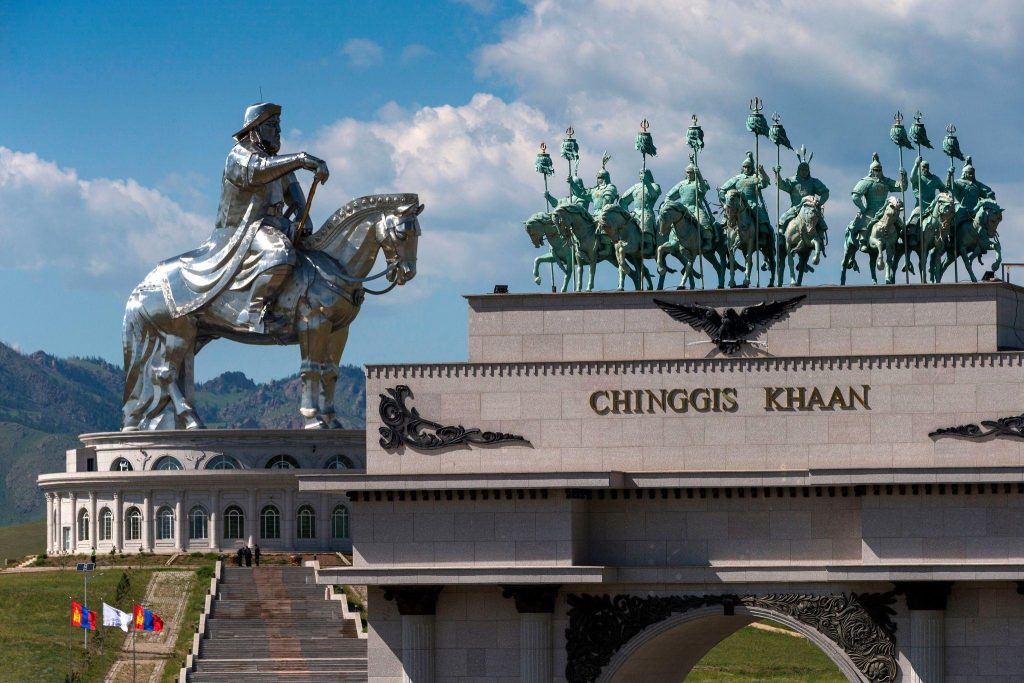
Across vast lands, one leader managed to unite tribes and build an empire that connected distant cultures and trade routes. Stories of destruction and violence traveled just as far as tales of strategy and strength, which explains why his reputation remains so divided.
9. Margaret Thatcher
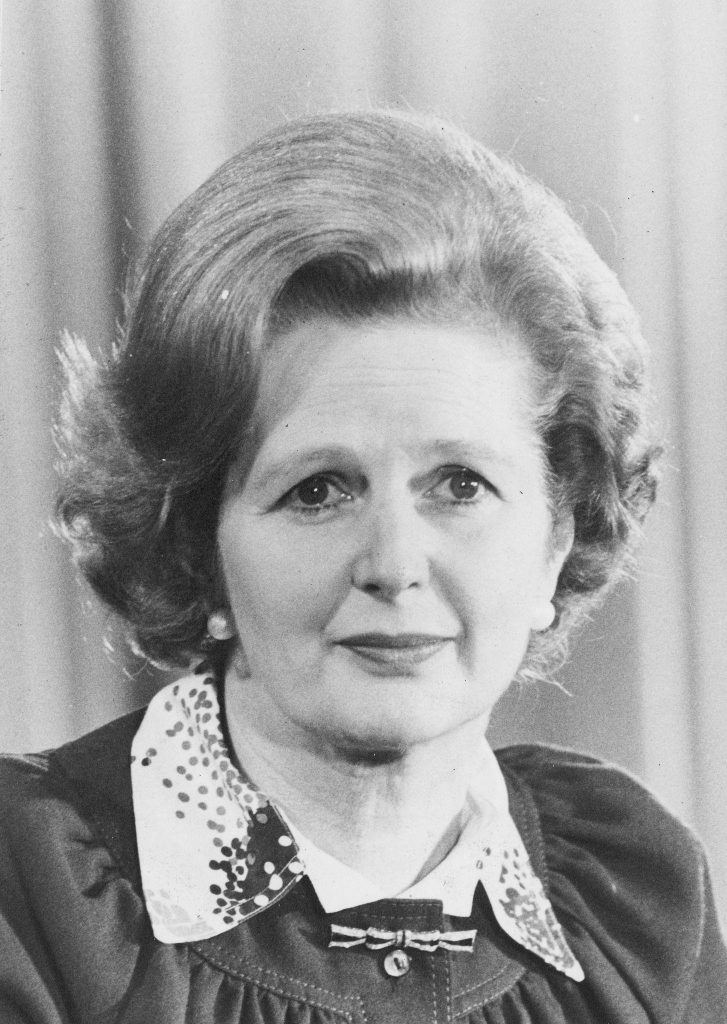
In Britain, strong economic reforms reshaped the country and created both pride and resentment depending on who was affected. Supporters often credit determination and leadership during difficult years, while critics remember job losses and deep social divisions that followed.
10. Che Guevara
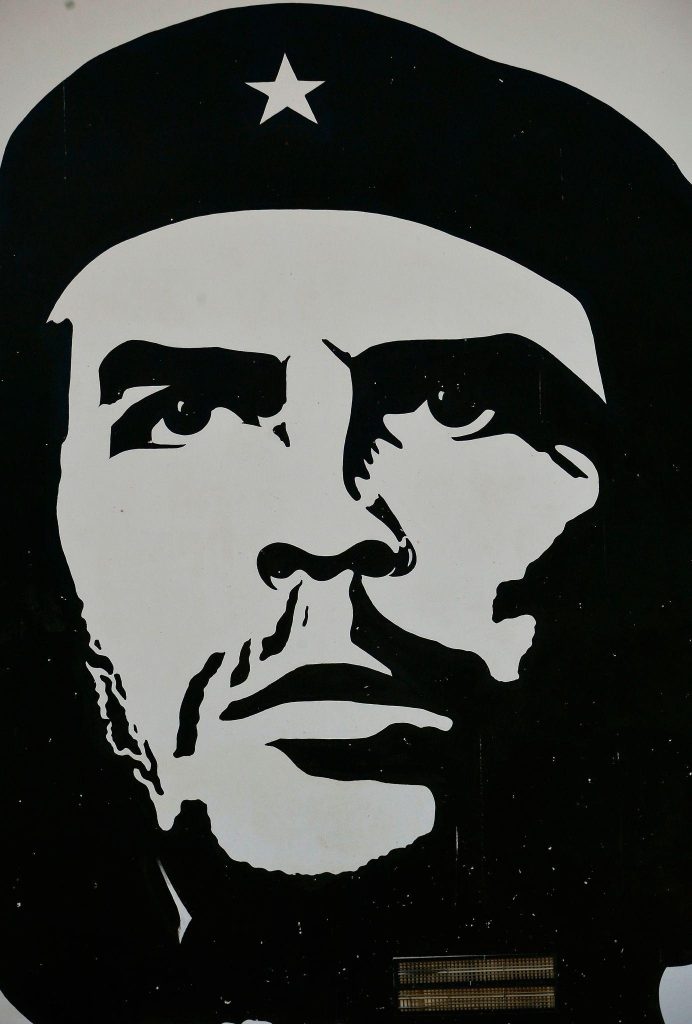
Around the world, his face became a symbol of rebellion and resistance that many still admire. His role in revolutionary movements and his involvement in harsh punishments also led to strong criticism, creating a legacy that continues to split opinion between inspiration and controversy.
11. Julius Caesar
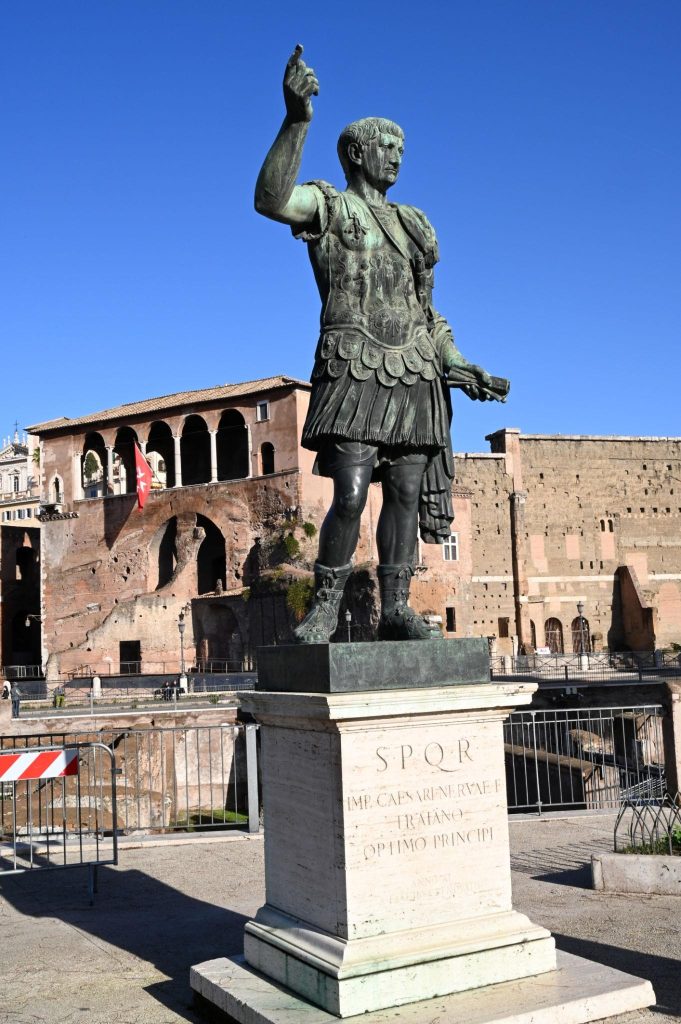
Power struggles in ancient Rome reached a turning point when a general crossed into politics and refused to give up control after major victories. Many admire the reforms and military skill that expanded Roman influence while others see his rise and self appointment as a step that weakened the republic and led to the end of its political balance.
12. Henry VIII
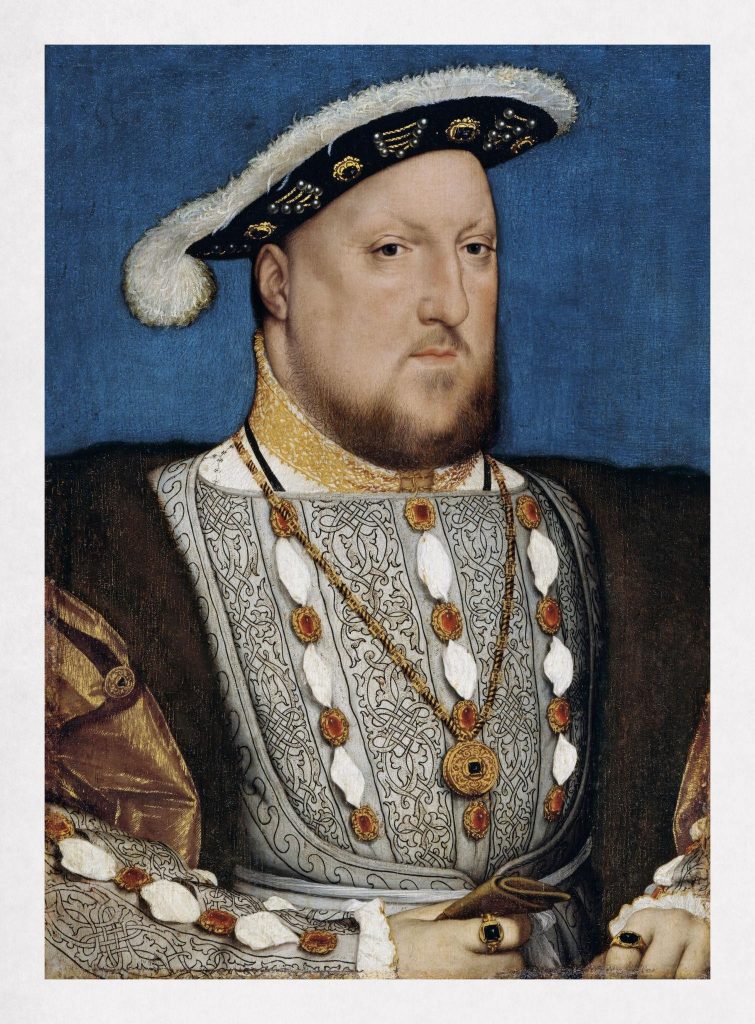
Royal authority in England changed deeply during a reign marked by personal decisions that altered religion and politics at the same time. Breaking from the Catholic Church gave the crown new power and support from some while others viewed the move, along with harsh punishments and executions, as a dangerous abuse of authority.
13. Elizabeth I
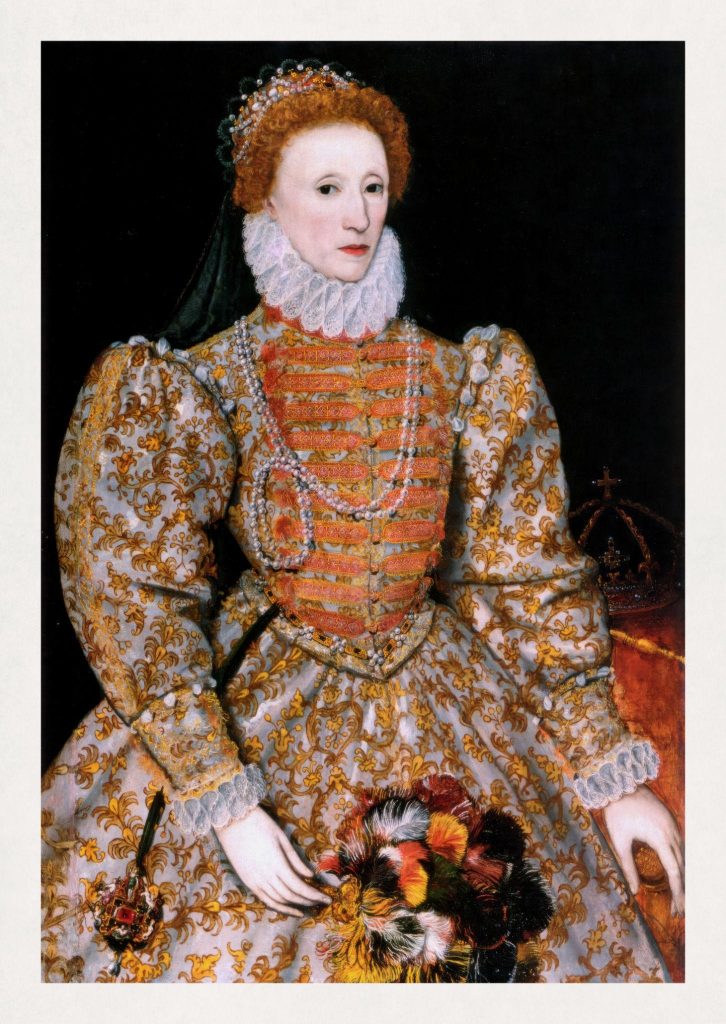
A strong and steady ruler guided England through years of conflict and cultural growth which led many to see her as a symbol of stability and pride. At the same time strict control over religion and harsh treatment of rivals created lasting debate about how far power should reach in the name of unity.
14. Thomas Jefferson
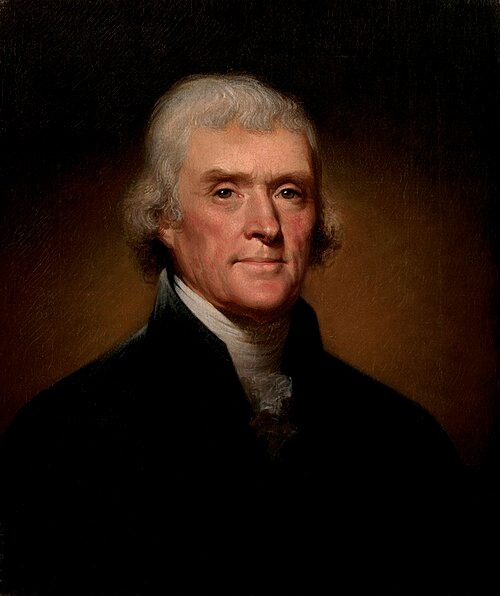
Ideas about liberty and rights helped shape the founding of a nation and inspired democratic thought across the world. His ownership of enslaved people and the gap between public ideals and private life continue to raise questions that keep opinions divided about his place in history.
15. Andrew Jackson
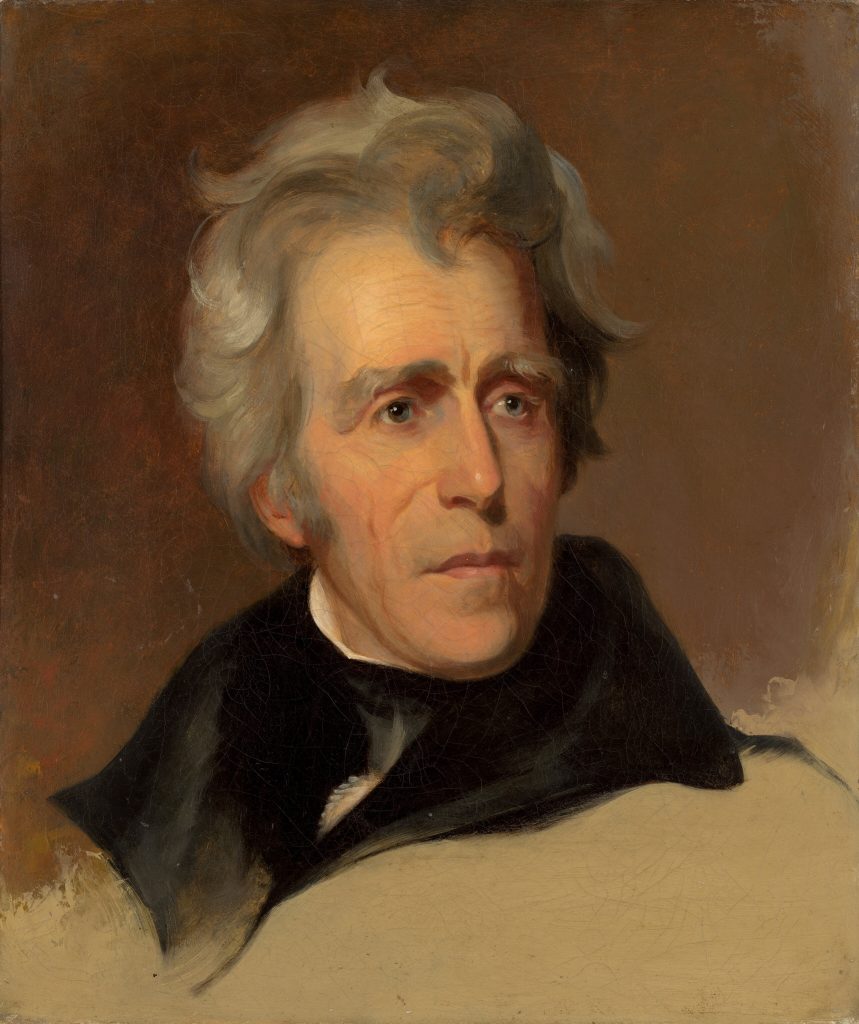
Strong leadership and a bold public image earned him wide support among voters who felt represented by his style and policies. Forced removal of native communities and firm use of presidential power created lasting criticism which is why admiration and anger still exist side by side in discussions about him.
16. Sigmund Freud
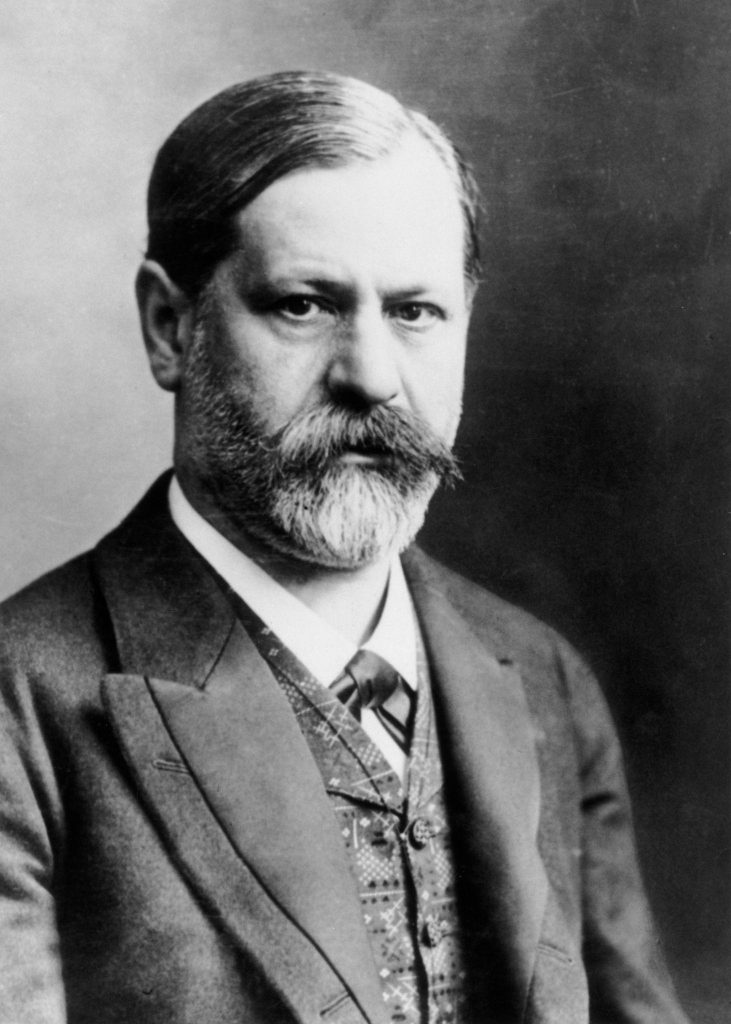
New ideas about the human mind changed how people thought about behavior, dreams, and emotion which gained attention across the world. Supporters view his work as the start of modern psychology while critics question his methods and theories which keeps his influence both respected and debated.
17. Winston Churchill
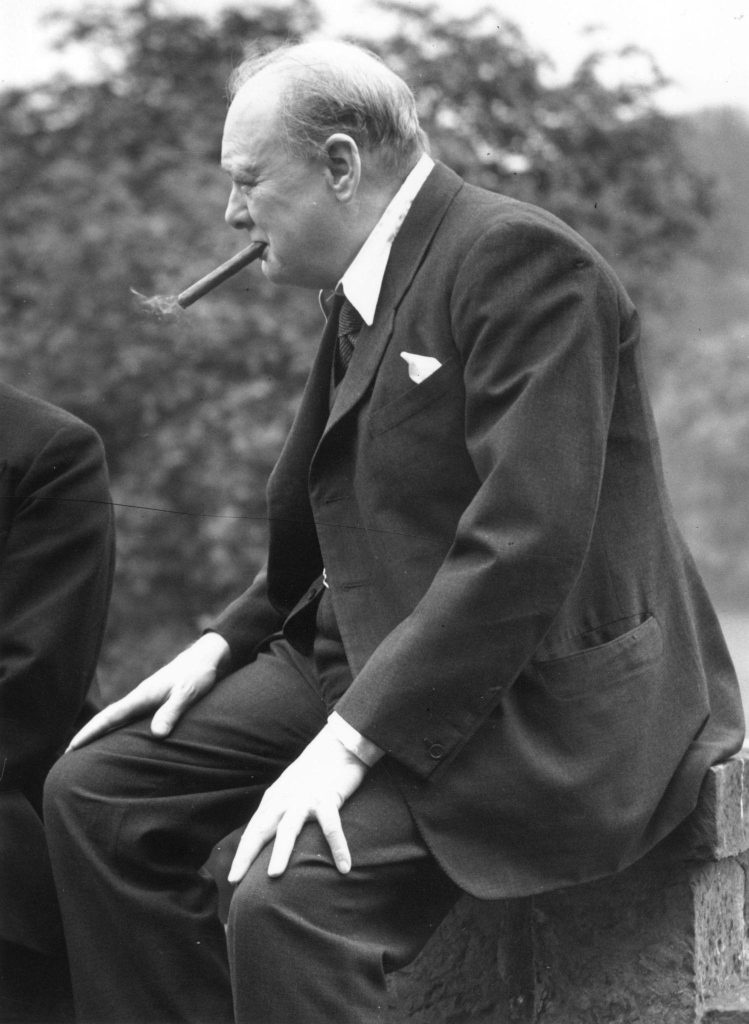
During the Second World War his speeches and determination helped rally a nation at one of its hardest moments which brought lasting respect. Views on empire and certain political decisions also draw criticism today which makes his legacy one that continues to spark strong discussion.
18. J. Edgar Hoover
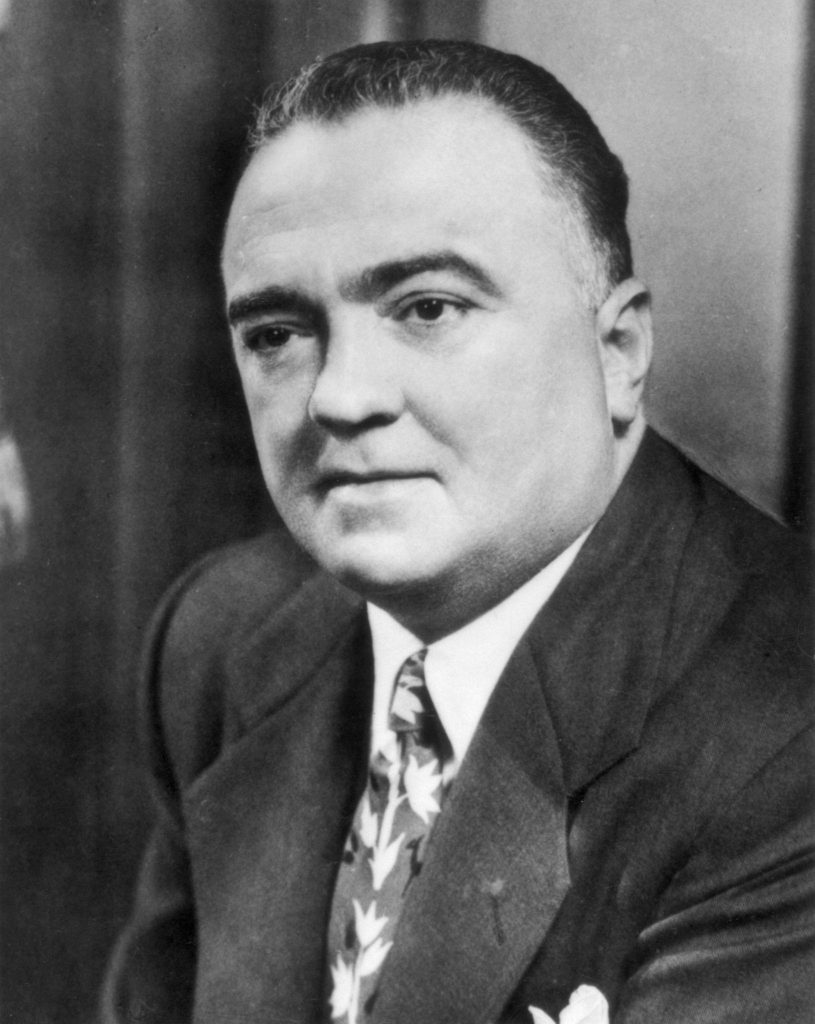
For decades a powerful figure shaped the direction of federal law enforcement and built an agency that became known across the country. Secret files, surveillance on public figures, and methods used to gather information created concern and suspicion which still leads people to question his role and influence.
19. Pablo Escobar
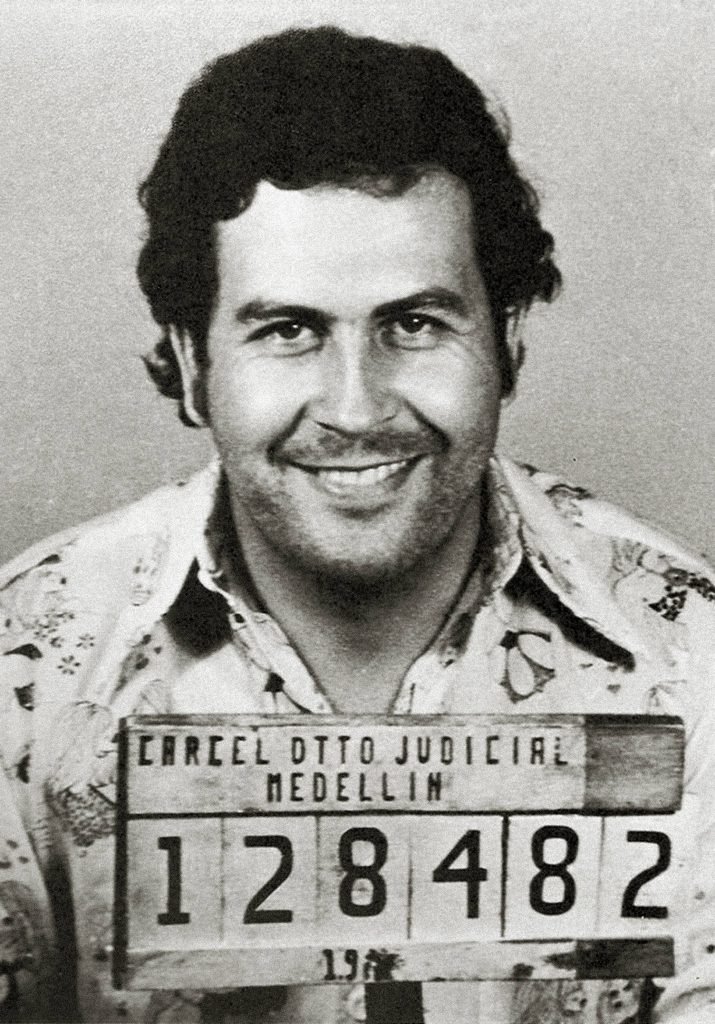
Immense wealth and influence grew from a criminal network that reached far beyond one country and turned him into a well known figure around the world. Some local communities remember money and support he gave to the poor while many others focus on the violence, fear, and loss linked to his actions which keeps his image deeply controversial.
20. Edward Snowden

A global debate about privacy and security began after secret government programs were exposed through leaked information. Some see a defender of public rights who revealed hidden actions while others believe the leaks put national safety at risk which is why opinions remain strongly divided.
21. Martin Luther
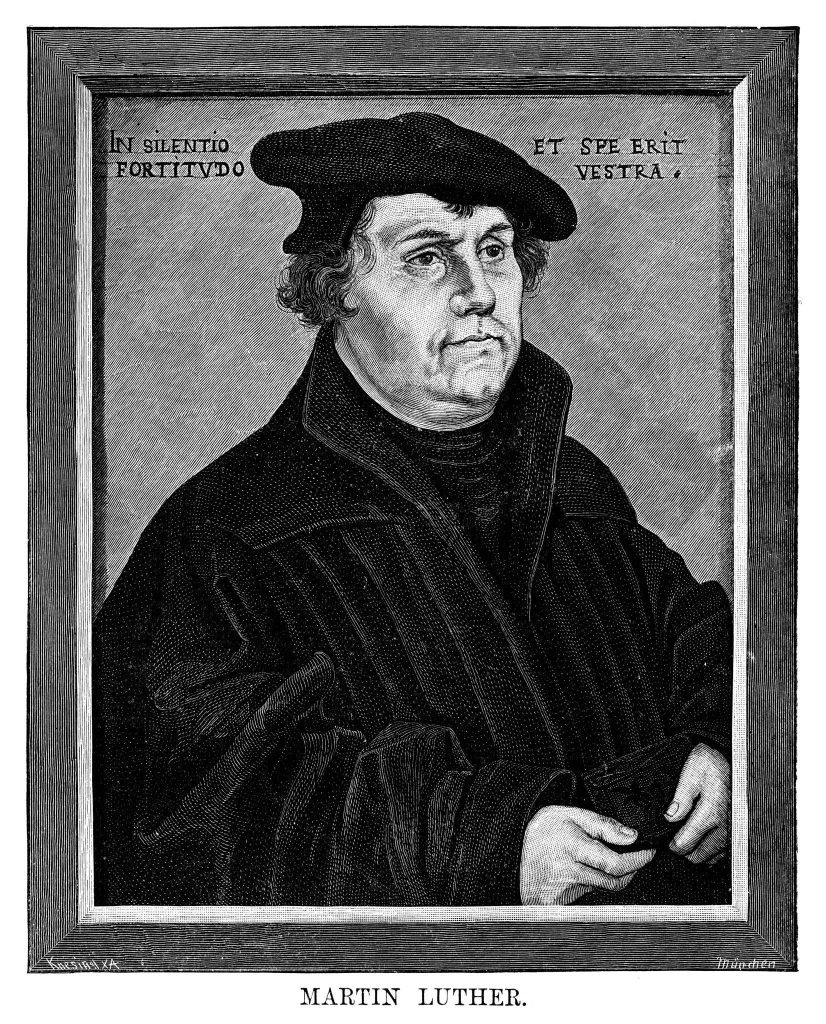
Religious life in Europe changed forever when his writings challenged the authority of the Catholic Church and questioned long held traditions. Many people praise the courage that led to reform and personal freedom in faith while others remember the deep division and conflict that followed across entire nations.
22. Queen Victoria
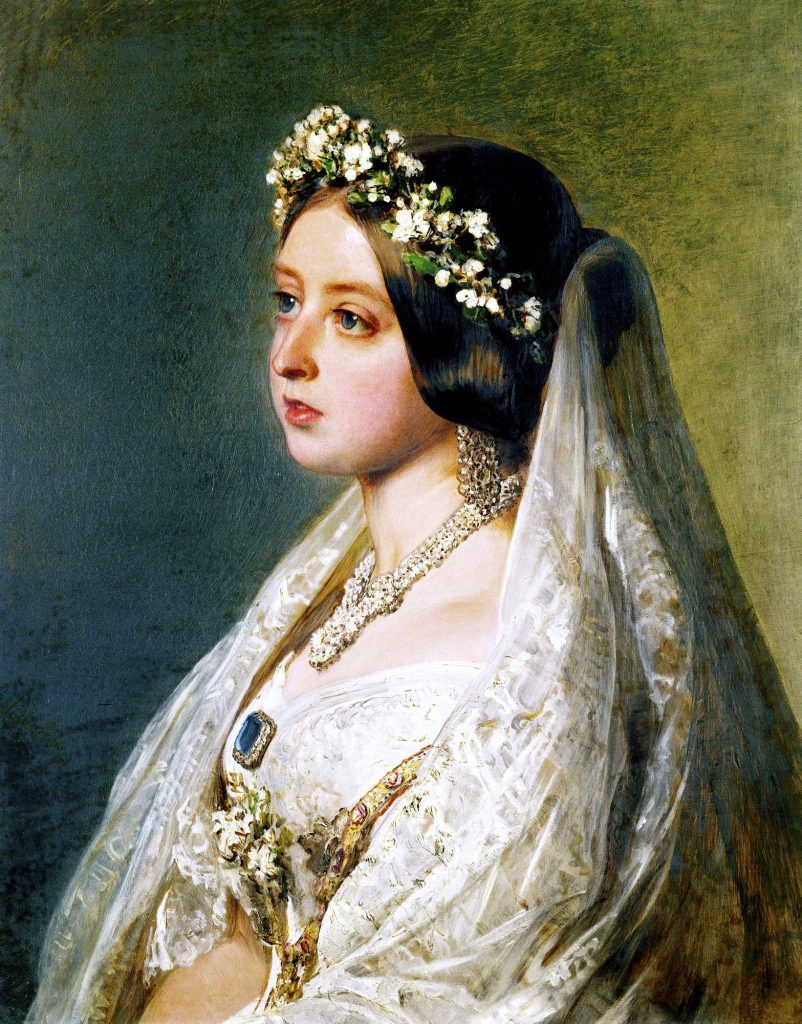
An entire era took her name as Britain expanded its influence across the world and built a powerful empire that shaped culture and industry. Pride in growth and stability stands beside criticism of colonial rule and its human cost which keeps her image tied to both admiration and debate.
23. Vladimir Putin
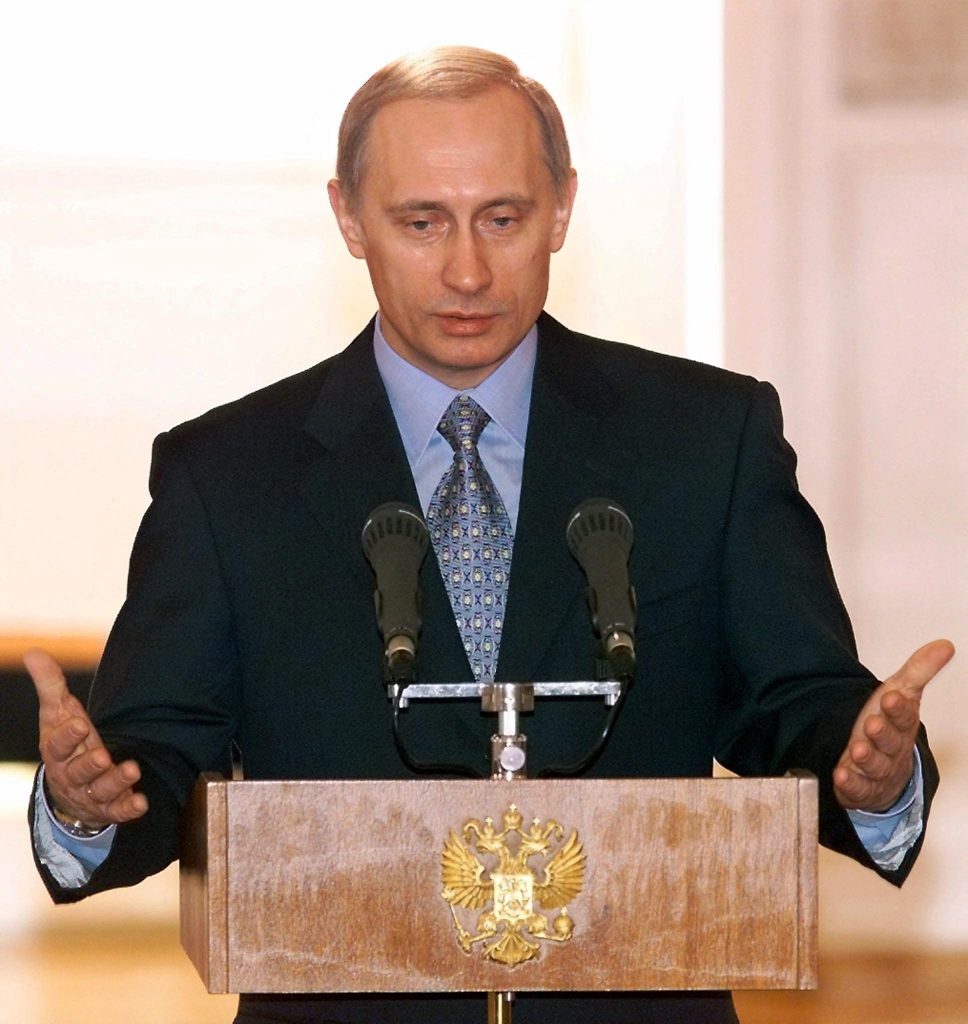
Leadership in Russia during recent decades has brought strong national control and a return to global influence that supporters see as a sign of strength. Concerns about political freedom, conflict, and pressure on critics have led others to view his time in power in a far more negative light which fuels constant debate.
24. Kim Jong Un
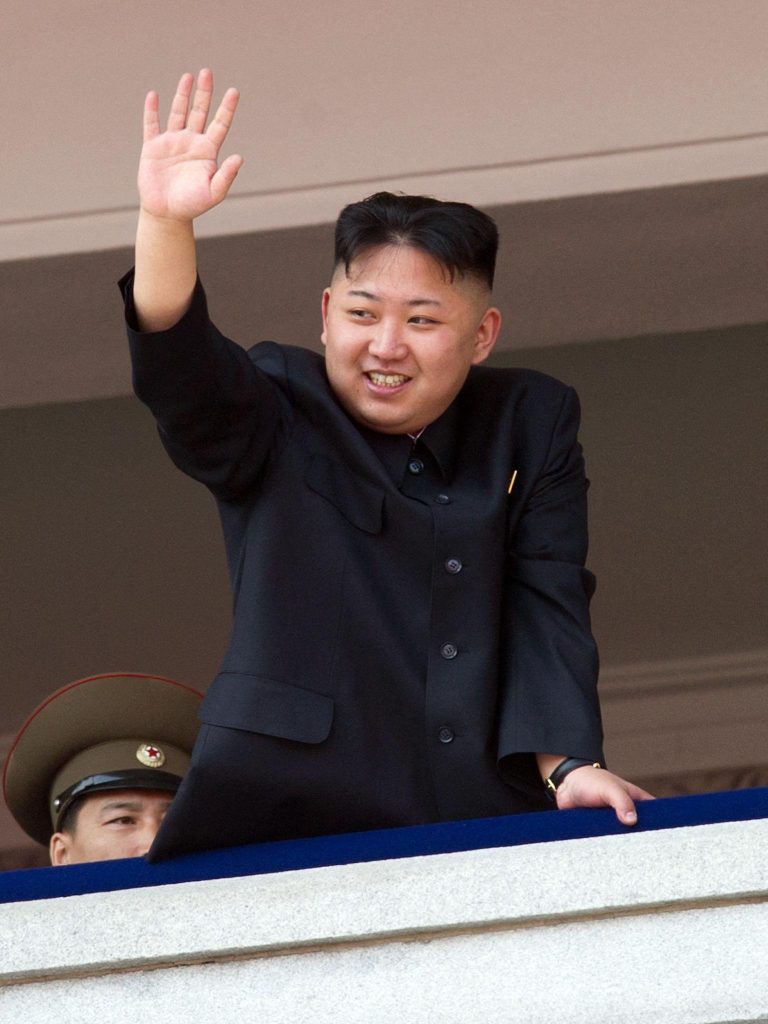
Power passed down through family rule placed him at the head of a closed nation that draws attention from across the world. Some see a leader focused on control and national pride while others focus on reports of strict limits on freedom and the impact of his decisions on daily life.
25. Henry Ford
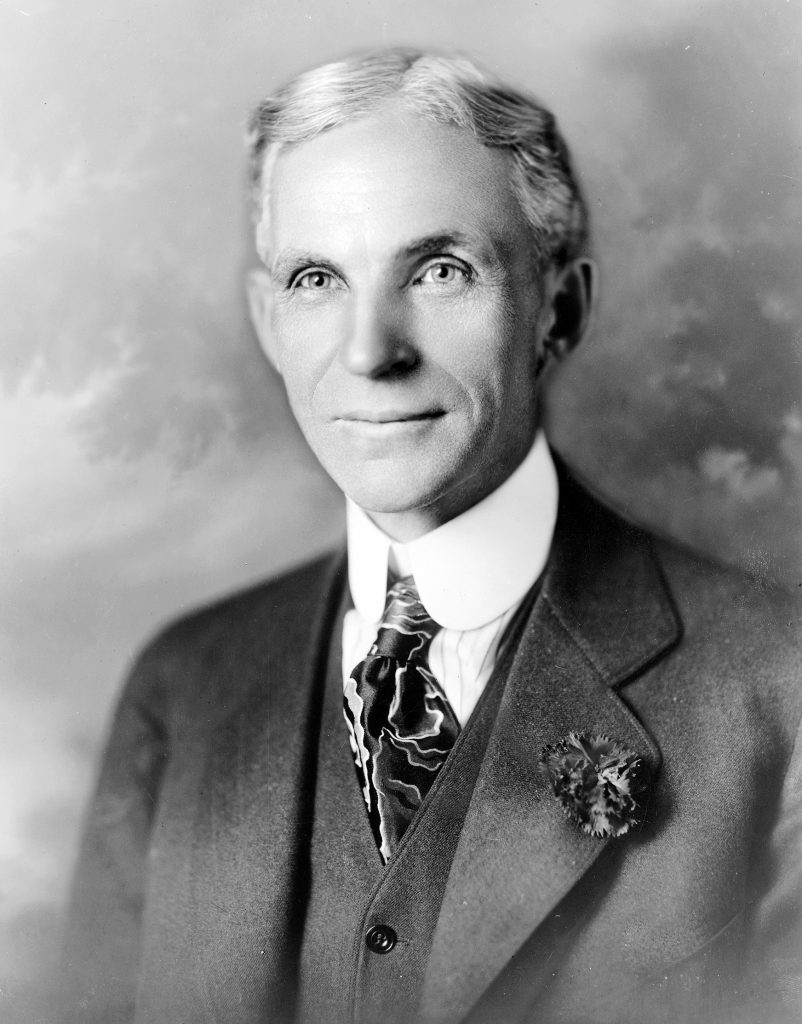
Factories and mass production changed how goods were made and helped shape modern industry in ways that affected daily life across the globe. Praise for innovation and worker wages exists alongside criticism for published views and actions that caused anger and concern among many communities.
26. Galileo Galilei
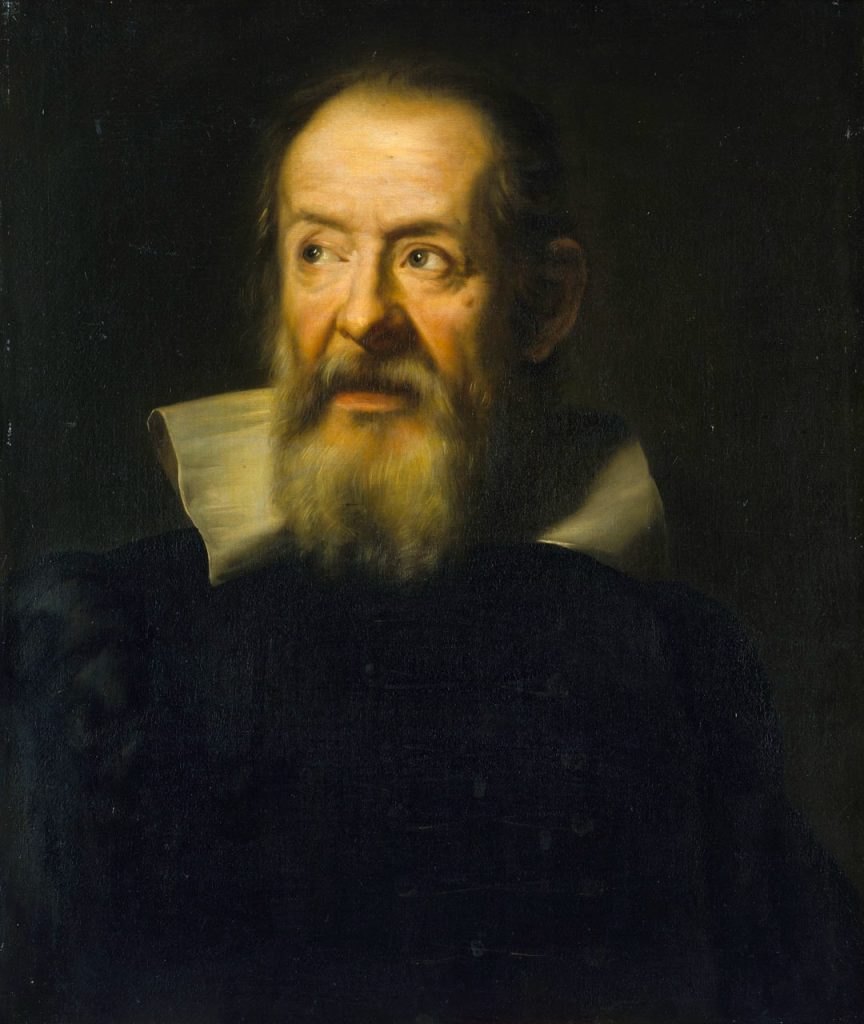
New ideas about space and science challenged long accepted beliefs and opened the door to modern understanding of the universe. Supporters celebrate the courage to defend evidence and reason while others at the time saw his work as a threat to tradition and religious authority which led to conflict.
27. Oppenheimer
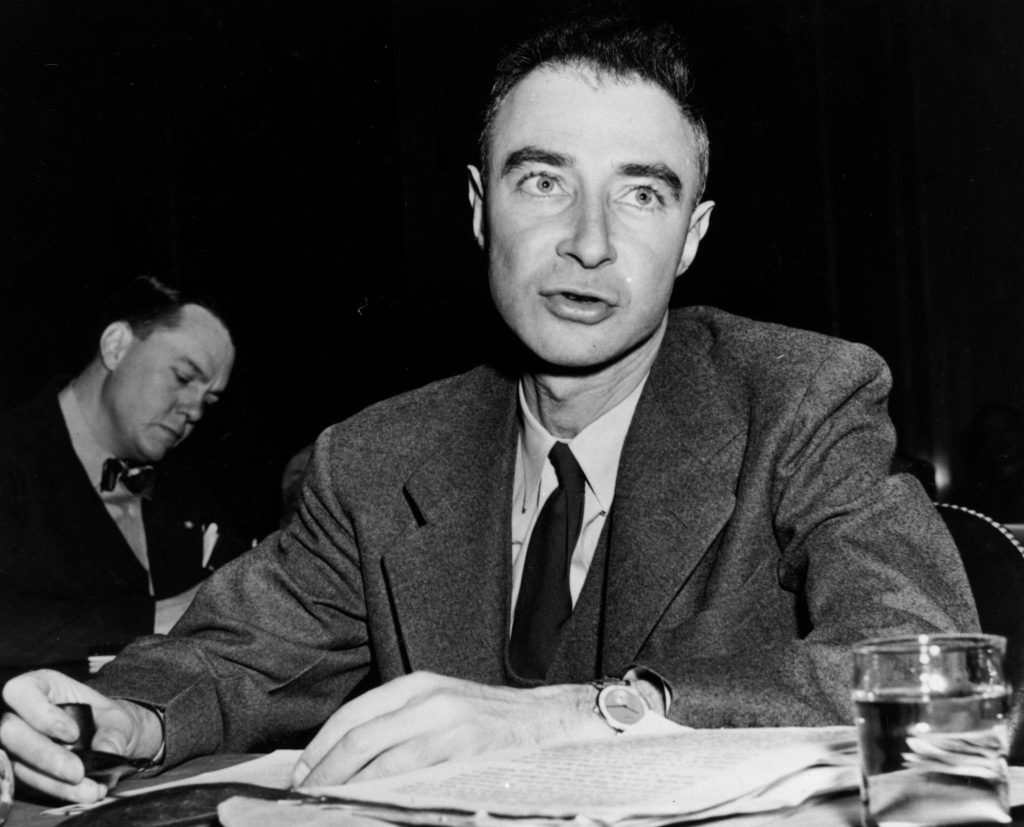
Work on the first atomic bomb changed warfare and global politics forever and placed him at the center of one of the most powerful scientific moments in history. Some view the achievement as necessary during wartime while others struggle with the moral weight of the destruction that followed.
28. Catherine the Great
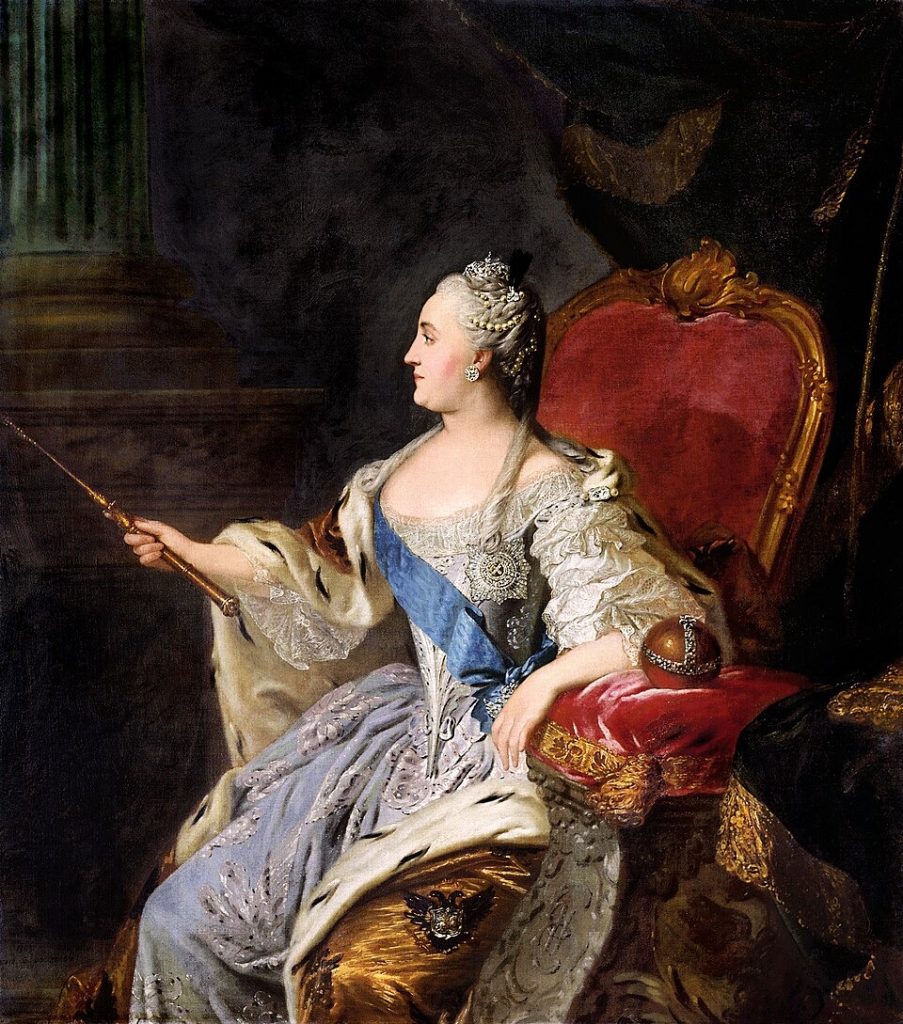
Expansion and reform helped turn Russia into a major European power during her long reign and earned respect for political skill and vision. Stories about palace intrigue, personal life, and the conditions faced by many under imperial rule continue to shape how people judge her today.
29. Malcolm X
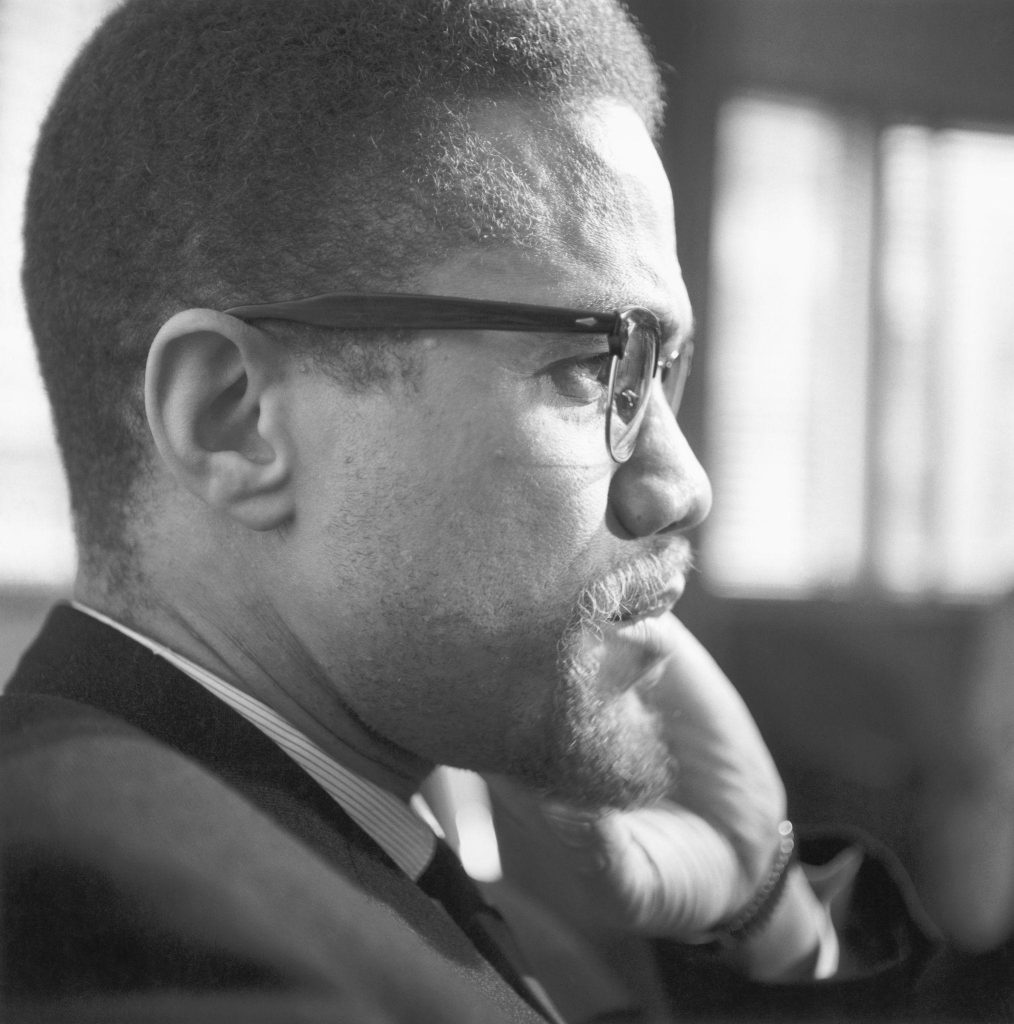
A powerful voice in the struggle for civil rights spoke with intensity about race, identity, and justice during a time of deep tension. Some people admire the honesty and strength behind his message while others once feared his tone and ideas which created strong reactions across the country.
30. Mark Zuckerberg
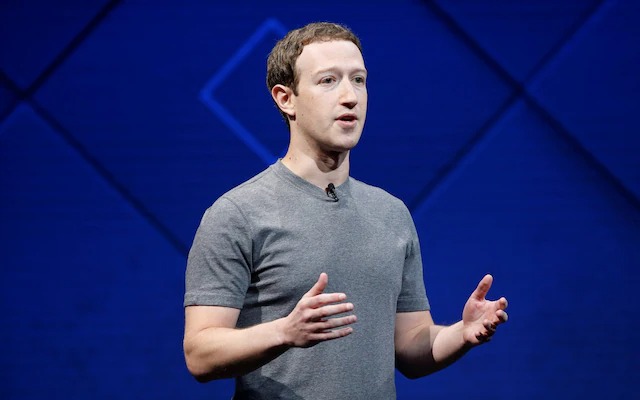
A new era of connection began as social media platforms changed how people communicate, share, and build communities across the world. Success and innovation brought admiration while concerns about privacy, influence, and control over information created ongoing debate about his impact on society.