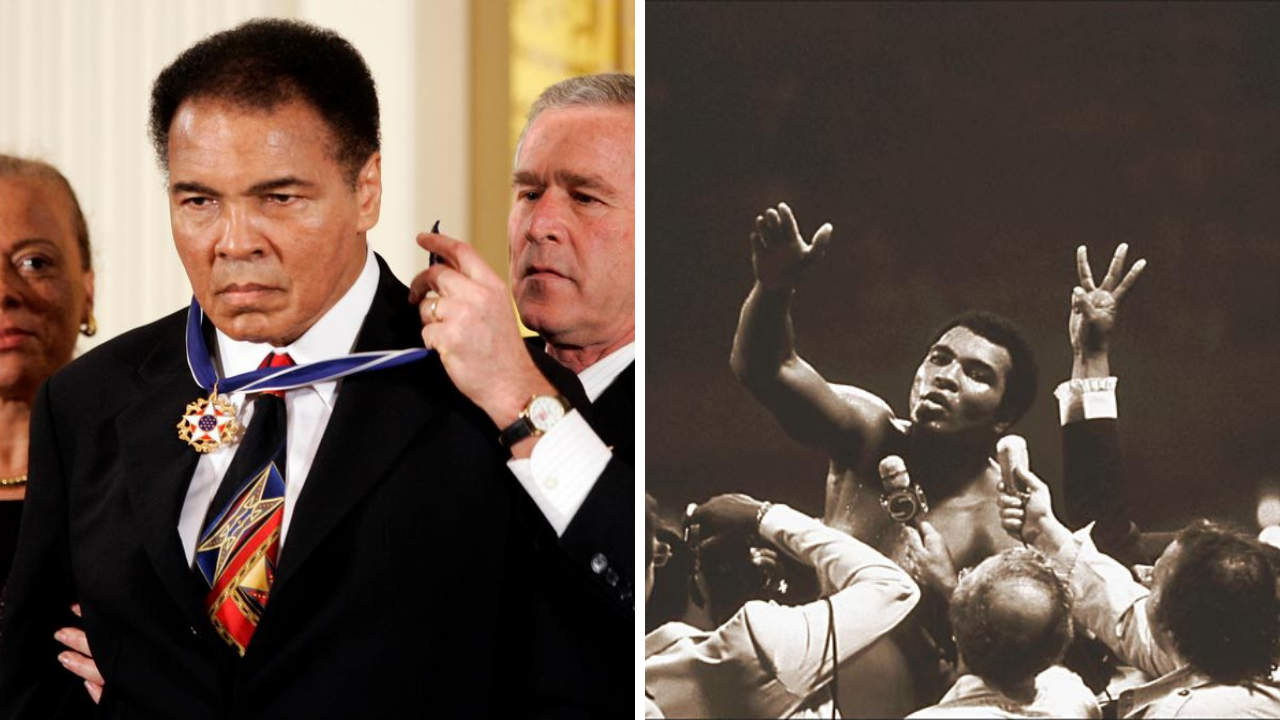
Muhammad Ali transcended the realm of sports; he was a cultural phenomenon who overcame challenges, articulated his beliefs, and made a significant impact on society. From his early achievements to his enduring influence, these 30 pivotal moments capture the essence of why Ali is an everlasting icon.
1. Securing Olympic Gold (1960)
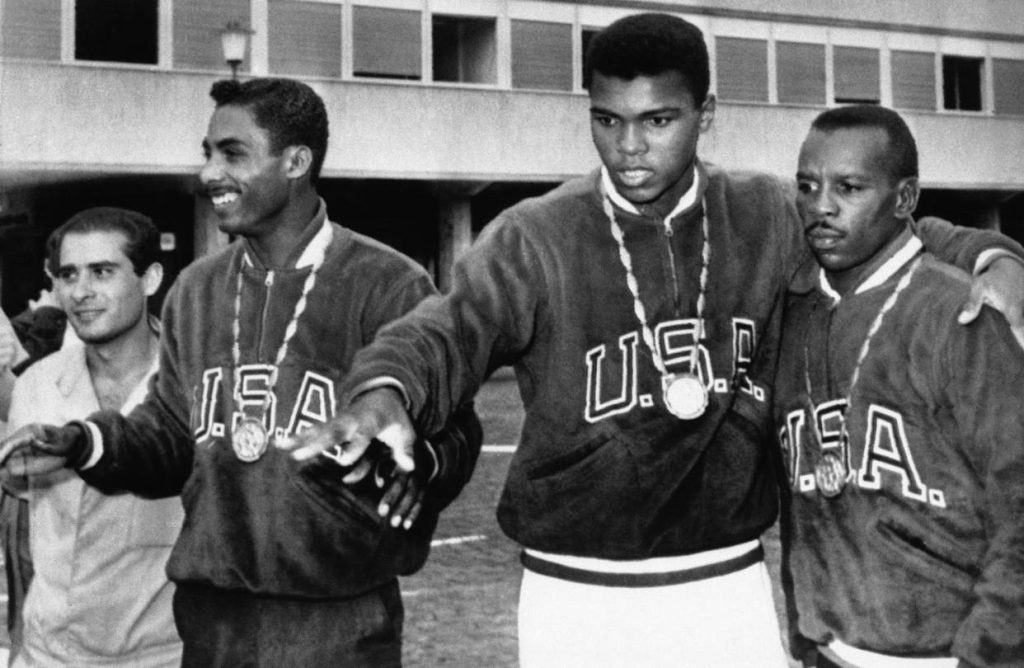
At merely 18, Cassius Clay claimed the gold medal in the light heavyweight category at the Rome Olympics. This remarkable achievement set him on the path to becoming a boxing legend.
2. Turning Professional (1960)
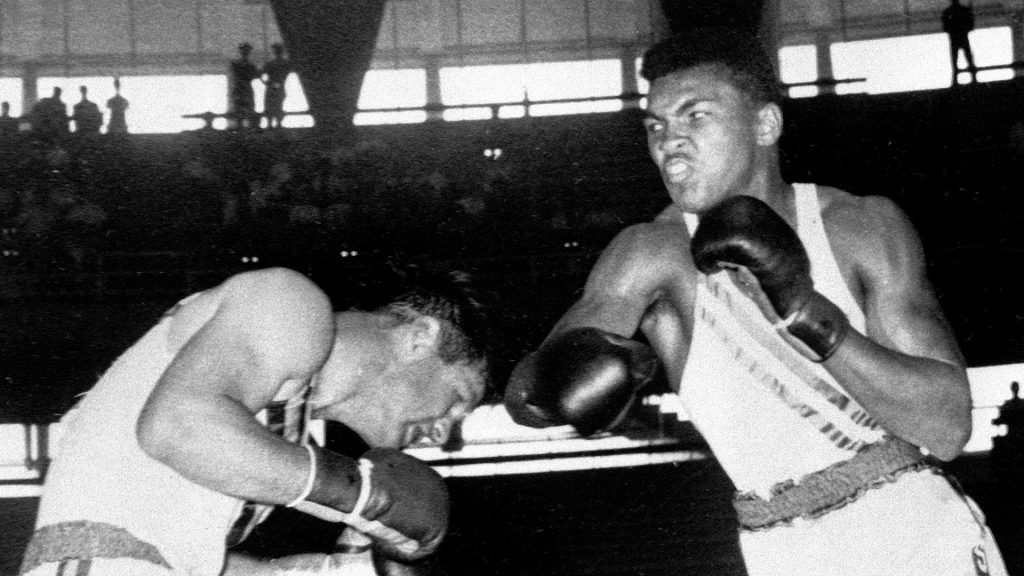
Soon after his Olympic success, Ali entered the professional arena, securing victory in his debut against Tunney Hunsaker. This marked the launch of an unparalleled boxing career.
3. Youngest Heavyweight Champion (1964)
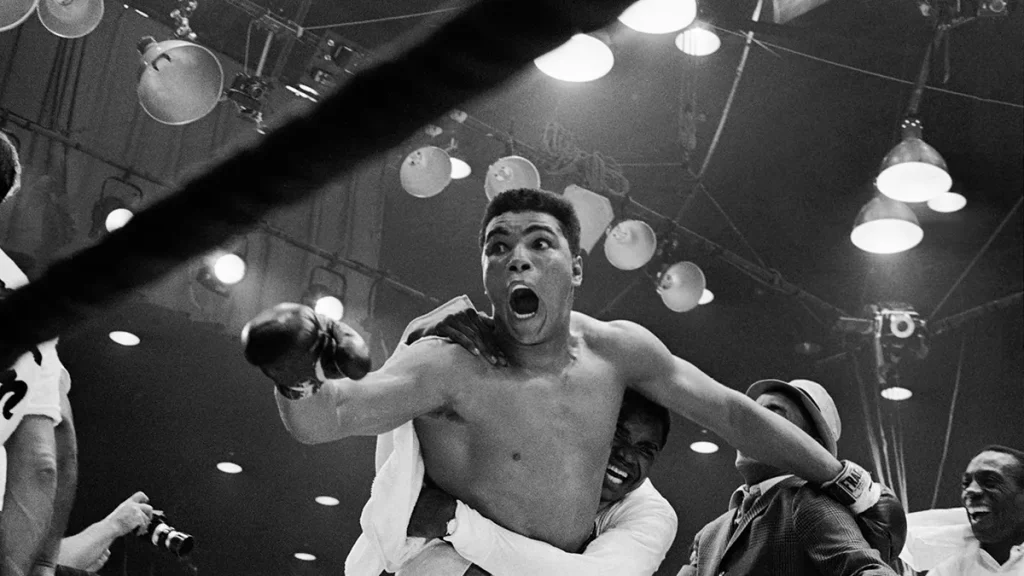
At the age of 22, he stunned the world by triumphing over Sonny Liston to seize the heavyweight championship. His iconic statement, “I shook up the world! ” marked his entrance into the global spotlight.
4. Renaming Himself Muhammad Ali (1964)
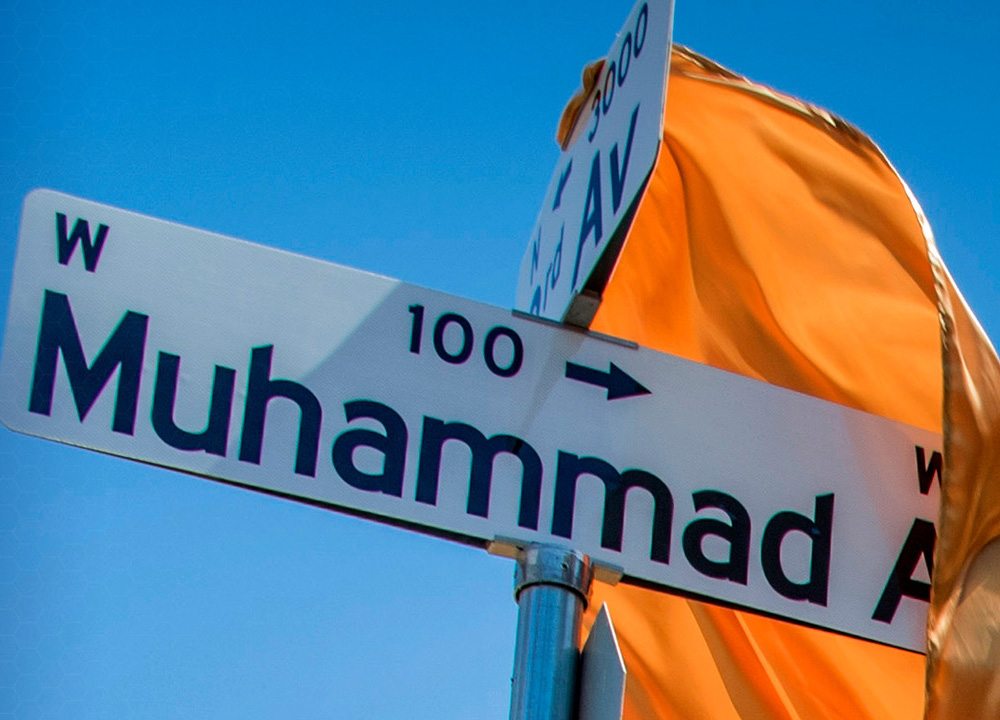
Upon joining the Nation of Islam, he rejected his birth name, Cassius Clay, referring to it as his “slave name. ” This courageous decision incited controversy but reinforced his personal identity.
5. Another Victory Over Sonny Liston (1965)
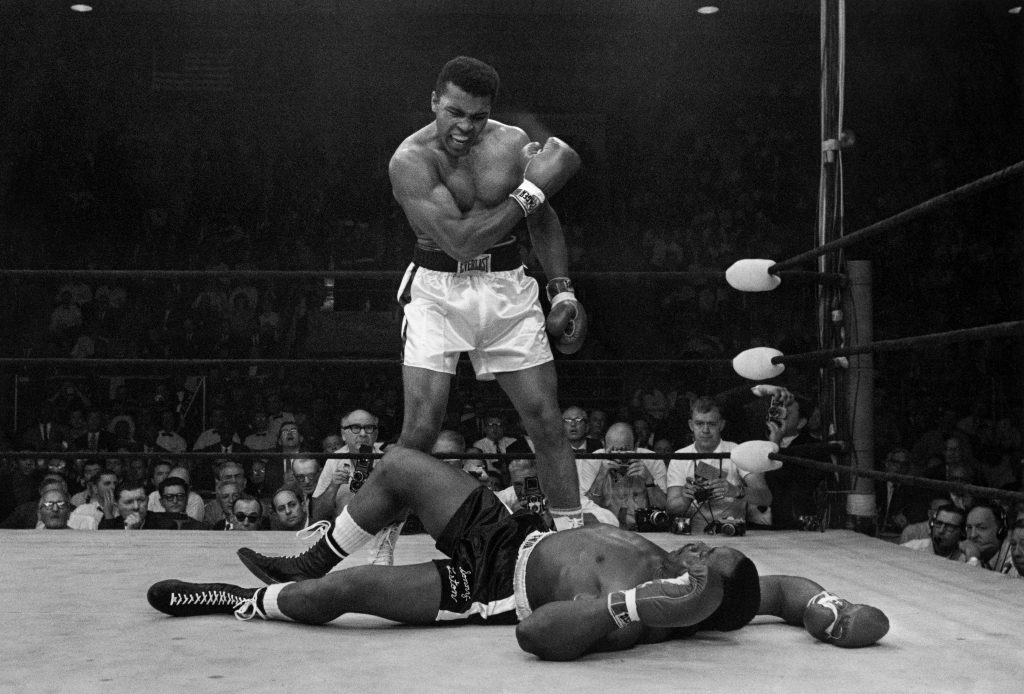
Ali’s first-round knockout of Liston in their rematch stands as one of boxing’s most memorable moments. The notorious “phantom punch” generated extensive discussion.
6. Declining Military Service in the Vietnam War (1967)
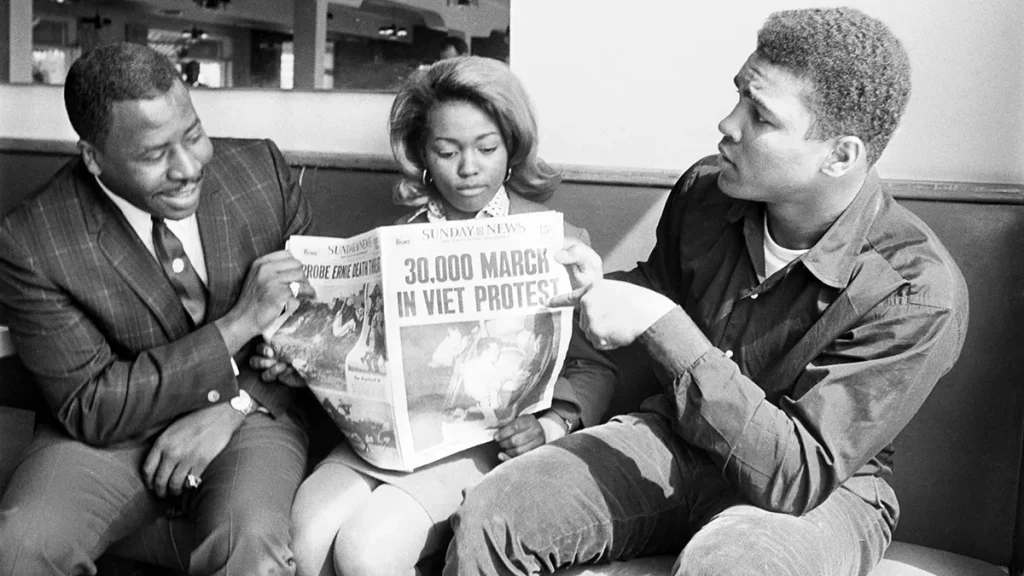
Ali refused to be inducted into the military, stating, “I ain’t got no quarrel with them Viet Cong. ” His position led to the loss of his boxing title and almost derailed his career.
7. Title Stripping (1967)
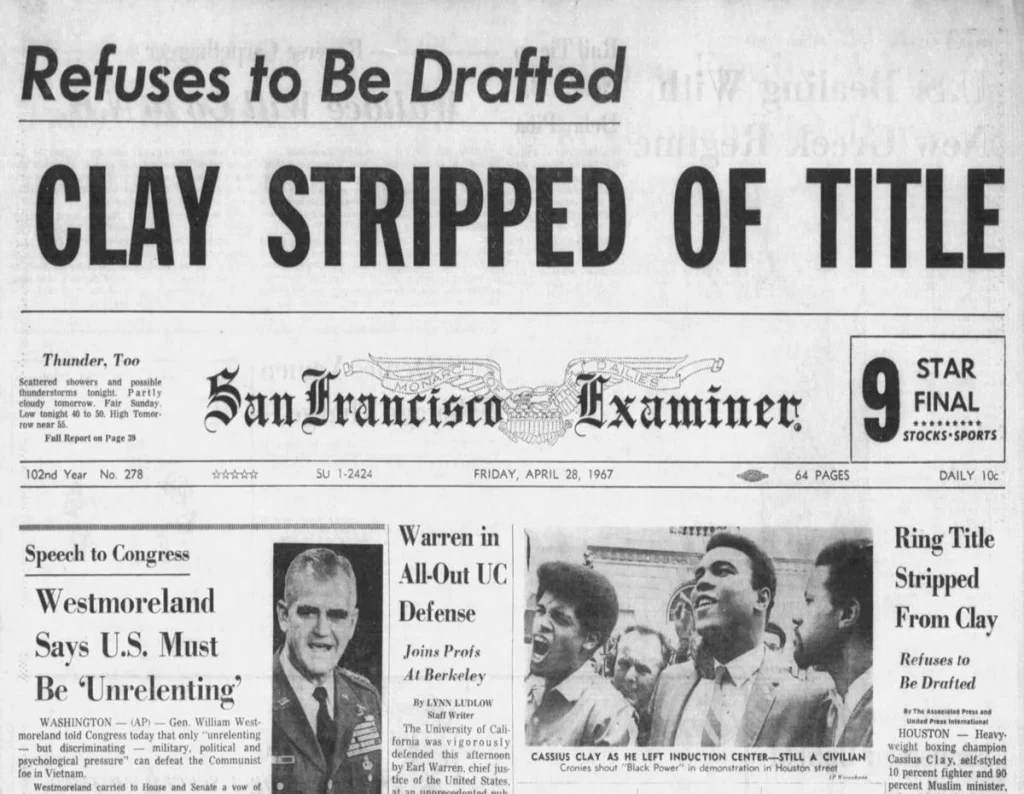
As a result of his draft refusal, Ali was barred from boxing and stripped of his championship title. This act turned him into a figure of defiance and civil rights advocacy.
8. Supreme Court Victory (1971)
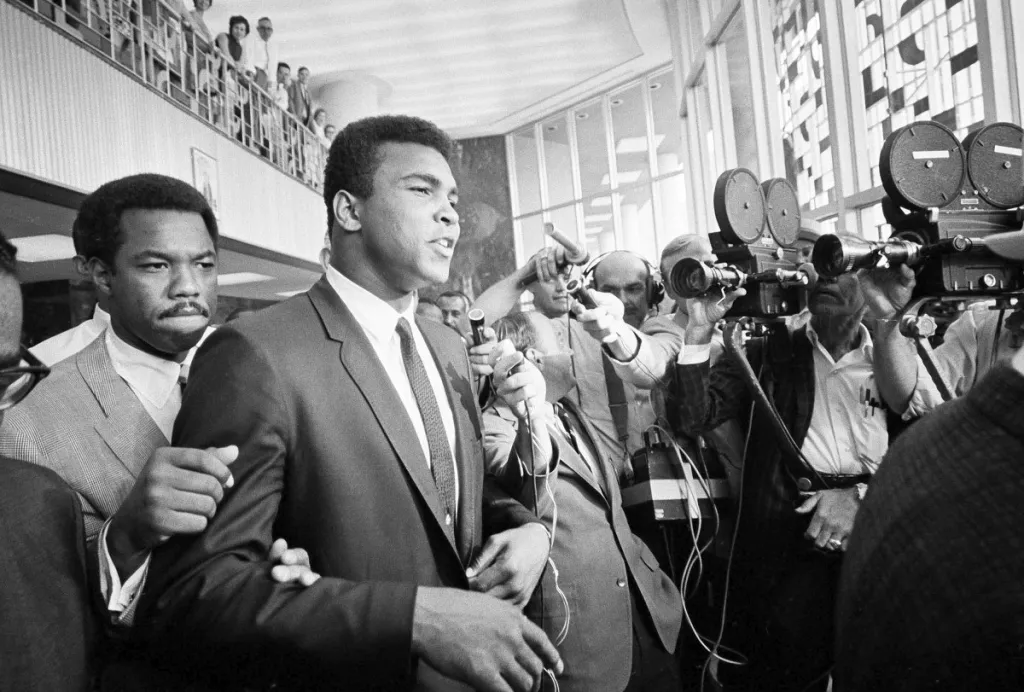
After lengthy legal struggles, the U. S. Supreme Court reversed Ali’s conviction for draft evasion. This ruling paved the way for his return to the ring.
9. The Fight of the Century (1971)
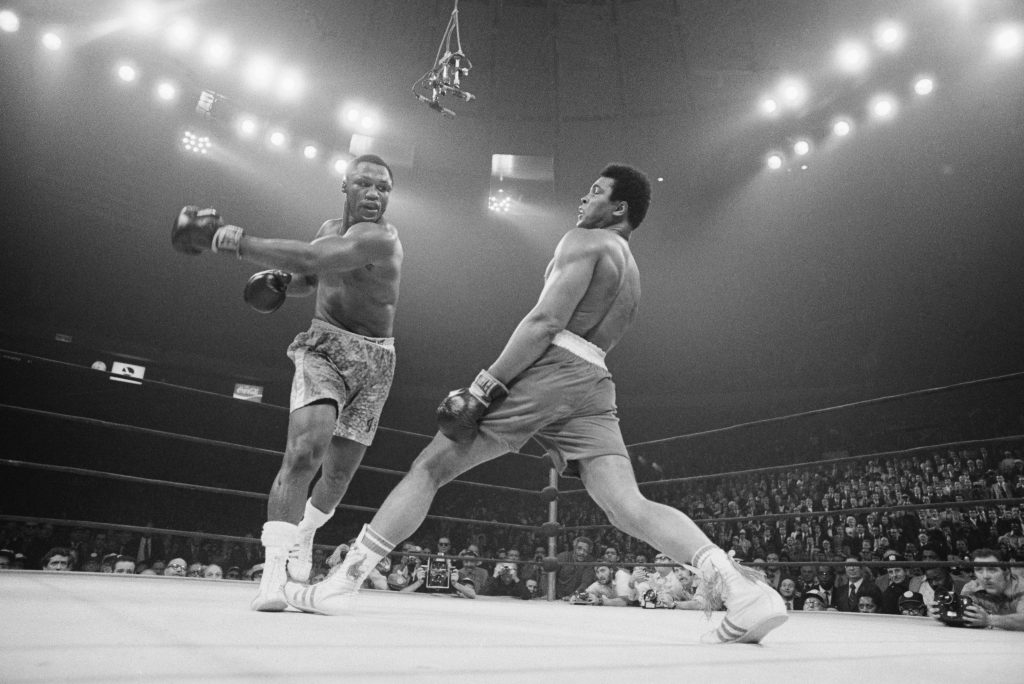
In a historic match against Joe Frazier at Madison Square Garden, Ali experienced his first professional defeat. The intensity of the fight forged one of boxing’s most significant rivalries.
10. Overcoming Joe Frazier in Their Rematch (1974)
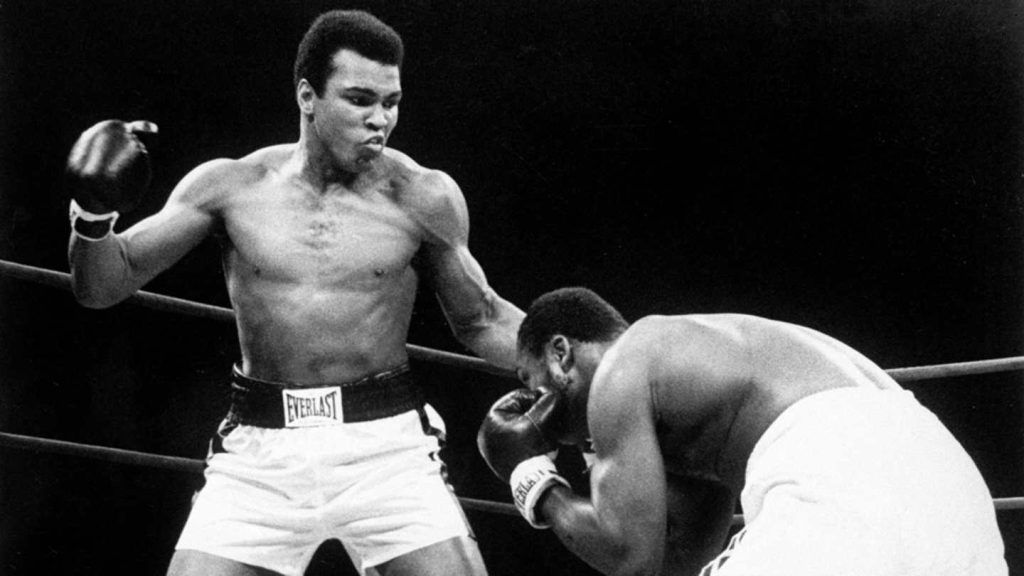
Ali redeemed himself with a unanimous decision victory, affirming that he was still a dominant contender. This set the stage for an even larger confrontation.
11. The Rumble in the Jungle (1974)
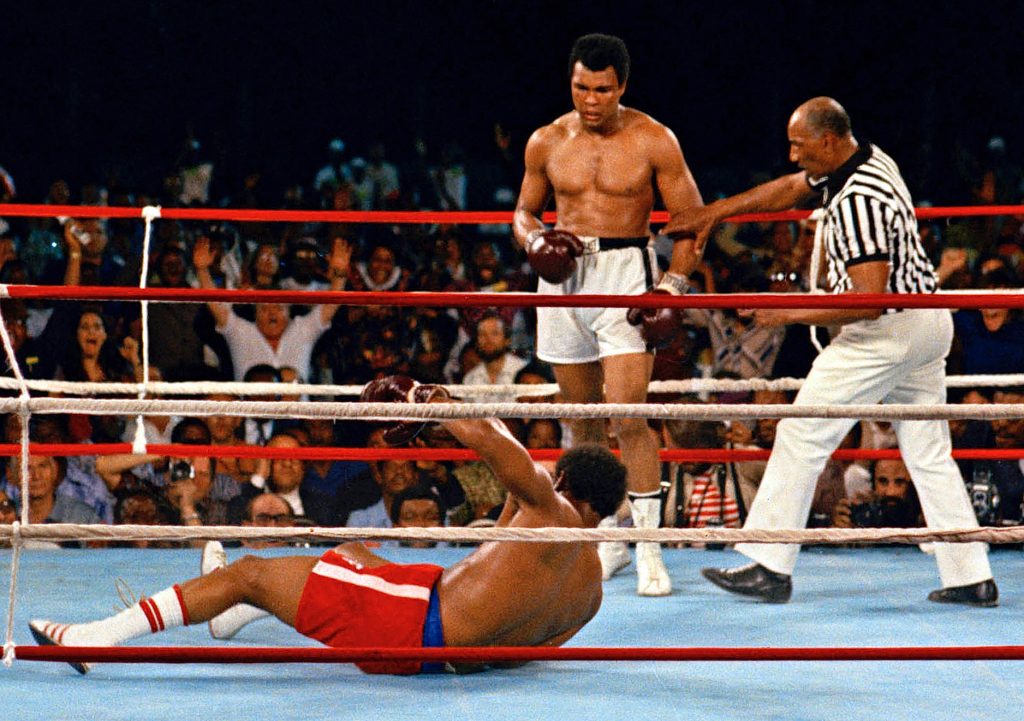
Defying expectations, Ali bested the undefeated George Foreman in Zaire by employing his “rope-a-dope” tactic. This iconic victory reclaimed his heavyweight crown.
12. The Thrilla in Manila (1975)
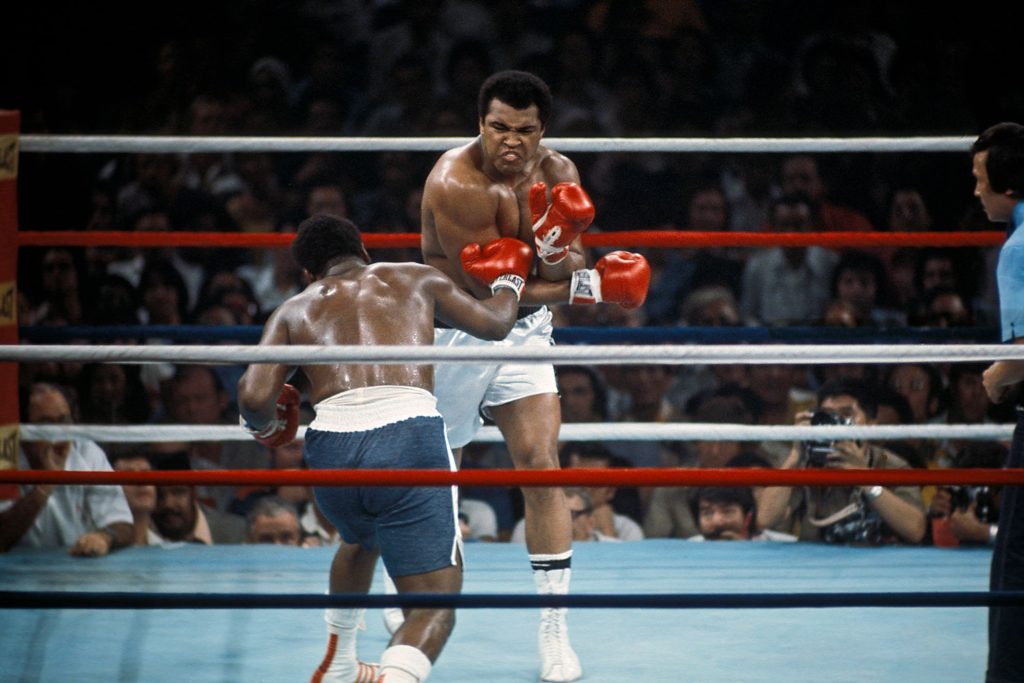
Ali faced Frazier for their intense third encounter, winning in the 14th round. He later expressed that it was one of the most excruciating experiences he had ever endured.
13. Third Heavyweight Title Win (1978)
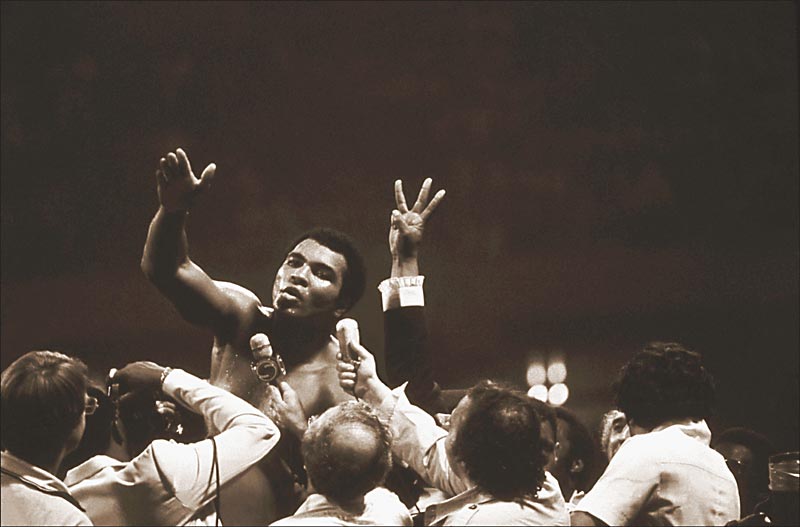
Ali triumphed over Leon Spinks, becoming the first boxer to win the heavyweight championship three times. This milestone further cemented his legendary status.
14. Retirement from Boxing (1981)
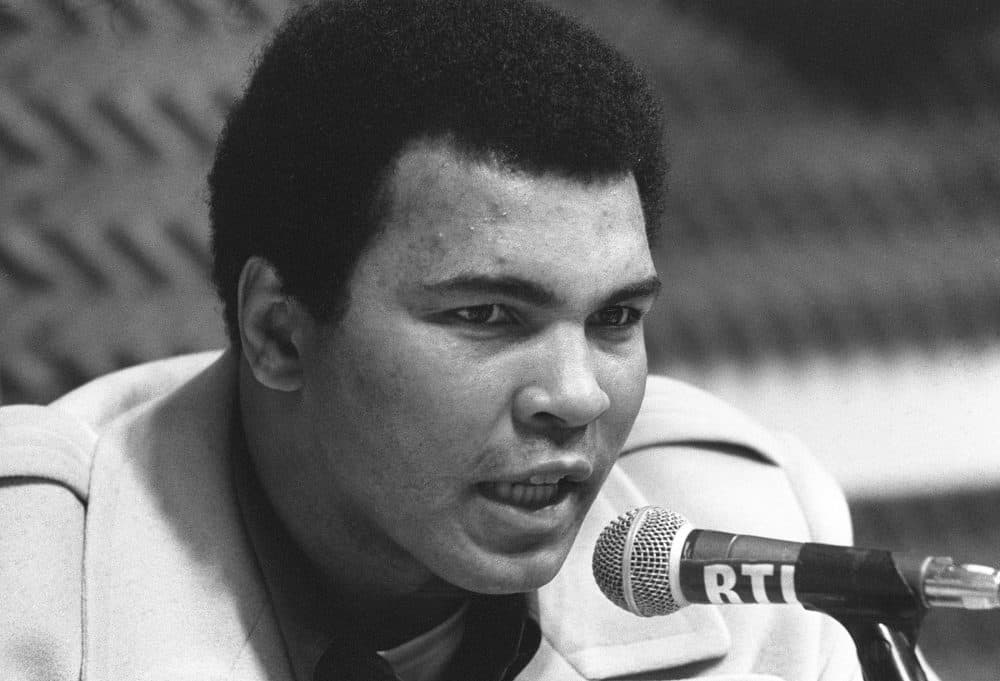
Ali stepped back from the sport after being defeated by Trevor Berbick, concluding a remarkable career with a record of 56-5. His legacy, however, continued to thrive.
15. Parkinson’s Disease Diagnosis (1984)
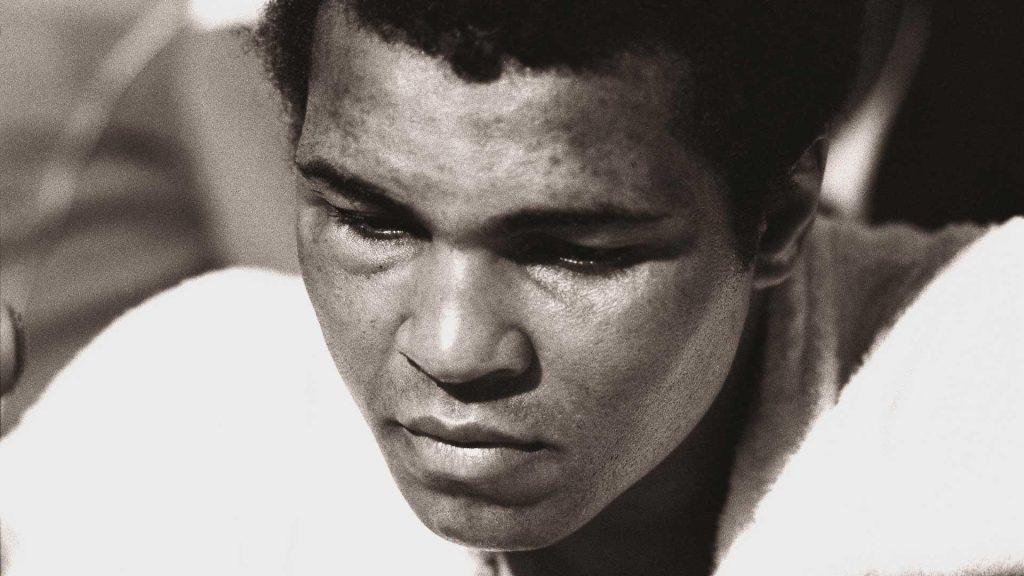
Three years post-retirement, Ali disclosed that he had been diagnosed with Parkinson’s disease. Despite his illness, he remained a beacon of resilience and strength.
16. Lighting the Olympic Flame (1996)
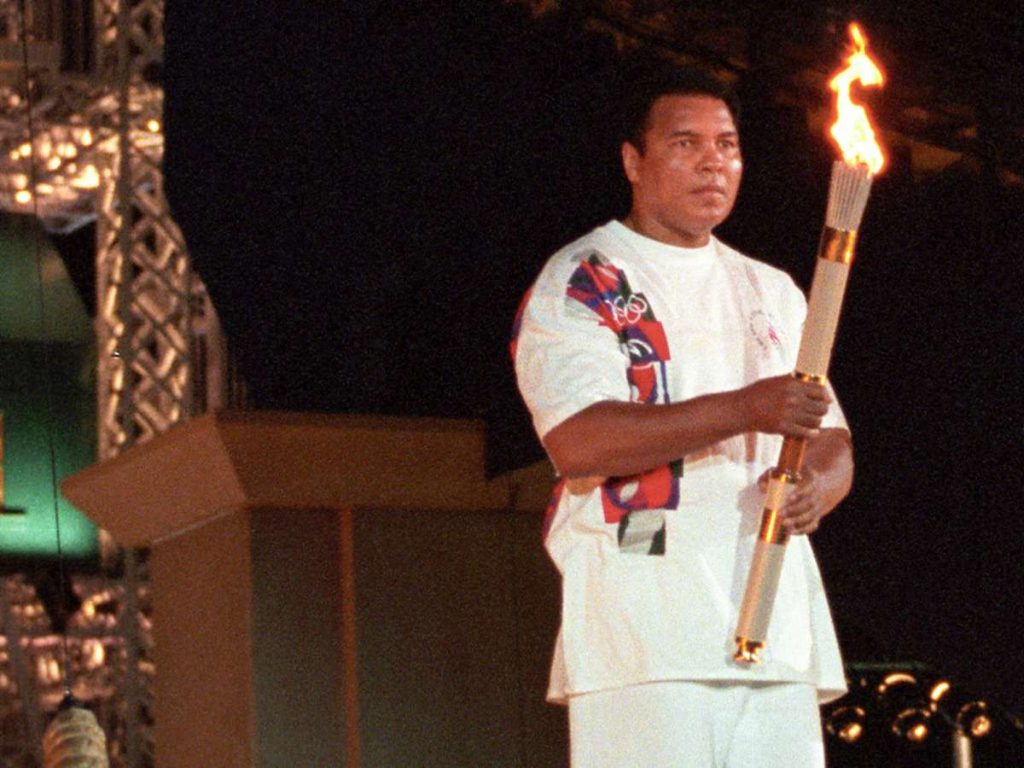
Ali’s shaking hands ignited the Olympic flame in Atlanta, moving audiences worldwide to tears. It was a profound illustration of dignity and strength.
17. Receiving the Presidential Medal of Freedom (2005)
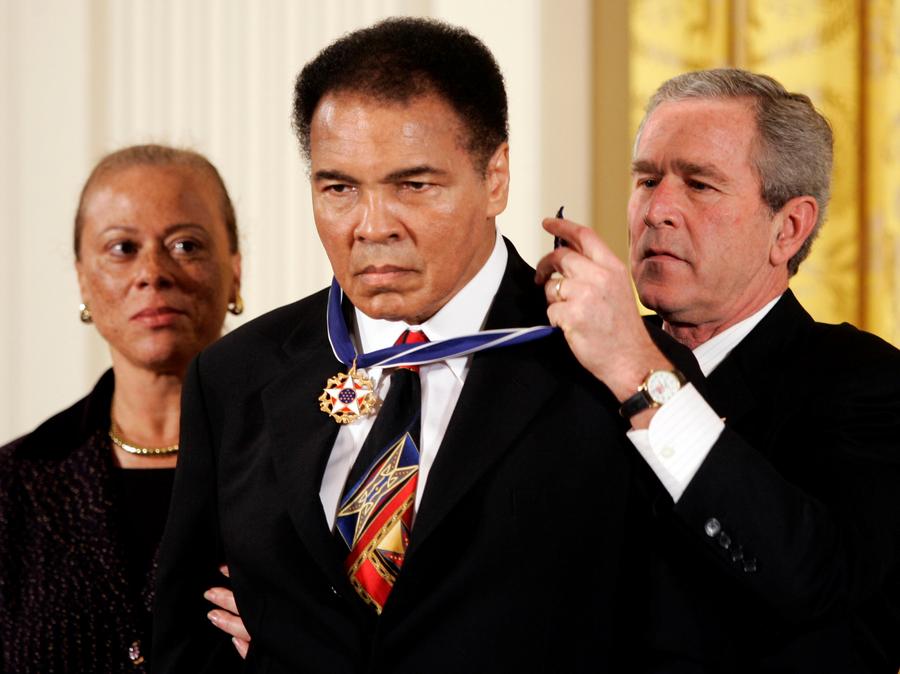
President George W. Bush bestowed upon Ali the top civilian accolade in the United States. His impact radiated well beyond the boxing ring.
18. Advocating for Humanitarian Causes
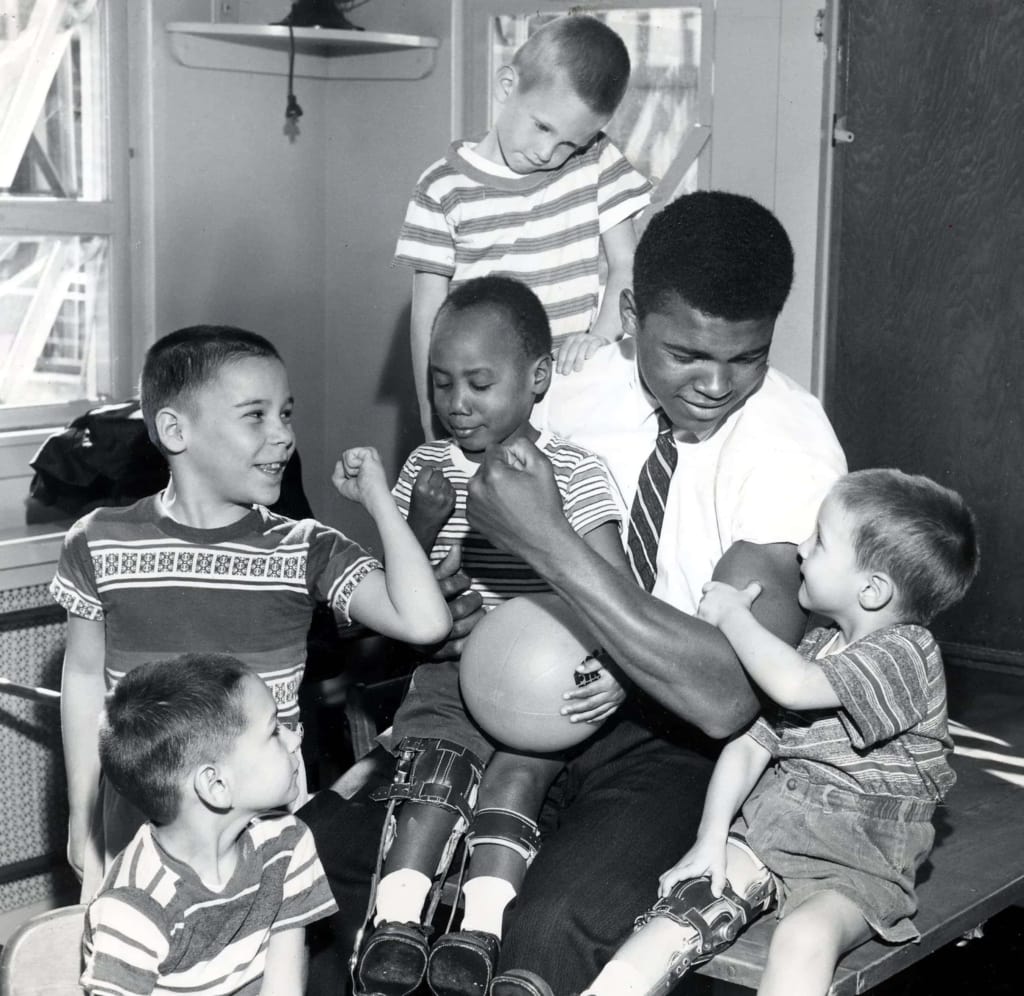
Ali journeyed globally for humanitarian initiatives, promoting peace and supporting those in distress. His dedication to equity remained steadfast.
19. Embracing Sunni Islam (1975)
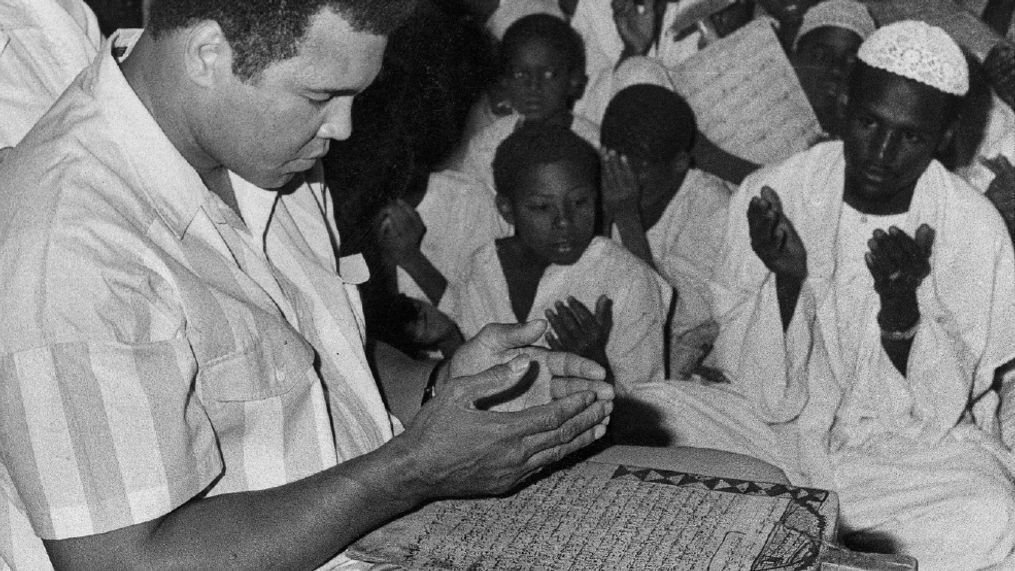
Ali’s quest for spiritual enlightenment led him to Sunni Islam, followed by Sufism. His beliefs significantly influenced his perspective on life.
20. His Legendary Trash Talk
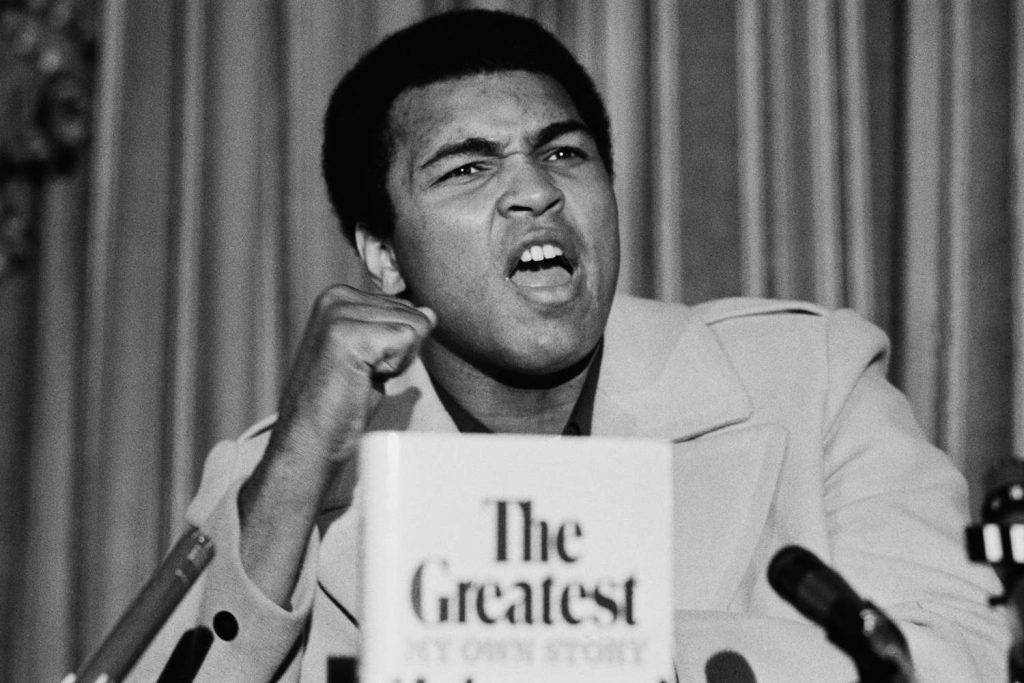
Ali transformed the sport of boxing with his clever, lyrical, and often sharp-witted banter. His iconic phrase, “Float like a butterfly, sting like a bee,” endures in legend.
21. Assisting in Hostage Negotiations (1990)
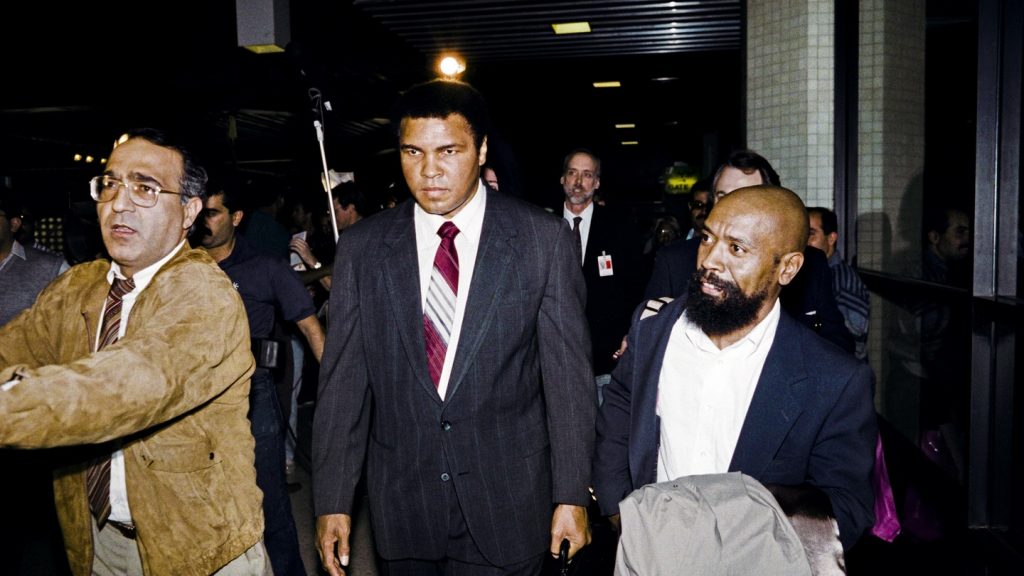
Ali journeyed to Iraq to facilitate the release of American captives. His endeavors resulted in the liberation of 15 hostages.
22. Refusing to Compete in Apartheid South Africa
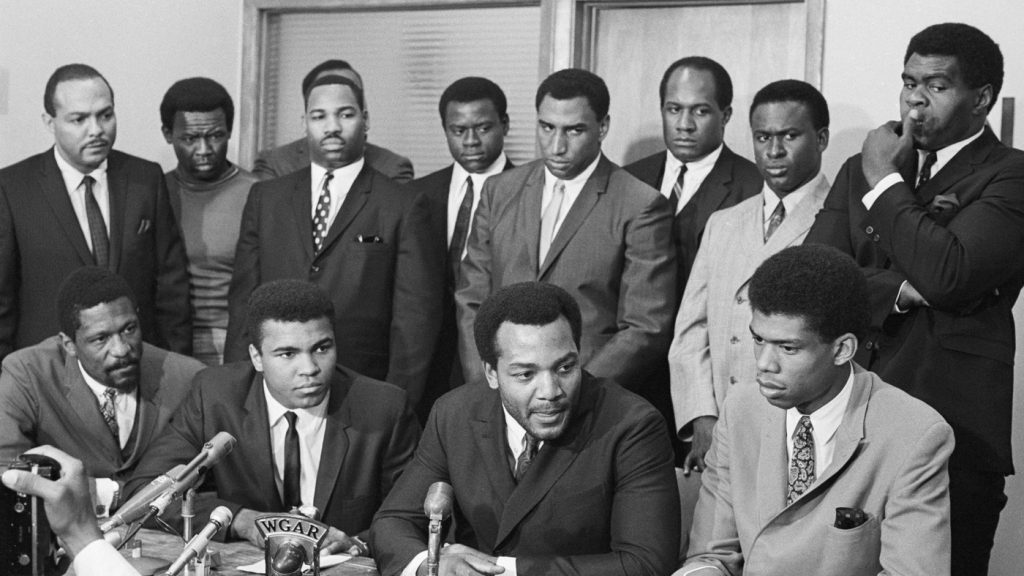
Ali refused to engage in boxing matches in South Africa as long as apartheid was in effect. His position helped highlight the inequalities present there.
23. Starring in “The Greatest” (1977)
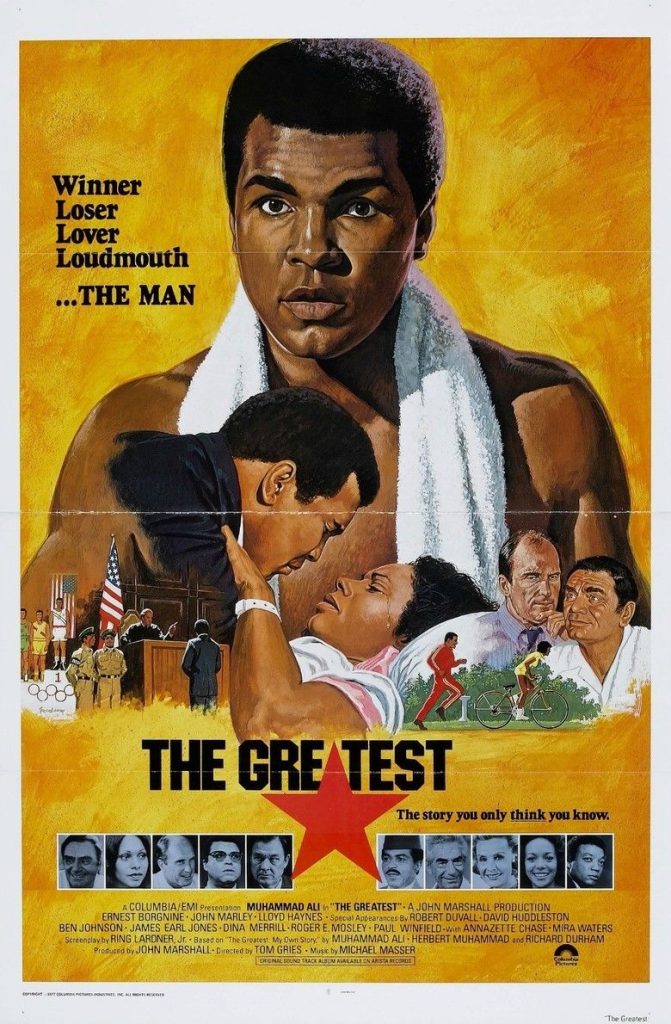
Ali enacted his own life story in a biographical film. His magnetism made the portrayal remarkably memorable.
24. Addressing Harvard University (1974)
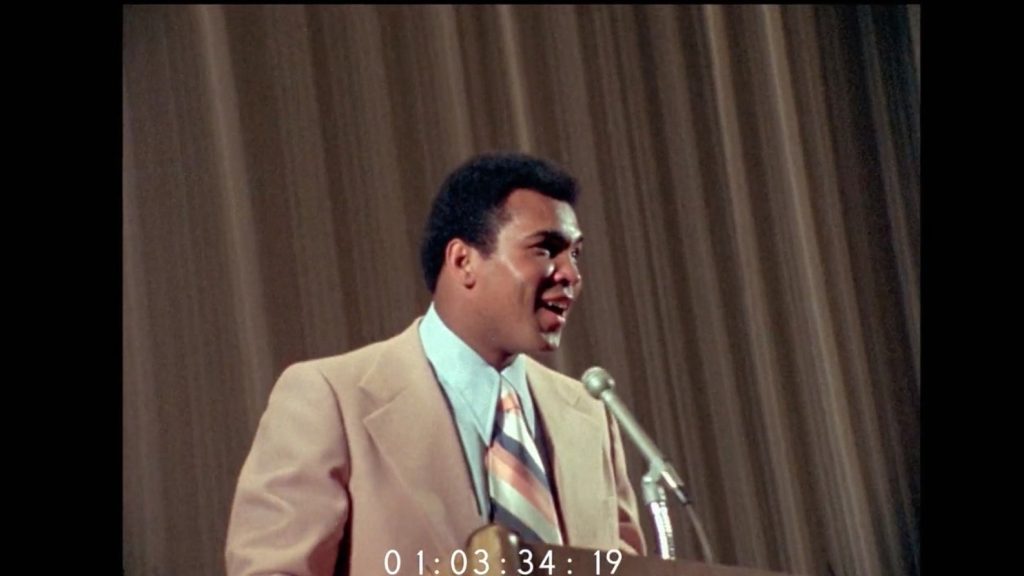
Ali was welcomed to Harvard, where he inspired students with his insights. Even esteemed scholars from the Ivy League respected his intellect.
25. Becoming a Universal Emblem of Resistance
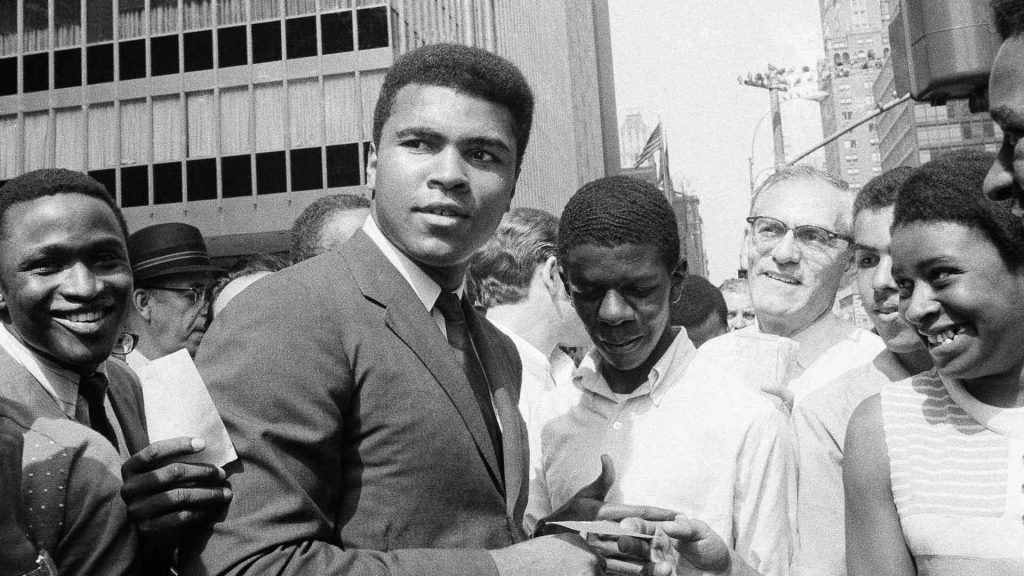
From civil rights to faith liberty, Ali motivated activists across the globe. His legacy surpassed the realm of sports.
26. Championing the Special Olympics
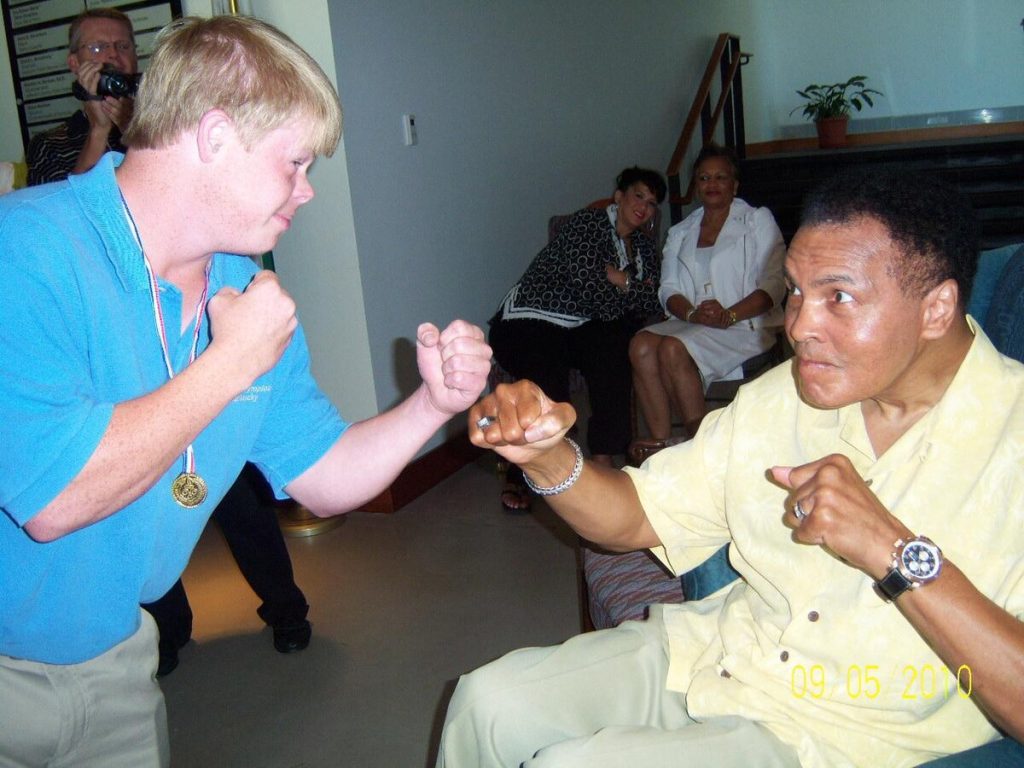
Ali invested his time and efforts into supporting athletes with disabilities. His advocacy elevated awareness about inclusion in athletics.
27. His Heartfelt Funeral (2016)
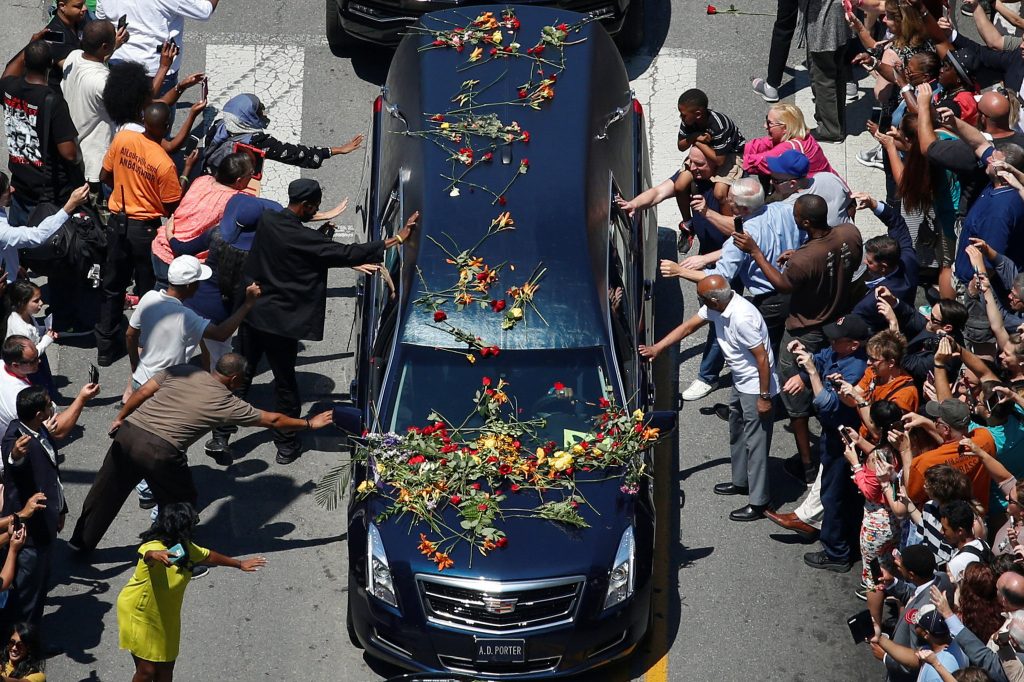
Ali’s memorial attracted global leaders, celebrities, and countless admirers. His final tribute showcased his widespread influence.
28. Being Named “Sportsman of the Century” (1999)
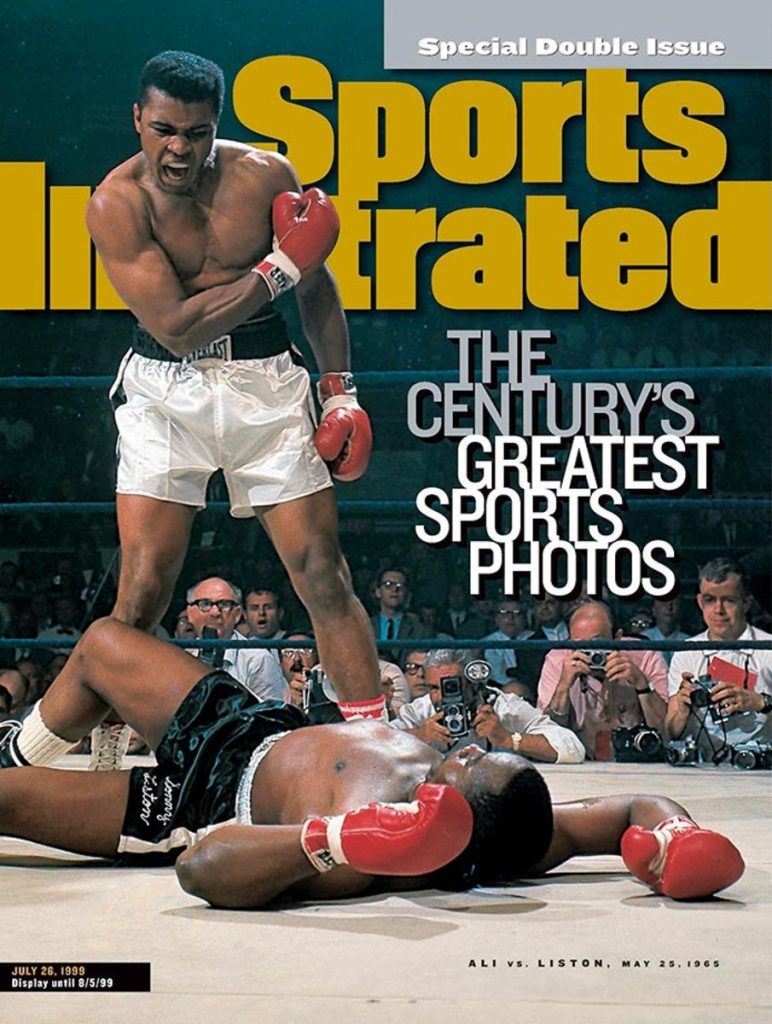
Sports Illustrated recognized Ali with this distinguished honor. It reflected his unmatched impact on the world.
29. The Muhammad Ali Center
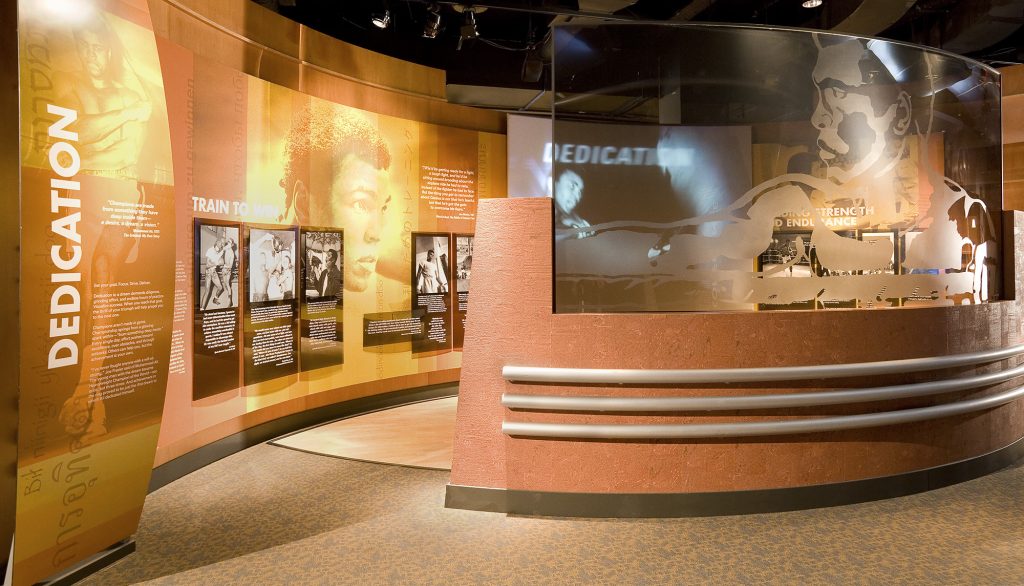
Located in Louisville, this center safeguards Ali’s legacy. It continues to motivate future generations.
30. Achieving Immortal Status
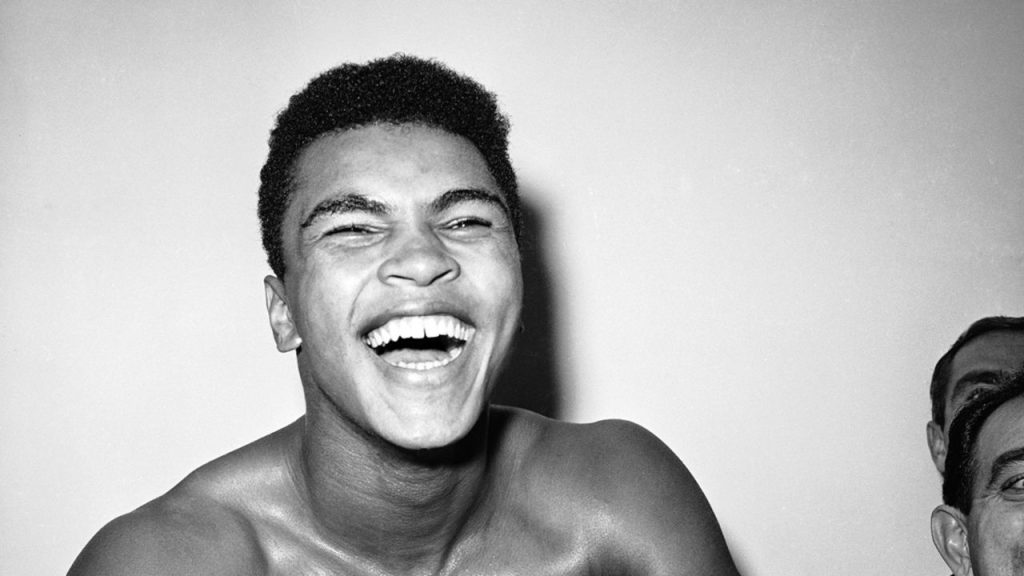
Even after his departure, Ali’s expressions, battles, and deeds continue to inspire. His name will eternally symbolize excellence.