
Good design often focuses on innovation, yet some objects reached perfection decades ago. These items remain virtually identical to their original blueprints because their functional logic is hard to surpass. This collection explores thirty examples of engineering and aesthetic mastery that have resisted the urge to modernize. Recognizing these constants helps us understand the intersection of utility and cultural permanence.
KitchenAid Stand Mixer
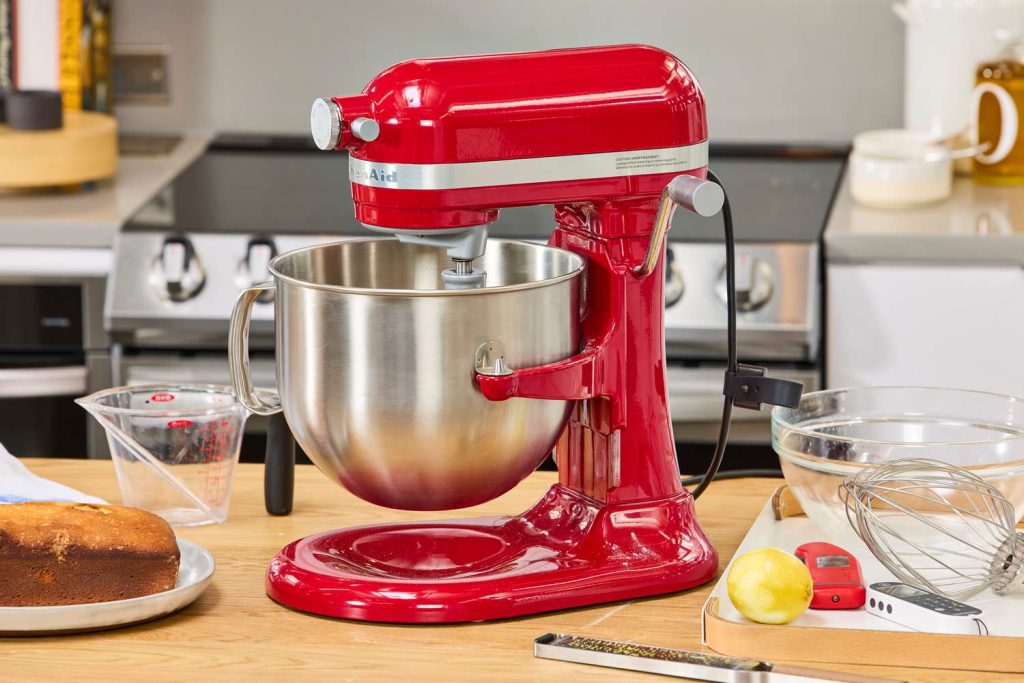
The silhouette of this appliance has remained virtually untouched since the late 1930s. Its planetary mixing action and front power hub allow users to use decades-old attachments on brand-new machines. This cross-generational compatibility is a rare feat in the world of small kitchen electronics.
Zippo Lighter
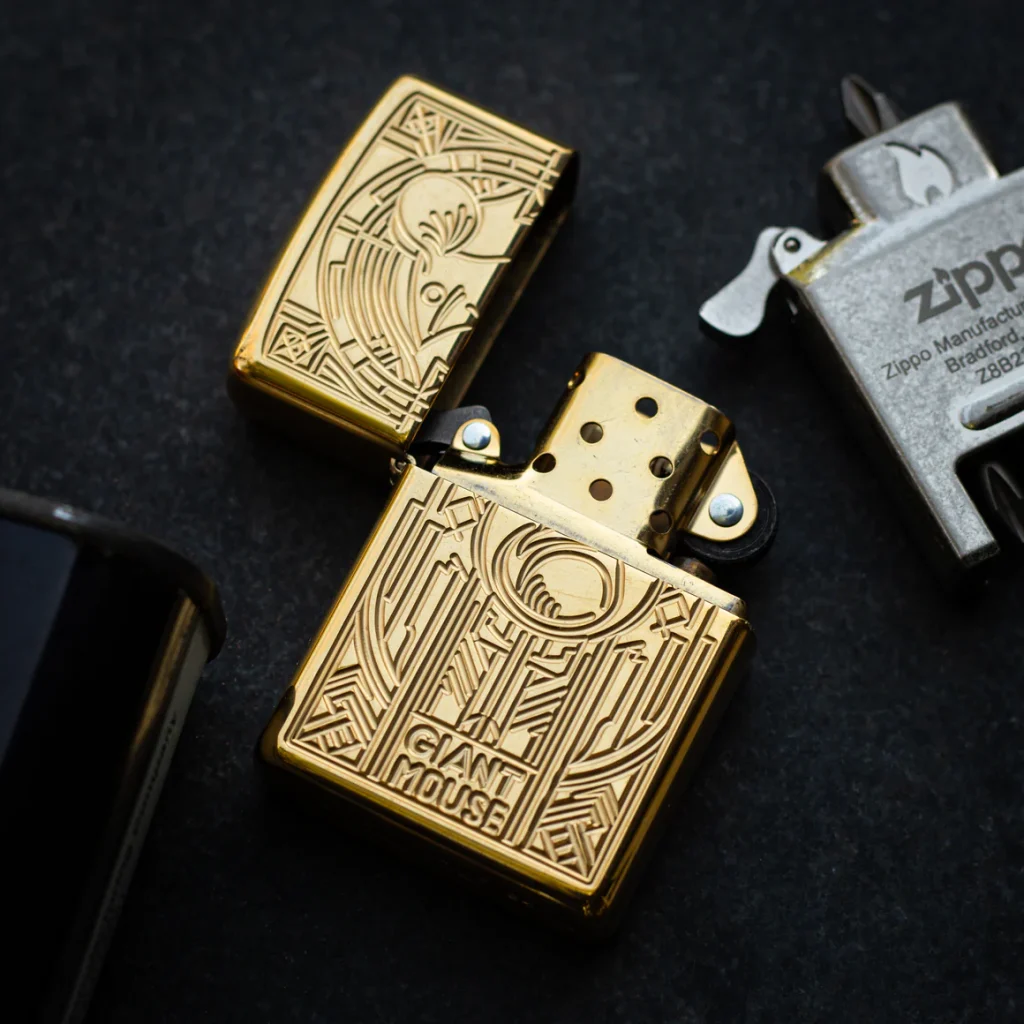
Mechanical reliability defines this windproof tool, which utilizes a simple flint-wheel and wick system. The basic internal workings have changed so little that most parts remain interchangeable with models produced during World War II. Its iconic click is a registered trademark.
Mason Jar
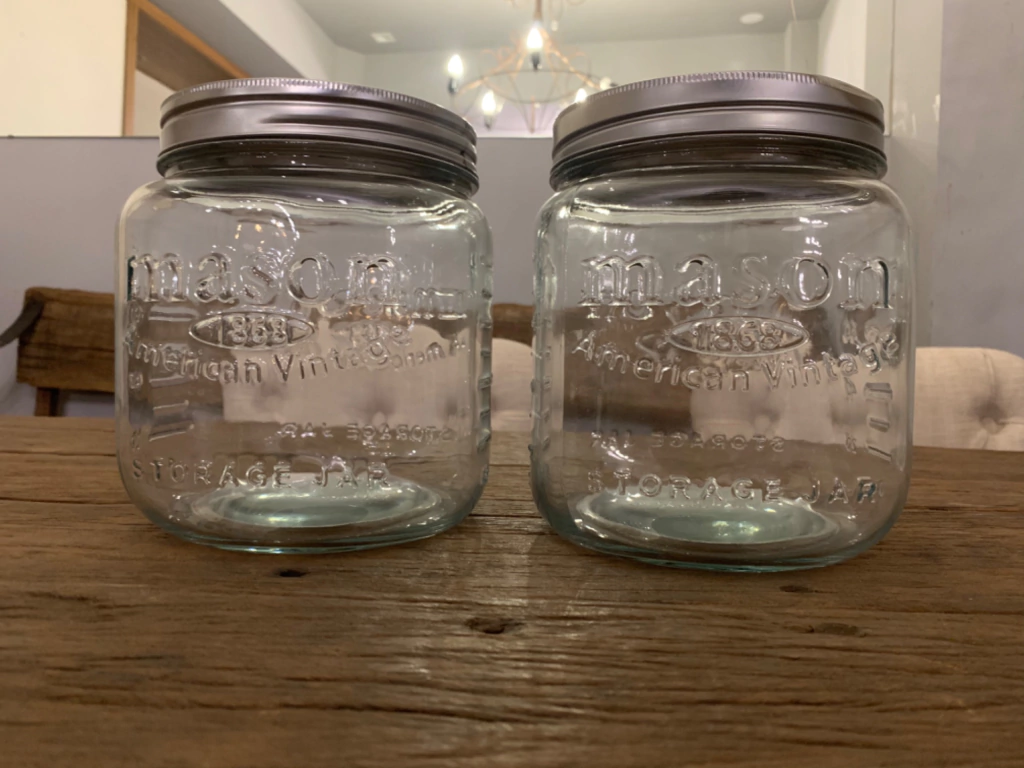
John Landis Mason patented this threaded glass jar in 1858 to revolutionize home canning. The combination of a glass vessel and a metal screw band creates a reliable hermetic seal that modern technology has yet to improve upon. These jars are now equally popular for storage and rustic aesthetic purposes.
Fender Stratocaster
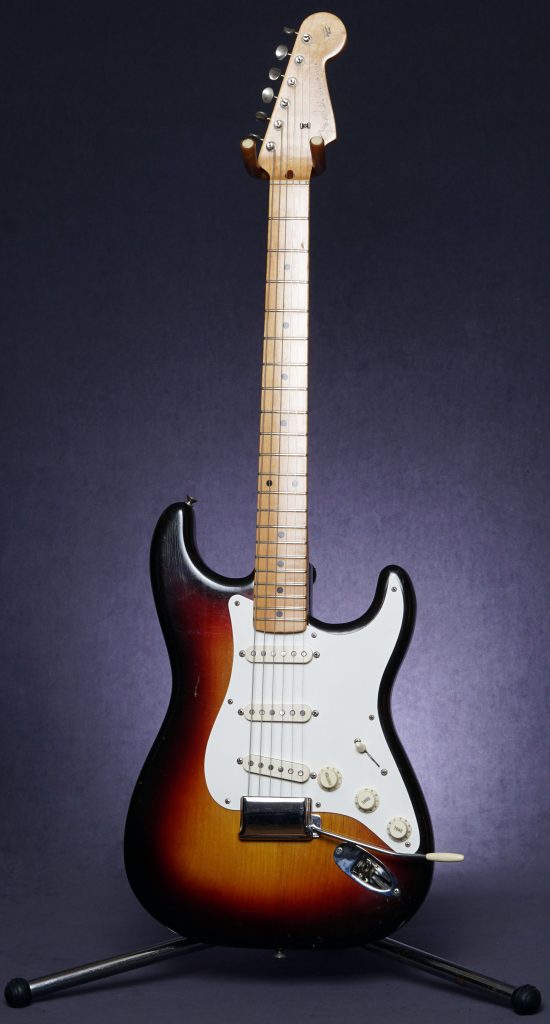
Musicians today still play the same contoured body shape that Leo Fender debuted in 1954. While electronics have seen subtle refinements, the ergonomic double-cutaway design remains the industry standard for electric guitars. It was the first guitar to feature three pickups and a spring-tension vibrato system.
Slinky

Accidentally invented by a naval engineer in 1943, this pre-compressed helical spring performs the same gravity-defying walk today as it did then. The steel version remains a favorite for its weight and rhythmic sound. It is one of the few toys that requires no batteries or software updates to function.
Levi’s 501 Jeans
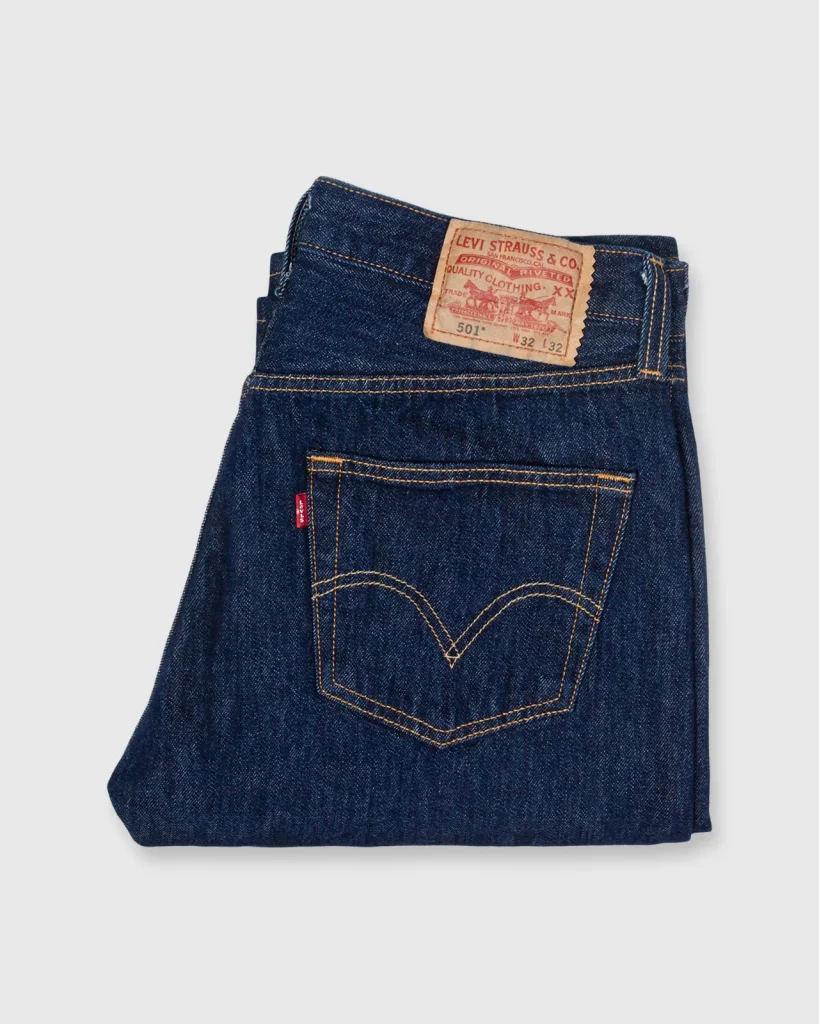
The button fly and copper rivets of these trousers have been a cultural staple since 1873. Originally designed for miners, the straight-leg cut has survived every major fashion trend of the last century. Durability remains the core appeal for laborers and fashionistas alike.
Pyrex Measuring Cup
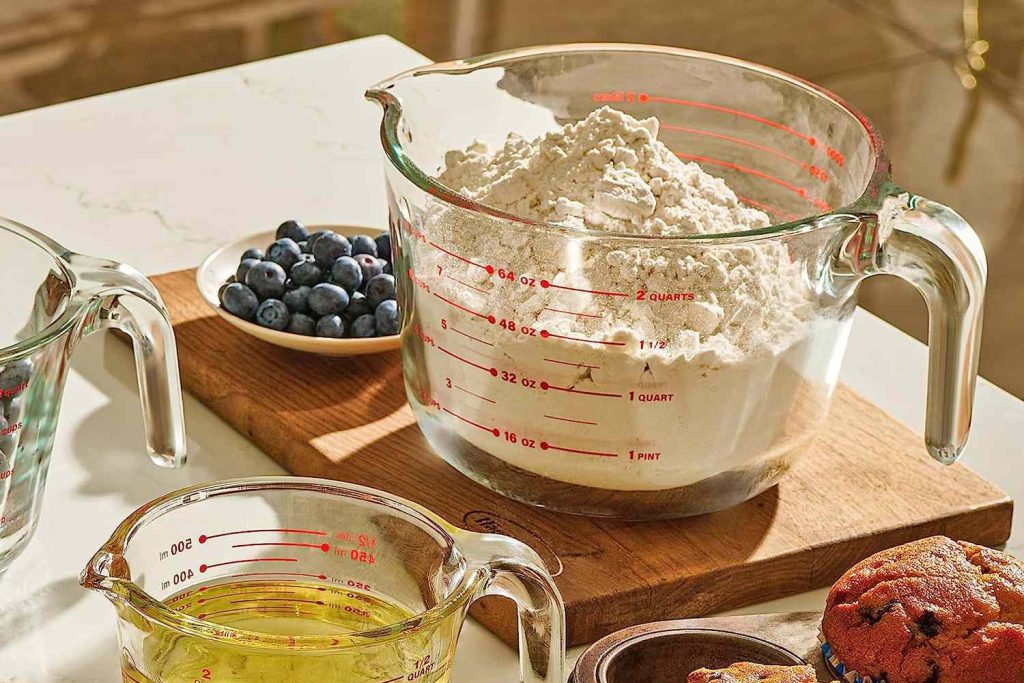
High-thermal-shock-resistant glass makes this kitchen staple indispensable for measuring hot liquids. The red markings and heavy pour spout have looked the same for generations, providing clear legibility in high-heat environments. It remains a rare example of a product where the original material choice was perfect from the start.
Technics SL-1200 Turntable
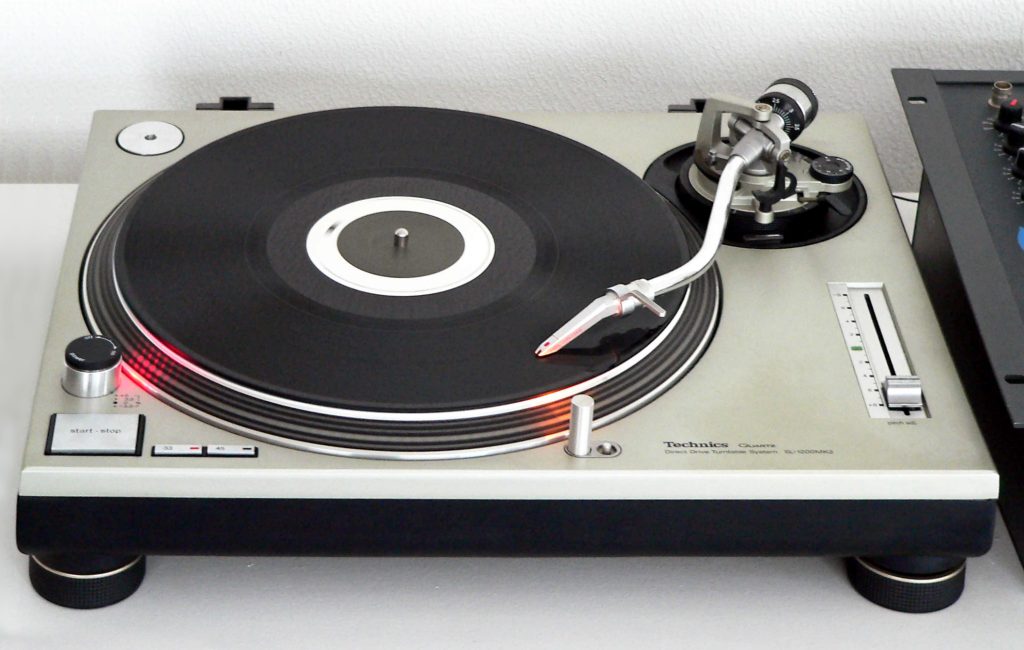
DJs and audiophiles rely on this direct-drive turntable for its heavy platter and high torque. Released in 1972, the layout of the pitch control and strobe light has become the blueprint for almost every professional record player. Its build quality is so high that many original units are still in professional use.
LEGO Bricks

Modern plastic bricks manufactured today are still fully compatible with those produced in 1958. The stud-and-tube coupling system provides a level of clutch power that allows for complex architectural builds. This inter-generational consistency is why the company produces billions of pieces annually without changing the base mold.
Kikkoman Soy Sauce Bottle

Kenji Ekuan spent three years designing this teardrop-shaped dispenser to ensure a dripless pour. The red plastic cap and clear glass body have been a restaurant fixture since 1961. It is a masterclass in how a mundane object can become a global symbol of a specific cuisine.
Converse Chuck Taylor All-Stars
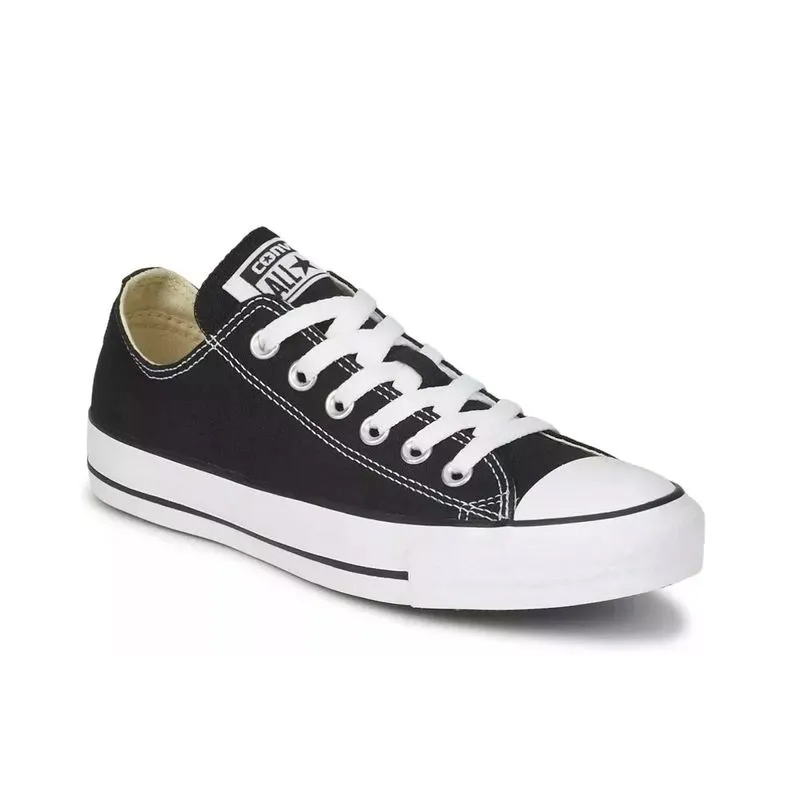
Basketball players in the 1920s wore the same canvas high-tops that are now seen on fashion runways. The rubber toe cap and ankle patch provide a recognizable profile that ignores the shift toward high-tech athletic footwear. Simple vulcanized rubber construction is the secret to its century-long production run.
Stanley Thermos

William Stanley Jr. fused the strength of steel with the insulation of a vacuum in 1913. The hammered green finish and heavy-duty cap serve as a portable cup and a symbol of blue-collar reliability. It is frequently cited as a tool that can last a lifetime with minimal care.
Bialetti Moka Express
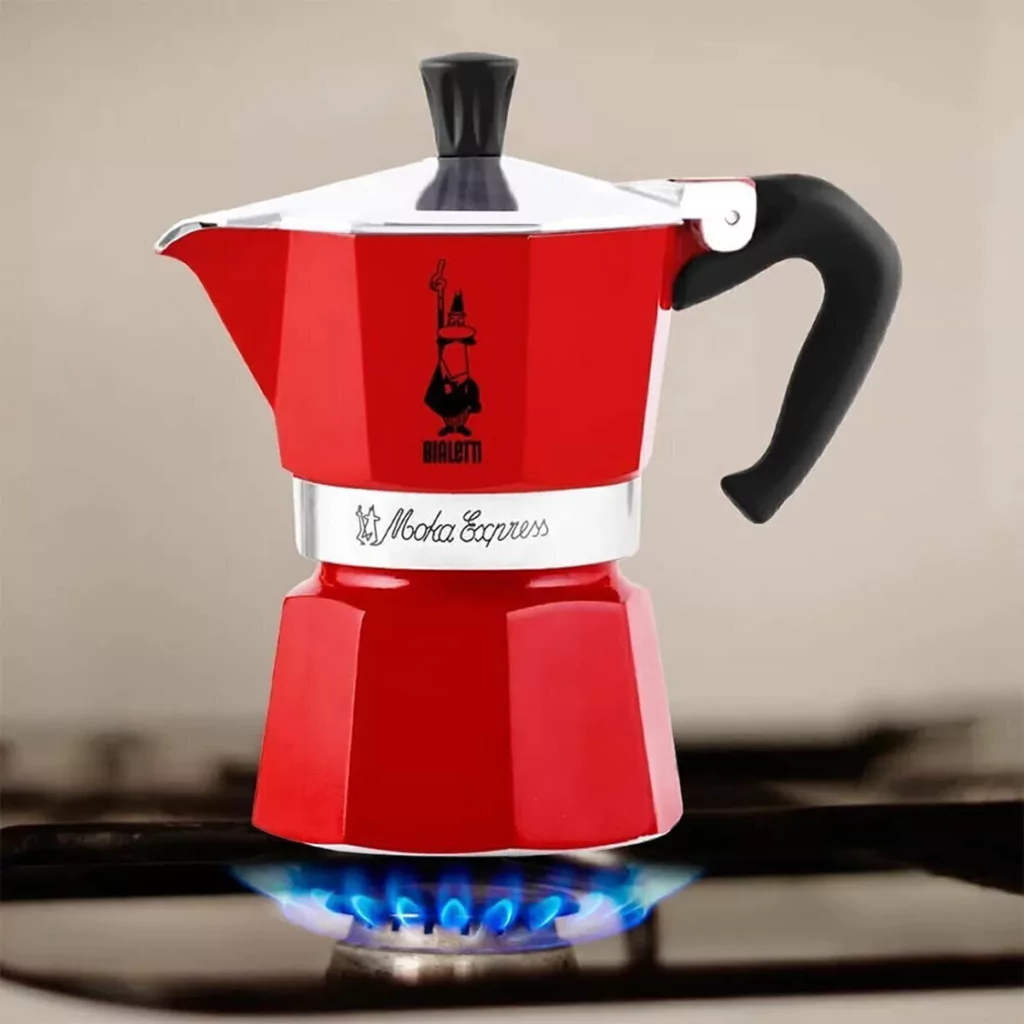
This octagonal stovetop brewer has been the heart of Italian coffee culture since 1933. The aluminum construction distributes heat evenly, allowing steam to push water through coffee grounds at the ideal pressure. Its Art Deco aesthetic is currently housed in the permanent collection of the Museum of Modern Art.
Bic Cristal Pen
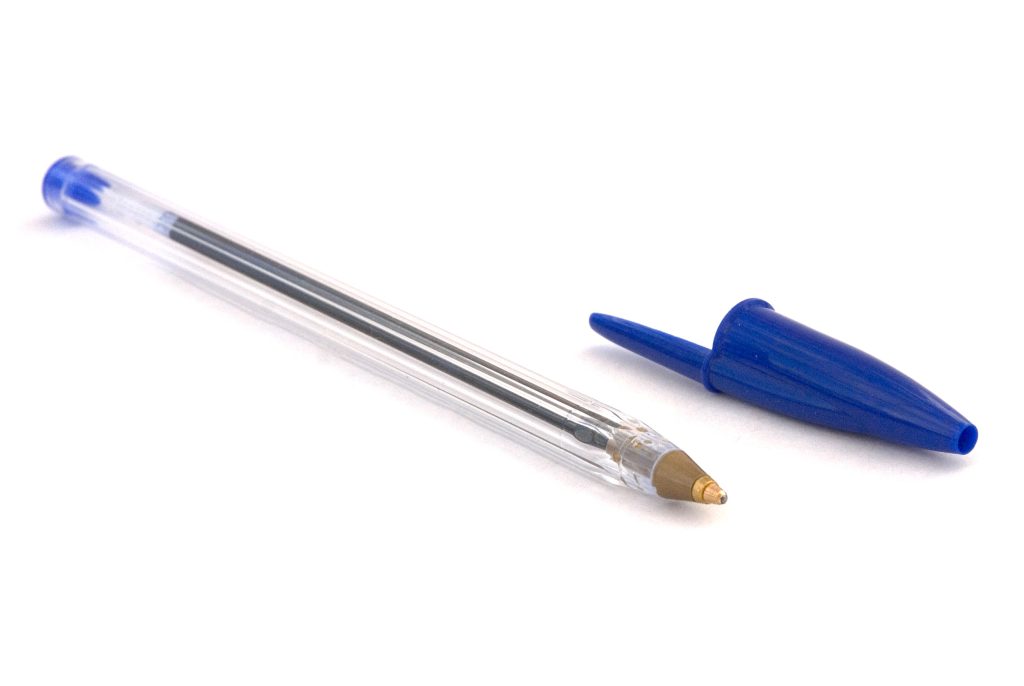
Over 100 billion of these hexagonal pens have been sold since their introduction in 1950. The tiny hole in the barrel equalizes air pressure, preventing the ink from leaking at high altitudes. It is an incredibly efficient design that costs only cents to produce.
Post-it Notes
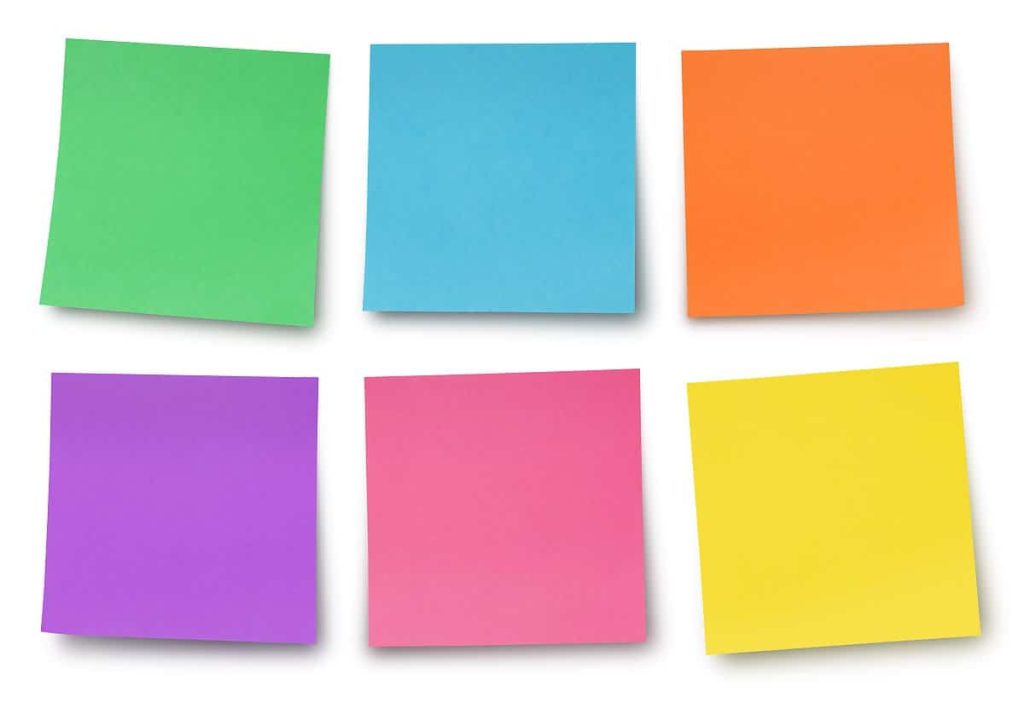
Dr. Spencer Silver’s low-tack adhesive created a new category of office supplies in the 1970s. The canary yellow color was chosen by accident because a nearby lab only had yellow scrap paper available. Today, the 3×3 square remains the universal standard for temporary reminders.
Swiss Army Knife
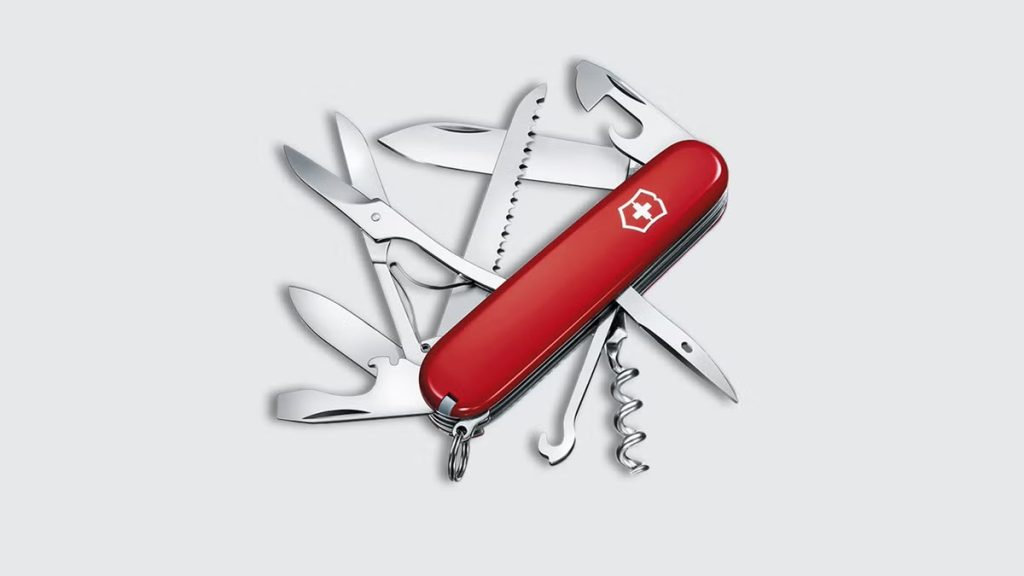
Victorinox has produced the Officer’s Knife with its red scales and cross logo since 1897. While the number of tools varies by model, the folding mechanism and stainless steel quality remain remarkably consistent. It is a primary example of multi-functional design that fits comfortably in a pocket.
Chanel No. 5 Bottle
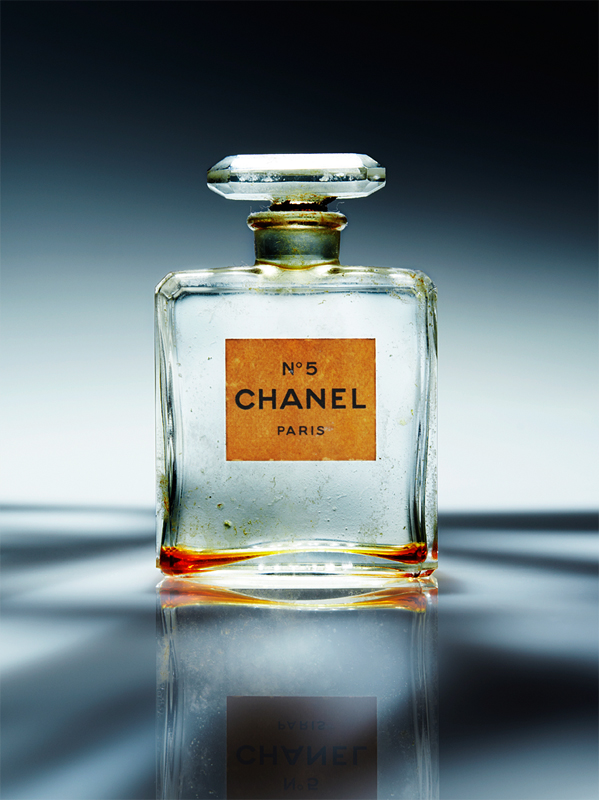
Coco Chanel chose a minimalist, laboratory-style bottle in 1921 to contrast with the ornate perfume containers of the era. The simple rectangular glass and faceted stopper have seen only microscopic adjustments over the decades. This restrained look allows the fragrance itself to remain the primary focus.
Weber Kettle Grill
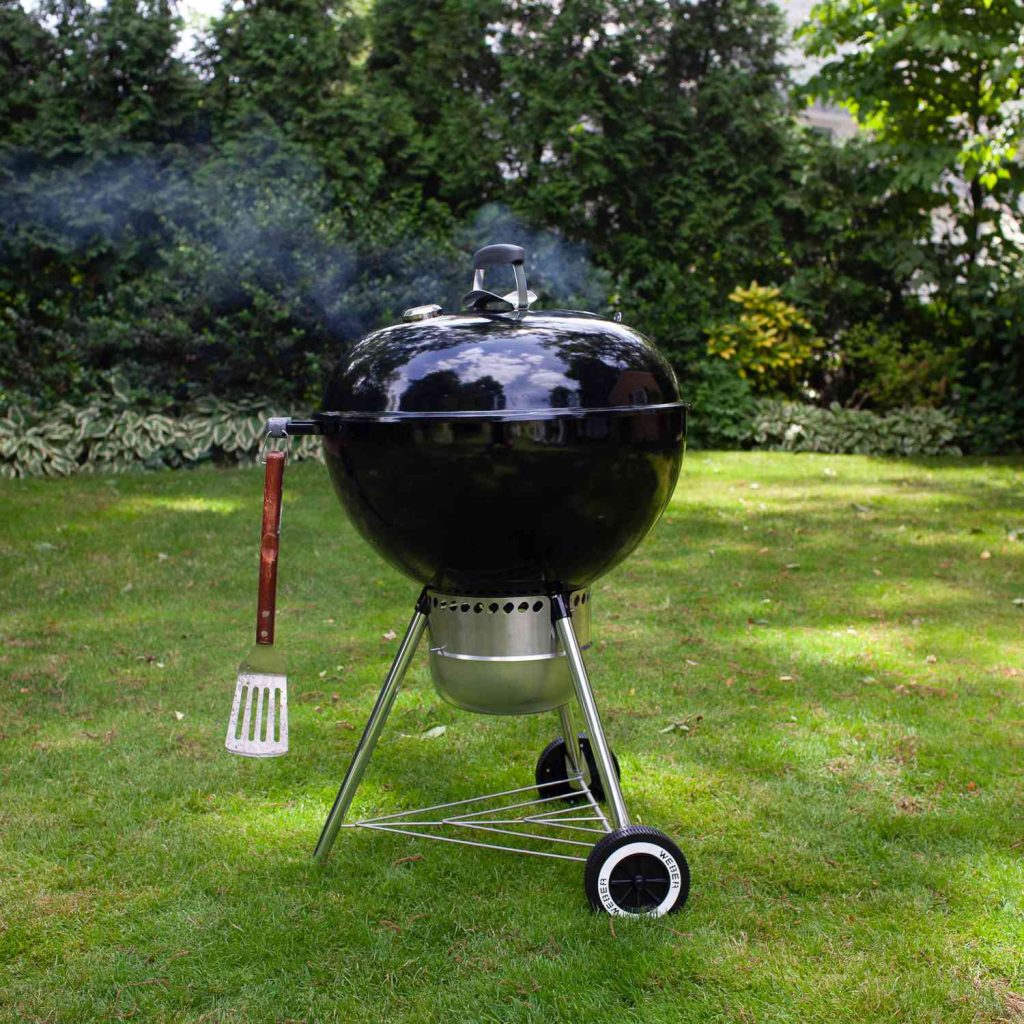
George Stephen cut a metal buoy in half in 1952 to create a grill with a lid that protected food from the wind. This spherical design allows for even heat circulation and remains the most popular charcoal grill shape in the world. Its porcelain-enameled steel finish is designed to withstand extreme outdoor conditions.
Cast Iron Skillet
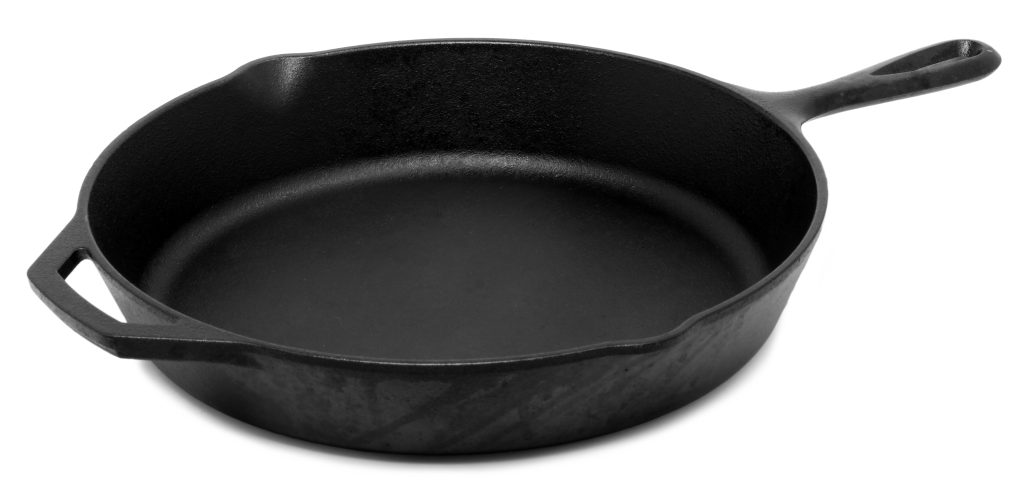
A well-made skillet from the 19th century is functionally identical to one forged this morning. Its ability to retain heat and develop a natural non-stick seasoning makes it a kitchen tool that actually improves with age. Many families pass these heavy pans down as heirlooms.
Safety Pin
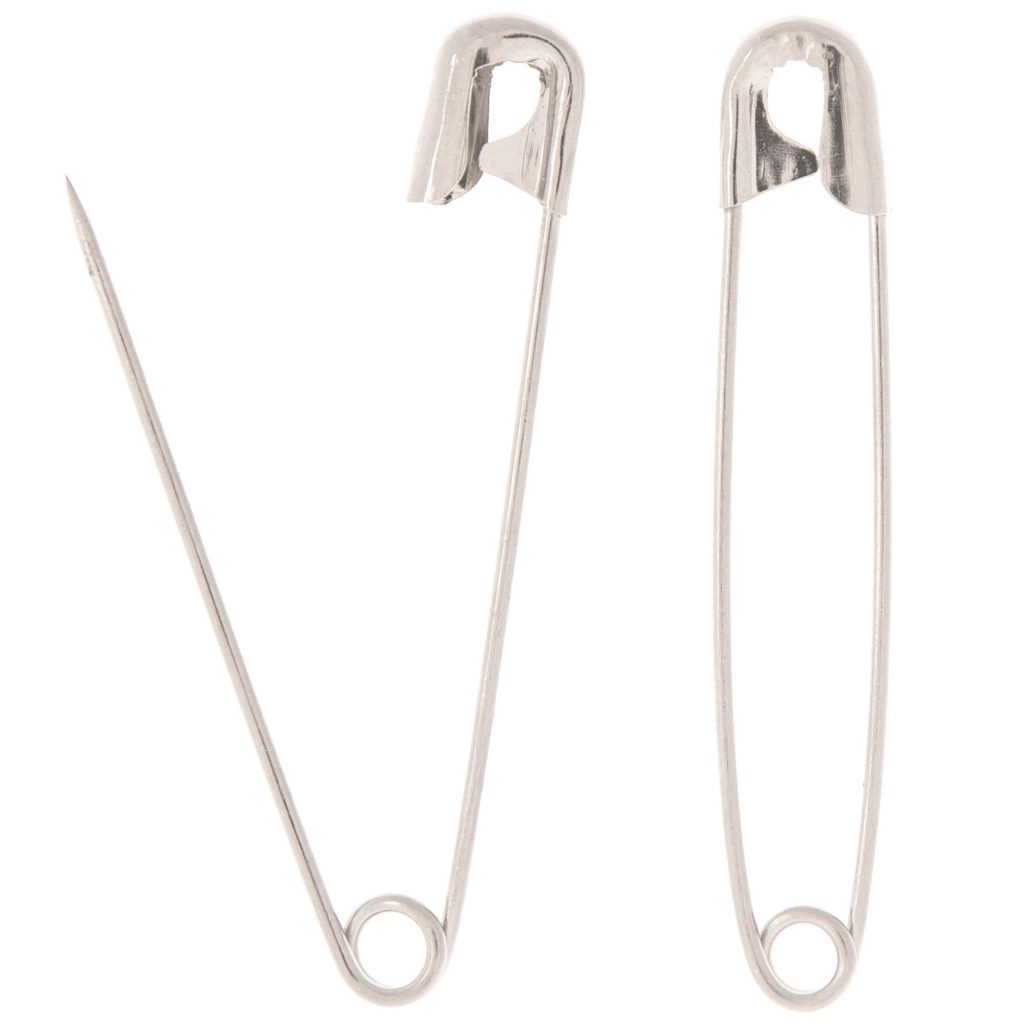
Walter Hunt sold the rights to this invention for 400 dollars in 1849 to pay off a debt. The design uses a single piece of wire twisted into a spring and a clasp to shield the point. It is a flawless mechanical solution for a common problem.
Paperclip

The Gem paperclip, featuring two complete loops of wire, has been the office standard since the late 1800s. It holds papers together without piercing or tearing them, requiring no complex machinery to operate. This simplicity is why no digital alternative has managed to fully replace it.
Leica M Series
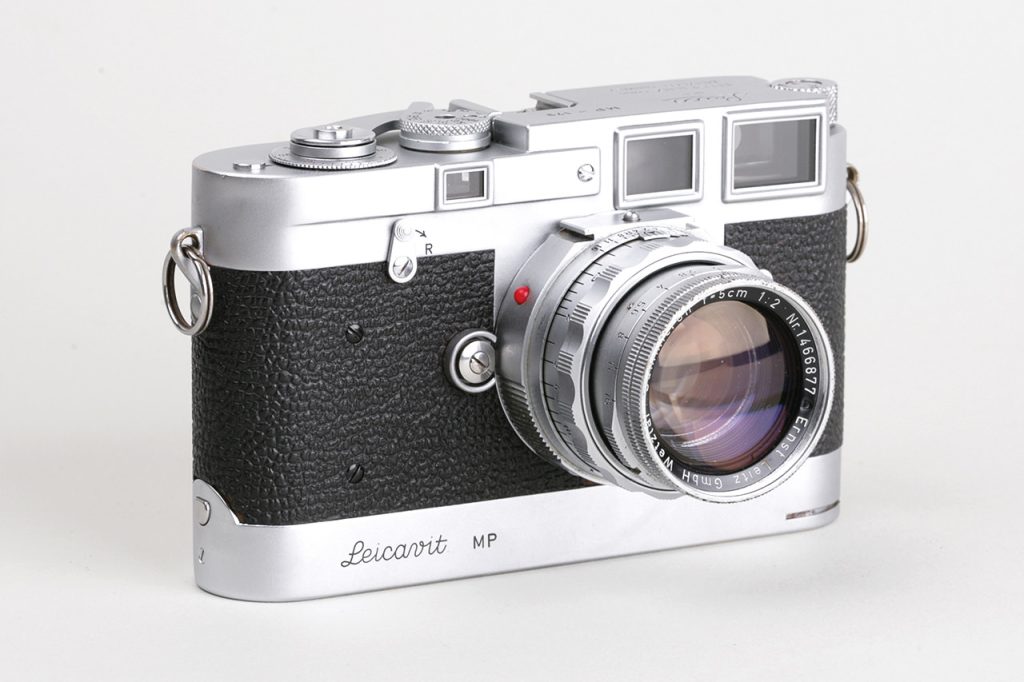
Rangefinder photographers still use the same basic layout and lens mount introduced with the M3 in 1954. The tactile feel of the manual focus and the quiet cloth shutter are hallmarks of this German engineering. It remains the preferred tool for many documentary and street photographers.
Maglite Flashlight
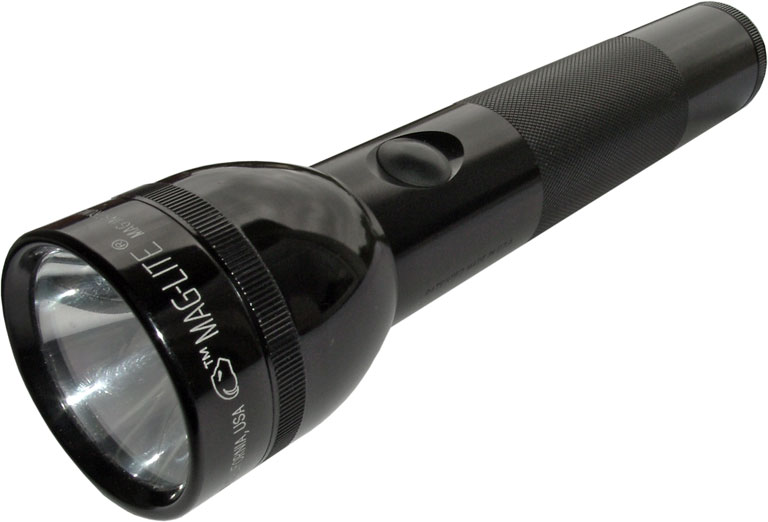
Anthony Maglica designed this anodized aluminum torch in 1979 to be durable enough for emergency services. The twist-to-focus beam and O-ring seals for water resistance are features that set the standard for modern portable lighting. Many units are famously still functional after decades of heavy abuse.
Bubble Wrap

Originally intended to be a 3D wallpaper in 1957, this air-filled plastic became the ultimate packaging material. The uniform rows of bubbles provide a consistent cushion for fragile items during shipping. Its secondary use as a stress-relief tool is a global phenomenon.
Rubik’s Cube

Erno Rubik created this 3D puzzle in 1974 to help his students understand spatial relationships. The internal pivot mechanism allows each face to turn independently without the cube falling apart. It remains the best-selling toy in history with over 450 million units sold.
Frisbee
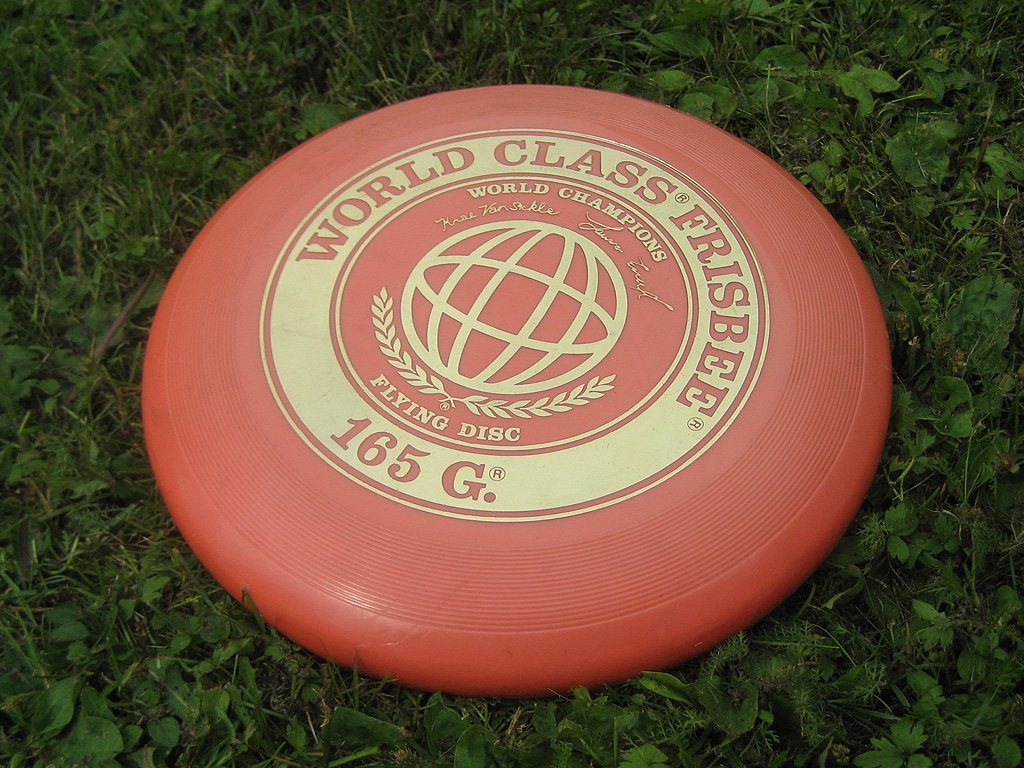
The Pluto Platter debuted in 1957, taking inspiration from pie tins thrown at Yale University. Its aerodynamic rim and lightweight plastic construction allow for stable flight over long distances. Modern competitive sports like Ultimate rely entirely on this specific aerodynamic profile.
Crayola Crayons
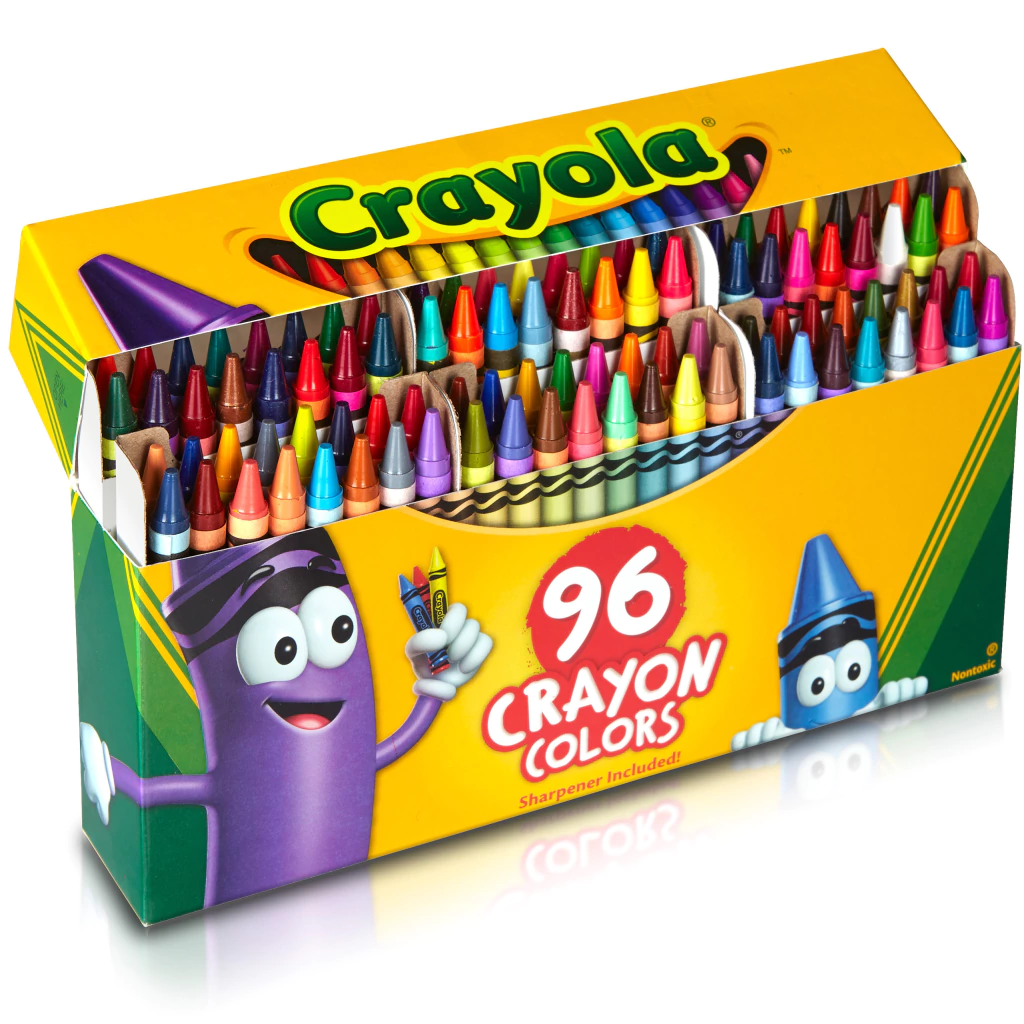
The paraffin wax and pigment formula has stayed largely the same since 1903. While the number of colors has expanded, the paper-wrapped cylindrical shape is instantly recognizable to children around the world. The distinctive smell is one of the most recognized scents in North America.
Wooden Pencil

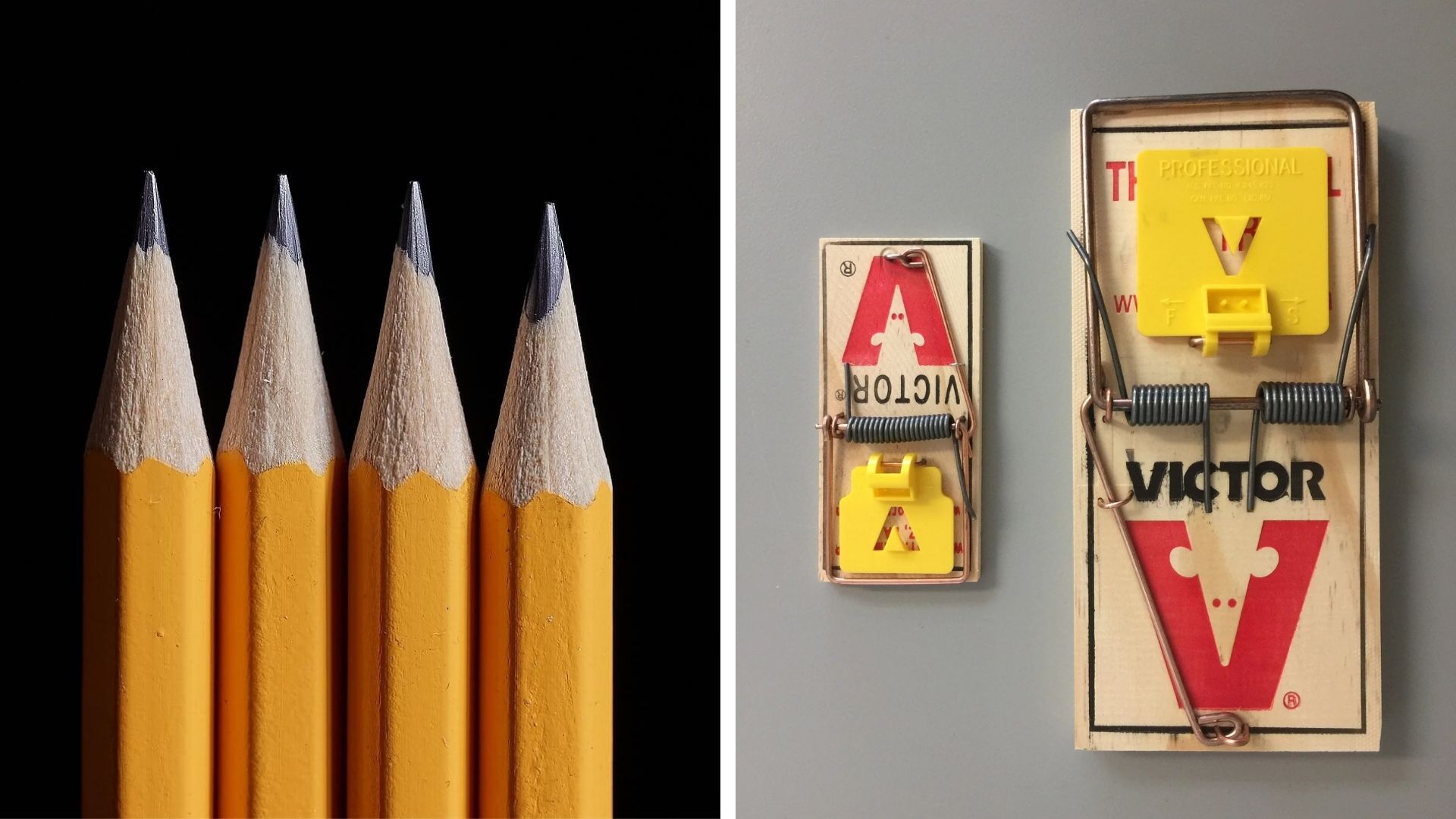
The cedar-cased graphite pencil reached its modern form in the mid-19th century. Its hexagonal shape prevents it from rolling off desks, and the mixture of clay and graphite provides a smooth writing experience. It remains a primary tool for artists and students alike.
Eames Lounge Chair
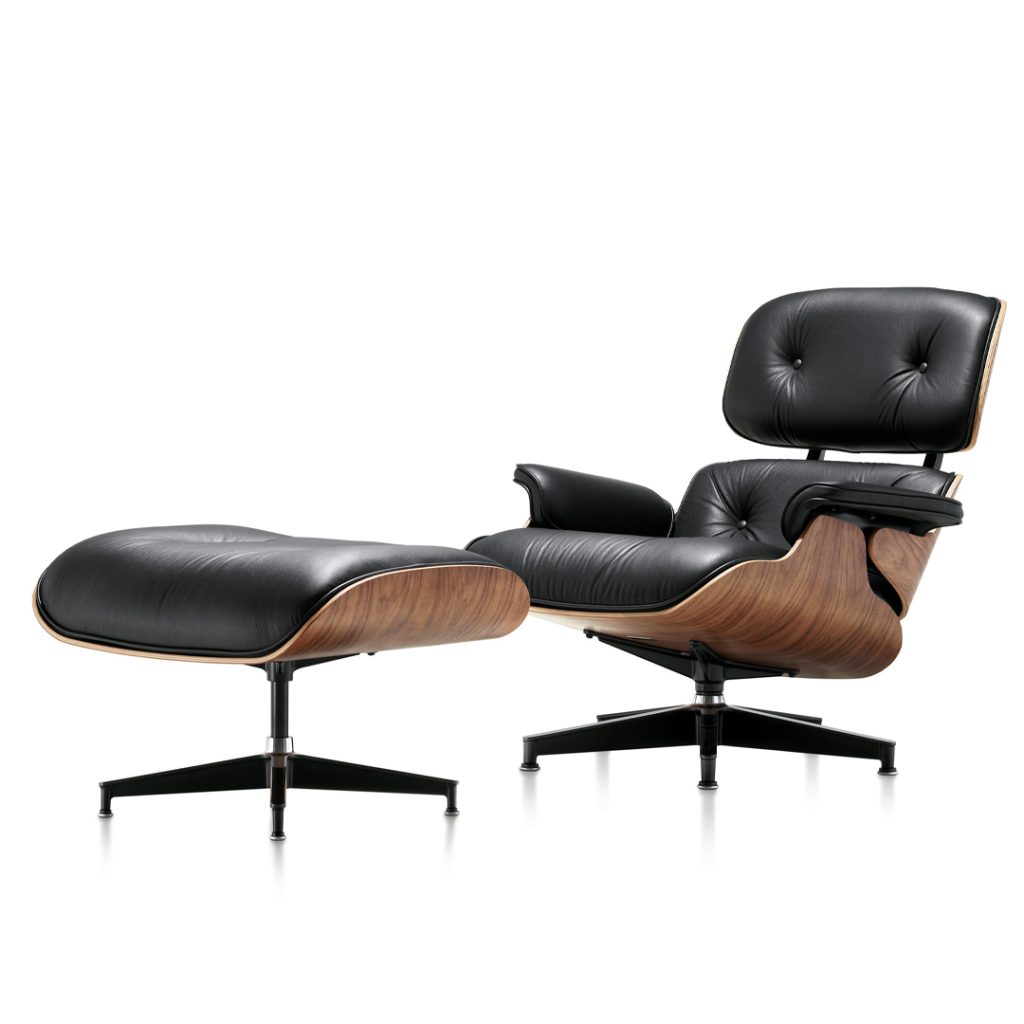
Charles and Ray Eames released this plywood and leather chair in 1956 to provide a modern take on the traditional club chair. The three-piece molded shell and permanent tilt provide a specific ergonomic experience that has never been altered. It is a permanent fixture in modern interior design.
Victor Snap Trap
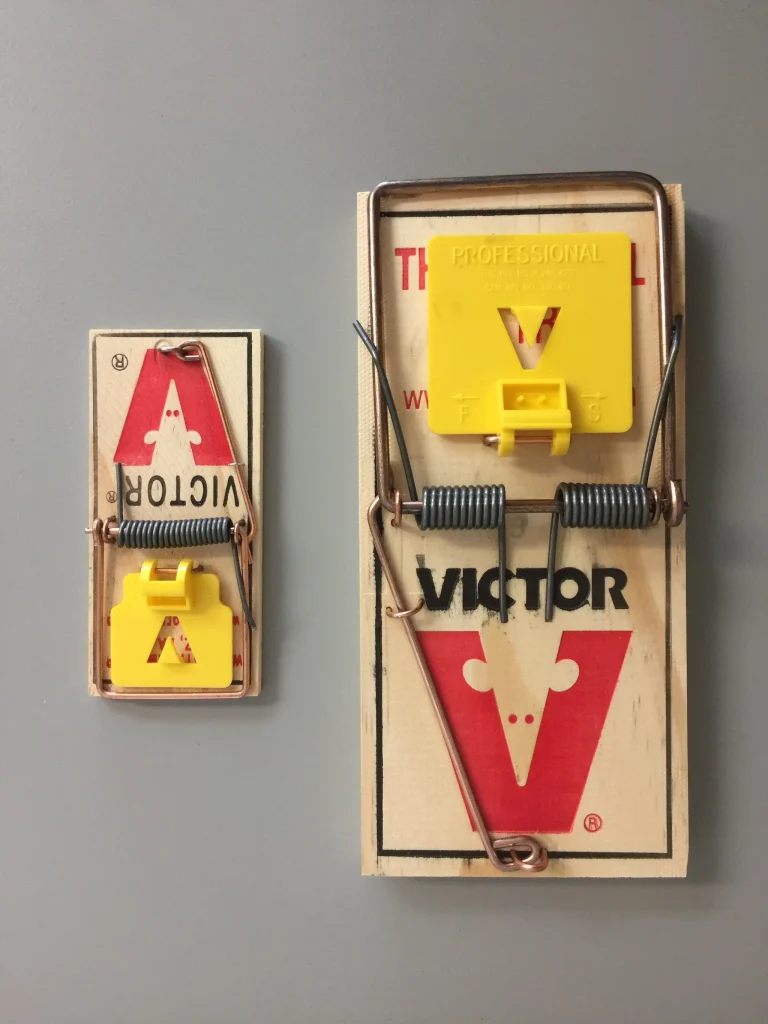
This simple device consists of a wooden base, a spring-loaded wire, and a trip pedal. Since its patent in 1894, no high-tech electronic alternative has matched its cost-effectiveness or brutal efficiency. It is the definitive proof that you cannot build a better mousetrap.







