The cinematic landscape is often littered with the remains of ambitious projects that attempted to capture lightning in a bottle for a second time. While some re-imaginings find new depth, many of these efforts simply highlight why the original source material was so special to begin with. Fans frequently find themselves questioning the necessity of modernizing stories that were already perfect in their initial era. This article examines 30 instances where the creative gamble resulted in a significant loss of magic for the audience.
“Ben-Hur” (2016)
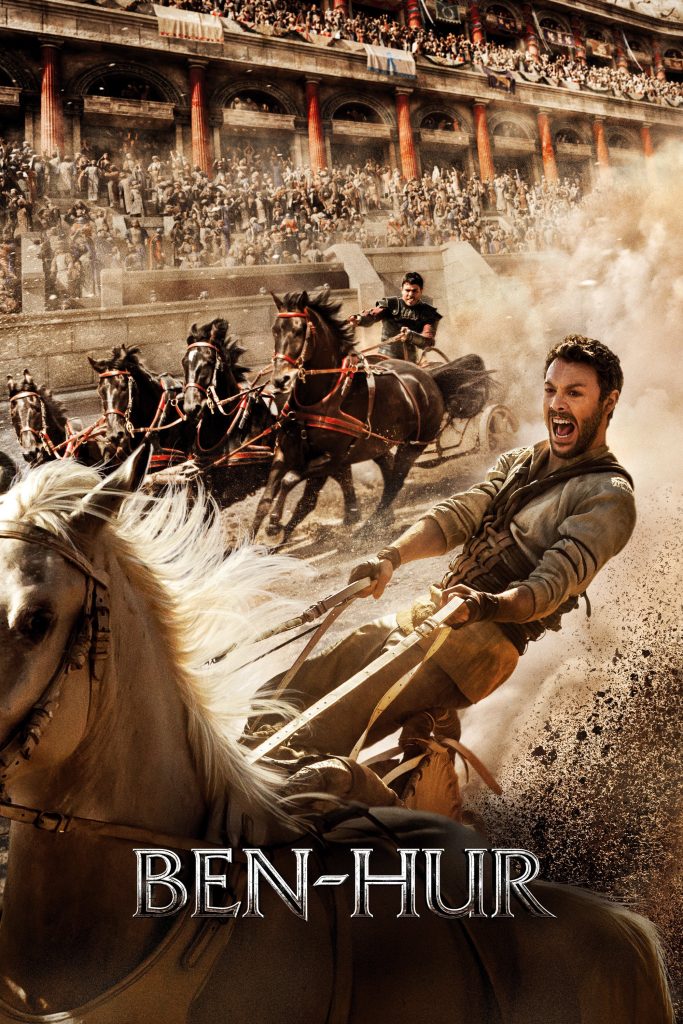
This big-budget historical epic struggled to justify its existence against the monumental 1959 classic that won eleven Academy Awards. The heavy reliance on digital effects during the famous chariot race felt hollow compared to the practical stunts of the original masterpiece. It became a cautionary tale about the dangers of over-relying on CGI to replicate timeless grandeur.
“The Wicker Man” (2006)
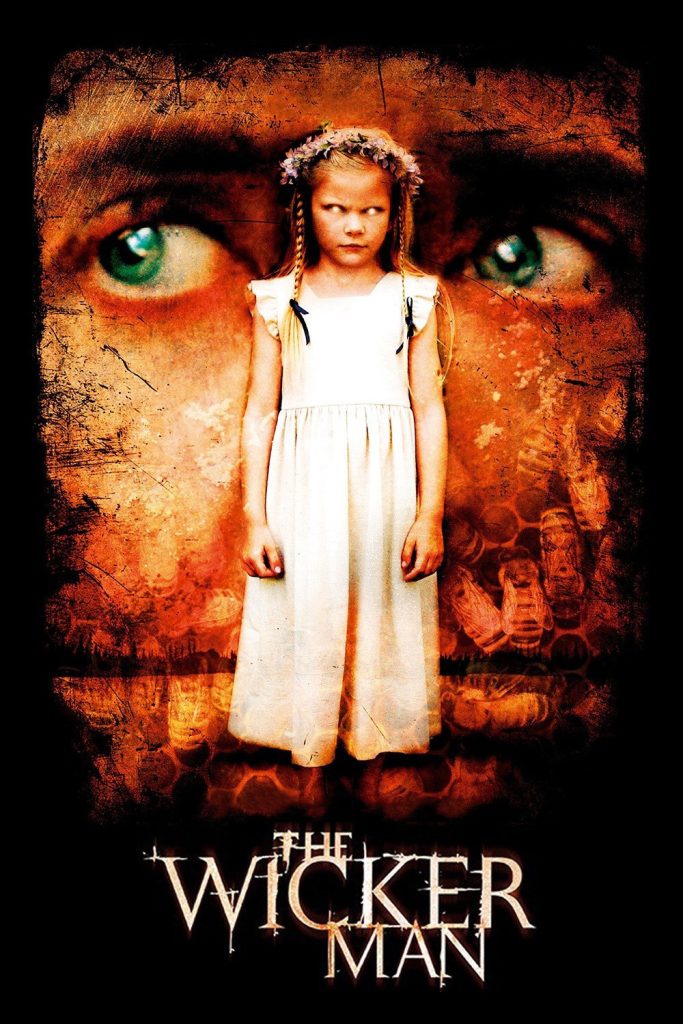
The eerie folk-horror atmosphere of the 1973 original was replaced by unintentional comedy and erratic performances. Nicolas Cage’s portrayal turned what was once a terrifying ritualistic story into an internet meme sensation for all the wrong reasons. Most horror enthusiasts agree that the subtle dread of the first film is impossible to recapture with such a campy approach.
“Oldboy” (2013)
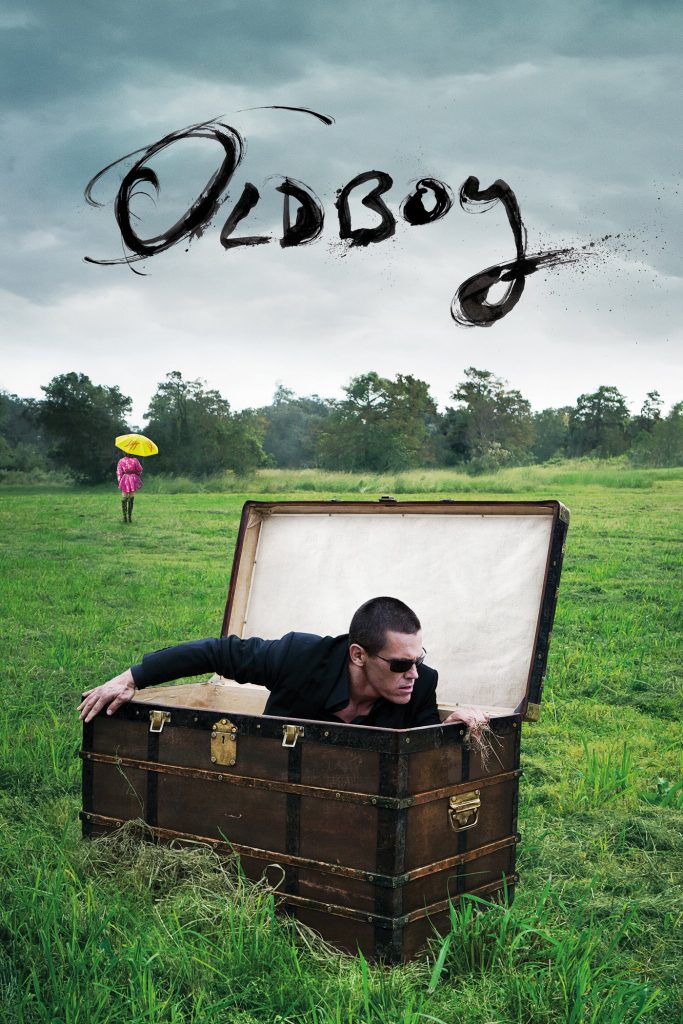
Attempting to localize the visceral intensity of the 2003 South Korean thriller proved to be an insurmountable task for Spike Lee. While the visual style was competent, the narrative lacked the gut-punch emotional weight that made the original story a global phenomenon. Interestingly, the famous hallway fight scene was recreated with more polish but far less raw energy.
“Ghostbusters” (2016)
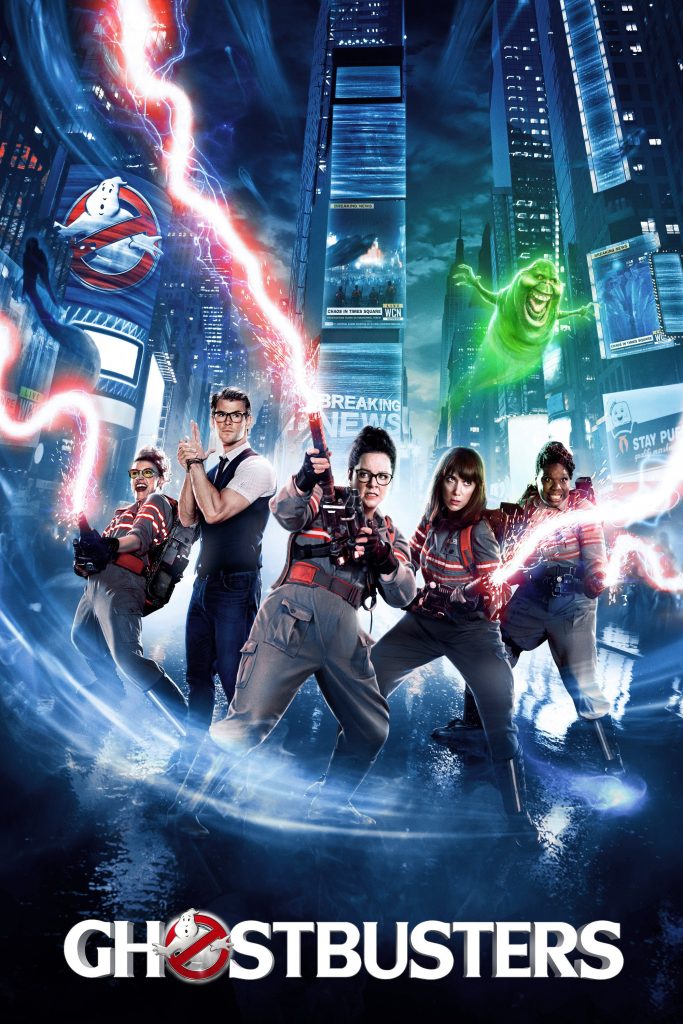
Modern humor and high-end visual effects clashed with the dry, lightning-fast wit of the 1984 comedy classic. Despite a talented cast, the script failed to find the perfect balance between science fiction and character-driven banter that defined the franchise’s birth. This reboot eventually led to a pivot back to the original continuity in later installments.
“The Mummy” (2017)
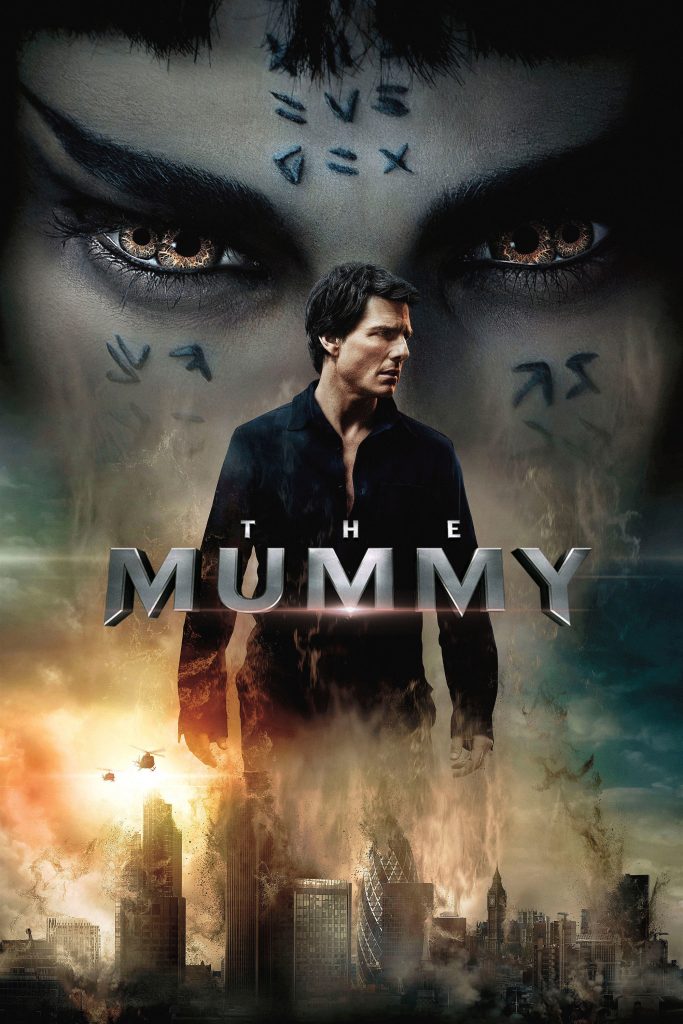
Intended to launch a massive cinematic universe, this action-heavy version forgot to include the sense of adventure present in the 1999 remake. The tone felt disjointed, oscillating between a gritty horror film and a generic blockbuster vehicle for its leading star. Its failure effectively halted the planned Dark Universe before it could truly begin.
“Point Break” (2015)
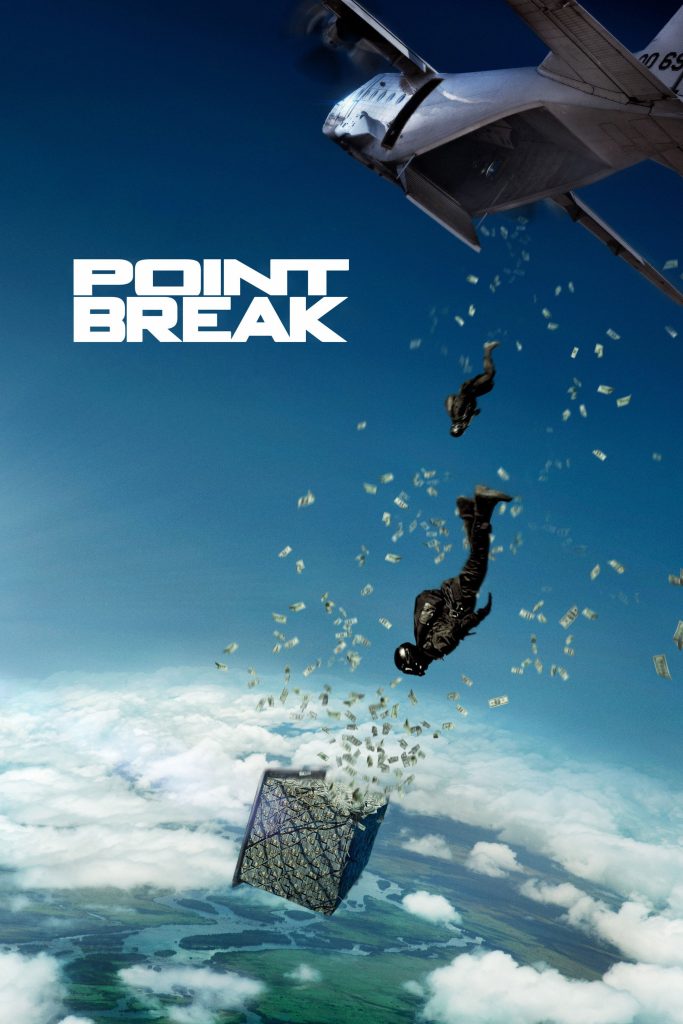
Replacing the surf-punk philosophy of the 1991 cult hit with extreme sports sequences resulted in a movie that lacked a recognizable soul. The chemistry between Johnny Utah and Bodhi felt non-existent compared to the intense bond shared by Keanu Reeves and Patrick Swayze. It serves as proof that breathtaking stunts cannot replace a well-developed character dynamic.
“RoboCop” (2014)
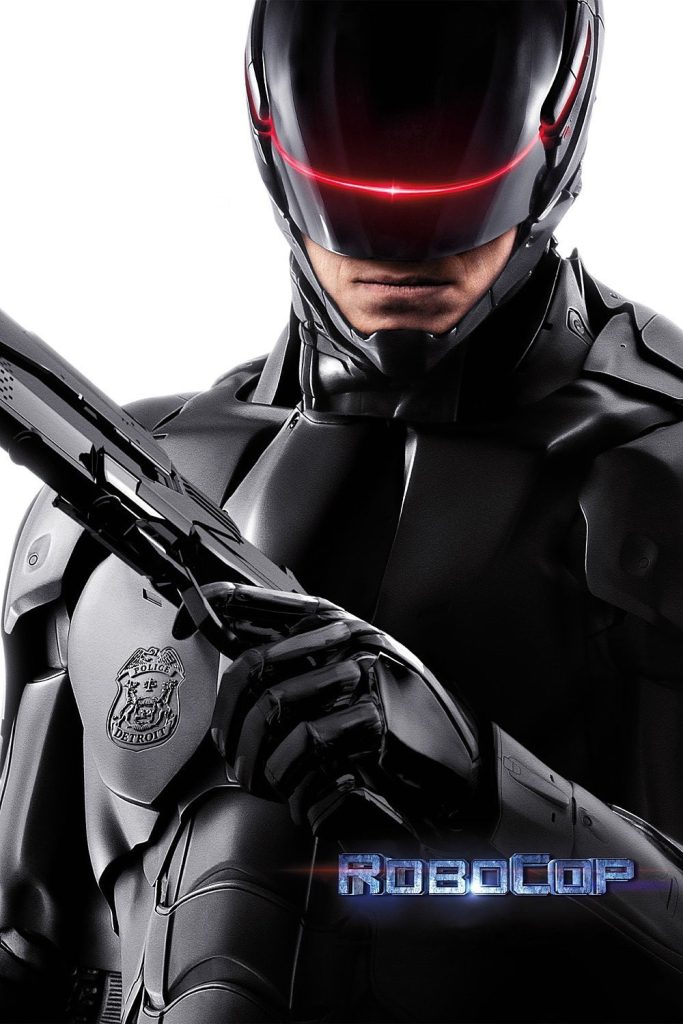
Paul Verhoeven’s 1987 satirical masterpiece was sanitized for a PG-13 rating, stripping away the biting social commentary and over-the-top violence. The new suit design and cleaner aesthetic made the character feel like a generic superhero rather than a tragic cybernetic victim. This version traded philosophical questions for standard action movie tropes.
“Total Recall” (2012)
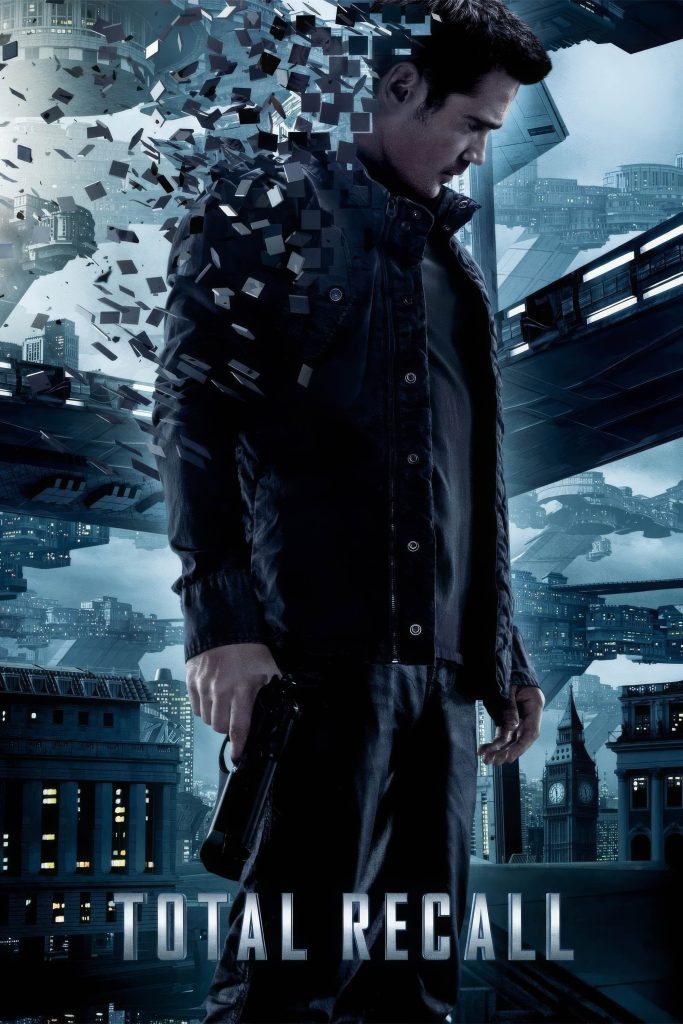
Leaving the Martian setting behind in favor of a terrestrial dystopia made this remake feel significantly smaller than the 1990 Arnold Schwarzenegger vehicle. The practical effects of the original, including the iconic makeup work, were replaced by blue-tinted digital landscapes. Fans of the Philip K. Dick story felt the mystery of the protagonist’s reality was handled with much less finesse.
“Poltergeist” (2015)
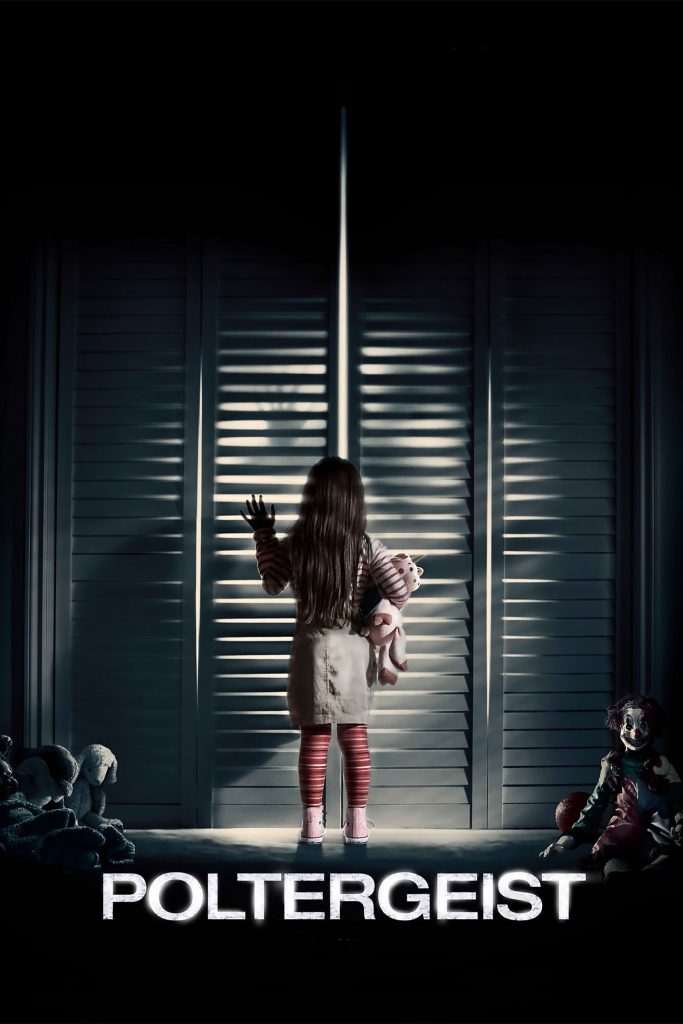
This update to the 1982 supernatural classic relied heavily on jump scares and modern technology like drones to provide the thrills. It missed the suburban dread and the Spielberg-ian sense of family wonder that made the first haunting so memorable. The result was a functional but entirely forgettable horror experience that lacked a distinct identity.
“Planet of the Apes” (2001)
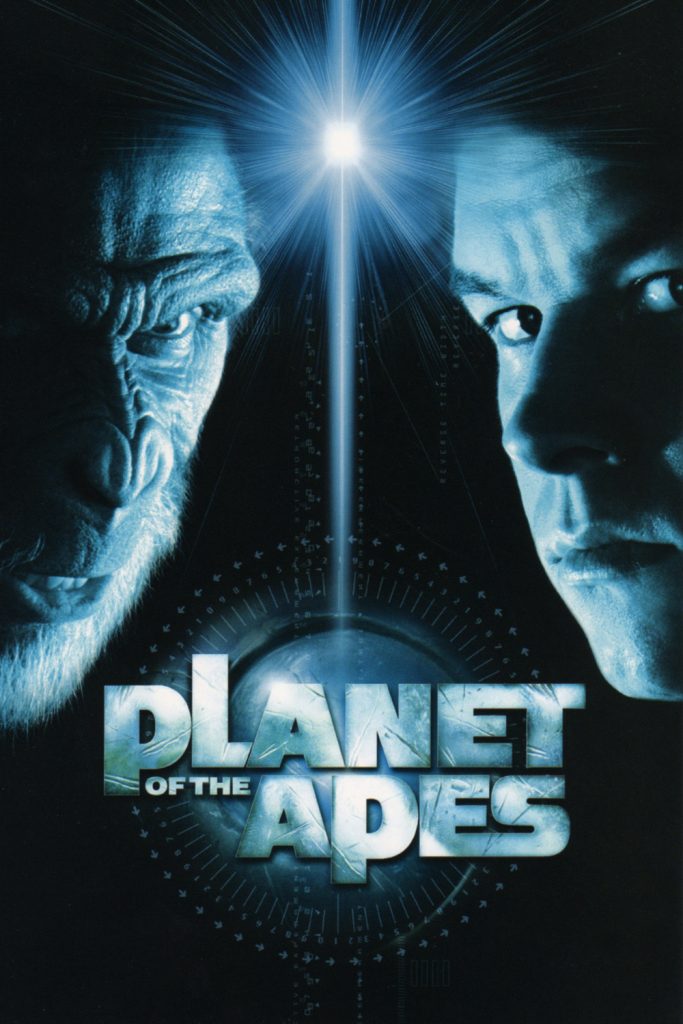
While the makeup work was technically superior, Tim Burton’s reimagining of the 1968 sci-fi landmark fell apart due to a confusing script and a bizarre twist ending. The intellectual weight of the original’s social allegory was lost amidst a strange adventure plot. Ten years later, the franchise would find much more success by starting fresh with a prequel trilogy.
“The Karate Kid” (2010)
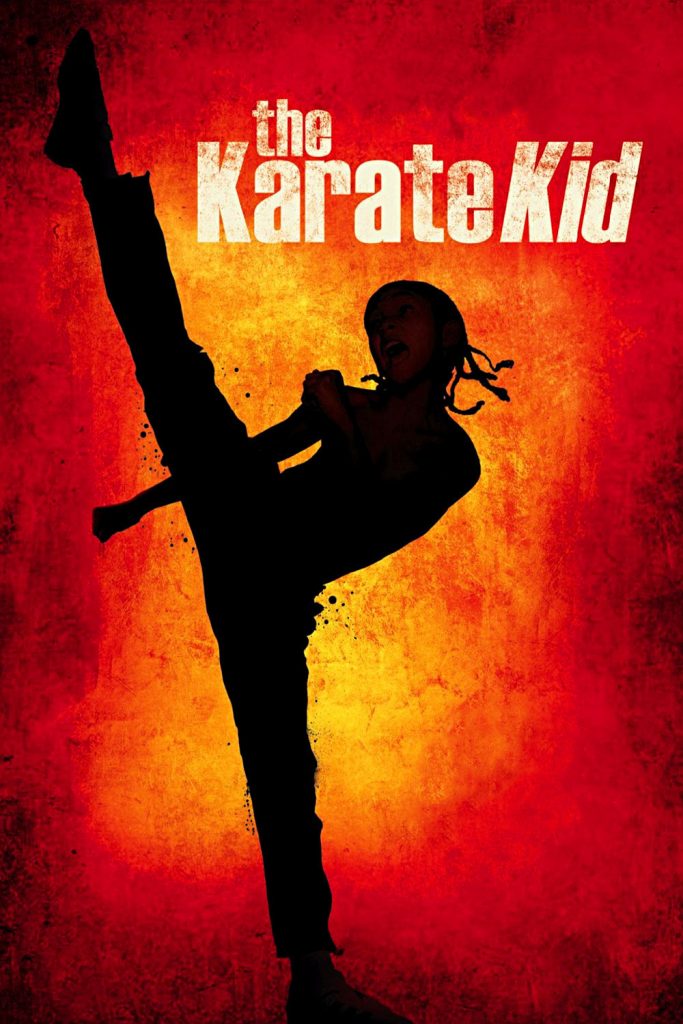
Changing the setting to China and the martial art to Kung Fu made the title of this remake technically inaccurate. Although Jackie Chan gave a grounded performance, the narrative followed the 1984 beats too closely without finding its own rhythm. The younger age of the protagonist changed the stakes from a high-school coming-of-age story to a different kind of childhood rivalry.
“The Fog” (2005)
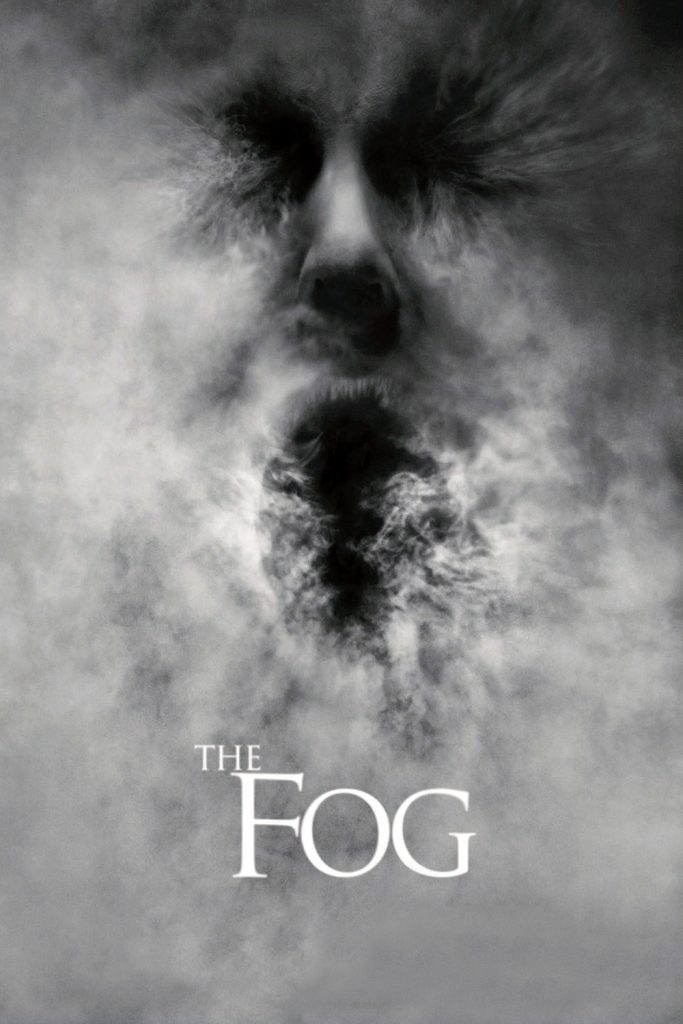
John Carpenter’s 1980 ghost story relied on shadows and a chilling score to build tension, whereas this version opted for clear-day CGI monsters. The casting of television stars of the era failed to bring the gravitas needed for a small-town dread atmosphere. Critics panned the film for lacking the suspenseful pacing that made the original a staple of maritime horror.
“Arthur” (2011)
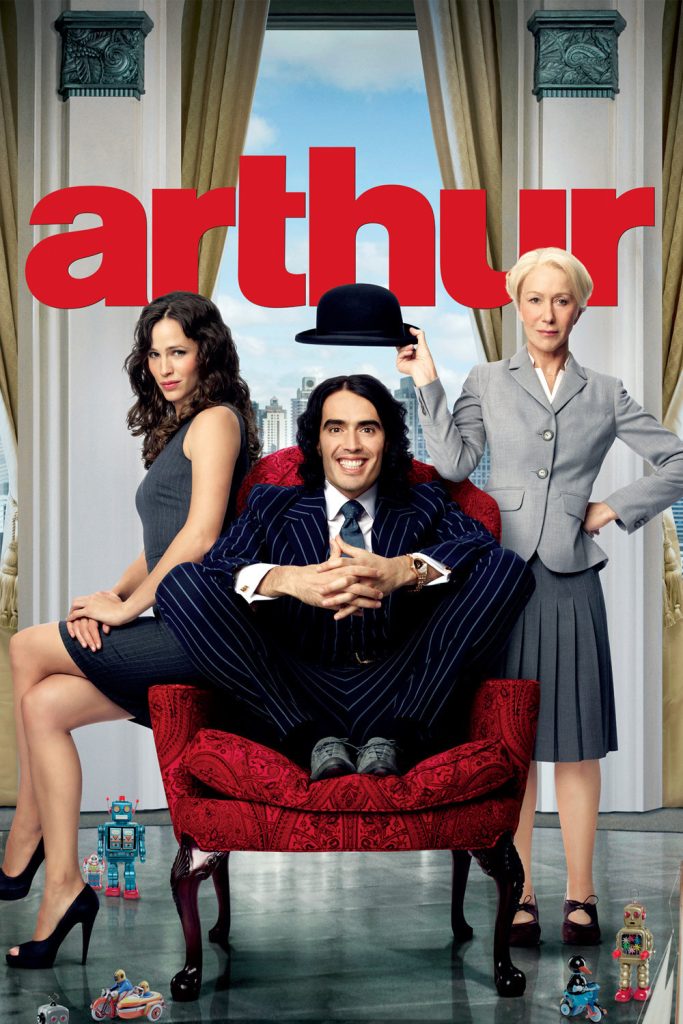
The drunken charm of Dudley Moore in the 1981 comedy proved difficult to replicate in a more modern, sensitive social context. Russell Brand brought high energy to the role, but the character felt more like a spoiled child than a lovable eccentric. This project showed that some comedies are deeply tied to the specific cultural era in which they were conceived.
“A Nightmare on Elm Street” (2010)
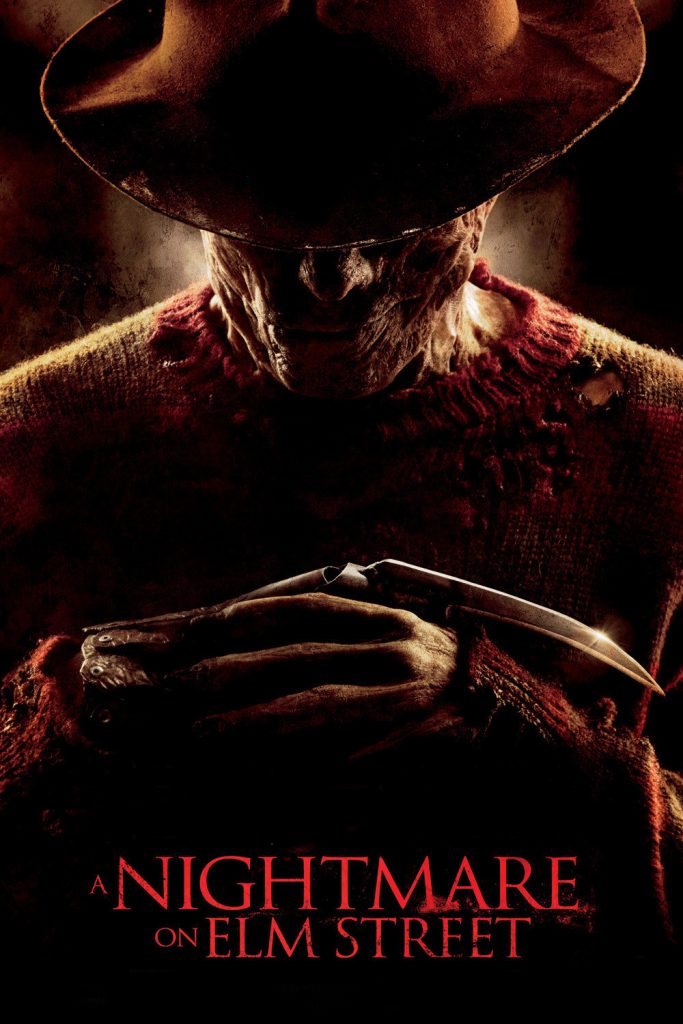
Attempting to make Freddy Krueger darker and more realistic stripped away the darkly comedic personality that Robert Englund perfected starting in 1984. The use of digital alterations to the villain’s face distracted from the performance rather than enhancing the terror. Horror fans were disappointed by the lack of creative practical effects in the dream sequences.
“Conan the Barbarian” (2011)
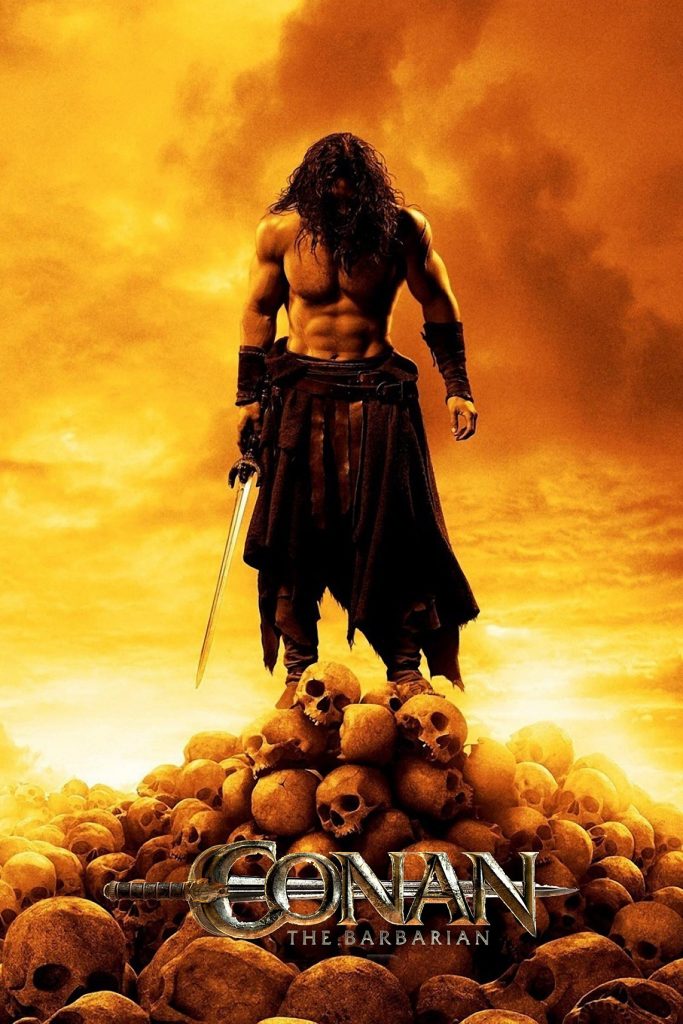
Jason Momoa physically fit the role, yet the film lacked the operatic scale and mythological feel of the 1982 John Milius production. The orchestral score did not hold a candle to the iconic music composed by Basil Poledouris for the original version. It ended up feeling like a standard sword-and-sandal action flick rather than an epic saga.
“Get Carter” (2000)
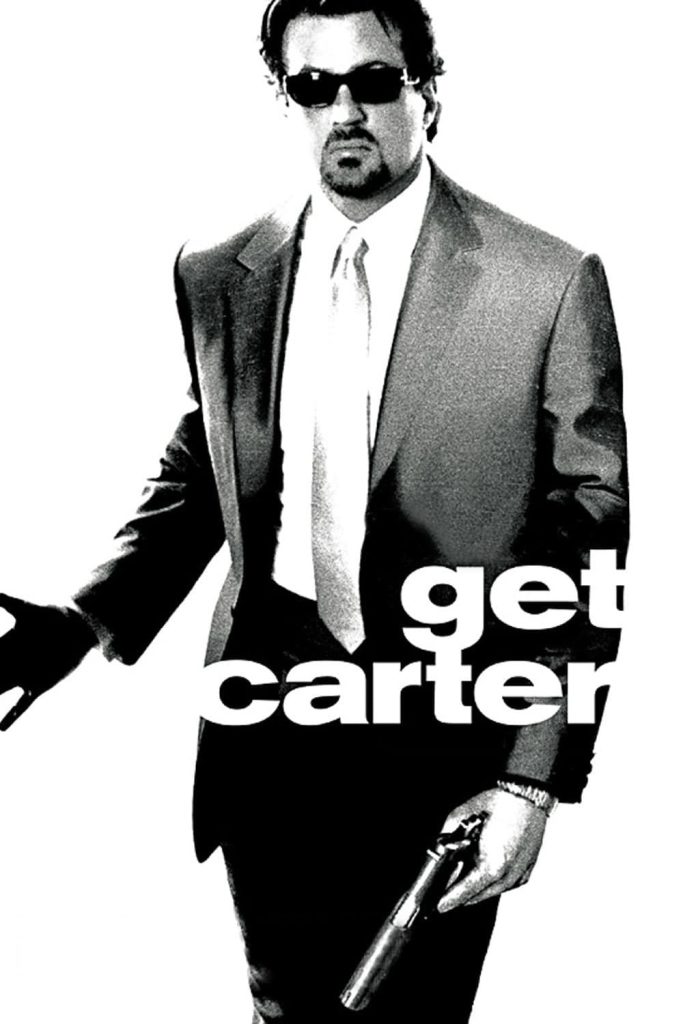
Moving the gritty British crime story to Seattle took away the bleak, gray atmosphere that defined the 1971 Michael Caine classic. Sylvester Stallone’s more heroic approach to the character clashed with the cold-blooded nature of the original protagonist. Caine even appeared in this version, perhaps as a reminder of how much more effective the first film was.
“Rollerball” (2002)
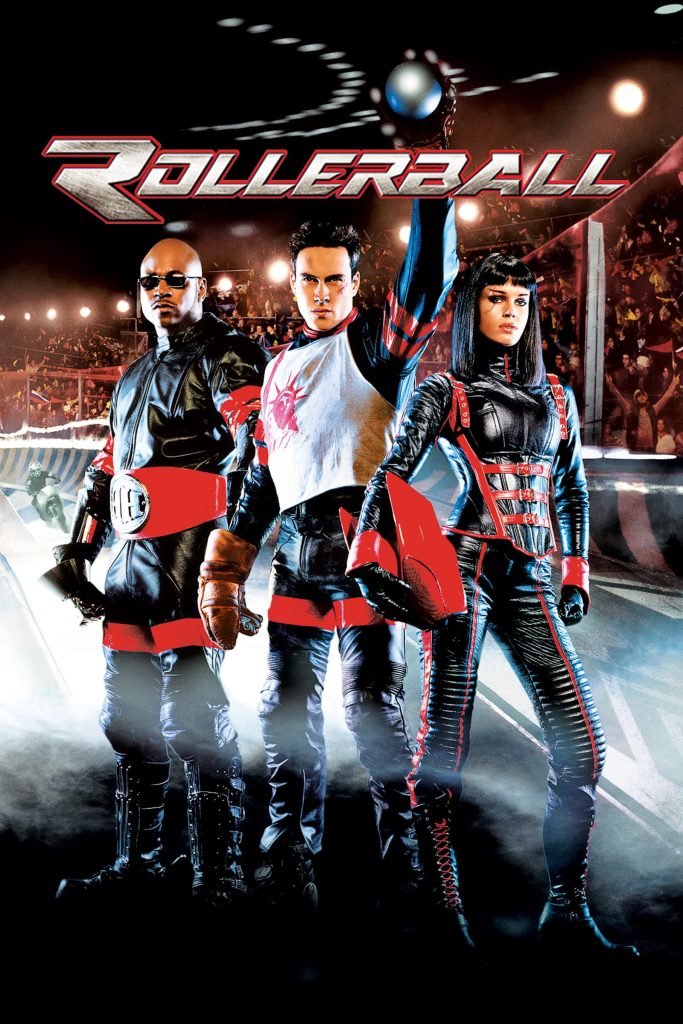
This remake turned a thoughtful 1975 dystopian critique of corporate control into a loud, nonsensical sports movie. The production was notoriously troubled, leading to a disjointed final product that made little sense to general audiences. It is often cited as one of the most drastic drops in quality between an original film and its reboot.
“Swept Away” (2002)
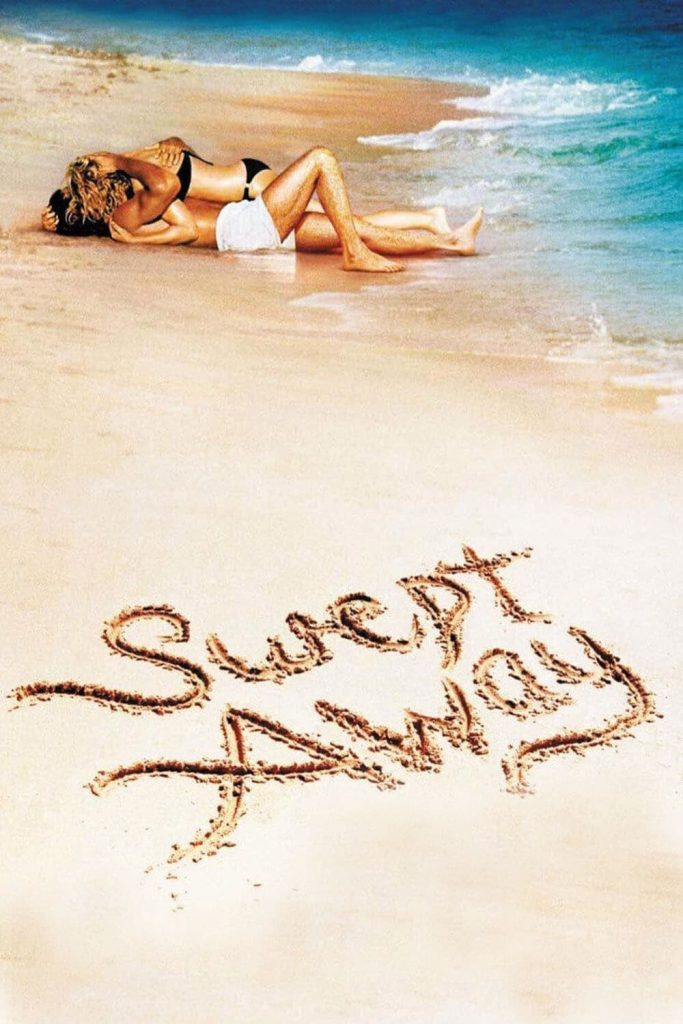
The 1974 Italian original was a complex exploration of class warfare and gender politics on a deserted island. Guy Ritchie’s remake with Madonna was widely panned for its lack of chemistry and heavy-handed direction. It remains a frequent entry on lists of the worst films ever made, let alone the worst remakes.
“The Pink Panther” (2006)
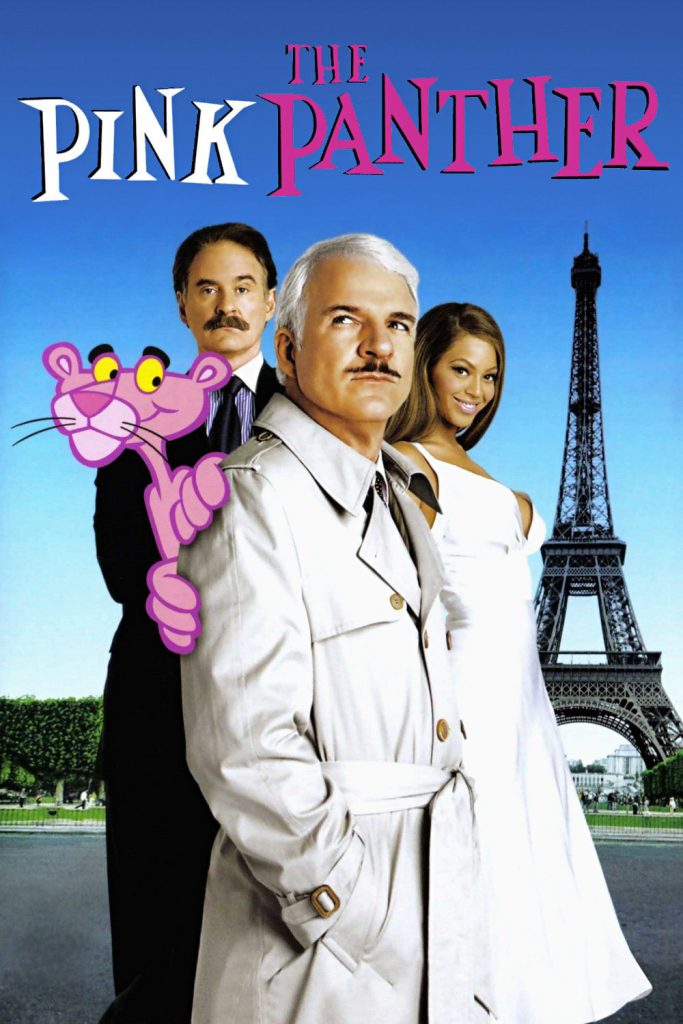
Steve Martin is a comedic legend, but his take on Inspector Clouseau lacked the refined clumsiness that Peter Sellers established in 1963. The humor leaned more toward broad slapstick for children rather than the sophisticated farce of the original series. While it spawned a sequel, it never achieved the timeless status of its predecessor.
“Cabin Fever” (2016)
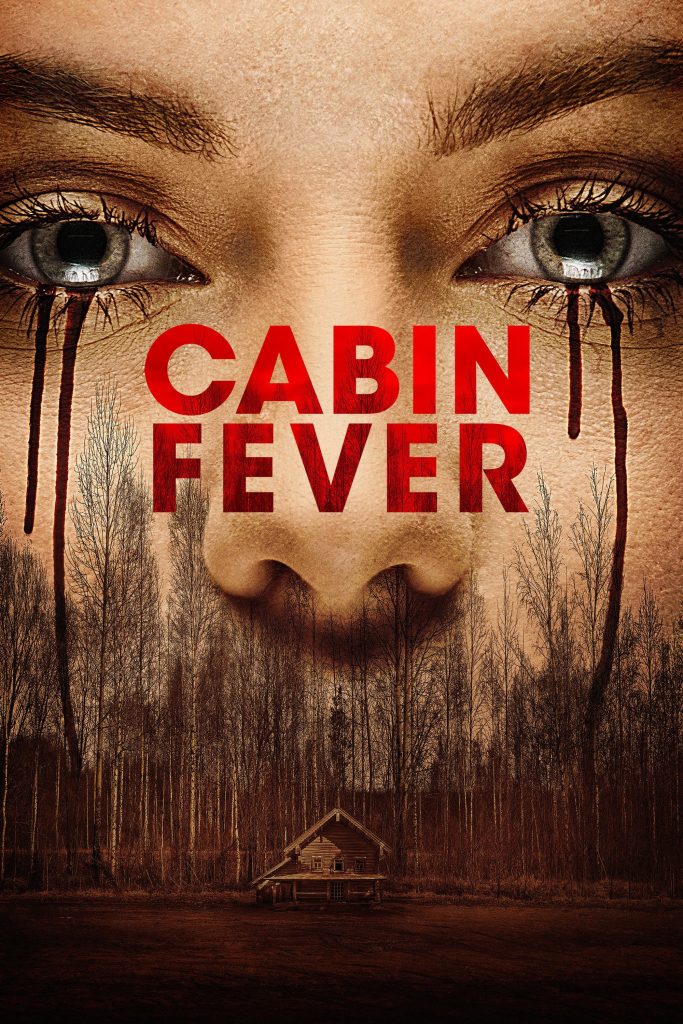
This project was criticized for using the exact same script as the 2002 original with almost no creative changes. Without Eli Roth’s specific directorial touch, the story felt redundant and unnecessary for a modern audience. It proved that simply filming the same dialogue with a new cast is rarely enough to justify a remake.
“The Haunting” (1999)
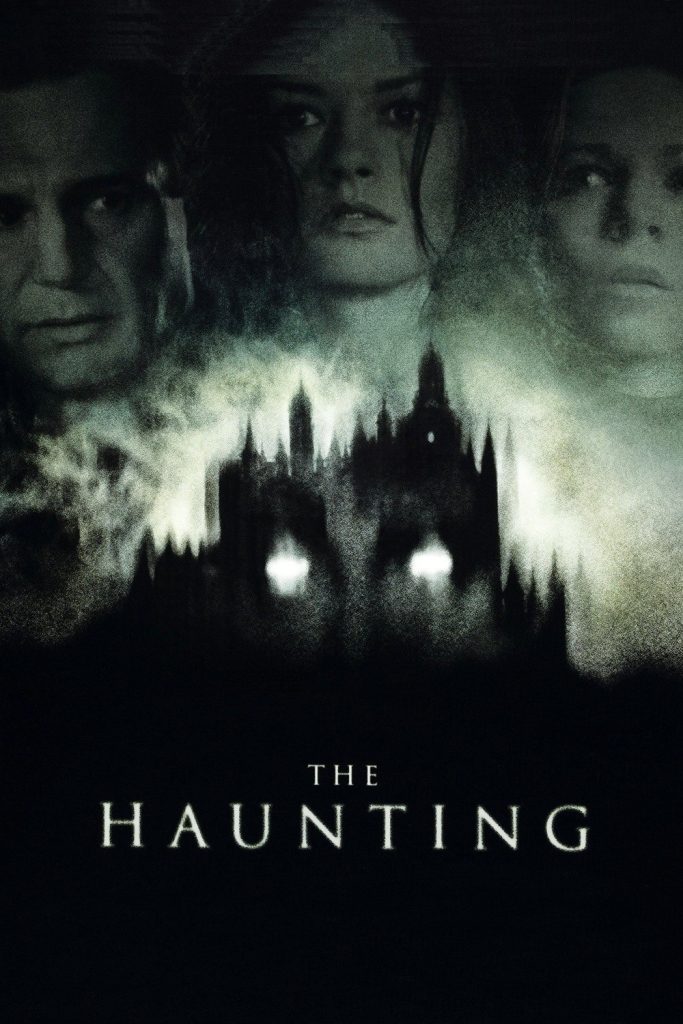
The 1963 film is a masterclass in psychological horror where the ghosts are never seen, leaving everything to the viewer’s imagination. This version opted for loud CGI houses that physically attacked the characters, destroying the ambiguity of the source material. It traded genuine terror for expensive visual effects that aged very poorly over the next decade.
“The Stepford Wives” (2004)
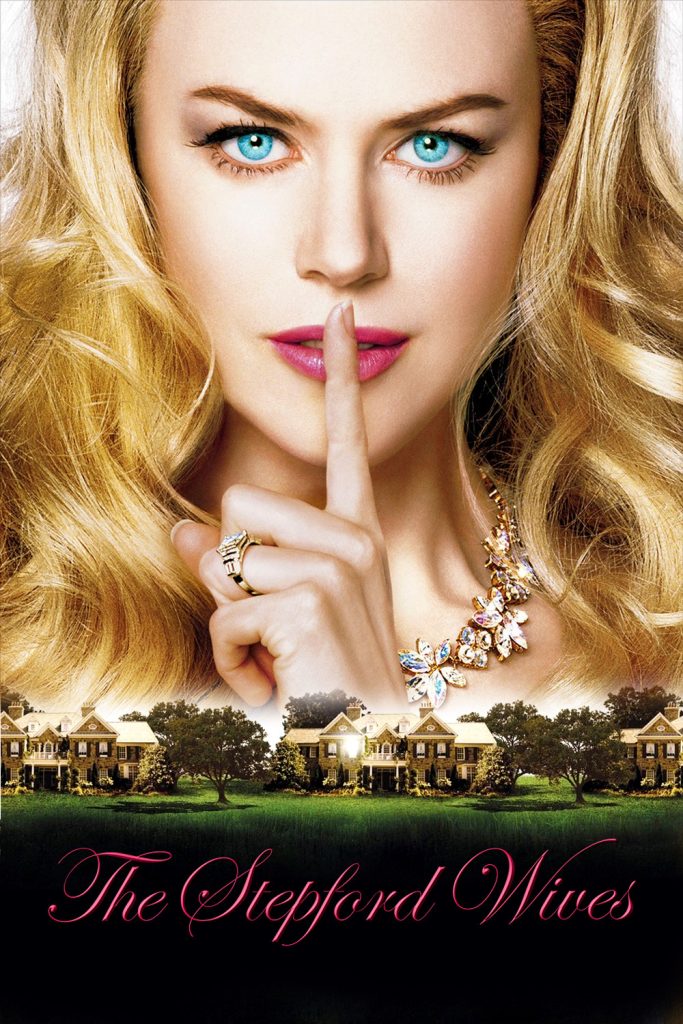
Attempting to turn the 1975 horror-thriller into a campy comedy resulted in a tonally confused mess. The dark social commentary about domesticity and autonomy was undermined by a convoluted new ending that made little sense. Despite a stellar cast including Nicole Kidman and Bette Midler, the film failed to resonate as either a satire or a remake.
“Godzilla” (1998)
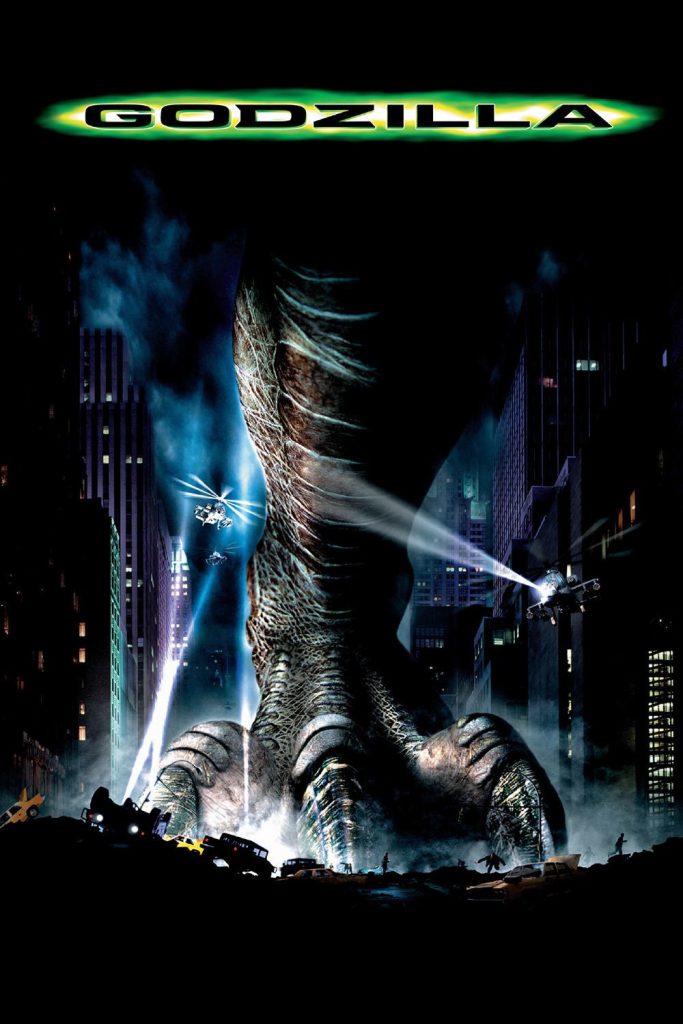
Roland Emmerich reimagined the 1954 atomic-age metaphor as a generic monster movie set in New York City. The creature’s redesign was so unpopular with fans that it was later officially renamed “Zilla” in subsequent Toho productions. It missed the solemnity and cultural significance that made the original Japanese film a cinematic icon.
“Red Dawn” (2012)
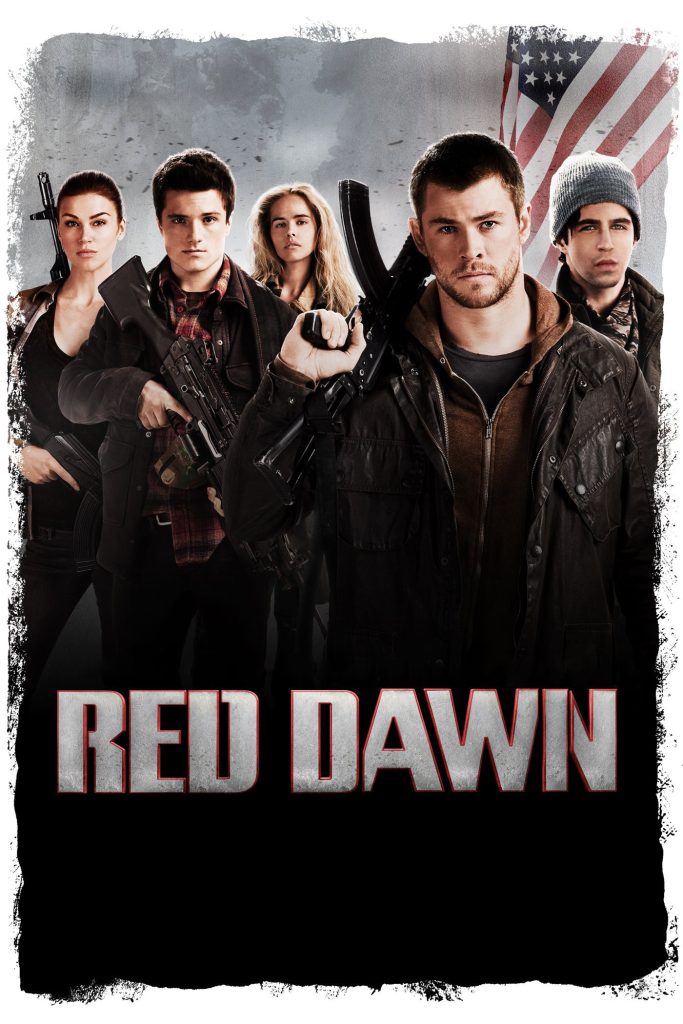
The Cold War tensions that fueled the 1984 original were missing in this remake, which saw its antagonist changed from China to North Korea in post-production. This change led to numerous continuity errors and a feeling of narrative disjointedness. The result was a generic action movie that lacked the patriotic fervor and grit of its predecessor.
“Straw Dogs” (2011)
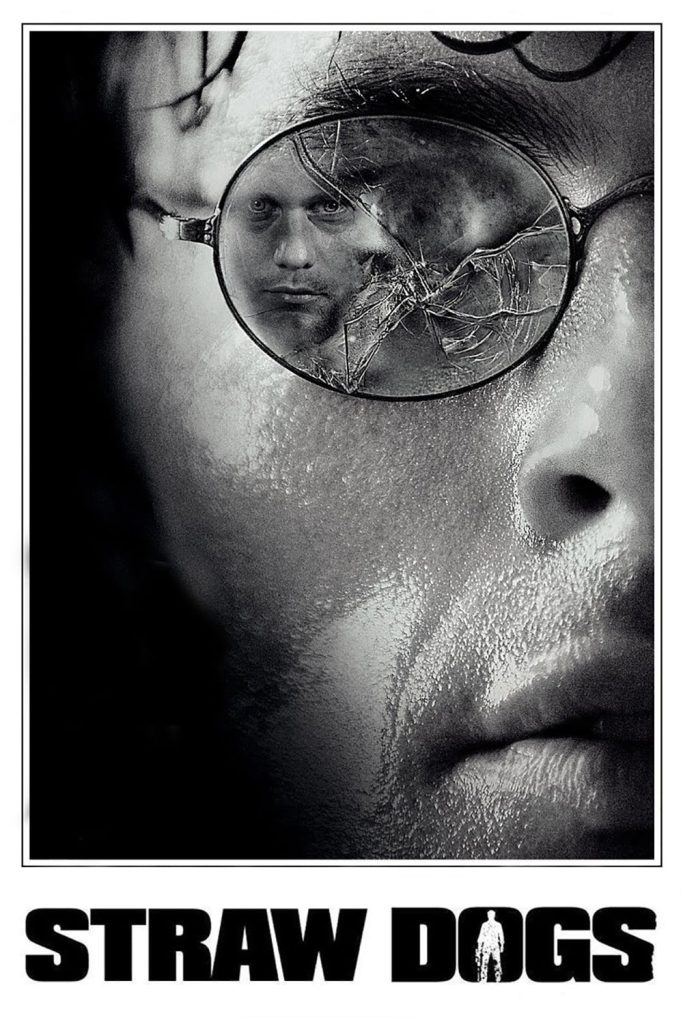
Moving the setting from rural England to the American South changed the dynamic of the 1971 Sam Peckinpah thriller in ways that felt predictable. The shocking violence of the original had a specific purpose in exploring the male psyche, while here it felt like standard exploitation. Many critics felt the nuances of the lead character’s descent into savagery were lost in translation.
“Death Wish” (2018)
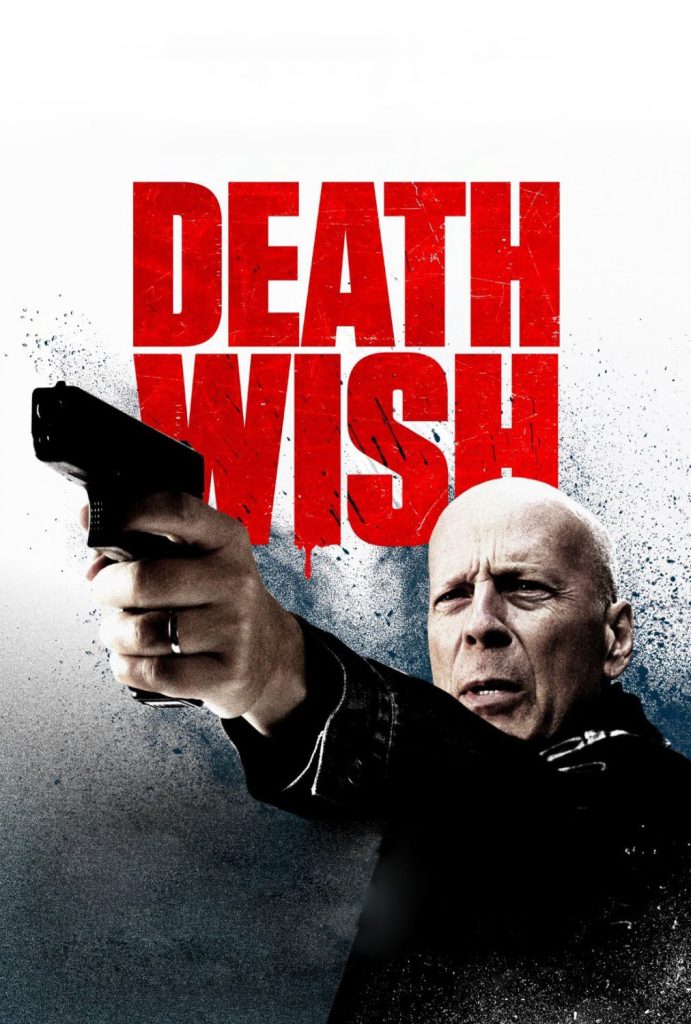
Eli Roth directed this update to the 1974 vigilante classic, but the film struggled to find a consistent tone in a modern societal context. Bruce Willis lacked the vulnerability that Charles Bronson initially brought to the role of a grieving man. The remake felt more like a celebration of gun culture than the grim critique seen in the first installment.
“Dirty Dancing: Havana Nights” (2004)
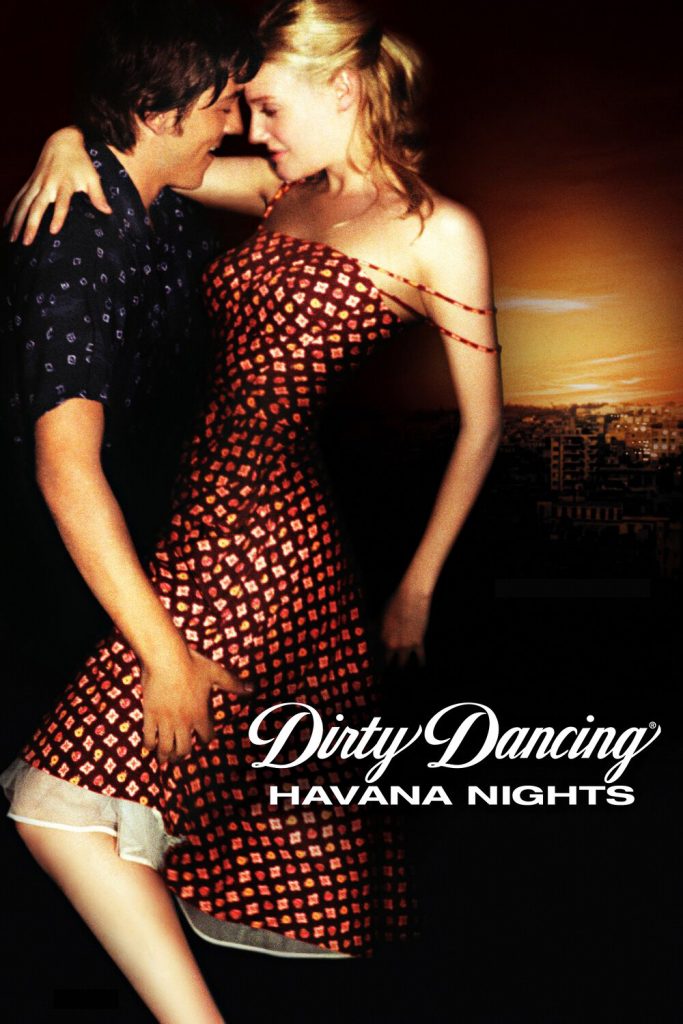
While technically a “reimagining” of the 1987 romance classic, this film failed to spark the same cultural obsession. The shift in location to the Cuban Revolution added political weight that didn’t quite mesh with the coming-of-age dance narrative. Even a cameo from Patrick Swayze couldn’t help the new leads reach the legendary status of Baby and Johnny.
“The Day the Earth Stood Still” (2008)
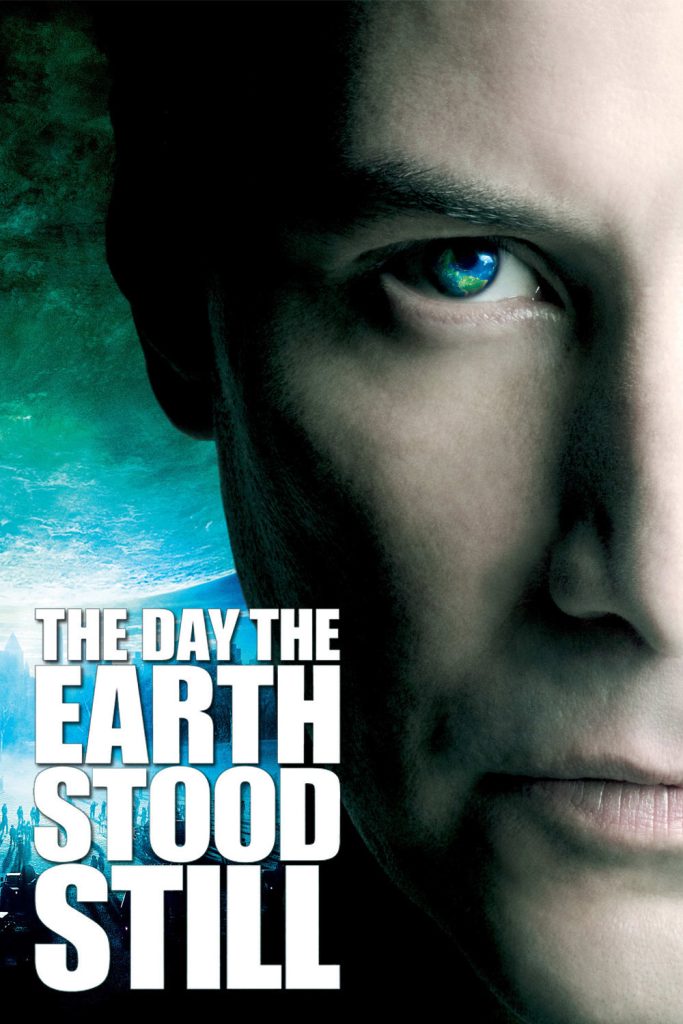
The 1951 original was a poignant plea for peace during the nuclear arms race, but the remake focused more on environmental collapse and spectacle. Keanu Reeves’ stoic performance was fitting, yet the story lacked the human warmth that balanced the first alien visitor’s message. Visual effects dominated the screen, leaving little room for the philosophical debate that made the source material so influential.
“Pinocchio” (2022)
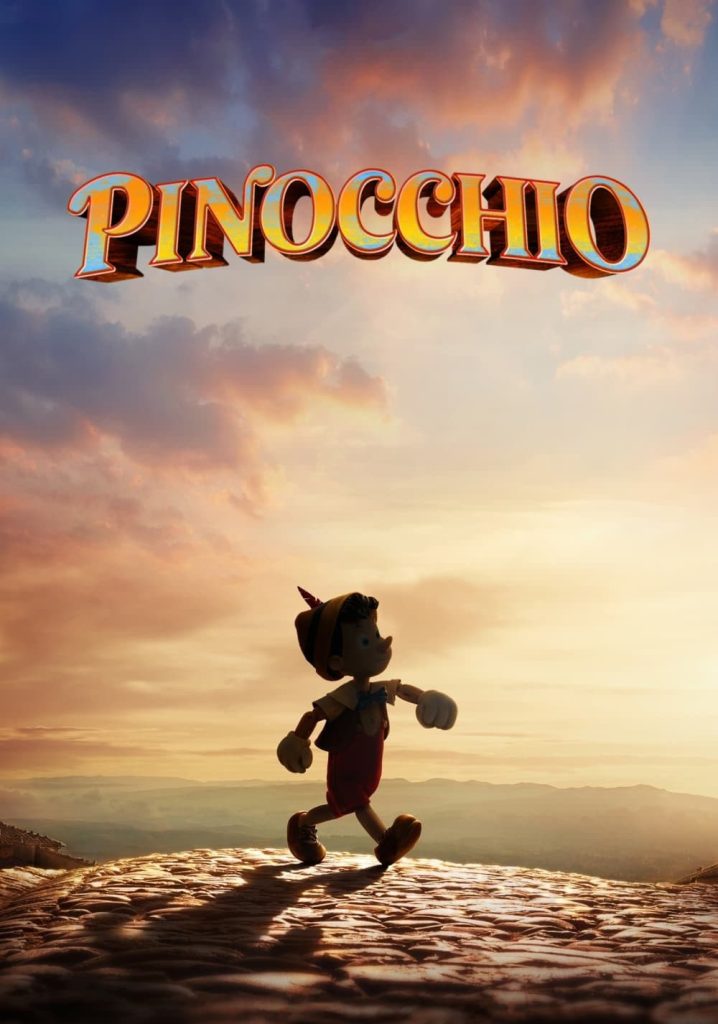
Disney’s live-action translation of its 1940 animated masterpiece was criticized for being a lifeless recreation. The CGI characters often felt jarring against the real-world actors, losing the charm of the hand-drawn original. This project emphasized the ongoing debate about whether legendary animation should ever be translated into live action.
“Psycho” (1998)
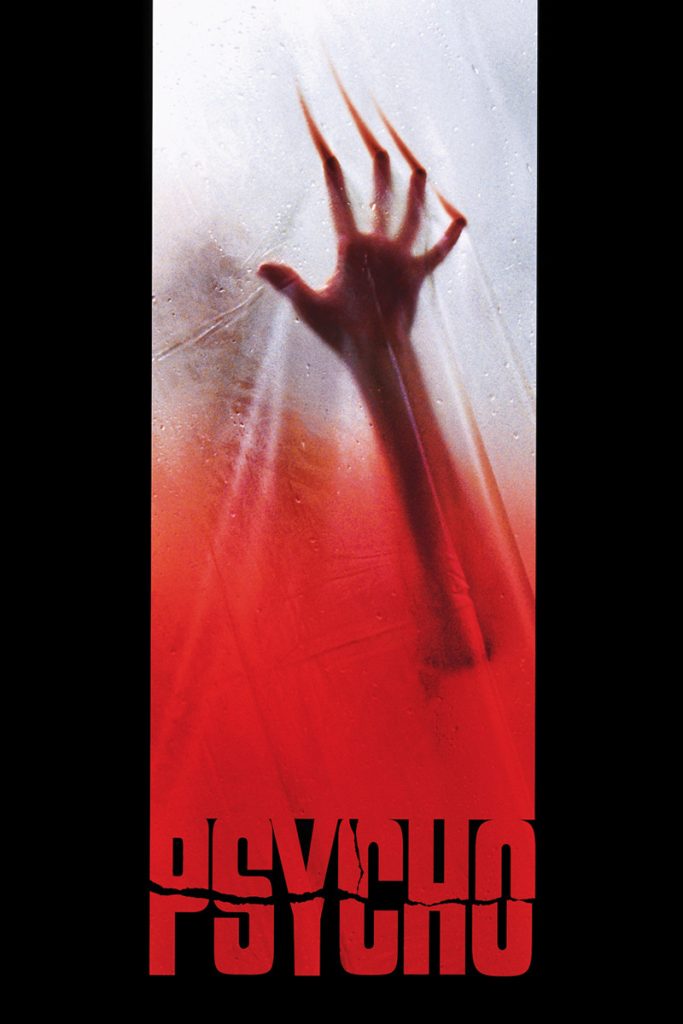
Gus Van Sant performed a bizarre cinematic experiment by creating a shot-for-shot color remake of Alfred Hitchcock’s 1960 horror landmark. Every camera angle and line of dialogue was identical, yet the film was universally panned for lacking the suspense and soul of the black-and-white original. It remains the ultimate example of why some perfection simply cannot be improved upon or even copied.