Some candy bars vanish quietly, others leave fans writing petitions and nostalgic threads for years. In this article, we look back at discontinued candy bars that once filled lunchboxes, vending machines and movie nights, then slipped off the shelves. A few disappeared after mergers or branding changes, others fell to low sales, changing tastes or internal company decisions. Together they show how fast the candy aisle can change, even when the memories do not.
Marathon Bar
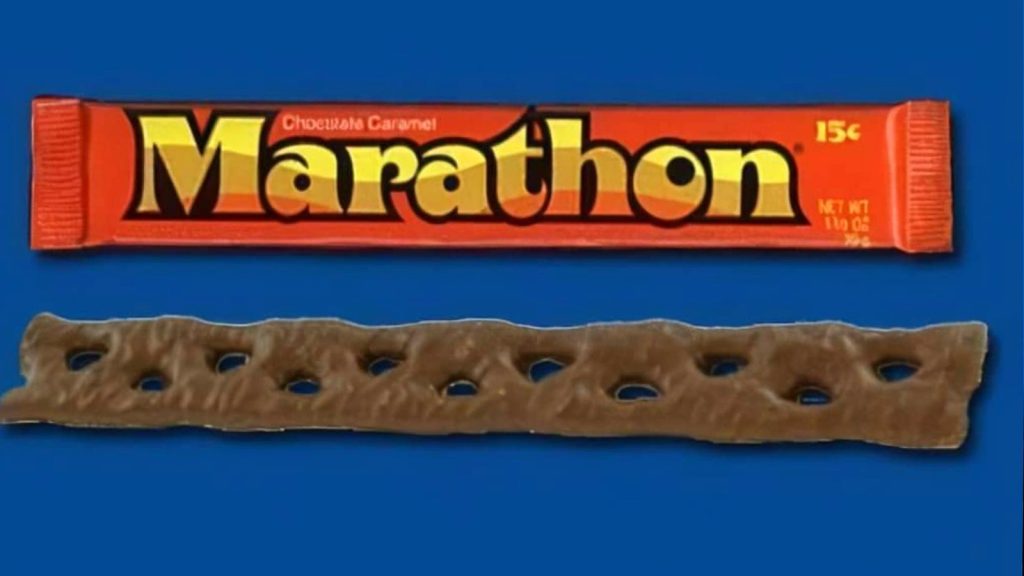
The Marathon Bar from Mars was an extra long, braided strip of caramel coated in milk chocolate that arrived in the early 1970s. It was marketed as a bar that took a long time to finish, with inch marks printed on the wrapper. Despite a loyal following, it was discontinued in the early 1980s, reportedly because it never matched the sales of Mars’ core brands and overlapped with similar products in other markets.
PB Max
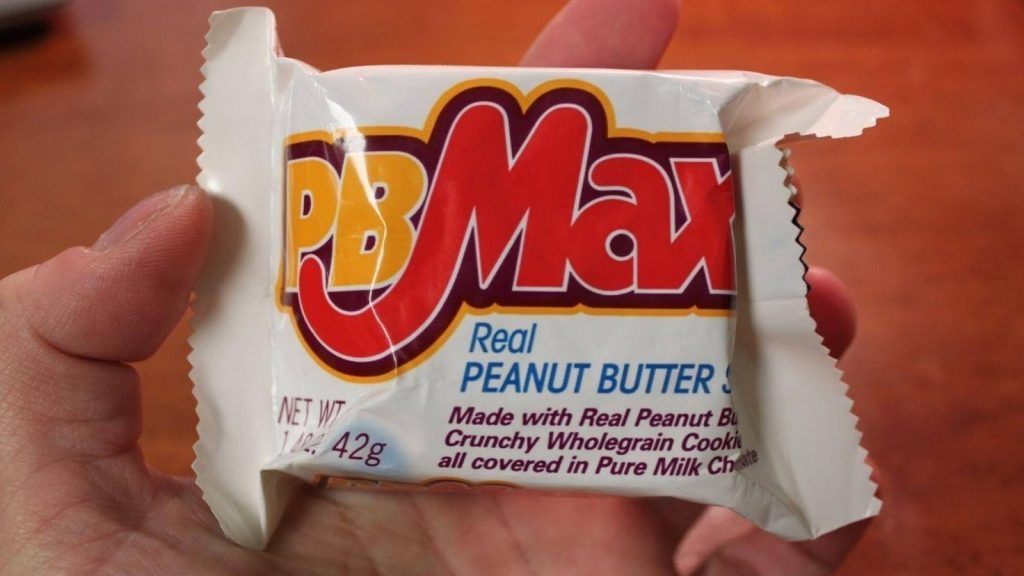
PB Max combined a crunchy cookie base, a thick layer of peanut butter and a milk chocolate coating, hitting shelves around the late 1980s. It built a strong cult following, yet Mars pulled it in the mid 1990s as it restructured its portfolio and moved away from some secondary brands. The company has never confirmed a single clear reason, which only fuels its nostalgic status.
Seven Up Bar
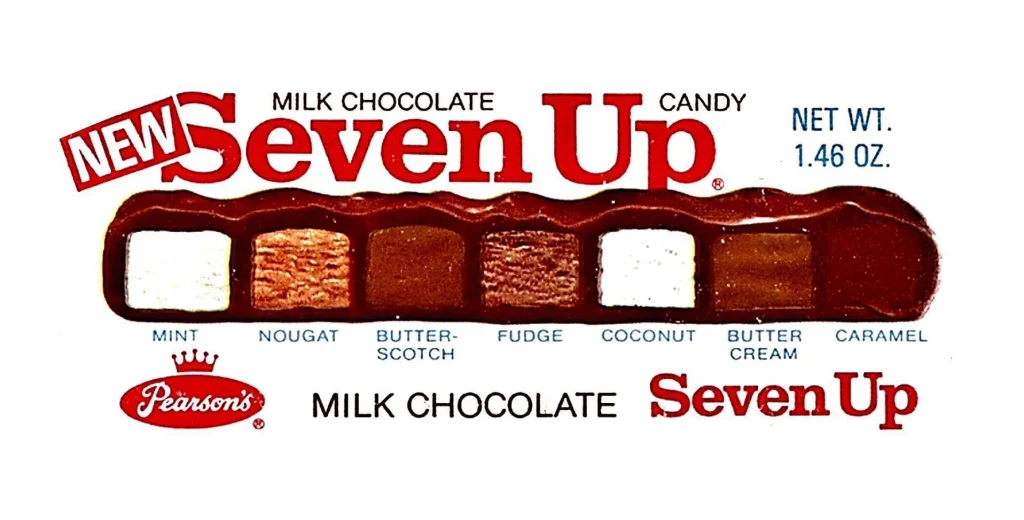
The Seven Up Bar was a segmented milk chocolate bar, each section filled with a different flavor such as mint, nougat, butterscotch or caramel. First produced in the 1930s, it offered a sampler experience long before variety packs became common. It was discontinued in the late 1970s, with trademark issues and shifting production priorities often cited as likely reasons.
Milkshake Bar
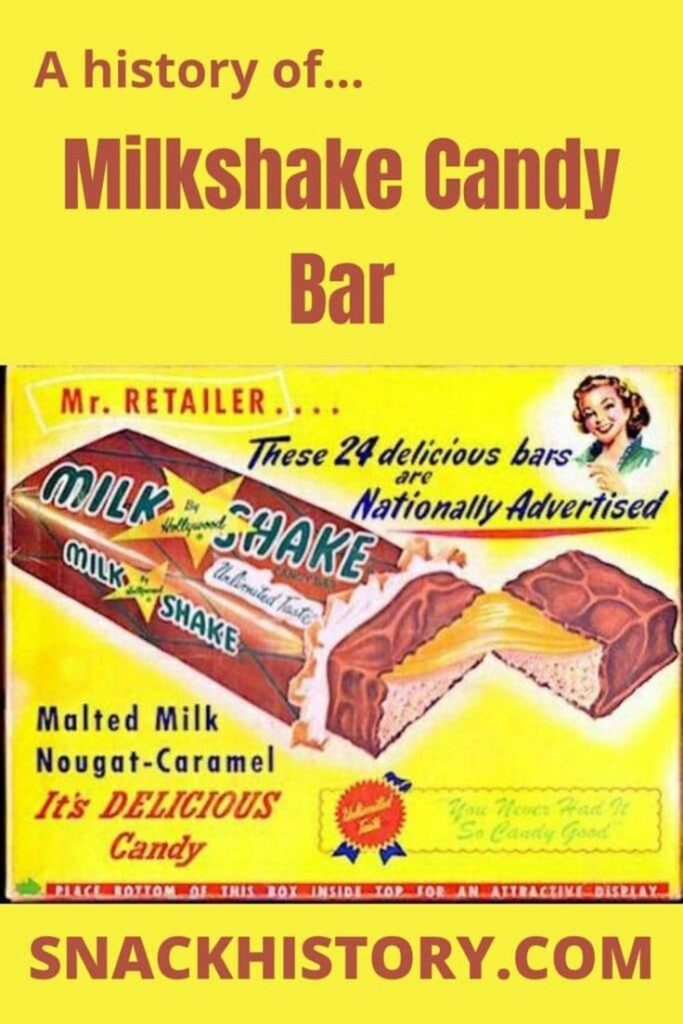
Milkshake Bars were chocolate coated bars built around a malted milk nougat meant to echo a classic soda fountain shake. Introduced in the late 1920s, they stayed on shelves for decades and became a drive in and theater staple. Corporate changes and a tightening product lineup in the 1990s eventually pushed the bar into retirement.
Reggie! Bar
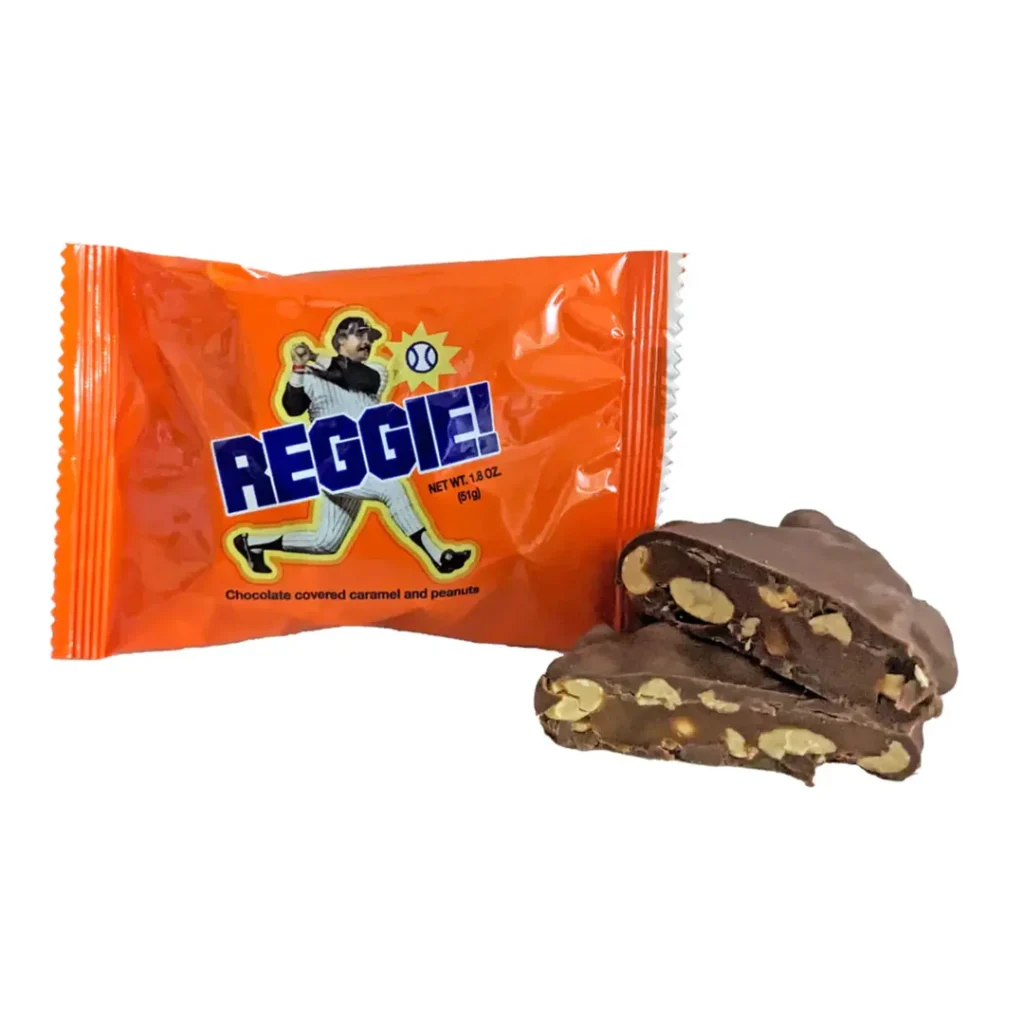
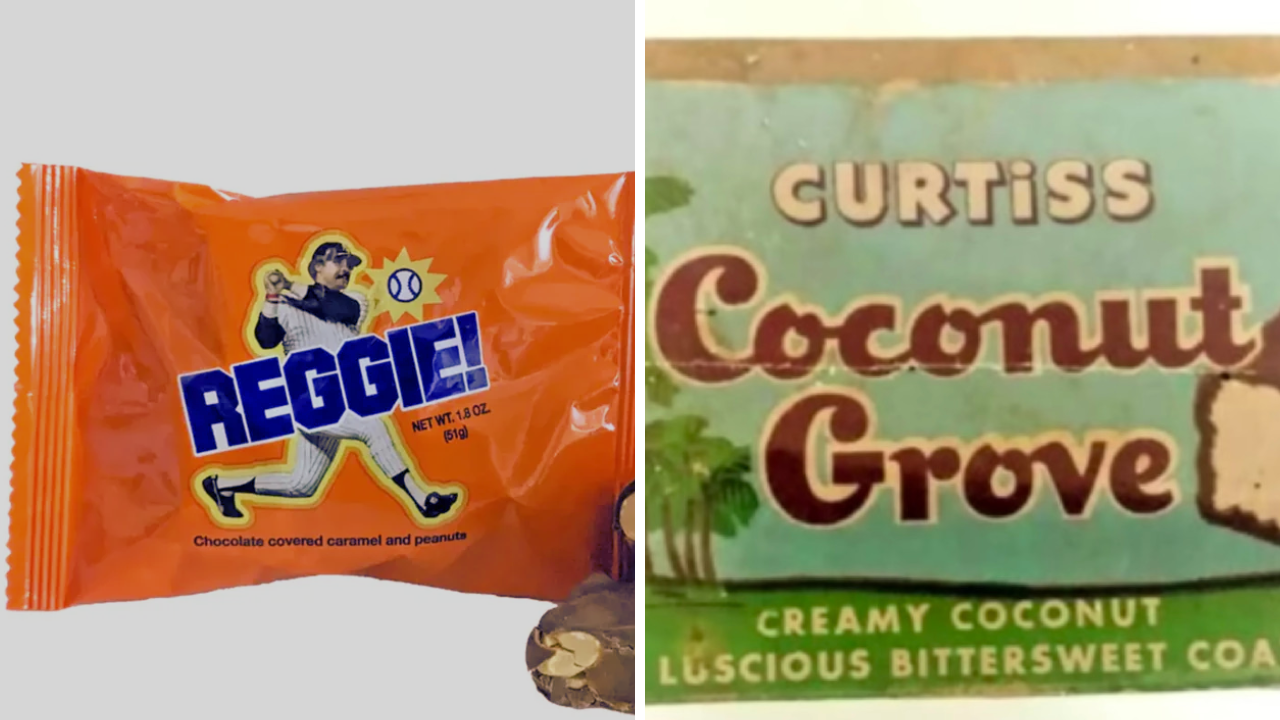
The Reggie! Bar was a round milk chocolate bar packed with peanuts and caramel, created as a tie in to baseball star Reggie Jackson in the late 1970s. It debuted at Yankee Stadium and briefly became a phenomenon, even getting tossed onto the field after big plays. Once the novelty faded and licensing heat cooled, it was quietly discontinued in the early 1980s.
Caravelle Bar
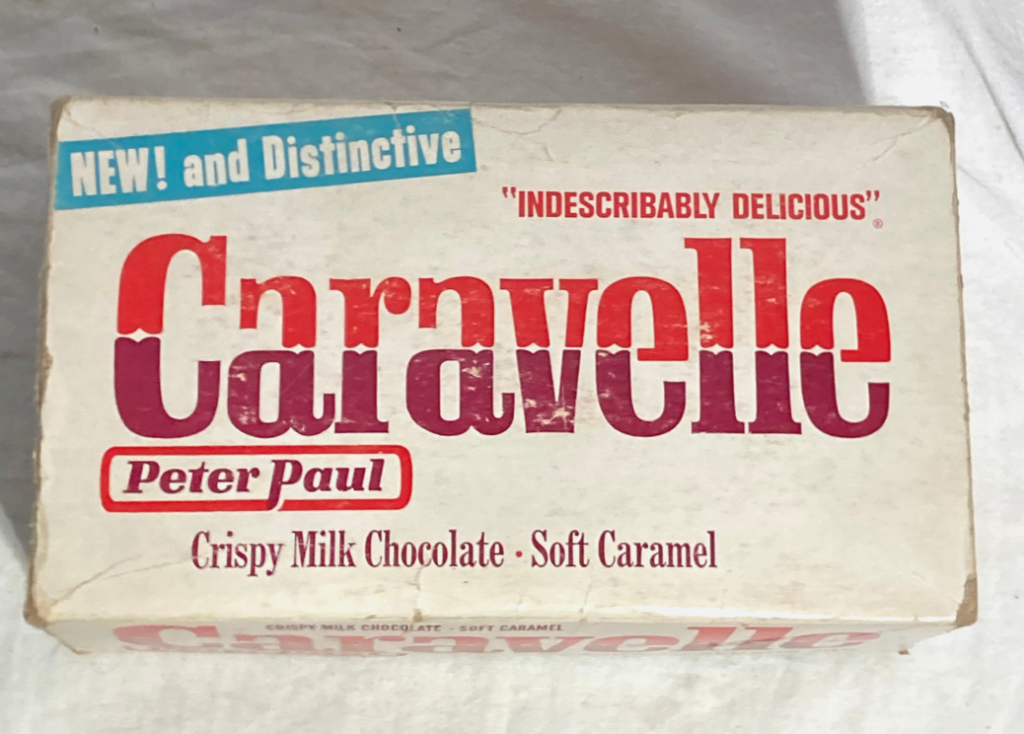
The Caravelle Bar mixed caramel and crisped rice under a milk chocolate shell, landing in a similar space to 100 Grand while keeping its own balance of texture. Sold under the Peter Paul banner, it appealed to fans who wanted something slightly less sweet. After Peter Paul brands were folded into larger portfolios in the late 1970s, Caravelle was dropped and never brought back.
Summit Cookie Bar
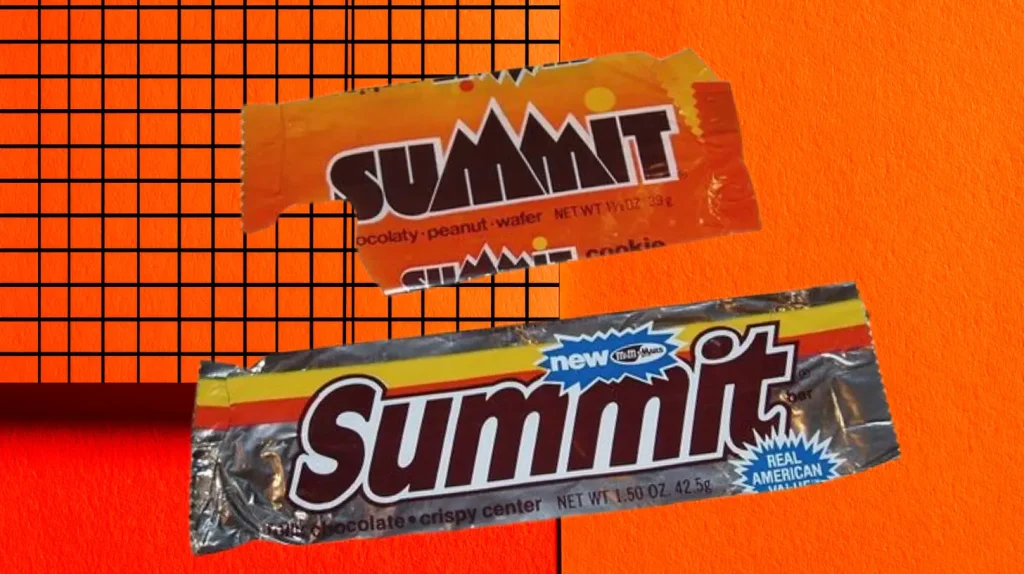
Summit was a cookie based bar that still lived in the candy section, pairing a crispy base with peanuts and chocolate. Launched in the late 1970s, it sat somewhere between Twix and a nut bar in taste and texture. It disappeared in the 1980s, reportedly because it never matched the sales of longer running staples and was more prone to breakage in transit.
Choco’Lite Bar
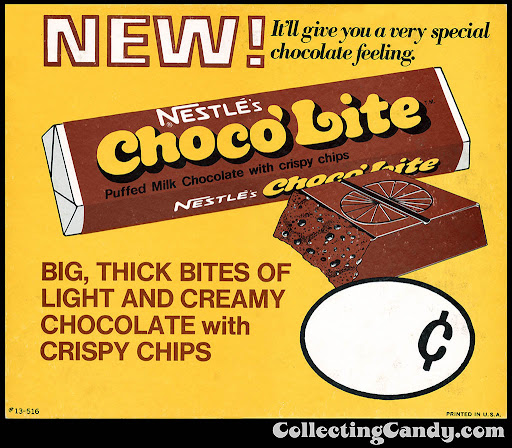
Nestlé’s Choco’Lite bar was an aerated milk chocolate bar with a bubbly structure and added crispy bits, pitched in the 1970s as a lighter chocolate option. Its airy texture made it feel different from a standard solid bar. As diet and chocolate trends shifted, Choco’Lite lost shelf space and was phased out by the early 1980s.
54321 Bar
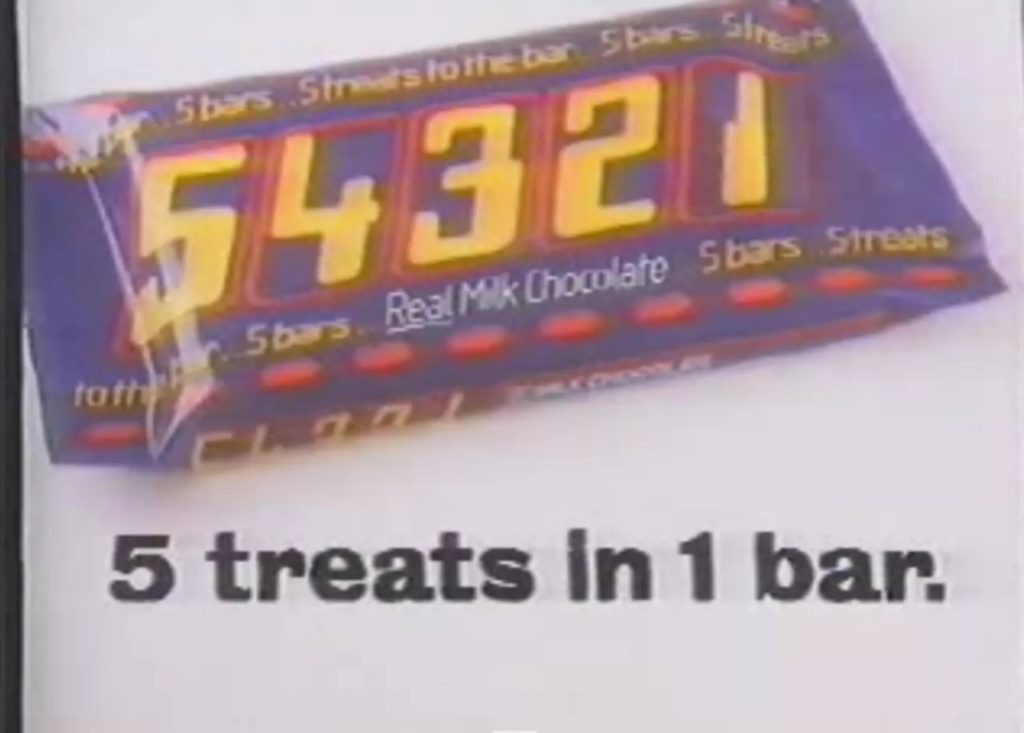
The 54321 Bar, mainly sold in the UK, stacked wafer, fondant, crisped cereal, caramel and chocolate coating into one compact bar. It was a textural experiment that gave you a bit of everything in each bite. By the end of the 1980s it had been discontinued, likely due to limited market reach and the higher production costs of such a layered design.
Nestlé Triple Decker Bar
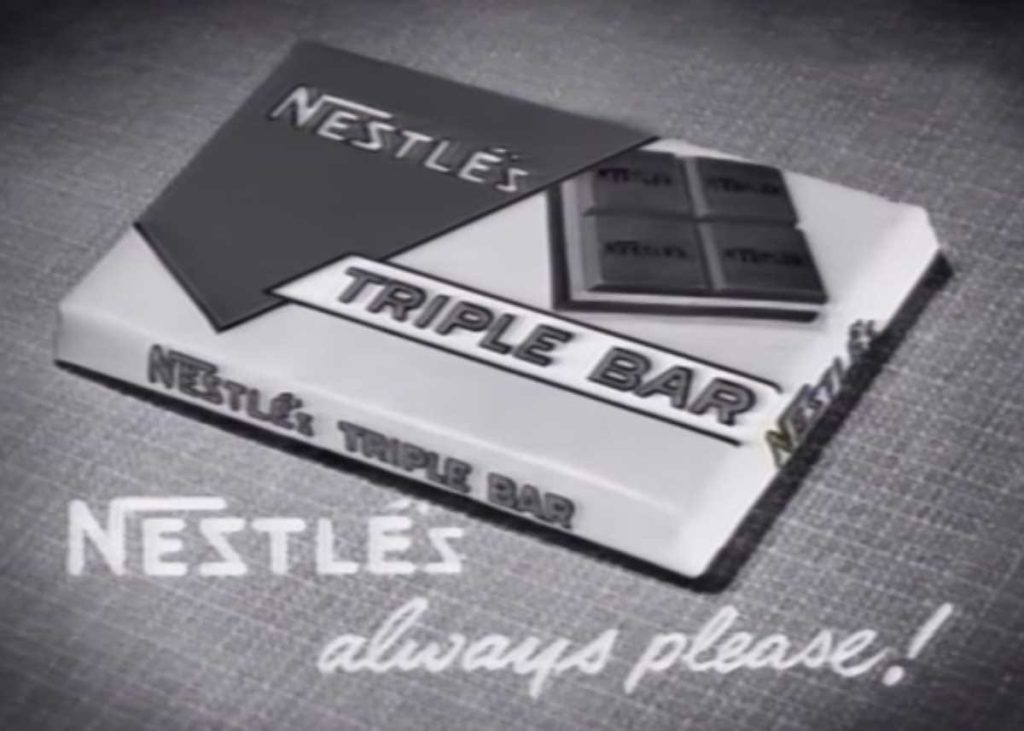
The Nestlé Triple Decker Bar arranged semi sweet chocolate on the bottom, white chocolate in the middle and milk chocolate on top. Sold from the late 1950s into the early 1970s, it stood out visually and offered three chocolate styles at once. Once dropped from the lineup, its exact format was not widely copied, probably because it was more complex to manufacture than simpler bars.
Bar None
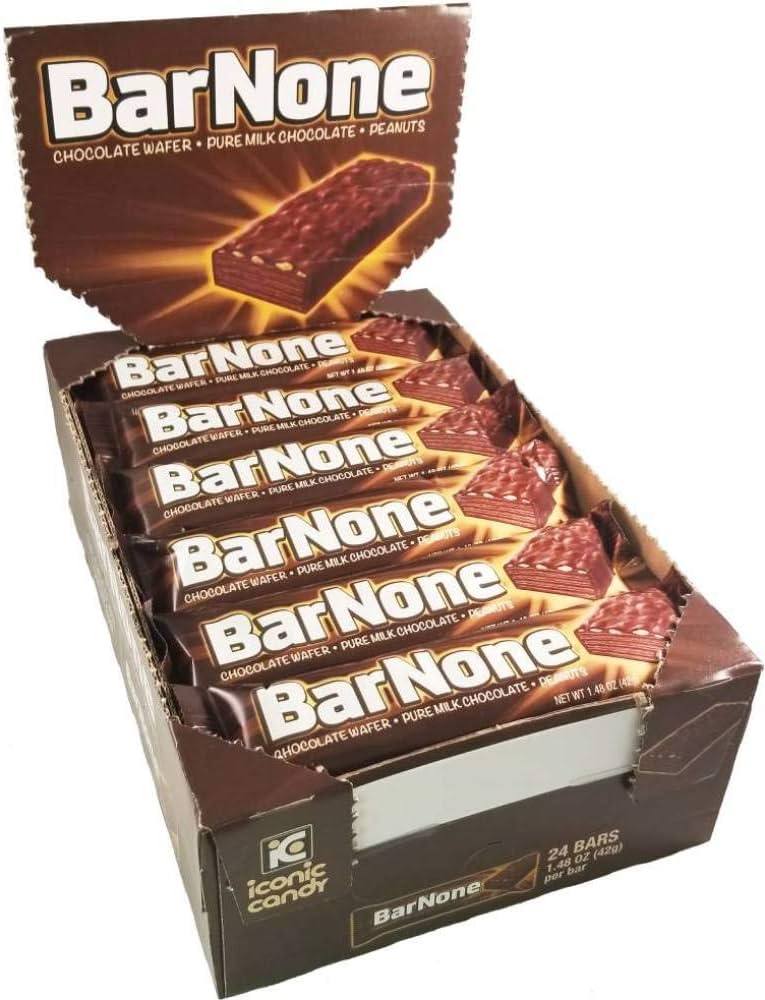
Bar None was Hershey’s entry into the fully loaded wafer category, stacking chocolate wafers, chocolate cream and peanuts under a thick milk chocolate coating. Introduced in the late 1980s, it attracted chocolate fans but never reached the ubiquity of some rivals. It was reformulated in the 1990s and eventually discontinued as Hershey streamlined its brands and focused on top sellers.
Kudos Bars
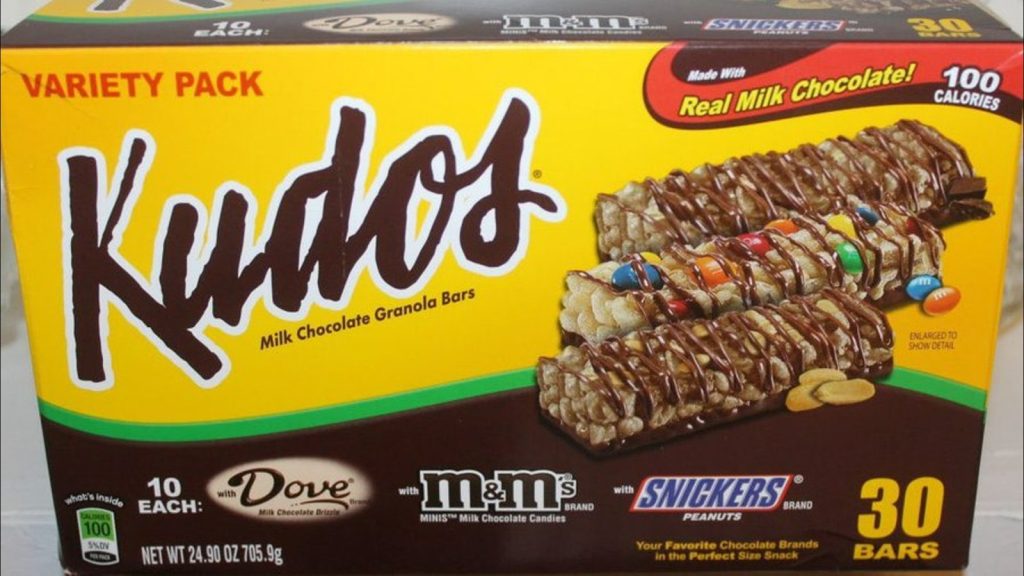
Kudos Bars sat between snack bar and candy bar, combining granola with a chocolate coating and mix ins like M&M’s. They were a hit in the 1990s and early 2000s, especially in lunchboxes and office snack drawers. As the snack aisle shifted toward high protein and energy bars, Kudos lost ground and was discontinued in the mid 2010s.
Chicken Dinner Bar
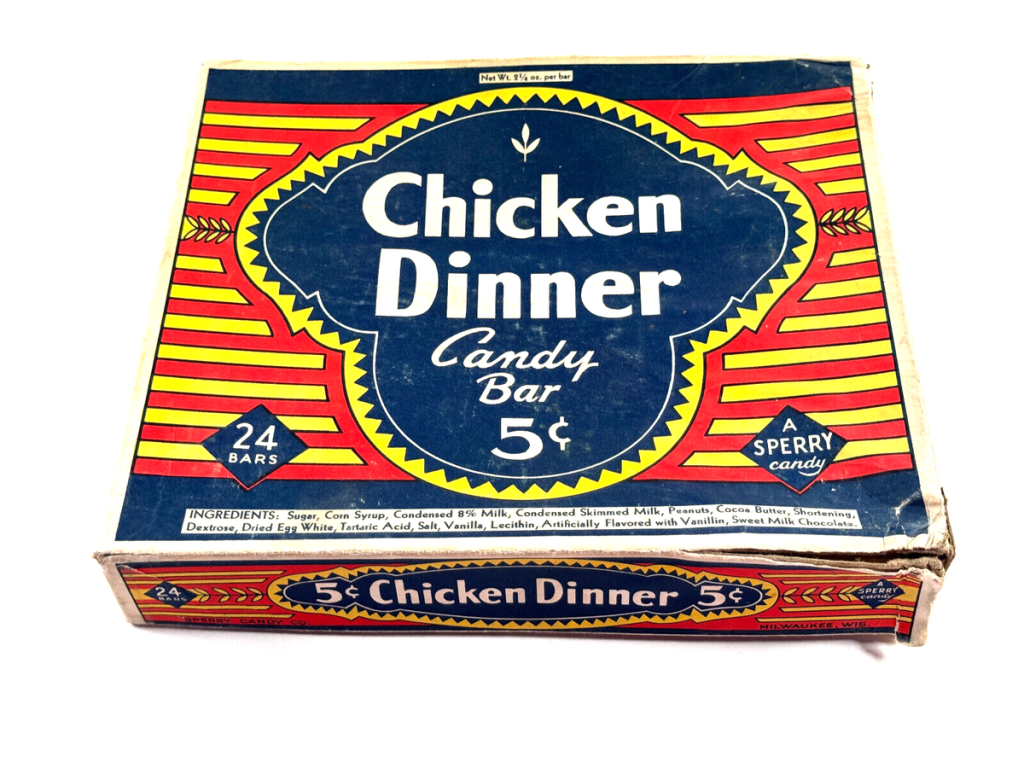
The Chicken Dinner bar, launched in the 1920s, was actually a chocolate covered nut roll whose provocative name promised a hearty treat. Promotional trucks once handed it out in Midwestern cities and the branding leaned on the idea of a full meal in candy form. It was discontinued in the 1960s as consumers gravitated toward clearer, more modern names and bigger national brands.
No Jelly Peanut Butter Bar
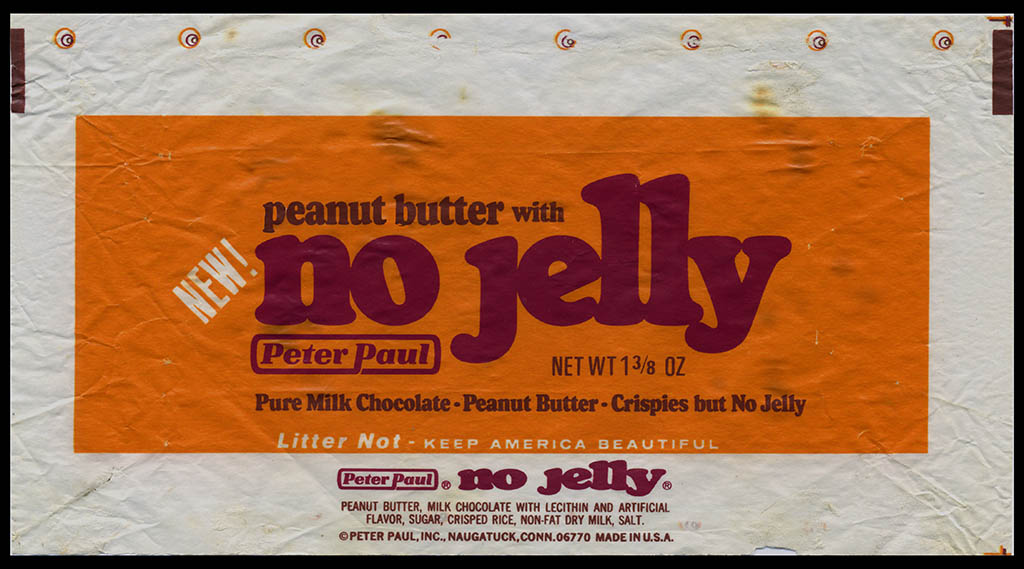
Peter Paul’s No Jelly bar put peanut butter and crisped rice under a chocolate coating, declaring that peanut butter did not need jelly at all. Later packaging used the more literal Peanut Butter Bar name, but the idea remained the same. It vanished in the late 1970s when the company shifted attention to strong performers like Mounds and Almond Joy and trimmed less prominent lines.
Ruth’s Home Run
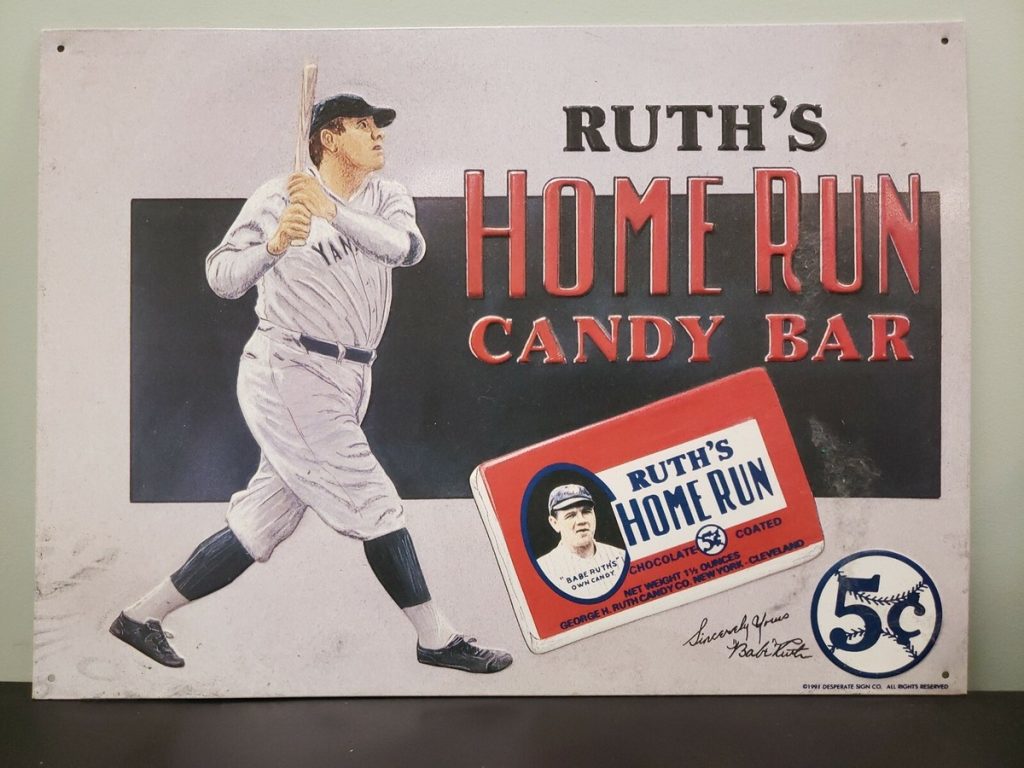
Ruth’s Home Run was a baseball themed candy bar licensed directly to Babe Ruth in the late 1920s. It entered a crowded field of sports tie ins and inevitably drew comparisons to the already established Baby Ruth bar. Legal pressure and branding confusion kept it from expanding, and it faded out before mid century without a modern reboot.
Whiz Bar
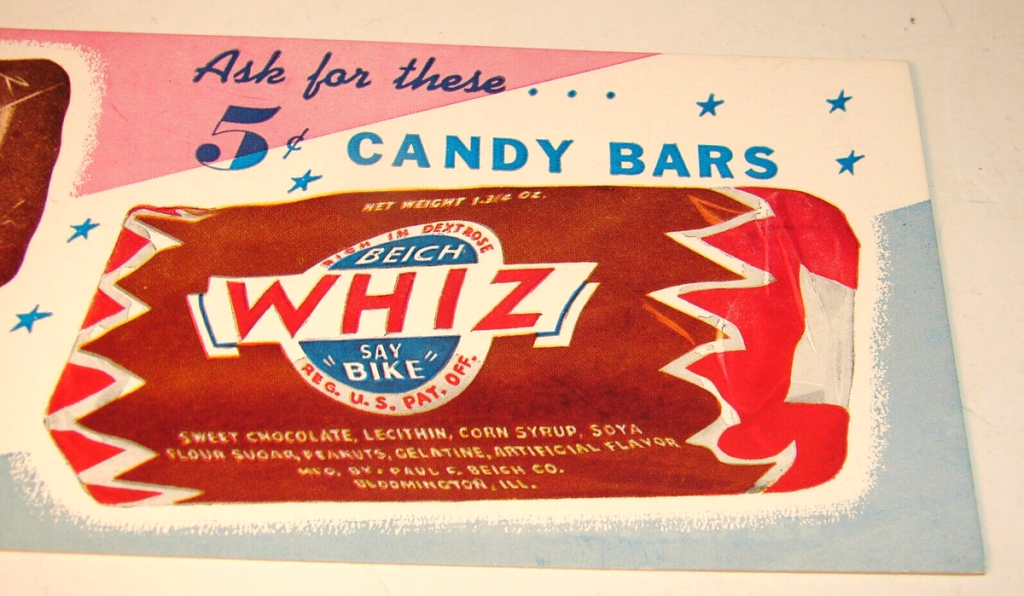
The Whiz Bar was an early twentieth century chocolate bar often described in old sources as a straightforward chocolate and nougat combination. It never managed to gain the name recognition of larger national brands that emerged later. As the industry consolidated, Whiz lost distribution and quietly disappeared from store shelves.
J.S. Fry & Sons First Chocolate Bar
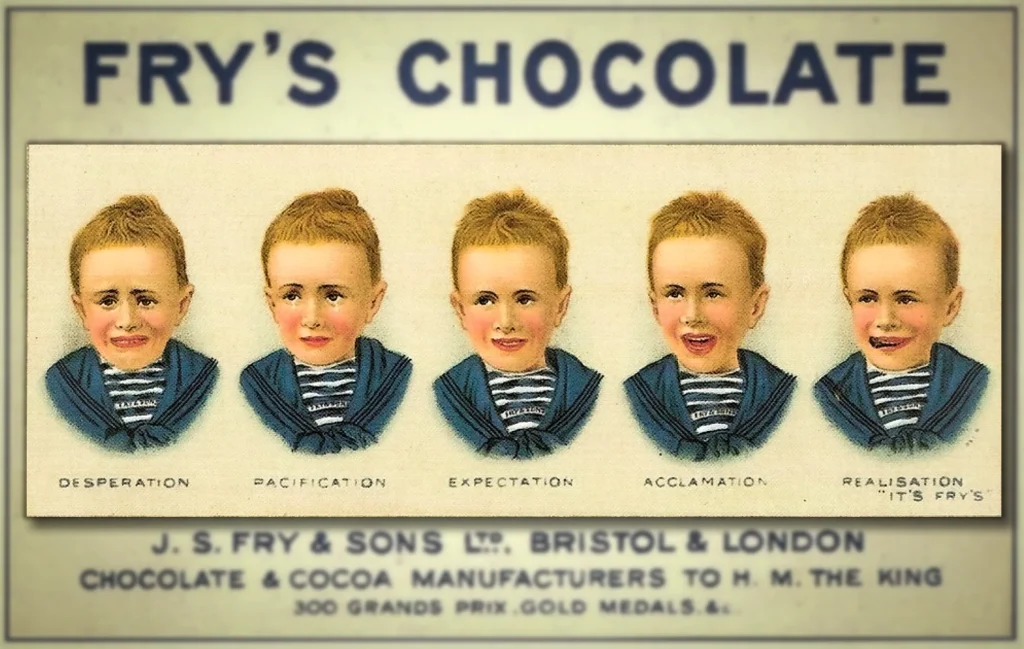
J.S. Fry & Sons produced what many historians regard as the first modern chocolate bar in the mid nineteenth century, pressing cocoa, sugar and fat into a solid format. That original bar does not exist as a stand alone product anymore, even though the Fry name later continued under bigger companies. It was effectively replaced as recipes evolved and new branded bars took center stage.
Coconut Grove Bar
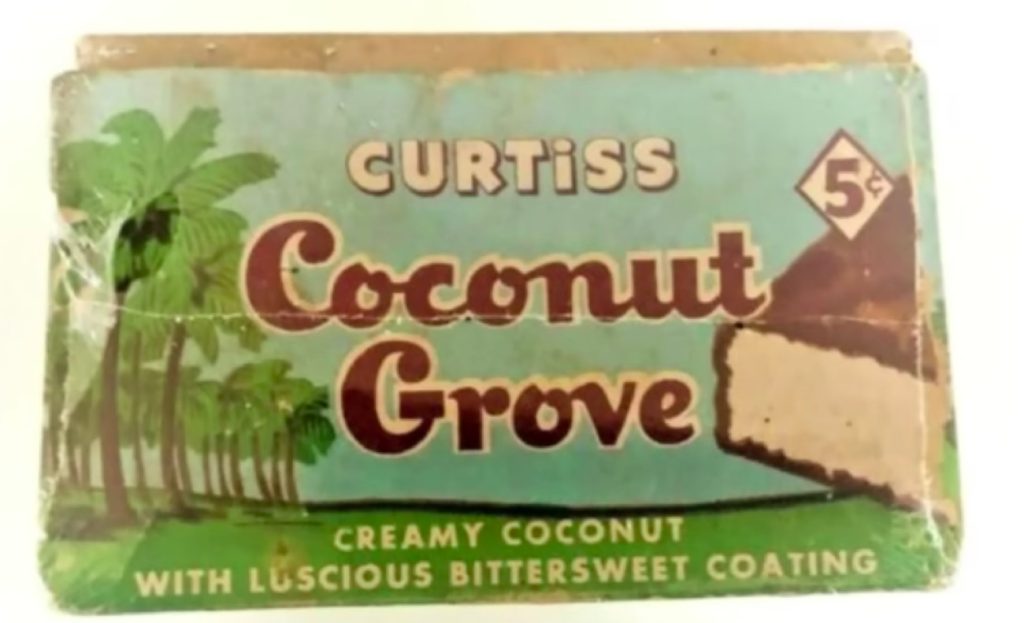
The Coconut Grove bar shows up in lists of early coconut and chocolate combinations from the first half of the twentieth century. It likely shared shelf space with other regional brands before national players dominated the category. As larger companies expanded their own coconut bars, Coconut Grove was dropped and largely forgotten outside of candy history roundups.
Fry’s Five Centre Bar
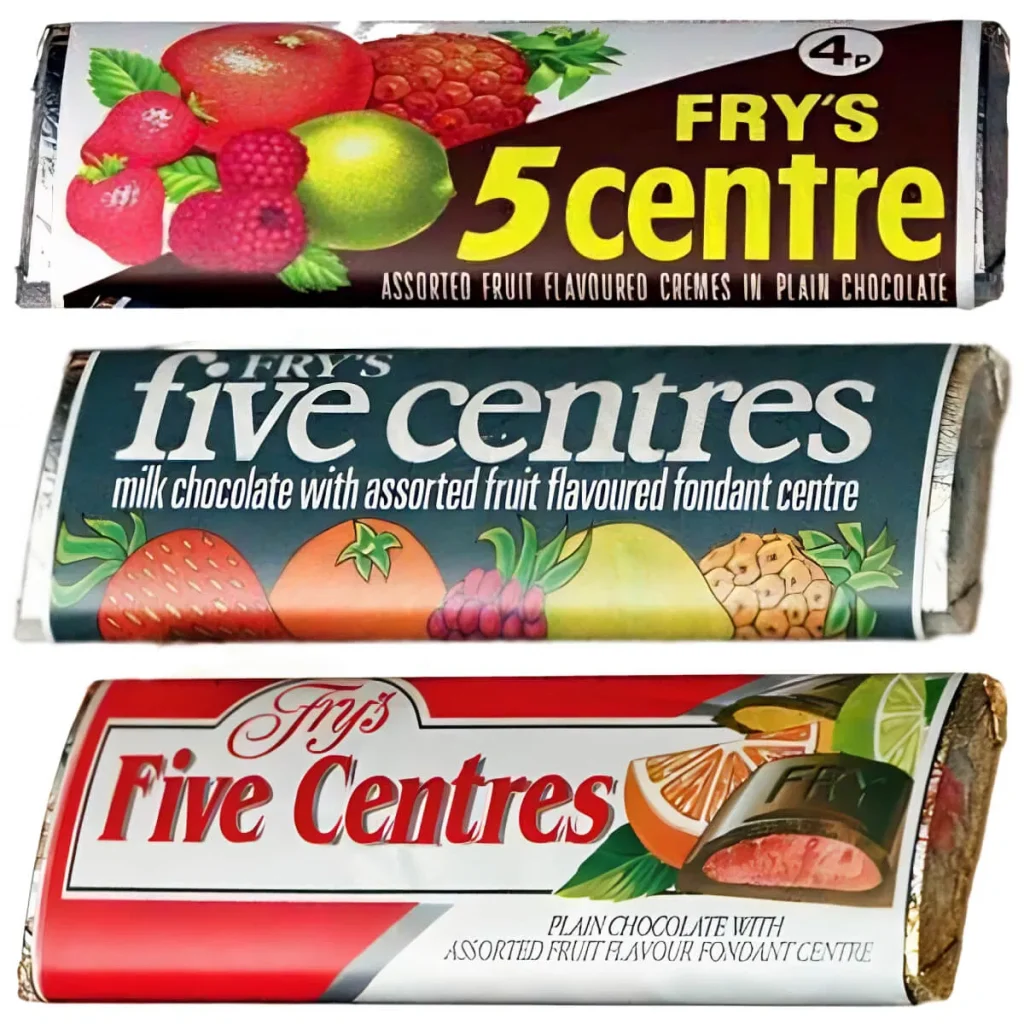
Fry’s Five Centre put five different fondant flavors into one dark chocolate bar, expanding on the idea of variety inside a single wrapper. Sold mainly in the UK and parts of Europe, it built a steady, if modest, following. It was discontinued in the 1990s as the range was simplified and attention shifted to Fry’s core cream bars.
Tiffin Bar
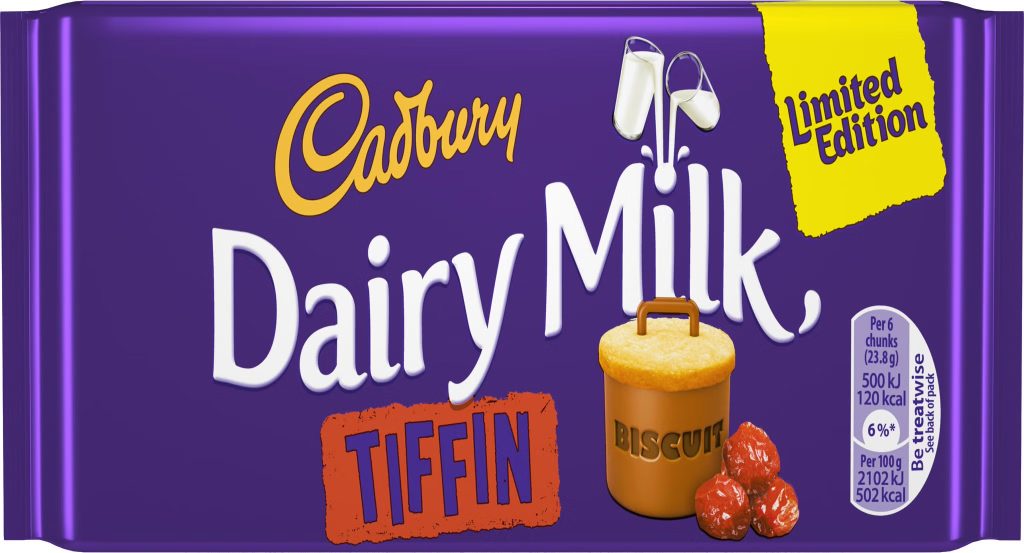
Tiffin bars combined milk chocolate with biscuit pieces and raisins, echoing the homemade chocolate tiffin tray bake. Cadbury has used the Tiffin name in various forms over the years, but the original bar format has not stayed consistently on shelves. Periodic pruning of slower lines and changing regional portfolios have kept it in the discontinued column for long stretches at a time.
Rumba Bar
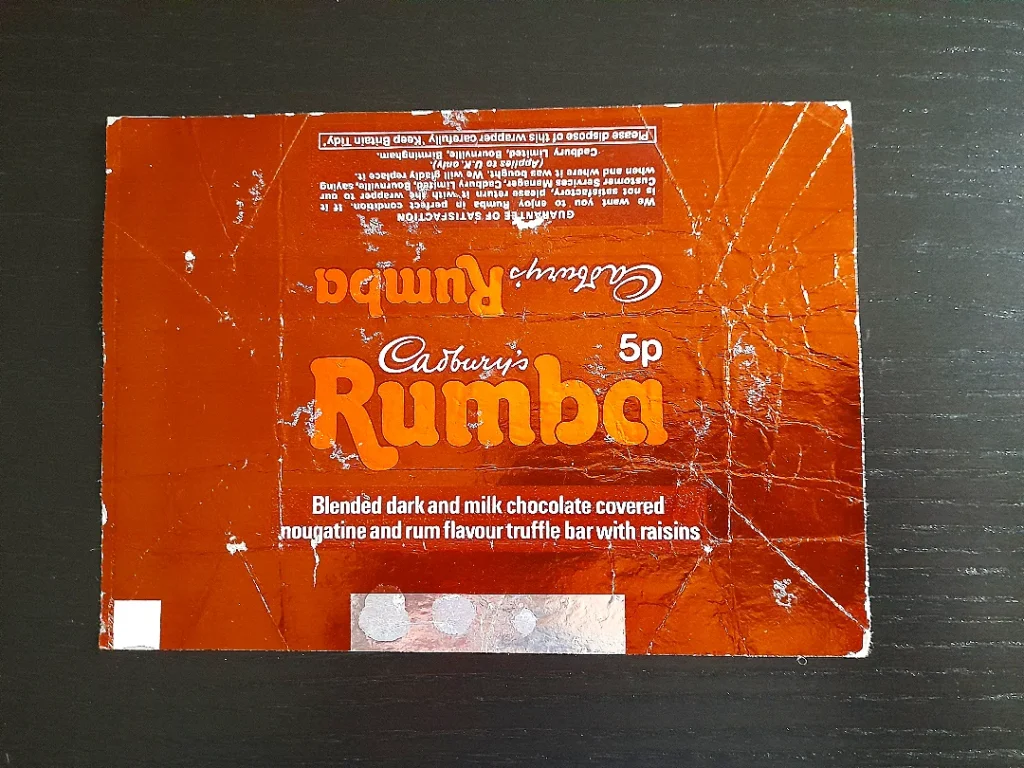
The Rumba bar appears in records as a short lived chocolate bar from the 1970s that leaned on dance themed branding. It is usually grouped with nut and caramel based bars of the era, although details on its exact recipe are limited. Its brief lifespan suggests it never gained enough distribution or recognition to survive in a crowded chocolate market.
Drifter Bar
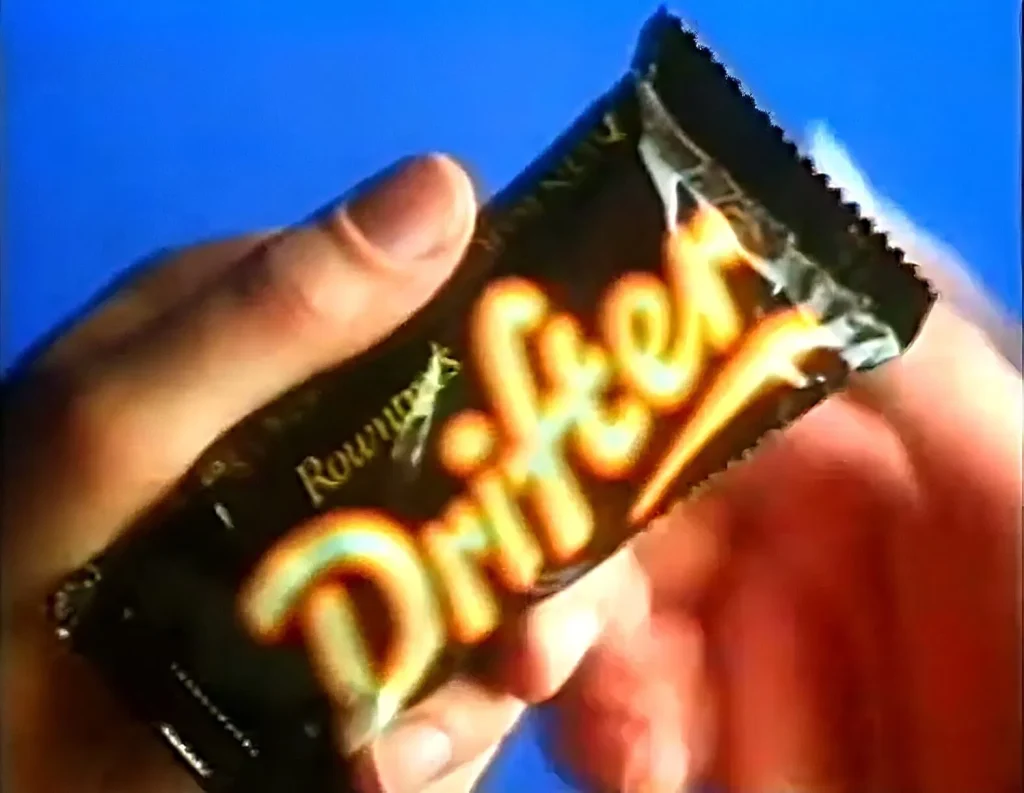
Drifter was a wafer and caramel bar covered in chocolate, introduced in the UK under the Rowntree name and later owned by Nestlé. It was removed from sale in 2007, brought back briefly and then discontinued again in 2018 as manufacturers cited changing consumer tastes. That stop start history keeps it prominent on lists of British bars people would like to see return.
Texan Bar
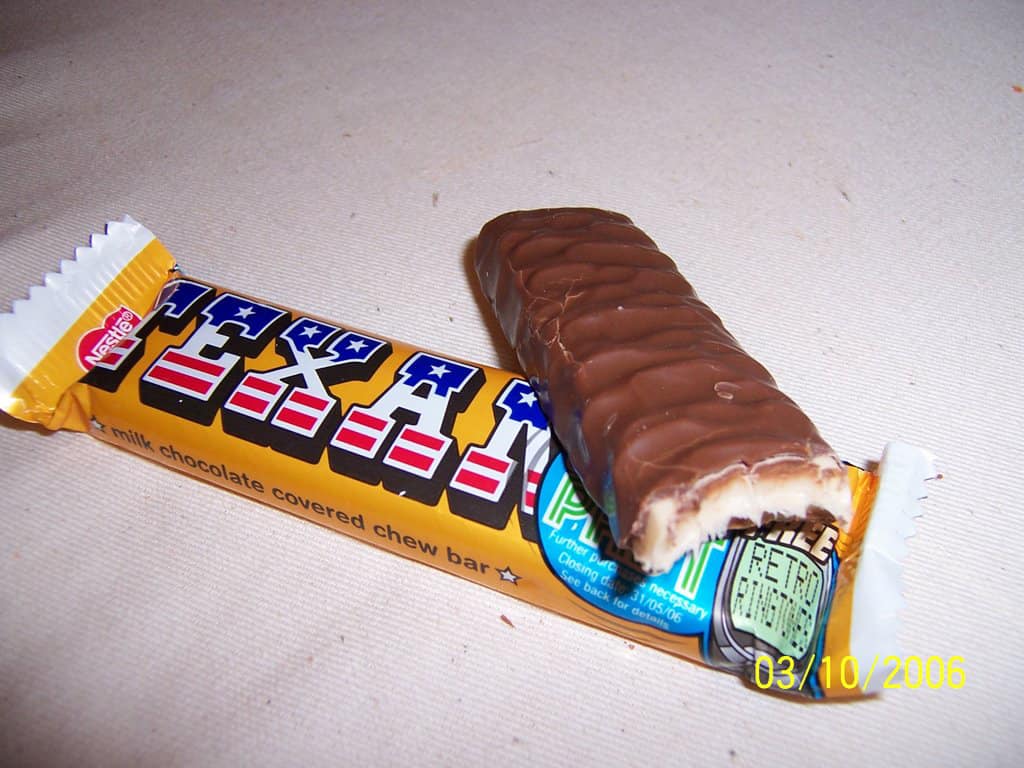
The Texan bar, once sold by Rowntree, was a chewy nougat and caramel bar coated in chocolate and dressed in Western imagery. It developed a reputation for being particularly tough to bite and long lasting, which advertising played up as a feature. It was discontinued in the 1980s, with only a short nostalgia run later on before disappearing again.
Mars Delight
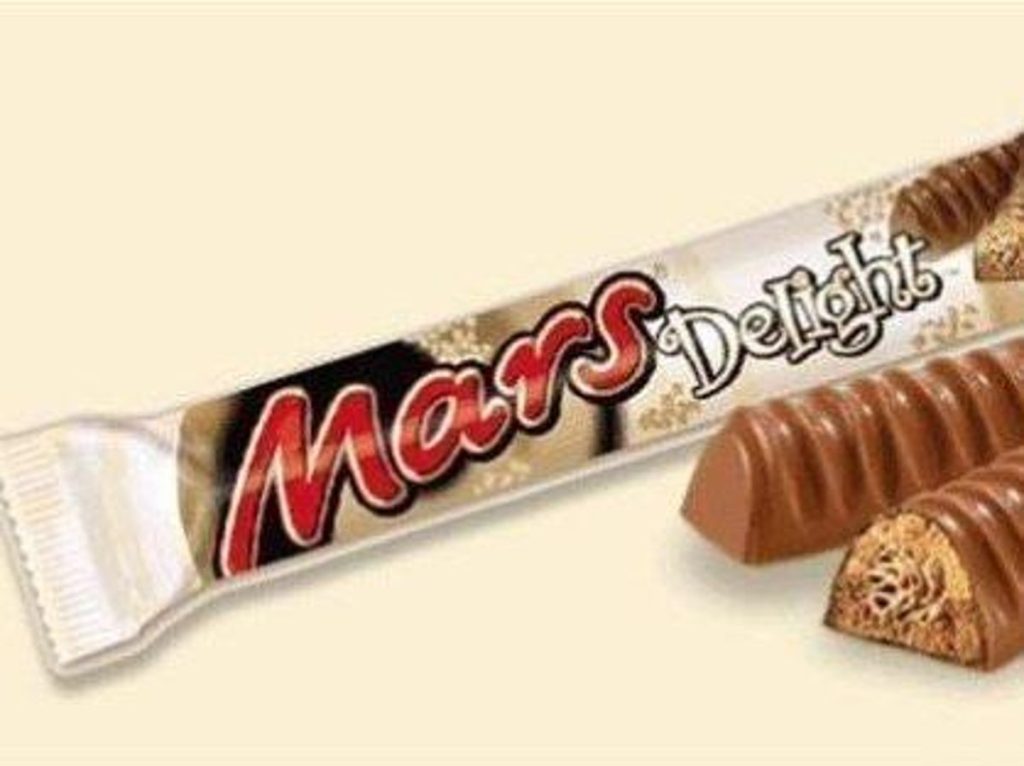
Mars Delight was a lighter, layered twist on the classic Mars bar, adding wafer and cream elements inside a thinner chocolate shell. Aimed more at people looking for a delicate treat than a dense energy hit, it had a strong run in parts of Europe in the 2000s. The bar was eventually pulled as Mars refocused on core products, despite recurring online campaigns asking for its return.
Cadbury Dream Bar
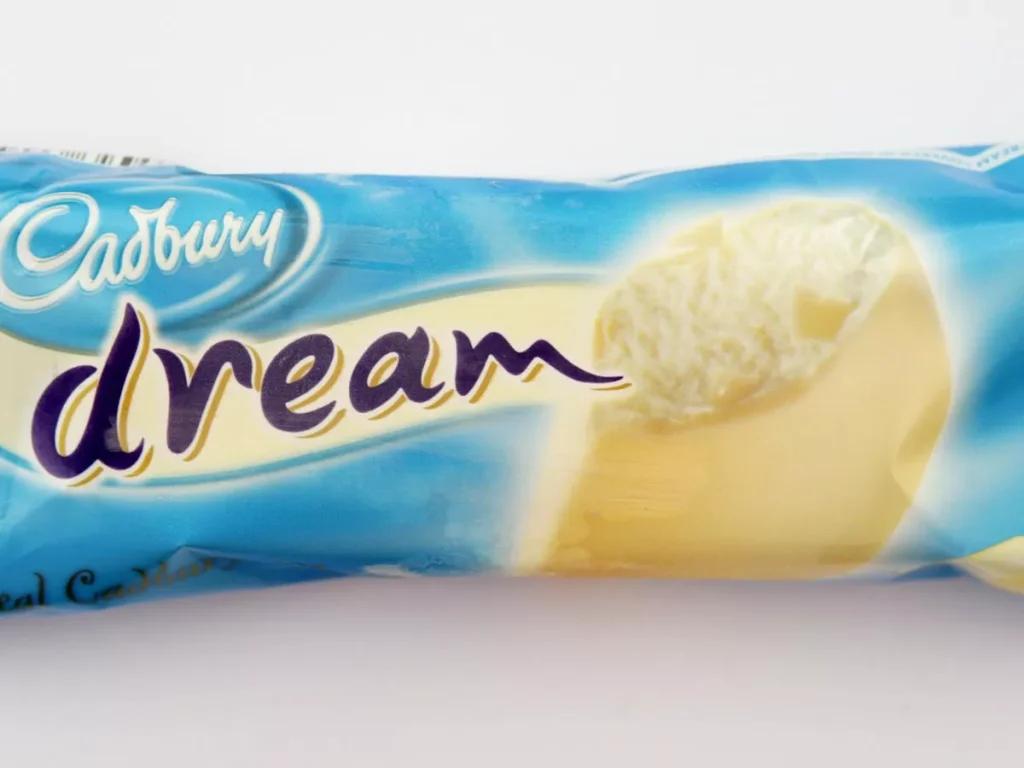
Cadbury Dream was a smooth white chocolate bar launched in markets such as the UK and Australia as a rival to Milkybar in bar form. It attracted fans who preferred white chocolate over milk or dark and stood out on shelves for its pale color. Over time, distribution shrank and it was removed from several regions, surviving mainly through limited releases and imported stock.
Milky Way Crispy Rolls
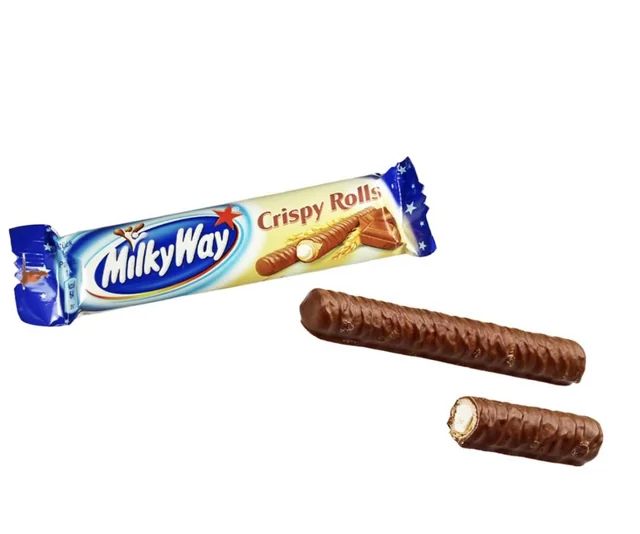
Milky Way Crispy Rolls featured light Milky Way style filling wrapped in crisp wafer tubes and coated in chocolate. For many people they occupied the space between a biscuit and a candy bar and became a familiar lunchbox item. They were discontinued in some markets, then brought back in limited runs, which means they spent years effectively off shelves and firmly in the nostalgia category.
Hickory Farms Chocolate Bars
Hickory Farms once sold branded chocolate bars alongside its meats and cheeses in mall shops, and for some families they became a seasonal candy bar tradition. The bars came in several flavors and were often picked up as part of holiday gift sets. As the company shifted its focus to savory items and many mall locations closed, the chocolate bars were phased out and have not been a major part of the range since.
Super Skrunch Bar
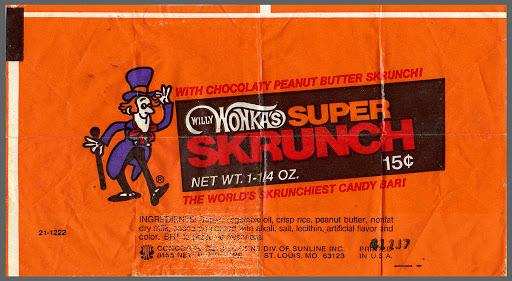
The Super Skrunch Bar was a Nestlé product sold under the Willy Wonka branding, pairing chocolate with crunchy inclusions in a playful format. It fit into a wider Wonka line that experimented with flavors and textures in the 1970s and 1980s. When the Wonka brand was scaled back and later retired in many markets, Super Skrunch was one of the bars that did not make the cut.
Wonka Bar
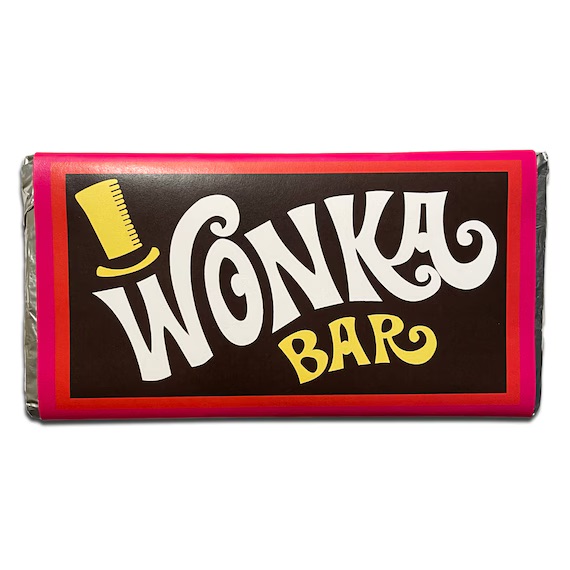
The Wonka Bar translated the fictional chocolate bar from Charlie and the Chocolate Factory into a real product, most recently under Nestlé’s Wonka line. Different versions appeared over the years, often tied to film releases and special promotions, but the core bar eventually disappeared when the Wonka branding was wound down. Its mix of literary origin, movie tie ins and real world chocolate makes it one of the most emotionally charged discontinued candy bars for many fans.