It’s one thing to read about the events in the Bible. But it’s a whole different feeling when archaeologists uncover actual items, ruins, or inscriptions that match those ancient words. Over the years, scientists, historians, and even curious adventurers have dug deep, literally, and discovered evidence that links the Bible to real places, people, and moments in time. Some of these finds are dramatic, some are tiny, and a few sparked massive debates in both religious and academic circles. Whether you’re a believer, a history lover, or just obsessed with cool ancient stuff, these discoveries might just blow your mind.
The Dead Sea Scrolls
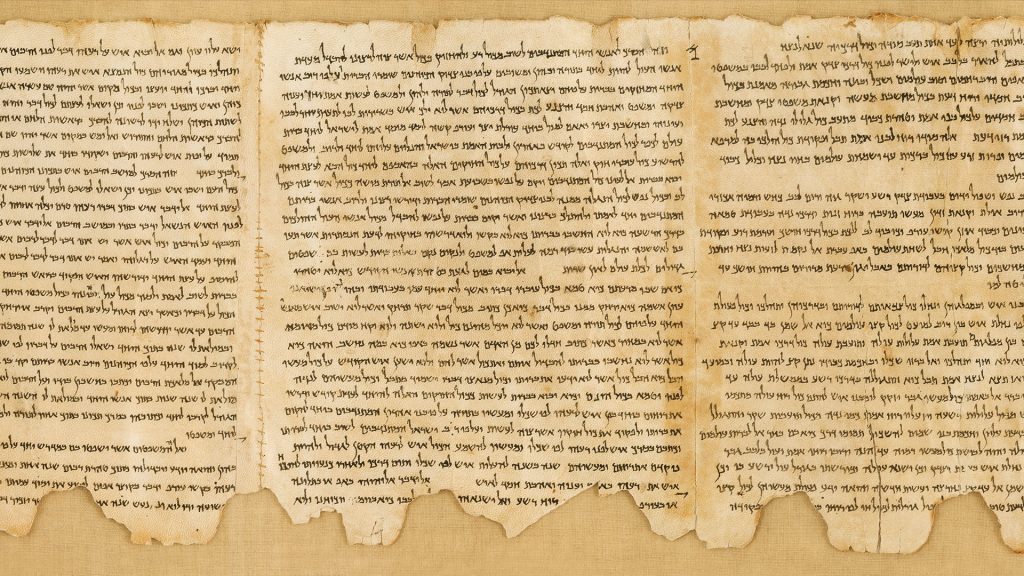
Discovered in 1947 in caves near Qumran, these ancient scrolls contain some of the oldest known texts of the Hebrew Bible. They include parts of every Old Testament book except Esther. Dating back to as early as 300 BCE, they revolutionized biblical scholarship. Some even call them the greatest manuscript find of the 20th century.
The Tel Dan Stele
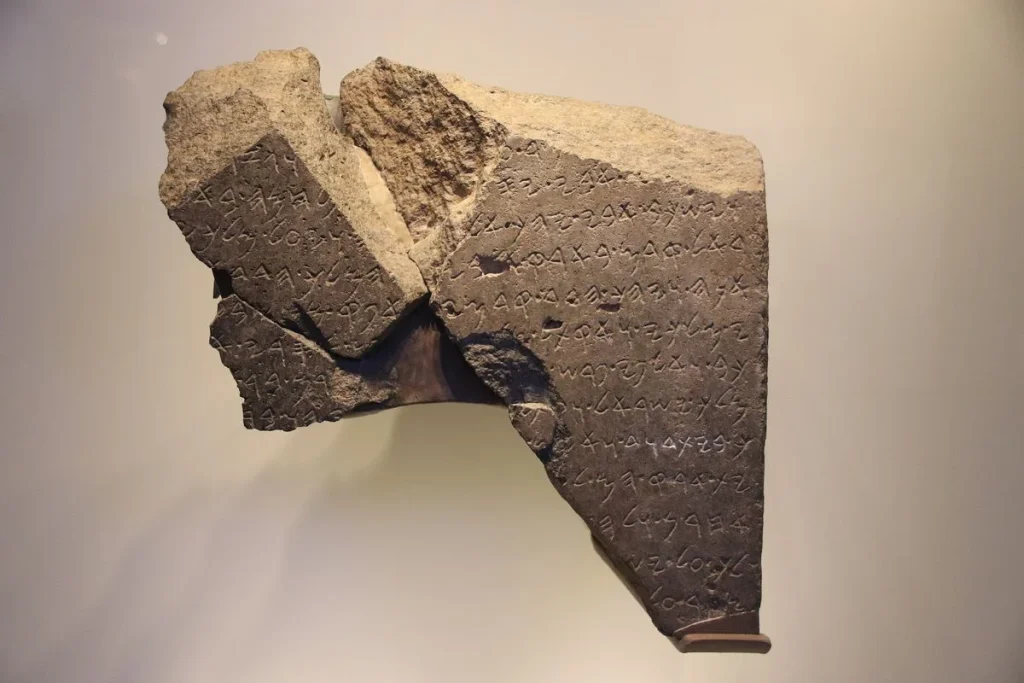
Found in northern Israel in 1993, this black basalt stone bears the first known historical mention of the “House of David.” It references a king from the line of David, supporting the biblical claim that King David was a real person. Before its discovery, many scholars thought David was just a myth. The stone dates to the 9th century BCE.
The Pool of Siloam
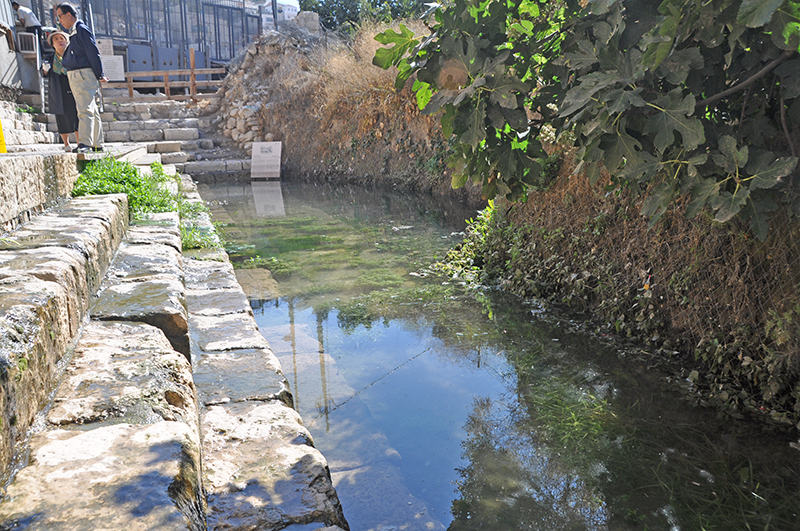
Mentioned in the Gospel of John, this pool was where Jesus healed a blind man. Excavated in Jerusalem in 2004, it matched the Bible’s description and layout. Coins found in the ruins date it to the time of Jesus. It’s one of the most visually striking New Testament-era discoveries.
The Pilate Stone
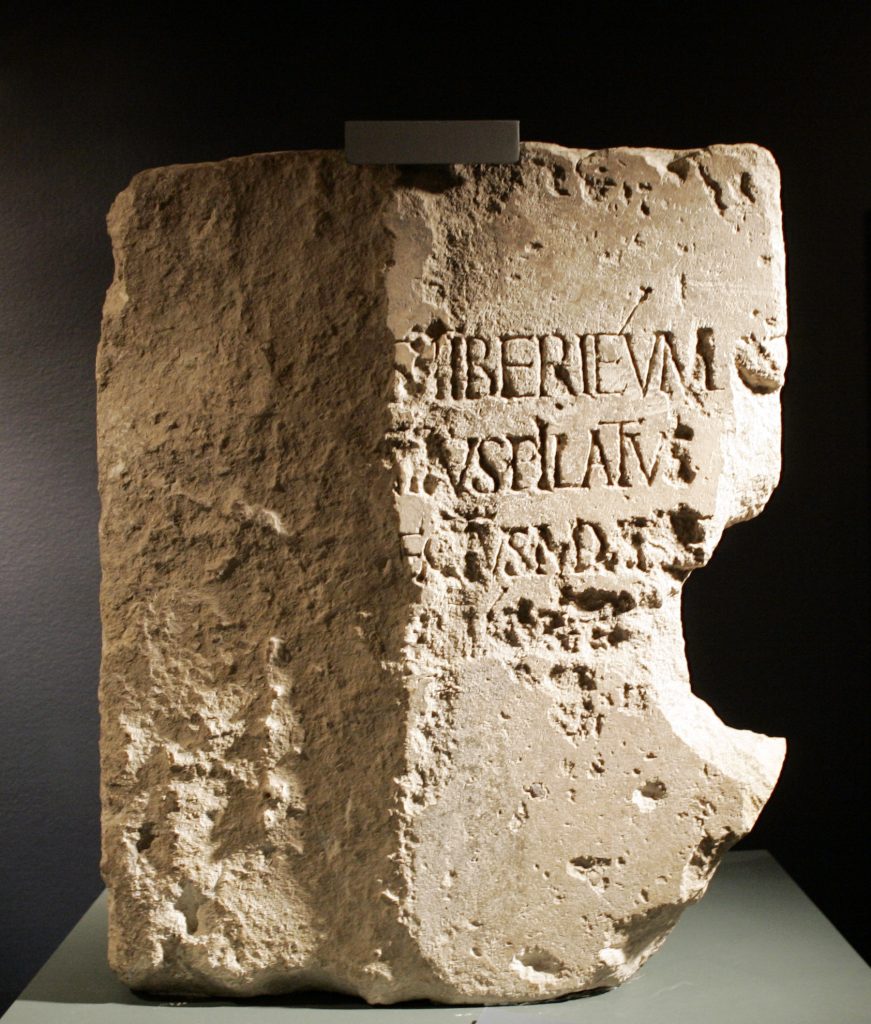
This limestone block was found in 1961 in Caesarea Maritima and is inscribed with the name “Pontius Pilate.” It confirms that Pilate was indeed a real Roman official in Judea, as the Gospels state. Until then, there was no archaeological proof he existed. It’s a major link between the Bible and Roman history.
The Hezekiah’s Tunnel
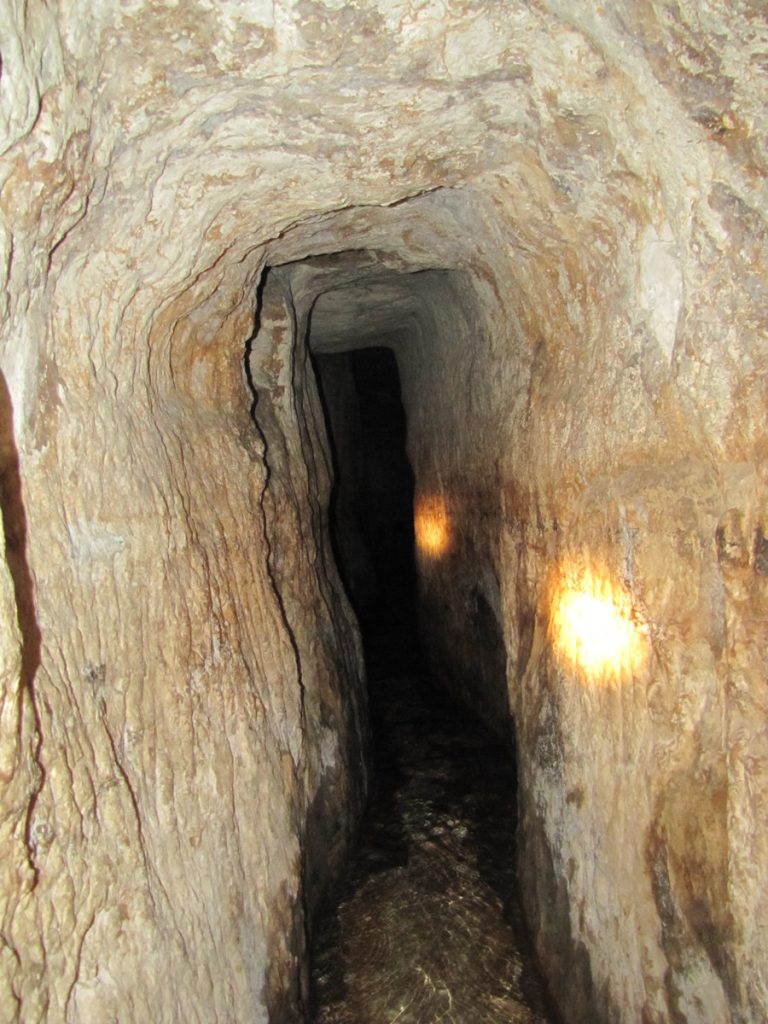
This 1,750-foot-long tunnel was carved through solid rock under Jerusalem around 700 BCE. It’s mentioned in 2 Kings and 2 Chronicles and was built to protect Jerusalem’s water supply. Visitors can still walk through the water-filled tunnel today. The engineering is impressive even by modern standards.
The Mesha Stele (Moabite Stone)
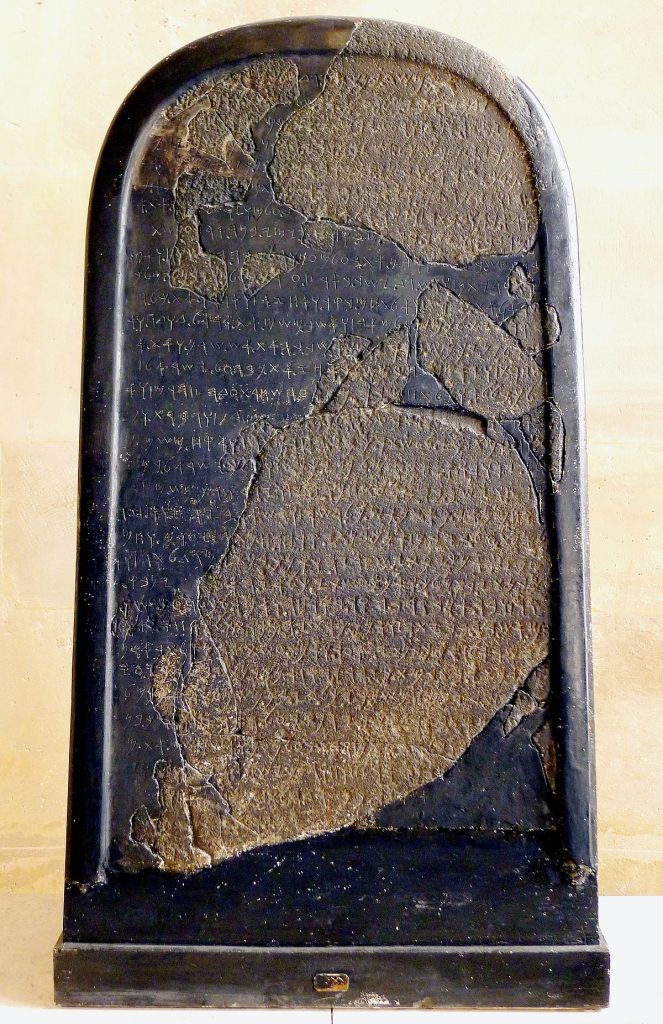
Discovered in 1868 in Jordan, this stone is inscribed by King Mesha of Moab and confirms parts of 2 Kings 3. It mentions the Israelite god Yahweh and conflicts with Israel. The text is from around 840 BCE and shows a different perspective on the same biblical events. It’s now housed in the Louvre.
The Babylonian Chronicles
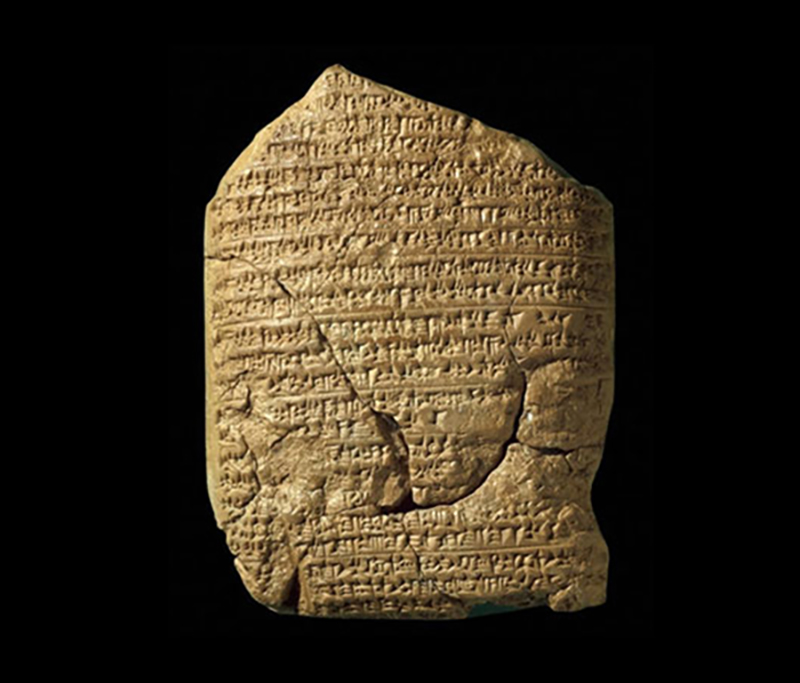
These clay tablets record the Babylonian conquest of Jerusalem, just as described in 2 Kings and Jeremiah. They even mention the capture of King Jehoiachin. Found in Babylon, they provide a secular account of biblical events. It’s a powerful match between archaeology and scripture.
The House of Peter in Capernaum
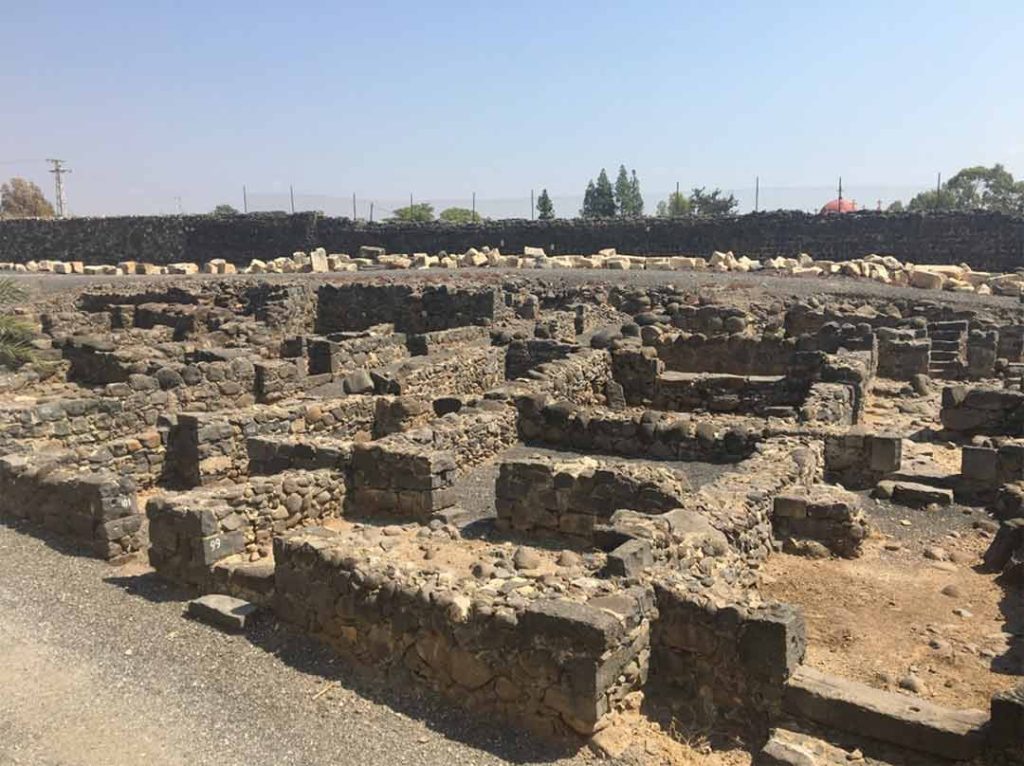
Under a church in Capernaum, archaeologists found a home believed to be Peter’s—the disciple. Graffiti on the walls mentioned Jesus, and the layout fits early Christian worship practices. The site became a pilgrimage destination by the 4th century. It’s one of the earliest known Christian house churches.
The Silver Scrolls
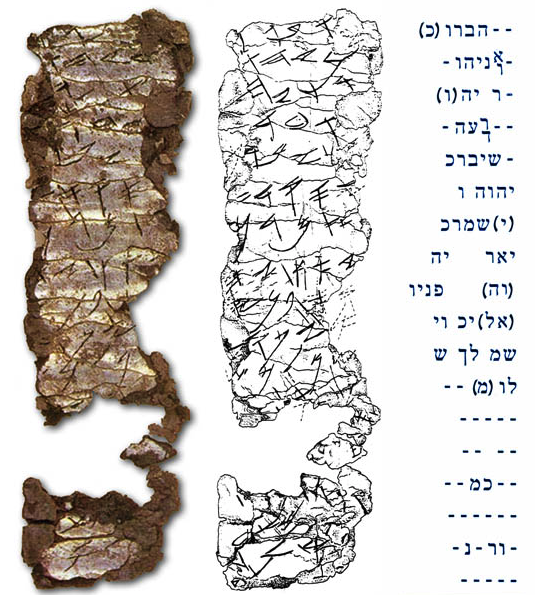
Found in a Jerusalem burial cave in 1979, these tiny scrolls are inscribed with a priestly blessing from Numbers 6. They date back to the 7th century BCE—making them the oldest known pieces of biblical text. The scrolls predate the Dead Sea Scrolls by about 400 years. They’re so small they were initially overlooked.
The Lachish Letters
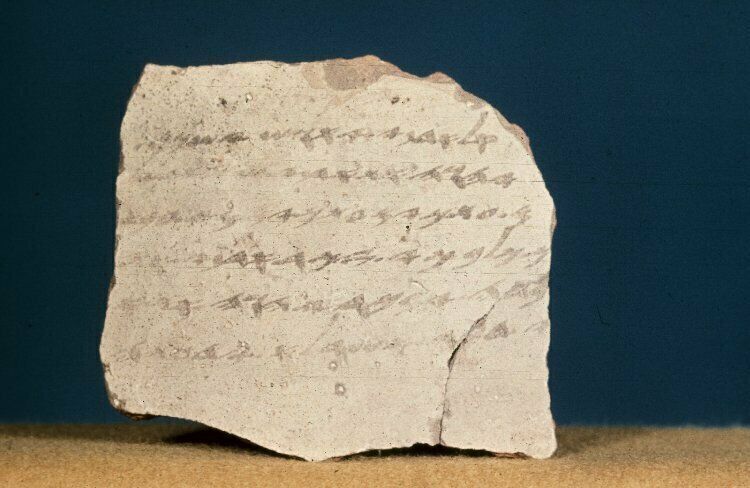
These clay tablets from the 6th century BCE were discovered in southern Israel. They’re military dispatches sent during the Babylonian siege of Judah. They mention the weakening of nearby cities, echoing the fall of Jerusalem. It’s like reading real-time updates from a biblical warzone.
Caiaphas Ossuary
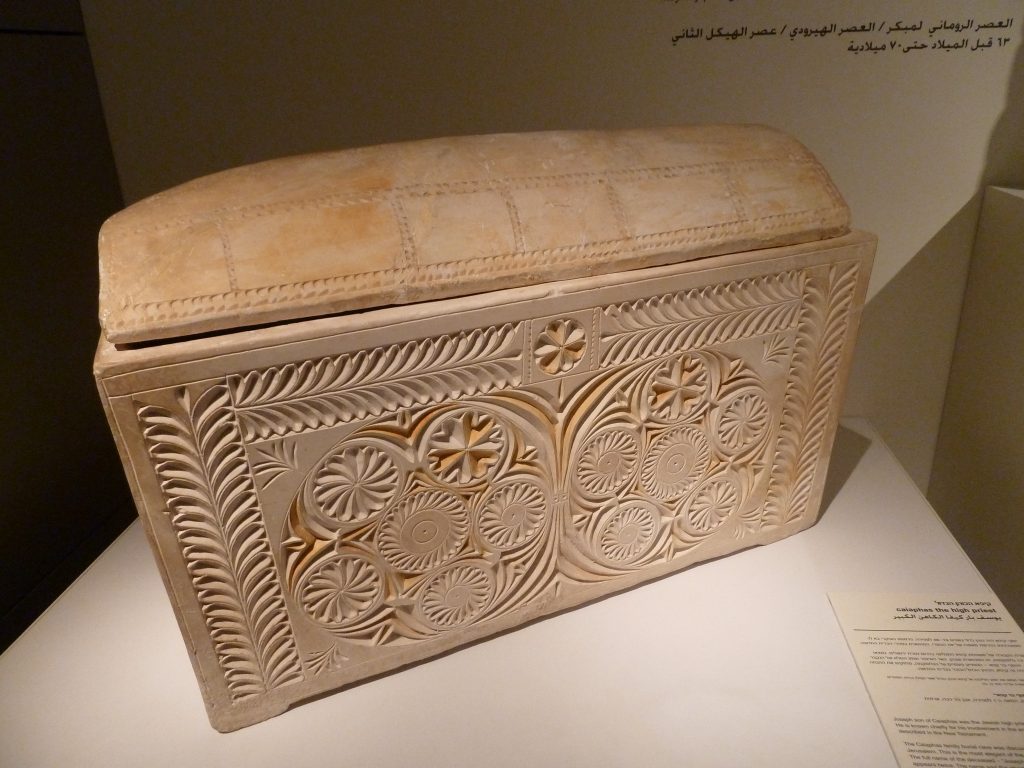
This limestone burial box was discovered in Jerusalem in 1990 and bears the name “Joseph, son of Caiaphas.” Scholars believe it belonged to the high priest who handed Jesus over to the Romans. The ornate box suggests he was a wealthy and prominent figure. It’s one of the strongest New Testament connections.
The Ark Shrine at Kiriath-Jearim
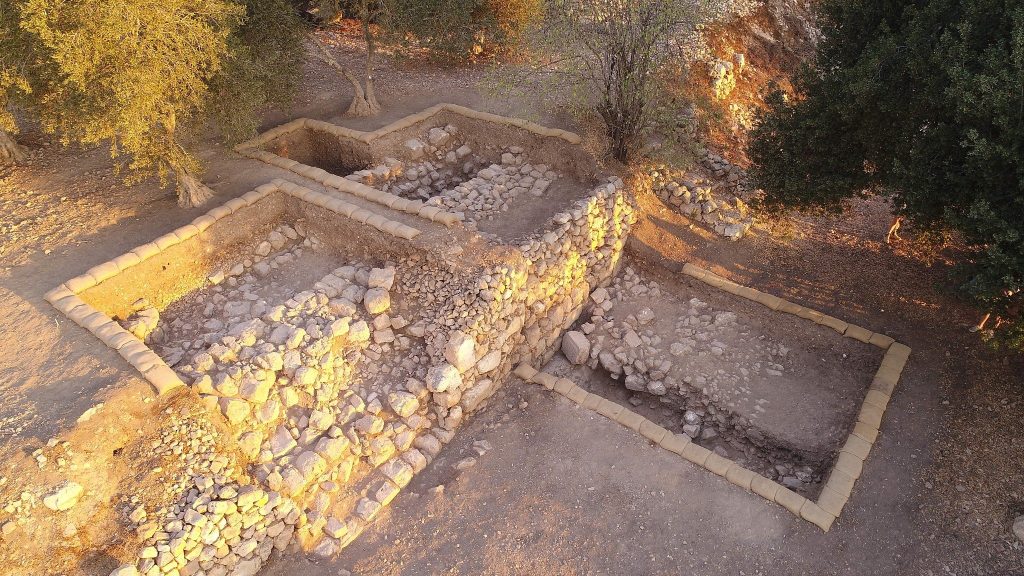
Excavations in 2017 uncovered a large platform believed to have held the Ark of the Covenant. The Bible says the Ark stayed in Kiriath-Jearim for 20 years. The massive structure under a church matches the period and location described in 1 Samuel. It’s one of the most intriguing theories about the Ark’s resting place.
The Gallows at Susa
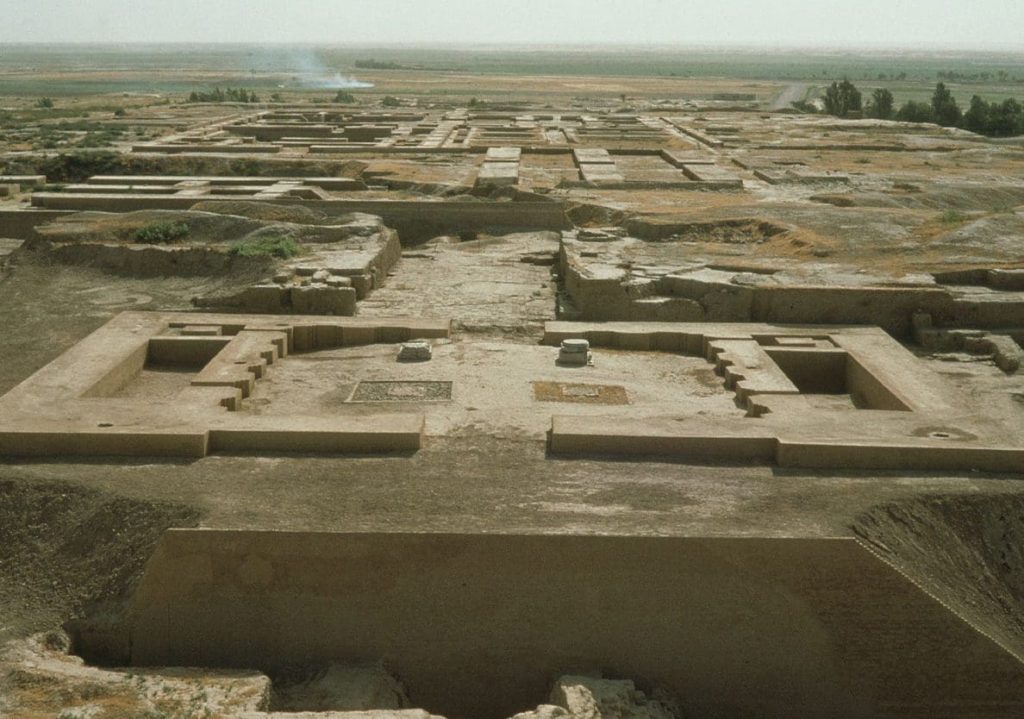
In modern-day Iran, remains of structures that may have been gallows were found where the events of Esther took place. While not definitively tied to Haman’s execution, it matches the setting of the Persian palace. The Book of Esther describes these gallows vividly. It brings the dramatic story to life.
Nazareth House Dated to Jesus’ Era
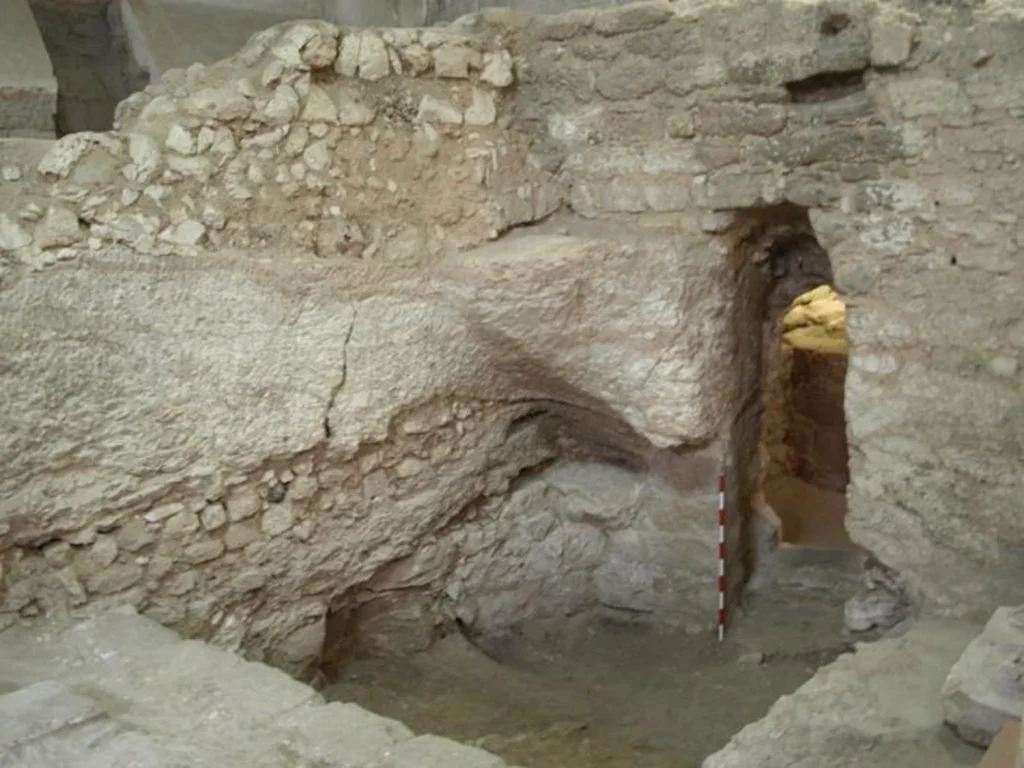
A modest stone house was uncovered in Nazareth that dates to the 1st century. It aligns with what Jesus’ childhood home may have looked like. Found under a convent, the site is now a place of pilgrimage. It’s a rare glimpse into everyday life in Jesus’ time.
The Mount Ebal Altar
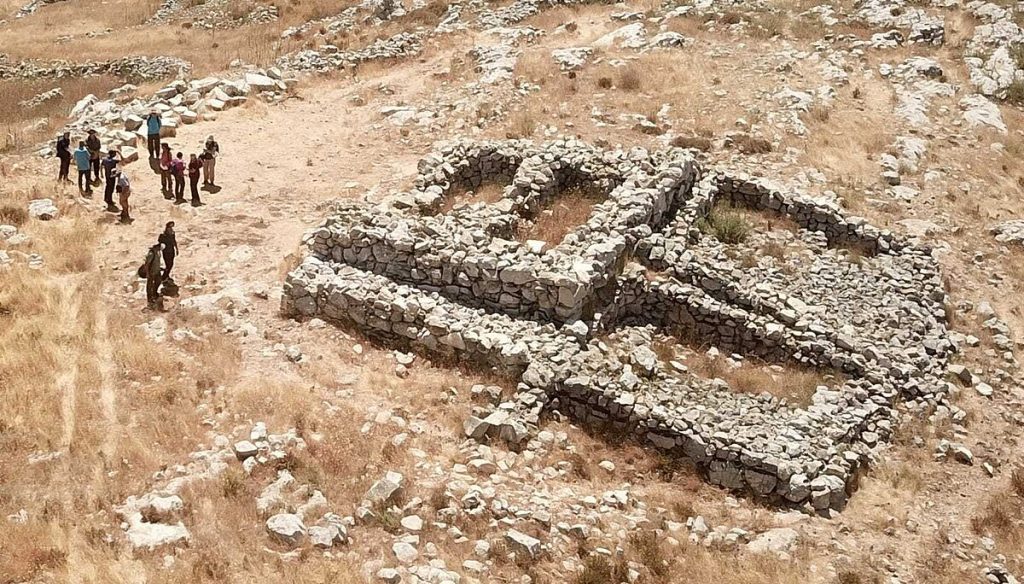
In 1980, a structure on Mount Ebal was uncovered that matches the altar described in Joshua 8. It’s made of uncut stones, just like the biblical command. Animal bones found there suggest it was used for sacrifice. Some call it Israel’s oldest altar.
The Davidic Fortress at Khirbet Qeiyafa
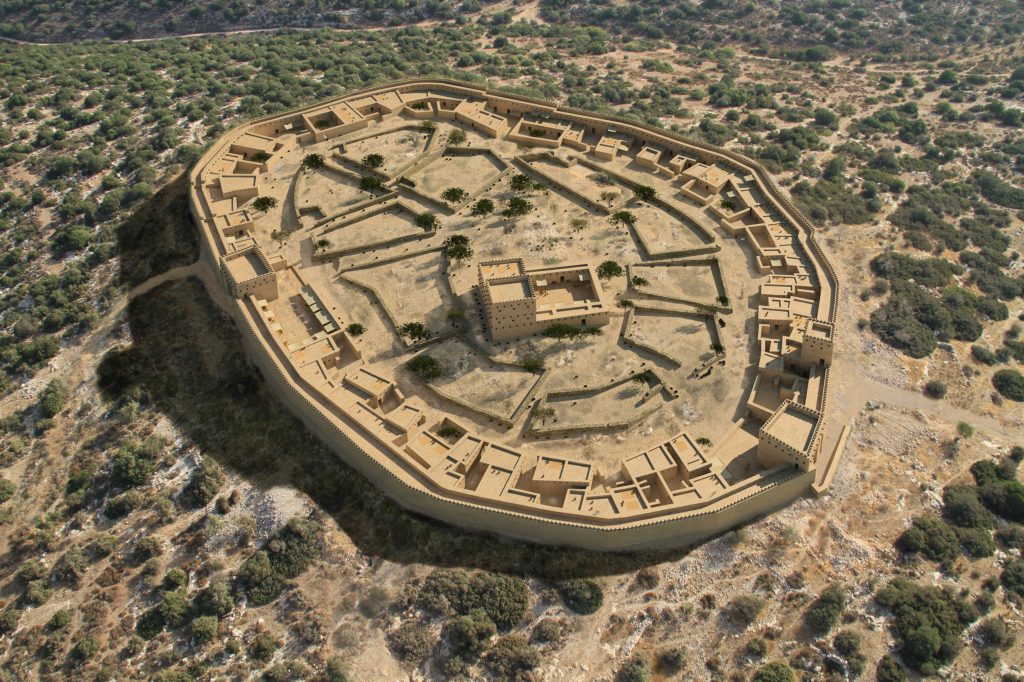
This fortified city near the Valley of Elah dates to the 10th century BCE, around King David’s time. The site had advanced planning and was likely an Israelite military outpost. It supports the idea of a centralized kingdom earlier than some scholars believed. One inscription even mentions “judges.”
The Siloam Inscription
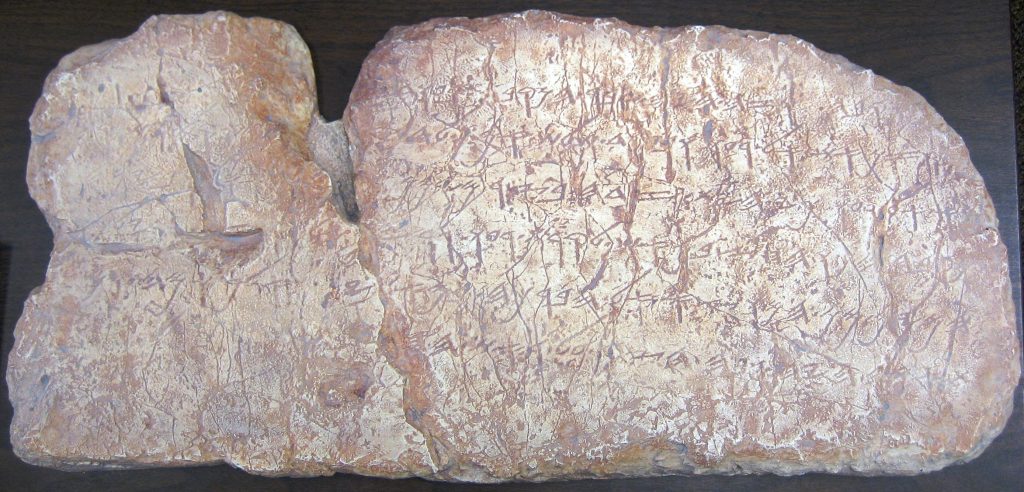
Carved into the wall of Hezekiah’s Tunnel, this inscription describes the moment workers from both ends met in the middle. It’s a rare firsthand account from the Bible’s era. The excitement in the words is palpable even today. It was removed and is now in a Turkish museum.
The Temple Warning Inscription
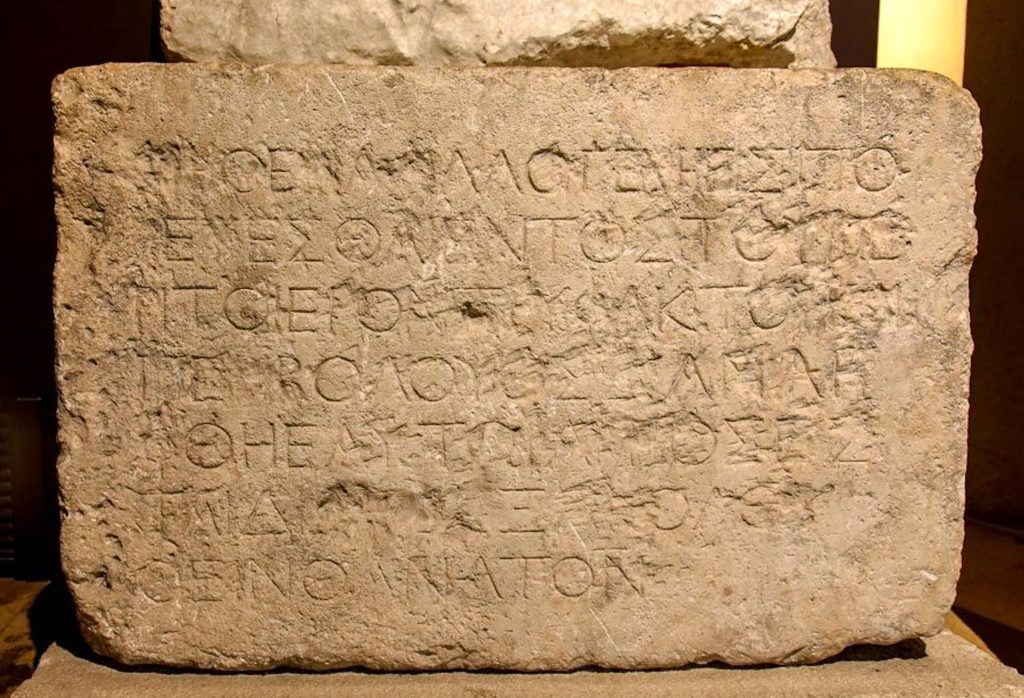
Found near the Temple Mount, this Greek inscription warned Gentiles not to enter the sacred inner courts of the Temple. It confirms the New Testament accounts about the Temple’s strict rules. The sign’s tone is harsh: violators would be responsible for their own death. It’s a direct tie to the time of Jesus.
Jericho’s Fallen Walls
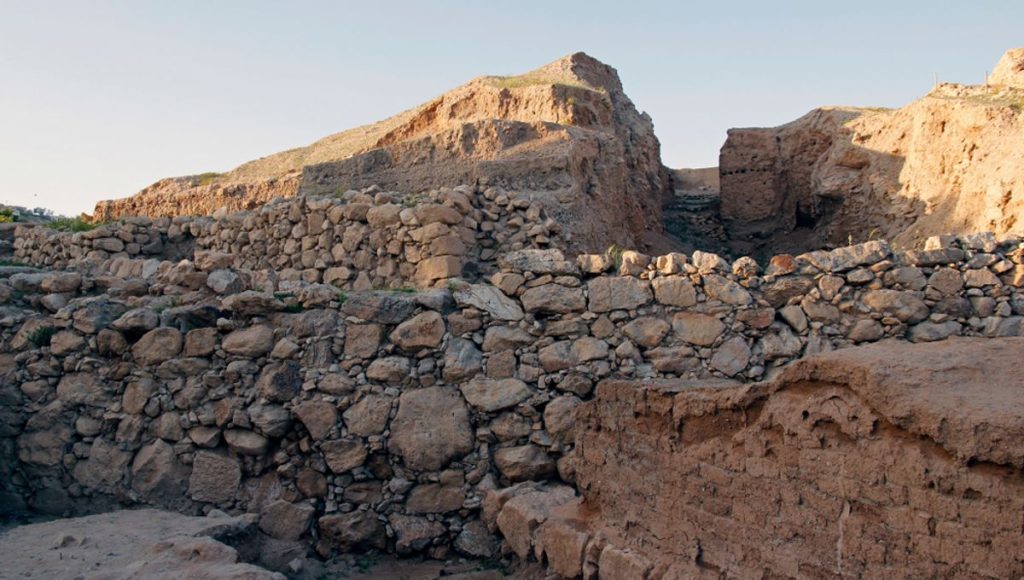
Excavations at Jericho show collapsed walls that some believe match the biblical conquest in Joshua. The timing of the destruction is debated, but the dramatic collapse has stirred much discussion. It’s one of the most contested biblical claims in archaeology. Still, the site remains a symbol of faith and debate.
The Ketef Hinnom Amulets
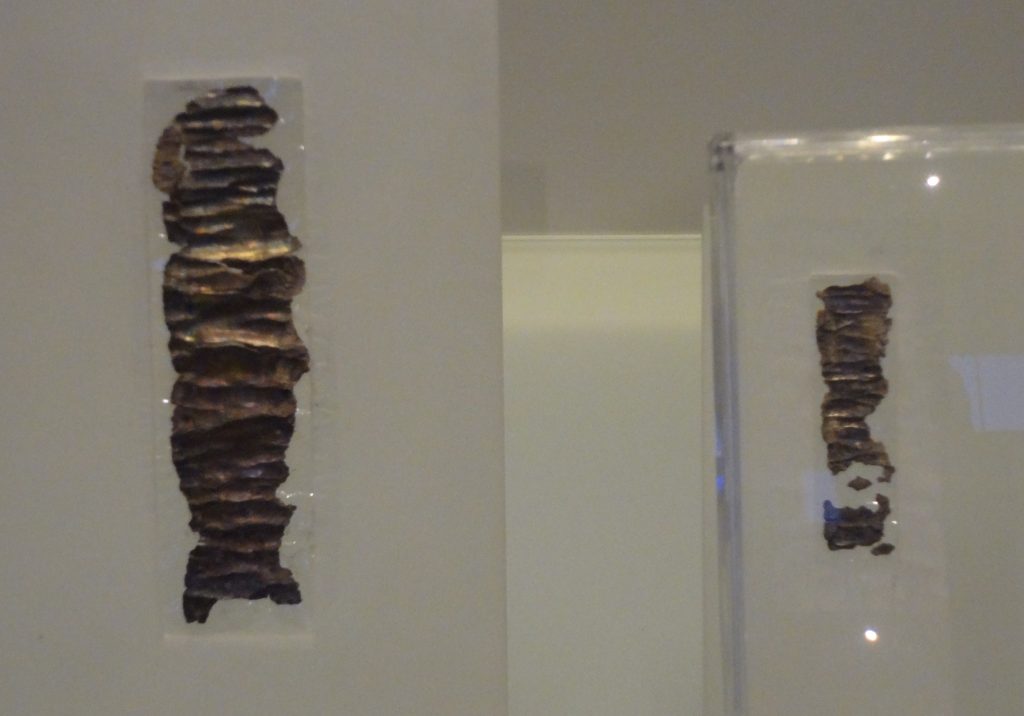
These tiny silver amulets were found in Jerusalem and contain a version of the priestly blessing from Numbers. They date to around 600 BCE and were likely worn for protection. Their discovery proved that scripture was already in use centuries before the Dead Sea Scrolls. They’re a stunning mix of faith and fashion.
The Goliath Inscription at Gath
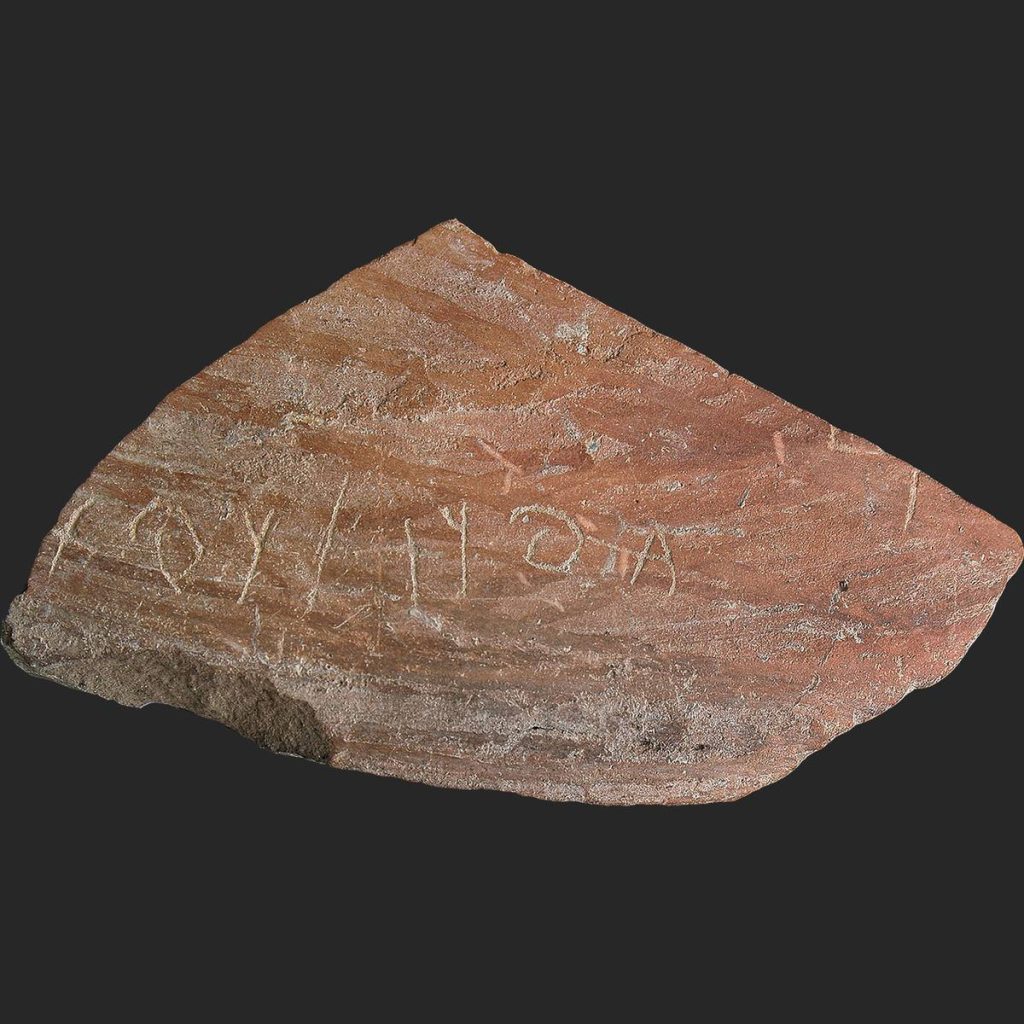
A pottery shard from Gath, Goliath’s hometown, has names similar to “Goliath” written on it. It dates to the correct time period of the David and Goliath story. While it’s not his name exactly, it proves such names existed. It adds cultural realism to the story.
Shiloh Tabernacle Site
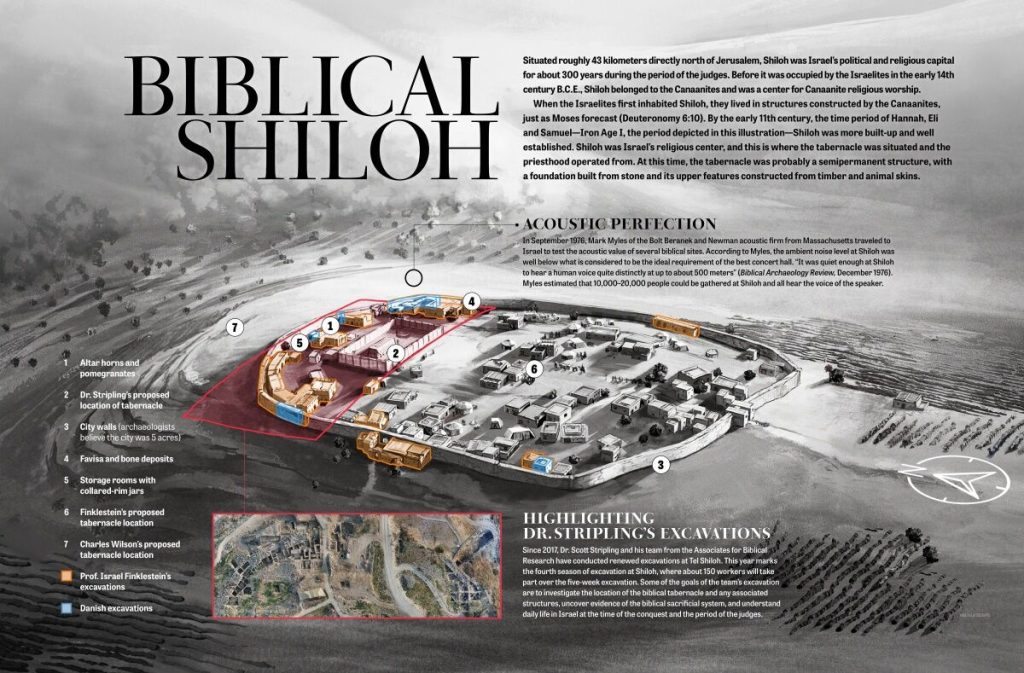
Shiloh was where the Tabernacle (portable sanctuary) rested for centuries. Excavations have uncovered sacrificial remains, storage rooms, and layout that fits the biblical description. The site holds deep religious significance. It’s one of Israel’s most spiritually rich digs.
The Ekron Royal Inscription
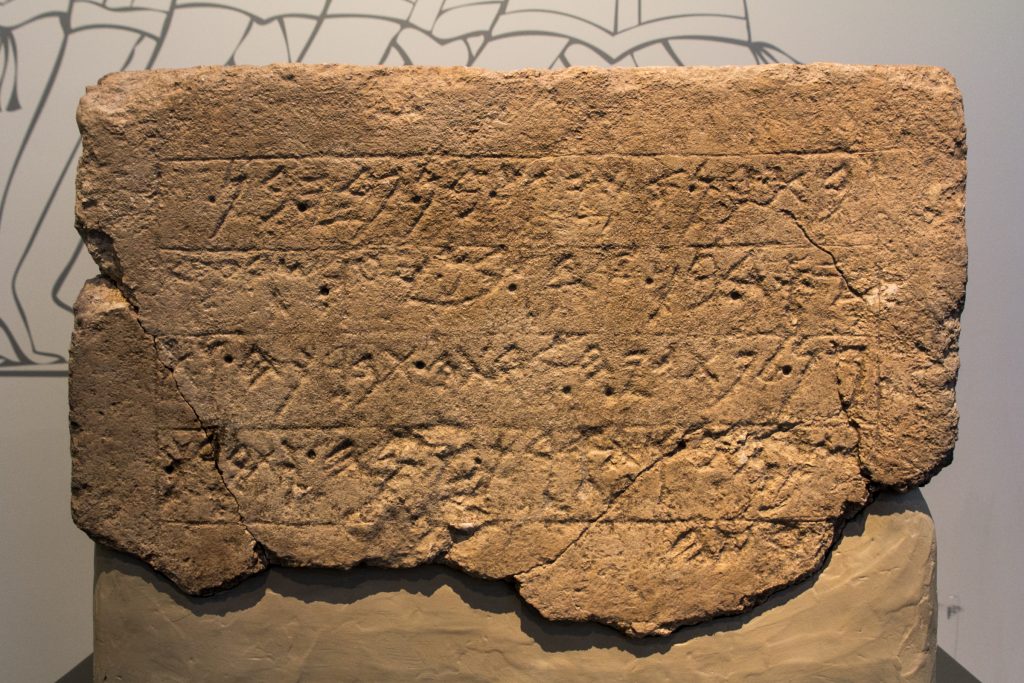
This 7th-century BCE inscription from Ekron mentions five kings and confirms the city’s biblical name. It shows the city was a major Philistine hub. One king mentioned even has ties to Assyrian records. It anchors biblical Ekron firmly in the archaeological record.
The City of David Excavations
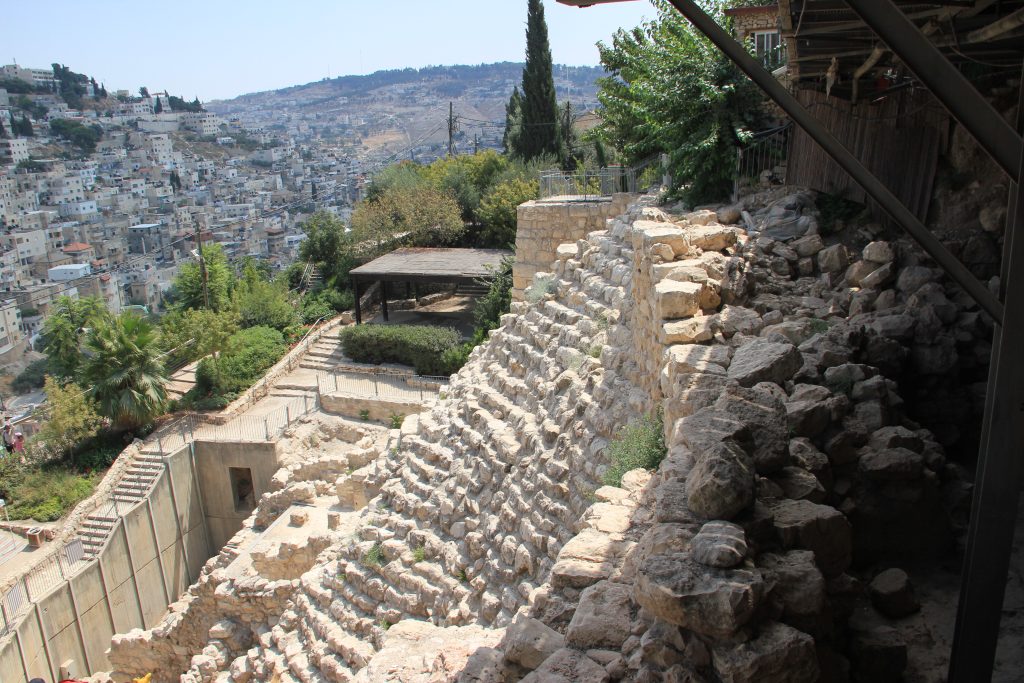
Just south of the Temple Mount, excavations have revealed ancient Jerusalem’s original core. Finds include royal buildings, fortifications, and water systems. It’s a literal walk through biblical history. The debate over what belonged to David himself is still ongoing.
The Magdala Stone
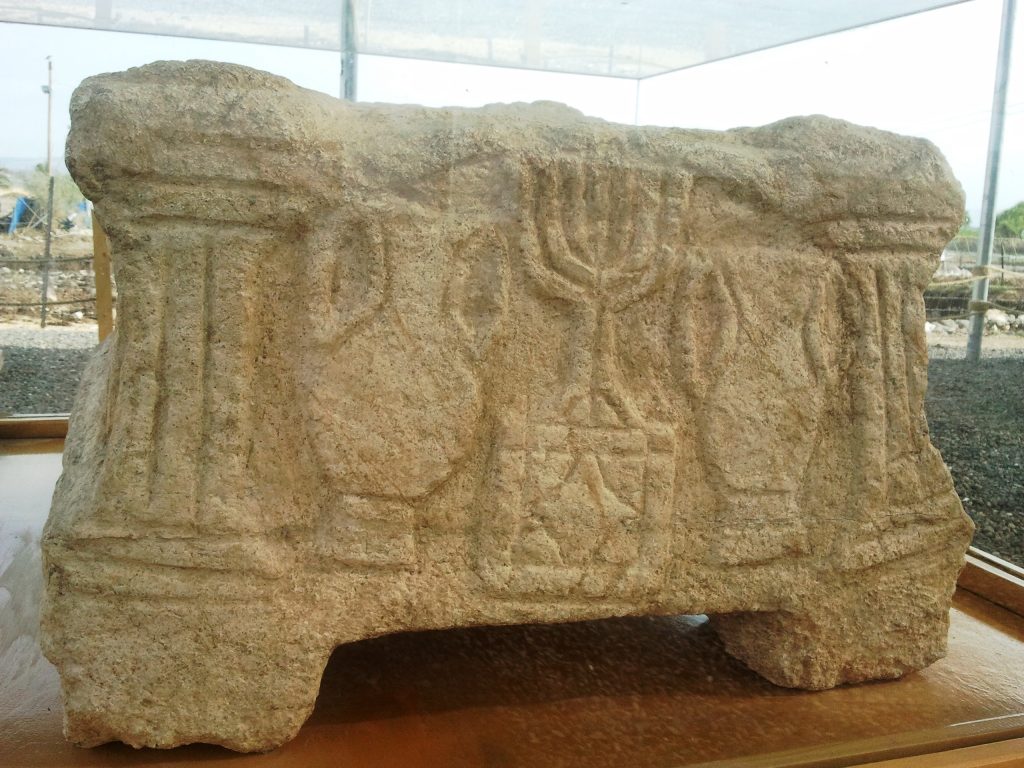
Found in 2009, this carved stone from a synagogue in Magdala is one of the oldest depictions of the Second Temple. Magdala was Mary Magdalene’s hometown, and this find offers a peek into her world. The artistry suggests deep reverence for the Temple. It’s one of the most exciting finds for New Testament enthusiasts.
The Jezebel Seal
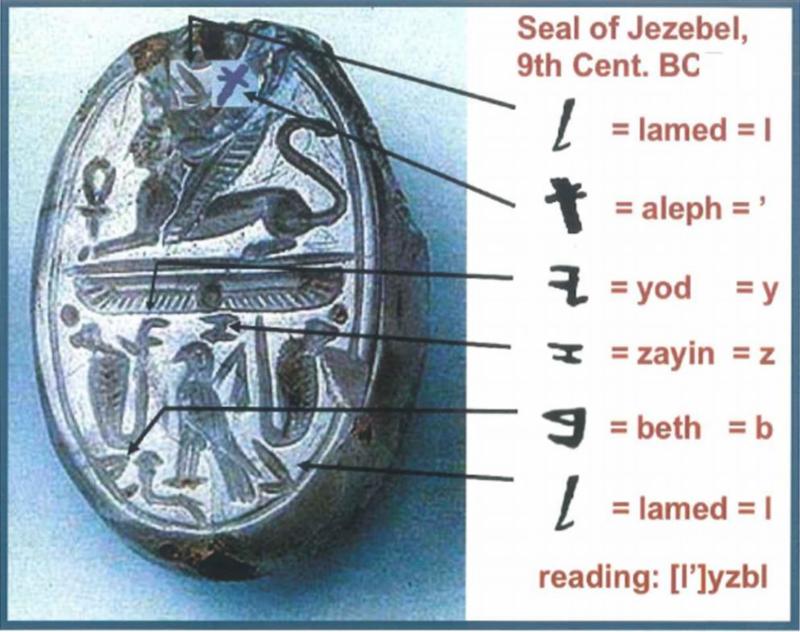
A small seal with Phoenician lettering possibly belonged to Queen Jezebel. Though not conclusively hers, the name and iconography match her profile. It hints at the luxury and power of Israel’s controversial queen. A tiny piece with a big attitude.
The Ashkelon Philistine Cemetery
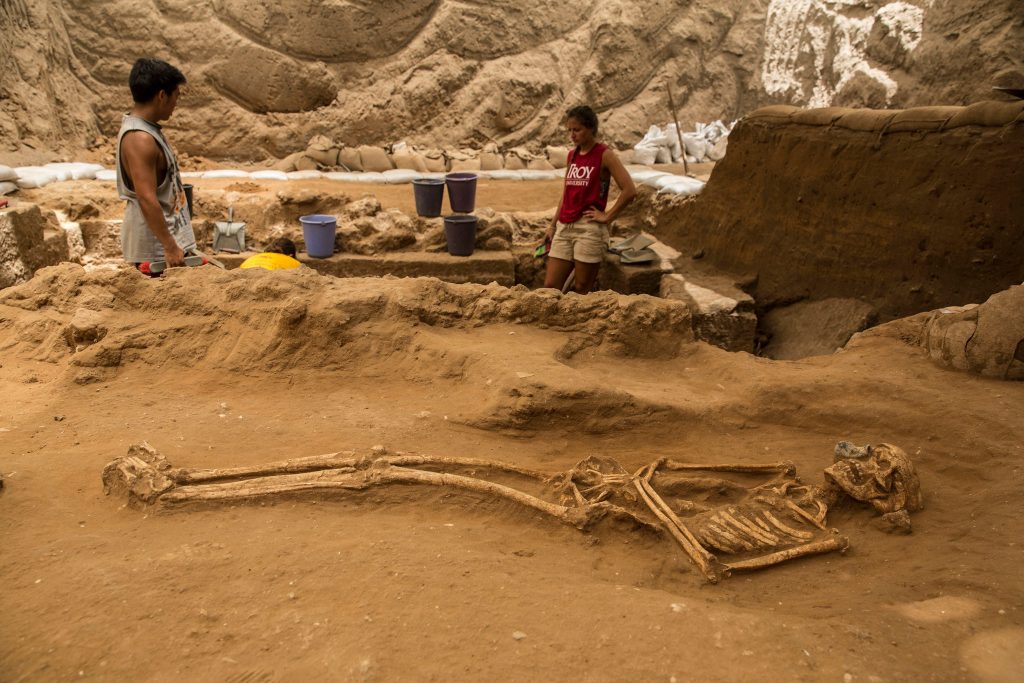
Unearthed in 2016, this burial site gave scientists their first real look at the Philistines’ DNA and culture. It sheds light on Israel’s ancient enemies described in many Bible stories. The remains show European genetic ties, supporting migration theories. It’s rewriting parts of biblical ethnography.
The Herodium
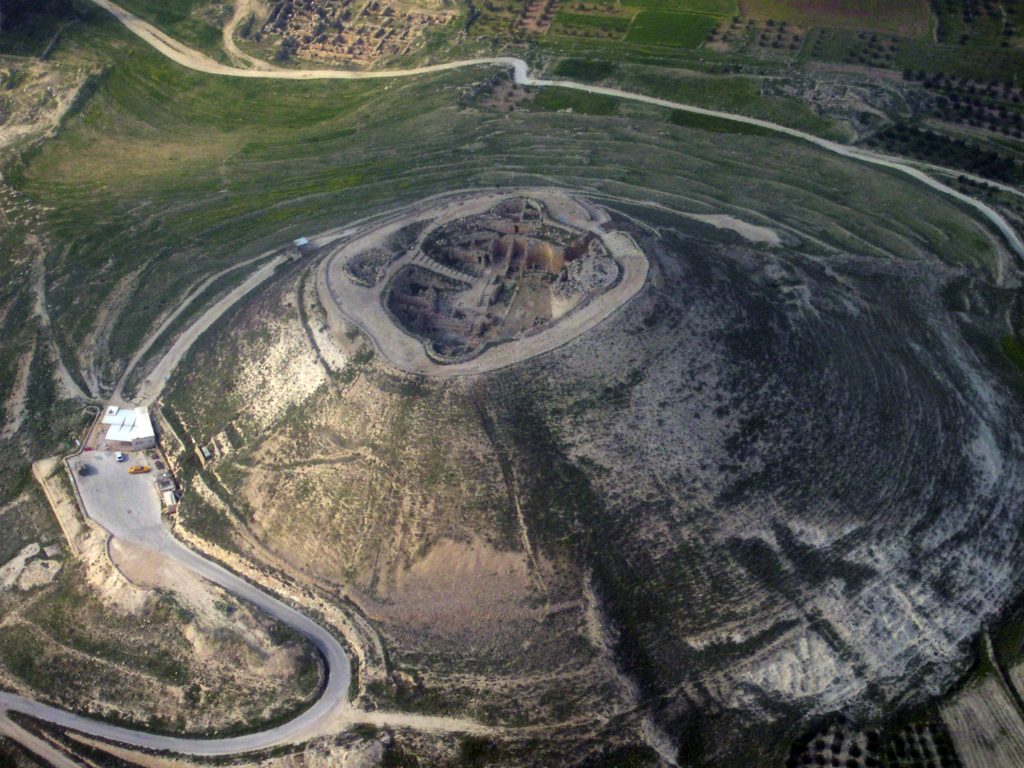
This desert fortress-palace built by King Herod is mentioned in the New Testament. Archaeologists believe they even found Herod’s tomb here in 2007. Its opulence matches Herod’s ego and biblical infamy. It’s one of the most impressive royal sites from the era.
The Galilean Boat (Jesus Boat)
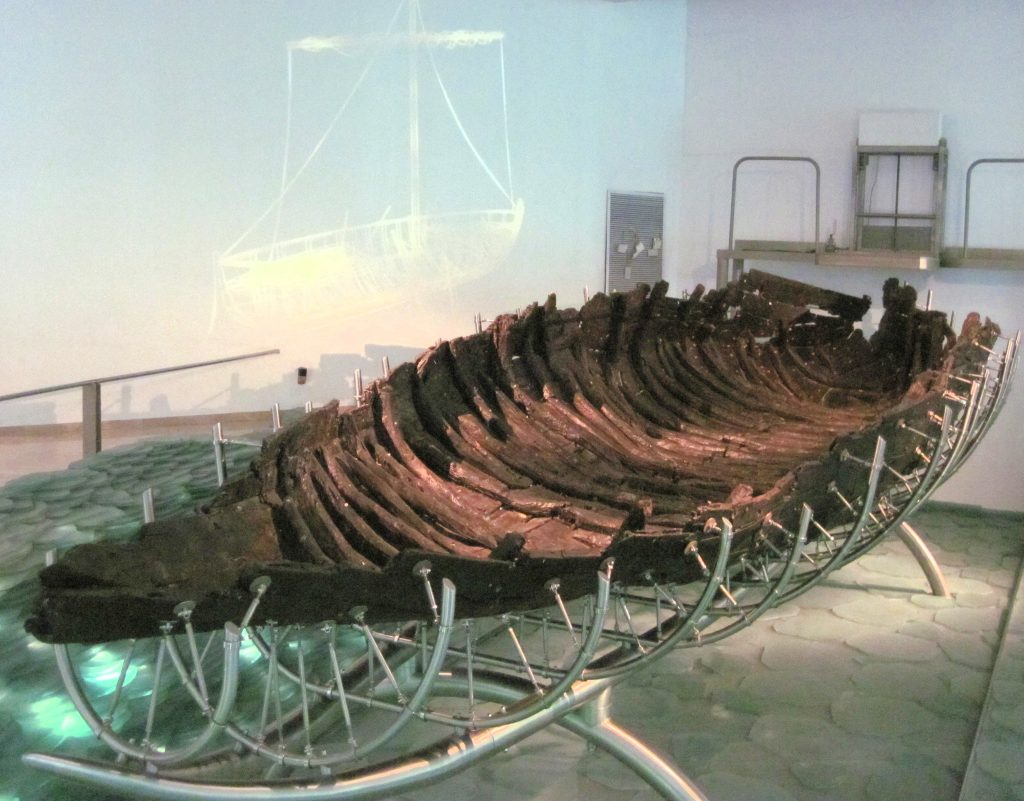
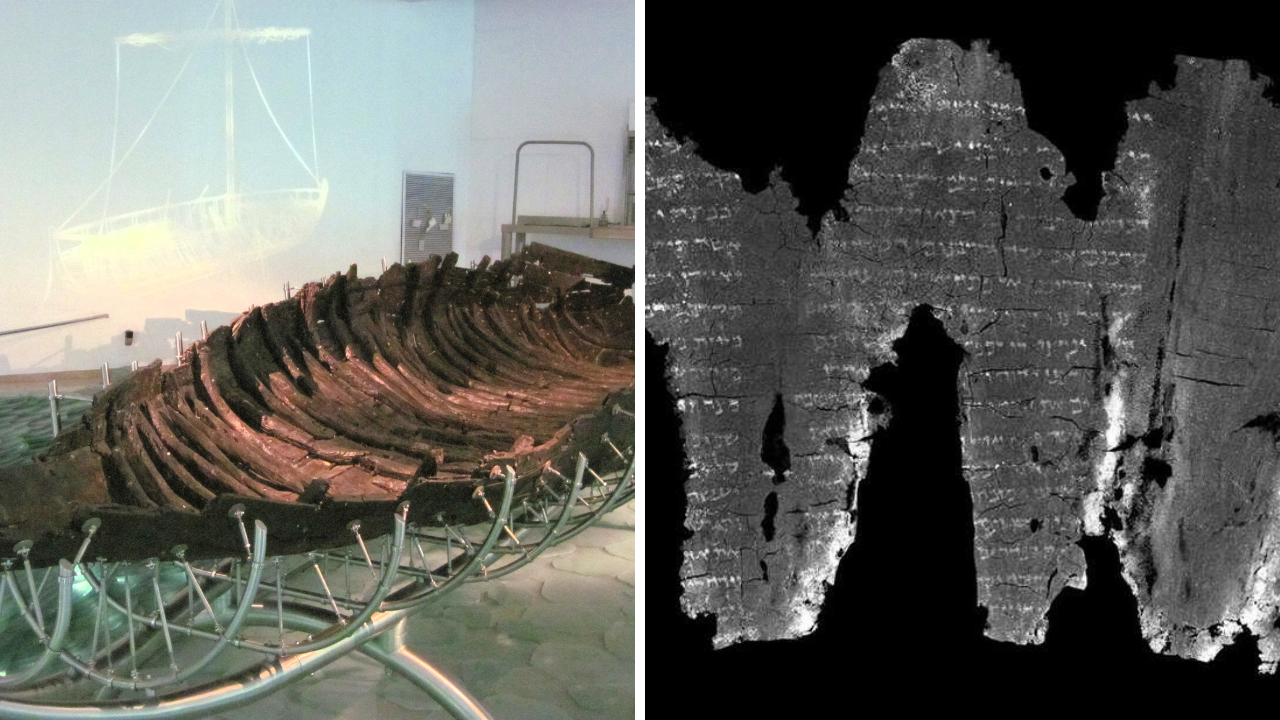
Discovered in the 1980s during a drought, this ancient fishing boat dates to the 1st century. It matches the kind used on the Sea of Galilee, where Jesus and his disciples traveled. It’s not his boat, but it brings Gospel stories to life. It’s now displayed in a special museum.
The En-Gedi Scroll
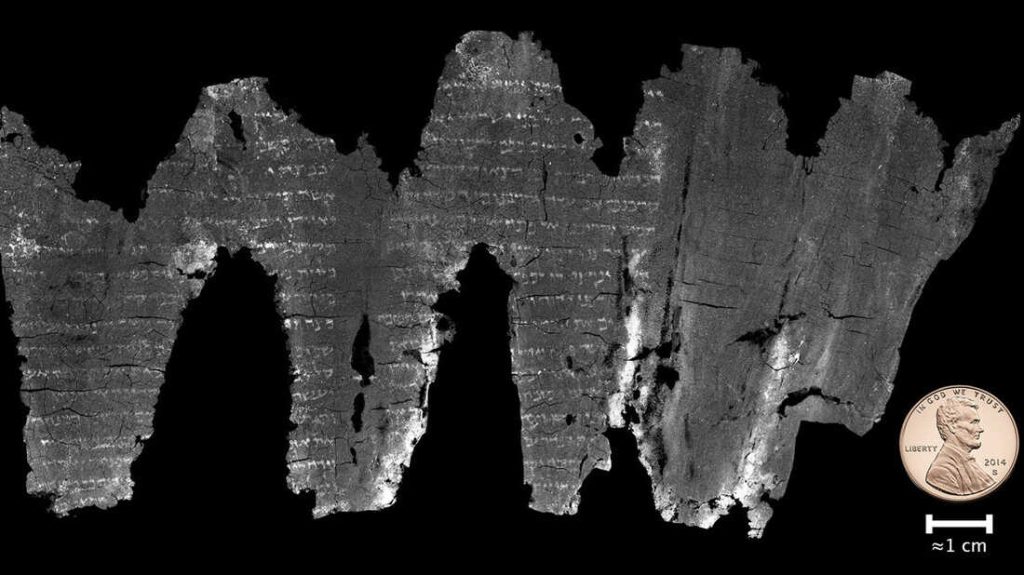
Badly burned in a fire centuries ago, this scroll sat unreadable until 2015 when new tech “virtually unwrapped” it. Inside was the Book of Leviticus, exactly matching today’s Hebrew Bible. It’s one of the earliest known Torah scrolls. Proof that sacred texts have remained remarkably unchanged.