Modern work environments are filled with hidden obstacles that prevent people from reaching their full potential. This article contains 30 daily behaviors that drain energy and focus without the user even realizing it. Adopting better routines requires first acknowledging these subtle time-thieves. Understanding how these patterns interact is the first step toward reclaiming a meaningful schedule.
The Snooze Button

Starting the day with a fragmented sleep cycle causes a condition known as sleep inertia. This feeling of grogginess can persist for several hours, making the most important morning tasks feel insurmountable. Research shows that those who wake up immediately are more likely to stay alert throughout the afternoon.
Multitasking

Trying to juggle multiple complex assignments simultaneously actually reduces overall brain efficiency by forty percent. The mind requires a switching cost every time it moves between different types of stimulation. Deep focus is statistically impossible when the brain is constantly recalibrating to new stimuli.
Perfectionism

Striving for a flawless result often leads to paralysis and unnecessary delays on simple projects. While high standards are beneficial, the fear of making a mistake often stops progress entirely. Done is better than perfect is a mantra used by some of the most successful tech entrepreneurs in history.
Saying Yes To Every Request

A chronic inability to set boundaries often results in a schedule filled with other people’s priorities. This people-pleasing behavior erodes character and leaves no room for personal growth or high-impact work. Professional burnout is frequently traced back to a lack of strategic refusal.
Keeping Too Many Tabs Open
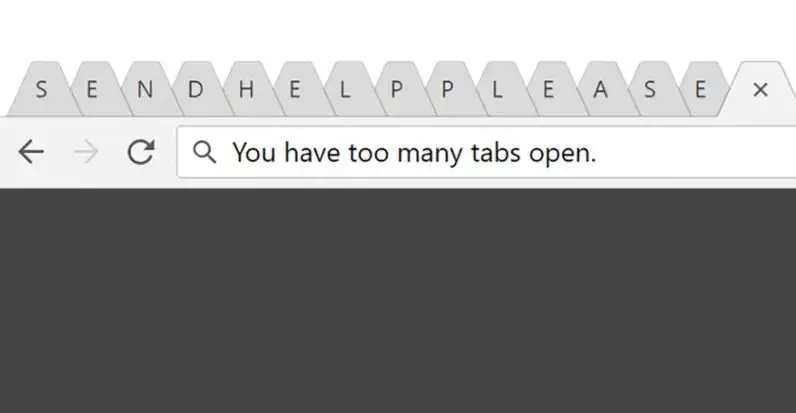
Browser windows cluttered with unrelated information serve as a constant visual distraction for the subconscious mind. Each open tab represents an unfinished thought that competes for limited cognitive resources. Digital hygiene is just as important as a clean physical desk for maintaining mental clarity.
Waiting For Inspiration

Hesitation often stems from the false belief that one must feel creative before starting a difficult task. Most professionals find that the act of working itself is what generates momentum and new ideas. Inspiration is a guest that only arrives once the work has already begun.
Working Through Lunch

Refusing to take a proper break leads to a significant decline in decision-making quality during the late afternoon. The brain consumes glucose and requires periods of rest to replenish its neurotransmitters. Skipping meals can lead to irritability and a lack of creative problem-solving skills.
Notification Alerts
Constant pings from messaging apps and emails fragment the day into tiny, unproductive slices. It takes an average of twenty-three minutes to return to a state of deep flow after a single interruption. Turning off non-essential alerts is a primary step in protecting intellectual output.
Comparing Progress To Others

External validation through social media often leads to a distorted view of one’s own achievements. Spending time looking at another person’s highlight reel creates a sense of inadequacy that saps the energy needed for real work. Focus on the process rather than the public perception of the result.
An Untidy Workspace

Clutter on a physical desk acts as a visual weight that increases stress levels and anxiety. A chaotic environment signals to the brain that there is too much to handle, triggering a fight-or-flight response. Regular tidying can improve task persistence and concentration levels significantly.
Decision Fatigue

Choosing what to wear or what to eat for breakfast consumes limited willpower before the workday even starts. Many successful individuals adopt a daily uniform to preserve their mental energy for high-stakes decisions. Minimizing small choices keeps the brain fresh for when it matters most.
Over-Planning The Day
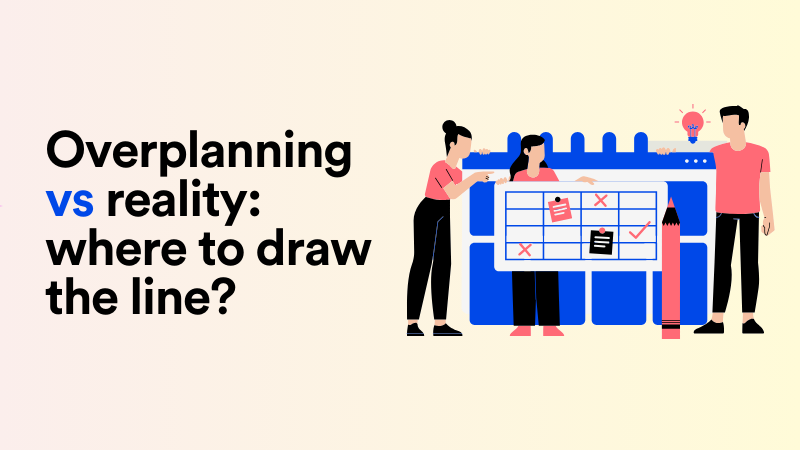
Extensive to-do lists that include dozens of items can feel overwhelming and lead to total avoidance. The most effective approach involves identifying the three most critical tasks and focusing exclusively on those. High-output workers prioritize quality over the sheer quantity of ticked boxes.
Background Noise

Audio distractions like television news or podcasts with speaking can interfere with the brain’s language processing centers. While instrumental music may help some, lyrical content usually competes for the same part of the brain used for writing or reading. Silence is often the most productive soundtrack available.
Poor Hydration

Physical health is the foundation of cognitive performance, and even mild dehydration can cause brain fog. A two percent drop in body water levels is enough to impair short-term memory and mathematical ability. Keeping a water bottle on the desk is a simple way to maintain peak alertness.
Complaining Without Action

Negativity is a significant drain on mental stamina and lowers the morale of everyone in the vicinity. Spending time discussing problems without proposing solutions creates a cycle of helplessness. Active problem-solving is a more efficient use of emotional energy than venting for extended periods.
Living In Yesterday’s Mistakes

Past failures can become a mental anchor that prevents any forward movement in the present. Analyzing a mistake to extract a lesson is useful, but ruminating on it for hours is a waste of time. Successful people view errors as data points rather than personal character flaws.
Frequent Unscheduled Meetings
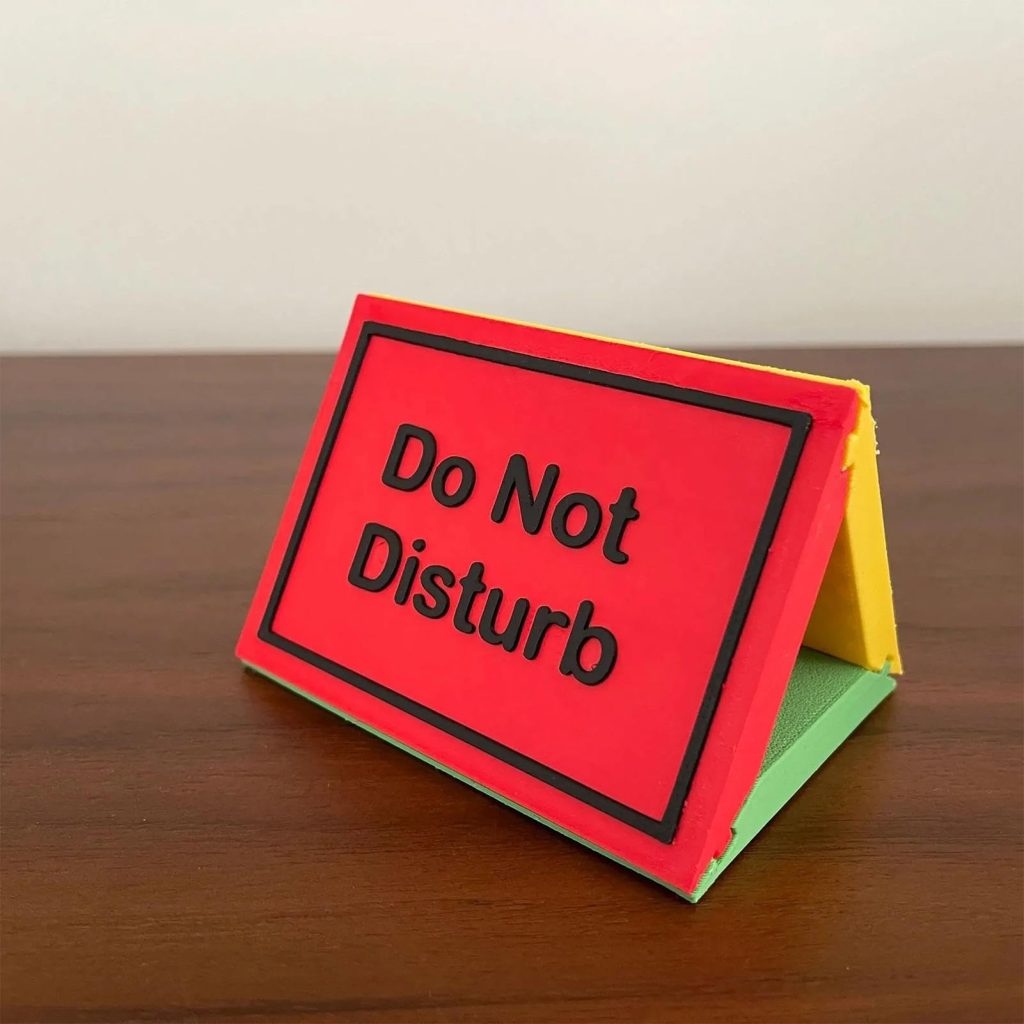
Sudden calls or pop-in visits can destroy an entire morning of planned deep work. Establishing specific office hours or using a do-not-disturb status helps preserve the integrity of the work schedule. Time is a finite resource that requires protection from casual intrusions.
News Binging

Information overload from the constant news cycle can induce a state of chronic anxiety and distraction. Most headlines are designed to trigger a fear response, which is the opposite of the calm state needed for high-level work. Limiting news consumption to once or twice a day is usually sufficient for staying informed.
Procrastinating Hard Tasks
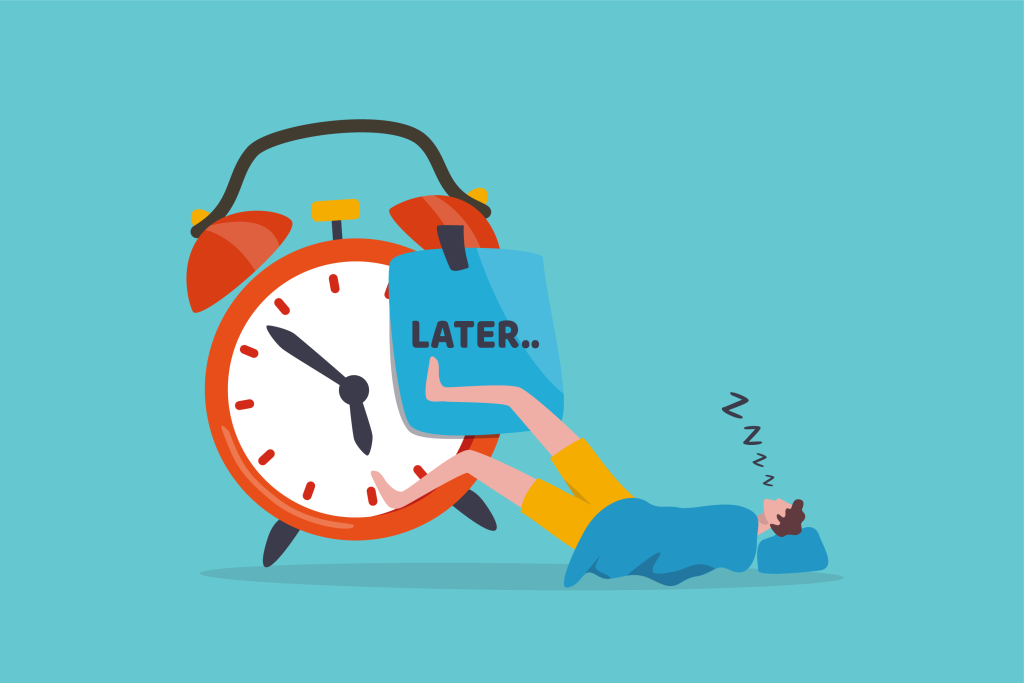
Low-value tasks like organizing files or checking emails often serve as a form of productive procrastination. Tackling the most difficult assignment first ensures that it gets the brain’s best energy. This strategy, known as eating the frog, prevents the most important work from being pushed to the end of the day.
Ignoring Physical Posture

Sitting for long periods in a slumped position reduces lung capacity and restricts blood flow to the brain. Poor posture leads to physical fatigue and back pain, which quickly becomes a primary distraction. Ergonomic adjustments can lead to a sustained increase in focus and overall physical comfort.
Mindless Browsing

Curating a perfect collection of bookmarks or watching endless tutorials without applying the knowledge is a common trap. Passive consumption feels like learning, but it rarely translates into tangible results. Mastery is only achieved through active practice and the application of new skills.
Trying To Memorize Everything

The mental load of trying to keep every detail in your head leads to constant worry about forgetting something important. Using a reliable external system for notes and tasks frees the brain for creative thinking and problem-solving. As David Allen famously stated, your mind is for having ideas, not holding them.
Excessive Venting

Excessive talking about work frustrations often reinforces the very stress the person is trying to alleviate. While sharing can be cathartic, repeating the same grievance multiple times a day keeps the brain in a heightened state of agitation. Constructive dialogue should focus on the next steps rather than the emotional weight of the past.
Not Setting Boundaries

Failing to communicate when you are unavailable leads to a constant stream of interruptions. Clear boundaries help colleagues understand how to interact with you without disrupting your workflow. People generally respect the limits that you clearly define and consistently enforce.
Worrying About Control

Anxiety over things like weather, traffic, or the economy consumes mental energy that could be used on controllable factors. Focusing on the circle of influence rather than the circle of concern leads to a more empowered and productive mindset. Peace of mind is often the result of accepting what cannot be changed.
Late Night Blue Light

Screen light suppresses the production of melatonin, the hormone responsible for deep, restorative sleep. A poor night’s sleep is the most reliable predictor of a low-productivity day tomorrow. Experts recommend a digital sunset at least one hour before heading to bed to ensure the brain can wind down naturally.
Inefficient Digital Filing

Searching for lost documents or emails can waste several hours over the course of a single work week. A logical folder structure and consistent naming conventions are essential tools for the modern information worker. Organization is not a one-time event but a continuous habit of digital upkeep.
Over-Explaining Yourself
Adding unnecessary detail to emails and conversations can lead to confusion and a loss of authority. Clear, concise communication saves time for both the sender and the receiver. Most people appreciate a direct answer that respects their time and intelligence.
Leaving The Next Day Unplanned

Ending the workday without a clear list of objectives for the following morning creates a period of aimless drifting when you first sit at your desk. Spending the initial hour of the day simply deciding what to do is a major drain on limited willpower. This habit allows urgent but unimportant emails to hijack your schedule before the real work even begins.
Checking Your Phone First Thing

Reaching for a smartphone before even getting out of bed allows other people’s priorities to dictate the start of the day. This immediate flood of dopamine and stress hormones can disrupt the brain’s transition from a restorative state to an active one. It effectively sabotages focus before the first cup of coffee is even brewed.