We use them without a second thought: turning on a light, grabbing a kitchen utensil, or opening a can of food. But some of the most ordinary objects in our homes have origins shaped by deadly accidents, exploitative labor, wartime inventions, and disturbing medical practices. Others became household staples only after people discovered just how dangerous they could be. These 30 everyday objects have histories that are far darker than their harmless appearances suggest.
1. Green Wallpaper

In the 19th century, vibrant green wallpaper was a fashionable way to decorate homes. Some popular green pigments contained arsenic, however, and exposure to arsenic-laden dust or deteriorating wallpaper could cause serious illness. What looked like a sophisticated interior-design choice could turn a home into a source of toxic exposure.
2. Household Paint
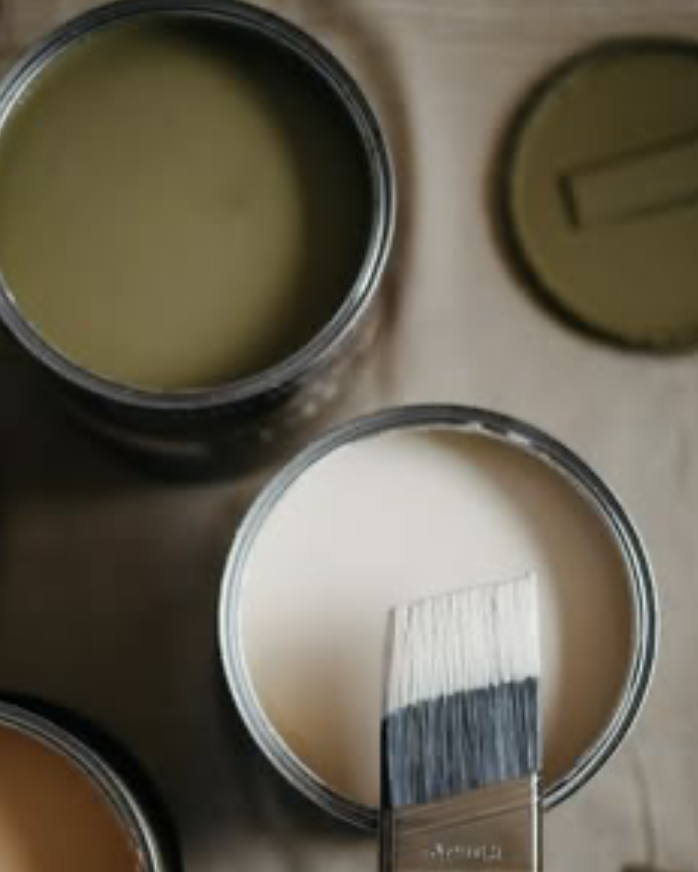
Lead-based paint was prized for its durability and color long before its health hazards were widely recognized. Deteriorating paint can release lead-contaminated dust and chips, which are particularly dangerous to children because lead exposure can damage the developing brain. A once-routine home-improvement product became a major public-health concern.
3. Makeup and Face Powder
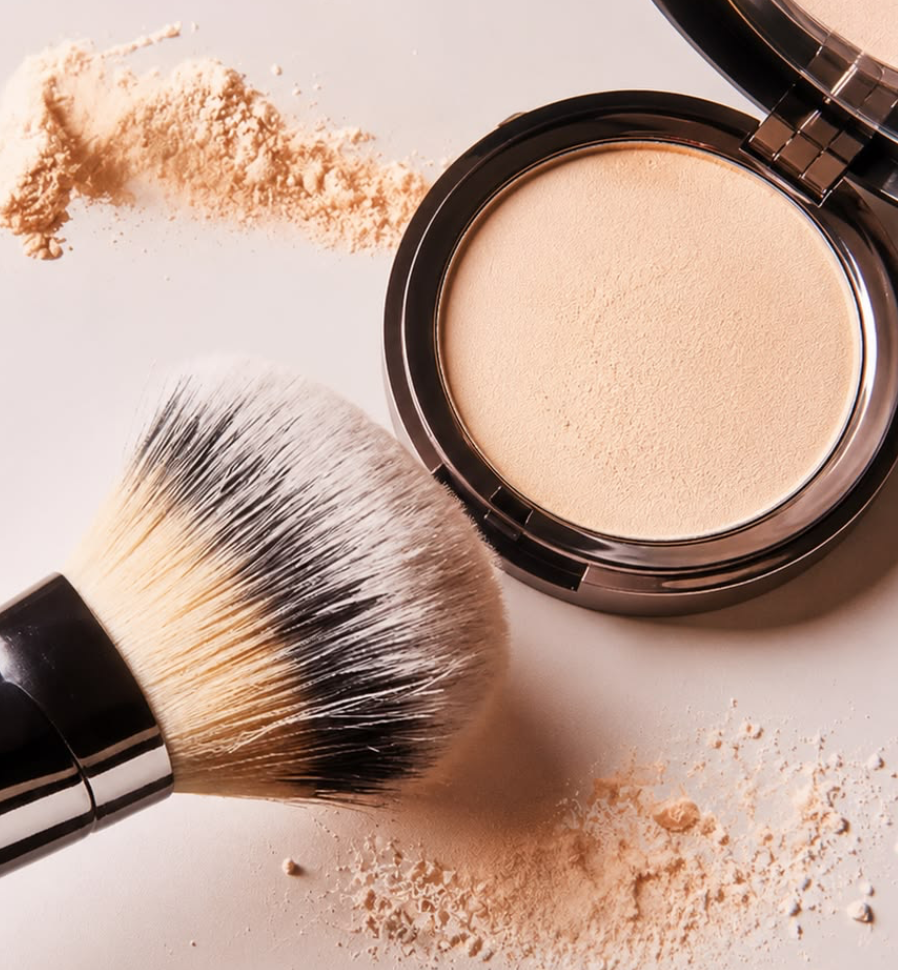
For centuries, some beauty products contained toxic ingredients. Lead-based face whiteners, for example, were used to achieve the pale complexion fashionable in certain historical periods. The pursuit of beauty could come at a serious cost, with repeated lead exposure causing poisoning and other health problems.
4. Mercury Thermometers
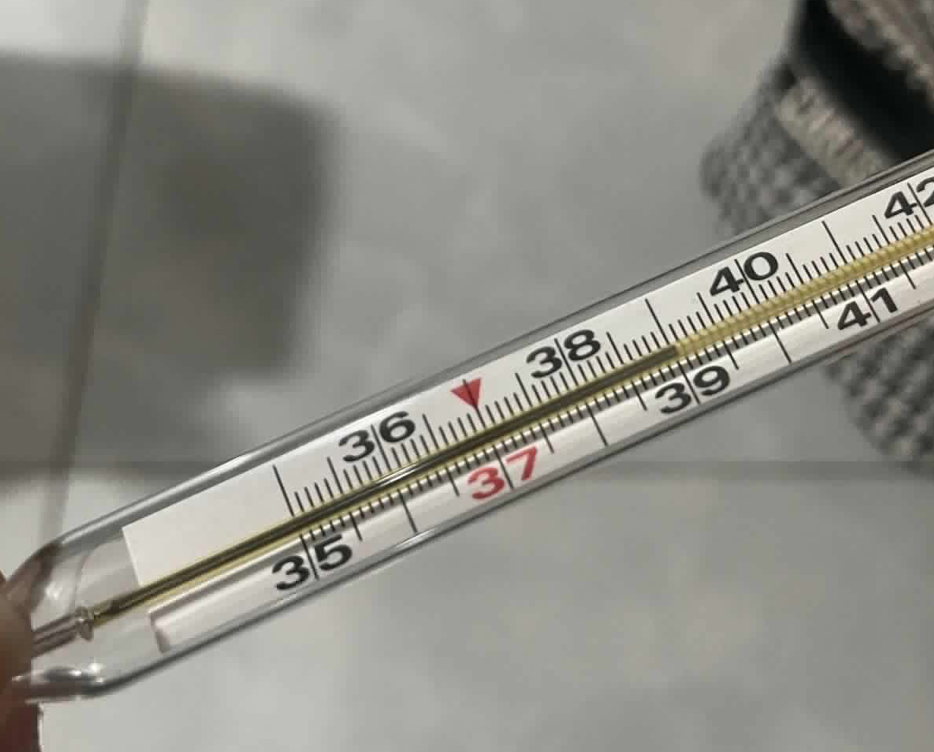
For generations, mercury thermometers were common household tools for checking temperatures. Their silvery liquid was elemental mercury, whose vapor can damage the nervous system and other organs if inhaled. A broken thermometer could therefore create a hazardous cleanup situation, especially in poorly ventilated spaces.
5. Home Insulation

Asbestos was once celebrated as an excellent insulating and fire-resistant material. It was incorporated into building products ranging from insulation to floor tiles and roofing. The problem was that airborne asbestos fibers can cause fatal diseases, including mesothelioma and lung cancer, often decades after exposure.
6. Drinking Water Pipes

Lead plumbing dates back to ancient Rome, where the metal was used extensively in water-distribution systems. Lead can enter drinking water when it leaches from plumbing materials, creating a risk that is especially serious for children and pregnant people. The very infrastructure designed to make clean water accessible has sometimes introduced a dangerous contaminant instead.
7. Matches
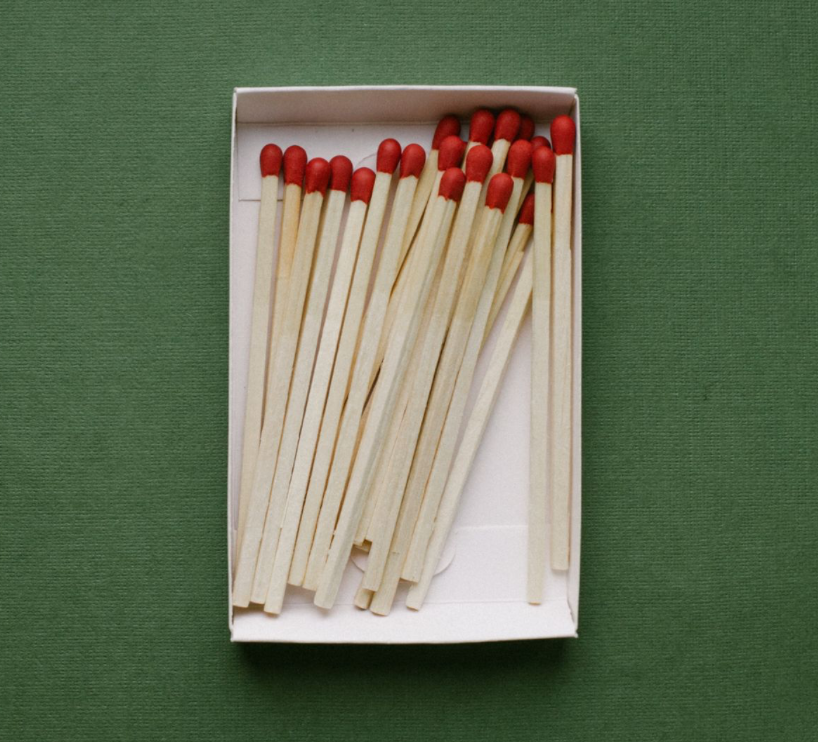
Early friction matches made with white phosphorus caused a horrific occupational disease known as “phossy jaw.” Workers in match factories could develop severe bone damage and necrosis of the jaw after exposure to phosphorus fumes. The cheap, convenient matches that made lighting fires easier came with a devastating human cost for the people who manufactured them.
8. Glow-in-the-Dark Watches
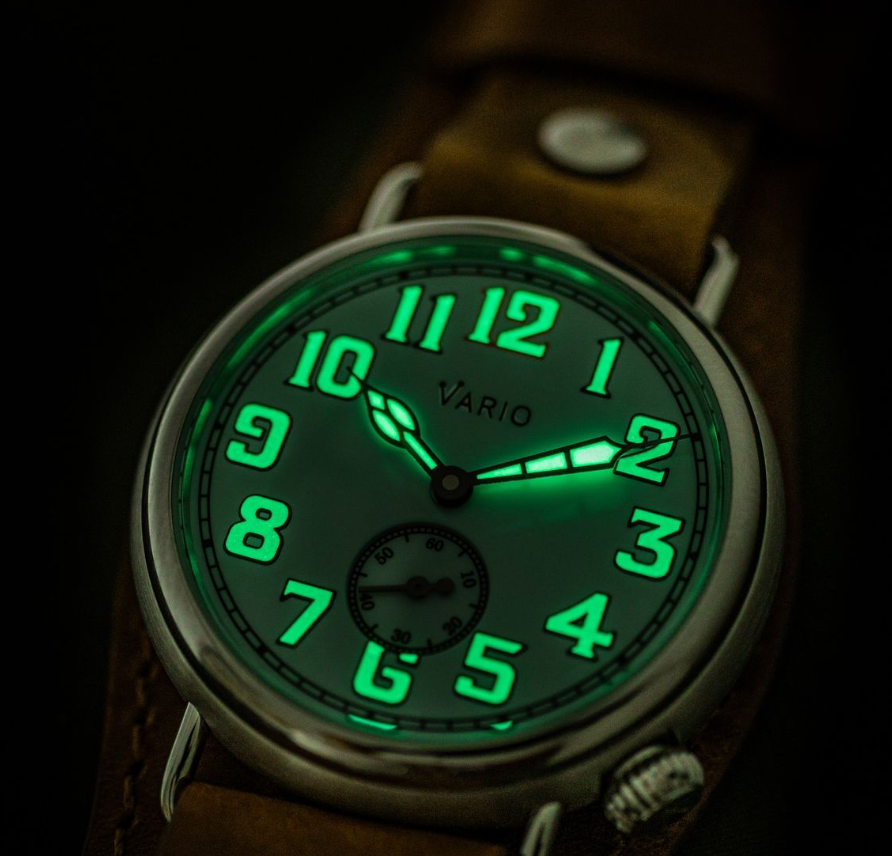
In the early 20th century, radium-based paint made watch dials glow in the dark. The young women who painted them were encouraged to shape their brushes with their lips, unknowingly ingesting radioactive material. The resulting illnesses became infamous through the story of the “Radium Girls,” whose fight for justice helped expose the dangers of occupational radiation.
9. Shoe Stores’ X-Ray Machines
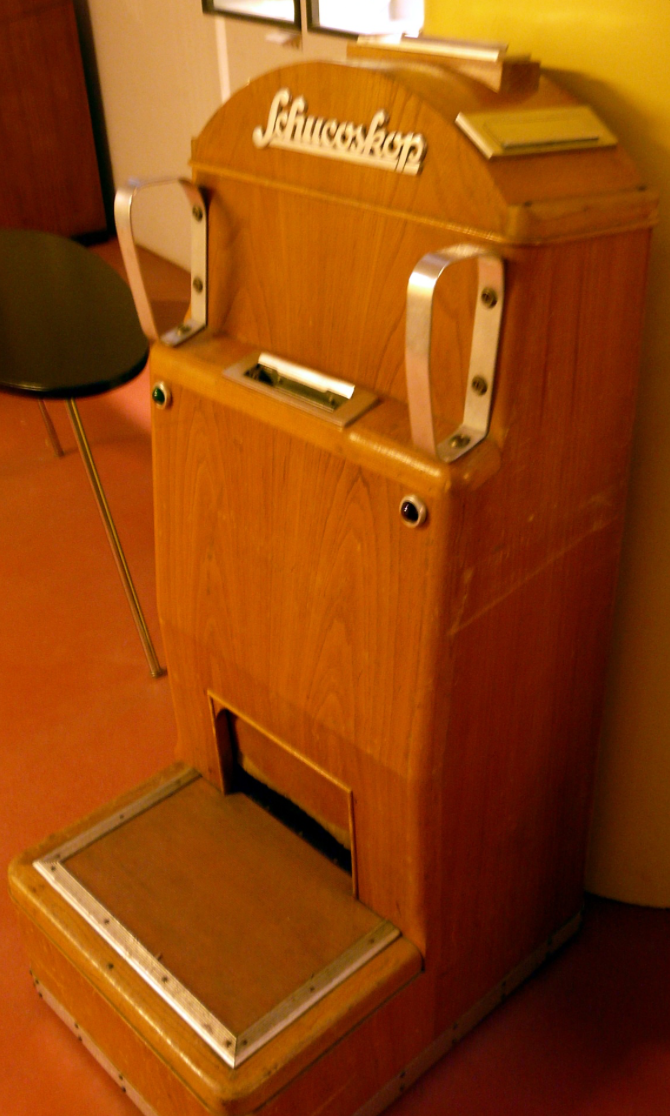
From the 1920s onward, some shoe stores offered customers a futuristic way to check their fit: standing inside a machine that showed the bones of their feet through X-rays. Children and adults could watch their toes move inside their shoes, often without appreciating the radiation exposure. The machines eventually fell out of use as safety concerns and regulations grew.
10. Corsets
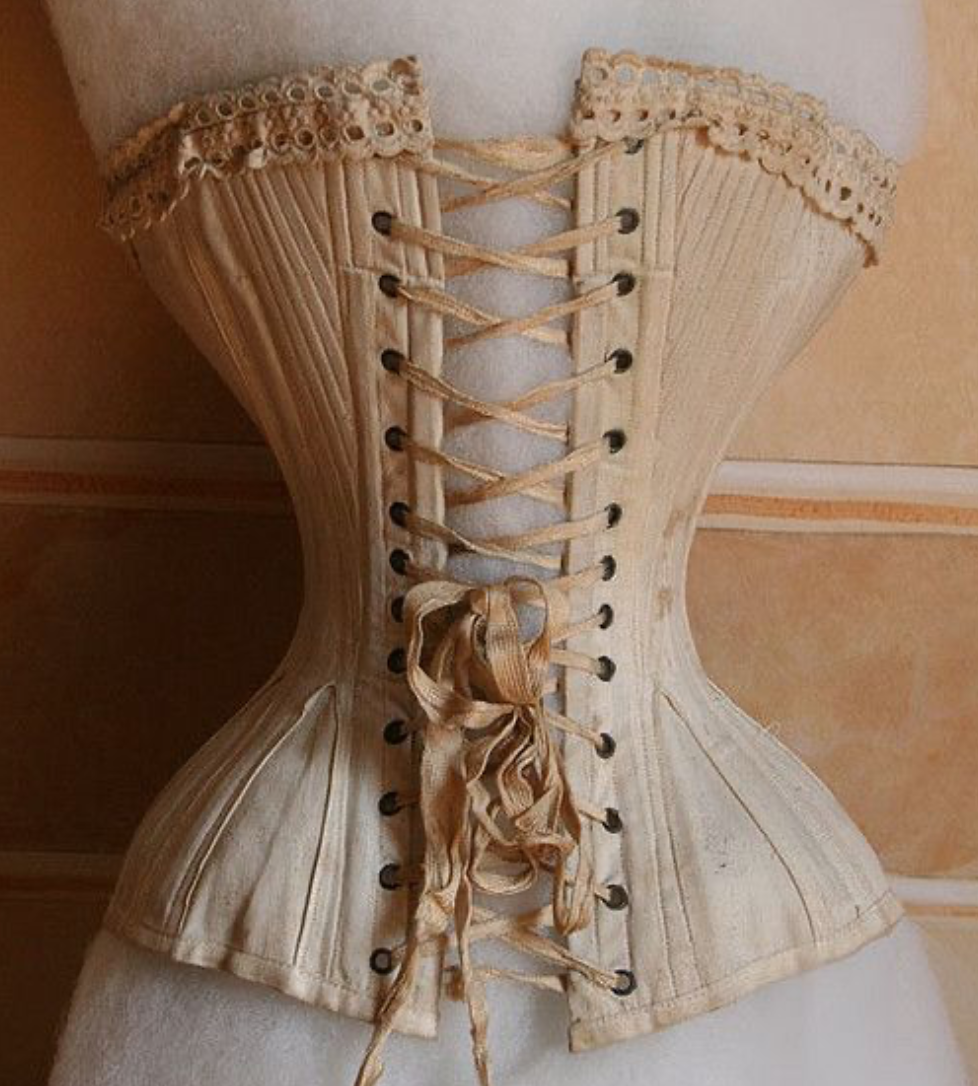
Tight-lacing corsets became symbols of fashionable femininity in the 19th century, but their reputation for deforming organs and causing widespread physical damage has often been exaggerated. Extremely tight lacing could restrict movement and breathing and cause discomfort. Their darker history lies in the pressure placed on women to reshape their bodies to meet restrictive beauty ideals, sometimes at the expense of comfort and health.
11. Hair Tonics and Patent Medicines
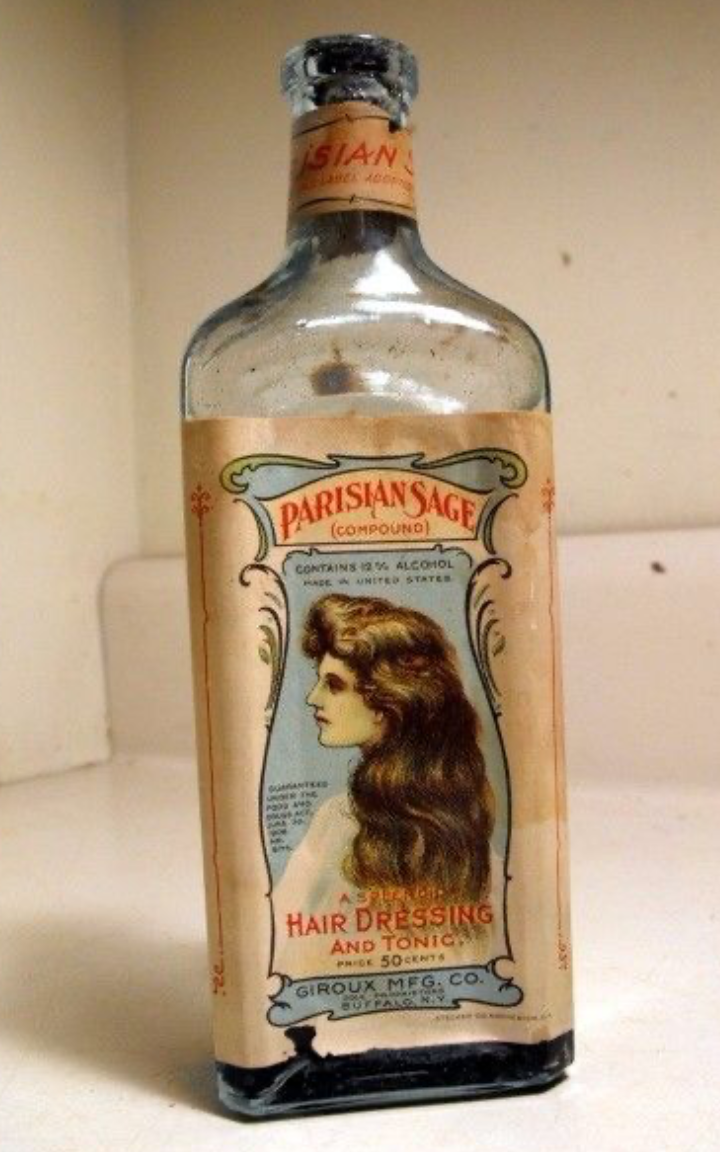
Before modern drug regulation, products promising to cure baldness, headaches, fatigue, and other ailments could contain dangerous substances or undisclosed ingredients. Some patent medicines included alcohol, opium, or other potent drugs. Their attractive labels and extravagant claims helped turn dubious remedies into profitable consumer products.
12. Toothache Drops
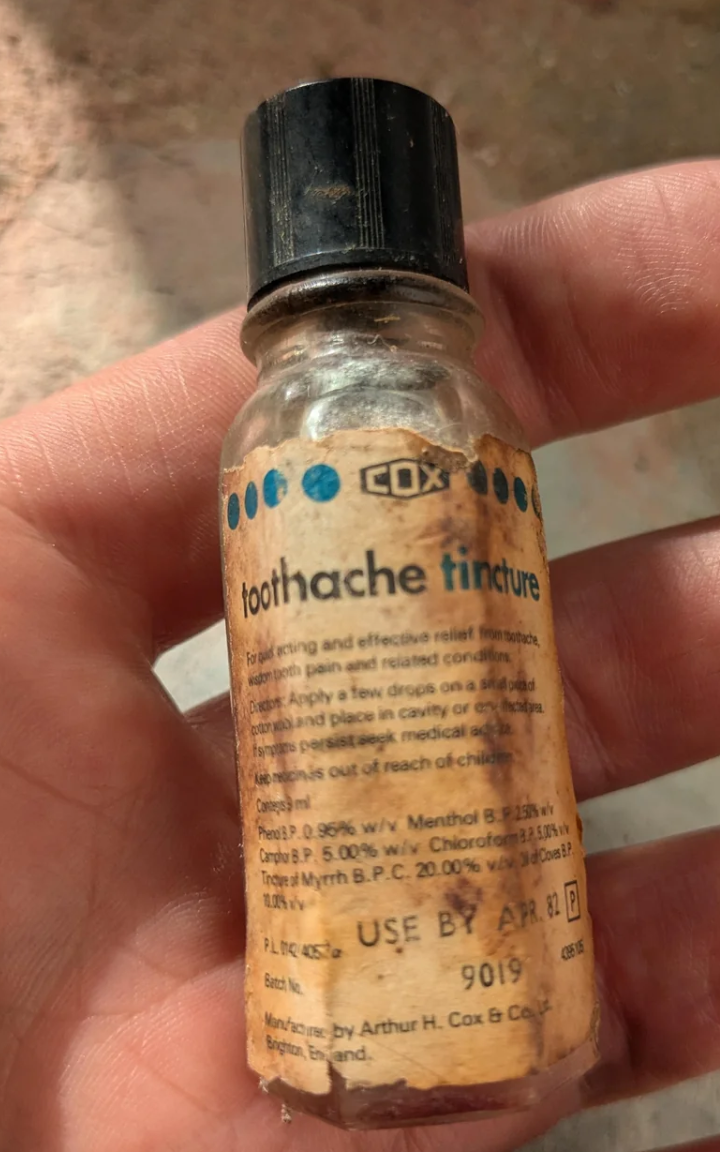
In the late 19th and early 20th centuries, some dental remedies contained cocaine or other potent drugs. A bottle bought to soothe a toothache could expose consumers to a substance with serious consequences, especially when the contents and risks were poorly understood.
13. Billiard Balls

Before synthetic materials became common, high-quality billiard balls were often made from elephant ivory. The demand for ivory contributed to the slaughter of elephants and the expansion of a brutal international trade. The objects themselves were symbols of leisure, but their production connected parlors and billiard halls to wildlife exploitation.
14. Piano Keys

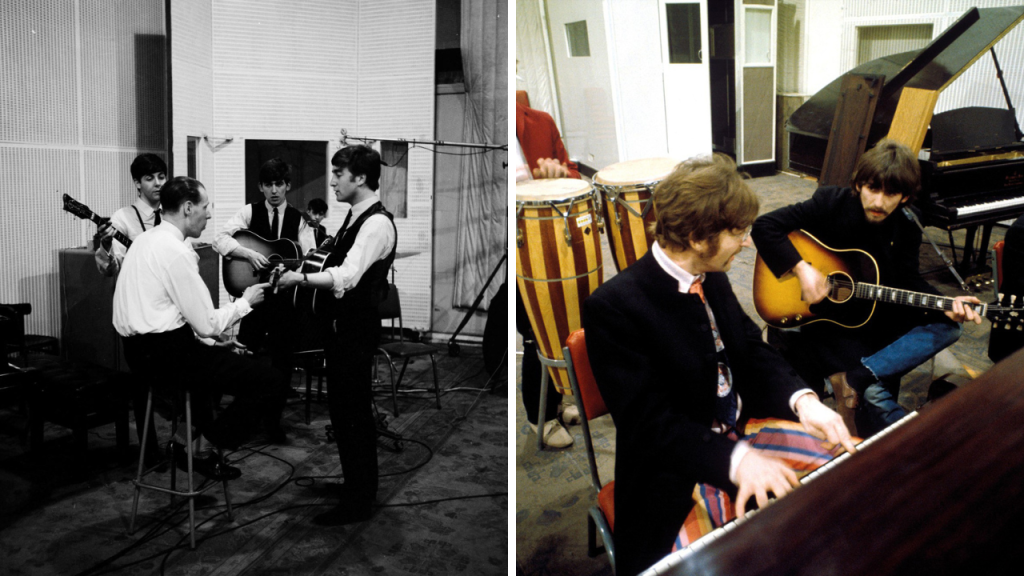
Traditional piano keys often featured thin coverings of elephant ivory, valued for its texture and appearance. Like billiard balls, ivory piano components were part of a much larger trade that fueled elephant hunting. The familiar instrument found in homes and concert halls therefore has a history tied to the devastating demand for wildlife products.
15. Sugar Bowls
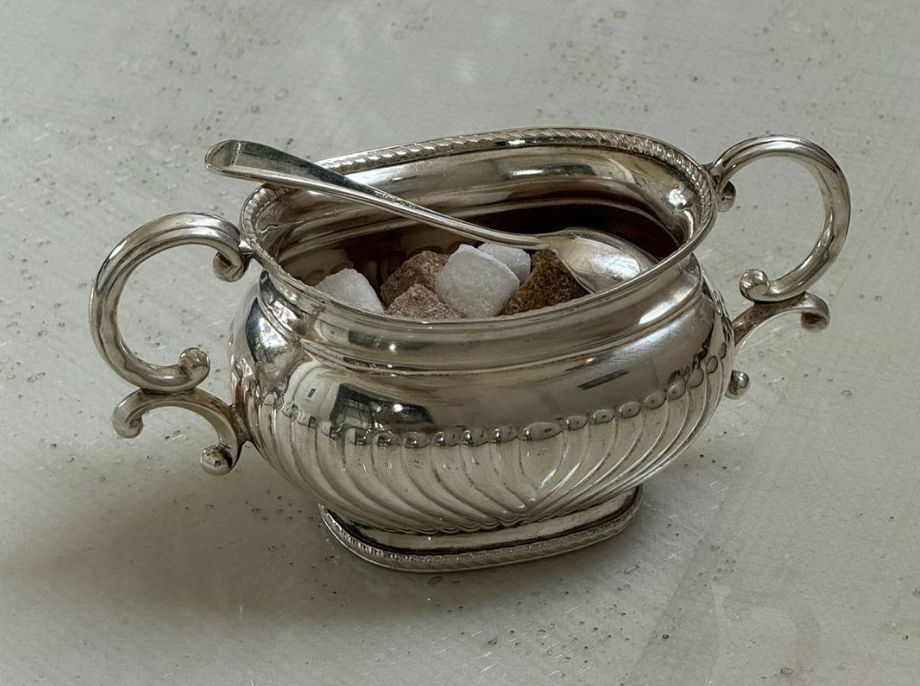
Sugar became a household staple through an industry deeply entangled with slavery and colonial exploitation. On Caribbean and other plantation economies, enslaved Africans were forced to perform brutal, dangerous labor in sugar production. The sugar served with tea and coffee in European and American homes was part of an economic system built on human suffering.
16. Coffee Cups
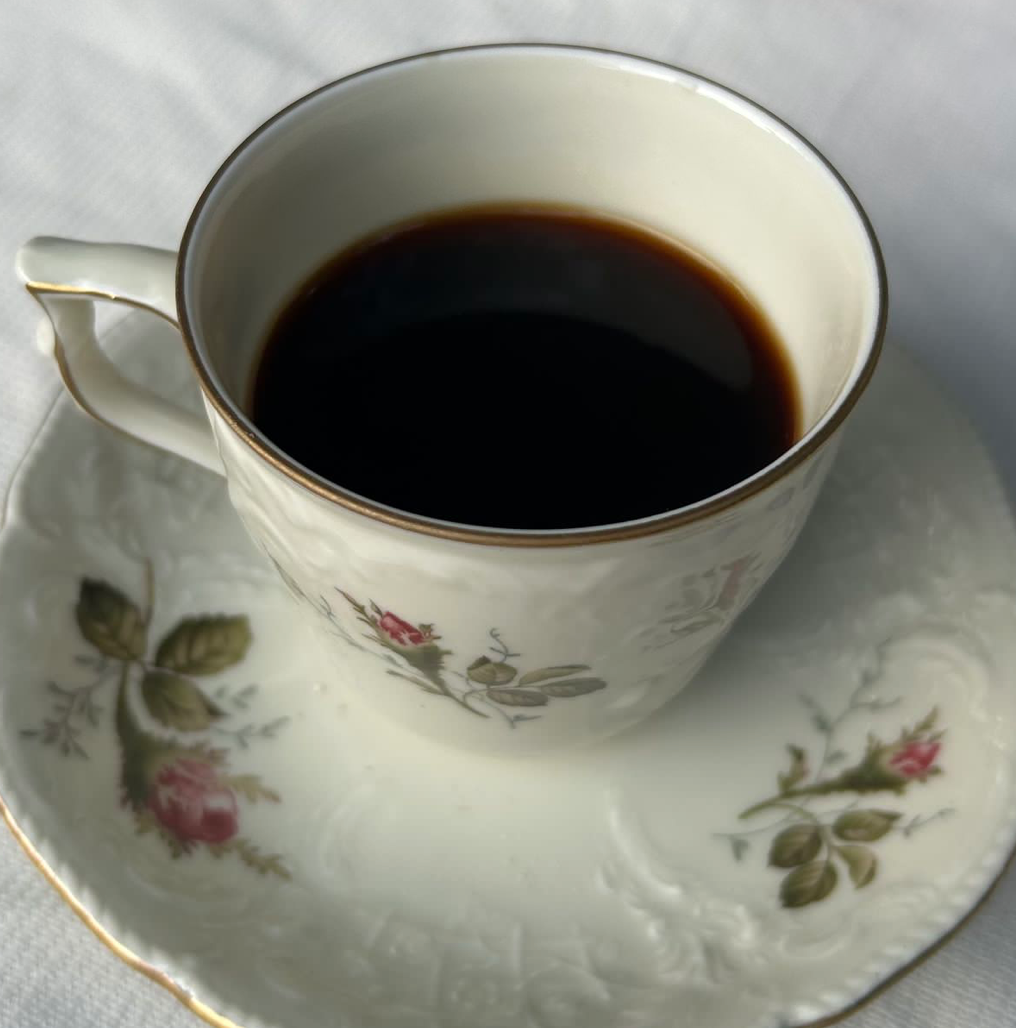
Coffee’s global history is tied to colonialism, coerced labor, and plantation economies. In different regions and periods, coffee production relied on enslaved people or exploited laborers, while profits flowed to merchants and colonial powers. The morning cup is ordinary, but the supply chains that made coffee a mass-market commodity have not always been benign.
17. Chocolate Bars
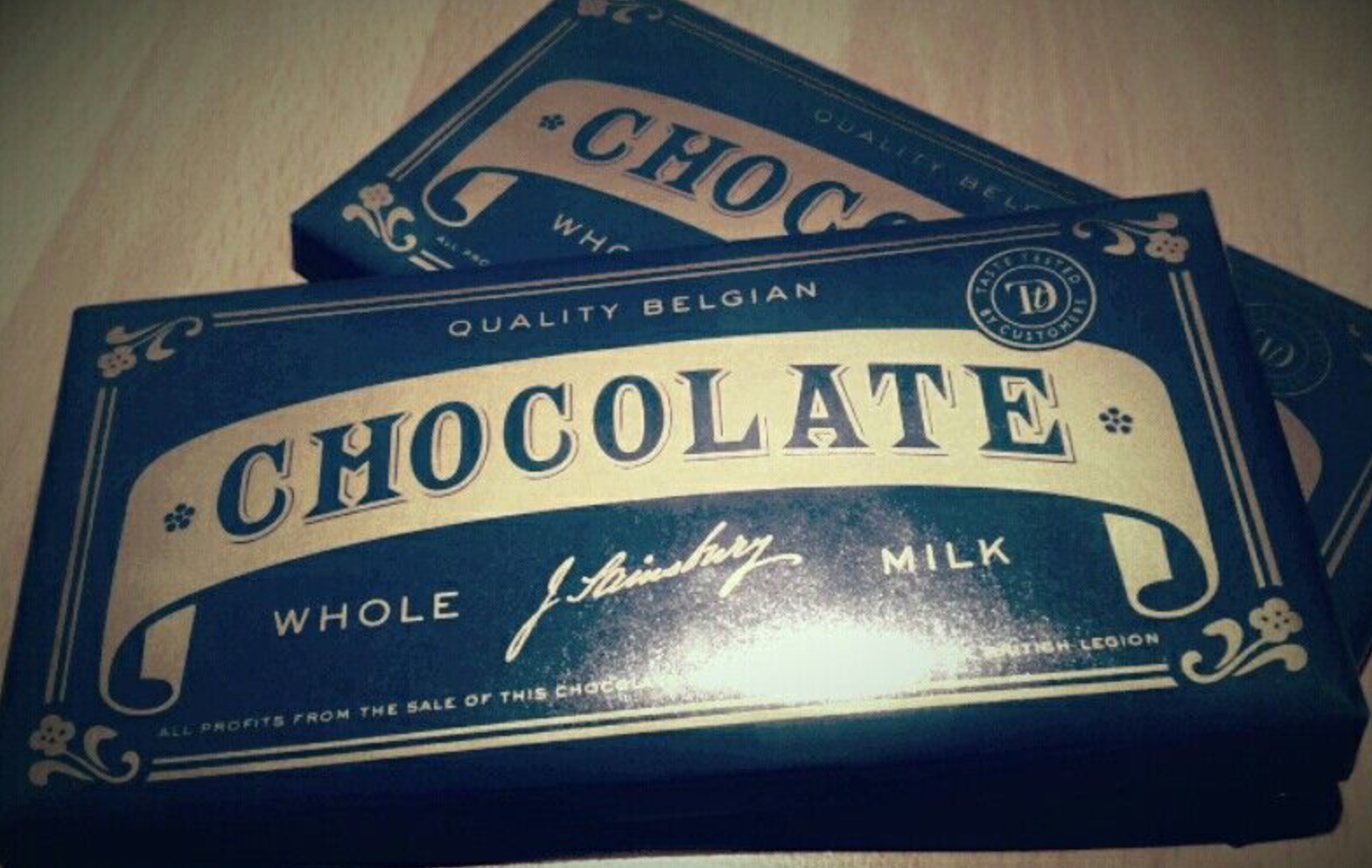
Chocolate’s darker history extends from colonial plantation economies to modern concerns about child labor in cocoa production. Children in parts of West Africa have been documented performing hazardous work in cocoa farming, including handling sharp tools and carrying heavy loads. The sweet treat’s history is a reminder that low prices can conceal serious human costs.
18. Rubber Tires
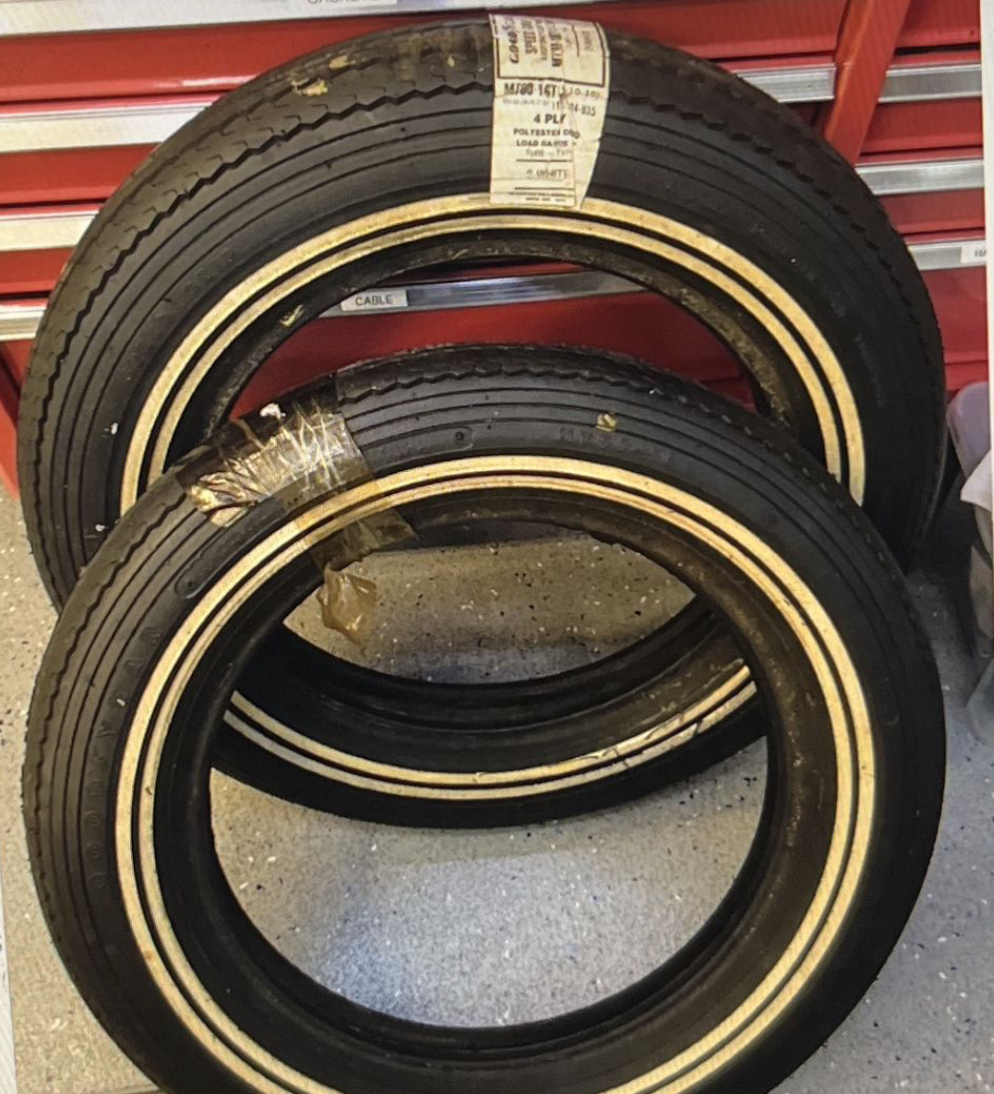
The boom in natural rubber helped transform transportation, but rubber extraction in the Congo Free State under King Leopold II became notorious for forced labor, hostage-taking, mutilation, and mass death. This history is not the story of every tire manufacturer, but it illustrates how the demand for an everyday industrial material helped sustain one of the most brutal colonial regimes in modern history.
19. Cotton T-Shirts
Cotton clothing has a long connection to slavery, particularly in the American South, where enslaved people were forced to cultivate and harvest cotton under brutal conditions. The cotton trade helped fuel the transatlantic economy of slavery and supplied textile mills across the Atlantic. Today’s basic T-shirt belongs to a textile history shaped by exploitation long before modern fast fashion emerged.
20. Alarm Clocks

Mechanical clocks helped industrial employers organize working time with increasing precision. During the Industrial Revolution, factory schedules often meant long shifts, harsh discipline, and dangerous working conditions. Alarm clocks did not create those abuses, but the culture of punctuality they served became part of a system in which workers’ time was increasingly controlled by employers.
21. Cigarette Packs
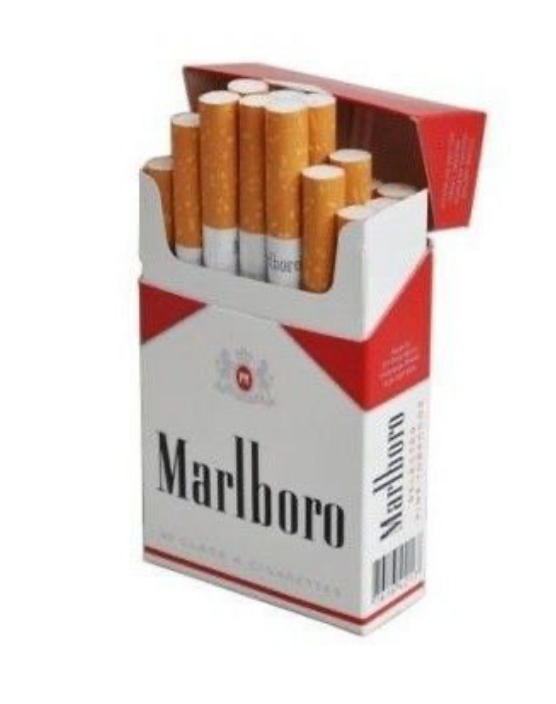
Cigarettes were once promoted as glamorous accessories, and advertisements sometimes featured doctors or made misleading health claims. As scientific evidence established the connection between smoking and cancer, the industry faced growing scrutiny over its marketing and its handling of health risks. Few everyday consumer products illustrate the consequences of decades of misleading reassurance as clearly as cigarettes.
22. Disposable Plastic Packaging
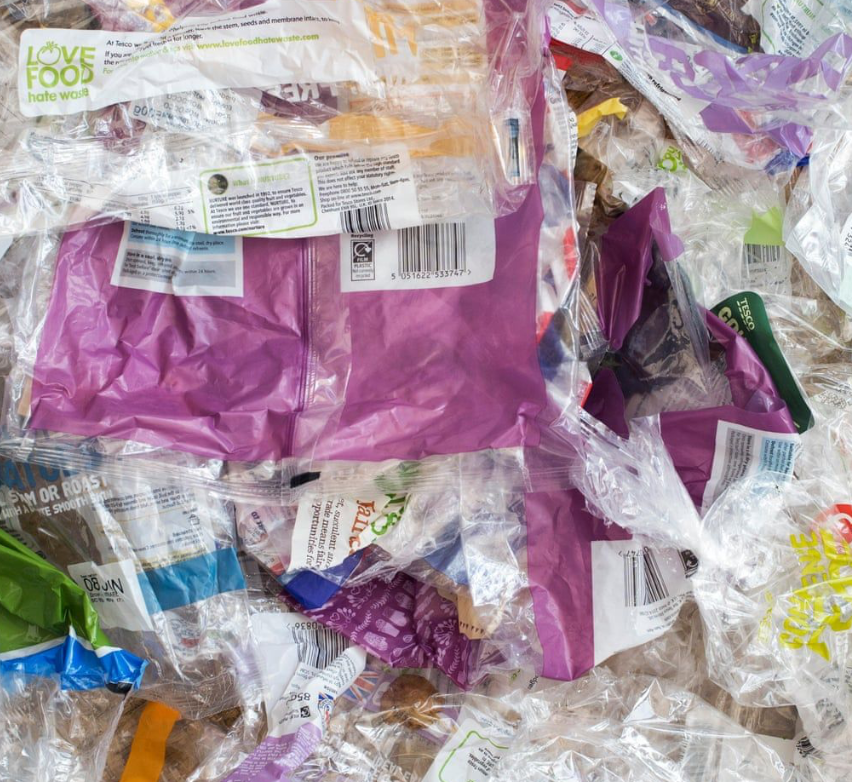
Cheap plastic packaging made modern consumer life more convenient, but the growth of single-use plastics created a lasting environmental problem. Much plastic waste persists for decades or longer, fragments into microplastics, and can harm wildlife. The darker history here is less about one sinister invention than a throwaway culture whose consequences outlast the products themselves.
23. Electric Fans
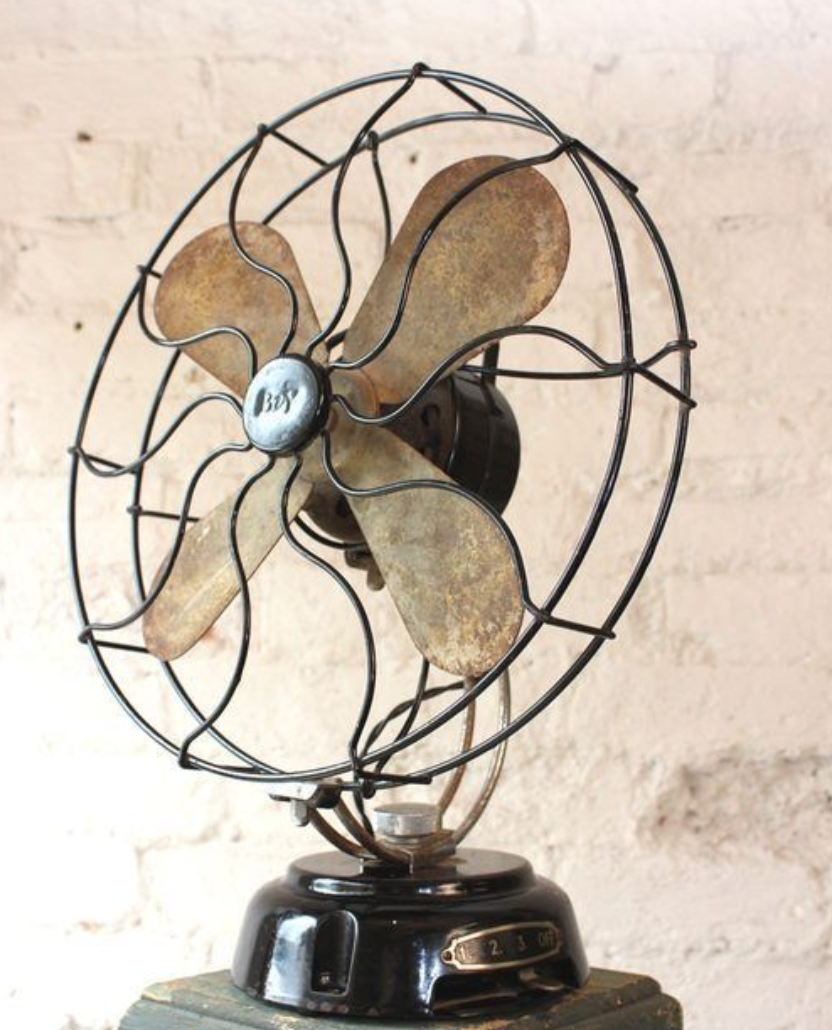
Early electric fans helped make hot homes more bearable, but older models could have exposed moving blades and hazardous electrical components. Before modern safety standards, household appliances were often designed with less comprehensive protection than consumers expect today.
24. Can Openers

Canned food appeared decades before the can opener. Early cans were so thick that opening them often required a hammer and chisel, and manufacturers sometimes instructed consumers to use those tools. The first patented can opener arrived in 1858, nearly half a century after the first metal food cans. It wasn’t a sinister invention, but its history is a surprisingly hazardous chapter in the evolution of convenience.
25. Victorian Baby Bottles
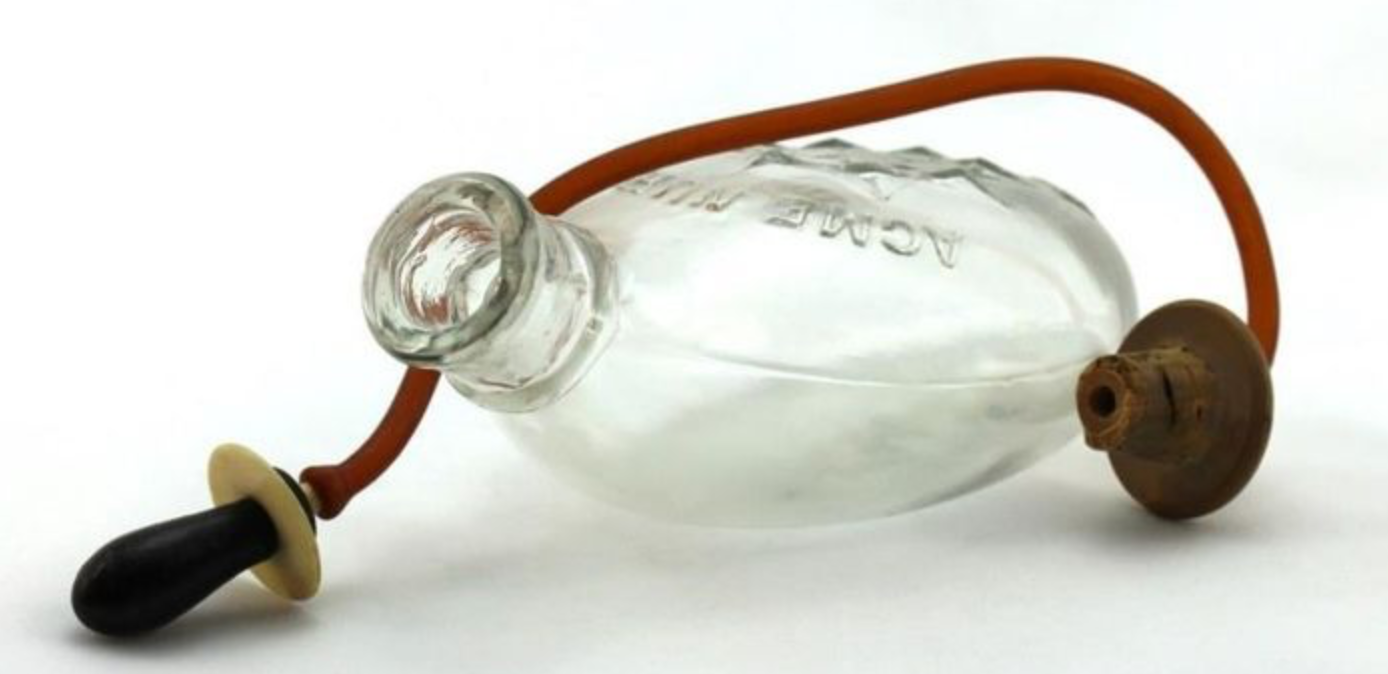
Some 19th-century feeding bottles had long rubber tubes that were difficult to clean thoroughly. Bacteria could accumulate inside them, and the bottles became associated with serious infant illness and death. The nickname “murder bottles” is often used in accounts of these designs, though the precise historical details vary. The underlying problem was real: convenience and poor hygiene made a dangerous combination for vulnerable babies.
26. Bottled Health Tonics
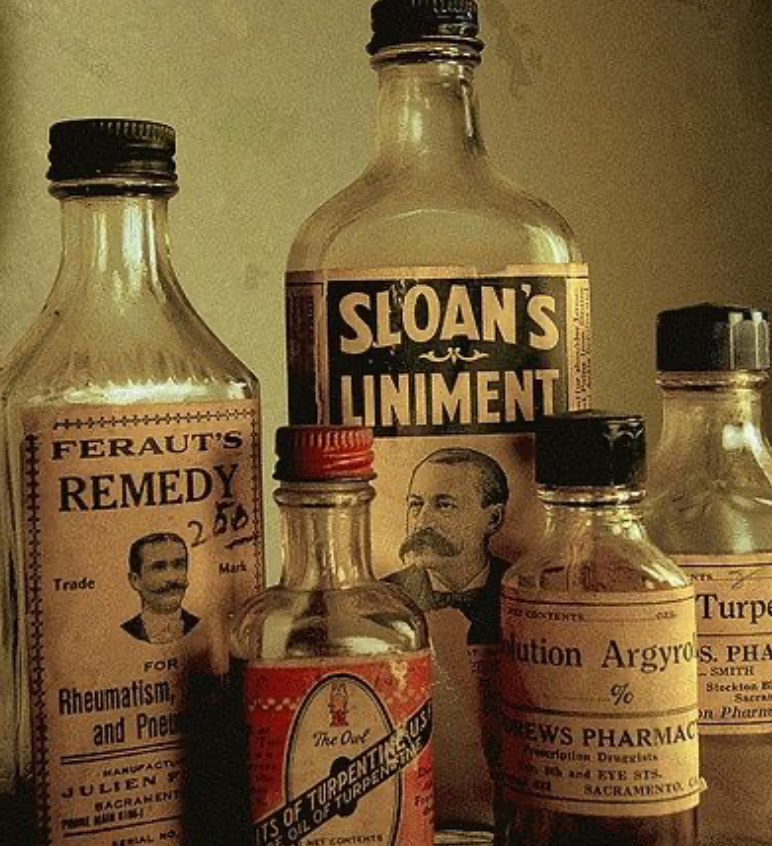
During the early 20th-century radium craze, some products containing radioactive substances were sold as health remedies. Radium water and other preparations were promoted with claims about vitality and well-being, despite the serious dangers of radiation exposure. The episode shows how a scientific discovery can become a consumer fad when marketing outruns evidence.
27. Refrigerators
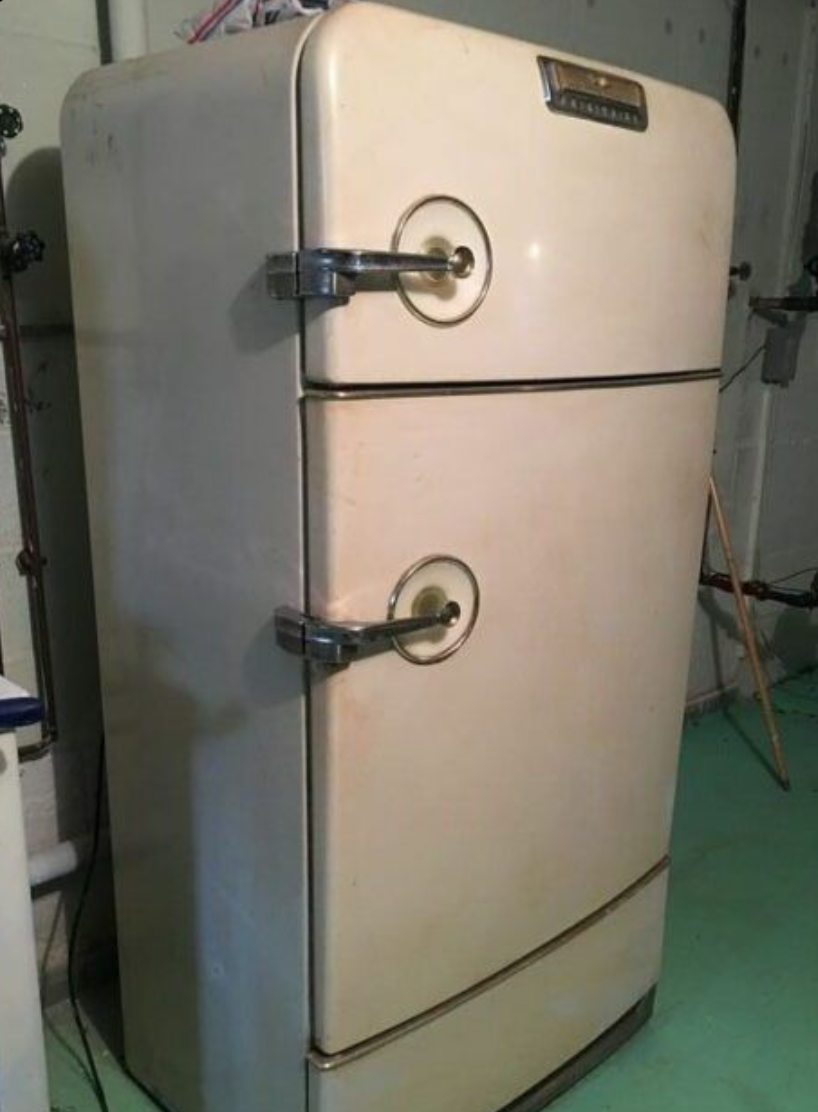
Early refrigeration technologies sometimes relied on toxic or flammable gases. Before safer refrigerants became widespread, leaks from certain systems could pose serious risks, including poisoning or fire. Modern refrigerators are considerably safer, but the appliance’s evolution reflects a recurring pattern in technological history: a useful invention can bring hazards that take years of engineering and regulation to control.
28. Nonstick Frying Pans
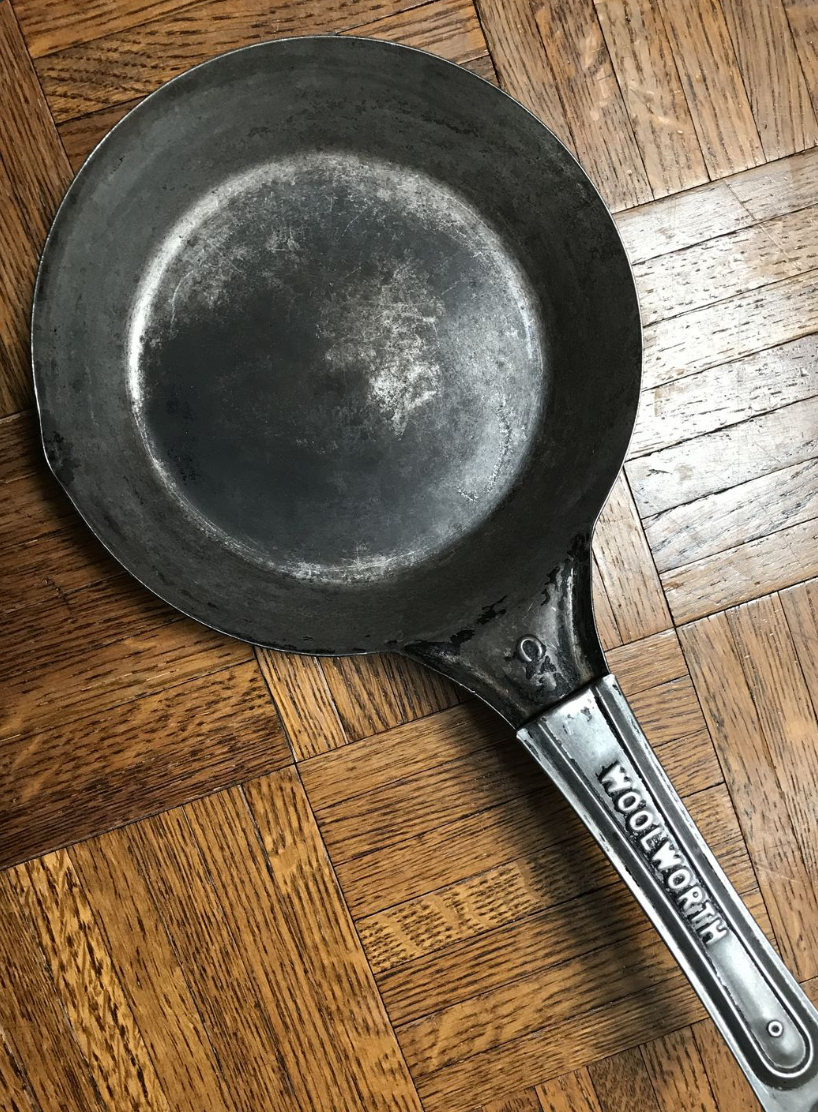
Nonstick cookware became popular because food could slide off the surface with little effort. The darker side of its history involves PFAS chemicals, a broad family of substances used in some nonstick coatings and manufacturing processes. Certain PFAS have been linked to health and environmental concerns, and some persist for a long time.
29. Kitchen Knives

Knives are among humanity’s oldest tools, originally used for survival tasks such as cutting food and processing animal hides. Across history, however, they have also been adapted into weapons, used in violence, and mass-produced for military purposes.
30. Microwave Ovens
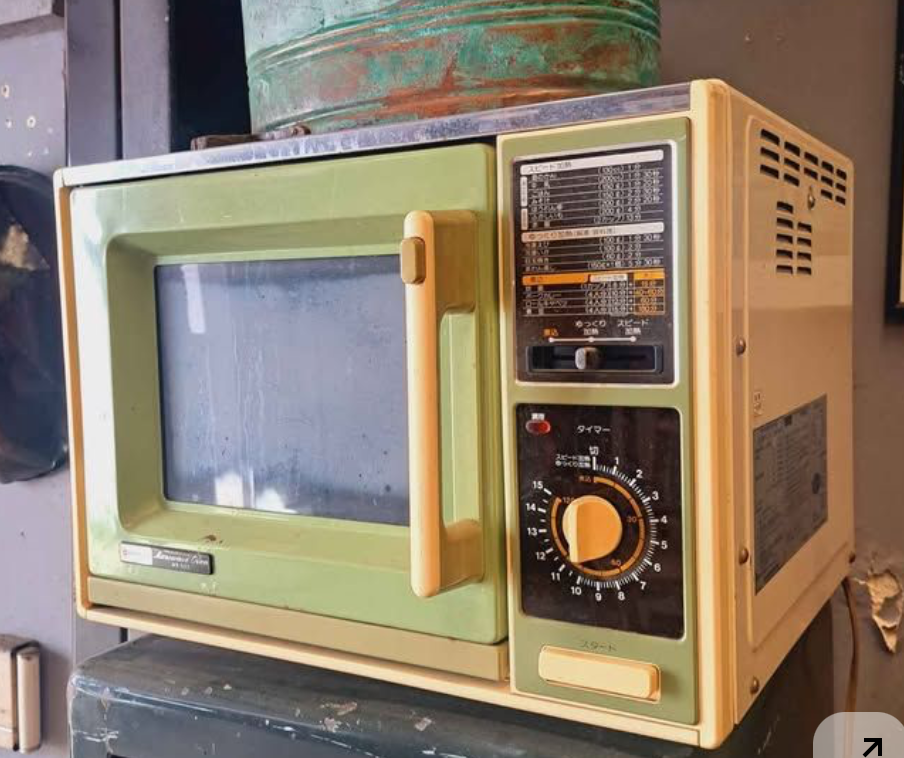
The microwave oven’s invention is often linked to engineer Percy Spencer, who was working with radar technology after World War II when he noticed that a candy bar in his pocket had melted near an active magnetron. Although microwave radiation can heat food efficiently, intense exposure can cause serious burns and eye injuries.