The concept of resurrecting extinct species feels like a plot from a sci-fi thrillerbut thanks to breakthroughs in genetic modification and cloning, it’s inching closer to reality. From ancient titans to recently vanished creatures, here are 30 extinct species that might one day see a revival through scientific means.
1. Woolly Mammoth
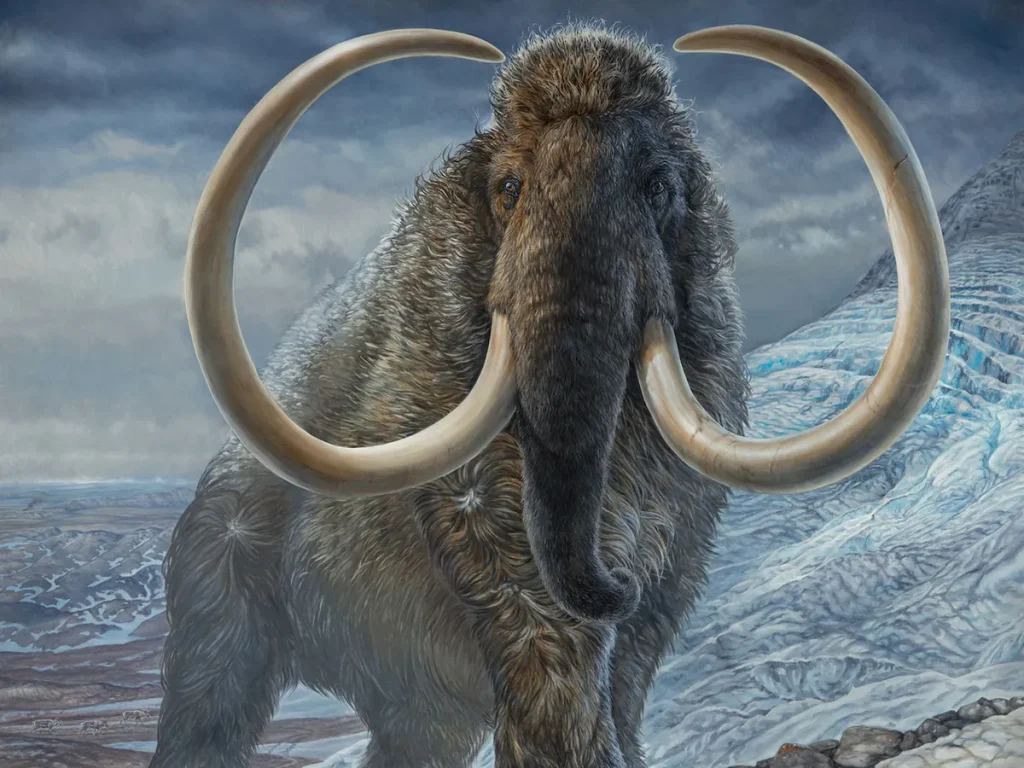
Well-preserved DNA extracted from frozen remains in Siberia positions the woolly mammoth as a prime candidate for rebirth. Researchers are looking to harness Asian elephant surrogates for this purpose.
2. Dire Wolf
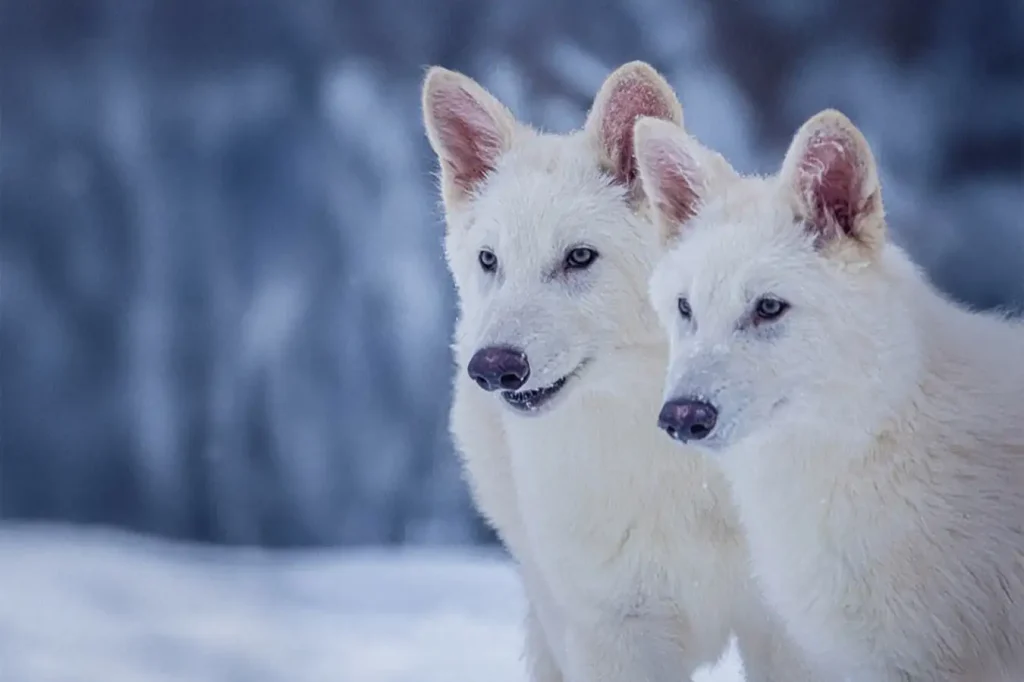
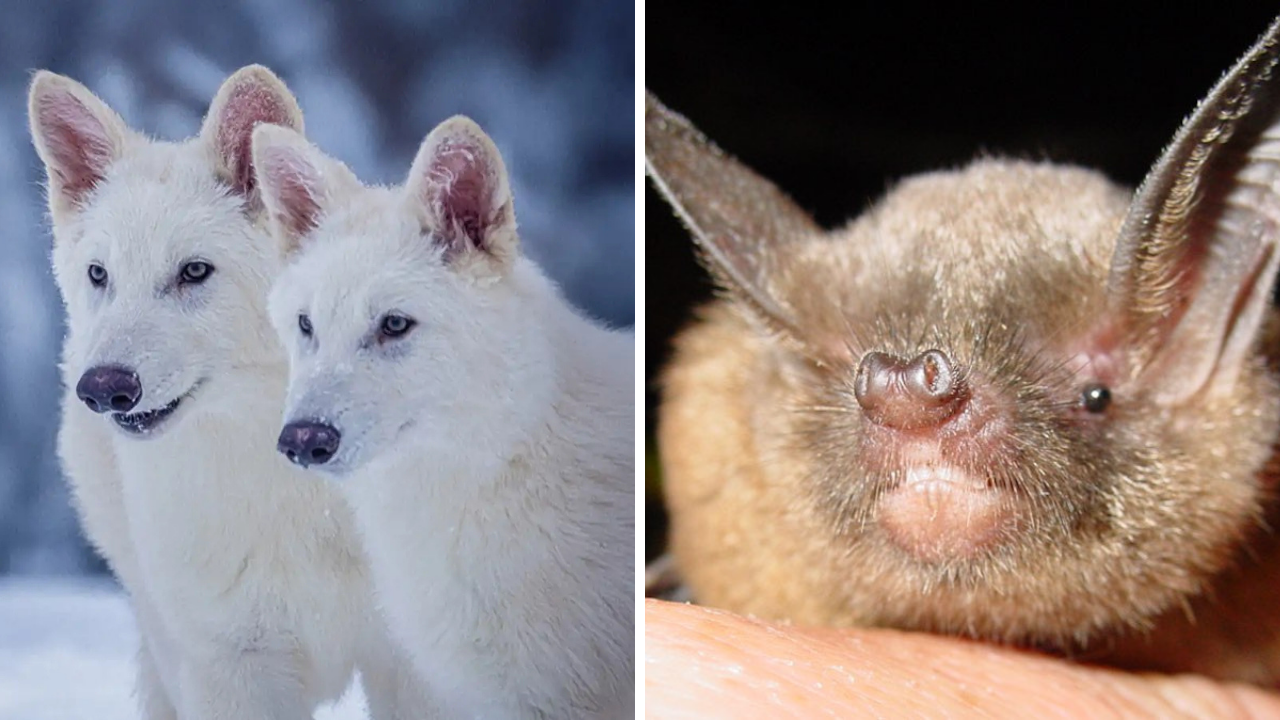
The Stark family’s favorite pet just got resurrected. Colossal Biosciences, the biotech start-up that’s attempting to revive the woolly mammoth, has brought not just one but three dire wolves back from extinction. The species, which garnered plenty of attention in Games of Thrones, has not been seen on Earth for over 10,000 years.
3. Tasmanian Tiger (Thylacine)
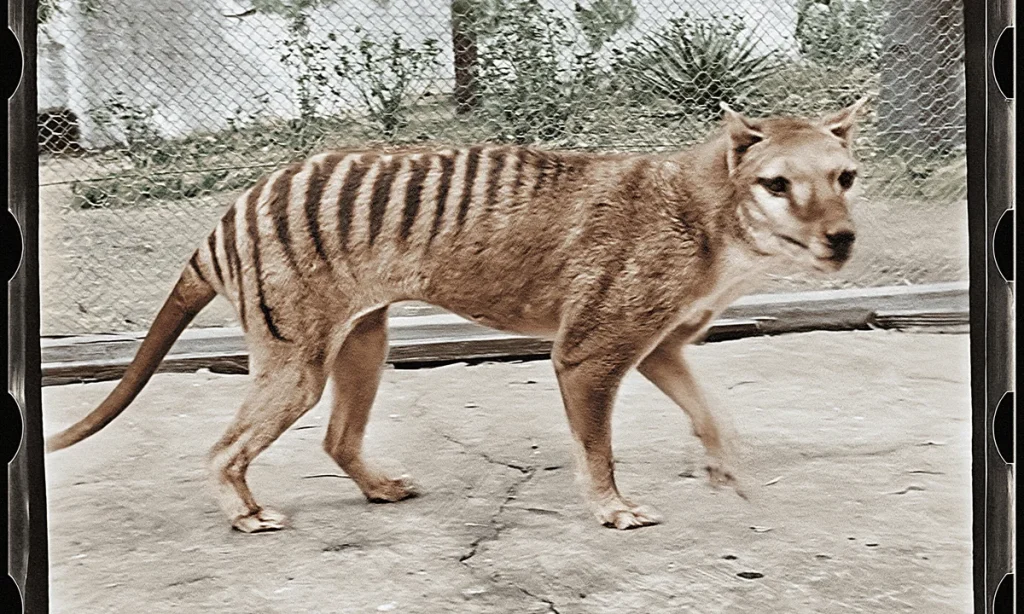
The last known Tasmanian tiger perished in captivity in 1936, but preserved remains might still contain viable DNA. Initiatives are underway in Australia to potentially resurrect this carnivorous marsupial.
4. Dodo
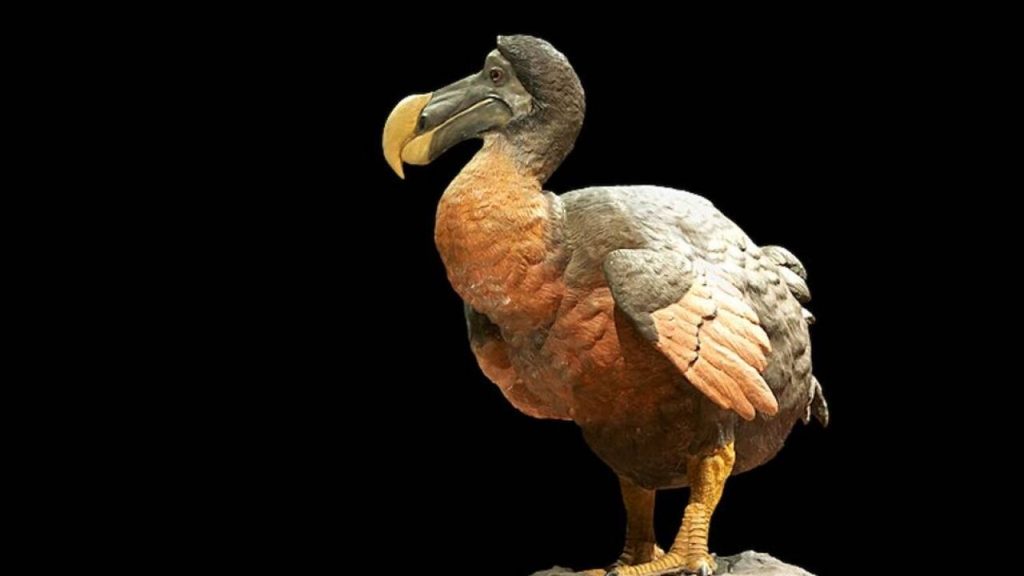
The dodo, a flightless bird, succumbed to extinction due to human activity and invasive species in the 17th century. Since some pigeon relatives remain, researchers are examining gene-editing methods that could enable its revival.
5. Pyrenean Ibex
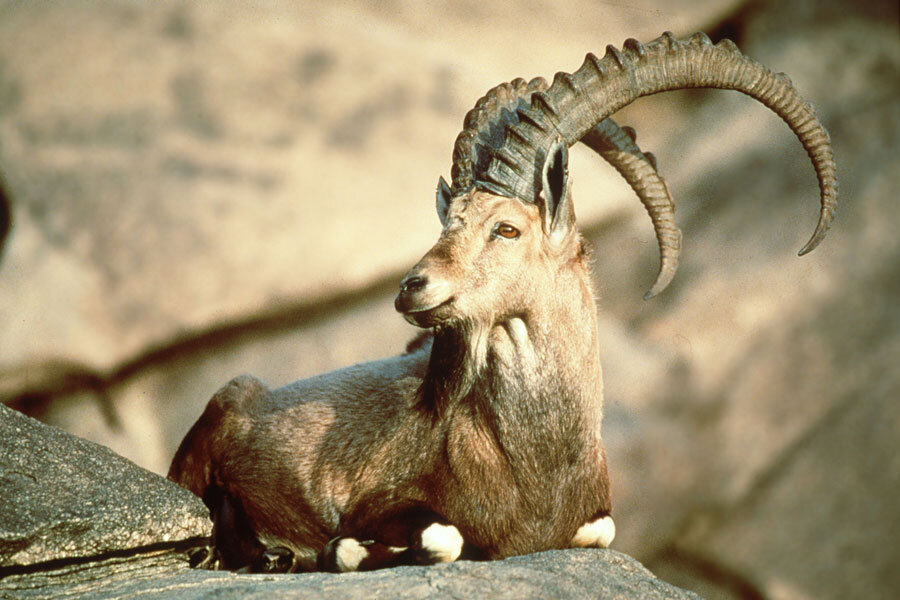
This mountain goat made headlines when it was briefly brought back via cloning in 2003, marking it as the first de-extinct creaturethough it died shortly after birth. Progress in cloning technology may offer new hope for this species.
6. Great Auk
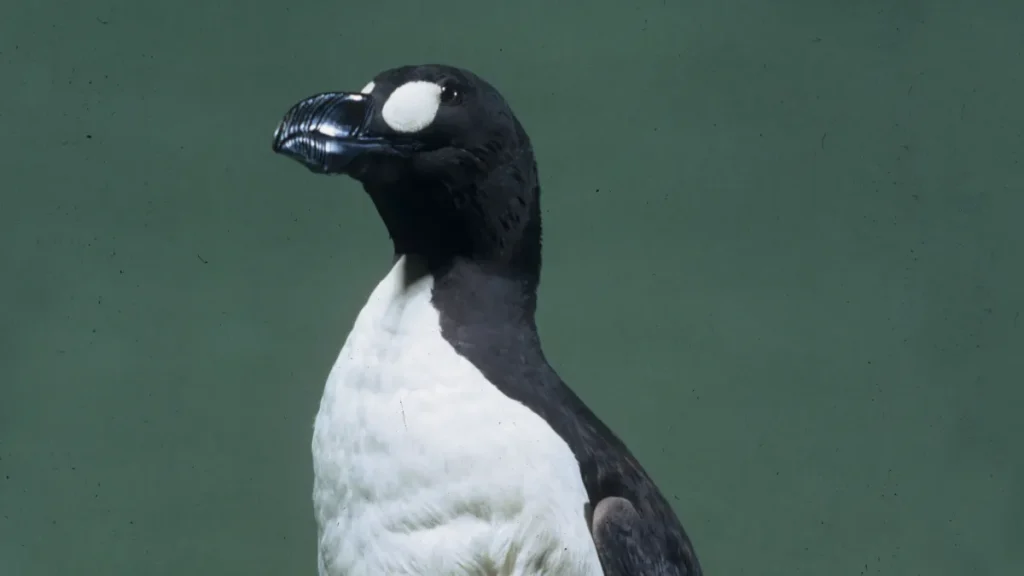
Once abundant in the North Atlantic, this large flightless bird fell victim to hunting. Related puffins may provide genetic surrogates needed for de-extinction attempts.
7. Quagga
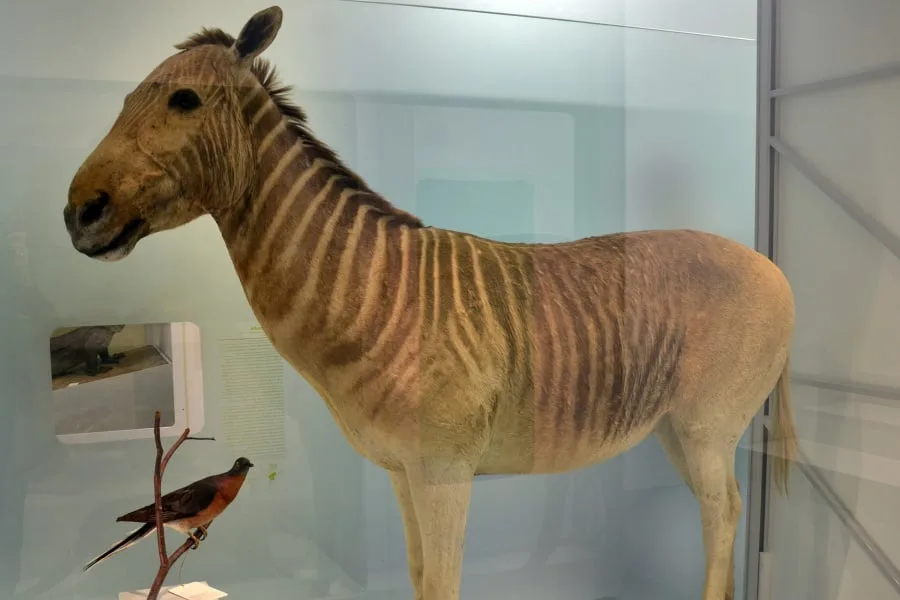
A distinct subspecies of the plains zebra, the quagga, went extinct during the 19th century. Current selective breeding initiatives have produced animals that closely mimic its appearance.
8. Steller’s Sea Cow
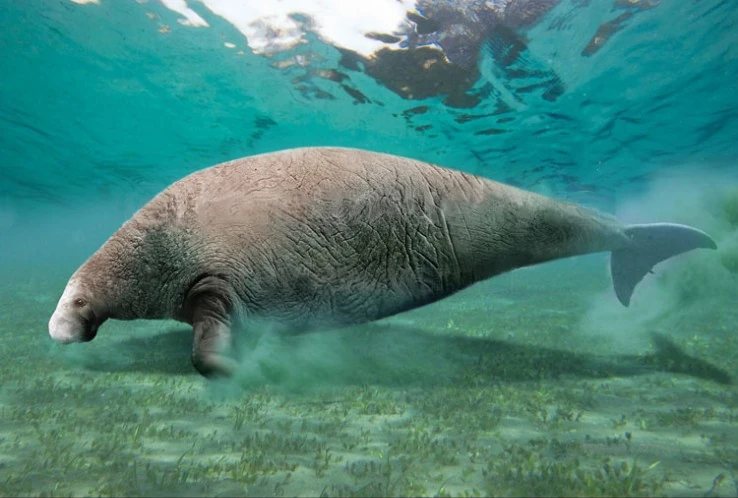
This gentle giant was hunted to extinction just 27 years after its discovery. Researchers are examining manatee relatives to uncover potential methods for its revival through de-extinction.
9. Carolina Parakeet
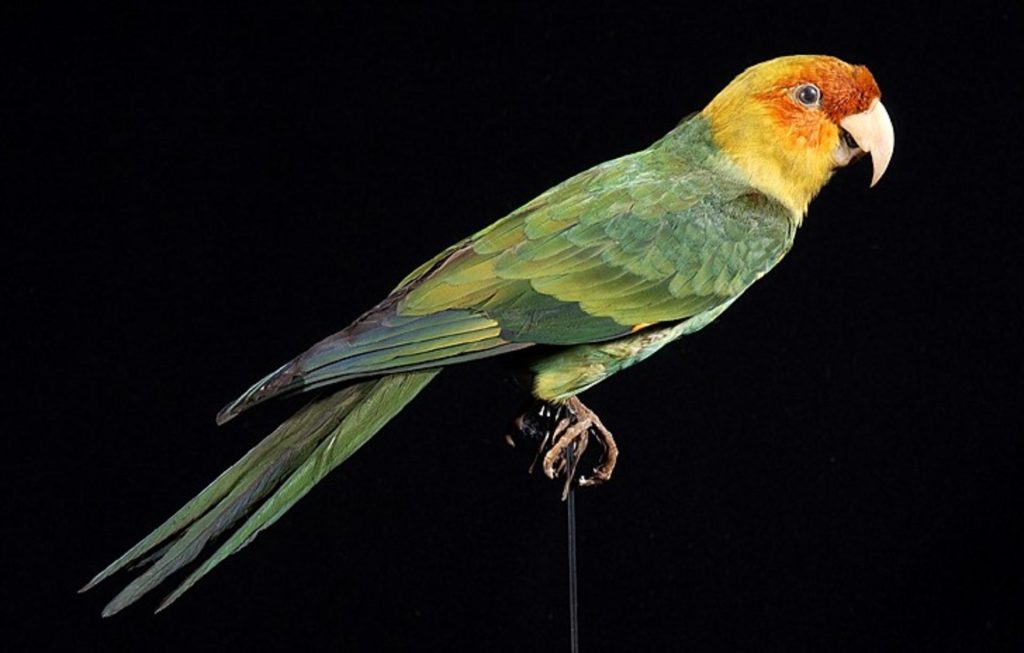
This parrot species, unique to the eastern United States, disappeared in the early 20th century. Its DNA has been preserved in museum specimens, presenting an opportunity for its possible return.
10. Heath Hen
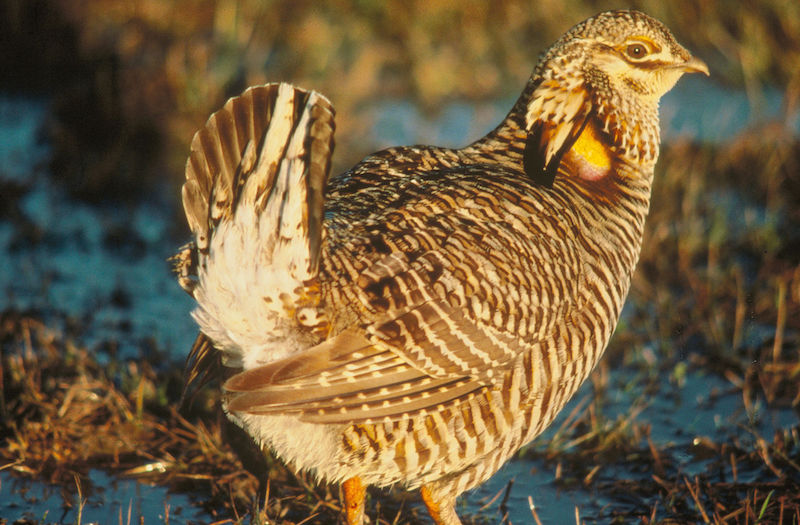
Related to the prairie chicken, the heath hen became extinct in the 1930s. Its genetic relationship with surviving species renders it a suitable candidate for revival.
11. Irish Elk
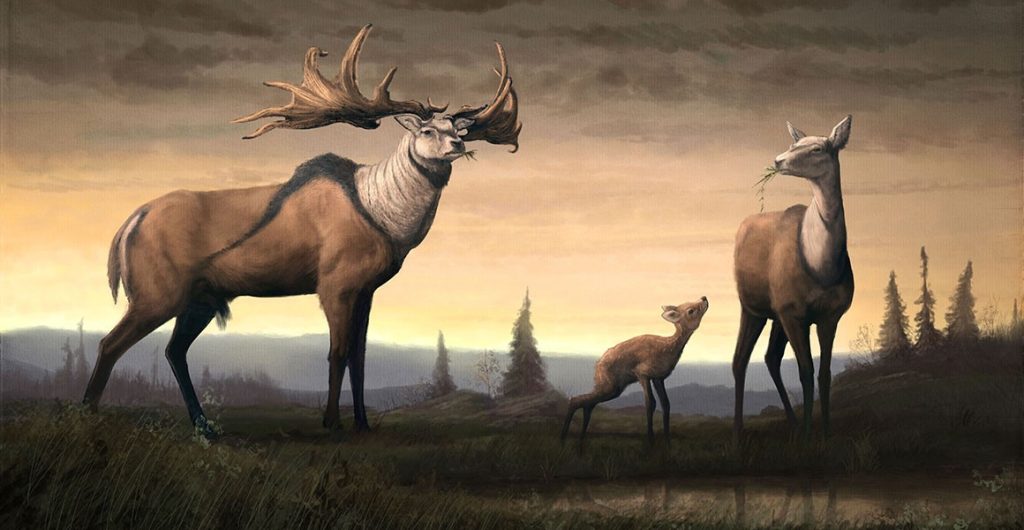
Renowned for its massive antlers, this prehistoric deer inhabited Europe and Asia. Ancient DNA retrieved from well-preserved bones might pave the way for its return, contingent on technological advancements.
12. Labrador Duck
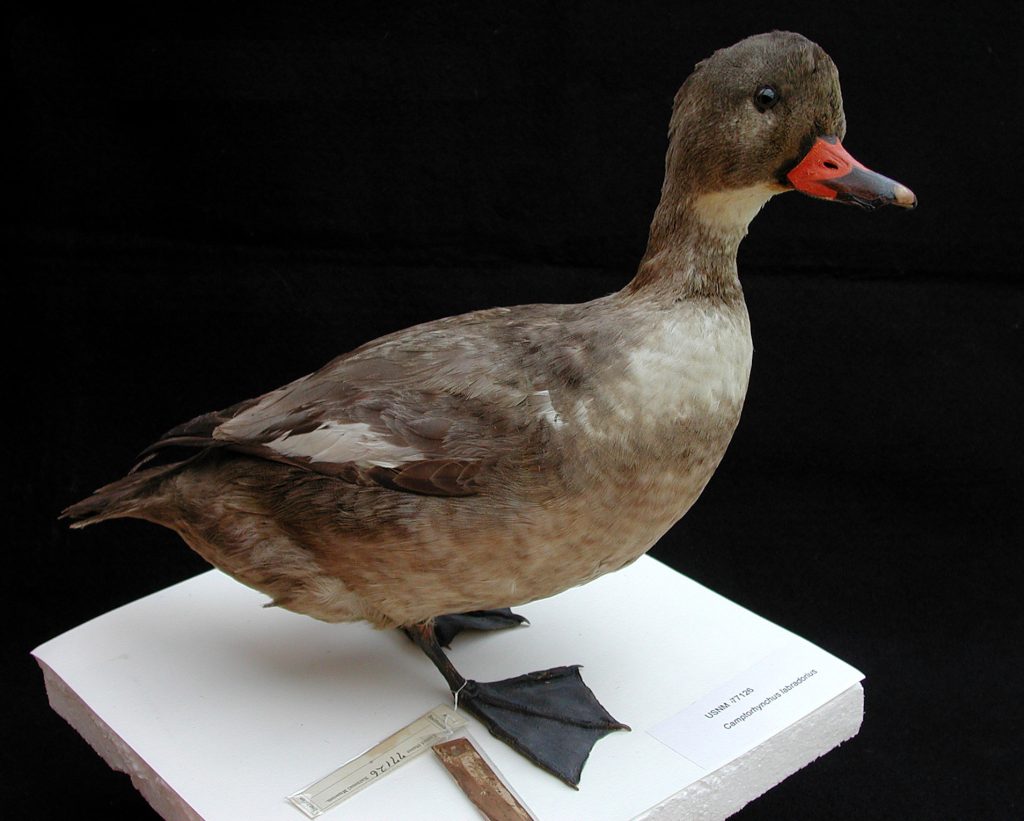
This enigmatic North American duck went extinct in the late 1800s. Genetic investigations are starting to uncover its place in the evolutionary lineage, enhancing its chances of being revived.
13. Caspian Tiger
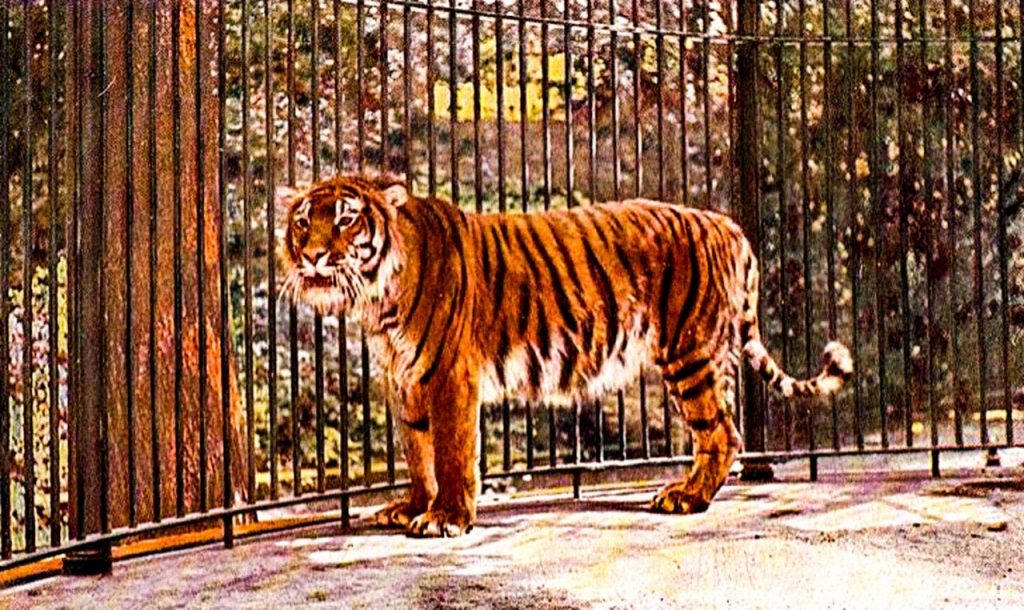
Once an iconic tiger subspecies roaming Central Asia, the Caspian tiger is now lost due to human-induced conflicts and habitat destruction. Scientists are contemplating breeding programs with Siberian tigers, a closely related species.
14. Moas
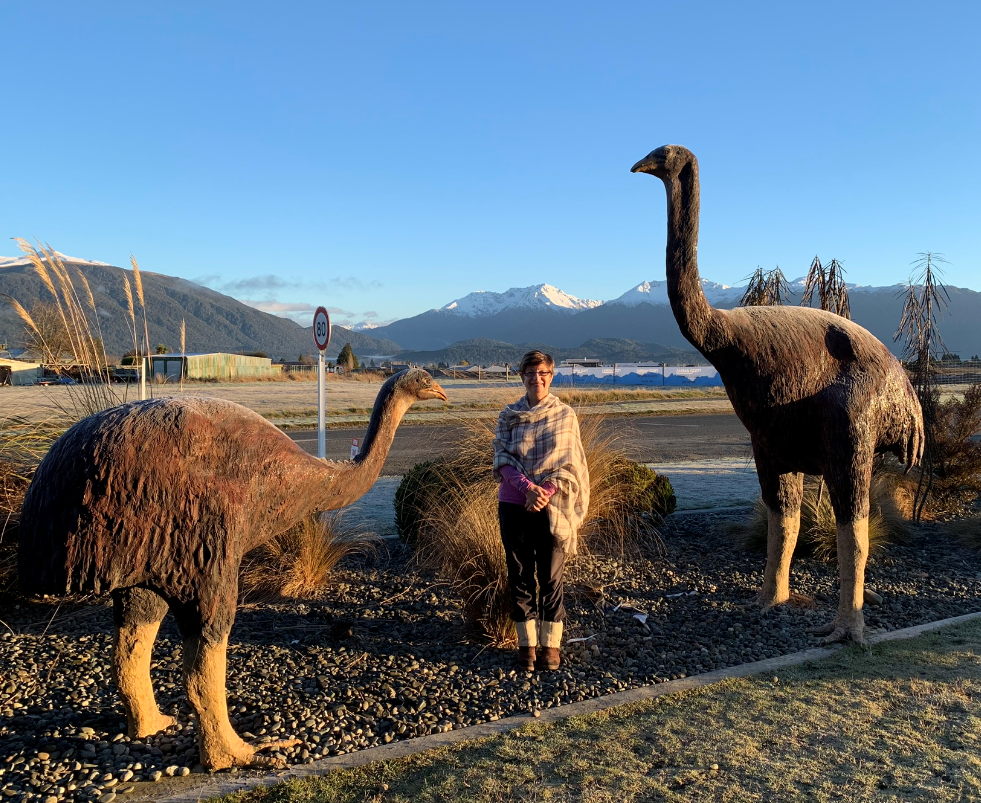
These colossal, flightless birds in New Zealand were eradicated by early settlers. Current explorations into DNA extraction from well-preserved remains are ongoing.
15. Short-Faced Bear
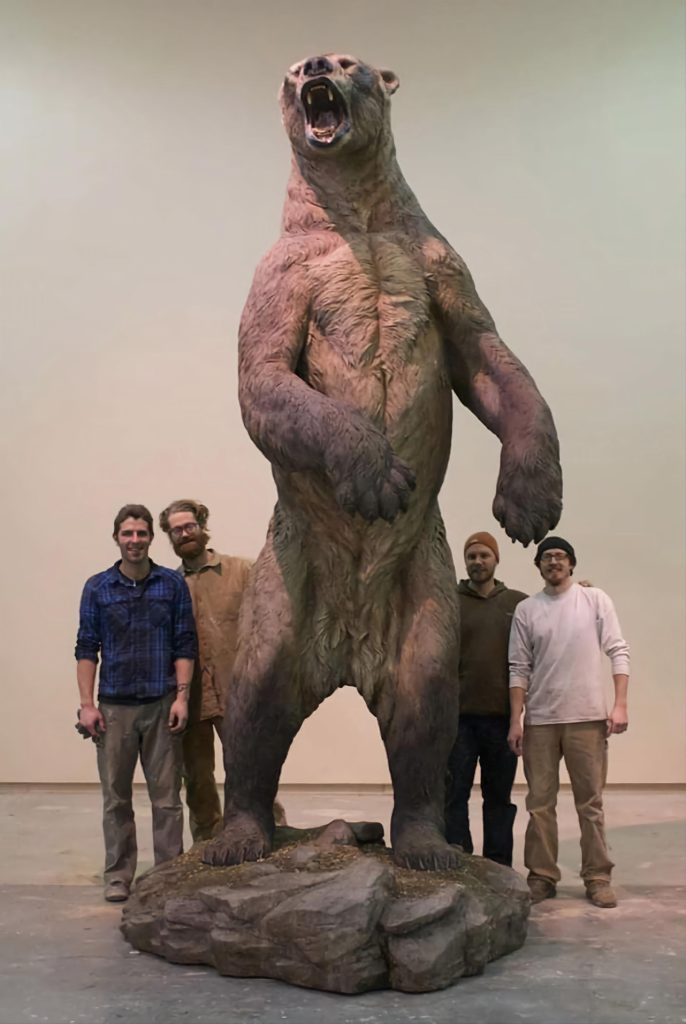
Among the largest carnivorous mammals in history, it thrived across North America during the Ice Age. Developments in ancient DNA recovery may one day make its resurrection feasible.
16. Cave Lion
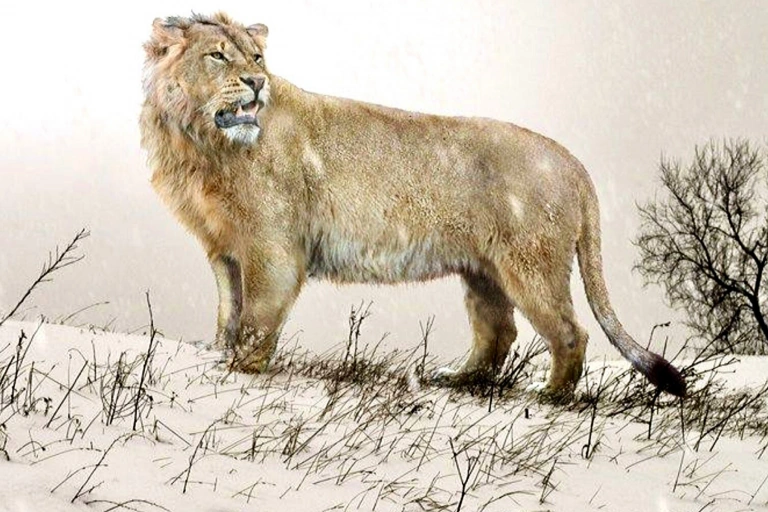
This Ice Age hunter roamed throughout Europe and Asia. Remains preserved in permafrost offer valuable DNA for study.
17. Elephant Bird
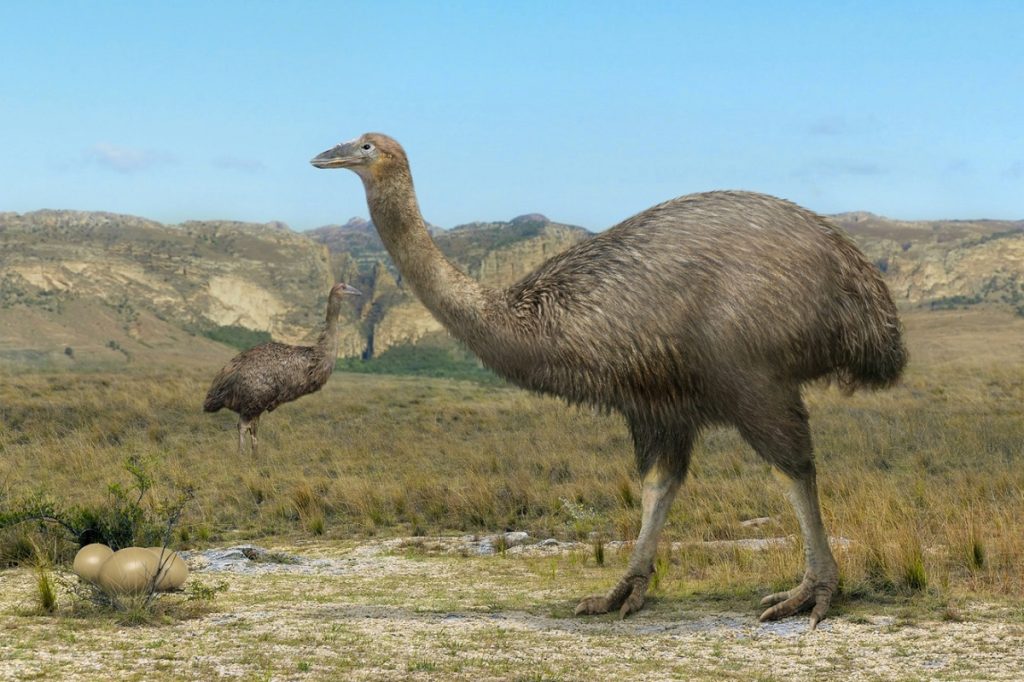
This enormous bird, indigenous to Madagascar, might have been the inspiration for tales of gigantic ostriches. Its relatively recent disappearance and close relations with today’s birds present a potential for revival.
18. Gastric-Brooding Frog
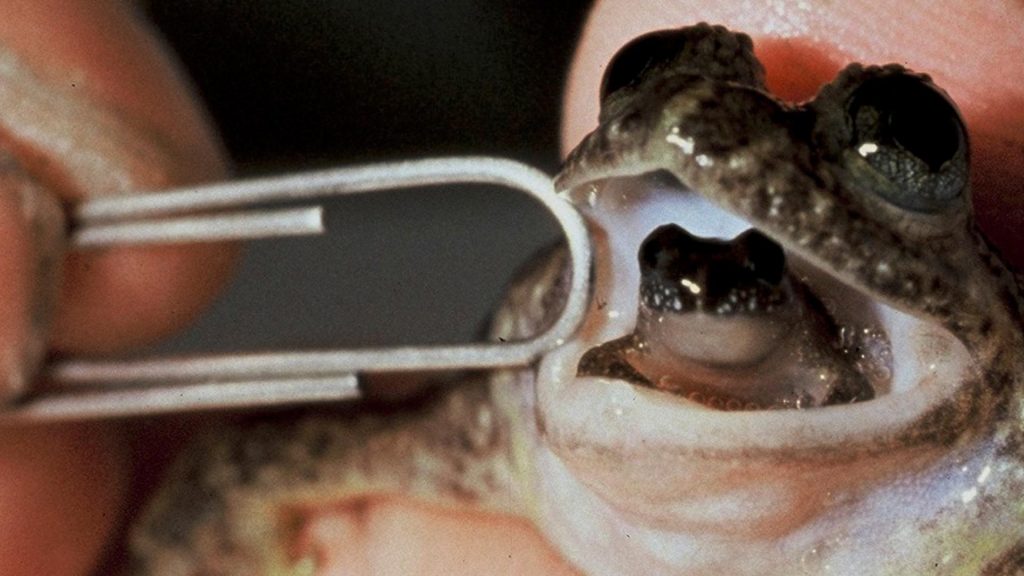
This distinctive Australian frog gave birth via its stomach and became extinct in the 1980s. Researchers have already cloned its cells, indicating it could be a prime candidate for de-extinction.
19. Bubal Hartebeest
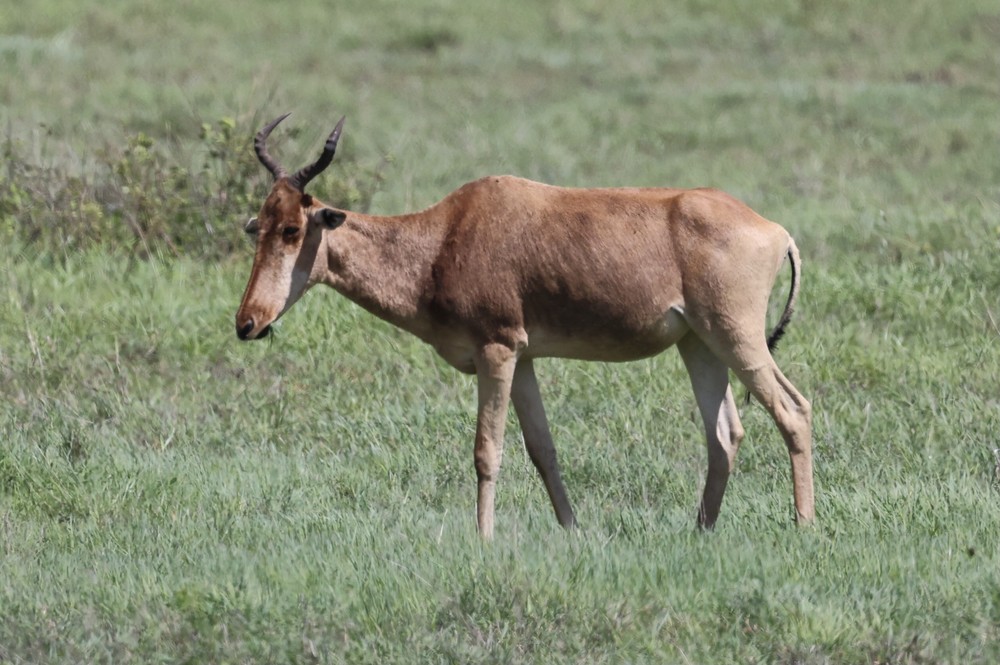
Once widespread in North Africa, this antelope fell victim to overhunting and extinction. Its genetic material might be retrieved from preserved specimens.
20. Haast’s Eagle
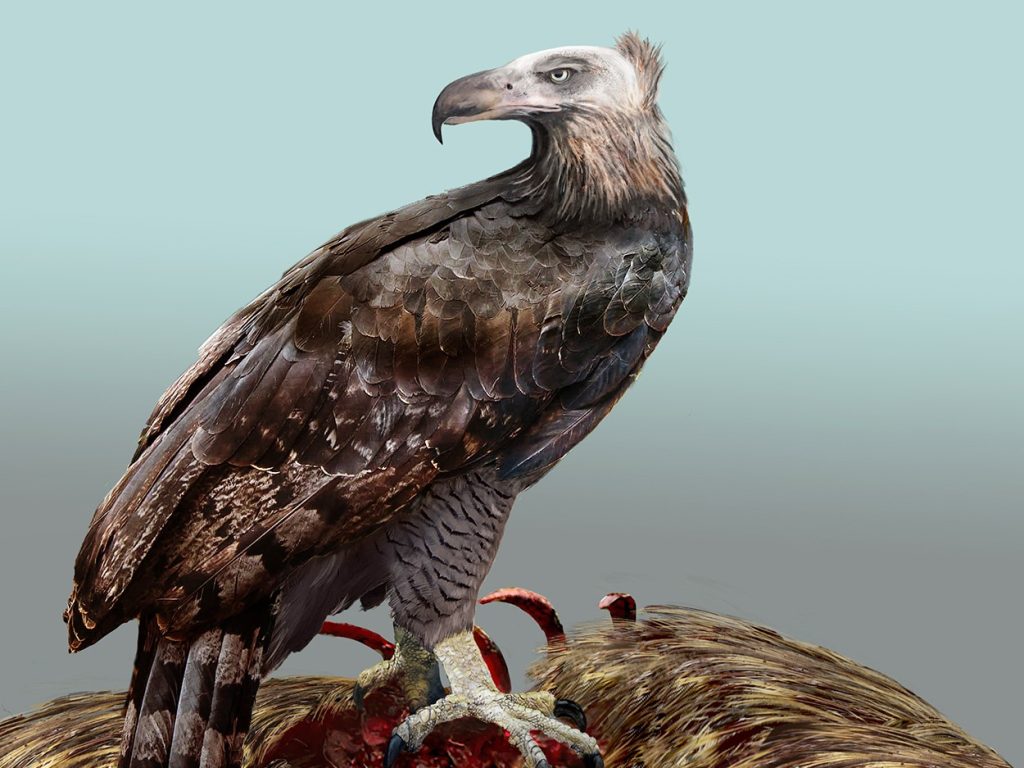
The largest eagle ever recorded, it hunted moas in New Zealand. Its formidable legacy could potentially be revived through contemporary avian genetics.
21. Western Black Rhinoceros
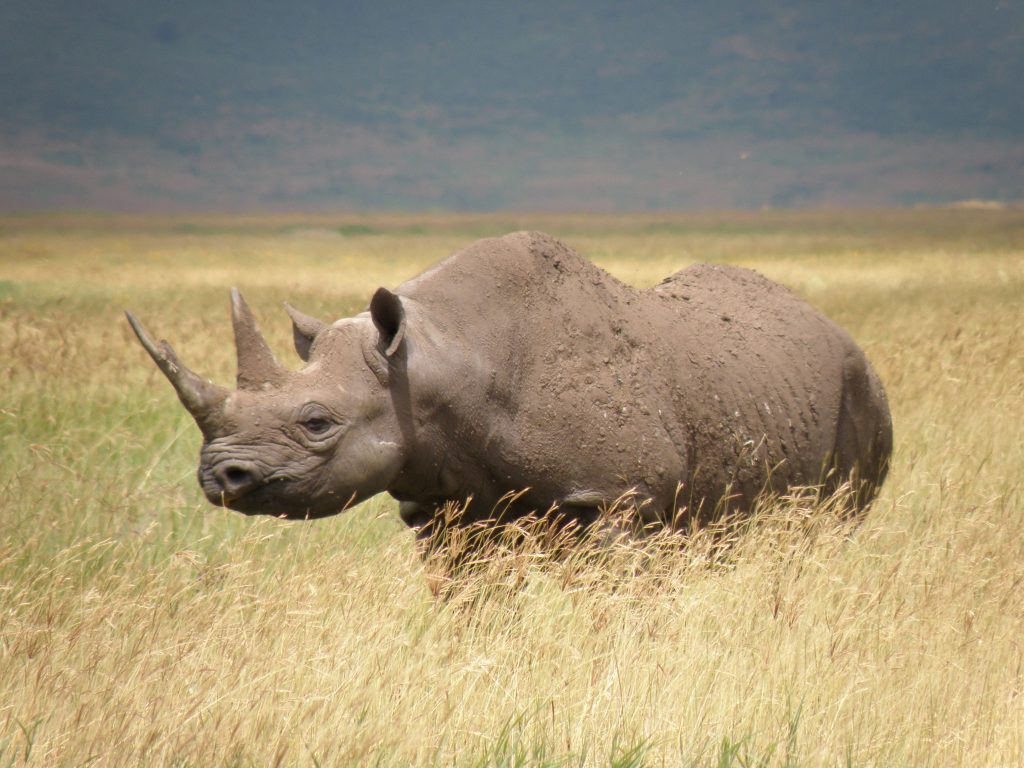
Declared extinct in 2011 due to poaching, its close relatives may assist in cloning endeavors. DNA stored in laboratories might enable this rhino’s return to the grasslands.
22. Atlas Bear
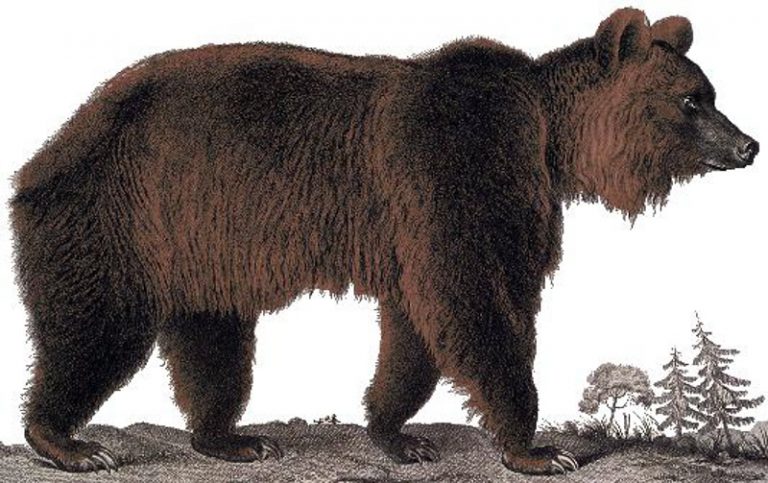
The sole native bear species of Africa, it was hunted to extinction during the 1800s. With DNA sourced from museum specimens, researchers focused on de-extinction have a foundation to work from.
23. Toolache Wallaby
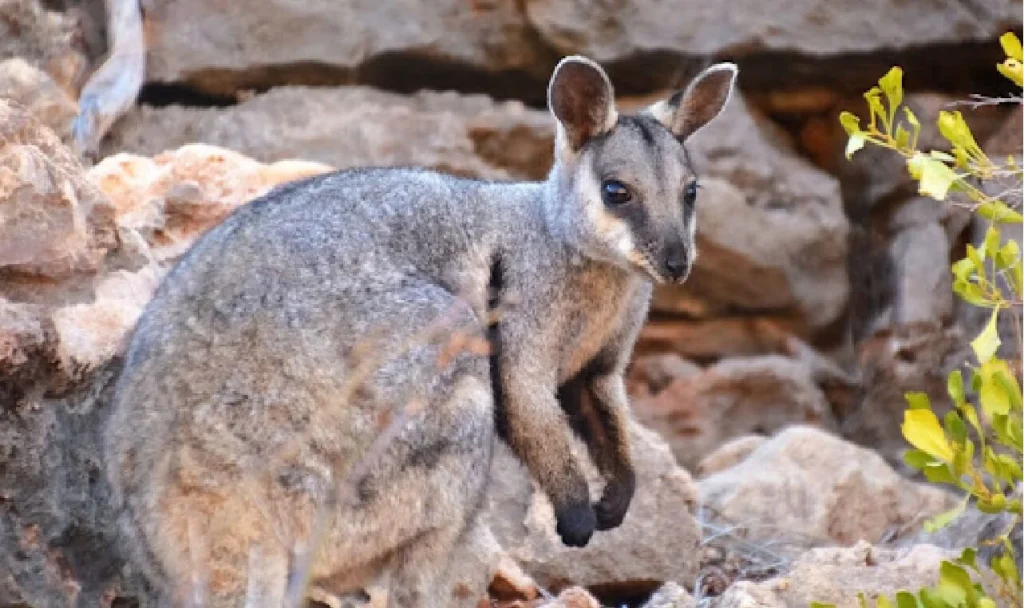
This graceful marsupial once flourished in southeastern Australia. Recent advancements in marsupial cloning inspire optimism about its potential comeback.
24. Chendytes
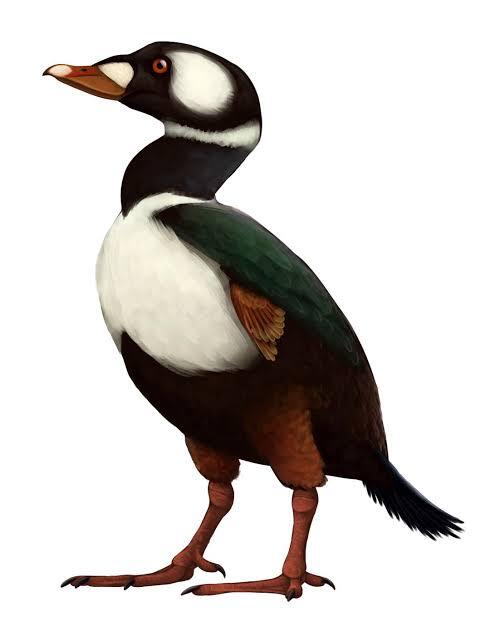
An ancient sea duck native to the California coast, this species became extinct thousands of years ago. Fossilized remains have provided valuable genetic material for research.
25. American Cheetah
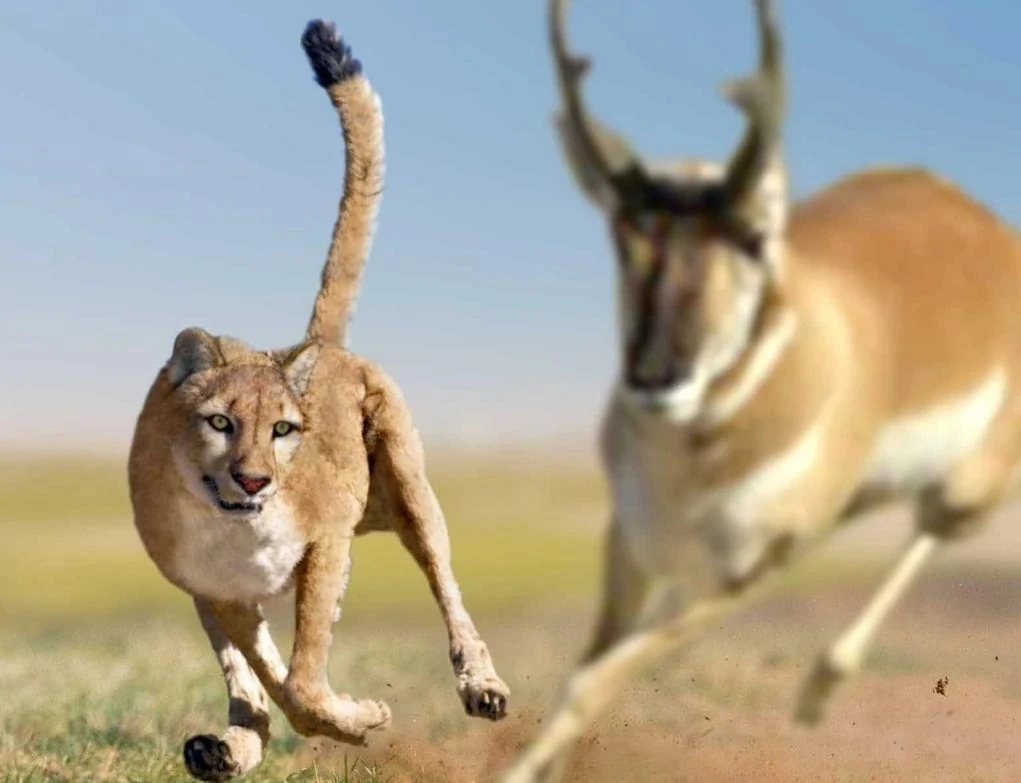
A predator from North America resembling modern cheetahs closely. Its possible reintroduction could aid in restoring ecosystems disrupted by its absence.
26. Pinta Island Tortoise
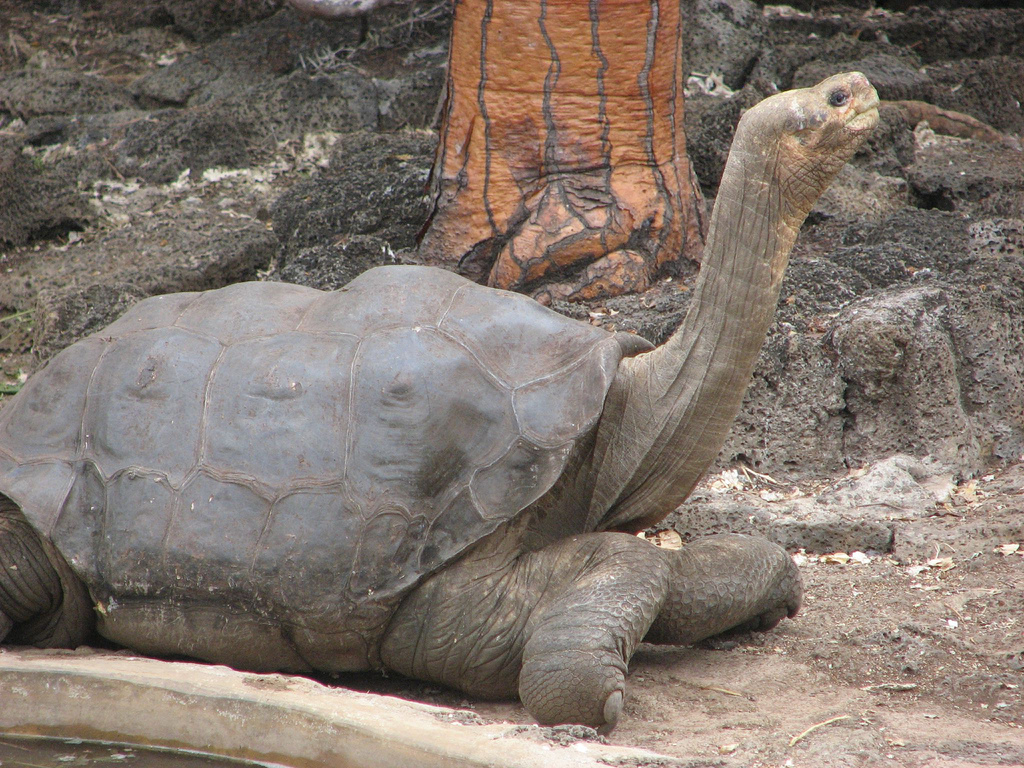
Lonesome George was the last of his breed, yet preserved genetic material brings hope. Breeding initiatives are already underway to recreate his lineage.
27. Broad-Faced Potoroo
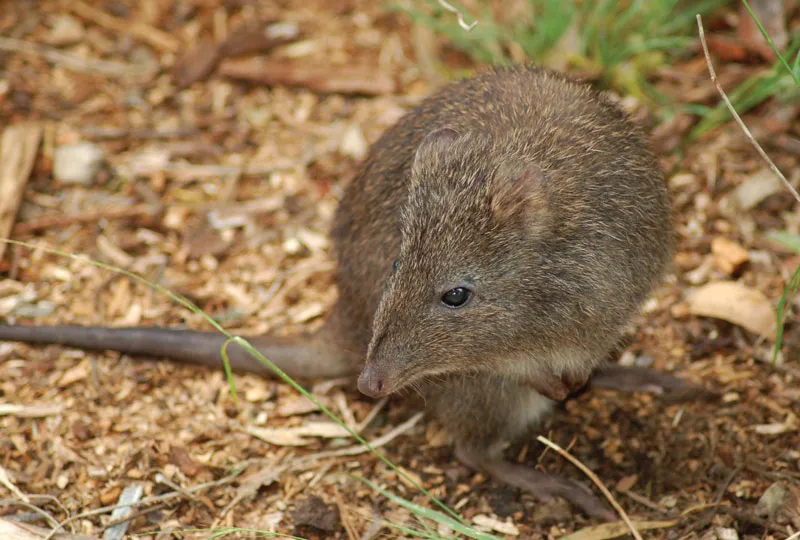
This lesser-known marsupial was among the first mammals in Australia to go extinct following colonization. Museum DNA samples may allow scientists to analyze and potentially revive it.
28. New Zealand Greater Short-Tailed Bat
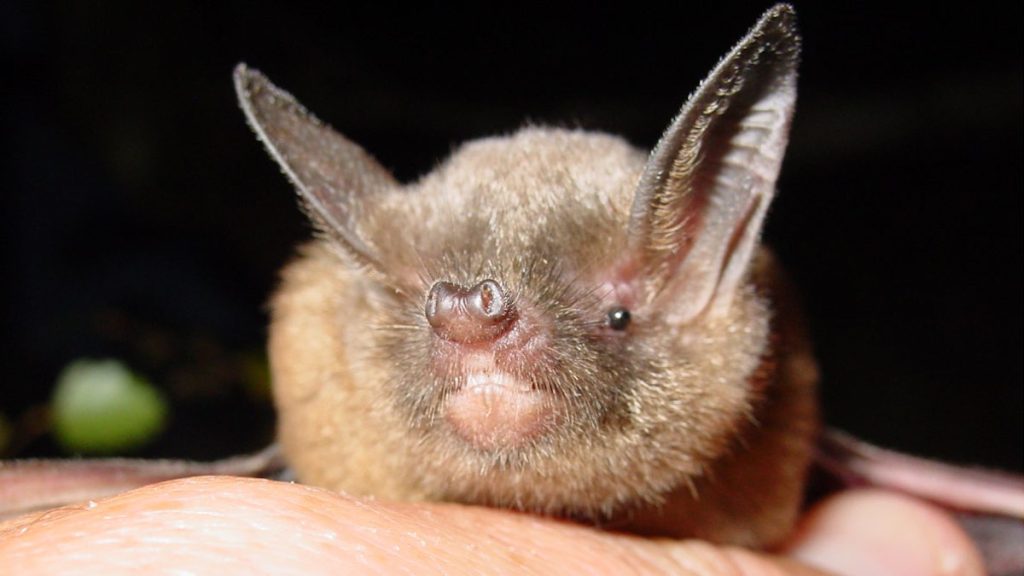
Once a leading predator in New Zealand’s unique bat ecosystem, it went extinct in the mid-20th century. Efforts to recover its genetic material are in progress to restore the species.
29. Tarpan
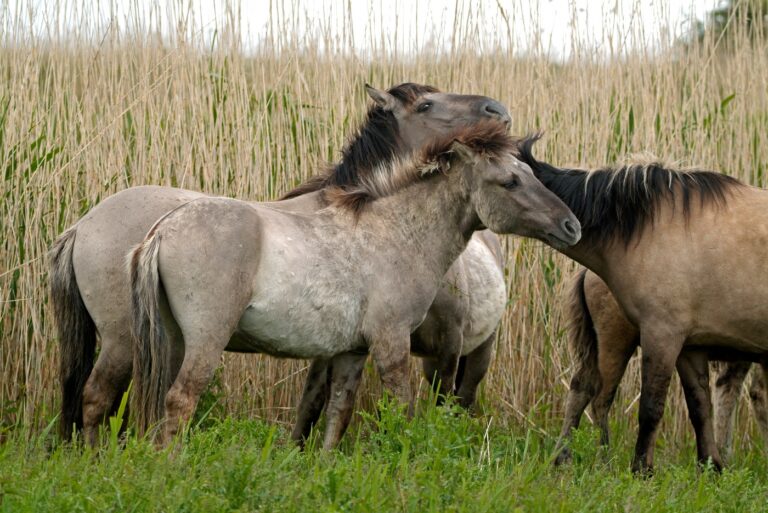
This wild horse of Eurasia has gone extinct, but some of its characteristics persist in certain domestic breeds. Back-breeding projects aim to recreate the appearance and behavior of the tarpan.
30. Passenger Pigeon
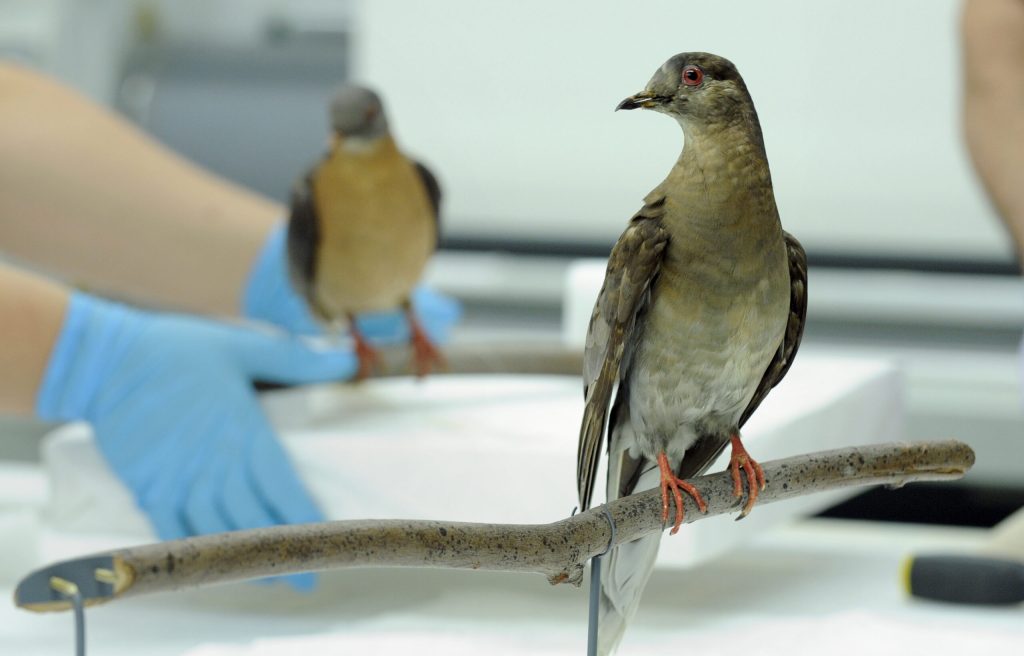
Once part of a population in the billions, passenger pigeons faced extinction due to overhunting and destruction of their habitat. Scientists are investigating CRISPR technology to alter the genes of their closest avian relatives.