
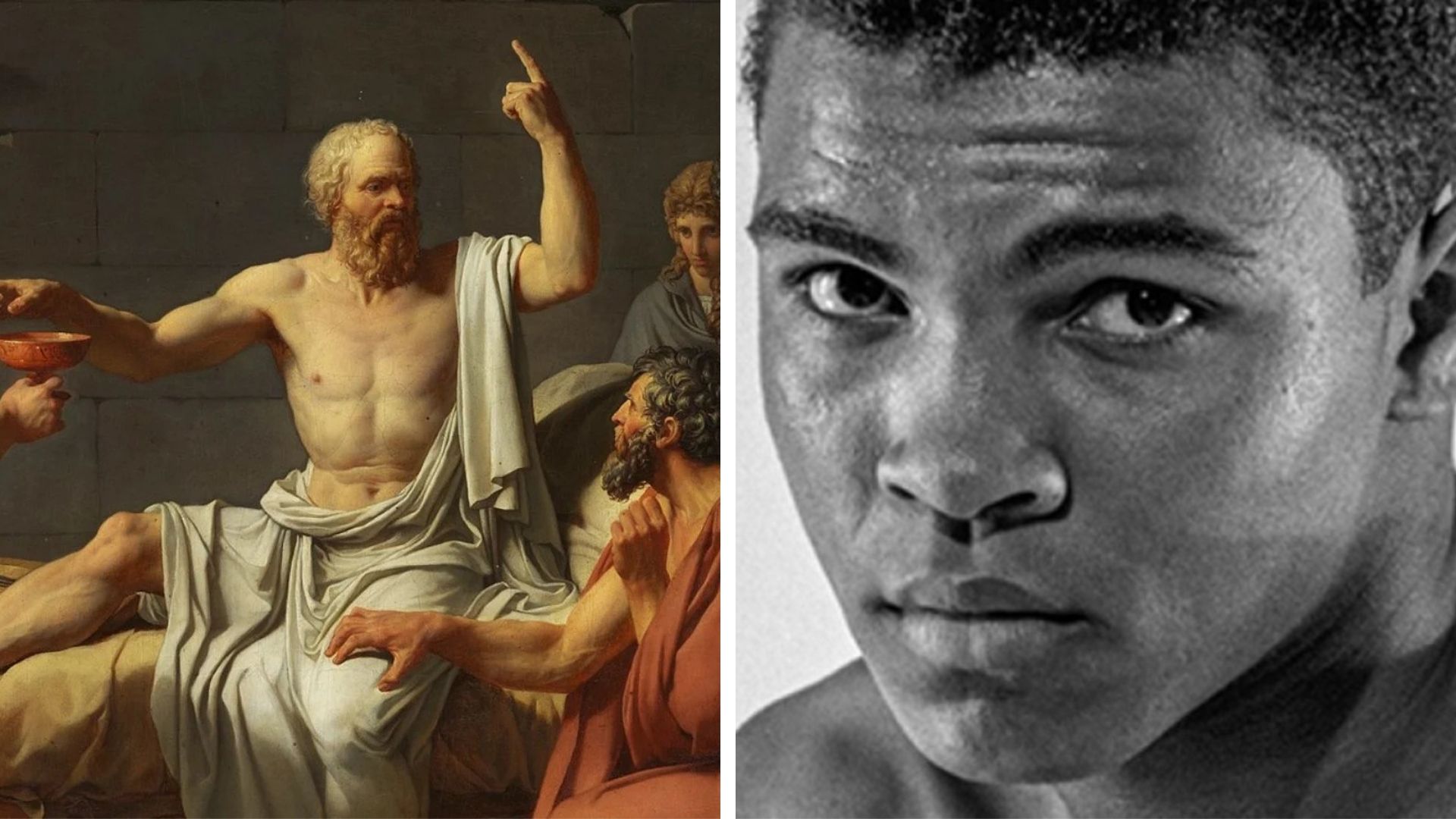
Legality and morality have frequently occupied opposite ends of the historical spectrum, creating a tension that only time can resolve. Across centuries, many individuals now revered as pillars of justice were once hunted, imprisoned, or even executed for daring to challenge the status quo. These actions were not born of malice, but of a commitment to truths that the societies of their time were not yet equipped to handle. This article explores 30 items detailing the brave lives of lawbreakers who eventually proved the world wrong.
Harriet Tubman
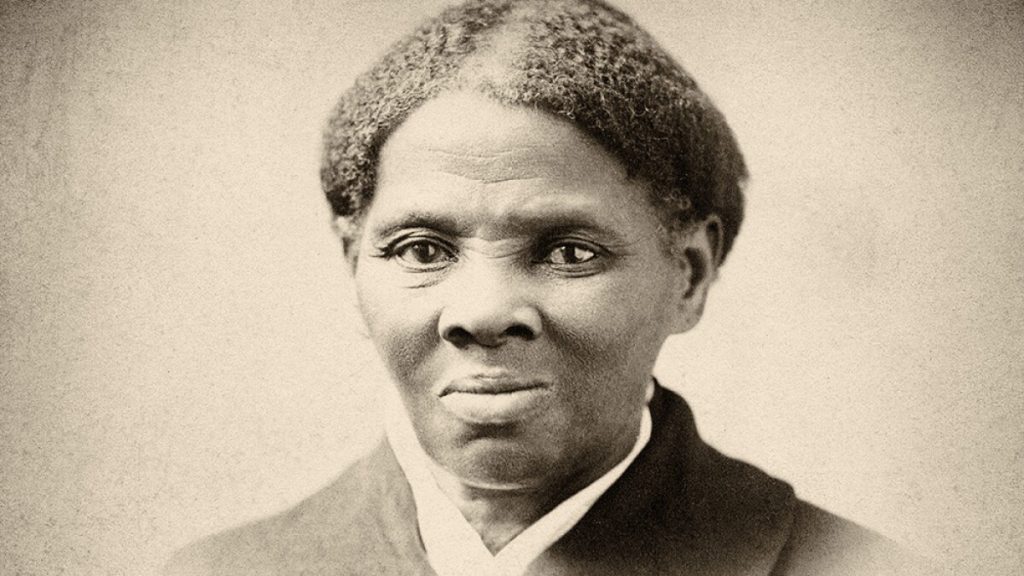
Escaping from slavery was considered a theft of property under the laws of the pre-Civil War United States. She famously ignored these mandates to lead hundreds to freedom via the Underground Railroad. Her bravery forced a nation to confront the inherent inhumanity of its own legal framework.
Galileo Galilei
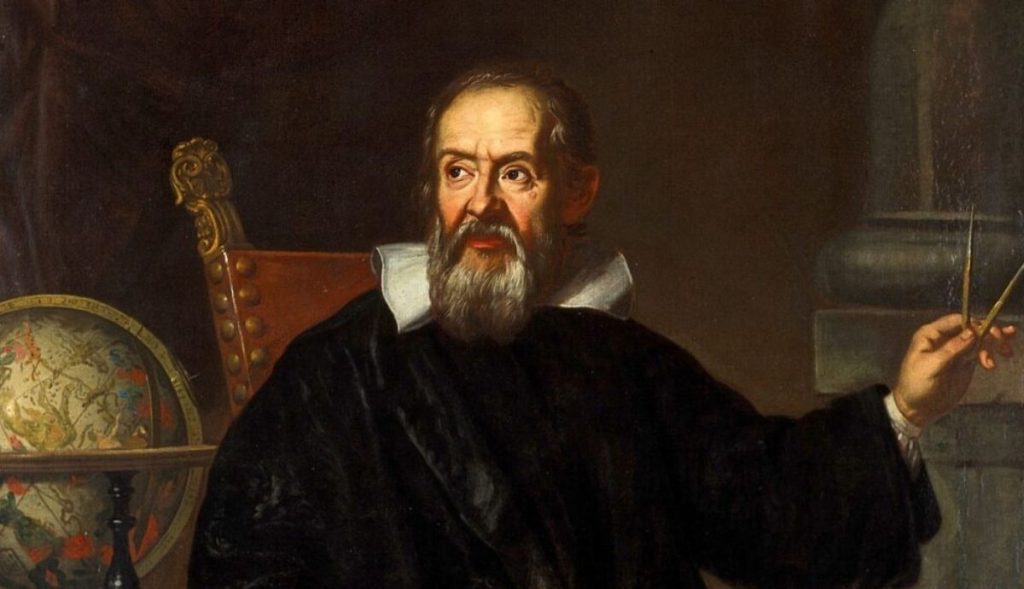
The Roman Inquisition found this astronomer guilty of heresy for suggesting that the Earth revolved around the Sun. He spent the final years of his life under house arrest because his scientific observations contradicted religious doctrine. Today, he is celebrated as the father of modern observational astronomy.
Nelson Mandela
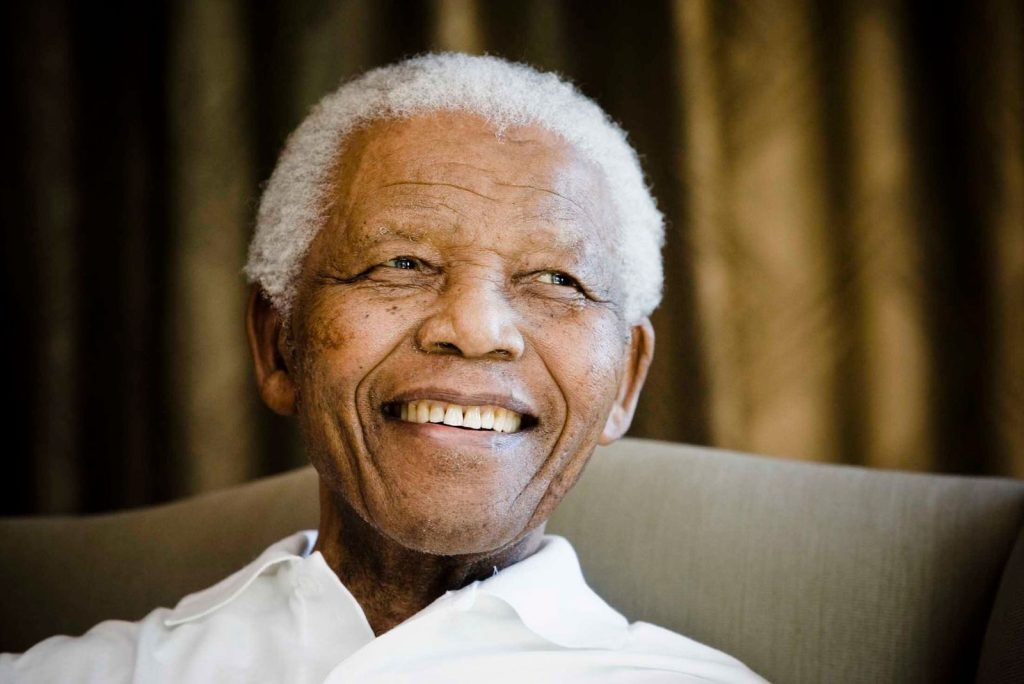
For twenty-seven years, he was imprisoned for his efforts to dismantle the oppressive system of Apartheid in South Africa. The state branded him a terrorist and a saboteur for leading the resistance against racial segregation. He eventually transitioned from a prisoner to the country’s first Black president.
Rosa Parks
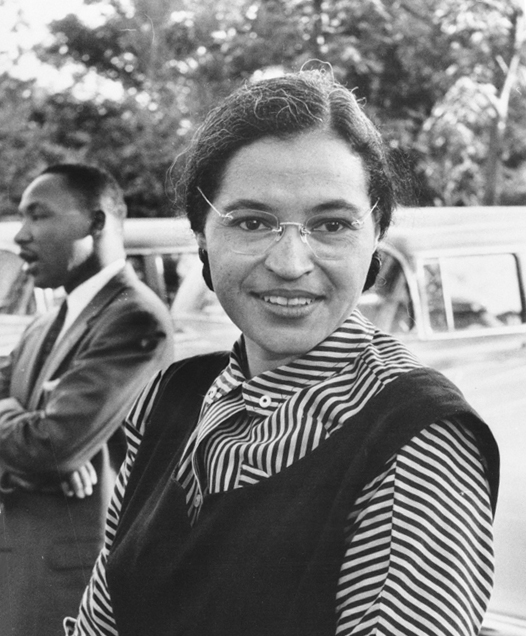
Refusing to give up her seat to a white passenger on a Montgomery bus was a direct violation of local city ordinances. This act of civil disobedience sparked a city-wide boycott that lasted over a year. It served as a pivotal moment that accelerated the American Civil Rights Movement.
Martin Luther King Jr.
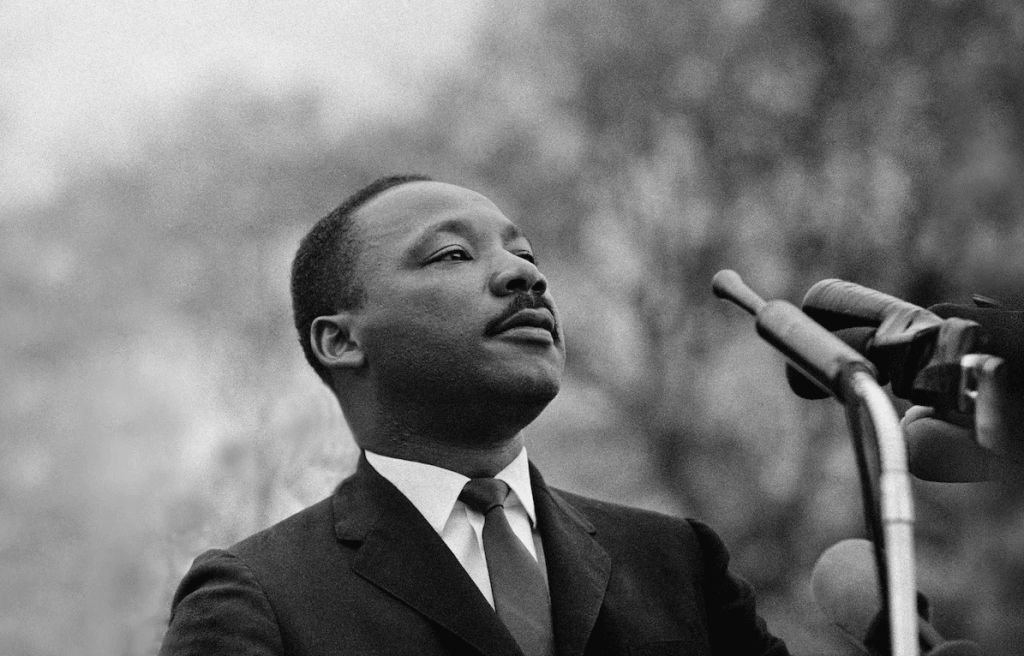
Throughout his career, he was arrested nearly thirty times for organizing protests that challenged Jim Crow laws. He often wrote about the moral obligation to disobey unjust laws while incarcerated in places like Birmingham Jail. His non-violent strategy remains a blueprint for social change worldwide.
Sophie Scholl
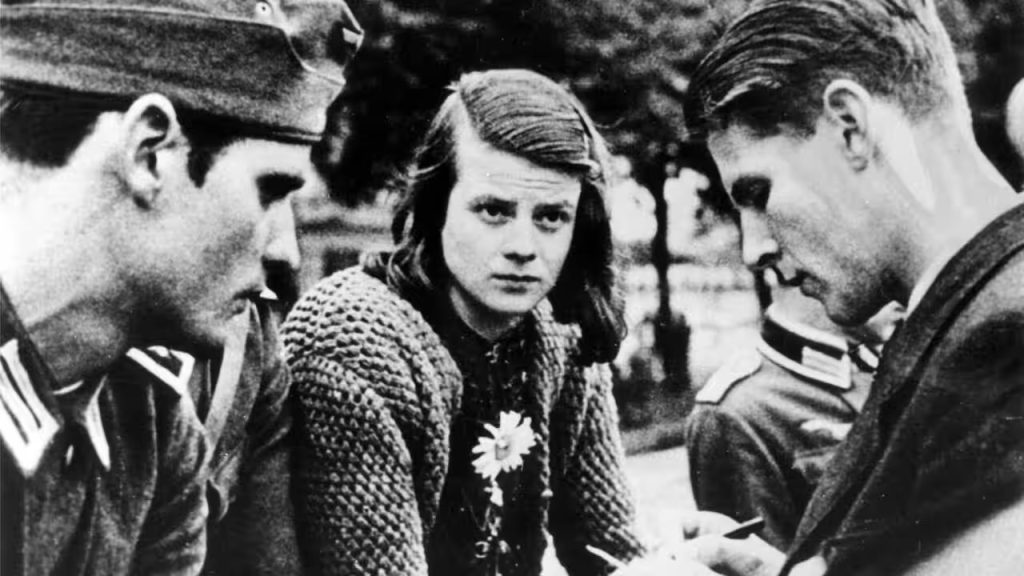
As a member of the White Rose resistance group, she distributed anti-war leaflets in Nazi Germany. She was executed for high treason at the age of 21 after being caught at Munich University. Her final words emphasized that it did not matter if she died as long as her actions awakened others.
Alan Turing
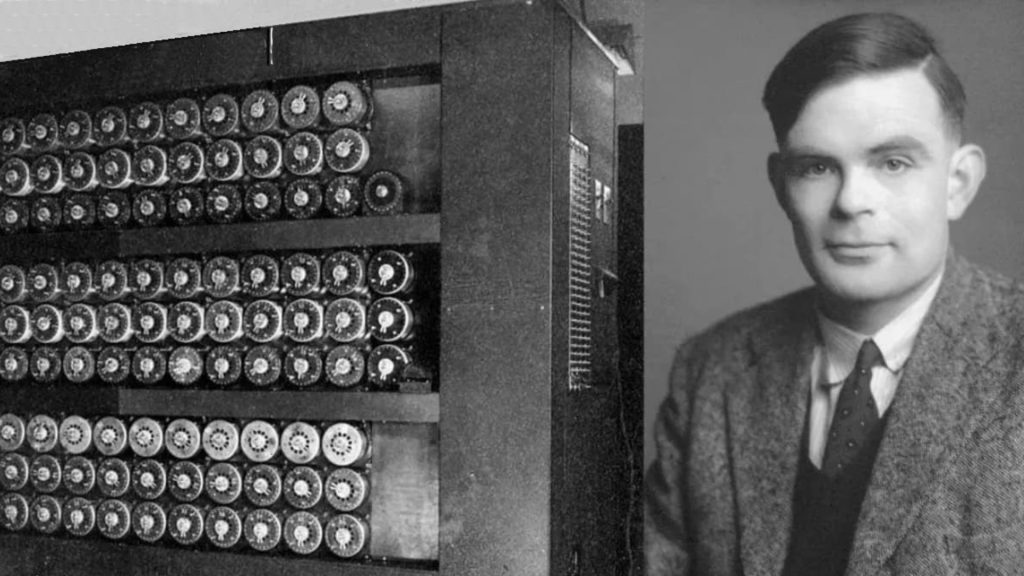
This mathematical genius helped the Allies win World War II by cracking the Enigma code. Despite his heroics, he was prosecuted for “gross indecency” due to his personal orientation, which was a criminal offense in 1950s Britain. He received a posthumous royal pardon decades after his tragic death.
Susan B. Anthony
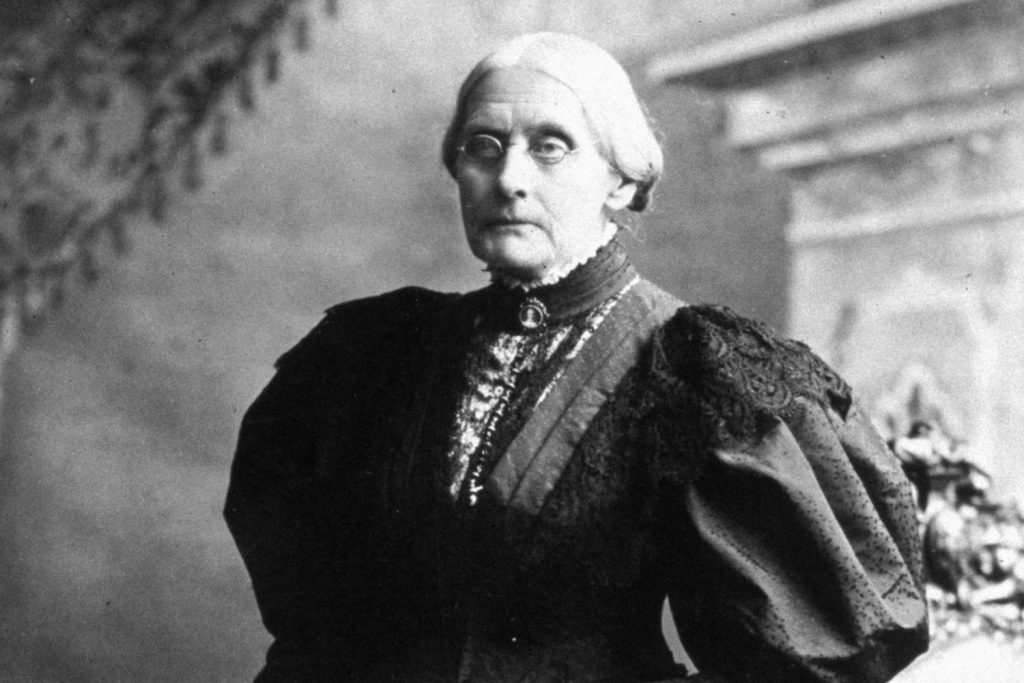
Casting a vote in the 1872 presidential election was a criminal act for a woman at the time. She was arrested and fined, but she famously refused to pay a single dollar of the penalty. Her tireless work paved the way for the Nineteenth Amendment to the United States Constitution.
William Tyndale
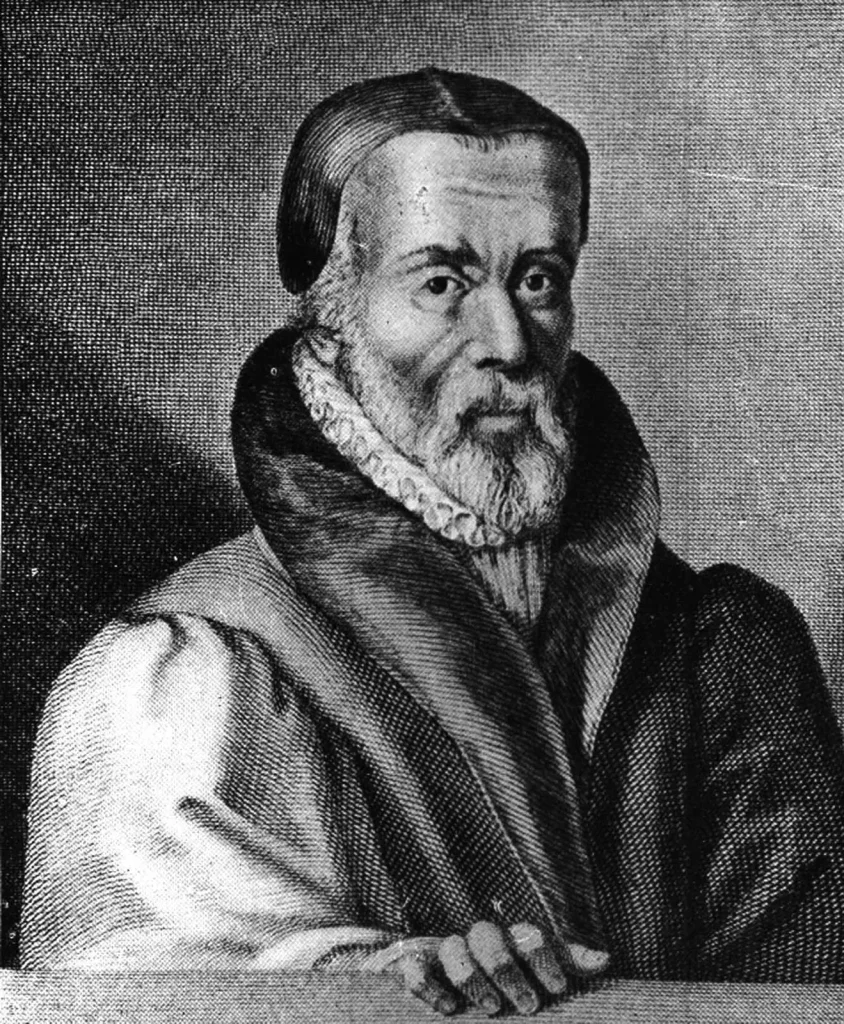
Translating the Bible into English was once punishable by death because it broke the monopoly of the Church over scripture. He was eventually strangled and burned at the stake for his linguistic efforts. Much of the King James Version of the Bible was later based directly on his illicit translations.
John Brown
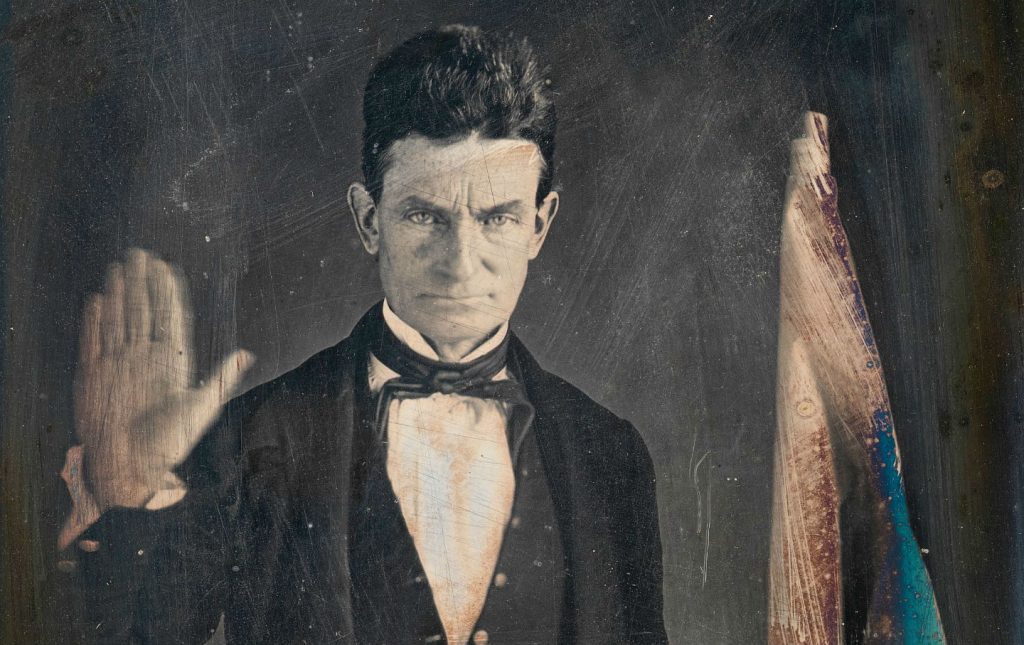
Leading an armed raid on the Harpers Ferry armory was a radical attempt to spark a slave revolt. He was convicted of treason against the Commonwealth of Virginia and executed by hanging. While his methods were polarizing, his uncompromising stance on abolition helped push the United States toward the Civil War.
Alice Paul
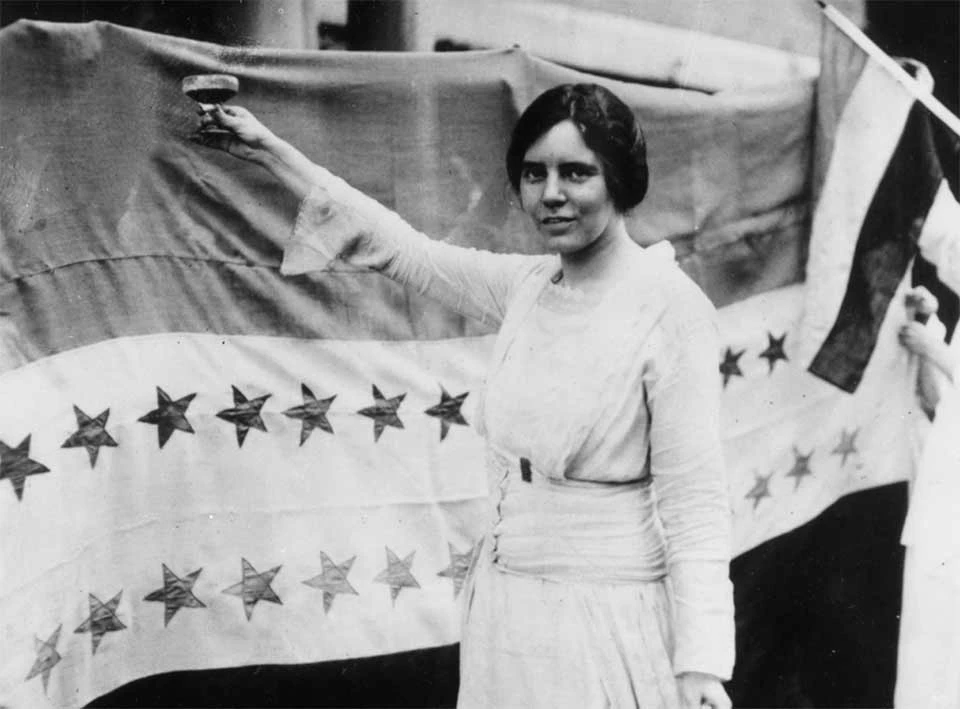
Picketing the White House during wartime led to her arrest for obstructing traffic. While in prison, she engaged in a hunger strike to demand political prisoner status for herself and fellow suffragettes. Her persistent pressure was instrumental in the final victory for women’s right to vote.
Joan of Arc
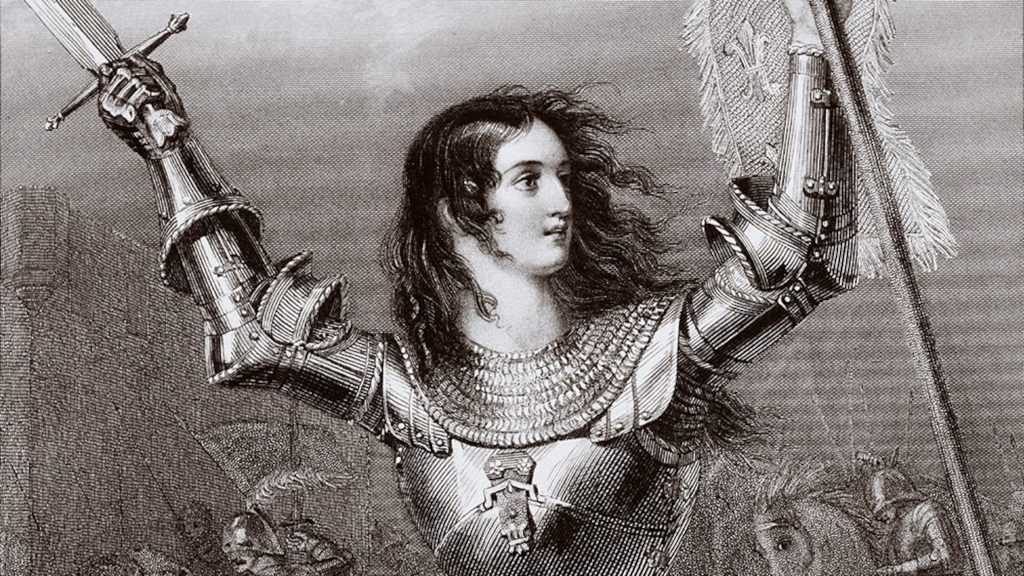
The charges against her included heresy and the cross-dressing required for her role as a military leader. She was burned at the stake by the English before the age of twenty. A retrial twenty-five years later declared her innocent, and she eventually became a patron saint of France.
Dietrich Bonhoeffer
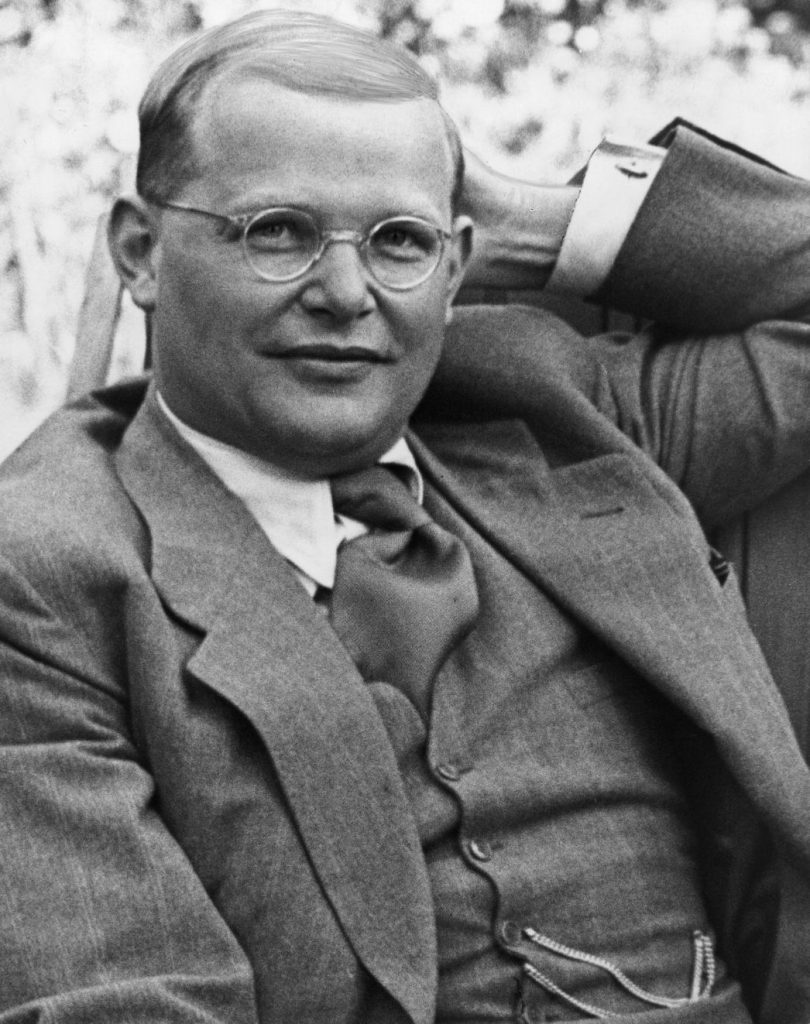
This Lutheran pastor actively participated in a conspiracy to overthrow the Nazi government. He was arrested and executed in a concentration camp just days before the end of World War II. His theological writings on “cheap grace” and moral responsibility continue to influence modern ethical thought.
Oscar Wilde
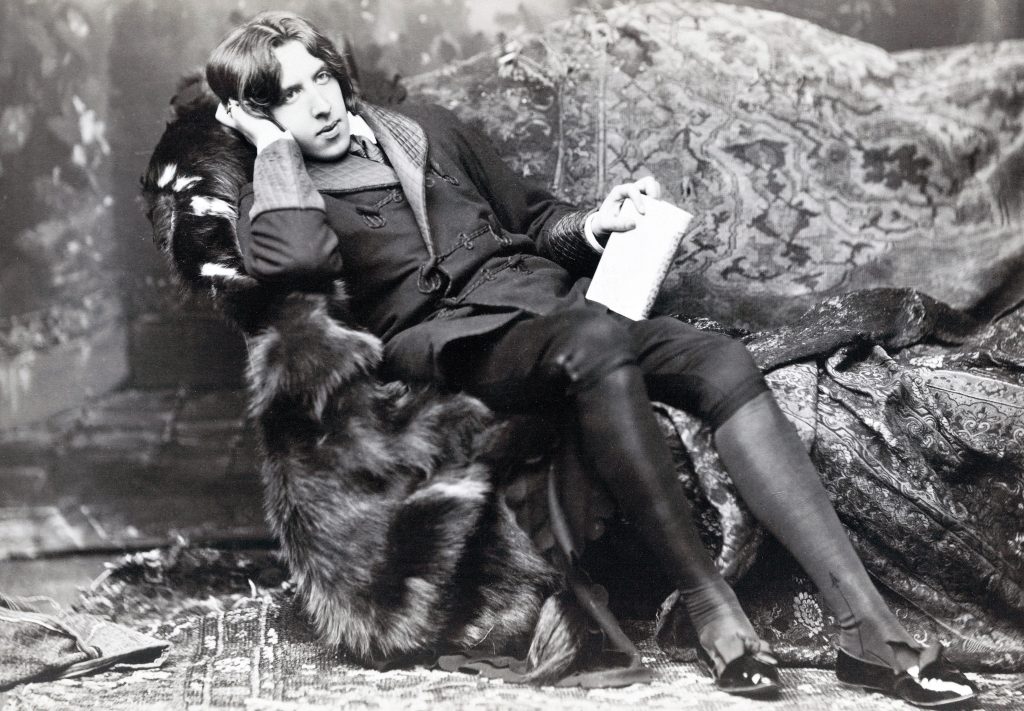
The celebrated playwright was sentenced to two years of hard labor for his private life under Victorian-era laws. This imprisonment broke his health and spirit, leading to his premature death in exile. Today, he is remembered as a literary genius and a symbol of the struggle for personal freedom.
Claudette Colvin
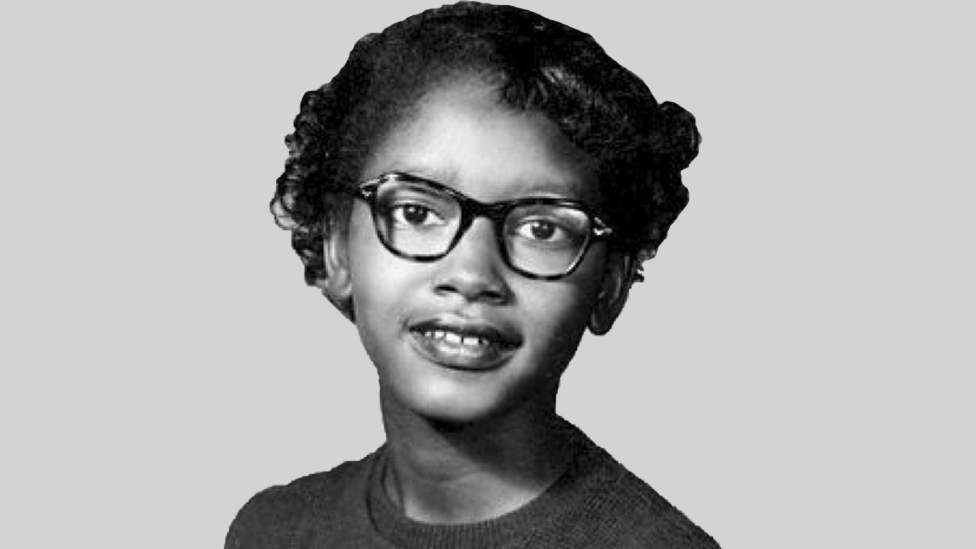
Nine months before Rosa Parks, this fifteen-year-old girl refused to give up her bus seat in Montgomery. Her arrest did not gain the same national traction, partly due to her age and social background. She was a key plaintiff in the court case that eventually declared bus segregation unconstitutional.
Harvey Milk
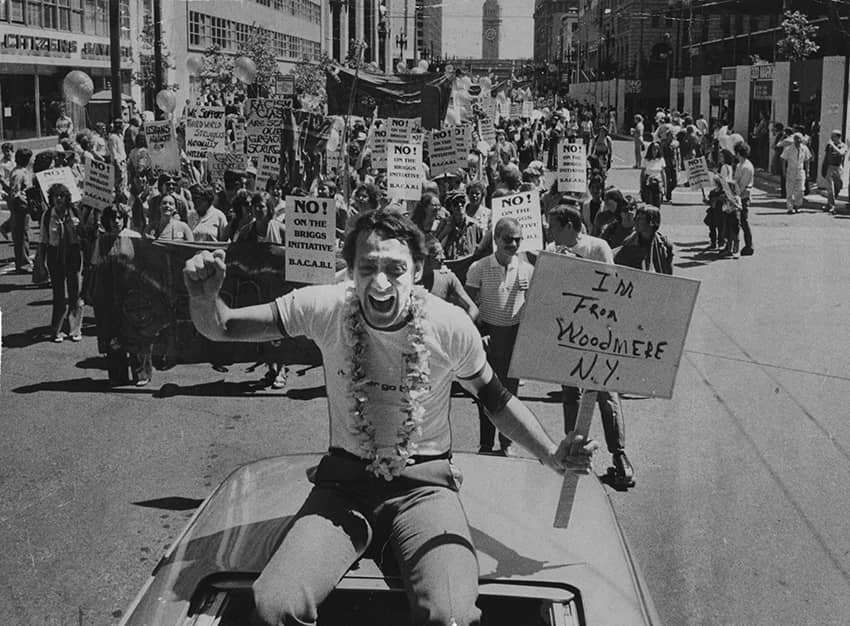
Operating in an era where certain lifestyles were effectively criminalized, he became one of the first openly gay elected officials in America. He fought against discriminatory legislation that would have barred people from working as teachers based on their identity. His assassination turned him into a global martyr for human rights.
Thomas Paine
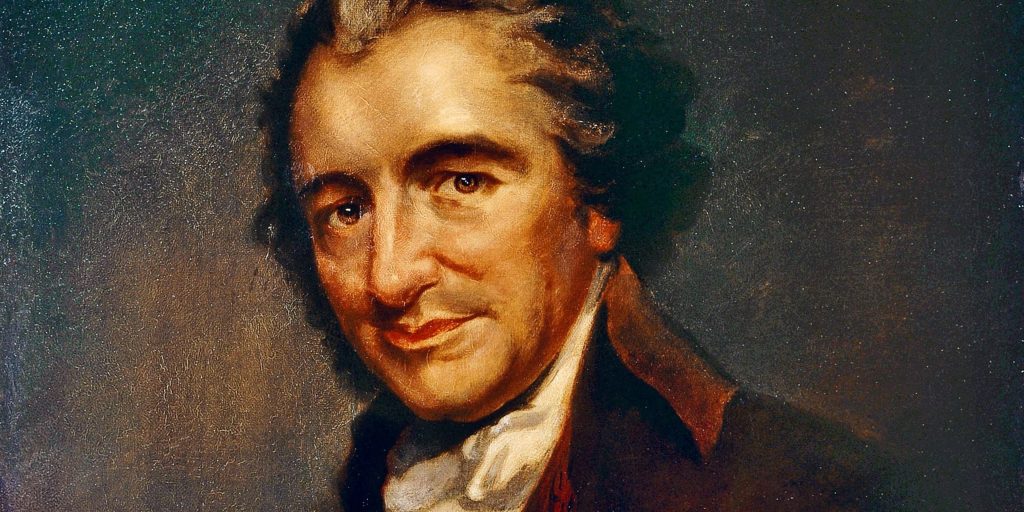
The publication of “Common Sense” was an act of seditious libel against the British Crown. His words ignited the American Revolution by making a logical case for total independence. He later faced similar legal troubles in England and France for his radical political views.
Frederick Douglass
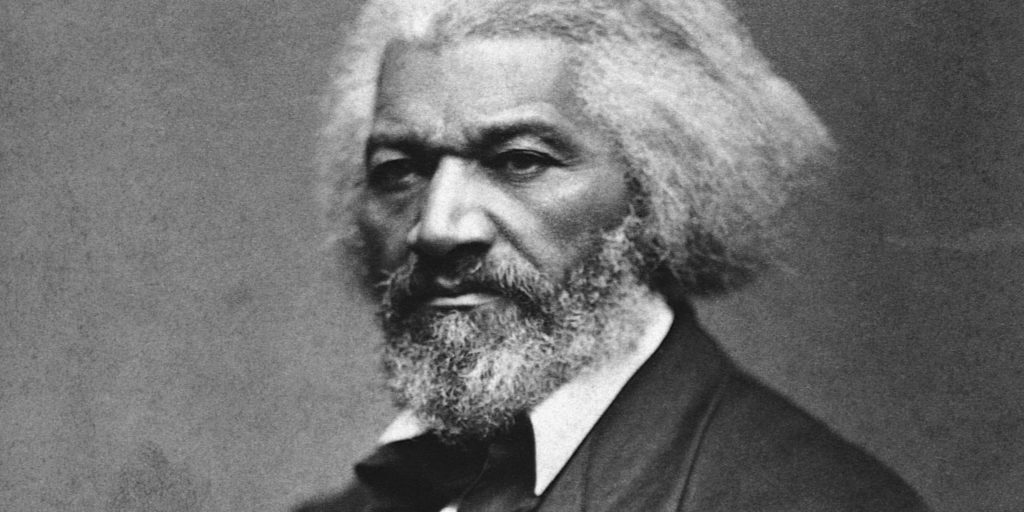
By escaping to the North, he became a fugitive under federal law. He further defied the system by learning to read and write, skills that were legally forbidden for enslaved people in many states. His oratory and autobiographies became the most powerful intellectual weapons in the abolitionist movement.
Emmeline Pankhurst
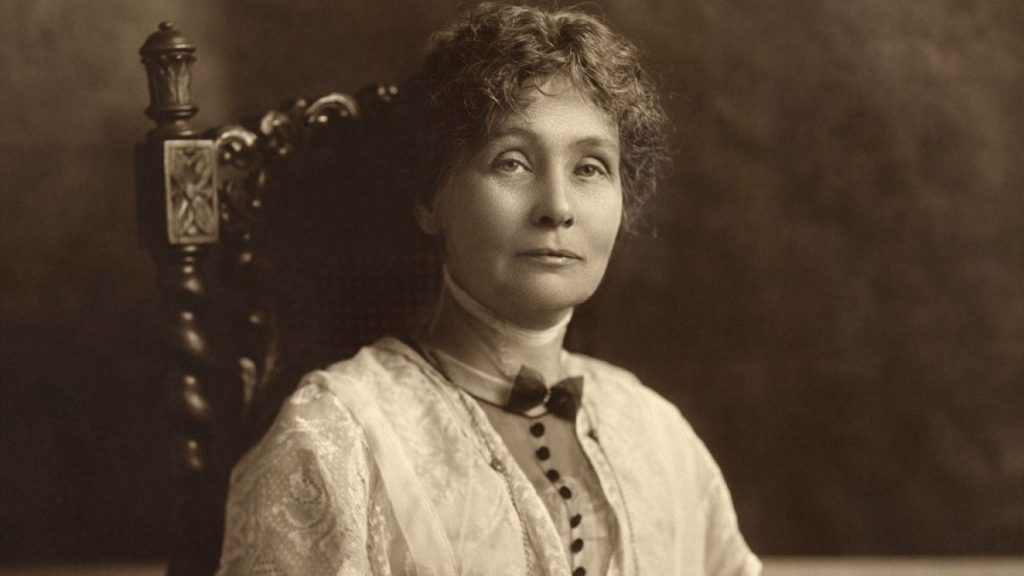
Breaking windows and setting fire to empty buildings were tactics she used to demand attention for women’s suffrage in Britain. She was arrested numerous times and famously declared that “the argument of the broken pane of glass is the most valuable argument in modern politics.” Her militancy forced the government to finally address the issue of voting rights.
Bayard Rustin
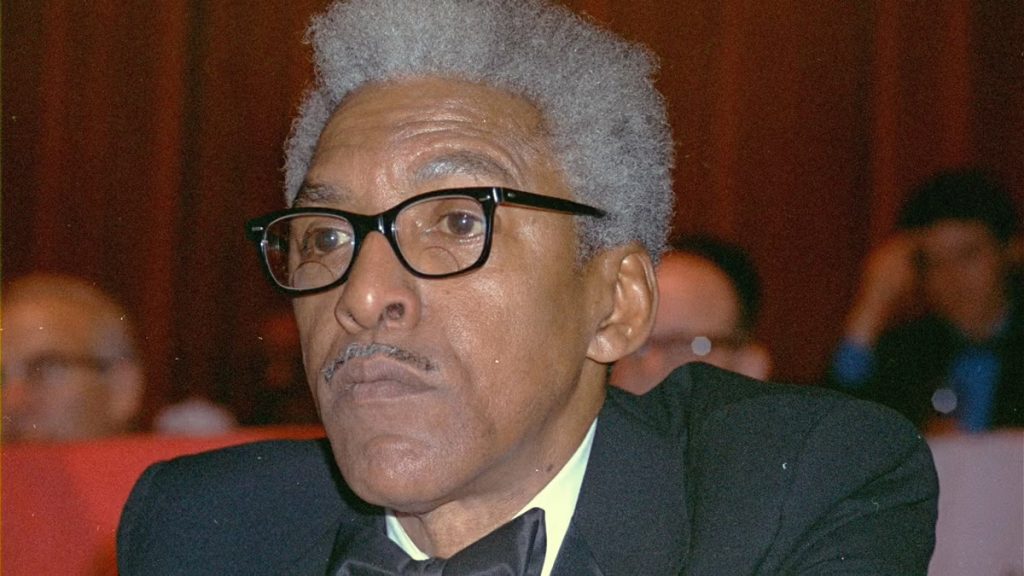
Arrested for his pacifism and his identity during the mid-twentieth century, he often worked in the shadows to avoid hurting the movement. He was the primary architect of the 1963 March on Washington. His legacy as a master strategist for non-violence has only recently received full historical credit.
Ida B. Wells
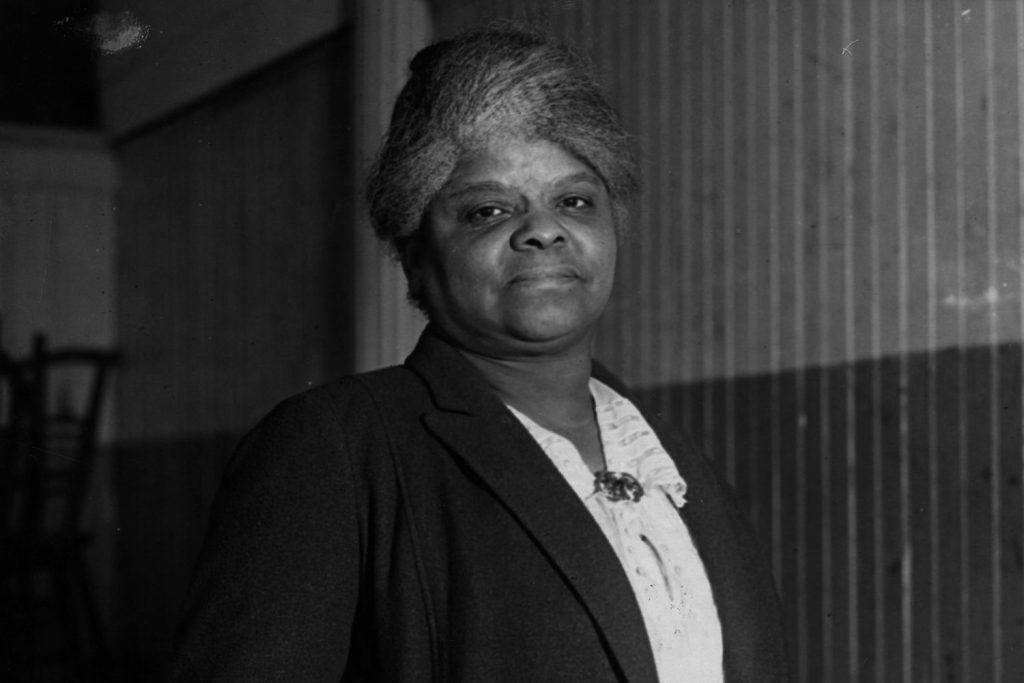
She was forcibly removed from a first-class train car for refusing to move to the segregated section, leading to a landmark lawsuit. As a journalist, she documented the illegal and horrific practice of lynching across the American South. Her investigative work put her life in constant danger from local authorities and mobs.
Marsha P. Johnson
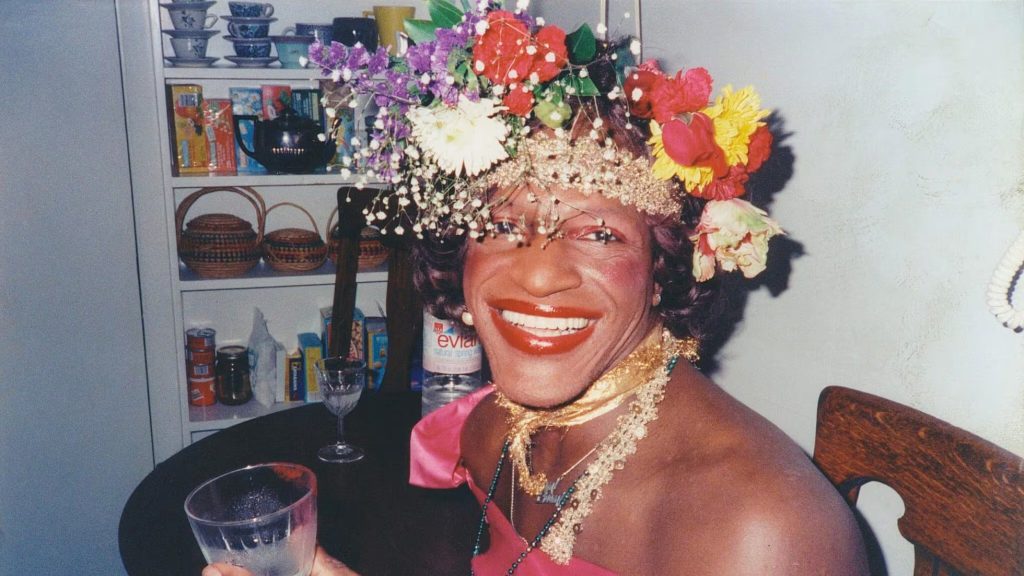
As a prominent figure in the Stonewall Uprising, she actively resisted the police raids that were common in mid-century New York. This defiance of discriminatory “morality” laws sparked the modern movement for LGBTQ+ equality. She spent her life advocating for the homeless and those marginalized by society.
Olympe de Gouges
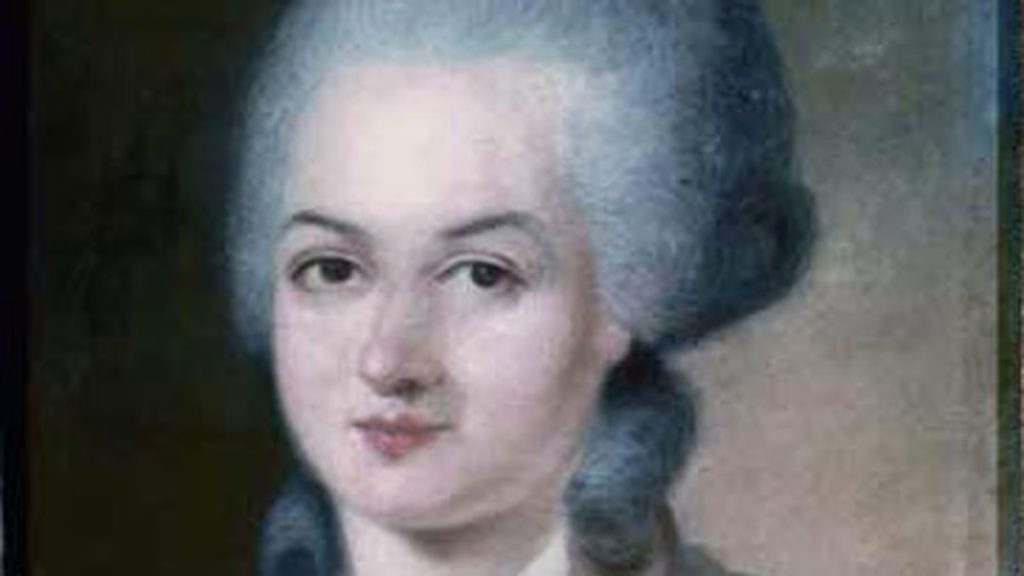
Writing the “Declaration of the Rights of Woman and of the Female Citizen” during the French Revolution was a radical challenge to the new government. She was eventually executed by guillotine for her political activism and her critique of the revolutionary leaders. She remains one of the earliest pioneers of modern feminism.
Steve Biko
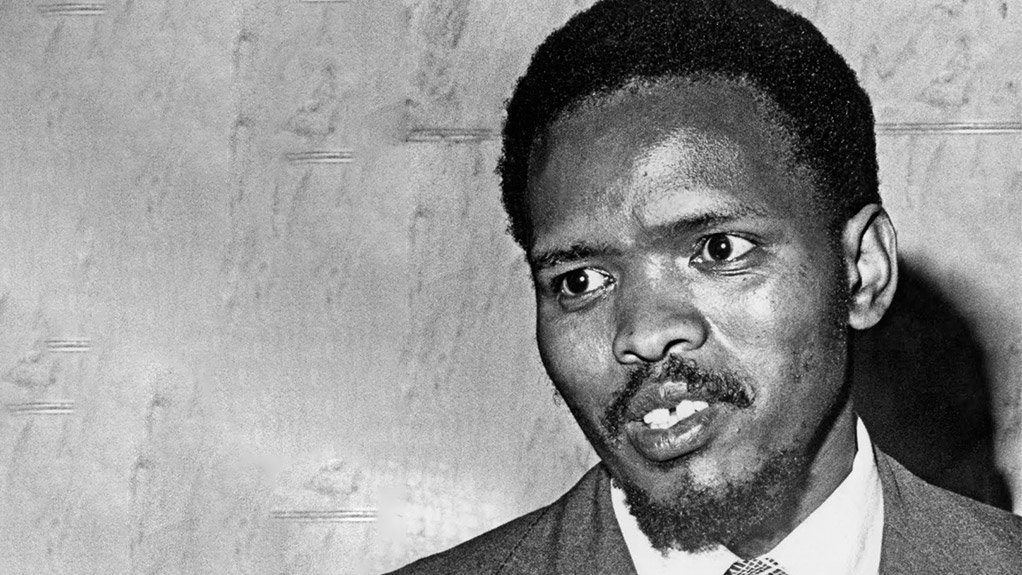
The South African government placed a “banning order” on him, which legally restricted his speech and movement. He defied these rules to continue spreading the Black Consciousness Movement, leading to his arrest and fatal beating in police custody. His death became a rallying cry that intensified the global pressure against Apartheid.
Giordano Bruno
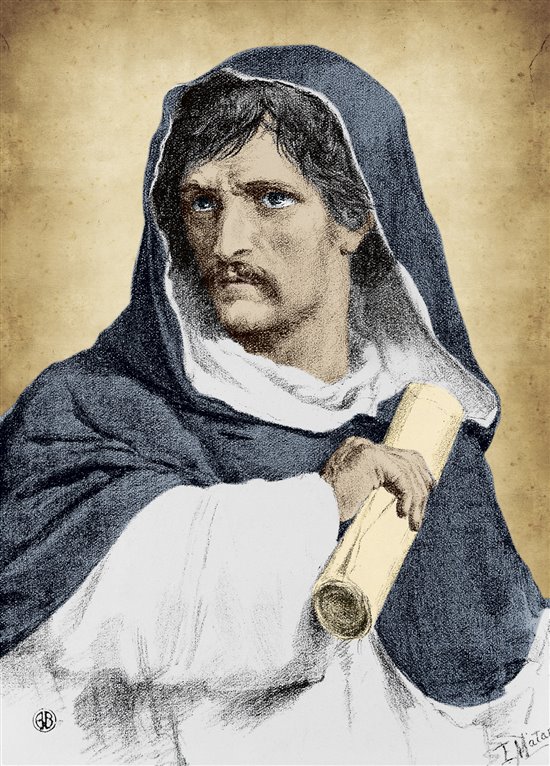
Proposing that the universe was infinite and contained many inhabited worlds led this philosopher to a seven-year trial for heresy. He was ultimately burned at the stake in 1600 after refusing to recant his cosmological views. While Galileo later faced similar charges, Bruno’s execution remains a chilling reminder of the price of scientific truth.
Toussaint Louverture
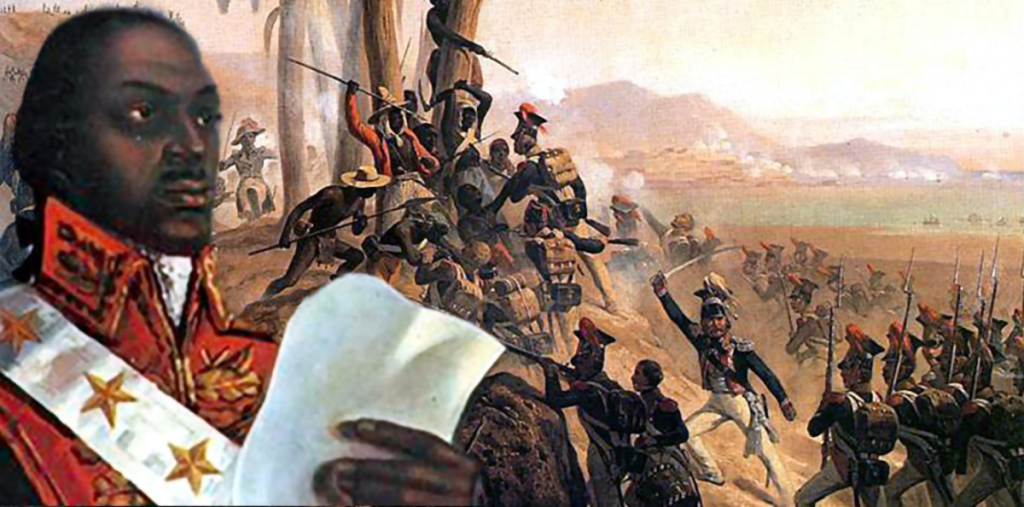
Leading the only successful slave rebellion in history required him to wage war against the French Empire. He was captured and died in a cold prison cell in France before Haiti achieved full independence. His military and political genius proved that a nation built on freedom could rise from the ruins of slavery.
Daniel Ellsberg
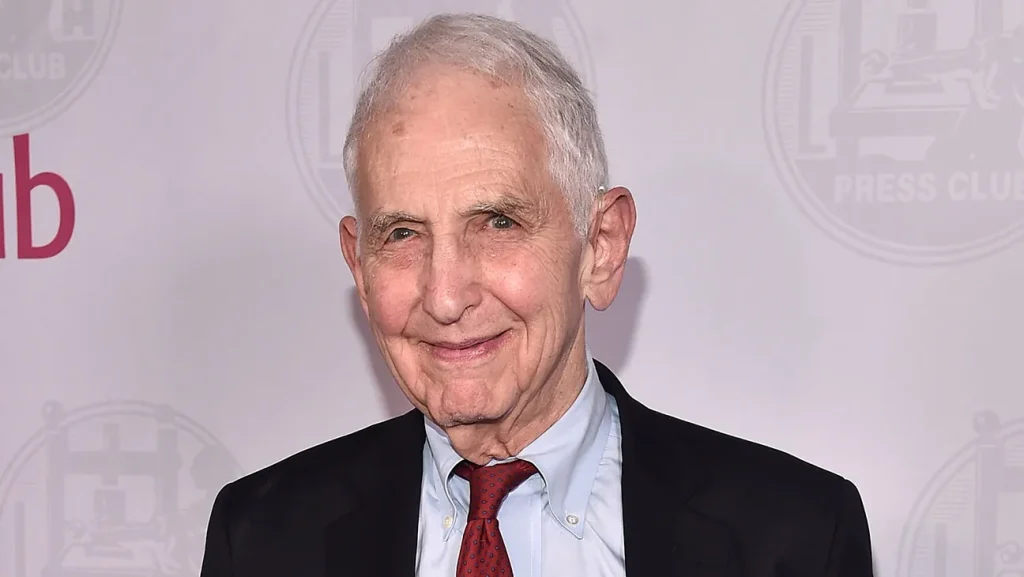
Leaking the “Pentagon Papers” was a violation of the Espionage Act that carried a potential sentence of 115 years in prison. His actions revealed that the U.S. government had systematically lied to the public about the Vietnam War. The case against him was eventually dismissed due to illegal evidence gathering by the government.
Mahatma Gandhi
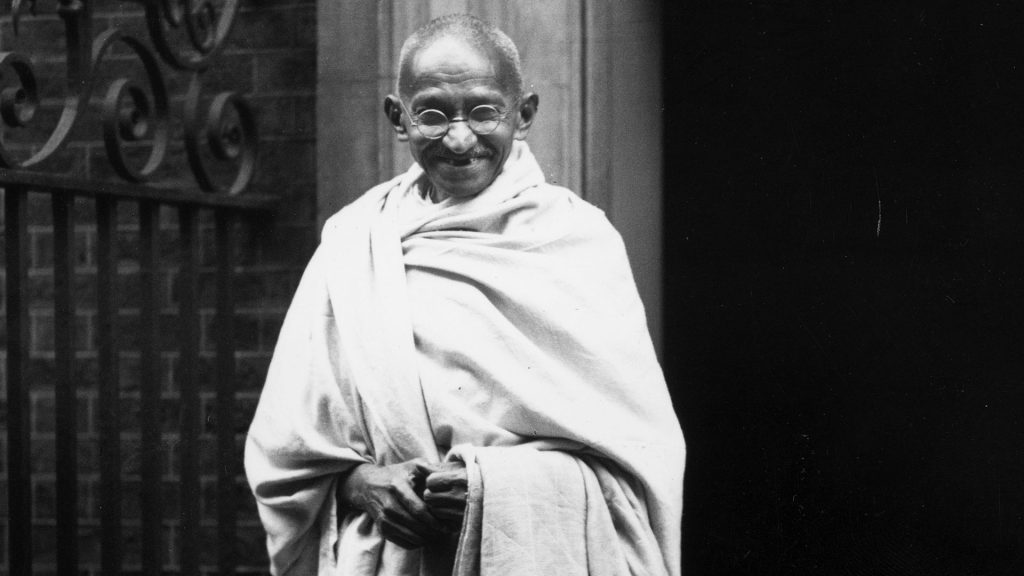
Illegally making salt at the Dandi beach was a symbolic act of defiance against the British monopoly in India. This simple crime mobilized millions of Indians toward the cause of non-violent resistance and national independence. He spent several years in prison for his refusal to follow colonial laws.
Socrates
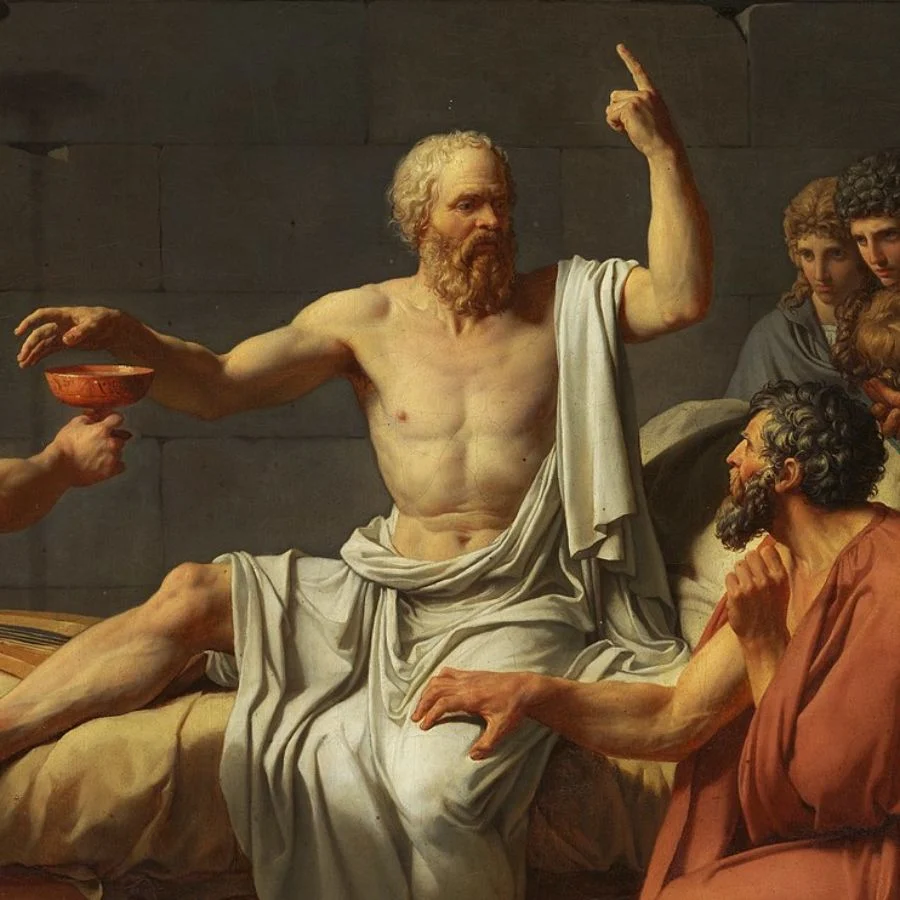
The Athenian state convicted this philosopher of “corrupting the youth” and impious behavior. He was sentenced to death by drinking hemlock, a punishment he accepted rather than fleeing or abandoning his principles. His trial is now viewed as one of the most famous examples of the persecution of critical thought.
Muhammad Ali
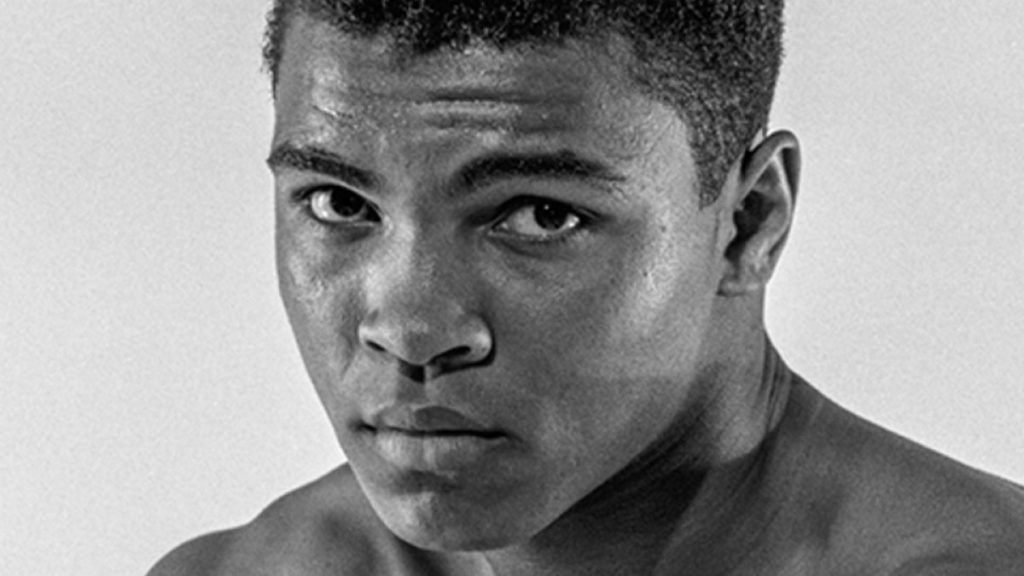
Refusing to be drafted into the Vietnam War led to a felony conviction, a large fine, and a three-year ban from boxing. He famously stated that he had “no quarrel with those Vietcong” while his own community faced systemic injustice at home. The Supreme Court eventually overturned his conviction, cementing his legacy as a man of principle over prestige.







