Step back in time to when the roar of machines and the rhythm of human hands built the cars that changed history. These 30 vintage photos capture the heart of Ford’s legendary assembly lines from the early Model T days to mid-century innovations, showing how Henry Ford’s vision reshaped industry, work, and the way the world moved.
Installing Gas Tanks on the Model T Assembly Line (circa 1914)
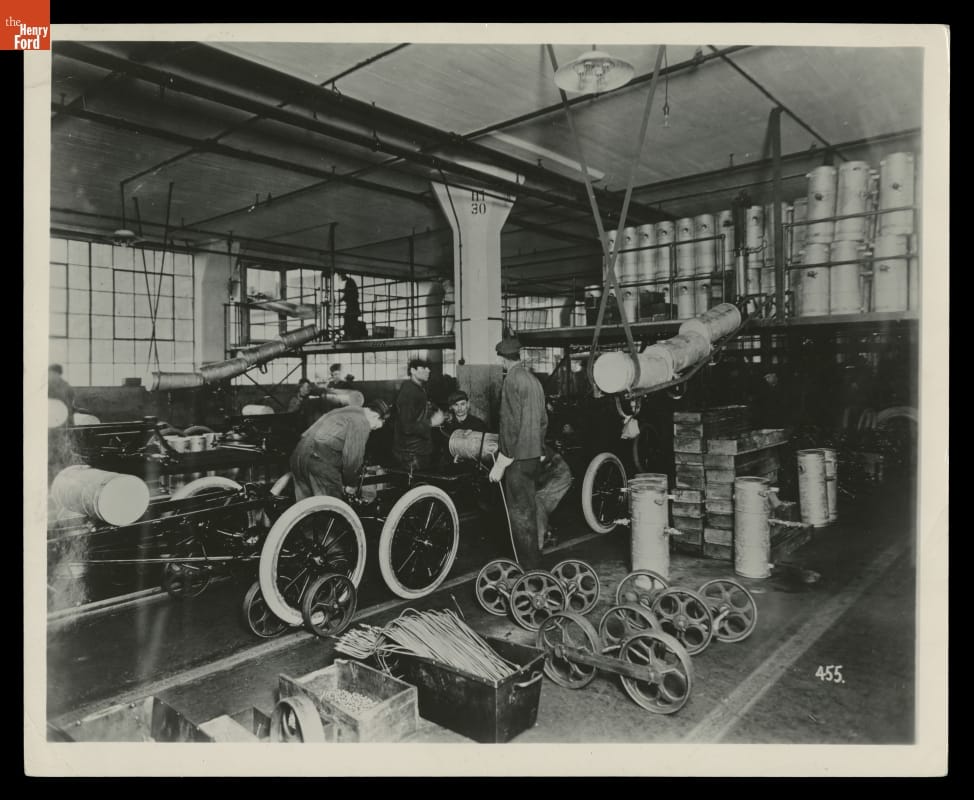
On Ford’s chassis assembly line, every part came together in sequence to create a running automobile. In this 1914 photo, workers install gas tanks that slide down from an overhead platform, each containing a gallon of fuel.
Showcasing Progress: Ford at the 1933–1934 Chicago World’s Fair
At the 1933–1934 Chicago World’s Fair, Ford’s building featured massive photomurals of the River Rouge Complex, the most advanced manufacturing facility of its era. Captured by Ford’s chief photographer, George Ebling, these striking images embodied the fair’s “Century of Progress” theme and celebrated the power of modern industry.
Fordson Tractors on the Line in Dearborn (1921)
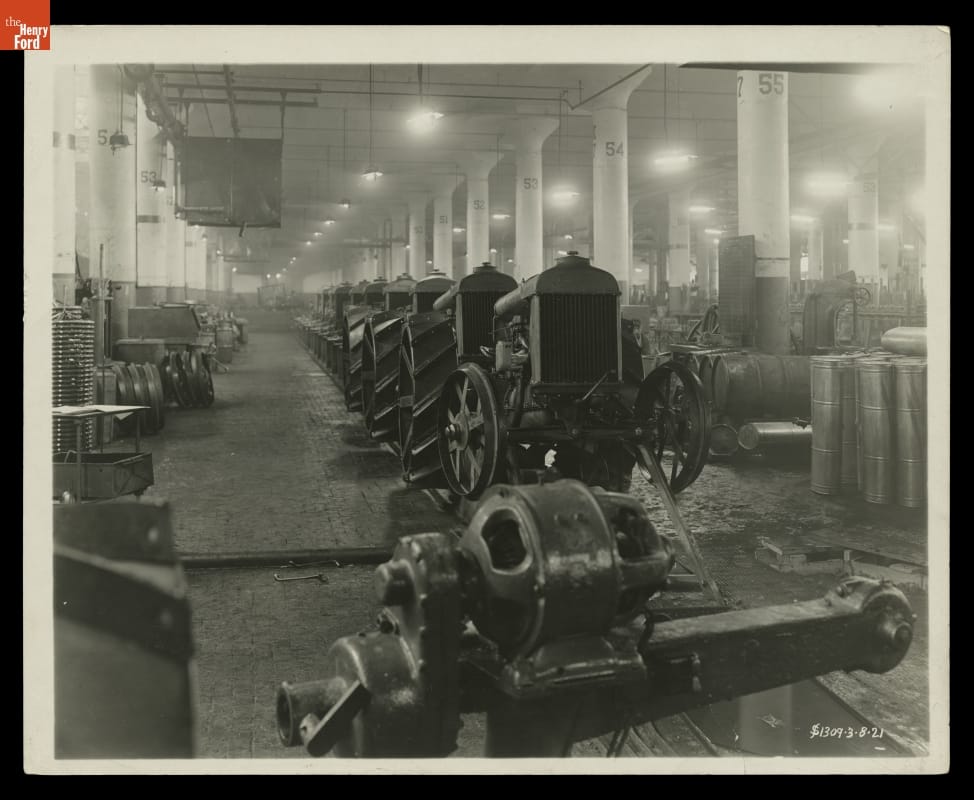
Developed to help small farmers, the Fordson tractor featured a lightweight, unit-body design perfect for mass production. First built in 1917, it soon became America’s most popular tractor.
From Raw Materials to Cars: The River Rouge Plant Diagram (1941)
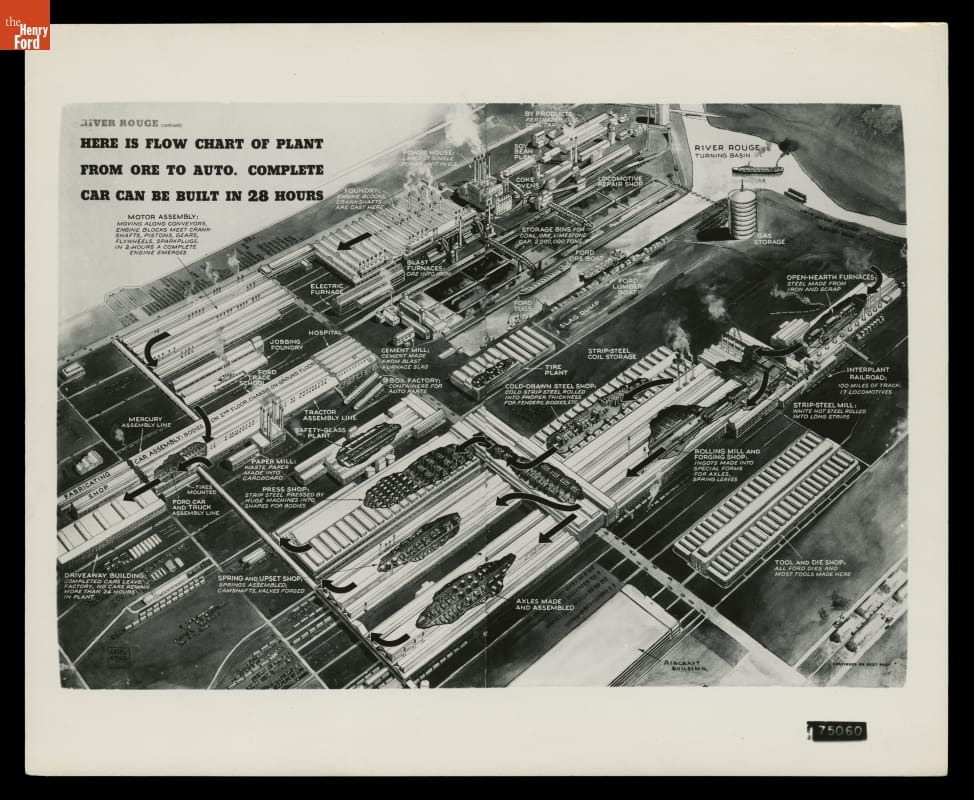
This 1941 diagram showcases Ford’s immense River Rouge Plant, where coal, iron ore, limestone, rubber, and sand were transformed into steel, glass, tires, and finished automobiles.
The Overhead Monorail: Keeping Parts in Motion at Highland Park (1914)
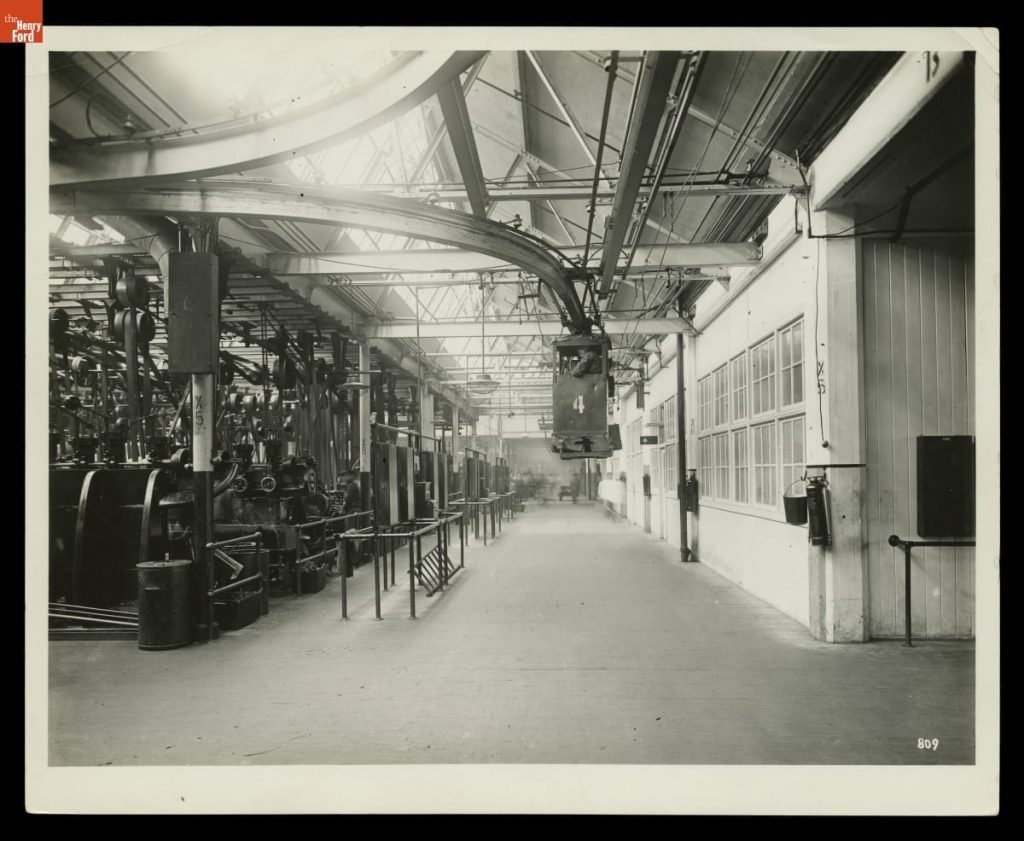
Ford’s assembly success relied on the smooth flow of materials to workers. At the Highland Park plant, an overhead monorail conveyor carried parts through the factory on electrically powered cars operated by drivers in small cabs.
From Cars to Combat: Building B-24 Bombers at Willow Run (1942)
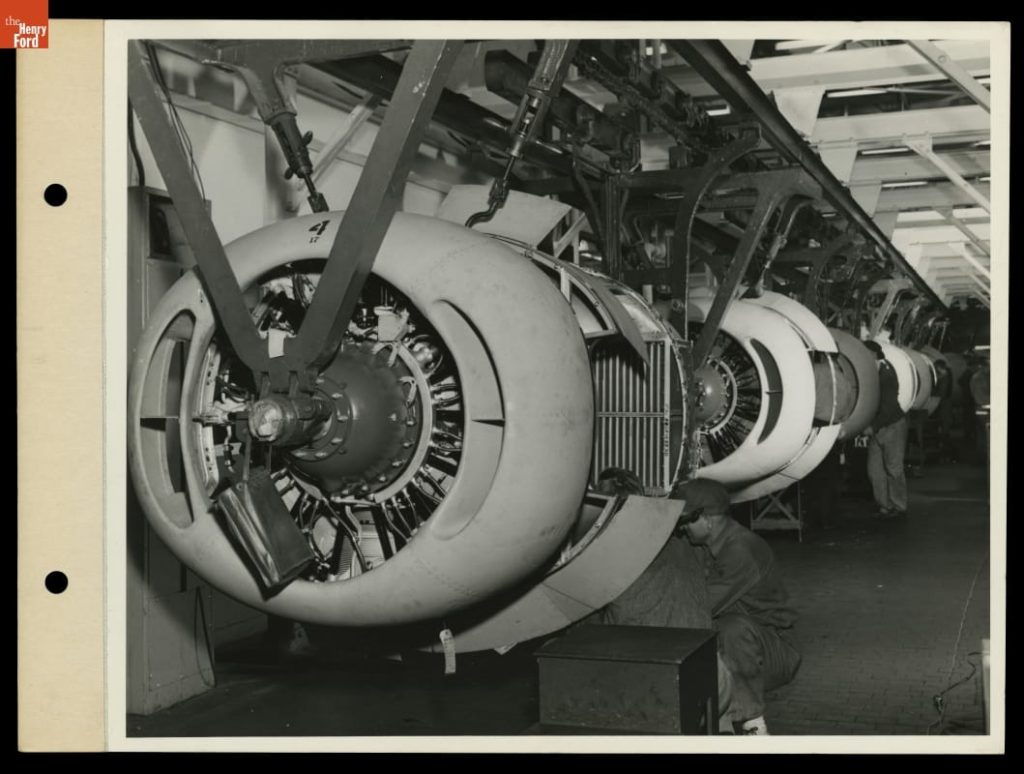
During World War II, Ford adapted its mass production methods to build B-24 bombers at the Willow Run plant. Despite the complexity and frequent design changes of aircraft, Ford’s engineers streamlined the process so effectively that, at the plant’s peak, a new bomber rolled out every 63 minutes.
Before the Assembly Line: Building Model Ns at Piquette Avenue (1906)
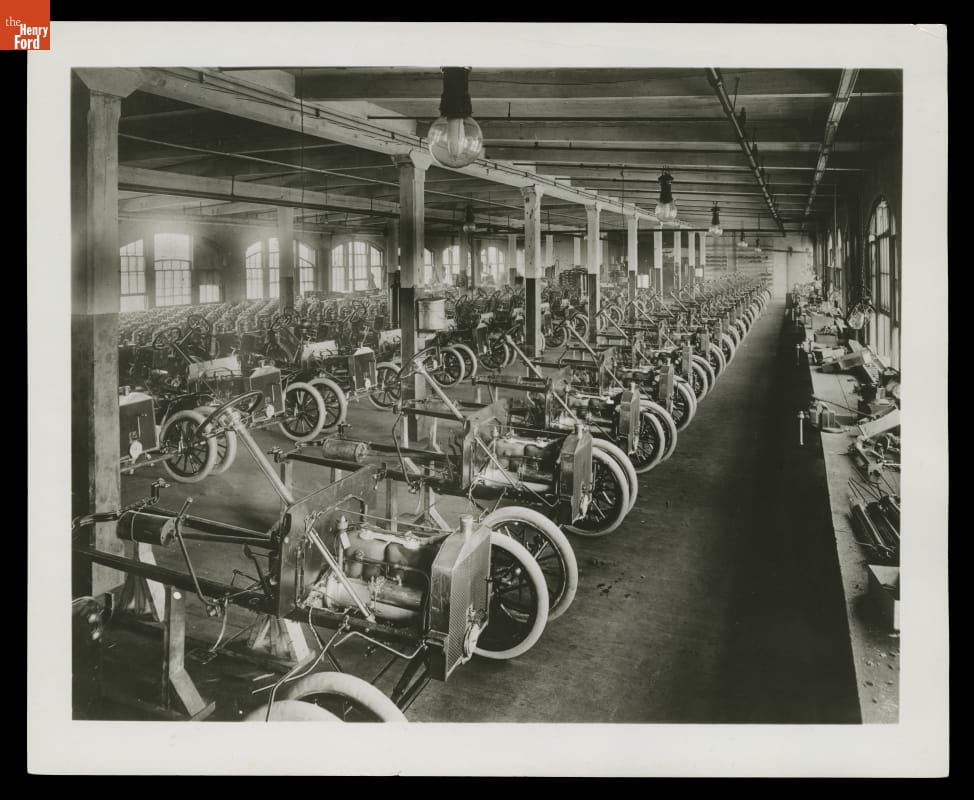
In 1906, Ford’s Model N cars were assembled on the third floor of the Piquette Avenue factory in Detroit. Crews moved from car to car, completing each by hand.
A Gift of Innovation: John Burroughs’ 1914 Model T
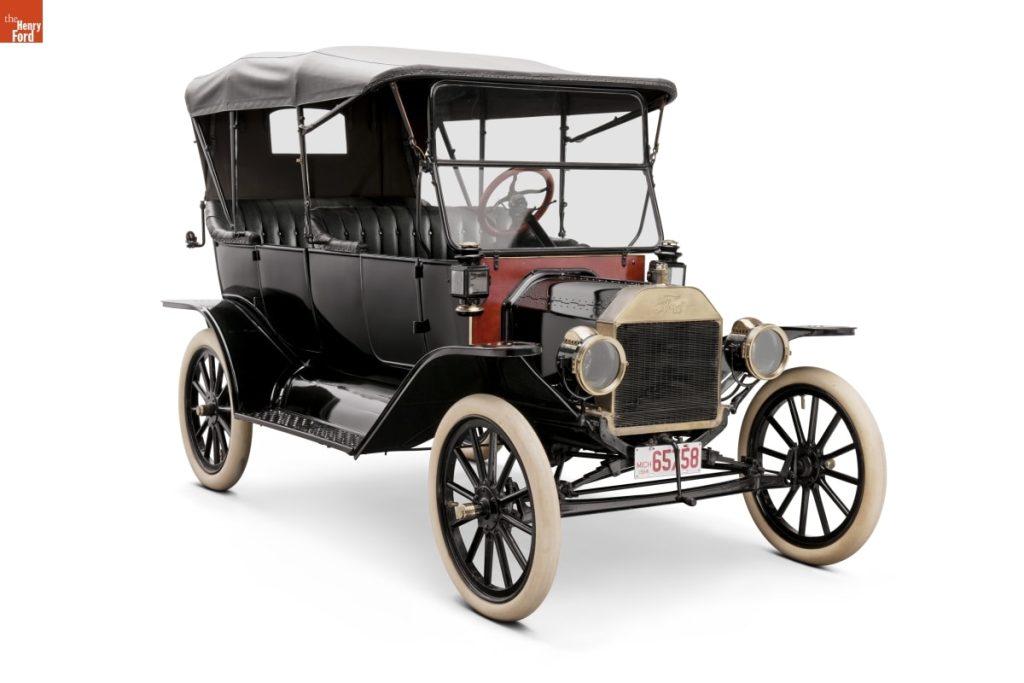
This 1914 touring car was one of several Model Ts gifted to naturalist John Burroughs by his friend Henry Ford.
The First Assembly Line: Building Model T Flywheels (April 1913)
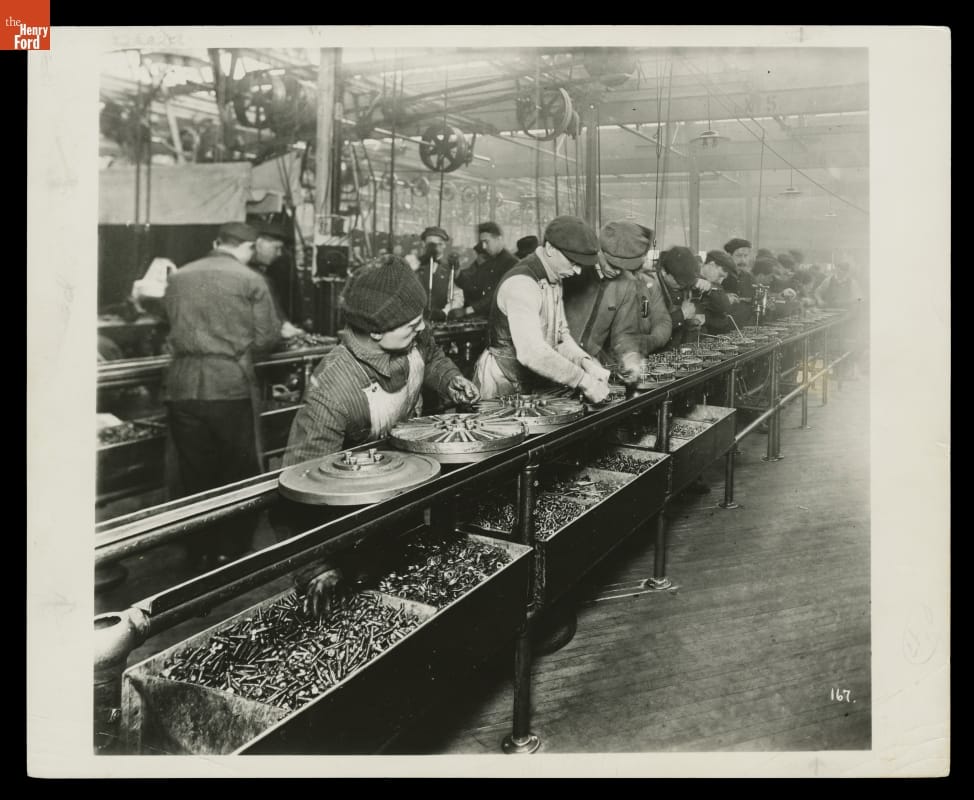
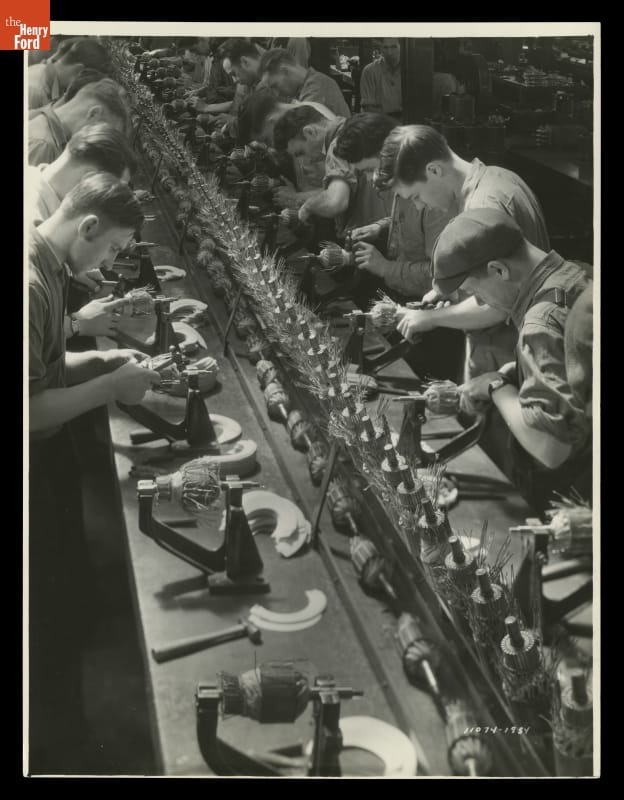
Ford’s first assembly line at the Highland Park plant was basic but groundbreaking. In this 1913 photo, workers attach V-shaped magnets to Model T flywheels to form part of the magneto system.
Highland Park: The Birthplace of Modern Mass Production (1923)
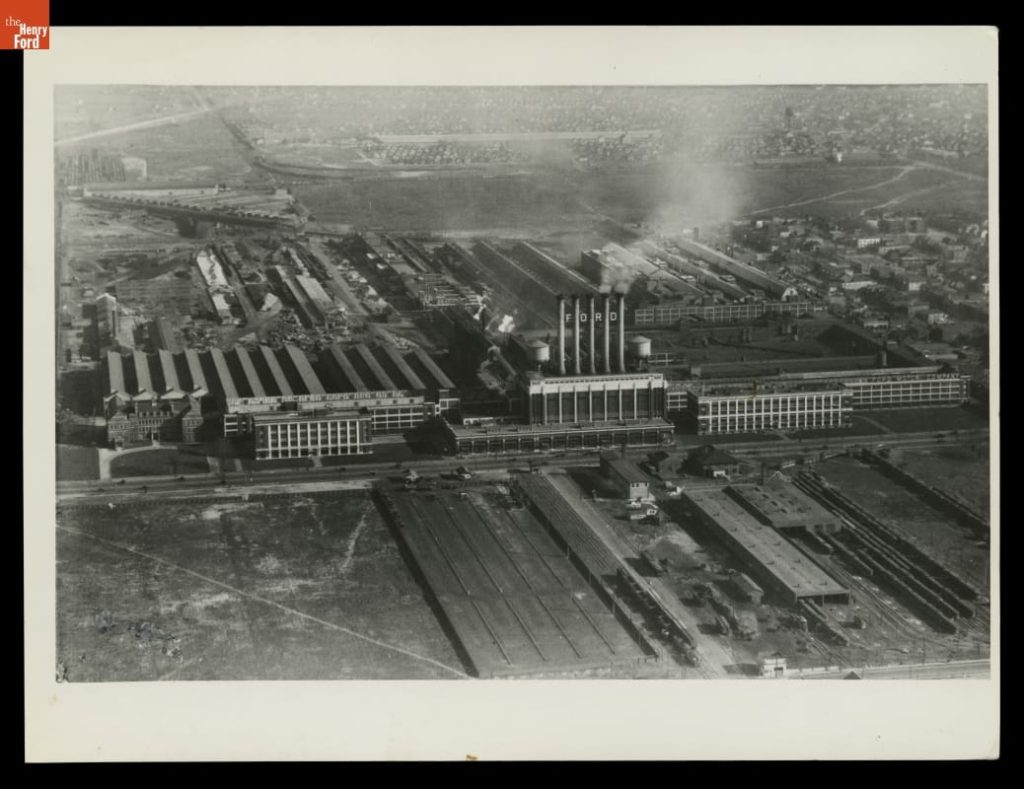
Designed by famed architect Albert Kahn, the Highland Park Ford Plant was the second facility to produce the Model T and the site where Henry Ford perfected the moving assembly line. It was also here that he introduced the groundbreaking Five Dollar Day, cementing both his factory’s legacy and his own status as an international icon.
Early Assembly: Driveshafts and Engines at Highland Park (1913)
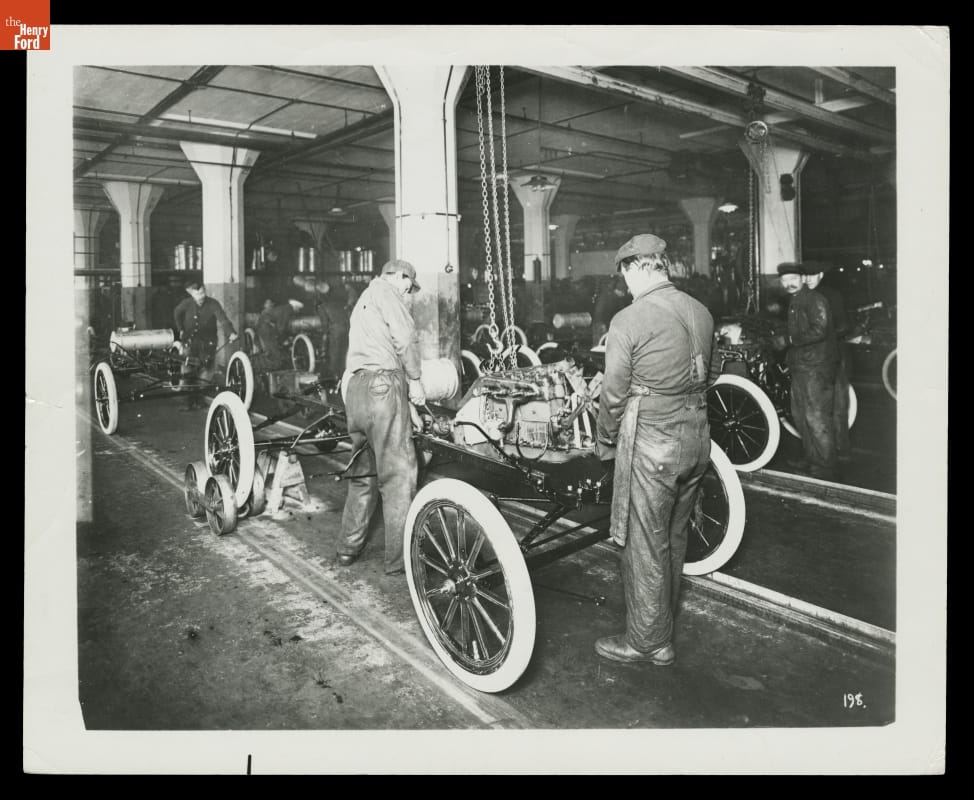
In this 1913 photo, one worker connects a Model T driveshaft to its transmission while another lowers an engine onto the chassis using a chain hoist. The assembly line was still rudimentary, with vehicles manually pushed or pulled between stations, a system soon replaced by moving, chain-driven lines to boost efficiency.
Chassis Assembly in Action: Installing Dashboards (1915)
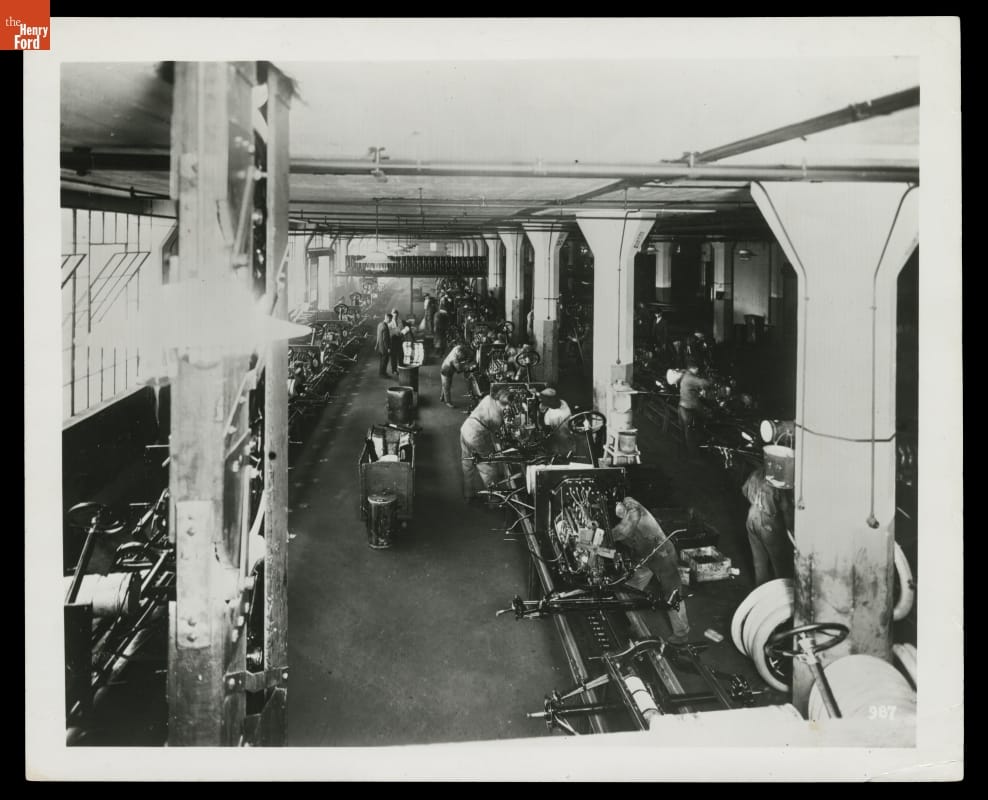
On the chassis assembly lines, all major components like frames, axles, gas tanks, engines, dashboards, wheels, radiators, and bodies came together to form a finished car. This photo shows workers installing dashboards, connecting ignition wires, throttle controls, and the steering column to the front axle, highlighting the precision and coordination required on the line.
Powering the Assembly Line: Ford’s Hybrid Engines (1915–1916)
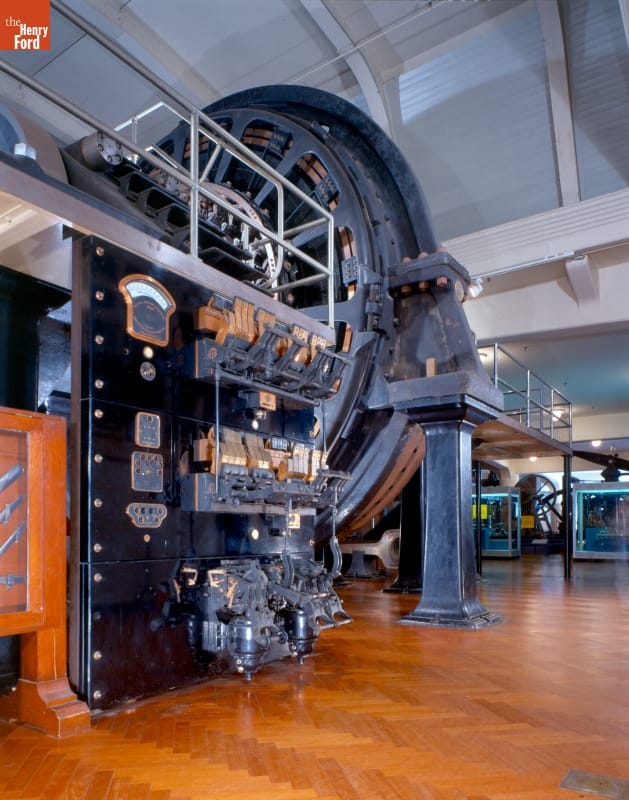
Ford’s early mass production relied on electricity generated by nine hybrid internal combustion/steam engines at the Highland Park plant. By 1926, these engines became obsolete when electricity was supplied from the River Rouge power plant, reflecting the company’s continuous push for efficiency and modernization.
A Plea for Better Working Conditions: Letter to Henry Ford (January 23, 1914)
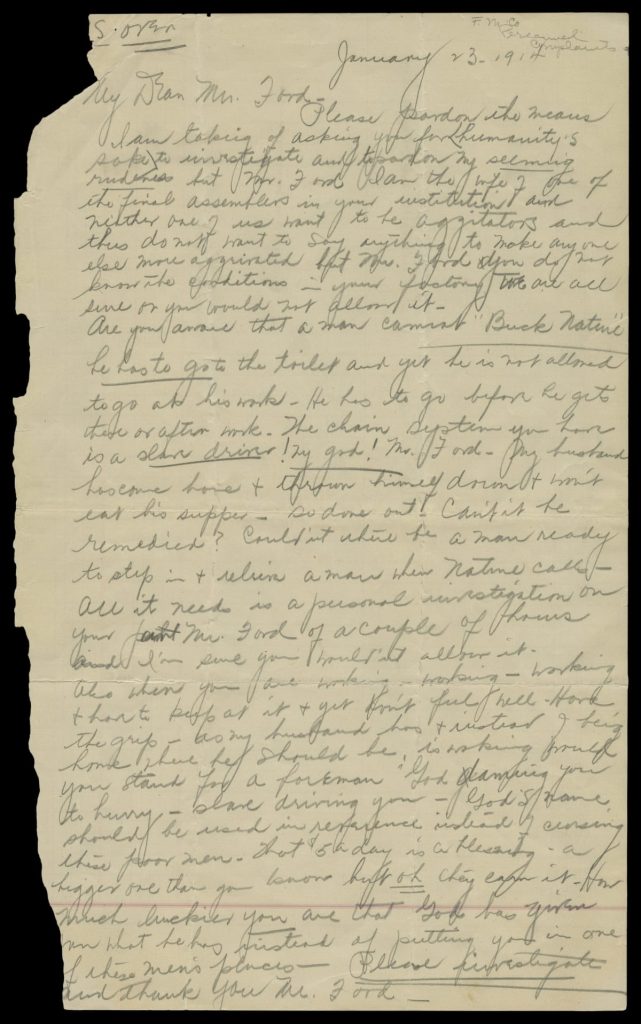
This letter, written by the wife of an assembly line worker, urges Henry Ford to investigate working conditions in his factories. She expresses anger over the treatment her husband endures, offering a personal glimpse into the human challenges behind the efficiency of Ford’s assembly lines.
Temporary Assembly for Shipment: Model Ts at Highland Park (1913–1914)
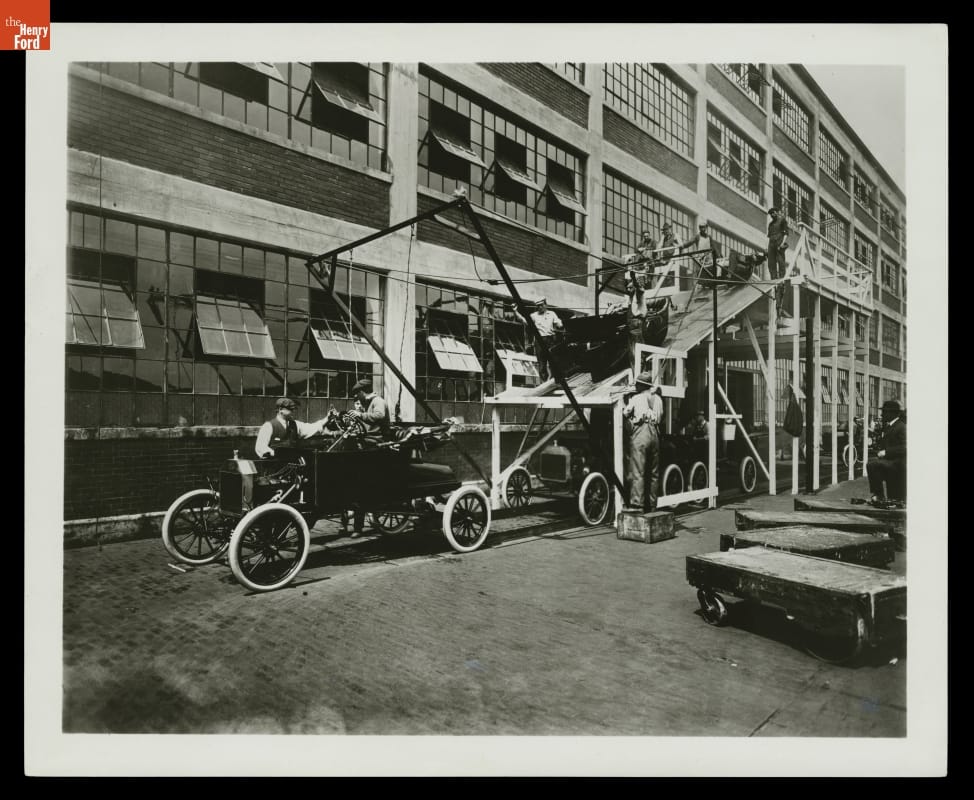
Before being shipped by rail, Model Ts at Ford’s Highland Park plant were only partially assembled. Workers temporarily placed car bodies on chassis, which were later disassembled for transport.
Installing Tires on the Model T at Highland Park (circa 1925)
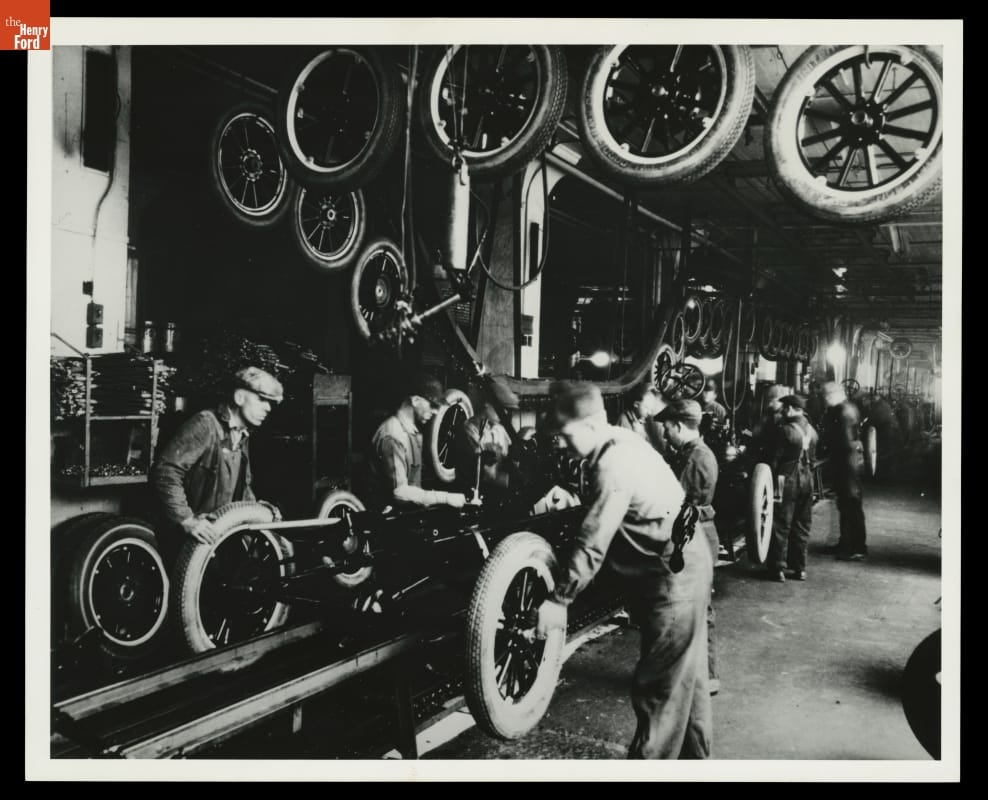
This photo captures workers fitting tires onto Model T chassis at Ford’s Highland Park plant around 1925. By this time, pre-inflated tires were delivered directly to the line, allowing efficient installation on both sides, a testament to Ford’s ongoing assembly line innovations.
Shift Change at Highland Park: Celebrating 15 Million Model Ts (1927)
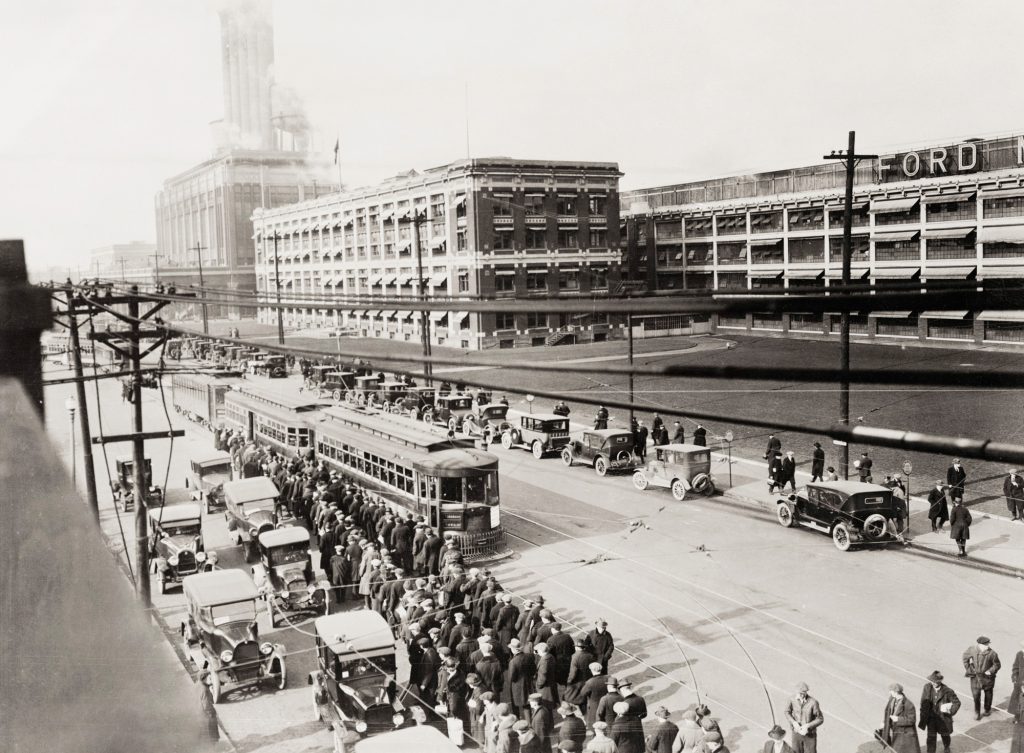
Workers swap shifts at Ford’s Highland Park plant, where the company celebrated the production of its 15 millionth Model T in 1927. By 2013, Ford had grown into a global powerhouse, employing 166,000 people across 70 plants worldwide.
Strikes and Controversy: Ford Workers Protest (1941)
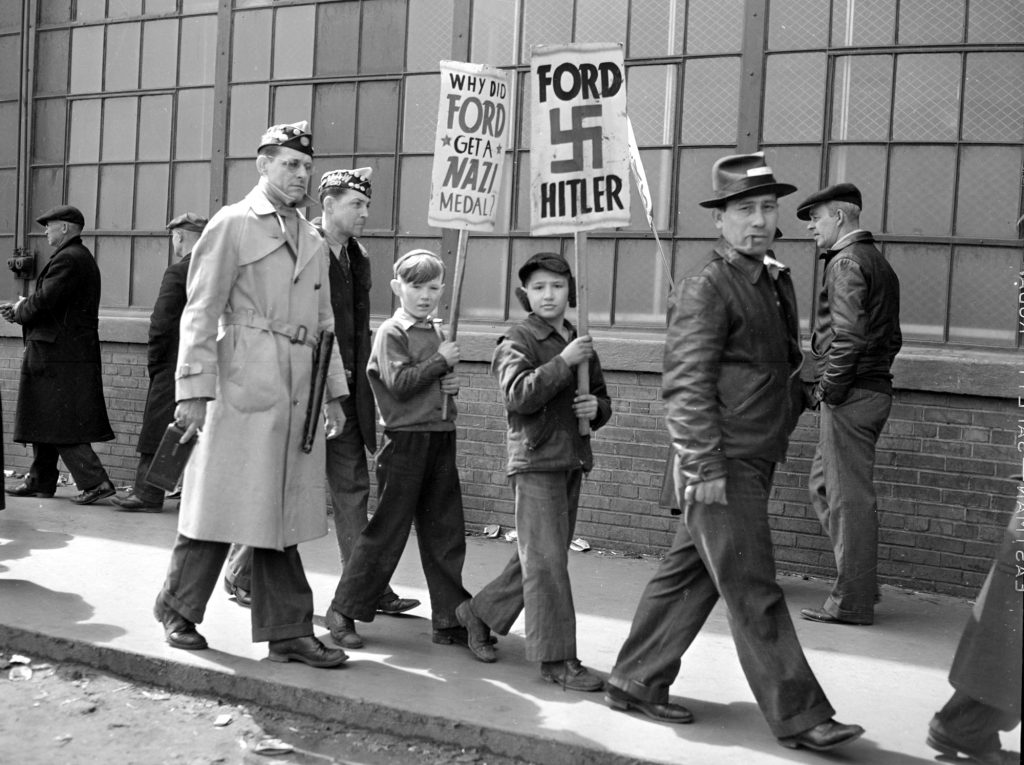
In 1941, Ford factory workers struck for higher wages, overtime pay, and job security. Amidst World War II, many also protested Henry Ford’s controversial past, including his well-known Nazi sympathies and earlier writings on “America’s Jewish problem,” highlighting tension between labor and leadership.
Ford vs. the Union: Clash with the UAW (1937)
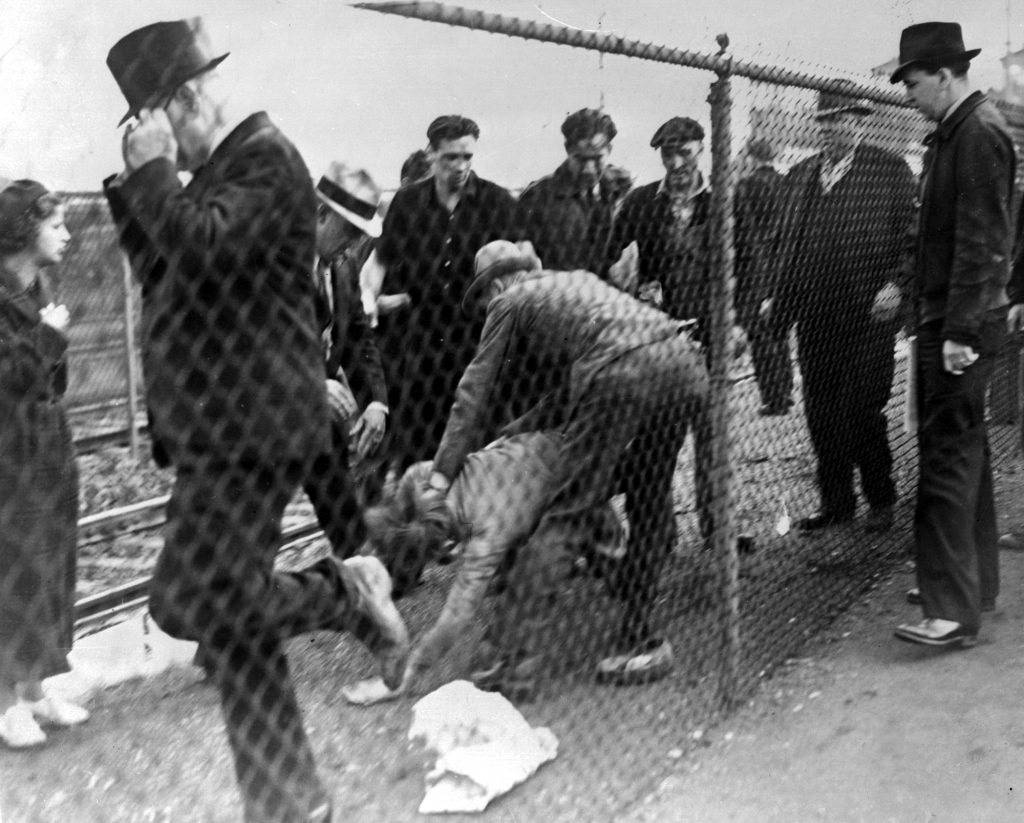
By the 1930s, workers sought better wages and job security, but Ford resisted unionization. This infamous photo shows Ford’s security confronting United Auto Workers members on May 26, 1937, as they handed out leaflets, an event that sparked nationwide media coverage of the company’s harsh tactics.
The Pageant of the Ford Melting Pot
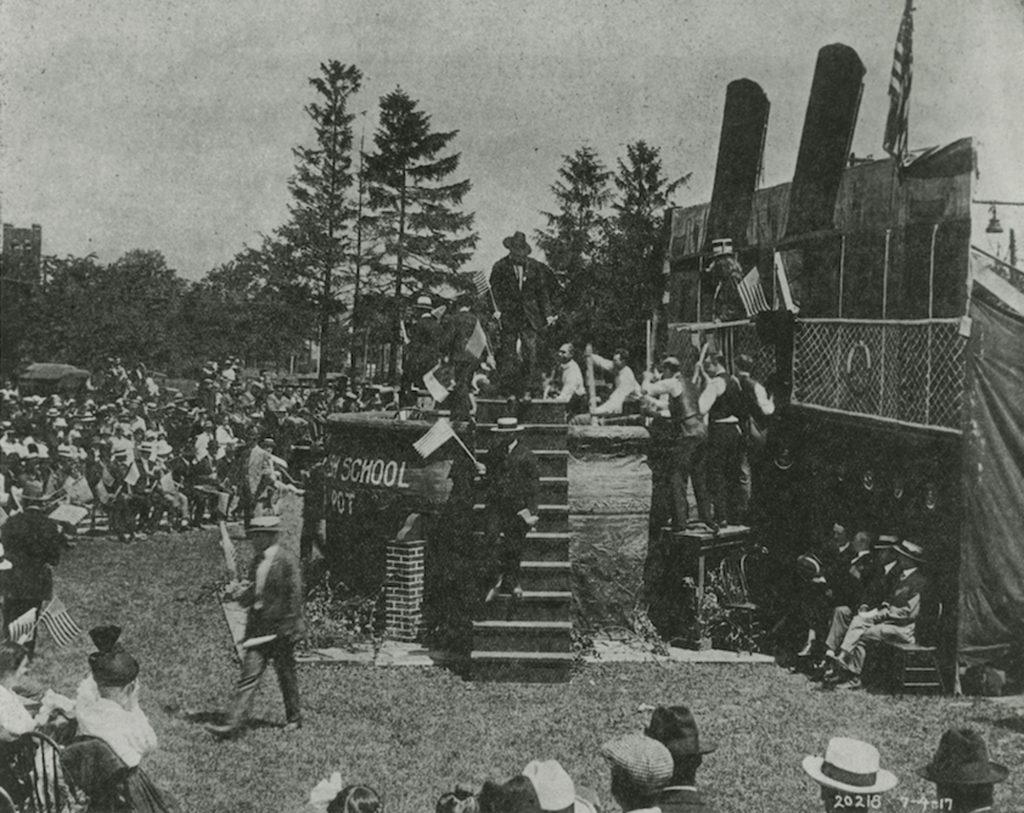
Graduates of Ford’s English Language School celebrated their achievements in the whimsical “Pageant of the Ford Melting Pot.” Dressed in traditional clothing from their homelands, workers emerged from a paper-mâché melting pot wearing suits and straw hats, proudly waving the American flag, a symbolic welcome into American life.
Learning on the Job: Ford’s English Language School
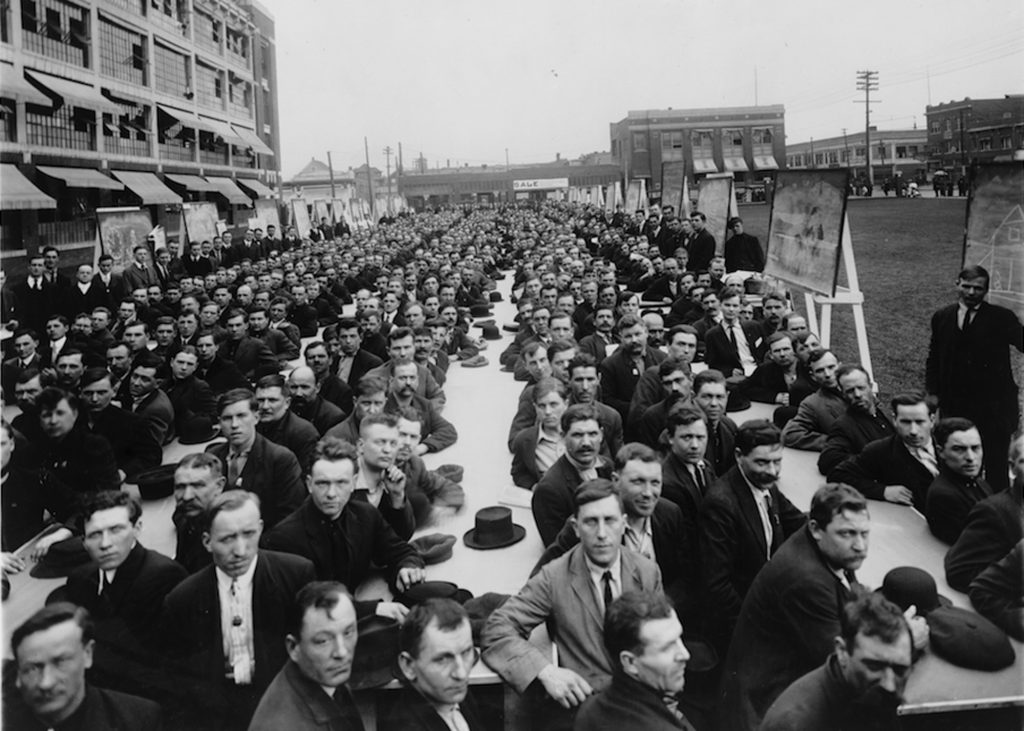
To help his diverse workforce communicate and work efficiently, Henry Ford required immigrant employees to attend the company’s English Language School. This initiative ensured smoother operations on the assembly line and helped workers adapt to life in America.
A Global Workforce: Immigrants Powering Ford’s Factories
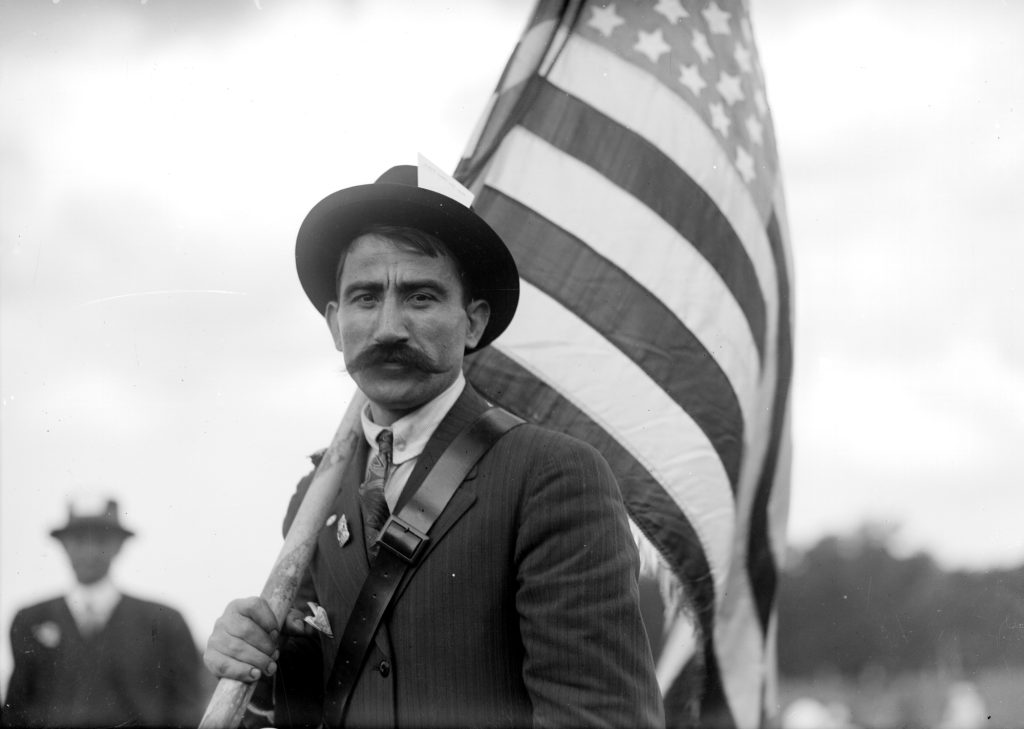
Ford’s factories relied heavily on recent immigrants, representing more than 53 nationalities and speaking over 100 languages. This diverse workforce was crucial to keeping the assembly lines running and reflected the melting pot of early 20th-century America.
Ford’s Revolutionary Worker Benefits Make Global News
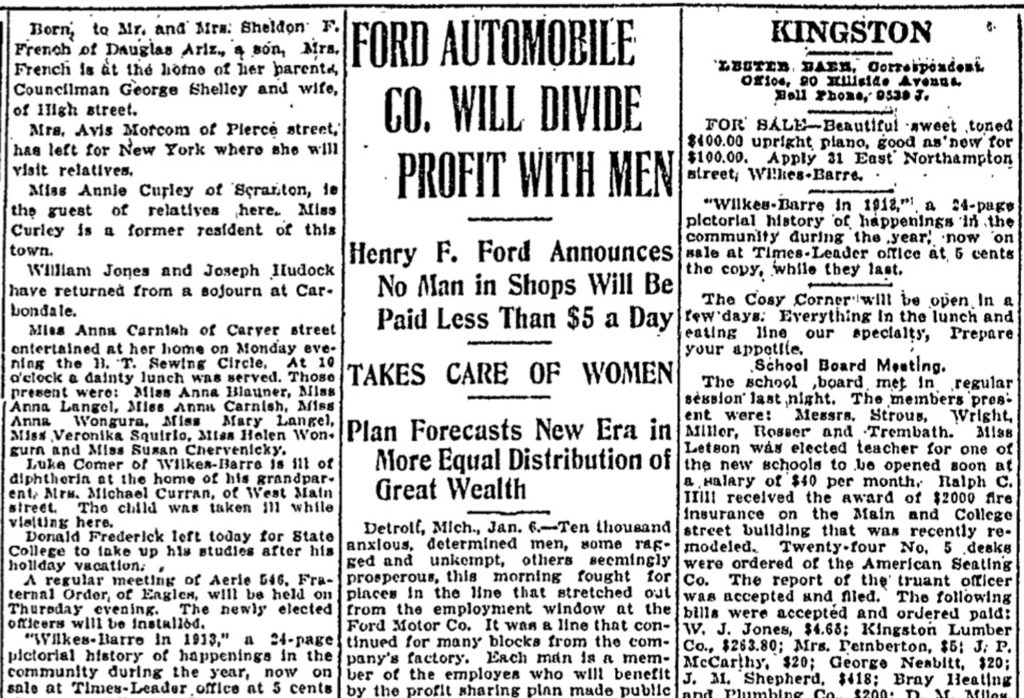
By sharing company profits and reducing working hours, Ford transformed the factory experience for his employees. The bold move was so impactful that newspapers around the world covered the story, showcasing Ford as a pioneer in fair labor practices.
The $5 Day: Ford’s Game-Changing Wage Boost (1914)
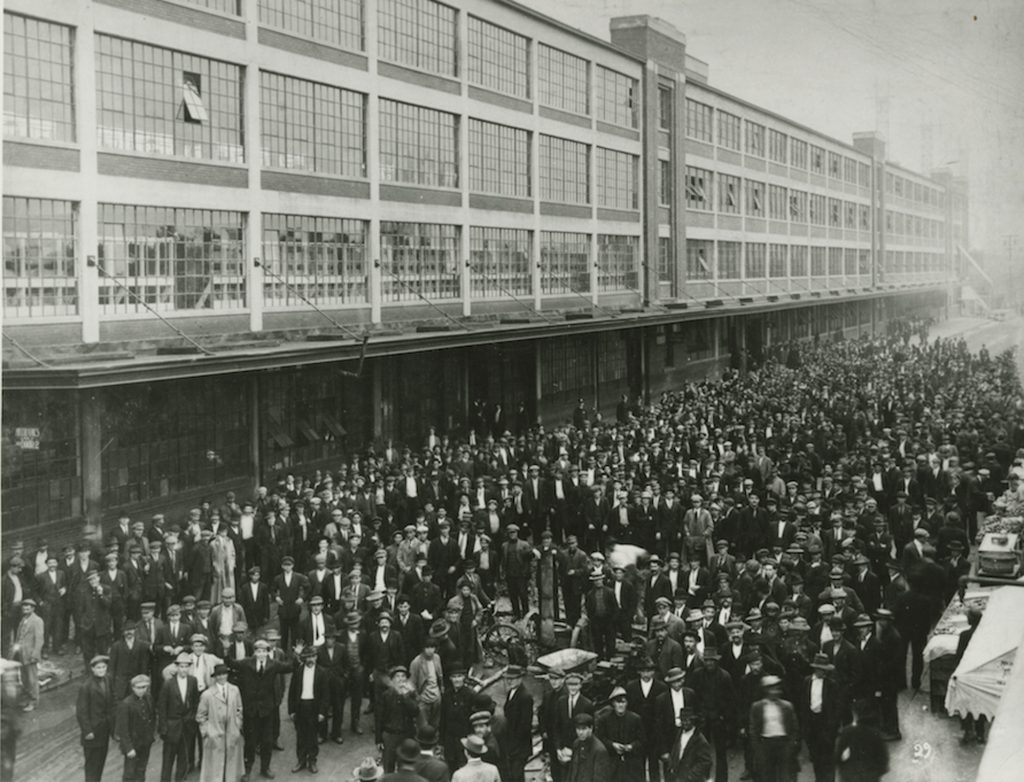
In 1914, Henry Ford doubled workers’ pay with the famous $5 day, adding nearly $3 to the standard daily wage. The result? The very next morning, 10,000 men lined up at the factory, eager to join a bold move that reduced turnover and boosted productivity.
High Turnover: The Challenge of Keeping Workers
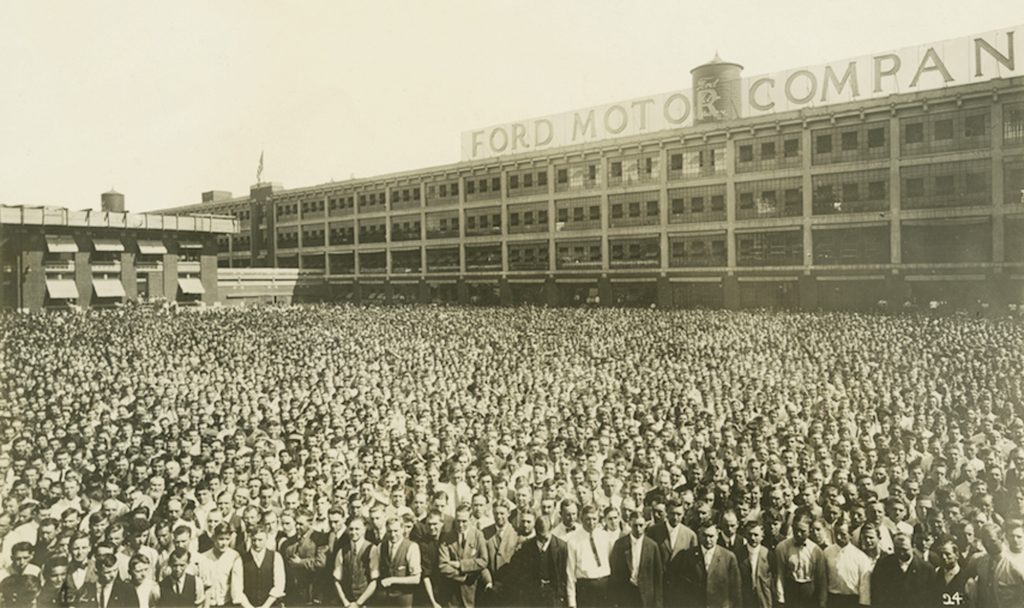
The pace and monotony of assembly line work led to extremely high turnover at Ford. Managers often had to hire ten men just to find one who would stay, showing that industrial efficiency came with significant human challenges.
The Human Cost of Efficiency: Tool and Die Workers at River Rouge
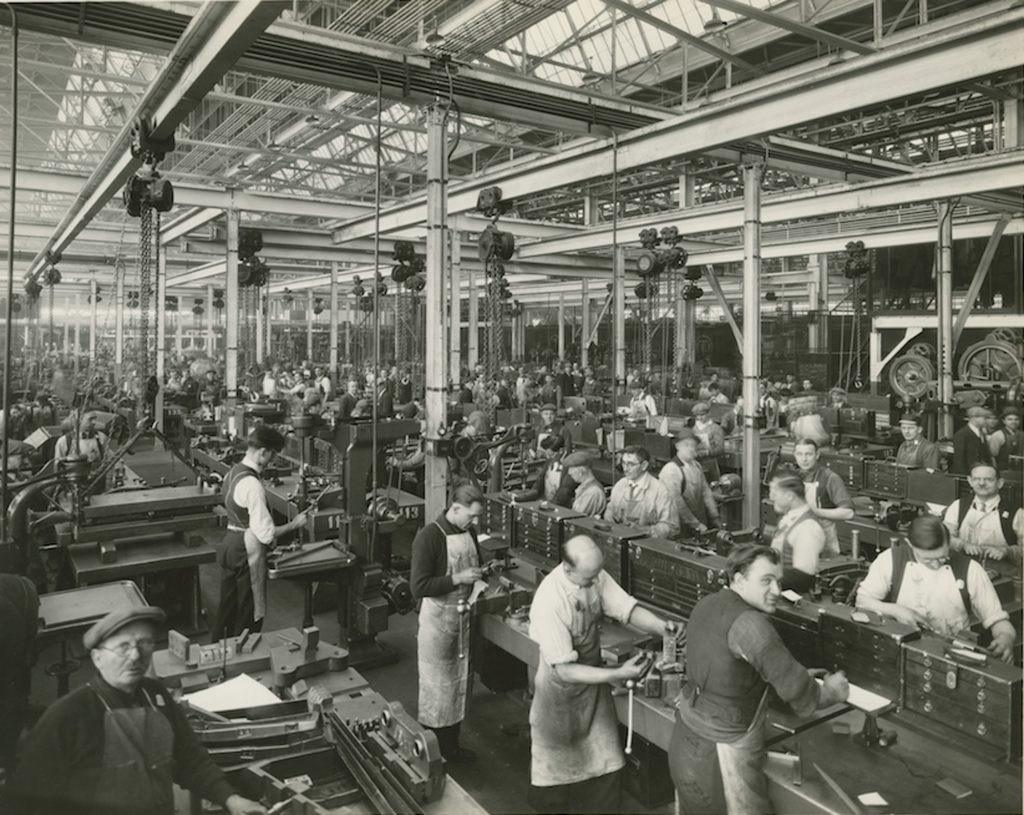
While the assembly line revolutionized car production, it also made work repetitive and grueling for many skilled employees. This photo captures men in the tool and die department at Ford’s River Rouge plant, highlighting the demanding labor behind the company’s industrial success.
Making Cars Affordable: Ford’s Vision for the Middle Class
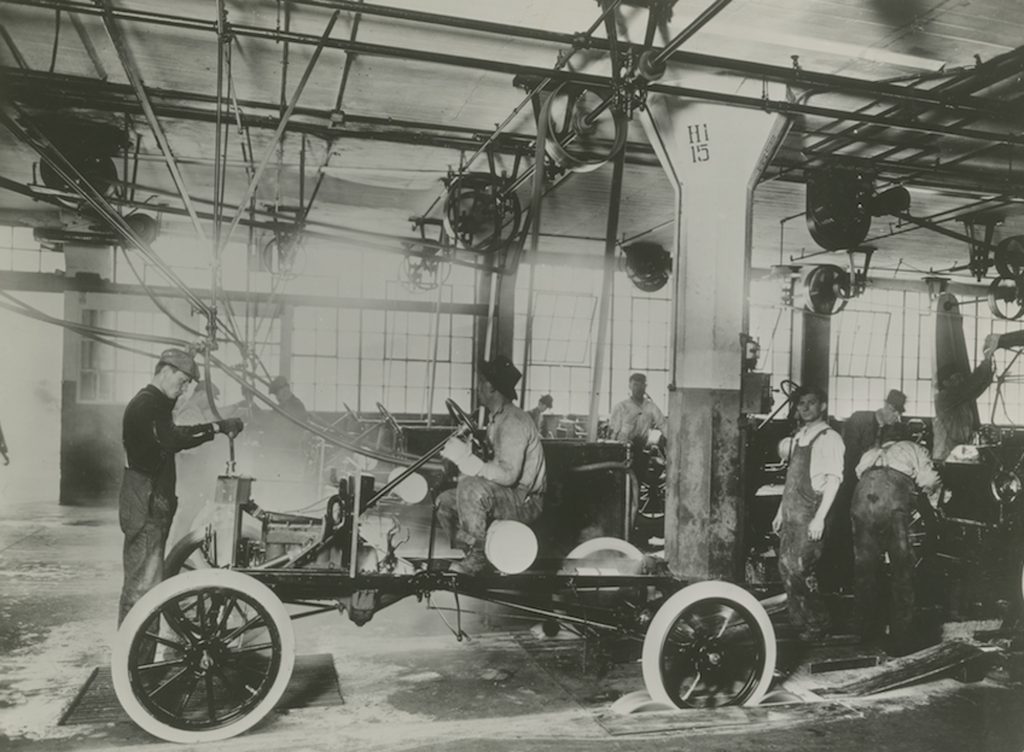
By cutting production costs through assembly line innovations, Ford made his dream a reality: cars that the average middle-class American could afford. This approach didn’t just change manufacturing; it helped put America on wheels, bringing personal transportation to millions.
Mass Production in Motion: Dashboards on the Line (circa 1918)
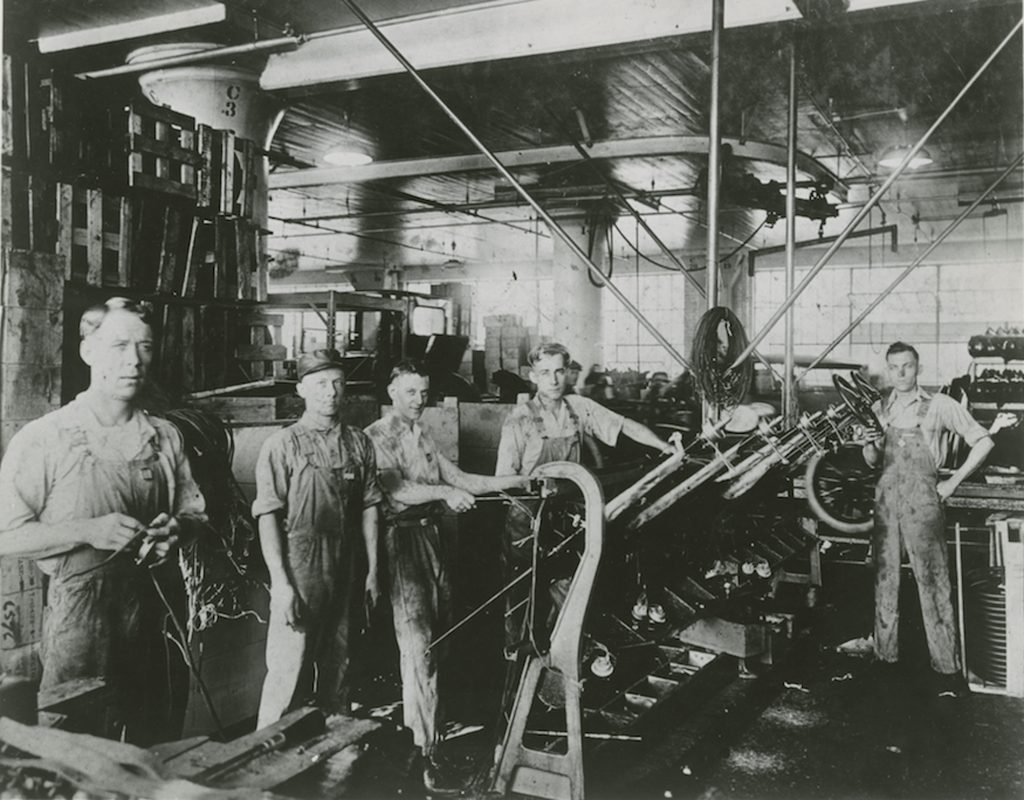
With Ford’s new assembly line system, building a car went from taking over 12 hours to just 1 hour and 33 minutes. By 1918, the company could produce up to 1,000 cars a day. In this photo, workers assemble dashboards a clear sign of how speed, precision, and teamwork had transformed Ford’s factory floors.
1913: The Birth of the Assembly Line Revolution
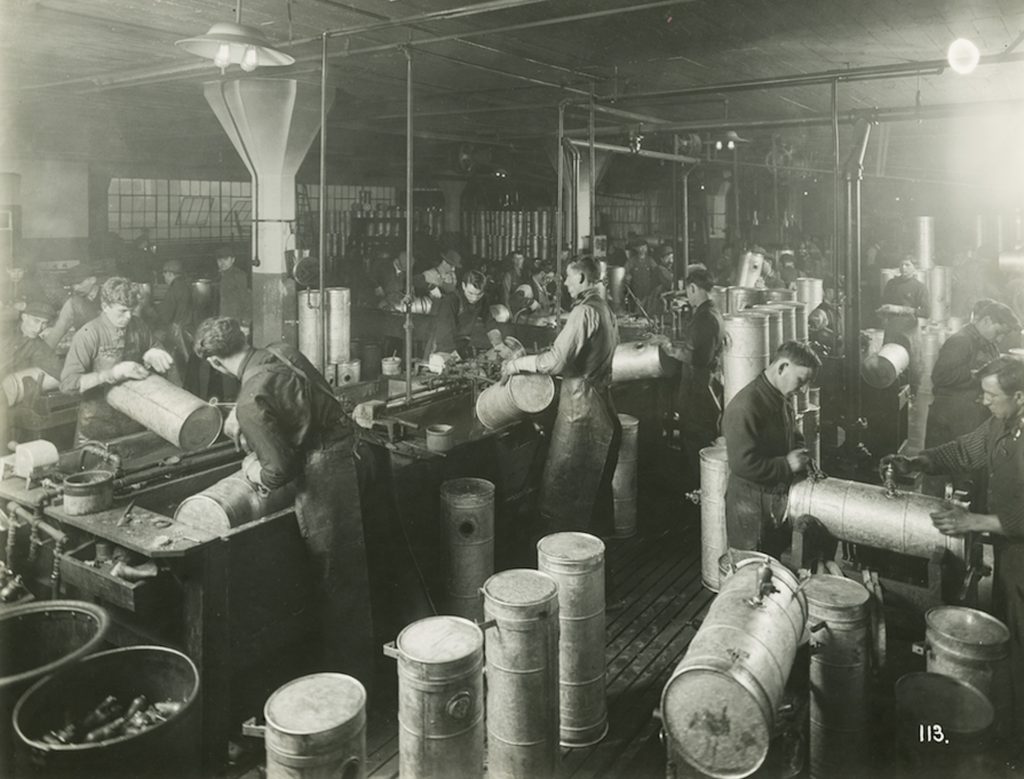
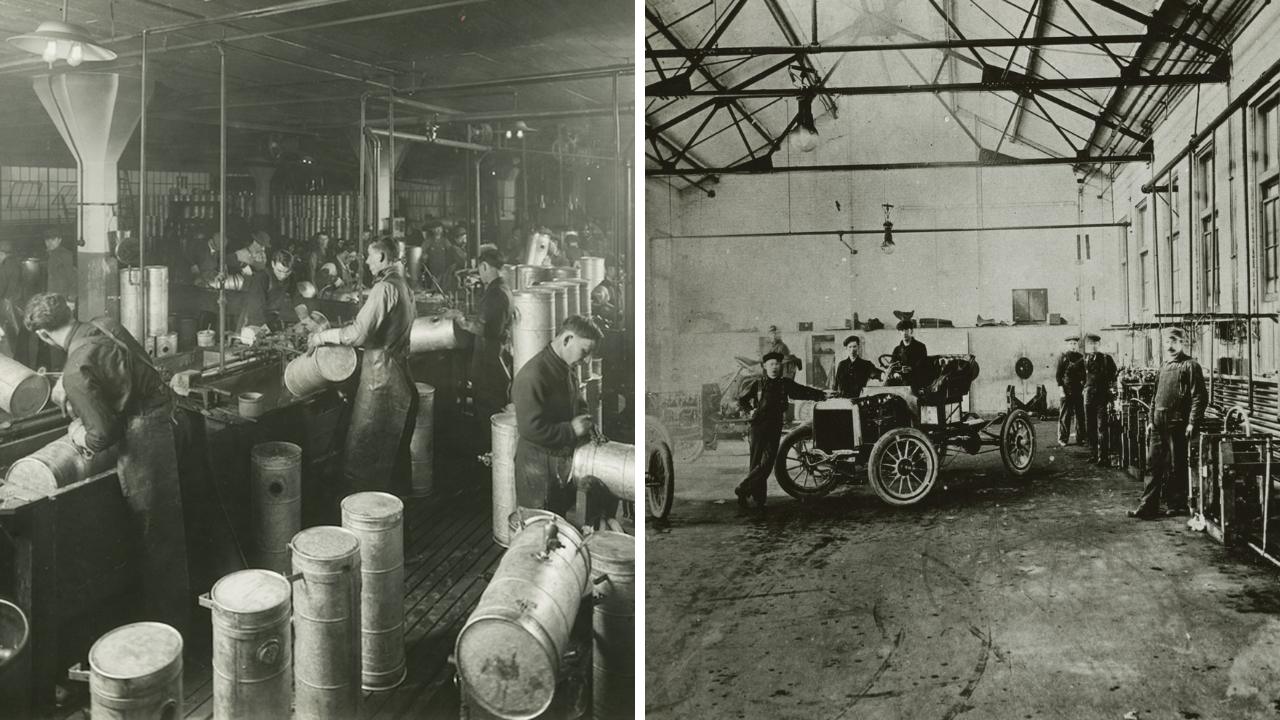
In 1913, Henry Ford forever changed manufacturing by introducing the moving assembly line for the Model T. Each worker stayed in one spot, repeating a single task instead of building an entire car. This photo shows men crafting gas tanks, a glimpse into the moment when car production became faster, cheaper, and more efficient than ever before.
Before the Assembly Line: Ford’s Early Days of Hand-Built Cars (circa 1905)
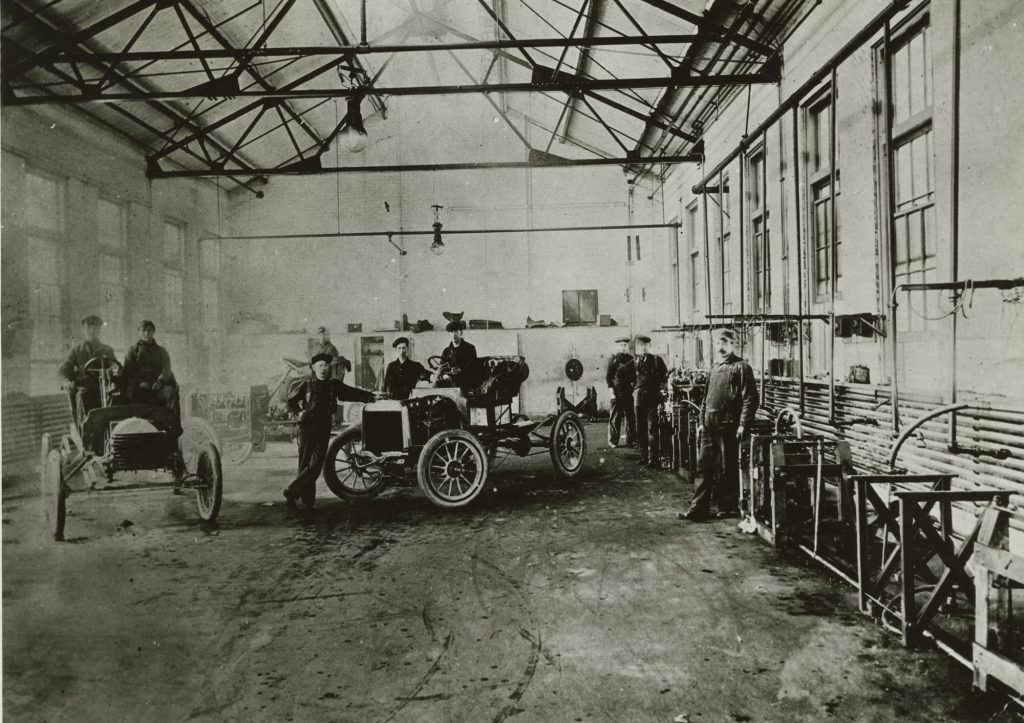
Just two years after its founding in 1903, Ford was already turning out 25 cars a day all assembled by hand. Before the revolutionary moving assembly line came along, building a single car could take more than 12 hours, making these early efforts a mix of craftsmanship, determination, and long hours on the factory floor.