From classic shockers to modern mind-benders, this list gathers 30 films famous for flips, reveals, and narrative curveballs that reframe everything. This roundup is spoiler free, so you can safely browse and build a watchlist without ruining the fun. Expect thrillers, mysteries, sci‑fi puzzles, and a few left-field picks that earned their reputations the moment credits rolled.
“The Prestige” (2006)
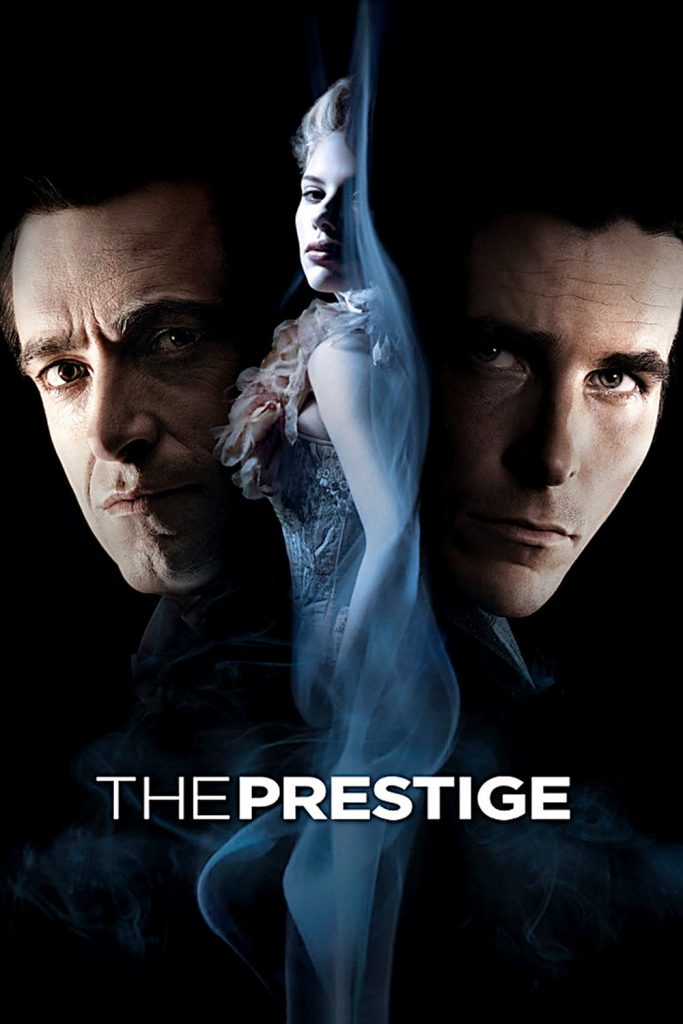
A duel between showmen becomes a maze of obsession, sacrifice, and sleight of hand. The film rewards close attention and second-guessing at every turn. Its structure mirrors the art of misdirection to keep you leaning forward.
“Shutter Island” (2010)
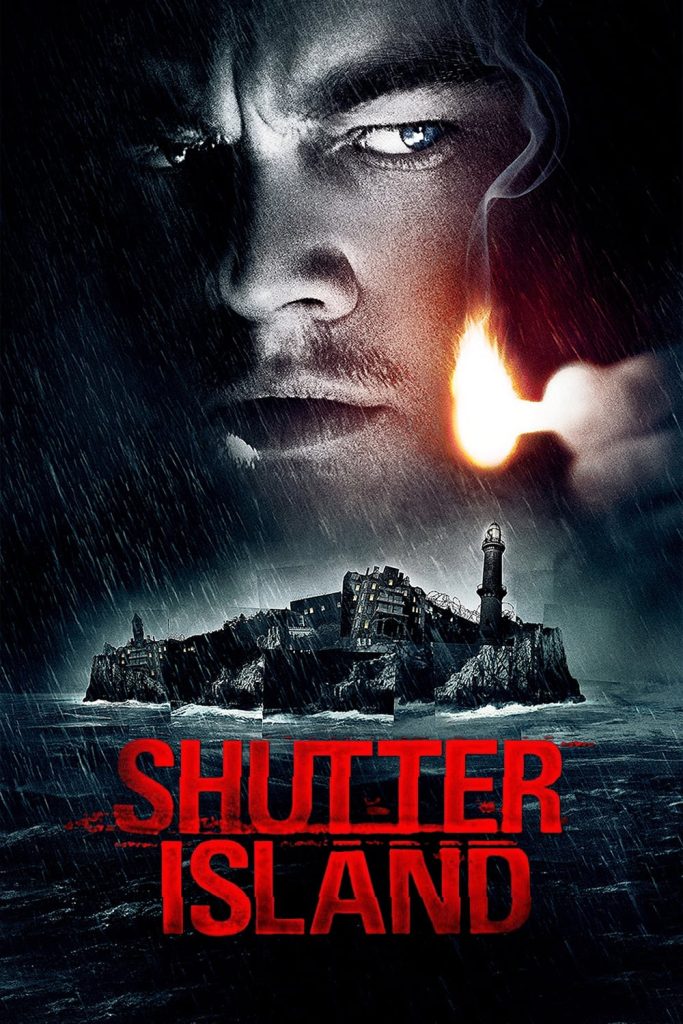
Storms, secrets, and a fortress-like asylum set the stage for a psychological puzzle. Details in the margins steadily tilt the ground beneath your feet. The mood does as much work as the plot to unsettle you.
“Se7en” (1995)
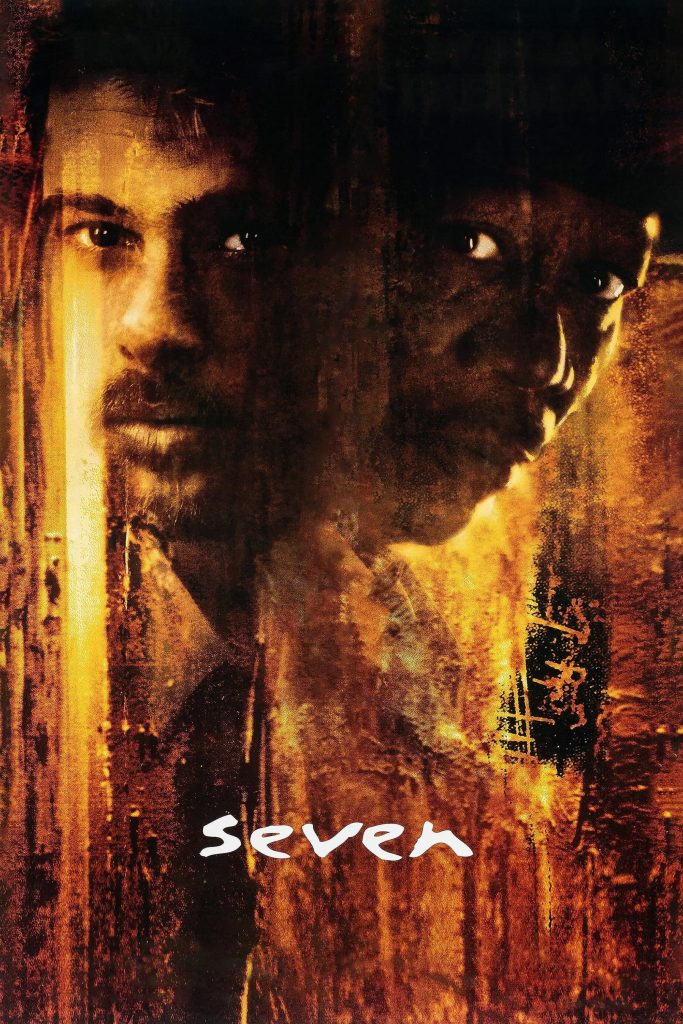
A procedural steeped in dread, where patience and pattern drive the investigation. Its meticulous design primes you for a gut-punching resolution. Every clue feels intentional, even when it seems routine.
“The Usual Suspects” (1995)
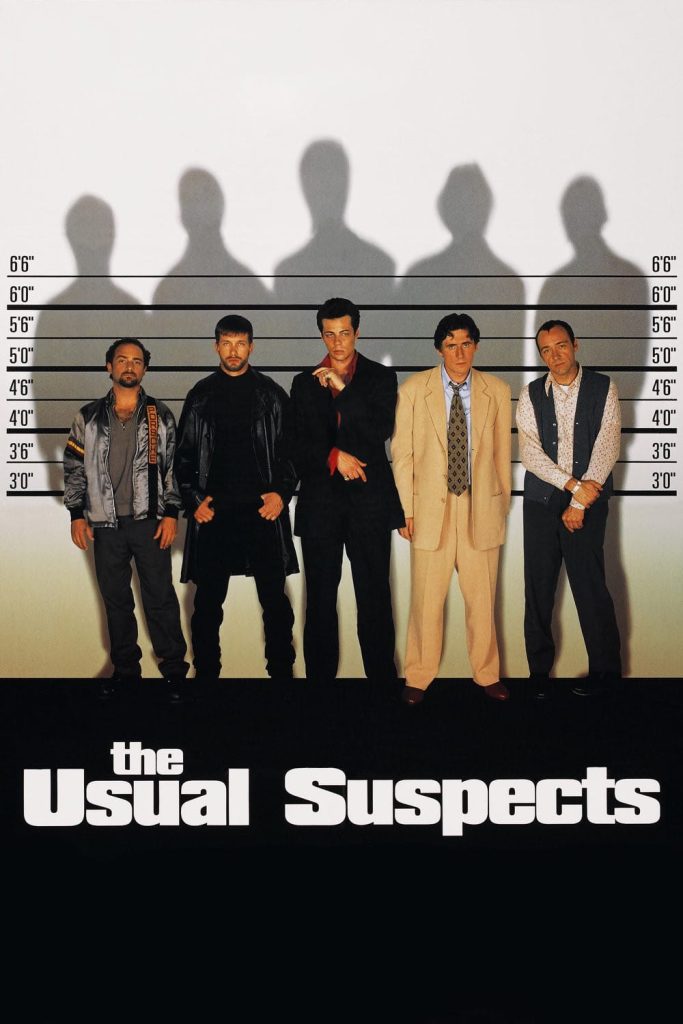
A story told from the margins, built on identity, myth, and misdirection. The last note became a cultural shorthand for cinematic rug-pulls. It’s a lesson in how perspective shapes truth.
“Oldboy” (2003)
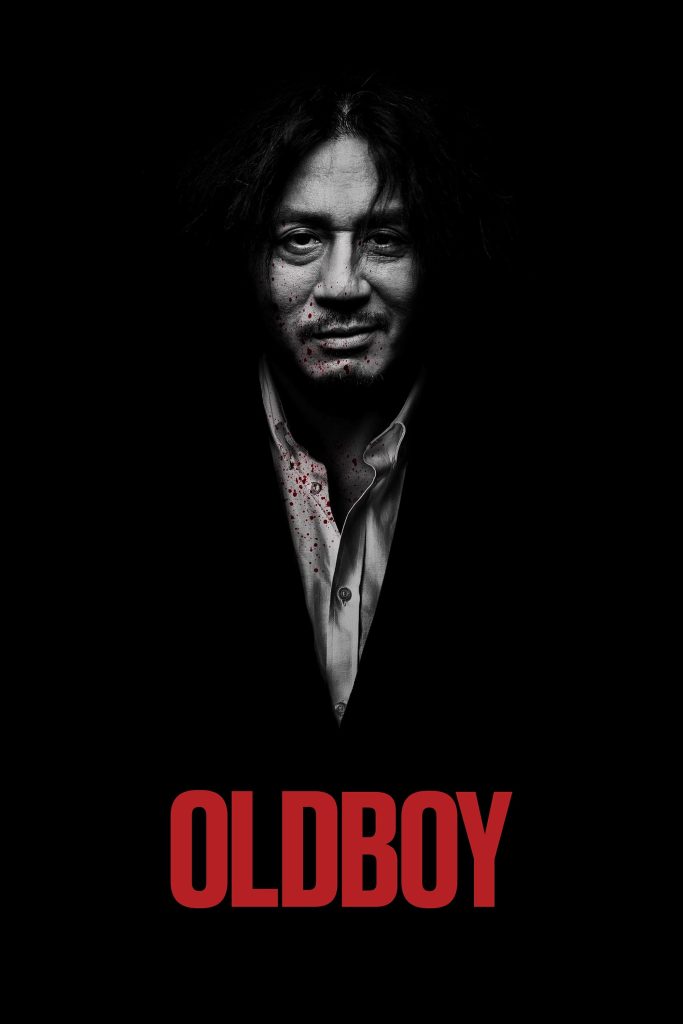
Stylish and bruising, this neo-noir thriller folds revenge into a labyrinth. Every choice feels loaded, and revelations land with haunting force. The filmmaking is as relentless as the story.
“Gone Girl” (2014)
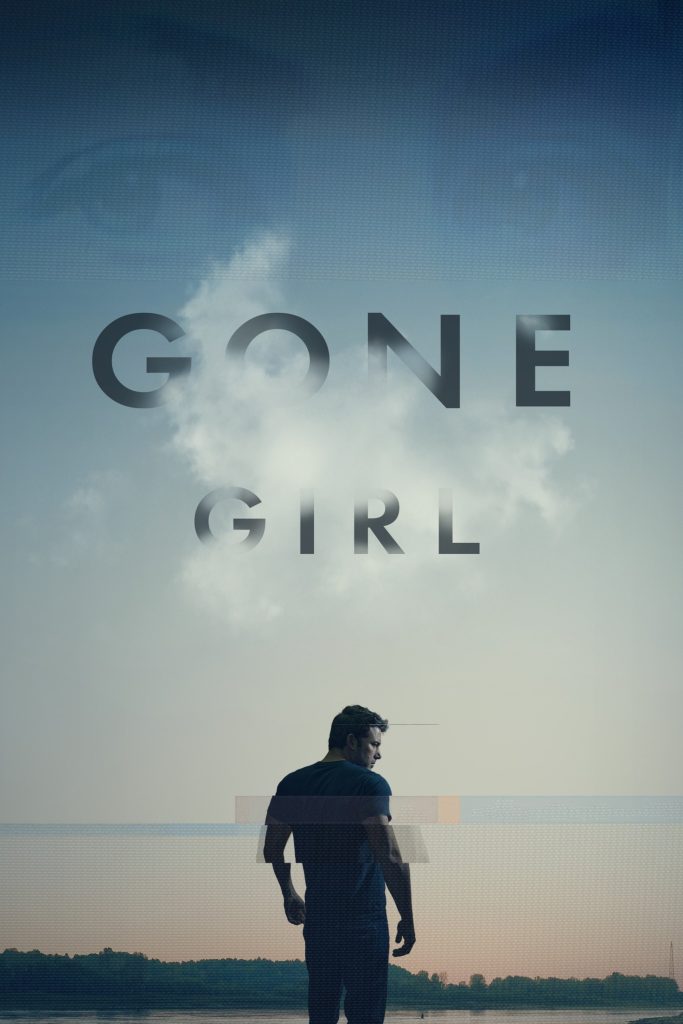
Marriage meets media circus in a slick thriller about perception and performance. The narrative keeps shifting the ground rules as it goes. Image and reality duel until the credits.
“Primal Fear” (1996)
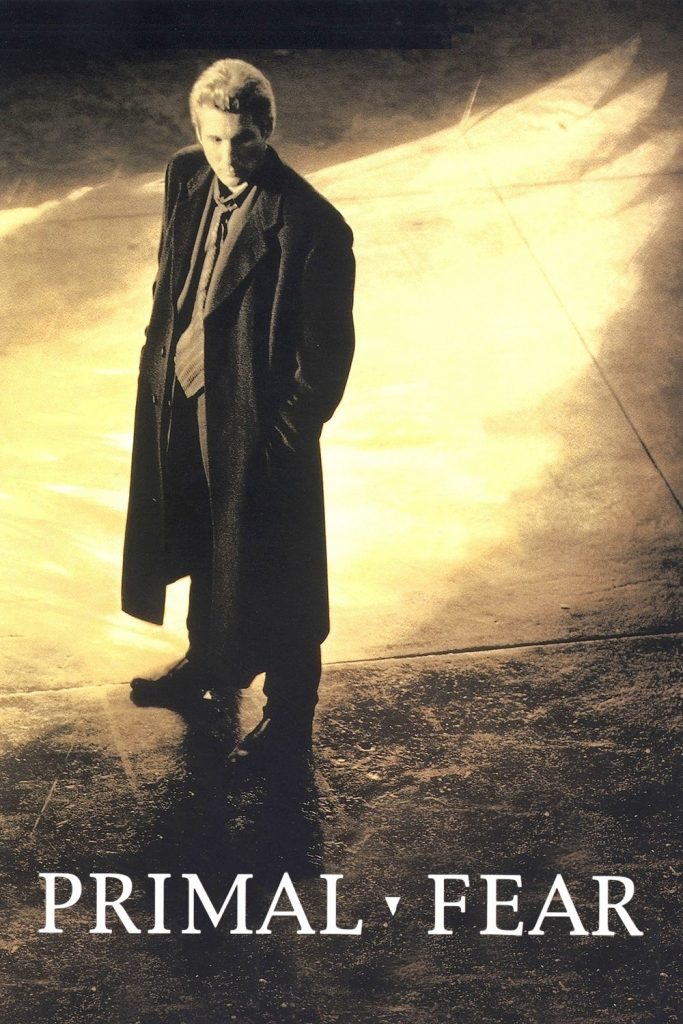
A courthouse drama that toys with certainty, charisma, and doubt. Performances keep you leaning in until the final, chilling beat. It weaponizes courtroom theatrics without losing human stakes.
“Psycho” (1960)
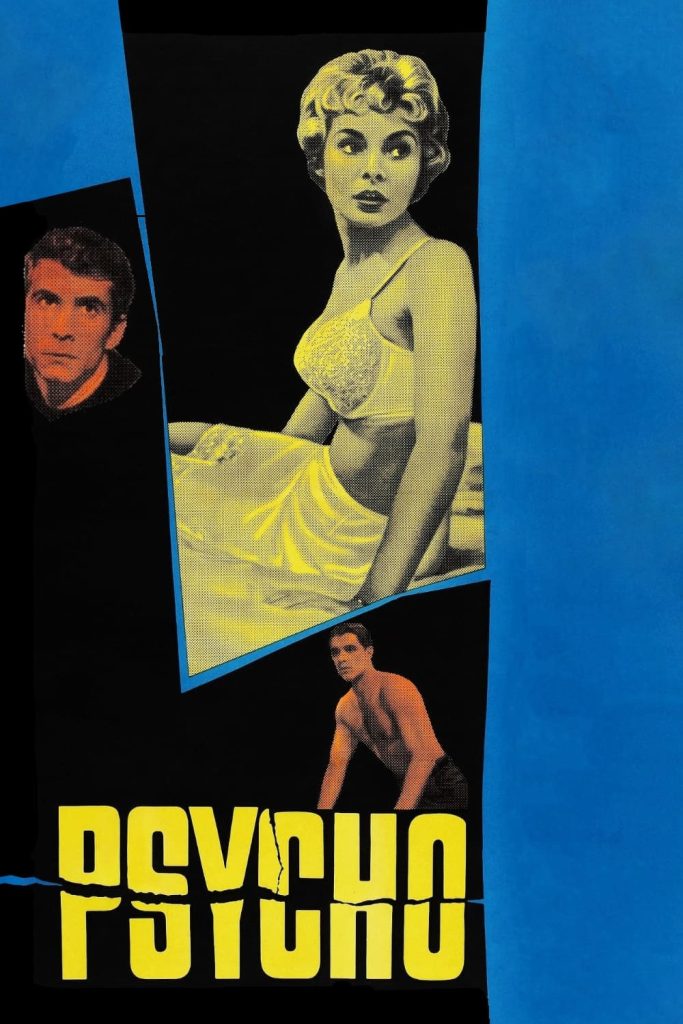
A masterclass in audience manipulation and midstream pivots. The film reshaped what a thriller could do, and to whom it could do it. Precision editing and score still feel modern.
“The Others” (2001)
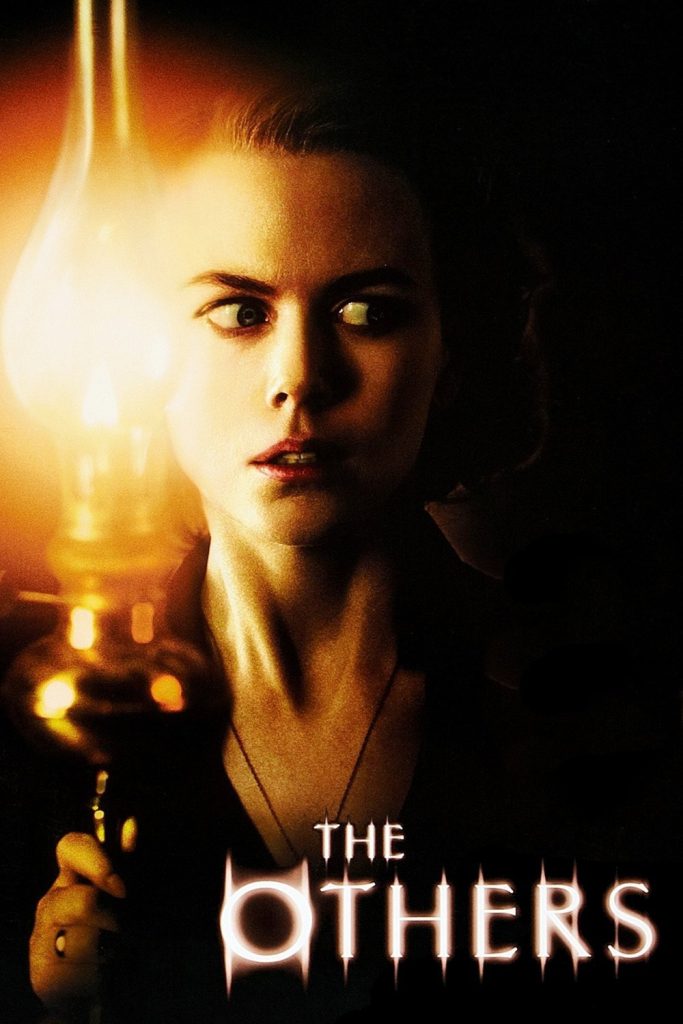
A quiet, candlelit ghost story where atmosphere does the heavy lifting. Subtle clues invite you to question what the characters can’t see. It proves whispers can be louder than screams.
“Arrival” (2016)
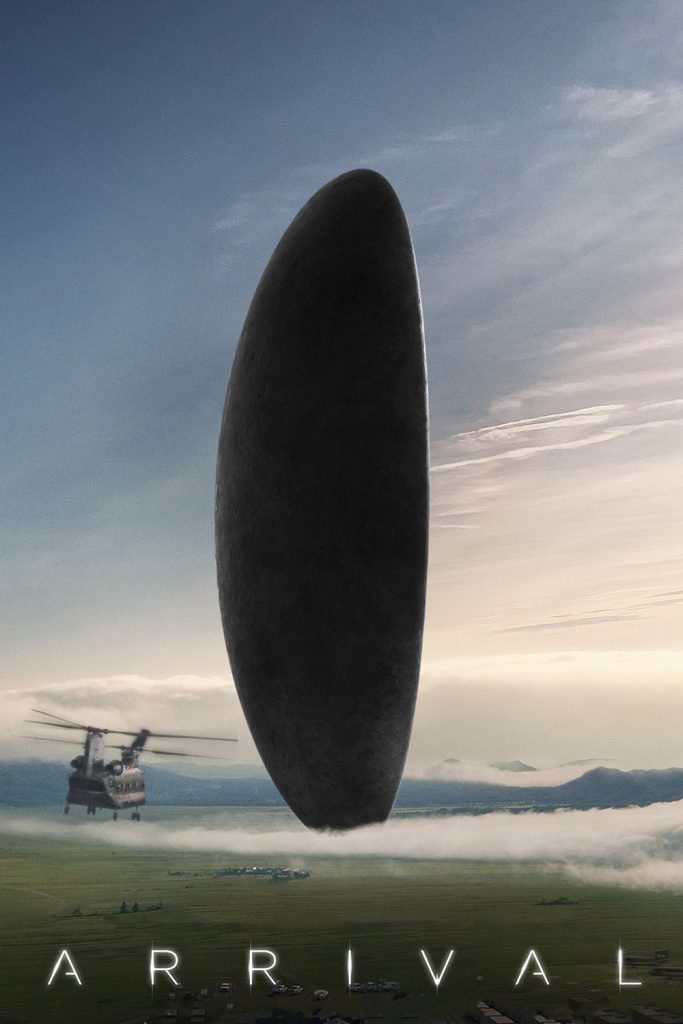
A cerebral first-contact tale that treats time and language like moving parts. Its structure reveals meaning as elegantly as its images. The emotion sneaks up while the ideas click together.
“Parasite” (2019)
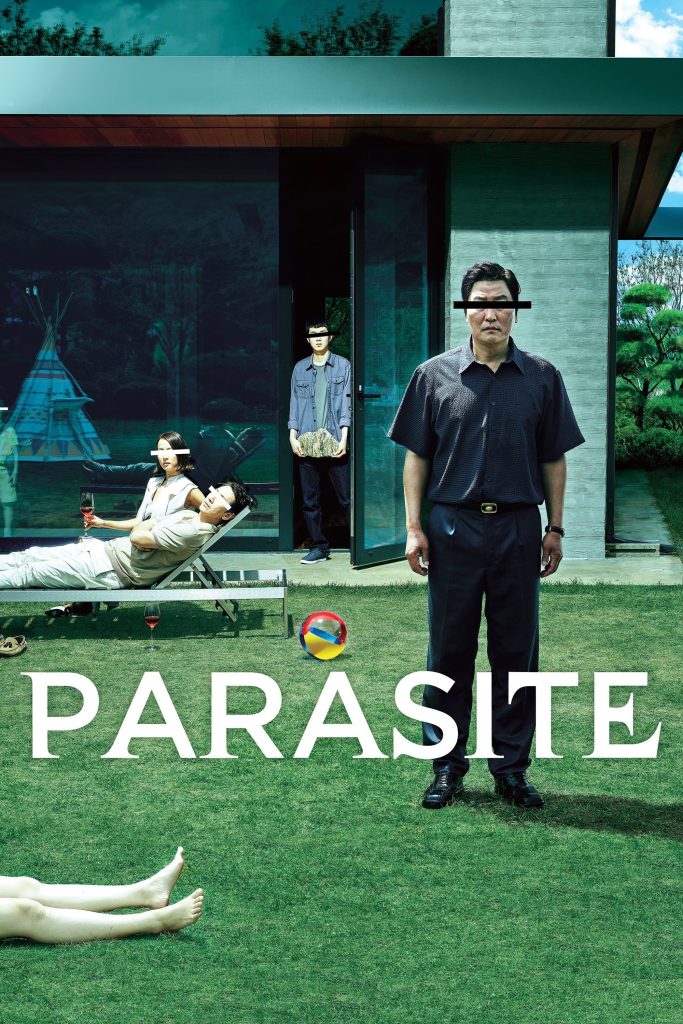
Class satire morphs into something sharper and stranger. The tonal turns are precise, purposeful, and unforgettable. It keeps opening trapdoors you didn’t know were there.
“The Wicker Man” (1973)
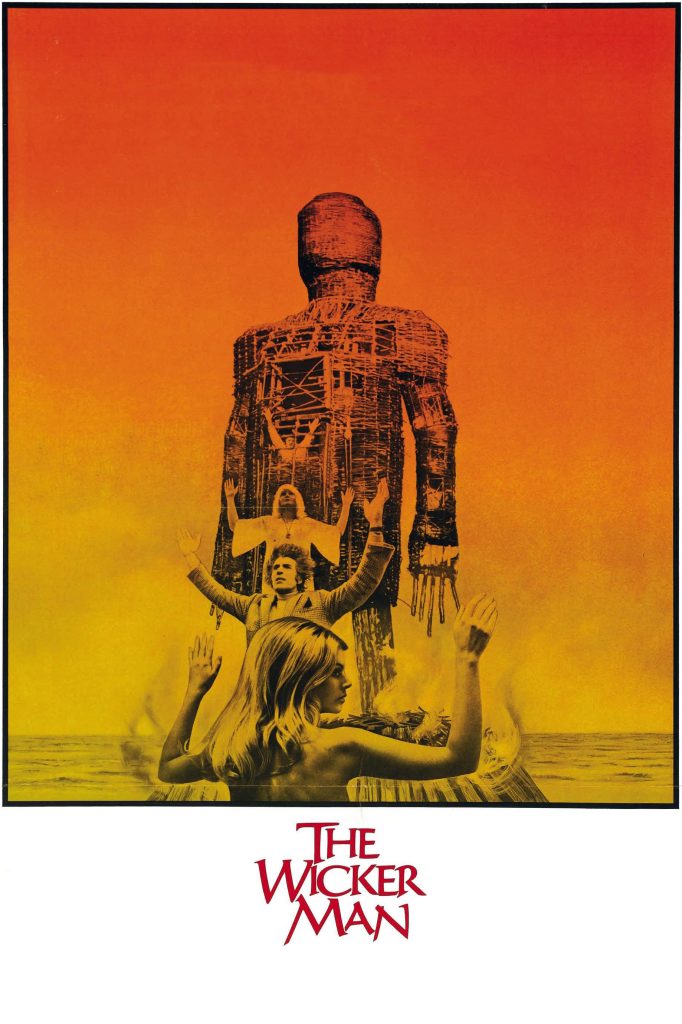
A detective’s search spirals into folk ritual and unease. Tradition and conviction collide in a finale that lingers. The island’s smiles never quite reach the eyes.
“Saw” (2004)
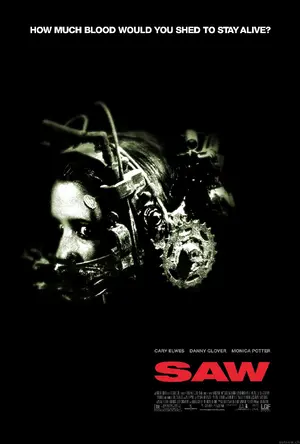
Two men, one room, and a clock, proof you don’t need scale to spring a trap. The concept snapped a whole subgenre into place. Constraint becomes the engine for surprise.
“Identity” (2003)
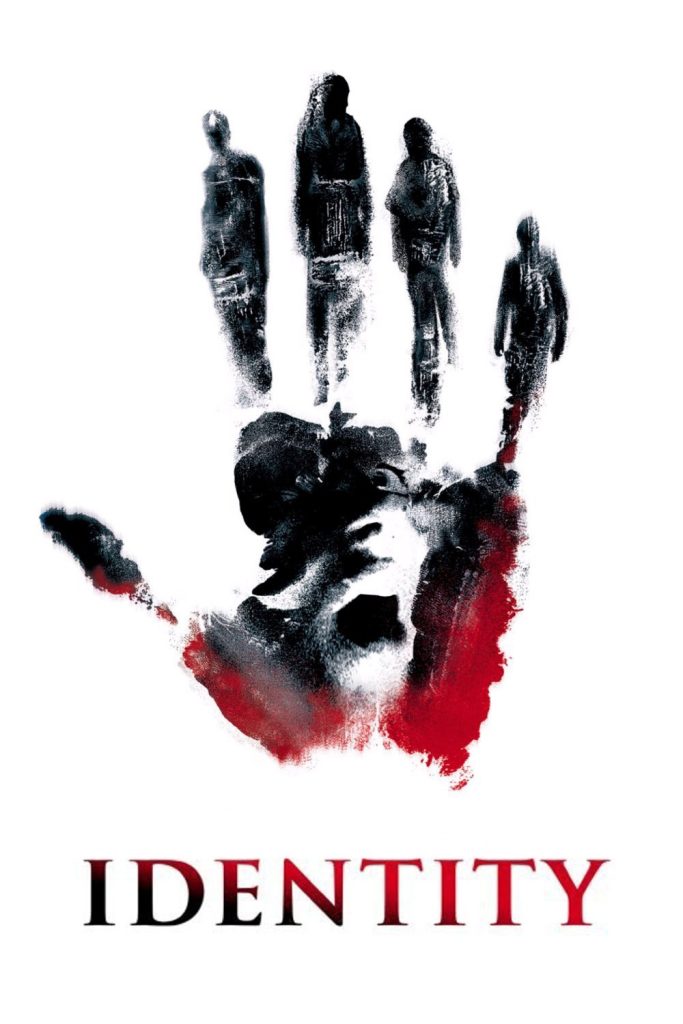
A rain-lashed motel binds strangers in a tightening loop. The setup is classic, but the structure toys with every assumption. It’s a storm where the forecast keeps changing.
“The Mist” (2007)
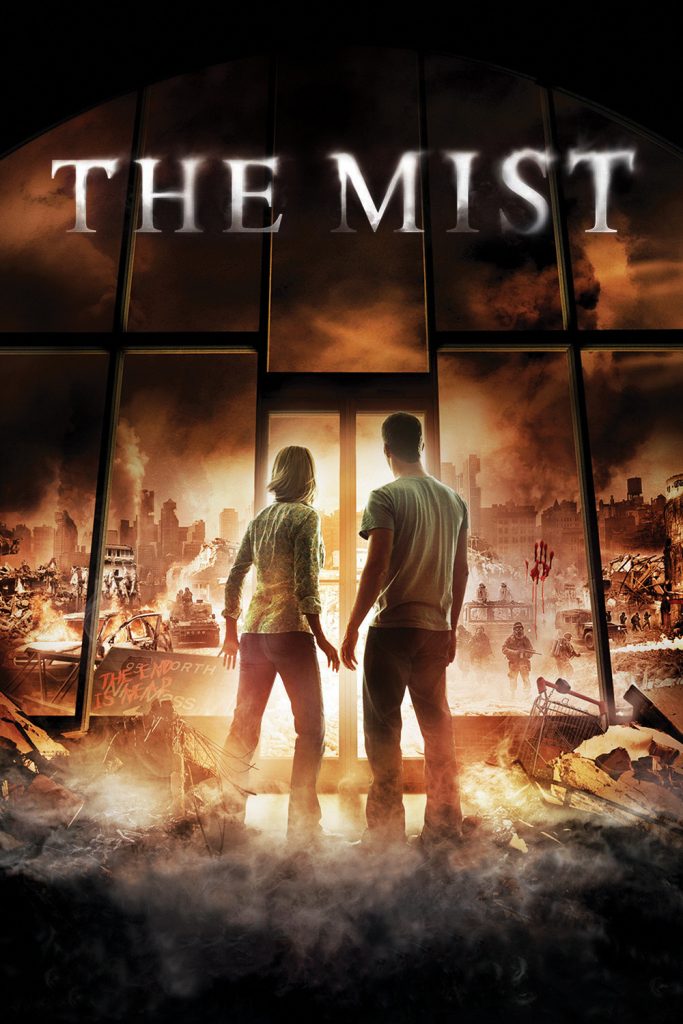
Monsters outside, pressure inside; belief becomes the real battleground. Small choices add up to a finish you won’t shake off. Tension builds like weather you can’t outrun.
“Planet of the Apes” (1968)
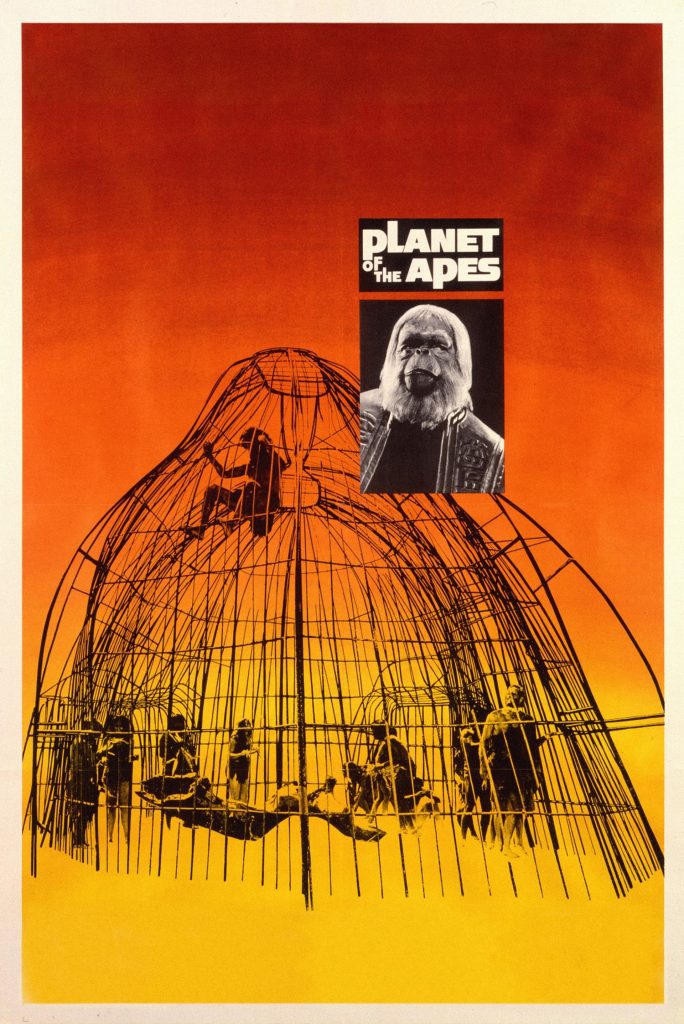
A sci‑fi quest that doubles as a cautionary fable. Its final image stamped itself into pop history. The journey there is loaded with clues and ironies.
“Memento” (2000)
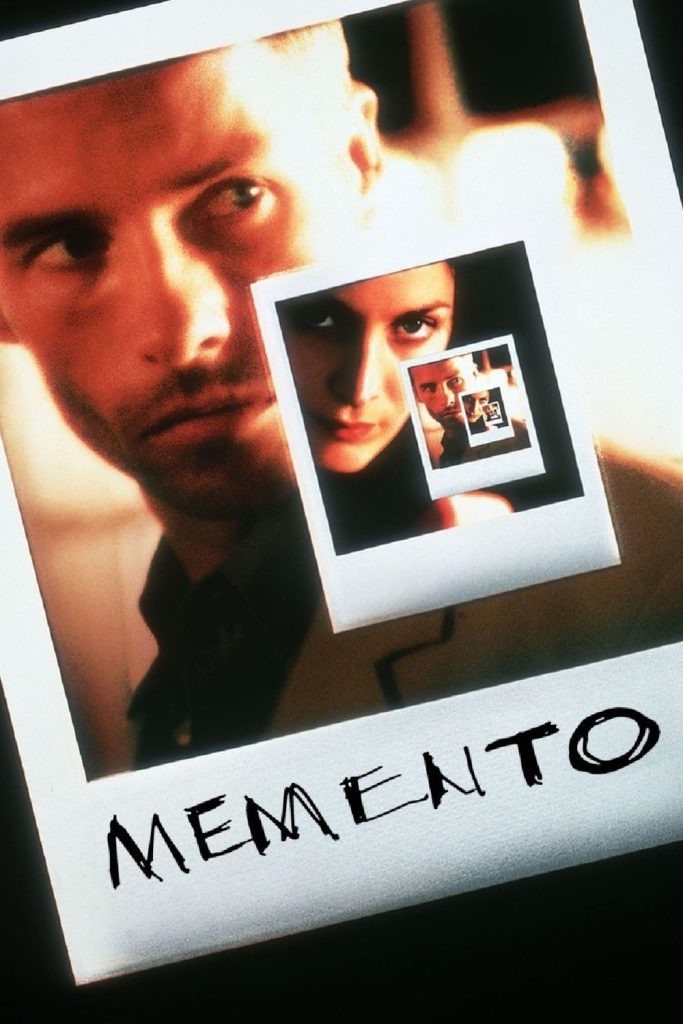
A memory-scrambled mystery that plays like a riddle in reverse. Form and theme lock together with rare precision. It teaches you how to watch it as it goes.
“Mulholland Drive” (2001)
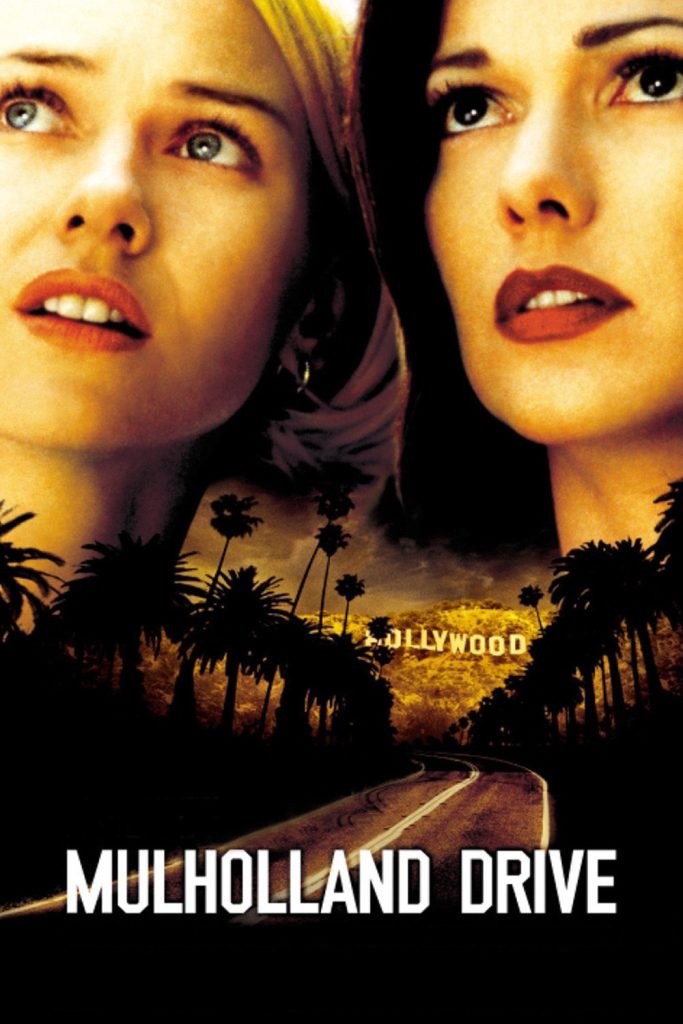
Dream logic meets noir shadows in a puzzle box of identity and desire. The film invites interpretation without breaking the spell. It’s a mood you decode more than a case you solve.
“The Game” (1997)
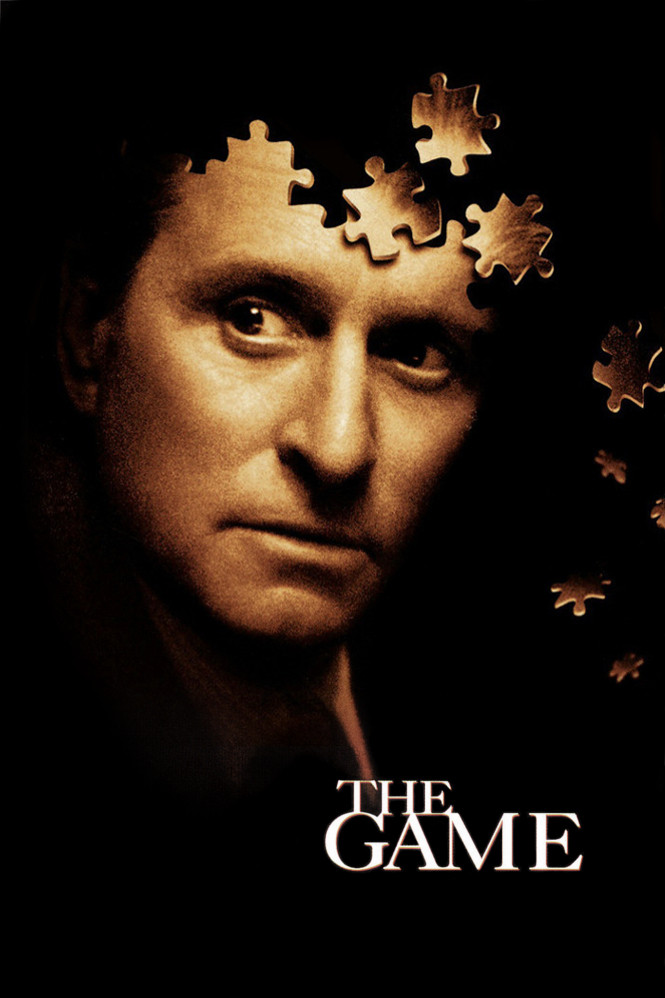
Wealth, control, and the thrill of losing both collide in a designer nightmare. It weaponizes the idea of surprise itself. Trust becomes the most valuable currency.
“The Village” (2004)
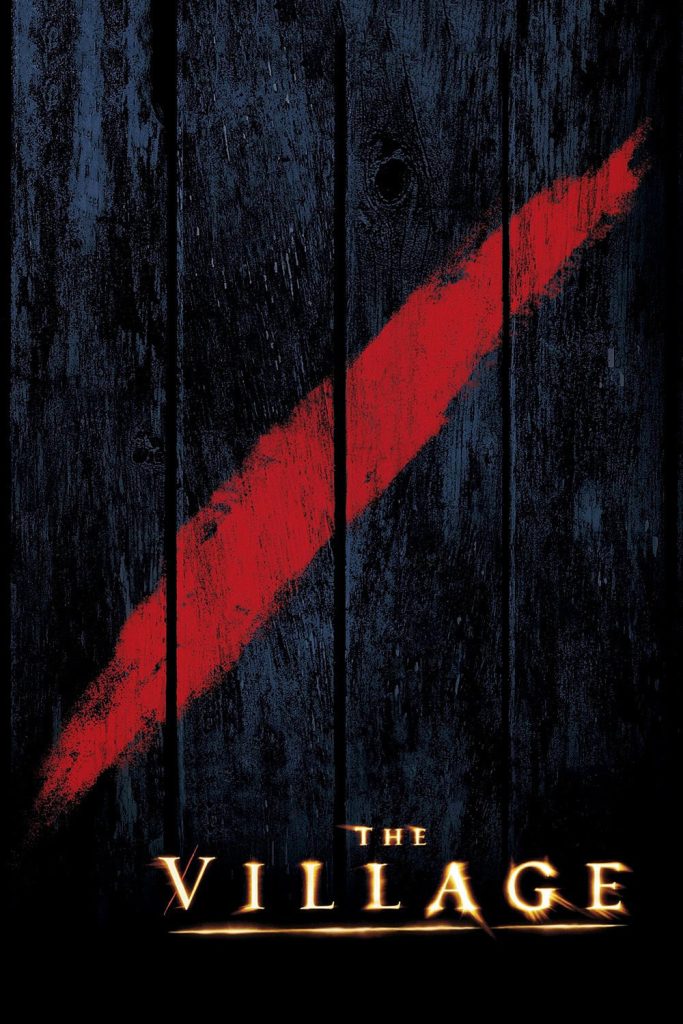
A hushed period piece that asks how far fear can shape a community. Its reveals reframe every candlelit corridor. The quiet is doing a lot of talking here.
“Hereditary” (2018)
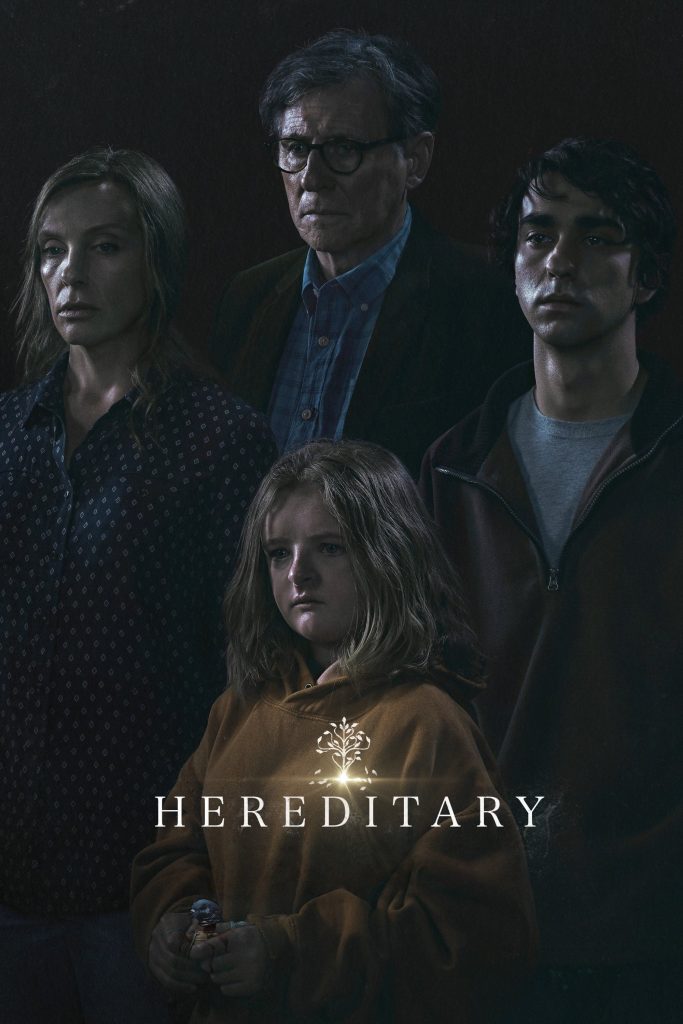
Grief curdles into something primal and occult. The film’s shifting ground feels inevitable and shocking at once. It turns family drama into ritual without warning.
“Scream” (1996)
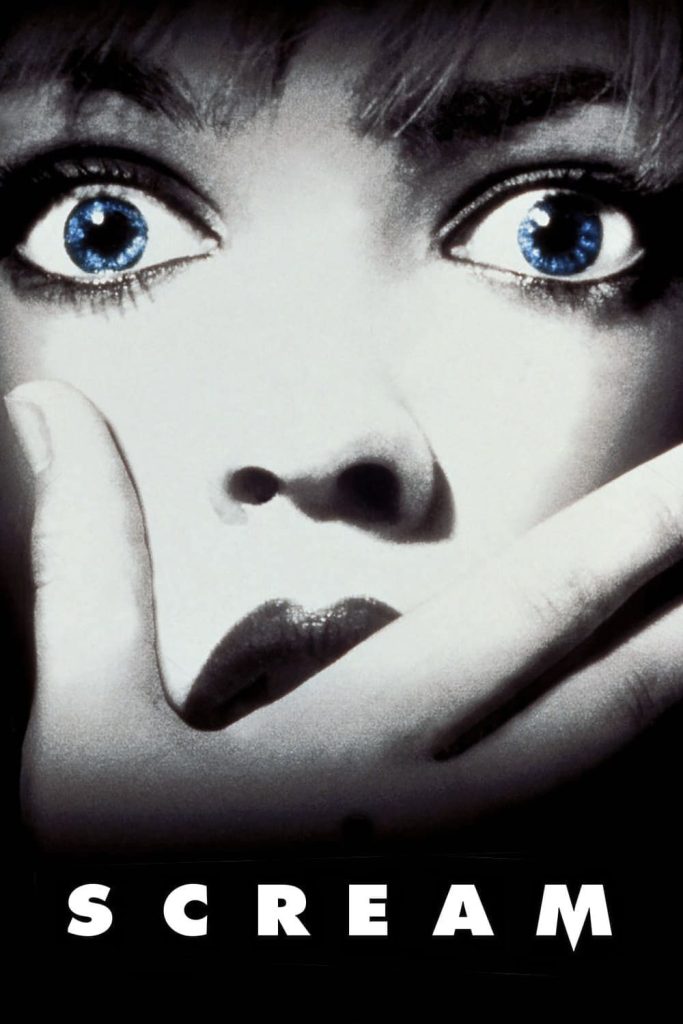
Playful and precise, it turns the rules of slashers into a weapon. Knowing the tropes doesn’t mean you’ll see the turns coming. It winks without losing its edge.
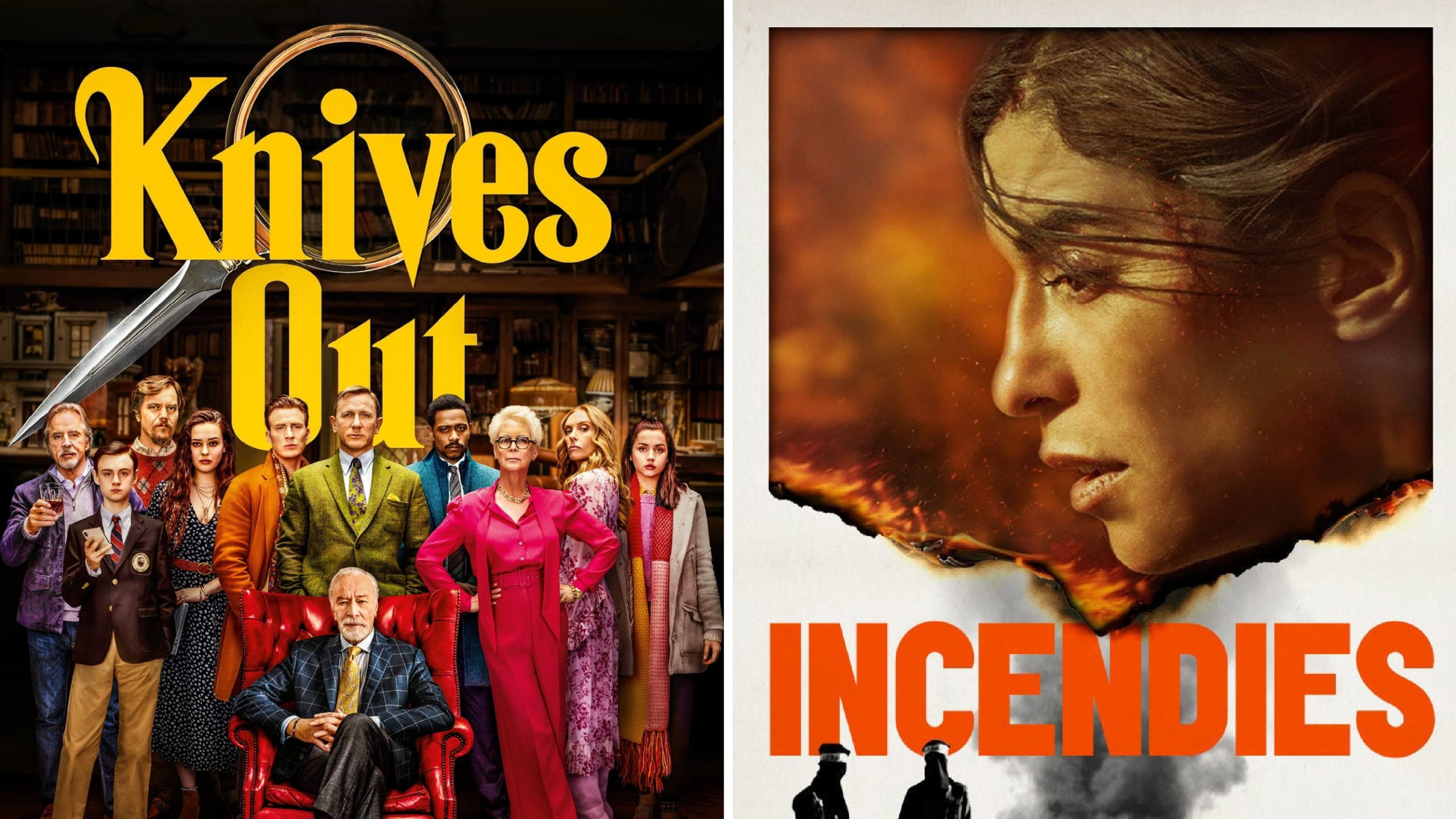
“Knives Out” (2019)
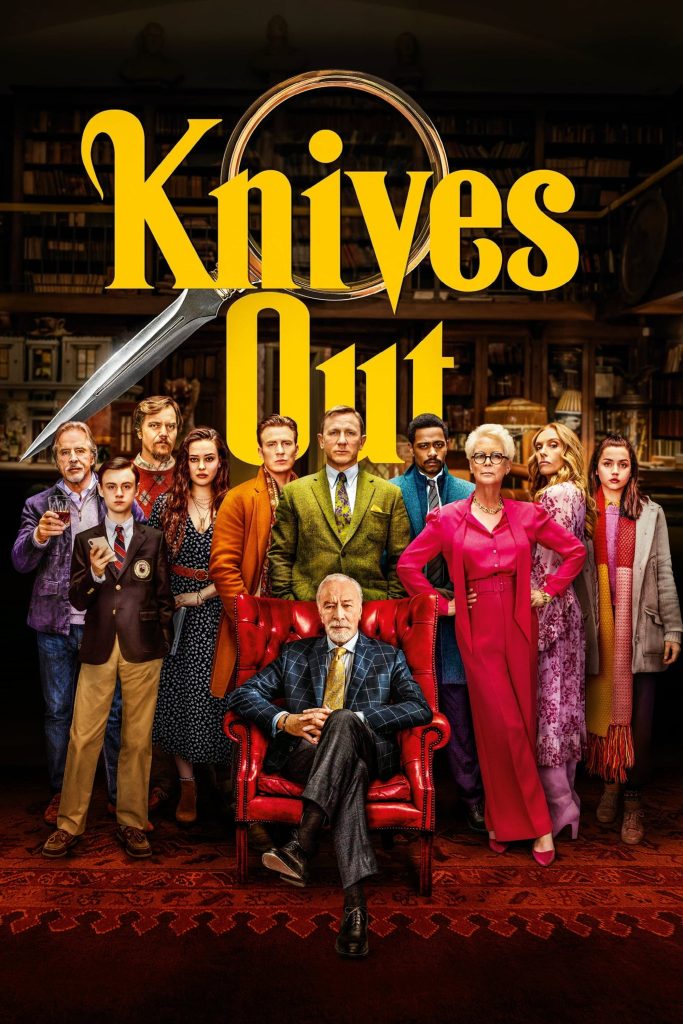
A cozy mystery with razor edges and a cast full of misdirections. The script flips expectations without losing warmth or wit. It’s a puzzle that laughs with you while it shuffles the pieces.
“Glass Onion” (2022)

Sun-drenched satire meets puzzle-box plotting. It reveals information like a magician revealing nothing at all, until it does. The fun is in how the same scene means different things later.
“The Skeleton Key” (2005)
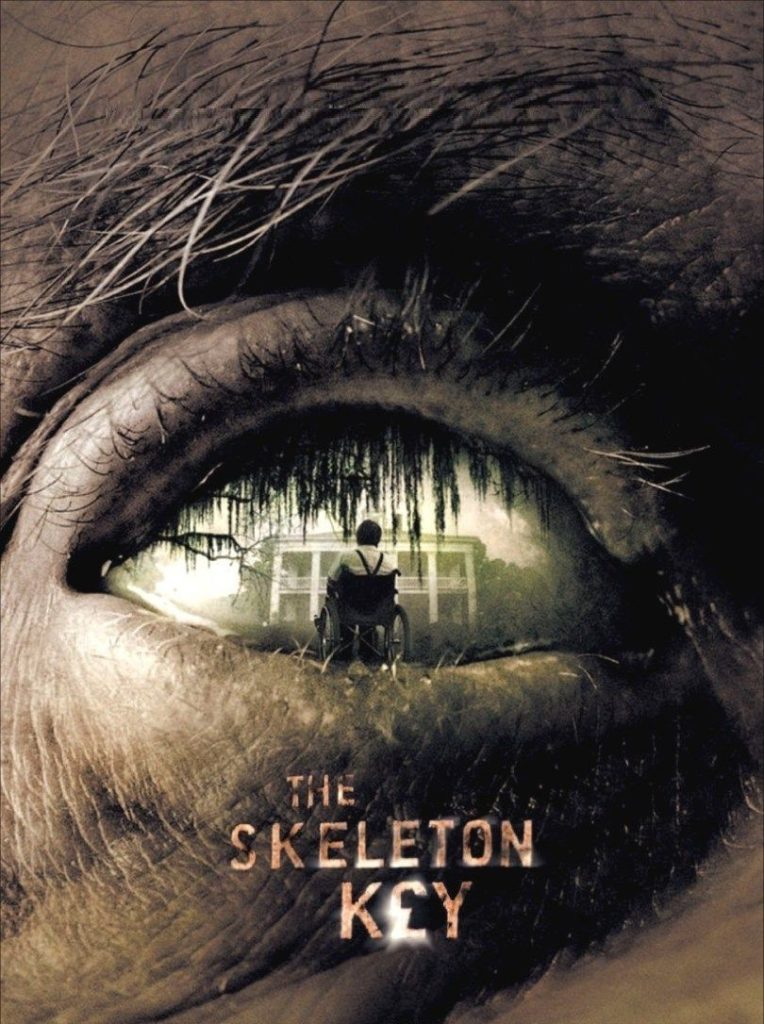
Southern Gothic atmosphere and folk beliefs coil into a tight thriller. The ending lands with a quiet shiver. Every superstition starts to feel practical.
“A Perfect Getaway” (2009)
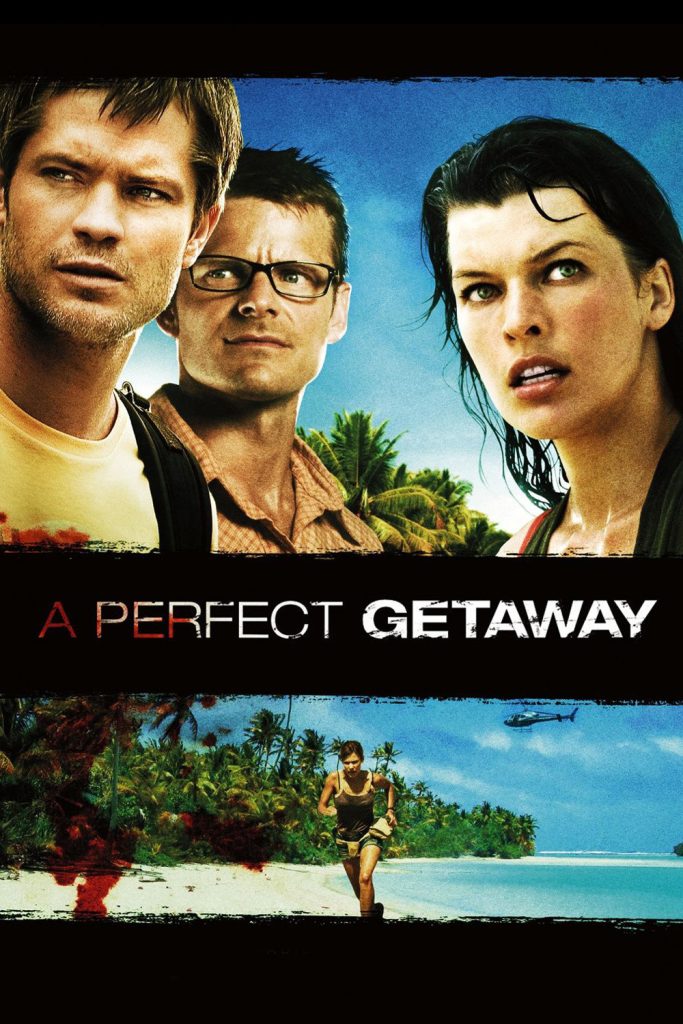
A tropical hike becomes a guessing game of alignments and alibis. It plays fair while nudging you off balance. Vacation plans have never felt so strategic.
“Caché” (2005)
Surveillance, guilt, and ambiguity turn domestic life uncanny. The film’s questions echo long after the credits. What’s unseen does the loudest talking.
“Ex Machina” (2014)

A Turing test with teeth, where charm and code blur the lines. Precision filmmaking makes each reveal feel earned. It’s a conversation that becomes a contest.
“Predestination” (2014)
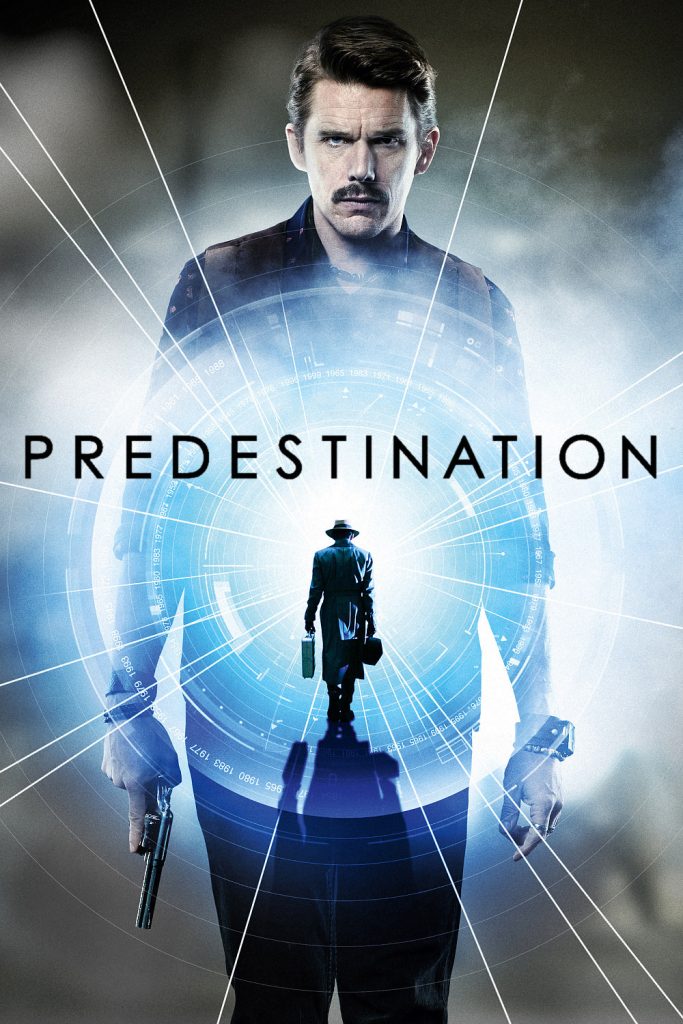
Looping paradoxes and identity riddles collide in a tight sci‑fi spiral. It’s a rare twist machine that clicks into place. The logic invites debate without breaking.
“Incendies” (2010)
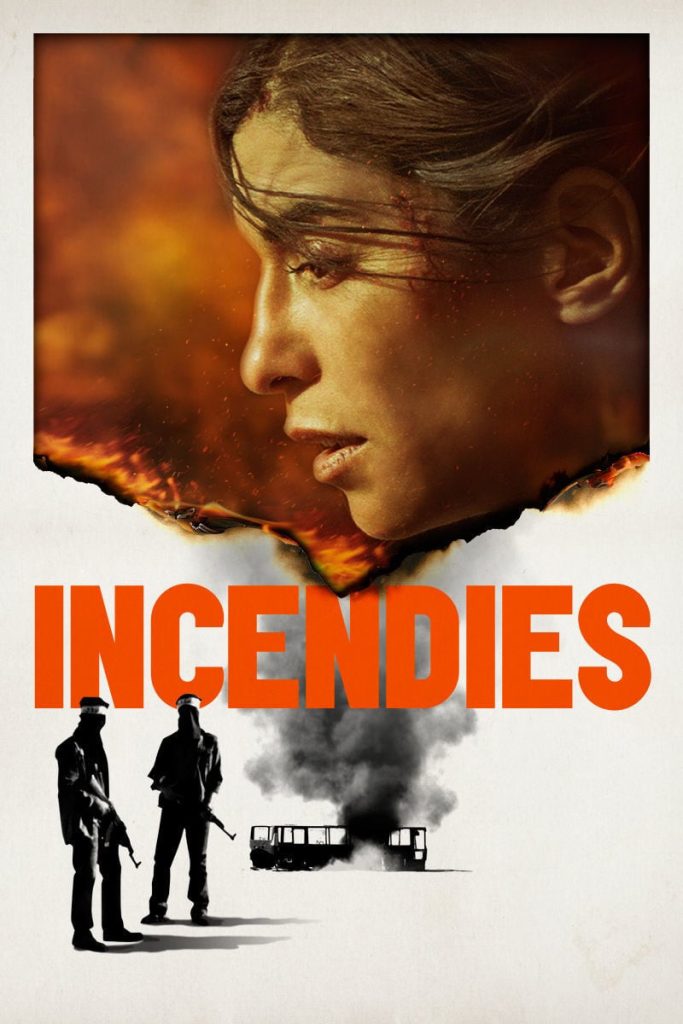
A family’s past is uncovered like an archaeological dig. The revelations feel both intimate and epic. The journey changes the destination as much as the reverse.