
Luckily, nowadays we don’t have to fend for ourselves and get our meals in the wild thanks to supermarkets. But still, some foods can cause you problems when improperly prepared. From everyday foods to rare delicacies from around the world, here are 30 items you should consume cautiously.
Stinging Nettles
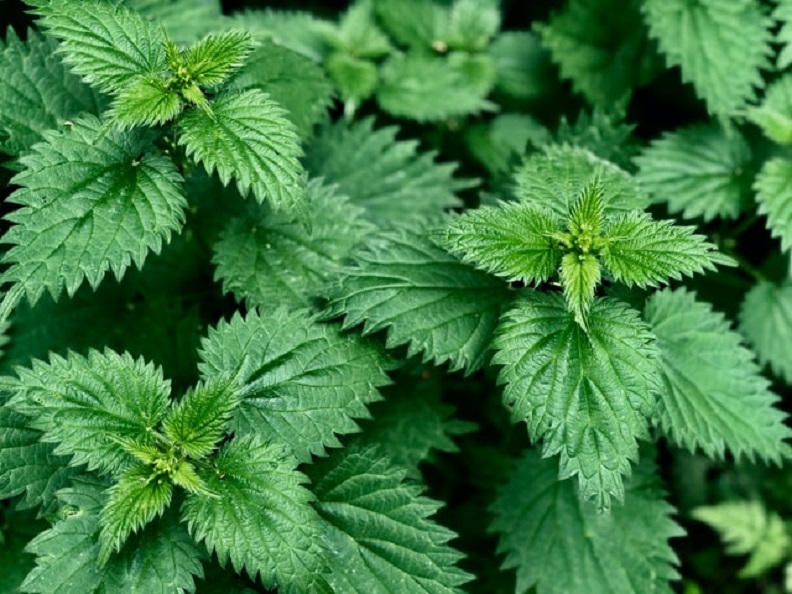
These cooked leaves can be used to make tea or as a spinach substitute. They’re rich in protein, vitamins, iron, potassium, and calcium. But, if you don’t blanch the nettles in salt water, their formic acids can cause a burning sensation when touched.
Elderberries
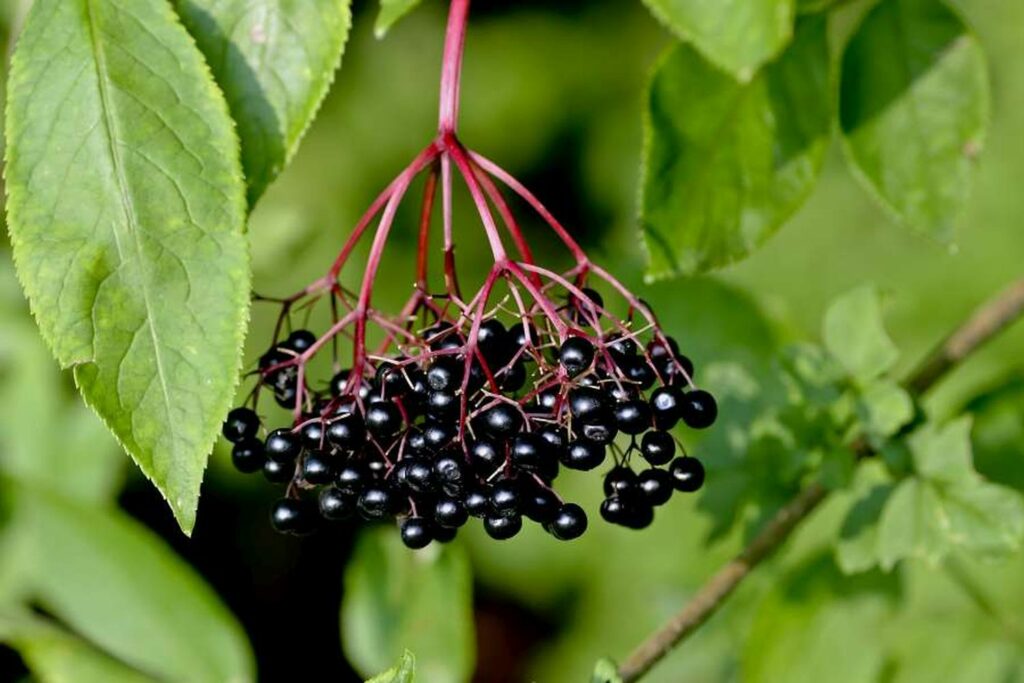
This is a common ingredient in pies and jams. But its tree contains alkaloids that can lead to vomiting and other gastrointestinal issues. You can eat the berries, make tea with the flowers, and use the leaves for external ointments, and you’ll be fine.
Ackee
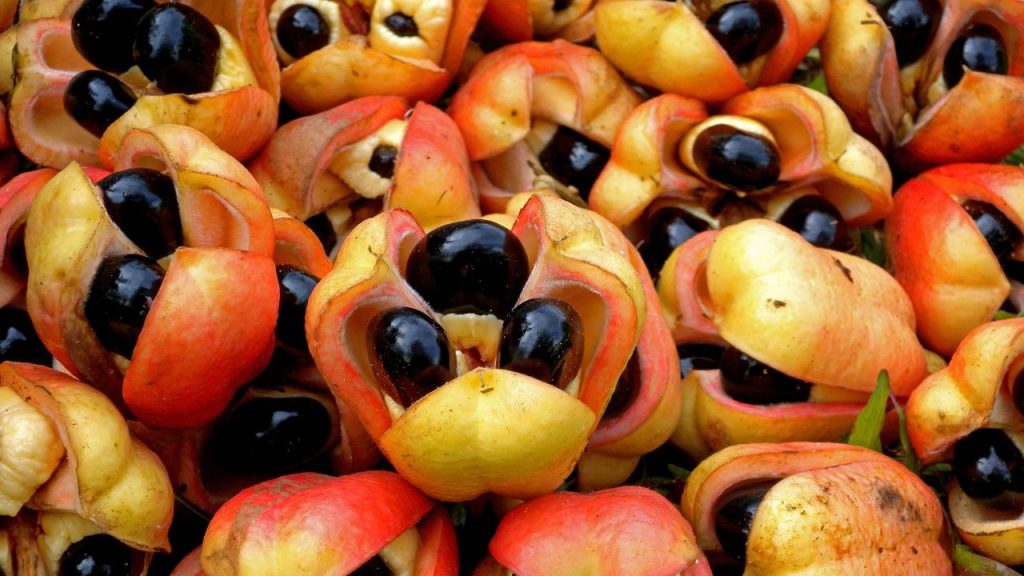
You can only eat the yellow parts of this plant. If you eat any of the red portions, you can get hypoglycemia and seizures.
Bitter Almonds
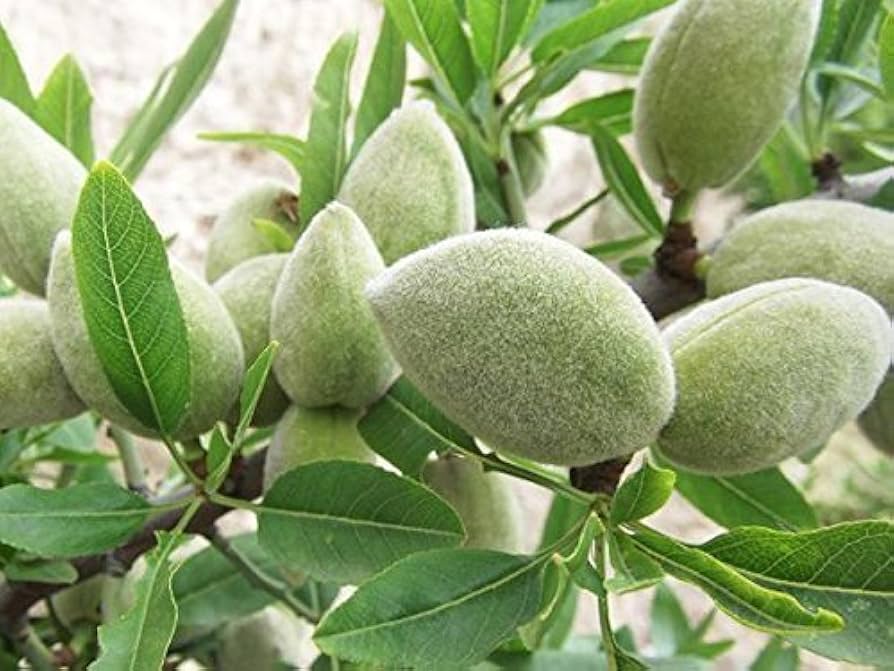
These can contain 50 times more cyanide than the ones we find in grocery stores. Eating them can lead to nausea, headache, rapid heart rate, slowed heart rate, respiratory failure, and even death.
Stonefish
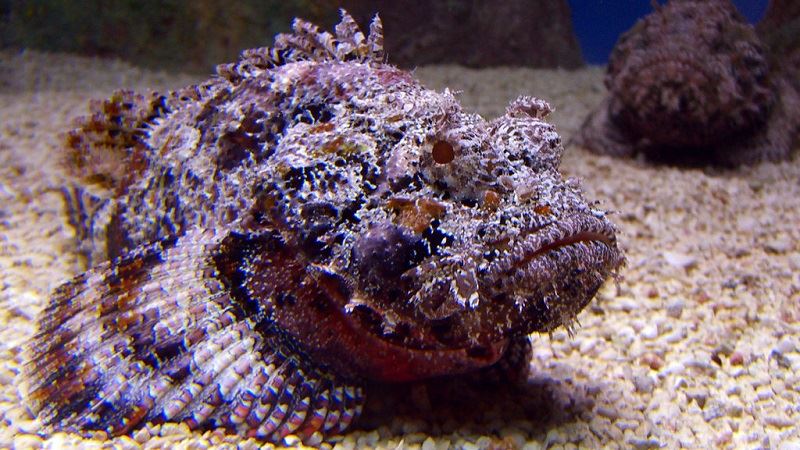
It can be eaten after cooking it to break down its protein-based venom or served as raw fish with its dorsal fins removed.
Casu Marzu
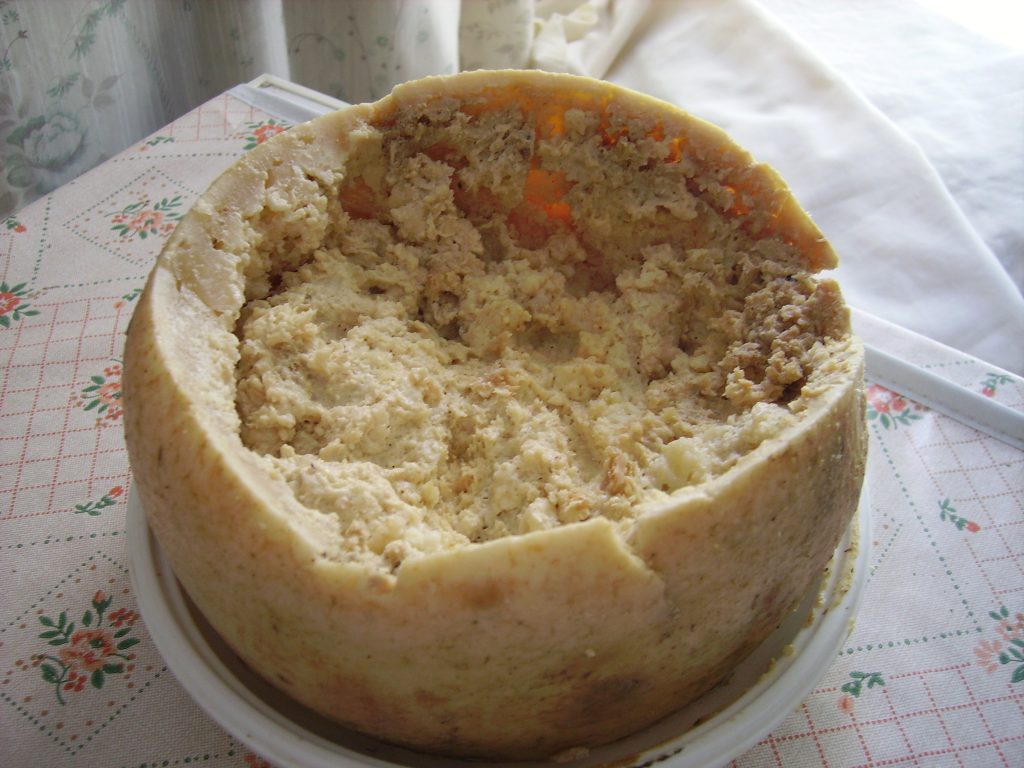
Also known as “the rotten cheese”, it can give you parasitic infestations as well as vomiting and diarrhea due to the presence of live fly larvae and maggots that sometimes survive in the human intestine.
Blood Clams
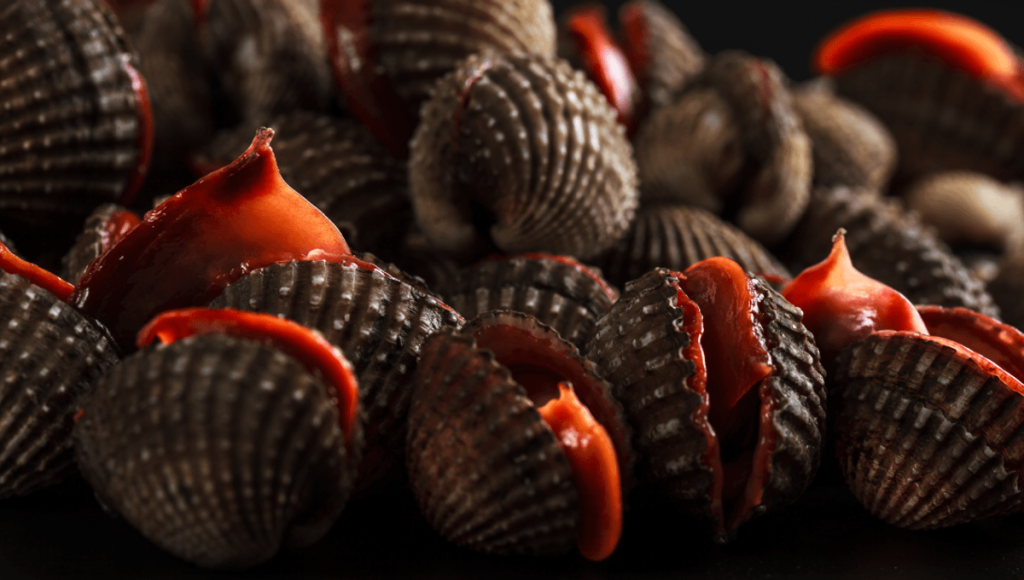
These clams can absorb harmful bacteria and viruses such as hepatitis, typhoid, and dysentery. They were banned in Shanghai due to a hepatitis A outbreak in 1988.
Chicken
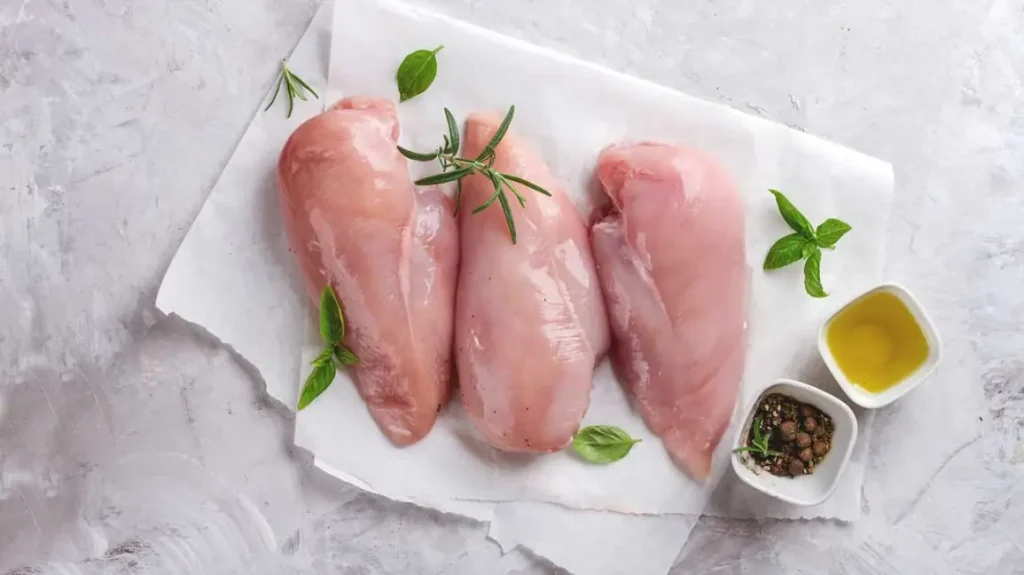
If not cooked to a minimum internal temperature of 165 degrees, it could carry all sorts of bacteria that cause food poisoning, salmonella, and even campylobacter, making the practice of eating raw chicken a risky one.
Rhubarb
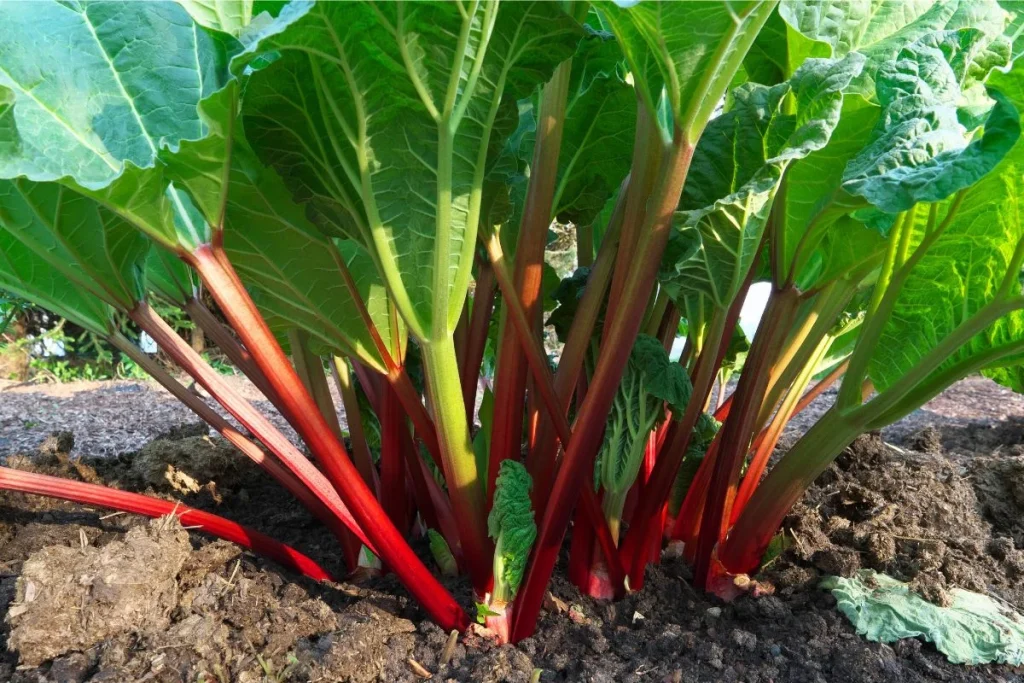
Its stalks are vibrant, tart, and they taste great when cooked into a pie or cobbler. But its leaves contain high levels of oxalic acid, which can be corrosive to the kidneys and cause death.
Raw Eggs
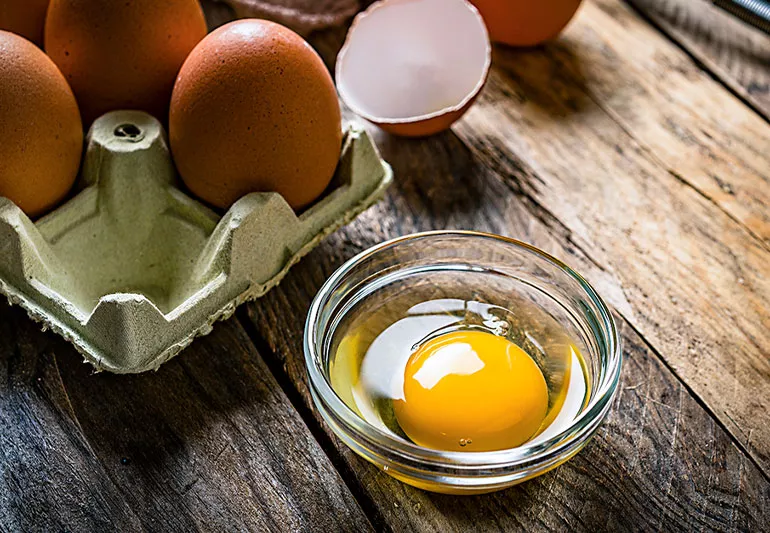
One in every 300,000 raw eggs is infested with salmonella bacteria, so food poisoning is a rare, but possible, outcome.
Nutmeg
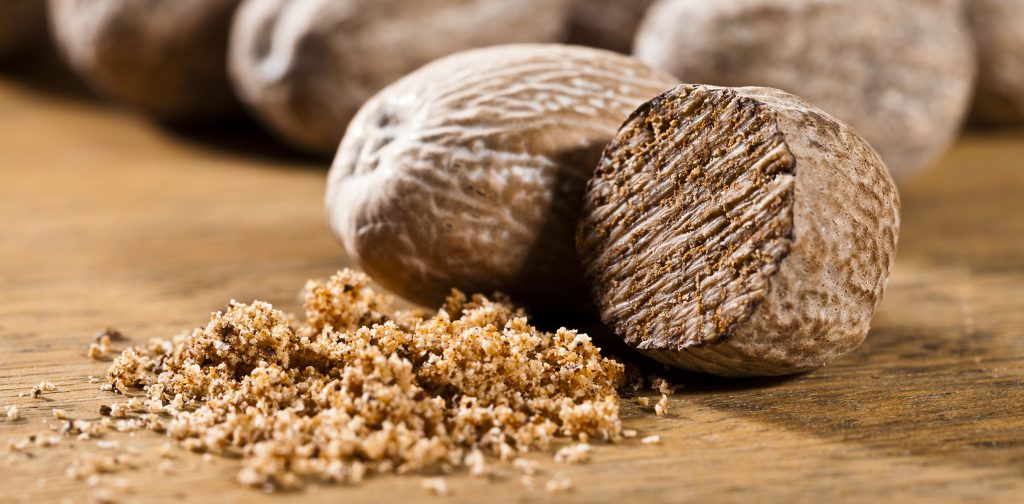
Two or three teaspoons of this spice can be fatal. It causes nausea, burning abdominal pain, and a sense of impending dread.
Asparagus Berries

These berries are toxic for humans, cats, and dogs. The good thing is you’ll only encounter these if you grow your own asparagus.
Red Scorpionfish
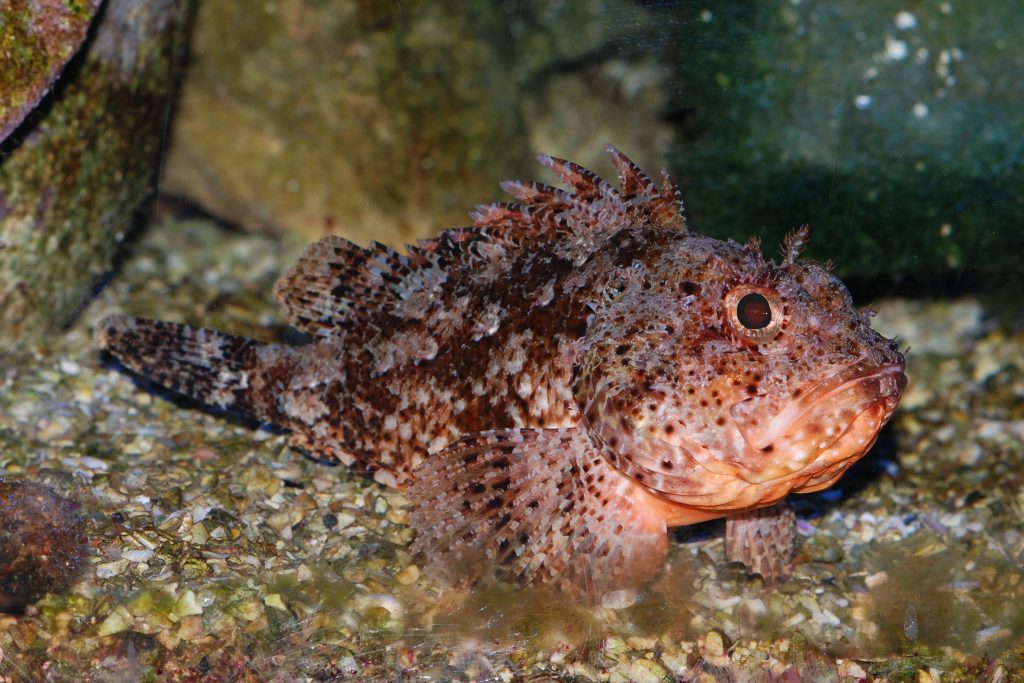
When cooked, it tastes delicious for its rich, flaky, crab-like flavor. But when being fished, it deploys venom through 12 to 13 spines on its body, causing excruciating pain that can last half a day.
Monkey Brains
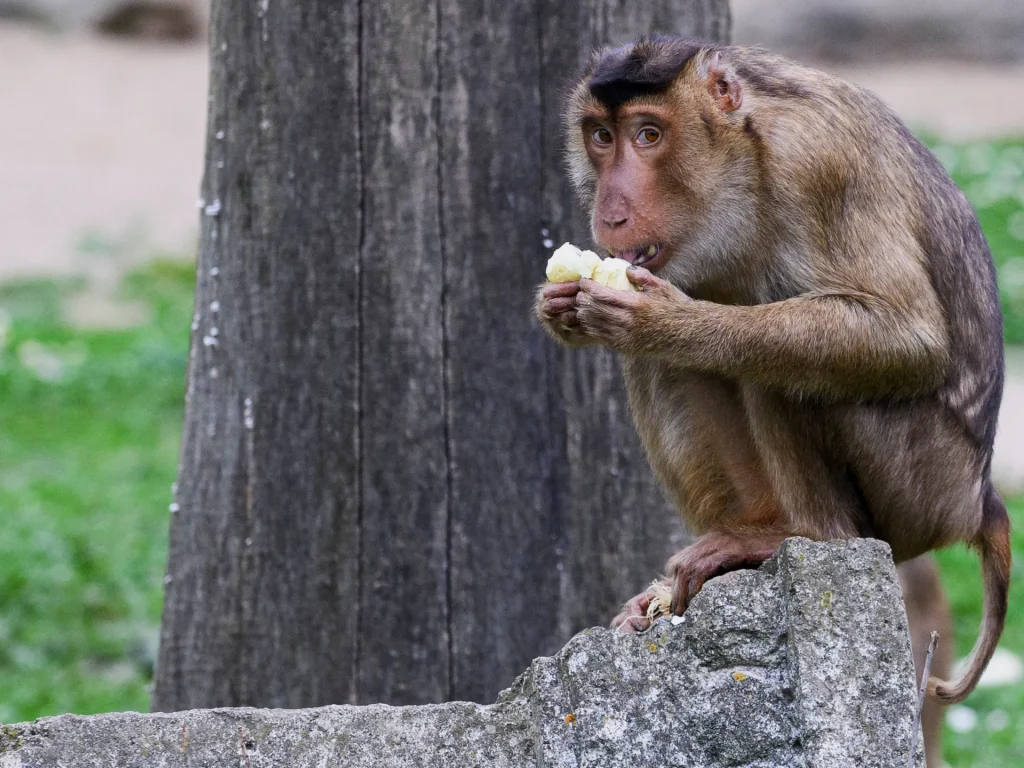
When eating nervous system tissue, you could get encephalopathies such as variant Creutzfeldt-Jakob disease.
Silver Stripe Blaasop
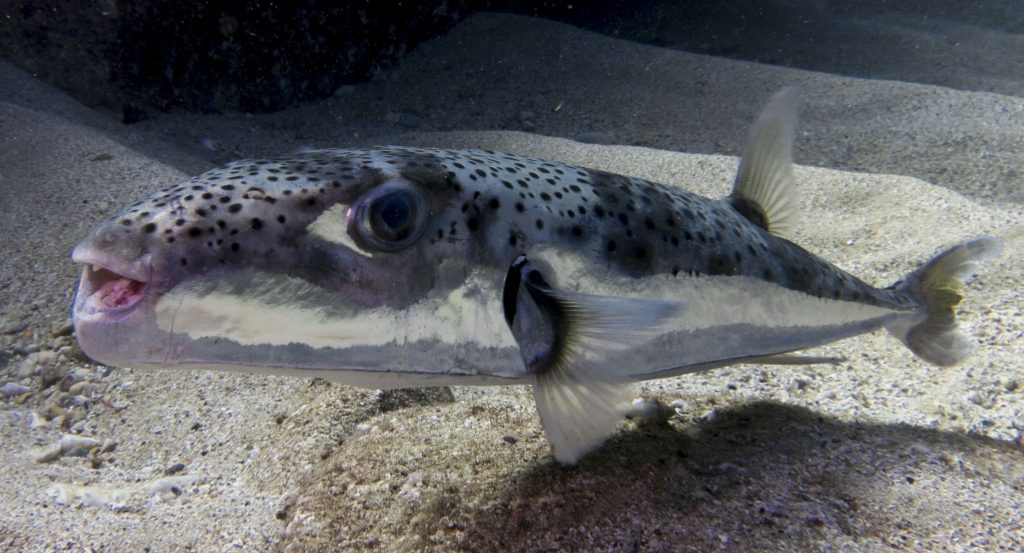
The liver, skin, and reproductive organs of this fish contain a poisonous substance that causes respiratory failure and fatal muscle paralysis in humans.
Castor Oil
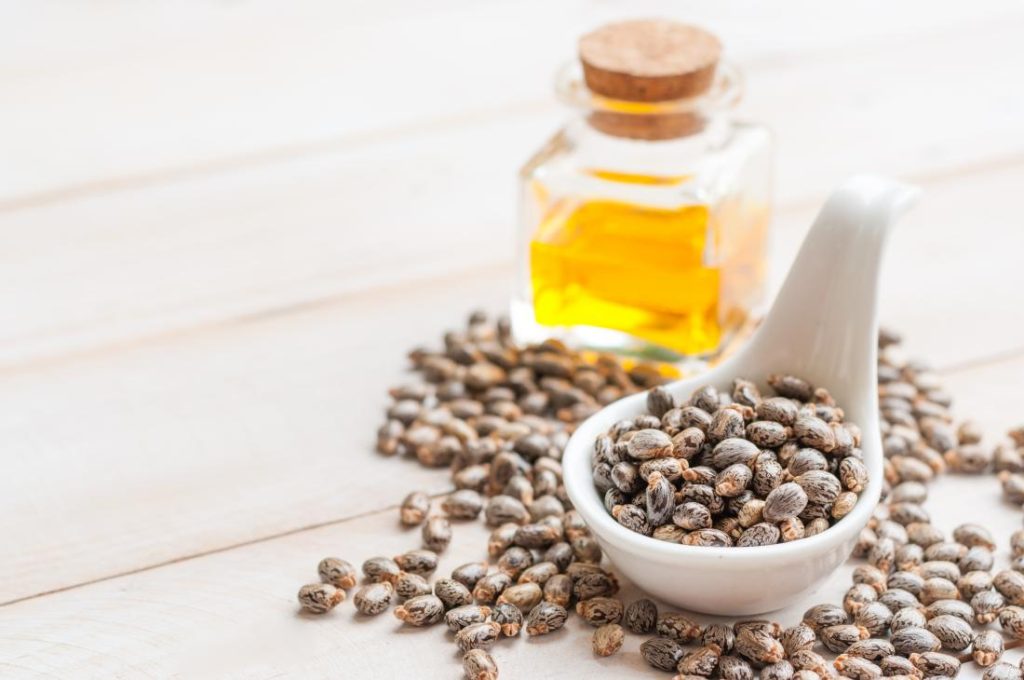
Its seeds can be deadly if not heated properly due to the presence of ricin. Pregnant women shouldn’t consume it because it causes premature contractions.
Fugu (Pufferfish)
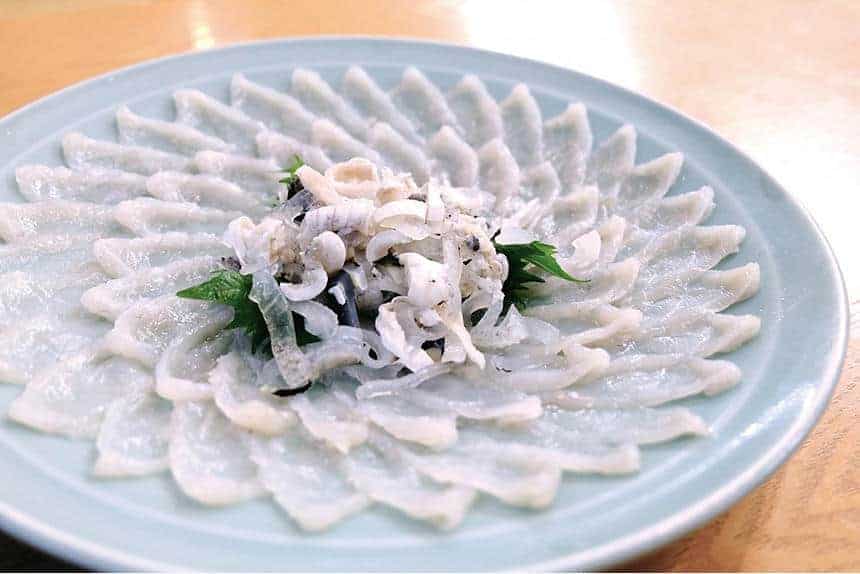
This dish is so hard to prepare safely that the Japanese government dictated that only chefs with three or more years of rigorous training are allowed to do it. It contains lethal amounts of the poisonous tetrodotoxin and doesn’t have an antidote.
Pork
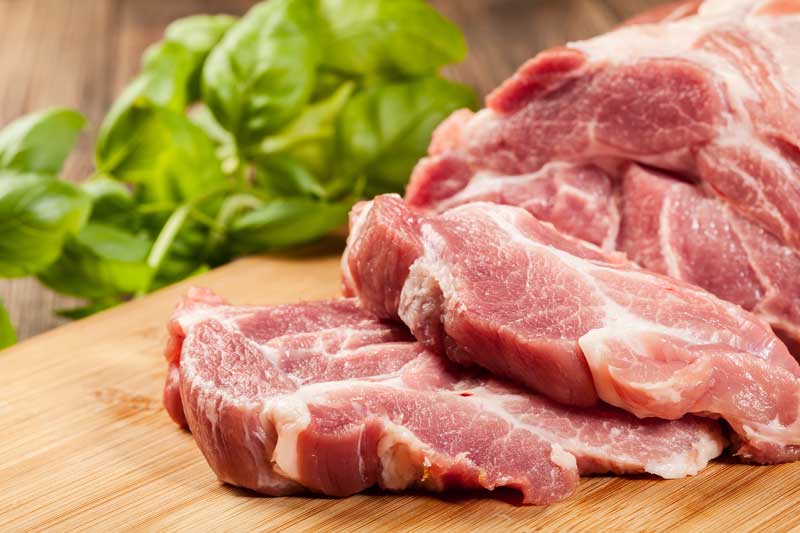
Raw pork can be infected with Trichinella spiralis, a parasite that is from eating other meat. Modern farming techniques have developed a vegetarian diet that prevents pigs from getting it, but just in case, eat your pork cooked to at least medium.
San-Nakji (Live Octopus)
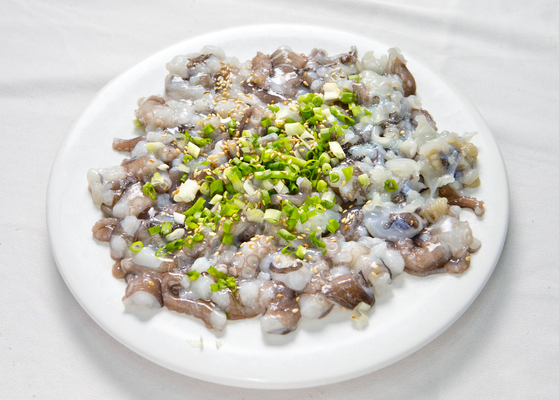
This Korean traditional dish can be a choking hazard since the octopus’ tentacles can still use suction cups to attach themselves to one’s throat.
Tuna
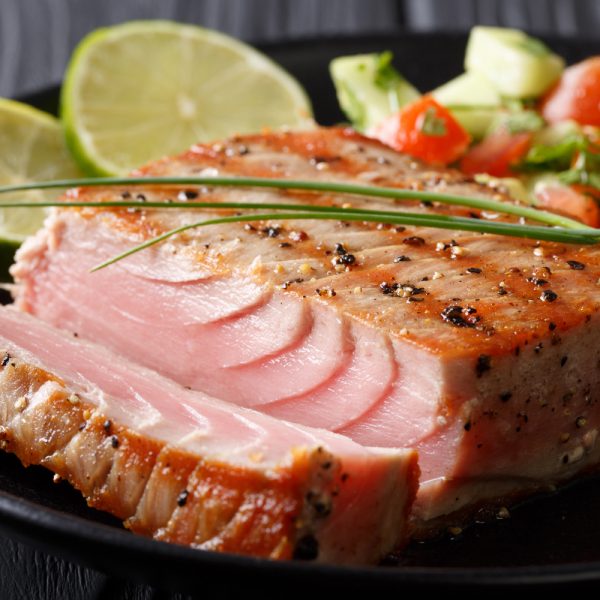
If consumed too often, it can cause serious damage to the heart, kidneys, and lungs due to the high presence of mercury. Adults shouldn’t consume it more than three times a week, and kids under six more than three 3-ounce portions a month.
Cassava
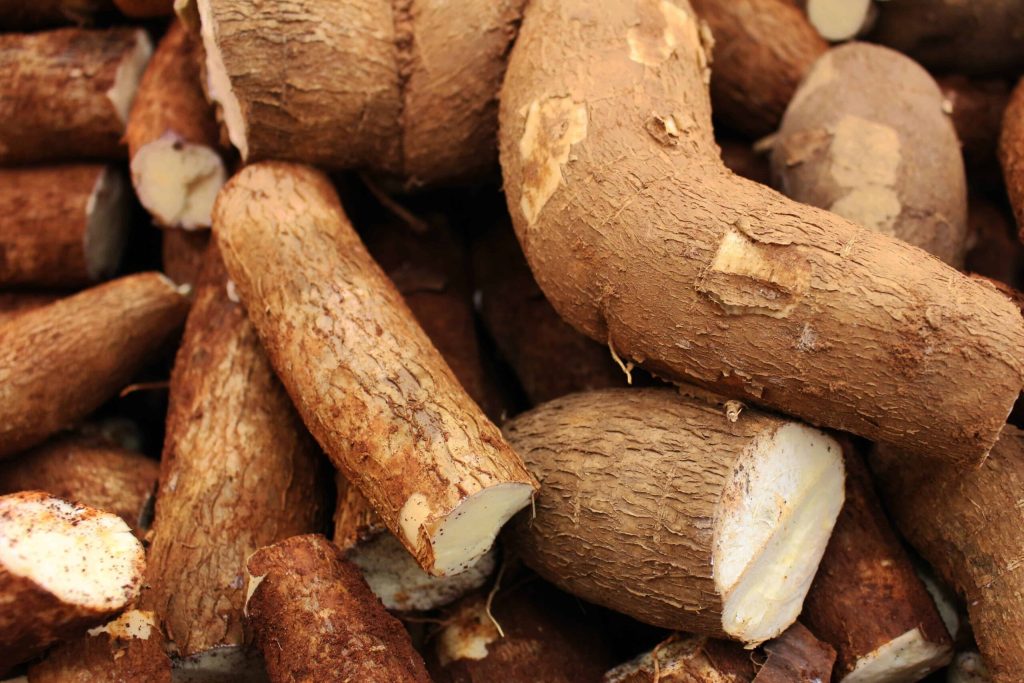
Before eating, you have to soak it for 24 hours and cook it. If eaten raw, it can lead to death or a goiter if long-term exposure occurs.
Raw Honey
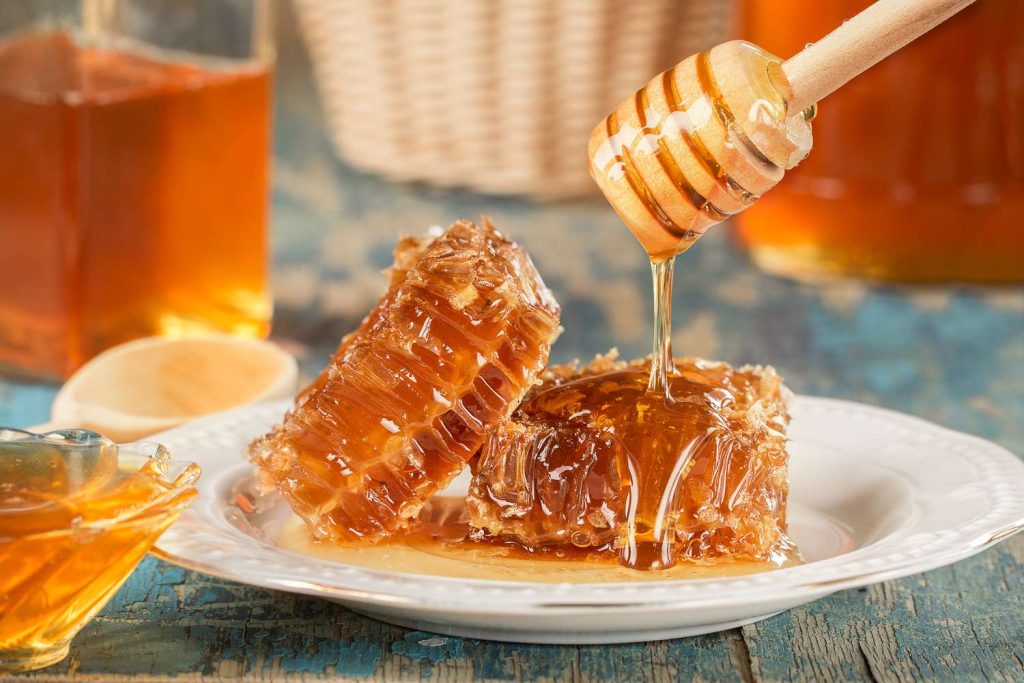
If consumed by children under the age of one, it can cause infant botulism. This is why most bottles of honey at the supermarket are pasteurized.
Giant Bullfrogs
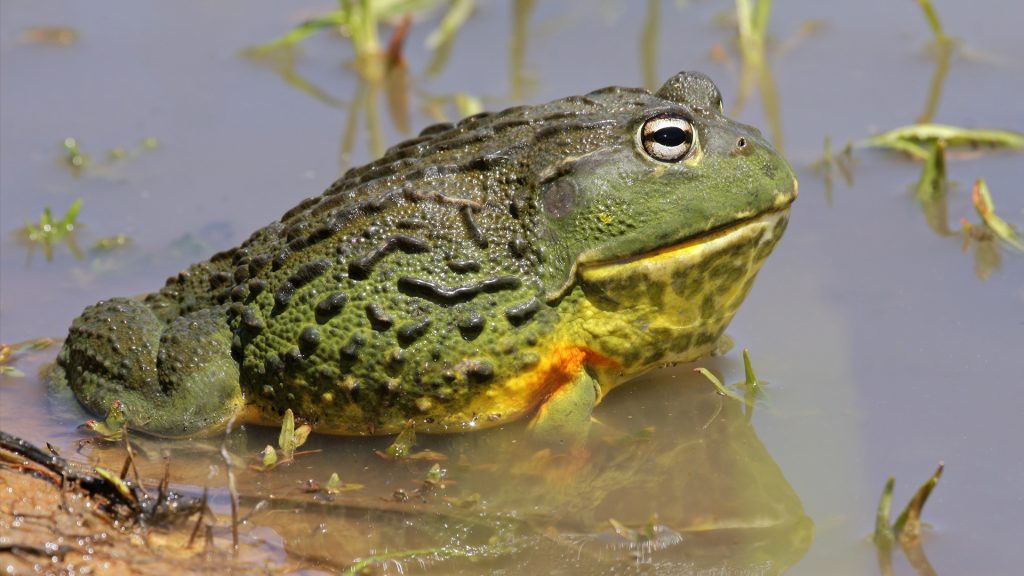
This is a delicacy throughout Africa, but if not consumed after the third rain of spring, it can cause kidney failure and often death due to the toxins in its skin and organs.
Bamboo Shoots
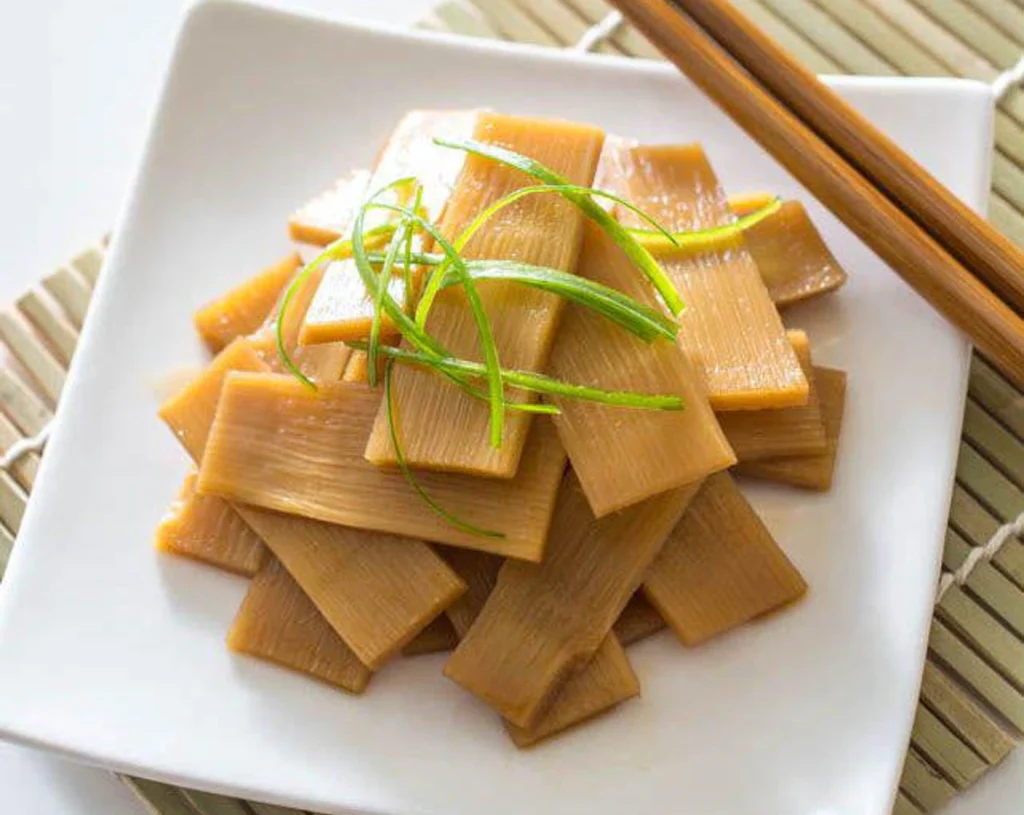
These are the only parts of the plant that can be consumed by humans. They have to be boiled because, if eaten raw, their toxins will produce cyanide in the body.
Raw Milk
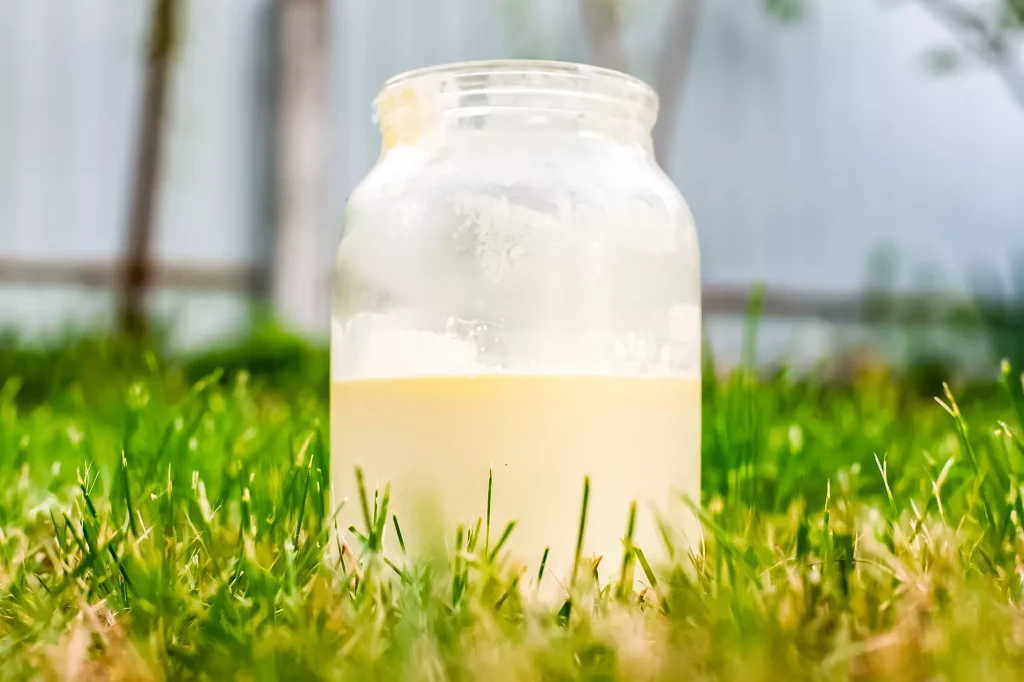
If not pasteurized, milk can carry bacteria like Salmonella, E. coli, and Listeria.
Raw Cashews
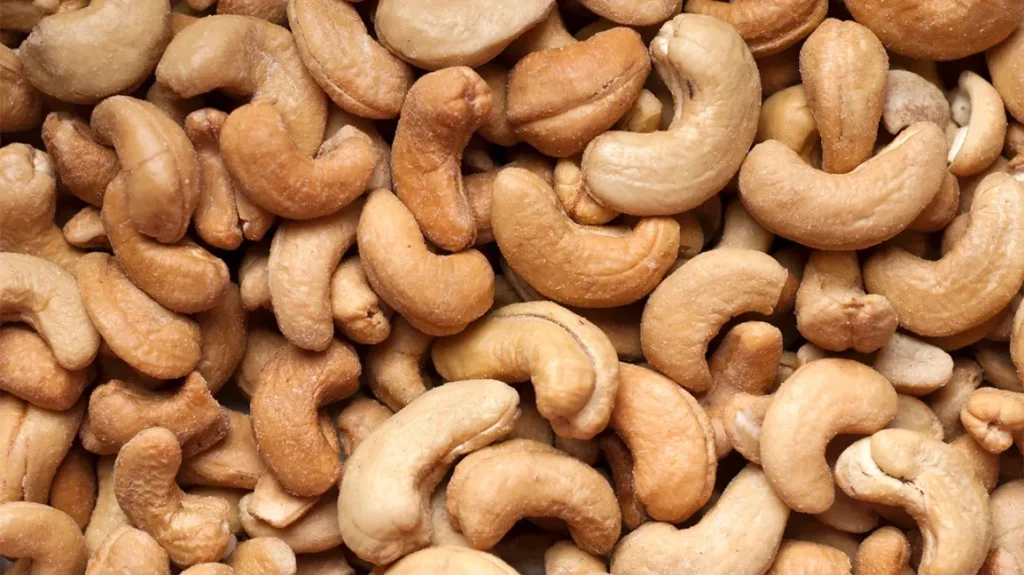
If not heat-treated, the presence of urushio can cause skin rashes and extreme, sometimes fatal, allergic reactions.
Inky Cap Mushrooms
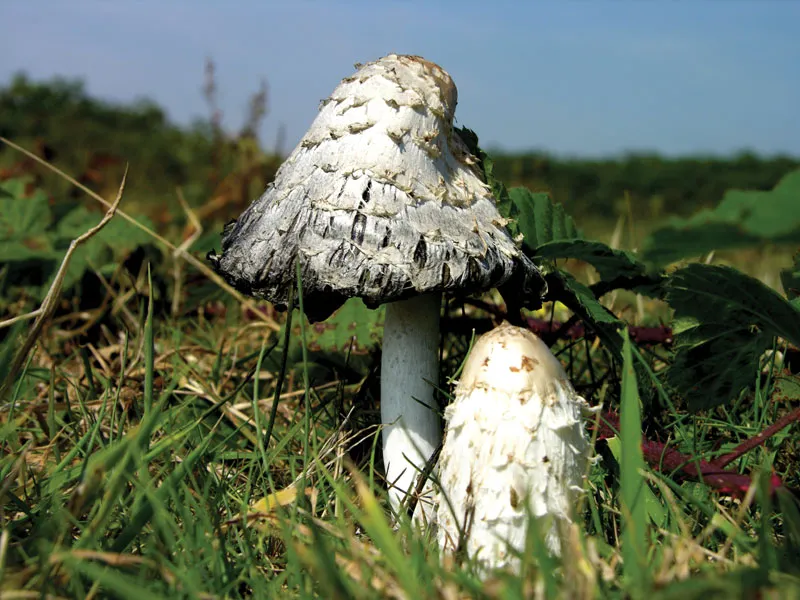
These are not poisonous on their own, but when consumed with alcohol, they can cause nausea, vomiting, malaise, and tingling in the limbs.
Lychee
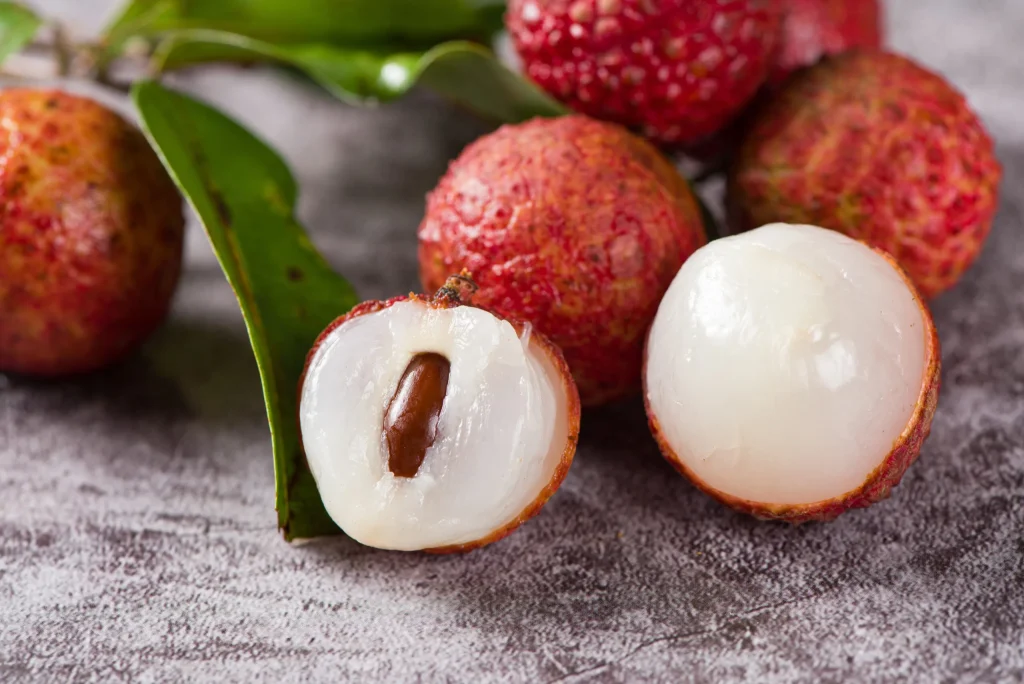
If eaten when it isn’t fully ripe can be toxic and sometimes fatal, causing fever and convulsions.
Star Fruit

If your kidneys are healthy, there’s no problem at all. But those with chronic kidney problems could get neurological problems such as confusion, seizures, and sometimes death.
Potatoes
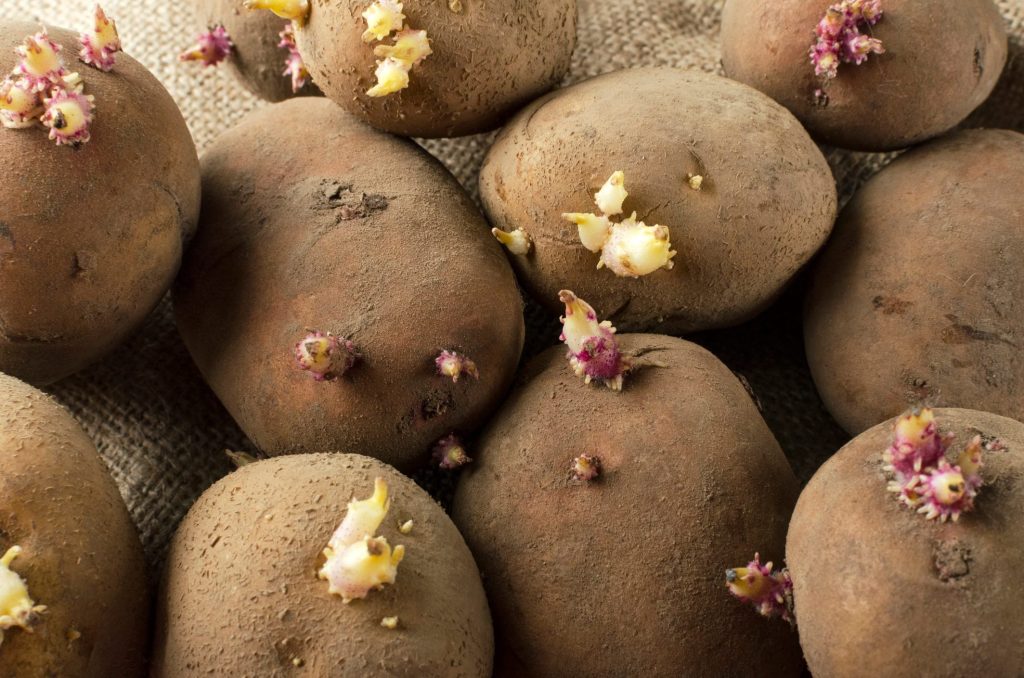
The sprouts and stems that grow on them contain glycoalkaloids that can cause cramping, coma, diarrhea, and even death when consumed in large quantities.