Sometimes, we take many of the technologies we use every day for granted. But almost every single gadget we use today has an early version that changed the way we lived.
1. Telegraph
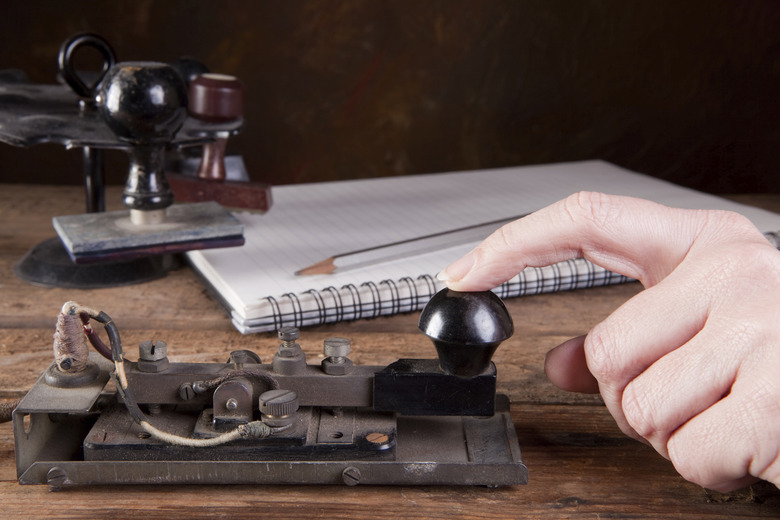
In 1832, New York University professor Samuel Morse began working on his version of the telegraph. He developed Morse Code (a set of sounds that corresponded to particular letters of the alphabet), in 1835; and by 1838 he had presented his concept to the U.S. Congress.
2. Transistor Radio
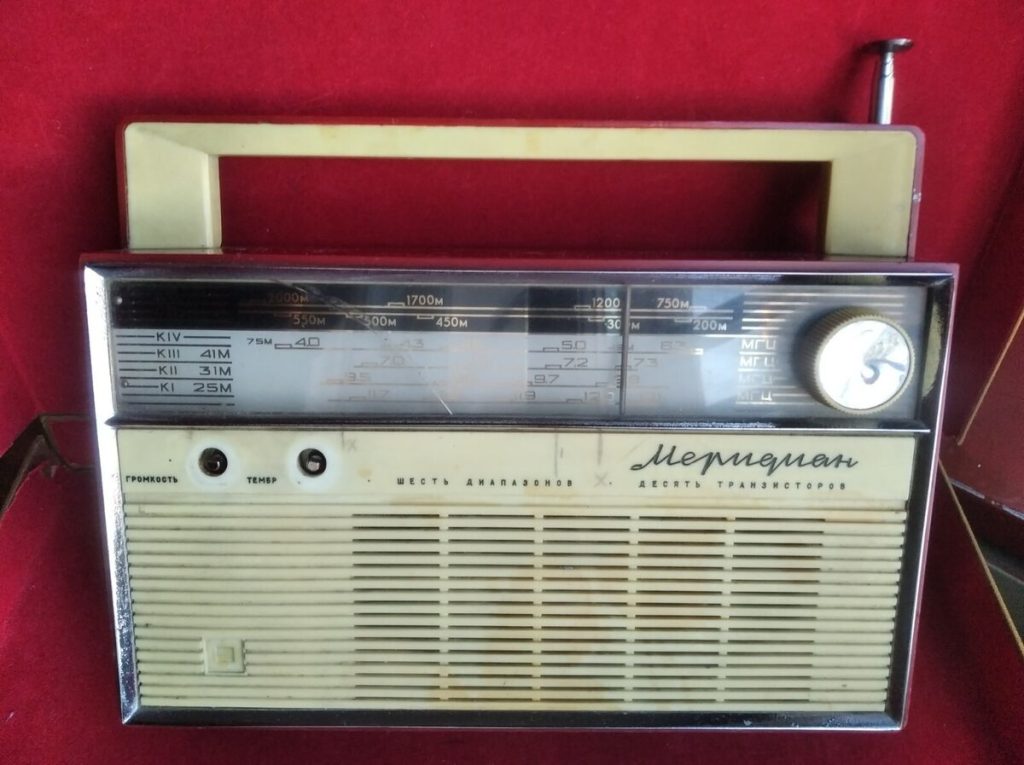
Building on wartime research, John Bardeen and Walter Brattain, working with group leader William Shockley, developed a device they called a transistor. The first laboratory demonstration took place on 23 December 1947. Bell publicly announced the new invention on 30 June 1948.
3. Reel-to-Reel Tape
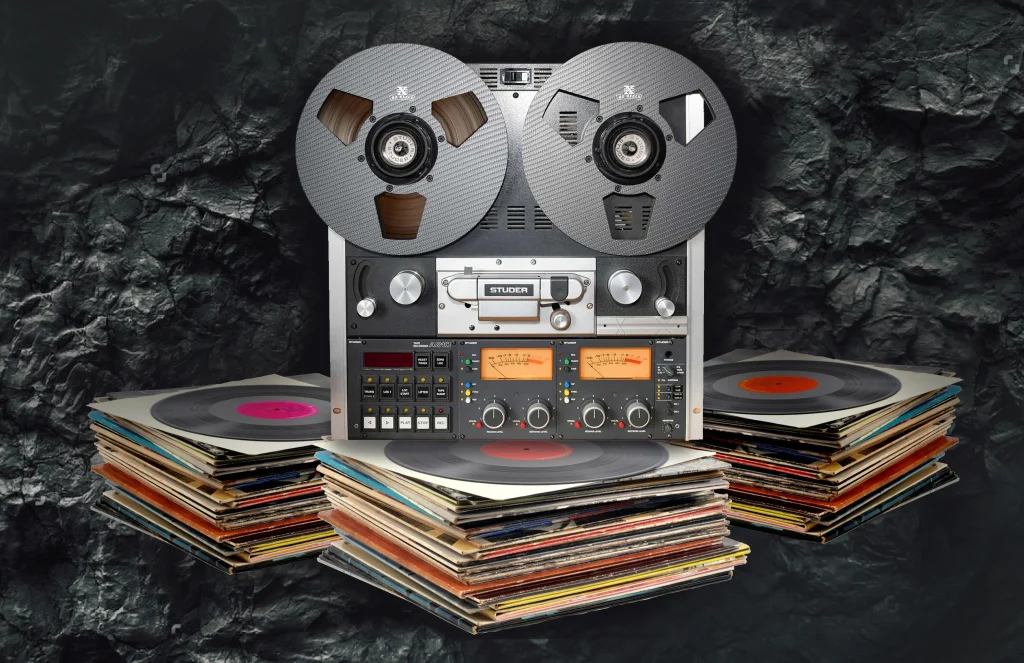
The reel-to-reel tape recorder was invented in Germany in the late 1920s. Tapes were made by binding ferrite oxide to a long paper strip that was then magnetized by a tape head.
4. LaserDisc Player
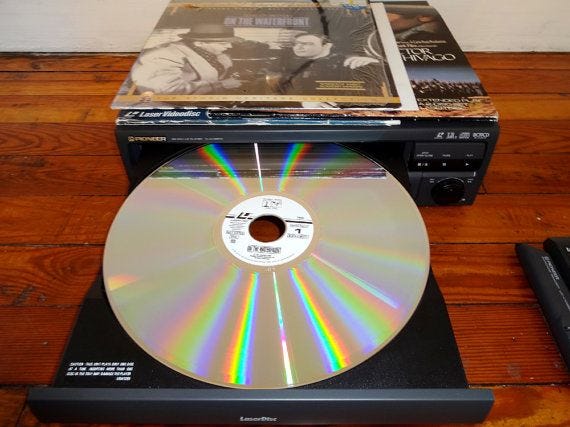
This was introduced by MCA DiscoVision in 1978. And from 1978 until 1984, all LaserDisc player models read discs by using a helium–neon laser. In 1984, Pioneer Corporation introduced the first consumer player with a solid-state laser diode.
5. Calculator Watch
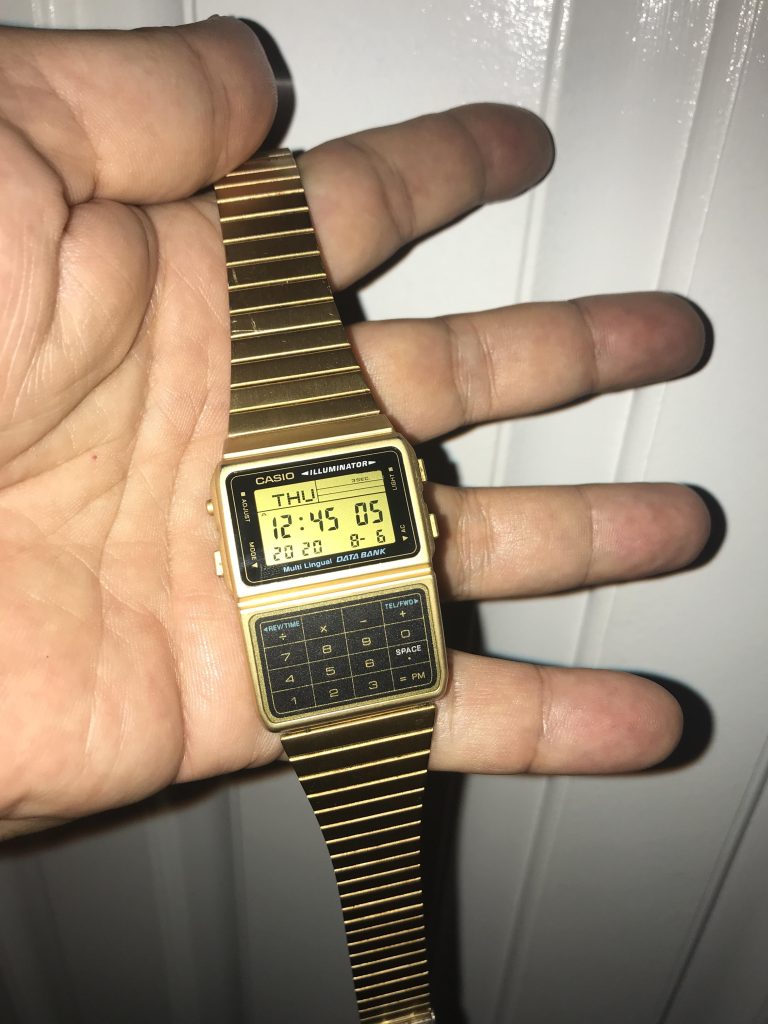
Did you know that calculator watches first appeared in the mid-1970s, introduced by Pulsar (1975, then a brand of the Hamilton Watch Company) and Hewlett-Packard? Another popular calculator watch was the Time Computer Calculator 901, which could perform basic arithmetic functions.
6. Betamax
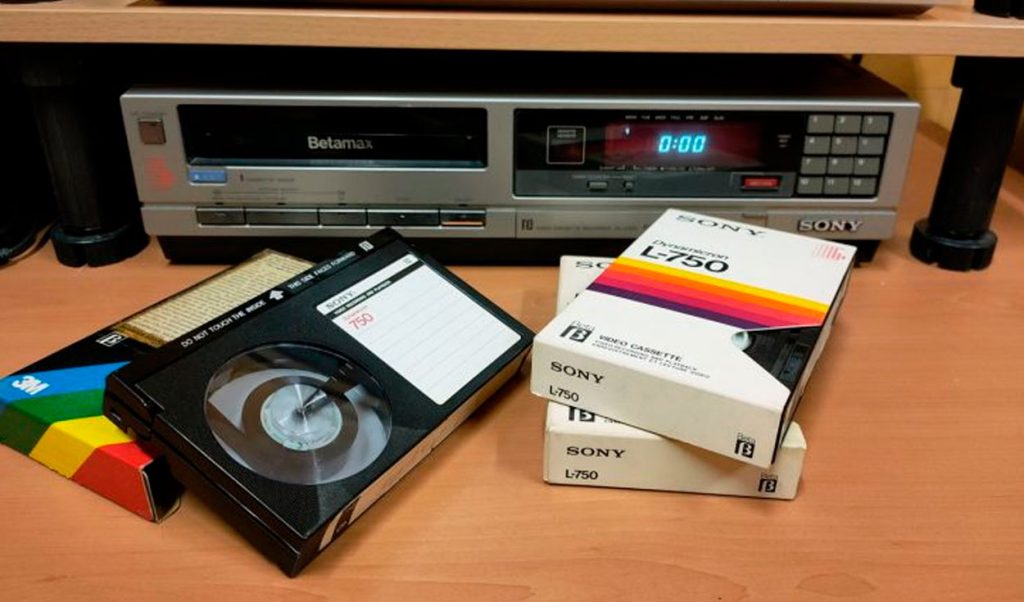
This invention was developed by Sony and was released in Japan on May 10, 1975, followed by the US in November of the same year. Today, Betamax is widely considered to be obsolete, having lost the videotape format war which saw its closest rival, VHS, dominate most markets.
7. ARPANET
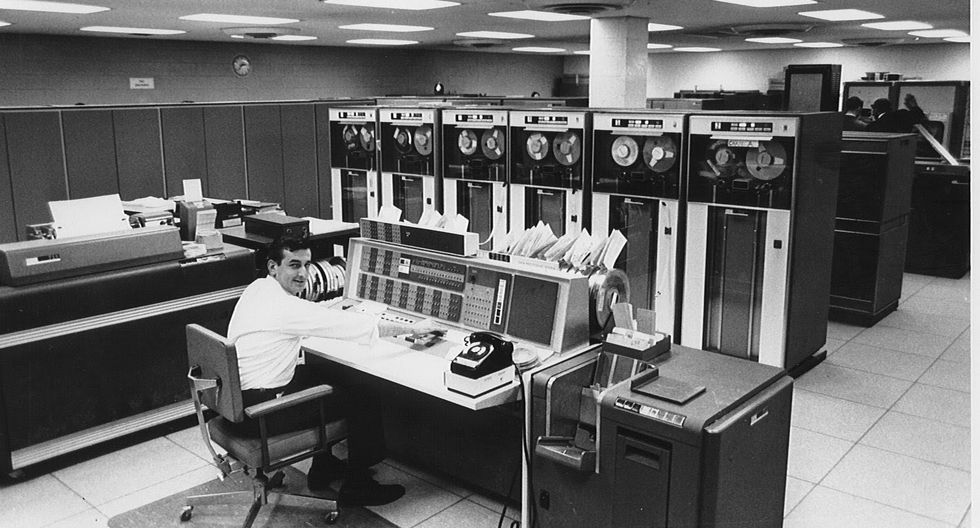
In 1969, the $25 million Advanced Research Projects Agency Network was created as an experimental computer network. Some would refer to it as the internet’s inception. It was supported by the Department of Defense and was designed to link computers at Pentagon-funded research institutes.
8. CRT TV
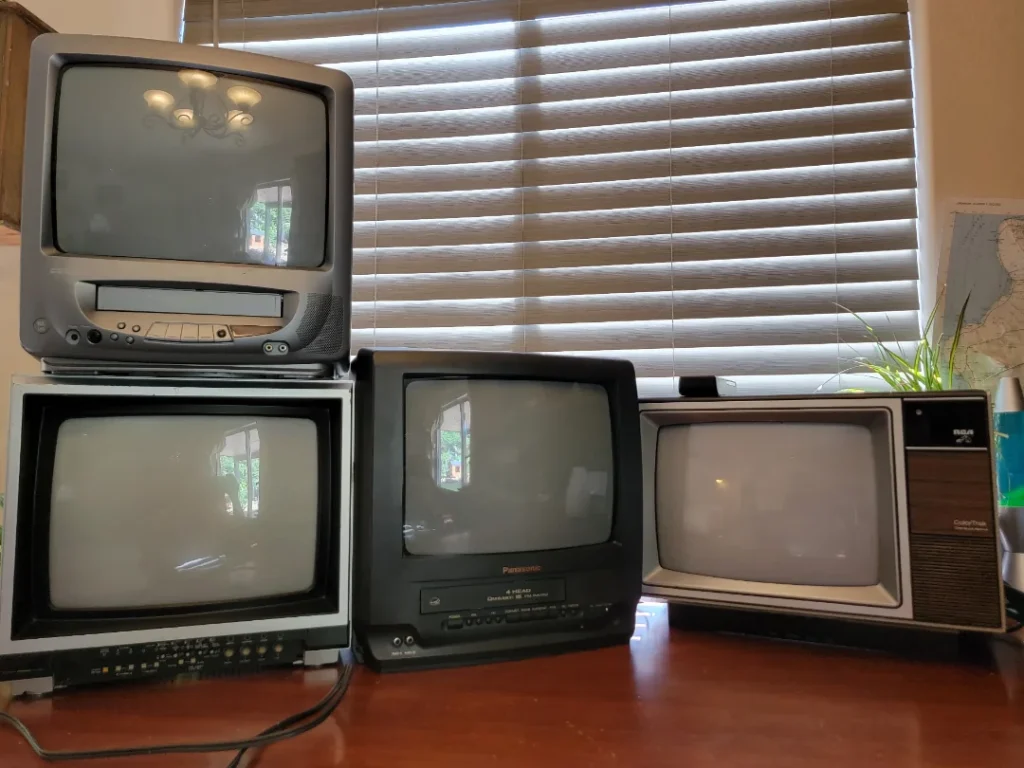
It’s difficult to believe that televisions were originally only CRT (Cathode Ray Tube) monitors in the era of flat-screen TVs, which appear to be getting thinner, broader, and smarter with each update. Nearly every American home owned a CRT television in the 1960s. In 2004, Sony ceased production in Japan, and by 2008, it had ended production worldwide.
9. PDAs
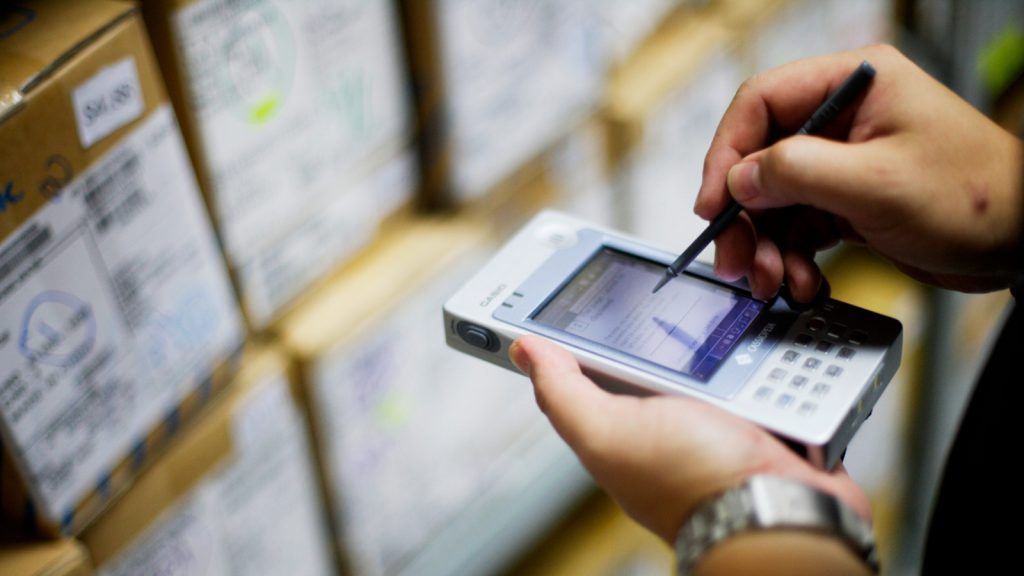
Personal digital assistants (PDAs) existed before apps to help us plan our days and remind us of tasks, as well as apps to organize all the other apps we have downloaded on our phones. These gadgets included speech recognition, pen-based keyboards, WiFi, and more. Even a fax could be sent.
10. Cassette Tape
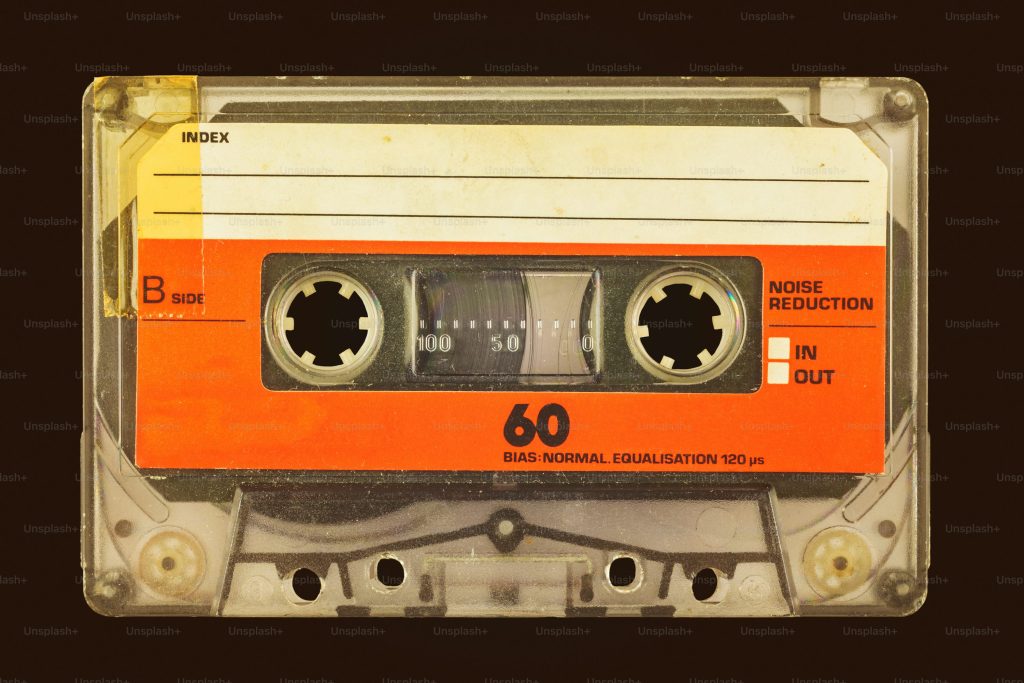
In 1963, the first audio cassette was released, allowing anybody to record for the first time, not just sound engineers. Even though they aren’t as widely used as they were in the previous century, cassette cassettes are still around.
11. DVD
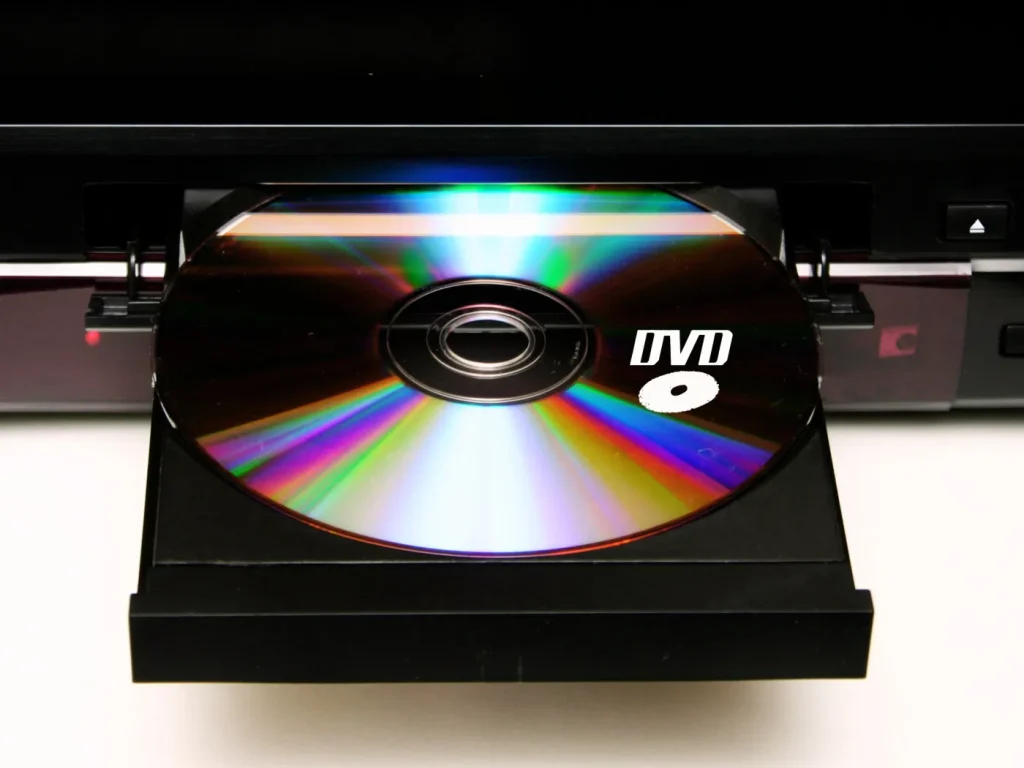
For the first time in 2002, DVD players, which were invented in 1993, surpassed video recorders in sales. With the rise of online streaming, they were rendered obsolete. Even though businesses still sell DVD and Blu-ray players, the technology is rapidly becoming outdated.
12. Cook ‘N’ Stir Blender
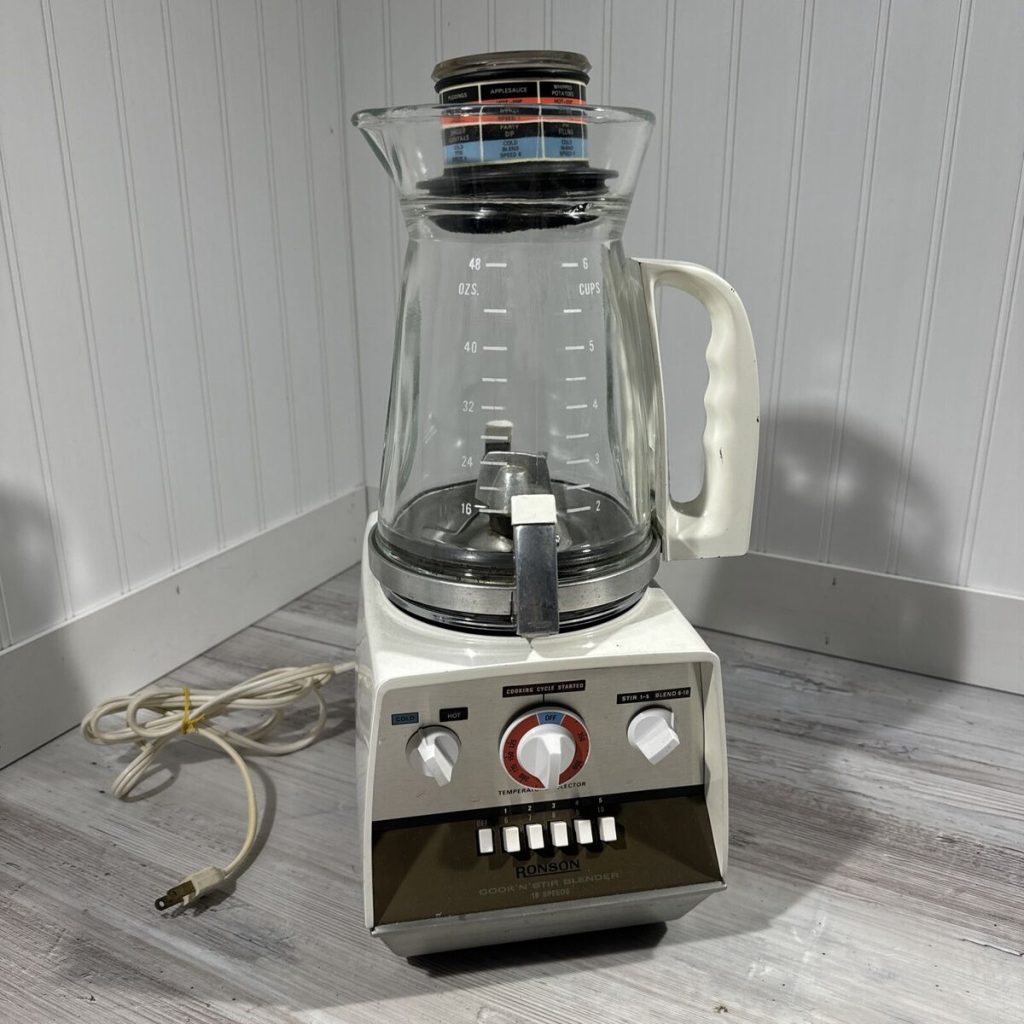
It is believe that Stephen J. Poplawski invented the first electric blender in 1922 for making milkshakes and malts at soda fountains. Ford Earl Design Associates designed this blender, and the Ronson Corporation manufactured it. The Cook’n’Stir was a blender with a heating setting that allowed users to blend and heat soup at the same time.
13. Hand Mixers
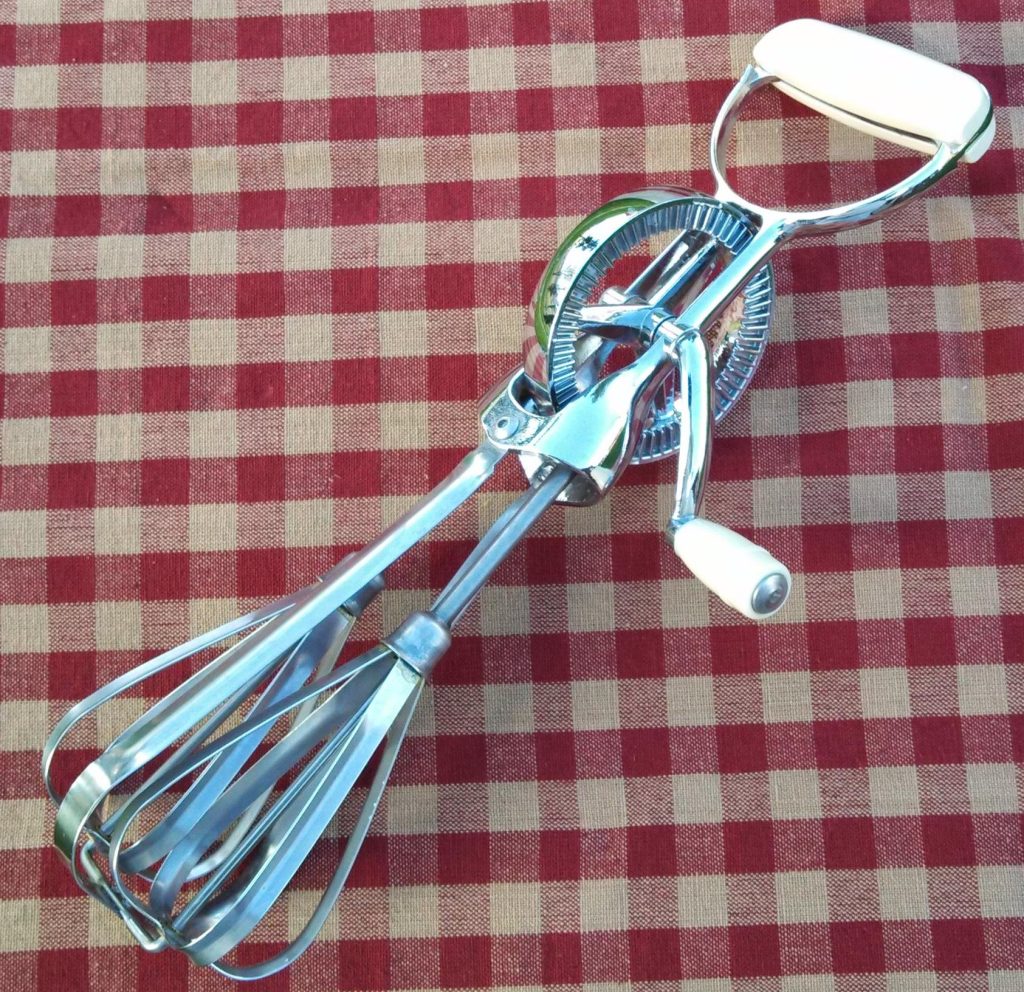
Not many people know that the first manual mixers were invented in the 1850s and were used for mixing and beating small amounts of ingredients. The mixer with rotating parts was patented in 1856 by Baltimore, Maryland, tinner Ralph Collier. This was followed by E.P. Griffith’s whisk patented in England in 1857.
14. Boombox
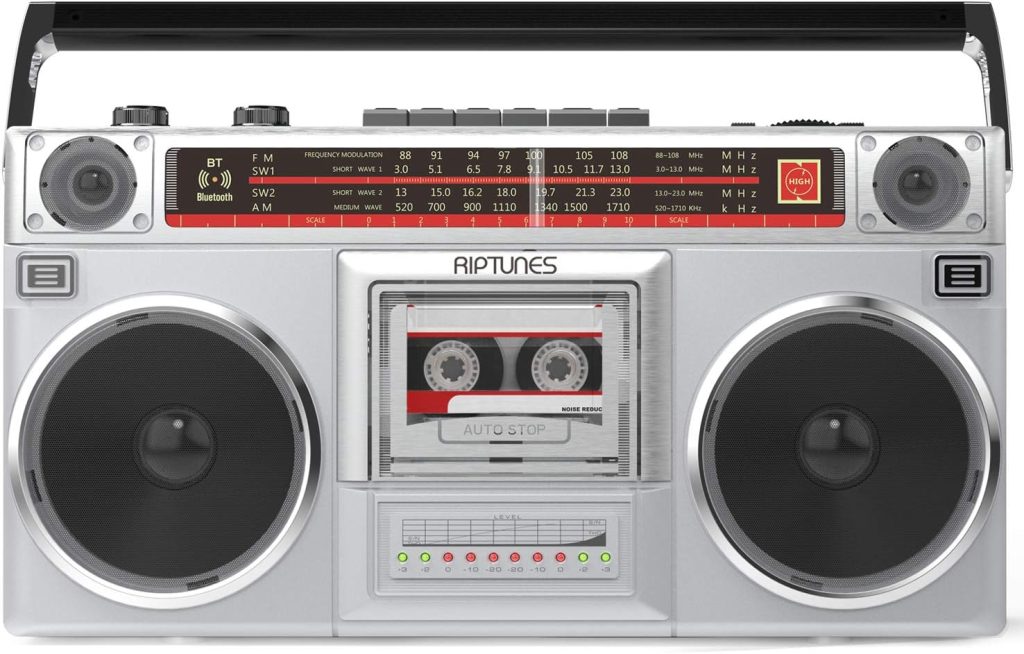
The boombox was a well-liked all-in-one music player despite being large, heavy, and requiring frequent battery changes. You’ve undoubtedly seen individuals strolling about with a boombox while listening to music if you’ve watched any music videos from the 1980s. Although they are now considerably smaller and less expensive, you may still purchase this type of music player.
15. IBM Simon
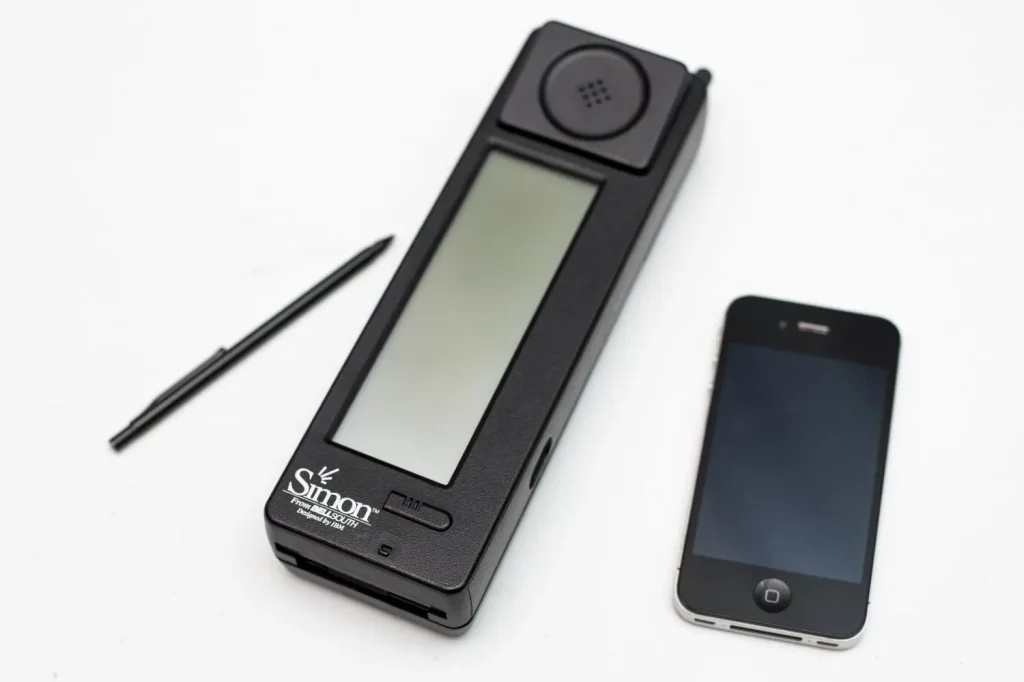
The first smartphone was called the Simon. Long before the term “smartphone” was coined, in 1992, it was created. It was the first touchscreen phone ever made; 15 years later, in 2007, the iPhone was released. In 1994, Simon was put up for sale. It could send emails, yes. It marked the advent of the incredibly intelligent devices of today.
16. Wall-Mounted Can Openers
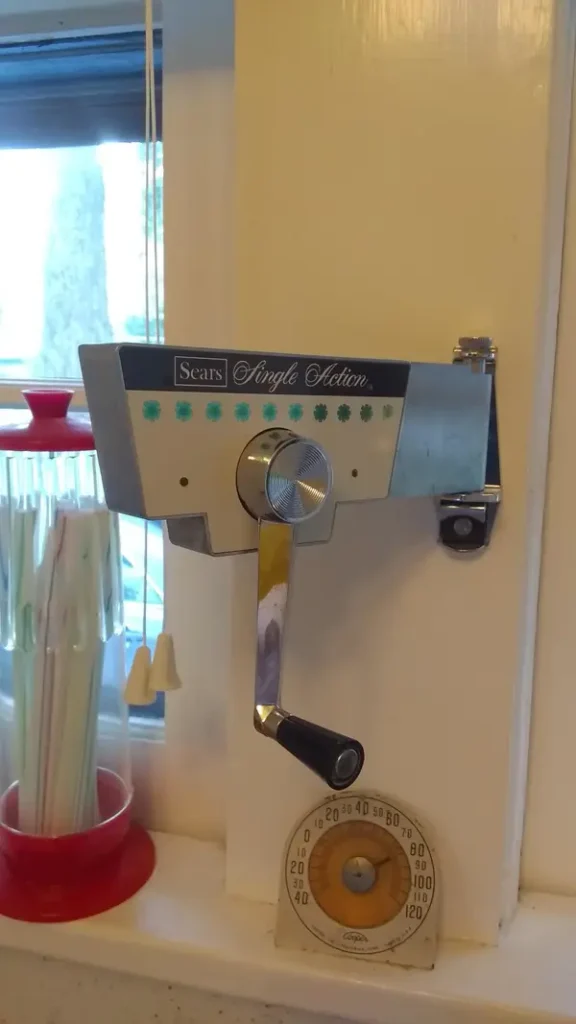
Electric can openers were introduced in the late 1950s and met with success. The invention of new can opener types continues with a recent redesign of a side-cutting model.
17. Tape Drive
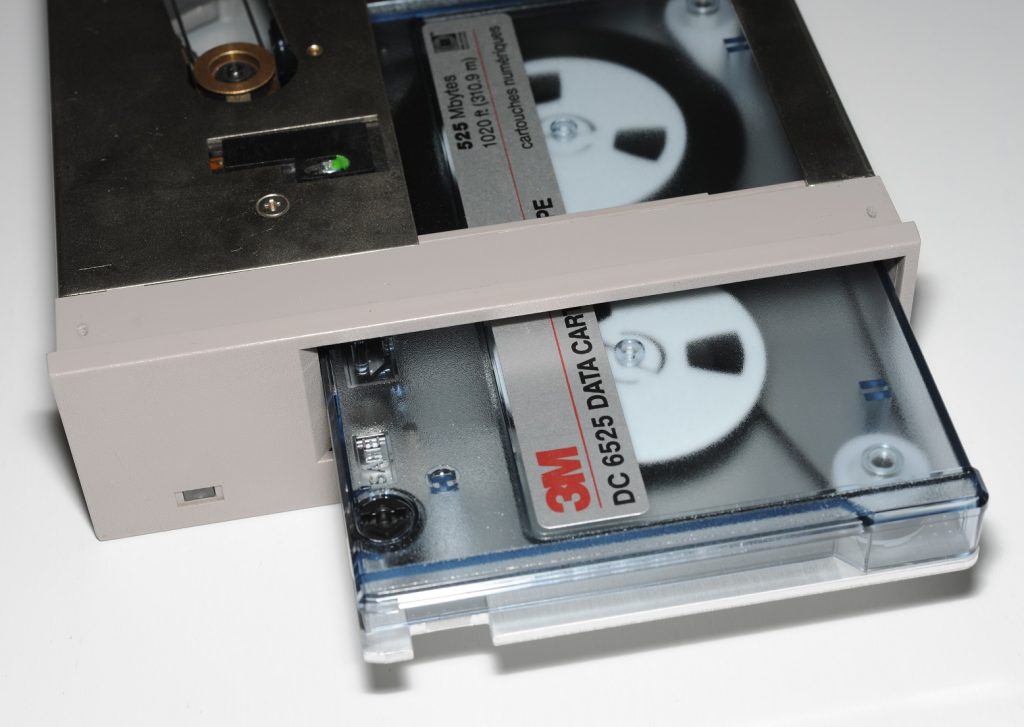
Unbelievably, there was a time when backing up the data on your computer required you to stay up all night. The operation required what the current generation would consider forever, and the tape drive was a data storage device that saved data on a magnetic tape. It was always necessary to start at the beginning and scroll down until you found the desired file.
18. Typewriter
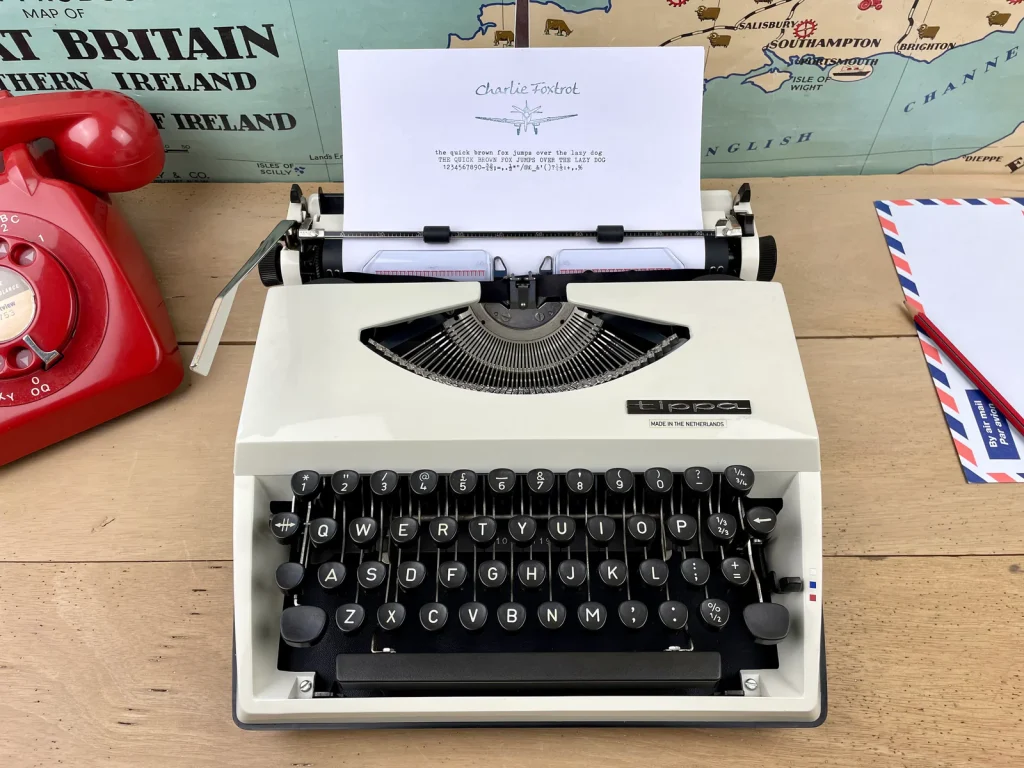
The second half of the 1800s saw the invention of what is regarded as the first useful typewriter. Writing with a typewriter was significantly faster than writing with a pen. In 1874, the first mass-market typewriters were introduced.
19. Manual Scale
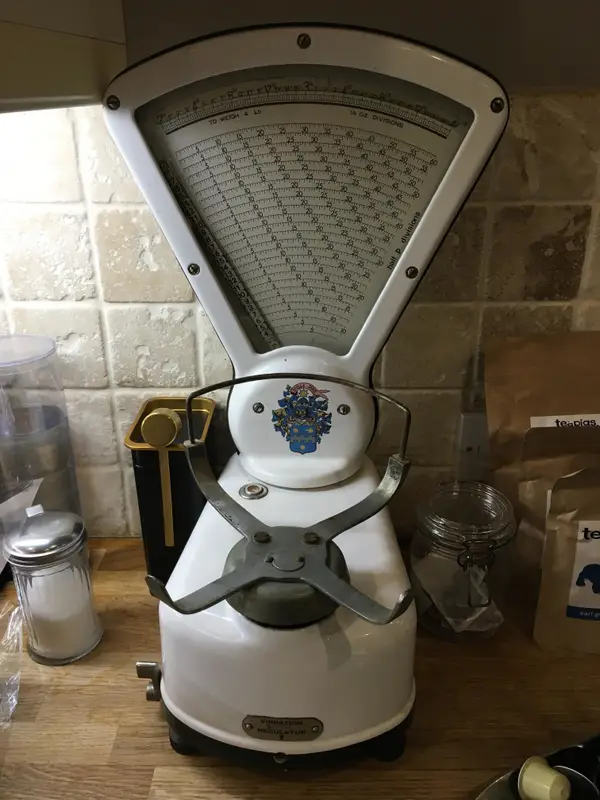
Around 3100 B.C., the Balance Scale, the earliest scale, was created by the Ancient Egyptians. The scale was made up of two pans that hung from a central beam. To find the value of the products, traders would set money on one pan and commodities on the other.
20. VHS
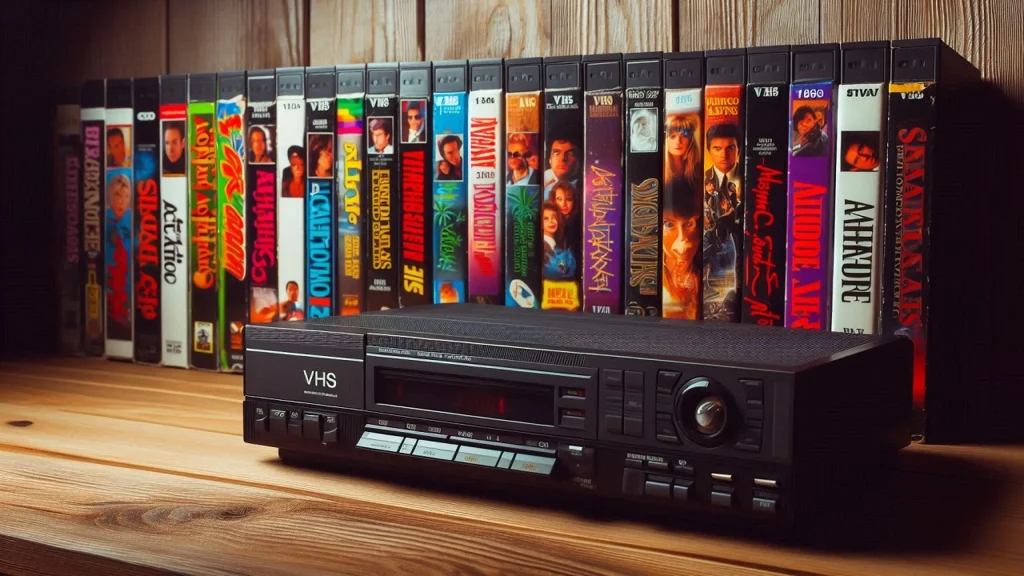
When people realized they could finally record video, the Video Home System, or VHS, became an indispensable fixture in every home’s living room. VHS had previously unheard-of capabilities, including the ability to fast-forward and rewind and record for up to six hours. In 1965, the first home video recorder was released. The Sony VCR was limited to recording in black and white and utilized a reel-to-reel format.
21. Metal Manual Grocery List
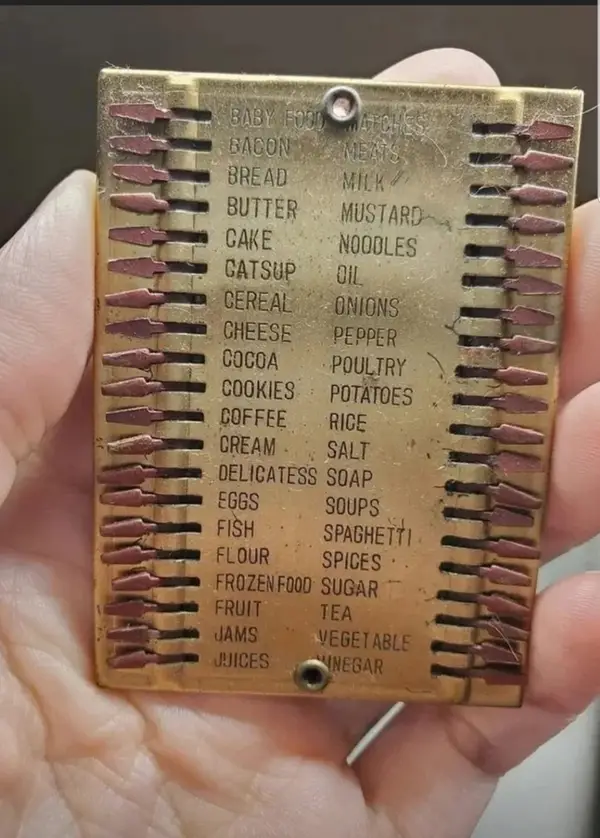
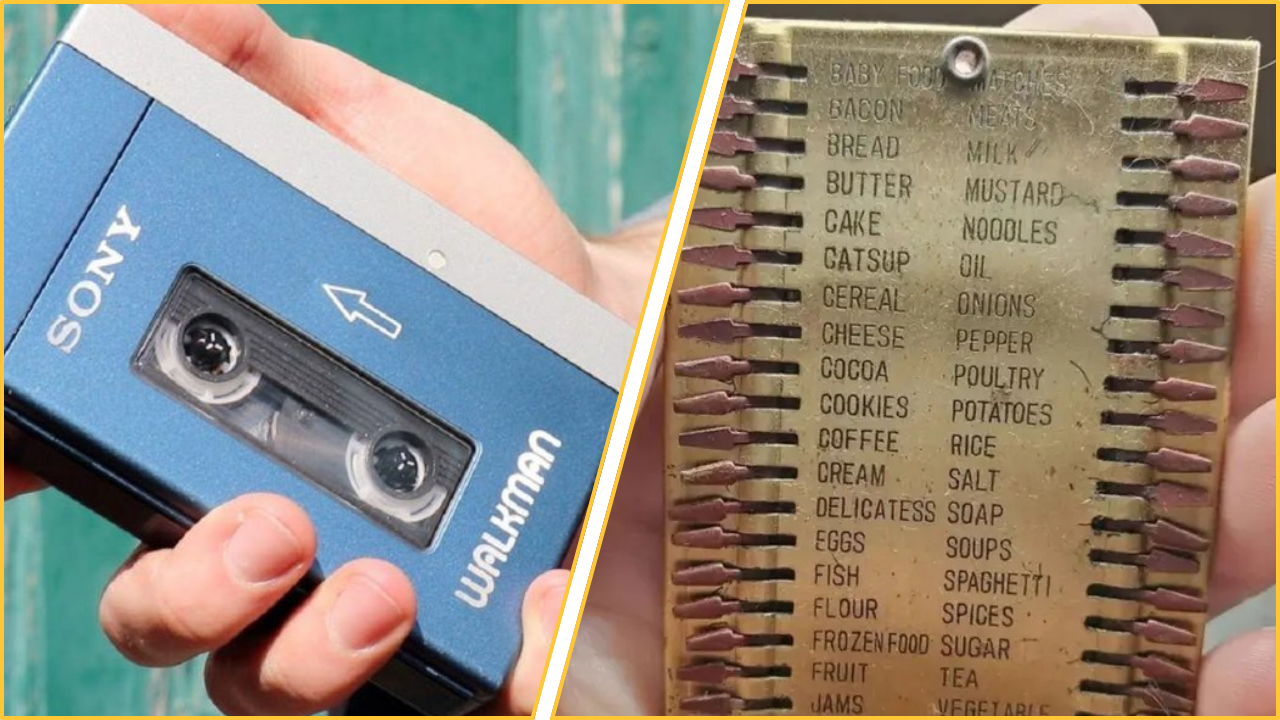
There are metal tabs that can be bent next to each engraving. Making ensuring that every tab is bent or flattened in the same way would be the first step in using an antique metal shopping list like this one. Then you just bend the tab the other way when you’re out of, like, bacon. Simple enough, isn’t it?
22. Nut Grinder
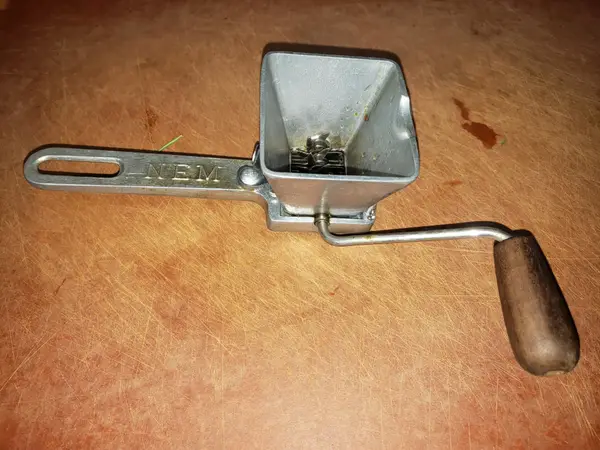
Experts argue that the first meat grinder was invented in the nineteenth century by Karl Drais. The earliest form of the meat grinder was hand-cranked and forced meat into a metal plate that had several small holes, resulting in long, thin strands of meat.
23. Gramophone
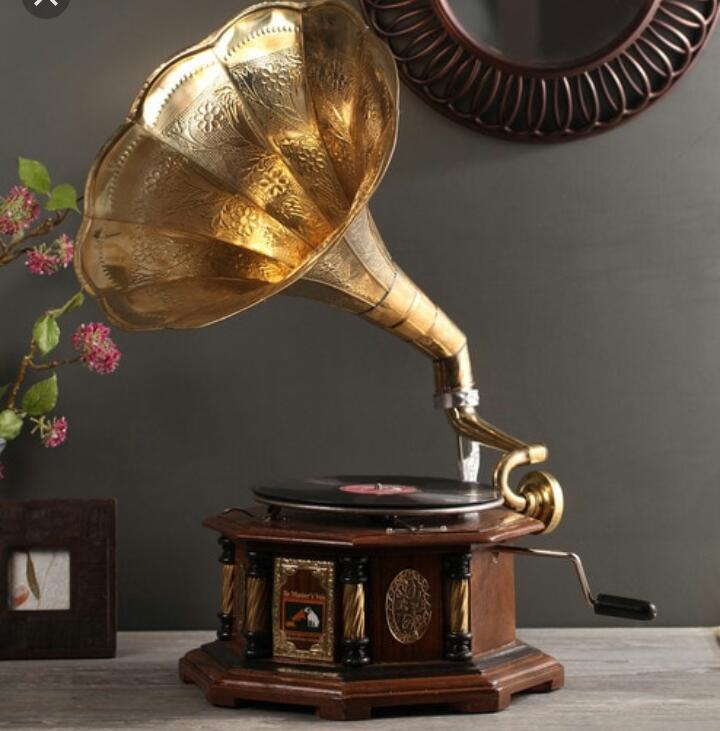
The phonograph is another term for the gramophone that you may be familiar with. This was Thomas Edison’s favorite creation, and it was created in 1877. This type of recording and playback gadget was the first of its kind. Edison recorded sound using cylinders covered in tinfoil.
24. Floppy Disk
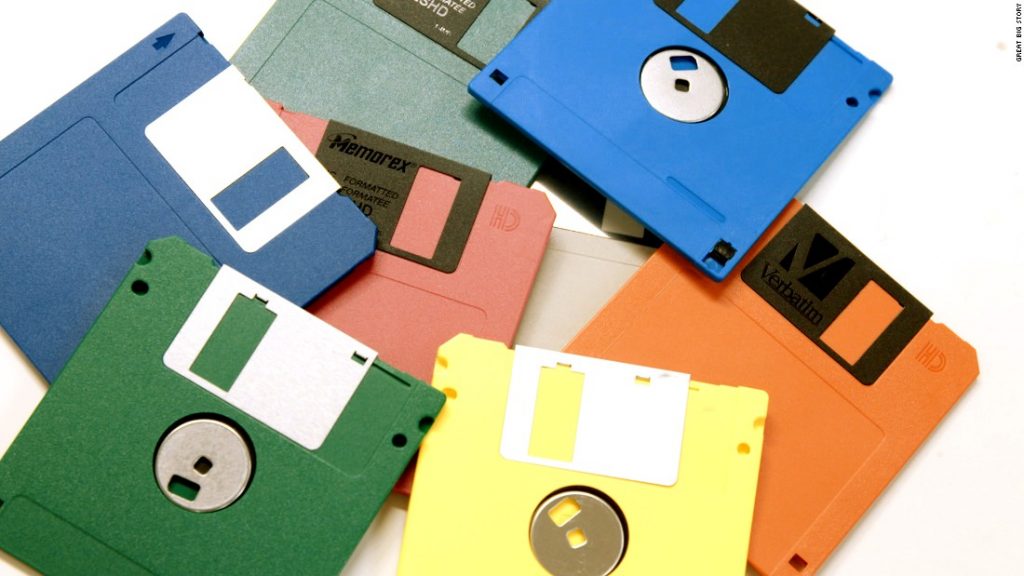
Long before the cloud, thumb drives, and other portable memory devices, there were floppy disk drives. It was fashionable in the 1980s and 1990s, but it is now essentially an antique. The RAM has grown with time, as is the case with the majority of personal computers. Floppy disks, for instance, had a maximum capacity of 2.8 MB in 1991, which was sufficient for the basic text files of the day but is now hardly sufficient for one or two photo attachments.
25. Egg Poacher
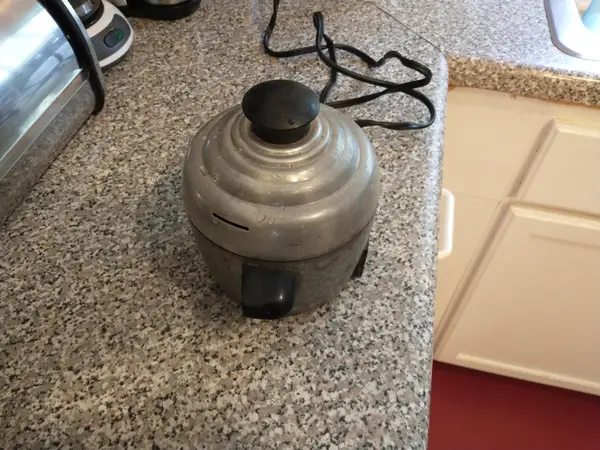
Did you know William J. Graham invented an improvement to egg poaching pans and was granted a patent for it?
26. Discman
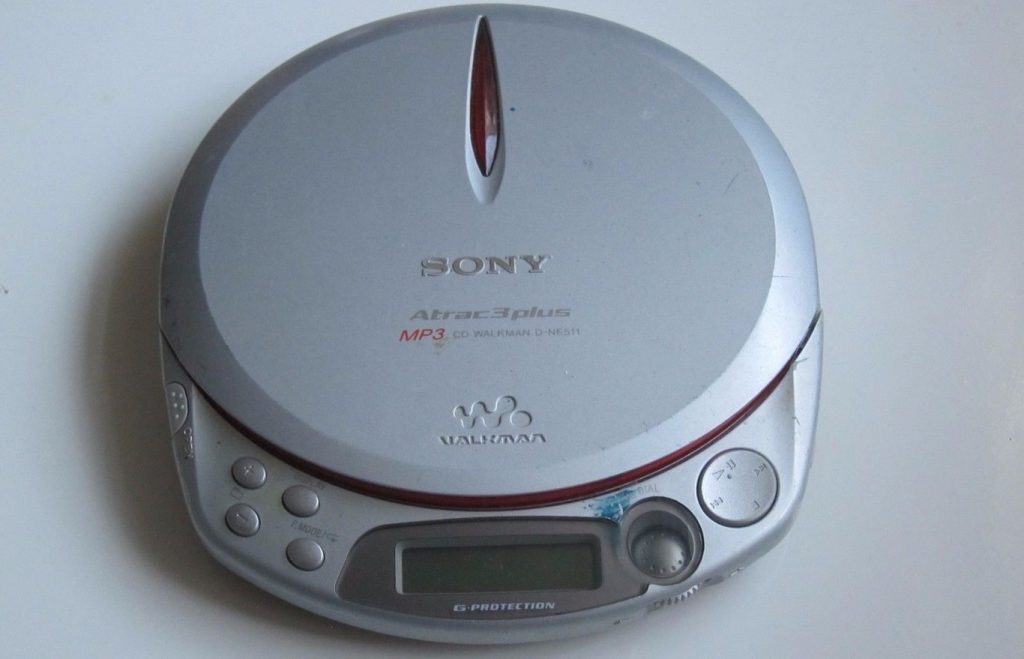
For people who preferred to listen to music while on the go, there was the Discman. Sony created the first portable CD players in 1984, and they became popular in the middle of the 1990s. Because discman players could only play one CD at a time and needed to carry additional CDs for a wider variety of music, they were too limiting in comparison to modern devices.
27. Pager
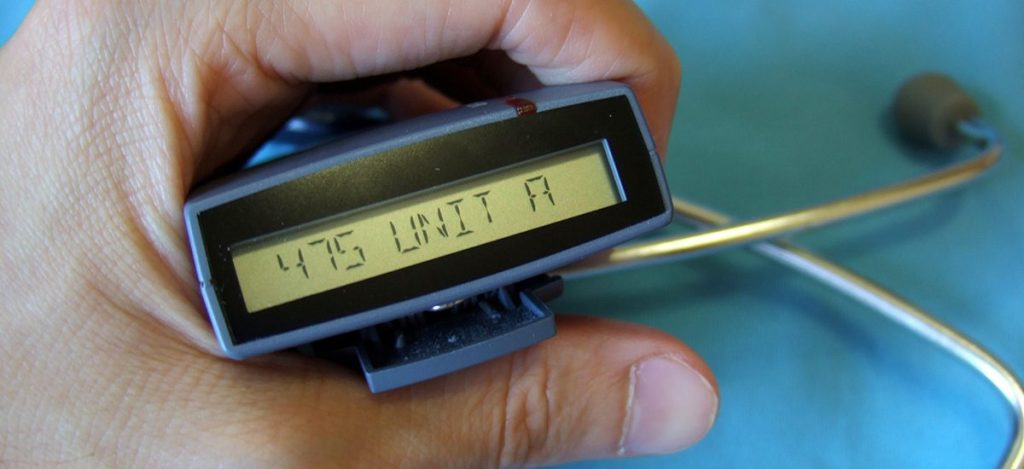
When people needed to get in touch with someone quickly, they utilized pagers, often known as ” beepers.” Incoming calls and emails were routed to the pager by the paging system as a text message or phone number. Some doctors continue to use pagers because they are still one of the most dependable communication tools available.
28. Portable TV
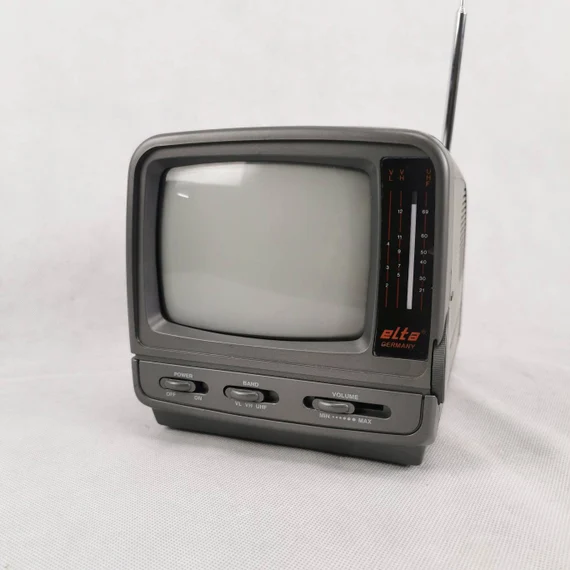
The first business to mass-produce portable TVs was Sony. Known as the Sony Watchman, their limited number of channels prevented them from ever being as popular as, say, the Walkman. The 1960s and 1970s saw their utilization.
29. Dial-Up Modem
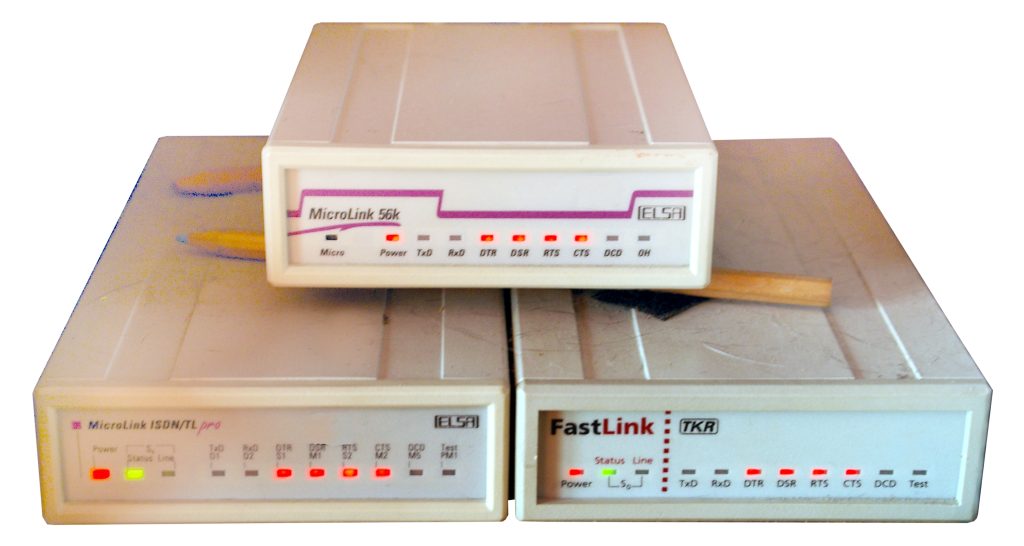
Prior to WiFi and cable internet, Americans connected to the internet using analog telephones. The computer would use the modem, which stands for modulator-demodulator, to send and receive data to another computer after dialing a number. The connection was slow and frequently broke or was interrupted, which was a drawback.
30. Walkman
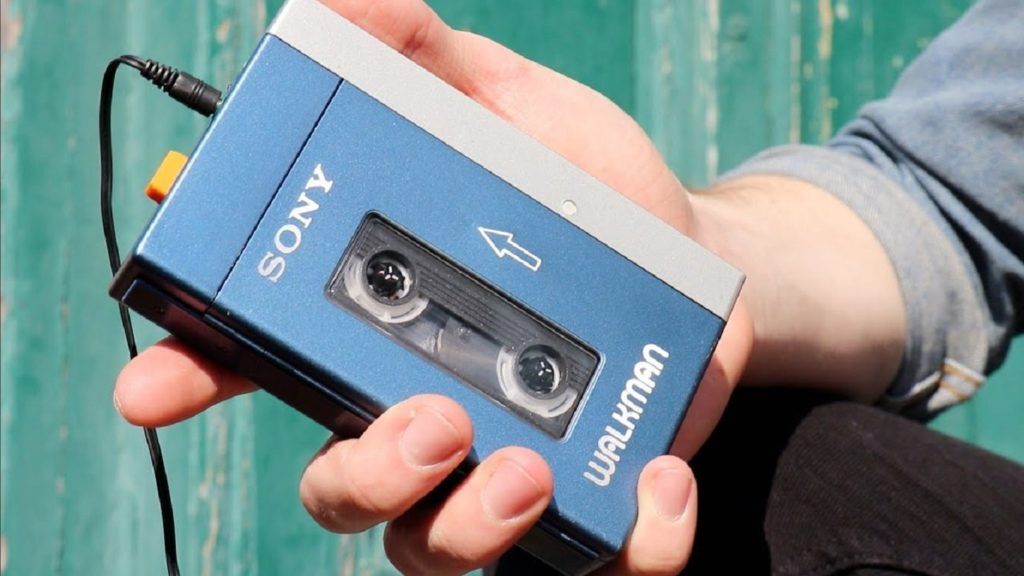
Two decades ago, fast-forwarding and rewinding used to take more than a second. Before the iPod, Walkman players, which played cassette tapes, were the rage in portable music, selling 400 million units. Nowadays, children find it difficult to use a Walkman and are unable to wield it.