Some games just hit, even if you’re not really a gamer. They don’t feel like a big time investment or something you have to learn before enjoying. You can jump in, understand what’s going on pretty quickly, and stay with it without getting frustrated. A lot of them feel familiar in some way, whether it’s the pacing, the story, or how simple everything is to follow.
Stardew Valley

You inherit a farm and spend your days planting crops, fishing, and getting to know people in town. There’s always something to do, but nothing is urgent, so you can figure things out at your own pace. It pulls people in because it feels more like building a life than playing a game.
The Sims

You create characters and control their day-to-day lives, from jobs to relationships to how their house looks. There’s no real objective, so people just follow whatever feels interesting. It ends up feeling closer to storytelling than gameplay.
Tetris

Blocks fall, you rotate them, and try to clear lines. It’s easy to understand within seconds but gets faster the longer you last. That balance makes it addictive even for people who never touch games.
Minecraft

You’re placed in a world where you can build, explore, or just walk around without a set goal. The basics are easy to understand, but the more you play, the more there is to uncover. You can take it at your own pace and never feel like you’re doing it wrong.
Animal Crossing: New Horizons
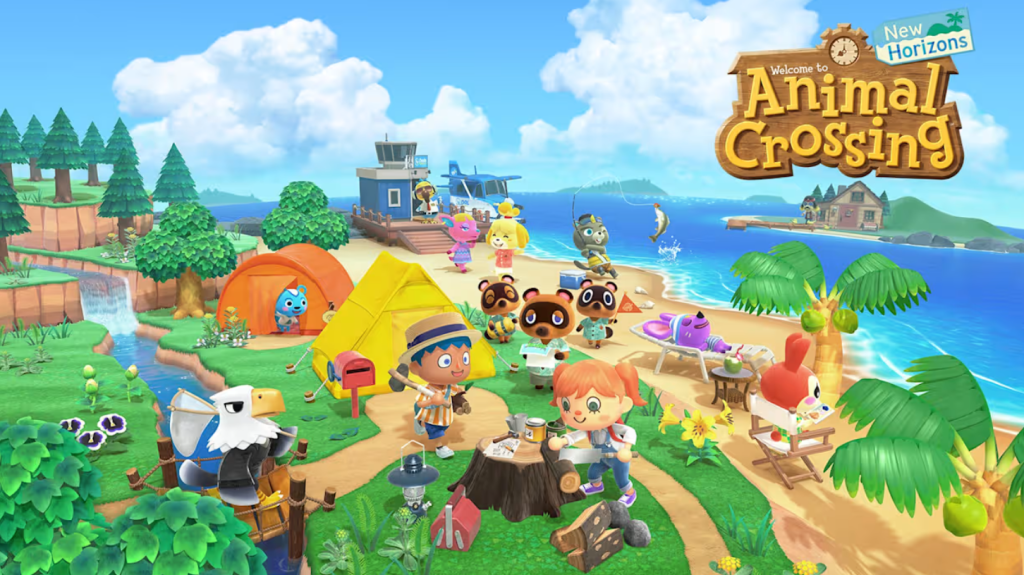
Life on an island unfolds slowly, with small tasks that add up over time. Real-time progression makes everything feel steady instead of rushed. The routine becomes part of the draw more than any specific goal.
Balatro

Poker hands form the base, but modifiers change how scoring works in unexpected ways. Each run builds on random combinations that shape the strategy. The structure stays simple even as the numbers get out of control.
Firewatch

Movement is slow and forgiving, with no combat or failure states. Most of the experience comes from listening and exploring. It’s approachable because nothing demands quick reactions.
The Case of the Golden Idol

There’s no time pressure or reflex-based gameplay. Progress comes from observation and reasoning instead of coordination. It feels accessible because it relies on thinking, not mechanics.
Life is Strange

Most of the game is just talking, walking, and making decisions. Nothing moves too fast, so there’s time to figure things out as it goes. It feels closer to following a story than learning a system.
Baba Is You

Rules aren’t fixed, they’re part of the puzzle. Moving a few words around can completely change what’s possible in a level. The moment everything clicks is what keeps it going.
Journey

There’s almost nothing to keep track of besides moving forward. The game quietly points you in the right direction without explaining itself.
Mario Kart 8 Deluxe

You can figure out how to play within a single race. Even if driving isn’t perfect, items keep things competitive. It’s the kind of game where being “bad” doesn’t stop it from being fun.
Wii Sports

Swinging the controller is enough to understand what’s happening. There’s no need to memorize buttons or systems. It removes the usual friction right away.
Overcooked 2

At first it’s just chopping and moving plates. Then everything starts overlapping and getting in the way. The chaos builds naturally without needing complicated controls.
Among Us

Moving around and finishing tasks doesn’t take much effort. Everything shifts once people start talking and accusing each other. It ends up being more about trust and timing than anything happening on screen.
Fall Guys

Run, jump, and try not to fall off. That’s basically it. The rounds are so quick that nothing feels like a real loss.
The Legend of Zelda: Breath of the Wild

There’s no pressure to follow a path or do things in order. Wandering usually leads to something useful anyway. It gives space to figure things out without forcing it.
A Short Hike

The whole map can be learned pretty quickly. Nothing pushes you to move faster than you want to. It’s easy to pick up and put down without losing track.
Portal 2

Each room teaches one idea, then asks you to use it. There’s room to mess around before getting it right. It works once the movement starts to feel natural.
Donut County

It starts small, just pulling in a few objects at a time. Then the hole gets bigger, and entire sections start collapsing into it all at once. It ramps up quickly but still feels easy to follow the whole way through.
Gris

Gris is a side-scrolling platformer where you move through a changing world while unlocking small abilities that let you reach new areas. Each section builds on the last without adding too many mechanics at once. The focus stays on moving forward and experiencing the world rather than struggling through difficult challenges.
Spiritfarer

You run a boat, gathering materials, building upgrades, and taking care of characters along the way. Each character has their own requests and story that plays out over time. Most of the game is made up of simple, repeatable tasks that gradually build into something bigger.
What Remains of Edith Finch

You move through a house and uncover short stories about different family members. Each one plays out a little differently, with its own small mechanic that doesn’t overstay. The game keeps things moving so nothing ever gets confusing or repetitive.
Phoenix Wright: Ace Attorney

Cases play out through investigating scenes, gathering evidence, and questioning witnesses in court. Trials revolve around spotting contradictions and presenting the right detail at the right moment. Most of the experience comes from following the logic rather than reacting quickly.
Plants vs. Zombies

Defending the house comes down to placing different plants with specific roles. New types are introduced gradually, adding small twists without changing the core idea. The structure builds step by step, so it never feels overwhelming.
The Walking Dead

The story unfolds through conversations and decisions that carry across episodes. Choices shape what happens next, sometimes in ways that aren’t immediately clear. The focus stays on the characters and how those moments play out.
Astro’s Playroom

Short levels introduce new mechanics one at a time. Movement stays simple, with jumping and basic interactions driving most of the gameplay. Each section builds slightly without adding too much at once.
Lego Star Wars: The Skywalker Saga

Familiar Star Wars moments play out through simple combat and light puzzles. Levels are broken into clear sections with straightforward goals. The structure makes it easy to follow from start to finish.
House Flipper

Renovating homes becomes the main loop, from cleaning to decorating. Tasks are straightforward and repeatable and everything is easy to understand from the start.
Two Point Hospital

Running a hospital comes down to laying out rooms, bringing in staff, and keeping everything moving without falling apart. Each level adds a new wrinkle, but never all at once. It grows in a way that stays manageable instead of piling things on too fast.