Some performances feel inevitable once you see them on screen, like the actor and the character were always meant to meet. However, behind many of those moments there were doubts, scheduling conflicts, and decisions that almost changed everything.
1. Ewan McGregor – Obi Wan Kenobi (Star Wars)
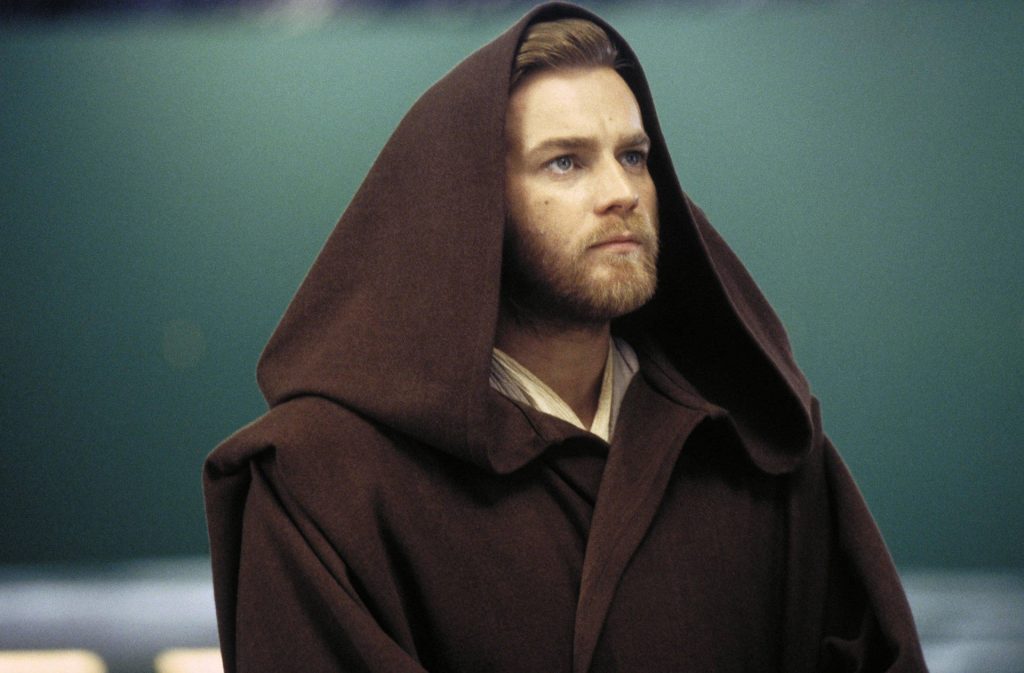
Taking part in a franchise of that scale did not immediately feel like the right step for his career. At that point, his work was closely tied to smaller, character driven films, and the idea of becoming part of such a massive universe created real hesitation. There was also a genuine concern about whether he would even fit the role or be accepted by fans. After some reflection and conversations with people he trusted, he chose to move forward, eventually delivering a version of Obi Wan that became essential to a new generation of the saga.
2. Chris Evans – Captain America (Marvel Cinematic Universe)
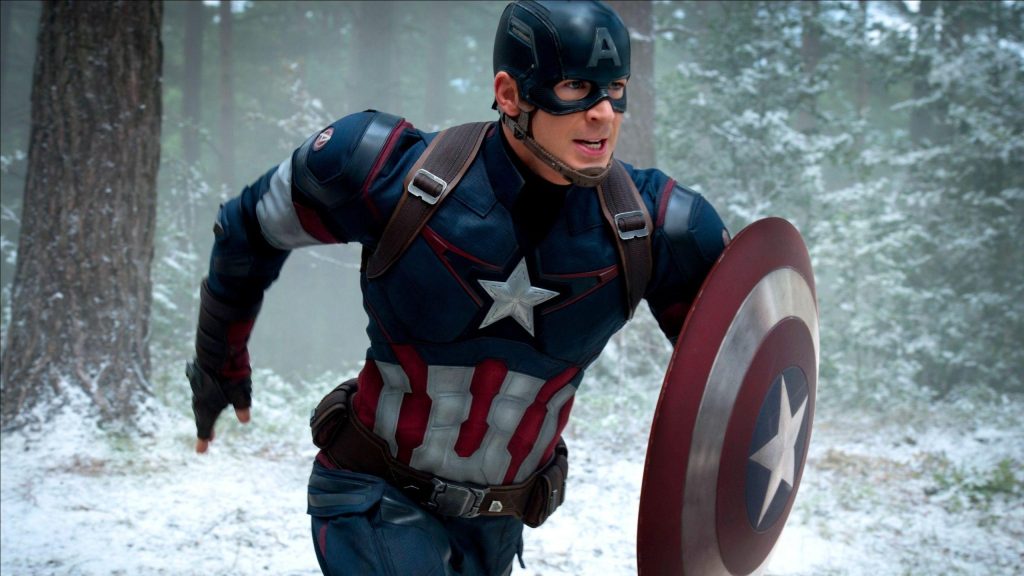
Before the Marvel machine reached its peak, signing a long term deal for multiple films felt like a huge commitment with uncertain payoff. On top of that, the idea of global fame triggered anxiety that made the opportunity feel overwhelming rather than exciting. Turning it down initially was more about protecting himself than rejecting the character. After taking time to think and leaning on advice from family and close friends, he reconsidered and accepted the role, stepping into a position that would define his public image for years.
3. Rachel Zegler – Lucy Gray Baird (The Hunger Games)
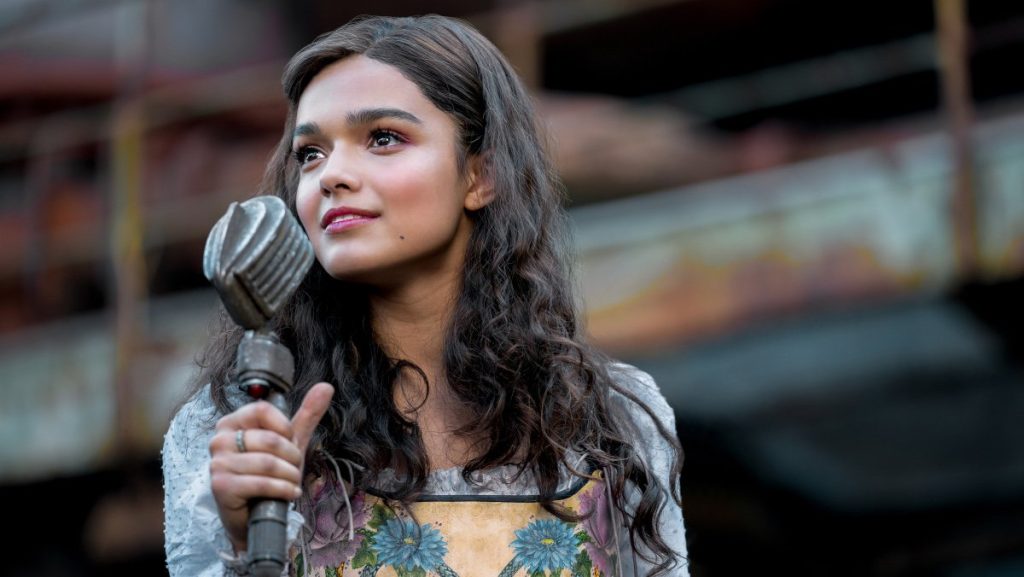
The timing of the offer was the main issue, not the role itself. Committing to months of filming far from home felt like too much, especially at that stage in her life and career. That reality pushed her to decline the opportunity at first, even though she understood its importance. When another project unexpectedly fell through, her schedule suddenly opened up, and she reconsidered the decision. That shift allowed her to step into a role that connected her to a major franchise at a crucial moment.
4. Leonardo DiCaprio – Jack Dawson (Titanic)
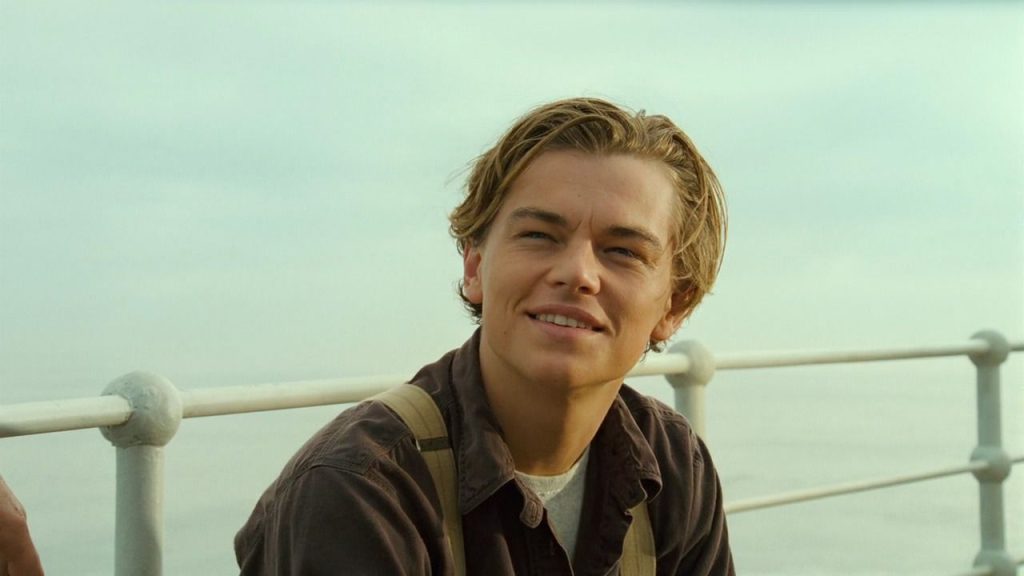
At the time, he was actively avoiding roles that felt too conventional, and a large scale romantic lead did not seem particularly appealing. The project initially looked like something that might not challenge him creatively. Conversations with the director gradually changed that perception, revealing layers in the character that were not obvious at first glance. Once he saw the emotional depth behind the story, the decision became easier, and the role turned into one of the most recognizable performances of his career.
5. Jenna Ortega – Wednesday Addams (Wednesday)
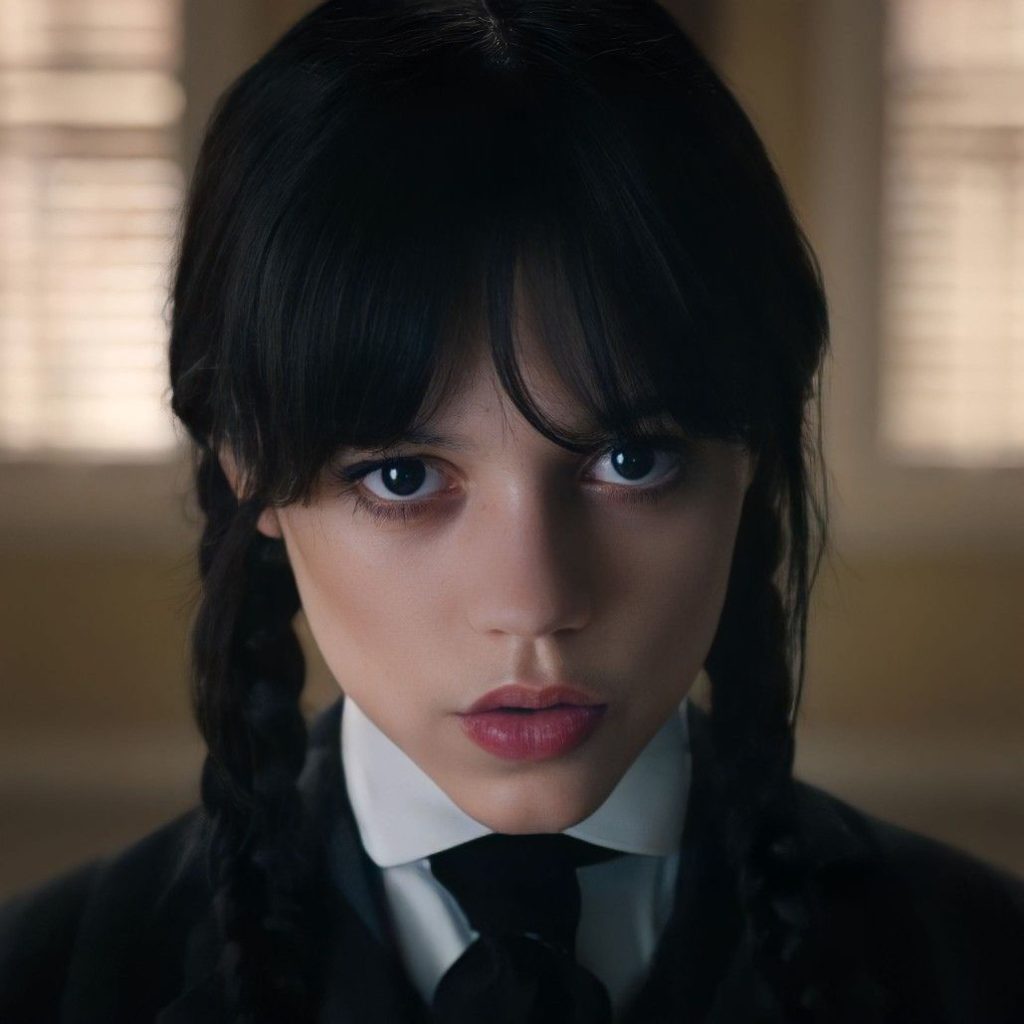
Taking on another series created hesitation because it risked limiting her range at a moment when she was trying to expand into different types of projects. There was a real concern about being associated too strongly with one kind of role. That changed once she connected with the tone of the show and the vision behind it, especially after working closely with the director. The character began to feel like an opportunity to redefine something familiar rather than repeat it, which ultimately led her to commit.
6. Emma Stone – Mia (La La Land)
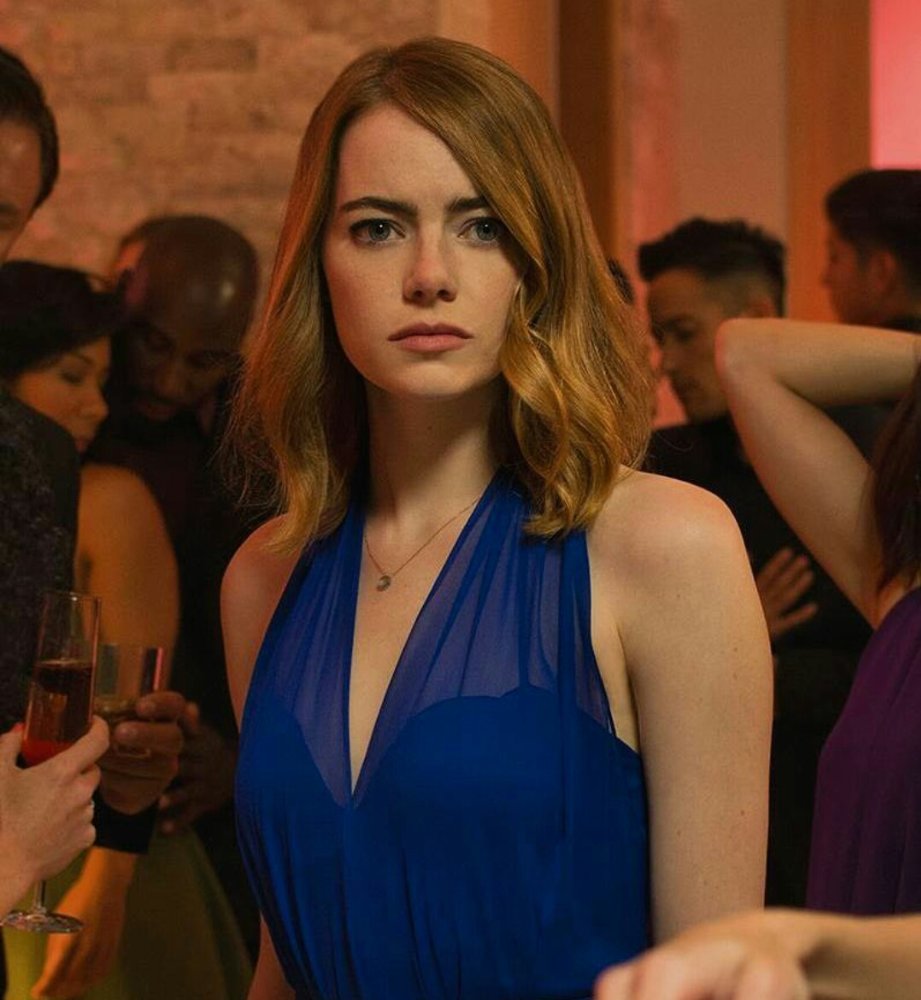
Coming off a demanding musical experience, her voice was already strained and her energy depleted, so the idea of jumping straight into another project of the same kind felt overwhelming. It was not just about the workload, but about whether she could physically handle it again so soon. The director’s persistence and the emotional pull of the script slowly shifted her perspective. What once felt exhausting started to feel meaningful, and that change led her to take on a role that would become a defining moment in her career.
7. Alan Rickman – Hans Gruber (Die Hard)
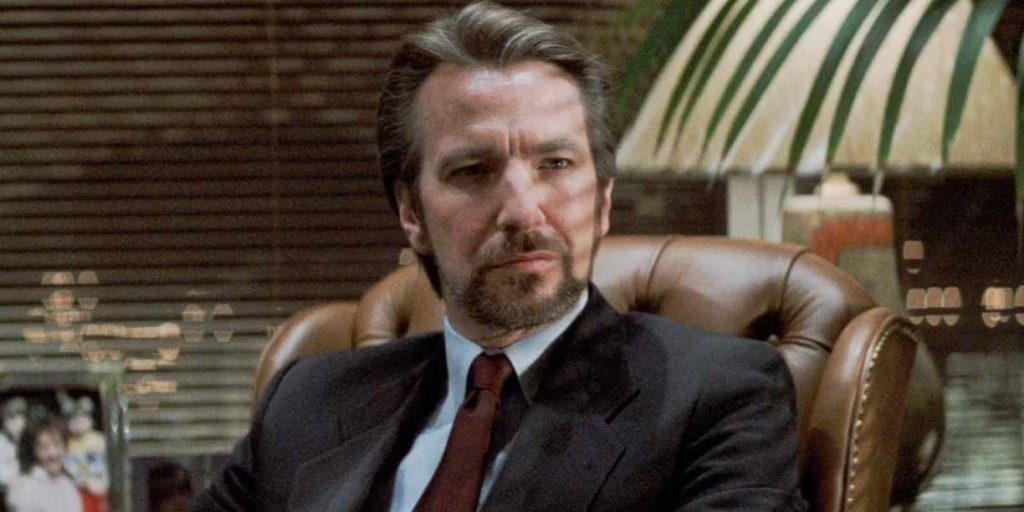
His first impression of the script was not particularly positive, as it seemed like a straightforward action film without much depth. That was not the kind of work he was interested in pursuing at the time. The turning point came when he was given the freedom to shape the character in a more nuanced way. By leaning into intelligence and subtlety, he transformed what could have been a generic villain into something far more memorable, which ultimately made the role impossible to pass up.
8. Ralph Fiennes – Voldemort (Harry Potter)
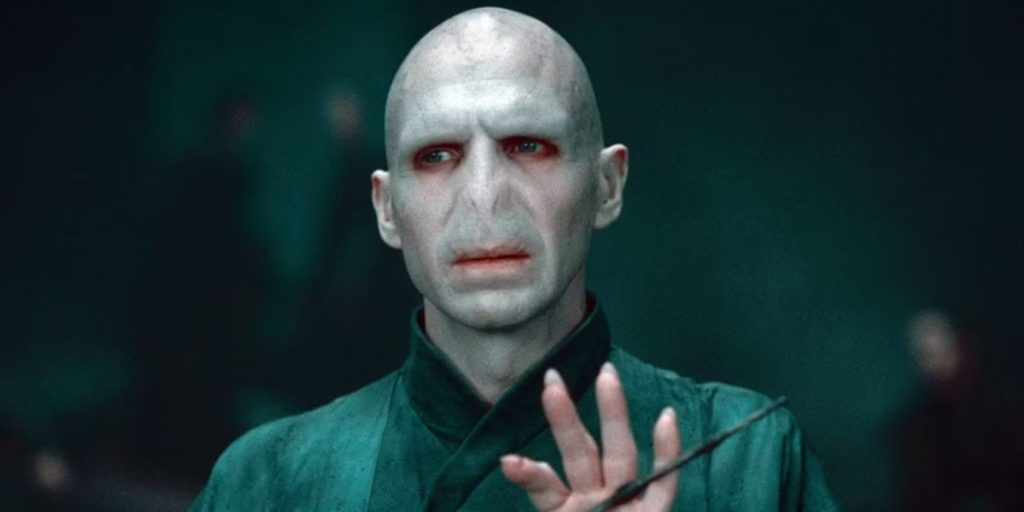
Without familiarity with the books, the role initially lacked significance for him and felt like just another fantasy antagonist. That distance made it easy to overlook the opportunity at first. It was only after hearing from people who understood the cultural impact of the series that he began to reconsider. Once he grasped how central the character was to the story, the decision became clearer, leading him to take on a role that would define the darker side of the franchise.
9. Amanda Seyfried – Elizabeth Holmes (The Dropout)
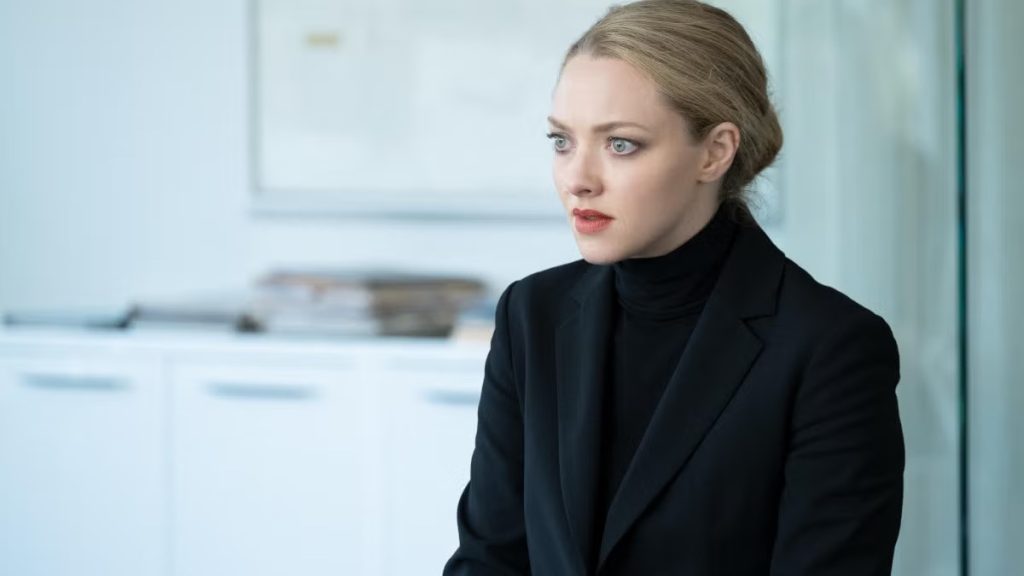
At the time the offer came in, she was already dealing with personal challenges and being away from home, which made the idea of committing to another intense role feel overwhelming. Her initial reaction was to step away and protect her own balance. That decision did not last long, as she quickly realized what she might be giving up. Within a day, she reversed course and accepted the role, delivering a performance that earned widespread recognition.
10. Jet Li – The Emperor (Mulan)
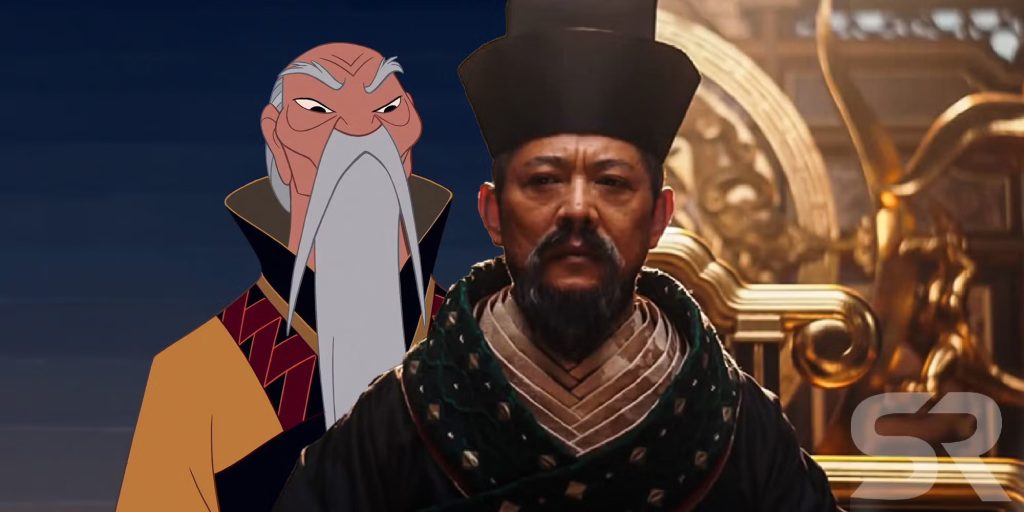
He had stepped back from major acting roles and was focusing on his personal life, so returning to a large production was not something he was actively considering. The decision changed when his daughter asked him to take part in the project, giving it a meaning that went beyond professional considerations. That personal connection reframed everything, turning hesitation into a clear yes and bringing him back to the screen in a role tied to cultural significance.
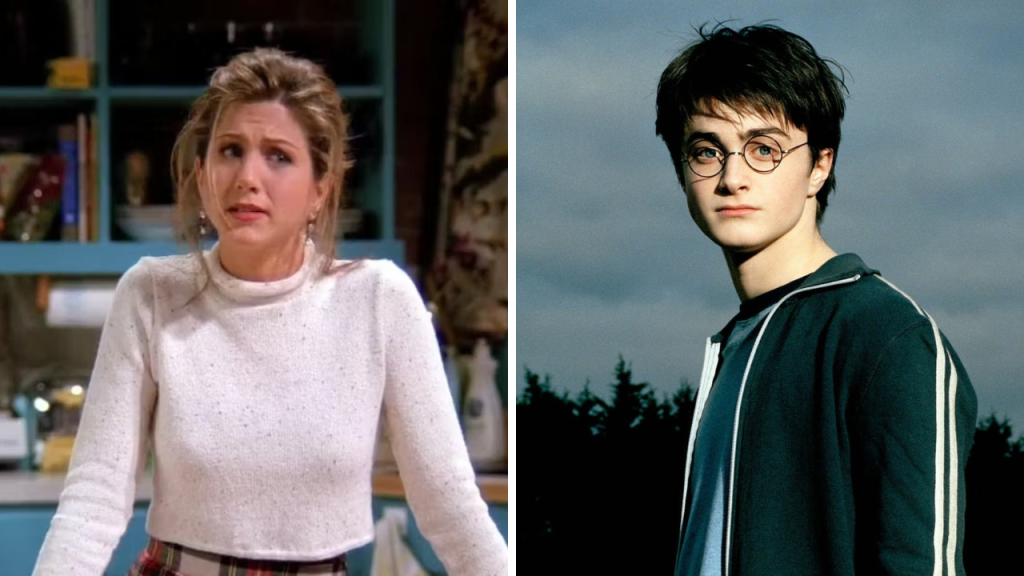
11. Daniel Radcliffe – Harry Potter (Harry Potter Series)
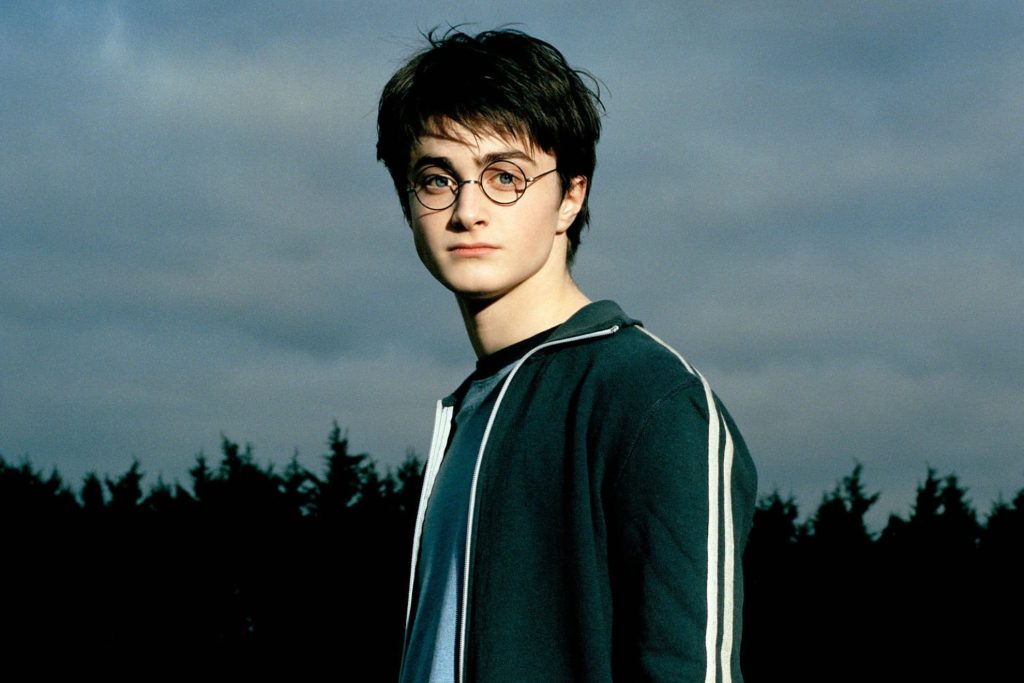
The main obstacle was not his own hesitation but the concerns of his parents, who were unsure about committing their child to such a long and demanding project. The original plan involved filming outside of England and a multi film contract that felt overwhelming at such a young age. Everything changed when the production adjusted those conditions and made the process more manageable. Once that happened, he was allowed to audition, setting in motion a casting decision that would shape an entire generation of cinema.
12. Jennifer Aniston – Rachel Green (Friends)
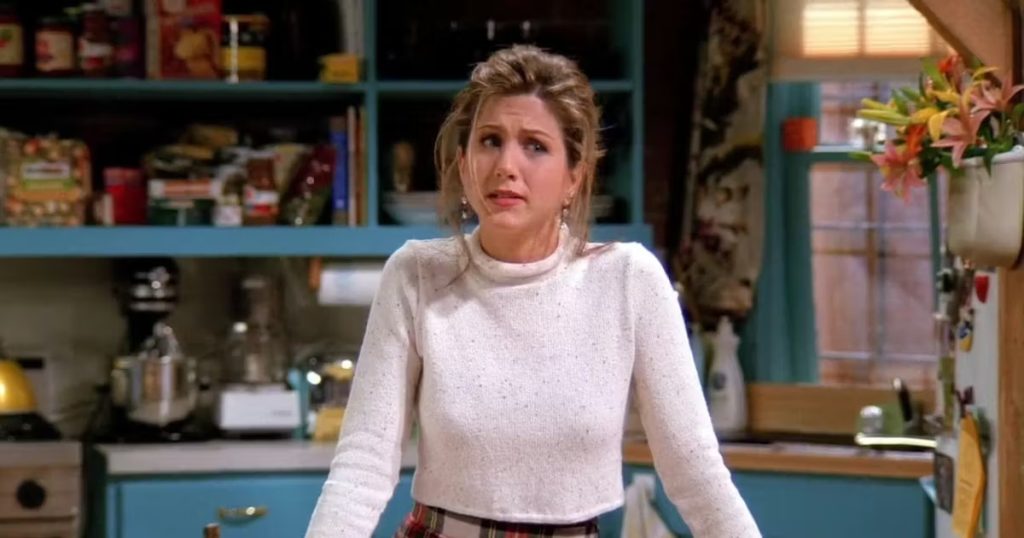
At the time, she was already attached to another television project, which meant her availability depended entirely on whether that show would succeed. That uncertainty made it difficult to fully commit to a new opportunity, even one with strong potential. When the original series failed, the situation shifted immediately, opening the door for her to join the cast. What had looked like a missed chance turned into the role that would define her career.
13. Hugh Jackman – Wolverine (X Men)
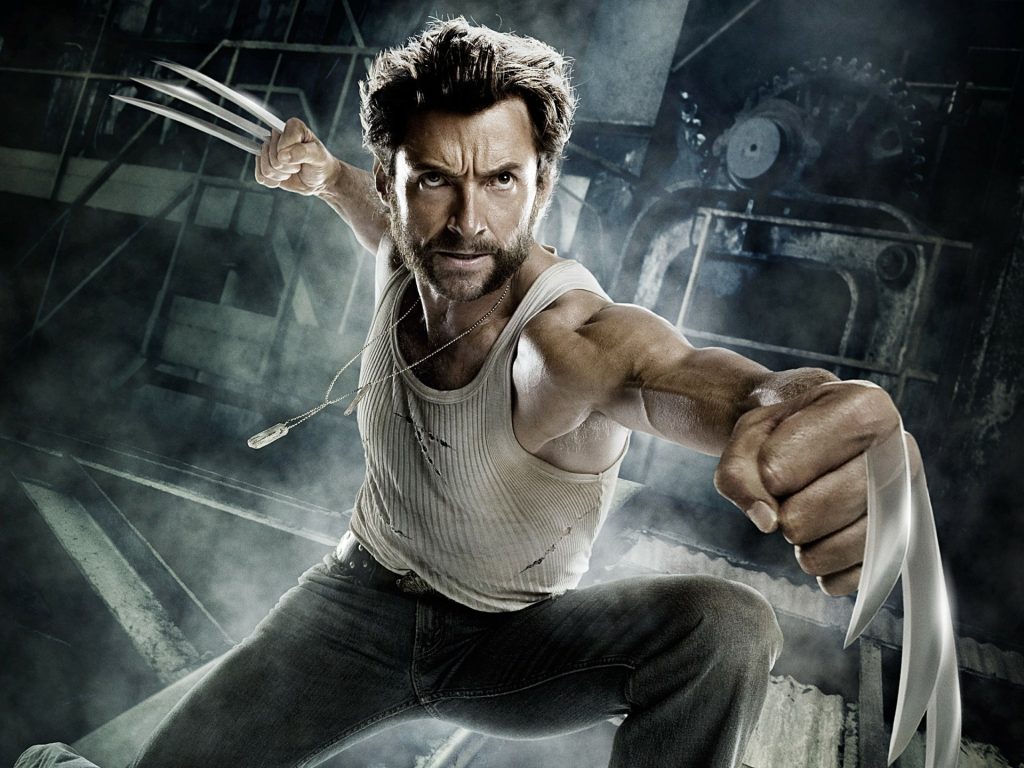
He was not part of the initial casting conversations and only entered the picture after several other actors dropped out or became unavailable. At that point, the role had already gone through multiple hands, making the situation uncertain. Despite arriving late in the process, he brought a level of intensity and commitment that quickly stood out. That unexpected opportunity turned into a performance that lasted nearly two decades and became inseparable from the character.
14. Will Smith – Agent J (Men in Black)
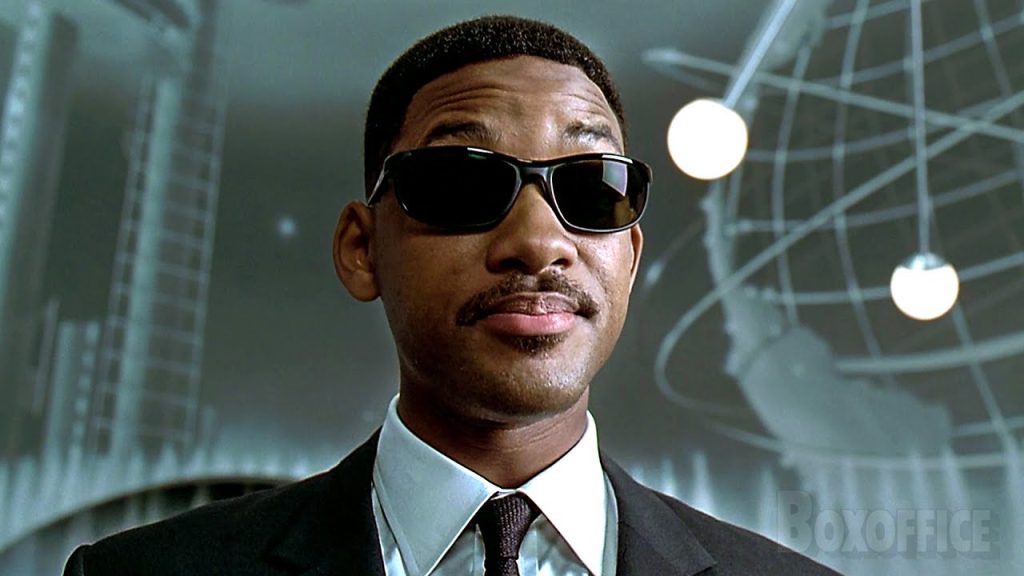
Following the success of another alien themed blockbuster, he was reluctant to take on a similar concept again, fearing it would limit how audiences perceived him. That concern led him to initially reject the role, even though the project had strong backing. A direct call from Steven Spielberg changed his perspective, offering reassurance about the tone and direction of the film. That moment shifted everything, leading him to accept a role that became one of his most recognizable.
15. Chris Hemsworth – Thor (Marvel Cinematic Universe)
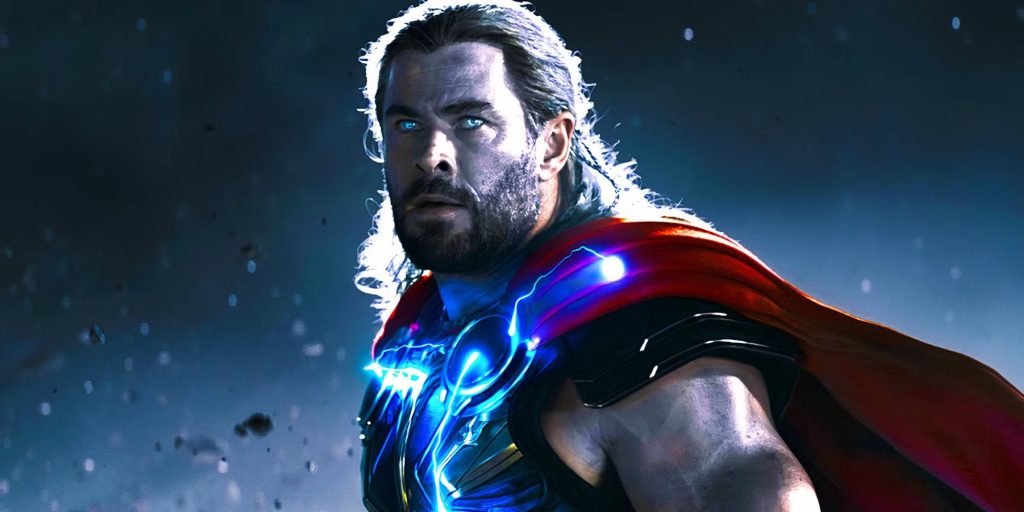
Early in the casting process, things did not go in his favor, and at one point his younger brother was actually closer to landing the role. That situation added an extra layer of frustration and uncertainty to an already competitive process. When a second opportunity came around, he approached the role with renewed focus and determination. That final audition made the difference, securing him a part that would launch him into global stardom.
16. Anne Hathaway – Andy Sachs (The Devil Wears Prada)
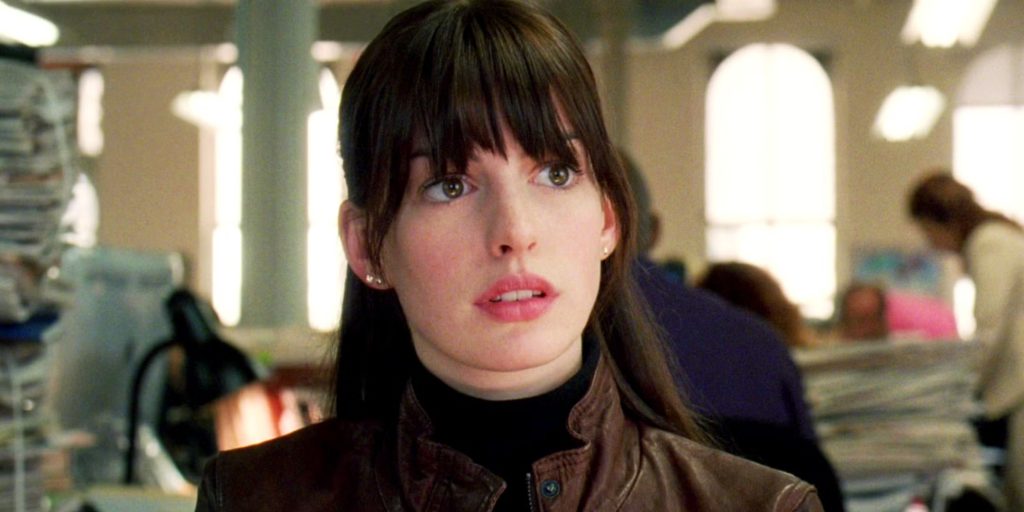
The studio had another actress in mind and pursued her repeatedly, which meant the role was not originally intended for her. That made the situation more challenging, as she had to actively push to be considered. Instead of waiting for the opportunity to come to her, she made her interest clear and worked to prove she was the right fit. That persistence paid off, leading to a performance that became one of the most recognizable in her career.
17. Whoopi Goldberg – Deloris (Sister Act)
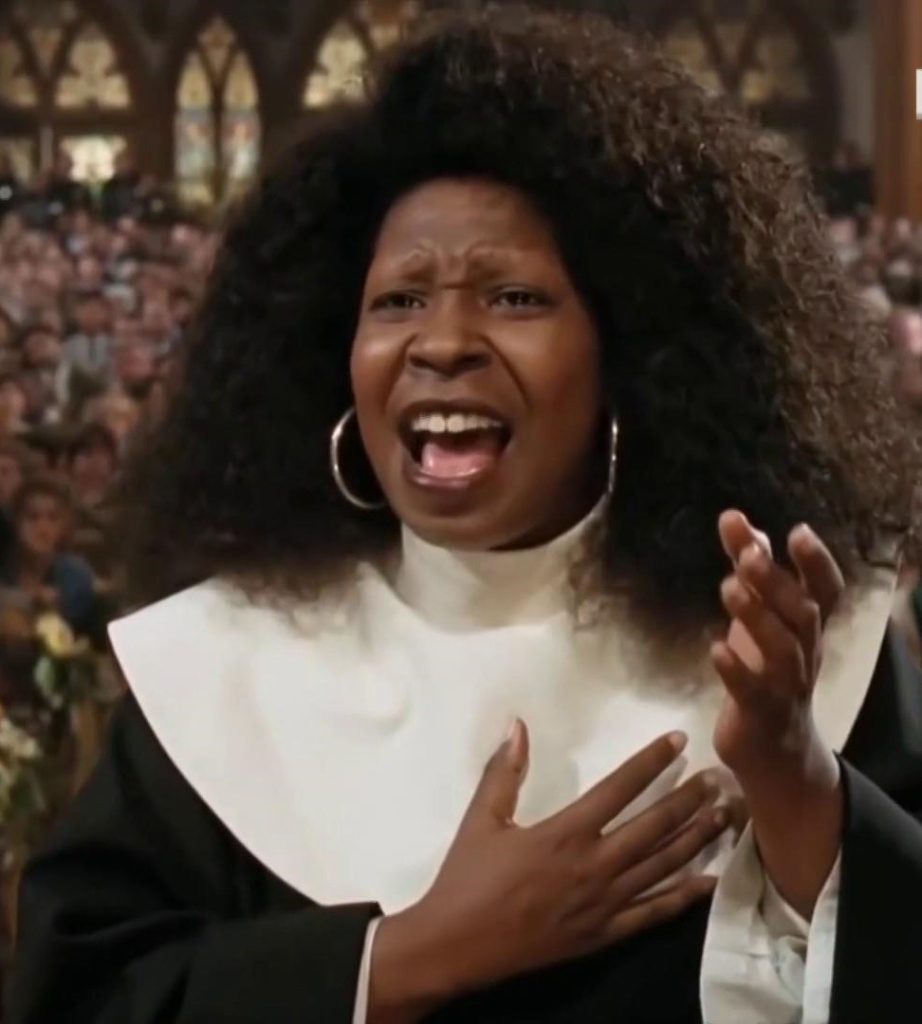
The role had originally been developed for a completely different type of performer, which meant the character’s tone did not align with what she would eventually bring to it. That difference could have easily kept her out of the project entirely. Once she became involved, the character was reshaped to fit her style, turning the film into something much more unique. Her interpretation ultimately defined the success of the story.
18. Al Pacino – Michael Corleone (The Godfather)
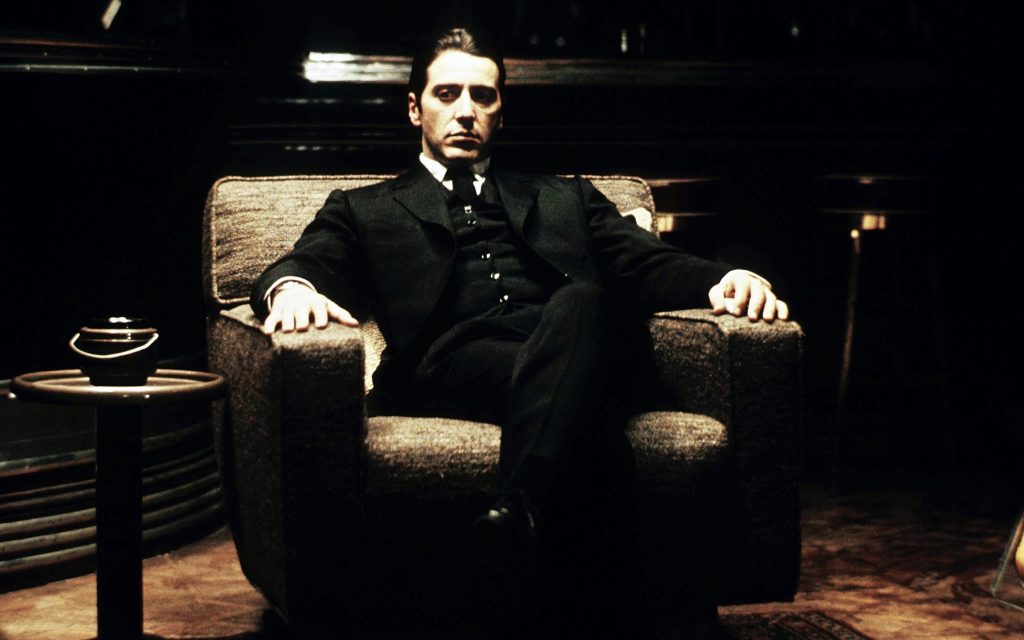
Before he took on the role, another major actor had the opportunity but chose to pass, believing it was not the right fit. At the time, the character did not seem as central as it would later become. That decision opened the door for a completely different interpretation, one that would redefine the genre. What followed was a performance that became one of the most influential in film history.
19. Jon Hamm – Don Draper (Mad Men)
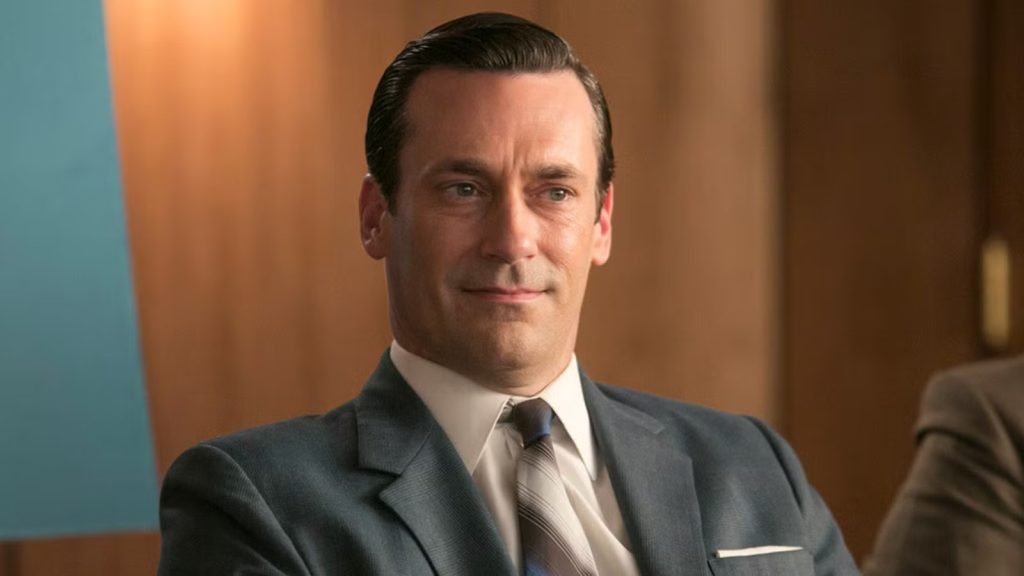
Securing the role required multiple auditions, with executives unsure whether he was the right choice. Each round added pressure, as a single weak performance could have ended his chances. The show’s creator remained confident in him, which kept him in the process despite doubts from others. That persistence paid off, leading to a portrayal that became the defining element of the series.
20. Jennifer Garner – Eve Saks (Dallas Buyers Club)
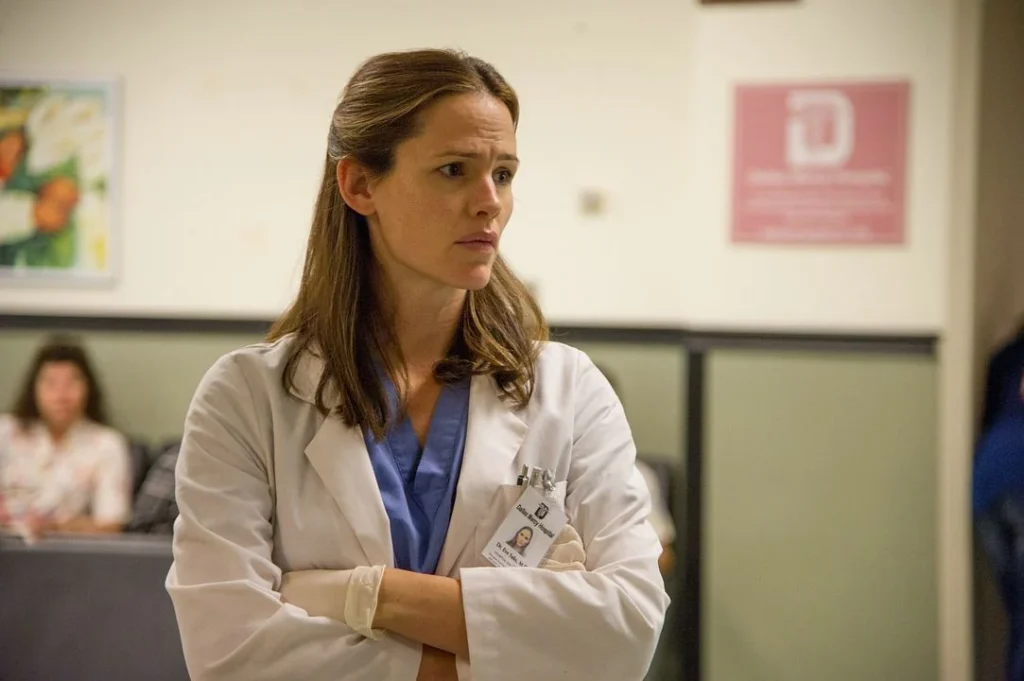
Balancing the demands of filming with her responsibilities as a new mother created a difficult situation, and at one point she seriously considered leaving the project. The challenge was not the role itself but the logistics of managing both parts of her life at once. Support from a co star helped her find a way to continue without sacrificing either side. That encouragement allowed her to stay and complete the film.
21. Lea Michele – Rachel Berry (Glee)
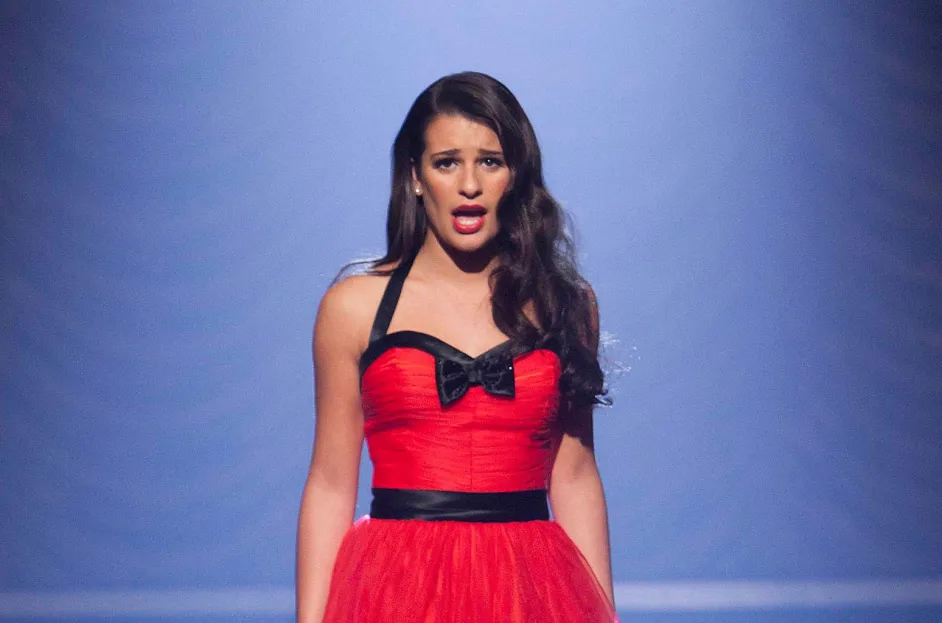
Just before her audition, she was involved in a serious car accident that could have easily prevented her from showing up at all. Despite the shock of the situation, she chose to go anyway, arriving shaken but determined. That moment of commitment made a strong impression and helped secure the role. It became a turning point that launched her into mainstream recognition.
22. Ralph Macchio – Daniel LaRusso (The Karate Kid)
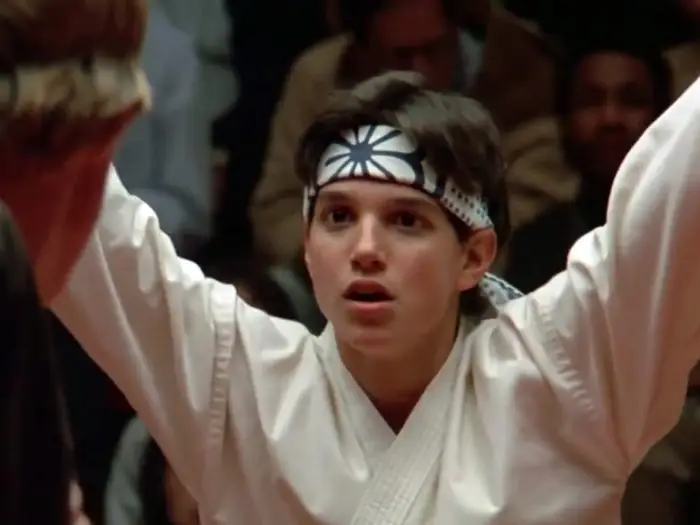
The role was highly competitive, with several well known actors being considered at the same time. Even after early interest, nothing was guaranteed, and the process remained uncertain throughout. Watching others audition made it clear how easily the decision could go in another direction. In the end, he secured the part, but only after navigating a casting process that was far from straightforward.
23. Matthew Perry – Chandler Bing (Friends)
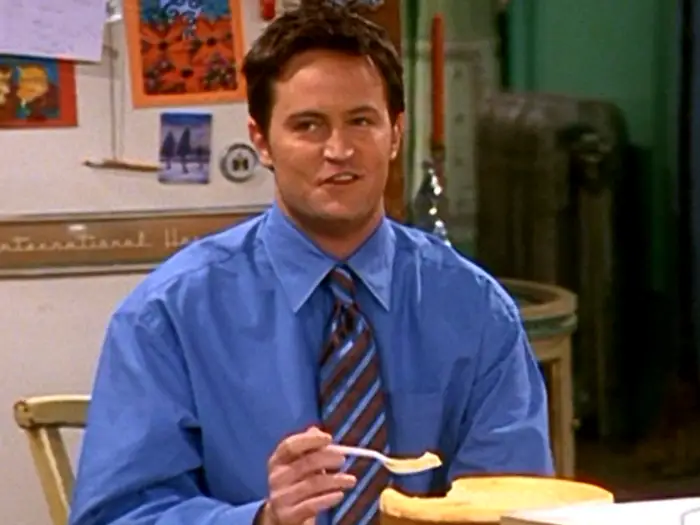
He was already committed to another series, which created a scheduling conflict that made casting him complicated. Even though he was seen as a strong fit for the role, timing worked against him. When that initial project failed, everything shifted, allowing him to step into the opportunity. That unexpected change led to one of the most beloved comedic performances in television.
24. Jim Parsons – Sheldon Cooper (The Big Bang Theory)
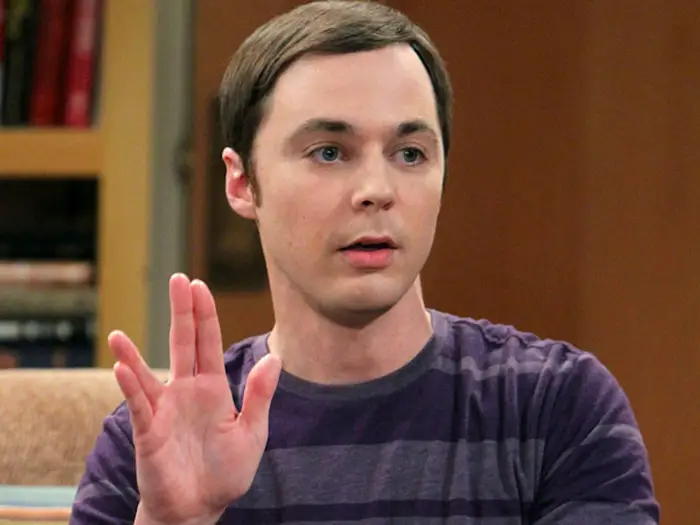
Not everyone involved in the casting process was convinced after his first audition, with concerns about whether his performance could be consistently replicated. That uncertainty put his chances at risk despite a strong initial impression. A second audition removed those doubts completely, proving that his interpretation was not a one time moment. That clarity secured him the role and helped shape the identity of the show.
25. Hugh Jackman – Wolverine (Original Casting Process)
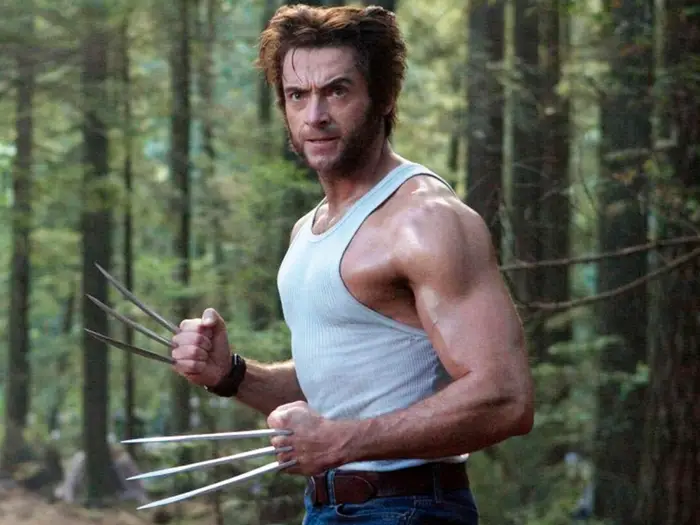
Before he ever stepped into the role, several other actors had already been considered or attached to the character, making him an unexpected choice when the opportunity finally reached him. The project had gone through multiple changes, and nothing felt certain at that stage. His arrival brought a new energy that quickly stood out, turning what seemed like a backup option into the definitive version of the character.
26. Aaron Paul – Jesse Pinkman (Breaking Bad)
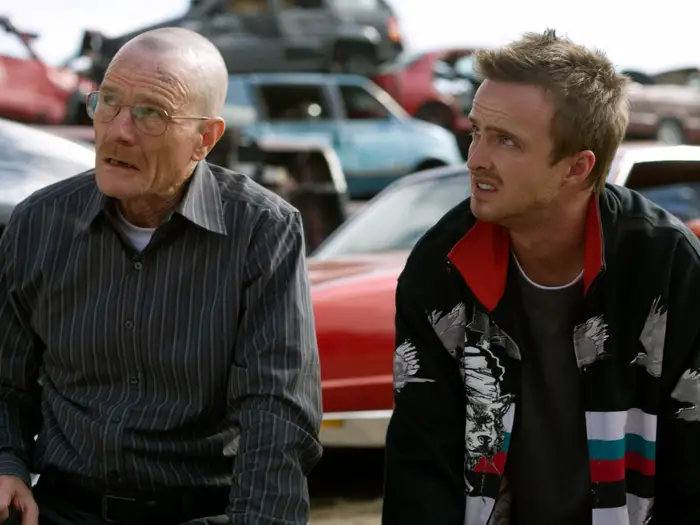
Despite delivering a strong audition, network executives were not convinced he was the right choice for the role, and there was real pressure to cast someone else. The creator of the show saw something different and refused to move forward without him. That level of insistence was rare, but it ultimately secured his place in the series. The result was a performance that became central to the show’s success.
27. Will Smith – Neo (The Matrix)
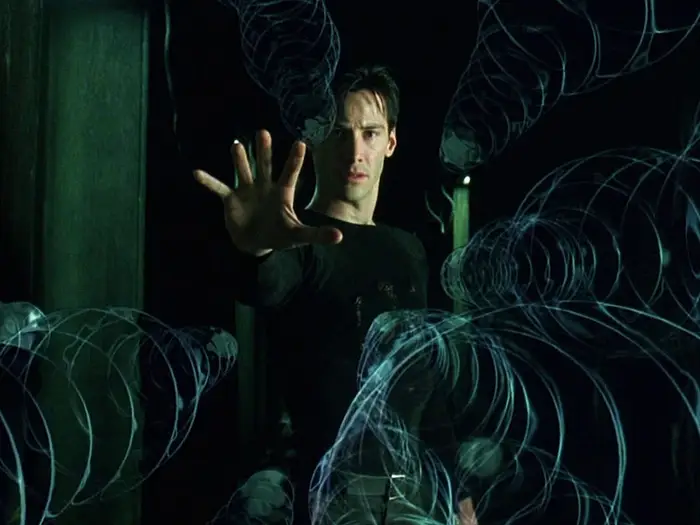
When the role was offered, the concept of the film felt confusing and difficult to grasp, which made it hard for him to fully connect with the project. That uncertainty led him to pass on the opportunity, choosing instead to focus on other work. In hindsight, it became one of the most famous missed roles in Hollywood, especially considering how closely the character became tied to another actor.
28. Tom Selleck – Indiana Jones (Raiders of the Lost Ark)
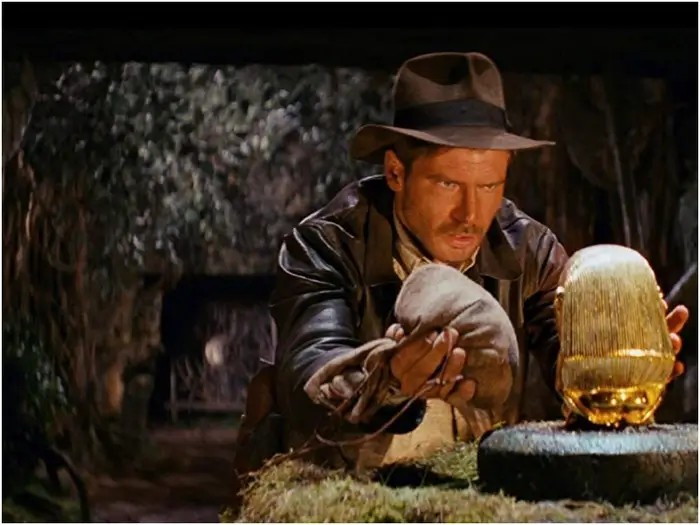
He was actually offered the role and wanted to take it, but contractual obligations to a television series prevented him from accepting. The decision was not entirely his, as scheduling conflicts made it impossible to commit. That situation forced the production to look elsewhere, leading to a casting choice that would become iconic. What seemed like bad timing ended up shaping film history.
29. Morgan Freeman – Red (The Shawshank Redemption)
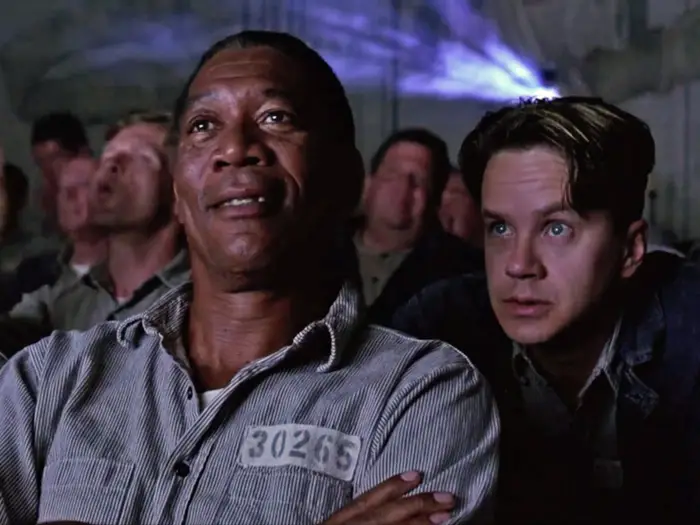
When he first learned about the character, the original description did not match him at all, which created hesitation about whether he was the right fit. That disconnect made the role feel uncertain at the beginning. Once it became clear that the adaptation would reinterpret the character, the concern faded. That shift allowed him to deliver a performance that became one of the most respected in modern cinema.
30. Helena Bonham Carter – Bellatrix Lestrange (Harry Potter)
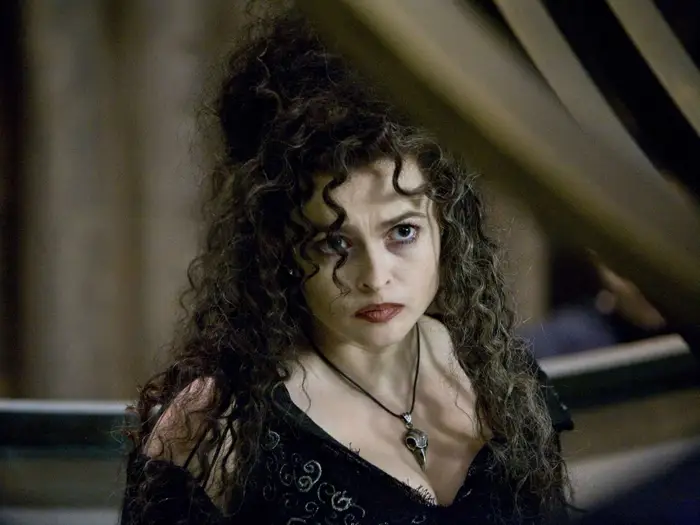
The role had initially been intended for another actress who had to step away due to personal circumstances, which meant the casting changed late in the process. That unexpected opening created an opportunity that had not existed before. Stepping into the role, she brought a chaotic intensity that completely redefined the character. What began as a replacement turned into one of the most memorable performances in the series.