For many fans, revisiting the wizarding world means moving back and forth between the original novels and the blockbuster films, and noticing all the ways the two versions of the story diverge. This article looks at 30 notable differences between the “Harry Potter” books and their movie adaptations, from missing characters and altered backstories to reimagined battles and relationships. Some changes were made to save time or simplify the plot, while others shift the tone or emphasis of key scenes. Taken together, these comparisons highlight how the same story can feel familiar and surprisingly different depending on whether you are turning pages or watching the screen.
Harry’s Eye Color
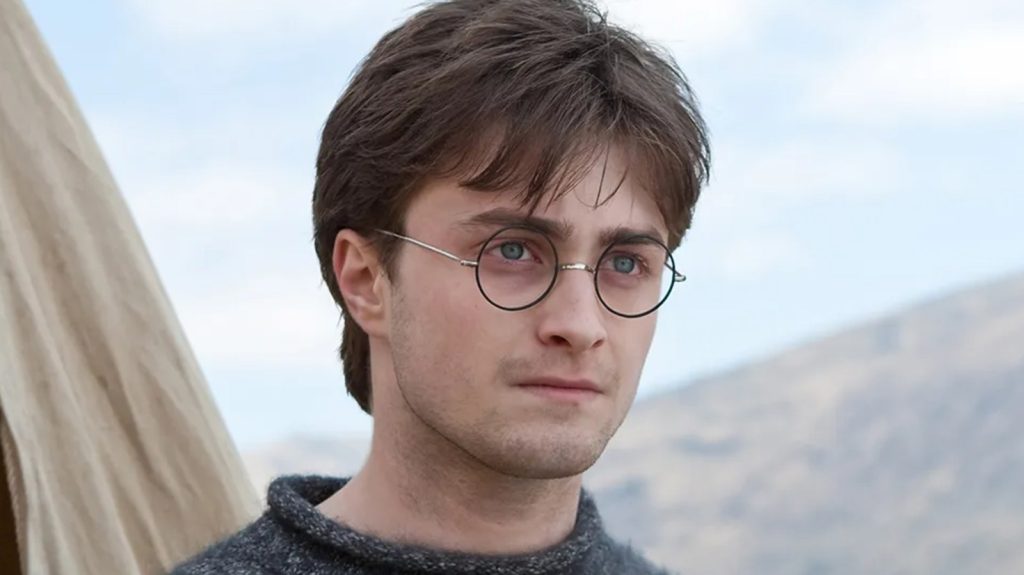
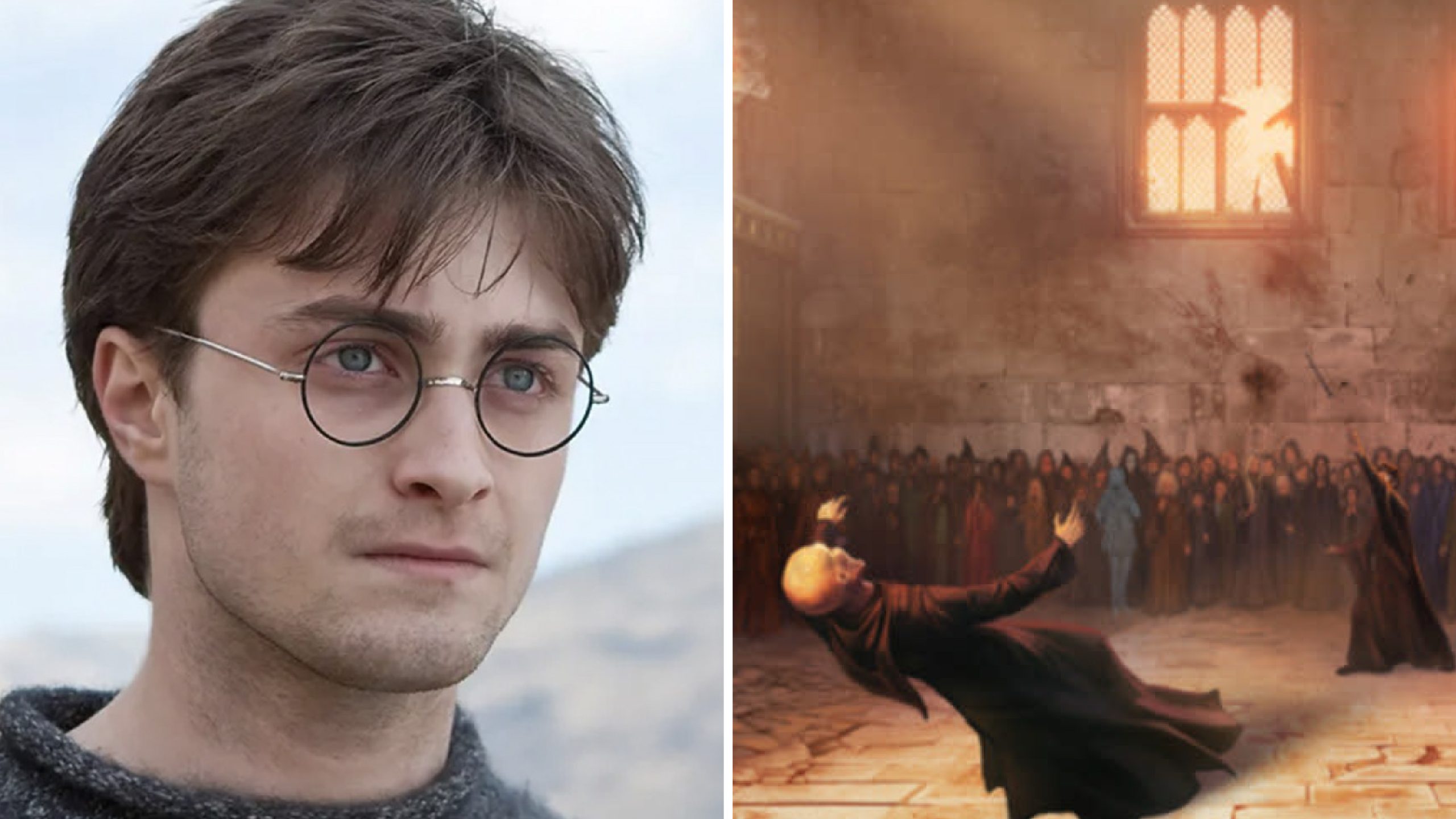
In the books, Harry is repeatedly described as having bright green eyes that strongly resemble his mother Lily’s, something other characters comment on often. In the films, Daniel Radcliffe appears with blue eyes because he reportedly reacted badly to colored contact lenses, so the adaptation kept his natural eye color and dropped most mentions of the green.
Hermione’s Appearance
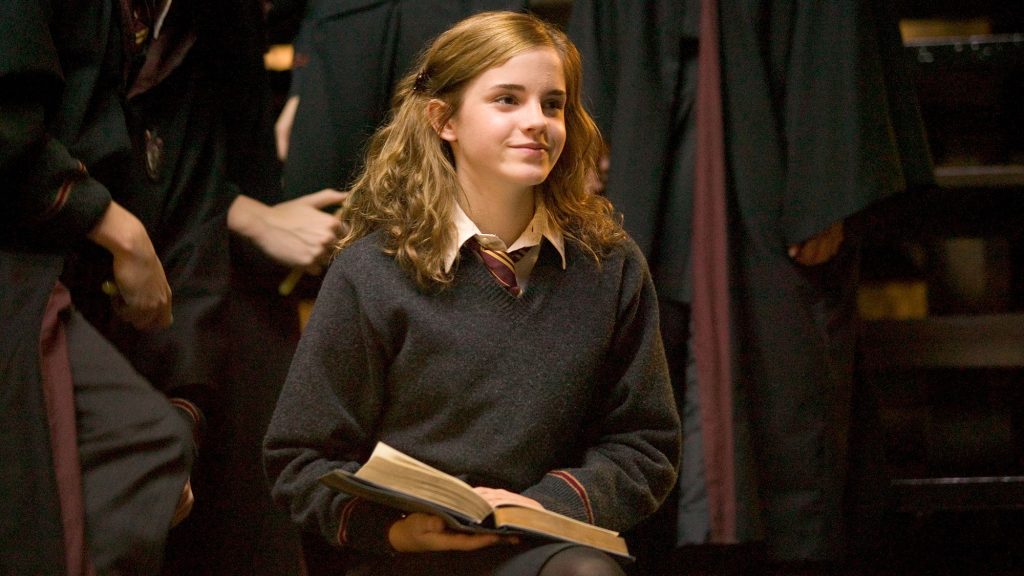
J.K. Rowling’s Hermione is introduced with very bushy hair and prominent front teeth that set her apart from many classmates. On screen, Emma Watson’s version keeps the frizzy hair in the first films but quickly shifts toward a more conventionally polished look, and the dental detail is mentioned only briefly before being abandoned.
Peeves The Poltergeist
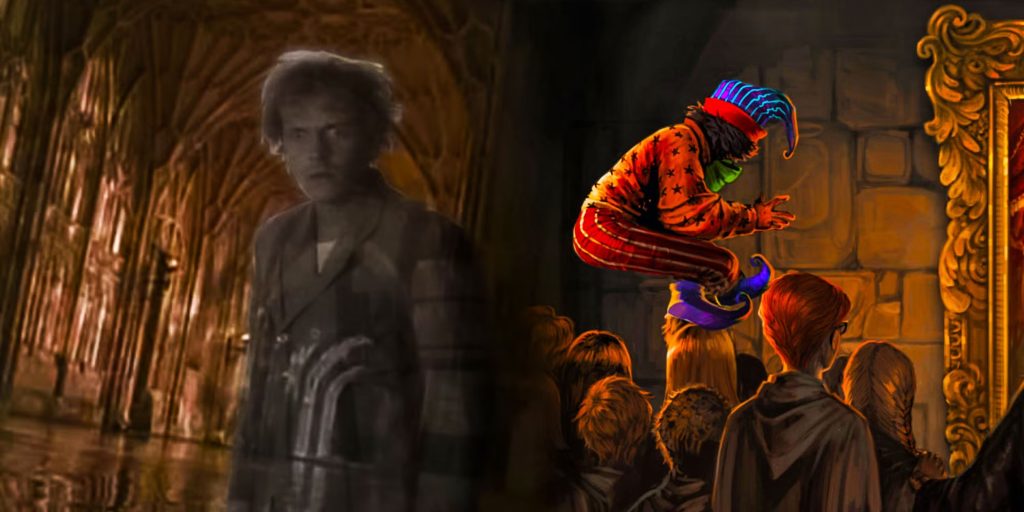
The books feature Peeves, a chaotic poltergeist who constantly causes trouble at Hogwarts and appears throughout multiple school years. Despite his frequent role in the novels, he is completely absent from the films, which remove that comic thread from the school corridors.
The Hogwarts House Point System
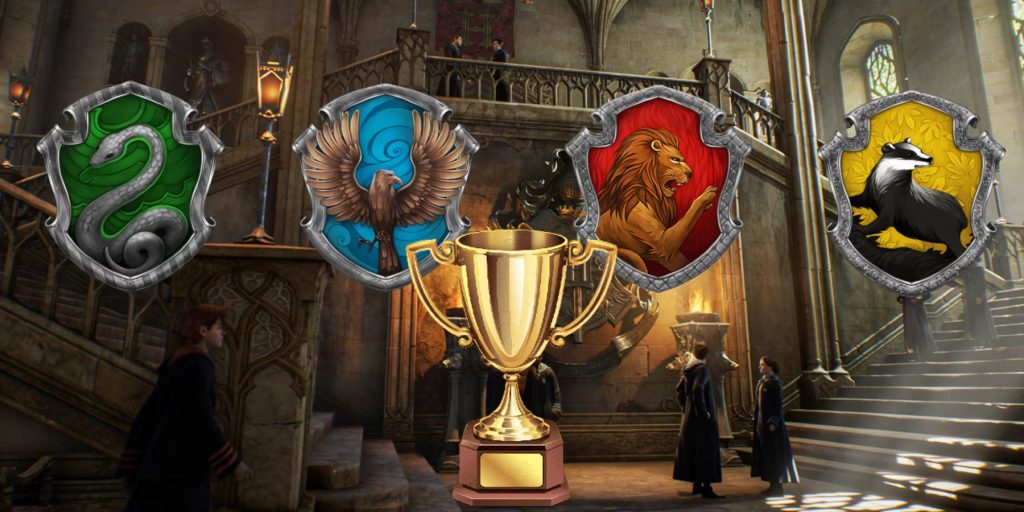
In the early books, the winning and losing of house points is a constant background detail that reinforces student behavior and rivalry. The films use the point hourglasses and the final points tally in the first story but largely drop the ongoing point competition as the series goes on.
Neville’s Development
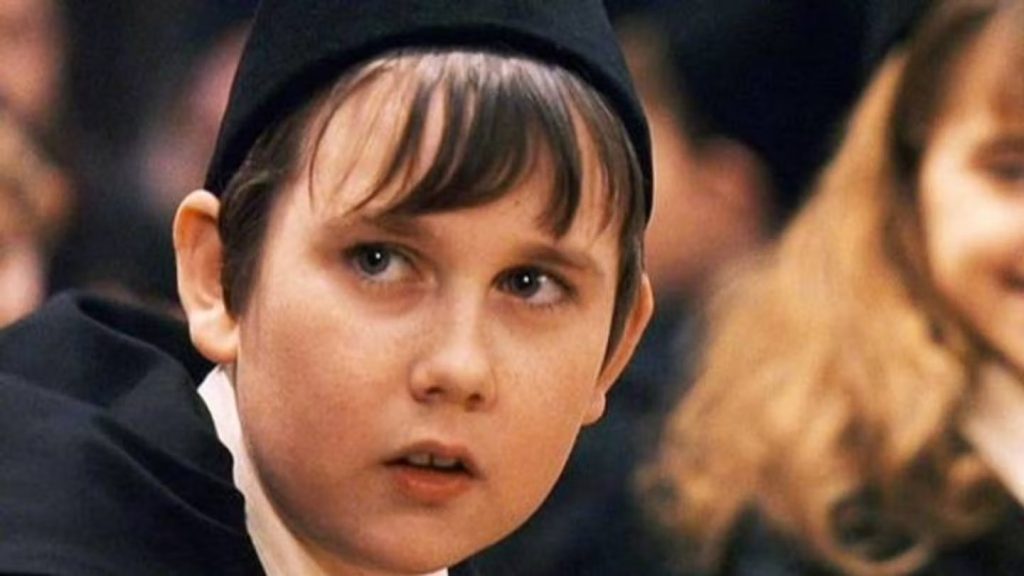
Neville Longbottom has a slow burn arc in the books, where his family history, insecurities, and growth as a competent wizard get detailed attention. The movies keep key moments, like retrieving the Sword of Gryffindor, but trim many of the smaller scenes that show how steadily he changes over seven years.
Ginny’s Personality
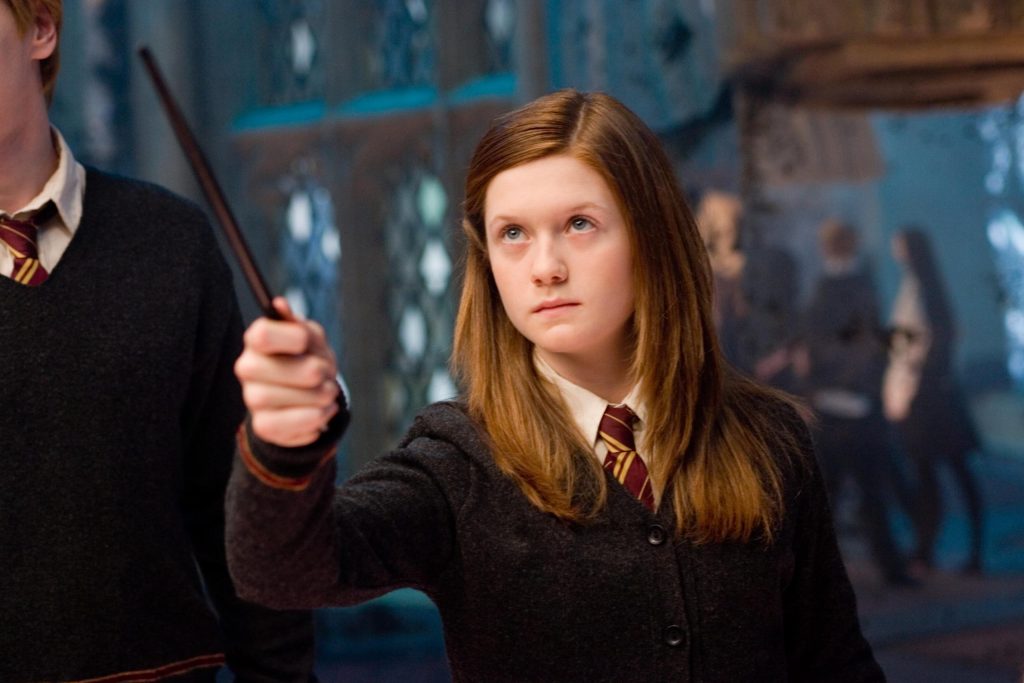
On the page, Ginny Weasley moves from shy younger sister to a confident, funny, and athletically talented character who dates, jokes, and stands up to authority. In the films, her lines and screen time are reduced, which leaves some viewers feeling that her relationship with Harry and her personality appear more subdued than in the books.
Ron’s Role And Humor
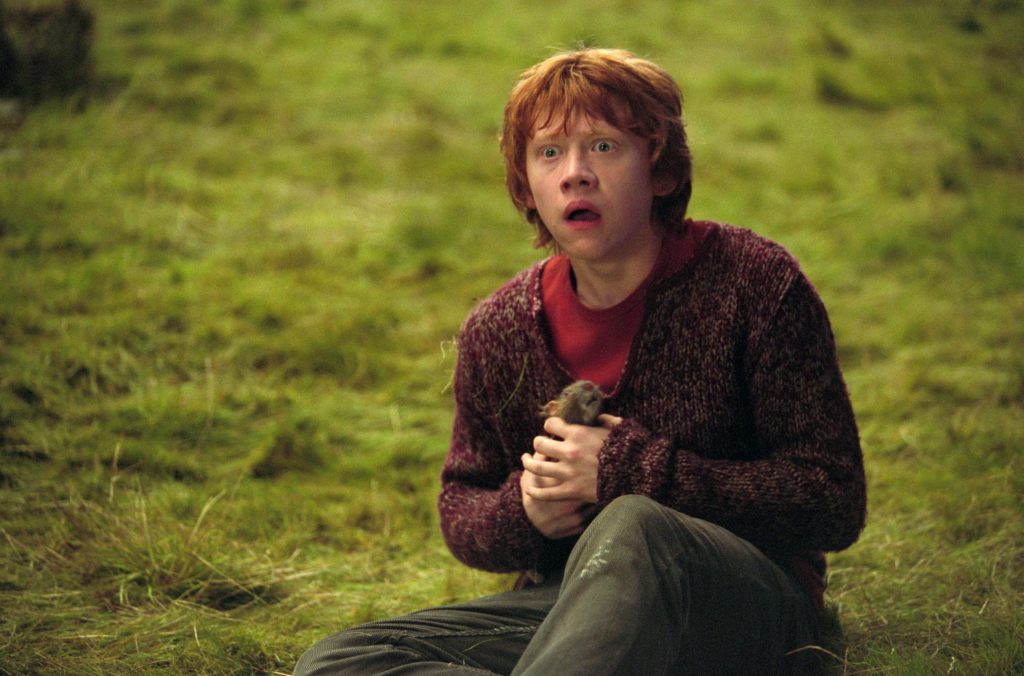
Book Ron combines loyalty, insecurity, jealousy, and a lot of comic commentary, often acting as emotional glue between Harry and Hermione. Several of his wittier lines and problem solving moments are reassigned to Hermione or removed in the films, which can make him seem more like backup than an equal partner in the trio.
Dobby’s Appearances
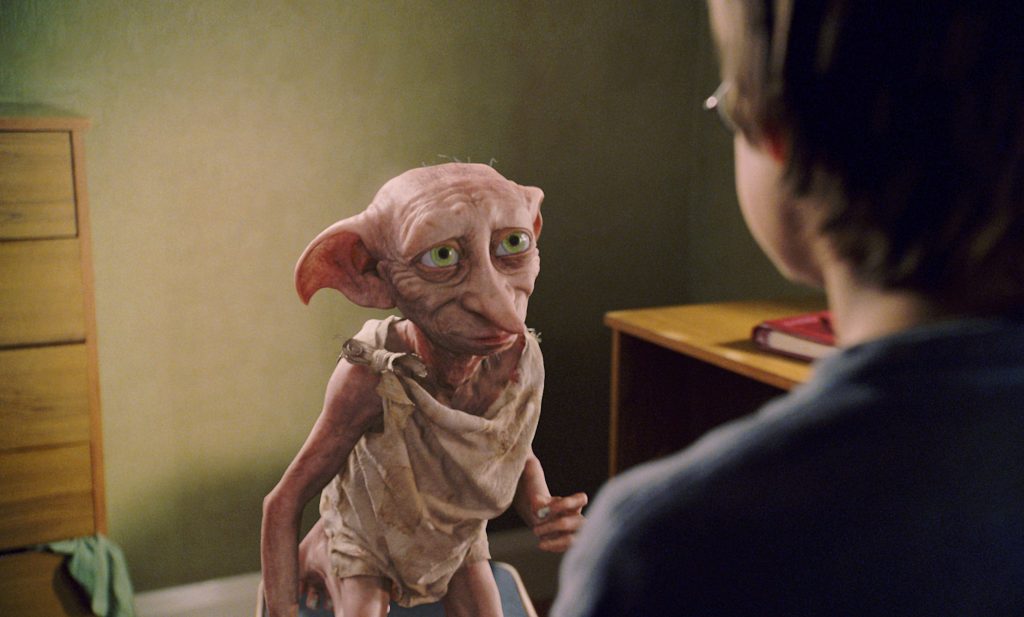
Dobby the house elf shows up repeatedly in the novels, including important roles in “Goblet of Fire” and “Order of the Phoenix,” and a major part in “Deathly Hallows.” The films include his introduction in “Chamber of Secrets” and bring him back only for his final storyline, skipping several of his earlier contributions.
Winky And The House Elf Subplot
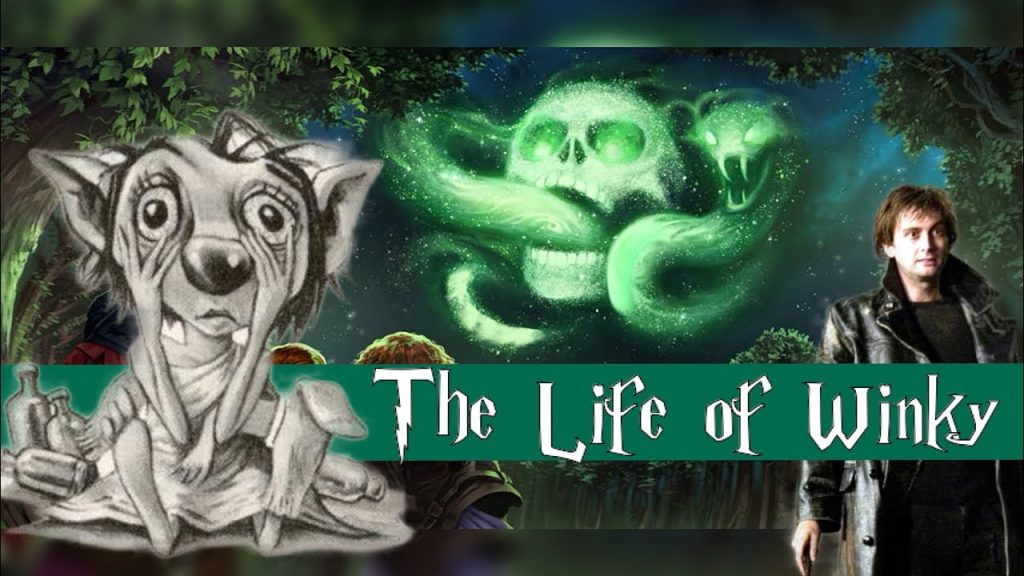
The books introduce Winky, a house elf tied to the Crouch family, and use her story to explain the Quidditch World Cup chaos and parts of the Triwizard Tournament plot. She does not appear in the films, which also cut most of the broader house elf and S.P.E.W. material that shapes how viewers understand magical society.
S.P.E.W. And Hermione’s Activism
Hermione founds the Society for the Promotion of Elfish Welfare in the books, spending much of “Goblet of Fire” trying to improve house elf working conditions. The films omit S.P.E.W. entirely, removing that strand of social activism from her character and leaving house elves mostly in the background.
Ludo Bagman’s Absence
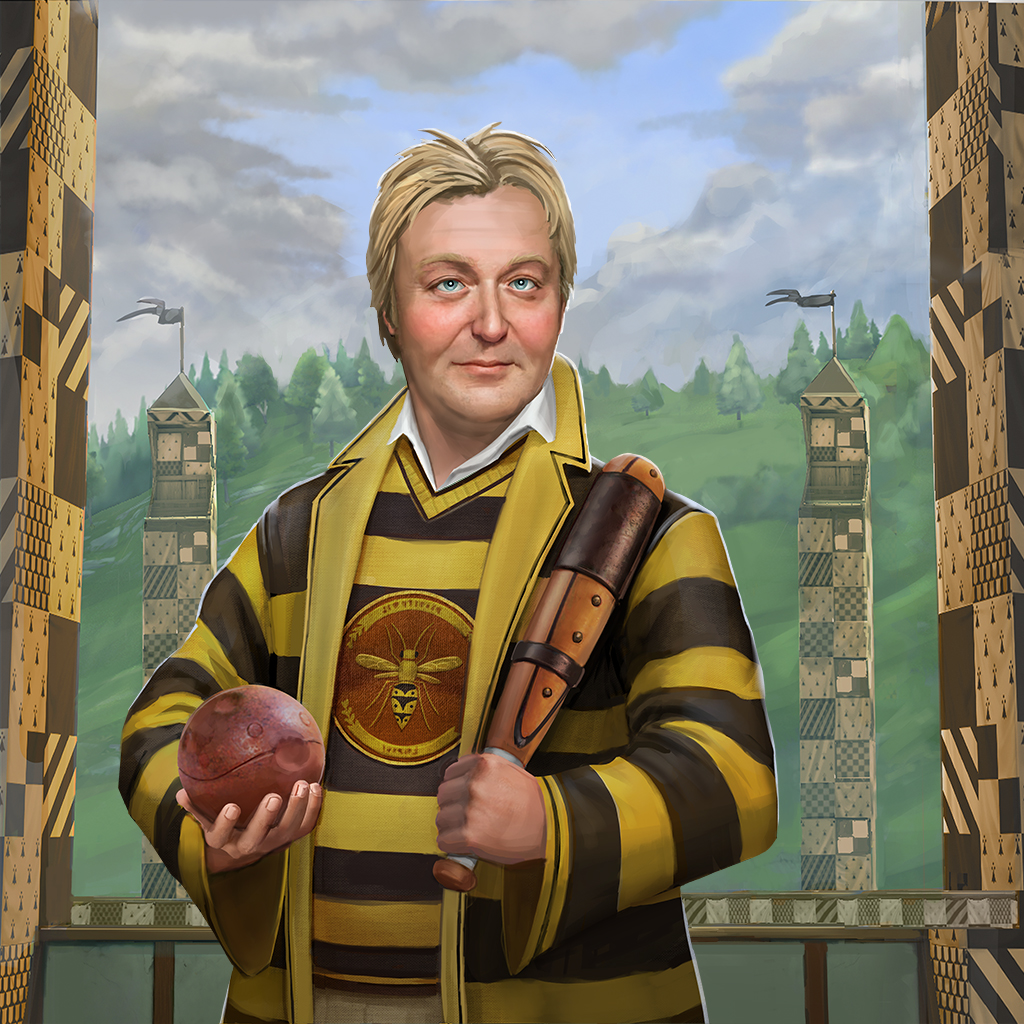
In “Goblet of Fire,” Ludo Bagman is a chatty Ministry official involved with the Triwizard Tournament and multiple gambling subplots. He is left out of the movie adaptation, which streamlines the Ministry presence and removes those side stories about bets and debt.
The Marauders’ Identity
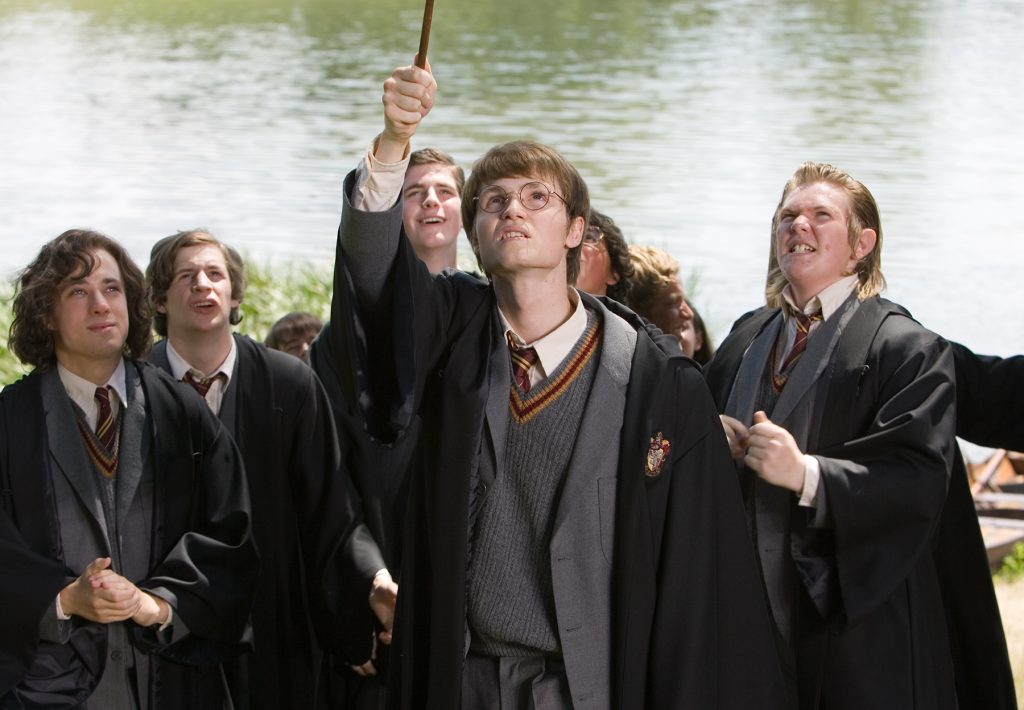
The books clearly explain that Moony, Wormtail, Padfoot, and Prongs are Lupin, Pettigrew, Sirius, and James, tying them to the Marauder’s Map and to Harry’s past. In “Prisoner of Azkaban” the film only hints at this connection, never fully spelling out who created the map or what the nicknames mean.
The Deathday Party
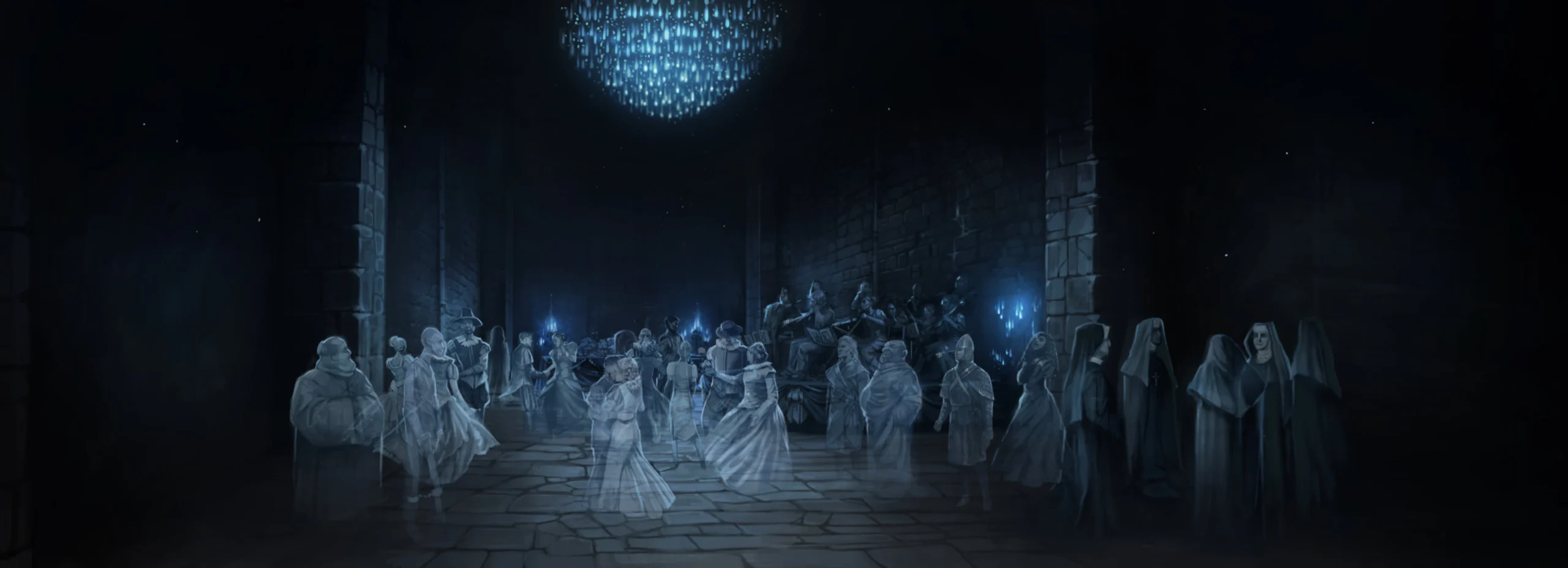
In “Chamber of Secrets,” Harry, Ron, and Hermione attend Nearly Headless Nick’s five hundredth deathday party, meeting more of Hogwarts’ ghosts. The film skips this episode entirely.
The Quidditch World Cup Gameplay
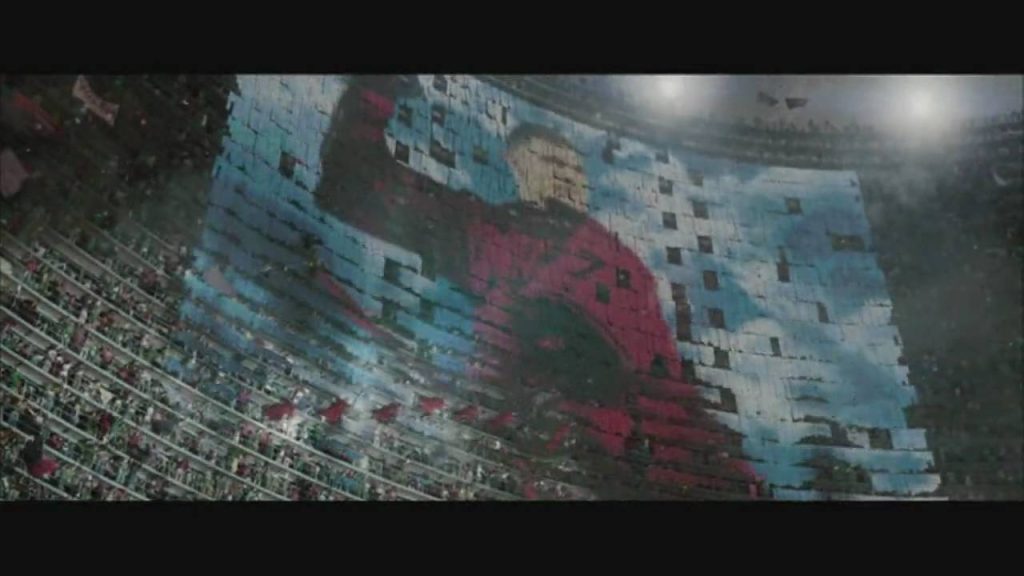
The novel version of the Quidditch World Cup goes into detail about the match between Ireland and Bulgaria, including specific moves and Viktor Krum’s performance. The film shows the stadium but skips the game action.
Percy Weasley’s Conflict
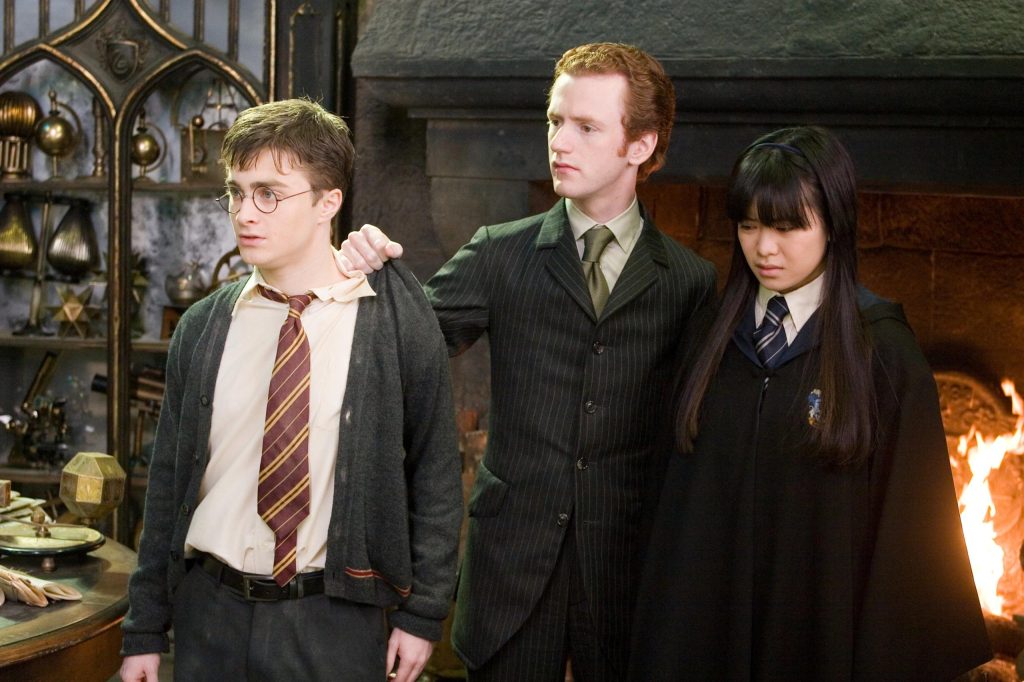
Later books make a point of Percy breaking with his family over Ministry politics and then slowly reconciling. The movies keep Percy mostly in the background.
Rita Skeeter’s Animagus Secret
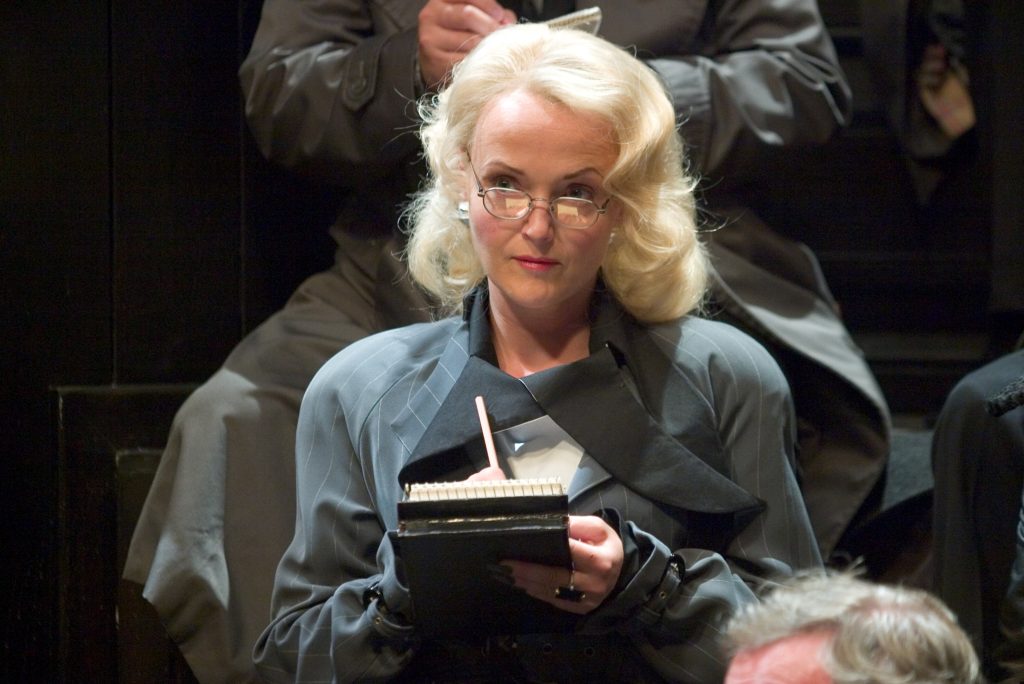
In the books, Hermione discovers that Rita Skeeter is an unregistered beetle Animagus, explaining her access to private conversations. The movies never reveal this twist.
Kreacher’s Expanded Backstory
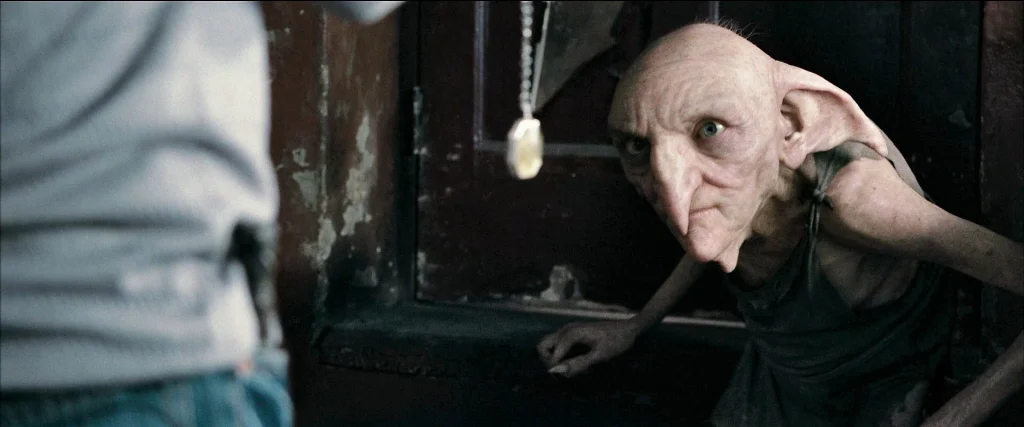
The novels give Kreacher a detailed backstory involving Regulus Black, the locket Horcrux, and his shifting loyalty. The films reduce much of this history.
St Mungo’s Hospital Visit
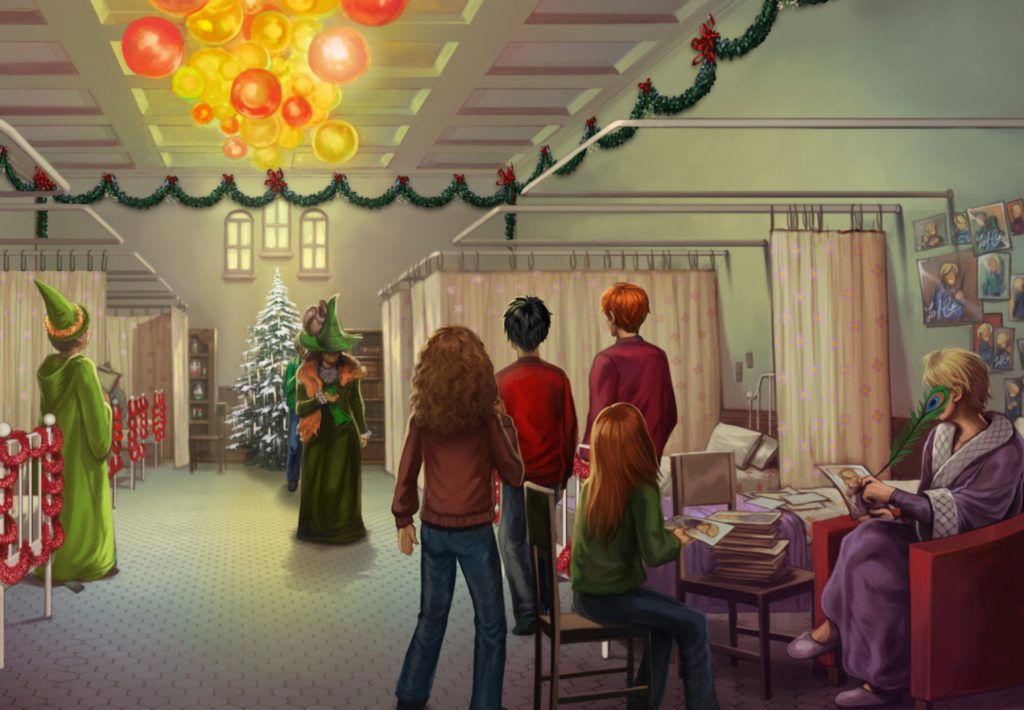
In “Order of the Phoenix,” Harry and his friends visit St Mungo’s Hospital and meet Neville’s parents. The film omits the hospital entirely.
Dudley’s Reconciliation
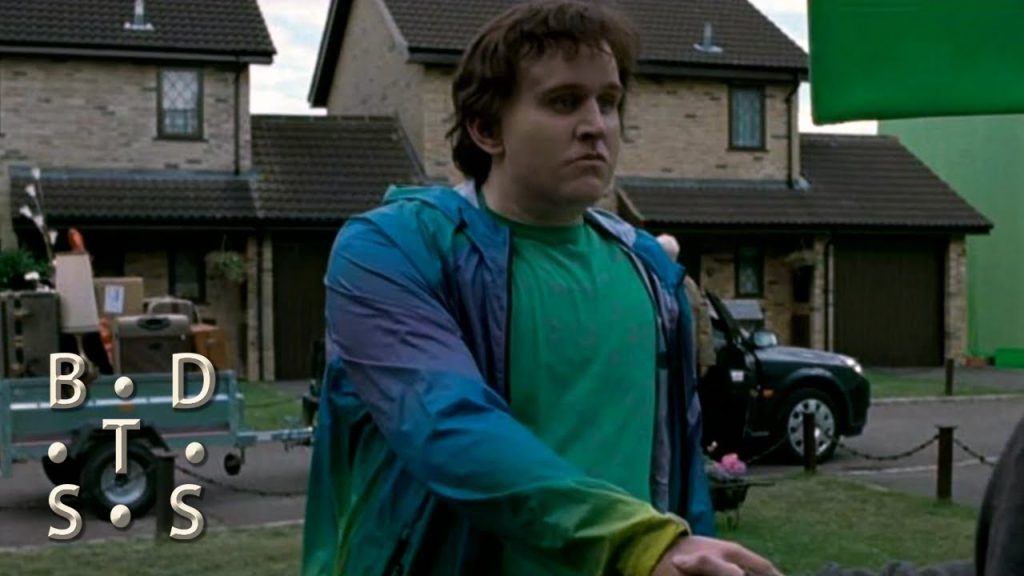
The final book includes a brief moment where Dudley awkwardly acknowledges caring about Harry. The films skip this, though an extended version was filmed but not used.
Tom Riddle’s Family History
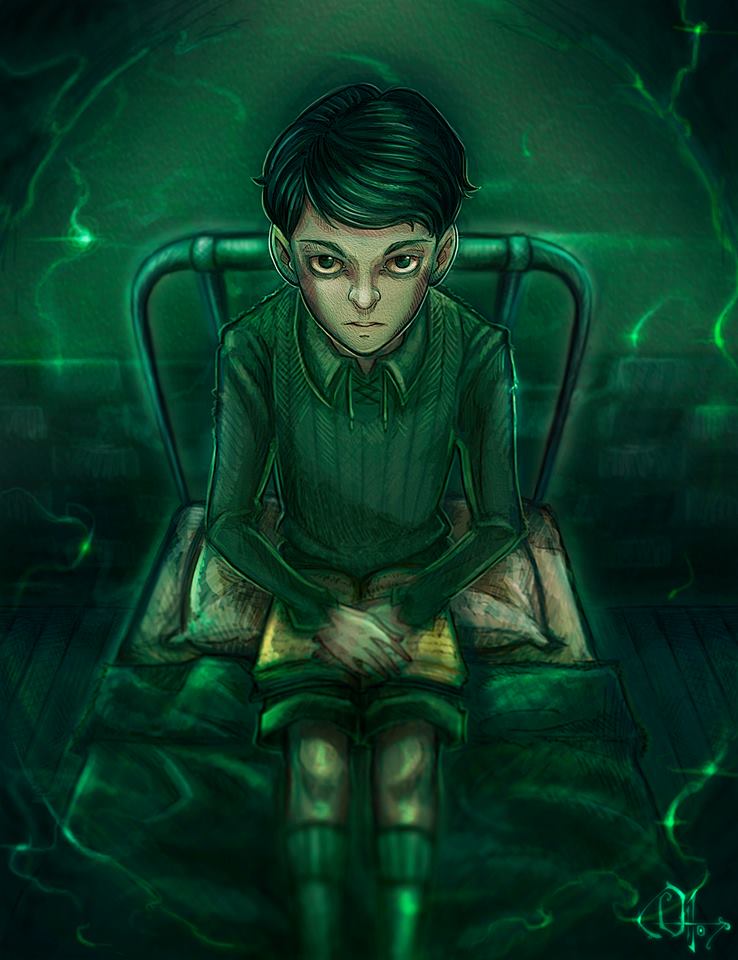
The sixth book explores Riddle’s family, including the Gaunts and the origins of his prejudices. The film trims these memories to focus on school age Riddle.
The Muggle Prime Minister
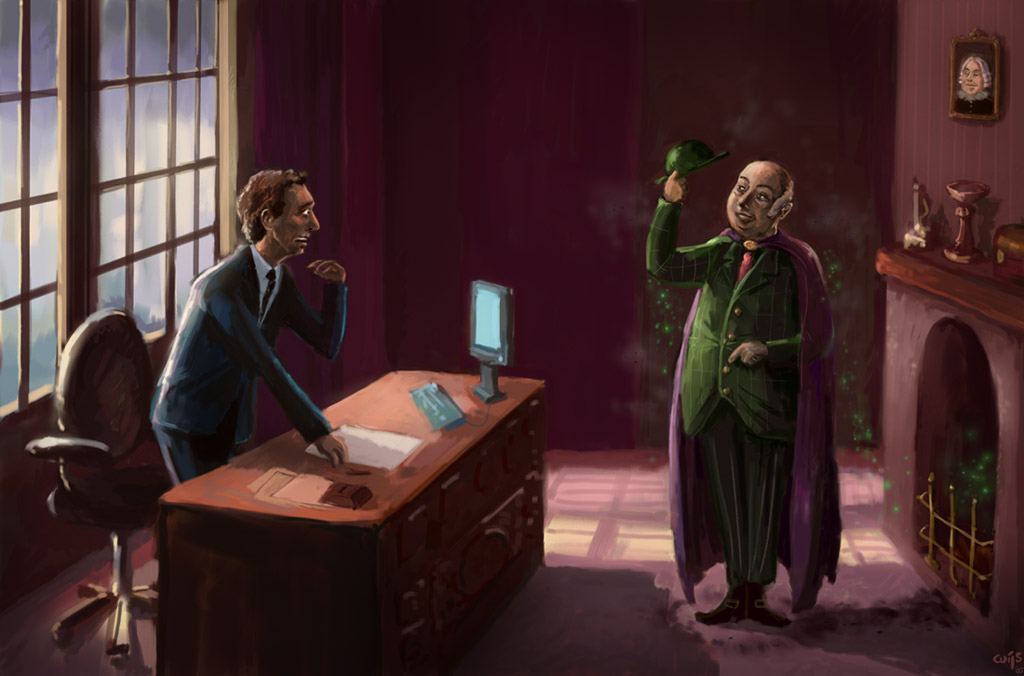
The “Half Blood Prince” novel opens with the Muggle Prime Minister meeting Fudge. The film swaps this for visual scenes of Death Eater attacks.
The Battle At The Burrow
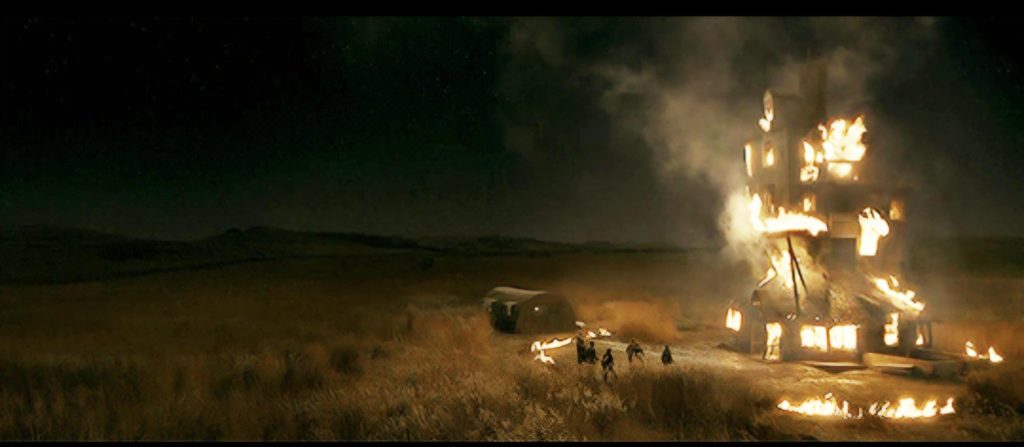
A surprise attack on the Burrow appears in the “Half Blood Prince” film but does not happen in the books.
Dumbledore’s Death And Funeral
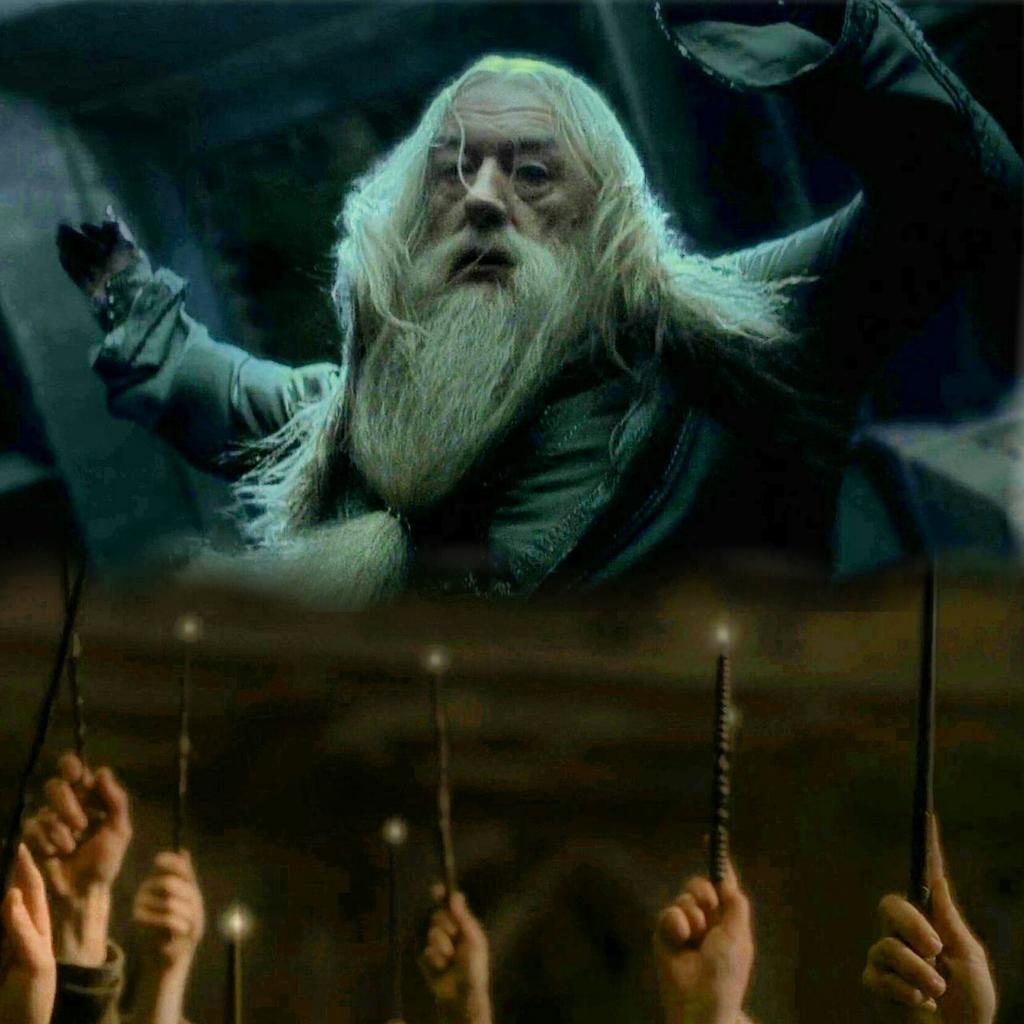
The books include a full funeral for Dumbledore. The film shows tributes but omits the full ceremony.
The Hogwarts Battle In Half Blood Prince
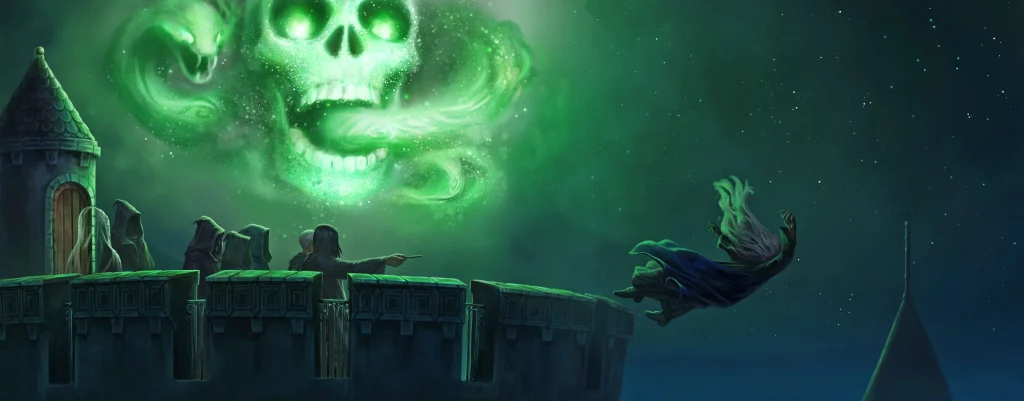
The sixth novel features a Hogwarts battle after Dumbledore’s death. The film omits this fight entirely.
The Elder Wand’s Ownership Trail
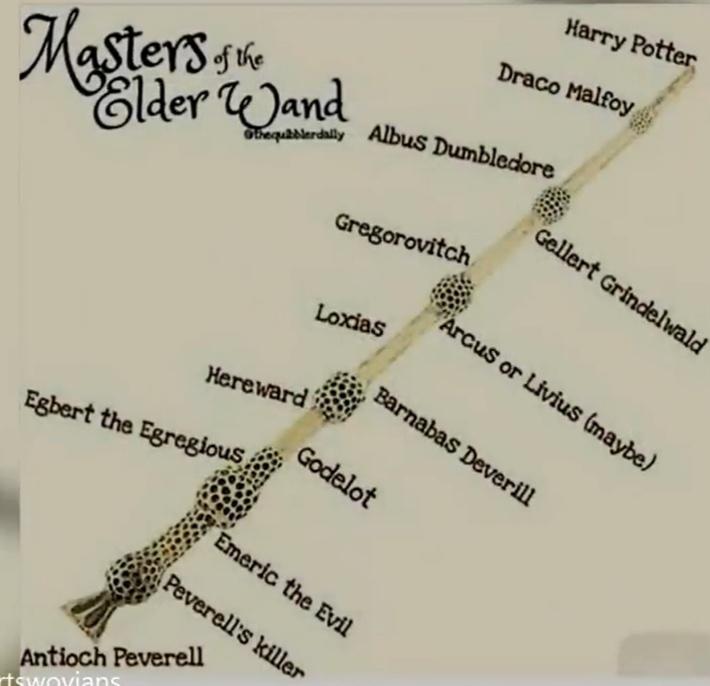
The final book traces the Elder Wand’s allegiance through several duels. The films simplify this history.
The Fate Of Wormtail
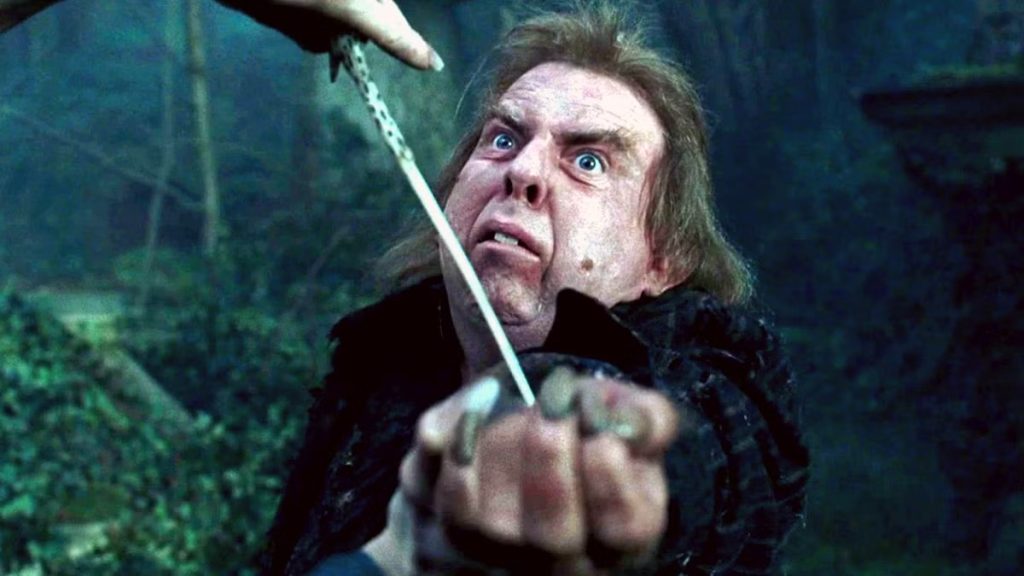
In the book, Wormtail hesitates and his silver hand turns on him. The films minimize this scene.
Who Protects Harry In The Shrieking Shack
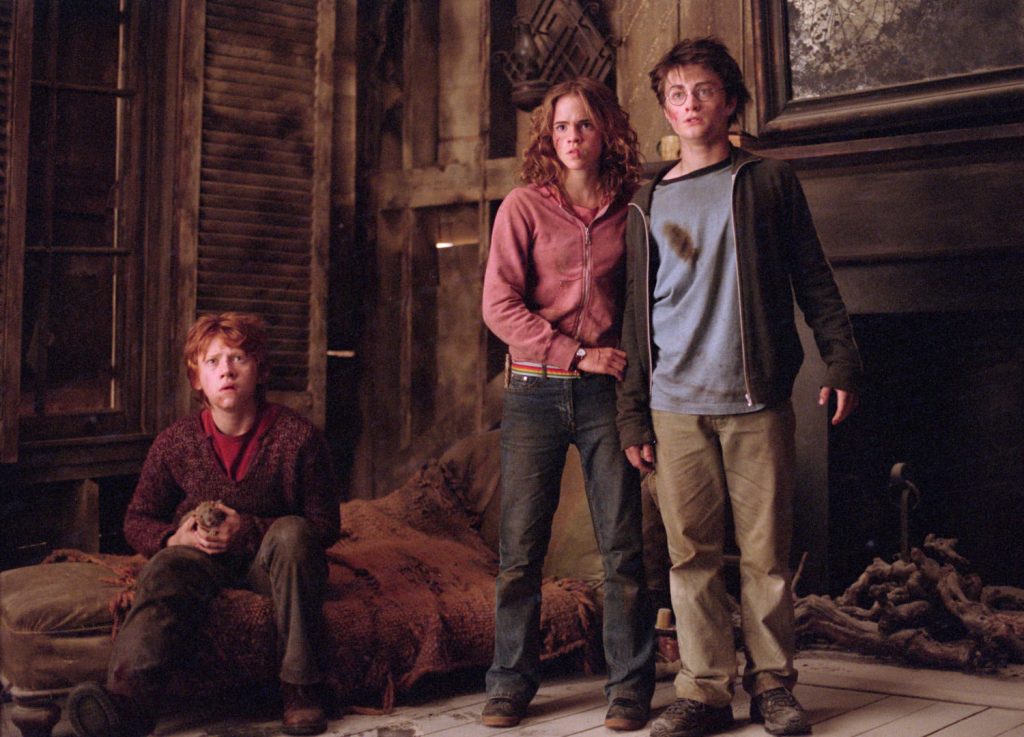
Book Ron tries to defend Harry despite his injury. The film gives this moment to Hermione.
The Epilogue Details
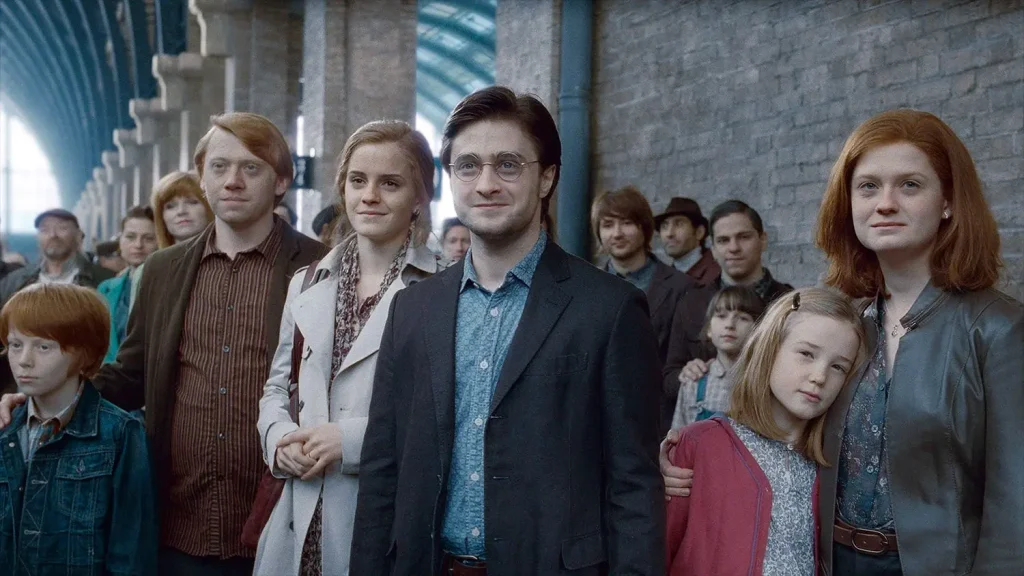
The book’s epilogue details jobs, children’s names, and world changes. The film condenses this information.
Charlie Weasley’s Missing Role
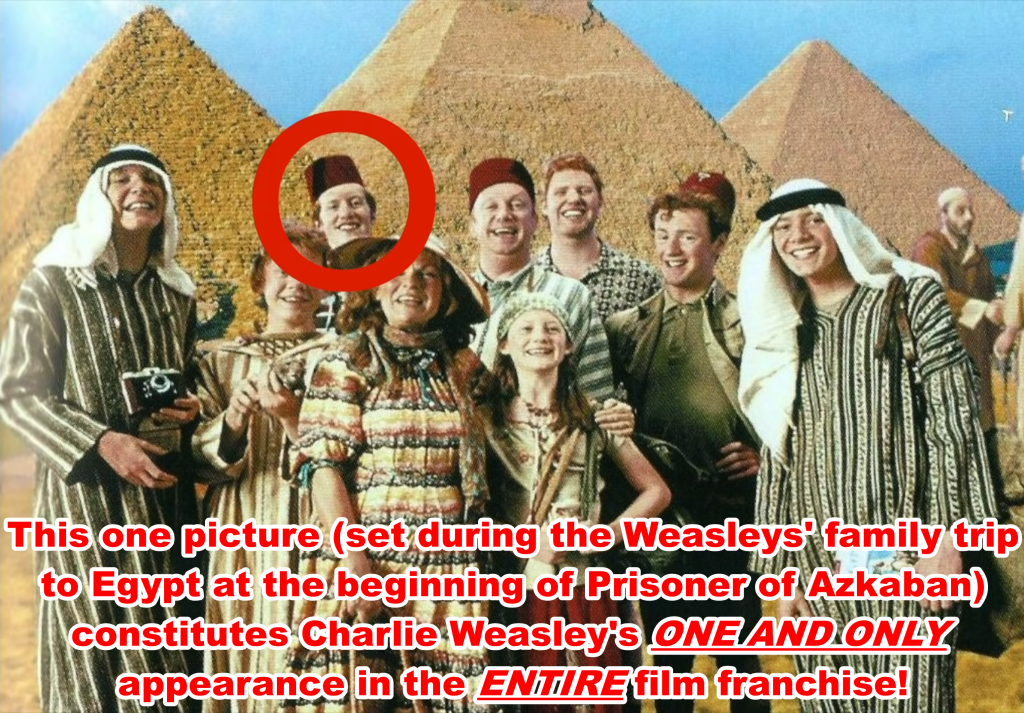
In the books, Charlie Weasley appears several times as a dragon specialist who helps with the Triwizard Tournament and stays connected with his family from Romania. He also participates in key family scenes, reinforcing the large Weasley family dynamic. The films mention him briefly but never show him, removing that layer of worldbuilding around magical creatures and the Weasley siblings.
Voldemort’s Final Defeat
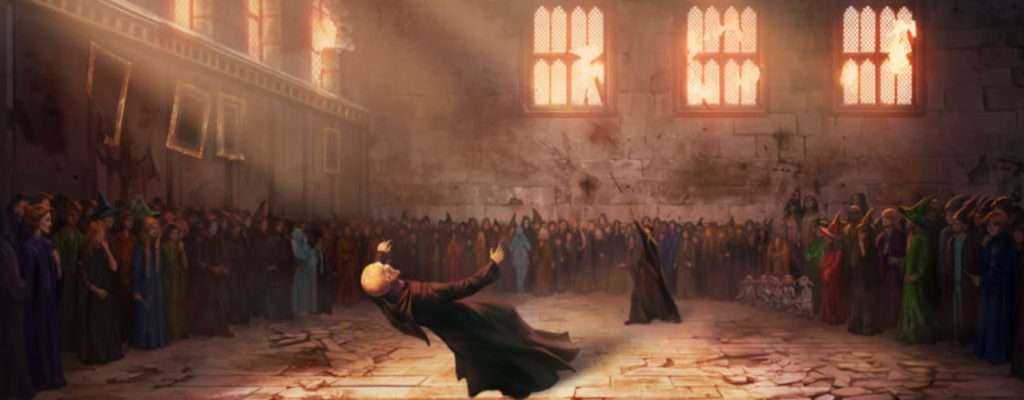
On the page, Voldemort dies in the Great Hall in front of witnesses, and his body falls like any other human, emphasizing his mortality. The film reimagines the final duel as a chase through Hogwarts ending outside, with Voldemort disintegrating into ash, shifting the tone of his downfall.