Long before skyscrapers and suburbia, these homes stood as quiet witnesses to America’s earliest days. Built by hand, weathered by centuries, and carefully preserved, they’re pieces of living history that still breathe with the past. Every creaky floorboard and hand-carved beam tells a story of the people who lived, worked, and dreamed there. These are some of the oldest surviving homes in the country and they’ve seen it all.
1. Taos Pueblo, New Mexico (1000 AD)
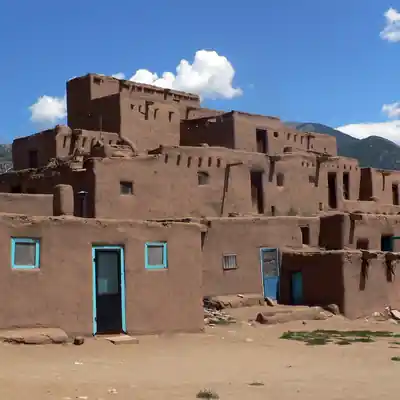
This pueblo is one of the oldest continuously inhabited communities in North America. Adobe dwellings cling to a mesa, their walls replastered every few years to hold them together. It’s still home to descendants who live, pray, and preserve traditions there.
2. Acoma Pueblo, New Mexico (1000 AD)
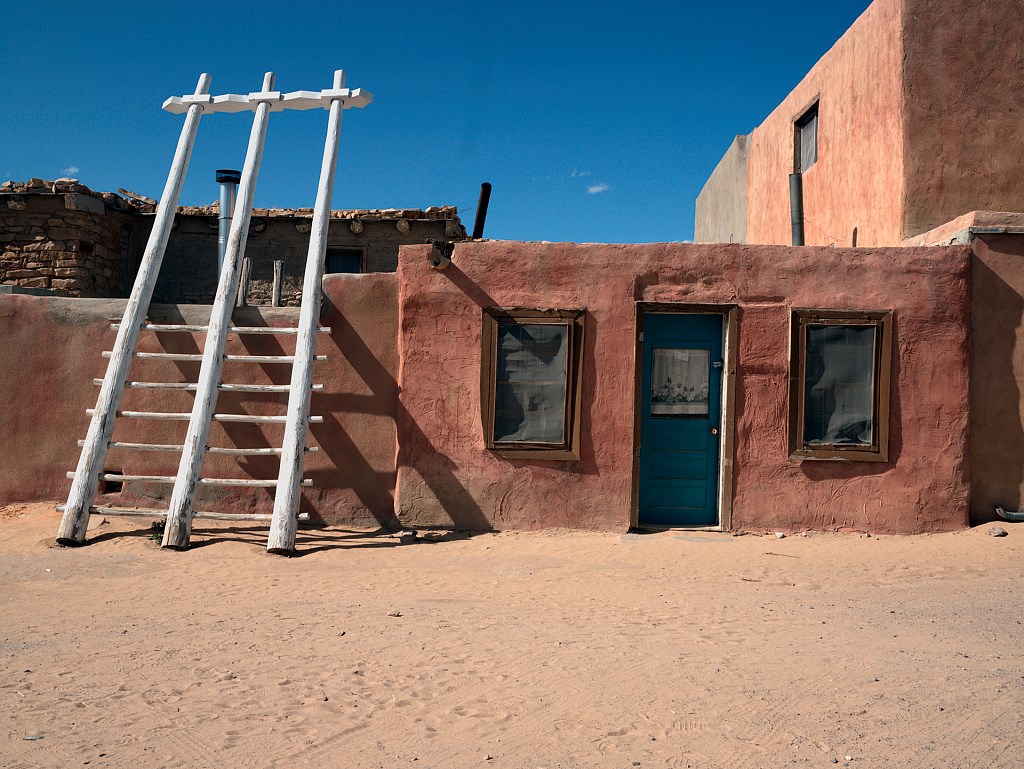
Perched atop a 365-foot mesa, Acoma’s clay structures rise in tiers like an earth castle. Its mud-brick walls have been replastered for centuries to fight erosion.
3. The Fairbanks House, Massachusetts (1637)
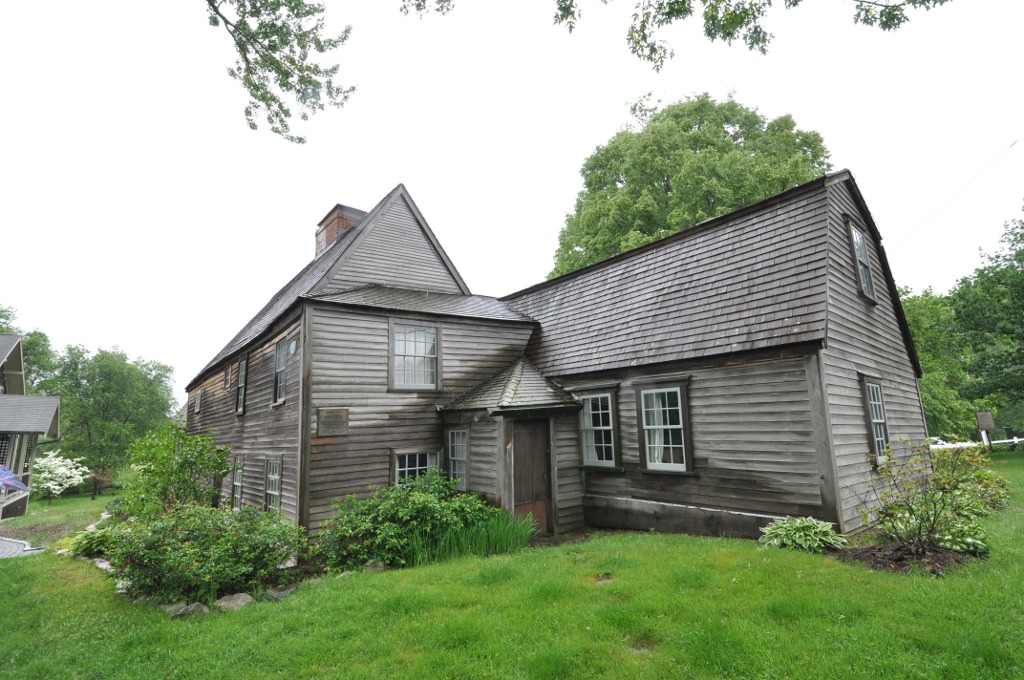
Built by Jonathan Fairbanks and his wife Grace, this is the oldest surviving timber-frame house in North America. The original core has been expanded across centuries, but much of the original oak structure remains. Today it’s a museum operated by a preservation nonprofit.
4. Henry Whitfield House, Connecticut (1639)
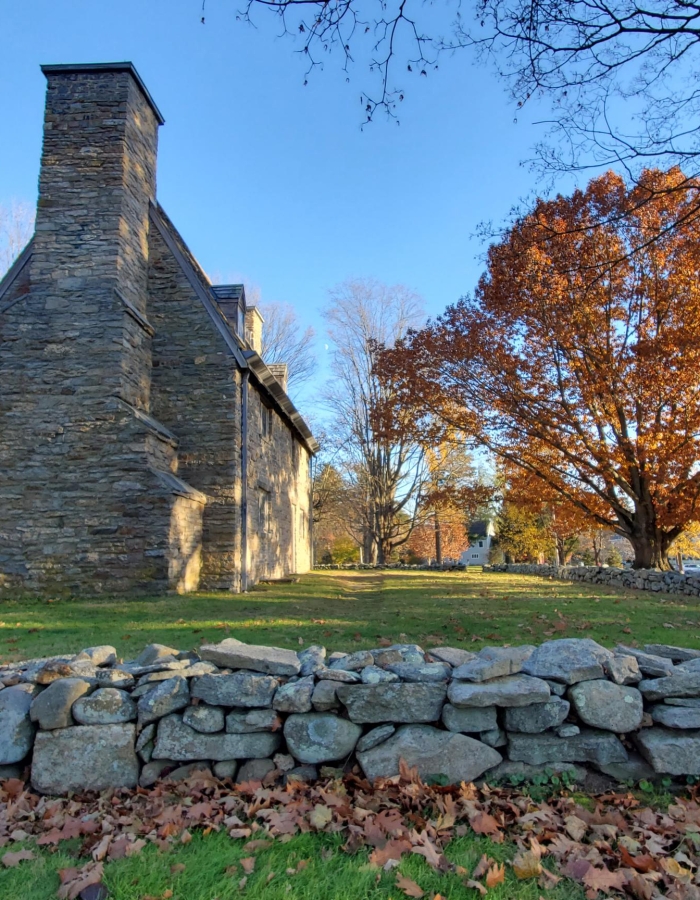
This stone-built home was constructed by minister Henry Whitfield and his family upon arriving in America. It doubled as a place of worship before the town church was built. Its thick walls and early colonial style make it a rare architectural relic.
5. Ryves Holt House, Delaware (1665)
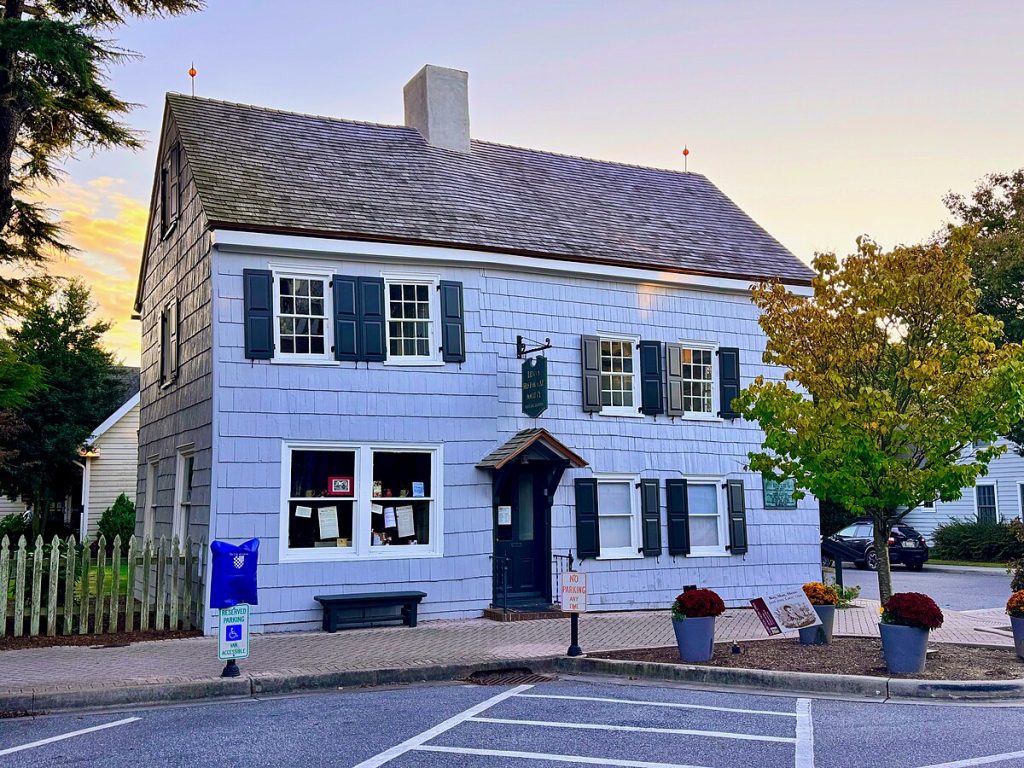
This wooden house in Lewes is still on its original foundation, making it Delaware’s oldest. It started as a two-bedroom inn and tavern before being owned by Ryves Holt, the state’s first Chief Justice.
6. Clemence-Irons House, Rhode Island (1691)
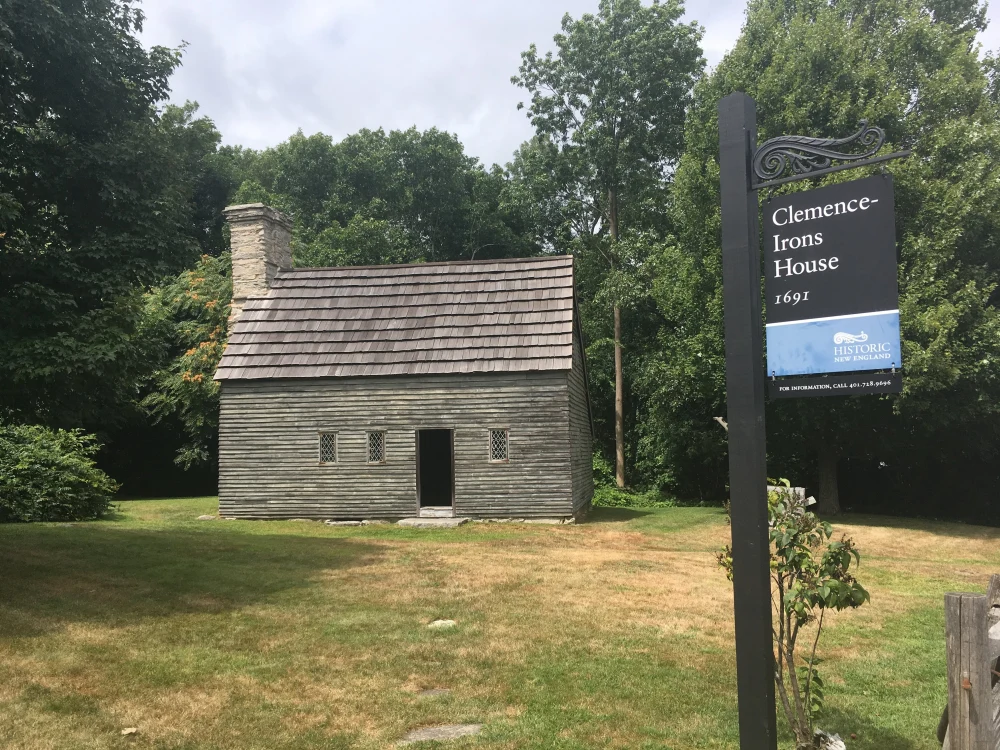
This home was built by Richard Clemence and later restored by a schoolteacher named Ellen Irons. Today it stands as a rare example of early colonial architecture.
7. Middleburg Plantation, South Carolina (1697)
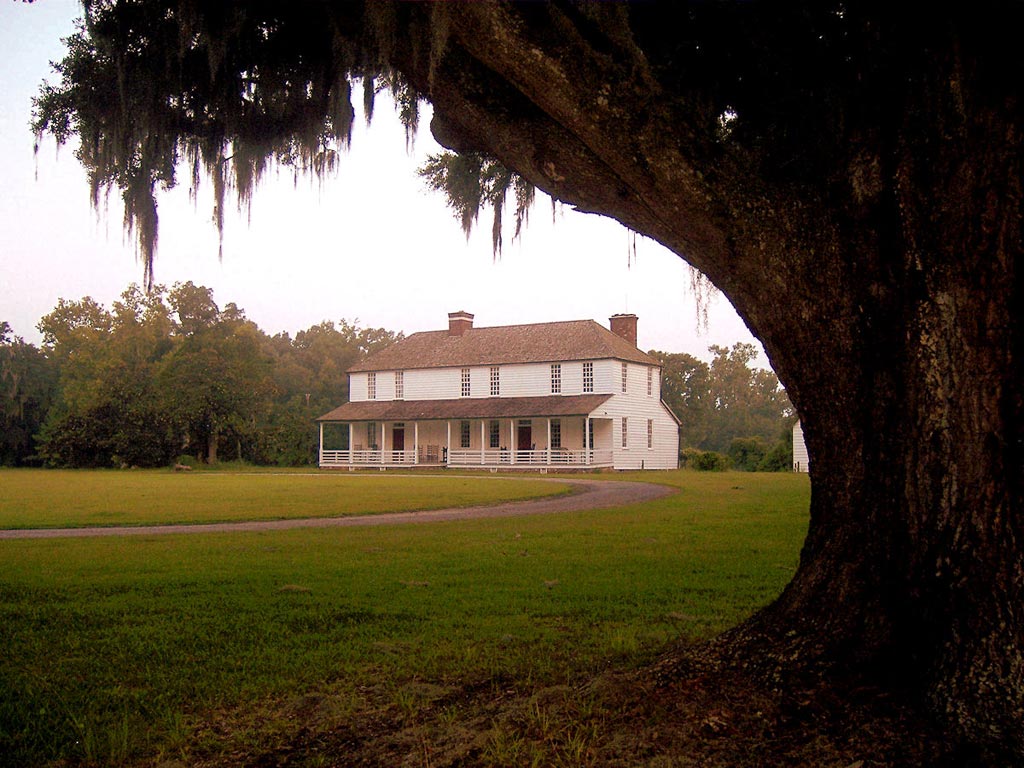
Once part of a sprawling rice plantation, this grand colonial home was built by planter Benjamin Simons in the 18th century. Overlooking acres of lowcountry land, it reflects the wealth and architecture of its era. After remaining in the family for generations, it was carefully restored in the 1980s to preserve its historic charm.
8. Parlange Plantation House, Louisiana (1750)
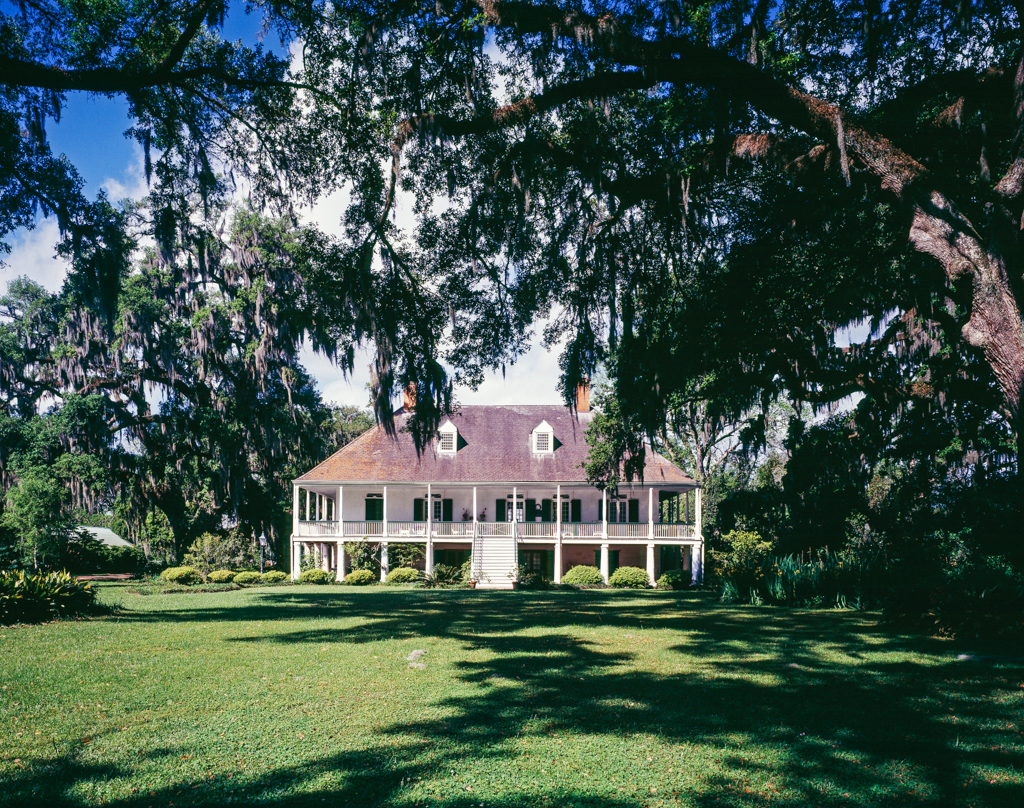
Built in classic French colonial style, this house features wide galleries, balconies, and lush gardens. Its walls echo stories of gold, war, family drama and a rumored hidden treasure. During the Civil War, its owner buried chests of valuables in the grounds.
9. Spanish Governor’s Palace, Texas (1749)
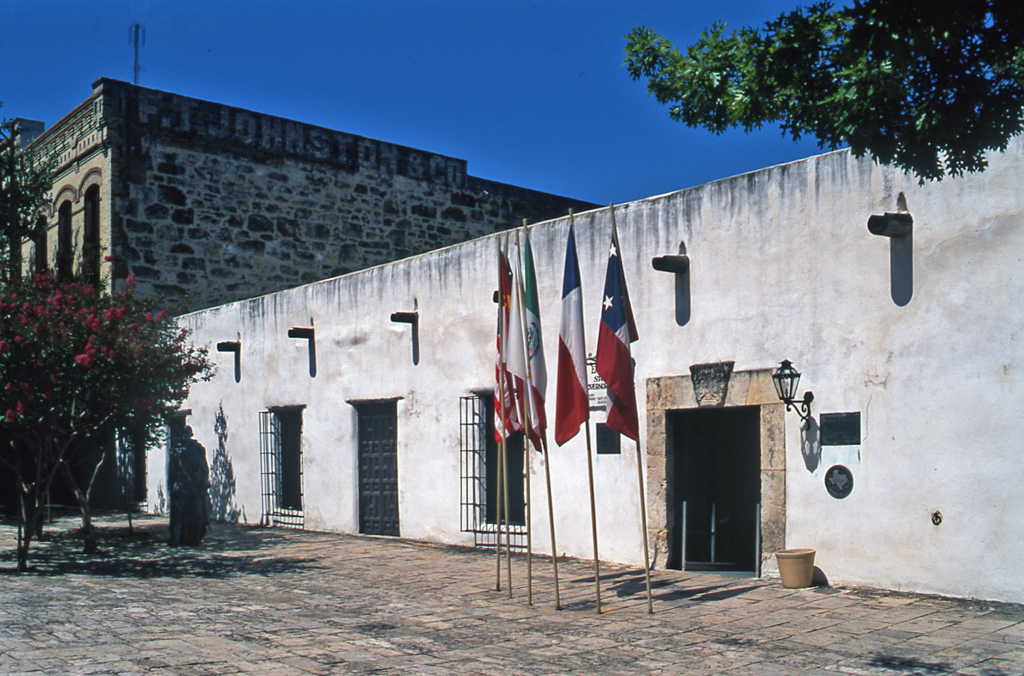
An elegant adobe residence in San Antonio, it served as the seat of Spanish colonial power in the region. It’s the only remaining example of aristocratic colonial homes in Texas.
10. McIntire Garrison House, Maine (1707)
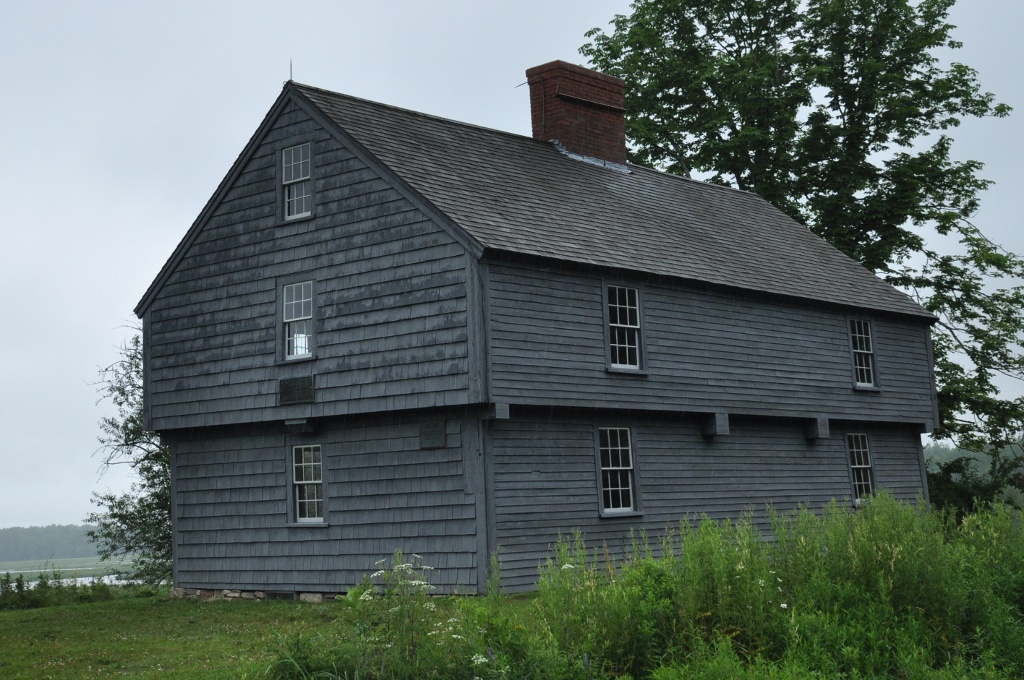
Originally built as a colonial log garrison, this house had defensive uses in early settlement days. Its dovetailed log corners and open beams still show original craftsmanship. Over time, it was clad in clapboard and modified, but the old bones are intact.
11. Brooke Place Manor, Maryland (1652)
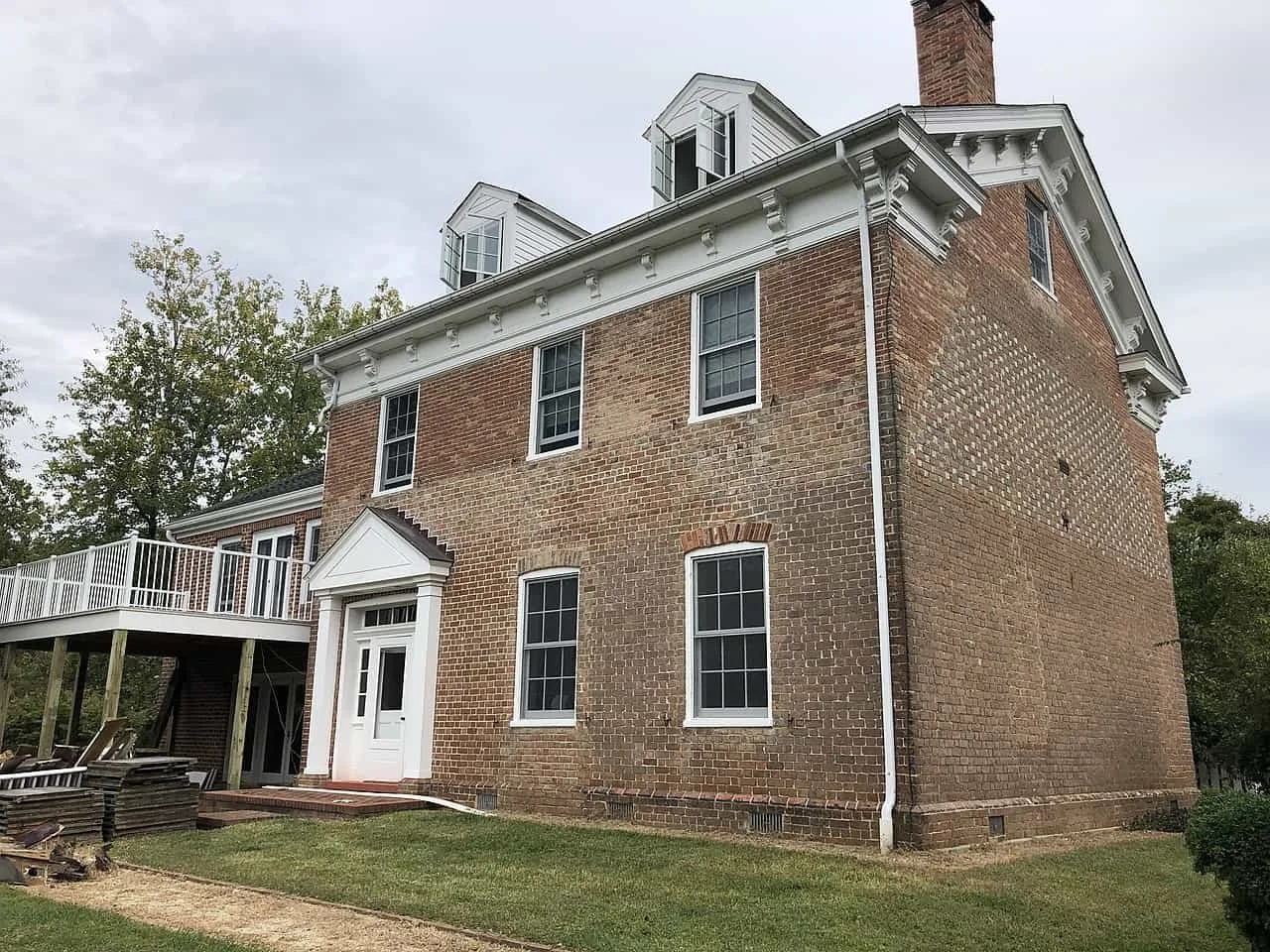
This is Maryland’s oldest surviving brick house, built by Robert Brooke. Though remodeled over time, it still sits on 100 acres of its original land. Its architecture bridges colonial utility and stately design.
12. Richard Jackson House, New Hampshire (1664)
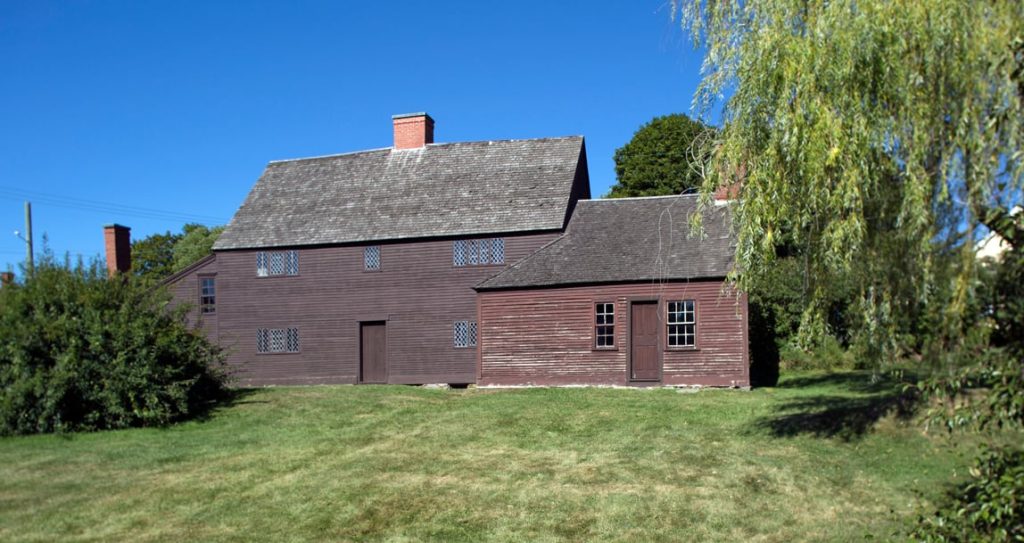
A classic plank-and-frame home with steep roofs and small windows. It was first occupied by settler Richard Jackson and later expanded with lean-to additions.
13. Nothnagle Log Cabin, New Jersey (1638)
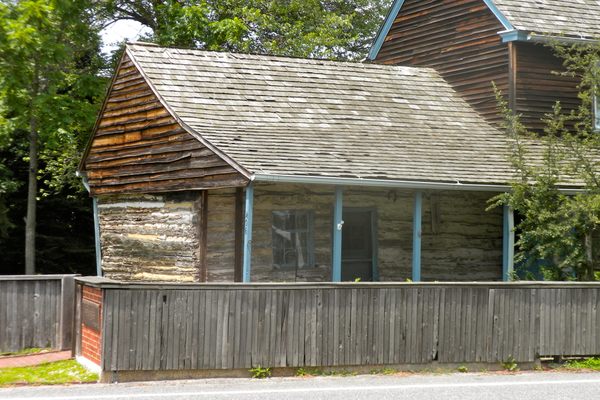
One of America’s oldest surviving log cabins, built by Finnish/Swedish settlers. The oak logs are dovetailed at corners and thick enough to insulate winter snows.
14. Lower Swedish Cabin, Pennsylvania (1640)
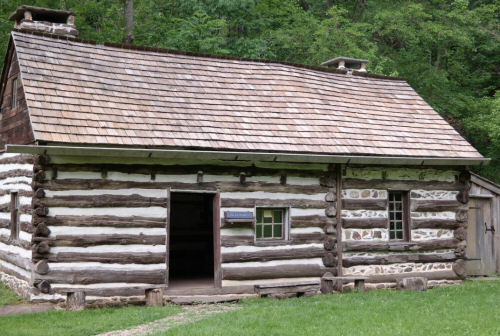
Built by Scandinavian settlers in New Sweden, this two-storey log house had no nails, just interlocking notches. It functioned as homestead and trading post near the Lenape trails. Later it was used for film settings and Girl Scout camps before conservation revived it.
15. Joel Eddins House, Alabama (1810)
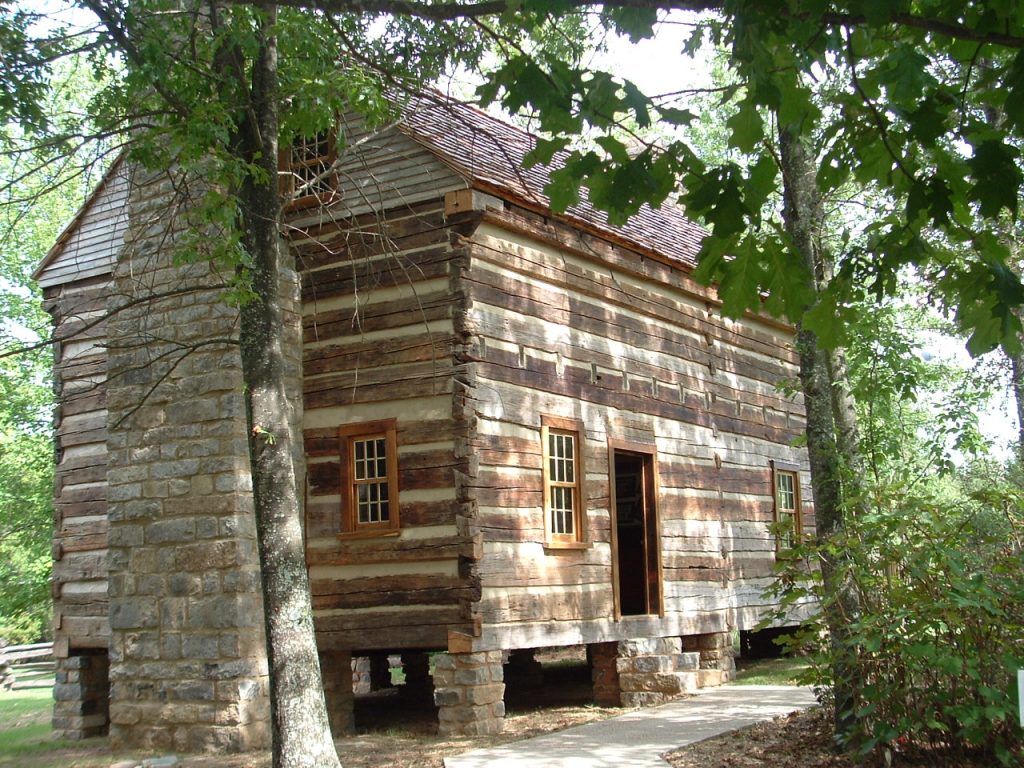
This log hall-and-parlor style home was built by craftsman settler Joel Eddins. It has solid chinked logs and hand-hammered nails built into stone piers. The house was relocated to a living history museum for preservation.
16. Erskine House, Alaska (1808)
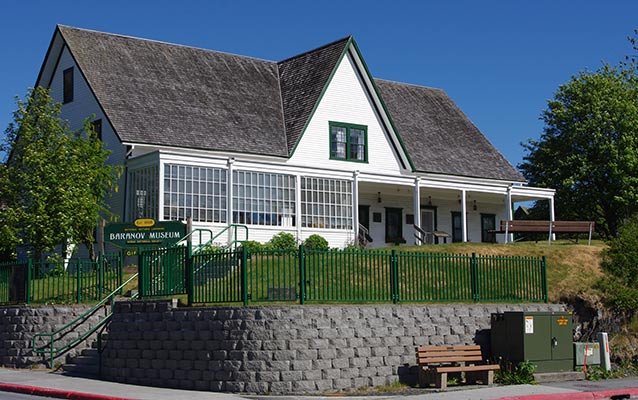
One of the first Russian log structures on the Pacific coast, this house now hosts the Kodiak History Museum. It began life under Russian colonization, long before Alaska joined the U.S.
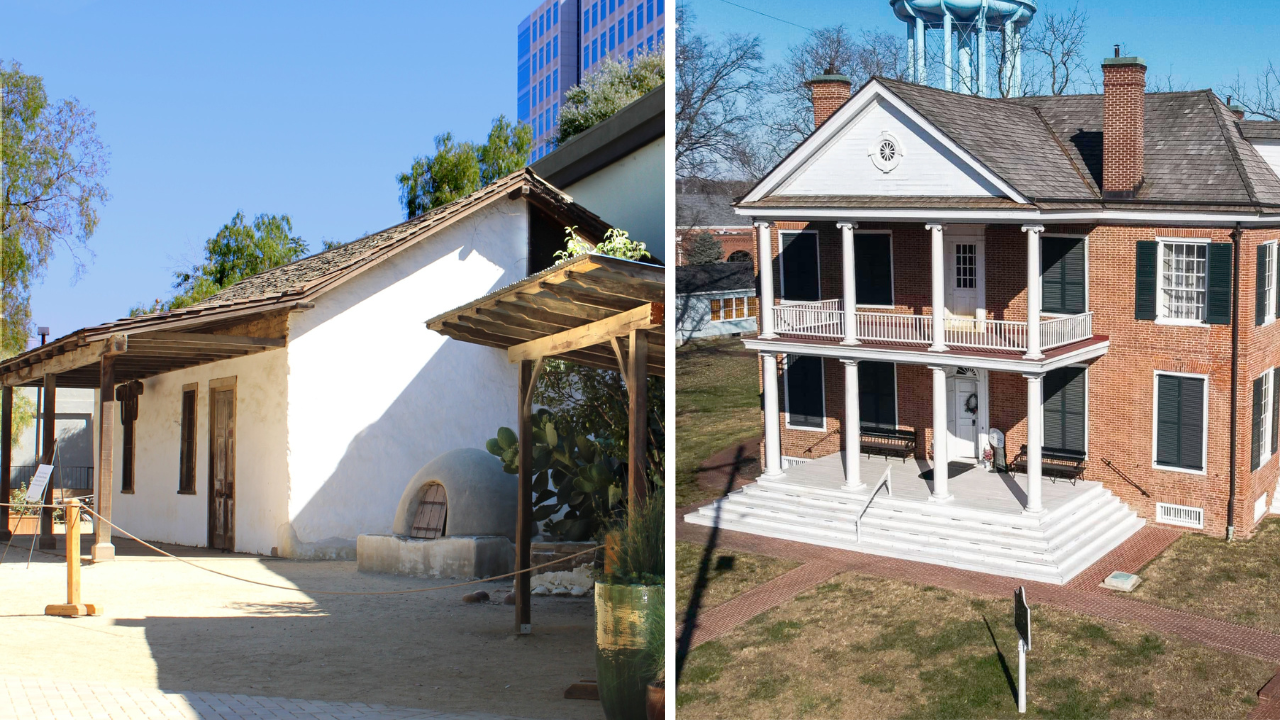
17. Peralta Adobe, California (1797)
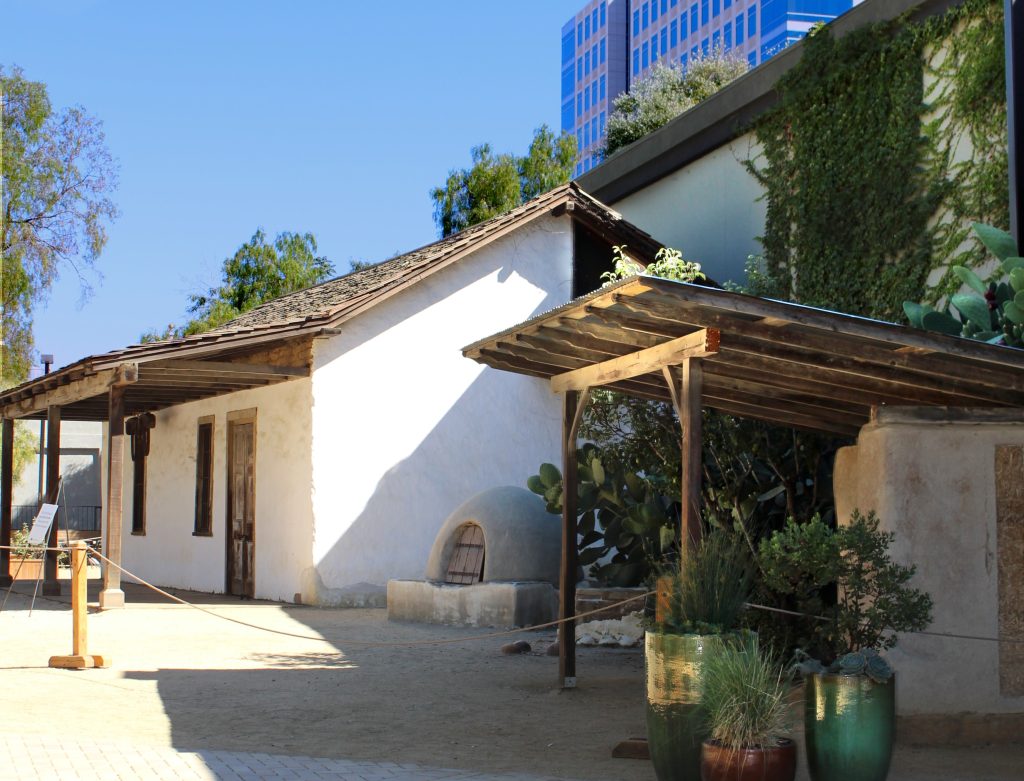
An adobe built shortly after San Jose’s founding, this house had two-foot-thick walls to stay cool. Its cramped two-room layout was expanded over generations. The city of San José now preserves it as a glimpse into early Spanish and Mexican life.
18. Four Mile House, Colorado (1859)
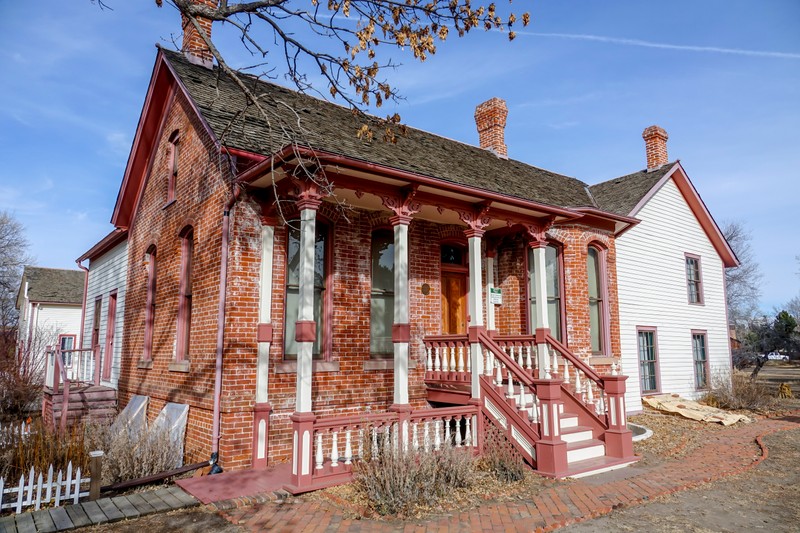
Denver’s old frame house once served as a rest stop for pioneers on the Cherokee Trail. Built of hand-hewn logs by the Brantner brothers, it weathered storms, floods, and wild times.
19. Jacob Wolf House, Arkansas (1829)
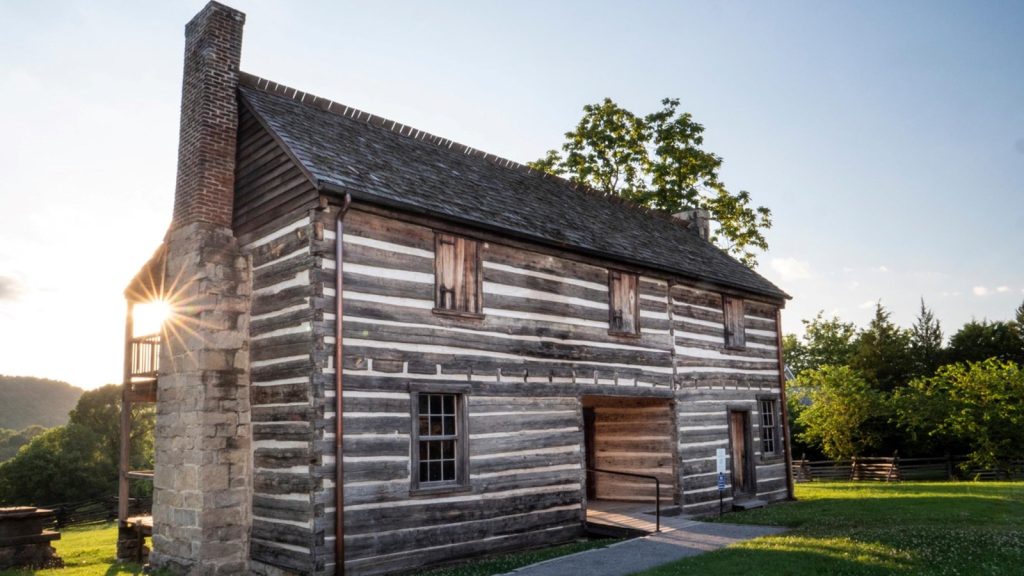
Built with yellow pine using dovetail joinery and almost no nails, it defied decay and disaster. At one point, the ground floor acted as a courthouse for the county.
20. Grouseland, Indiana (1804)
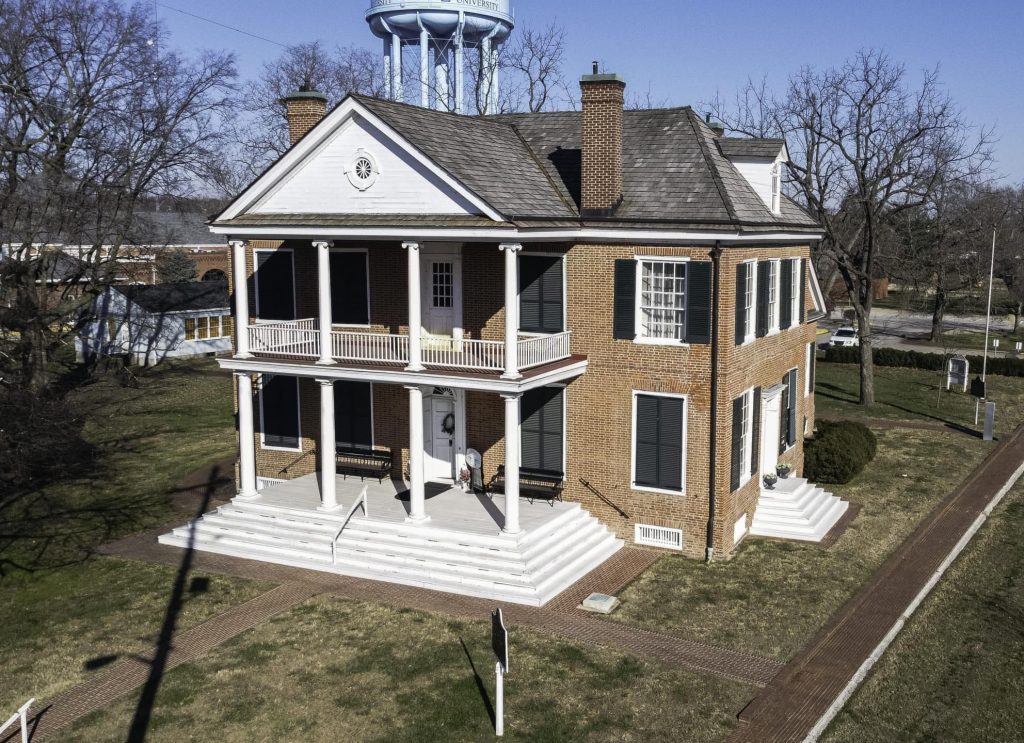
Originally the home of President William Henry Harrison, this Federal-style mansion had 13 fireplaces and 26 rooms. Brick walls were thick enough to help the young politician withstand frontier threats. The house has served as library, hotel, and museum over time.
21. Louis Arriandeaux Log House, Iowa (1827)
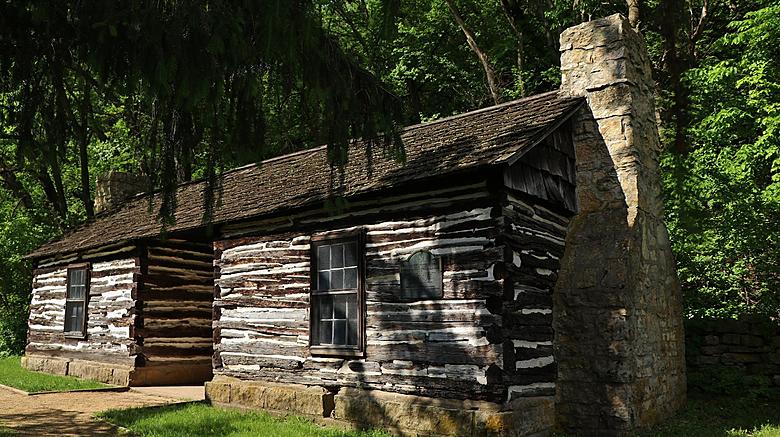
Built by a French fur trader, this cabin likely started windowless and crude. It has been relocated but still offers a window into early pioneer life.
22. The Rookery, Kansas (1834)
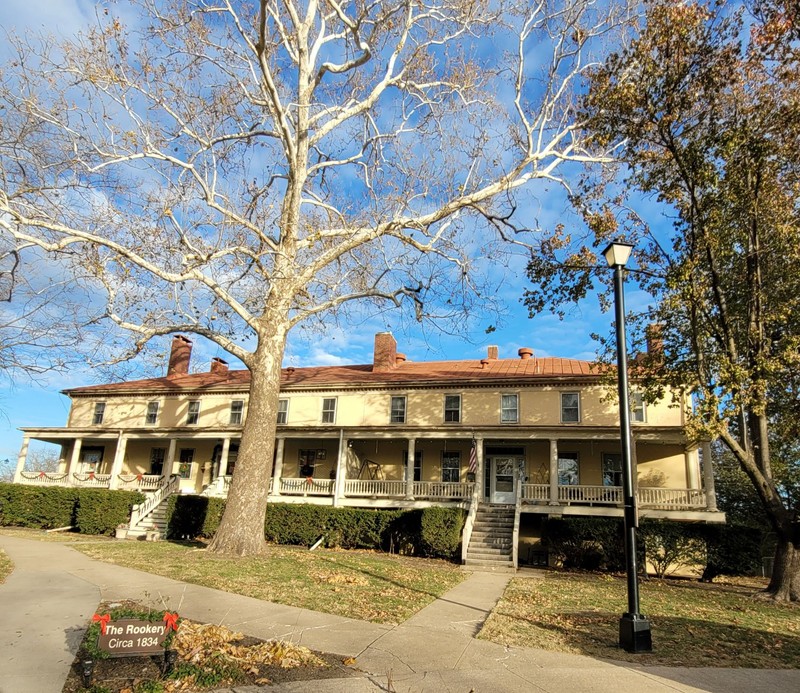
The oldest continuously occupied residence in Kansas, it once housed frontier soldiers protecting wagon trains. Legend says it’s haunted with doors slamming, shadows flickering , and a long-haired woman is said to appear. Whether ghost or not, its stories draw visitors.
23. Sequoyah’s Cabin, Oklahoma (1829)
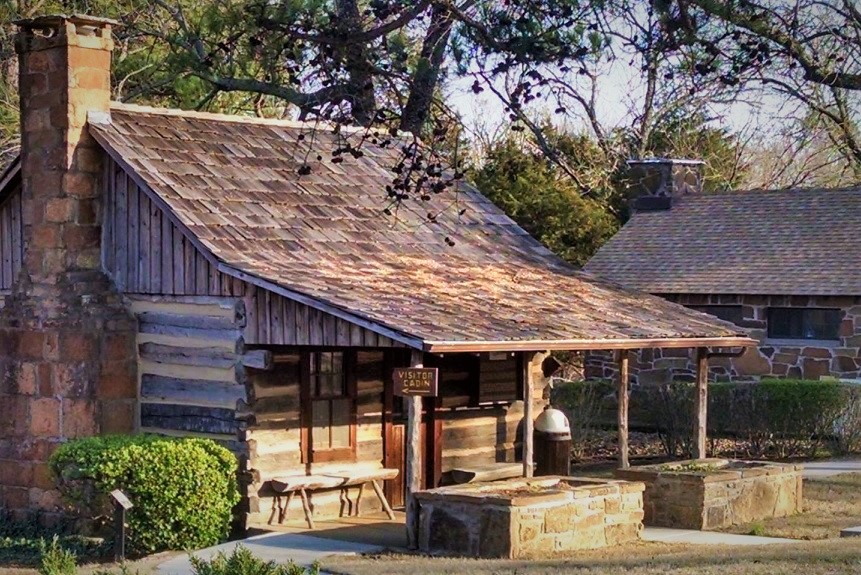
Crafted by Cherokee figure Sequoyah, this one-room cabin preserved his legacy as the inventor of the Cherokee writing system.
24. Jason Lee House, Oregon (1841)
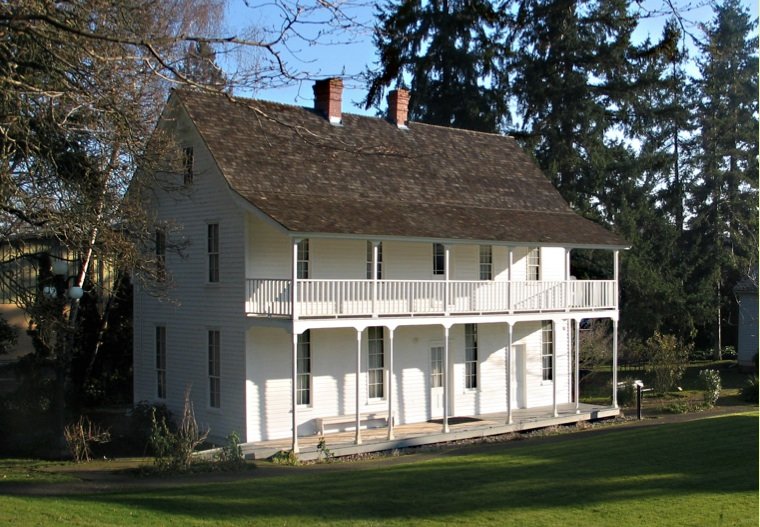
One of the oldest wooden-frame homes in Oregon, built for missionary Jason Lee. Its clapboard siding, gables, and porch added later betray a slow evolution. Today it’s part of a heritage center and helps tell Oregon’s pioneer stories.
25. Rufus Putnam House, Ohio (1788)
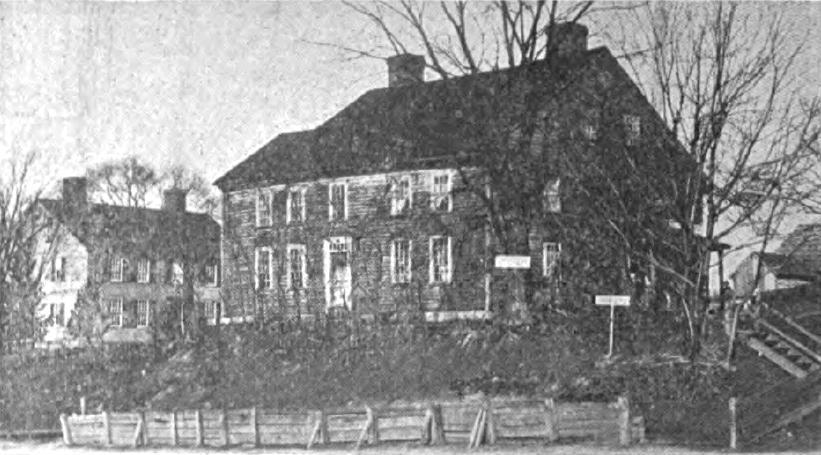
Originally part of frontier fortifications, this early home was expanded using lumber from older buildings. Revolutionary War hero Putnam called it home during early American settlement.
26. Col. James Graham House, West Virginia (1770)
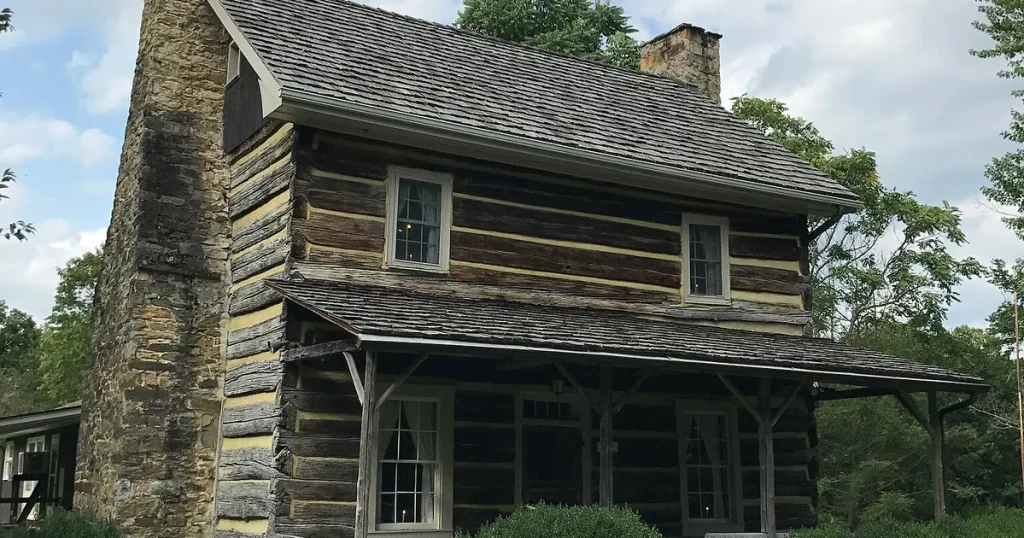
This multi-storey log cabin once served as a defensive home. Gun holes still remain in the logs. Its yellow poplar structure rests on walnut sills, with twin sandstone chimneys anchoring its ends.
27. Tank Cottage, Wisconsin (1776)
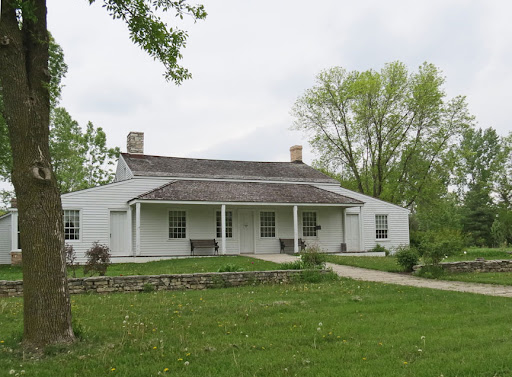
Built by fur trader Joseph Roi, this cottage was later owned by missionary Niels Otto Tank. It moved twice and was covered in clapboard, but the log core survives.
28. Carter Mansion, Tennessee (1775)
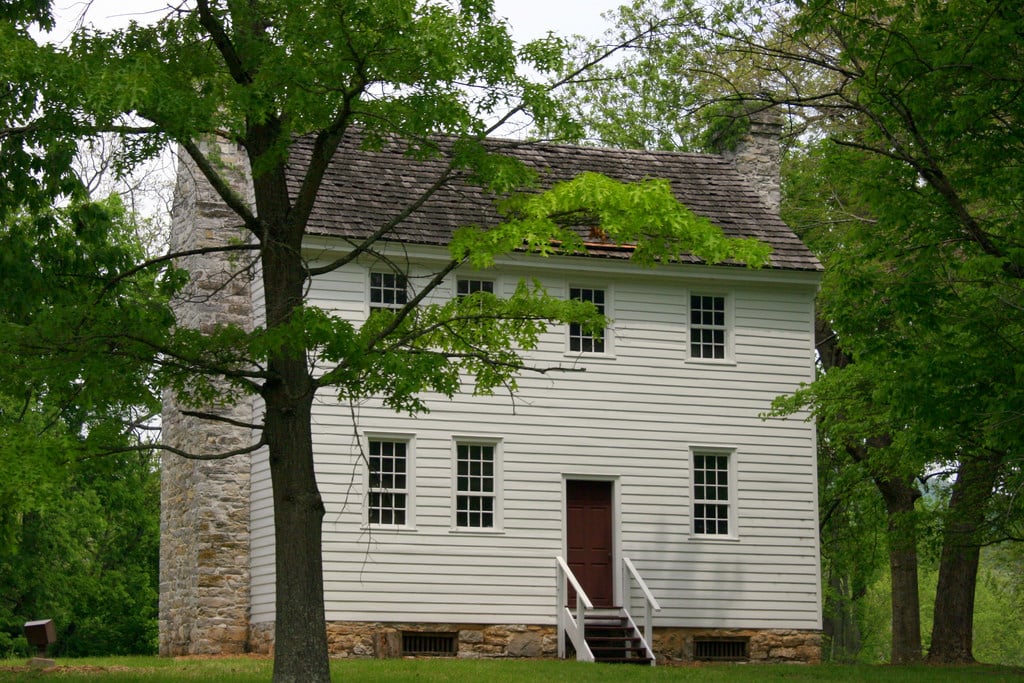
Declared the state’s oldest frame house, this Georgian-style mansion had nine-foot ceilings and elaborate woodwork. Built by John Carter, it featured glass windows which was rare for frontier homes.
29. Miles Goodyear Cabin, Utah (1845)
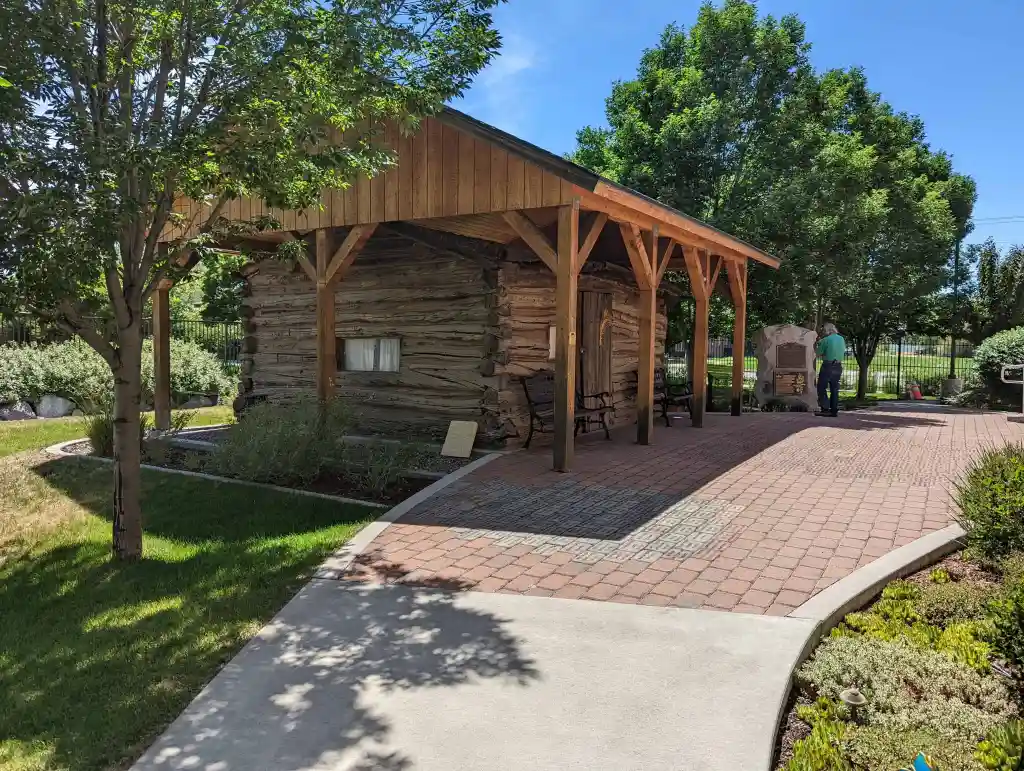
One of the earliest non-indigenous homes in Utah, it was part of Fort Buenaventura. Goodyear traded the settlement to Mormon settlers shortly after. The cabin has been moved multiple times but still stands as a relic of early western expansion.
30. Fort Bridger, Wyoming (1843)
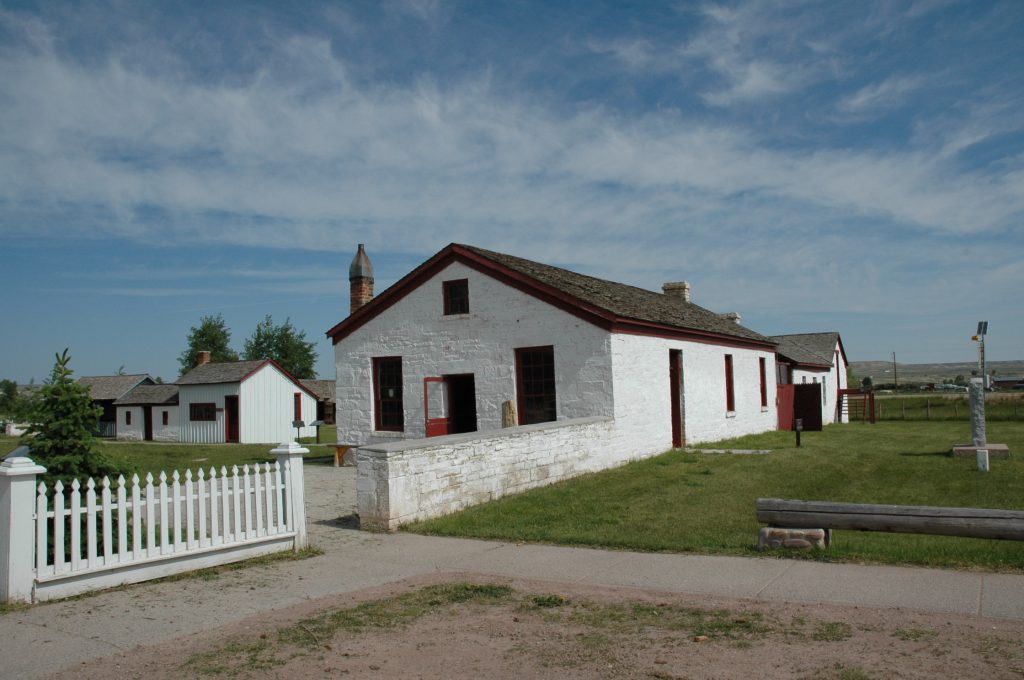
Not just a house but a complex of double log cabins, a blacksmith shop, and pens for animals. Founded by mountain man Jim Bridger, it later served the Pony Express and telegraph lines.