History is usually written by the victors, and this unwritten rule has completely destroyed the reputations of countless notable individuals. Centuries of political propaganda and theatrical dramatizations have successfully transformed capable leaders into one-dimensional villains in the public consciousness. Modern historians are constantly digging through primary sources to separate malicious rumors from actual historical facts. This article highlights 30 fascinating people who received far more hatred than they ever truly deserved.
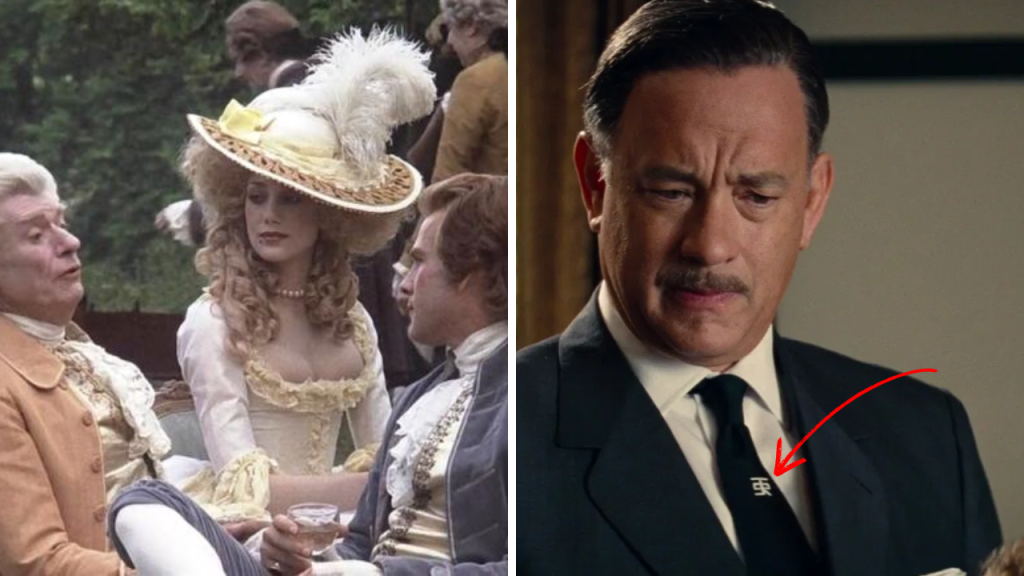
Marie Antoinette
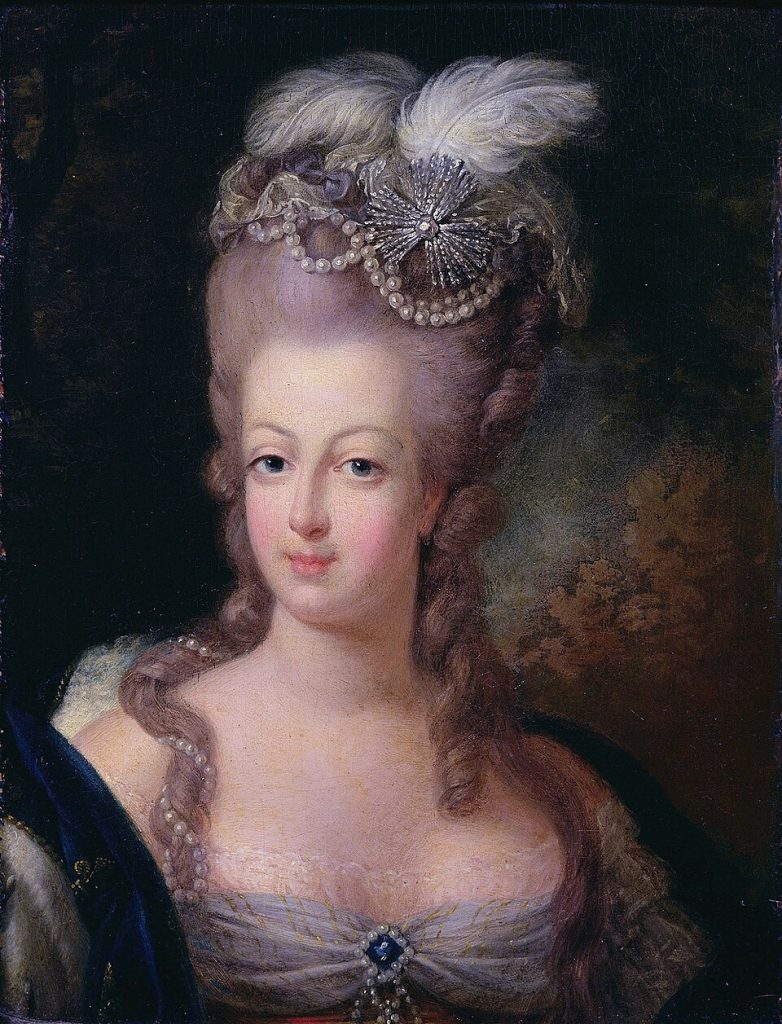
French revolutionaries needed a convenient scapegoat for the massive national debt, placing the blame squarely on the foreign queen. The infamous quote about eating cake was entirely fabricated by political opponents to further destroy her public reputation.
Richard III
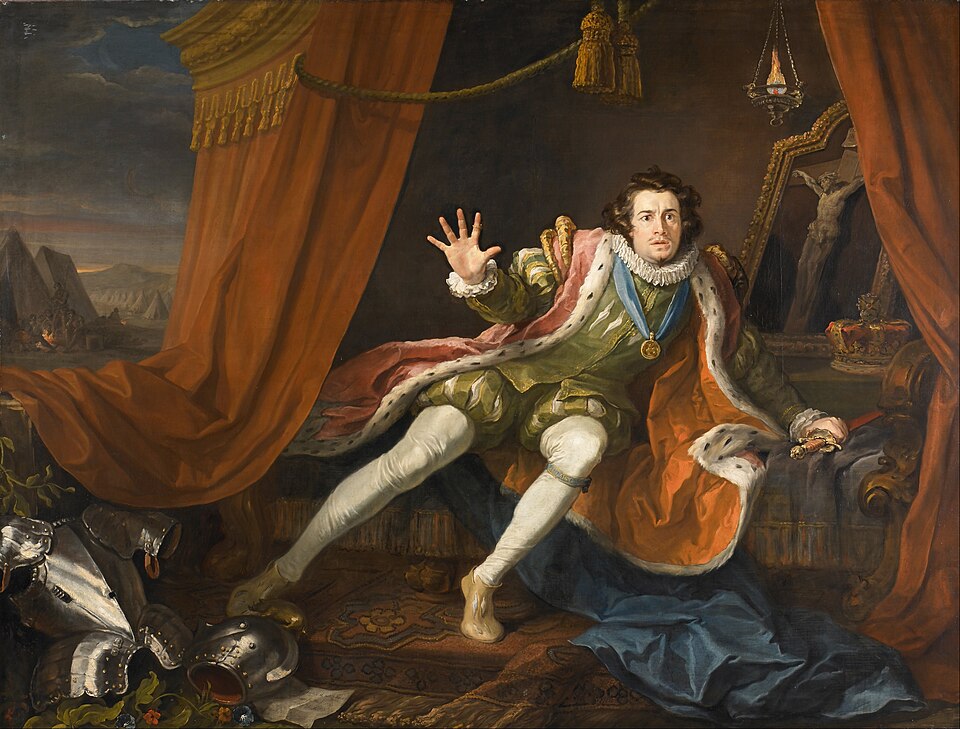
Shakespeare transformed this medieval monarch into a deformed villain to appease the Tudor dynasty that defeated him in battle. Historical records indicate he was actually a highly competent administrator who implemented significant legal reforms benefiting commoners. The discovery of his remains in a Leicester parking lot confirmed he suffered from scoliosis rather than a withered arm or severe hunchback. His modern reputation is entirely the result of centuries of calculated royal propaganda.
Niccolò Machiavelli
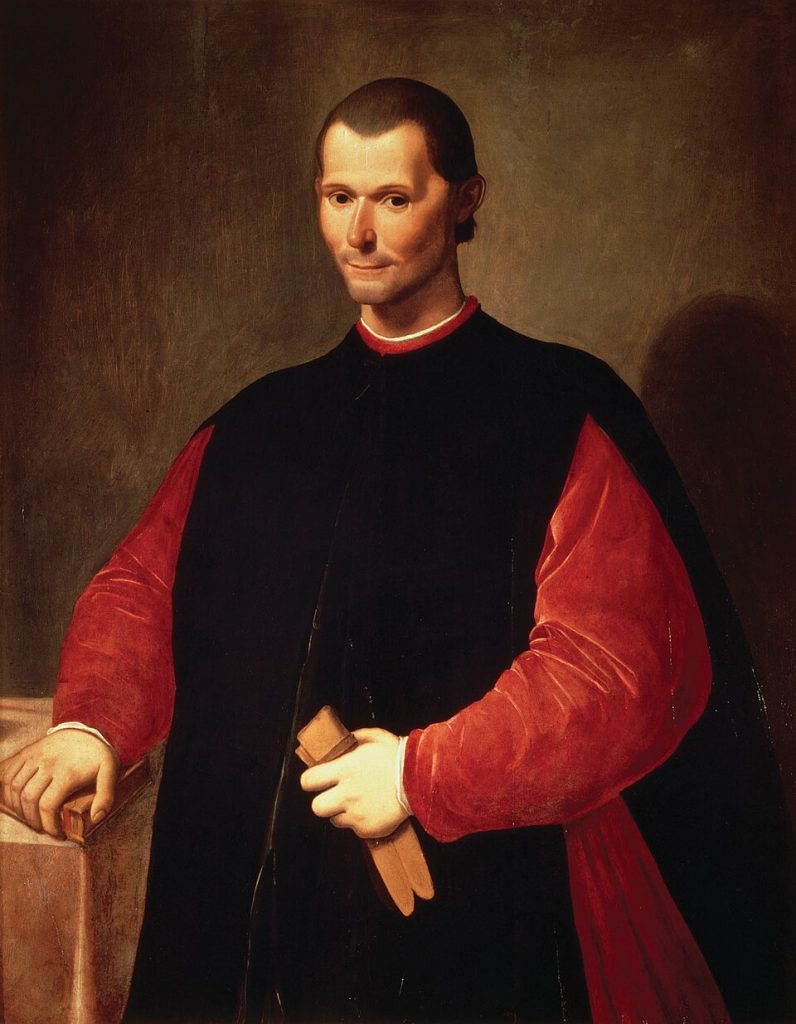
This brilliant political philosopher is entirely remembered as a ruthless schemer due to the cynical advice found in “The Prince”. He actually favored republican governments and wrote his most famous book merely to secure employment from the powerful Medici family.
William Bligh
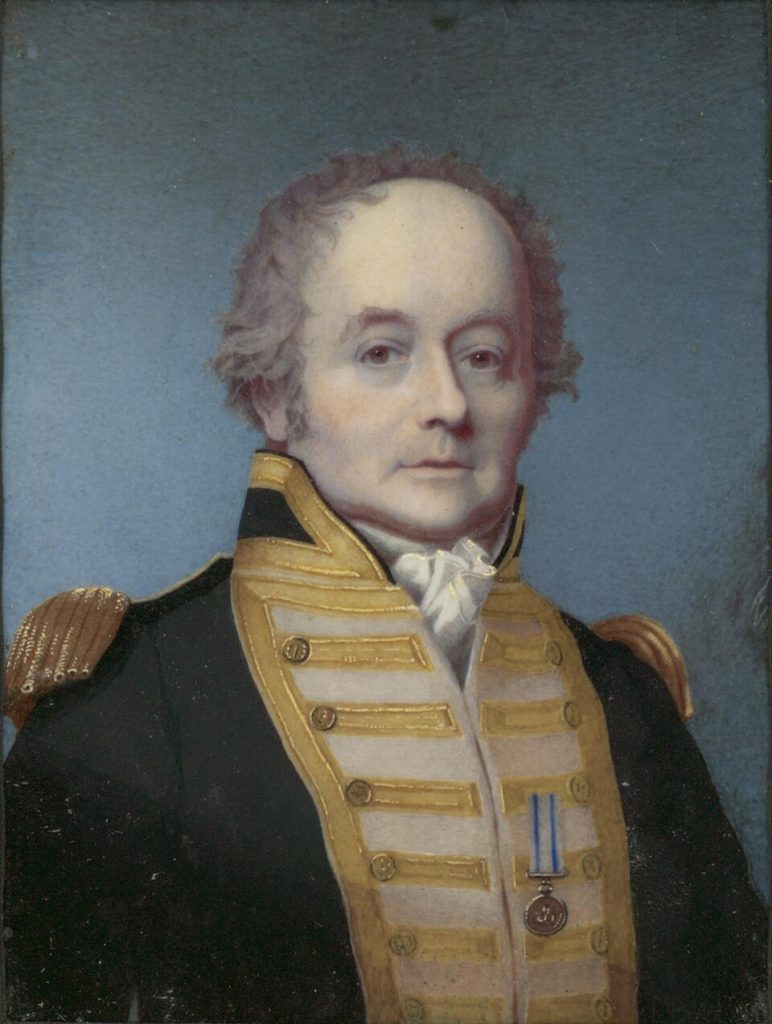
Mutiny on the HMS Bounty cemented his legacy as a tyrannical naval captain who tortured his crew without mercy. Naval records show he was actually quite progressive for his era and rarely utilized corporal punishment compared to his military peers. The crew rebelled primarily because they had spent months living comfortably in Tahiti and simply did not want to return to harsh sea conditions. Bligh famously managed to navigate a tiny open boat across thousands of miles of ocean to save his remaining loyal men.
Cleopatra
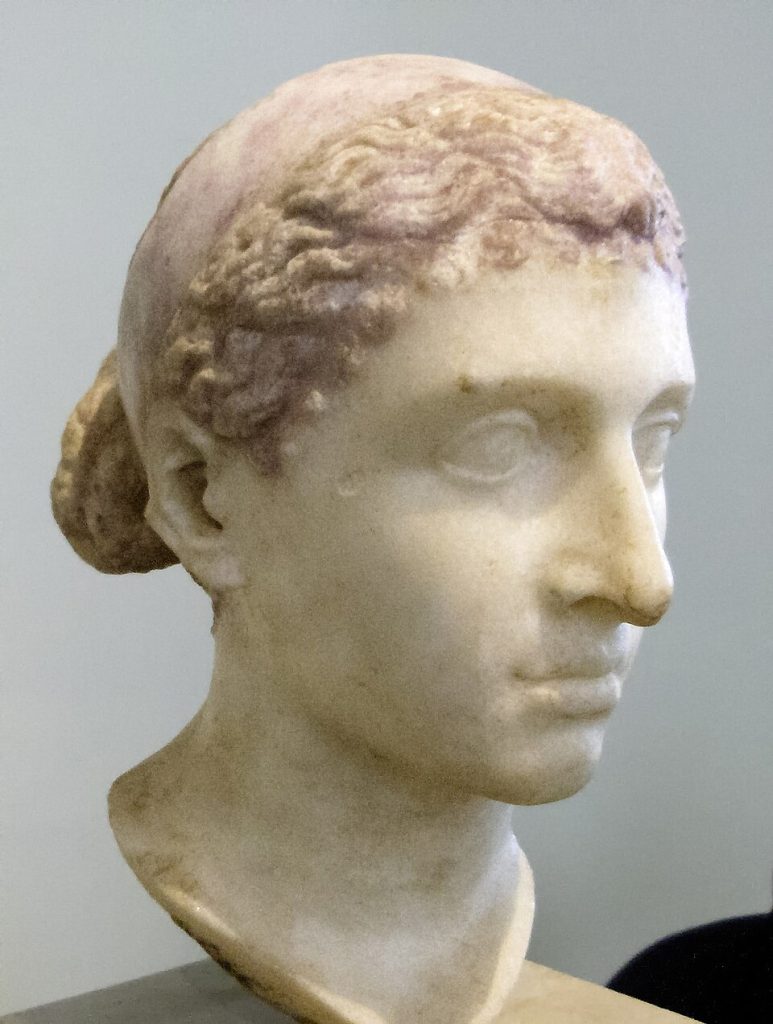
Roman propaganda orchestrated by Octavian painted the Egyptian ruler as a seductive temptress who manipulated powerful generals for personal gain. She was in fact a highly educated diplomat who spoke multiple languages and stabilized her kingdom during a chaotic geopolitical era.
Neville Chamberlain
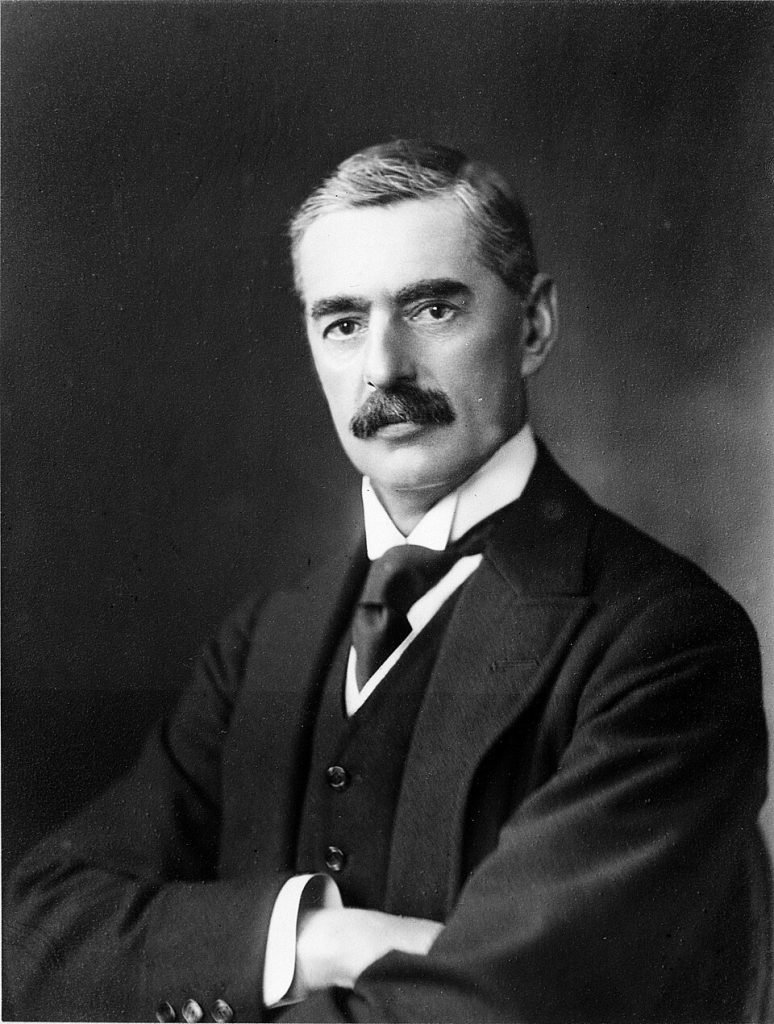
Appeasement policies prior to the Second World War permanently branded this British Prime Minister as a cowardly, weak-willed leader. He thoroughly understood that his nation was completely unprepared for an armed conflict with Germany and desperately needed time to build up military forces. The extra months secured by his diplomatic maneuvers allowed factories to produce the exact fighter planes that eventually won the Battle of Britain. Winston Churchill later received all the glory while Chamberlain unfairly carried the historical blame for early strategic failures.
Aaron Burr
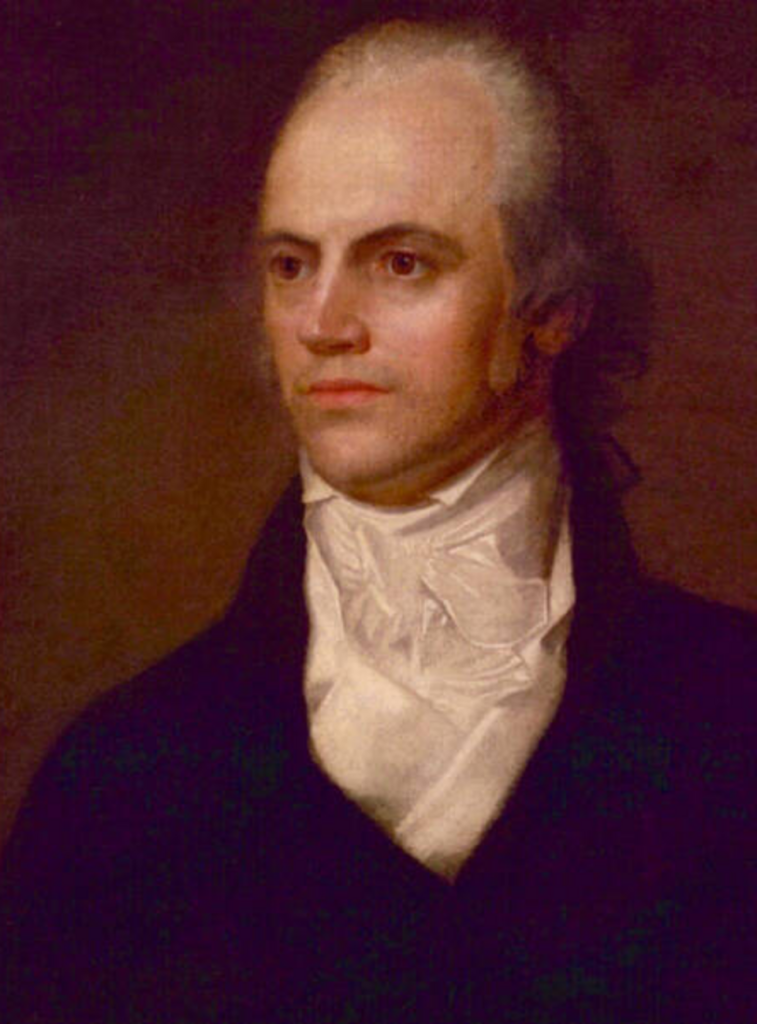
The fatal duel with Alexander Hamilton permanently destroyed his reputation and reduced his legacy to that of a treacherous murderer. He was actually an early advocate for women having the right to vote and proudly provided his own daughter with a rigorous education.
Mary I Of England
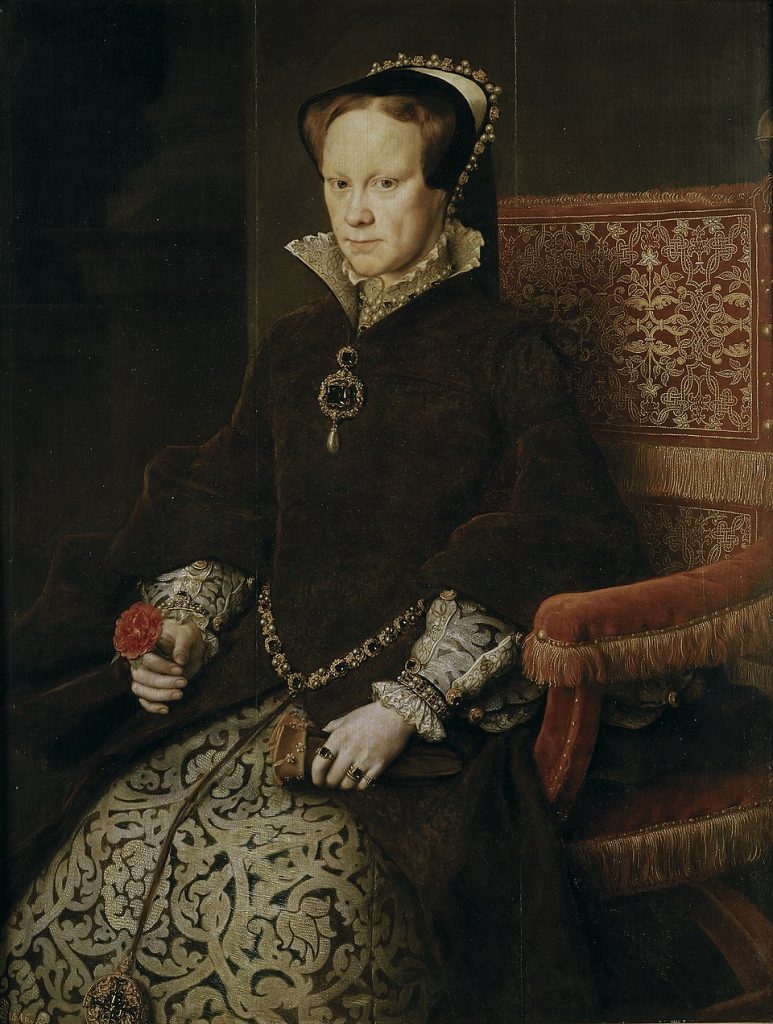
Protestant historians attached a bloody moniker to this queen to legitimize the subsequent reign of her half sister. Her policy of burning heretics at the stake was standard practice for European monarchs of that specific religious era. She successfully reorganized the national militia and laid the crucial financial groundwork for the naval victories that followed her death. Her father executed tens of thousands of people during his reign without receiving a similarly gruesome historical nickname.
John Adams
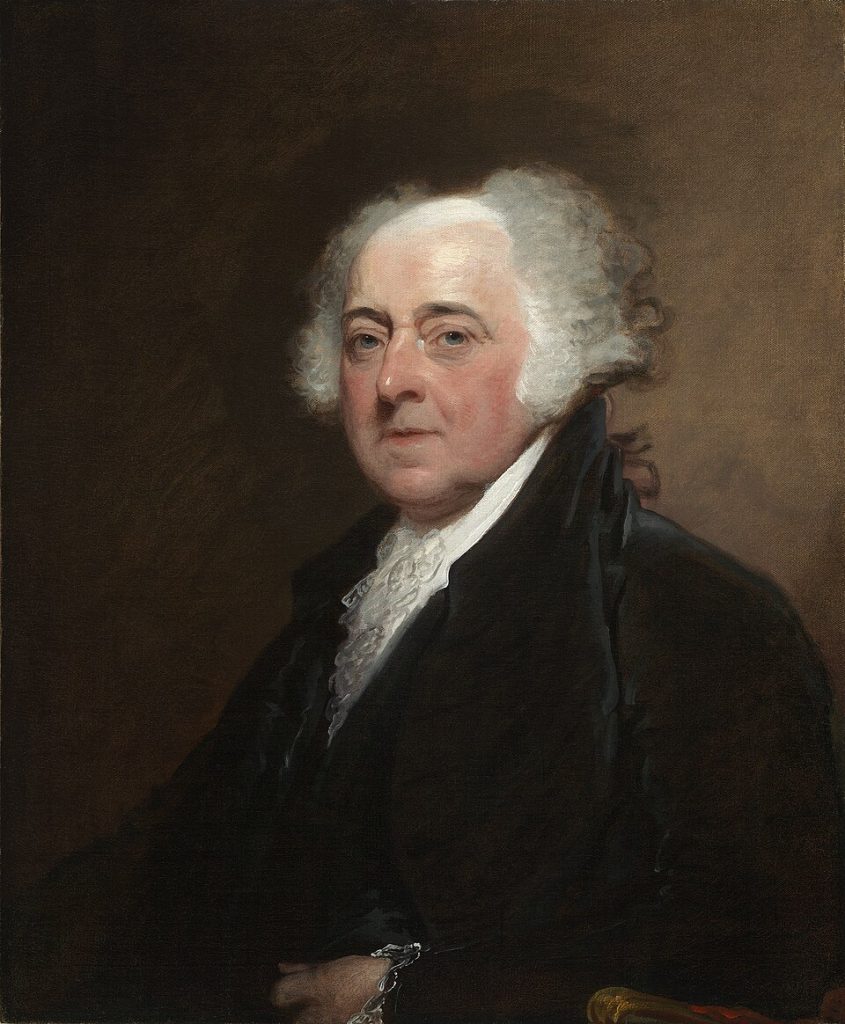
His steadfast refusal to engage in a popular war with France made him a one term president and a pariah among his own political party. This intense diplomatic restraint ultimately saved the young republic from a devastating conflict it could not possibly afford.
Ulysses S. Grant
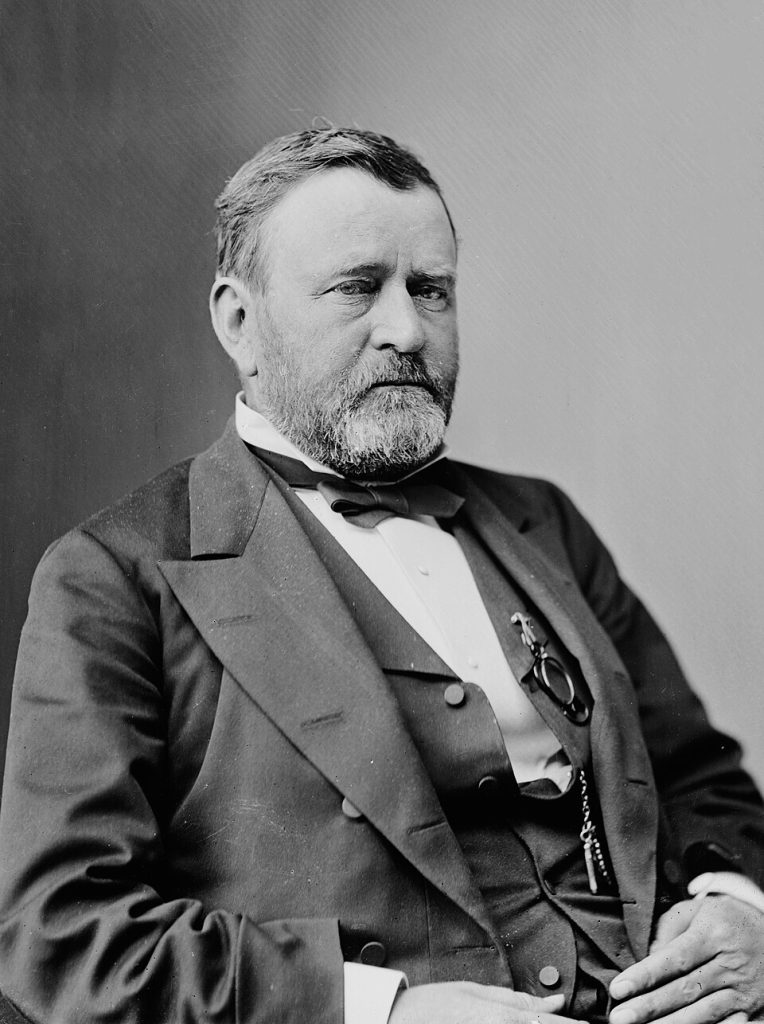
Southern sympathizers spent decades rewriting post civil war history to frame this general as a drunken butcher who only won by sacrificing troops. His presidency was similarly attacked by political enemies who highlighted the corruption of his subordinates while ignoring his significant civil rights achievements. He aggressively prosecuted the Ku Klux Klan and utilized federal power to protect the voting rights of newly freed citizens. His brilliant strategic maneuvers at Vicksburg remain mandatory study material at military academies around the globe.
Antonio Salieri
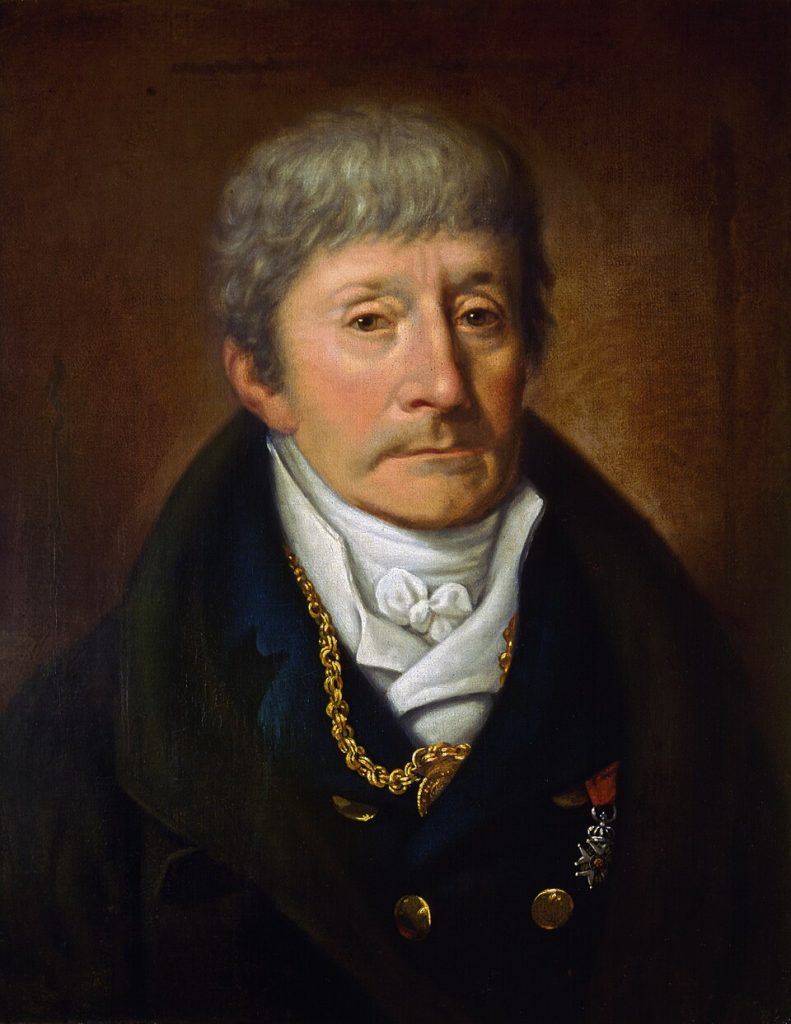
The theatrical production “Amadeus” solidified a popular myth that this Italian composer actively sabotaged and murdered Wolfgang Amadeus Mozart. Surviving correspondence reveals they were actually supportive colleagues who occasionally collaborated on musical compositions together.
Empress Dowager Cixi
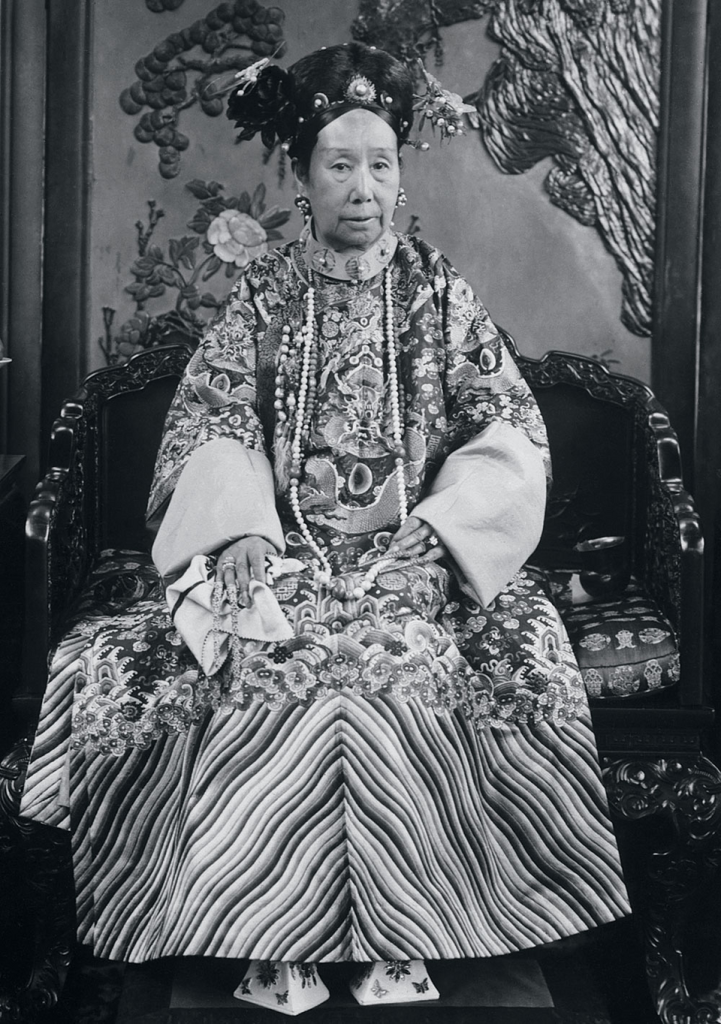
Misogynistic scholars and political rivals worked tirelessly to portray this female Chinese ruler as a ruthless tyrant who destroyed an empire. She navigated her nation through complex international conflicts and successfully abolished cruel traditions like the practice of foot binding. Her administration initiated significant educational reforms and modernized the military infrastructure during a period of intense foreign interference. Much of the negative folklore surrounding her reign was directly invented by an exiled reformist named Kang Youwei.
Emperor Nero
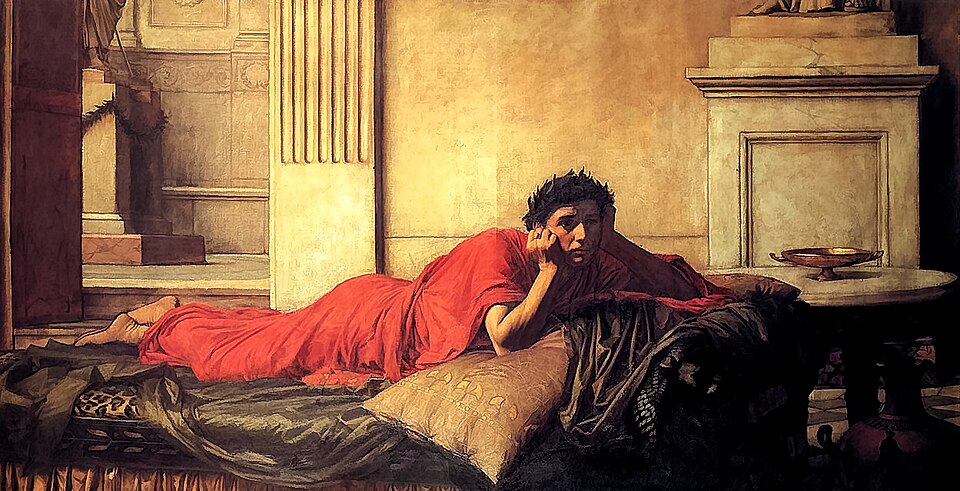
Hostile senators controlled the historical narratives of the early Roman Empire and depicted this ruler as a fiddling madman who burned his own capital. Archaeological evidence suggests he actually implemented strict fire codes after the disaster and provided extensive relief efforts for displaced citizens.
Louis XVI
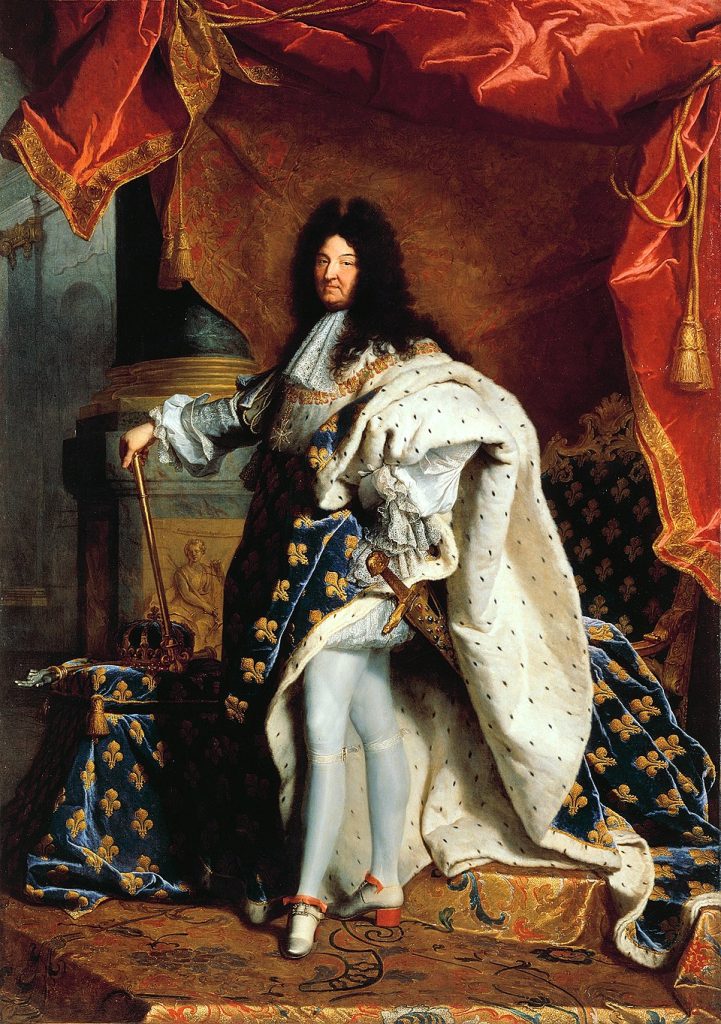
Generations of students learn that this French monarch was an ignorant despot who casually starved his own people. He actually inherited an absolute financial catastrophe caused by the excessive spending of his royal predecessors. His genuine attempts to tax the nobility and reform the economic system were aggressively blocked by aristocratic courts. He even supported the American Revolution with critical funds and naval resources, which ironically accelerated his own financial ruin.
Benedict Arnold
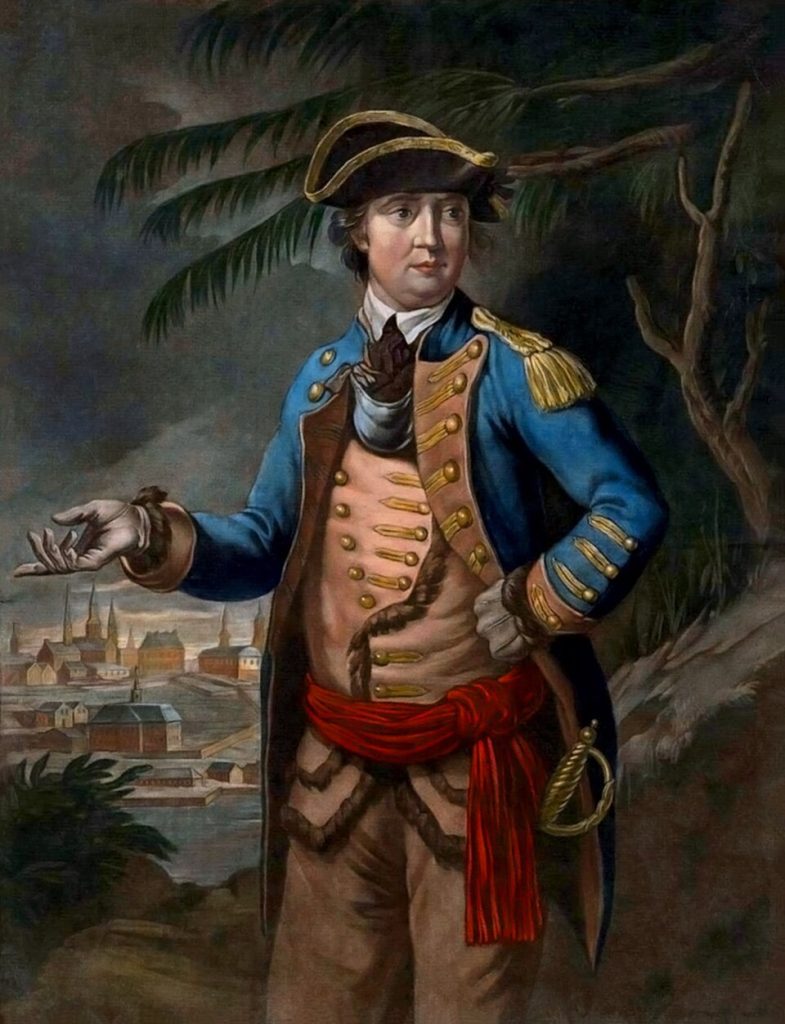
The name of this brilliant military tactician serves as a universal synonym for treason in American culture. Congress repeatedly passed over him for promotions and allowed other officers to claim credit for his crucial victories before he finally switched sides.
Anne Boleyn
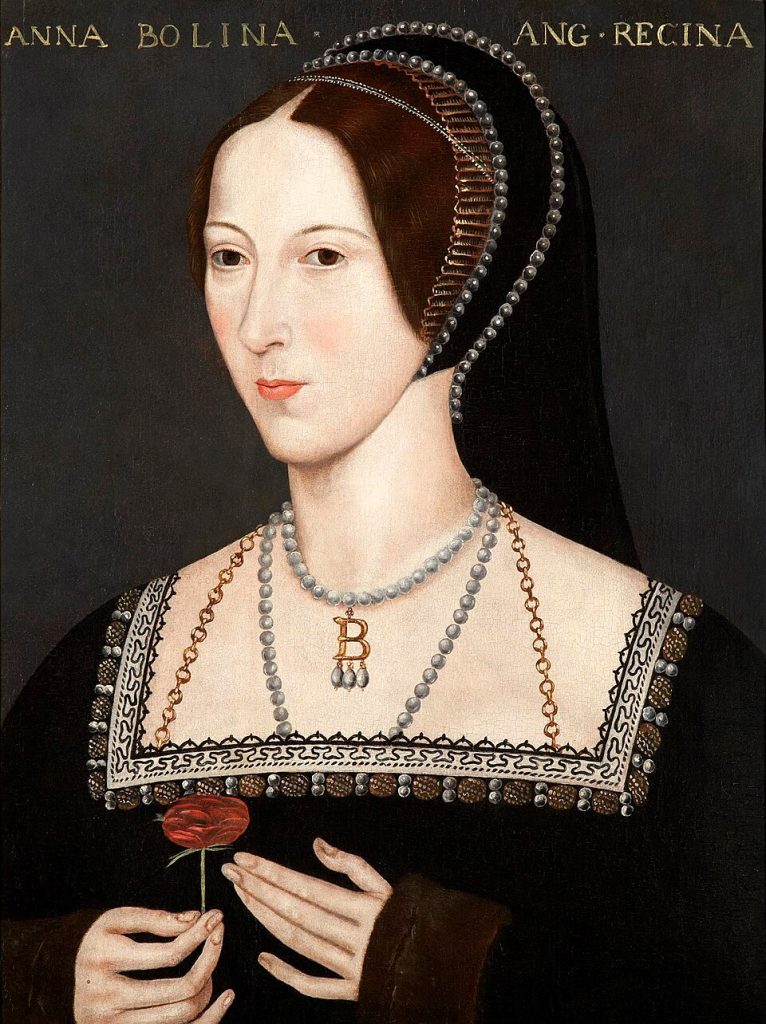
Much like other tragic figures in the Tudor narrative, this queen suffered from a systematic smear campaign engineered by her own husband. Thomas Cromwell fabricated adultery and treason charges simply because she failed to produce a male heir for the throne. She was a highly educated patron of the arts who deeply influenced the religious direction of the entire nation. The scandalous rumors regarding physical deformities and witchcraft were entirely invented decades later by Catholic propagandists.
Herbert Hoover
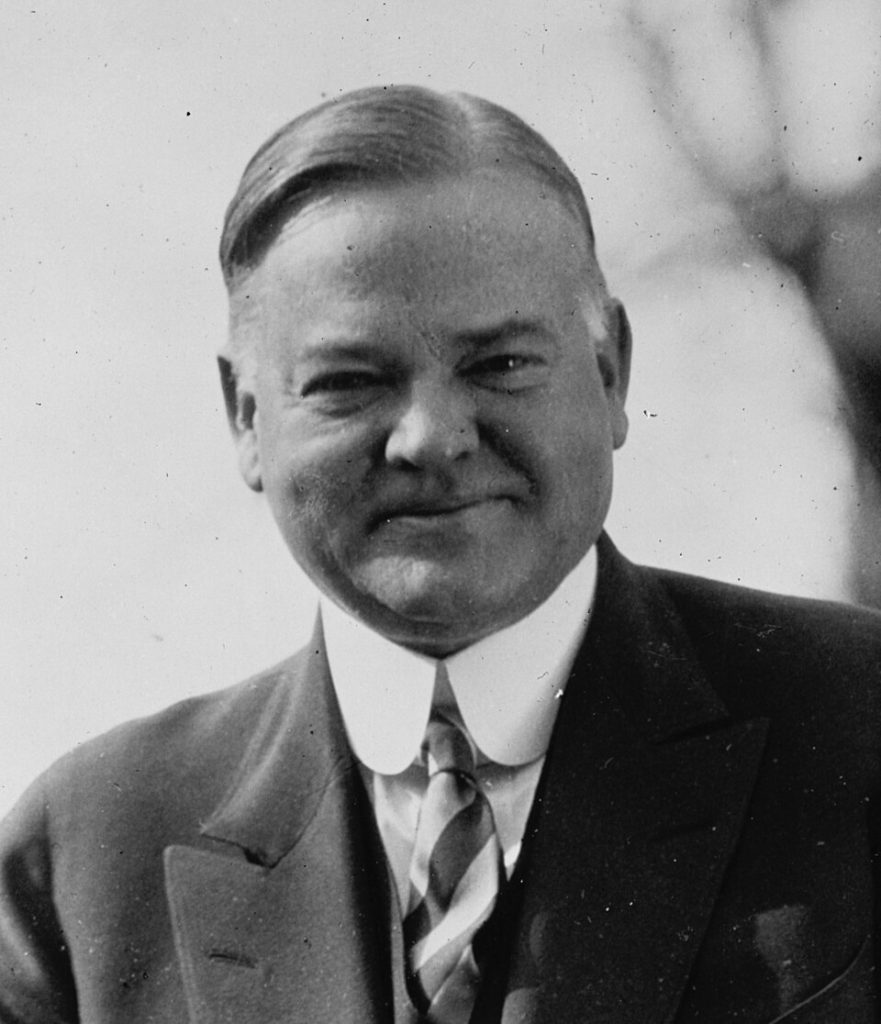
Public opinion permanently anchored the blame for the Great Depression to this president despite the global economic collapse beginning shortly after his inauguration. He had previously organized unprecedented humanitarian relief efforts that saved millions of Europeans from starvation during global conflicts.
Thomas Paine
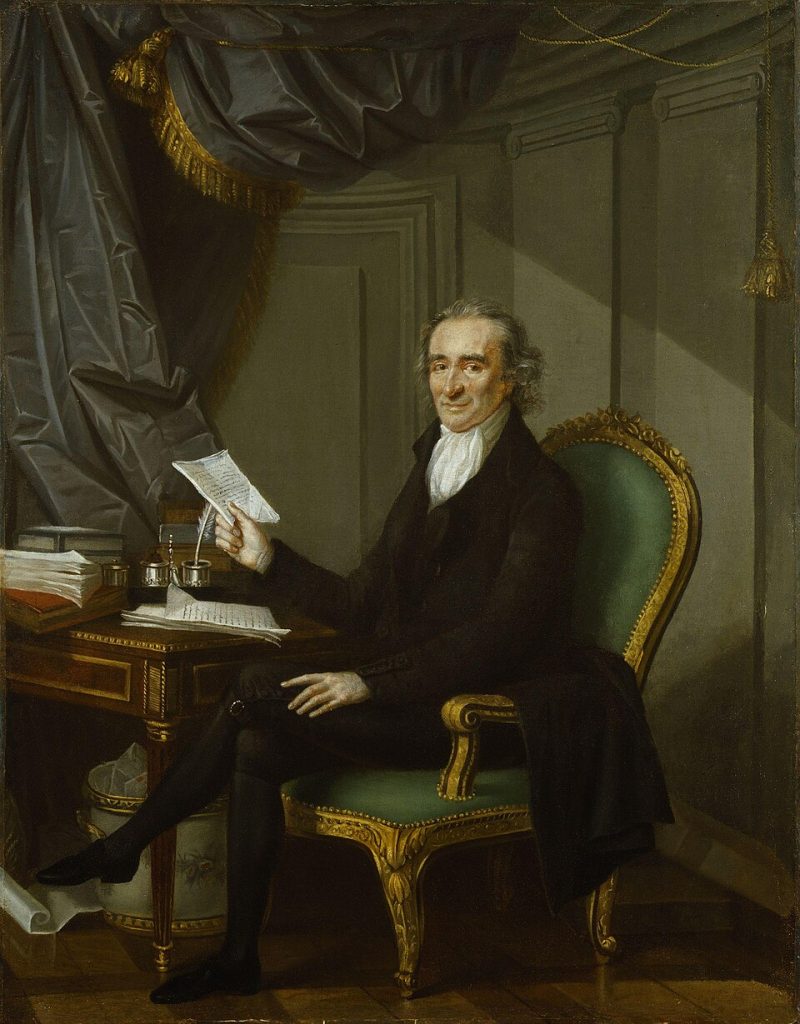
The influential author of revolutionary pamphlets died an absolute pariah due to his outspoken criticism of organized religion. Only a handful of people attended the funeral of the man who essentially sparked the American desire for independence. His radical belief in universal basic income and the abolition of slavery alienated the wealthy elites who controlled the new government. His literal remains were later dug up and lost, ensuring he never received a proper monument for his fundamental contributions.
Catherine The Great
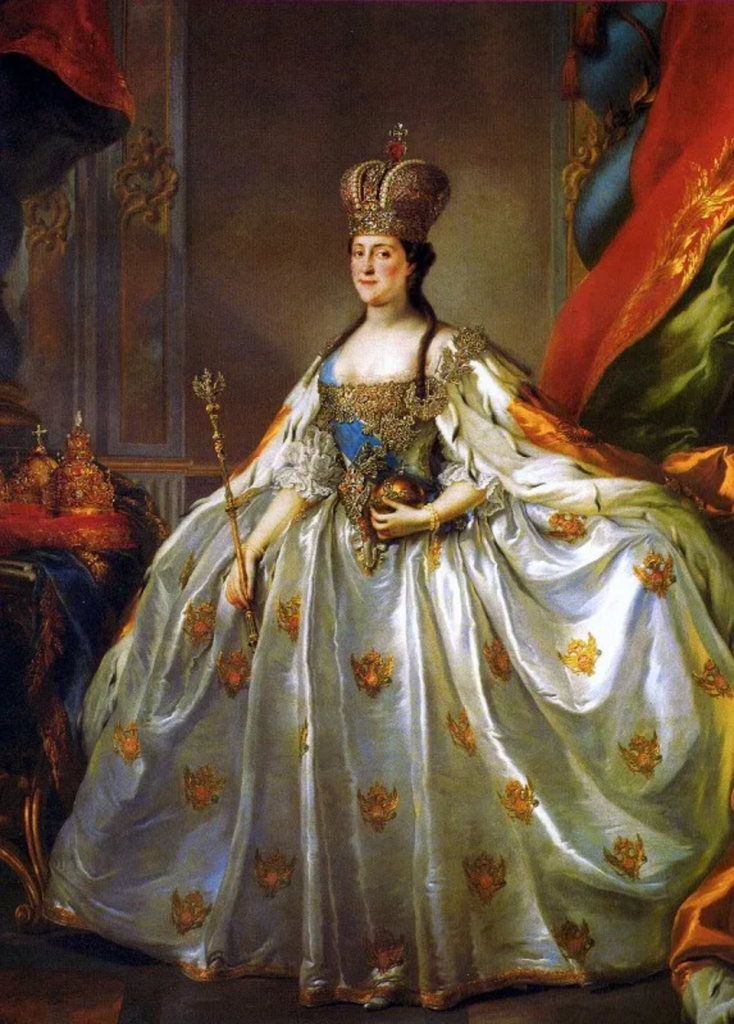
Male contemporaries felt deeply threatened by a powerful female leader expanding the Russian empire and consequently invented vile rumors regarding her private life. The infamous story involving a horse was a calculated piece of political slander designed solely to undermine her exceptional administrative competence.
Lucrezia Borgia
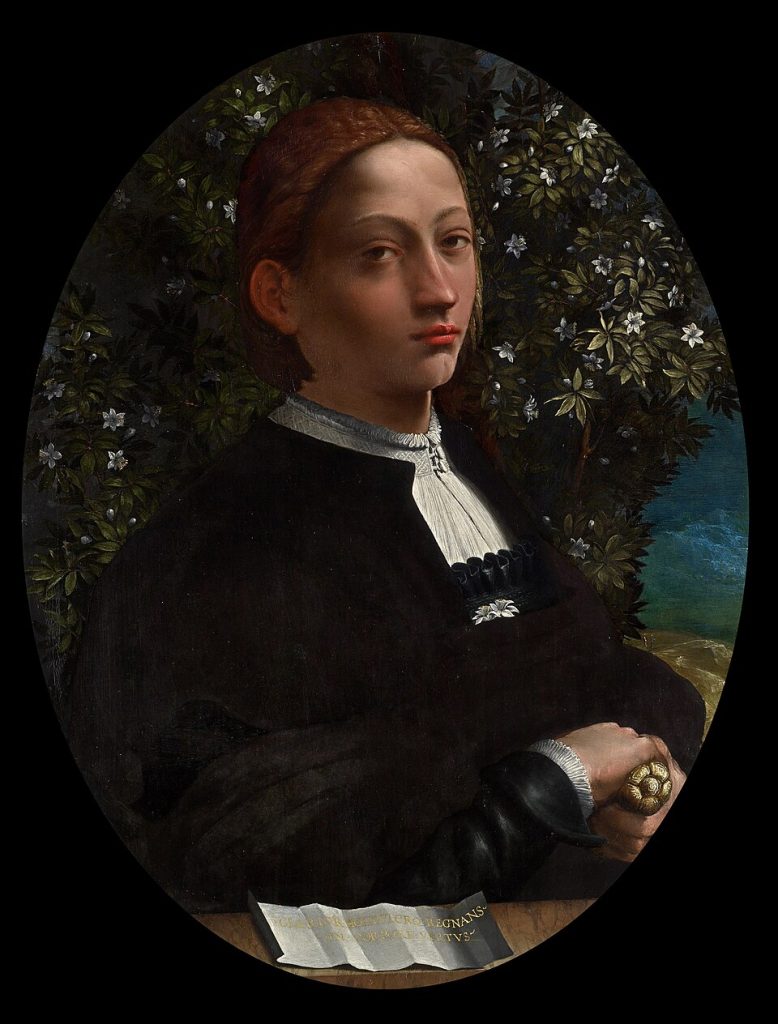
Pop culture depicts this Italian noblewoman as a master poisoner who engaged in scandalous affairs within the Vatican. She was essentially a political pawn traded into various marriages by her father and brother to secure strategic alliances. Historical records show she was an incredibly capable governor who successfully managed city administrations while her husband was fighting military campaigns. The dark reputation attached to her name is entirely the result of propaganda distributed by rival Italian families.
Ignaz Semmelweis
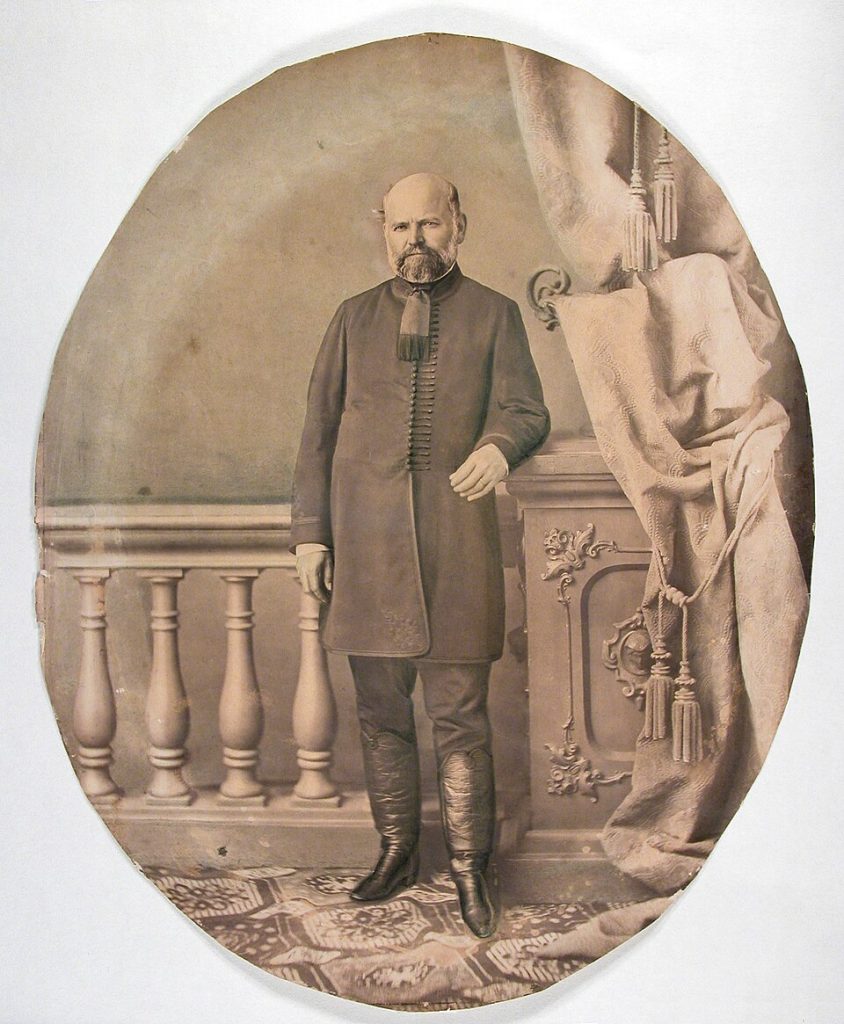
The medical establishment completely ruined the career of this Hungarian physician after he suggested that doctors should wash their hands between patients. He suffered a total mental breakdown and died in an asylum just years before Louis Pasteur finally proved the germ theory of disease.
King John Of England
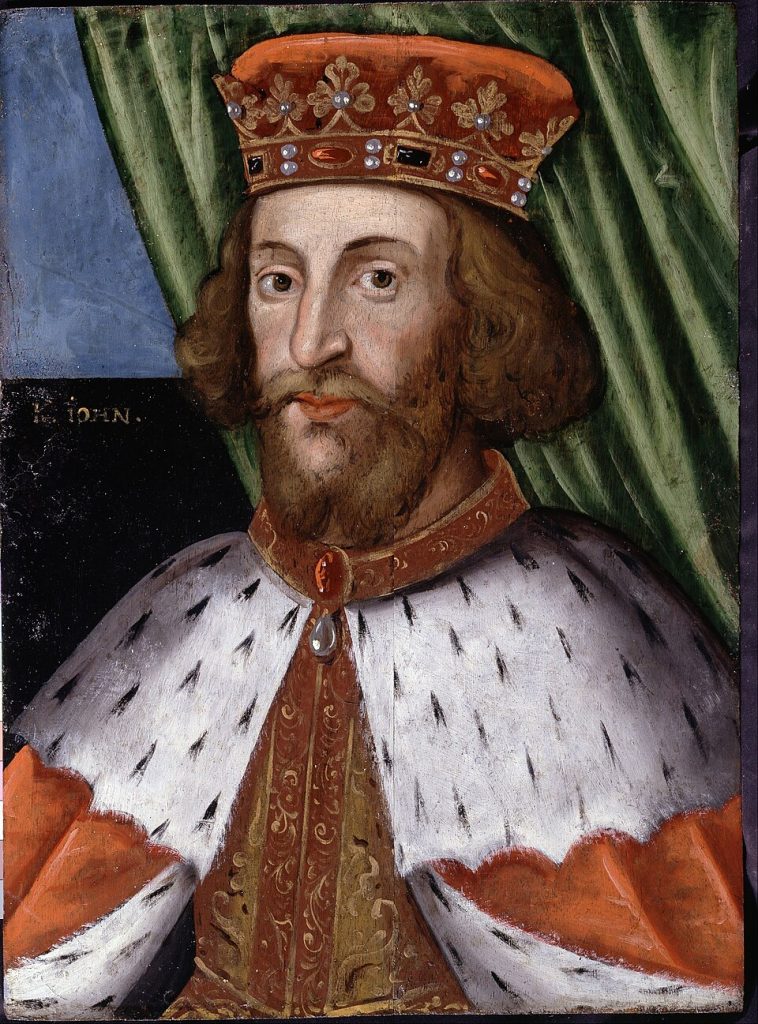
Folklore remembers this monarch exclusively as the greedy villain who fought against Robin Hood and heavily taxed the poor. He inherited a completely bankrupt kingdom because his famous brother Richard the Lionheart drained the treasury for foreign crusades. The heavy taxation was an absolute necessity to pay off massive royal ransoms and defend the realm against French invasions. His reluctant signing of the Magna Carta established foundational legal principles that still influence modern constitutional law.
Tiberius
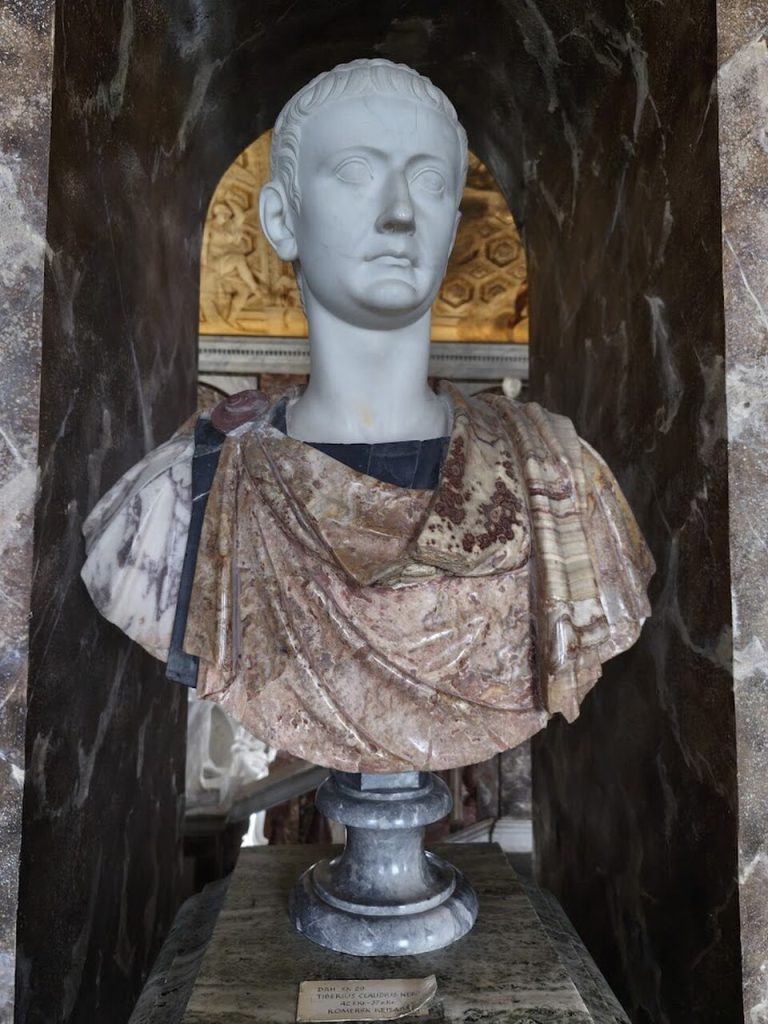
Ancient historians characterized the second Roman emperor as a paranoid recluse who engaged in depraved acts on the island of Capri. He was actually a brilliant military commander who left the imperial treasury overflowing with gold upon his death.
Captain Edward Smith
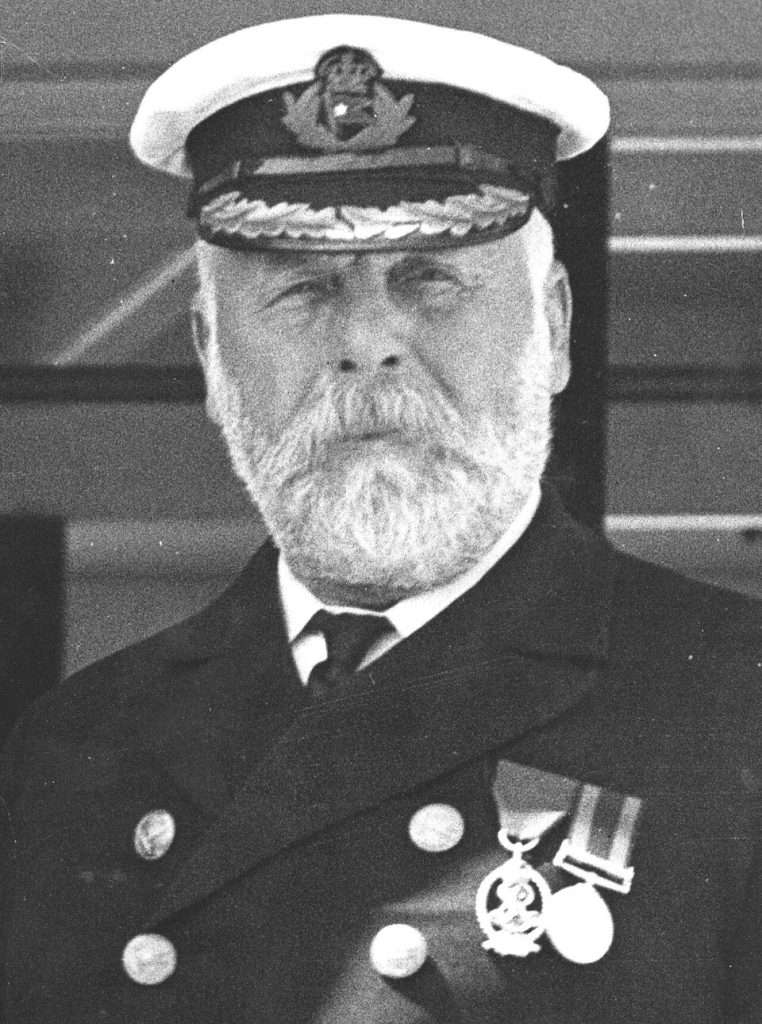
The tragic sinking of the Titanic resulted in intense public scrutiny focused squarely on the veteran naval commander. He was merely following standard shipping practices of the era by maintaining speed through ice fields in clear weather conditions. His decision to keep the ship moving forward initially was based on completely incorrect damage assessments from the engineering crew. He ultimately chose to go down with his vessel in accordance with maritime tradition, yet movies often portray him as dangerously incompetent.
Mary Magdalene
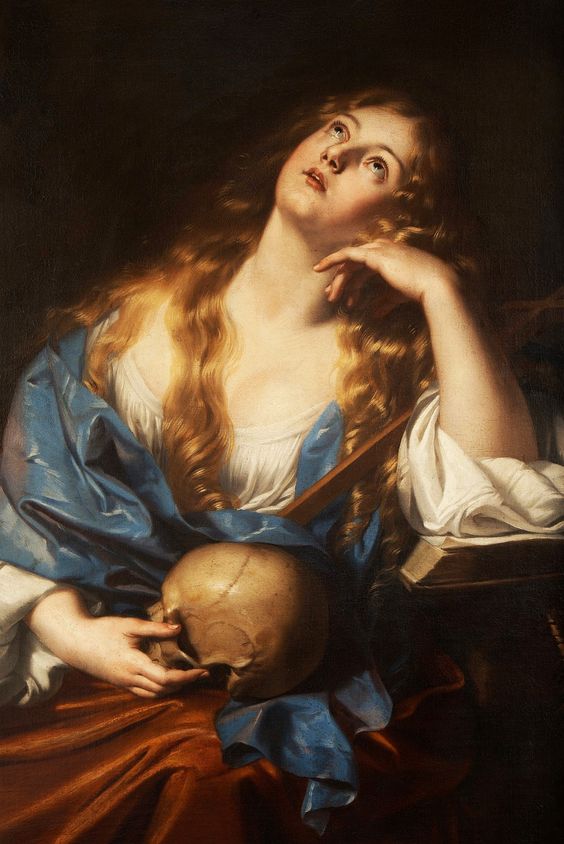
Pope Gregory essentially ruined the historical reputation of this early Christian figure in the year 591 by incorrectly labeling her a prostitute. There is zero biblical evidence supporting this claim, as she was primarily a wealthy financial supporter of an emerging religious movement.
Domitian
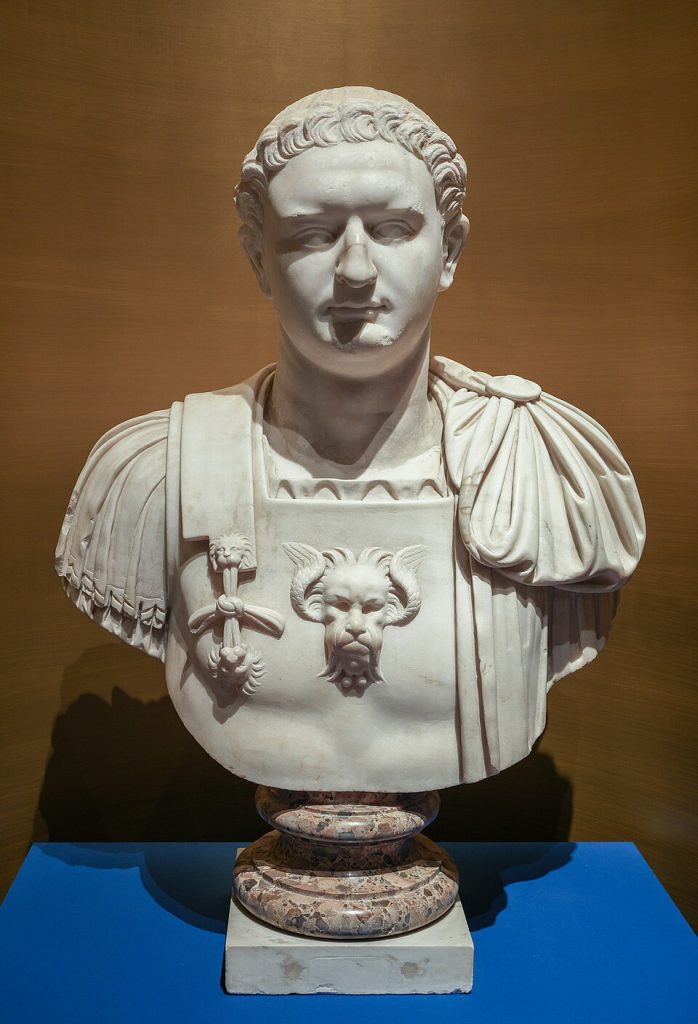
This Roman emperor suffered the exact same fate as other capable leaders who severely restricted the power of the wealthy Senate. The political elites assassinated him and officially erased his name from public monuments to cement his legacy as a cruel tyrant. Modern historians recognize that he successfully stabilized the economy and rebuilt massive sections of the capital after devastating fires. The common people and the military actually revered him during his entire fifteen year reign.
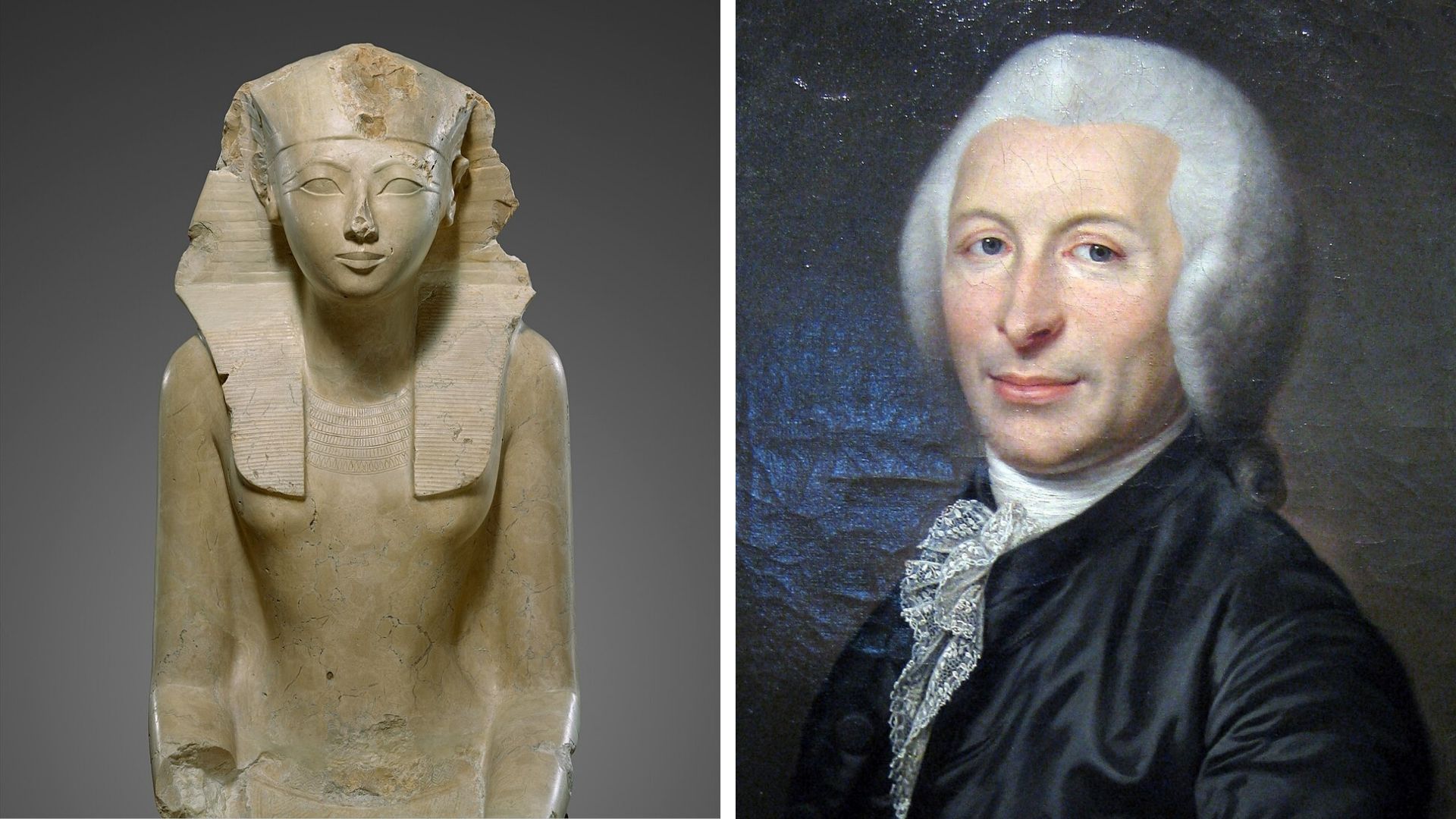
Hatshepsut
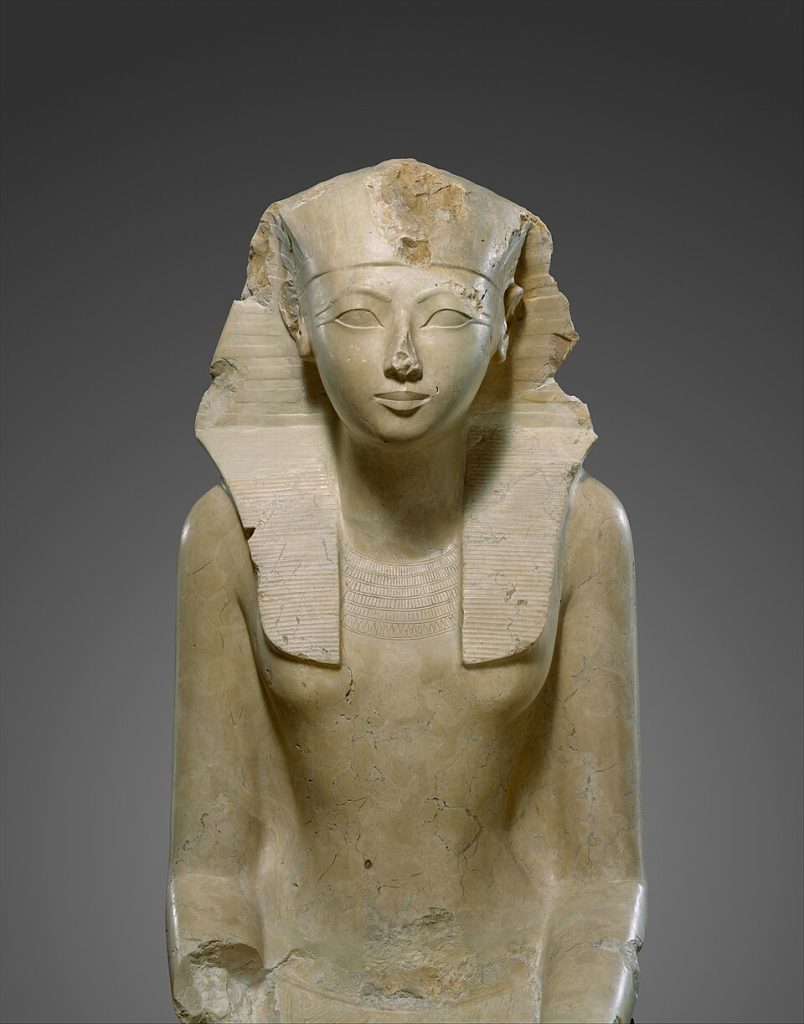
Later generations of Egyptian rulers systematically chiseled her name off monuments in a desperate attempt to erase a successful female pharaoh from collective memory. The physical defacement had nothing to do with her ruling capabilities and everything to do with protecting the strict male line of succession.
King George III
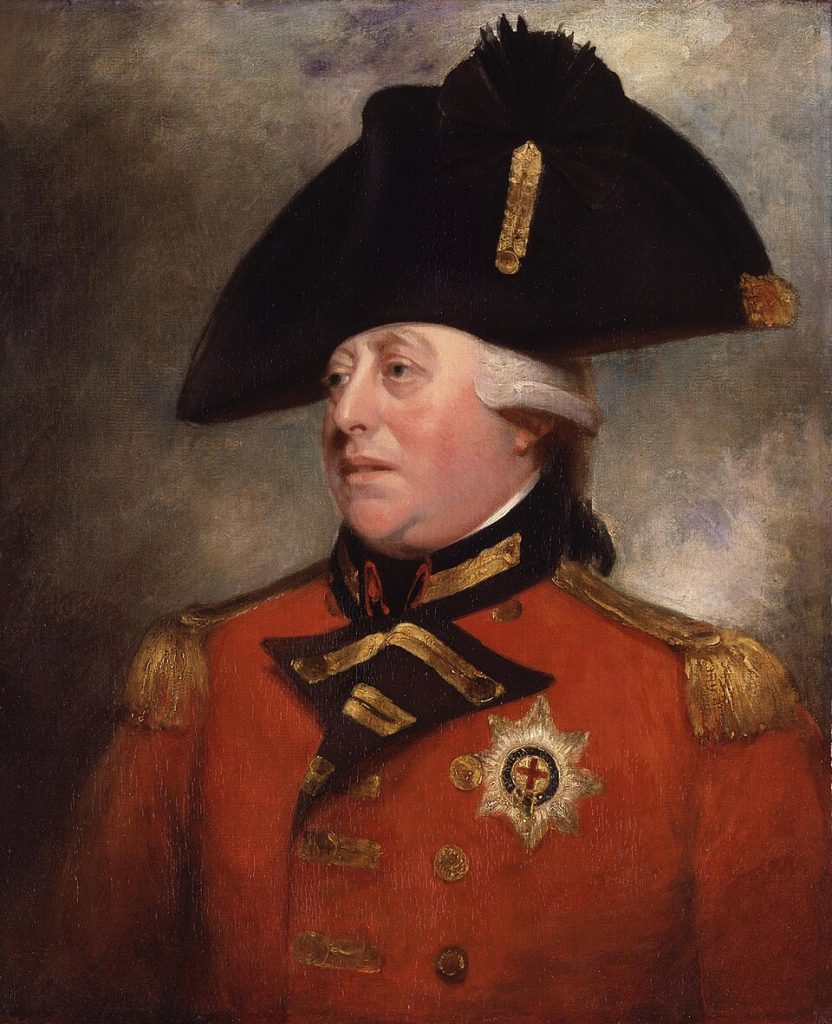
American revolutionary texts exclusively describe this British monarch as an unhinged tyrant intent on subjugating colonial citizens. He functioned strictly as a constitutional monarch and was merely enforcing the tax policies created by his elected parliament. He strongly opposed slavery and possessed a deep passion for science, agriculture, and classical literature. His severe bouts of mental illness later in life made him a tragic figure rather than a malicious oppressor.
Thomas Cromwell
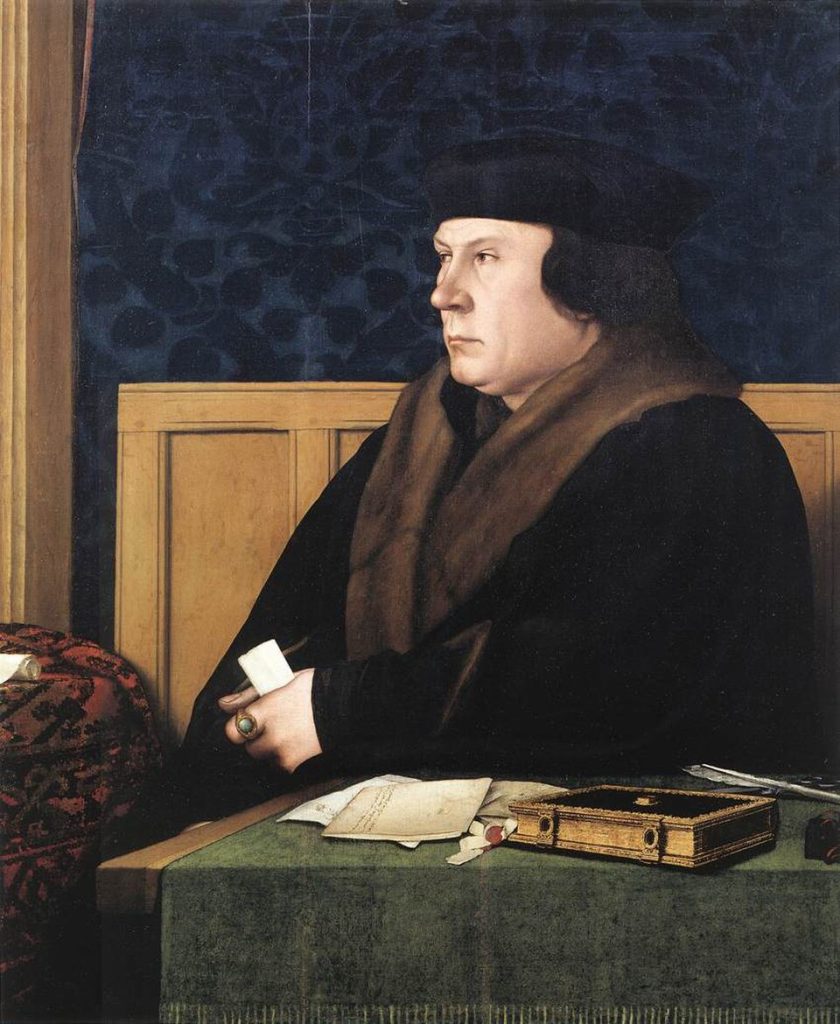
Fiction often portrays the chief minister of Henry VIII as a thuggish enforcer who happily sent innocent people to the execution block. He was actually a visionary statesman who engineered the modern bureaucratic state and fiercely pushed for the translation of the Bible into English.
Joseph Ignace Guillotin
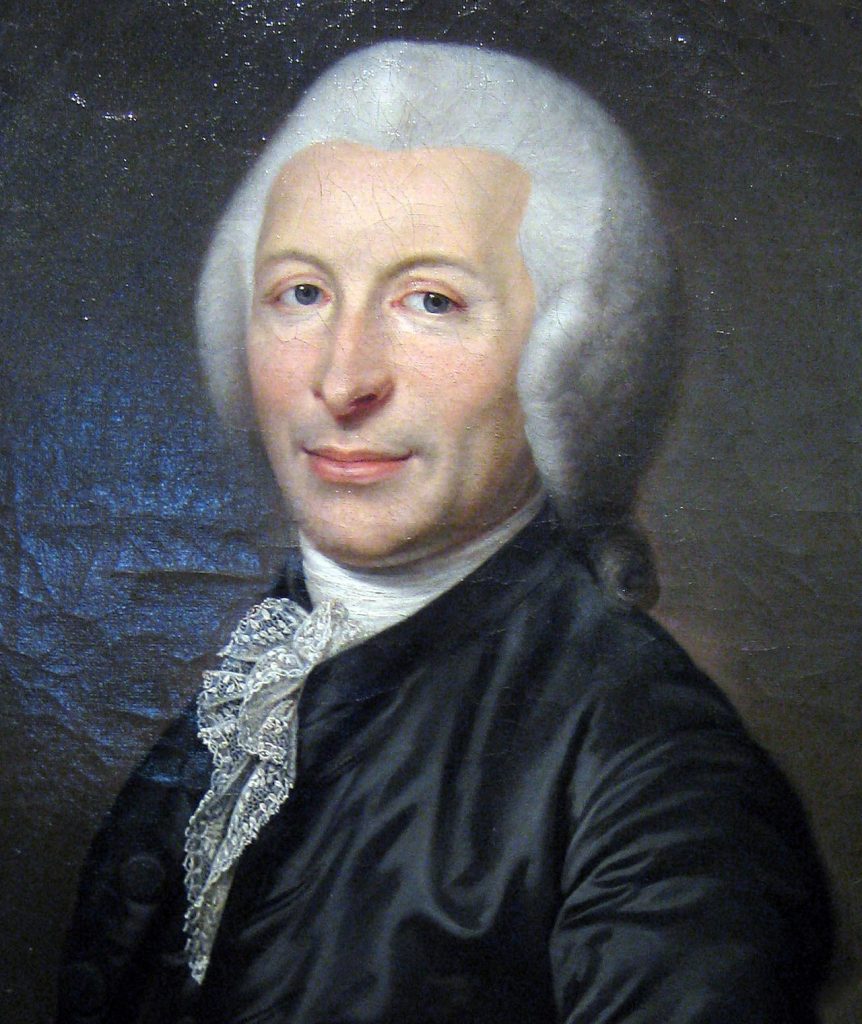
The infamous execution machine forever bears the name of this gentle French physician who actively opposed the death penalty. He merely suggested creating a mechanical device to make capital punishment more humane and egalitarian for all social classes. He was utterly horrified when the government actually built the contraption and utilized it to execute thousands of citizens. His grieving relatives formally petitioned the government to change the name of the device, and when denied, changed their own family name instead.