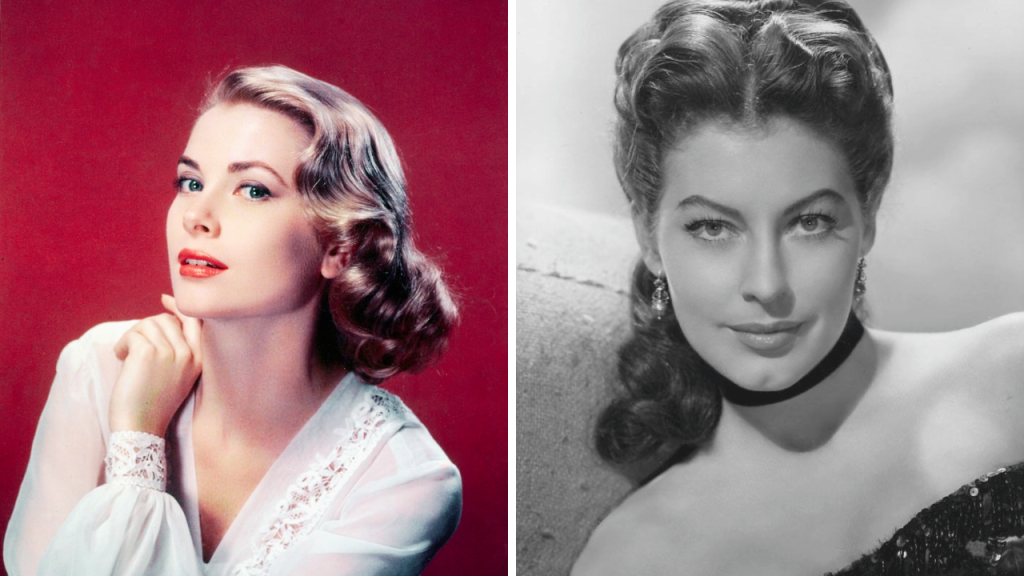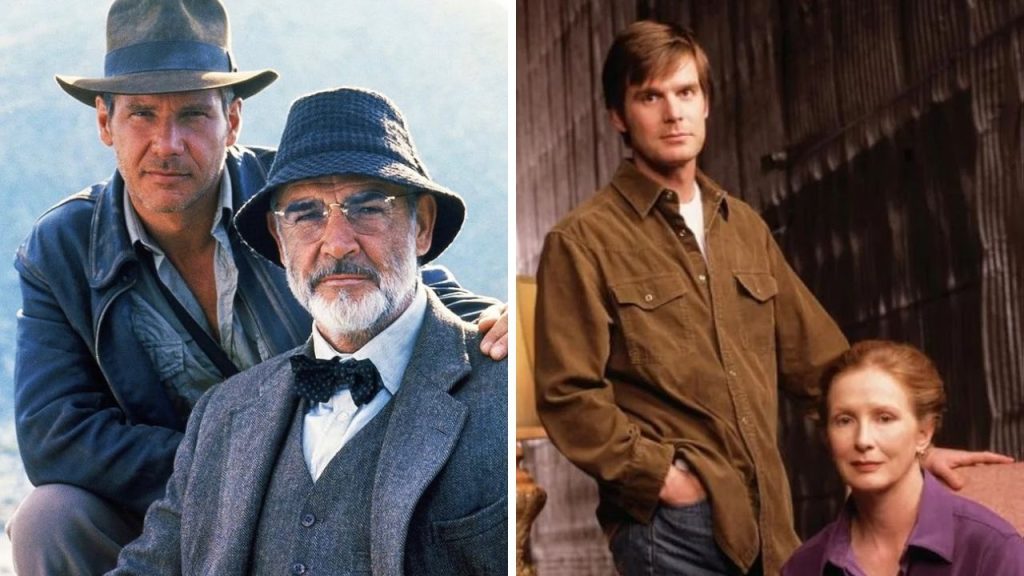
The human brain tends to organize history into distinct, isolated boxes, yet the reality of our timeline is far more intertwined and surprising. When we strip away the chapters of textbooks, we find that ancient mammoths coexisted with engineers and that futuristic inventions shared the same decade as medieval traditions. This article explores 30 mind-blowing historical overlaps that challenge everything you thought you knew about the passing of time. Prepare to see the world’s most iconic figures and events through a completely different lens.
Woolly Mammoths And The Pyramids
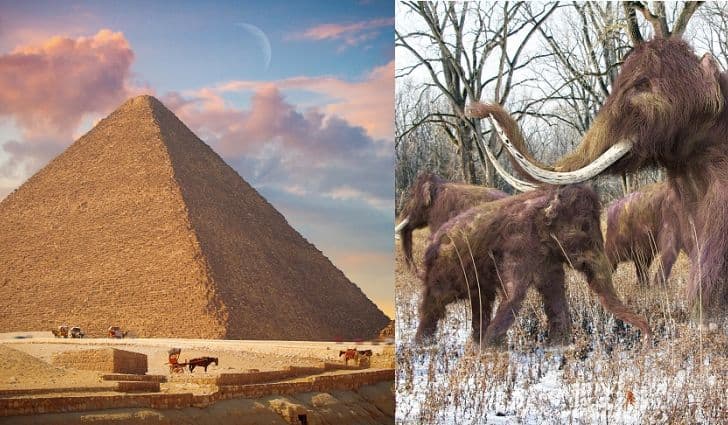
The last woolly mammoths were still roaming Wrangel Island while the Great Pyramid of Giza was being constructed in Egypt. This isolated population survived until roughly 1650 BCE, long after the dawn of human civilization. This overlap proves that prehistoric icons and ancient architectural marvels are not as far apart as modern education suggests.
Oxford University And The Aztec Empire
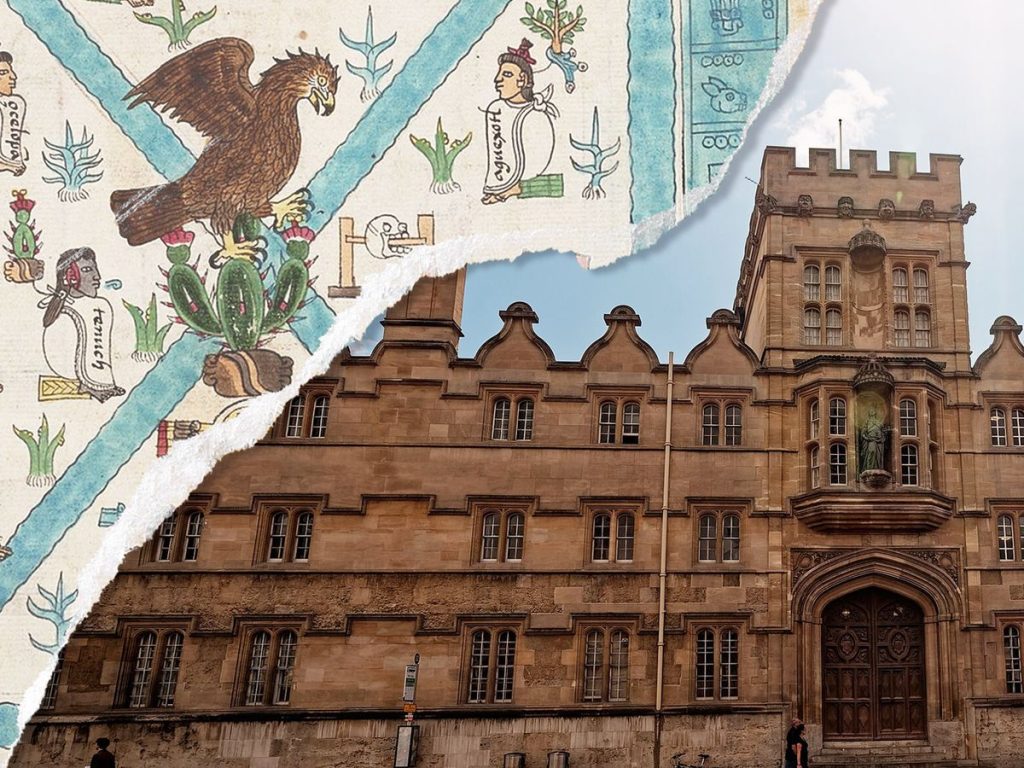
Teaching began at Oxford University well before the Aztec Empire was even founded in central Mexico. While scholars in England were debating philosophy as early as 1096, the city of Tenochtitlan was not established until 1325. Oxford is actually older than many world empires that people consider ancient. This makes the university a living bridge between the medieval and modern worlds.
Nintendo And Jack The Ripper
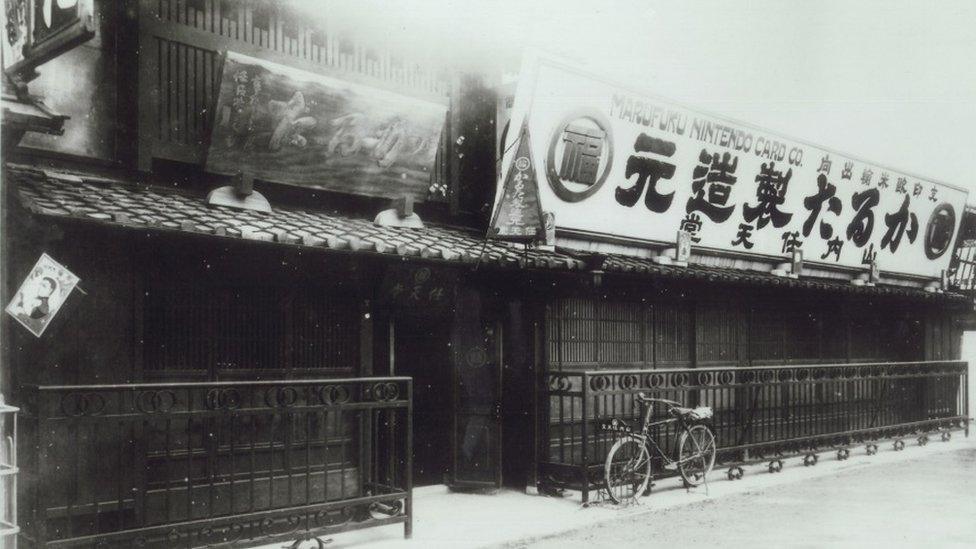
While the notorious serial killer Jack the Ripper was haunting the streets of London, the Nintendo company was officially founded in Japan. Fusajiro Yamauchi started the business in 1889 to produce handmade hanafuda playing cards. The company operated for nearly a century before ever touching the world of video games. This timeline places a modern entertainment giant firmly in the Victorian era.
The Fax Machine And The Oregon Trail
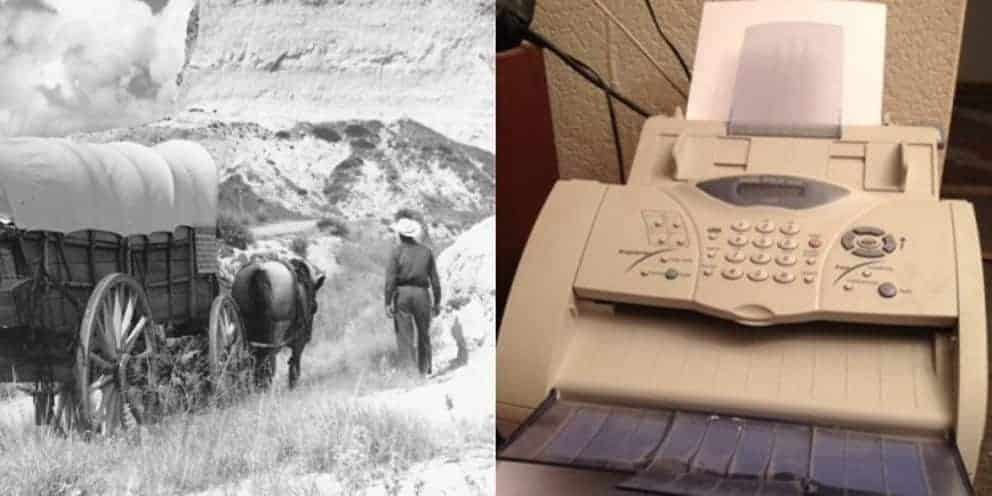
Alexander Bain patented the first chemical telegraph, a precursor to the fax machine, in 1843. In that very same year, the first major wagon train set off on the Oregon Trail to settle the American West. Pioneers were struggling across the wilderness while scientists were already transmitting images across wires. This technological disparity highlights the uneven pace of global progress during the nineteenth century.
Anne Frank And Martin Luther King Jr
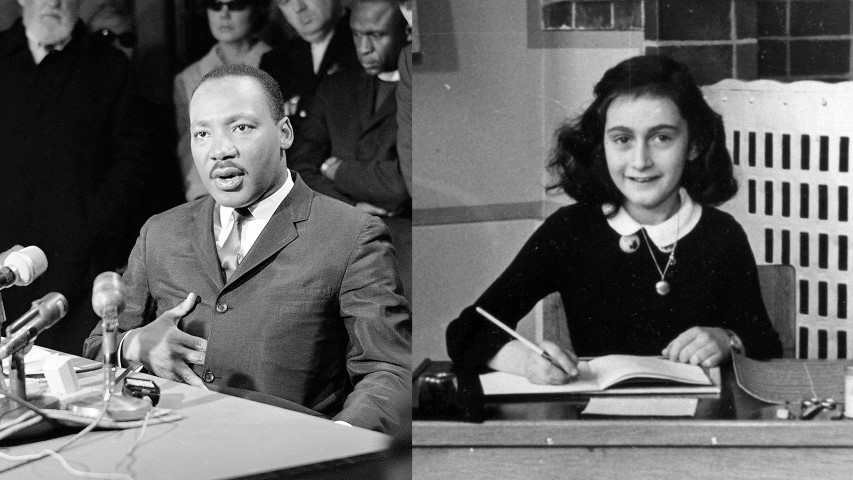
Both of these historical figures were born in the year 1929, making them exact contemporaries. While their lives took drastically different paths due to geography and war, they both became global symbols of resistance against oppression. King survived to lead the Civil Rights Movement, while Frank’s legacy was preserved through her diary. Their shared birth year connects the horrors of the Holocaust directly to the American struggle for equality.
The Guillotine and Star Wars
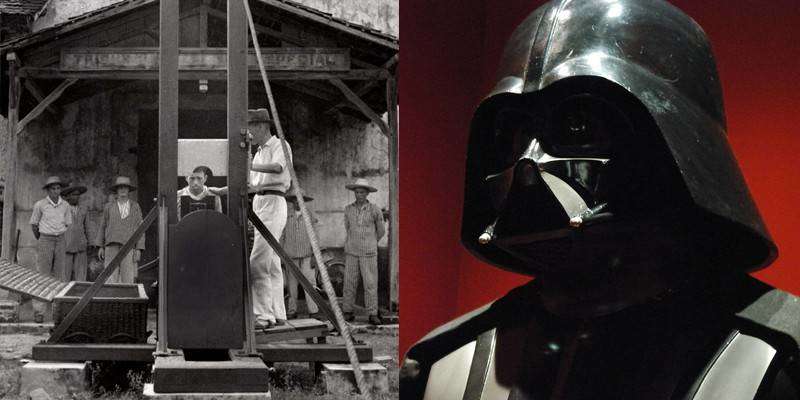
France was still using the guillotine for capital punishment when the first “Star Wars” film was released in 1977. Hamida Djandoubi became the last person executed this way just months after Luke Skywalker first appeared on cinema screens. It is jarring to realize that a futuristic sci-fi masterpiece shared the world with an execution method from the French Revolution. Capital punishment by guillotine was not officially abolished in France until 1981.
The London Underground And The Civil War
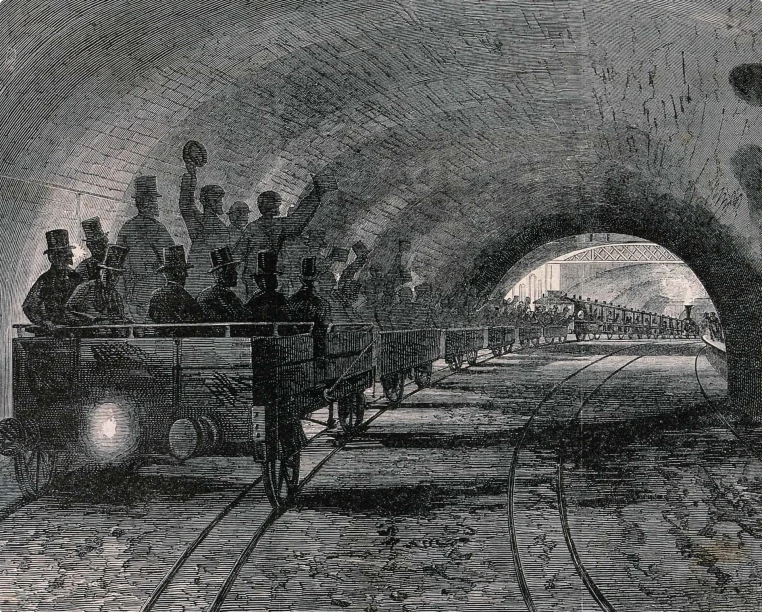
The Metropolitan Railway, the first segment of the London Underground, opened for business in January 1863. Across the Atlantic, the United States was in the middle of the American Civil War, and Abraham Lincoln had just issued the Emancipation Proclamation. Commuters in London were traveling beneath the city streets while the Battle of Gettysburg was still months away. Steam locomotives were actually used to power these early subterranean trains.
Samurai And The Fax Machine
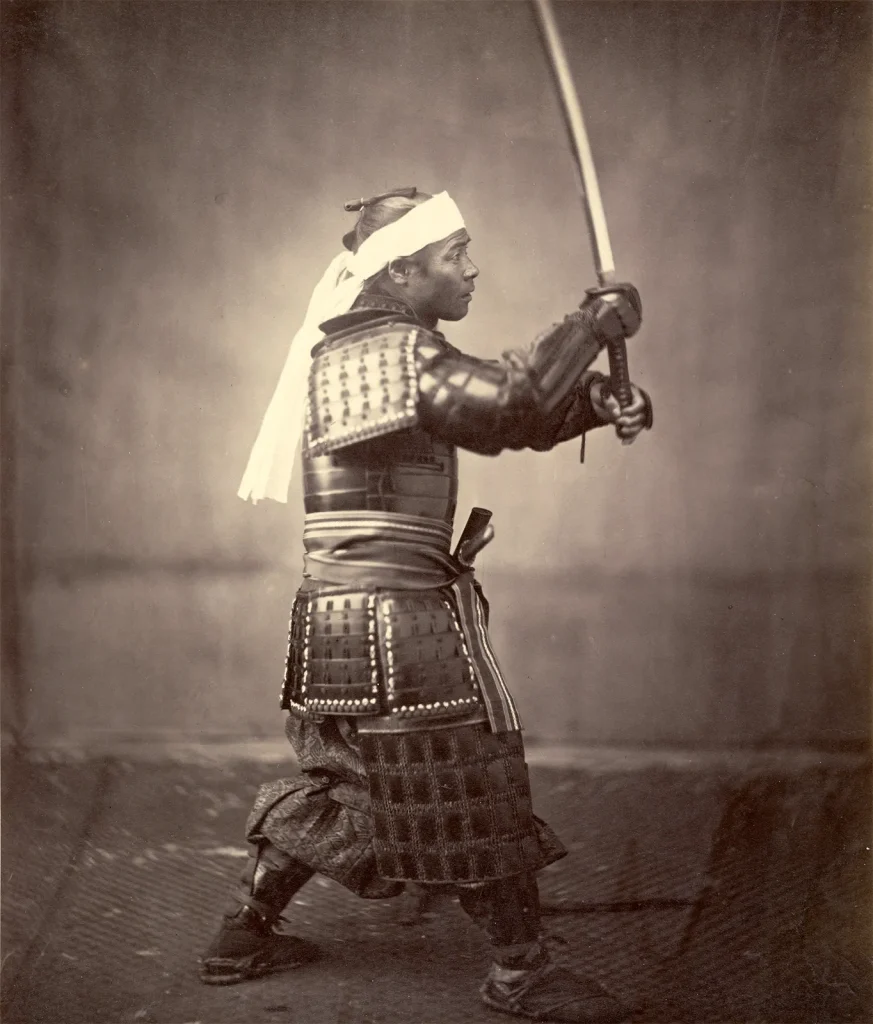
A samurai could have technically sent a fax to a pioneer on the Oregon Trail. Since the samurai class was not officially abolished until the late 1860s, there was a significant window where this ancient warrior tradition existed alongside modern telecommunications. This overlap destroys the myth that samurai belong solely to a primitive, distant past. Japan’s rapid modernization was one of the fastest transitions in human history.
Picasso And The Moon Landing
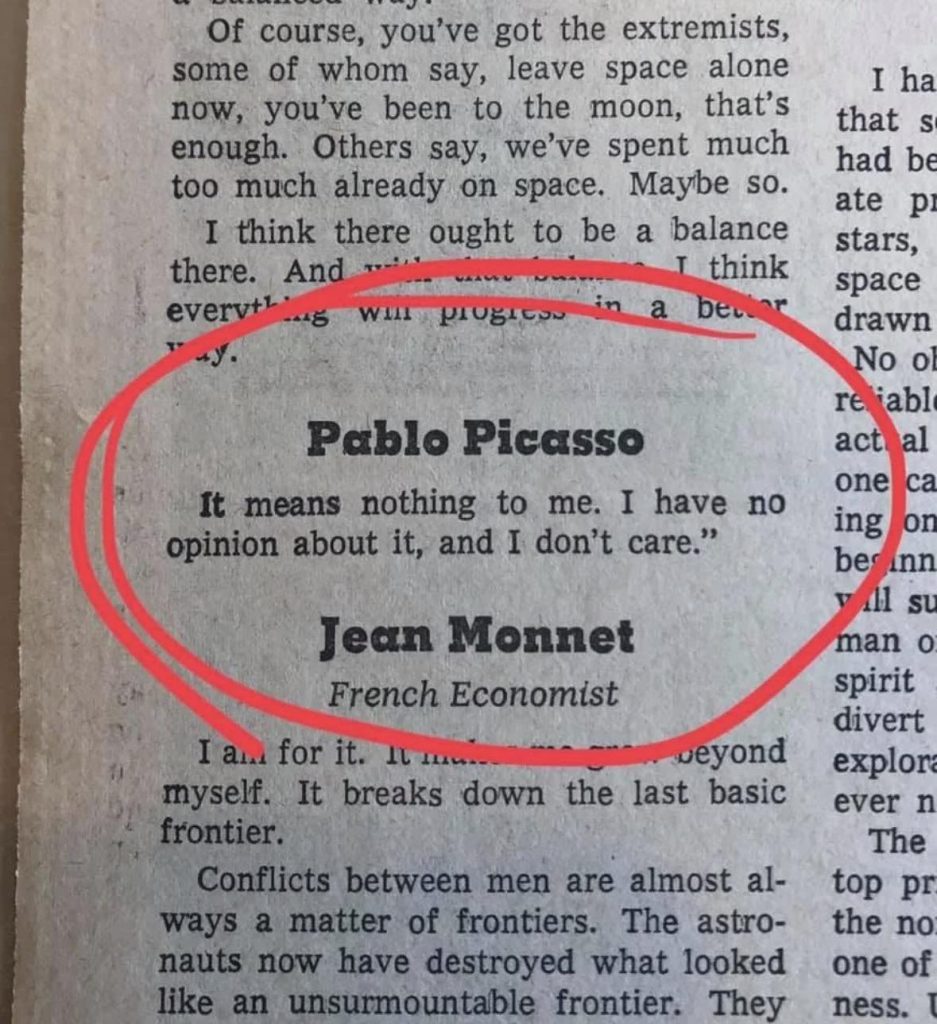
Pablo Picasso was alive to witness the Apollo 11 mission and humans walking on the moon in 1969. The artist, who began his career in the nineteenth century, lived long enough to see the dawn of the space age. He passed away in 1973, just as the first generation of computers began to enter corporate offices. His life bridged the gap between the era of horse-drawn carriages and the age of satellite communication.
Betty White And Sliced Bread
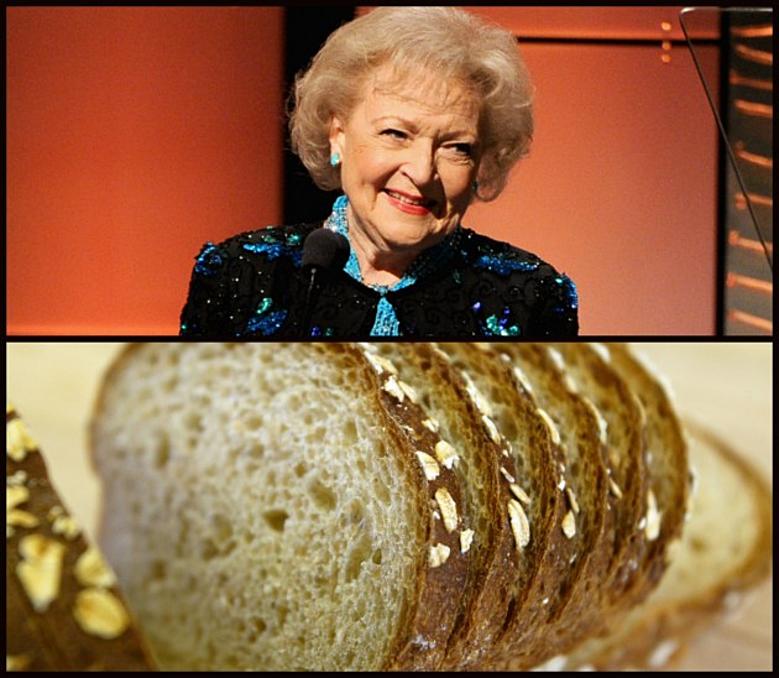
The beloved actress Betty White was born in 1922, which is six years before pre-sliced bread was first sold commercially. This means she lived through the era when bread had to be sliced entirely by hand at home. Her career eventually spanned almost the entire history of modern convenience foods. Sliced bread was initially seen as such a novelty that some bakers feared it would go stale too quickly.
Stegosaurus And Tyrannosaurus Rex
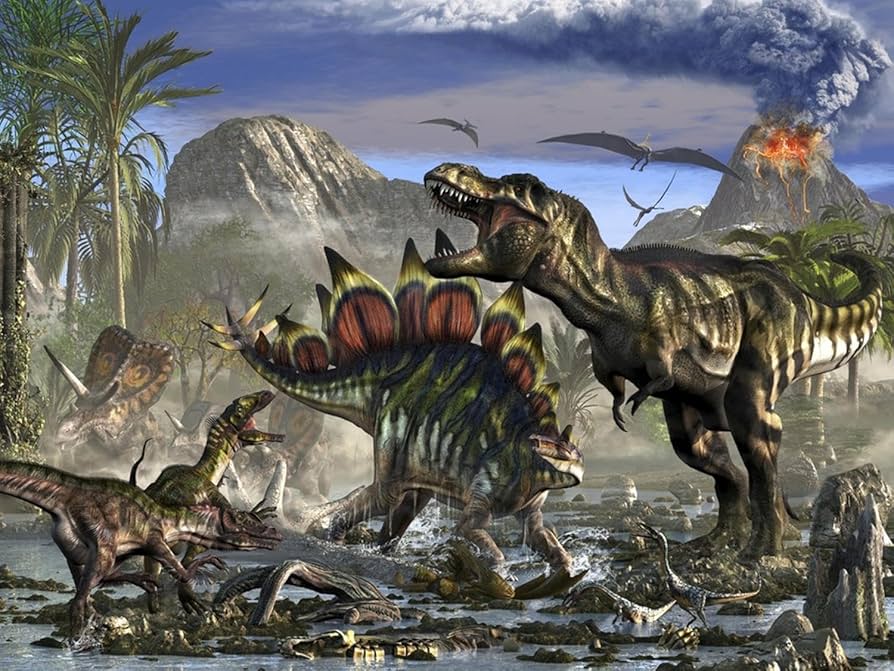
A Tyrannosaurus Rex lived closer in time to a human being than it did to a Stegosaurus. There is a sixty-six million year gap between the T-Rex and us, but a much larger eighty million year gap between the T-Rex and the Stegosaurus. This realization reshapes how we view the entire Mesozoic Era. Dinosaurs are often lumped together, but they represent a vast stretch of time that dwarfs human history.
Harriet Tubman And Ronald Reagan
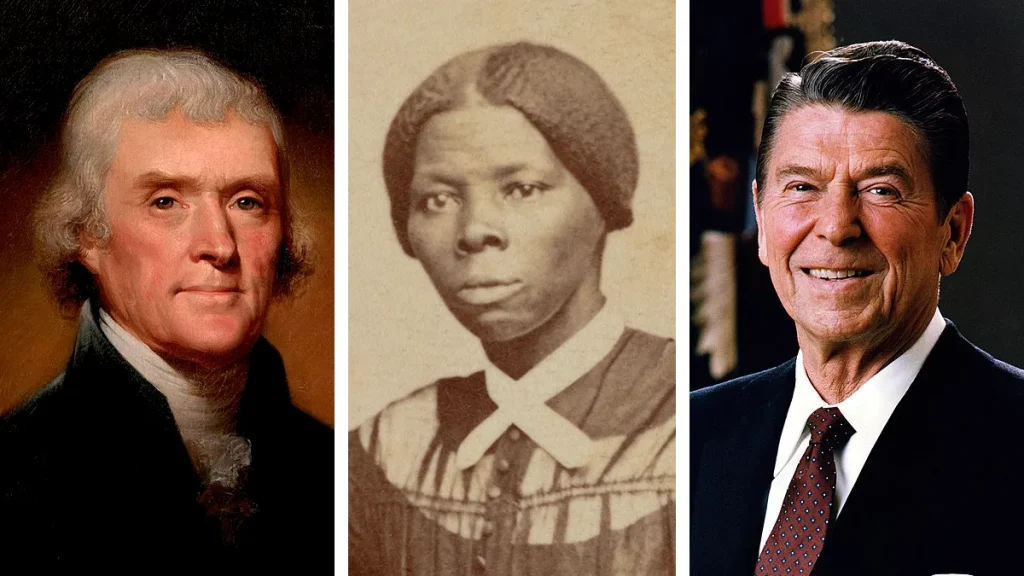
Harriet Tubman, the hero of the Underground Railroad, passed away in 1913. Ronald Reagan was born in 1911, meaning their lives overlapped for two full years. A woman who was born into slavery and a man who would become the fortieth President of the United States shared the same world. This overlap serves as a startling reminder of how young the United States truly is.
Coca-Cola And The Statue Of Liberty
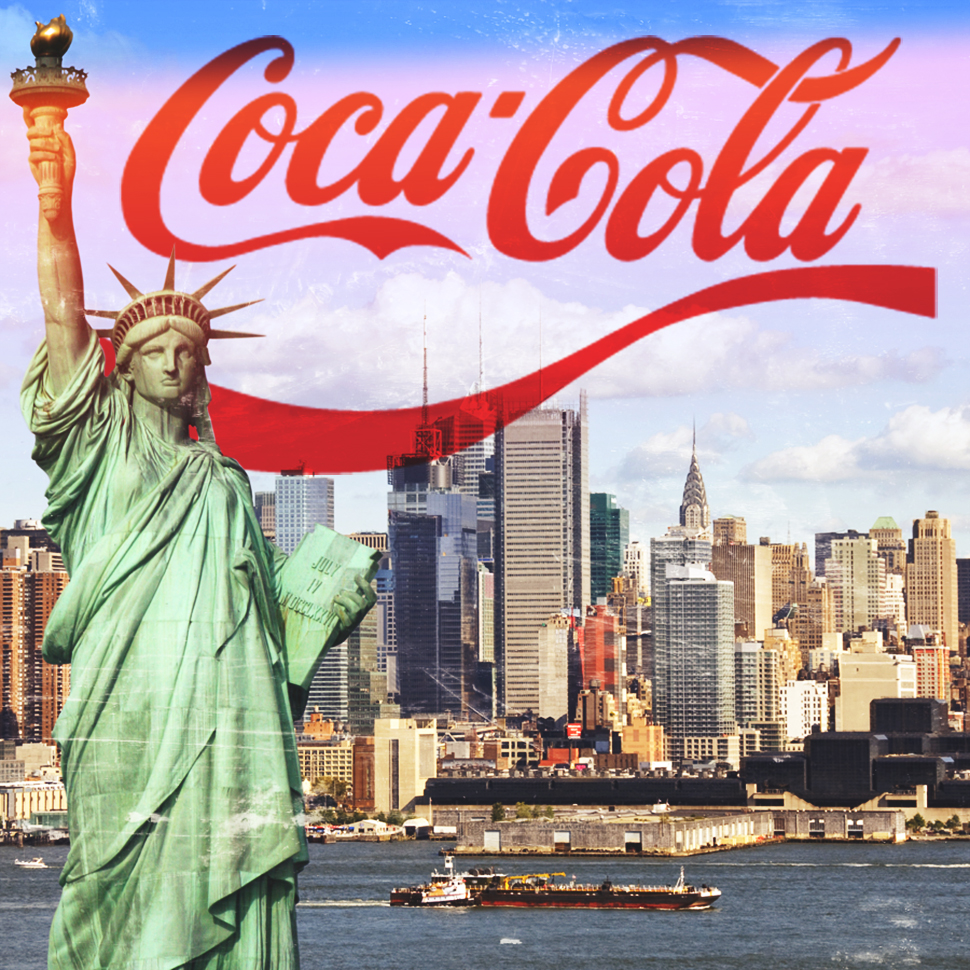
The first glass of Coca-Cola was served in Atlanta in 1886, the same year the Statue of Liberty was dedicated in New York Harbor. Both are now universal symbols of American culture, yet they arrived at the exact same moment in history. One was a French gift of diplomacy, and the other was a pharmacist’s medicinal experiment. Today, they remain two of the most recognizable icons on the planet.
The Brooklyn Bridge And The Little Bighorn
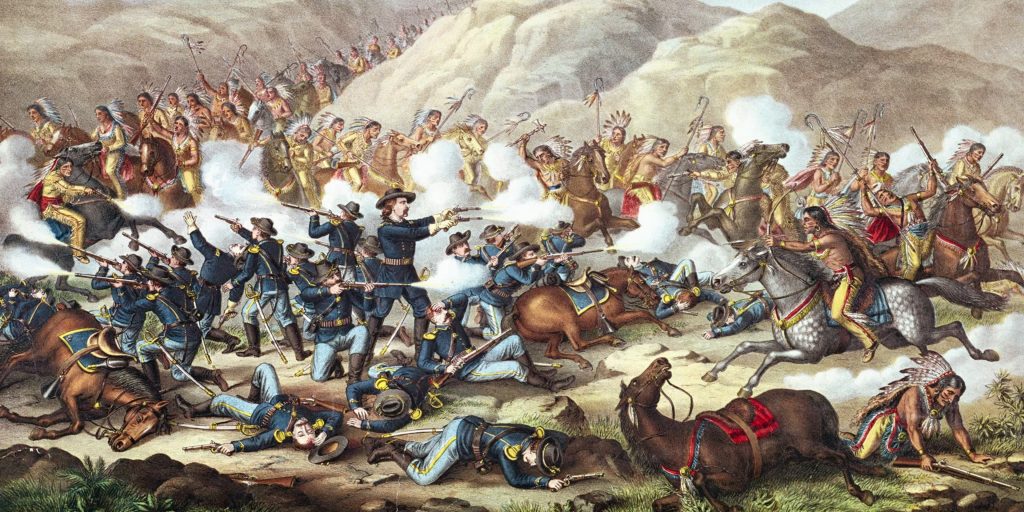
While engineers were using advanced suspension technology to build the Brooklyn Bridge, the Battle of the Little Bighorn was taking place in Montana. General Custer’s famous defeat happened in 1876, right in the middle of New York’s industrial boom. It was a time when the “Wild West” and “Industrial East” were in total conflict. The bridge took fourteen years to complete, witnessing the final stages of the American Indian Wars.
Abraham Lincoln And Charles Darwin
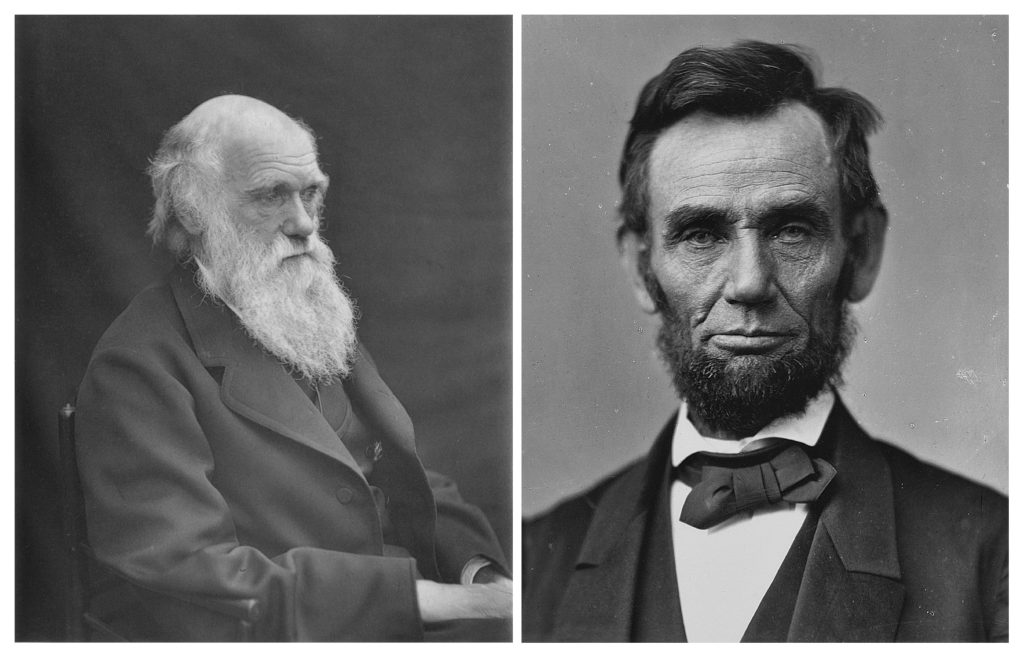
Abraham Lincoln and Charles Darwin were both born on February 12, 1809. One would go on to reshape the political landscape of the United States, while the other would transform our understanding of biological life. It is rare for two individuals of such immense global influence to share an exact birthday. Both men would eventually release their most defining works within years of each other.
Marilyn Monroe And Queen Elizabeth II
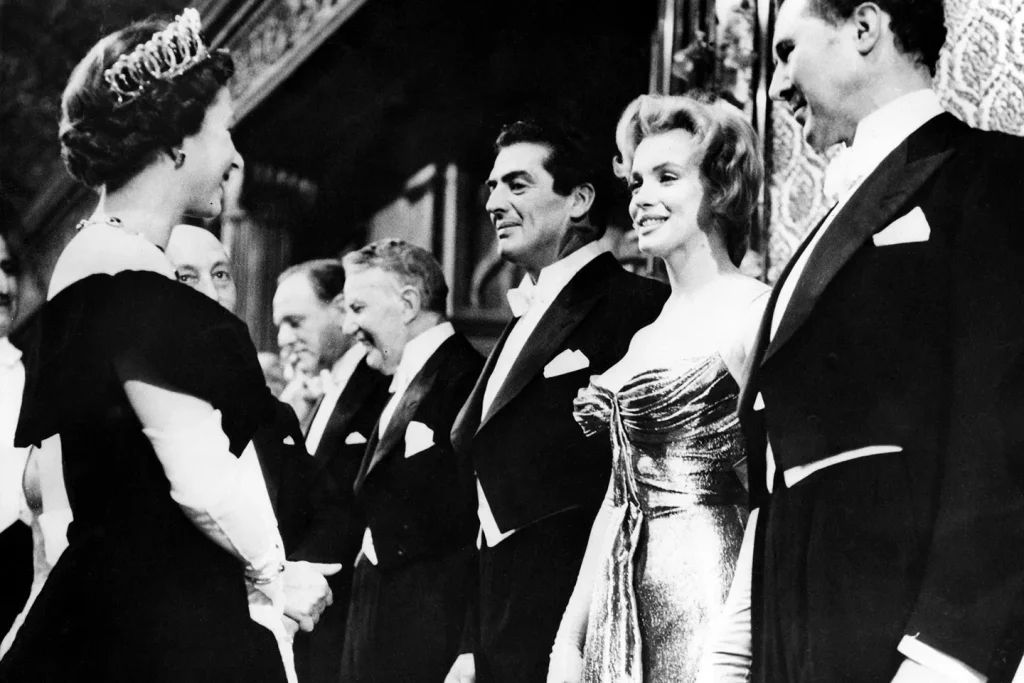
These two women were born in the same year, 1926, and even met once at a film premiere in London. While one became the ultimate Hollywood bombshell, the other became the longest-reigning monarch in British history. They were both thirty years old when they shook hands in a theater lobby. Monroe’s life was cut short in 1962, while the Queen lived into the 2020s.
Microsoft And The Ottoman Empire
When the Ottoman Empire finally collapsed in 1922, the seeds for modern tech giants were already being sown in different forms. Although Microsoft was not founded until 1975, there are people who lived under the rule of an Ottoman Sultan who survived to use Windows 95. This timeline makes the “Middle Ages” feel significantly closer to our digital present. The empire had lasted for over six hundred years before its dissolution.
Galileo And The Pilgrims
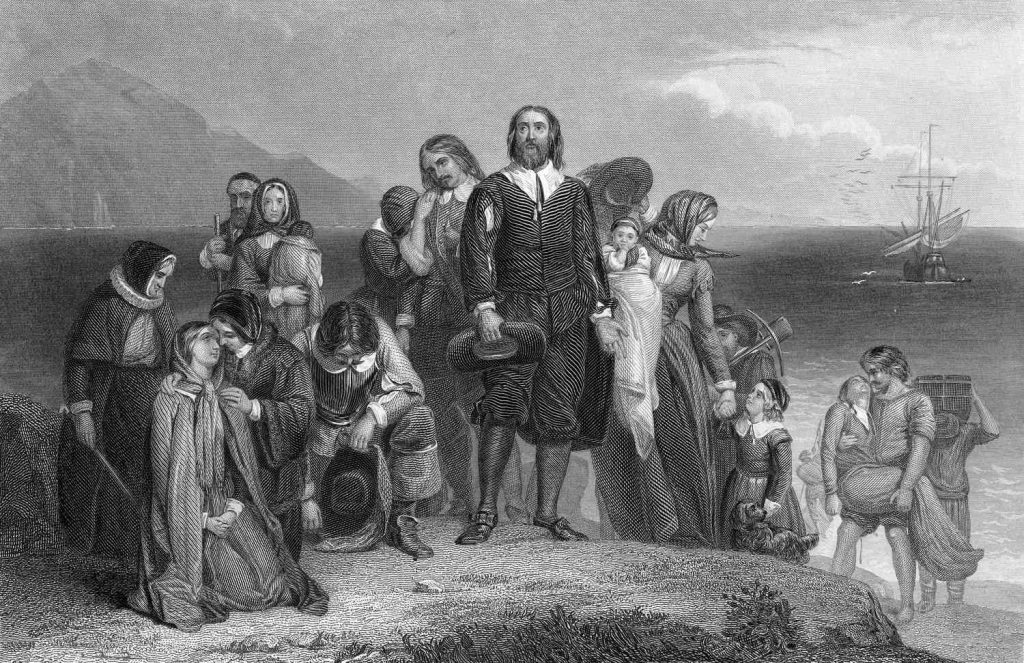
As the Pilgrims were landing at Plymouth Rock in 1620, Galileo Galilei was still very much alive and continuing his scientific work. The father of modern physics was busy studying the stars while the founders of the New England colonies were building their first shelters. Science and colonization were the two dominant forces of the seventeenth century. Galileo would not face his famous trial for heresy until 1633.
The Great Wall Of China And The American Revolution
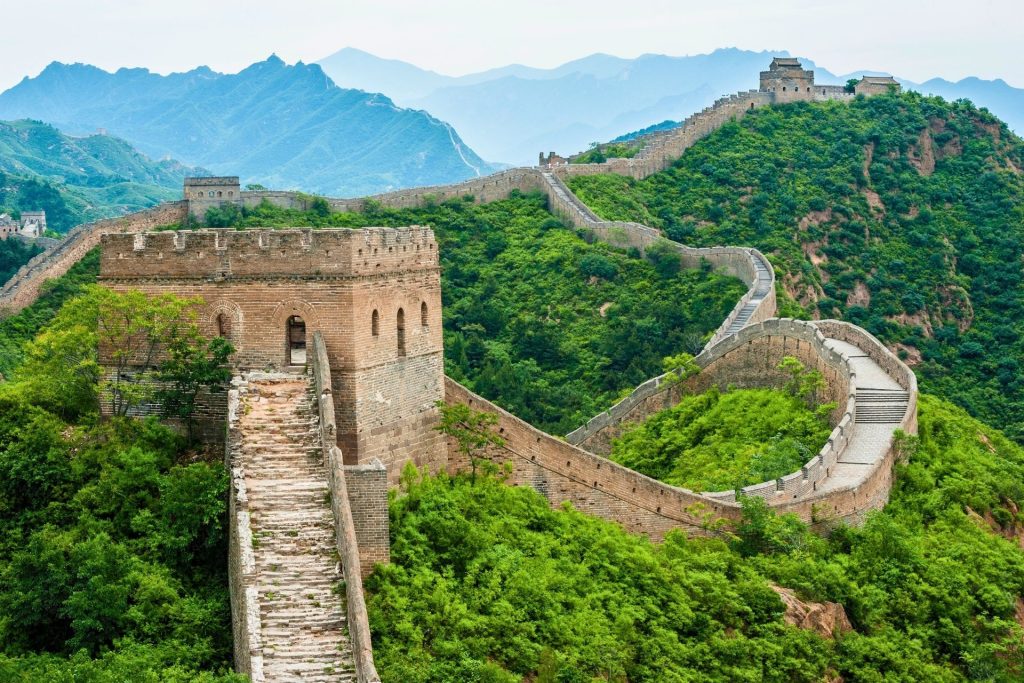
Construction on the Great Wall of China only officially ended during the Ming Dynasty, which concluded in 1644. However, the wall was still being actively maintained and guarded when the United States was fighting for independence in the 1770s. It was a functional military barrier while George Washington was leading the Continental Army. Many people mistakenly believe the wall is a relic of the deepest ancient past.
Shakespeare And Pocahontas
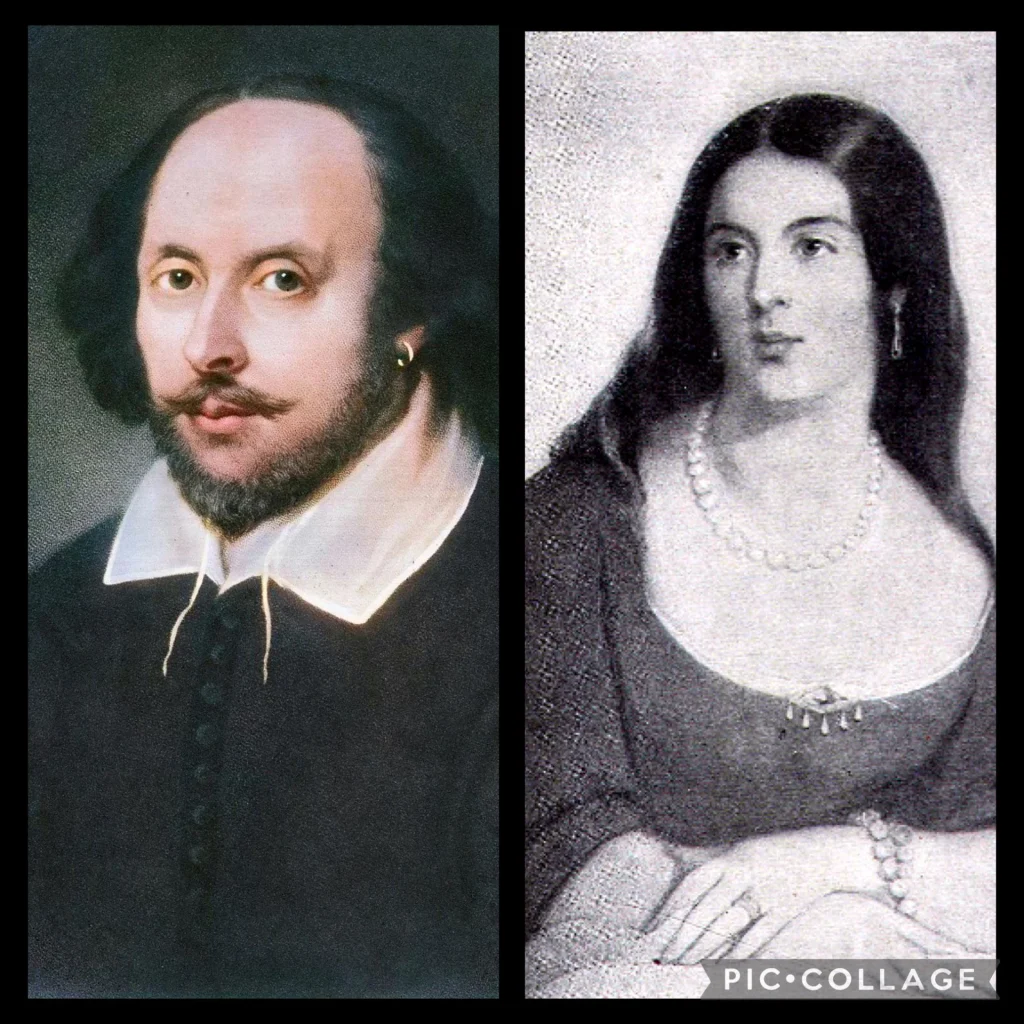
William Shakespeare died in April 1616, the same year that Pocahontas arrived in London. There is a distinct possibility that the famous playwright and the Native American woman could have crossed paths in the city. She was being showcased as a “civilized” convert to the English court while Shakespeare was finishing his final years. History rarely presents such a poetic convergence of two completely different cultures.
Salvador Dali And Star Wars
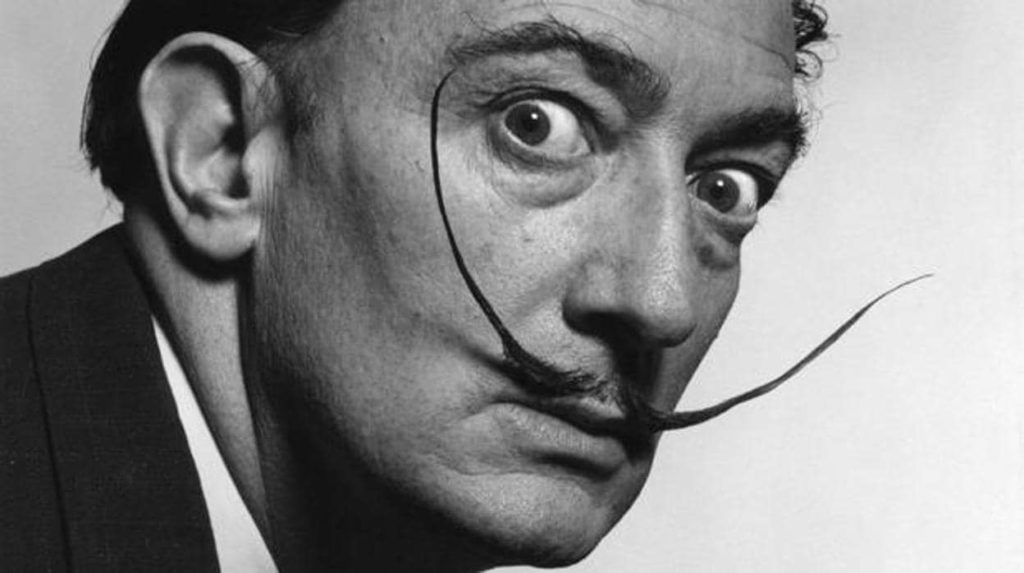
The surrealist master Salvador Dalí was a fan of the first “Star Wars” movies and lived to see the entire original trilogy. He did not pass away until 1989, long after Darth Vader had become a household name. Dalí even expressed interest in collaborating with various filmmakers on science fiction concepts. His eccentric presence in the late twentieth century connected the roots of modern art to pop culture.
The Golden Gate Bridge And The Hindenburg
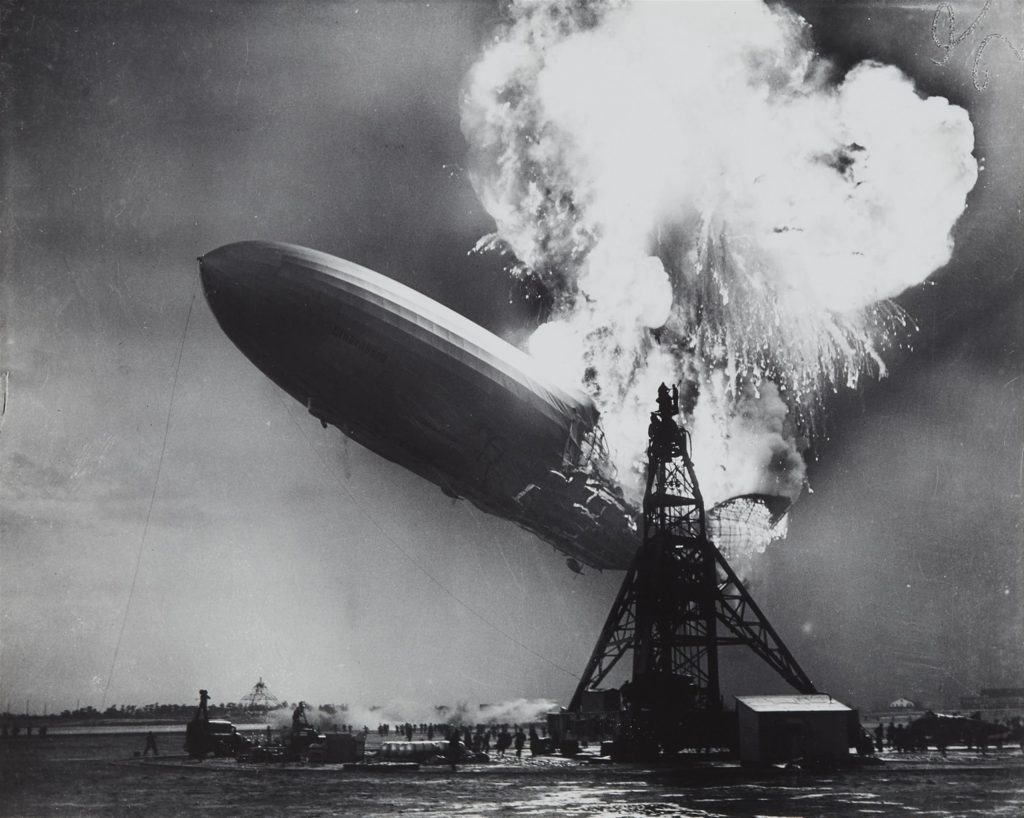
The Golden Gate Bridge opened to the public in May 1937, the same month that the Hindenburg disaster occurred in New Jersey. One event signaled a triumph of modern engineering, while the other marked the end of the era of passenger airships. People were celebrating the opening of the world’s most famous bridge while mourning the tragedy of the zeppelin. It was a week that perfectly encapsulated the risks and rewards of innovation.
Van Gogh And The Eiffel Tower
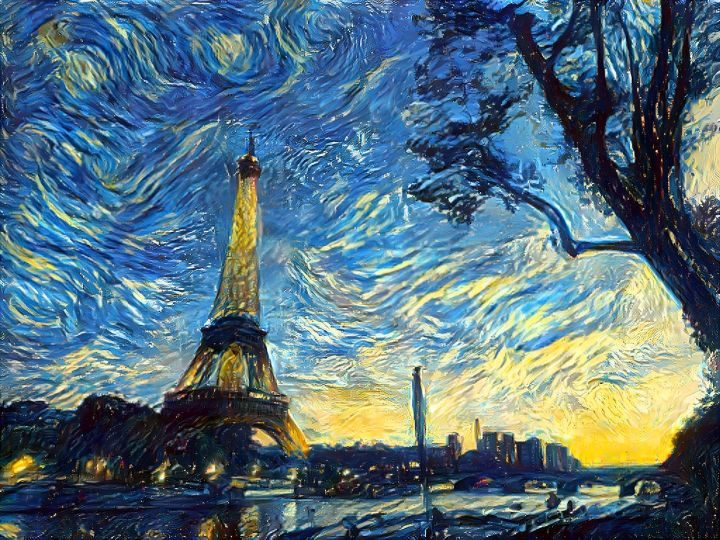
Vincent van Gogh was living in Paris while the Eiffel Tower was being built for the 1889 World’s Fair. He likely watched the iron structure rise above the skyline, though he never famously painted it. Van Gogh’s most productive years coincided exactly with the modernization of the French capital. He died just one year after the tower was officially opened to the public.
Thomas Jefferson And The Discovery Of Uranus
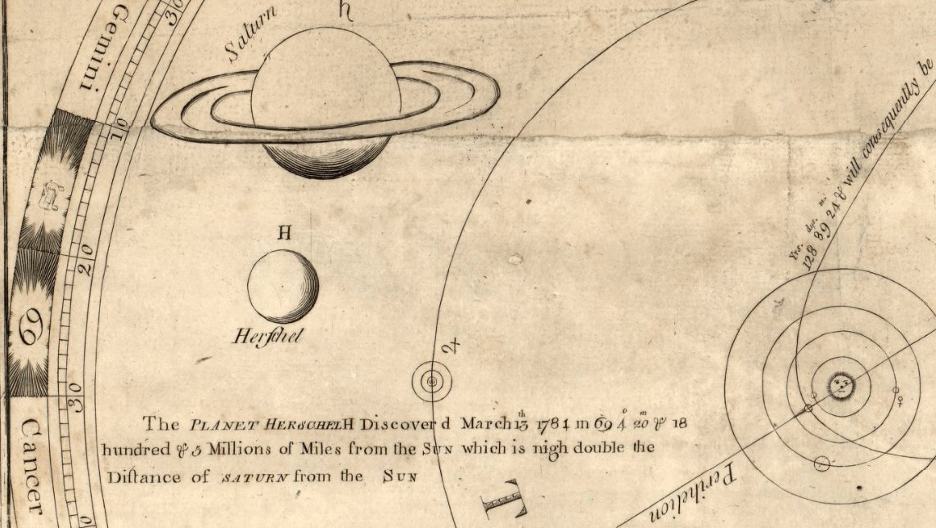
The planet Uranus was discovered by William Herschel in 1781, while Thomas Jefferson was serving as the Governor of Virginia. Before this, humans believed there were only six planets in the solar system. Jefferson was a man of science who would have been fascinated by the expansion of the known universe. This astronomical breakthrough happened while the American Revolution was still being fought.
The Titanic And The First Crossword Puzzle
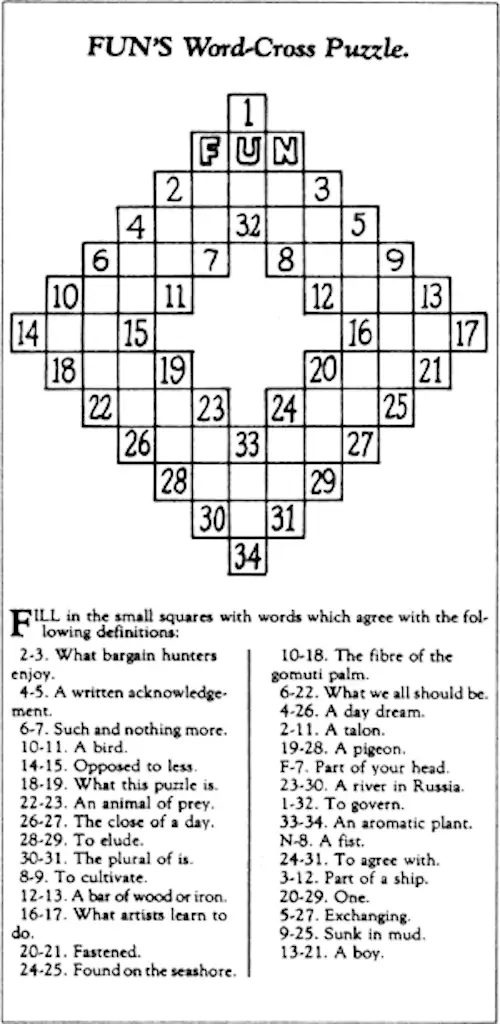
The Titanic sank in April 1912, just over a year before the very first crossword puzzle was published in the “New York World” newspaper. Modern hobbies and global tragedies were separated by mere months. It highlights how the early twentieth century was a period of both extreme luxury and emerging pop culture. The crossword would eventually become a staple of morning routines worldwide.
Mark Twain And Halley’s Comet
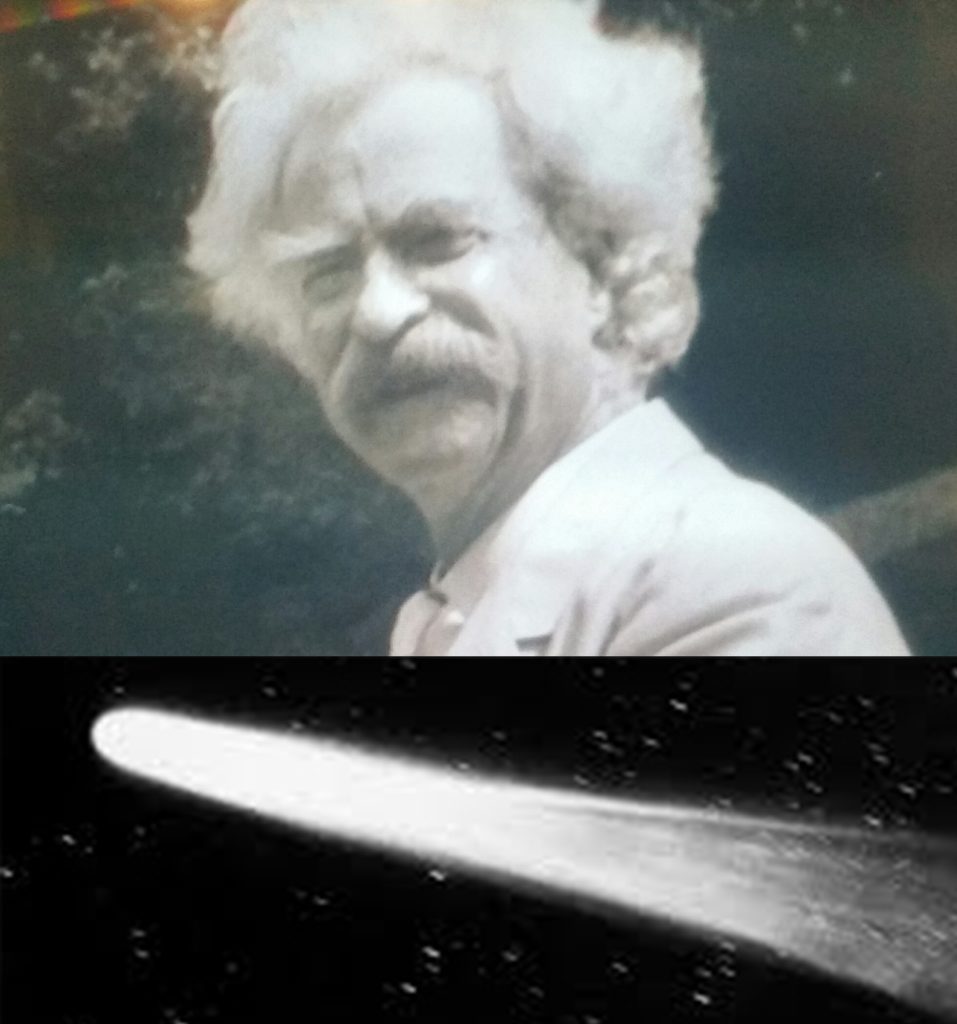
Mark Twain was born in 1835 on the day Halley’s Comet appeared and predicted he would die when it returned. True to his word, he passed away in 1910, the very next time the comet was visible in the night sky. He famously stated that it would be the greatest disappointment of his life if he did not go out with it. This celestial coincidence remains one of the most famous anecdotes in literary history.
Genghis Khan And The Magna Carta
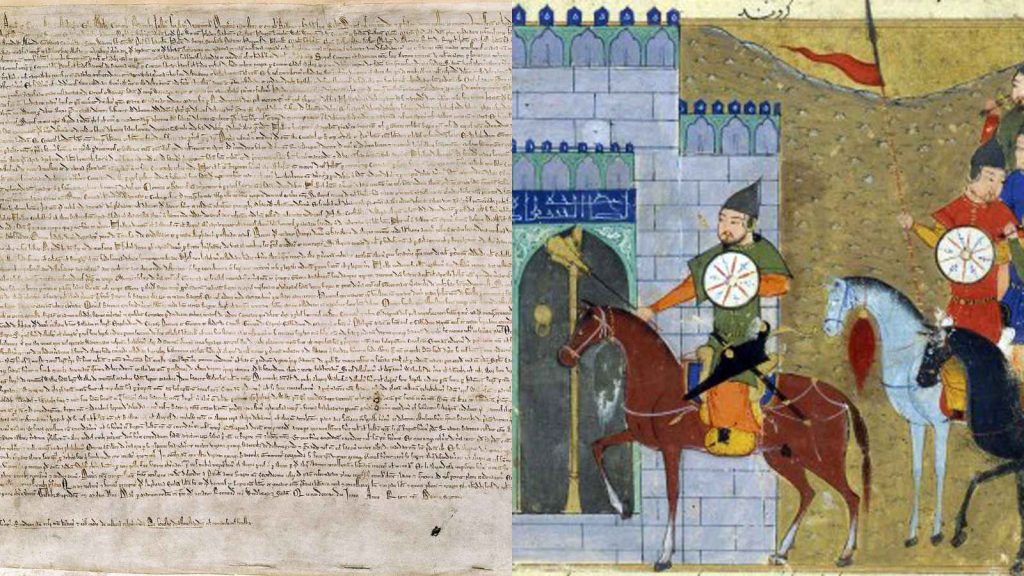
In 1215, King John of England was forced to sign the Magna Carta, establishing that the king was not above the law. During that same year, Genghis Khan was finishing his conquest of Beijing and expanding the Mongol Empire to its greatest heights. Western constitutional law and Eastern nomadic expansion were happening at the exact same moment. These two events fundamentally changed the power structures of their respective continents.
Cleopatra And The iPhone
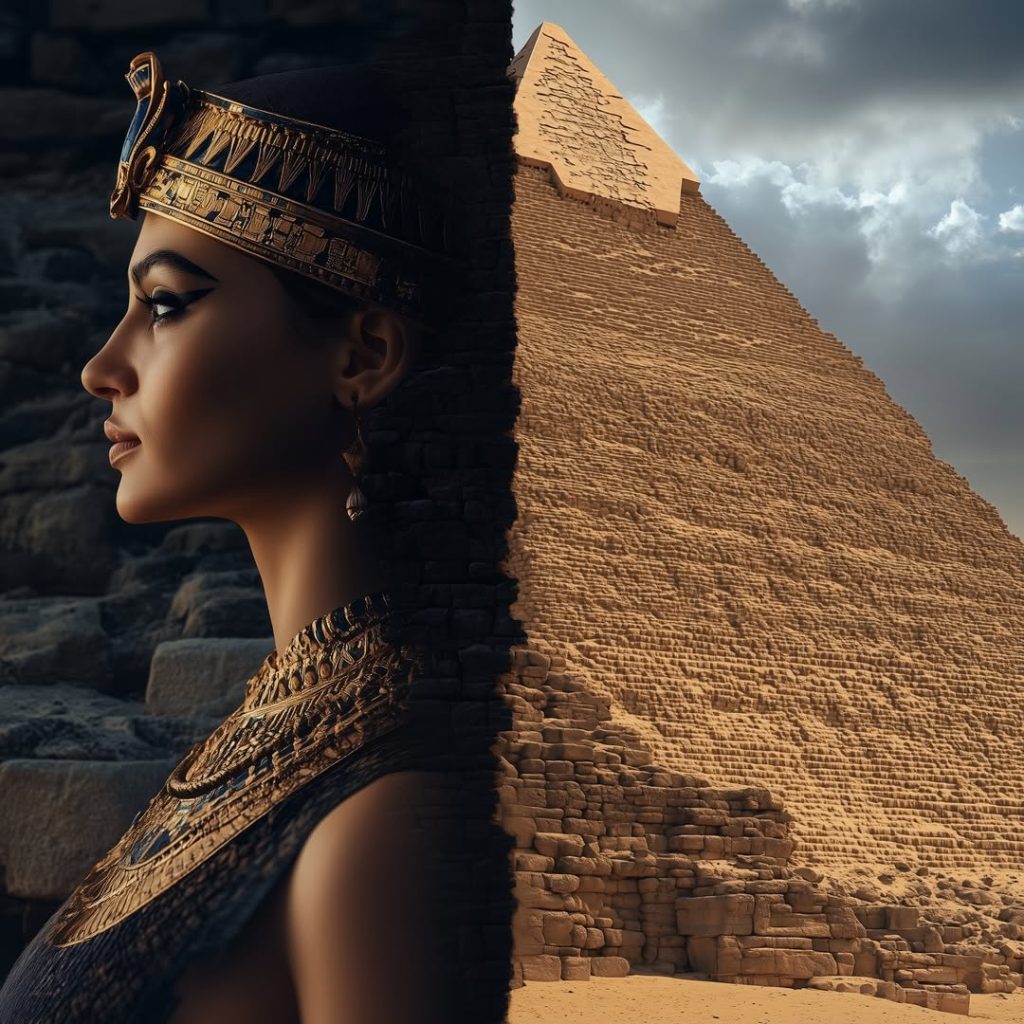
Cleopatra lived closer to the invention of the iPhone than she did to the construction of the Great Pyramid of Giza. The pyramid was built around 2560 BCE, while Cleopatra lived around 30 BCE. There is a gap of nearly 2,500 years between her and the pyramids, but only about 2,000 years between her and the modern smartphone. This perspective completely shatters our traditional grouping of “Ancient Egypt” as a single, static era.
Rome And The Maya Civilization
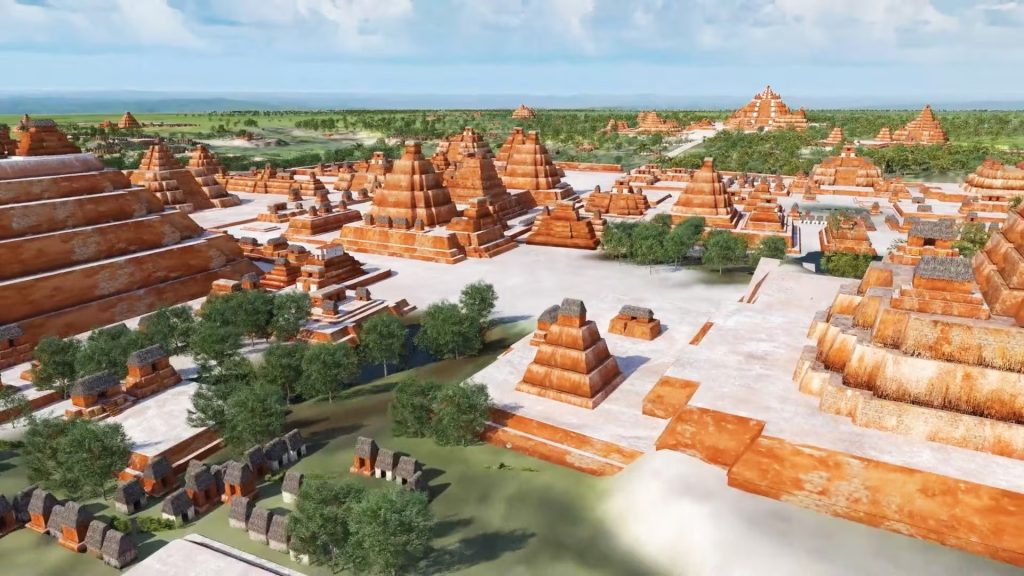
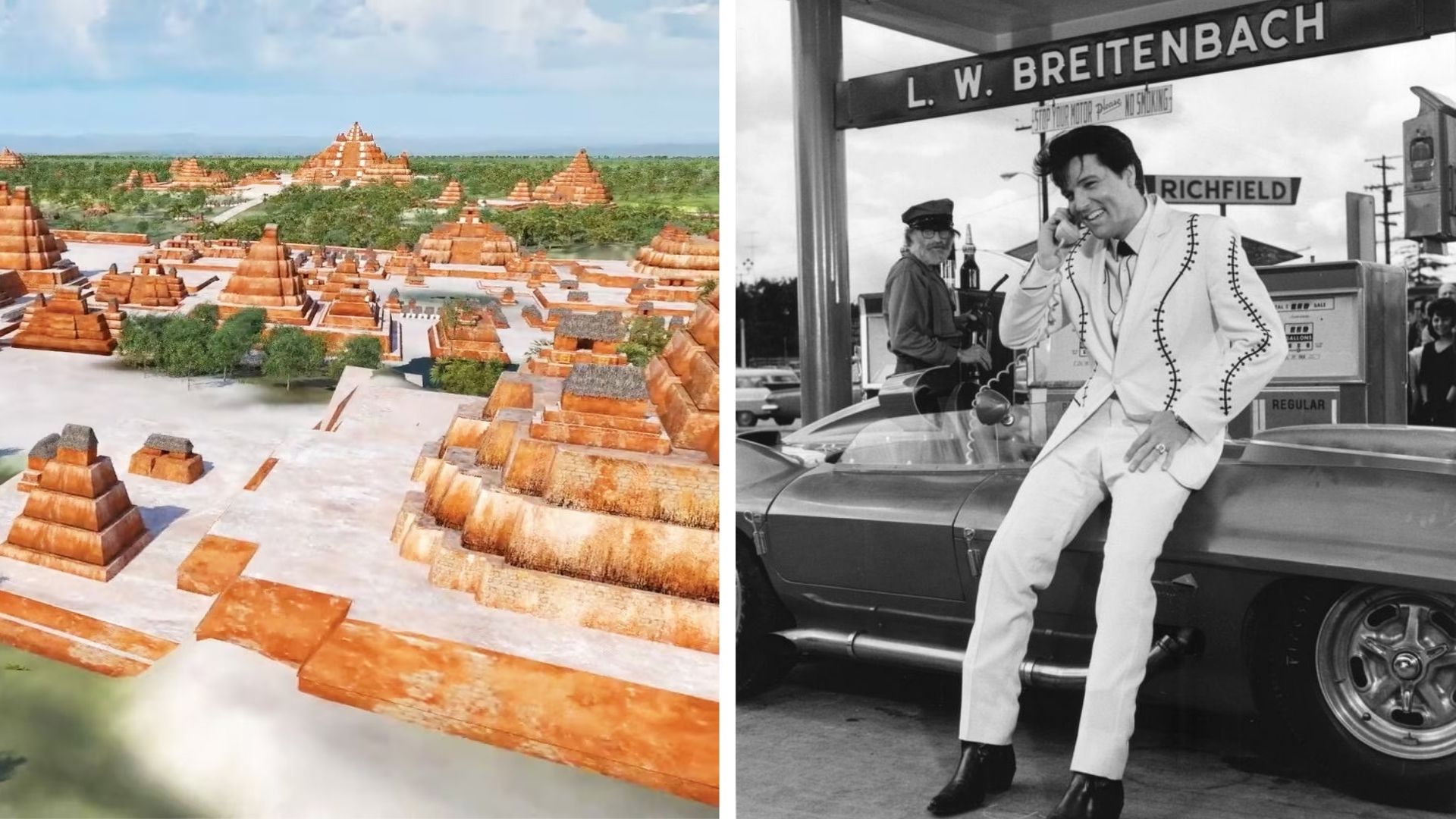
The Roman Empire was at its peak during the same centuries that the Maya civilization was building its greatest cities in the jungles of Central America. While the Colosseum was hosting gladiatorial games, the Maya were perfecting their complex calendar and writing systems. Both civilizations developed advanced engineering and mathematics independently of each other. The classic period of the Maya actually outlasted the Western Roman Empire by several centuries.
Elvis Presley And The Cell Phone
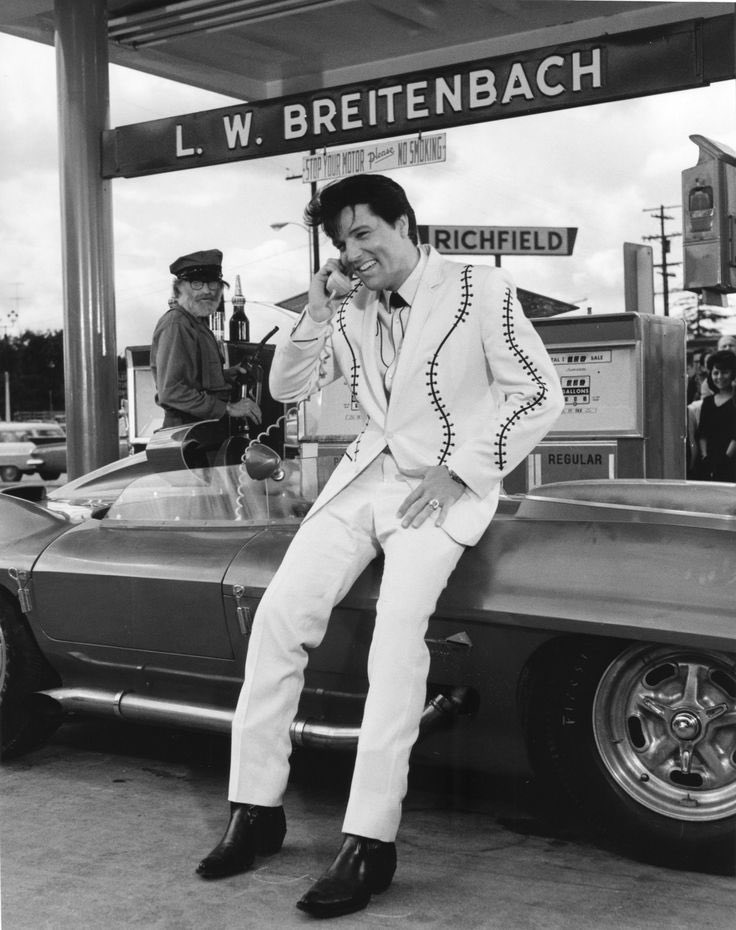
The first mobile phone call was made by Martin Cooper in 1973, four years before the death of Elvis Presley. The King of Rock and Roll lived in a world where cellular technology already existed, even if it was not yet commercially available. Elvis spent his final years in a rapidly digitizing world. This timeline makes the era of 1950s rock feel surprisingly close to the age of mobile communication.