Historical TV shows let us time-travel without leaving the couch. In this list, you will find 30 acclaimed series that blend period detail with gripping storytelling, from royal courts and wartime trenches to criminal empires and social revolutions.
“Wolf Hall”
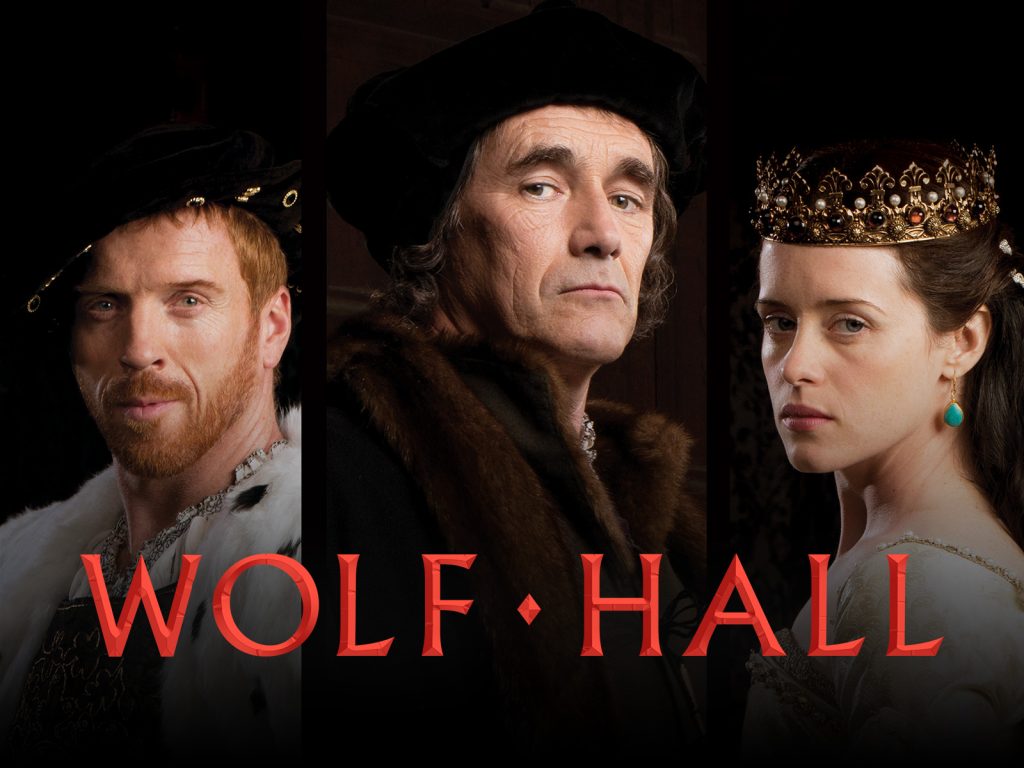
Adapted from Hilary Mantel’s novels, this Tudor drama follows Thomas Cromwell’s rise under Henry VIII. It favors quiet power plays over spectacle, with meticulous costuming and candlelit interiors. The measured pace rewards patient viewers with layered political intrigue.
“Boardwalk Empire”
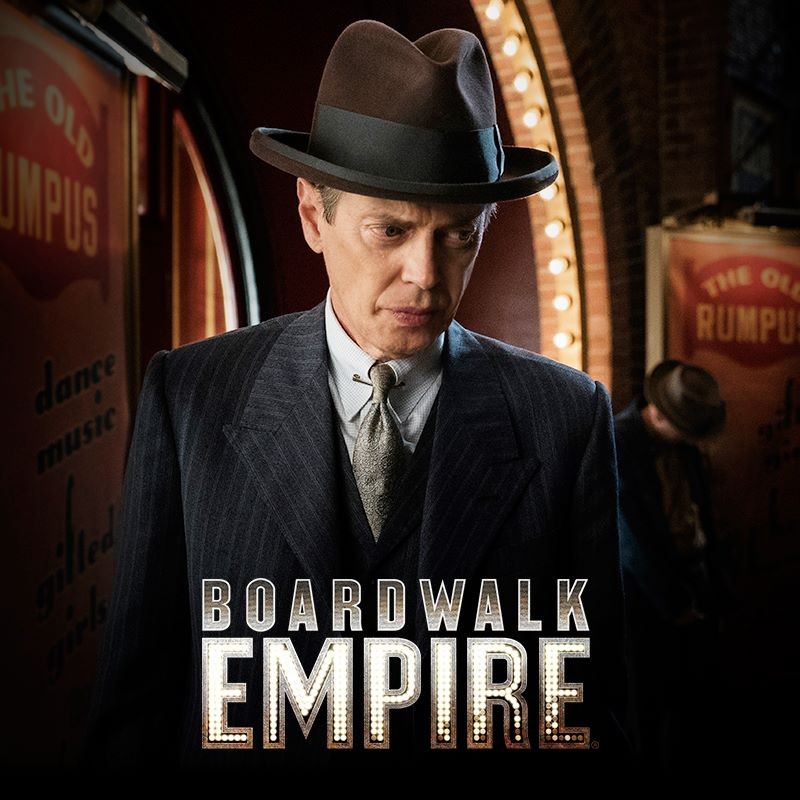
Set in Prohibition-era Atlantic City, this series explores the nexus of politics and organized crime. Lavish design and strong ensemble acting ground the story in real figures and events. It shows how policy, profit, and violence shaped an American city.
“The Last Kingdom”
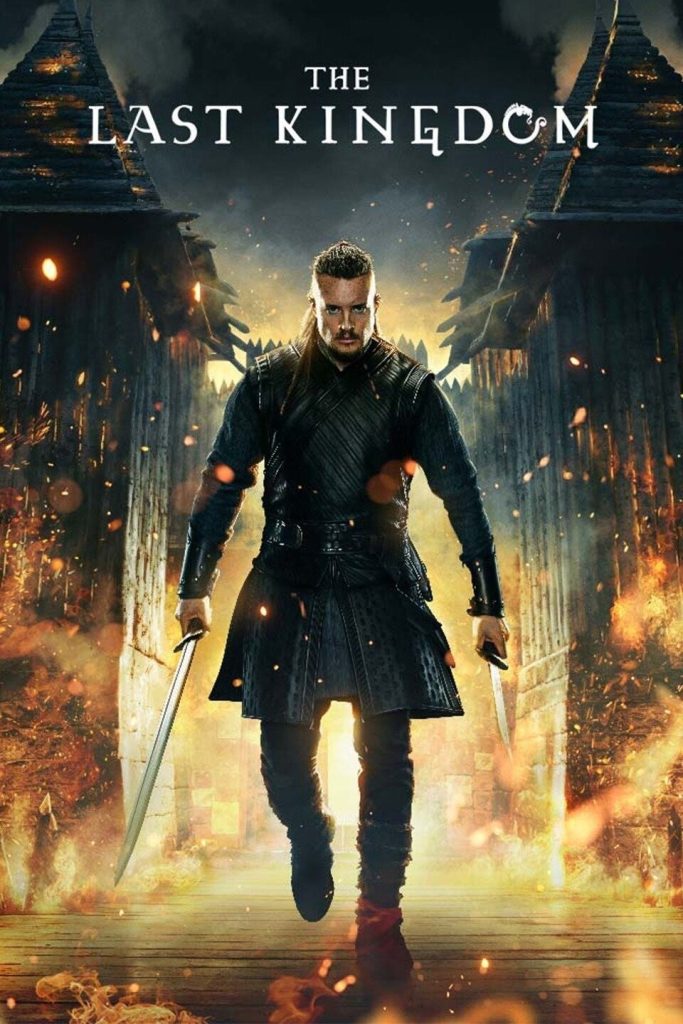
Based on Bernard Cornwell’s novels, it tracks Uhtred of Bebbanburg across the clash between Saxons and Danes. Battles, shifting loyalties, and nation‑building keep the pace brisk. It balances character-driven drama with clear, large-scale action.
“Downton Abbey”
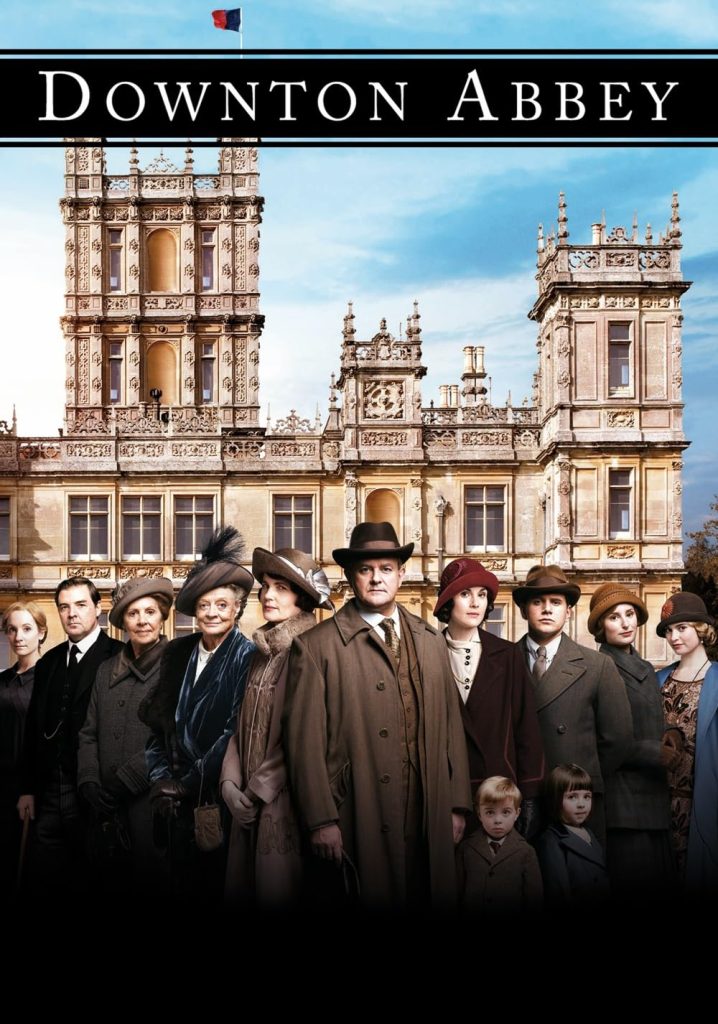
This period ensemble charts an aristocratic family and their staff through early 20th‑century upheavals. Class, love, and tradition collide in tightly written arcs. Its attention to etiquette and changing social norms made it a global hit.
“The Americans”
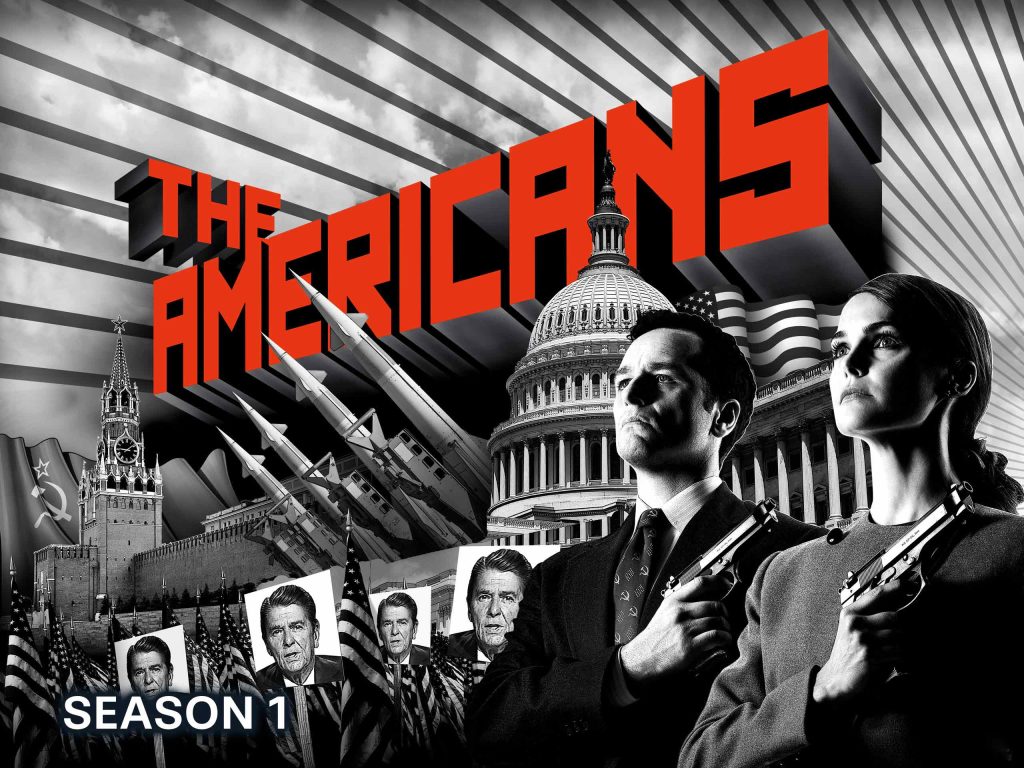
Cold War espionage gets a domestic twist with two Soviet agents posing as suburban parents. The history is intimate, showing how ideology and secrecy strain a family. Smart plotting and character work keep the tension high.
“Vikings”
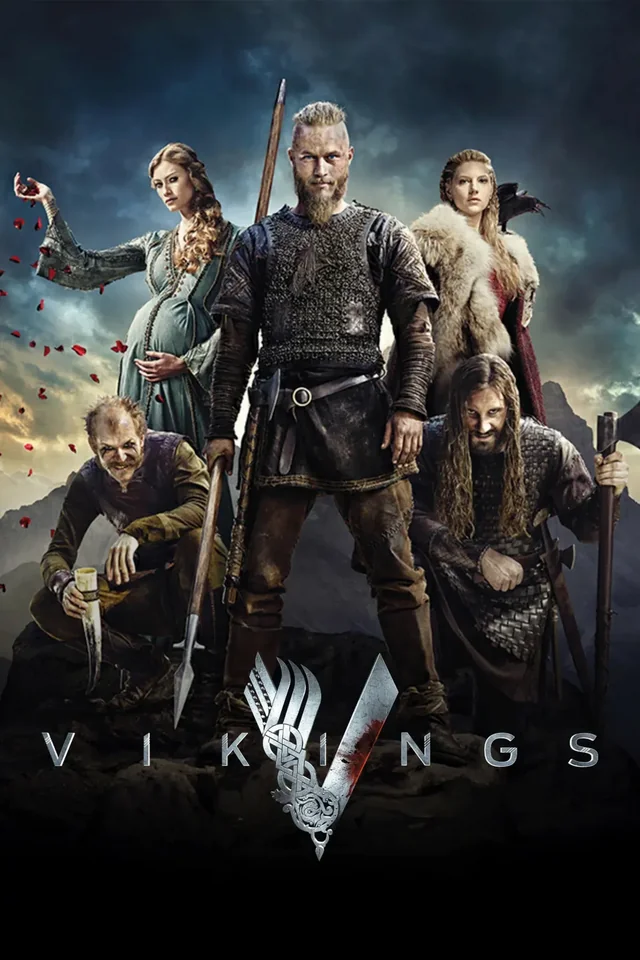
Following Ragnar Lothbrok and his legacy, this saga blends mythic tone with raids and exploration. It dramatizes early medieval politics across Scandinavia and beyond.
“John Adams”
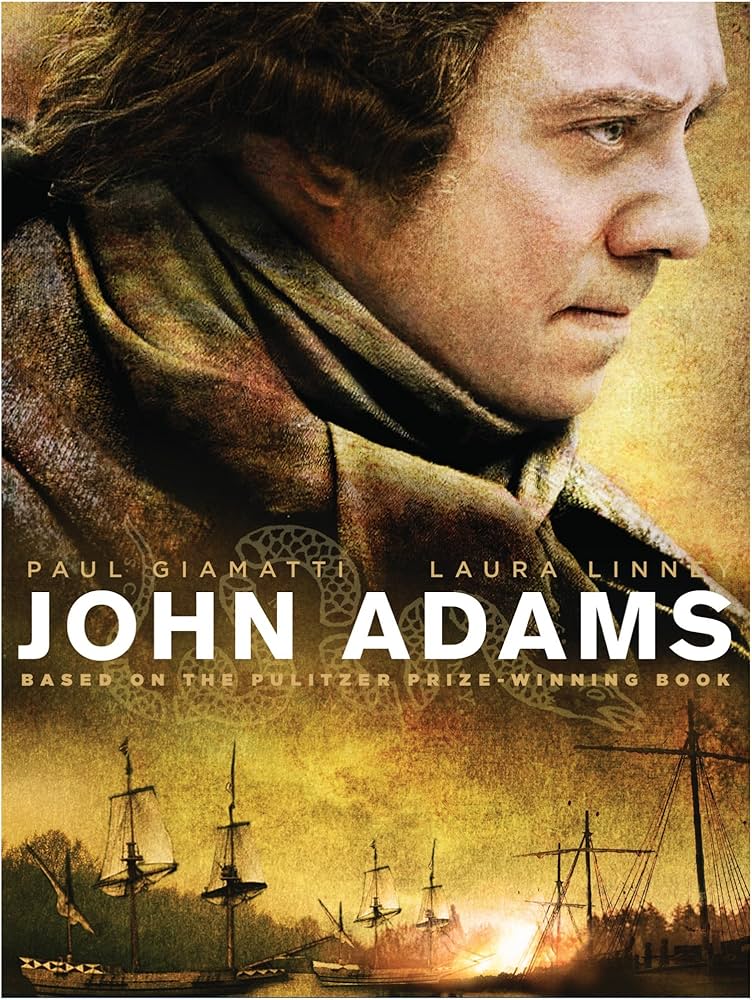
This miniseries maps the American Revolution through one statesman’s life. It emphasizes the compromises and conflicts behind nation‑building. Detailed production values and restrained performances bring the era into focus.
“The Tudors”
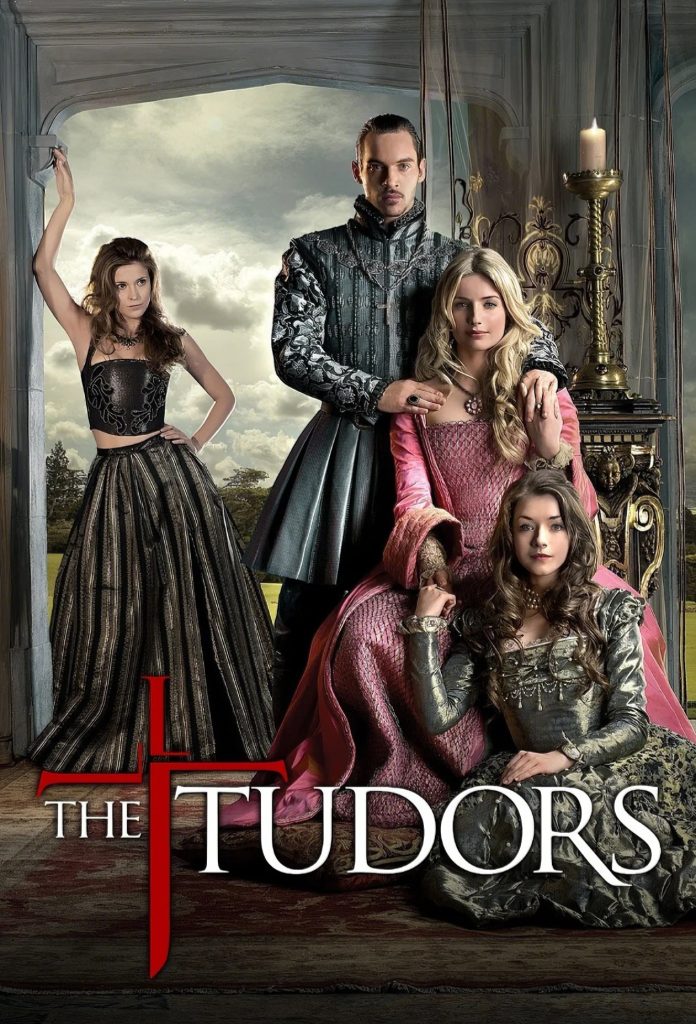
A stylized look at Henry VIII’s reign, famous for romance as much as policy. It compresses timelines, but conveys courtly volatility and religious change. The show’s energy comes from shifting alliances and personal ambition.
“Band of Brothers”
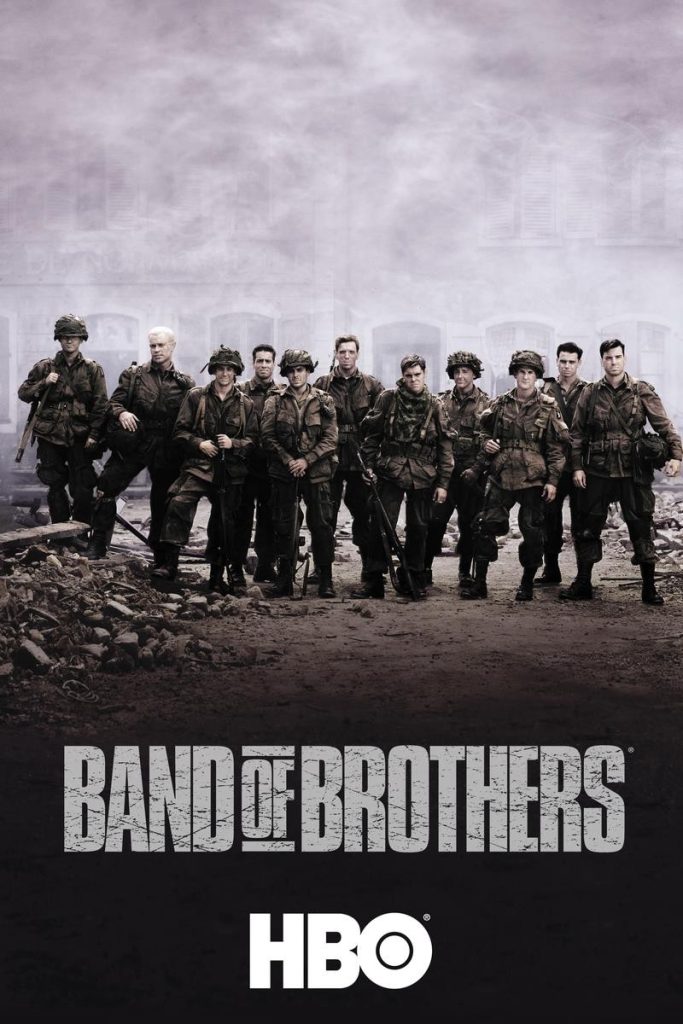
Following Easy Company from training to V‑E Day, this WWII miniseries blends authenticity with human focus. Veterans’ testimonies frame the action with lived experience. It remains a touchstone for war storytelling on TV.
“The Pacific”
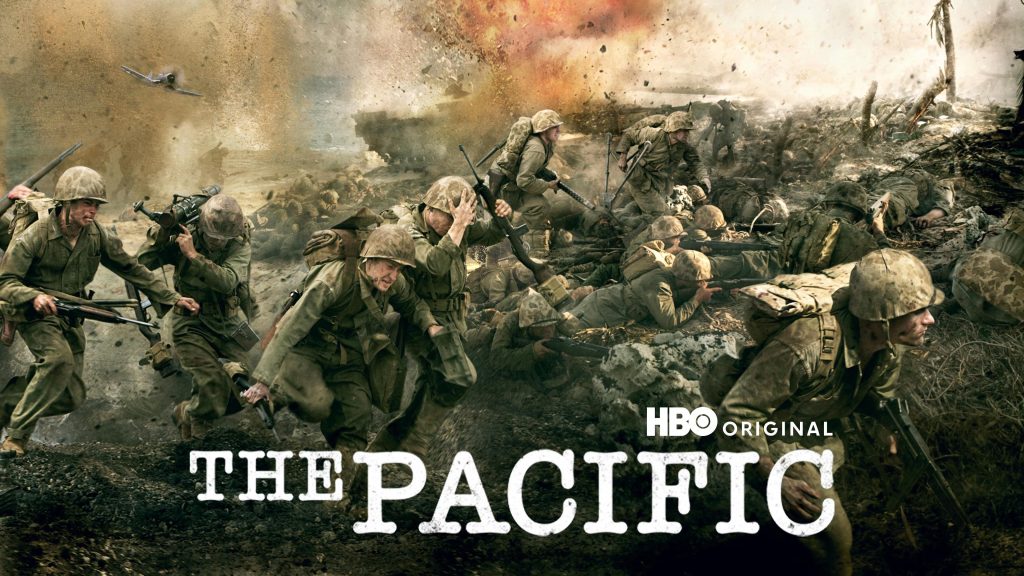
A companion to “Band of Brothers”, it shifts to the brutal island campaigns. The show underscores the psychological toll alongside battlefield logistics. Its scope covers home front, combat, and recovery.
“Rome”
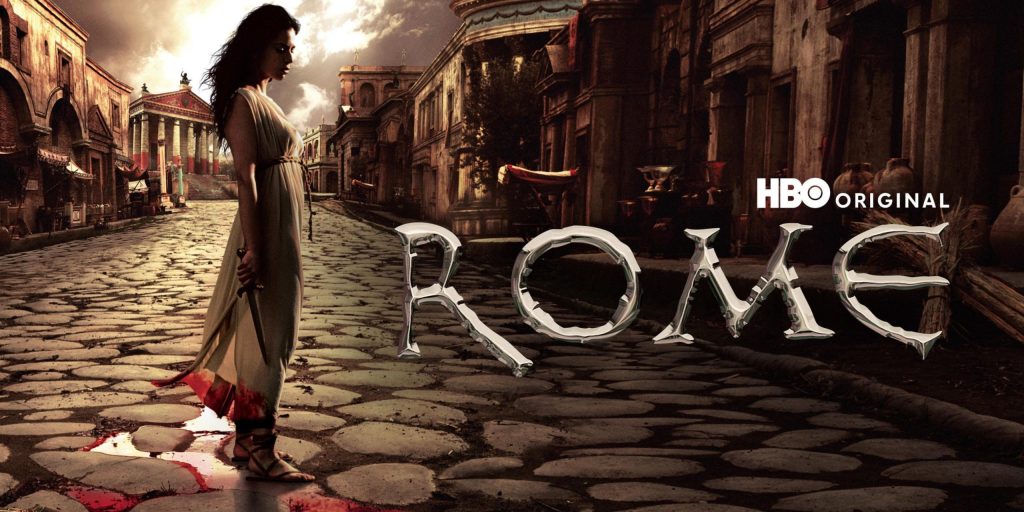
Late Republic politics unfold through soldiers and senators alike. The series balances street life with imperial maneuvering, from Caesar to Antony. It’s acclaimed for world‑building, language, and tactile sets.
“Peaky Blinders”
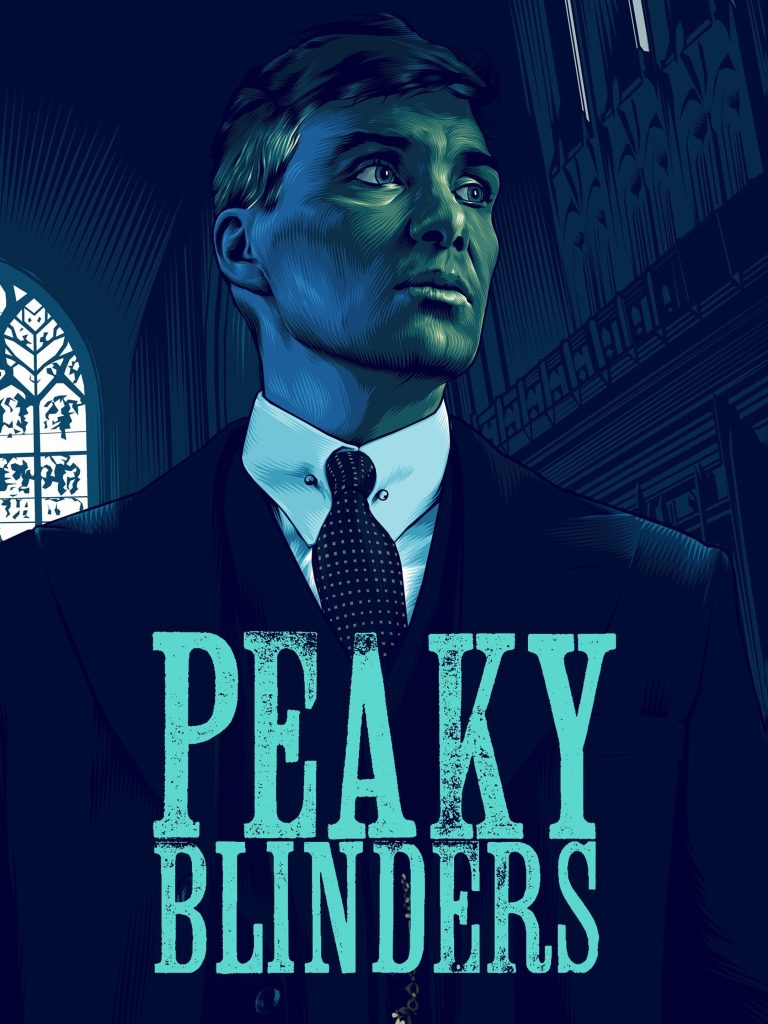
Post‑WWI Birmingham’s criminal underworld meets politics and class tension. Sharp styling meets real historical currents like strikes and fascism’s rise. It’s a character study of ambition amid social change.
“Mad Men”
Set in 1960s advertising, the series examines identity, gender, and consumer culture. Fashion and design are impeccable, but the focus is psychological. It captures how the decade’s optimism coexisted with turbulence.
“Turn: Washington’s Spies”
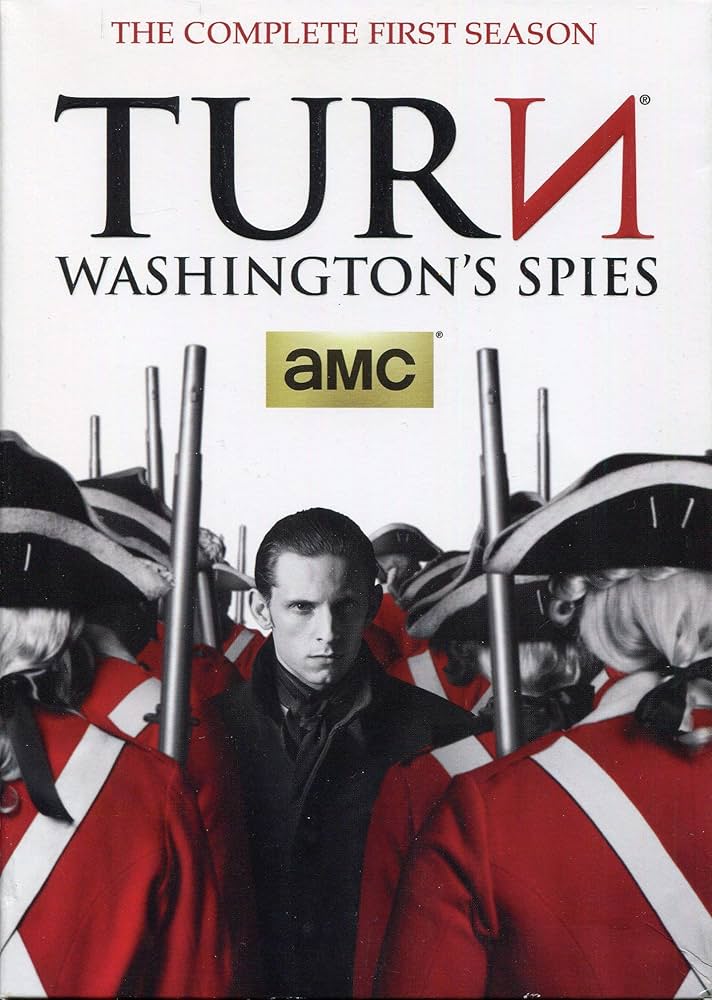
Inspired by the Culper Ring, this show dramatizes the American Revolution’s espionage. It shows tradecraft, risk, and the personal cost of loyalty. Rural settings and tight stakes keep it grounded.
“The Knick”
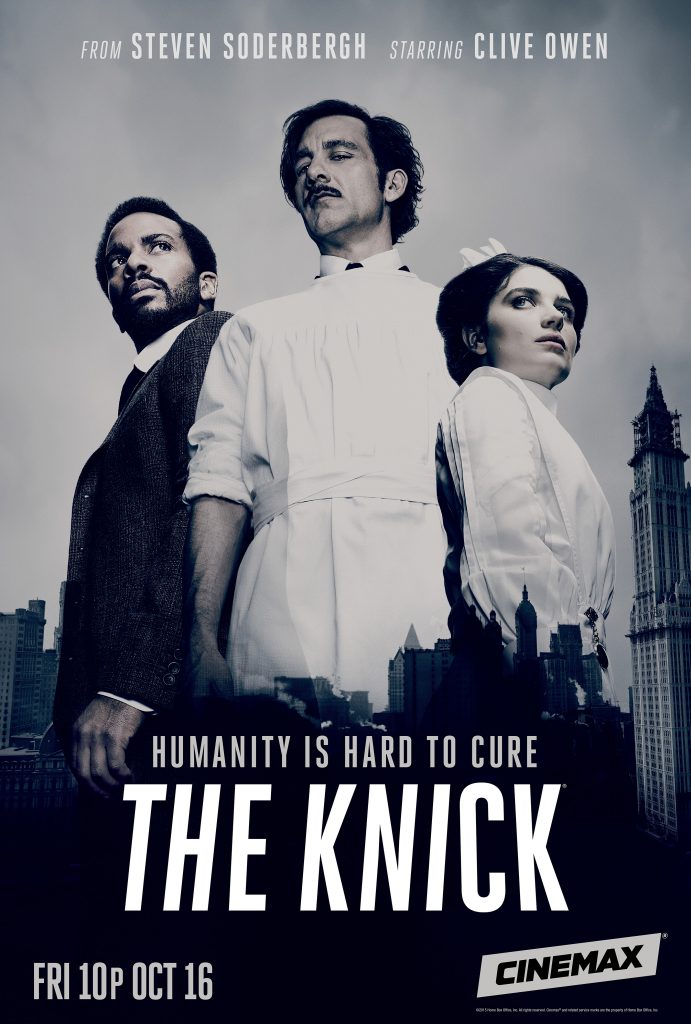
Early 1900s New York medicine gets a bold, clinical portrait. Innovations and inequalities are placed side by side. Precision direction and production design make the hospital its own character.
“Wolf Hall: The Mirror and the Light”
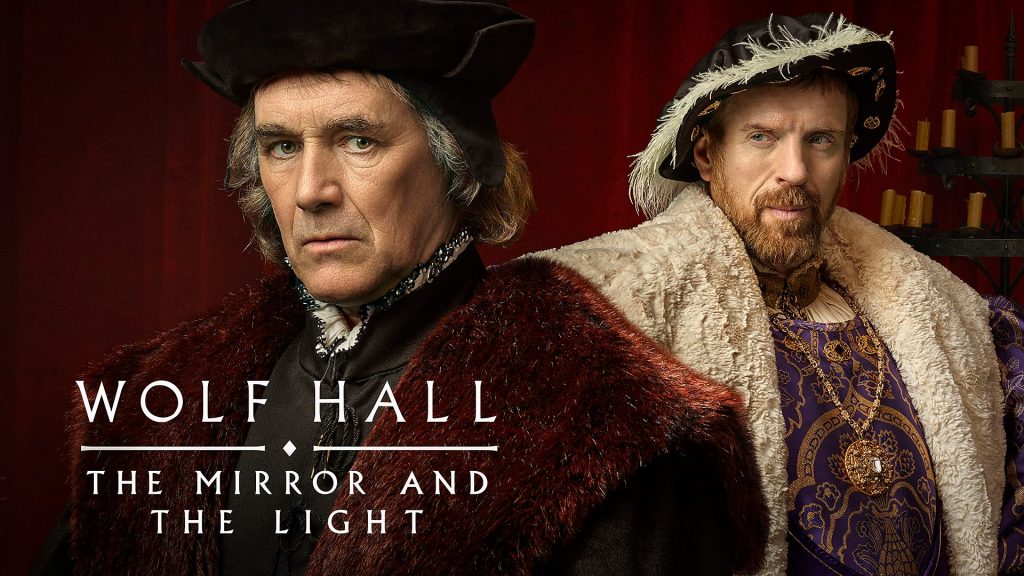
This continuation adapts Mantel’s final Cromwell novel with the same understated style. It deepens the cost of power and the fragility of royal favor. A study in inevitability, it closes the arc with quiet force.
“Narcos”
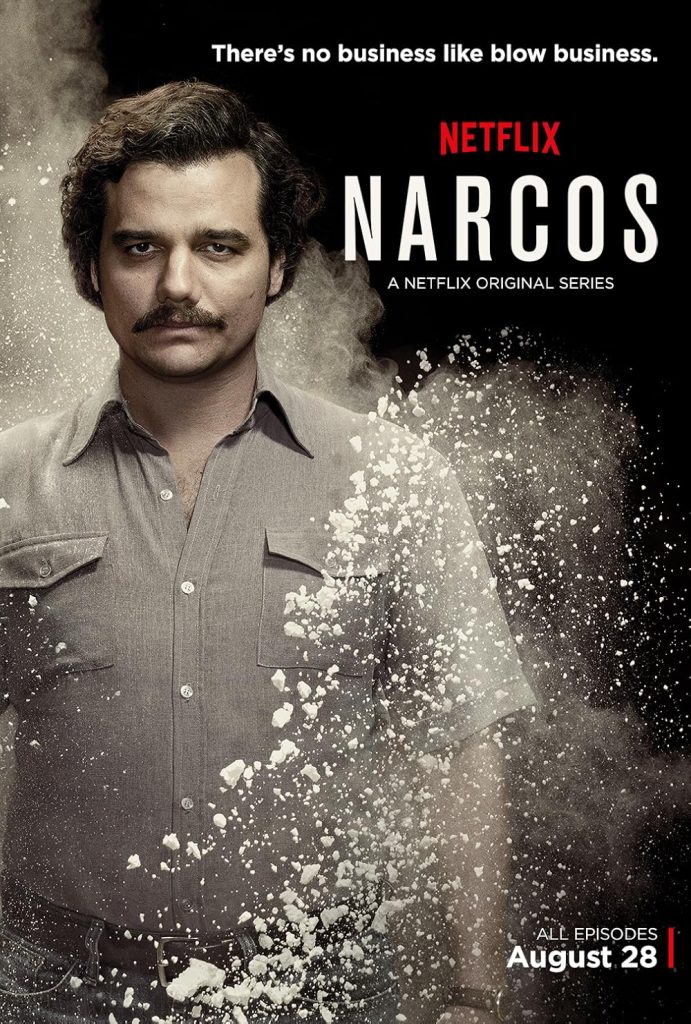
Drug‑war history unfolds through law enforcement and cartel perspectives. It’s brisk, procedural, and anchored in headline events. Location work and narration knit the timelines together.
“Roots”
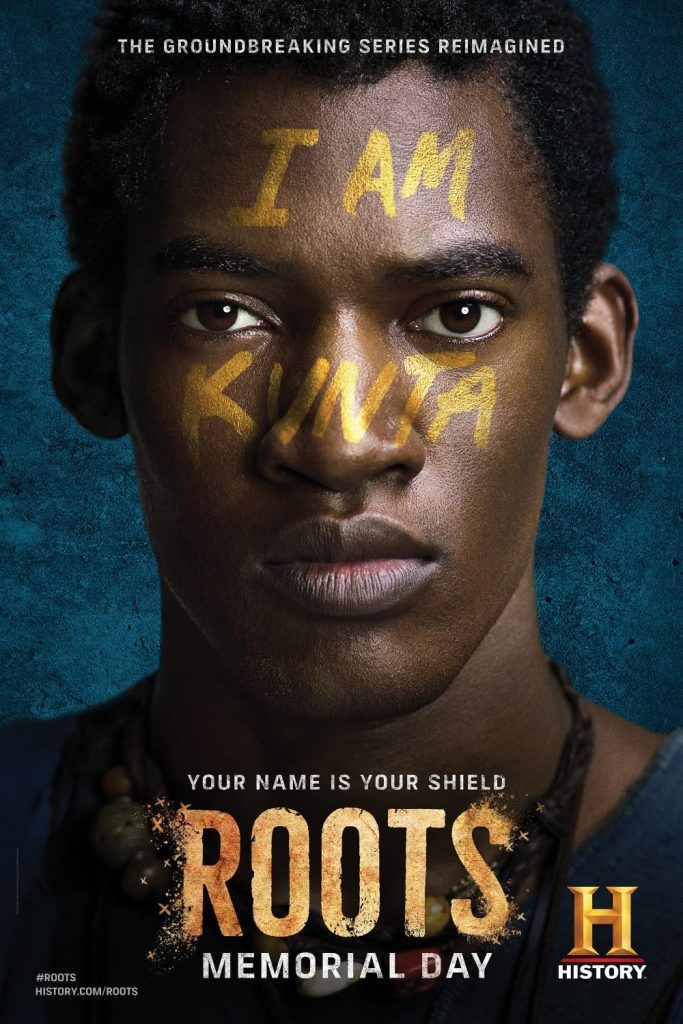
Spanning generations, this landmark miniseries portrays the legacy of slavery. It brought hard history to prime time and reshaped TV. The story remains a cultural reference point for historical drama.
“The People v. O.J. Simpson”
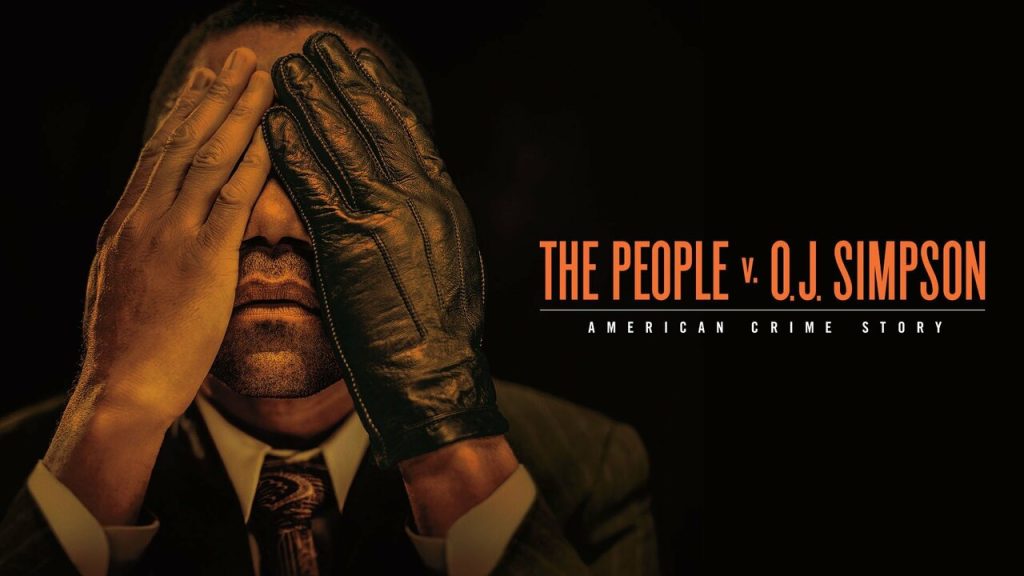
This installment of “American Crime Story” revisits a trial that gripped the world. It explores media, race, celebrity, and the legal system in the 1990s. Performances and writing frame familiar facts with fresh context.
“When They See Us”
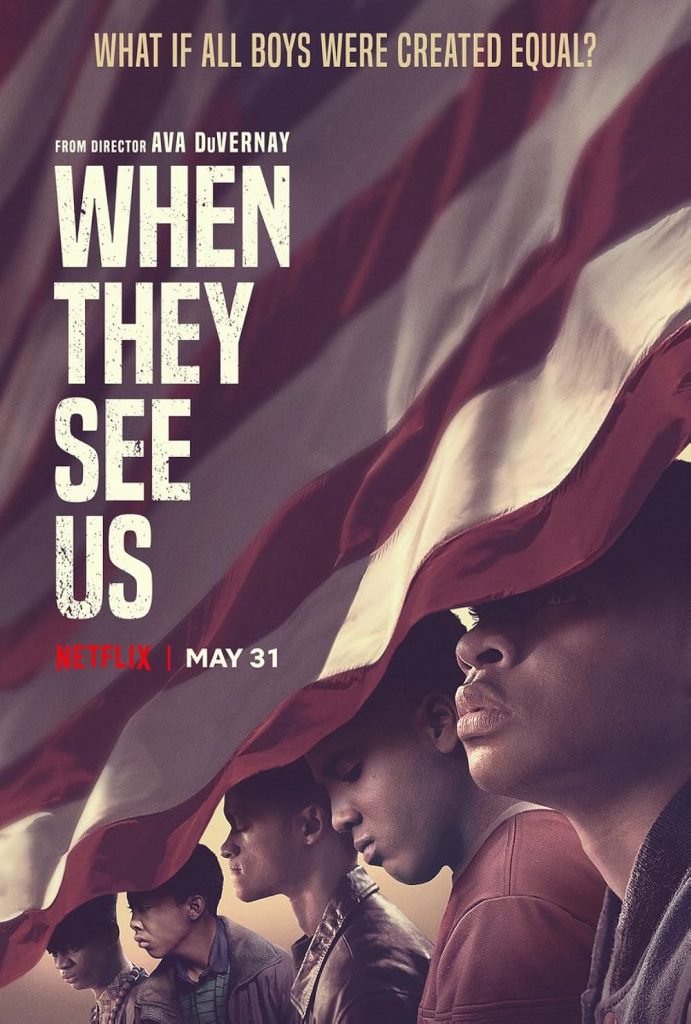
A limited series about the Exonerated Five, it centers the boys’ experiences and aftermath. The storytelling is careful, humane, and challenging. It underscores systemic issues with clarity and restraint.
“Marco Polo”
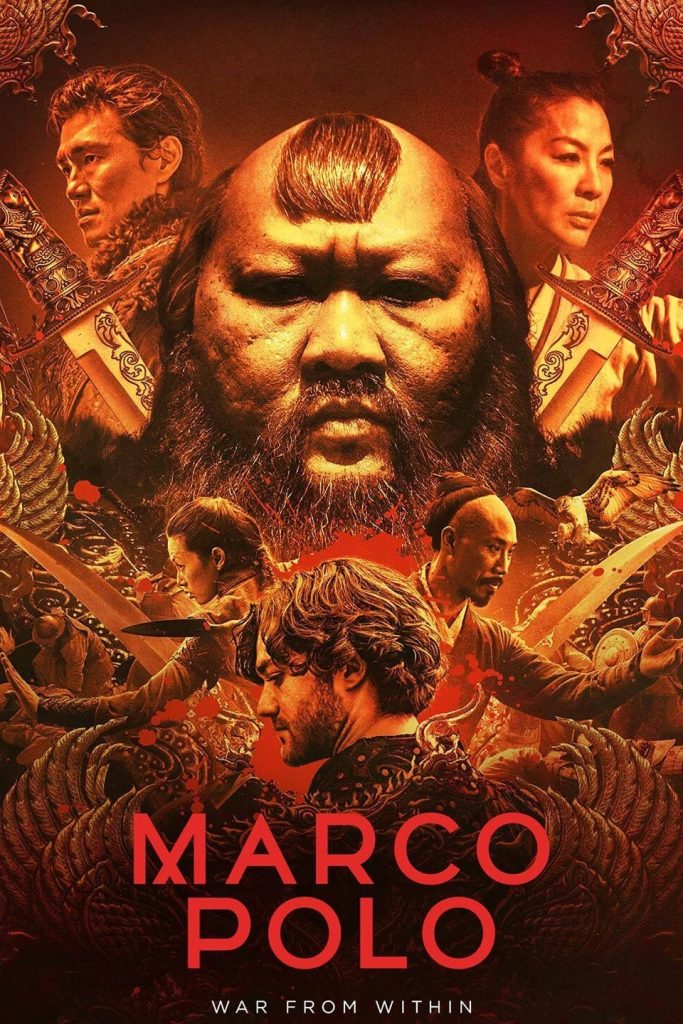
Set at Kublai Khan’s court, this series emphasizes spectacle and diplomacy. Martial arts and palace politics provide momentum. It offers a window into Mongol rule and Silk Road cultures.
“Medici”
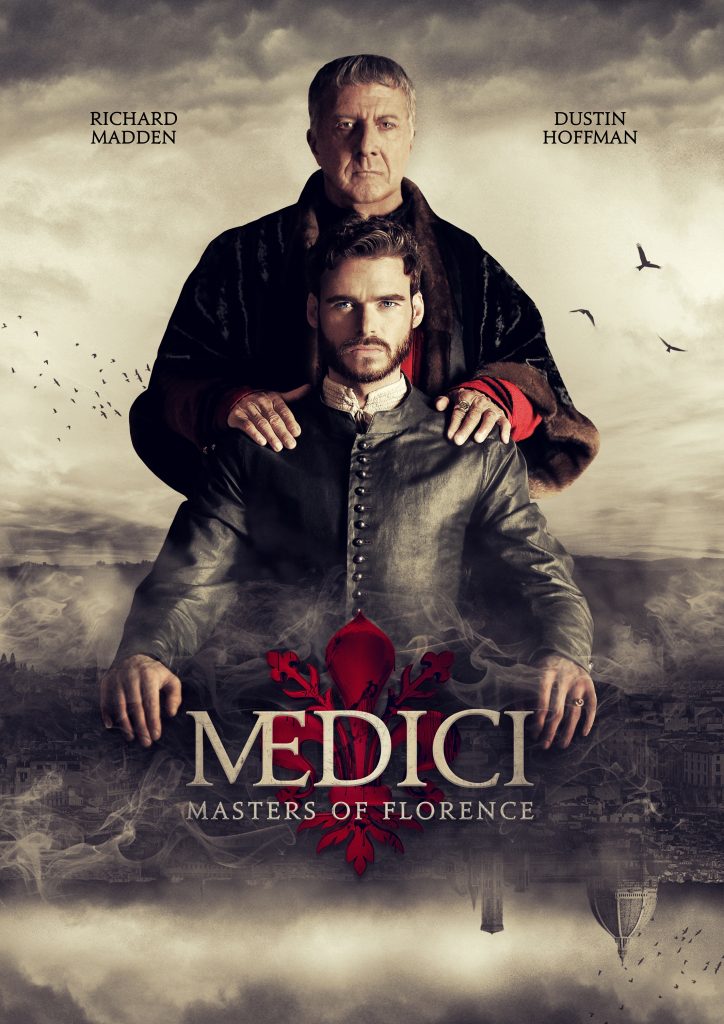
Following Florence’s banking dynasty, it blends art patronage with political risk. Renaissance finance, alliances, and rivalries fuel the episodes.
“Masters of Sex”
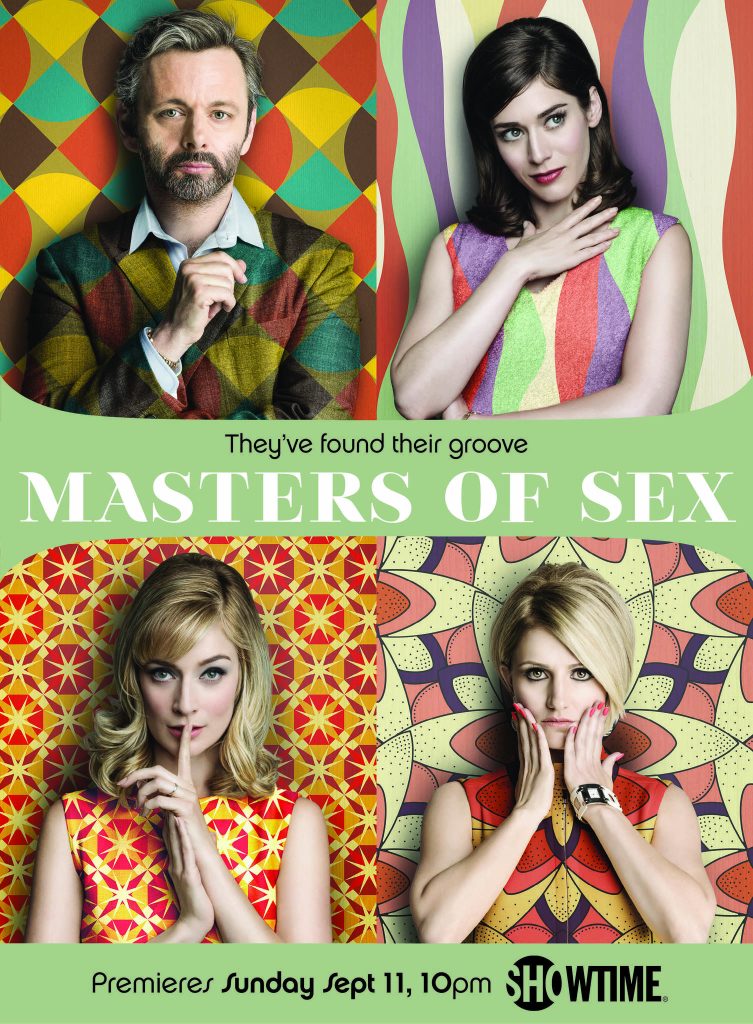
Based on the work of Masters and Johnson, it places scientific progress against social taboos. Office politics and personal lives complicate research milestones. The show treats mid‑century attitudes with nuance.
“Halt and Catch Fire”
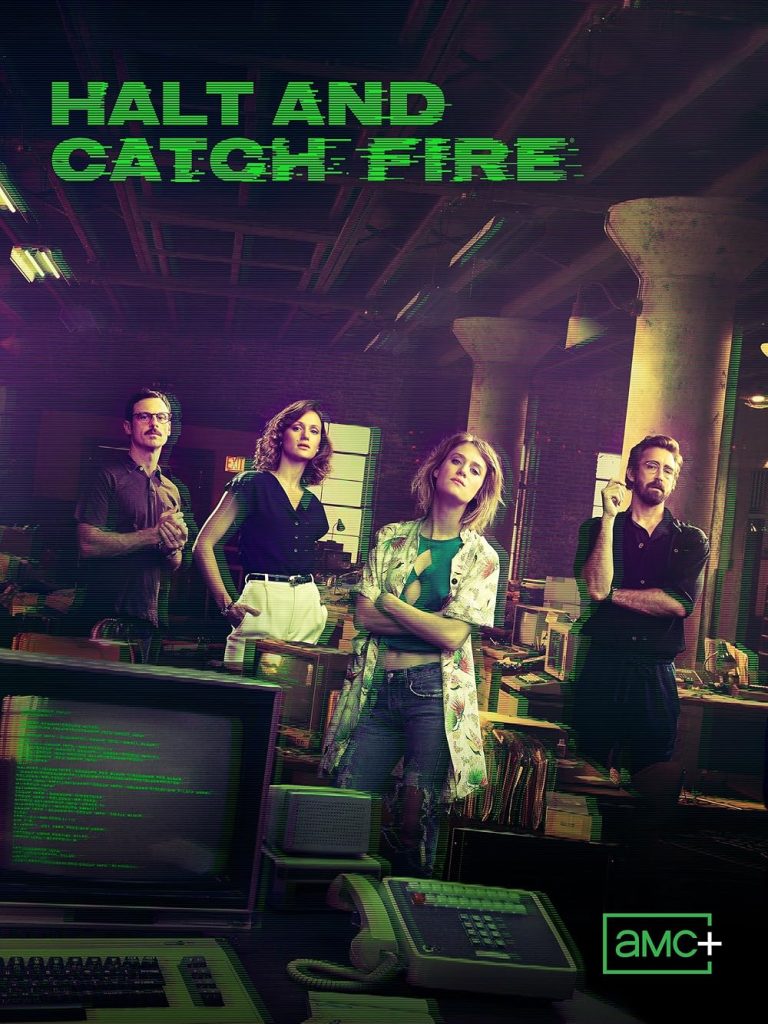
A period drama about the PC and internet revolutions, set in the 1980s–90s. It’s more about people than gadgets, charting collaboration and rivalry. Creative reinvention is the central historical thread.
“Elizabeth I”
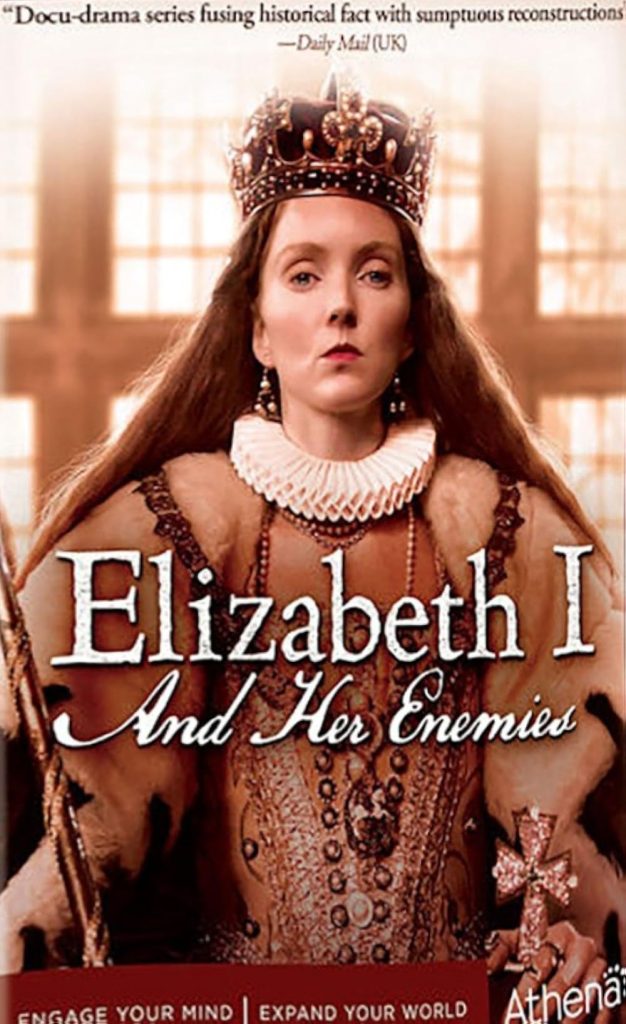
This two‑part miniseries focuses on the monarch’s later years and political balancing acts. It emphasizes statecraft, religion, and image‑making. The production offers a concentrated look at power under pressure.
“The Borgias”
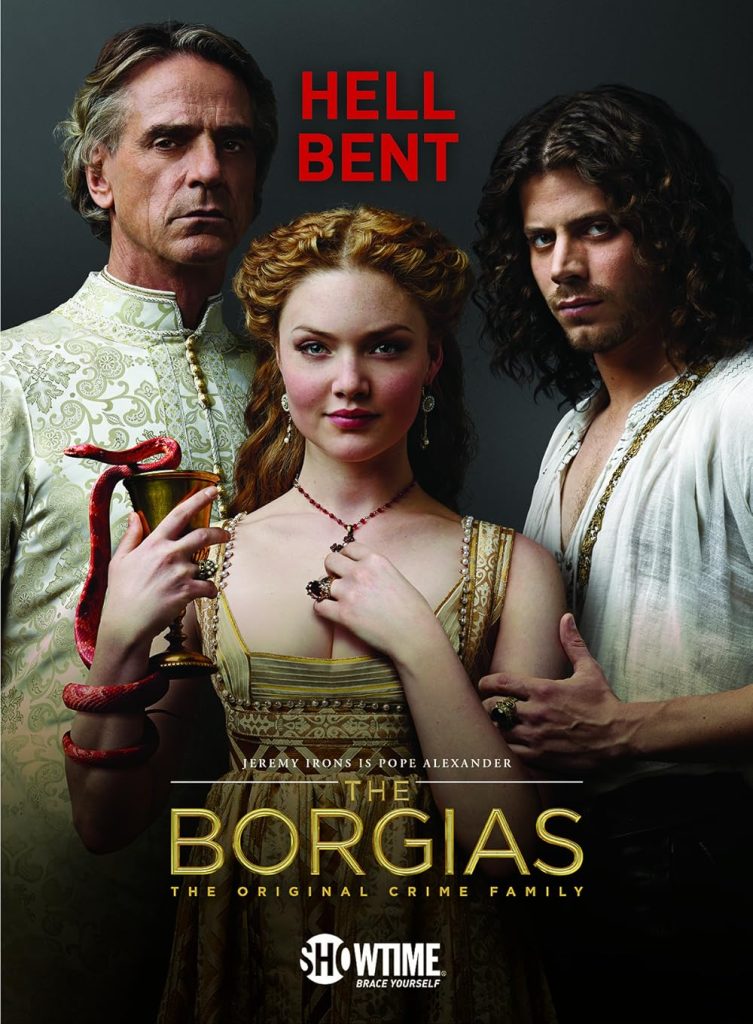
Renaissance Rome’s most notorious family navigates church and state. Poison, politics, and patronage mingle in a lush setting. It shows how reputation and rumor shape history.
“Spartacus”
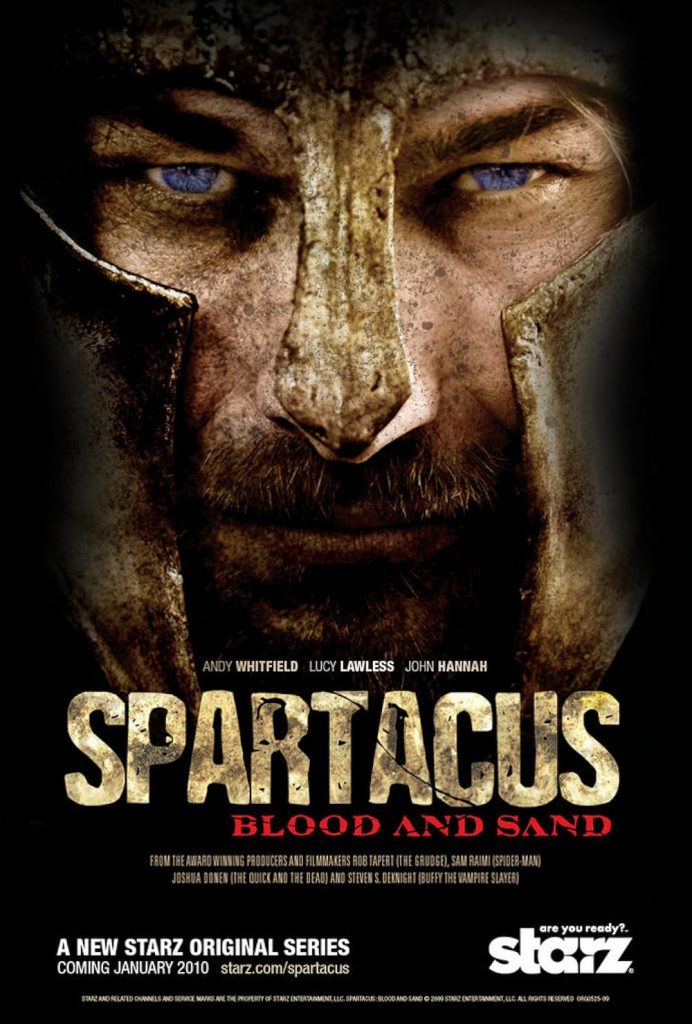
Stylized and visceral, this series dramatizes the slave rebellion against Rome. Beyond spectacle, it interrogates power, resistance, and loyalty. The arc builds to a tragic, purposeful finale.
“The Terror”
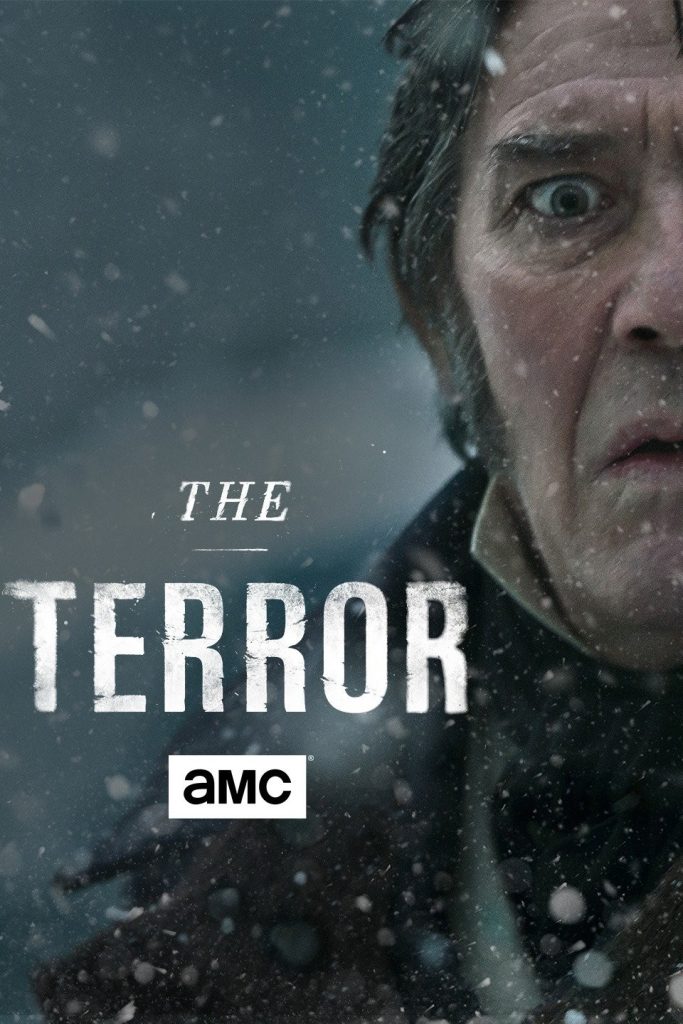
Season 1 blends historical Arctic exploration with survival horror. It treats logistics and leadership failures with stark realism. The result is eerie, methodical, and unforgettable.
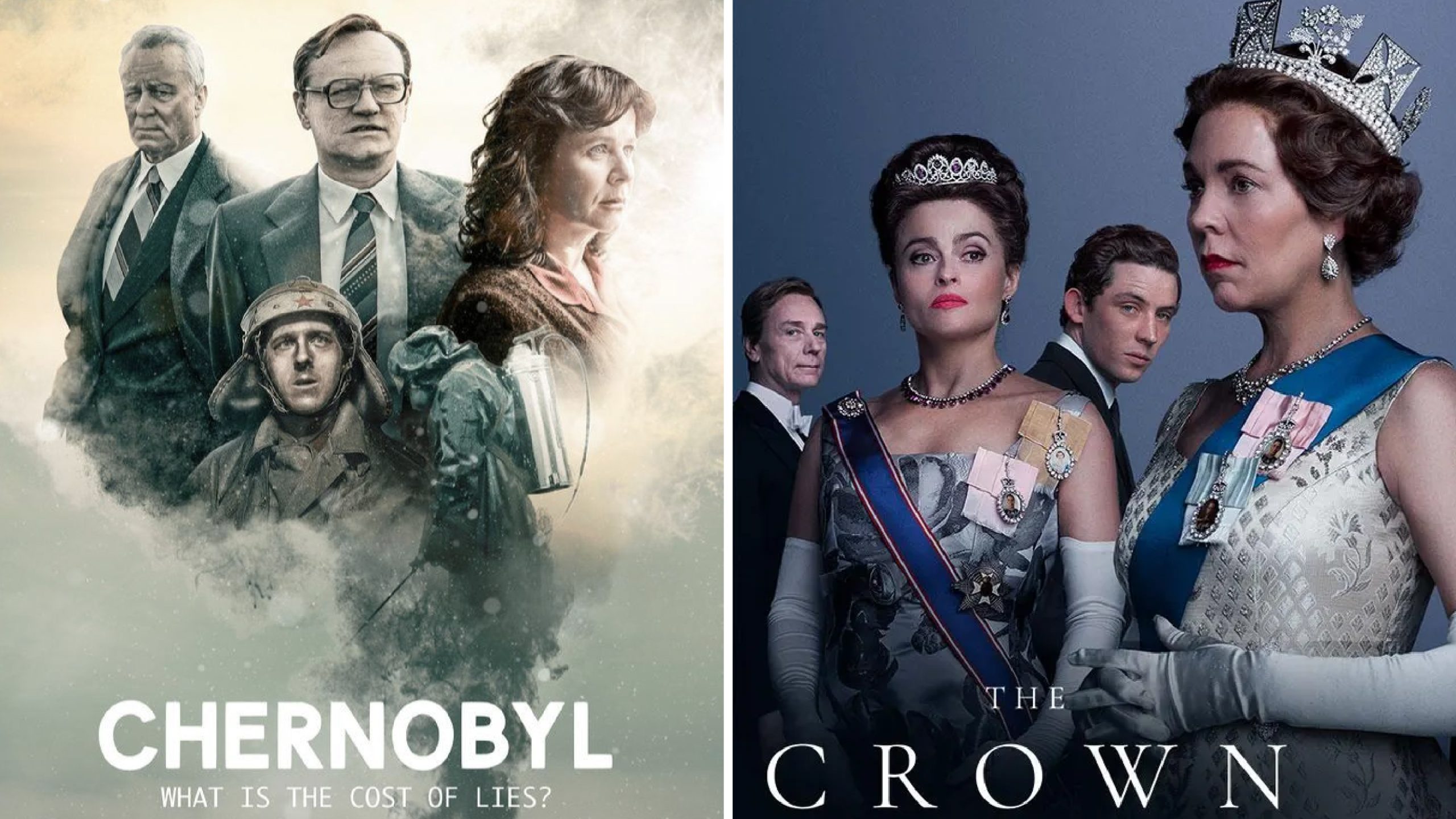
“The Crown”
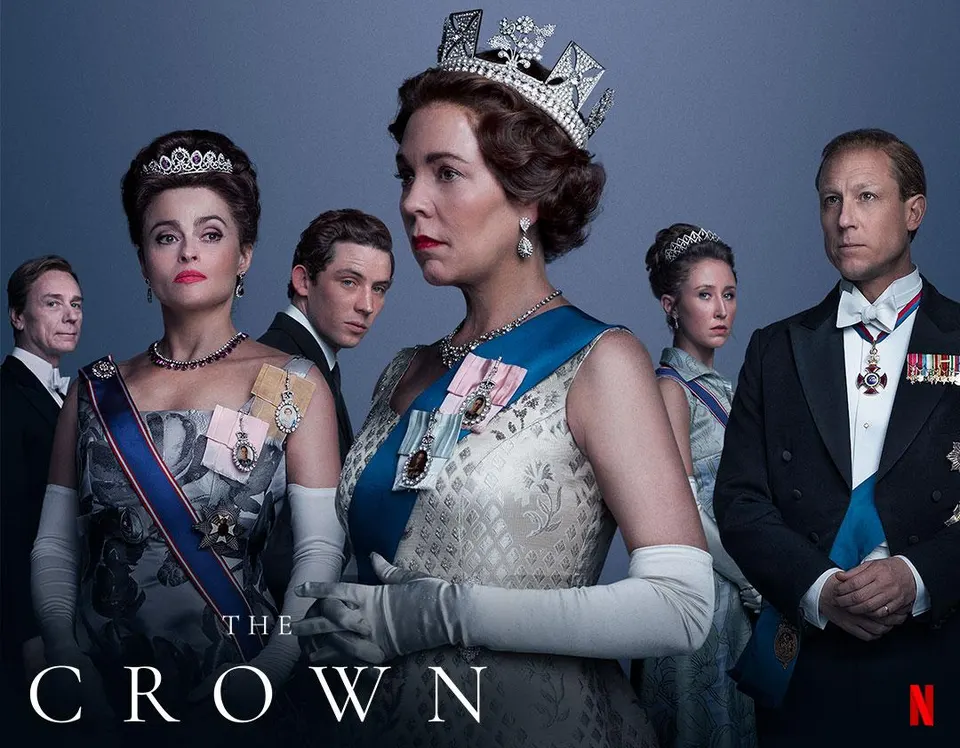
This royal chronicle tracks Elizabeth II’s reign across decades. It explores duty, privacy, and media in modern monarchy. Casting shifts mirror the passage of time and public perception.
“Chernobyl”
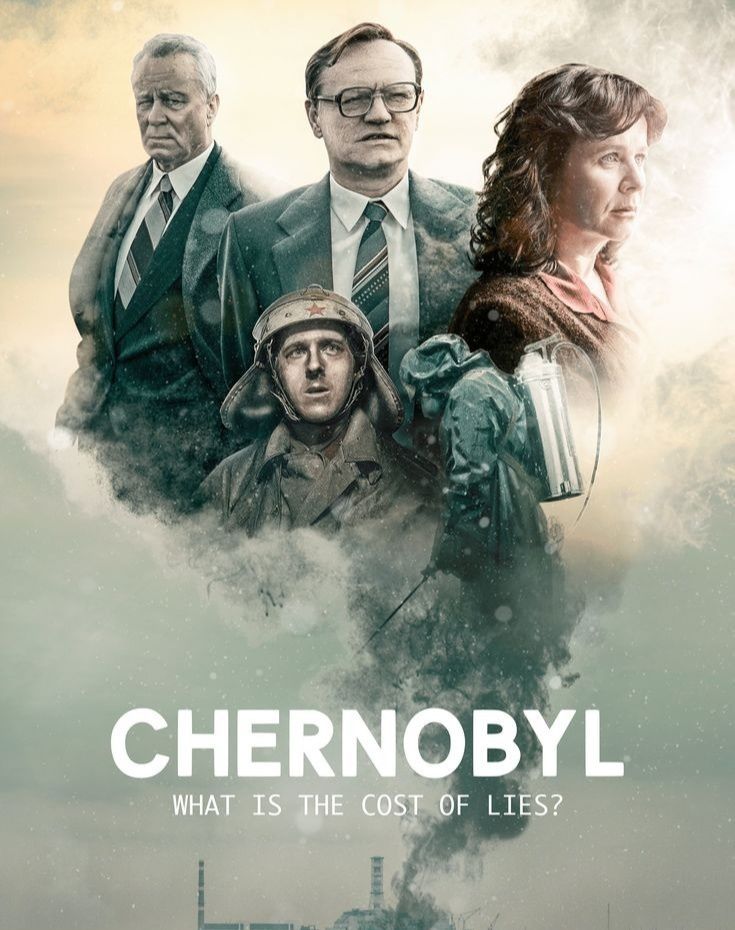
A forensic look at the 1986 nuclear disaster and its aftermath. The show examines bureaucracy, heroism, and the human cost of secrecy. Stark visuals and clear writing make the history immediate and haunting.