Human history is punctuated by moments where the boundaries of possibility were completely redefined by individuals who refused to acknowledge defeat. Throughout the centuries, experts, scientists, and military strategists have confidently declared certain feats to be utterly impossible, only for a determined soul to prove them wrong. Often, these legendary pioneers succeeded simply because they were entirely unaware of the conventional limits established by their peers. This article explores 30 extraordinary historical milestones achieved by individuals who ignored the odds and accomplished the unthinkable.
George Dantzig
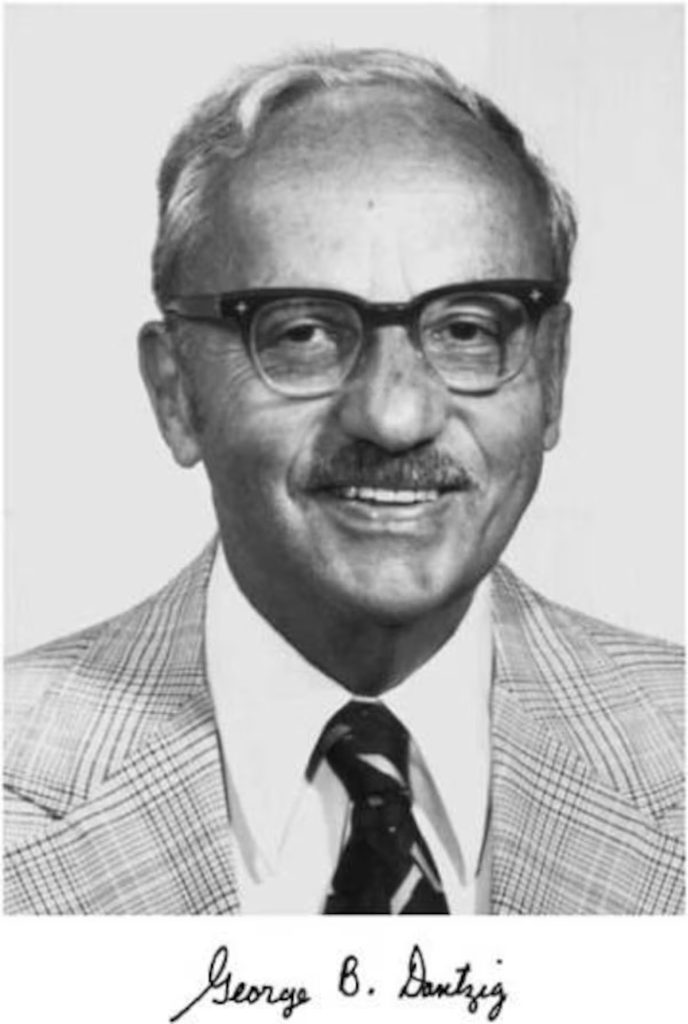
Graduate student George Dantzig arrived late to a university statistics class and hastily copied two problems written on the blackboard, assuming they were standard homework assignments. Spending days working through the complex equations, he finally submitted his solutions with an apology for the delay. The professor was utterly stunned because those equations were actually famous, un-solvable statistical proofs that the world’s top minds had failed to crack for generations. His accidental breakthrough permanently revolutionized the field of mathematical statistics.
Roger Bannister
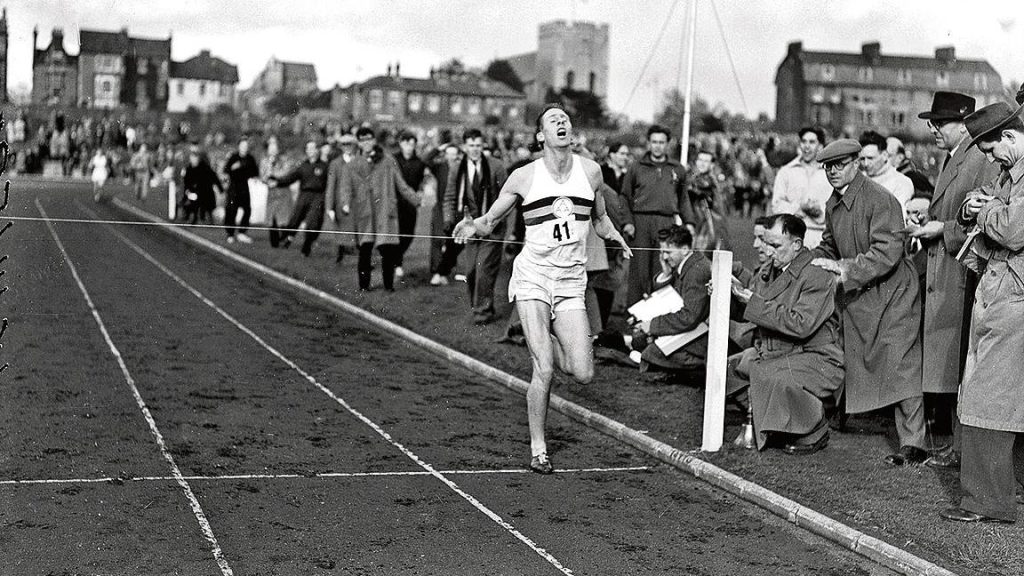
Medical experts and athletic trainers asserted for decades that running a mile in under four minutes was physically impossible for the human body. Defying this conventional wisdom, a young British runner trained diligently using unorthodox scientific methods. His historic race crossed the finish line at three minutes and fifty-nine seconds, instantly shattering a psychological barrier for future generations.
Srinivasa Ramanujan
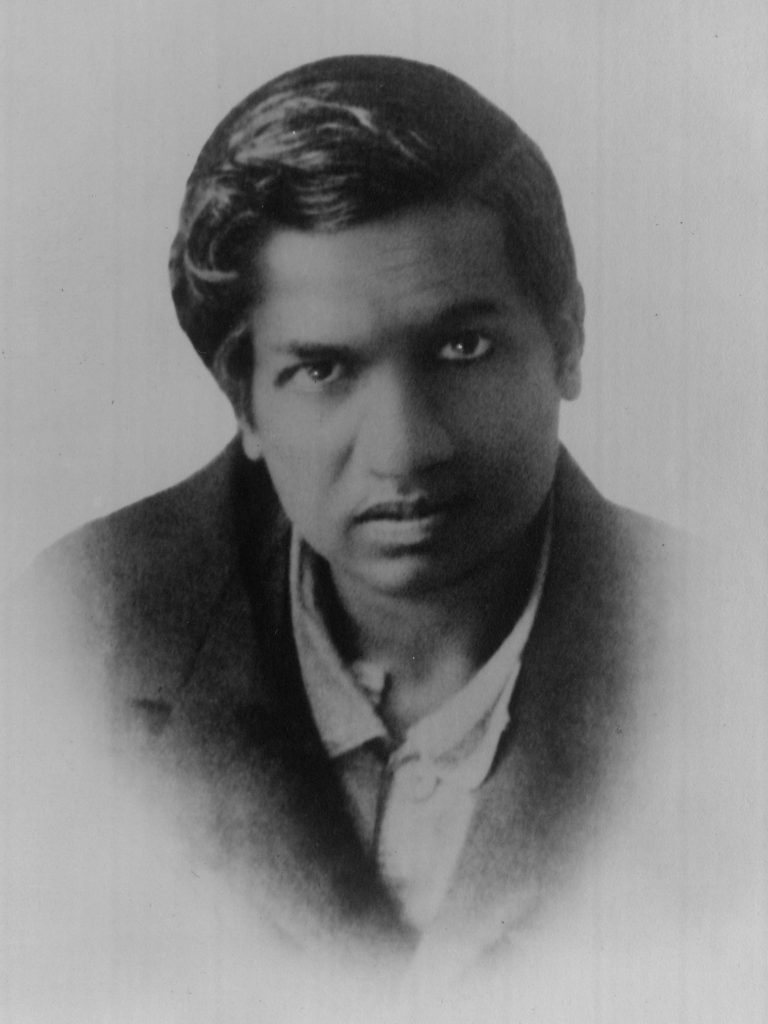
Growing up with no formal training in advanced mathematics, Srinivasa Ramanujan single-handedly derived thousands of groundbreaking mathematical identities. Thousands of his original theorems are utilized today to study the behavior of black holes.
Michael Faraday
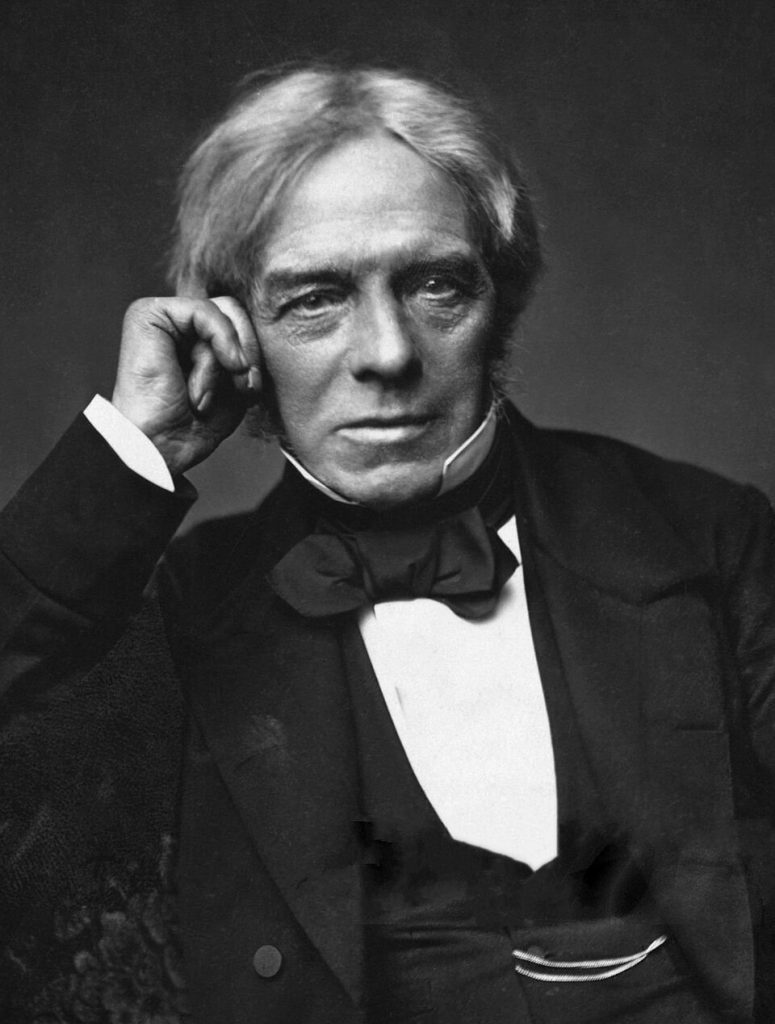
Lacking any formal education in advanced mathematics, Michael Faraday revolutionized the scientific understanding of electricity and magnetism. His peers believed that forces could only interact through direct line-of-sight calculations. Because he could not comprehend their complex math, he instead visualized invisible fields as physical lines of force rippling through space. This radical conceptualization laid the groundwork for modern classical field theory.
Cliff Young
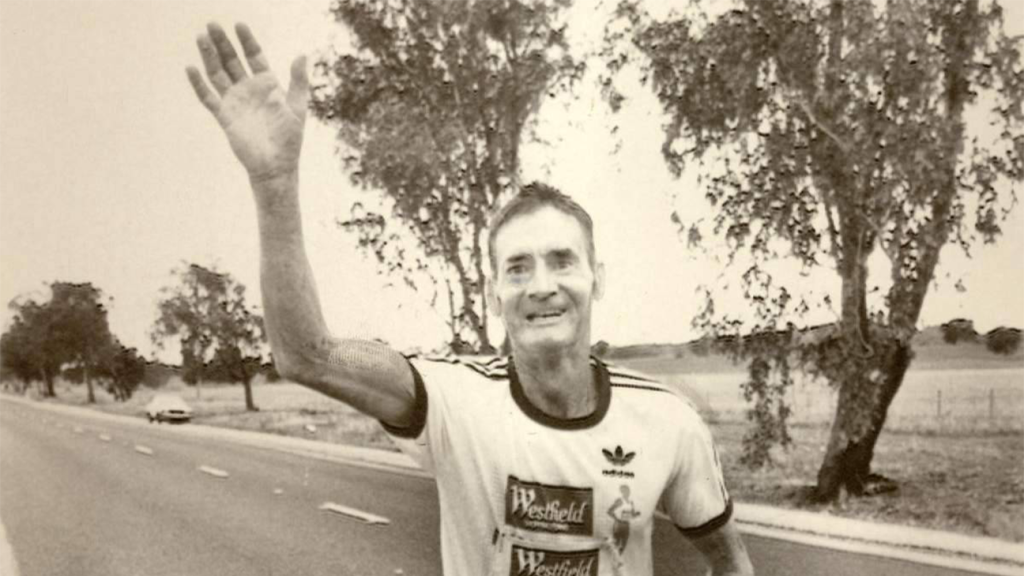
A sixty-one-year-old potato farmer showed up to an elite five-hundred-and-forty-three-mile ultramarathon wearing overalls and work boots. Unaware that traditional runners stopped to sleep for several hours each night, Cliff Young simply kept shuffling forward through the darkness without a single break. He shattered the previous course record by nearly two full days and gave away his entire prize winnings to competing runners.
Thor Heyerdahl
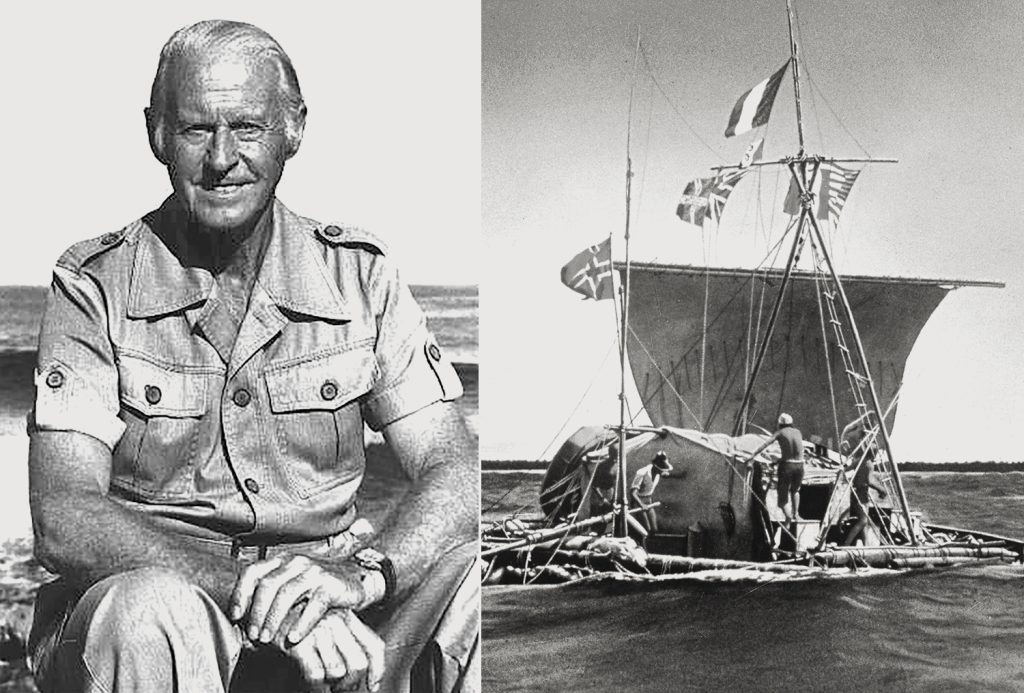
Academics insisted that ancient South American populations could never have migrated across the open ocean to settle the Polynesian islands using primitive technology. Thor Heyerdahl proved them wrong by constructing a rudimentary balsa wood raft and successfully sailing it across more than four thousand miles of open Pacific waters.
Harrison Odjegba Okene

A sudden maritime disaster left Harrison Odjegba Okene trapped inside a capsized tugboat resting at the bottom of the Atlantic Ocean. While rescue teams assumed the entire crew had perished in the freezing depths, he managed to survive inside a tiny, three-foot air pocket for nearly three full days. Commercial divers working on a body recovery mission were utterly shocked when a hand suddenly reached out to tap them on the shoulder. This miraculous survival remains one of the most staggering deep-sea endurance anomalies in naval history.
Juliane Koepcke
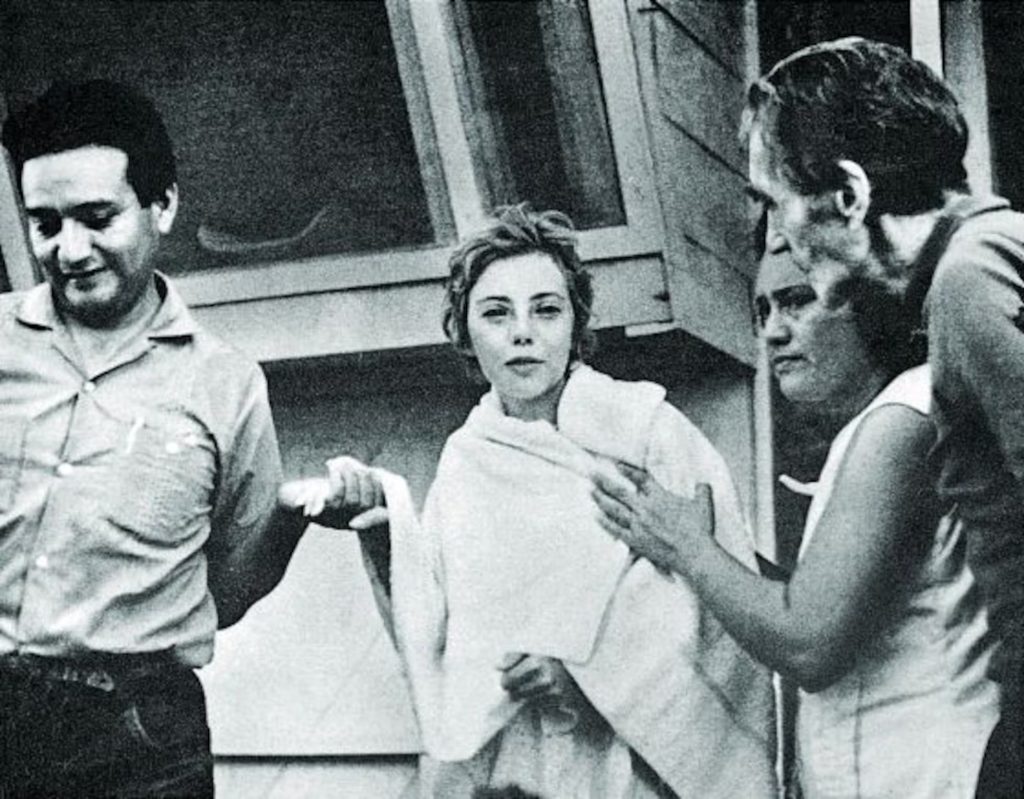
Surviving a mid-air plane disintegration caused by a lightning strike, Juliane Koepcke fell two miles directly into the dense Amazon rainforest while strapped to her seat row. She suffered only a broken collarbone and deep cuts before navigating the dangerous jungle completely alone for eleven days. Her incredible survival instincts became the subject of multiple documentary films.
Ernest Shackleton
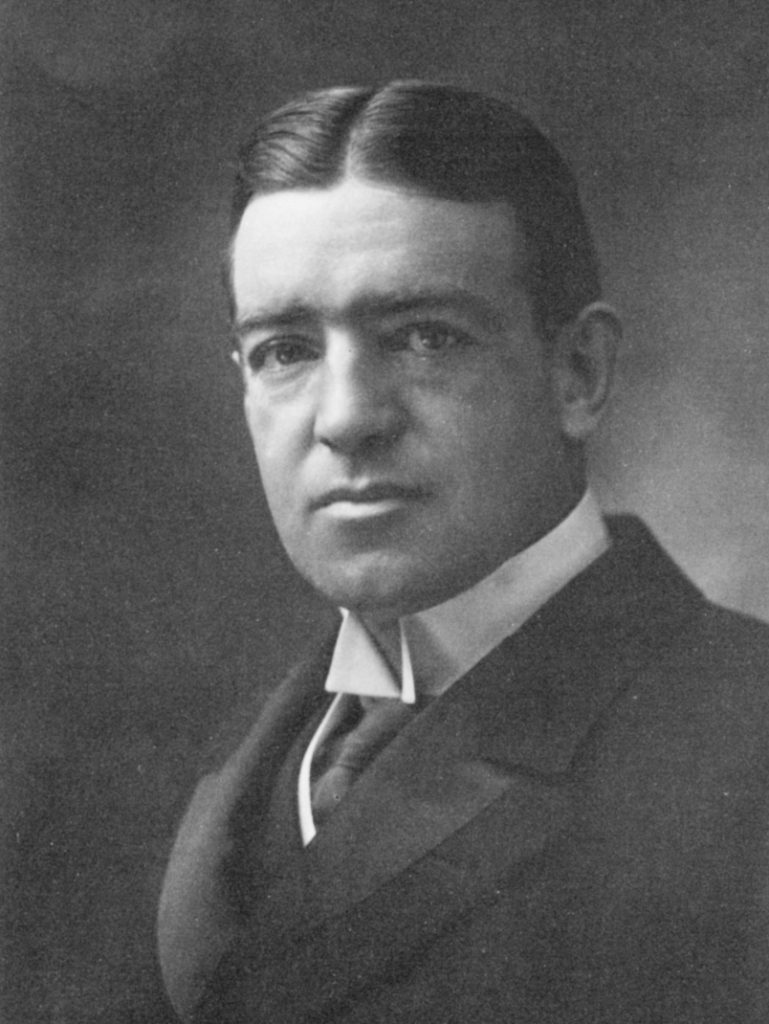
Following the complete destruction of their research vessel by crushing Antarctic pack ice, Ernest Shackleton and his entire crew found themselves stranded thousands of miles from civilization. Through a desperate journey across open oceans and glacial mountains, he successfully saved every single member of the twenty-eight-man crew.
Desmond Doss
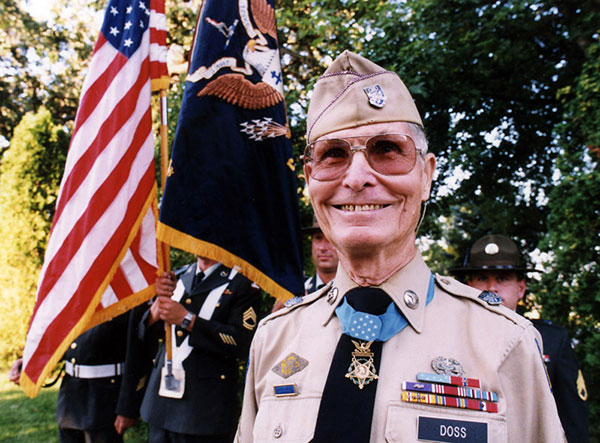
During a brutal battle on a sheer cliffside in the Pacific theater, Desmond Doss refused to retreat alongside his fleeing battalion. Operating completely unarmed due to his deeply held personal convictions, he spent hours dodging enemy fire to lower wounded soldiers down the cliff face one by one. He personally rescued seventy-five men while facing active artillery bombardments and sniper fire. This extraordinary display of bravery earned him the Congressional Medal of Freedom.
Leo Major
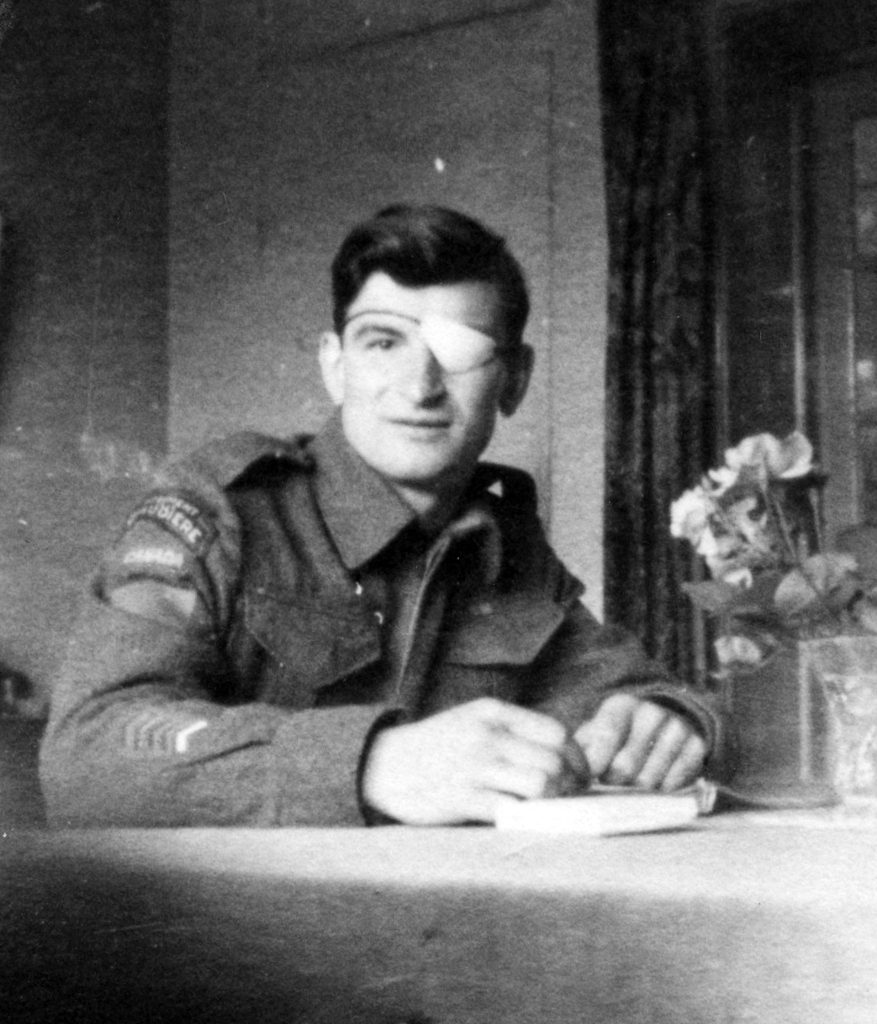
This unstoppable soldier entered a heavily fortified Dutch city with the objective of scouting enemy positions before an impending Allied artillery bombardment. Refusing to allow his hometown to be destroyed, Leo Major chose to launch a solo liberation campaign instead. By daybreak, he had single-handedly captured over one hundred enemy troops and secured the city.
Witold Pilecki
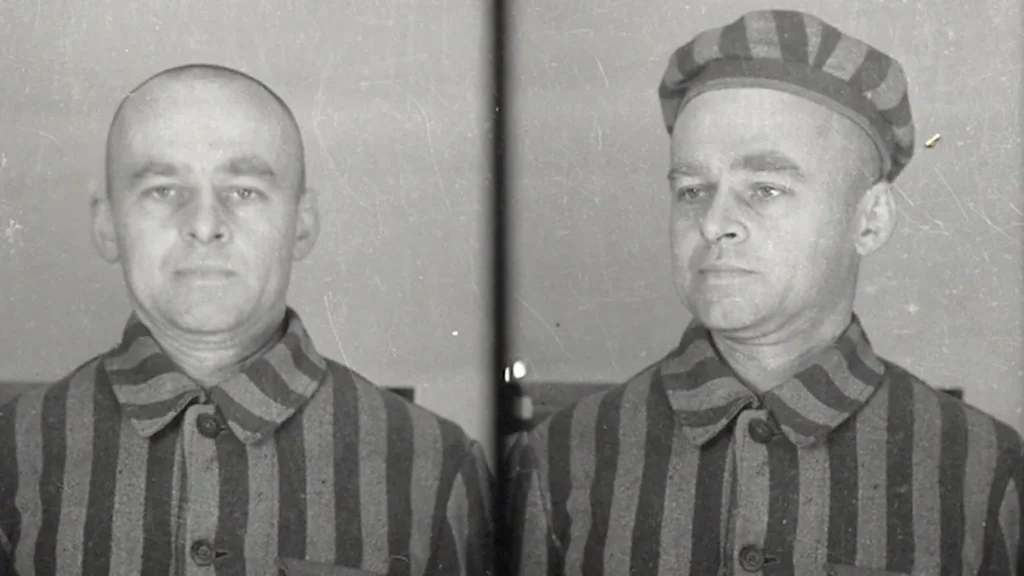
While millions fought to avoid capture during World War II, Witold Pilecki deliberately walked into a German occupation roundup to be sent to Auschwitz. His smuggled dispatches provided the Western Allies with the earliest detailed accounts of the camp’s horrific operations.
Gail Halvorsen
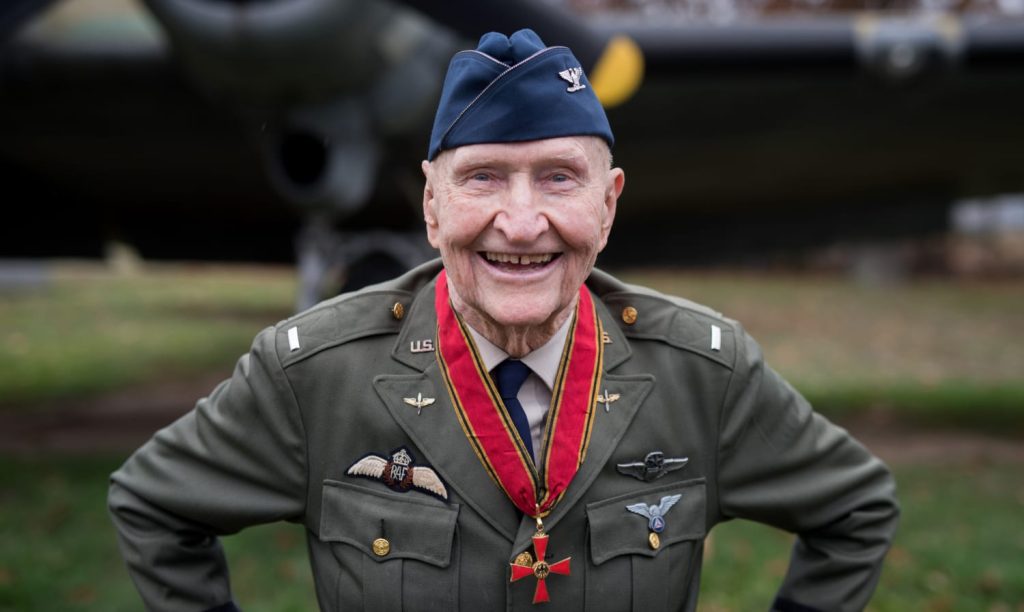
An American pilot participating in the Berlin Airlift noticed a group of children gathered near the airfield fence watching the cargo planes land. Wanting to lift their spirits, Gail Halvorsen promised to wiggle his aircraft’s wings before dropping packages of chocolate attached to makeshift handkerchief parachutes. He kept this operation completely secret from his commanding officers to avoid severe disciplinary action for violating military regulations. The unsanctioned project eventually became a massive international public relations triumph known globally as “Operation Little Vittles.”
Stanislav Petrov

Soviet military protocols dictated an immediate nuclear retaliatory strike when early-warning satellite systems indicated five incoming American intercontinental ballistic missiles. The duty officer at the bunker, Stanislav Petrov, suspected the computer system was reporting a false alarm despite having no concrete evidence to confirm his theory. His calm decision to report a malfunction successfully averted a catastrophic global nuclear war.
Vasili Arkhipov
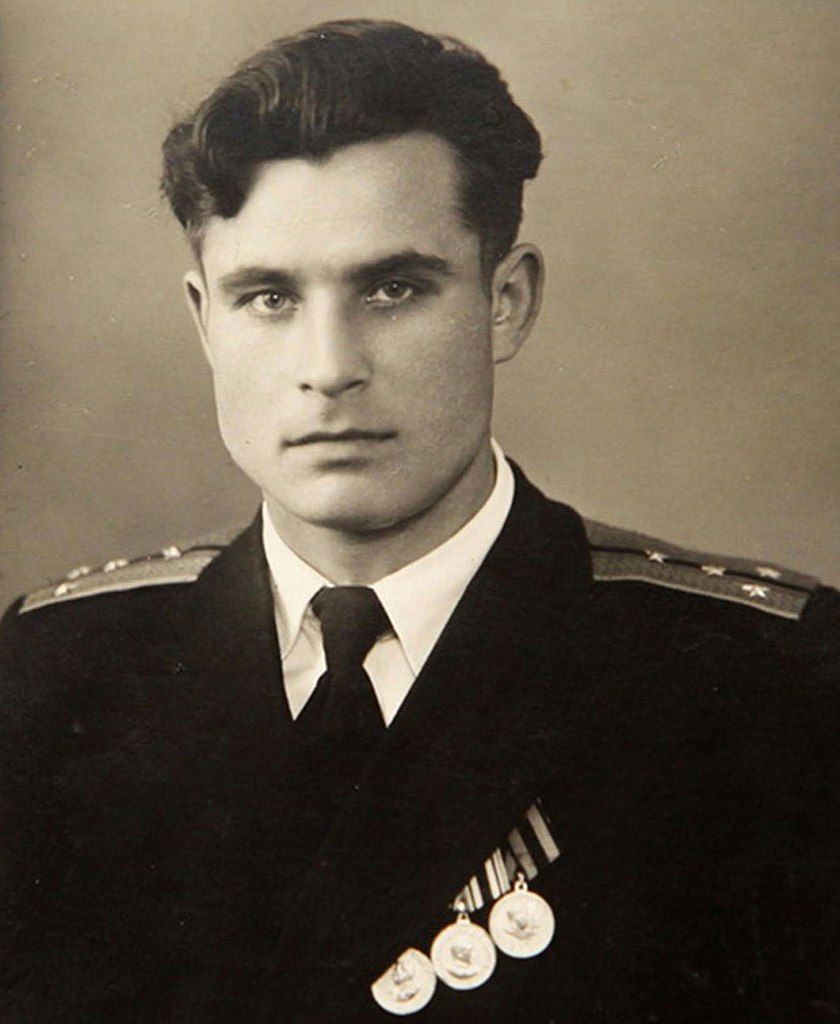
A similar Cold War crisis unfolded inside a cornered Soviet submarine during the Cuban Missile Crisis, where depth charges caused the vessel’s systems to fail. Vasili Arkhipov used his veto power to block a nuclear launch despite intense physical confrontation from his fellow officers.
Alexander Fleming
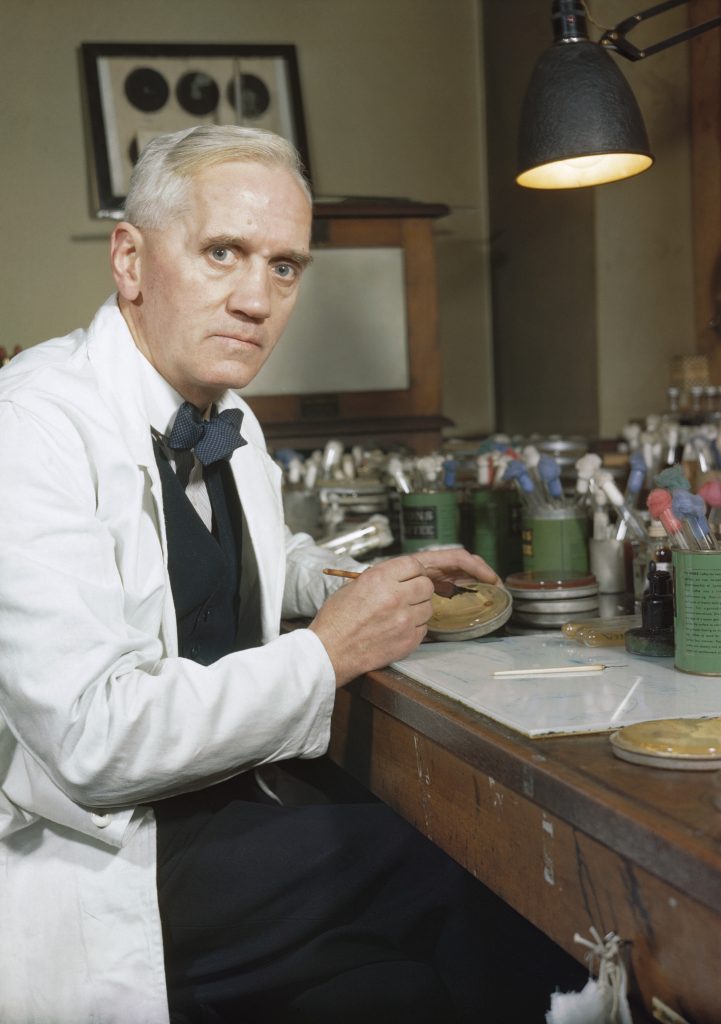
Returning to his laboratory after a lengthy summer vacation, Alexander Fleming noticed a peculiar mold growing on a forgotten petri dish of bacteria. He observed that the surrounding bacterial colonies had been entirely destroyed by the mysterious fungal growth. Instead of discarding the ruined experiment, he isolated the substance to study its unique properties. This casual observation led directly to the accidental discovery of penicillin and revolutionized modern medicine.
Charles Goodyear
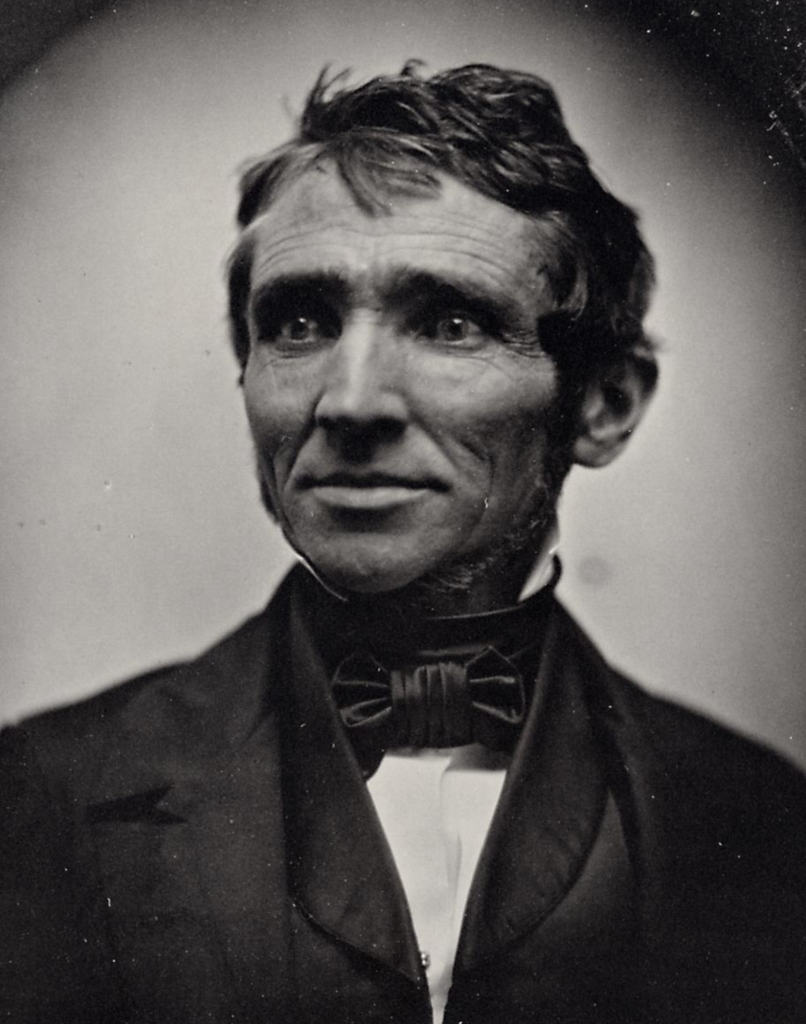
An obsessed inventor spent years reducing his family to absolute poverty while attempting to create a stable form of rubber that would not melt in the summer heat. Charles Goodyear achieved his breakthrough when he mistakenly dropped a mixture of raw rubber and sulfur onto a hot kitchen stove. This process of vulcanization enabled the mass production of modern automotive tires.
James Harrison

Medical researchers discovered that James Harrison possessed an incredibly rare antibody in his blood plasma that could cure a fatal fetal condition known as Rhesus disease. His relentless dedication to donating plasma every week for over sixty years single-handedly saved the lives of over two million babies.
Ada Lovelace
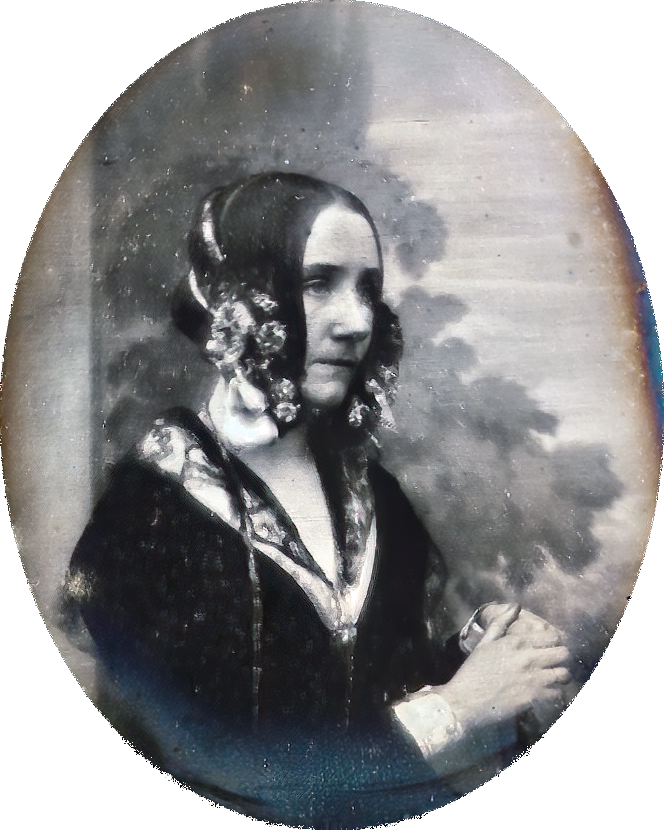
Working alongside an inventor who was building a mechanical calculating machine, Ada Lovelace conceptualized the true potential of early computing. She realized the machine could manipulate symbols rather than just numbers, creating a detailed set of instructions to calculate Bernoulli numbers. Her elaborate notes are universally recognized as the world’s first complex computer algorithm. She achieved this milestone over a century before the construction of the first modern electronic computer.
Ching Shih

A young woman working on a floating brothel rose to command the largest and most successful pirate confederation in maritime history. Ching Shih enforced a strict legal code that punished disobedience with immediate execution, managing a fleet of hundreds of warships. She eventually negotiated a peaceful retirement that allowed her to keep all her plundered wealth.
Joan of Arc
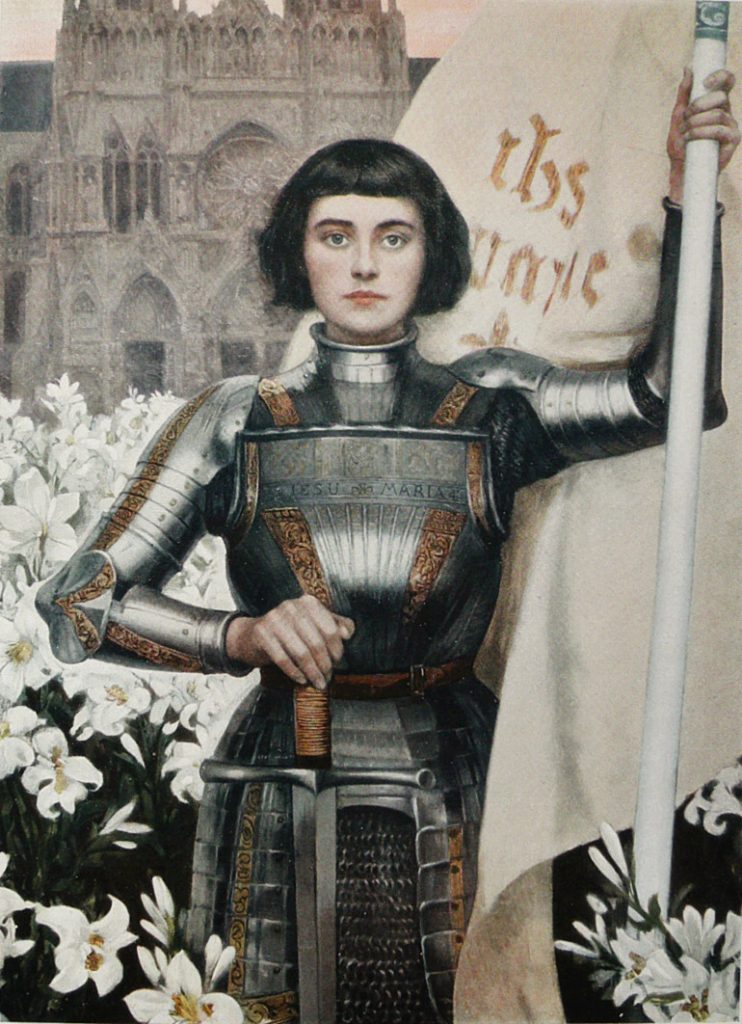
An illiterate teenage peasant girl managed to gain an audience with the French crown during the height of the Hundred Years’ War. Joan of Arc broke the grueling siege of Orléans in just nine days, completely reversing the course of European history.
Hannibal Barca
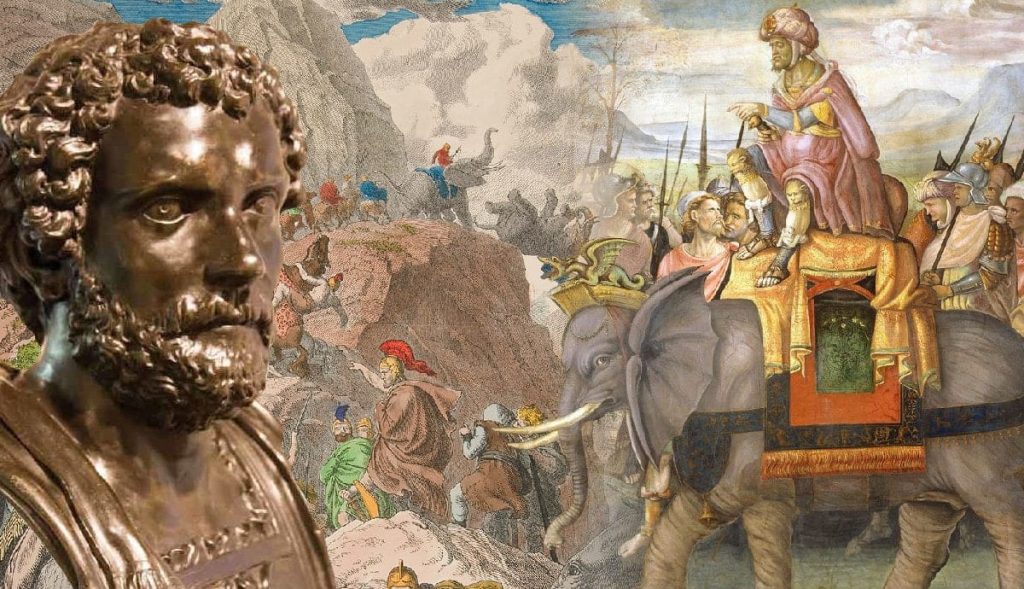
Military planners deemed the towering, snow-covered peaks of the Alps completely impassable for a massive invading army. Defying centuries of tactical doctrine, Hannibal Barca marched tens of thousands of soldiers and dozens of war elephants straight through the treacherous mountain terrain. His surprise appearance on the Italian peninsula threw the Roman Republic into a state of absolute panic. This audacious maneuver remains one of the greatest strategic surprises in ancient warfare.
John von Neumann
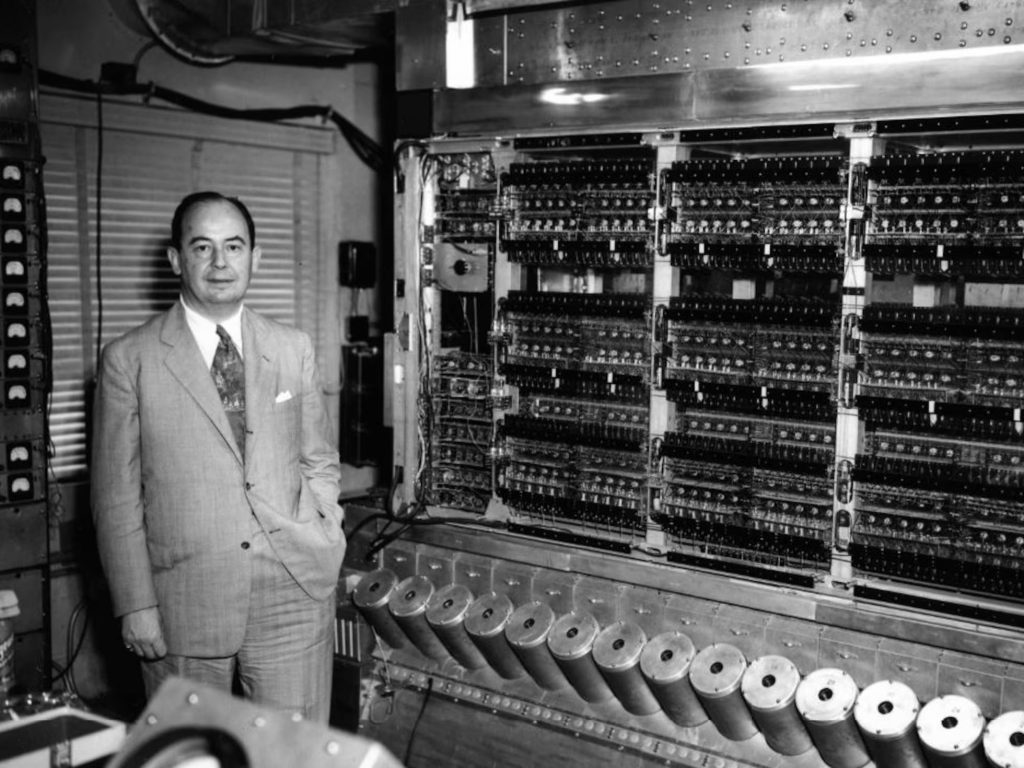
This legendary polymath routinely baffled early computer engineers by mentally calculating complex mathematical equations faster than the experimental electronic systems they were developing. John von Neumann would listen to complex engineering problems during military meetings and provide exact numerical solutions within seconds. His brilliant cognitive processing capabilities allowed him to lay the foundations for game theory and quantum mechanics simultaneously.
Gutzon Borglum
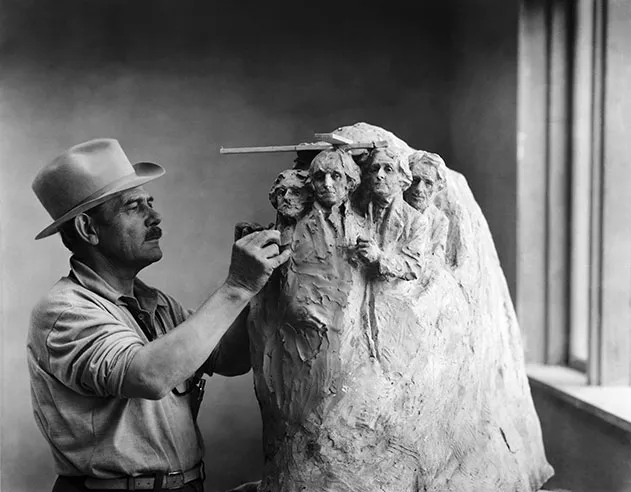
Engineering critics laughed at the proposal to carve massive, highly detailed presidential portraits straight into the granite face of a mountain. Gutzon Borglum utilized dynamite and pneumatic drills to shape the stubborn stone over a period of fourteen grueling years.
Eratosthenes
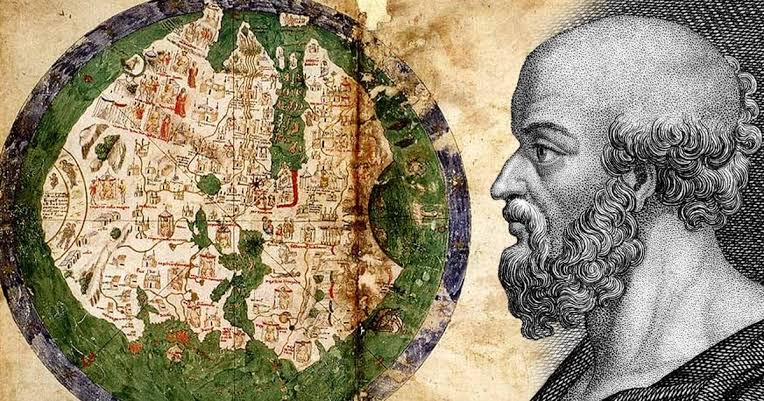
Equipped with nothing more than a simple wooden stick and basic geometric principles, Eratosthenes successfully calculated the exact circumference of the Earth. He measured the differing angles of shadows cast in two separate Egyptian cities at high noon on the summer solstice. His final mathematical calculation came within a staggering one percent of the actual modern satellite measurements. This monumental scientific achievement occurred over two thousand years before the dawn of space exploration.
Lauri Törni
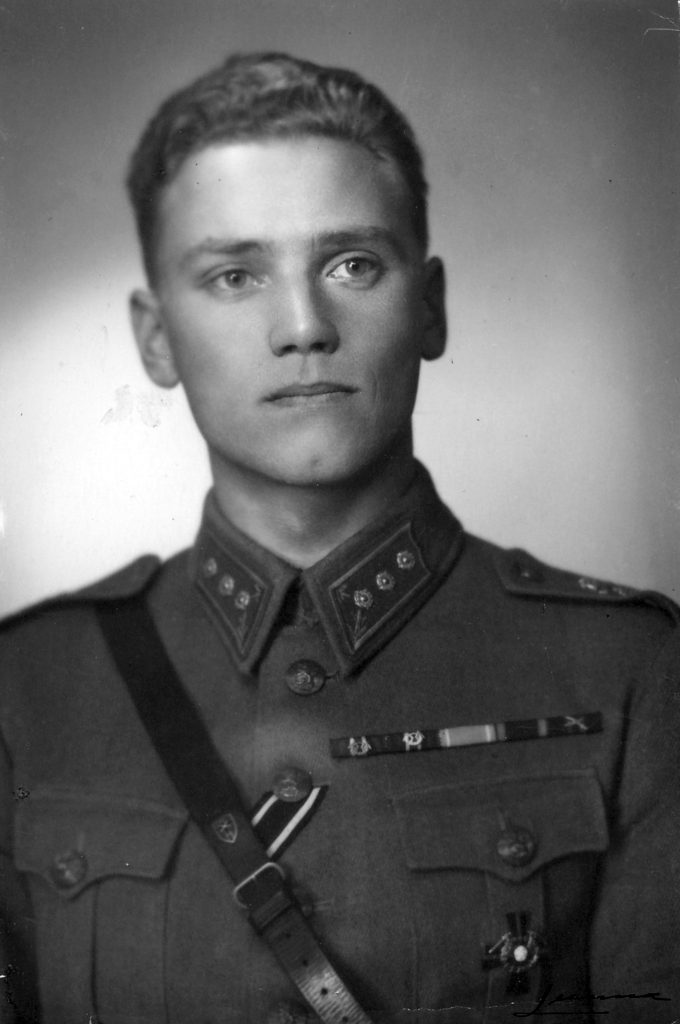
This highly decorated soldier fought under three entirely different national flags during his lifetime to combat the spread of Soviet expansion. Lauri Törni mastered guerrilla warfare tactics in the freezing forests of Finland before joining the German military and eventually the United States Army special forces. His legendary combat skills made him a near-mythical figure among modern special operations units.
Henrietta Lacks
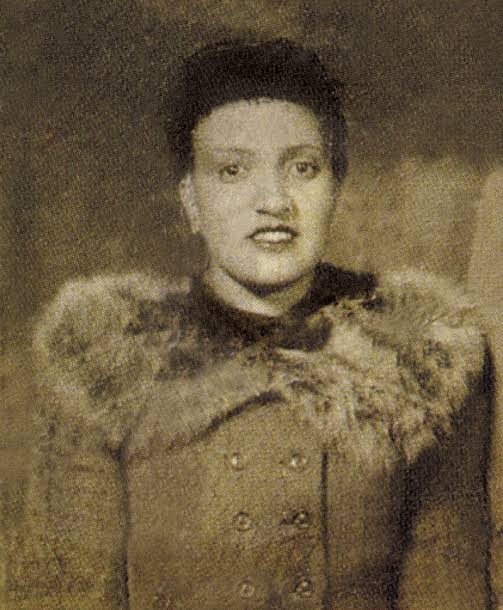
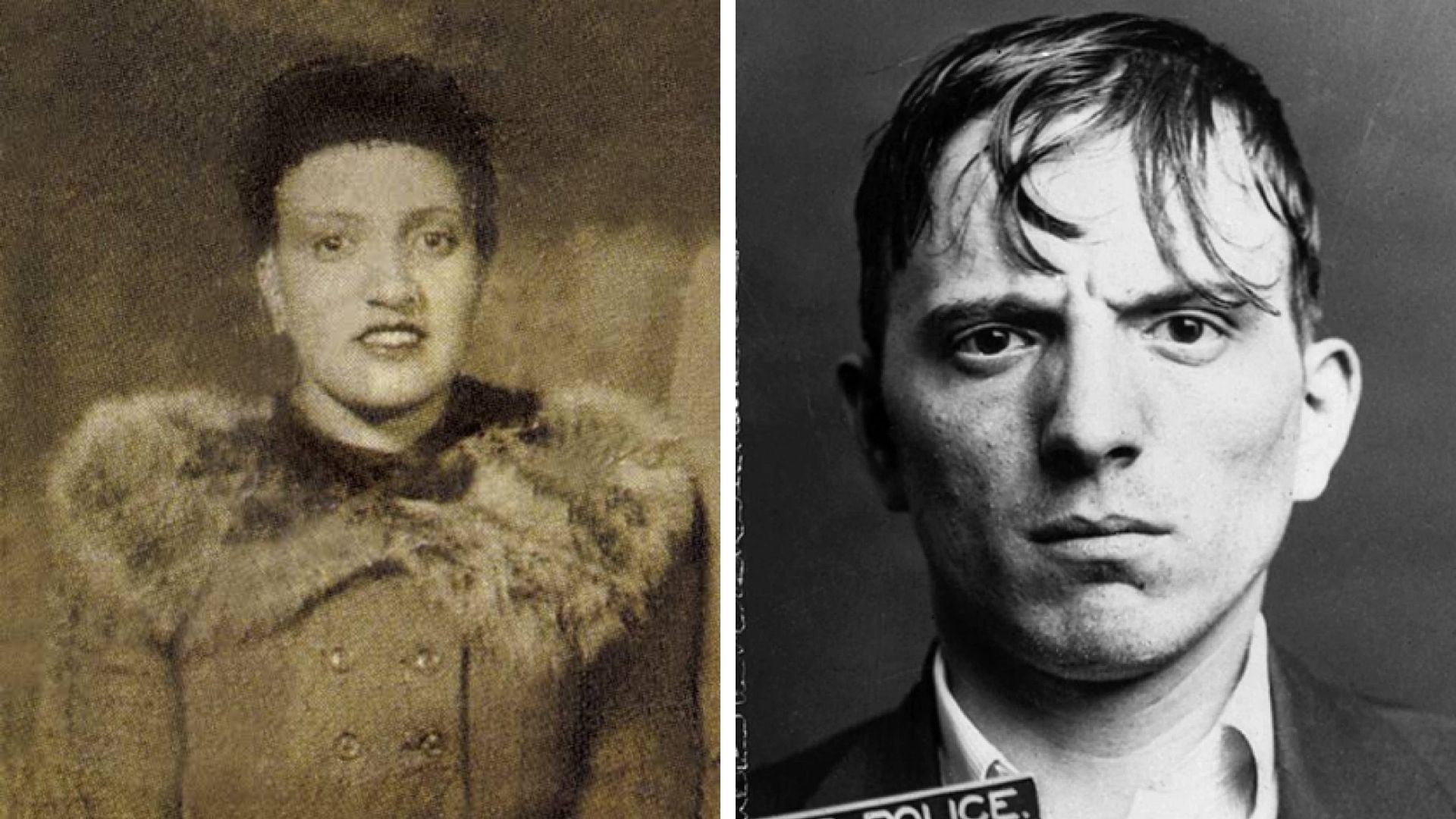
Medical researchers spent decades trying to keep human cells alive inside laboratory dishes, only for them to perish within a few days. A sample collected from Henrietta Lacks completely shattered this biological limitation, becoming the world’s first immortal human cell line known as HeLa.
Roy Sullivan
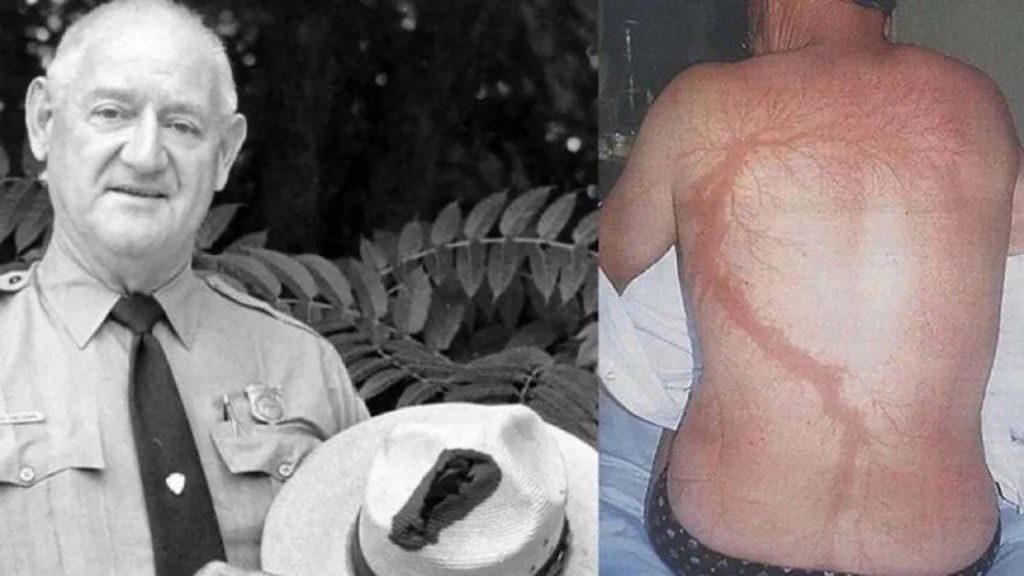
Park ranger Roy Sullivan gained international fame for surviving seven distinct lightning strikes over the course of his outdoor career. The electrical discharges repeatedly scorched his hair, knocked him unconscious, and set his ranger hat on fire. Statistical experts calculated the odds of this occurring to a single individual at over twenty-two septillion to one. He remains a permanent fixture in global record books for his unmatched environmental resilience.
Tsutomu Yamaguchi
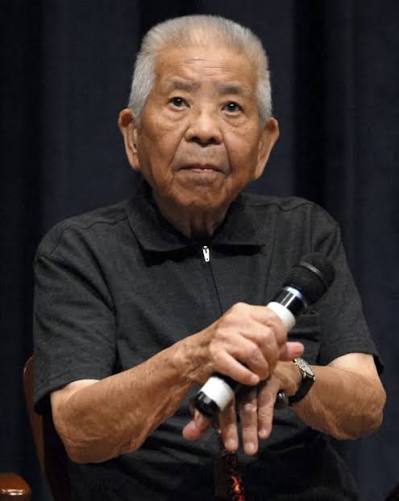
A young engineer was preparing to leave Hiroshima on a business trip when the first atomic bomb detonated over the city. Tsutomu Yamaguchi miraculously survived the blast, only to return to his hometown of Nagasaki just in time for the second detonation. He survived both explosions and lived to the advanced age of ninety-three.
Michael Malloy
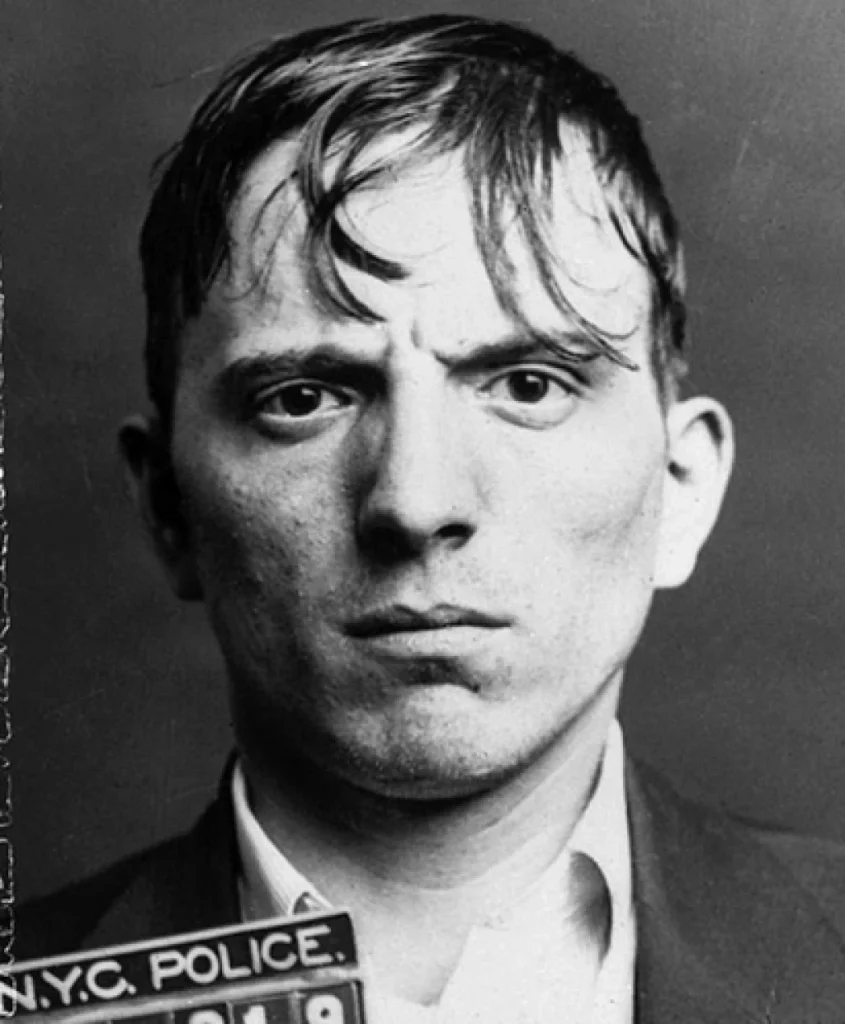
A group of desperate acquaintances conspired to murder Michael Malloy in New York to collect a lucrative life insurance policy. They gave him unlimited credit at a local speakeasy, replacing his drinks with pure wood alcohol, antifreeze, and rat poison. When those lethal concoctions failed to harm him, they left him unconscious in the freezing winter snow and ran him over with a taxicab. He walked back into the bar the following morning asking for another drink, earning the permanent title of the most durable man in history.