Our bodies pull off millions of microscopic feats every day, yet plenty of basics remain puzzling. Enduring mysteries that researchers still argue about, from everyday quirks like hiccups to sweeping questions about consciousness.
Why We Dream At All
Scientists can map sleep stages and link REM to memory, learning, and emotion, but a single unifying function for dreaming remains unsettled. Competing models suggest threat rehearsal, creative problem solving, or random activation that the brain weaves into stories. Evidence supports pieces of each, yet none explains all cases. Until we can measure what a dream “does,” its core purpose stays elusive.
The Purpose Of Fingerprints
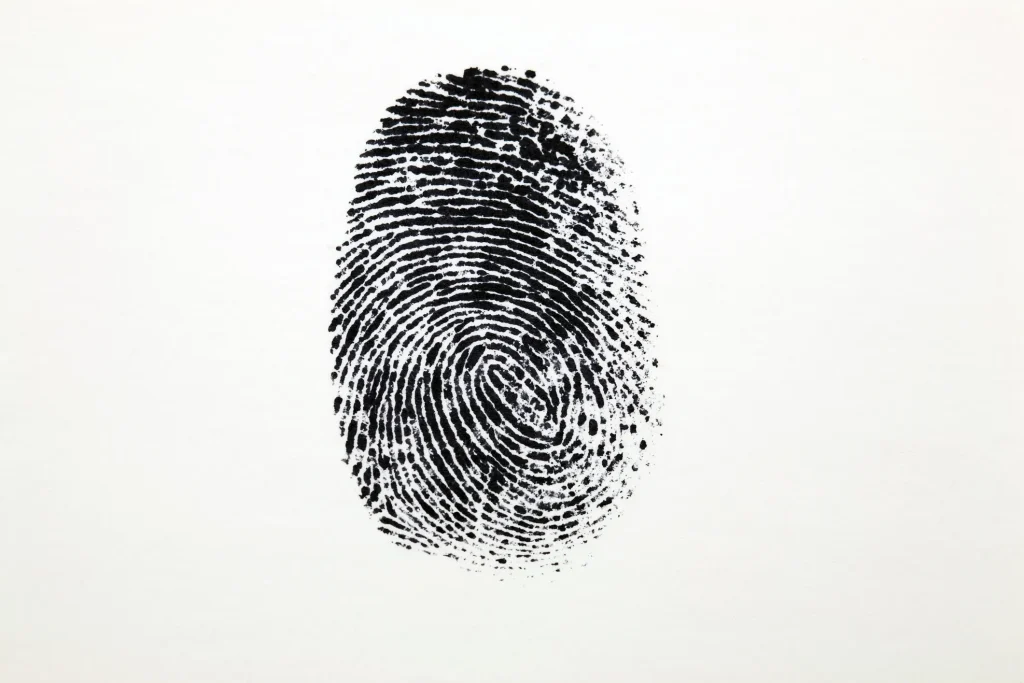
Fingerprints improve grip and tactile sensitivity, but researchers still debate the evolutionary pressure that made them universal and unique. We know their whorls and loops amplify vibrations, yet that does not fully justify their intricate, person‑specific patterns. Theories range from moisture control to social identification. No single explanation has definitive proof across humans and primates.
Why Humans Have An Appendix
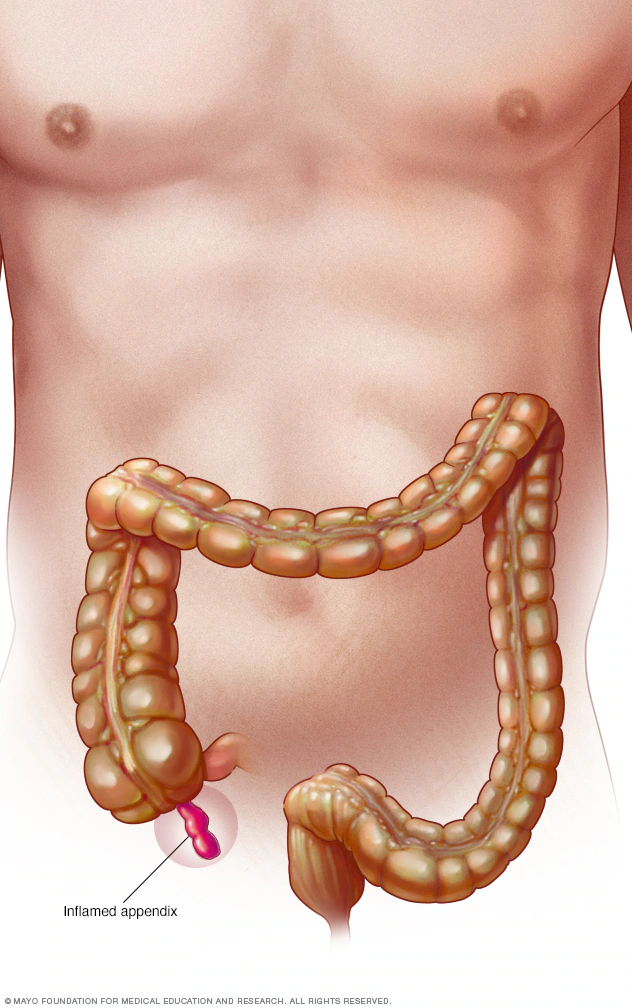
The appendix hosts immune tissue and gut microbes, hinting at a role as a bacterial “safe house.” Still, its exact benefit in modern humans is debated, given that many people live healthy lives after removal. Comparative studies suggest it evolved repeatedly in mammals, which complicates the story.
What Triggers Autoimmune Diseases
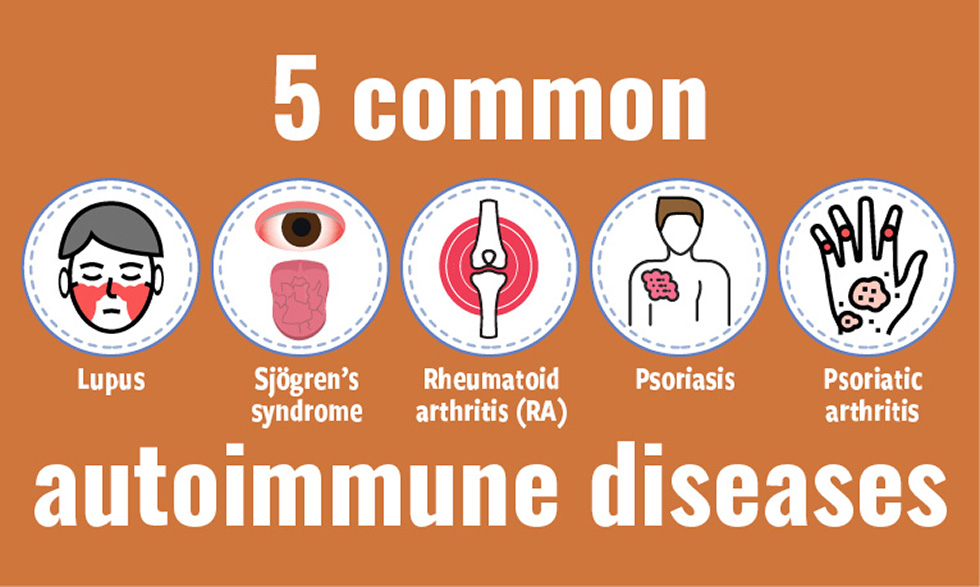
In autoimmunity, the body attacks itself, but the precise initial spark is often unknown. Genetics set the stage and environment pulls the trigger, with infections, microbiome shifts, and pollutants all implicated. Why one person develops lupus or type 1 diabetes and another does not is hard to predict. The interplay among genes, barriers, and immune training is still being mapped.
Why Some People Get Debilitating Migraines
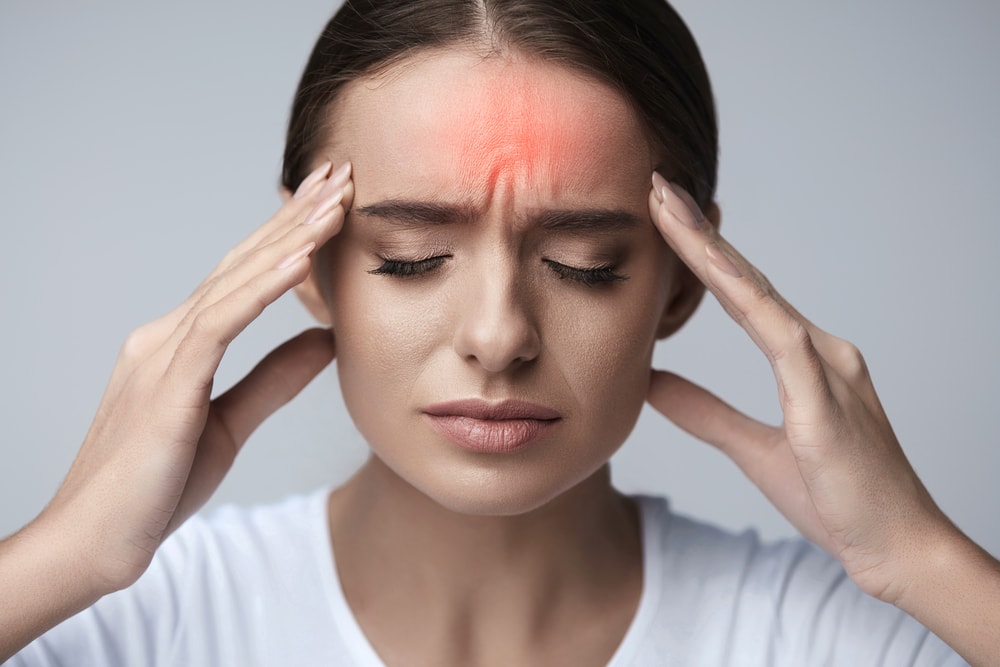
Migraine involves nerve‑vascular cascades and brainstem hypersensitivity, yet the origin of the switch that starts an attack is unclear. Triggers like stress, hormones, or sleep loss are inconsistent across people. Even the cortical spreading depression behind aura symptoms cannot account for every kind of migraine. Treatments help many, but the underlying why remains incomplete.
The Mechanics Behind Phantom Limb Pain
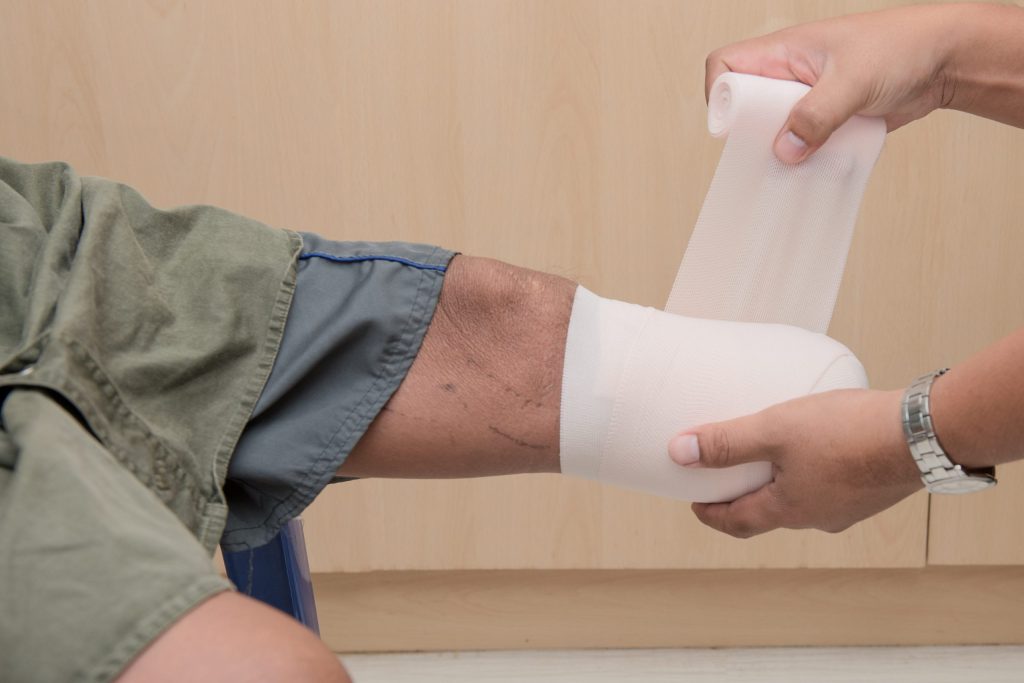
After amputation, many people feel pain in a missing limb, implying persistent body maps in the brain. Rewiring, spinal changes, and sensory predictions likely interact, but no single model fits everyone. Mirror therapy and neuromodulation can help, suggesting the perception is malleable.
Why Motion Sickness Happens
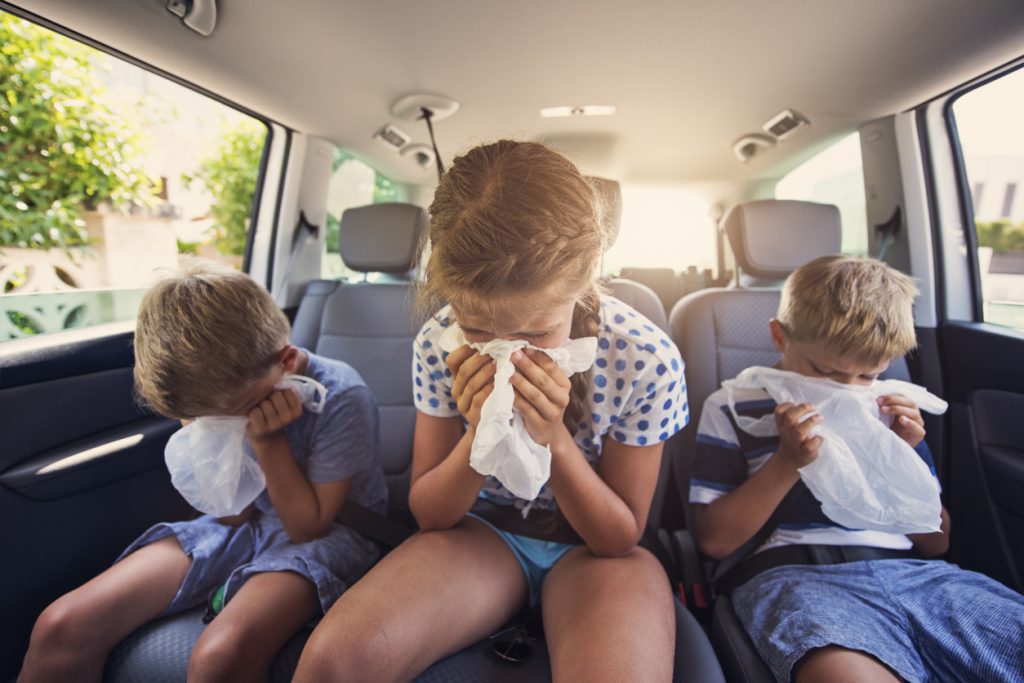
The prevailing idea is sensory conflict: your eyes and inner ear disagree about motion, and the brain reacts. But why that conflict produces nausea rather than some other signal is uncertain. Evolutionary theories propose a poison‑defense response, yet supporting data are mixed. Individual susceptibility also varies widely without a clear genetic rulebook.
How General Anesthesia Truly Works
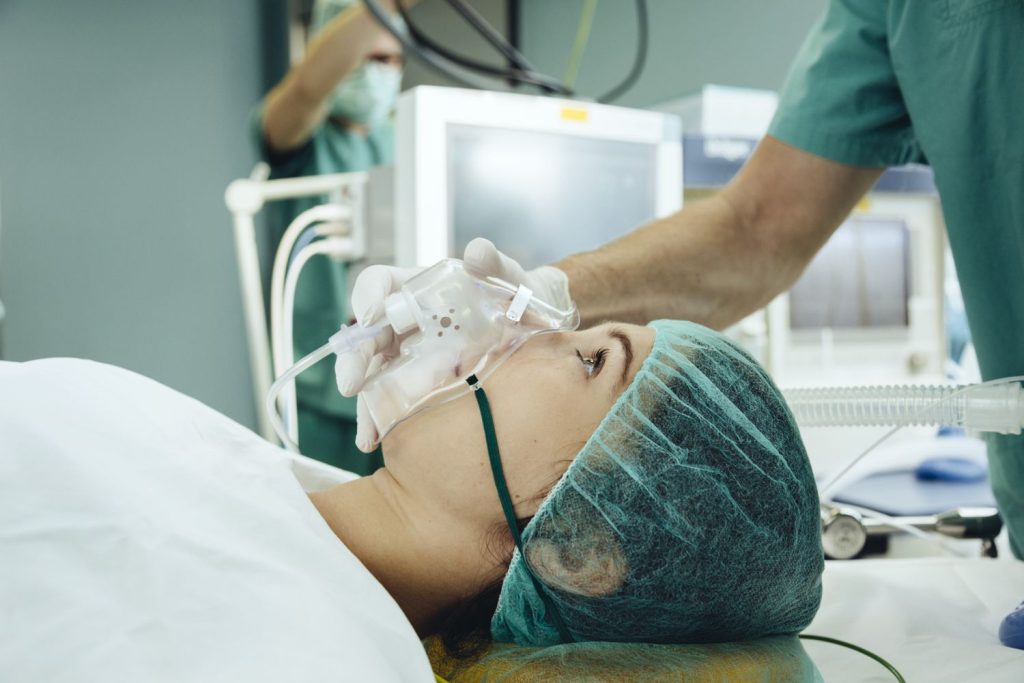
We can reliably render people unconscious and free of pain, but a unified theory of how diverse anesthetics disrupt consciousness is still developing. These drugs modulate many receptors and brain networks at once. Researchers can trace effects on thalamocortical loops, yet translating molecular hits into the loss of subjective awareness is a gap.
Why We Yawn And Why It Is Contagious

Cooling the brain, boosting arousal, and social synchrony are leading explanations for yawns. None fully explains why seeing or even thinking about yawning triggers it in others. Contagion appears stronger among people with social bonds, which hints at empathy circuits. The multi‑purpose behavior likely spans physiology and group communication.
Déjà Vu’s Underlying Cause
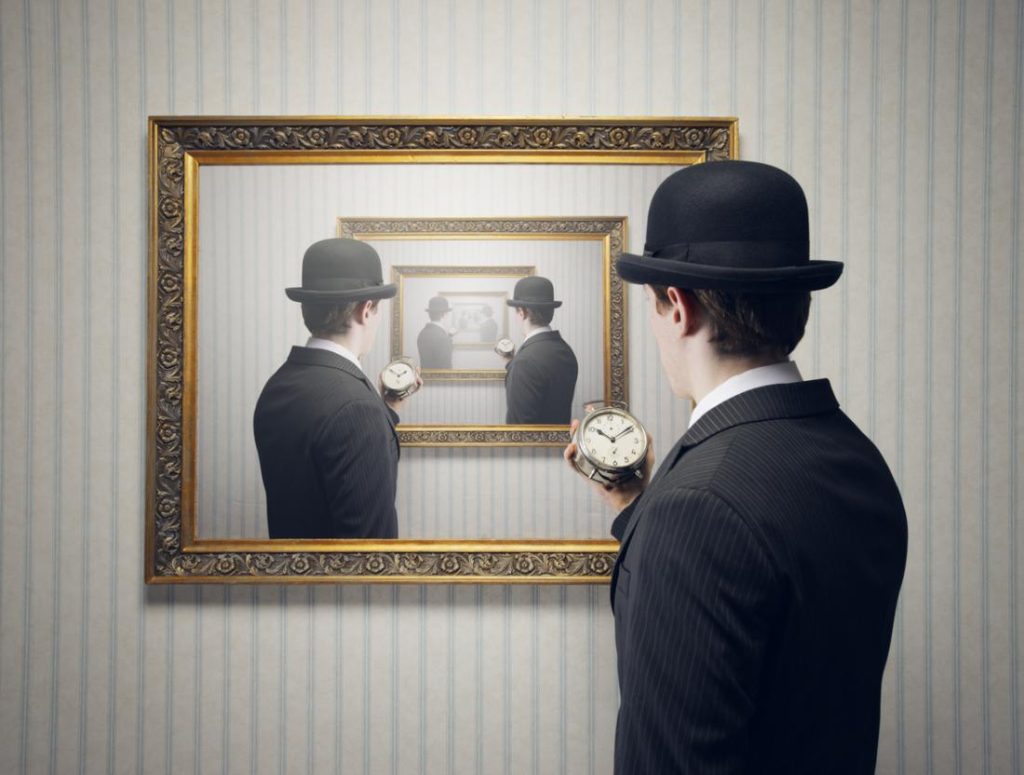
Déjà vu feels like re‑living a moment you logically know is new. Studies point to brief mismatches between familiarity signals and conscious memory checks. Yet why those checks misfire in healthy brains, and why episodes vary so much by person, is unsettled. It sits at the intersection of attention, memory, and prediction, none of which are fully understood.
Why We Get Goosebumps From Emotions

Piloerection helps furry animals look bigger and retain heat, but humans have little body hair left. Getting chills from music or awe suggests a lingering tie between thermoregulation, threat responses, and reward. The exact circuitry linking emotion, hormones, and skin muscles remains a puzzle.
The Roots Of Synesthesia
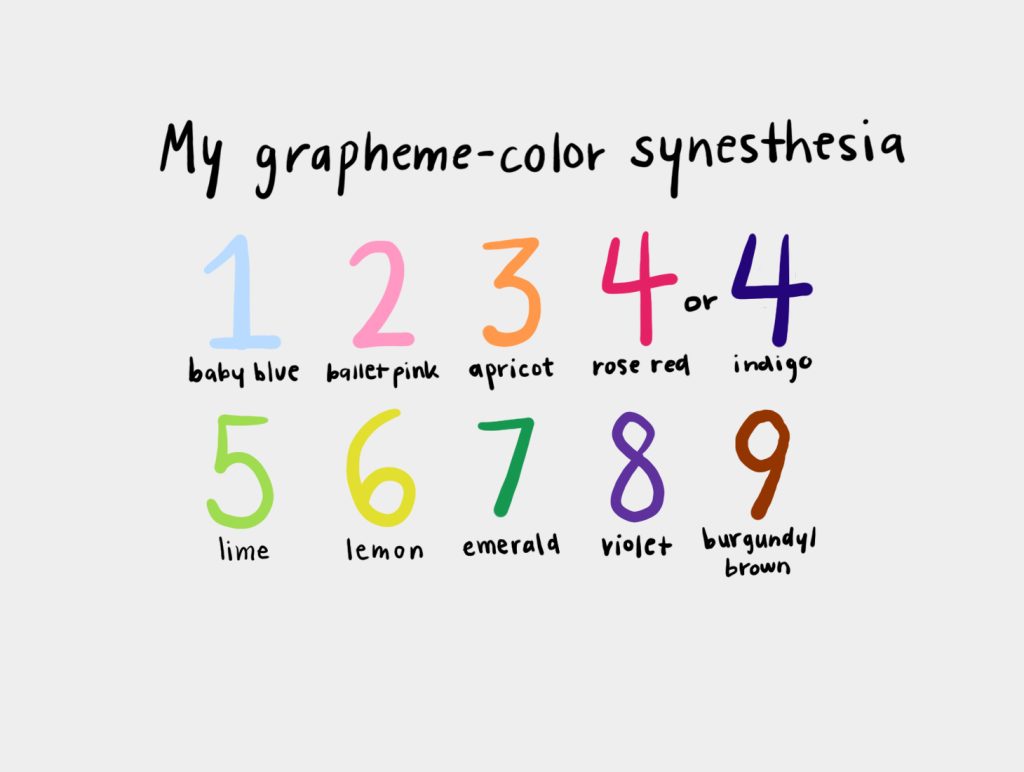
People with synesthesia consistently link senses, like seeing colors for numbers or hearing tones in colors. Brain‑imaging shows cross‑talk among sensory areas, but why those links persist and why patterns differ by person is unclear. Genetics play a role, yet no single gene explains it.
Why Some People Are Super Tasters
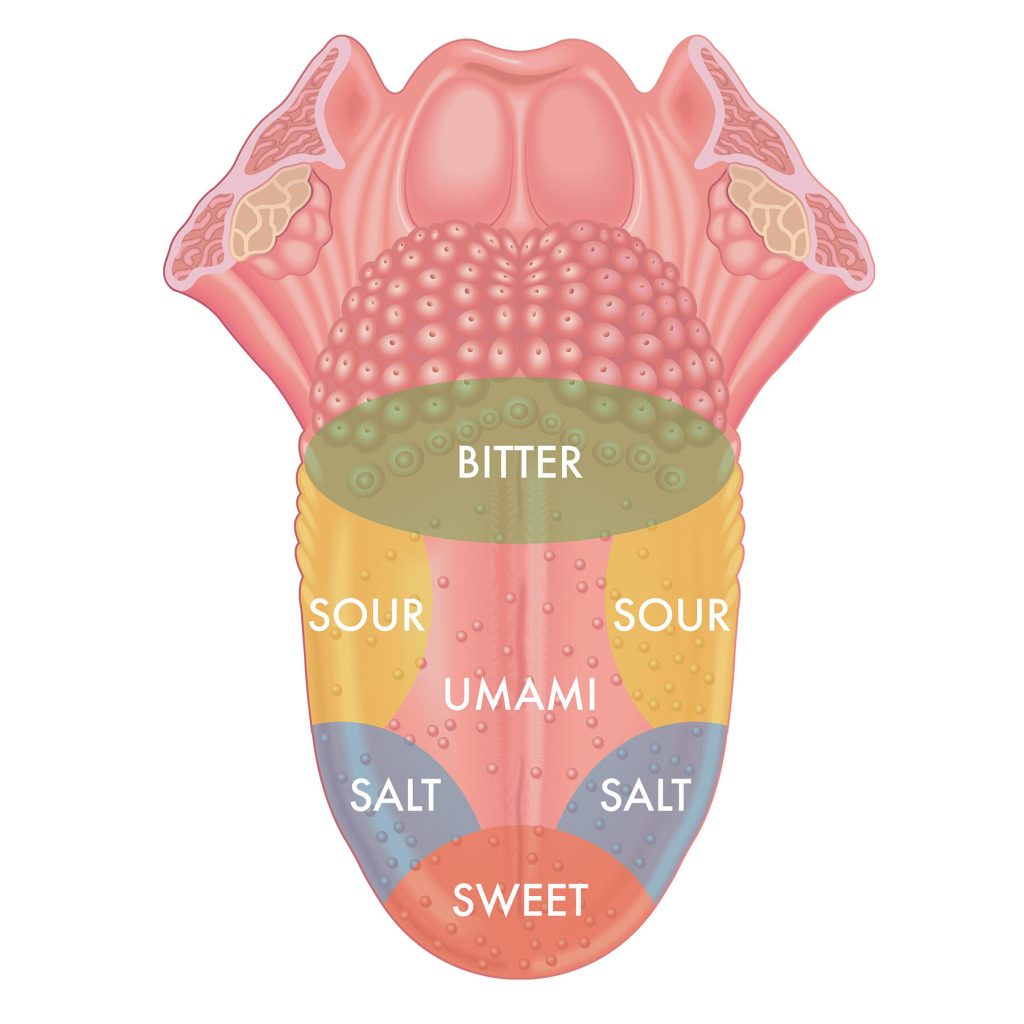
Sensitivity to bitter compounds varies dramatically, influenced by taste‑receptor genes and nerve density. But genetics do not predict the full range of food aversions or health links in so‑called super tasters. Culture and experience modify taste, and the evolutionary payoff for high sensitivity is still debated.
The Evolutionary Story Of Blood Types
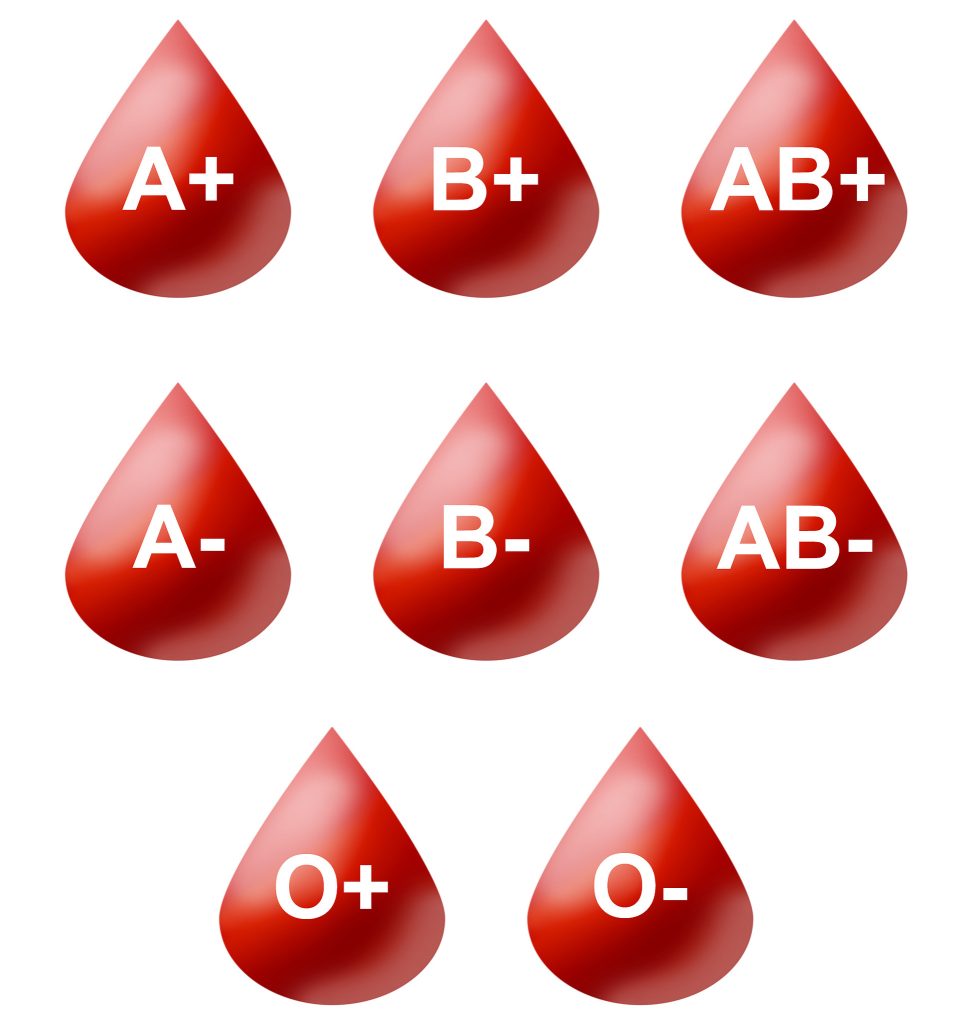
ABO and Rh blood groups affect transfusions and some disease risks, yet their origin and persistence patterns are not fully explained. Pathogens may shape which types thrive where, but global distributions are complex. Balancing selection likely plays a role, though the details are messy. We can type blood perfectly; explaining why those types exist is harder.
Why Allergies Are Rising
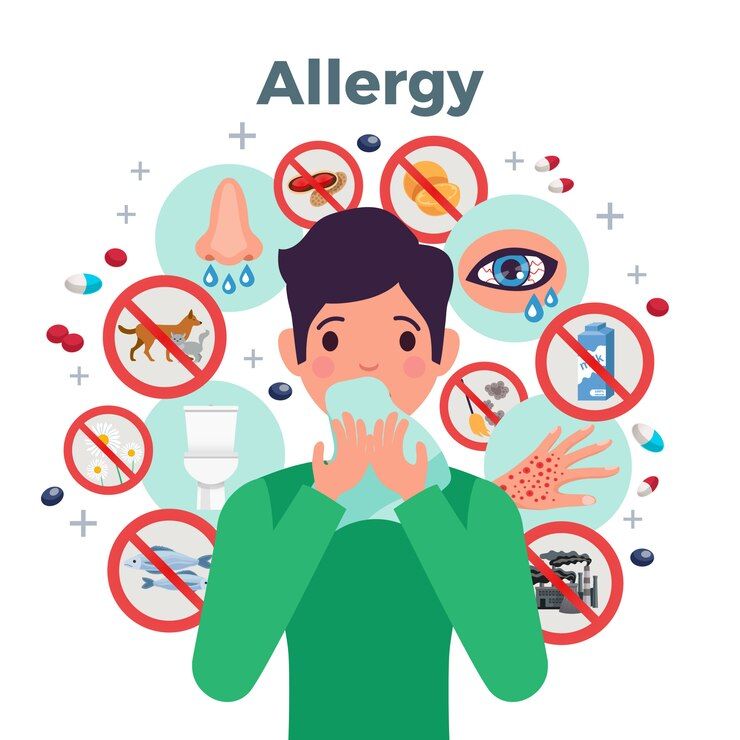
Rates of allergies and asthma have climbed in many countries, but causes remain debated. Hygiene, urban living, diet, pollution, and microbial diversity shifts all likely contribute. Pinning down which exposures matter most at which ages is difficult.
What Sets Puberty’s Clock
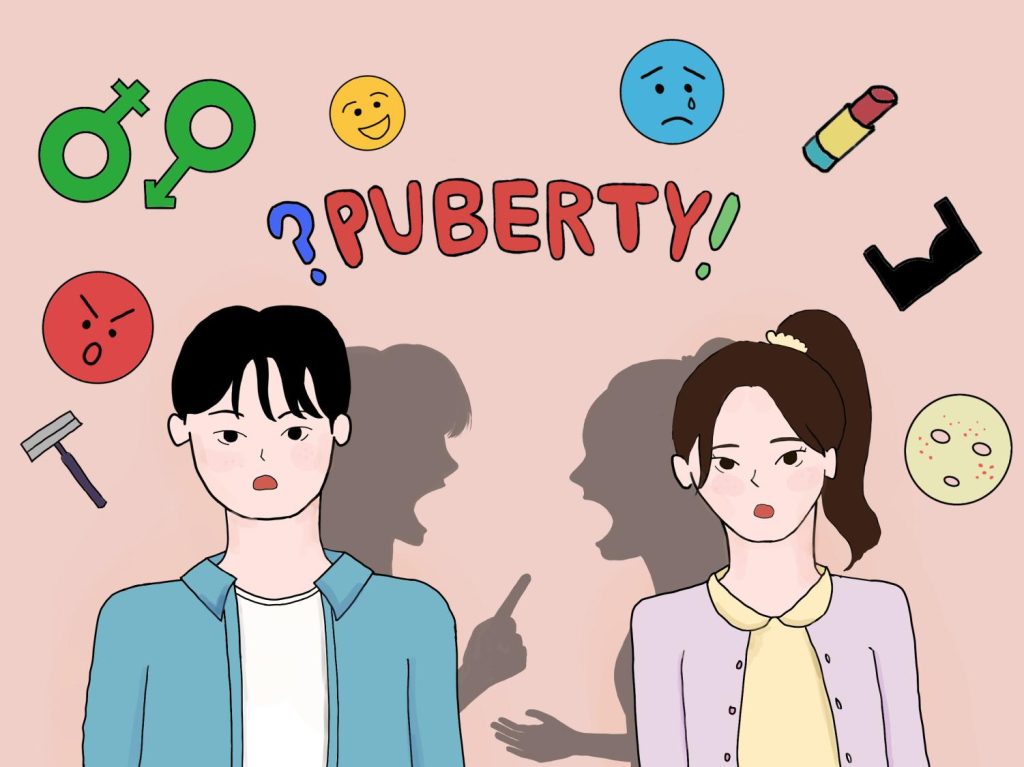
Hormones from the brain and gonads orchestrate puberty, but the signal that starts the cascade varies widely by person and population. Nutrition, stress, and environment influence timing, yet mechanisms of early or delayed onset are not fully mapped. The master switch that flips the system on is still being sought.
Why Menopause Evolved
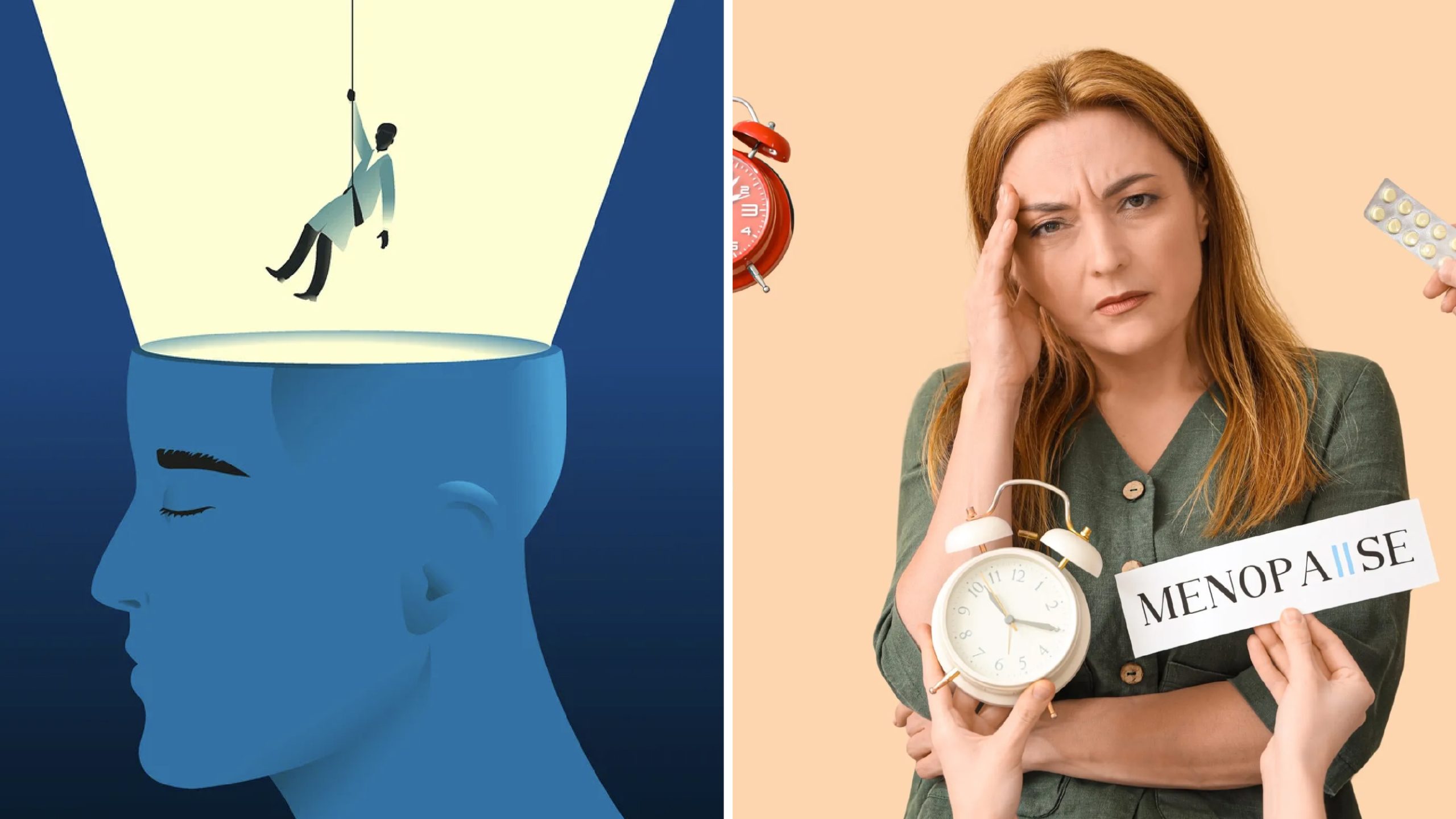
Humans uniquely experience a long post‑reproductive lifespan, and menopause’s adaptive value is debated. The “grandmother hypothesis” suggests benefits to offspring survival, but evidence is mixed across cultures. Physiologic mechanisms are known, yet the evolutionary calculus remains contested. Few other mammals show a similar pattern.
Why Hiccups Exist
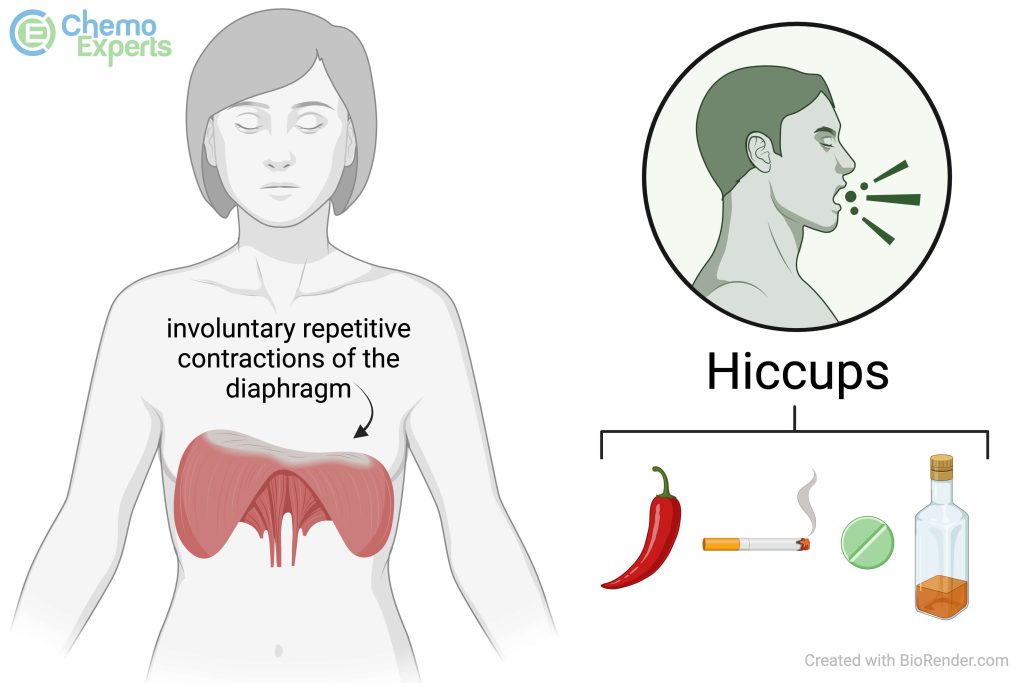
A hiccup is a sudden diaphragm spasm with a closing glottis, but its purpose is mysterious. One idea links it to neonatal reflexes for clearing the stomach; another sees it as a vestige from amphibian ancestors. These ideas still fail to explain those adult hiccup attacks that can drag on for minutes or even days. Science has mapped the reflex itself, yet the purpose behind it remains a mystery.
The Full Impact Of The Microbiome
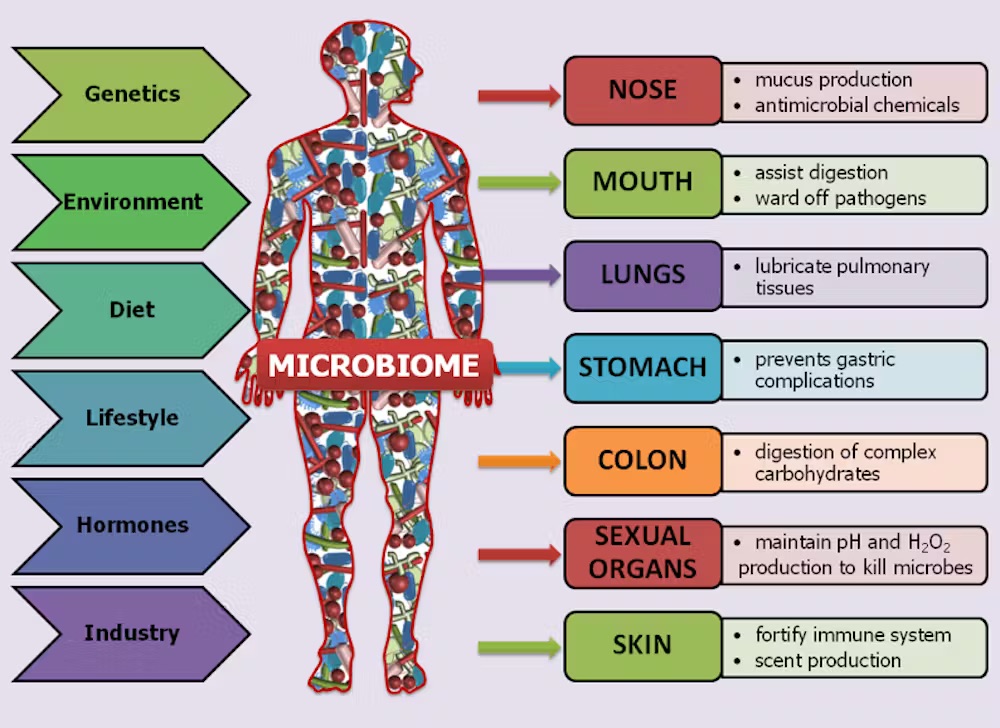
Gut and oral microbes influence immunity, metabolism, and mood, yet specific cause‑and‑effect chains are hard to prove. People share few identical microbial profiles, interventions often have inconsistent results, and new DNA elements keep being discovered. We are still inventorying the parts list, let alone how each part shapes health over time.
Why Some People Develop Chronic Tinnitus
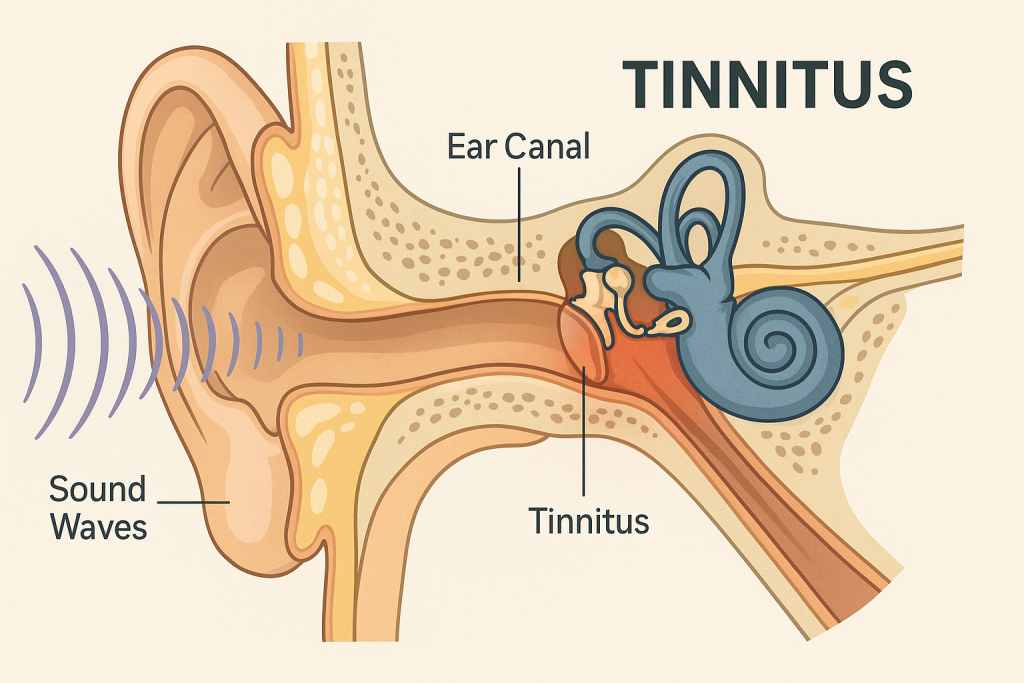
Many perceive ringing without an external sound after noise exposure or ear injury. The prevailing view is maladaptive gain in auditory pathways, but why it persists in some and fades in others is unclear. Stress, sleep, and attention feed back on the loop.
The Origins Of Chronic Fatigue–Like Syndromes
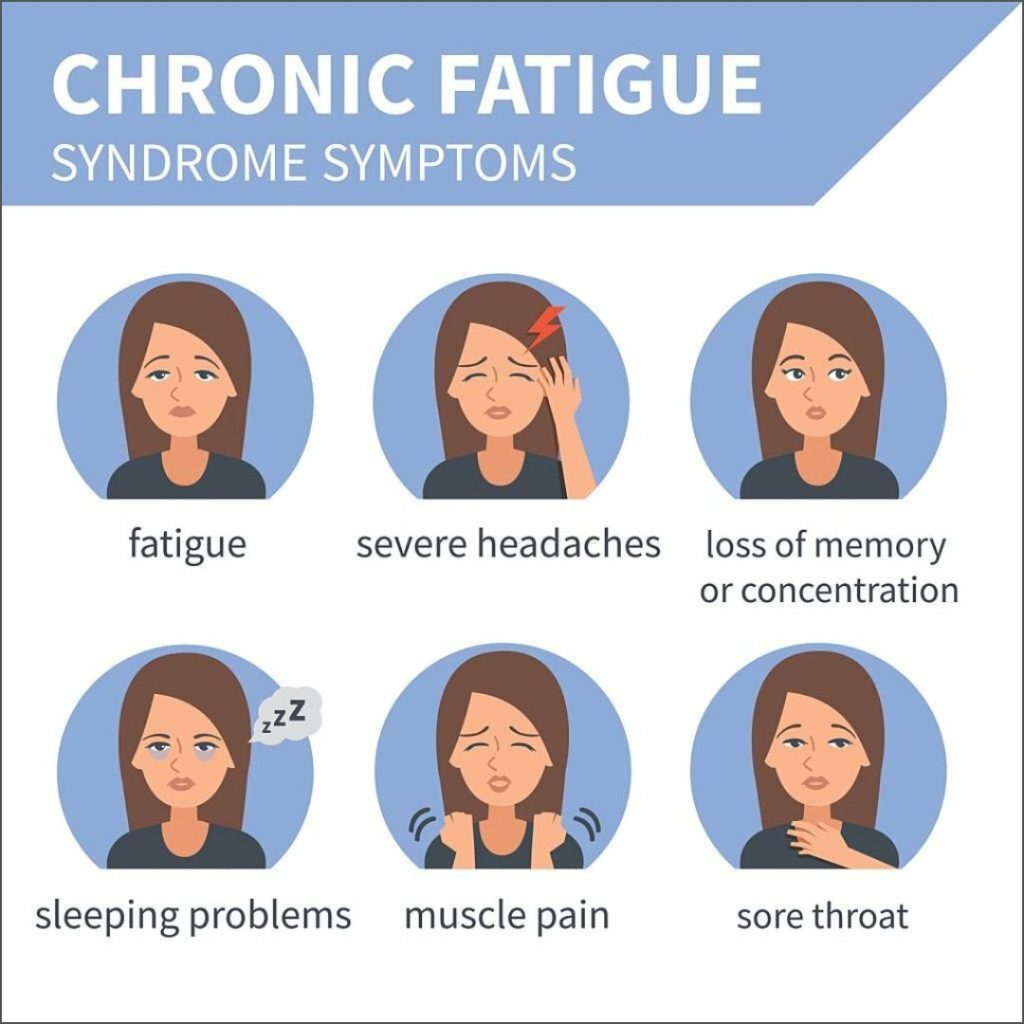
Conditions marked by profound fatigue and post‑exertional crashes are being studied under several labels. Viral hits, immune misfires, and autonomic dysregulation are suspects, but biomarkers are inconsistent. The symptom overlap with other disorders complicates trials. We do not yet have a single path that explains every case.
Why Dehydration Cramps Strike At Night
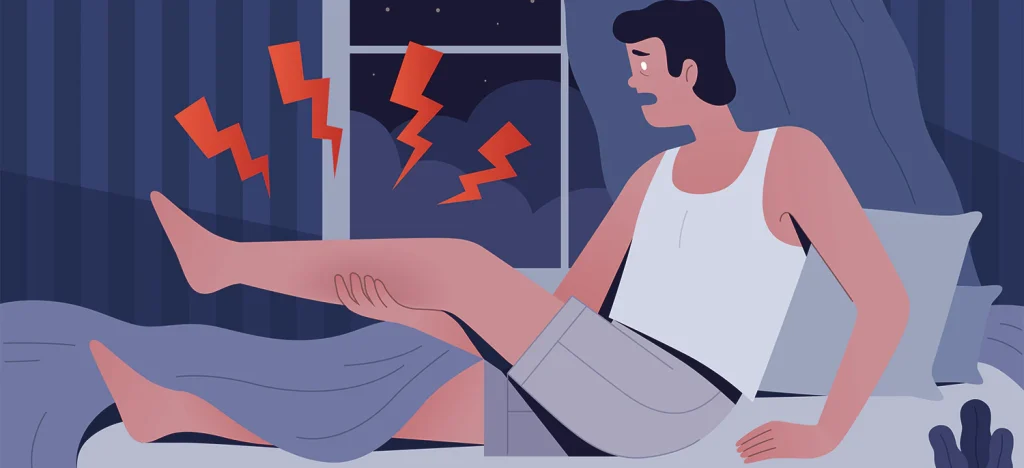
Night cramps are common, especially with age, but the mechanism is unsettled. Electrolyte shifts, nerve hyperexcitability, and muscle fatigue are all implicated. Studies show mixed results for common remedies, hinting at multiple pathways. Predicting who will cramp and when remains difficult.
How Placebo And Nocebo Effects Get So Strong

Belief can reduce pain and even change measurable physiology, while negative expectations can worsen symptoms. Brain imaging implicates reward and stress circuits, but translating suggestion into sustained body‑wide changes is not fully understood. The effects are real in trials, yet their limits and best clinical uses are still being established.
Why Consciousness Exists At All
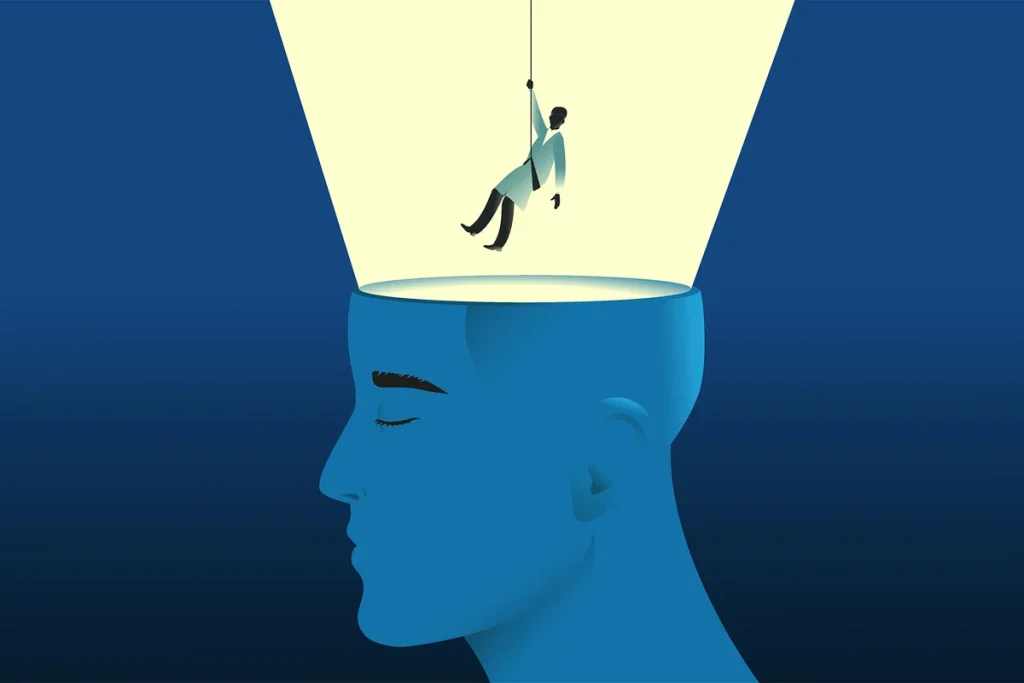
We can track brain activity that correlates with awareness, but the leap from neural signals to subjective experience is a deep mystery. Theories range from global workspace models to integrated information and predictive processing. None captures every feature of waking, dreaming, and anesthesia. Explaining experience itself remains one of science’s hardest problems.