The Civil Rights Movement was a pivotal chapter in American history, defined by courage, resistance, and an unyielding demand for justice. These 30 moments represent turning points, large and small, that fueled progress, galvanized communities, and reshaped the nation’s conscience.
1. Brown v. Board of Education (1954)
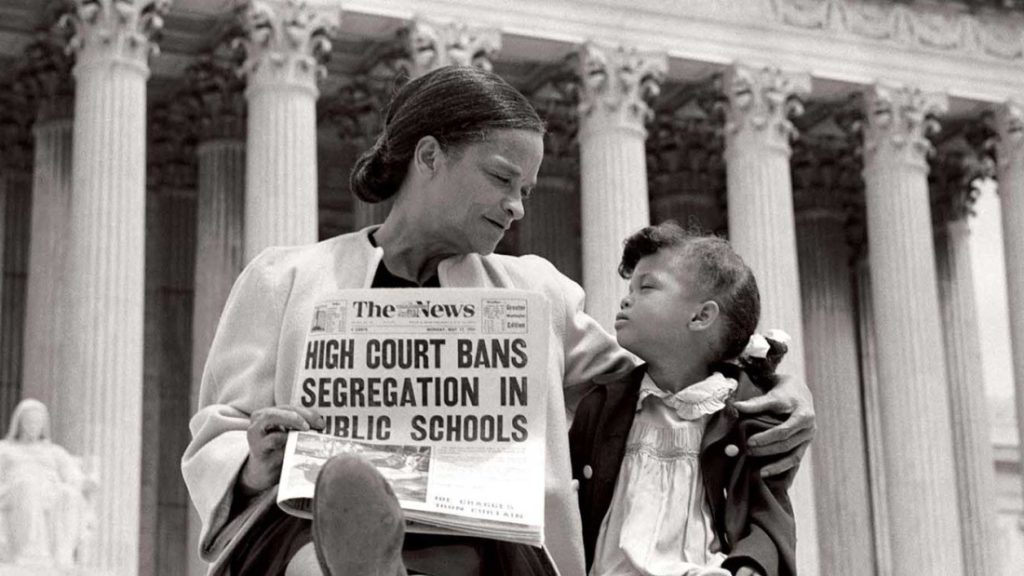
The U.S. Supreme Court declared racial segregation in public schools unconstitutional. This landmark ruling overturned Plessy v. Ferguson and became a catalyst for civil rights activism.
2. Emmett Till’s Case (1955)
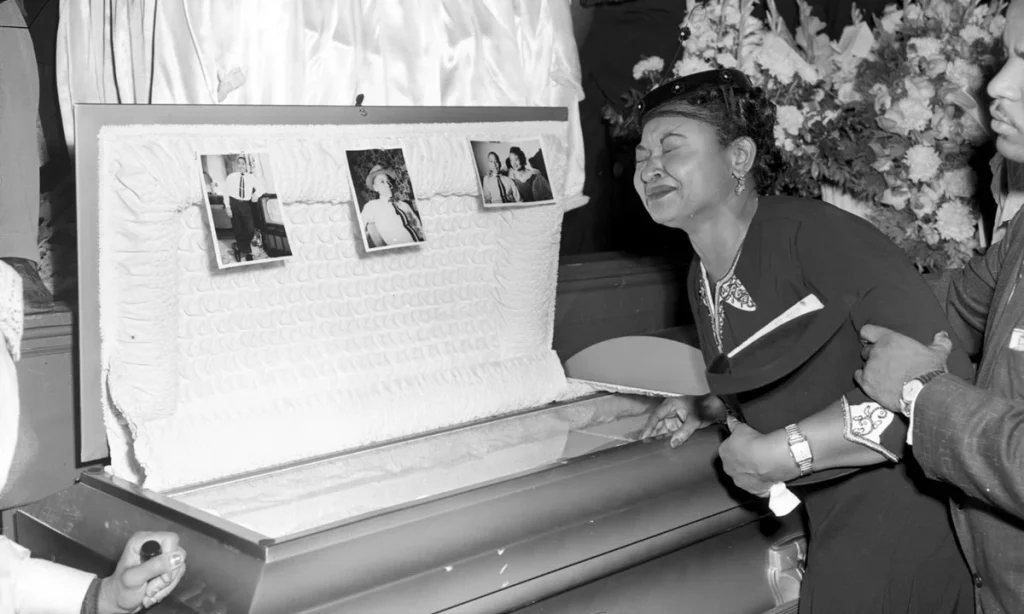
The terrible murder of 14-year-old Emmett Till in Mississippi shocked the nation. His open-casket funeral exposed the horrors of racism and ignited national outrage.
3. Montgomery Bus Boycott (1955–1956)
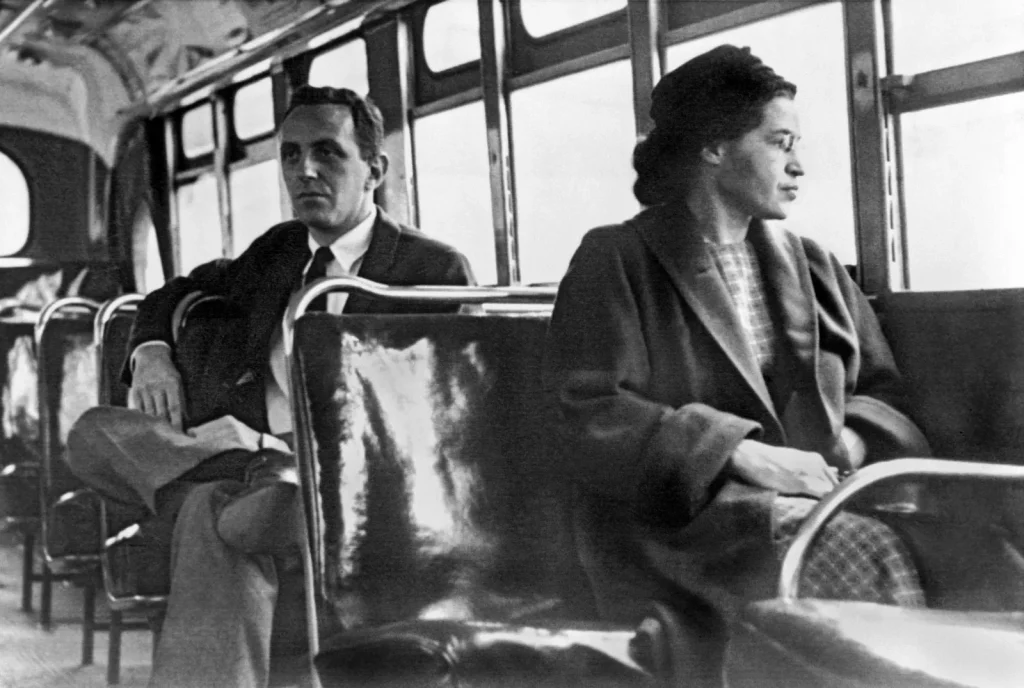
Sparked by Rosa Parks’ arrest for refusing to give up her bus seat, the boycott lasted over a year. It launched Martin Luther King Jr. into national prominence and proved the power of peaceful protest.
4. Formation of the Southern Christian Leadership Conference (1957)
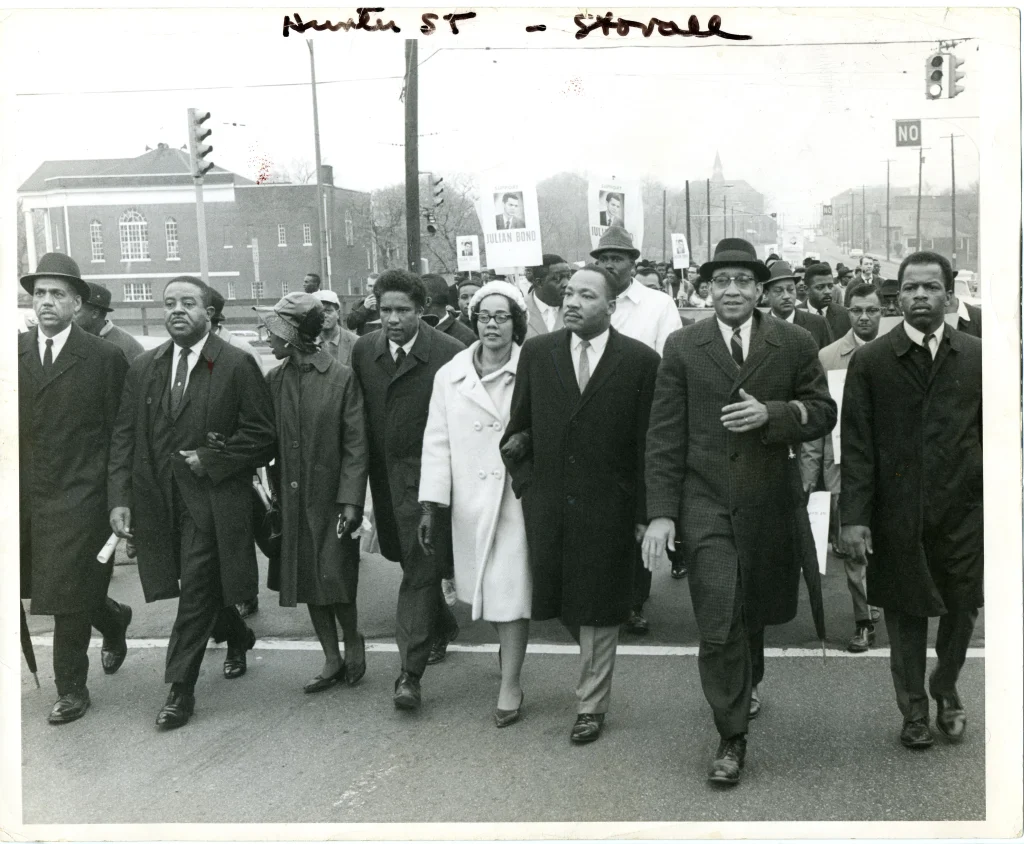
Founded by Martin Luther King Jr. and other leaders, the SCLC aimed to coordinate nonviolent resistance across the South. It became a key organizational force in the movement.
5. The Little Rock Nine (1957)
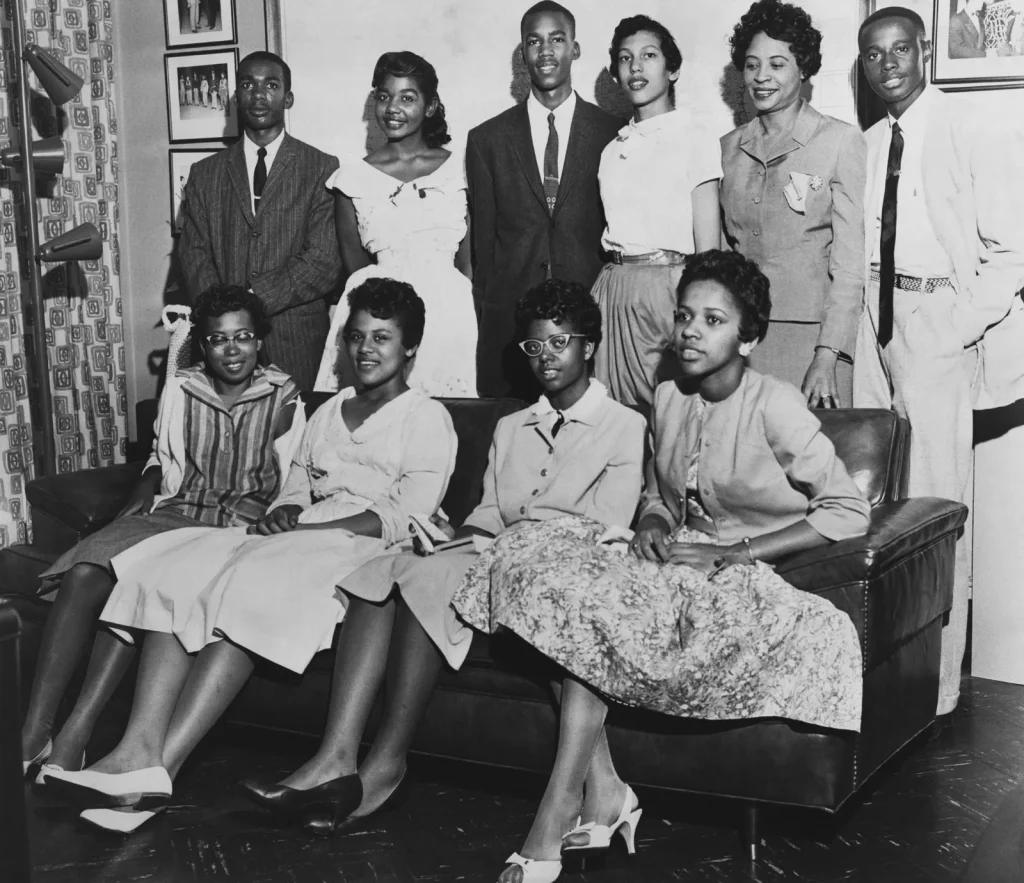
Nine Black students faced violent mobs and military intervention as they integrated Central High School in Arkansas. Their bravery highlighted the federal government’s role in enforcing civil rights.
6. Greensboro Sit-ins (1960)
Four Black college students refused to leave a segregated Woolworth’s lunch counter in North Carolina. Their act of defiance sparked a nationwide wave of sit-ins and youth-led activism.
7. Freedom Rides (1961)
Interracial groups rode buses through the South to challenge segregation in interstate travel. They faced violence and arrest, but drew national attention to the cause.
8. James Meredith Integrates Ole Miss (1962)
With federal protection, Meredith became the first Black student at the University of Mississippi. His enrollment led to riots and marked a major federal intervention in civil rights.
9. Birmingham Campaign (1963)
Nonviolent protests in Alabama faced brutal police repression, including the use of fire hoses and dogs. Media coverage of the violence galvanized public support for civil rights.
10. The March on Washington (1963)
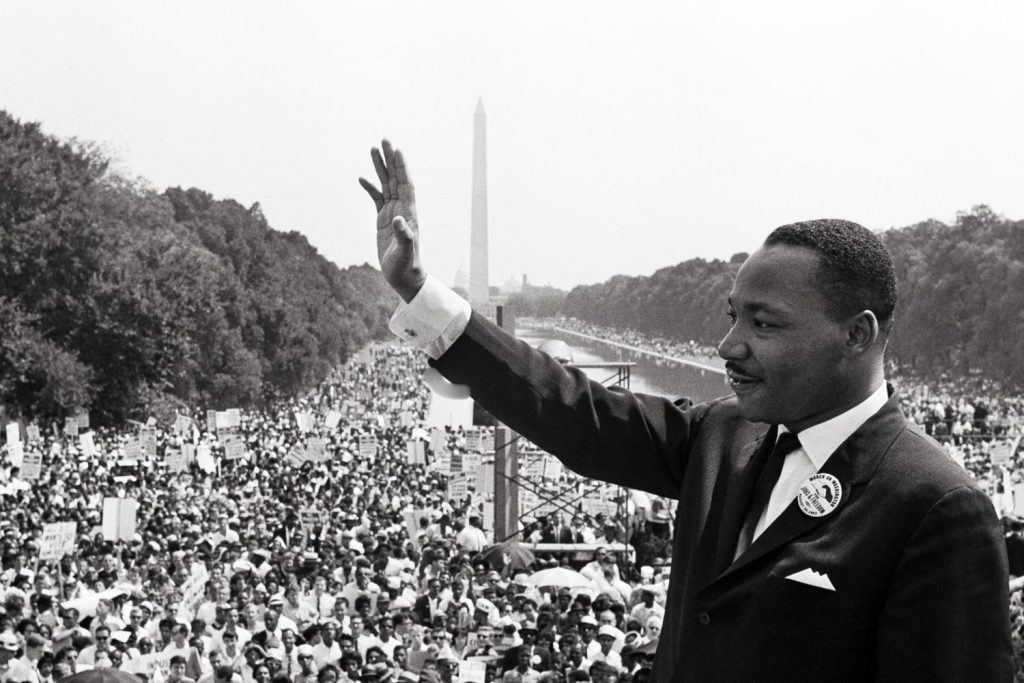
Over 250,000 people gathered in the nation’s capital demanding civil and economic rights. It was here that Martin Luther King Jr. delivered his iconic “I Have a Dream” speech.
11. 16th Street Baptist Church Bombing (1963)
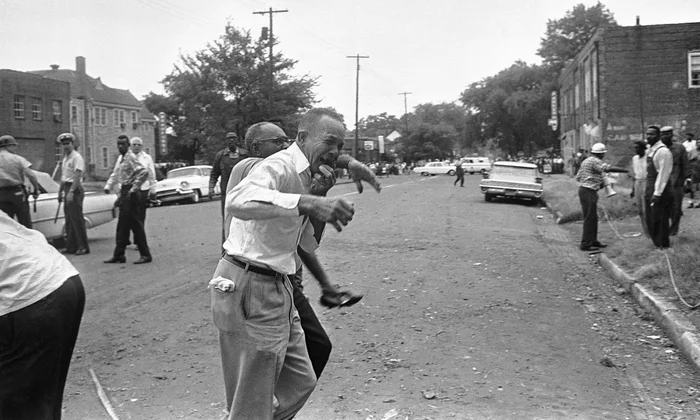
A racist bombing in Birmingham killed four young Black girls attending Sunday school. The tragedy intensified calls for justice and helped push civil rights legislation forward.
12. Civil Rights Act of 1964
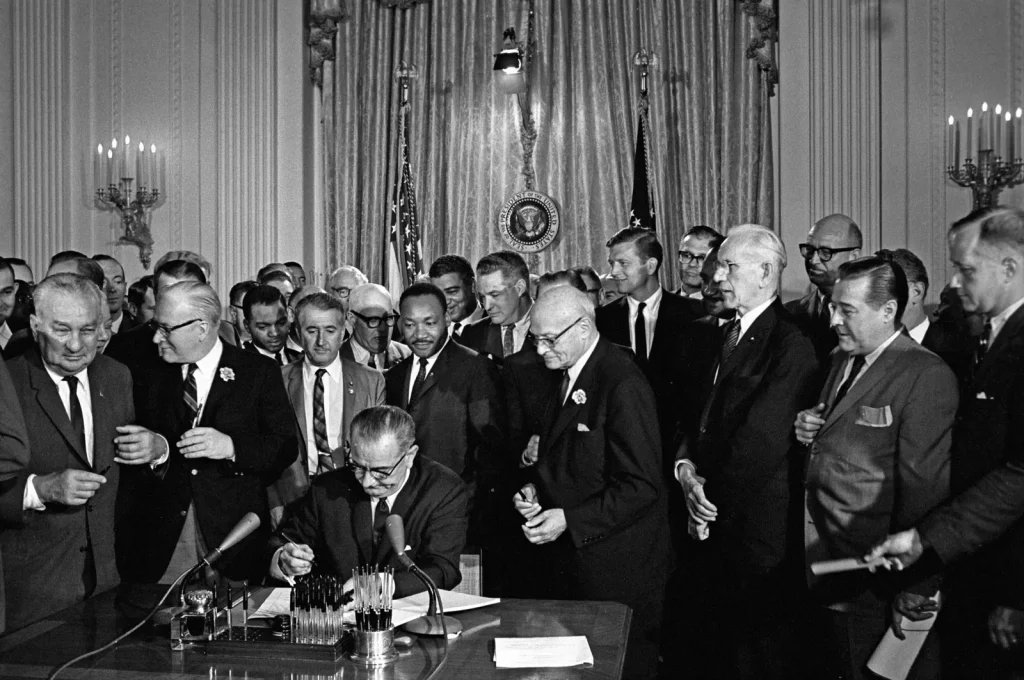
This landmark legislation outlawed segregation in public places and banned employment discrimination. It was a major legal victory, enforced by federal power.
13. Selma to Montgomery Marches (1965)
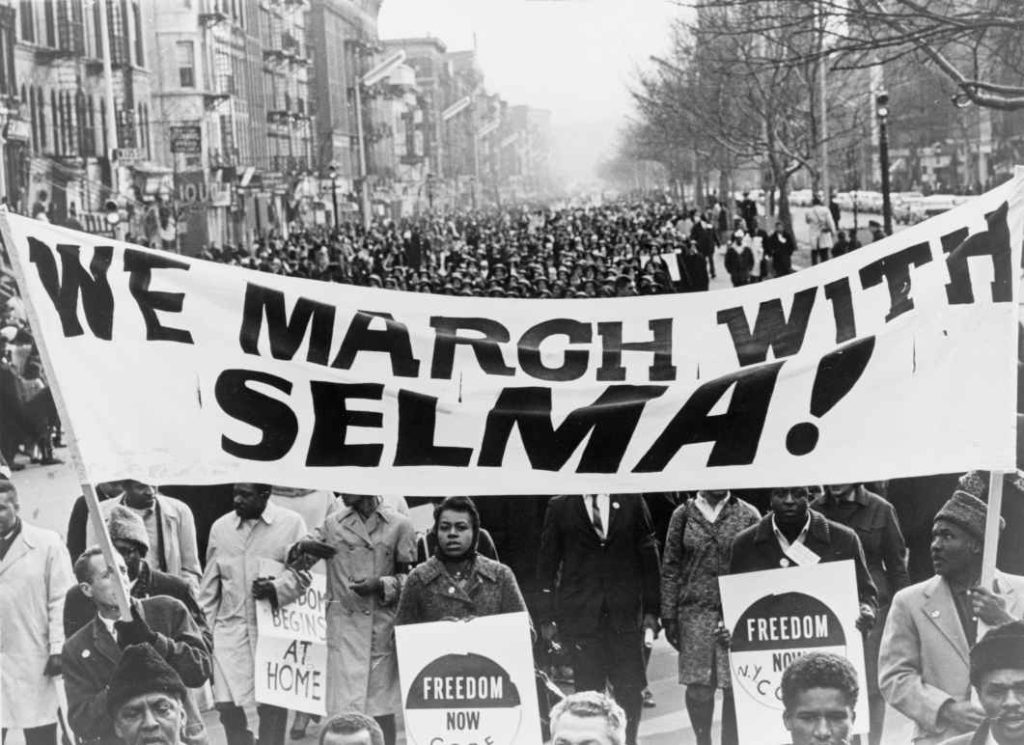
Marchers advocating for voting rights were brutally attacked on “Bloody Sunday.” National outrage led directly to the passage of the Voting Rights Act.
14. Voting Rights Act of 1965
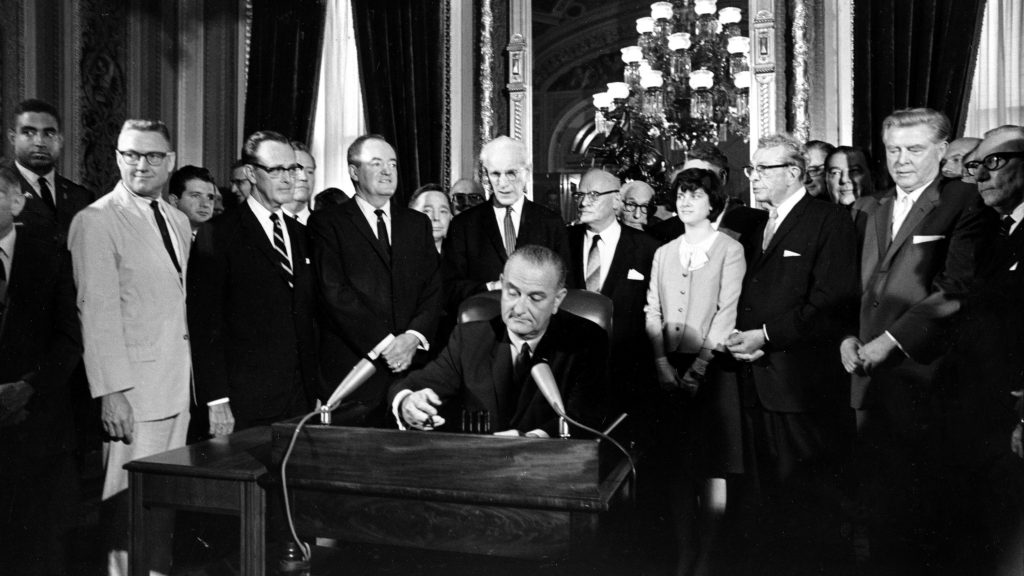
This act banned literacy tests and other discriminatory voting practices. It dramatically increased Black voter registration in the South.
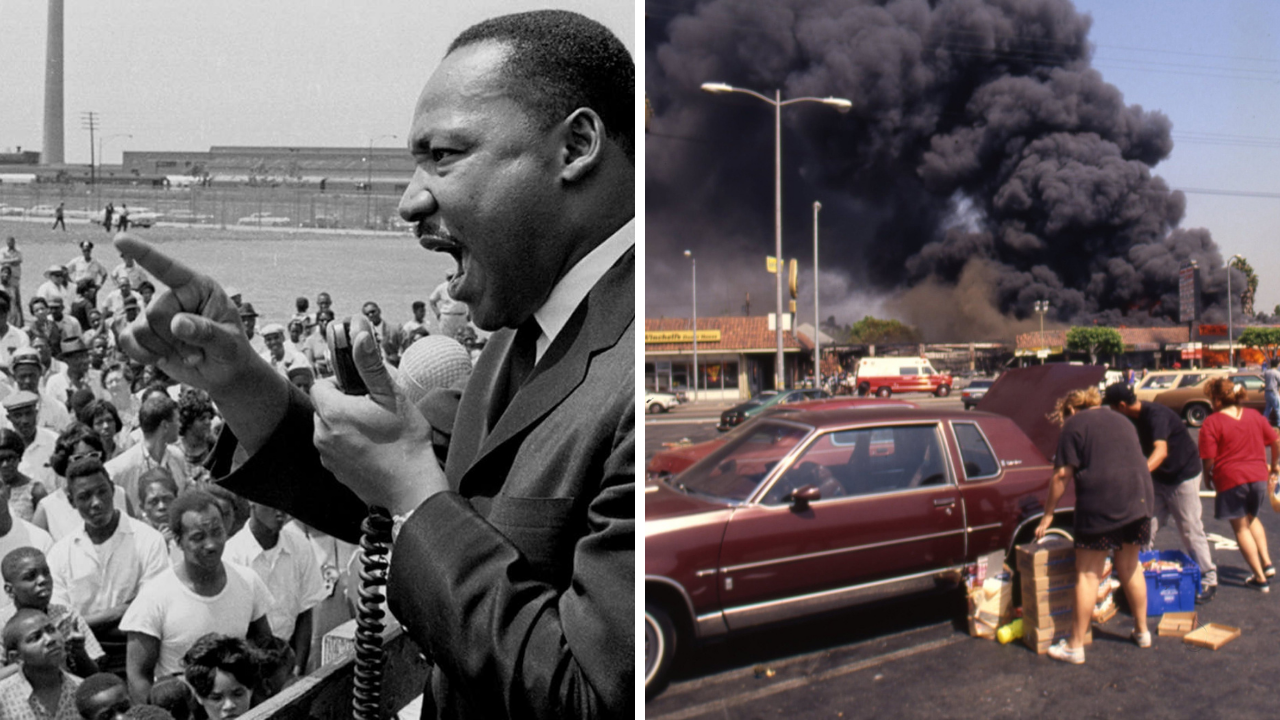
15. Watts Riots (1965)
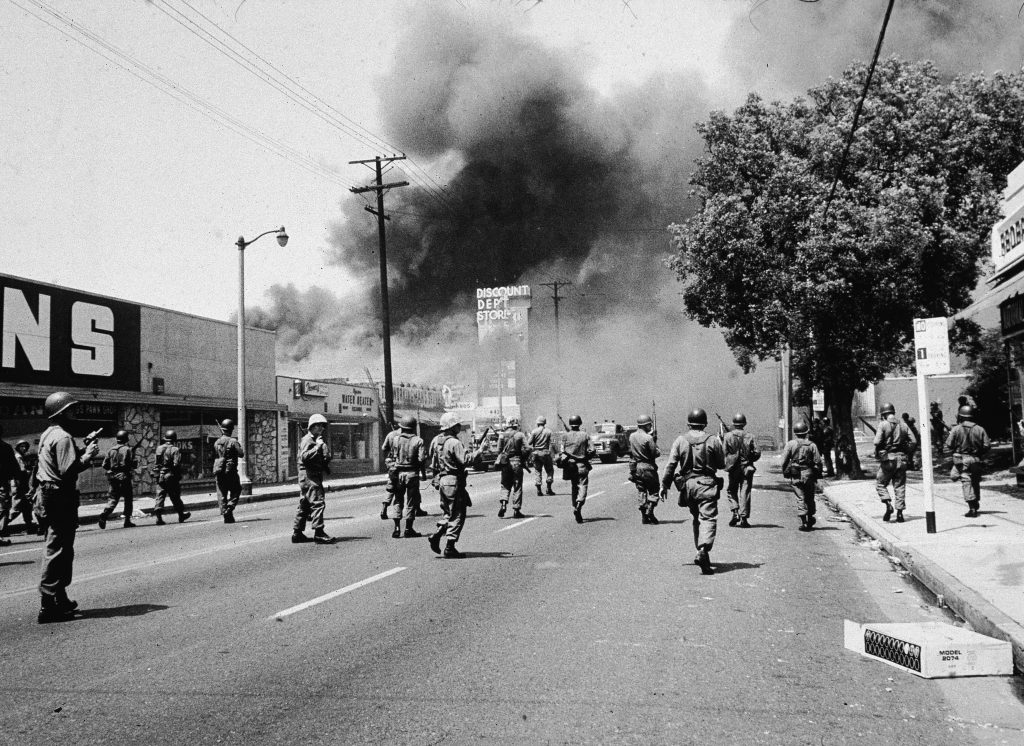
A confrontation in Los Angeles escalated into six days of unrest rooted in racial tension and police brutality. It highlighted the economic and social frustrations beyond the South.
16. Black Panther Party Founded (1966)
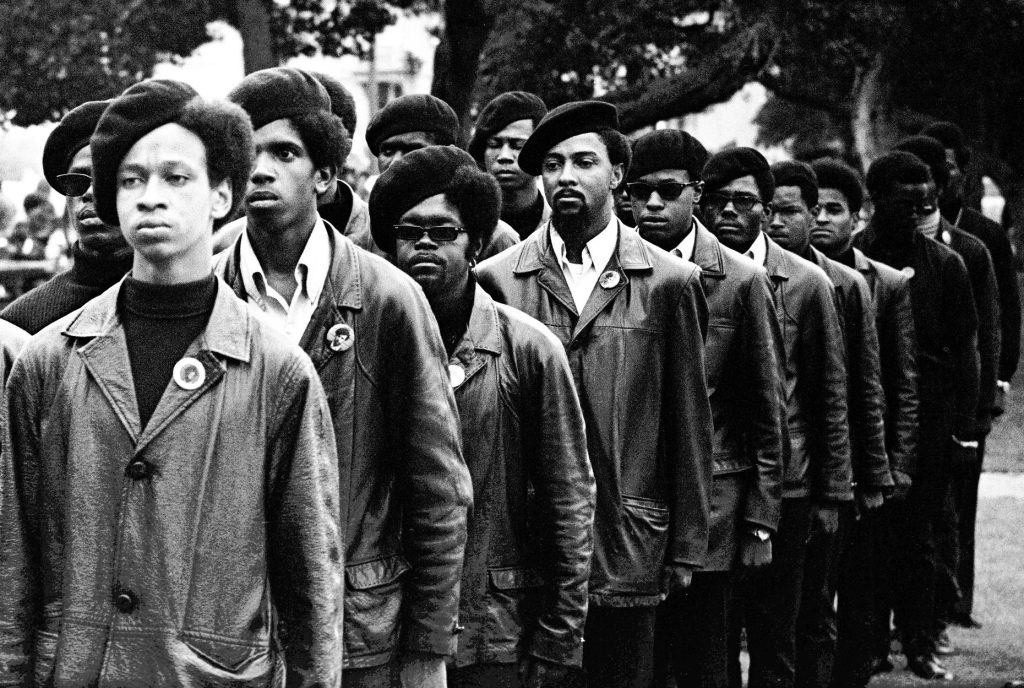
Formed in Oakland, California, the Panthers aimed to protect Black communities from police violence. They also launched community programs like free breakfast and health clinics.
17. Loving v. Virginia (1967)
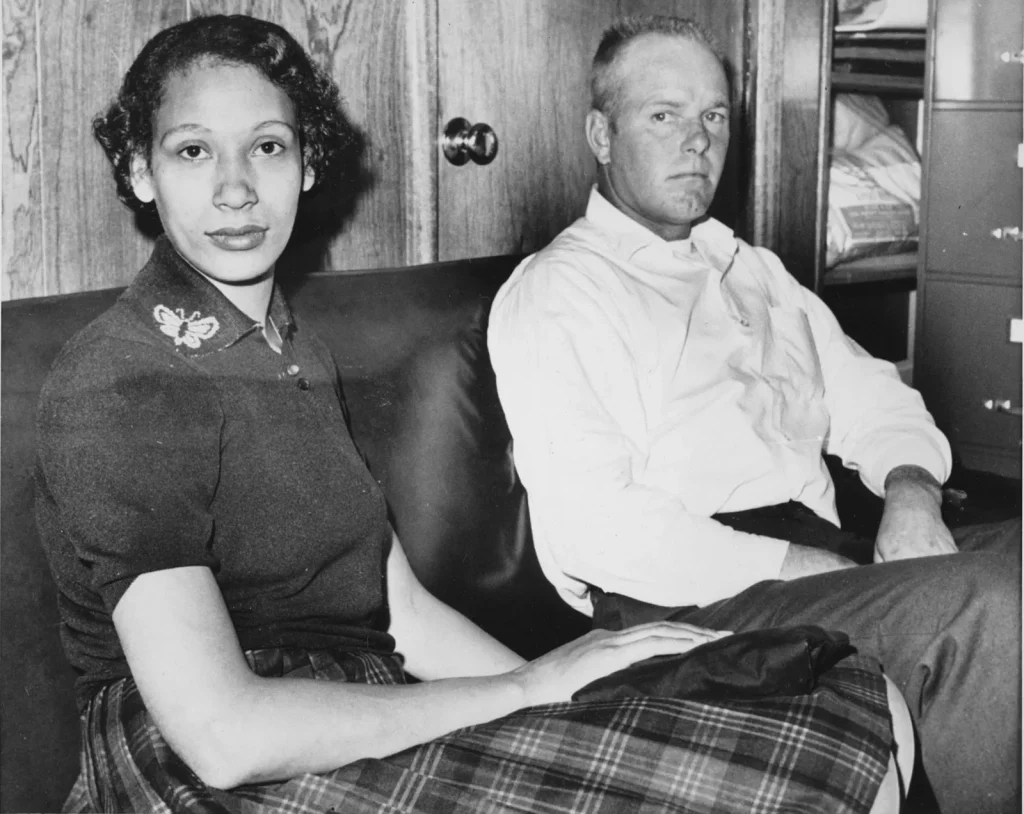
The Supreme Court struck down laws banning interracial marriage. The decision affirmed the right to marry across racial lines as a fundamental freedom.
18. Martin Luther King Jr. Assassinated (1968)
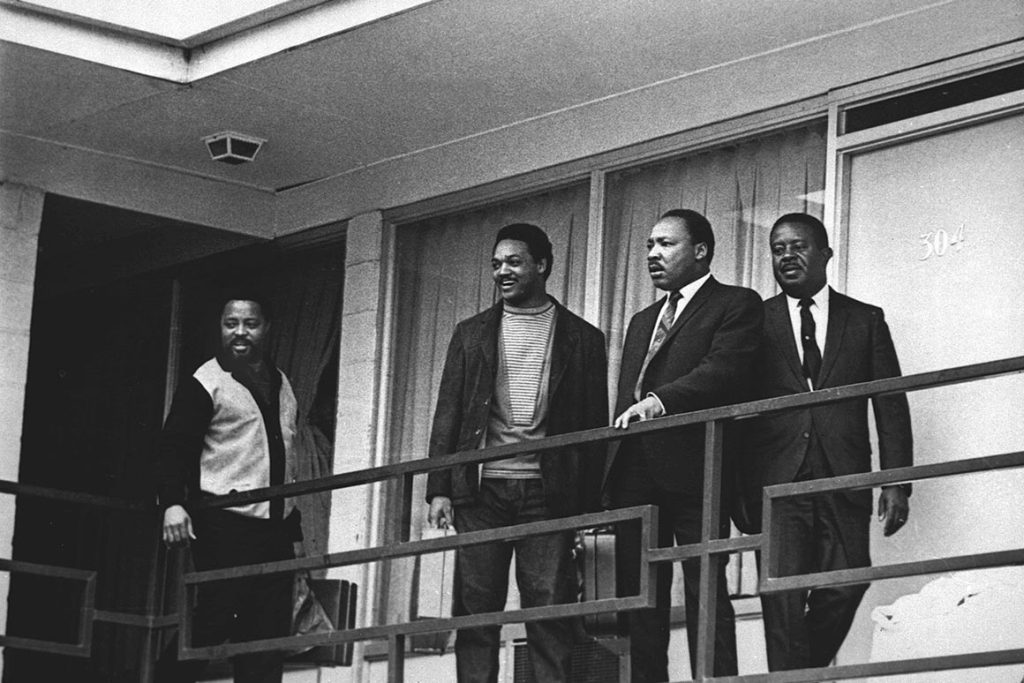
King was fatally shot in Memphis, Tennessee, while supporting striking sanitation workers. His death sparked riots and mourning across the nation.
19. Civil Rights Act of 1968 (Fair Housing Act)
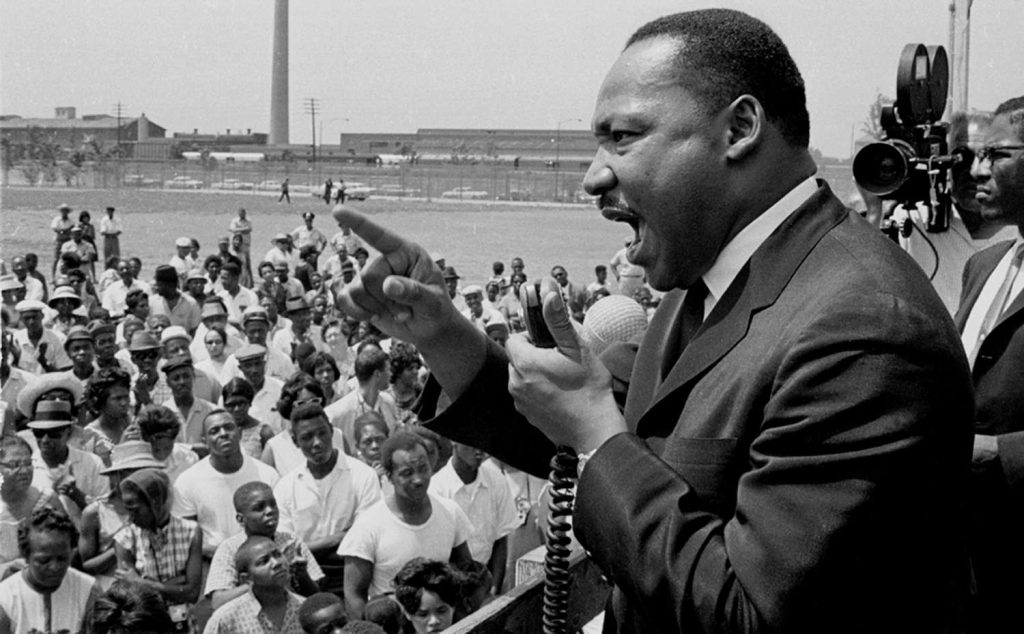
Passed shortly after King’s assassination, this act prohibited housing discrimination. It addressed one of the final frontiers of institutional racism in everyday life.
20. Poor People’s Campaign (1968)
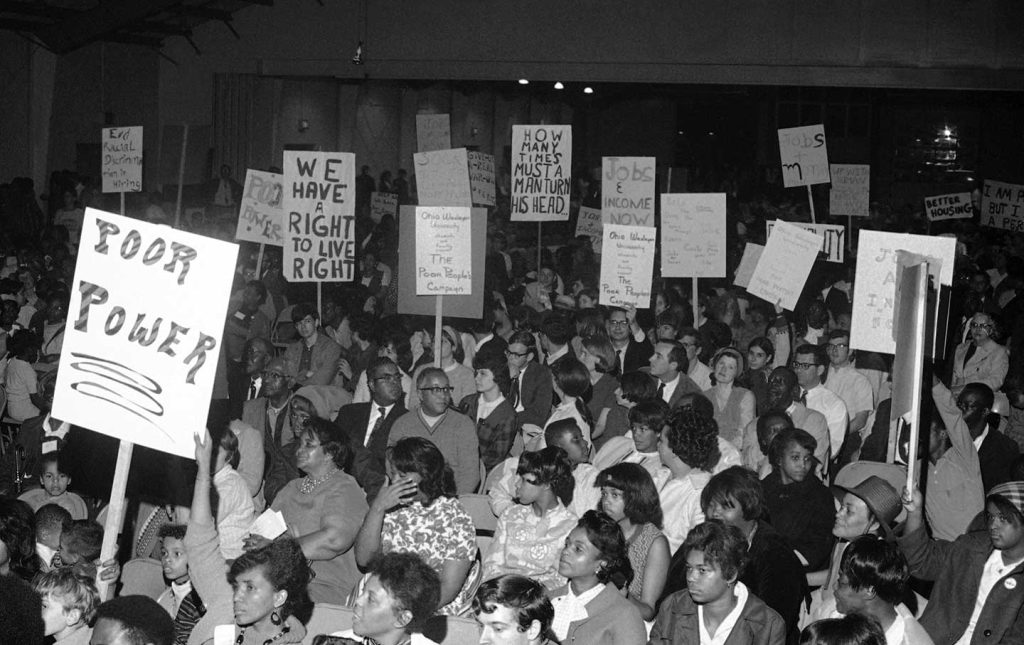
Launched by King before his death, the campaign called for economic justice for all poor Americans. It brought civil rights into the broader fight against poverty.
21. The Kerner Commission Report (1968)
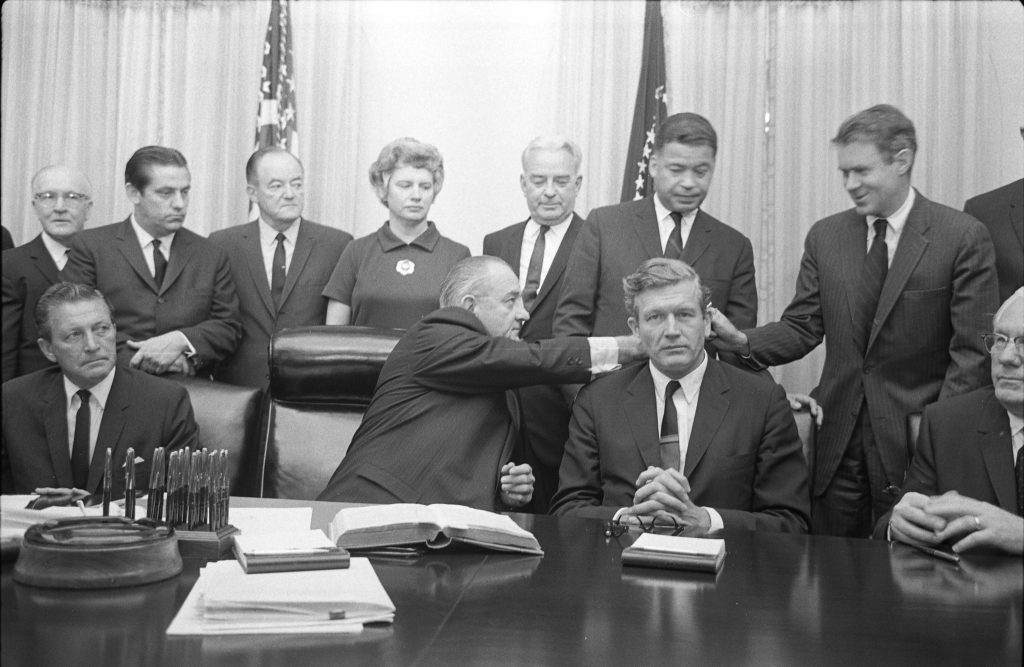
This federal report on urban riots warned that America was “moving toward two societies, one Black, one white—separate and unequal.” It criticized systemic racism and recommended sweeping reforms.
22. Affirmative Action Introduced (1970s)
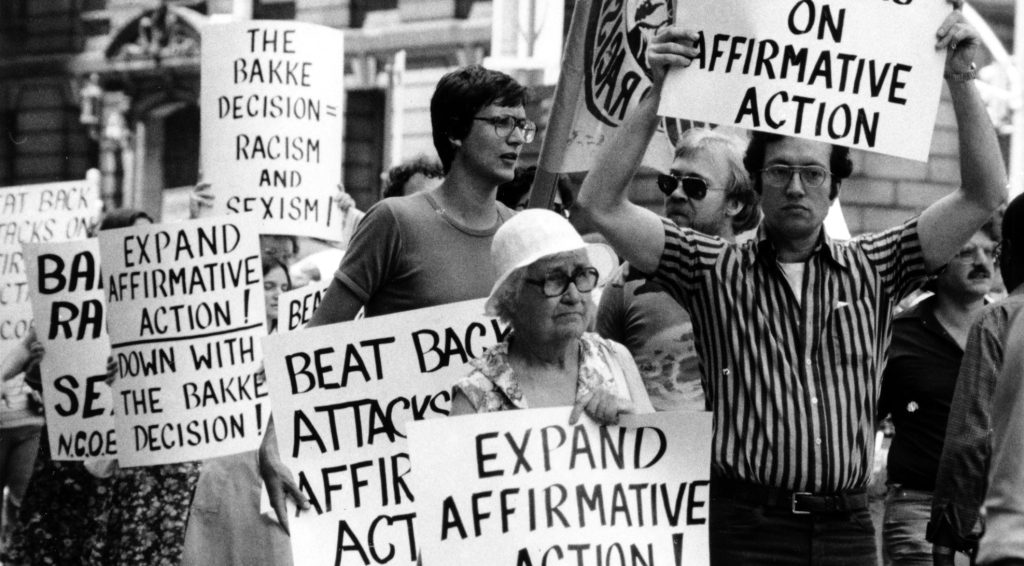
Policies were implemented to address historical discrimination in education and employment. While controversial, they aimed to level the playing field for marginalized groups.
23. Swann v. Charlotte-Mecklenburg Board of Education (1971)
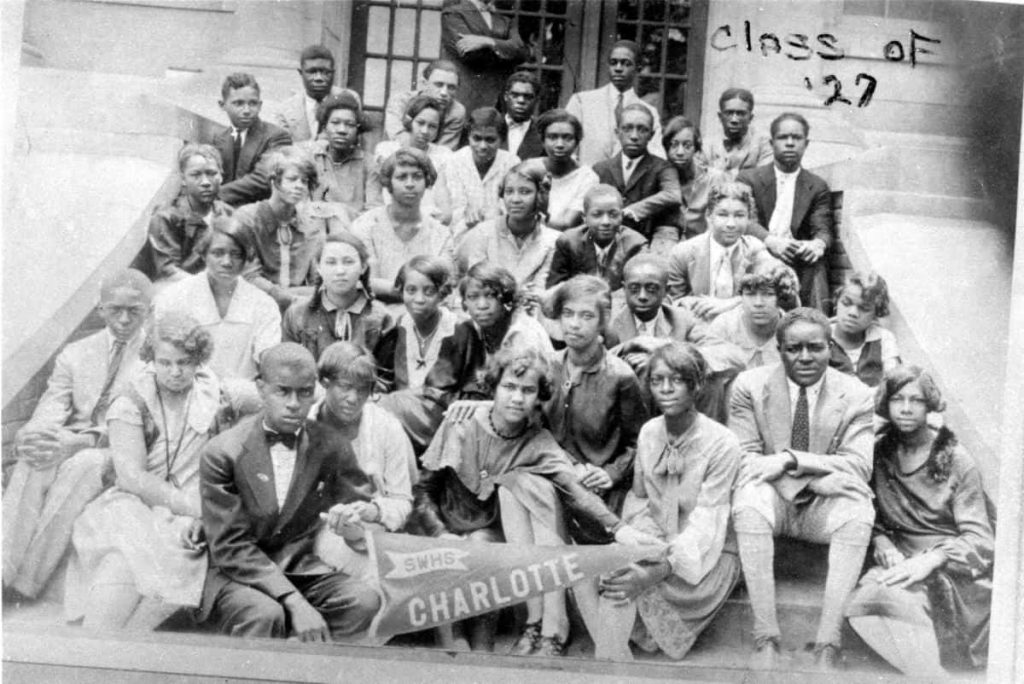
The Supreme Court upheld busing as a tool to integrate schools. This decision enforced earlier desegregation mandates with real-world solutions.
24. Congressional Black Caucus Formed (1971)
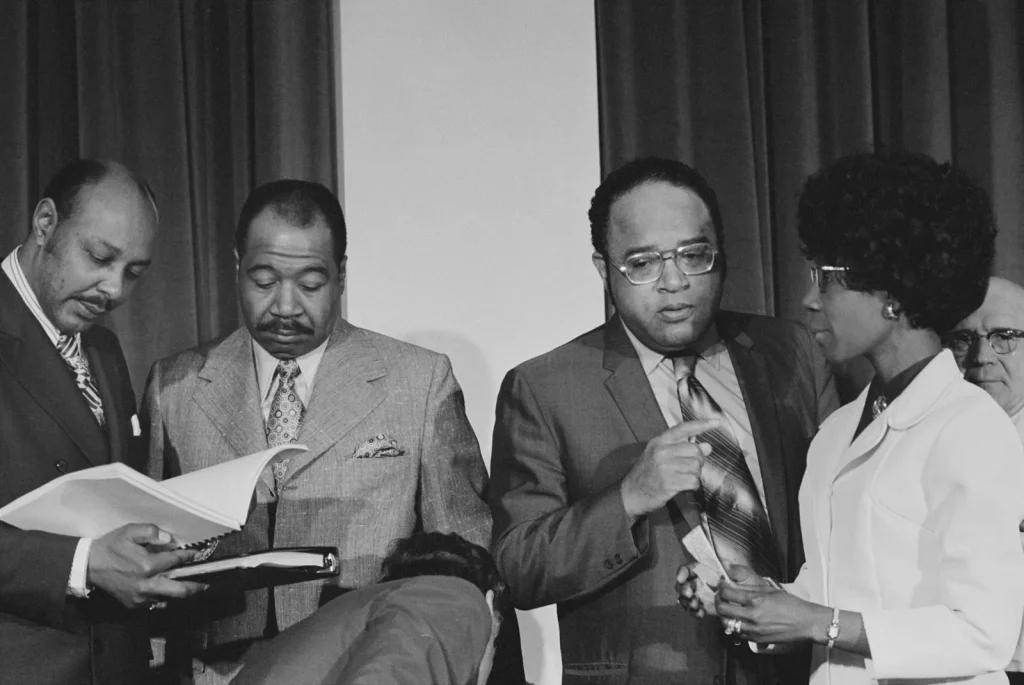
A group of African American lawmakers united to advocate for civil rights in Congress. It gave Black legislators a stronger, more coordinated voice in national policy.
25. Roots Miniseries Airs (1977)
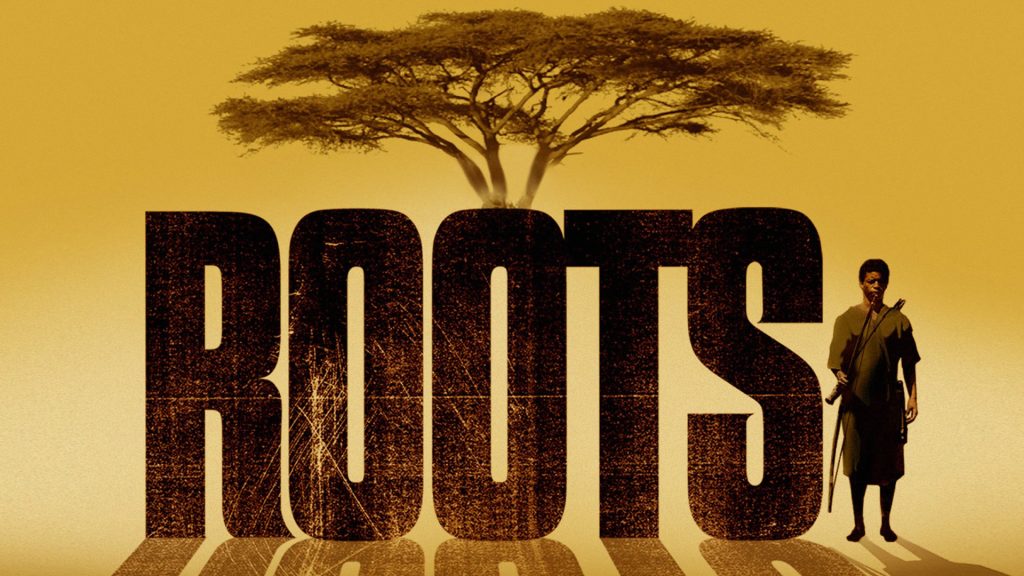
The television adaptation of Alex Haley’s novel brought slavery and Black history into American living rooms. It shifted public perception and deepened awareness of racial history.
26. Bakke v. Regents of the University of California (1978)
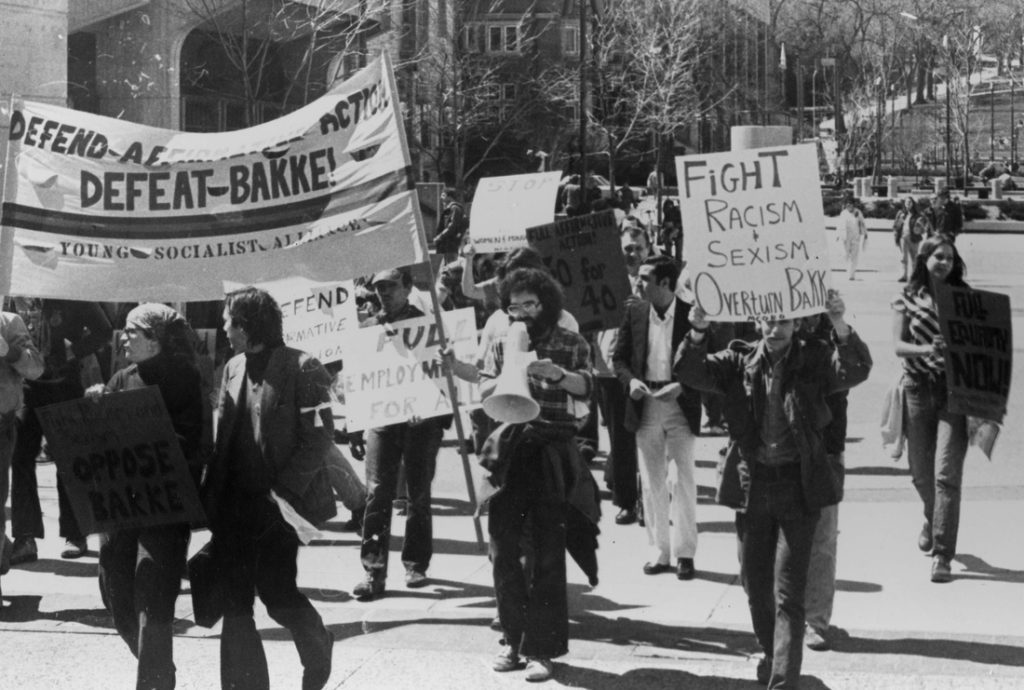
This Supreme Court case ruled against racial quotas but upheld affirmative action. It set a precedent for balancing diversity with individual rights in higher education.
27. Martin Luther King Jr. Day Becomes a Federal Holiday (1983)
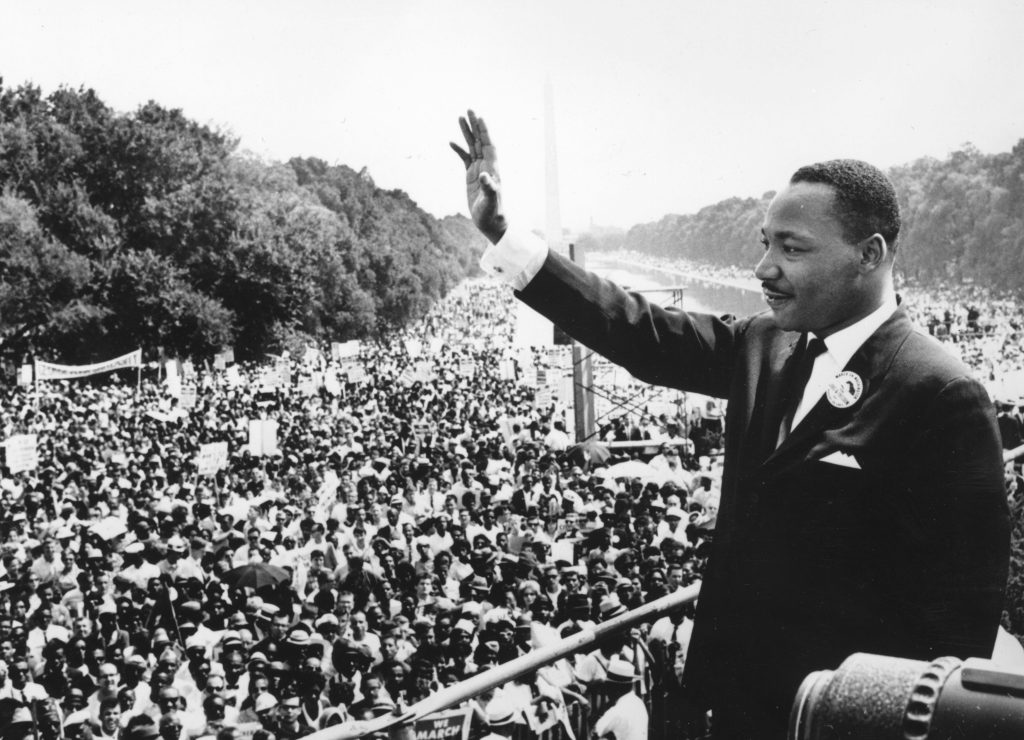
Signed into law by President Reagan, the holiday honors King’s legacy. It became a day of national reflection and civic service.
28. Jesse Jackson’s Presidential Campaign (1984 & 1988)
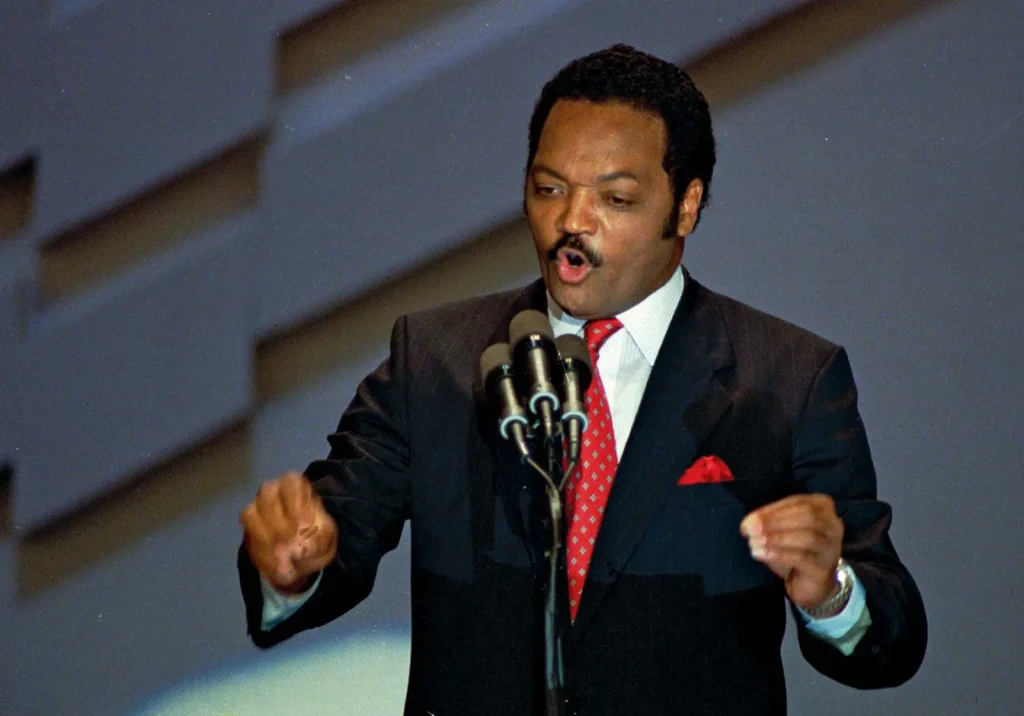
Jackson became the first African American to mount a serious presidential bid. His campaigns expanded the conversation around race, poverty, and coalition politics.
29. Rodney King Beating and LA Riots (1992)
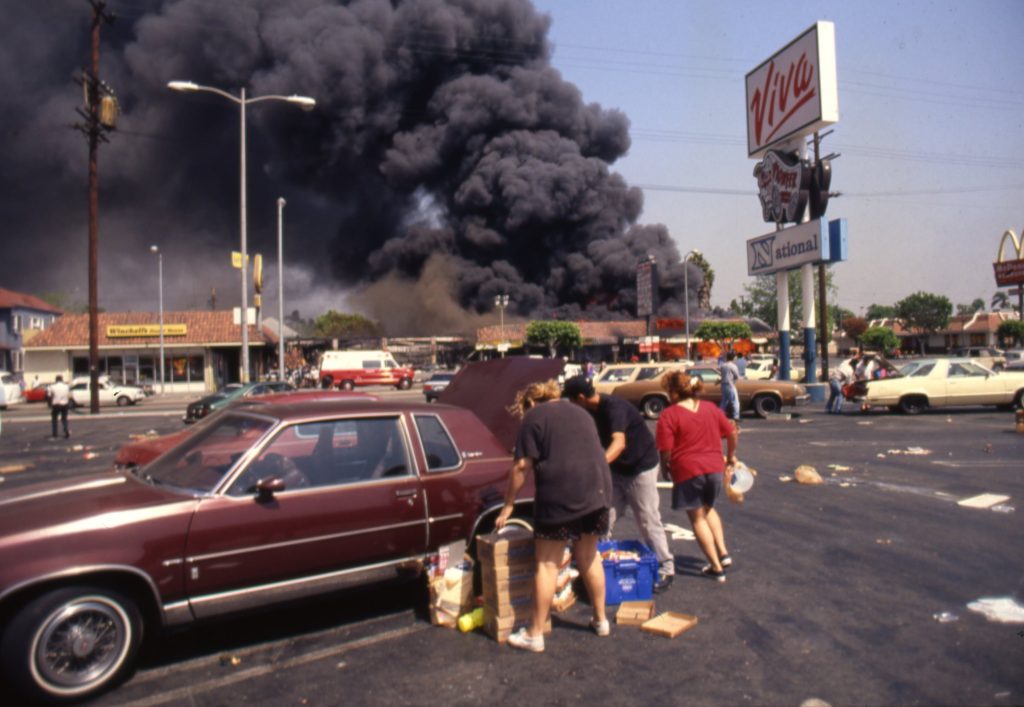
After four officers were acquitted in the beating of Rodney King, Los Angeles erupted in unrest. The incident spotlighted systemic police brutality and the limits of reform.
30. Barack Obama Elected President (2008)
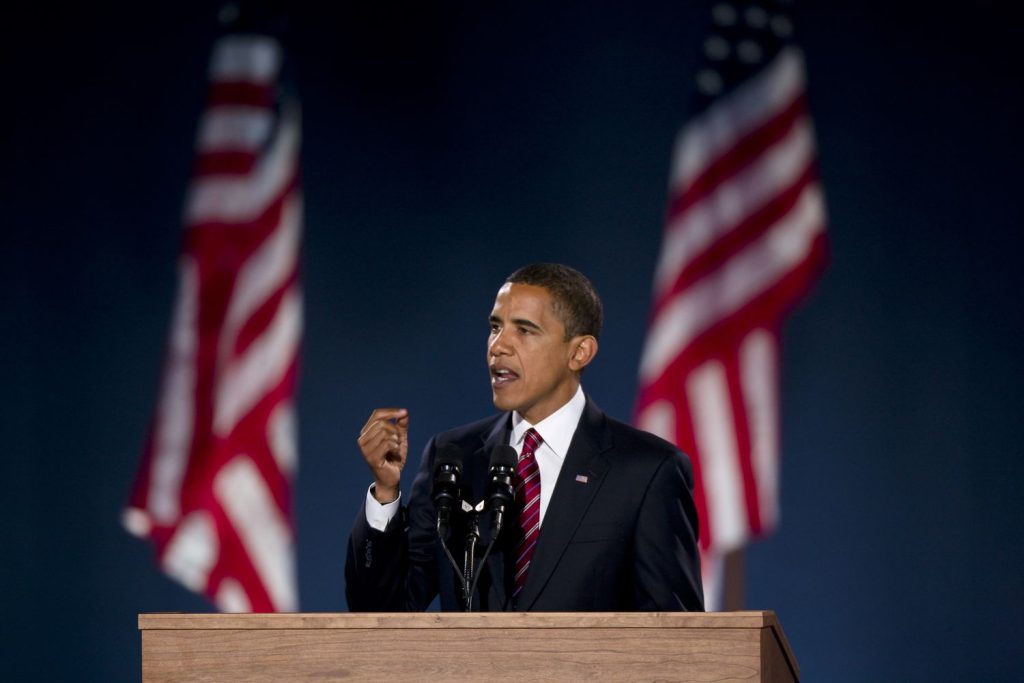
Some people consider Obama’s election as the first Black U.S. president marked a symbolic milestone. Though not the end of the struggle, it represented progress once thought impossible.