Live music history is filled with moments that redefined popular culture, from sprawling outdoor festival fields to packed baseball stadiums. Decades ago, securing a stub for a legendary performance required lining up at a box office rather than navigating high stress online queueing systems. While fans today spend small fortunes for standard stadium views, looking back at historical admission prices offers a startling perspective on inflation and industry growth. Here is a breakdown of 30 iconic concerts and what it actually cost to witness music history unfold.
The Beatles at Shea Stadium – 1965

When the Fab Four took the field in Queens for the first major stadium concert in pop history, a top tier seat cost just $5.75. Over 55,000 screaming fans crammed into the venue, creating an environment where the roar of the audience completely overpowered the stadium sound system. The historic gig generated over $300,000 in gross revenue, setting an unprecedented financial benchmark for stadium tours.
Woodstock Music and Art Fair – 1969

Advance three day passes for the most famous weekend in rock history were sold for $18, which equates to roughly six dollars per day. Organizers expected around 50,000 attendees, but over 400,000 people descended upon Bethel, New York. The overwhelming crowd eventually forced producers to abandon ticket booths altogether, turning the legendary gathering into a free event.
The Rolling Stones at Altamont Speedway – 1969

Attempting to create a West Coast counterpart to Woodstock, the British rock icons organized a massive outdoor concert with free admission for all attendees. Held mere months after the Bethel gathering, the event attracted over 300,000 music lovers to a desolate motor racetrack. Security was notoriously handed over to the Hells Angels motorcycle club in exchange for $500 worth of beer, leading to disastrous consequences.
Jimi Hendrix at Monterey Pop Festival – 1967

Single day passes for the California gathering that launched the summer of love cost attendees between $3 and $6.50. The festival served as the historic American breakthrough for several legendary acts who performed for nominal artist fees. Hendrix closed his fiery set by setting his Fender Stratocaster ablaze on stage, leaving the audience stunned.
Isle of Wight Festival – 1970

Priced at £3 for a weekend pass, this British gathering stands as one of the largest human assemblies in European history. An estimated 600,000 people inundated the small island to witness final festival appearances from legendary artists. Gate crashers tore down perimeter fences on the third day, prompting promoter Rikki Farr to declare the festival a free event over the loudspeakers.
Frank Sinatra at the Sands Hotel – 1966

Catching Ol' Blue Eyes in the Copa Room alongside Count Basie required a modest $5 cover charge that included dinner and drinks. Fans packed the intimate 600 seat room in Las Vegas to hear iconic live renditions of classics later captured on a hit live album. Original souvenir ticket stubs from those night shows regularly fetch hundreds of dollars among music collectors.
Elvis Presley Aloha From Hawaii – 1973

No set ticket price existed for the first live solo concert broadcast worldwide via satellite across the globe. Instead, audience members were asked to make a voluntary donation of any amount to benefit the Kui Lee Cancer Fund. The charity performance raised over $75,000 while drawing a global television audience estimated at over one billion viewers.
David Bowie Ziggy Stardust Retirement Show – 1973

Fans paying £1.20 at London's Hammersmith Odeon had no idea they were about to witness a monumental piece of rock theater. Bowie shocked the crowd and his own backing band by announcing from the stage that it was the last show he would ever perform. The dramatic farewell marked the formal retirement of his alter ego rather than his actual music career.
Fans paying £1.20 at London's Hammersmith Odeon had no idea they were about to witness a monumental piece of rock theater. Bowie shocked the crowd and his own backing band by announcing from the stage that it was the last show he would ever perform. The dramatic farewell marked the formal retirement of his alter ego rather than his actual music career.

Attending the two night extravaganza in Los Angeles cost lucky concertgoers a maximum of $10 per ticket. Wearing a custom sequined Dodgers baseball uniform, the British superstar played to more than 100,000 people across both sold out dates. The shows represented the highest grossing concert event by a single solo artist at that point in time.
S*x Pistols at Lesser Free Trade Hall – 1976

Only around forty people paid fifty pence to enter the upstairs room in Manchester for a show that altered punk history. Among the tiny audience were future members of Joy Division, The Smiths, and The Buzzcocks, who all formed bands immediately after watching the performance. Legend claims that virtually everyone in attendance that night went on to shape the next decade of British alternative music.
Bob Dylan at Free Trade Hall – 1966

Fifteen shillings was all it took to secure a seat at the Manchester venue where folk music history collided with electric rock. Audience members initially sat through an acoustic set before Dylan returned with an electric band, provoking a famous shout of "Judas!" from a hostile fan. Dylan famously instructed his band to play as loudly as possible in response to the audience heckling.
Fleetwood Mac Rumours Tour – 1977

A standard ticket during the North American leg of this record breaking album tour cost fans just $8.50. Despite intense interpersonal drama and emotional friction within the band, the group delivered pristine vocal harmonies and high energy arena shows night after night. The tour helped push the featured album to sell tens of millions of copies worldwide.
Bob Marley and the Wailers at One Love Peace Concert – 1978

Admission to the National Stadium in Kingston was set at $10 during a period of intense political strife in Jamaica. Over 30,000 citizens crammed into the venue during a severe civil emergency to witness rival political leaders hold hands on stage. Marley's transcendent performance remains one of the most powerful political statements ever delivered through reggae music.
AC/DC Highway to H*ll Tour – 1979

Hard rock enthusiasts needed only $8.50 to catch the Australian group during their breakthrough American arena run. The energetic tour featured lead vocalist Bon Scott at the absolute peak of his fronting power just months before his tragic passing. Audiences were treated to relentless guitar riffs and raw vocal performances that solidified the band's international legacy.
Led Zeppelin at Knebworth – 1979

Entry passes for the legendary British band's long awaited return to UK stages cost £7.50 for a full day of music. Over 100,000 fans gathered on the English estate grounds for each of the two outdoor festival dates. The triumphant shows marked the final major UK appearances of the original four member lineup.
Pink Floyd The Wall Tour – 1980

Constructing a giant cardboard wall across the stage every night meant ticket prices reached a relatively high $15 for arena attendees. The elaborate theatrical production was so expensive and logistically complex that the band only mounted shows in four cities worldwide. Due to massive production overhead costs, keyboardist Richard Wright was ironically the only member to turn a profit because he was hired as a salaried musician.
The Doors at the Hollywood Bowl – 1968

Experiencing Jim Morrison and his bandmates live at the famed California amphitheater required an admission fee of $4.50. The performance was recorded using high quality multi-track audio and multi-camera film equipment, capturing the band at their musical peak. Morrison kept his usual wild stage antics subdued, yielding a remarkably focused live document.
Simon and Garfunkel in Central Park – 1981

Reuniting on the Great Lawn in New York City, the iconic folk duo performed for an audience of over 500,000 people completely free of charge. The benefit concert aimed to raise funds and awareness for the restoration of the urban parkland. The live recording and television special became a global hit, proving the timeless appeal of their musical partnership.
Prince Purple Rain Tour – 1984

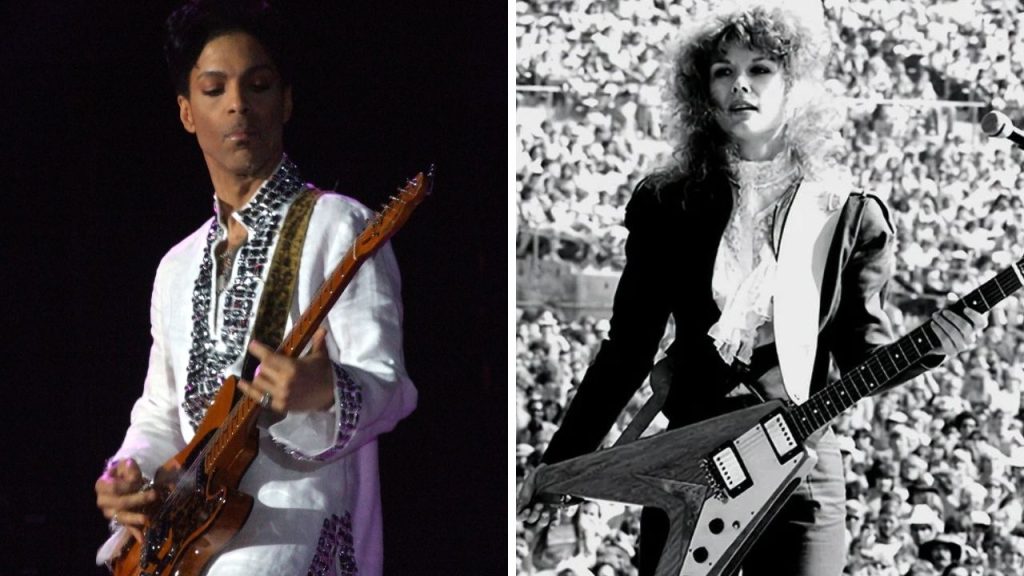
Capitalizing on a hit movie and chart topping album, concert stubs were priced uniformly at $15 across American arenas. Prince performed extended multi-instrumental solos and rapid dance routines alongside The Revolution for nearly two hours per night. Demand was so intense that the tour sold over 1.7 million tickets across nearly one hundred dates.
Bruce Springsteen Born in the U.S.A. Tour – 1984

Fans lining up at stadium box offices across North America paid an average of $16 to catch the marathon three hour performances. Springsteen explicitly fought with promoters to keep ticket prices accessible for his working class fan base during the massive stadium outing. The legendary tour cemented his reputation as one of the most dedicated live performers in rock history.
Madonna The Virgin Tour – 1985

Attending the pop star's very first concert tour set fans back around $15 per seat in major North American theater venues. Thousands of teenage girls dressed in lace tops, fingerless gloves, and hair bows flooded venues to copy her signature style. The overwhelming demand forced promoters to quickly upgrade smaller venues to full size arenas.
Live Aid at Wembley Stadium – 1985

Securing a spot inside London's iconic stadium for the world changing dual venue benefit concert cost music lovers just £5. Queen stole the entire broadcast with a twenty minute performance that is widely considered the greatest live festival set ever captured on video. The global event raised tens of millions of dollars for African famine relief.
Queen at Wembley Stadium – 1986

Returning to the same stadium one year after Live Aid, the band charged fans £14.50 for what would become their ultimate stadium tour with Freddie Mercury. Wearing his iconic yellow jacket, Mercury commanded a crowd of over 70,000 fans over two consecutive sold out summer nights. The recording of the show became one of the most celebrated live albums in classic rock history.
Guns N' Roses Use Your Illusion Tour – 1991

Standard arena tickets for one of the most volatile concert runs in rock history averaged roughly $25 per night. Lasting over two years and spanning 192 dates worldwide, the massive production featured wild pyrotechnics, unpredictable stage arrival times, and sprawling instrumental solos. The tour drew millions of fans despite frequent on stage delays and venue riots.
Monsters of Rock Moscow – 1991

Following historic political shifts in Eastern Europe, a massive free festival was hosted at Tushino Airfield featuring Metallica and AC/DC. An estimated crowd of over one million music fans assembled on the runway field to experience Western heavy metal bands live for the first time. The military was deployed to manage the crowd, creating an indelible visual symbol of cultural transformation.
Michael Jackson Dangerous World Tour – 1992

Attending the King of Pop's massive European and Asian stadium leg cost fans an average of $30 to $45 per ticket. The show featured ground breaking stage illusions, including Jackson being launched high into the air via a mechanical catapult system. All profits from the entire sixty nine date tour were donated to various children's charities around the globe.
U2 Zoo TV Tour – 1992

Priced around $30, this revolutionary tour featured massive satellite dish arrays, dozens of television monitors, and live phone calls from the stage. The Irish rock band completely transformed stadium staging by satirizing media overload and commercial culture. The tour set new standards for stadium lighting and video production technology.
Nirvana at Reading Festival – 1992

Festival goers paid £22.50 for a day ticket to witness grunge music take center stage on the main festival grounds. Kurt Cobain famously pushed himself onto the stage in a wheelchair wearing a medical gown to mock media rumors about his health. The band delivered a blistering headline set that defined the 1990s alternative rock movement.
Oasis at Knebworth – 1996

Weekend passes to the peak event of the Britpop era were priced at £22.50, drawing over 2.6 million applicant requests for tickets. Over 250,000 fans successfully attended the two night gathering, representing over two percent of the total British population at the time. The historic weekend became the definitive musical statement of nineties youth culture in the UK.
Led Zeppelin Celebration Day – 2007

Face value tickets for this one night only tribute concert were priced at £125, but secondary market demand exploded into total madness. Over twenty million fans applied for the twenty thousand available seats through an online lottery system, causing ticketing servers to crash instantly. Desperate fans on secondary auction sites paid thousands of dollars per stub, setting an absolute record for reunion ticket demand.